

All the winners from the 2026 Cartier Style et Luxe concours d’elegance
Not every element of the Goodwood Festival of Speed presented by Mastercard is conducted at pace amid a cacophony of sound. Over on the Cartier Style et Luxe Lawn, the pace is slower and there’s a little more decorum. But that doesn’t mean there’s no element of competition. On Sunday afternoon, a panel of hand-picked judges deliberated over every car to choose a winner in each category and, most importantly, which car claims overall honours. Here are the victors from 2026...
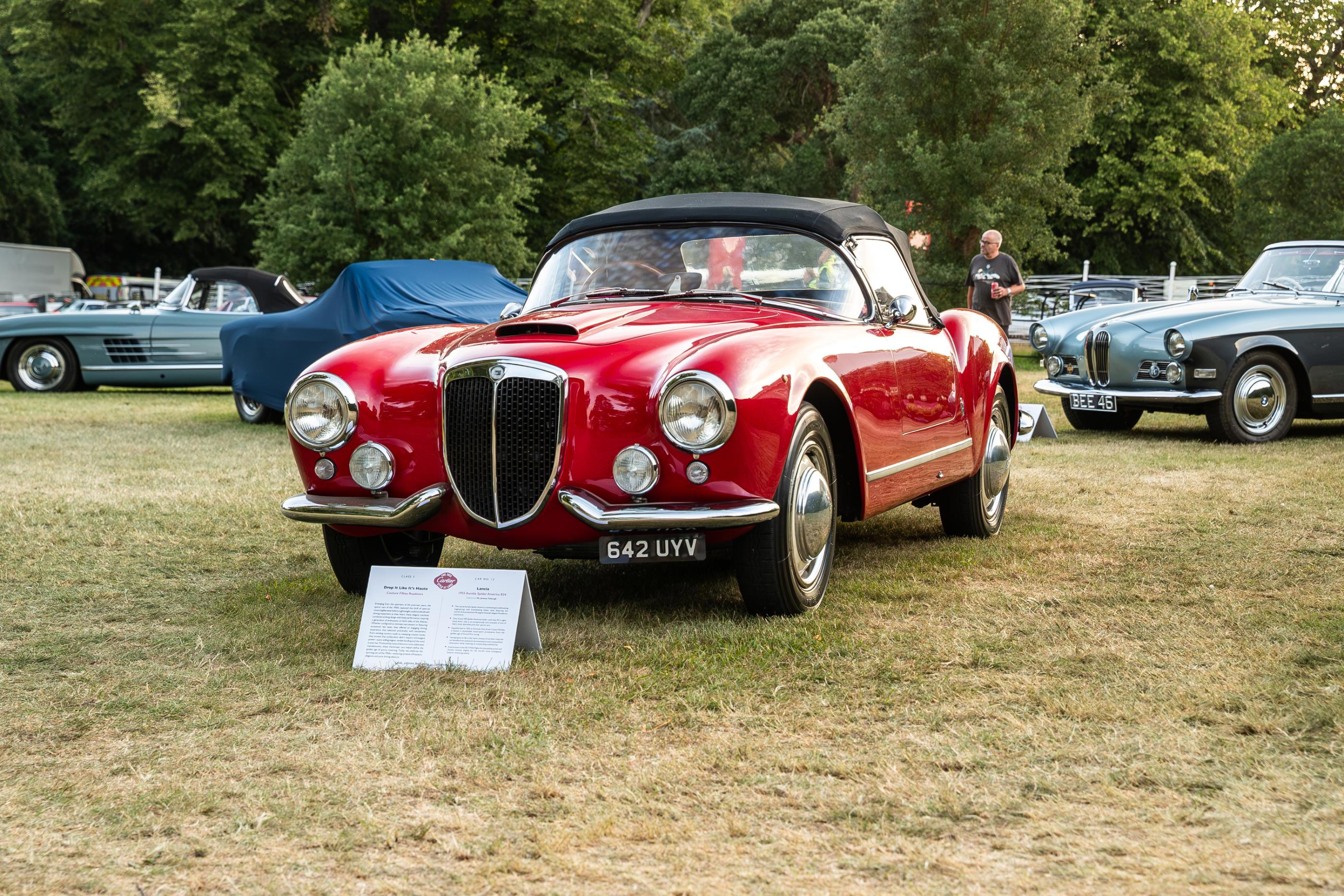
Best of Show
1955 Lancia Aurelia Spider America
This beautiful Lancia Aurelia was among the class of 1950s ‘couture’ roadsters and, even among such exalted company, stood out as something special. There’s not a line out place on the hand-formed Pininfarina bodywork, but it’s also more than just a pretty face.
Beneath the skin is the world’s first ever production car V6 engine, so it had advanced engineering to back up the filmstar looks. Scarcity is on its side, too. Only 240 examples were ever built, and the winning car is one of just 24 in right hand drive.
All of this conspired to make it the judges’ top choice among a field of stiff opposition.
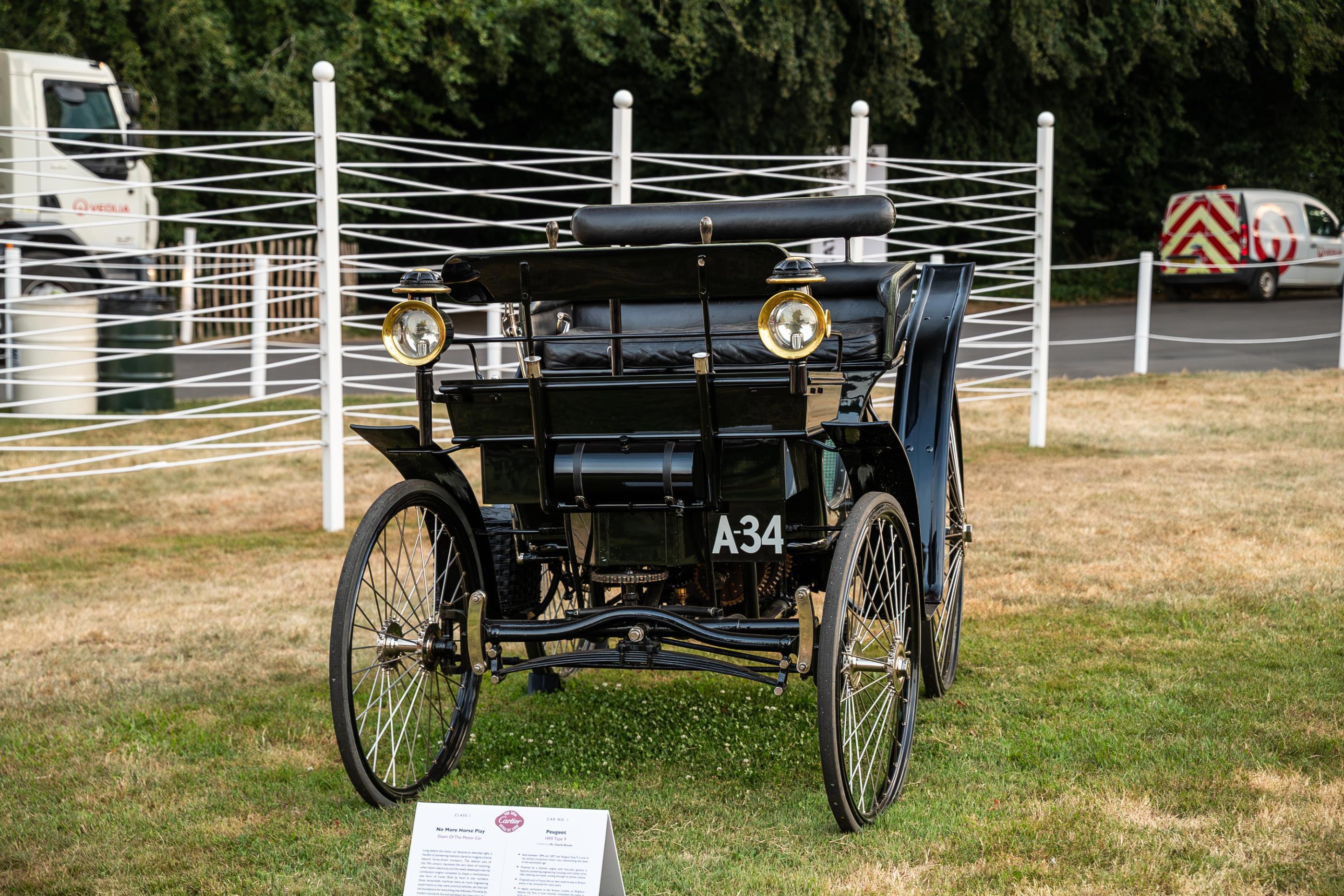
The Dawn of the Motor Car
1895 Peugeot Type 9
It was the 1895 Peugeot Type 9 that tugged most strongly on our judges’ heartstrings in our category entitled ‘The Dawn of the Motor Car’. All the cars here hailed from the late 19th century, and each one had its own unique approach to the then-new concept of a motor car. There was little consensus on how a car would be formatted at that time, these cars essentially being experimental.
It’s fitting that a French car won given how instrumental France was in pioneering the motor car. The Peugeot Type 9 was built between 1894 and 1897, and this one was initially sold in its home nation before being exported to the UK.
It has been in the UK for many years, and a sympathetic restoration has retained many original components to make this an authentic representation of the earliest days of motoring.
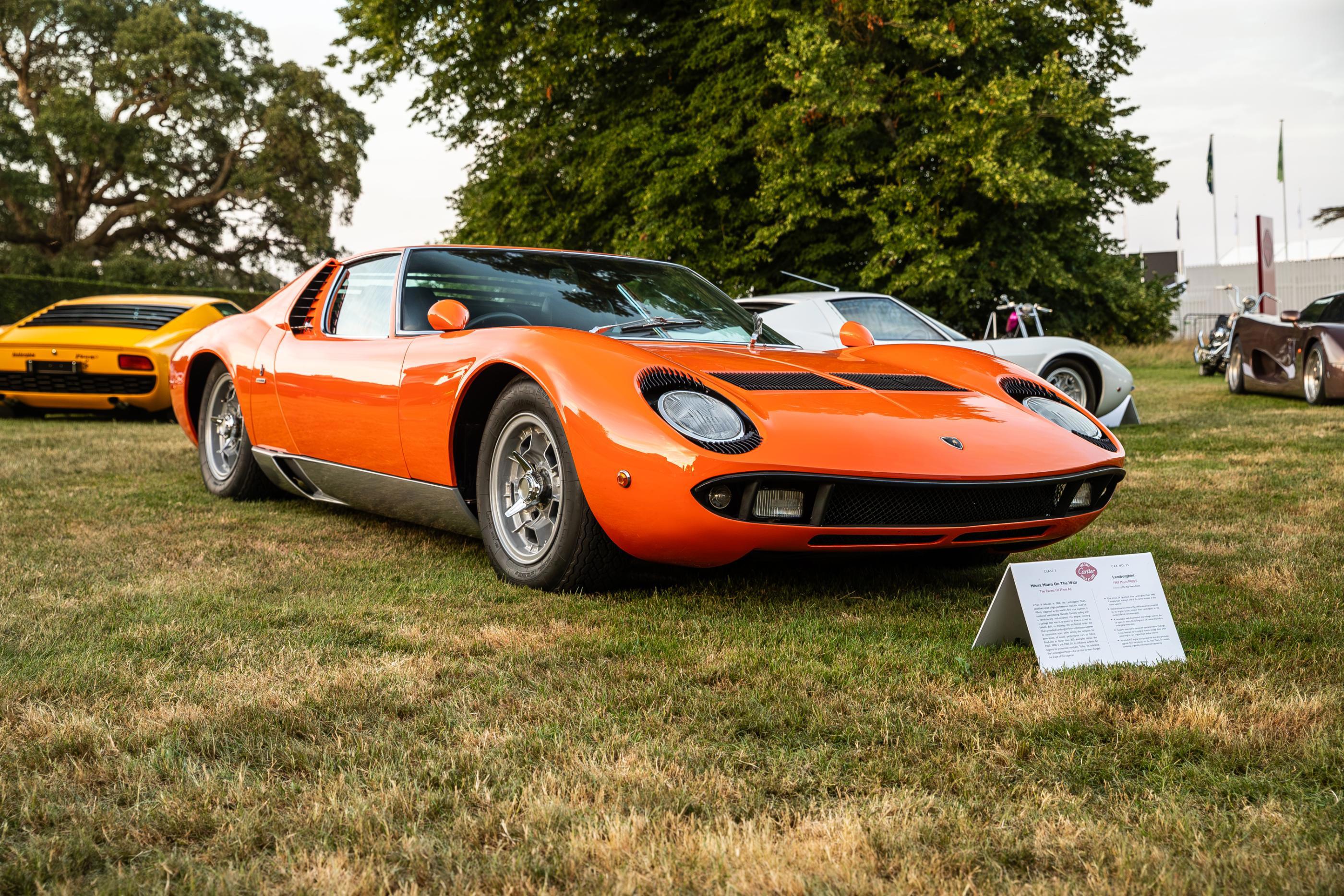
Miura Miura on the Wall
1969 Lamborghini Miura P400 S
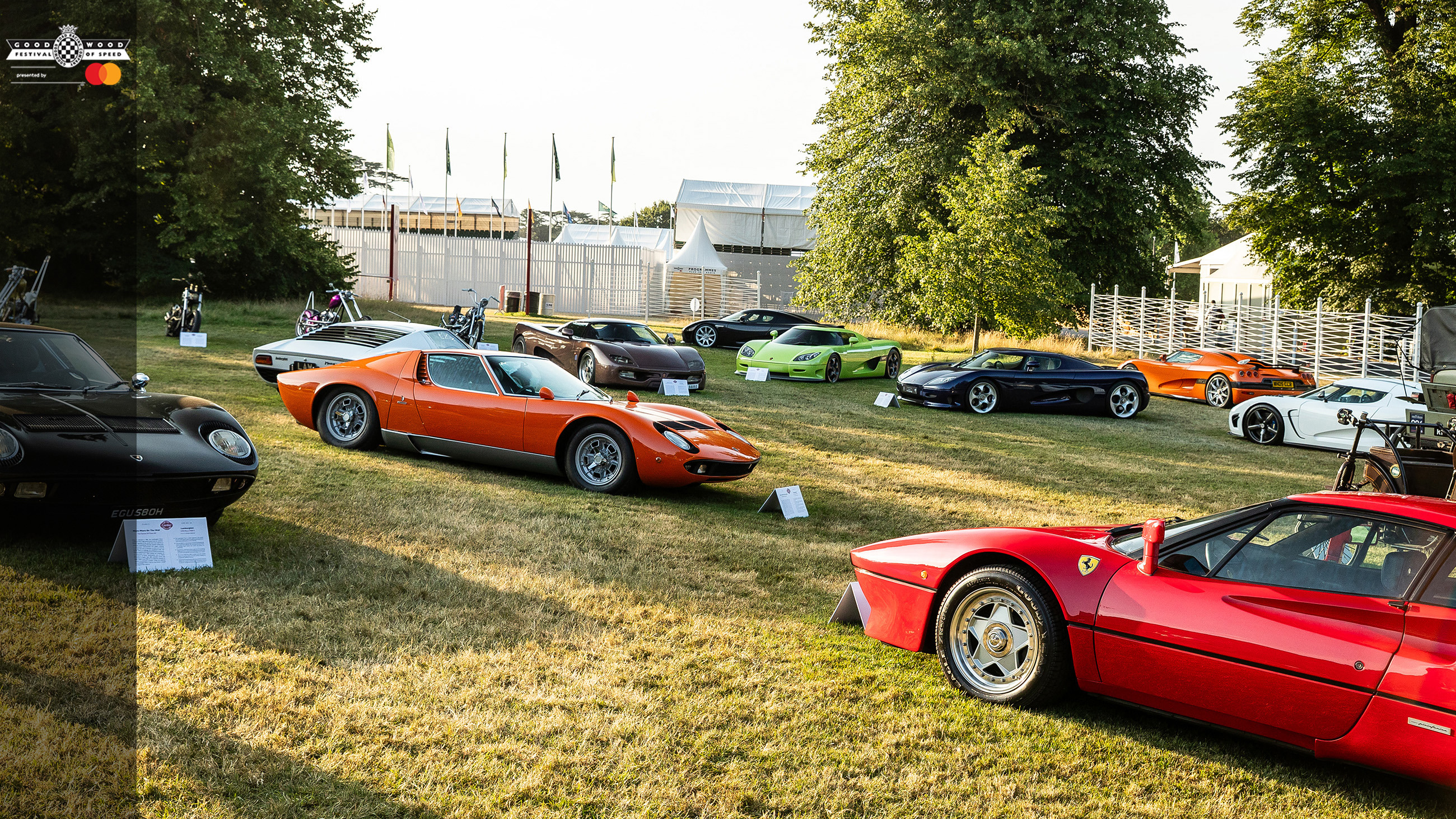
Widely regarded as the first supercar, the Lamborghini Miura defined a genre when it arrived in 1966. Low-slung and fitted with a mid-mounted V12 engine, it defined the format not just for Lamborghini itself but the entire genre. Total production ran to fewer than 800 examples, and seeing six on the Cartier Lawn was a sight to behold.
The winning car was this 1969 P400 S, which was supplied new to the UK and is still accompanied by its original Lamborghini sales invoice. It's one of just 24 right-hand-drive P400 S models made, and has been returned to its original striking Arancio Orange hue. The rare original black leather interior is still fitted, too. A wonderful low mileage example of the original supercar.
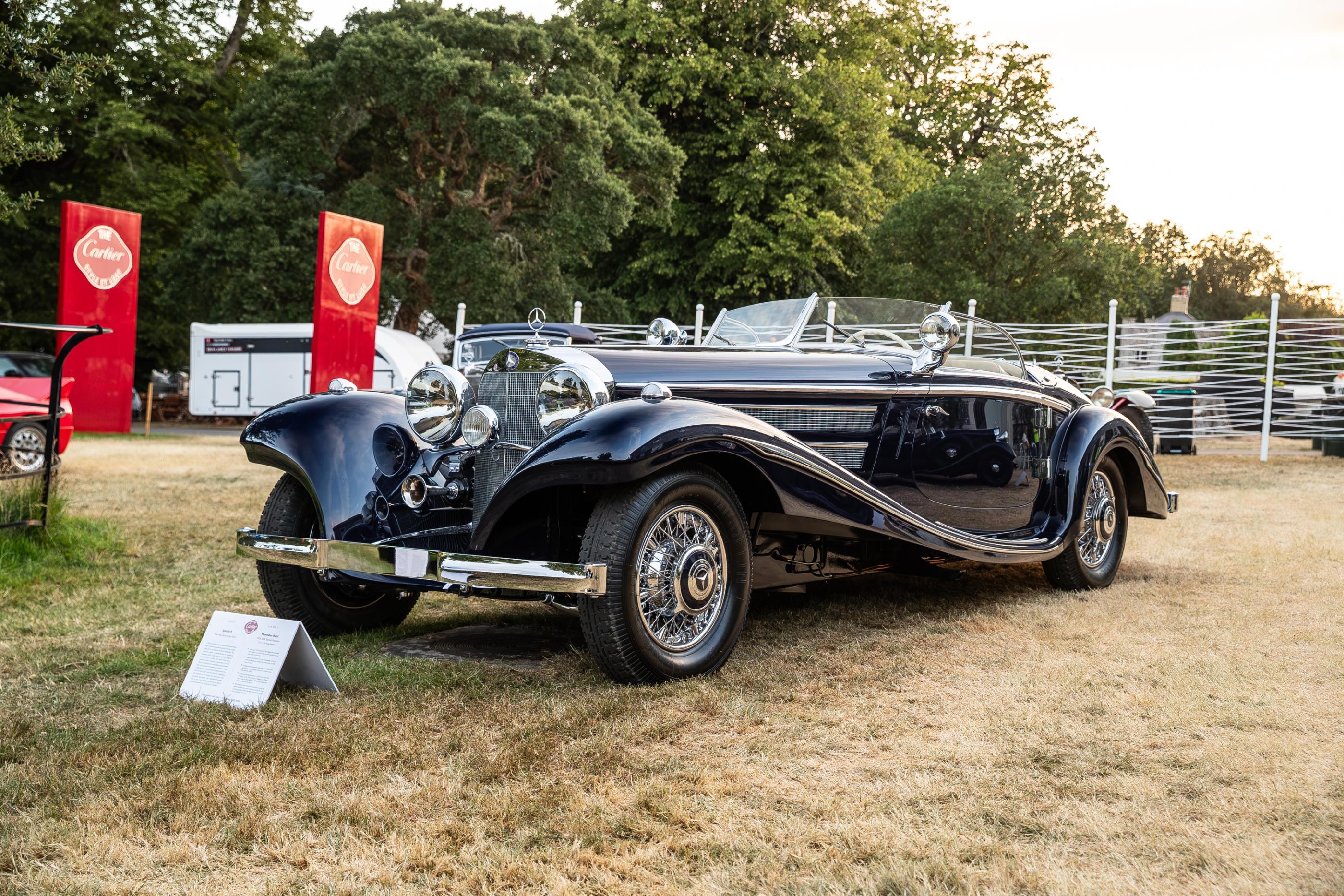
Mercedes-Benz Super Stars
1936 Mercedes-Benz 500K Roadster
Our Mercedes-Benz class celebrates 100 years since the merger between Benz & Cie and Daimler-Motoren-Gesellschaft resulted in the company we still know today. Mercedes-Benz immediately established itself as a force in the luxury car market and in motorsport.
The class-winning 500K Spezial Roadster is no stranger to collecting silverware. When it was new, 90 years ago, it won the Grand Prix d’Honneaur at the Concours d’Elegance de Cannes. It has also scooped prizes at Pebble Beach and Salon Privé. Now it can add the Goodwood Cartier Style et Luxe class win to its trophy cabinet.
One of just 12 cars of its kind, this example was originally commissioned by Prince Chavchavadze of Paris. The long-tail Spezial Roadster is often regarded as the most beautiful of the 500K variants.
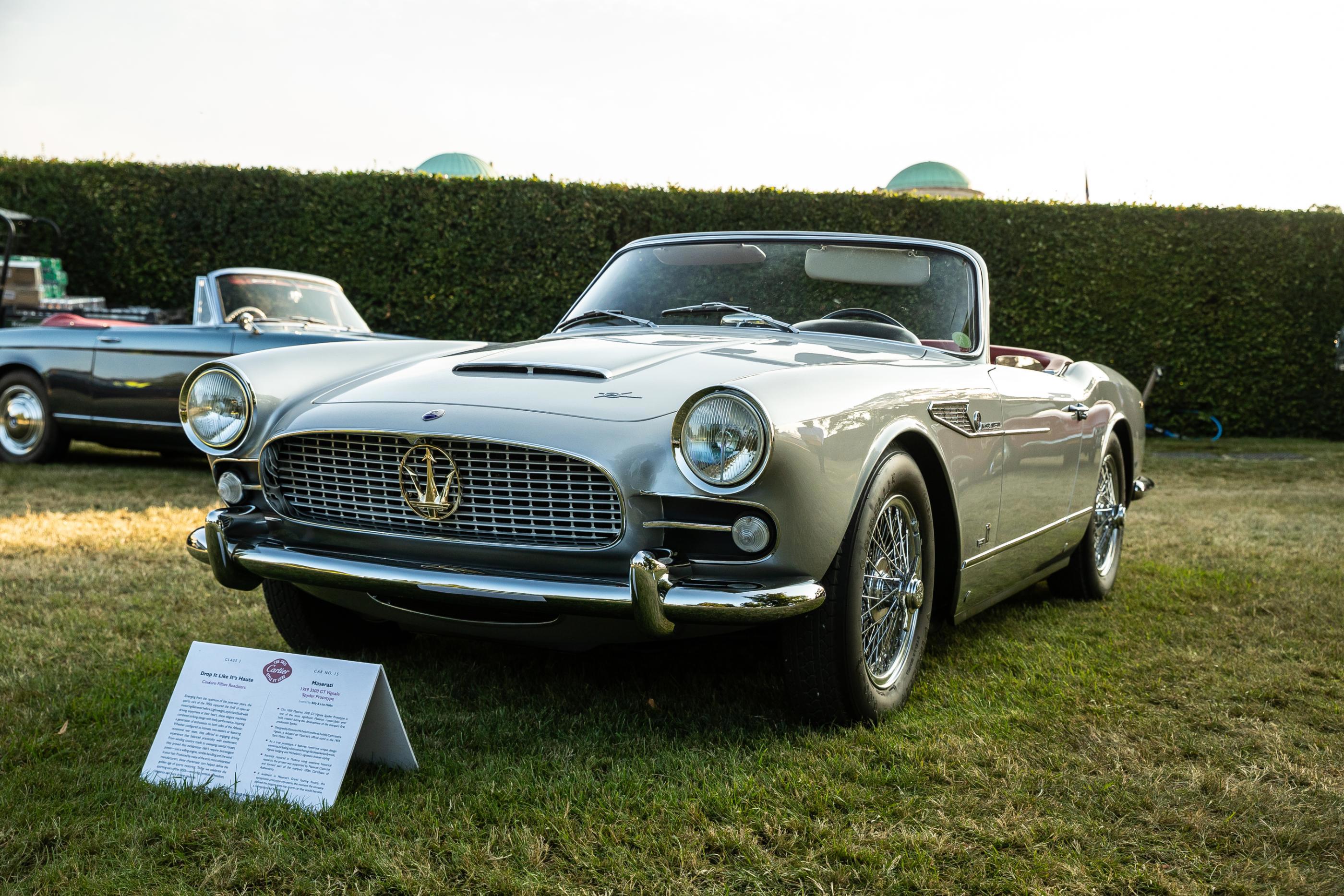
Couture Fifties Roadsters
1959 Maserati 3500 GT Vignale Spyder Prototype
While the Lancia Aurelia Spider America took overall honours in the 2026 Cartier Style et Luxe concours, the class was won by this 1959 Maserati 3500 GT Vignale Spyder Prototype. Its prototype status means it features a number of one-off design elements in its bodywork and grille.
The body was formed by Vignale having been styled by Giovanni Michelotti, and was first seen in public at the 1959 Turin Motor Show. The car has recently undergone a restoration in Modena that required much historical research.
Given how grand touring cars became a staple of Maserati’s line up after the 3500 GT, this car represents a significant milestone in the marque’s history.
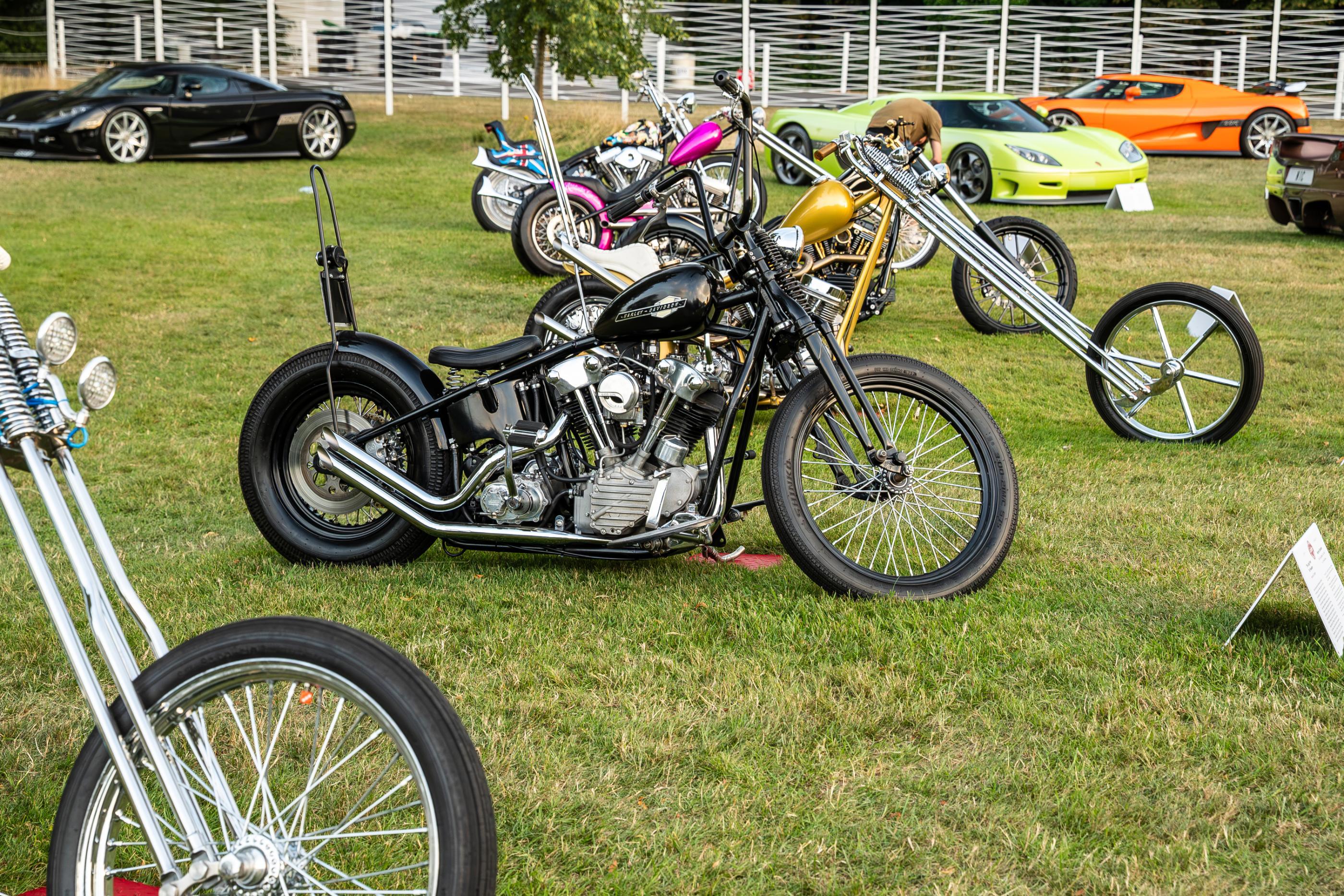
American Choppers
1963 Harley Davidson Knucklehead ‘Lost Soul’
American choppers are an expression of individual creativity. They originated when US servicemen returned after World War II and made their Harley-Davidsons faster by making them lighter with custom parts. As showroom models evolved to become faster in stock form, choppers pivoted more to encapsulate a certain aesthetic (and performance and handling could hang).
Our line-up on the Cartier lawn captivated visitors, and it was ‘Lost Soul’ that won over our judges. Based on a 1963 Harley-Davidson, it perfectly captured the spirit of a post-war chopper with its 21-inch front wheel, ape hanger handlebars and WLA-style springer forks. To top it off, it has an S&S Knucklehead V-twin engine.
It has a wonderful blend of heritage and individuality that perfectly encapsulates this genre of custom-built machines.
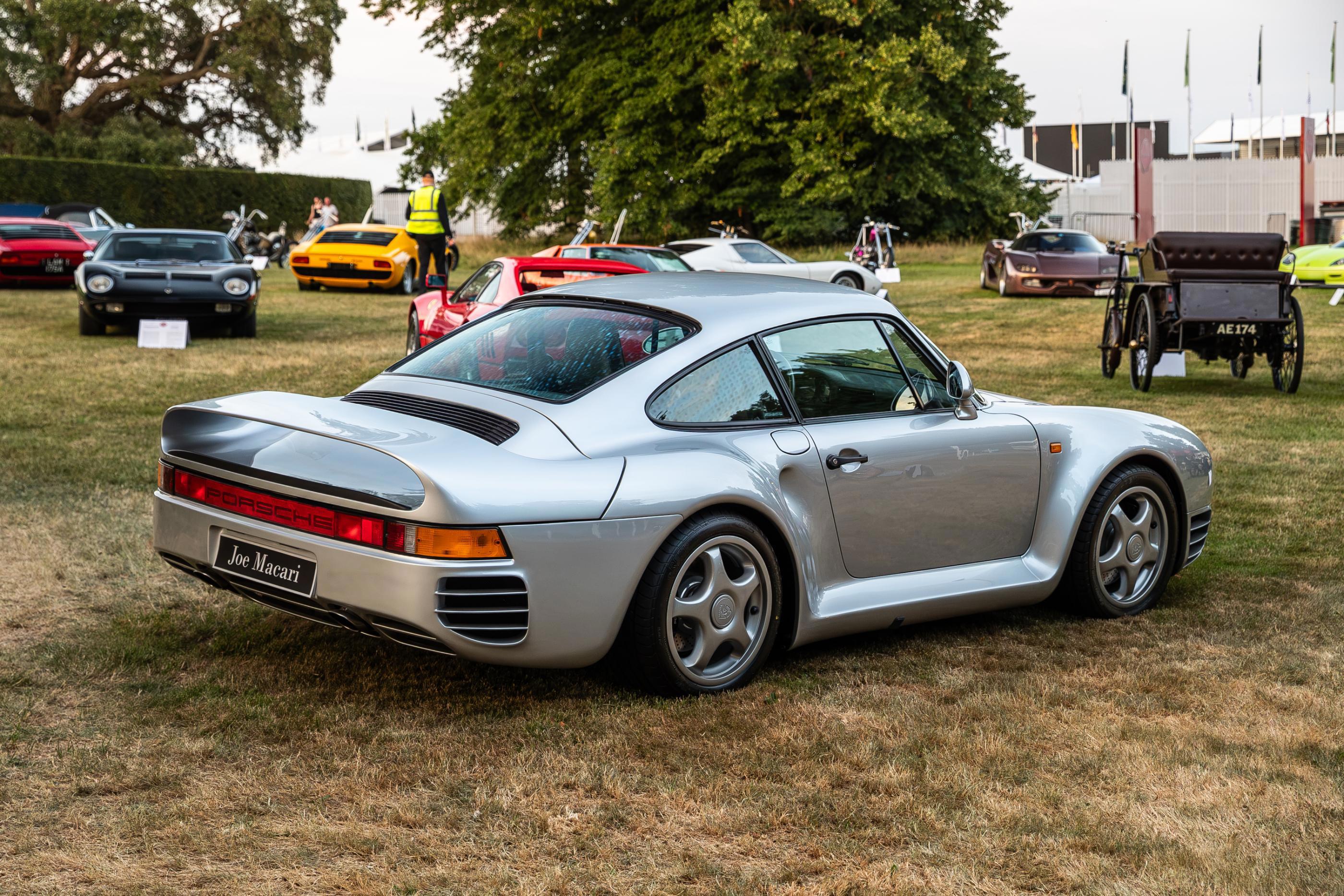
Sports Cars Born to Race and Rally
1988 Porsche 959 Komfort
The 1980s gave rise to one of motoring's most exciting eras, when success on the rally stage and racetrack demanded road-going production cars built to homologate their competition counterparts. The ‘Born to Race and Rally’ category brought together an array of cars whose production numbers were low and performance high.
And the winner was the Porsche 959. Derived from the 911, it was transformed with a Kevlar-reinforced body, much improved aerodynamics and sophisticated all-wheel-drive. Thanks to its twin-turbocharged flat-six engine, it was the fastest production of its era with a 0-60mph time of sub four seconds and a top speed of close to 200mph.
Only 179 Komfort models were produced among the limited number needed to satisfy the homologation requirements of Group B.
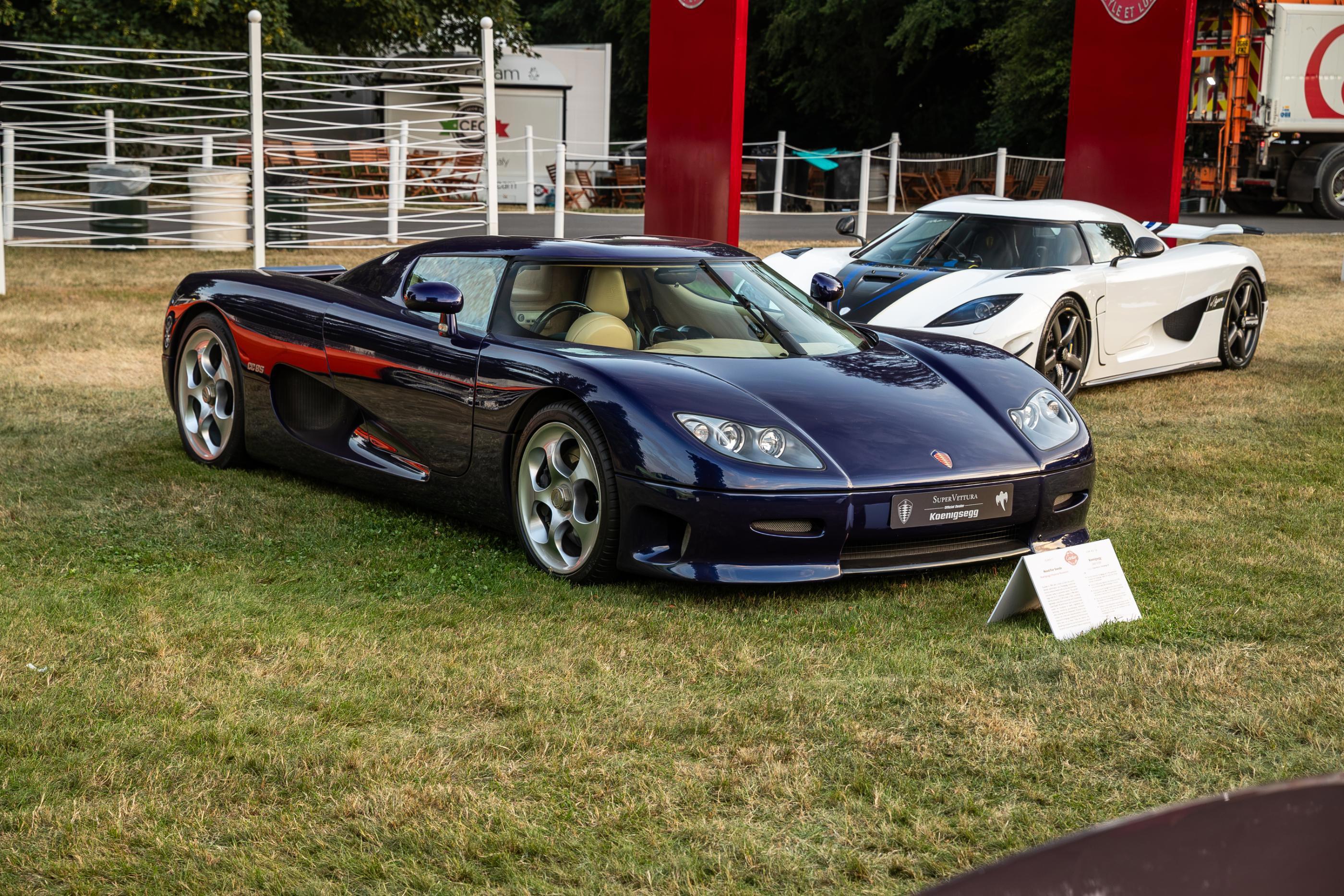
Koenigsegg’s Hypercar Revolution
2003 CC8S, SuperVettura
Christian von Koenigsegg’s vision to become a supercar maker started as a childhood dream, and through sheer grit and determination he made it a reality. After ten years of development, the 2003 CC8S was the first production model. Only six were built, making it a rare edition of an already rarefied bunch.
From launch, the CC8S held the Guinness World Record for the most powerful production car engine, which established Koenigsegg among the supercar establishment. This example was bought new by collector Peter Saywell and, ten years later, returned to the factory for refurbishment.
As the car that laid the foundation of what was to follow, it’s fitting that the judges chose this beautifully presented example of the CC8S as their winner.
Photography by Joe Harding.
Festival of Speed
FOS
FOS 2026
cartier style et luxe
Alfa Romeo
Maserati
Lamborghini
Koenigsegg
Mercedes-Benz
Peugeot
Harley-Davidson
Porsche

Subscribe to Goodwood Road & Racing
Thank you, you’re now subscribed

How many hay bales are used at FOS?
For the last two years, 5,800 bales have been recylced into the biomass energy centre to be used for energy generation