

The NASA-trained aquanaut going down instead of up
Dr Dawn Kernagis is a Women Divers Hall of Fame inductee with cave diving records to her name. The NASA-trained aquanaut is also the science lead at Deep, the international engineering company deploying the first new open-ocean underwater human habitat in the US in 40 years.
We caught up with her ahead of Deep’s debut at the 2026 FOS Future Lab presented by Randox to discover how someone raised in a landlocked US state ended up spearheading one of the most ambitious underwater programmes of the century.
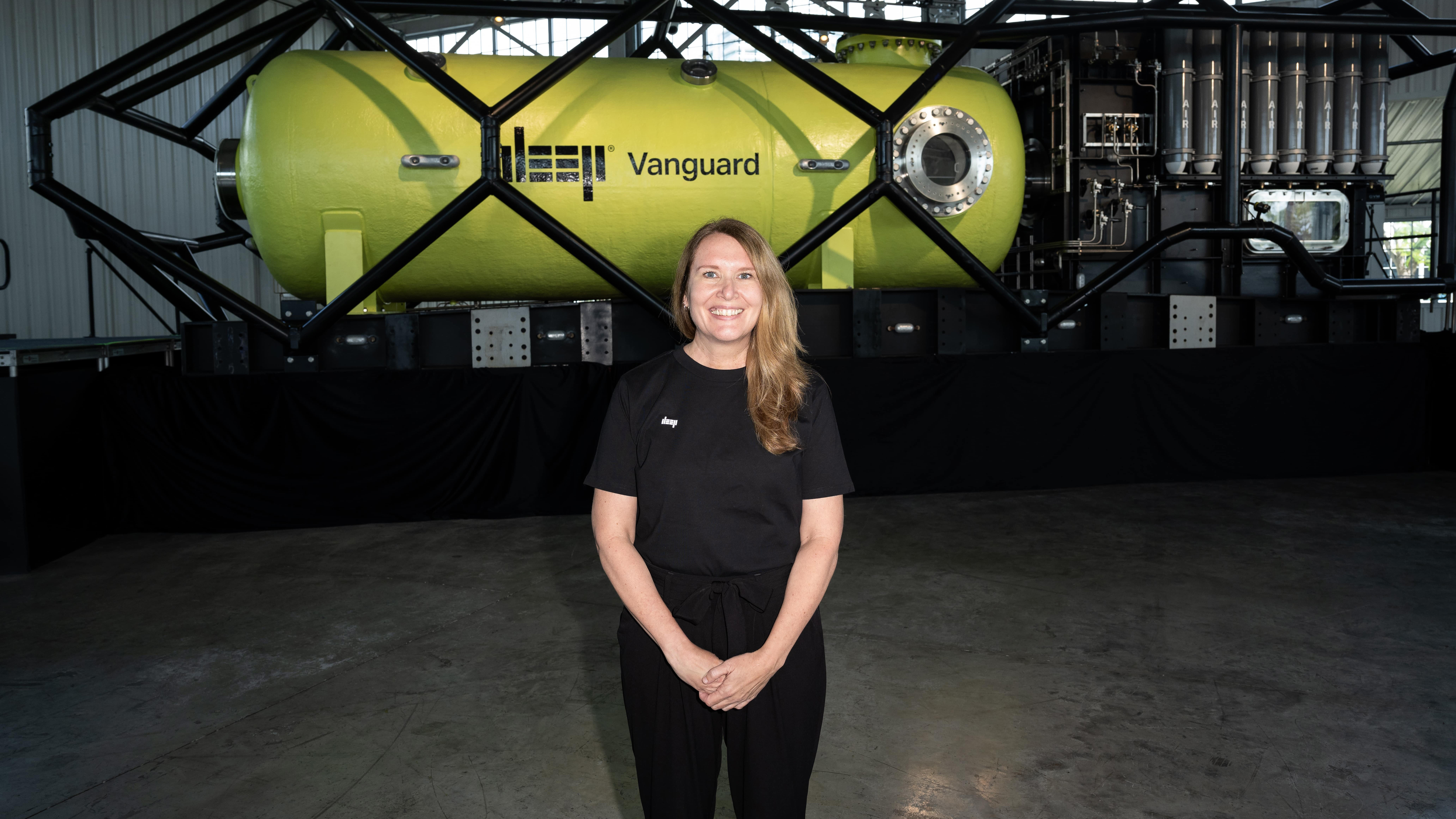
You're an aquanaut. Was that always the plan?
Definitely not. My background has been varied, but I had the chance to become an aquanaut after mostly following my heart. A big driver of what I do is that I love the ocean. I saw the Pacific for the first time when I was very little, like two or three, and you could not get me out of the water any time I was near it. When I was about eight years old, after we moved to North Carolina from Iowa, I went to an aquarium at the beach and left going, "I want to become a marine biologist. How do I do that?"
You initially grew up in a landlocked state. Did that hamper the obsession?
Anytime there was a body of water around that I was allowed to get into, I would get into it. I was always fascinated by water, whether it was the ocean, a lake or a stream. A lot of my curiosity was piqued by what we could see on TV and in books. That's why it's so critically important, especially in landlocked states or nations, to get that information and exposure out there. Showing humans interacting with the water environments really helps bring that connectivity to folks who've never experienced it before.
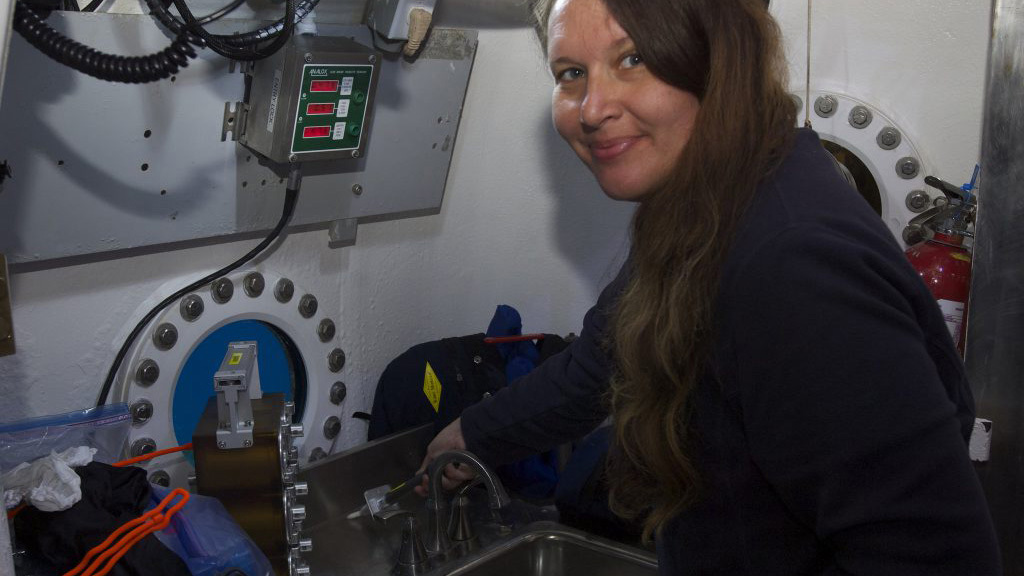
You trained with Reid Wiseman, who commanded Artemis II. How did that happen?
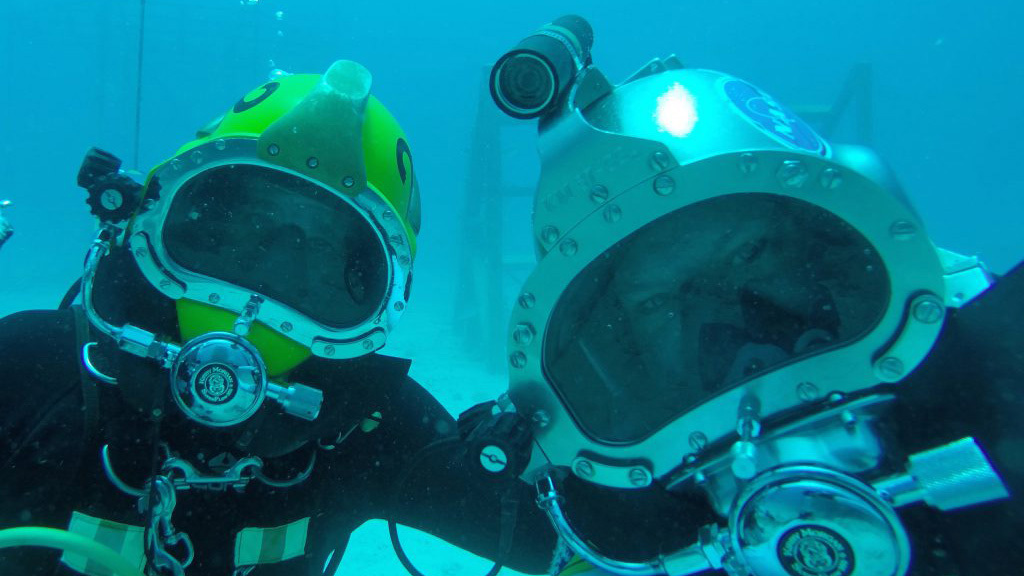
I was invited to join a NASA NEEMO mission as crew. It came out of the blue because I was going to work as a researcher on that year's programme. They asked what I thought about being crew, and I couldn't speak. I said, “You don’t have to convince me!” So, we went to the Johnson Space Center and got to meet our crew. Our two mission co-commanders were NASA astronauts — Reid Wiseman and Megan McArthur Behnken — and we had ESA astronaut Matthias Maurer with us, too. It was really cool to watch Reid's leadership skills, things we saw every day as a crew, being translated into that lunar mission years later.
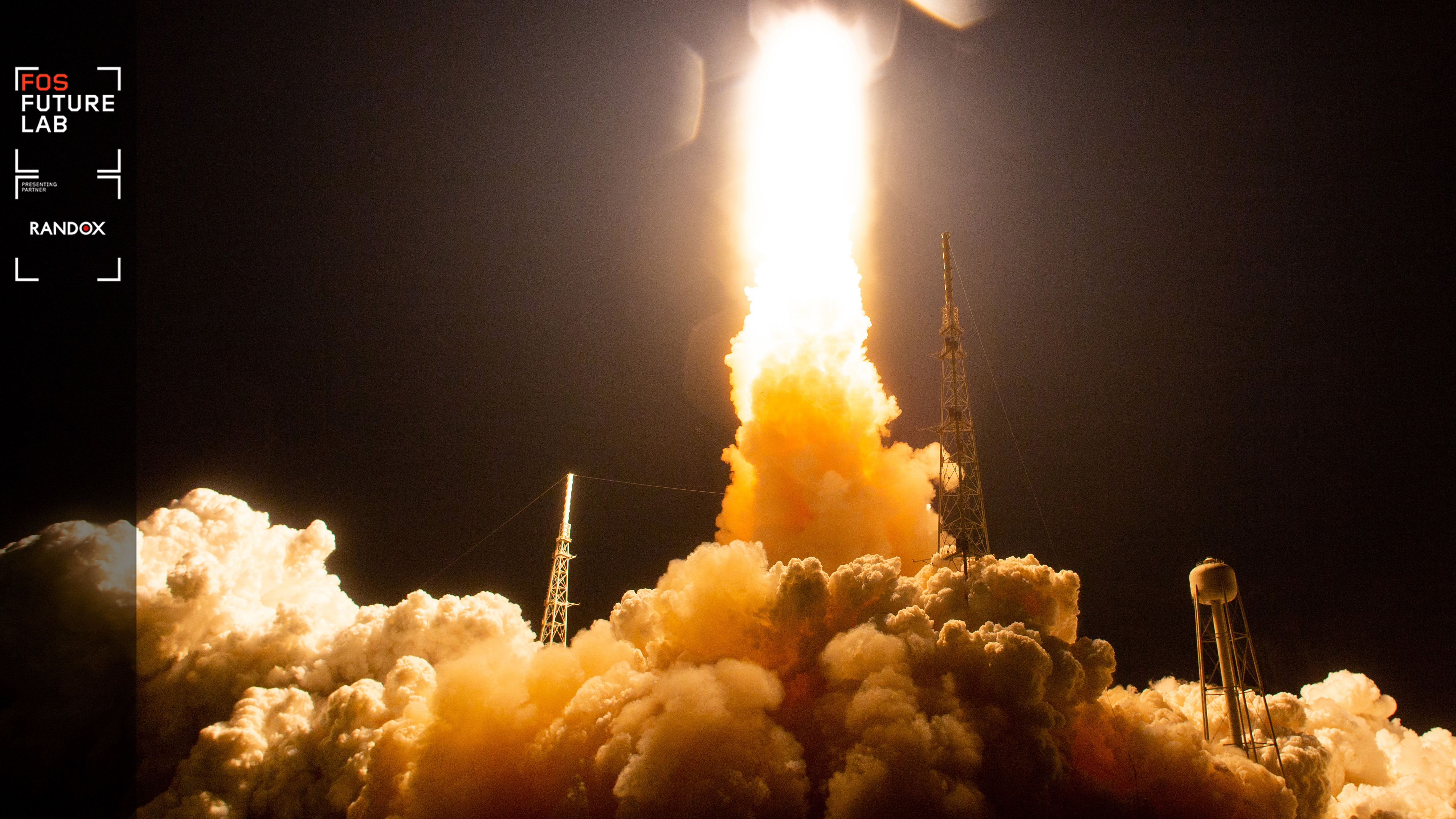
You were invited to his Artemis II launch. What was that like?
The rocket itself is just so big. When it launched, it filled the sky and was strangely peaceful to watch during liftoff. I don't know how else to explain it. You could hear a pin drop as the crowd observed the launch. Reid gave me the best advice ahead of it. When I went to see Megan launch a few years earlier, he told me, "Don't try to capture it on your phone, everybody's going to be doing that. Turn on audio, put your phone down, watch it with your own eyes, experience it." So I just hit record on a video, held it next to me and never looked at it. The footage is honestly the worst video of a launch ever; you can't see the rocket at all, but I have the audio.
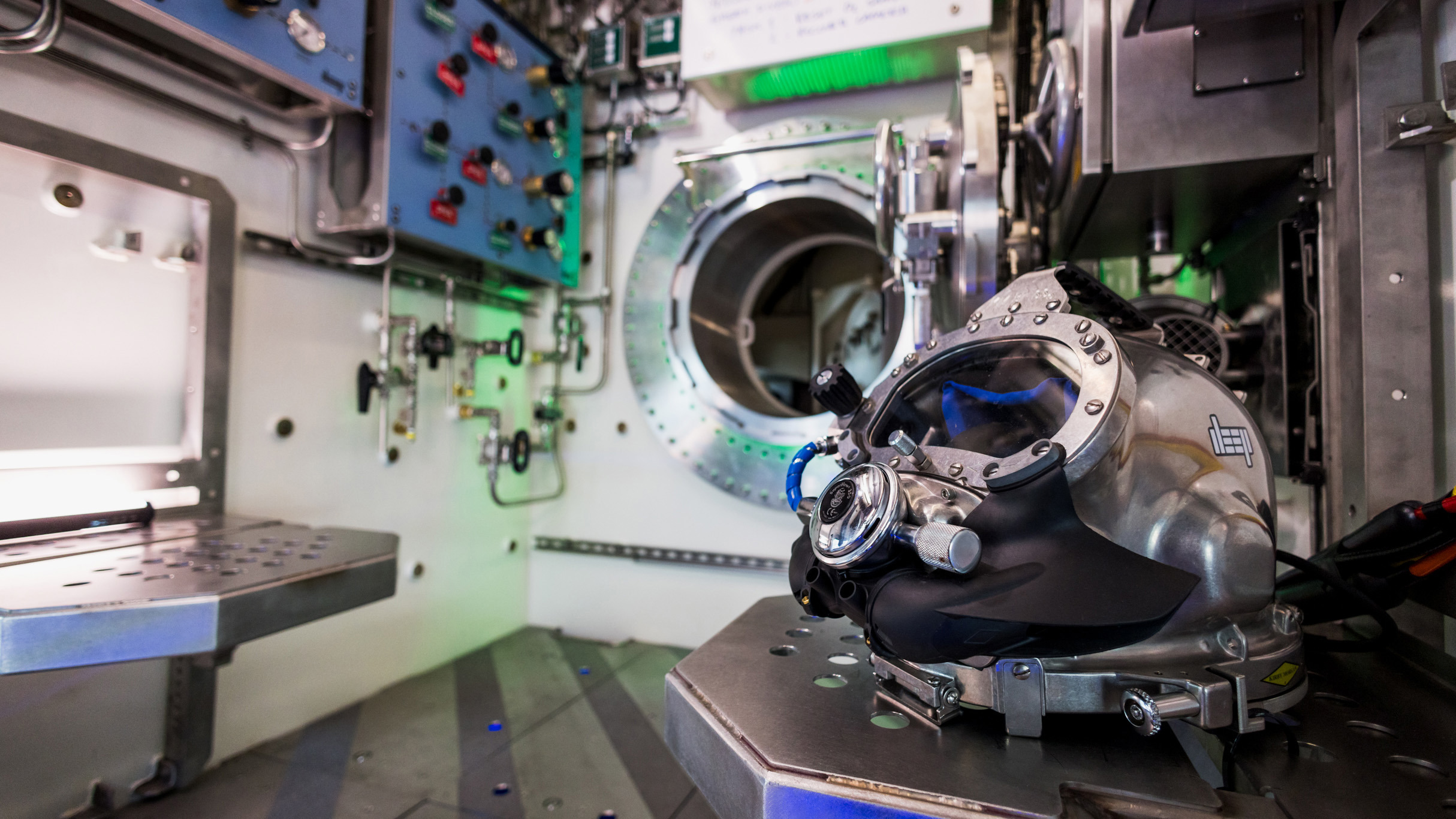
You're now science lead at Deep. What does an average week look like?
There's no average week. I intersect across all the different parts of Deep, from operations and engineering to marketing, media, and business development. I travel a lot, meeting potential clients and customers, talking to agencies and funding sponsors. I also talk to scientists, from marine science to medical research, and teams involved in spaceflight operations and engineering, so it's varied, and that's great for me!
Your academic work focused on neuroprotection. What does that mean for someone living underwater for weeks at a time?
A few things. The oxygen you're breathing is at slightly elevated pressure, and that impacts you over time. We don't have a ton of data about what that does from a neurocognitive standpoint — that's something we want to study as we do more of these dives. There's also the environment itself. You're in a smaller, relatively isolated space with your crew. How well does the crew get along? How well do people do in that kind of environment? And one thing I'm really excited about is studying parts of brain physiology that haven't been looked at in saturation diving, where you live and work at extreme depths for weeks at a time, like brain blood flow and fluid dynamics. We're going to learn a lot.
What's harder on the body — going up into space or down into the ocean?
They’re just different. Space has very unique exposures like microgravity and radiation. The undersea environment we're diving in right now with our first habitat is pretty well understood from a safety perspective, but we don't know many of the nuances at the cellular or physiological level. The deeper and longer you go, the harder it can be on the body. It's the same as space in that the deeper and longer you go, the trickier it becomes.
Presumably, it's easier to abort an underwater mission than a lunar one?
You'd think, but not really — at least with respect to the impact on the body. In saturation diving, you still have to go through decompression to get back to the surface. From the depth we'll be saturating at, it's about a 16-hour duration back to the surface with depressurisation. For the deeper saturation dives that commercial and military divers do, you're talking days or longer to return to the surface. So, it is a similar kind of profile to space in that sense.
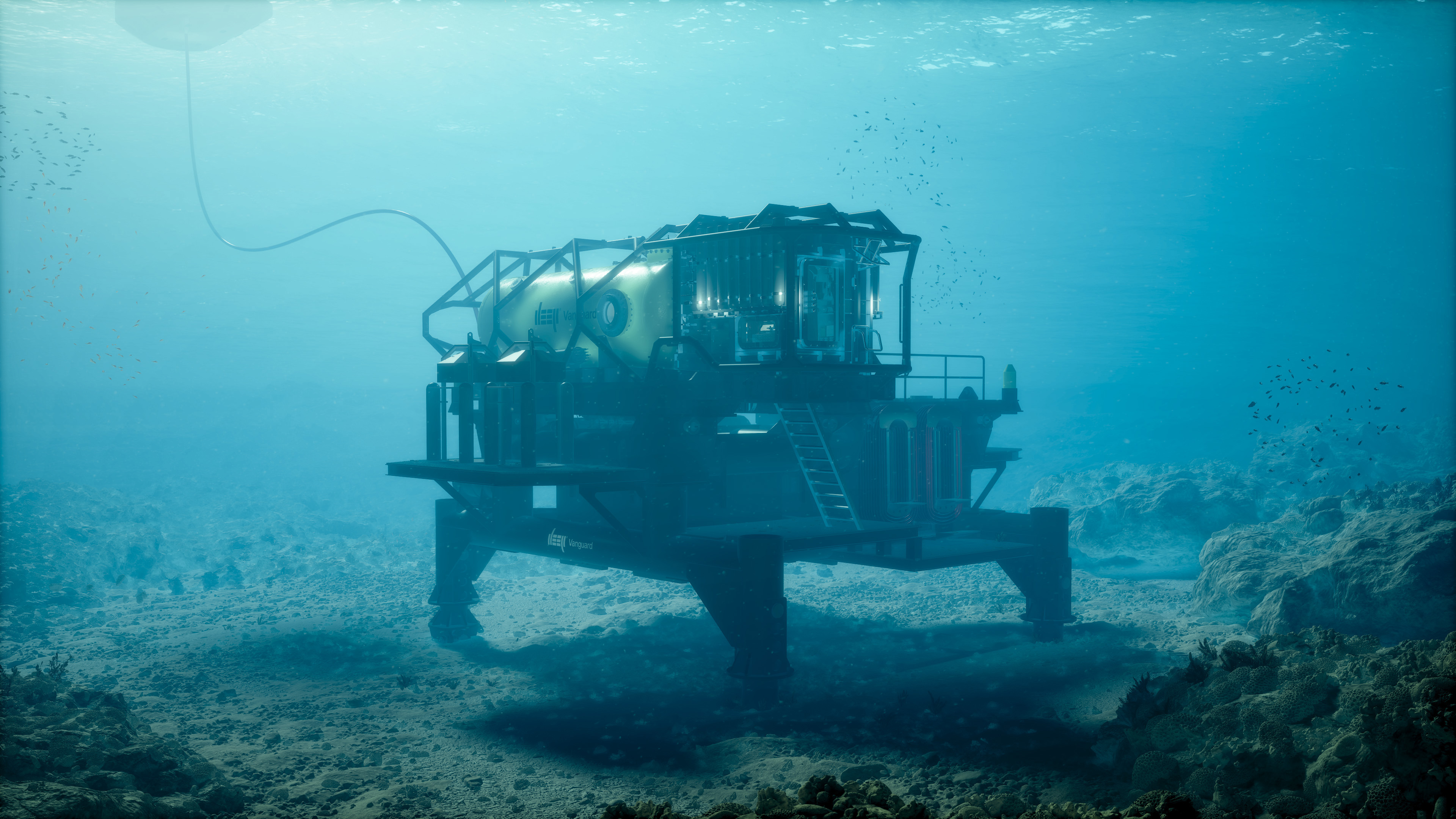
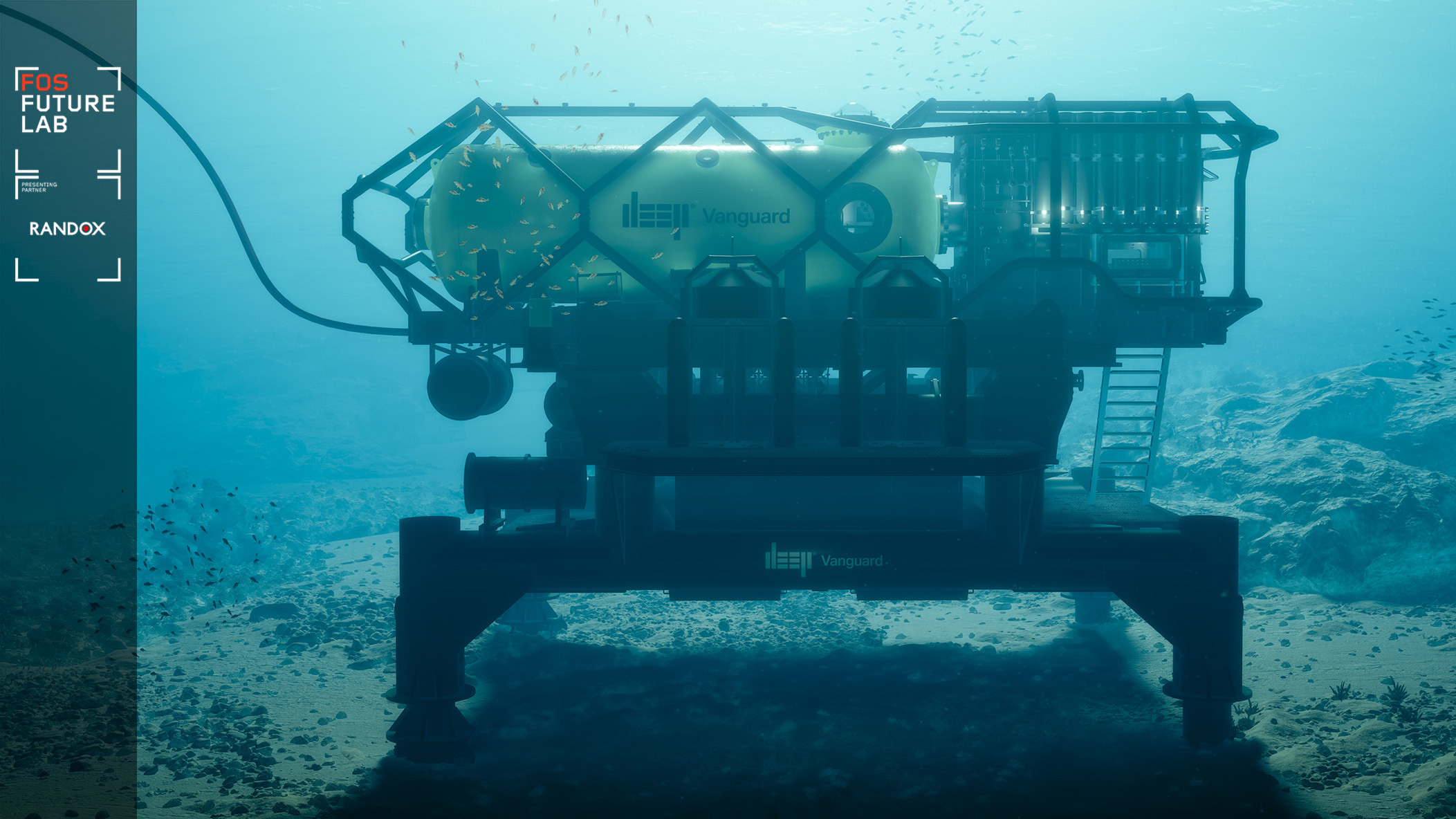
Vanguard will be the first new open-ocean underwater habitat in 40 years. Why has it taken so long?
Building a safe undersea habitat and doing it the right way is hard and it's expensive. We're going through external certification every step of the way. That investment of time and funding has been the key to why this hasn't happened again before now. We want to make undersea habitation more accessible going forward, and the vision is to have multiple habitats around the world.
Sylvia Earle led the first women's underwater mission in 1970. Have you met her?
I have. Sylvia and I are both members of the Women Divers Hall of Fame. I first met her when I was inducted, and I have a picture of me toasting with her at the induction ceremony. Since I've joined Deep, I've had the chance to chat with her on several occasions and brief her on what we're doing. She's super passionate about humans undersea and how that can intersect with submersibles, ROVs and other types of robotics. It would be wonderful to get her on-site and hopefully in the habitat soon.
Was there a moment underwater where it all clicked for you?
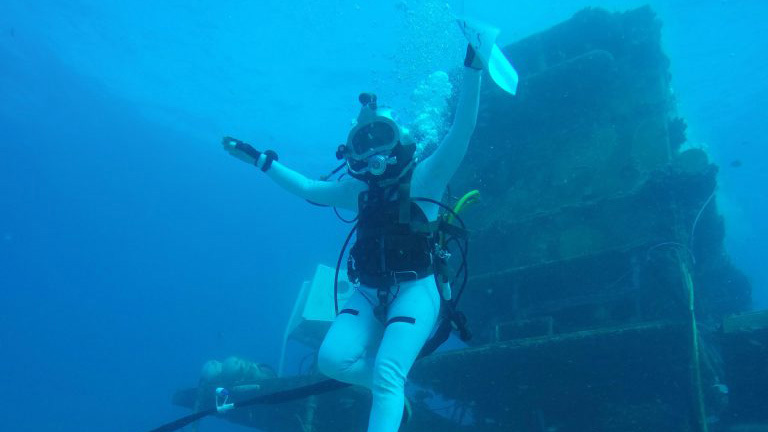
Probably during the NEEMO mission. We had over two dozen objectives — biomedical studies, marine science, underwater optical comms testing, geology, STEM outreach. I love all science, so to have my hands in that many different scientific spaces was just incredible. And then I was doing it underwater. I'd wake up in the morning, and there'd be a fish looking at us from the end of the bed.
I'd eat my breakfast and watch stingrays going across the top of the reef. On our very last dive, Megan and I had been efficient and finished all our tasks, so we were waiting for more tools to come down. I started kind of bouncing along the bottom, the way you see astronauts on the lunar surface. I said, "Man, I don't want to go back to Earth." Mission control just burst out laughing. "Dawn, you are on Earth." But it felt like you were on a different planet.

Why does ocean exploration matter?
We've had a sustained human presence in space since 2000. We don't have that undersea. More people have spent time in space now than have spent time on the bottom of the ocean, especially the deeper parts. There's so much we don't know about a body of water that covers the majority of our planet. The ocean impacts your day-to-day life even if you're landlocked in so many ways, I think a lot of folks don't fully appreciate.
For younger FOS Future Lab visitors fascinated by this, where do they start?
If you're passionate about the ocean, keep following your heart and get those experiences. Visit an aquarium; go snorkelling; get scuba certified if you can. Just get your eyes underneath the surface of the ocean, or any body of water. It doesn't have to be the ocean right away. And it's not just marine science; we need engineers, people from artistic and educational backgrounds. There's going to be a broad array of opportunities for folks who are passionate about the ocean and want to have an impact somehow.
What discovery would you most like to be part of?
I'd love to expand our understanding of how subsea habitation impacts humans. There's some really cool evolving technology we can start to integrate, such as sleep and nutrition optimisation. Historically, it's been eating camping food and sleeping in bunks. How can we make living undersea something where people can work and thrive to the best of their ability with improved nutrition and quality sleep every night?
And I'd love to see habitats all around the world — an expanded group of people who would never have had this opportunity before, getting their eyes beneath the surface, living on the bottom, interacting with that environment. That would be incredible.
Randox is a global leader in diagnostics, revolutionising patient outcomes through innovative technologies, including its patented biochip technology. This pioneering diagnostic platform allows for the simultaneous detection of multiple biomarkers from a single sample, delivering faster, more accurate, and comprehensive results. Operating in over 145 countries, Randox develops advanced laboratory instruments, high-quality reagents, and innovative testing solutions to improve global healthcare.
Randox Health brings this cutting-edge technology directly to individuals, offering bespoke, preventative health testing programs. With world-class laboratories and personalised health insights, Randox Health enables early detection of a wide range of conditions, helping individuals take control of their health.
Together, Randox and Randox Health are redefining diagnostics and preventative healthcare. For more information, visit www.randox.com and www.randoxhealth.com.
Tickets for the Festival of Speed are limited. Only Thursday admission remains but hospitality packages for all four days are available. Missed out on a ticket for Friday or Saturday? Find out how you can access our sold-out days with one of our new packages.
If you’re not already part of the GRRC, joining the Fellowship means you can save ten per cent on your 2026 tickets and grandstand passes, as well as enjoy a whole host of other on-event perks.
Main image courtesy of Getty Images.
festival of speed
fos
fos 2026
Event Coverage
future lab
fos future lab
DEEP
new frontiers


Subscribe to Goodwood Road & Racing
Thank you, you’re now subscribed

How many hay bales are used at FOS?
For the last two years, 5,800 bales have been recylced into the biomass energy centre to be used for energy generation