

Deep: FOS Future Lab dives into the ocean's last frontier
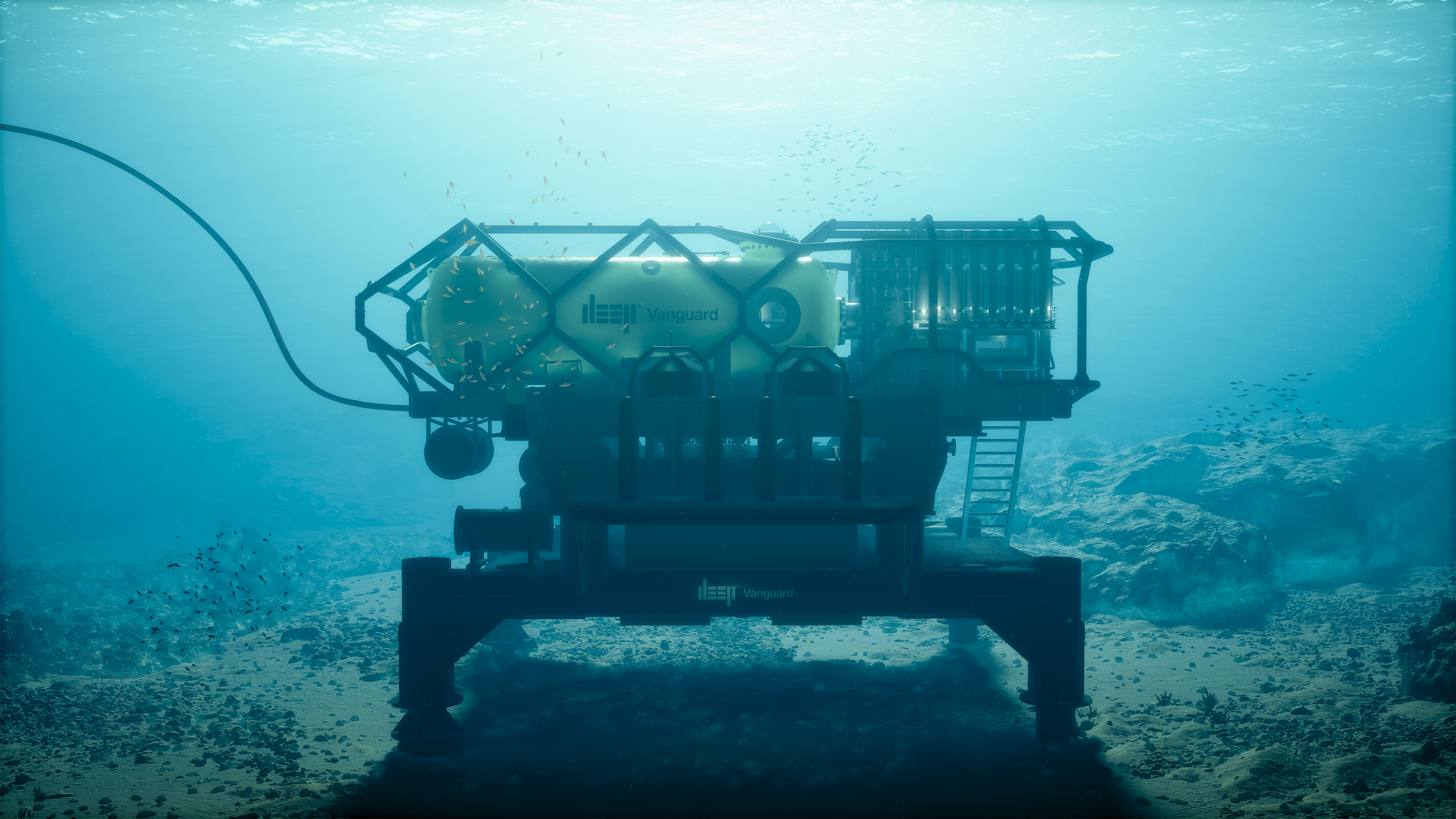
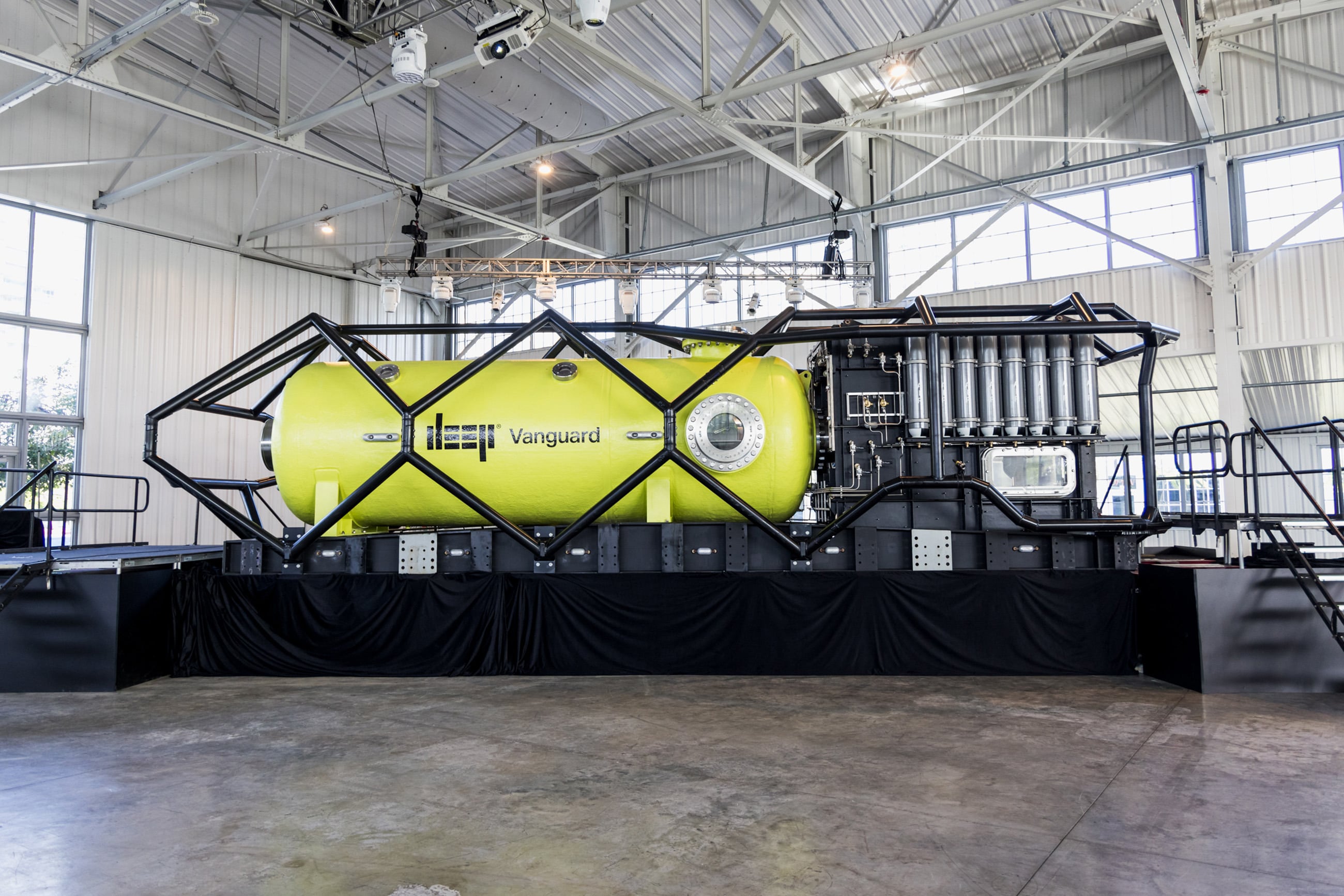
Somewhere in the Florida Keys, a pressurised capsule called Vanguard is about to become the first new open ocean underwater human habitat in 40 years. Building it is Deep, a British-founded international engineering company operating from a flooded quarry near Chepstow, and one of the headline exhibitors at this year’s FOS Future Lab presented by Randox.
Heading up the science is Dr Dawn Kernagis, a NASA-trained aquanaut who worked alongside Artemis II commander Reid Wiseman, and whose plans echo a pioneering female-led mission from more than 50 years ago.
Nobody has built anything quite like what DEEP is proposing, and its next more ambitious underwater habitat, named Sentinel, will eventually house crews of six, at depths down to 200 metres, for a month at a time. Think of it like an International Space Station for the sea.
Around 95 per cent of the ocean remains unexplored by humans, while 80 per cent of the ocean floor has never been mapped. In fact, we currently have sharper topographical data for Mars.
Seas cover 71 per cent of the planet, regulate our climate, generate half our oxygen, and hold pharmaceutical, agricultural, and carbon-capture potential that remains largely untapped. DEEP believes a sustained human presence is the key to unlocking it.
The woman who chose the ocean
In 2016, Dr Kernagis and Wiseman trained together at NASA's Johnson Space Center for a mission to the Aquarius Reef Base. Built in 1986, it was the only operational undersea laboratory in the world at the time.
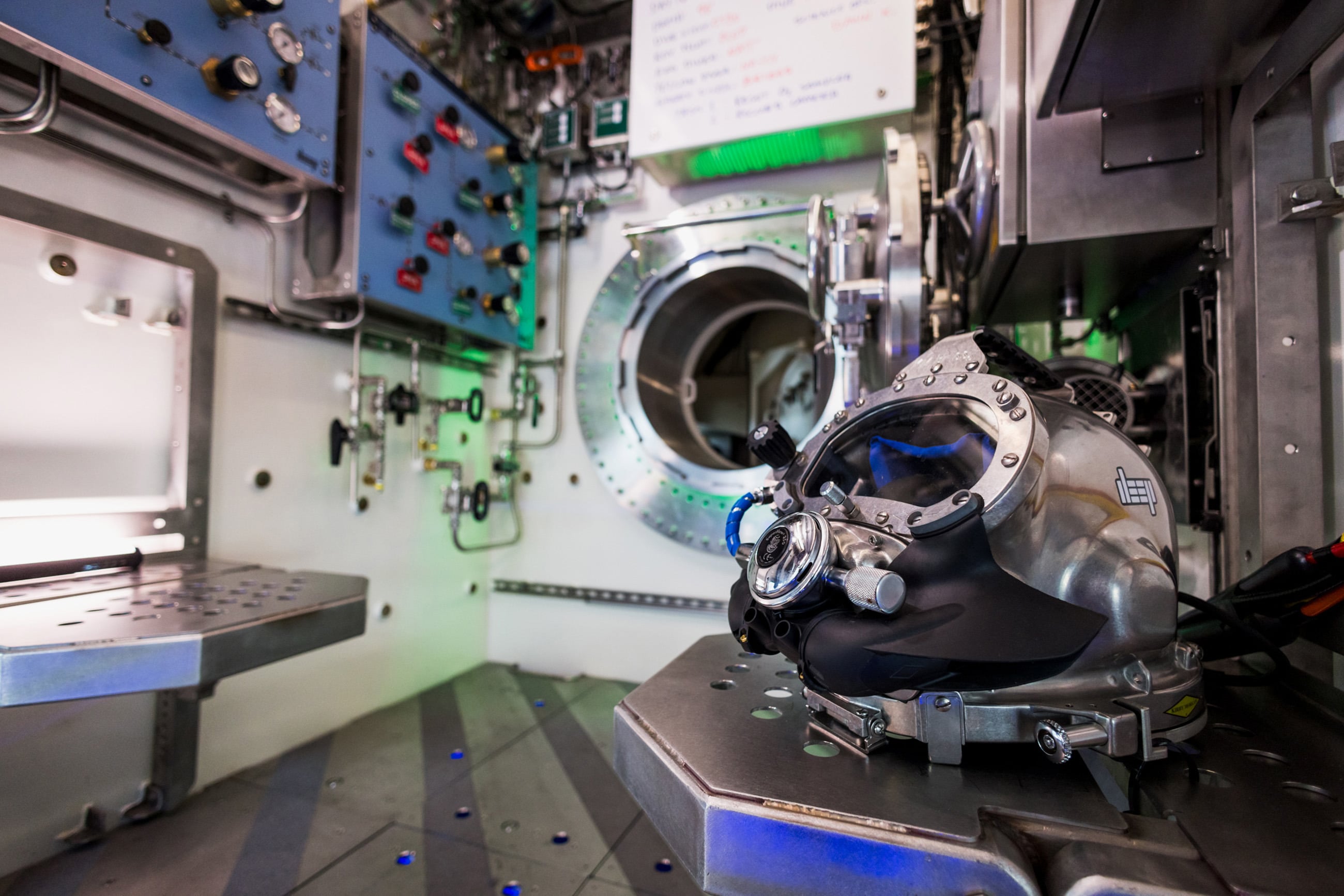
Aquanaut and astronaut training share more than most people realise. Life support, pressurisation, psychological endurance and communication limitations. The engineering questions of inner and outer space turn out to be much the same. The difference is in which way you are pointing, and eventually it was Wiseman who went up, while Dr Kernagis went down.
On her last dive at the Reef Base, Dr Kernagis was bouncing along the seabed, the way astronauts move on the Moon. "I said, 'Man, I don't want to go back to Earth,'" she remembers. "Mission control just burst out laughing. 'Dawn, you are on Earth.' But it felt like a different planet."
Her academic work focuses on neuroprotection: shielding the brain from the damage caused by extreme environments, whether that's high pressure, low oxygen or prolonged isolation. She holds cave diving records. Her career has been spent studying what happens to human cognition when the body is pushed to its limits in places it was never designed to go.
The mission time forgot
In 1970, marine biologist Sylvia Earle — now considered one of the most influential oceanographers in history — led the first all-female team to live underwater. The mission was called Tektite II, Mission 6, and five scientists spent two weeks on the ocean floor off the US Virgin Islands, 50 feet below the surface.
They documented 154 species of marine plants, including 26 not previously recorded in the region. The science was rigorous; the coverage was not. Press reports focused on the women's appearance, their hair and make-up routines underwater. Earle and her team got a ticker-tape parade in Chicago and a reception at the White House, but the milestone was largely forgotten in the decades that followed.
The legacy is not lost on Kernagis. "I'm not on her level," she says. "But Sylvia and I are both members of the Women Divers Hall of Fame. I first met her when I was inducted, and I have a picture of me toasting with her at the induction ceremony. Since I've joined Deep, I've had the chance to chat with her on a number of occasions and brief her on what we're doing. I can't wait to get her on site and hopefully in the habitat soon."
How Deep works
The opening in the base of Deep’s Vanguard is called a moon pool, and it's the feature that makes the entire concept possible.
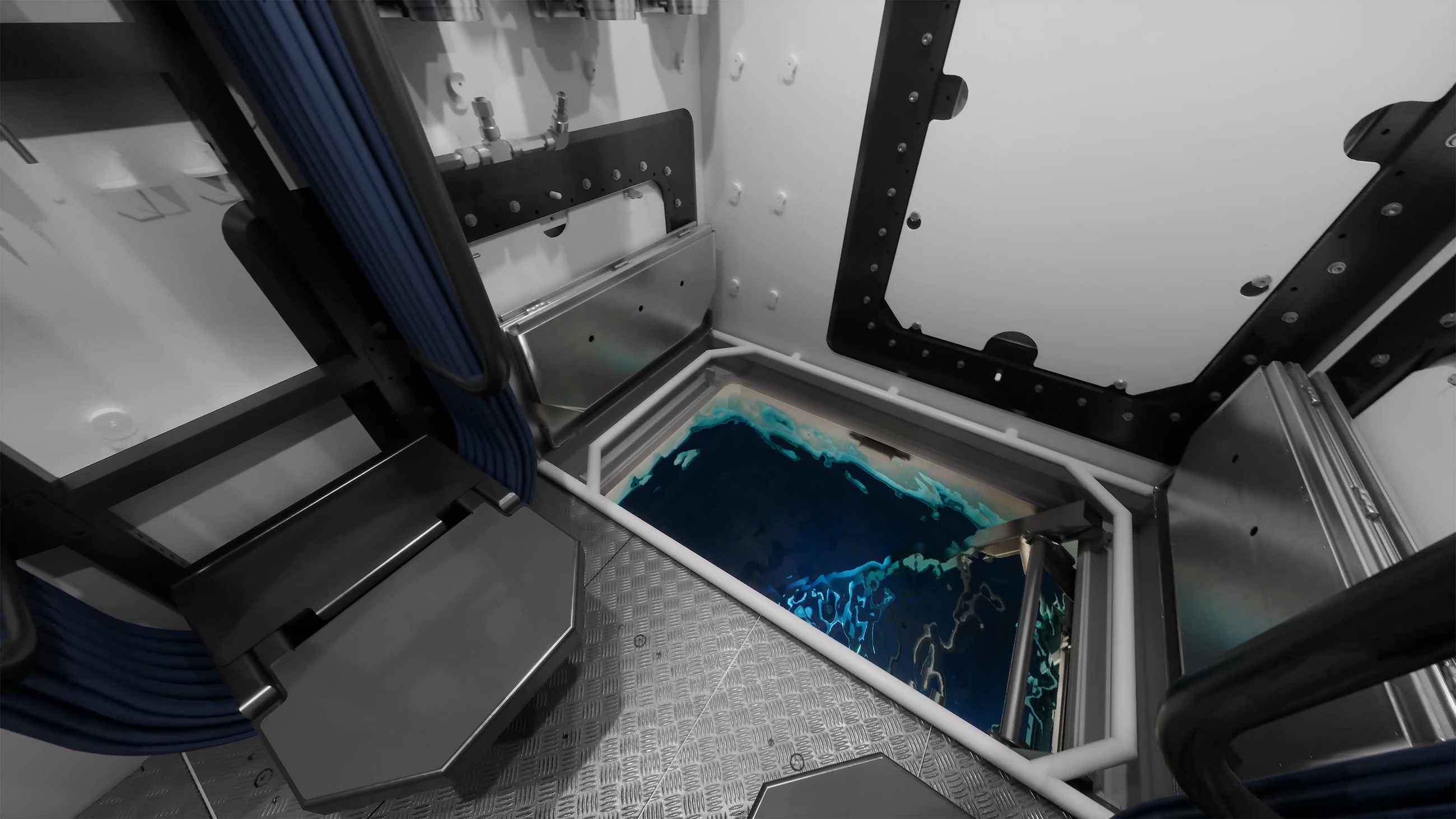
Air pressure inside the habitat holds the water at bay. Stand at the edge, and the sea is right there, lapping at your feet. Step in and you are diving. Step out and you are home. It works on the same principle that stops water from flooding an upturned glass in the bath, except the glass is a multi-tonne steel-and-acrylic capsule bolted to the seabed.
This changes everything about how ocean research is conducted because traditional methods require scientists to dive down from a surface vessel, spend a limited window at depth, then come back up, burning hours on decompression every day. Living at depth eliminates the commute, with aquanauts able to acclimatise to the pressure and step out onto the reef as many times as the work demands.
While Vanguard is the pilot designed to operate at a depth of 18 metres with a crew of four, Sentinel will eventually become Deep's full-scale habitat at depths of 200 metres. The design is evolving — Deep hasn't released full specifics yet — but the company has confirmed Sentinel will be bigger, deeper and longer-duration than Vanguard, supporting a crew of six.
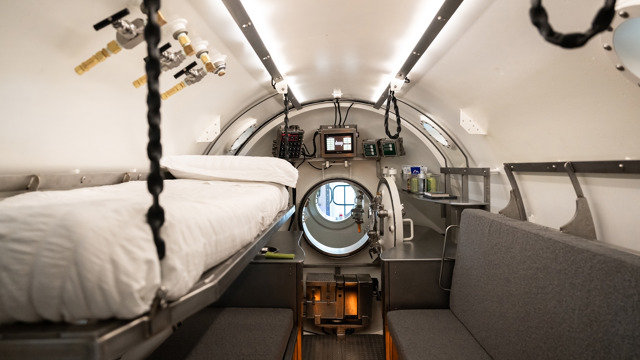
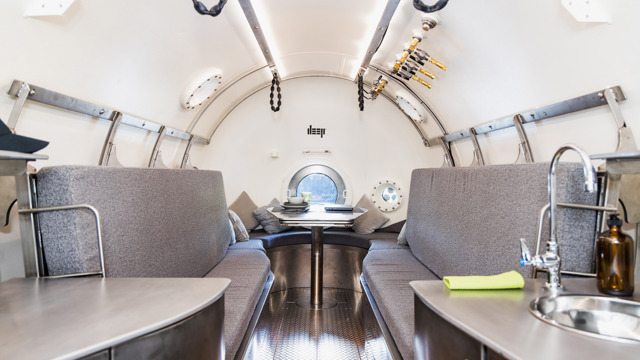
Where the International Space Station orbits 400 kilometres above the Earth, Sentinel would sit on the ocean floor, within reach of the ecosystems it is studying. Where astronauts look out at the void, aquanauts would look out at coral, marine life and geological formations nobody has observed up close for more than a few hours at a time.
Marine biologists could monitor reef health continuously rather than in snapshot dives. Pharmaceutical researchers could study deep-water organisms in their natural environment — compounds from marine species are already used in cancer treatments, antivirals, and painkillers, but the deeper you go, the less we have sampled. Carbon-capture research could also be conducted at the seabed rather than modelled from the surface.
What you'll find at FOS Future Lab
Deep will be one of the main exhibitors in the FOS Future Lab at this year's Festival of Speed presented by Mastercard, sitting within the New Frontiers theme alongside the Artemis programme.
The exhibition stand is designed to give visitors a physical sense of what a habitat pod feels like from the inside, alongside a to-scale recreation of the moon pool. For younger visitors, there will be hands-on models with modular pieces children can assemble to learn how the pods connect and how they are installed on the seabed.
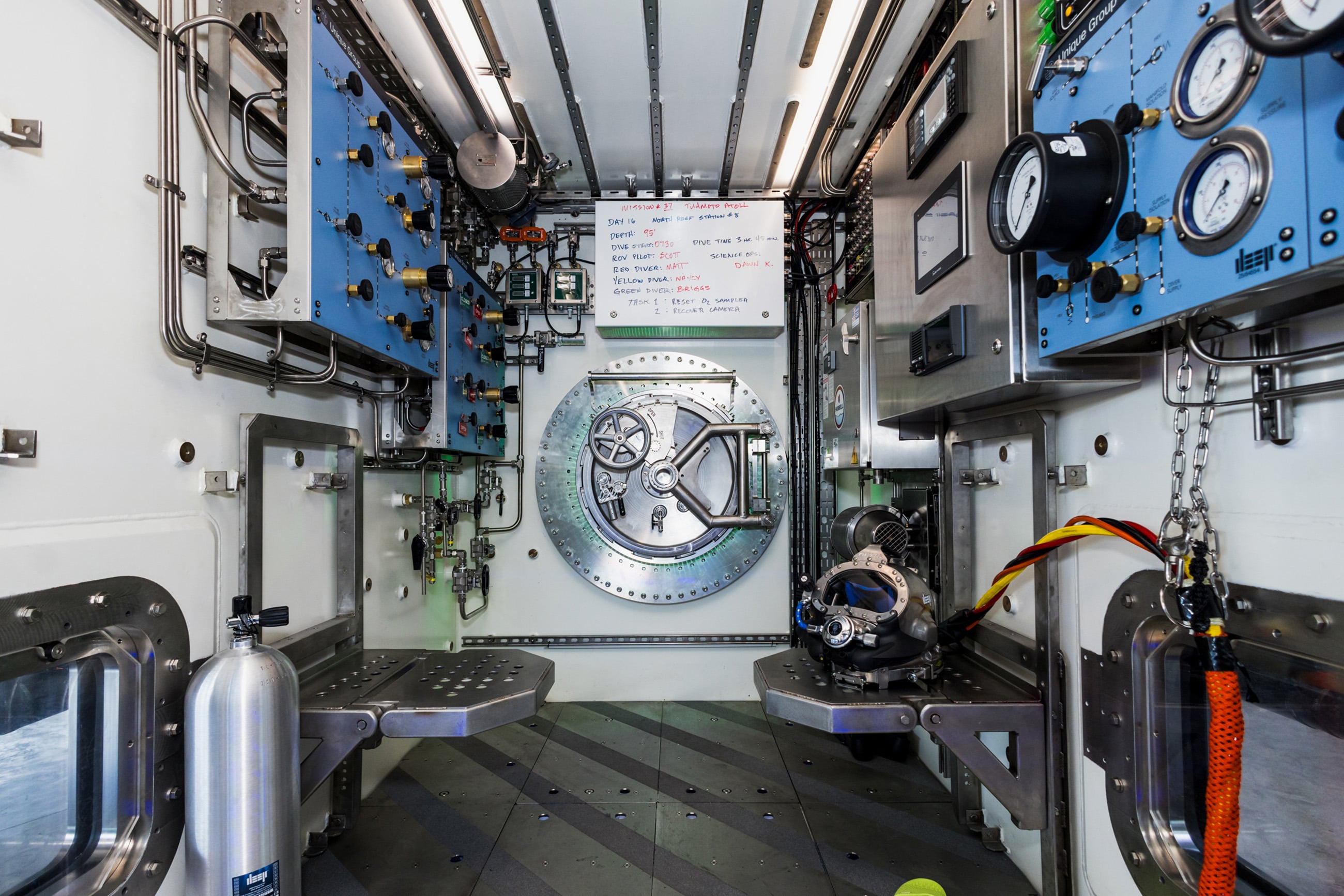
The standout experience may well be a VR dive, where visitors simulate descending through a moon pool and swimming out onto a coral reef using a digital twin of a real system, while there is also the possibility of a live link streamed from the ocean floor to the FOS Future Lab stage.
Why it matters
The blue economy — the sustainable us of ocean resources — is projected to grow substantially over the coming decade. But you cannot develop what you do not understand, and you cannot understand what you have not explored.
Whether Deep's full ambitions are realised remains to be seen. Sentinel at 200 metres, for a month, with a crew of six, is an engineering challenge of a different order from the Florida Keys deployment. But the trajectory is clear, the hardware is being developed and the team is ready.
For now, the Vanguard deployment is due to take place at the Tennessee Reef, Florida Keys National Marine Sanctuary, by mid-June 2026.

Randox is a global leader in diagnostics, revolutionising patient outcomes through innovative technologies, including its patented biochip technology. This pioneering diagnostic platform allows for the simultaneous detection of multiple biomarkers from a single sample, delivering faster, more accurate, and comprehensive results. Operating in over 145 countries, Randox develops advanced laboratory instruments, high-quality reagents, and innovative testing solutions to improve global healthcare.
Randox Health brings this cutting-edge technology directly to individuals, offering bespoke, preventative health testing programs. With world-class laboratories and personalised health insights, Randox Health enables early detection of a wide range of conditions, helping individuals take control of their health.
Together, Randox and Randox Health are redefining diagnostics and preventative healthcare. For more information, visit www.randox.com and www.randoxhealth.com.
Tickets for the Festival of Speed are limited. Only Thursday admission remains but hospitality packages for all four days are available. If you’re not already part of the GRRC, joining the Fellowship means you can save ten per cent on your 2026 tickets and grandstand passes, as well as enjoy a whole host of other on-event perks.
festival of speed
fos
fos 2026
event coverage
future lab
fos future lab
DEEP
new frontiers


Subscribe to Goodwood Road & Racing
Thank you, you’re now subscribed

How many hay bales are used at FOS?
For the last two years, 5,800 bales have been recylced into the biomass energy centre to be used for energy generation