

The robotics boss who’s rewriting the rulebook
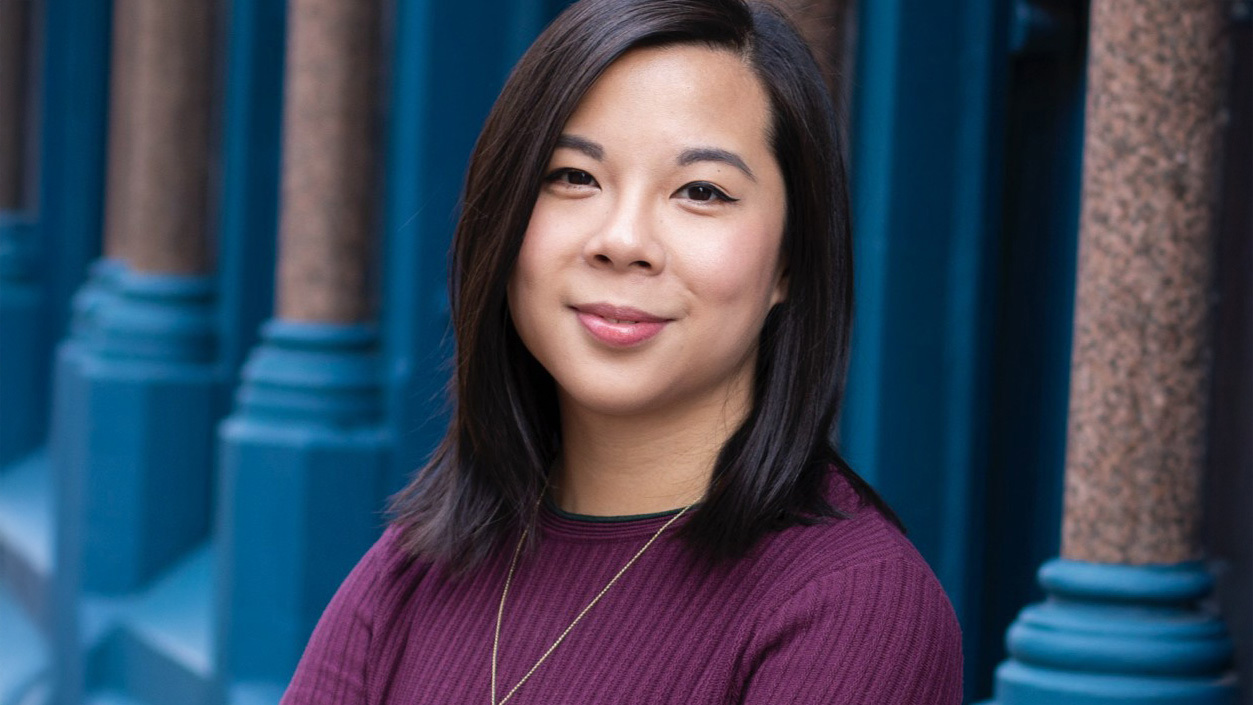
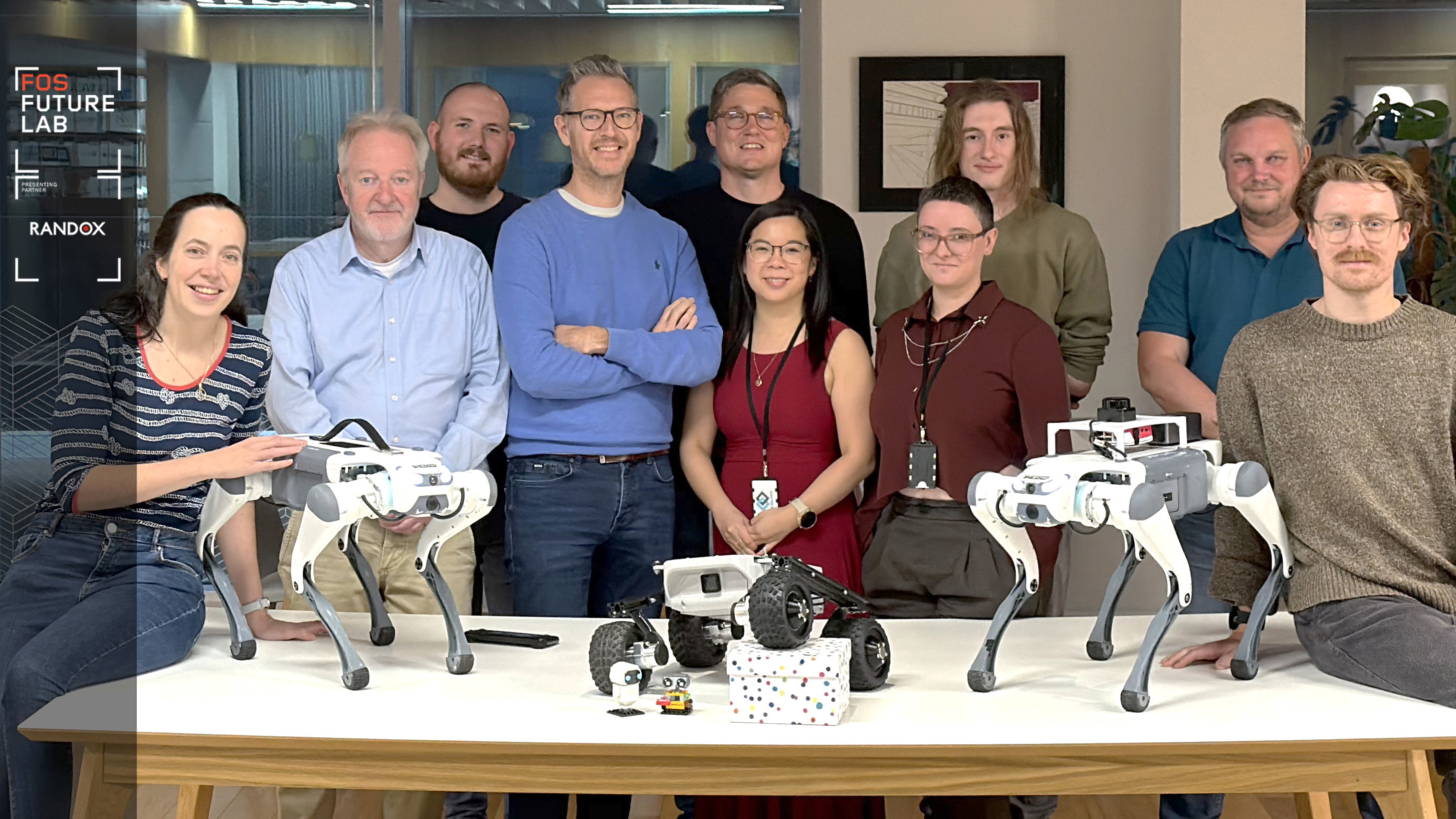
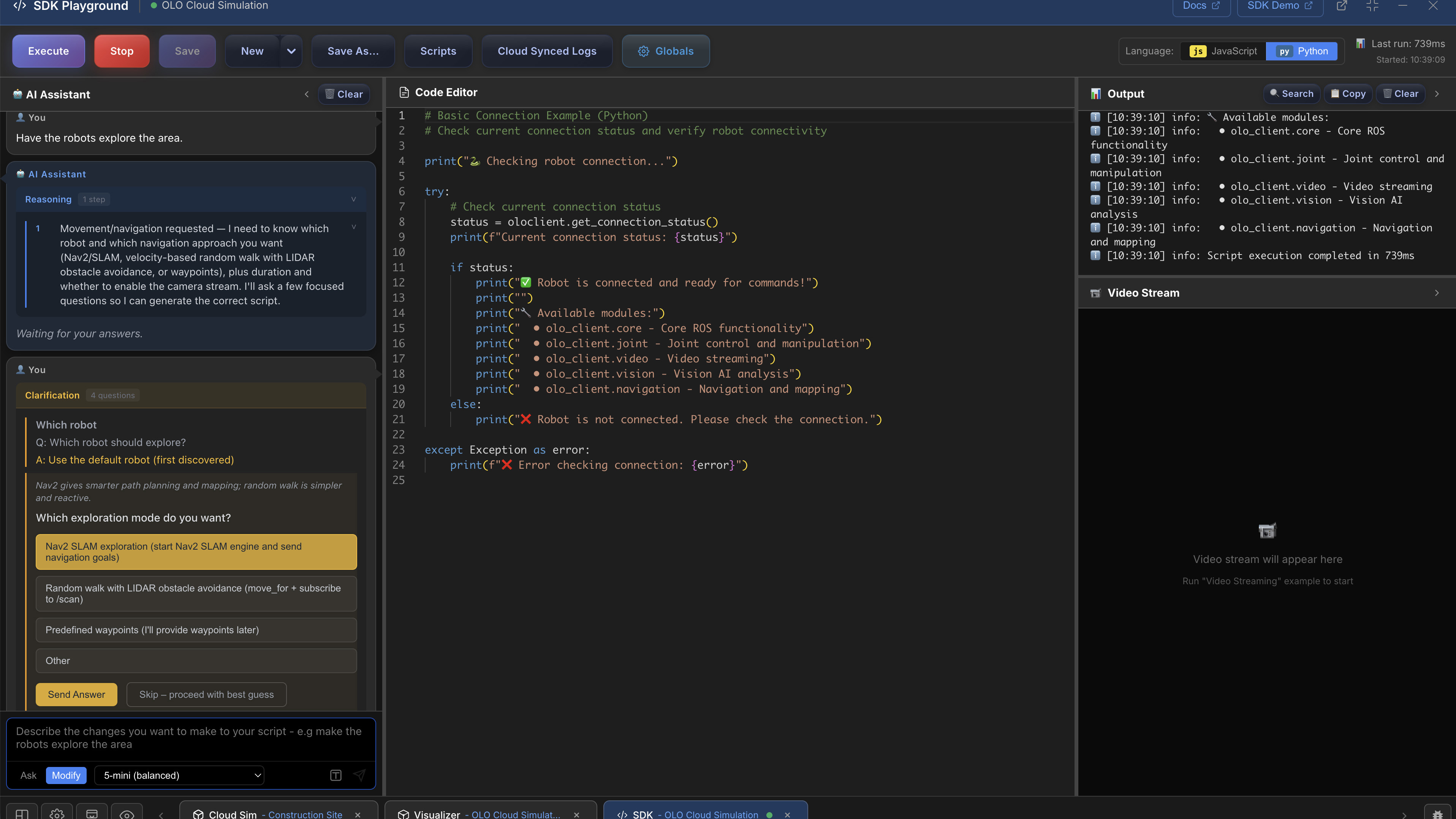
Eleanor Tang-Smith is co-founder and COO of OLO Robotics, a Sheffield company aiming to make it easier to program droids to do our bidding. Coding robots is notoriously complex, so OLO has developed a platform that uses plain English instructions and converts them into computer speak.
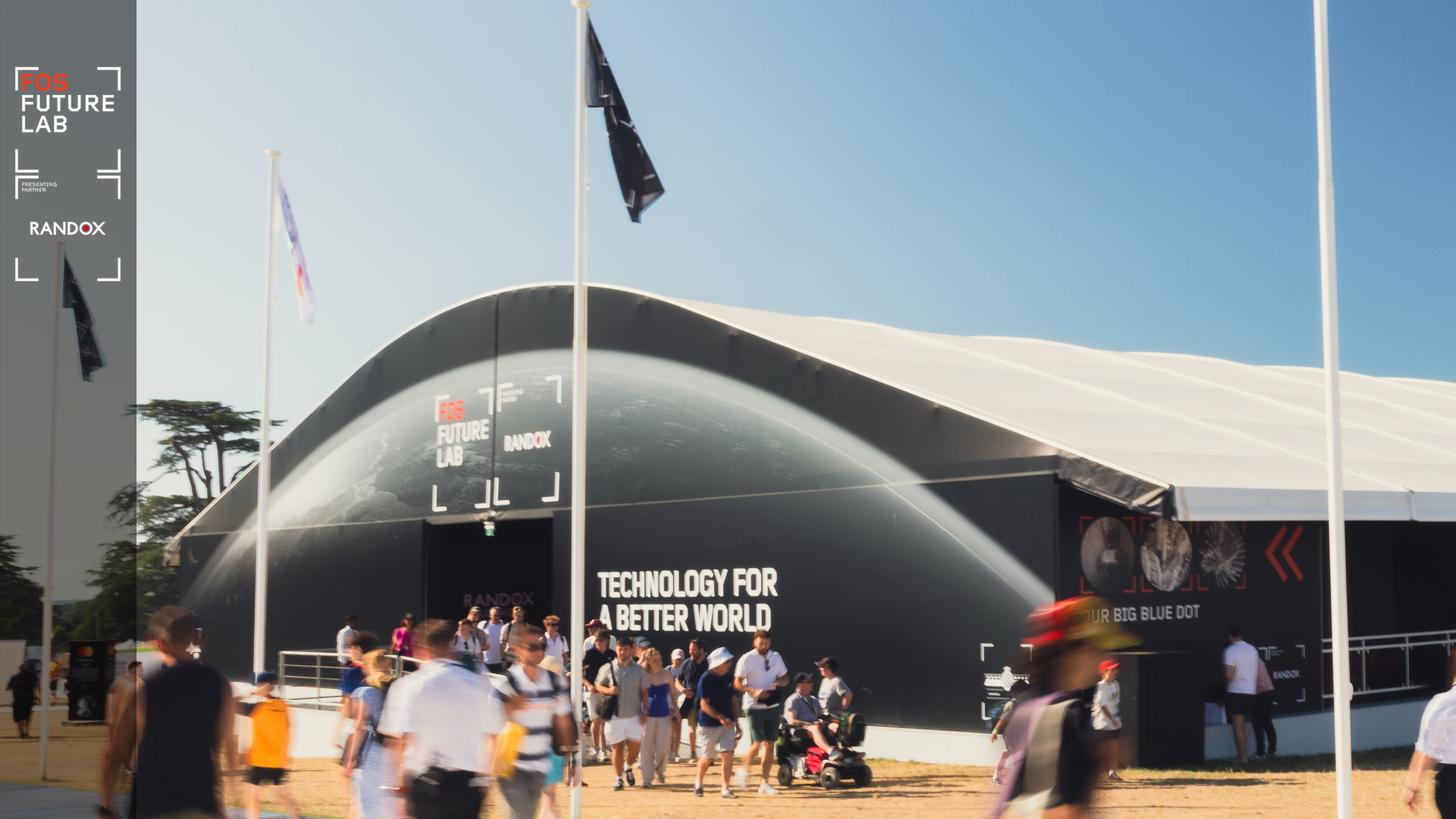
At the 2026 Festival of Speed presented by Mastercard, FOS Future Lab presented by Randox will play host to OLO's robot programming genius, including an arm that visitors can boss around in plain English — telling it which coloured block to pick up and where to put it.
We caught up with Tang-Smith ahead of her FOS Future Lab appearance to discover how someone who doesn’t code can co-found a robotics company, and why OLO is about much more than autonomous party tricks.
What’s a typical day like for someone running a robotics company?
No day looks the same. I might be out pitching, trying to fundraise, working on marketing materials, talking to customers about our platform and looking at what we’re developing with the tech team. It’s really varied.
You studied forensic science. How does that end with you programming bots?
It was a long journey. Forensic science was super fun, and CSI aside, it was a great way to develop skill sets: critical analysis, putting evidence together, methodology, all things that still apply to my job today. I went to a pharma tech company, working on software — and that’s the vein with OLO, software at the heart of it. I found my groove trying to understand real people’s problems in the real world, and how technology can impact them.
That still sounds like quite a leap…
Building a product is hard; building a product that someone actually needs, and having the vision to ask whether it applies across an industry, is where I moved from project management to operations. I was introduced to robotics about two and a half years ago. I’m a technology nerd, and it’s been one of the most interesting jobs I’ve ever held.
For the uninitiated, what does OLO Robotics actually do?
OLO is a platform built on top of Robotic Operating Systems (ROS2). This is the language that enables a robot to navigate, perceive and act. We realised ROS2 is a big learning curve and robotics is complex. You’ve got software, hardware, how they all talk to each other and how that works in the real world, interacting with human beings. So we built a platform that supports non-specialists. It lets people explore what robotics is like, understand the complexities and start building applications without the traditional high barriers to entry.
Such as?
The expensive hardware, the software stack that goes with it and the expertise you have to hire to deploy it. We don’t have enough specialists — even in the UK, roboticists are rare. But we have loads of developers, and they’re perfectly capable. OLO shortens that journey and expands the pool of people who can be in touch with the technology.
OLO can turn plain English into robotic code. Is ‘ChatGPT for robots’ a fair description?
That kind of approach does exist. I went to the Boston Robotics Summit & Expo recently, and someone did a demo where they connected an AI agent to a robot and just told it: “You’ve got these motors, this is your camera, now follow me and keep a metre’s distance”, and it did it. There was no code written, but it’s unpredictable. You hope it’s going to do the right thing, but you don’t fully understand it.
Sounds precarious. So how does OLO differ?
The really hilarious part was an audience member asking it, “Can you make sure you don’t harm me?” and it said, “Sure, I agree I won’t harm you — but here are the caveats.” That’s the issue. With OLO, you’ve got AI-assisted coding, but the fundamental is that it writes the code, or supports you in writing it, in JavaScript or Python. You still have the code there, so you can modify exactly what it’s doing, query it, make it more bespoke, and all the time, you know what it’s doing.
Our platform is about bringing more control, stability and security into the consciousness. So it’s also our job at shows to say ‘these are mobile units, with cameras and microphones, and these are the jobs they can actually do.’ Yes, it can dance if you’d like, but the platform gives you the ability to close the gap between “that’s cool, I have a robot that can dance” and “how do I get it to wash dishes?” We might start with one dish in one position and build on top of it. That’s the hype-to-reality gap, and some of these really complex things are still a few years away.

What’s the trickiest part of getting a robot to do something reliably?
Honestly, it’s difficult, full stop. Take a real-life scenario I saw at the Boston summit: they loaded a robot into the back of a trailer, and all it had to do was unload the boxes. The problems come when the vision system looks at the boxes, and there’s a box within a box, except it’s actually a picture of a microwave on the side of the box. Now it’s confused about where to pick it up, because it doesn’t have the information. We call this the sim-to-real gap — real-world deployment versus lab conditions. Human environments are messy, and we’re incredibly adaptable; robots aren’t quite there yet.
Liz Upton, co-founder of Raspberry Pi, chairs your board. Are you trying to be the Raspberry Pi of robotics instead?
In terms of success, absolutely. Who wouldn’t want to be one of the most successful computer companies in the UK? There’s a very similar thread. Raspberry Pi opened up the world of developing on small computers to a much wider audience, and it was a hit. Similarly, that’s what we’re trying to do in robotics — there’s all this amazing hardware and really great software — let’s get people looking at it, using it, and make it easy. Even people who don’t code can have a go and understand it. Much like AI in the early days, robotics is happening, it’s here, and people should and want to understand what it means.
What are you bringing to FOS Future Lab?
What we thought was really important was highlighting the kinds of partners who’d be using these robots, and case studies related to them. We’re a platform that enables the solution to be built, and our partners are the ones bringing those to life. We’ve got a series of partnerships we’ll be announcing, and they’ll be coming along with us — it speaks to the journey we’ve gone on together to bring the product to life, and how it connects to the real world. It’s a great way to show the public that this isn’t just the dancing robot; this is the direction it’s going in and what’s happening right now in real, deployed environments.
If a school student thinks STEM and robotics are too technical for them, what would you say?
As someone who has never coded a single line in my life, I’m here running a robotics business. It’s not just about being technical; it’s about having vision. You’ve got two routes. You can go and learn and become technical, and there are more and more tools to help you do that — on our platform, you can make a robot navigate without writing code. Or you can be like me: understand the ecosystem, understand the vision, and be the person who connects the technology to the people.
Who should FOS Future Lab visitors follow to keep them curious?
Hannah Fry touches lots of things, but she always approaches them with curiosity, open-mindedness and a very layman’s explanation. In the tech industry, we can get so lost in business-speak, jargon and buzzwords that we lose the trail back to ‘okay, what does this actually mean?’ And as someone who’s immersed in tech almost all the time, I follow a lot of outdoors and nature accounts, too.
Weirdly, they still have a connection to technology; if you look at nature programmes and how they’re filmed, the vein leads back to tech. I try to expand the things I read and look at, to build contrast and spark creativity when I’m seeing the same world every day.
Randox is a global leader in diagnostics, revolutionising patient outcomes through innovative technologies, including its patented biochip technology. This pioneering diagnostic platform allows for the simultaneous detection of multiple biomarkers from a single sample, delivering faster, more accurate, and comprehensive results. Operating in over 145 countries, Randox develops advanced laboratory instruments, high-quality reagents, and innovative testing solutions to improve global healthcare.
Randox Health brings this cutting-edge technology directly to individuals, offering bespoke, preventative health testing programs. With world-class laboratories and personalised health insights, Randox Health enables early detection of a wide range of conditions, helping individuals take control of their health.
Together, Randox and Randox Health are redefining diagnostics and preventative healthcare. For more information, visit www.randox.com and www.randoxhealth.com.
Tickets for the Festival of Speed are limited. Only Thursday admission remains but hospitality packages for all four days are available. Missed out on a ticket for Friday or Saturday? Find out how you can access our sold-out days with one of our new packages.
If you’re not already part of the GRRC, joining the Fellowship means you can save ten per cent on your 2026 tickets and grandstand passes, as well as enjoy a whole host of other on-event perks.
festival of speed
fos
fos 2026
event coverage
future lab
fos future lab
olo robotics
intelligent systems


Subscribe to Goodwood Road & Racing
Thank you, you’re now subscribed

How many hay bales are used at FOS?
For the last two years, 5,800 bales have been recylced into the biomass energy centre to be used for energy generation