

The significance of Jack Brabham’s historic 1966 Championship win
It’s impossible to overstate just how exceptional Jack Brabham’s 1966 Formula 1 World Championship triumph really is. A racing driver, who left the Cooper team with which he’d won two world titles, to go and start up his own brand-new team and win a third Championship at the wheel of a car bearing his own name.
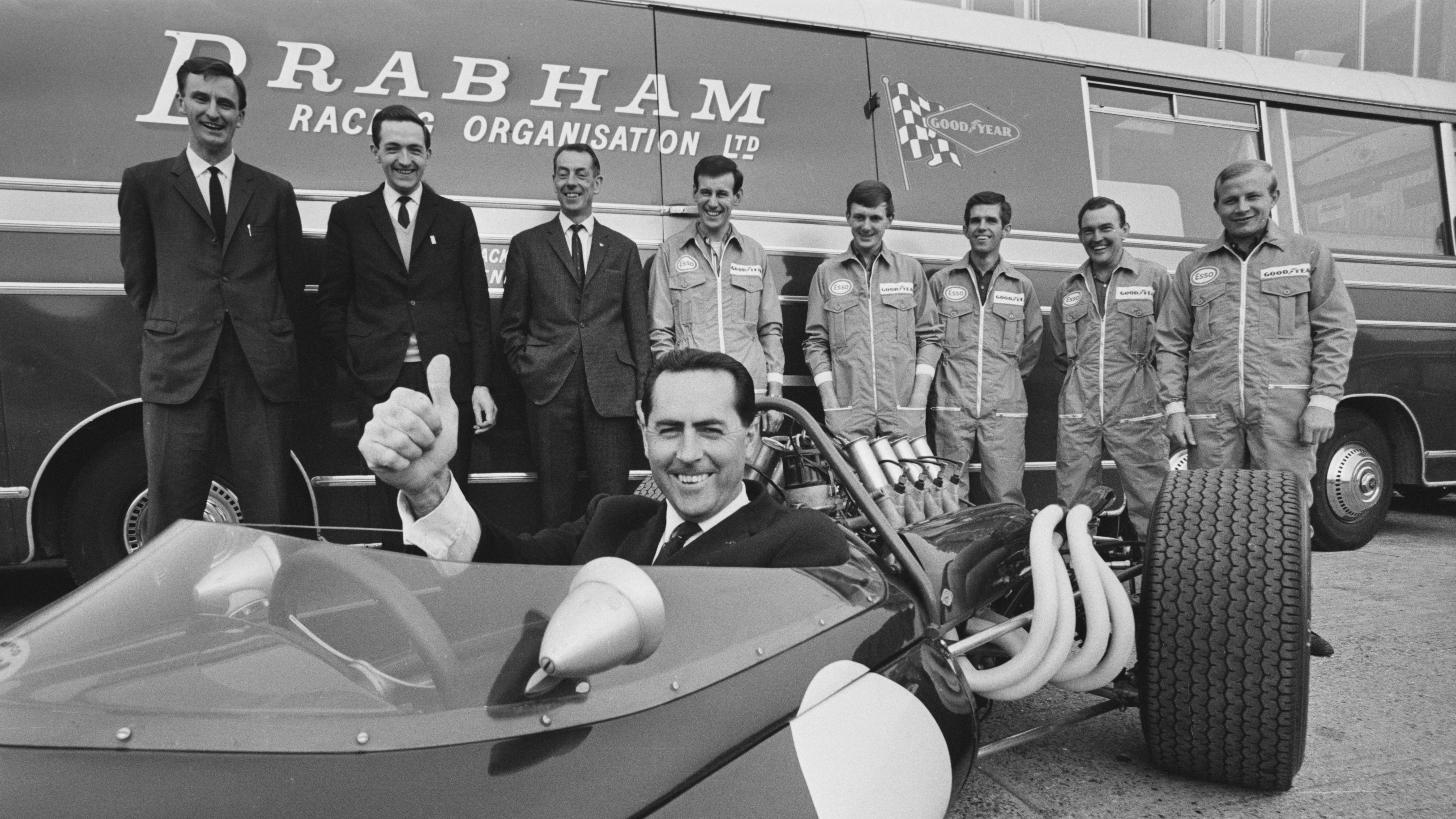
Admittedly, those were very different times; a Championship-winning F1 team in the 1960s could run out of a small shed with a handful of mechanics and a few thousand pounds spent on an engine. They raced nine times over the course of the season, and the rate of development meant a car could conceivably remain competitive for one or maybe even two seasons.
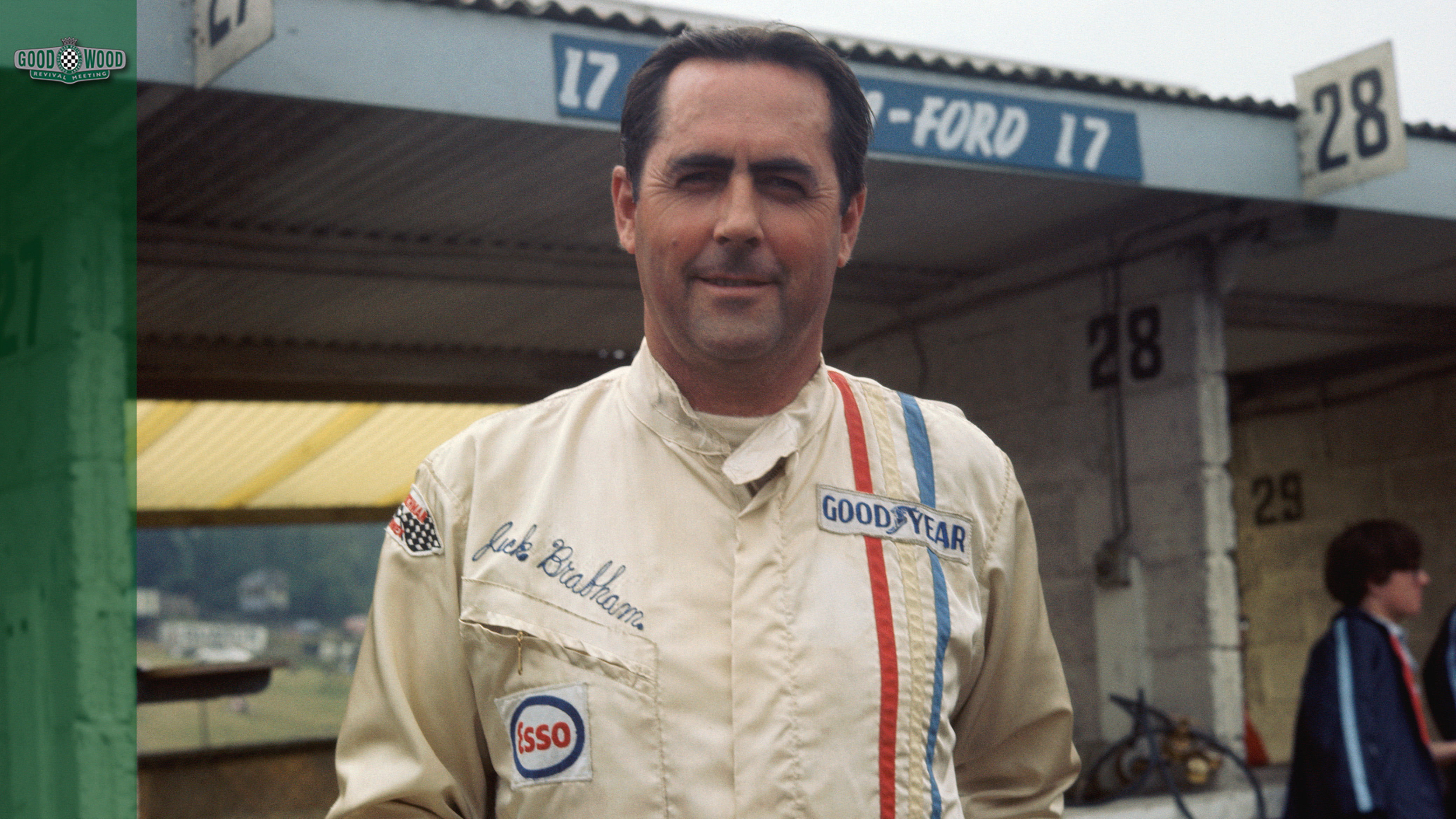
Were Max Verstappen to leave Red Bull and try and achieve a similar feat in 2030, he’d need £100million pounds of investment and a 600-strong team of engineers, PR managers, caterers, aerodynamicists, and so on. He’d need them to build a car capable of beating the likes of Mercedes and Ferrari, and then he’d have to drive it to victory across a 24-race season amid an intense and unrelenting development race to keep his car at the front of the field.
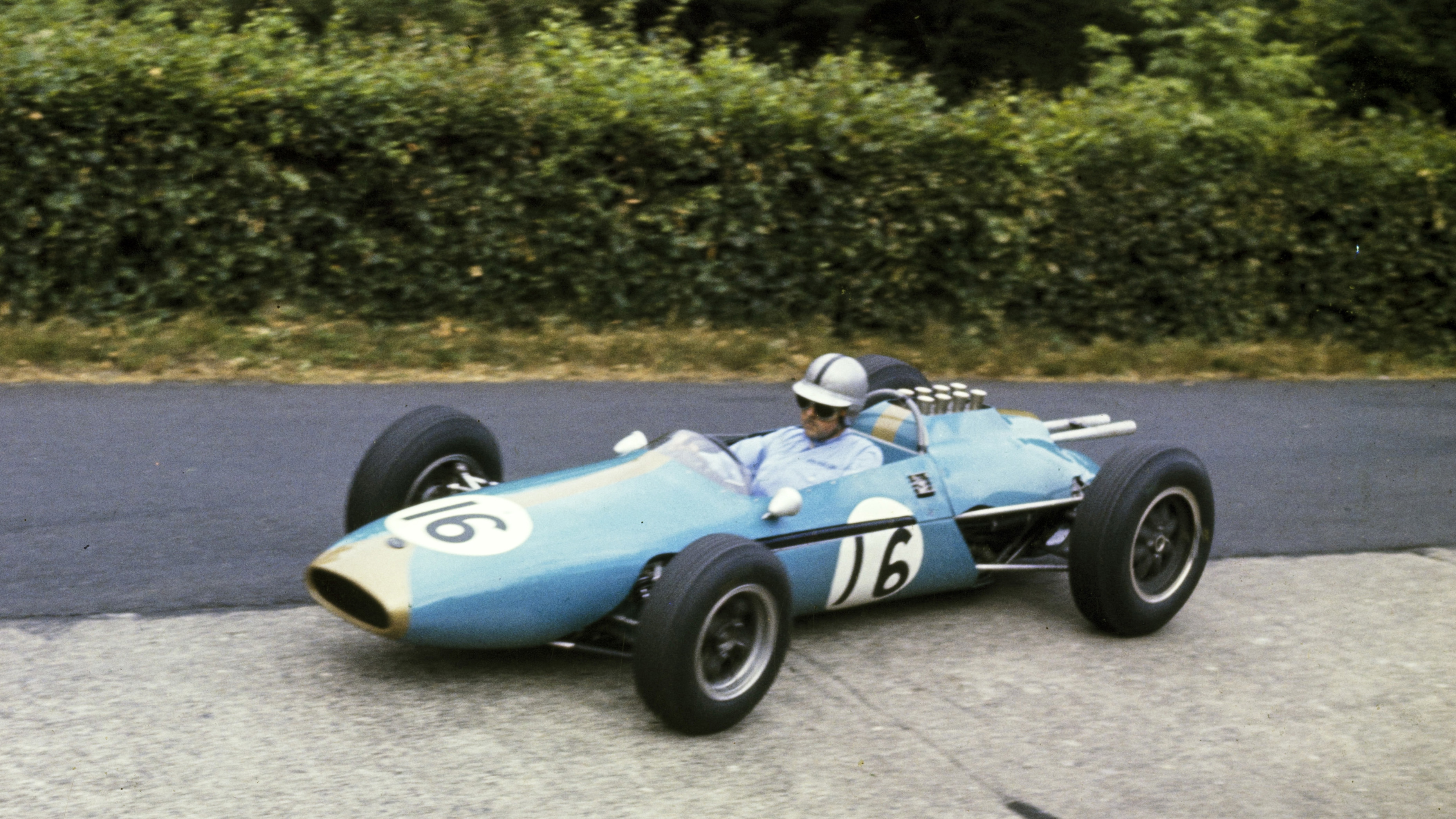
The Brabham team's first race came at the Nürburgring. Jack Brabham drove the BT3 at the 1962 German Grand Prix, though he retired.
Image credit: Getty ImagesJack Brabham lived in a very different world to the one we know now, and yet he still achieved something the likes of which we have not seen before or since. Even when it was perhaps more possible than it could ever be now, it was still only Brabham who managed to do it.
The years building up to 1966 had seen Ferrari and Lotus form the status quo at the front of the field, with the likes of Jim Clark, John Surtees and Graham Hill establishing themselves as the leading drivers of the time. Jack Brabham had enjoyed modest success at the helm of his new team, claiming a handful of podium finishes, but any ambitions of a Championship challenge seemed a fair way off.
He’d considered retiring from racing at the end of 1965 to concentrate on managing his team full time, but his other driver Dan Gurney made his own decision to fly the nest and start his own racing team, so Brabham was forced to continue behind the wheel for another year.
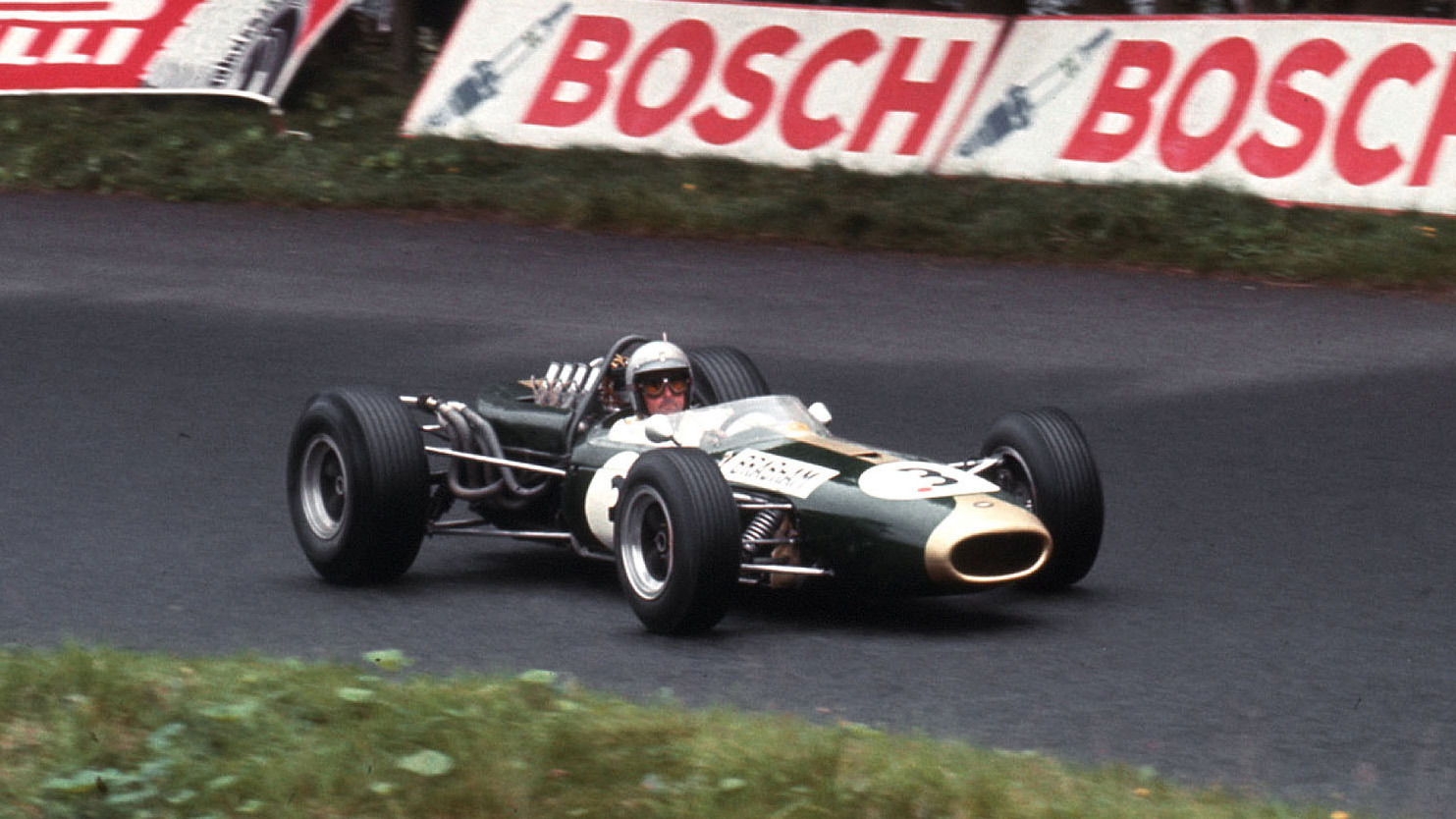
Four years later, the 1966 German Grand Prix marked Brabham's fourth consecutive win, on his way to a Championship like no other.
Image credit: Getty ImagesBy then he was hell bent on achieving his ambition to claim another World Championship, and he saw an impending regulation change as an opportunity to try and usurp the dominance of Lotus.
In 1964, it was announced that the maximum engine capacity in F1 would be increased from 1.5-litres to 3.0-litres for the 1966 season. When that season got underway, nearly all of the manufacturers who’d sought to develop the largest possible 3.0-litre engine were using a big and bulky V12 configuration. The likes of Lotus and BRM meanwhile had opted to run enlarged 2.0-litre versions of their existing V8s, which were lighter than the V12s, but lacking in power.
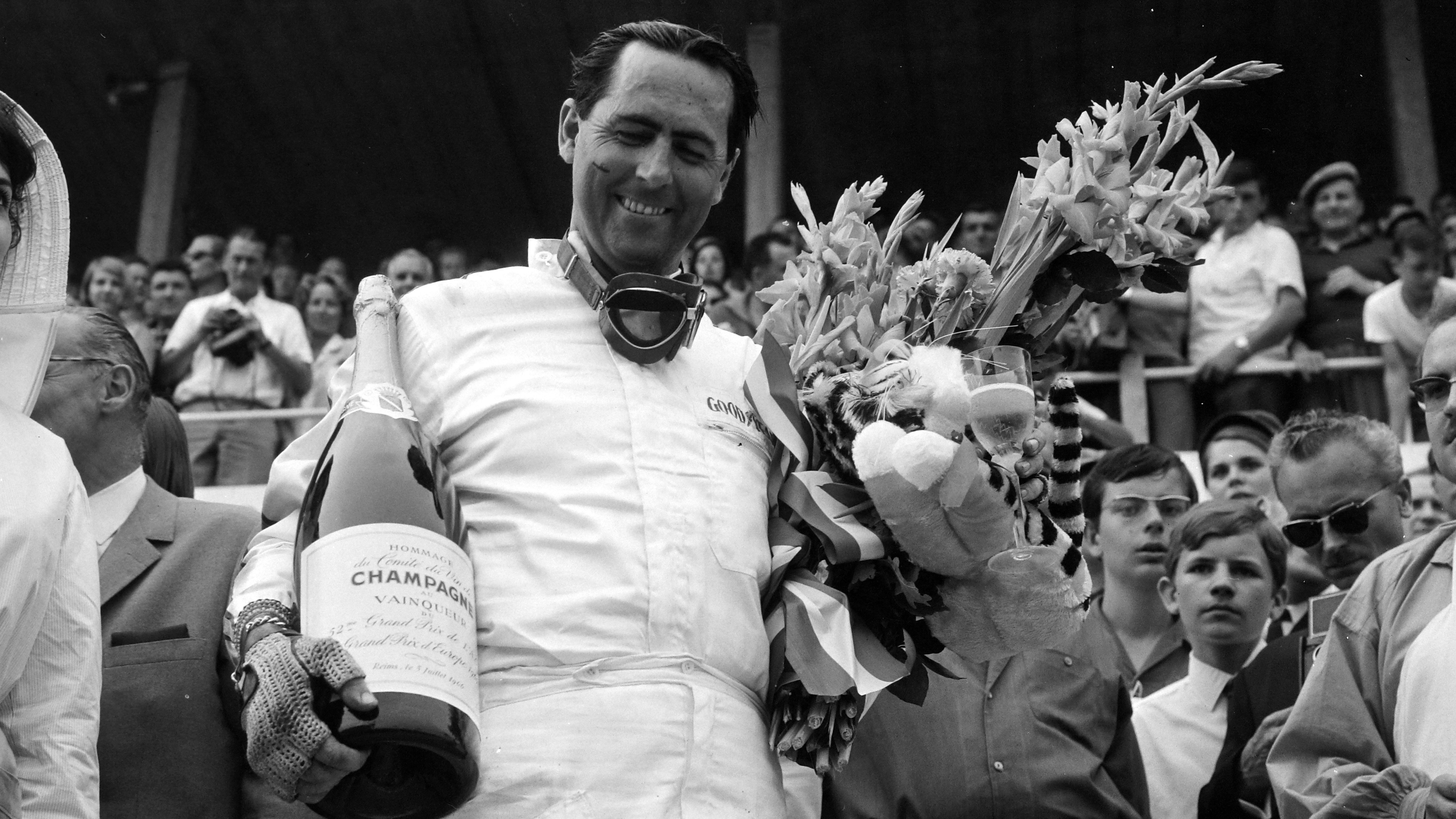
Brabham and his team, however, had come up with a unique solution. Upon hearing of the planned engine reshuffle, he turned to his friend Phil Irving, who at that time was an engineer at the Australian company Repco, and put in motion a plan that would alter F1 history.
Repco, with input from Brabham’s closest ally Ron Tauranac, began working on what would become the RB620 engine, a 3.0-litre V8 based on an Oldsmobile F85 cylinder block. Producing more than 330PS (250kW) at up to 8,500rpm, it was substantially more powerful than the most competitive Climax and BRM V8s, and as powerful, but crucially lighter and more reliable than the whopping V12s of Ferrari and Maserati.
Careful planning and ambitious forward thinking had put the Brabham team in an incredibly strong position, and Jack Brabham was the man with the talent to make the most of it.
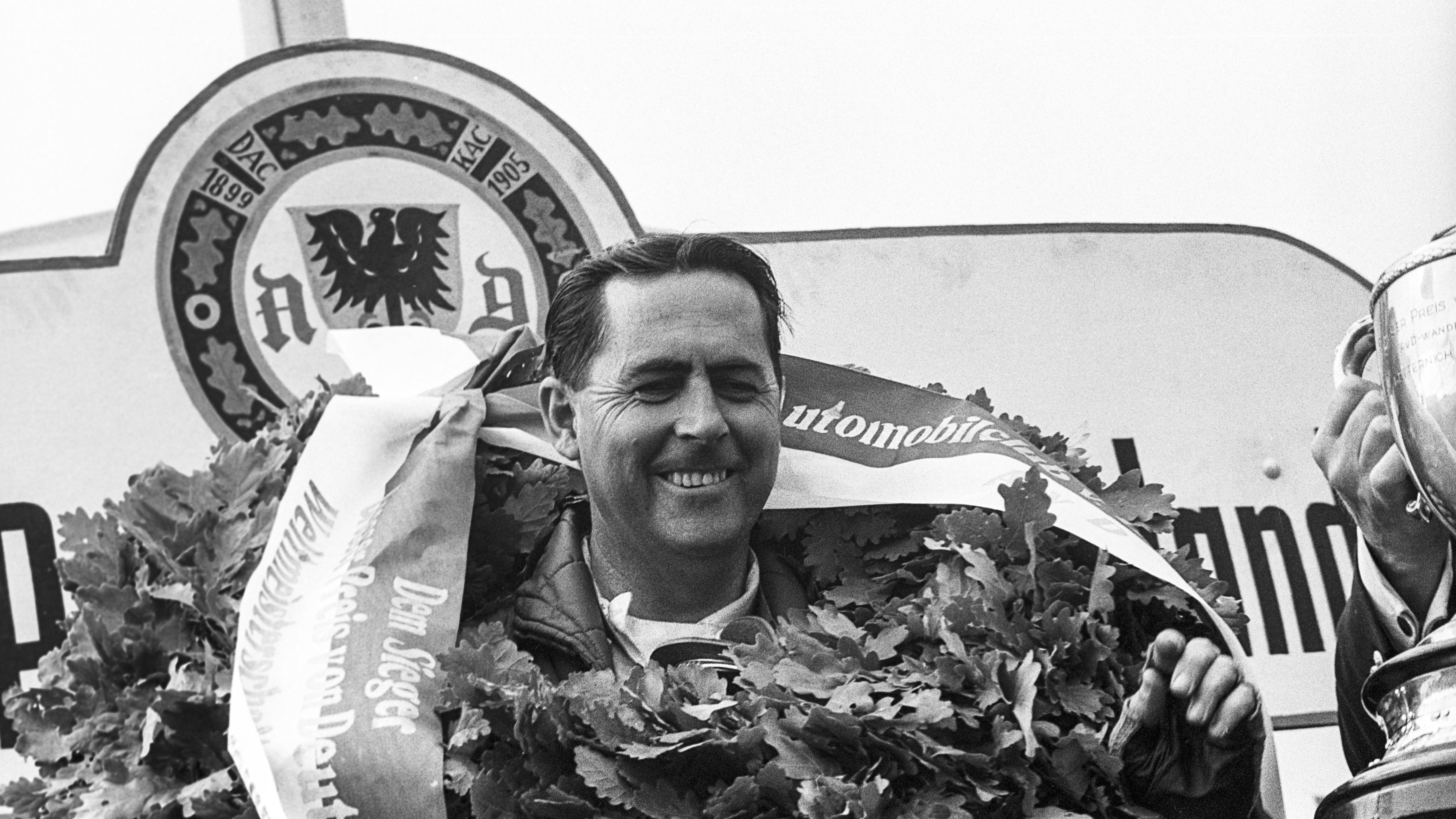
His dominant run of four successive Grand Prix victories with the BT19 in 1966 saw him romp to the Drivers’ title, it was also enough to see Brabham secure the Manufacturers’ Championship ahead of Ferrari.
It was, and most likely will forever remain a unique achievement, one that sets Jack Brabham apart as one of the most remarkable individuals in the history of Grand Prix racing.
Goodwood will remember the legendary achievements of Jack, and his Brabhams, with a special celebration during the 2026 Revival.
Tickets for the 2026 Goodwood Revival are now on sale. 3-Day passes and Saturday admission is now limited. If you’re not already part of the GRRC, you can sign up to the Fellowship today and save ten per cent on your 2026 tickets and grandstand passes, as well as enjoying a whole host of other on-event perks.
Main image courtesy of Getty Images.
revival
revival 2026
Jack Brabham
Jack Brabham Celebrations

Subscribe to Goodwood Road & Racing
Thank you, you’re now subscribed

How many hay bales are used at FOS?
For the last two years, 5,800 bales have been recylced into the biomass energy centre to be used for energy generation