

Jack Brabham was Stirling Moss’ toughest opponent | Frankel’s Insight
 Andrew Frankel
One of the wonderful things about being friends with Stirling Moss is that he was always happy to talk about the old times, but never in a sentimental way. He never rewrote history just because it didn’t suit any more.
I know exactly which drivers he didn’t like, and those he considered ‘dirty’, and where he liked to race and where he did not. Le Mans in particular was never a favourite and not because he never won it, but because in his day the path to victory lay more through careful management of fragile machinery than driving as fast as you possibly could, which was never Stirling’s way.
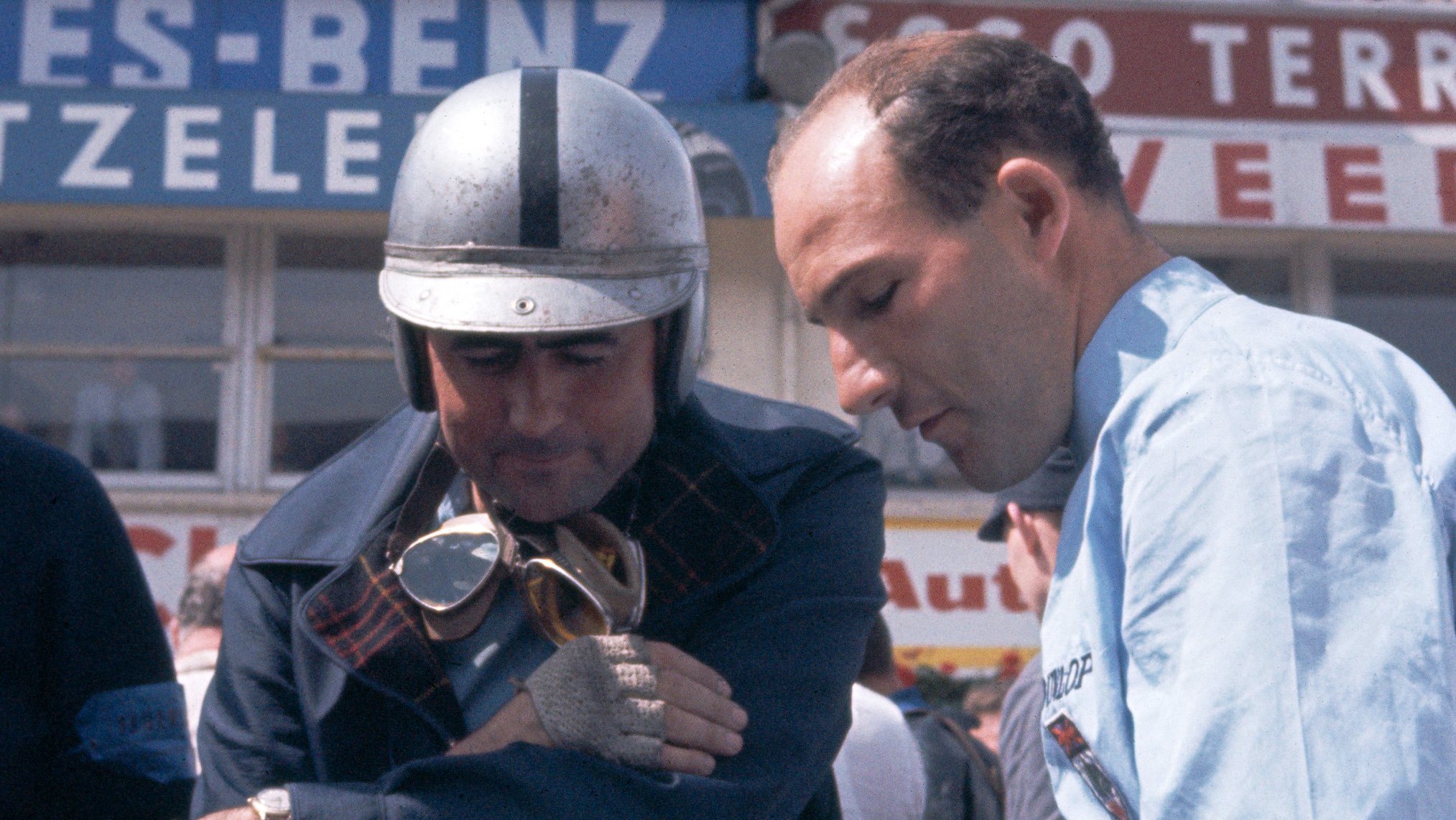
But I remember asking him which drivers he regarded most highly, and I don’t imagine you’ll be too surprised to hear he named Juan Manuel Fangio, but he also recognised Jim Clark as the rarest of rare talents, even though Stirling had his career-ending accident before Clark has won his first World Championship Grand Prix.
I asked him who was the most under-rated driver of his era and I was also not exactly amazed to hear him namecheck Dan Gurney, rather more so that he also named Innes Ireland. “I didn’t bother too much with other people’s qualifying times, but I always wanted to know what Innes had done.” But ask him who the toughest driver he ever encountered might be and he didn’t hesitate: “Oh, Jack Brabham, without a doubt.”
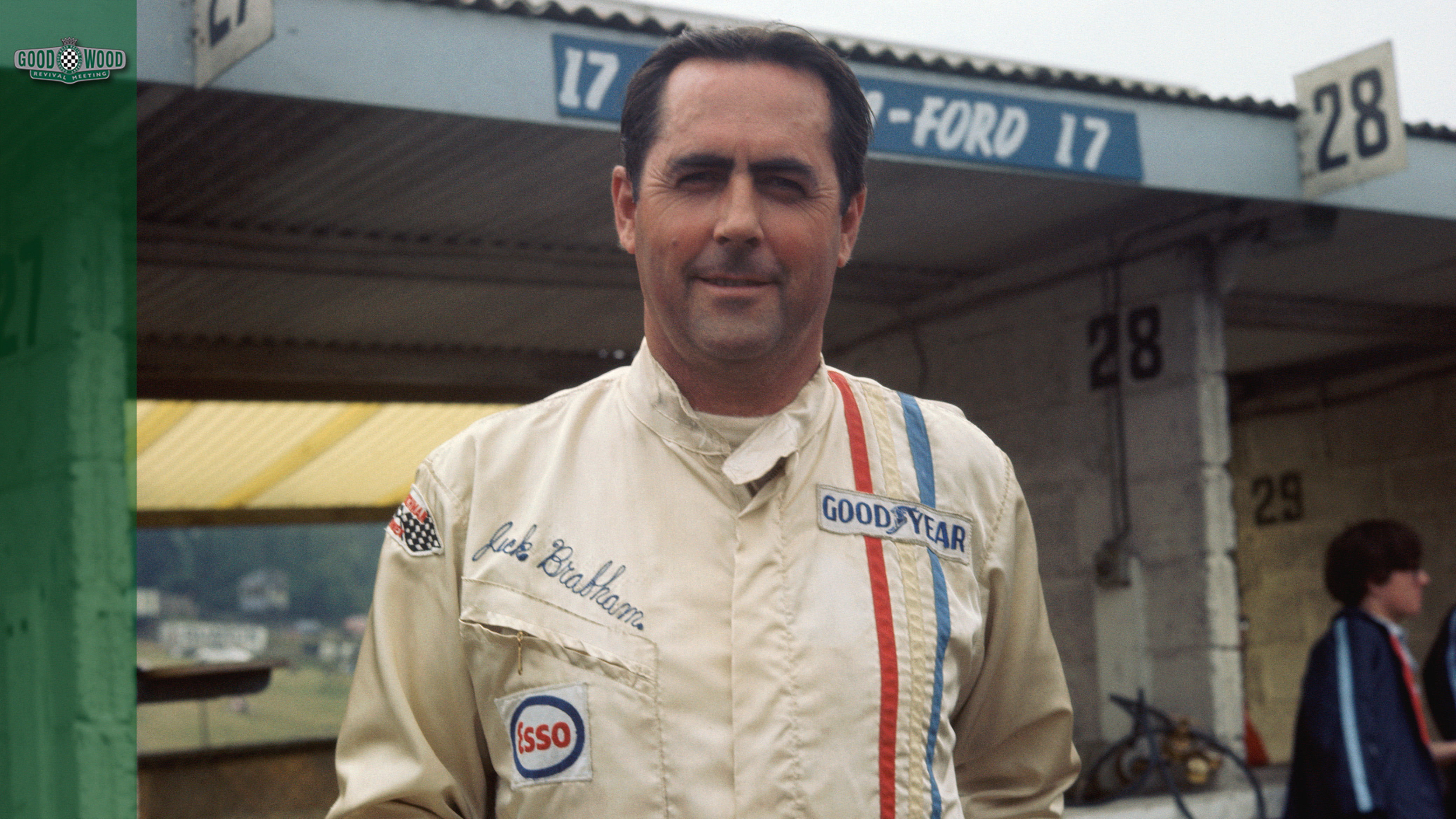
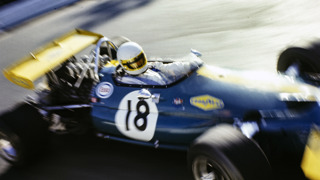
I only met Black Jack a couple of times and he was pretty gruff on both occasions, as I suspect he probably was with all people he didn’t know, but it seems only right that, in his centenary year and on the 60th anniversary of his third and final World Championship in 1966, that his accomplishments are recognised at this year’s Goodwood Revival.
You have to remember that, come 1966, Brabham was already an old man, surrounded by youngsters; he was 40 before the season began whilst the likes of Jackie Stewart and Jim Clark were ten or more years younger. Not only that, he’d not won a race since he took his second title six seasons earlier.
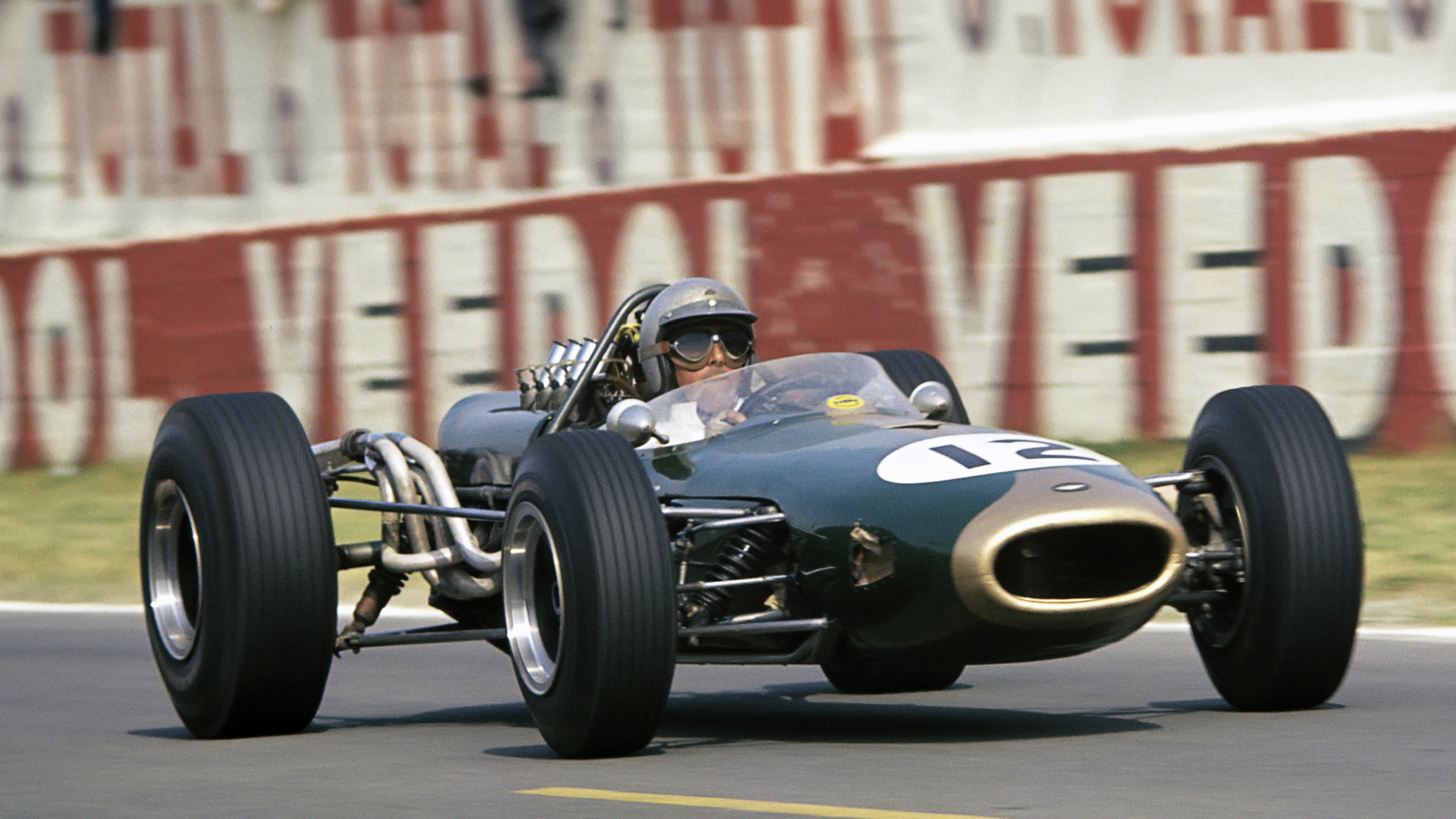
If people thought those titles came courtesy more of the inherent speed and reliability of his mid-engined Coopers relative to the front-engined Ferraris and fragile Lotuses and BRMs that made up the primary opposition than Brabham’s talent, that would perhaps be understandable.
But surely it is no coincidence that his fallow period coincided precisely with the era when Formula 1 cars were at their least powerful, their tiny, naturally aspirated 1.5-litre engines struggling to get anywhere near 203PS (149kW).
I never spoke to him about that time but well remember Tony Brooks telling me how frustrating and unsatisfying those cars were to someone used to using power to provoke high speed drifts. And well can I imagine Jack, brought up on midget racing on dirt track ovals, feeling much the same way. Do I think it pure chance his return to form came with the arrival of the 3-litre V8s? I do not.
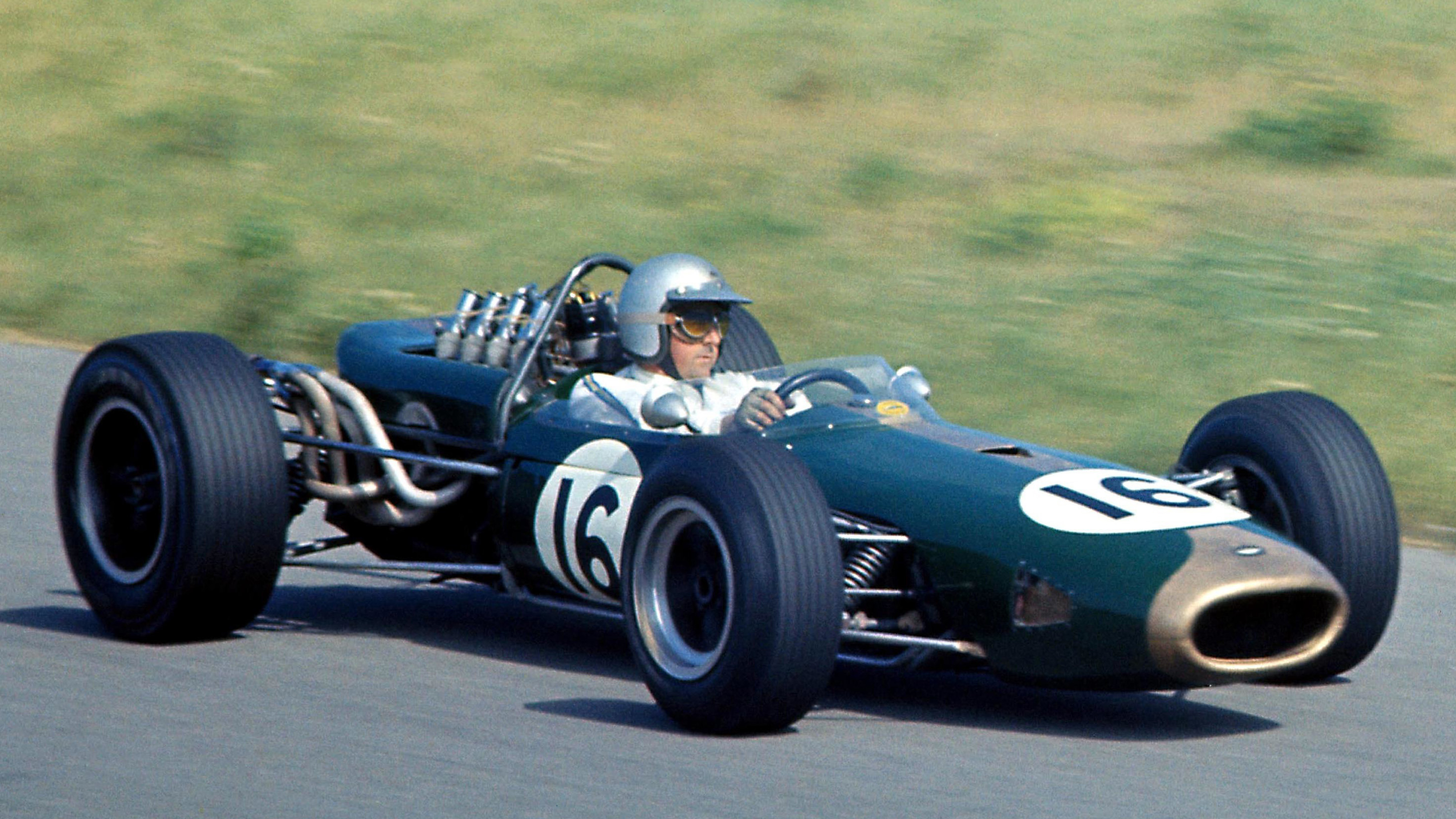
But it was his choice of V8 that was inspired. Many teams simply didn’t have 3-litre engines at the start of the season. Ferrari had to make do with using an engine designed for its sports racing cars; BRM’s H16 was late, heavy and unreliable, while Lotus had to make do with it too while it waited for the ultimately game-changing Ford-Cosworth DFV to arrive the following year.
Brabham’s decision to go for the Repco V8 might have looked mad — it only had a single overhead camshaft on each bank, just two valves per cylinder and had a block originally developed from an Oldsmobile road car — but in a season that brought the greatest single engine change in F1 history, having an engine that simple and reliable was a masterstroke.
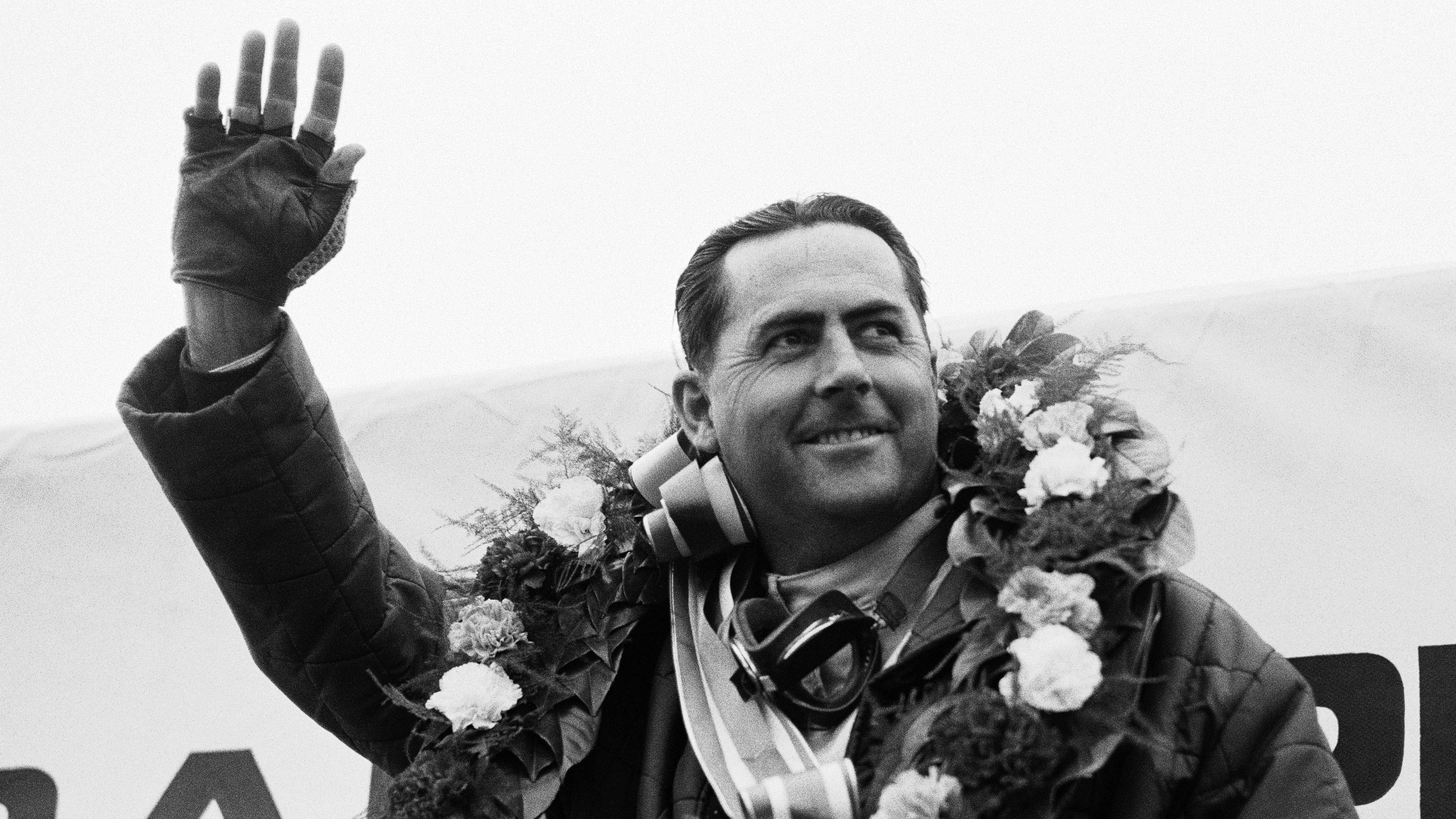
And it’s not even as if Jack just plodded around waiting for others to drop out. At Brands Hatch he took pole, fastest lap and led every lap. But it was his consistency that took him to the title, including four straight wins on tracks as diverse as Reims and the Nürburgring. Only one other driver won more than one race all season and that was for two different companies!
A word about that. There is no question that Brabham’s title quest was to some extent aided by John Surtees’ mid-season defection from Ferrari to Cooper, and record books will show that not only did Ferrari come second in the Constructors’ Championship, but that Big John was second in the Drivers’, too. But would it have made a difference had he not left? Obviously counterfactuals can never be proven, but Surtees finished 14 points behind Brabham the man and Ferrari 11 points behind Brabham the manufacturer.
While that might not sound like much today, in a season of only nine races with just nine points awarded for a win, it’s actually pretty significant. No question then, at least to me: Jack Brabham became only the second triple World Champion, and the first (and to date only) driver to win in a car bearing his own name on merit, and on merit alone.
Tickets for the 2026 Goodwood Revival are now on sale. If you’re not already part of the GRRC, you can sign up to the Fellowship today and save ten per cent on your 2026 tickets and grandstand passes, as well as enjoying a whole host of other on-event perks.
Images courtesy of Getty Images.
revival
revival 2026
frankel's insight
Jack Brabham
Jack Brabham Celebrations
Stirling Moss

Subscribe to Goodwood Road & Racing
Thank you, you’re now subscribed

How many hay bales are used at FOS?
For the last two years, 5,800 bales have been recylced into the biomass energy centre to be used for energy generation