The best Kei cars ever made
Europe is blessed with some of the world’s finest car manufacturers, to the point that it’s easy to forget there’s an entire automotive universe beyond our own continent. Look east, however, and you’ll quickly discover a parallel car culture that’s just as inventive, characterful and, often, delightfully odd. Kei cars sit right at the heart of that world.
Kei cars are built specifically to suit the spatial and economic constraints of the Japanese market, conforming to strict regulations that make them significantly cheaper to buy and run than ‘conventional’ cars. The term ‘Kei’ comes from Keijidōsha, meaning ‘light automobile’, and the rules are taken very seriously. To qualify, a car can be no more than 3.4 metres long, 1.48 metres wide and 2 metres tall, while engine capacity is capped at 660cc. For context, a Volkswagen Polo — considered a small car by UK standards — measures 4.07 metres in length, 1.75 metres in width and can be had with engines up to 2.0 litres.
What Kei cars lack in size they more than make up for in personality. Often impossibly cute, occasionally bizarre and frequently brilliant, there’s a Kei car to suit almost every conceivable need. From hot hatches and off-roaders, to vans, MPVs and even sportscars, the segment covers all bases. These are some of the very best.

Daihatsu Naked Turbo F (L750S)
Quite why the Daihatsu Naked Turbo F is called the ‘Naked’ is open to interpretation, but we’ll take it to mean a car stripped of unnecessary styling pretence. With exposed door hinges reminiscent of a classic Land Rover Defender and more visible rivets than the Yamato battleship, it wears its utilitarian aesthetic proudly.
The theme continues inside. The cabin is refreshingly pared back, with round air vents, chunky switchgear and a large open storage bin on the passenger side of the dashboard that looks more like something lifted from a camping shop than a car interior. It’s charming, honest and completely unpretentious.
The Naked does without the expensive hardware of a full-sized off-roader but it’s more capable than it first appears. Offered with a punchy turbocharged three-cylinder engine and on-demand all-wheel drive, its raised ride height, wheels-at-each-corner stance and featherweight 890kg kerb weight make it surprisingly adept once the Tarmac ends. In Kei car terms, this thing is a mountain goat.

Suzuki Jimny Kei-spec JB64
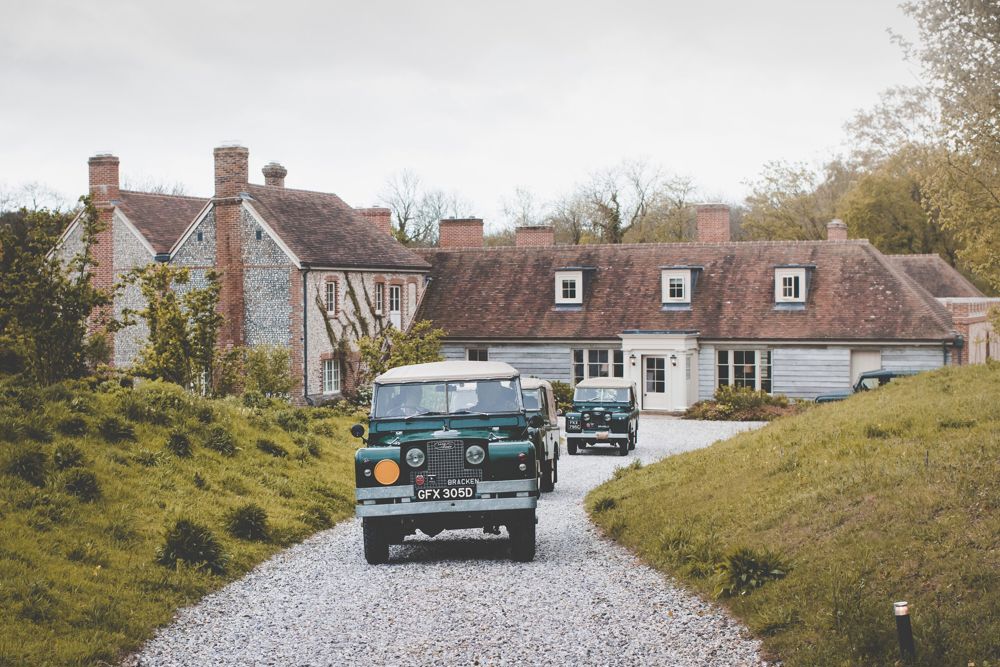
The best of the genuine off-roaders is the JDM-only Suzuki Jimny JB64, otherwise known as the Jimny we desperately wish we got in the UK. At first glance it looks identical to the version sold here, but look closer and you’ll notice the narrower body, smaller bumpers and deleted wheel-arch extensions that allow it to slip neatly under Kei regulations.
The more significant changes are under the bonnet. Gone is the UK car’s naturally aspirated 1.5-litre four-cylinder, replaced by a 658cc turbocharged three-cylinder engine. On paper that sounds like a downgrade, but the modern turbo motor delivers far better fuel economy while offering strong low-down torque, making it better suited to slow-speed off-roading than the heavier, thirstier UK version.
Those smaller bumpers also improve entry and departure angles, and when combined with the Jimny’s body-on-frame chassis, permanent four-wheel drive, low-range gearbox and beam axles, the result is a genuinely formidable off-road machine.
Daihatsu Taft LA900
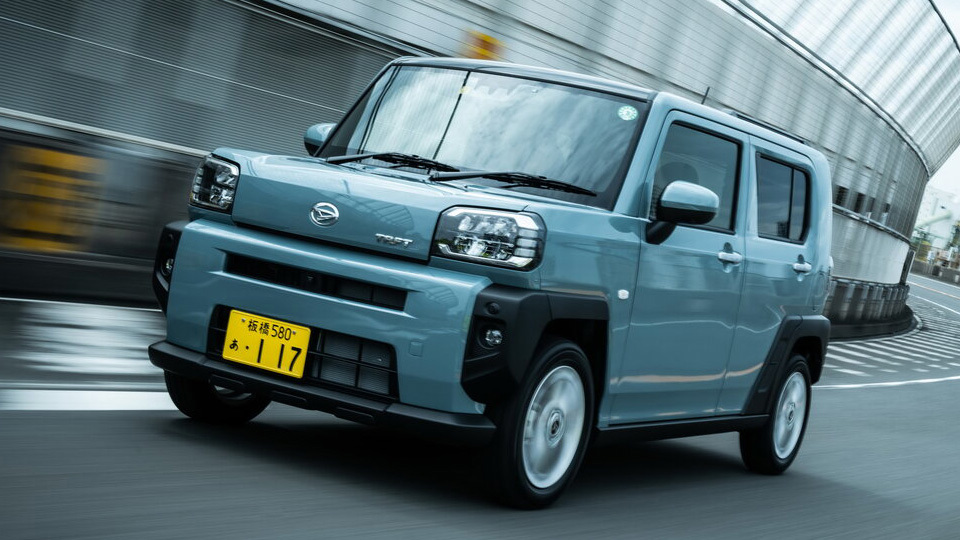
The modern Daihatsu Taft LA900 is proof that Kei cars haven’t lost their sense of fun, Reviving a name first used in the 1970s on a rugged mini-4x4, the new Taft reimagines the concept as a boxy, outdoorsy Kei crossover with a distinctly contemporary twist.
Visually, it’s a masterclass in friendly toughness. The upright proportions, clamshell bonnet and squared-off arches give it real presence despite its tiny footprint, while clever details like chunky roof rails and bold colour options reinforce its lifestyle positioning. Inside, the Taft continues to impress with clever packaging, hard-wearing materials and one standout feature: the Sky Feel Top. This full-length glass roof floods the cabin with light and gives the impression of driving a much larger car, a neat trick in something so compact.
Under the skin, the Taft is available with either front-wheel drive or Daihatsu’s on-demand four-wheel-drive system, paired to a turbocharged 660cc three-cylinder engine. There’s no pretence of hardcore off-roading, but the combination of short overhangs, light weight and optional AWD means it’s more than capable on snow, gravel tracks or poorly surfaced rural roads.
Mitsubishi Minica Dangan ZZ
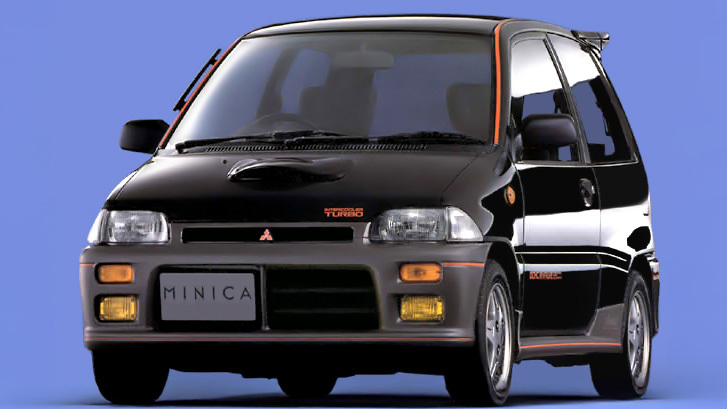
In the great Kei car tradition, the Mitsubishi Minica Dangan ZZ was like tomato paste, squeezing concentrated sports car flavour into a tiny tin of car. This pocket rocket was the first car to feature a twin-cam, five-valve-per-cylinder engine, but unsatisfied, Mitsubishi then bolted on a turbocharger and an intercooler – and – an AWD system. The end result weighed less than a toddler’s shoe box but produced 64PS (47kW) at a heady 8,550rpm, got from 0-62mph in 10.2 seconds and skipped onto a glorious 100mph top speed.
Perspective comes from what the Europeans mustered. Fiat’s Cinquecento Sporting – with a beast of a 1.1-litre four-cylinder – puffed out just 53PS (40kW), wheezed from 0-62mph in 13.1 seconds and waved the white flag at 93mph. Not even close to the 550cc three-cylinder Dangen that was on sale in 1989, half a decade earlier.
Daihatsu Mira turbo TR-XX
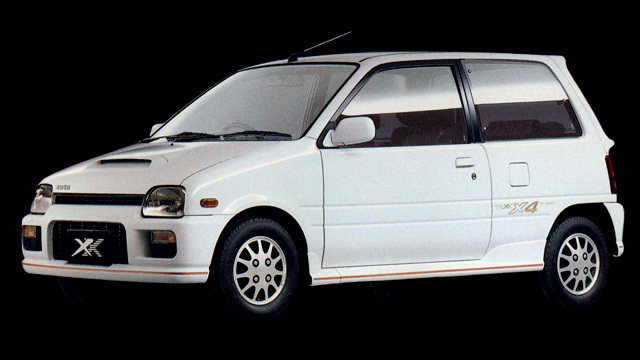
With its offset bonnet scoop, fog lights the size of noodle bowls, squared body kit and spoiler that wrapped around the back window of its chopped tail, the Daihatsu Mira turbo TR-XX looked like a rally car that had been booted up the rear end by Godzilla… if Godzilla could have caught it.
It’s hard to imagine a car better suited to outrunning a mythical monster through a Japanese city; TR-XX’s 3.2-meter length and 1.4-meter width make it ideal for slicing gridlocked Tokyo like a Samurai sword. With the body of a mouse and the heart of an Ussuri brown bear, the Daihatsu featured a 550cc triple that sent 50PS (37kW) through the front wheels to get from 0-62mph in 11.3 seconds and nailed the quarter mile in a none-too-shabby 18.2 seconds.
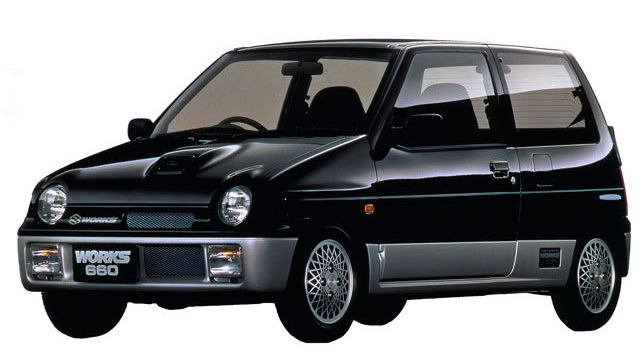
Suzuki Alto Works RS-R
Even in the wild world of the highly-tuned Kei car, the Suzuki Alto Works RS-R was quite a thing when it launched with a bonkers 9,500rpm redline back in 1987. It was available in three specifications: basic RS-S, the luxury RS-X – which had air-con and pink interior accents, and the top-dog RS-R, which added all-wheel drive (AWD) to the mix. If you were in any doubt about the car’s performance, each model came plastered from front to back in decals trumpeting everything from its twin camshafts to its turbocharger and AWD.
Its three-cylinder, 550cc motor squeezed out 63PS (46kW) courtesy of said twin cams and turbocharger, firing this 650kg lightweight from 0-60mph in 10.4 seconds.
Subaru Vivio RX-R
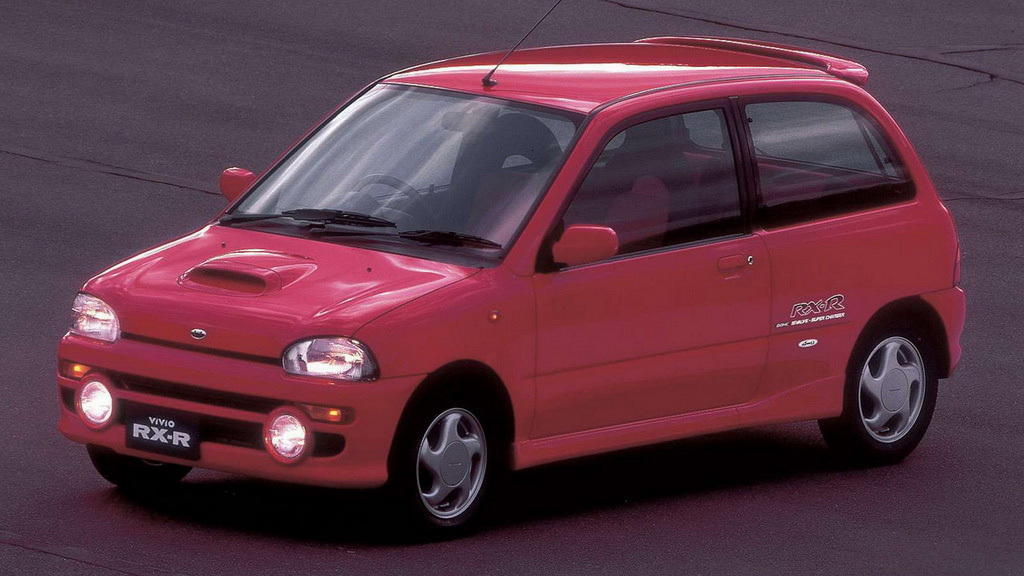
Front on, the 1992 Subaru Vivio RX-R looks like a tiny Impreza 2000 Turbo thanks to its bonnet scoop, lozenge-shaped headlights and circular fog lights, but it’s the little car that served as the inspiration predating its big brother’s launch by two years.
While the Impreza chose turbocharging, the Vivio RX-R opted for the instantaneous thrust of a supercharger bolted to a 660cc four- (note not three-) cylinder engine with 16 valves, two camshafts and an intercooler. Subaru claimed power of 64PS (47kW), but this (conservative) figure was only quoted to keep the car in line with Kei car regulations. Four-wheel drive (2WD was also available) helped the Vivio accelerate from 0-60mph in 10.3 seconds and it covered the quarter mile in 17.6 seconds.
Suzuki Mighty Boy
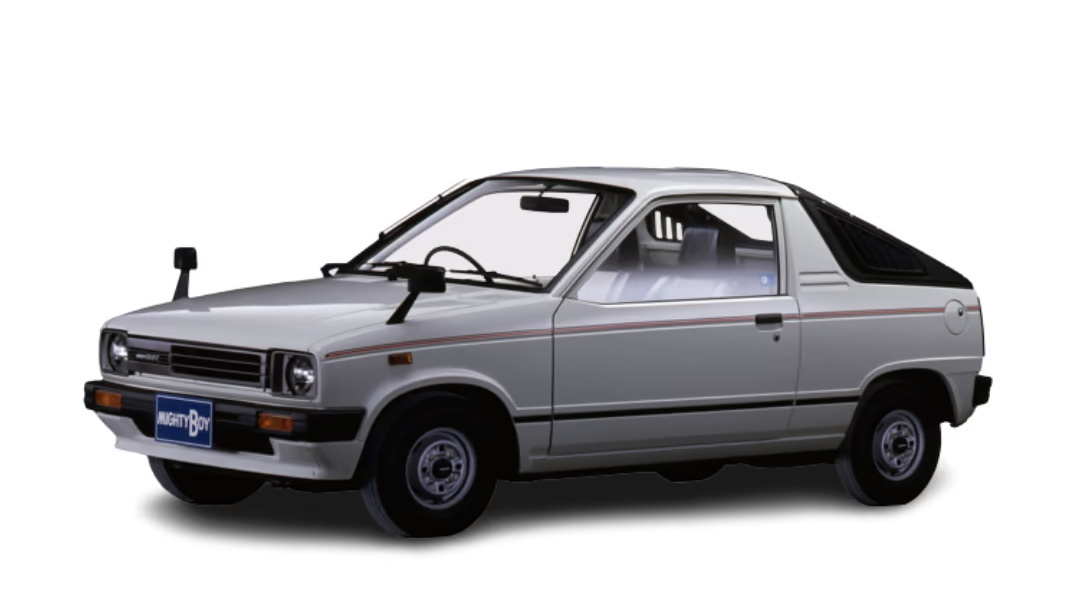
Japan’s car industry has some of the weirdest car model names – we point you to the Mazda Scrum Wagon, Isuzu Mysterious Utility Wizard and the Nissan Homy Super Long – and it’s in this proud history that we bring you our next entry – behold, the Suzuki Mighty Boy.
In fairness to the Mighty Boy, its name does at least reflect the car it’s stamped on – ‘Mighty’ because it’s a tiny pickup truck, ‘Boy’ because it has an adolescent build. Based on the Cervo coupé, it has a steeply raked A-pillar, but with the roof chopped off behind the B pillar and a sloping tonneau cover where you used to find a metal hard top. Despite its optional roof bars, the Mighty Boy was never marketed as an actual utility vehicle. And, with a single-overhead-cam, 28PS (21kW) motor turning the front wheel via a four-speed auto, it can claim none of the ‘pocket rocket’ kudos of most of the other cars here.
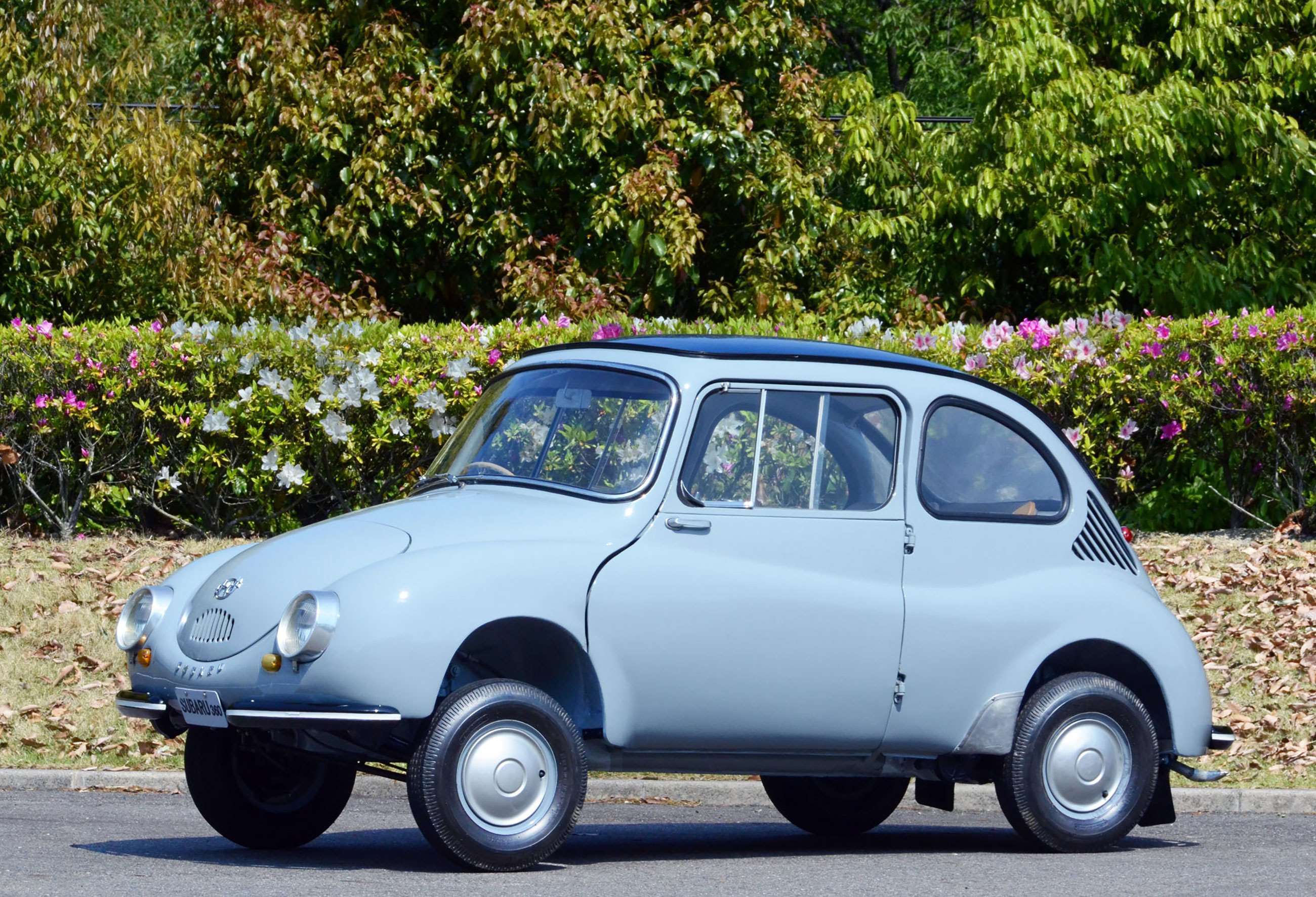
Subaru 360
When Kei cars first appeared, regulations stipulated that their engines exceed no more than 360 cubic centimetres in capacity. With that, cars like the imaginatively named Subaru 360 appeared. It weighed just 454kg which in context, is half the weight of a Lotus Elise and around about the figure individual men have hoisted from the ground, above their heads, in recent deadlift world records.
Not much, then, for the tiny little twin-cylinder engine to shift around. First introduced in 1958, 392,000 360s, including Custom, Convertible and sporty ‘Young’ models, were shifted in the 12 years it was on sale.
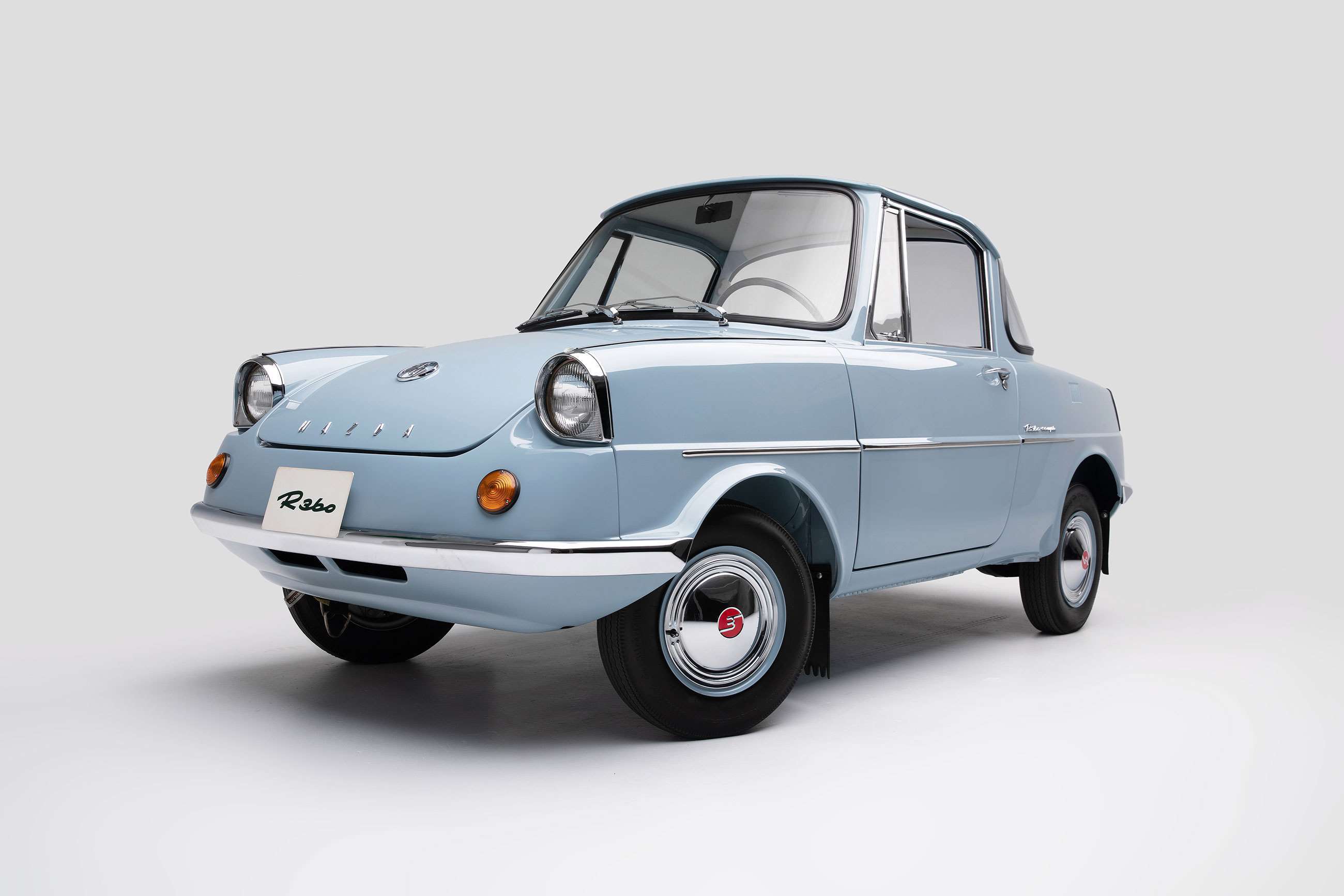
Mazda R360
If you think the Subaru is light, how about the Mazda R360. It comes under the 454kg 360 by 74kg, weighing just 380kg. Powered by a rear-mounted V-twin, the R360 was something of a stylish little coupe. In the period of its availability between 1960 and 1966, it was one of the most popular Kei cars on sale. It spawned a number of different versions, including the P360 sedans and even the B360 pickup.
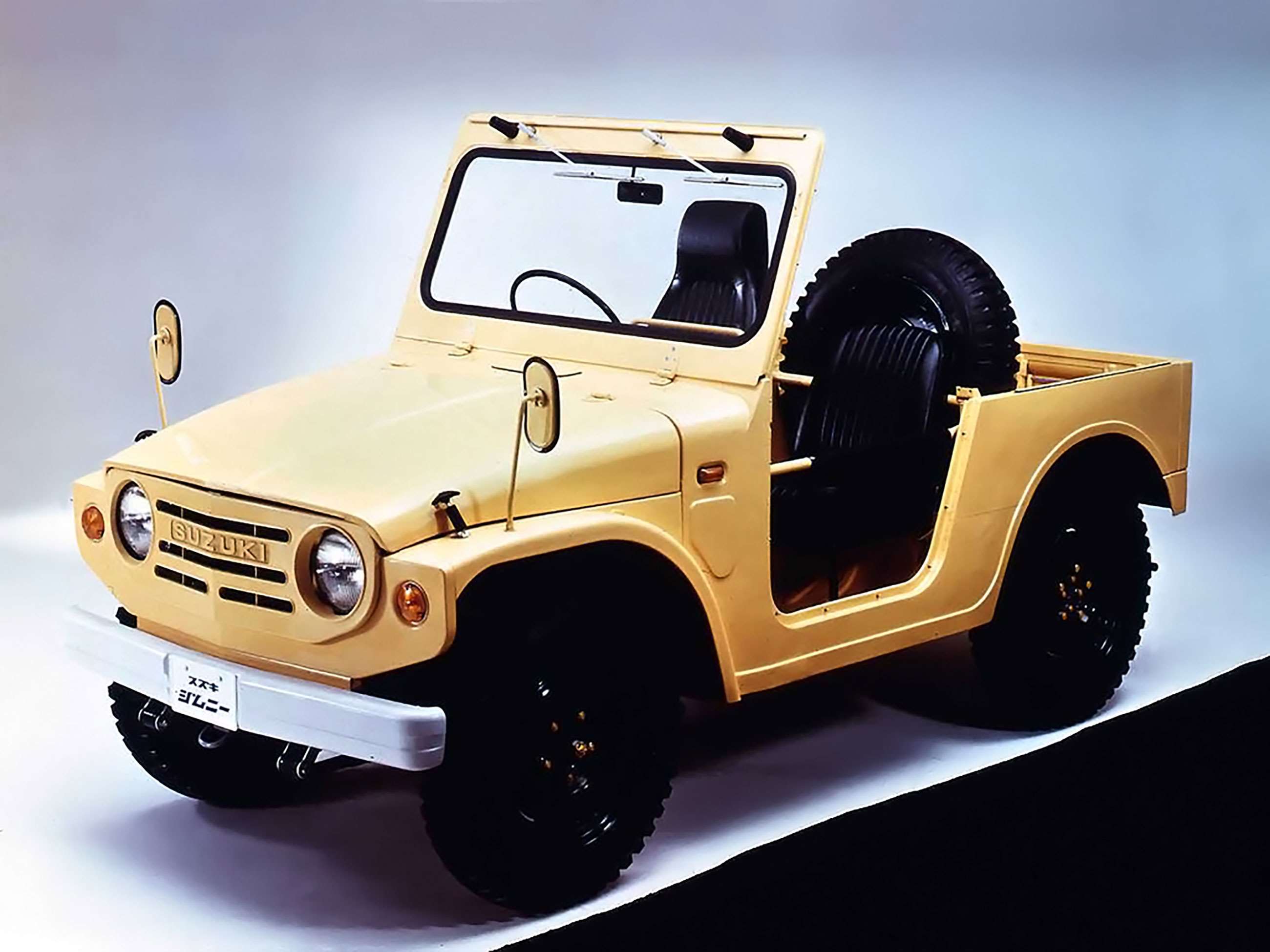
Suzuki Jimny LJ10
Something you might find a bit more familiar, the Suzuki Jimny. Not exactly first conceived as a Kei car, Suzuki had to pull the external spare wheel into the interior to get the length inside three metres. It made it a three-seater, but in combination with the engine swap for a 360cc two-stroke, the LJ10 earned Kei car status.
Originally assembled by hand, production was quickly ramped up after the model’s huge initial popularity. Granted, compared to our other entries thus far, it’s a comparative heavyweight, at a portly 590kg. But a Kei car it remained.
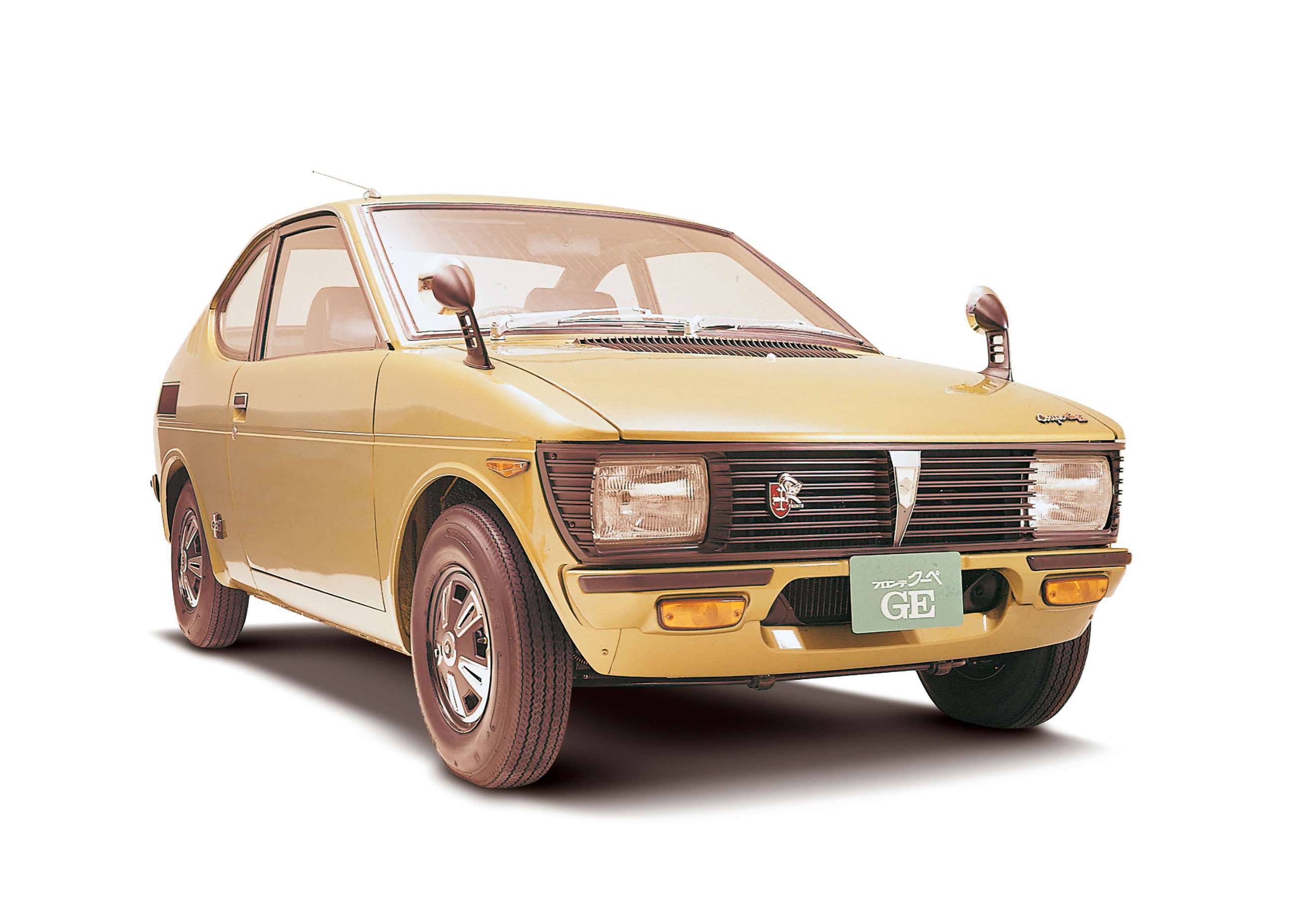
Suzuki Fronte Coupé
The Suzuki Fronte was not dissimilar in concept to the Subaru 360 but it’s the Coupé that came ten years into its life that we’re curious about. That swooping coupé window puts us in mind of the Lancia Fulvia Sport Zagato, or the Alfa Romeo Montreal. Curious, as it was Giugiaro, not Bertone, that offered the first pass at its styling.
At this point, we’re over ten years into the Kei car genre, so weight is increasing. The Fronte Coupé was a hefty beast compared to the Kei car founding fathers, at 500kg.
Honda Beat
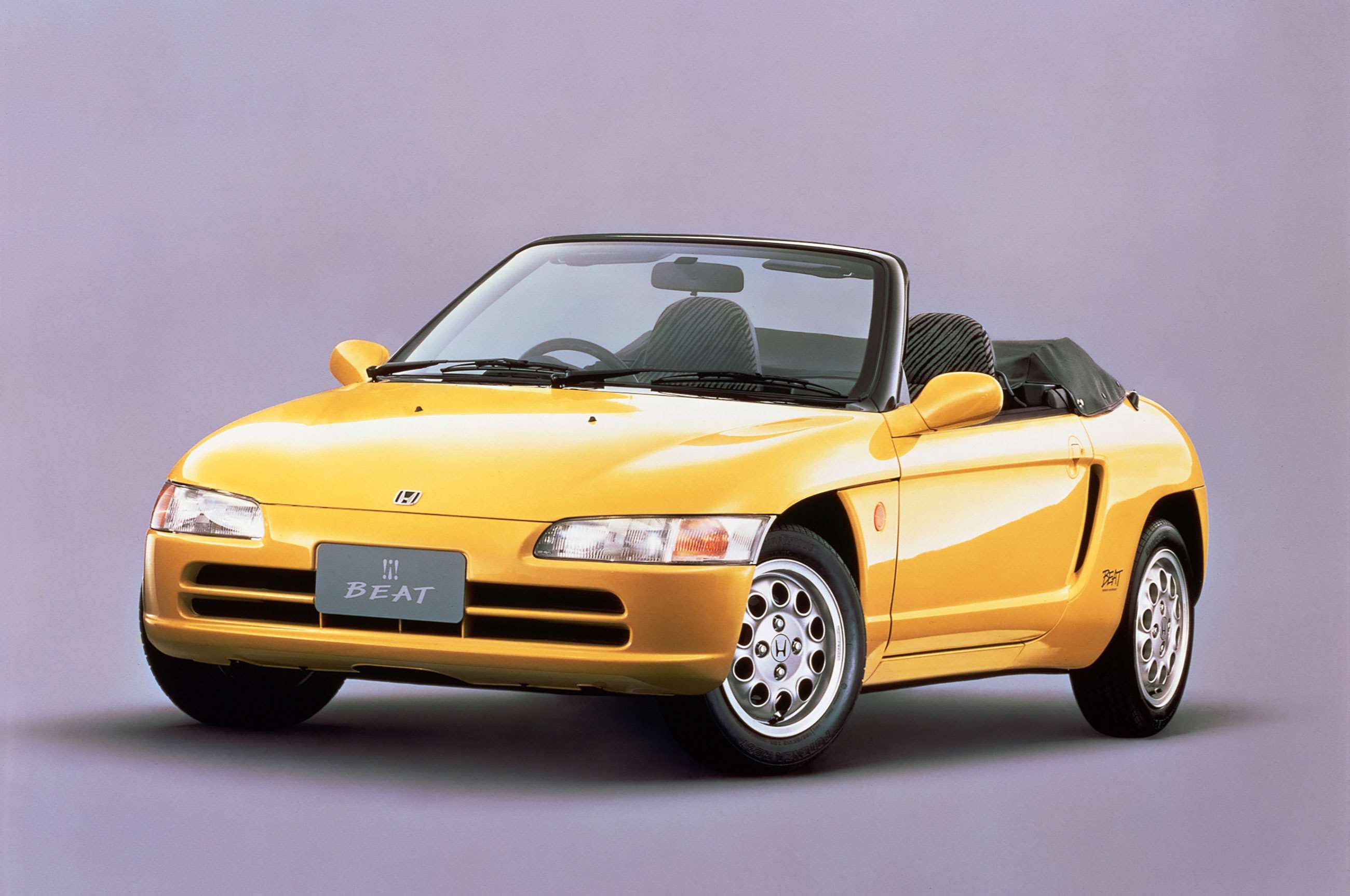
Jump forward to 1991 and what has to be one of the most famous Kei cars ever made. By now, we’re into the 660cc regulations. We’re also at the point where the makers of a type of car that’s usually rear-engined, means they can style them like mini supercars. The Honda Beat is just such a machine, with sporty Pininfarina styling, a drop-top and colour options more akin to Maranello than Suzuka.
Its 656cc three-cylinder engine produced a healthy 64PS (47kW), thanks to its MTREC system and individual throttle bodies. It also revved over 8,000rpm. If that sounds not unlike a motorcycle engine, you wouldn’t be far off. The Beat was one of a number of sporty Kei cars to crop up in the 1990s and 2000s.
Suzuki Cappuccino
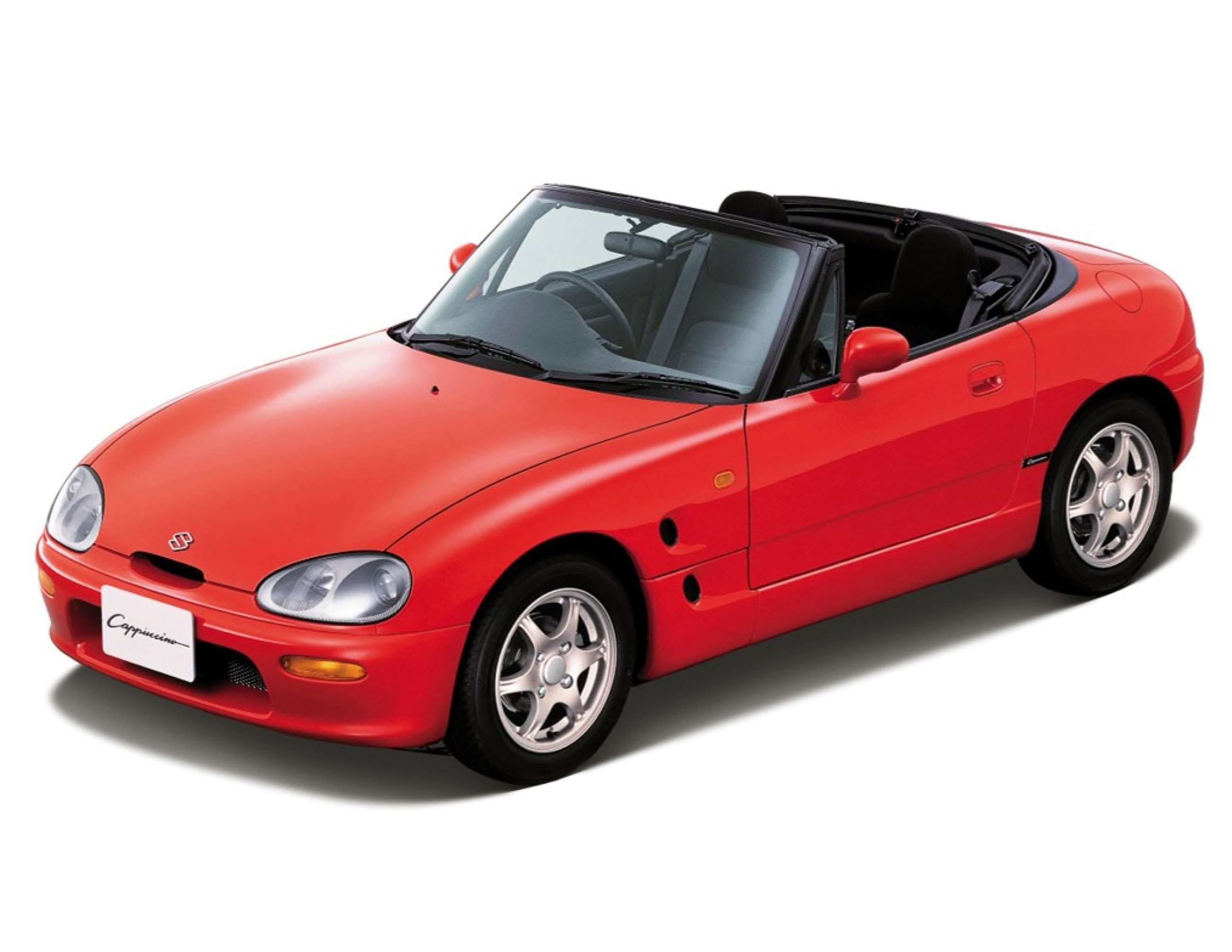
Alongside this, the Suzuki Cappuccino, the one Kei car that could claim to be more famous than the Beat. It too arrived in 1991 with a 657cc three-cylinder, with the additional help of a tiny little turbocharger, for a total of 64PS power output in line with Kei car regulations. It had a pop-out roof for the air in your hair experience. Though not initially intended to be exported, the Cappuccino did eventually reach UK shores, if only for a few short years and in tiny numbers.
Autozam AZ-1
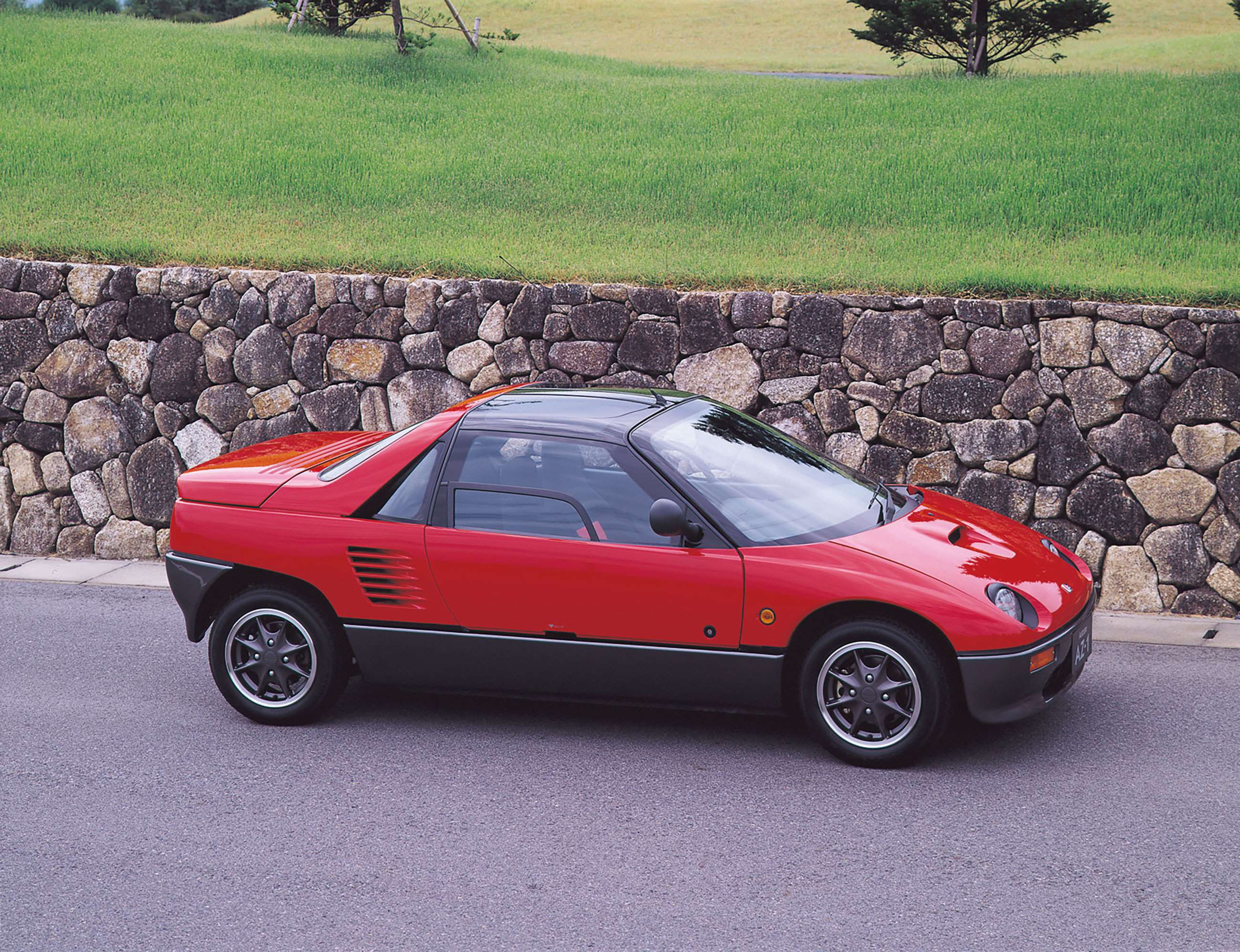
The cause of making microscopic supercars came to a head with the Mazda Autozam AZ-1, a Kei car that almost perfectly emulated the archetypical early-‘90s small-production no-name supercar at half scale. It was mid-engined, with a familiar turbocharged three-cylinder also seen in the Suzuki Cappuccino. What, apart from the looks, made the AZ-1 stand out? Gullwing doors! Need we say any more?
Actually, yes. Of all the latter-day modified versions of these cars, the RE Amemiya GReddy VI-AZ1 is a mad machine, swapping the three-pot out for a 20B Mazda rotary. It also got suspension upgrades similar to those found on the Porsche 962, and brakes from a Ferrari F40. Struth!
Daihatsu Copen
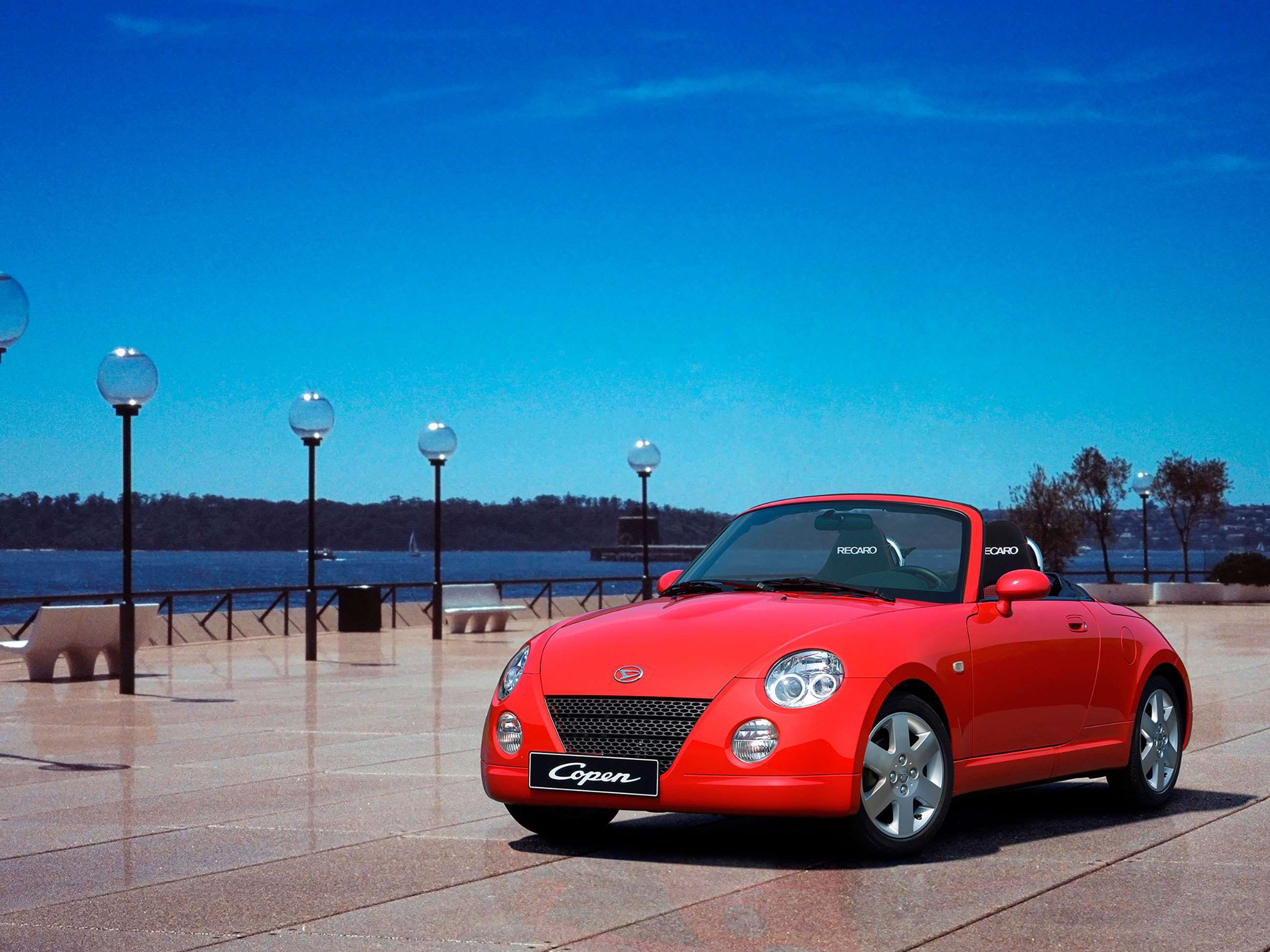
The car that got Clarkson a smack on the wrist for calling it ‘a bit gay’ is the Daihatsu Copen, Diahatsu’s coupe cabriolet Kei car of the early 2000s. It did trade out the rather rough and tumble looks of its early ‘90s equivalents in favour of a softer, rounded look. We rather like it. You know the deal by now, under 660cc but in this case, four cylinders working with a turbocharger, rather than three. Markets outside of Japan got a somewhat meatier 1.3-litre engine.
Honda S660
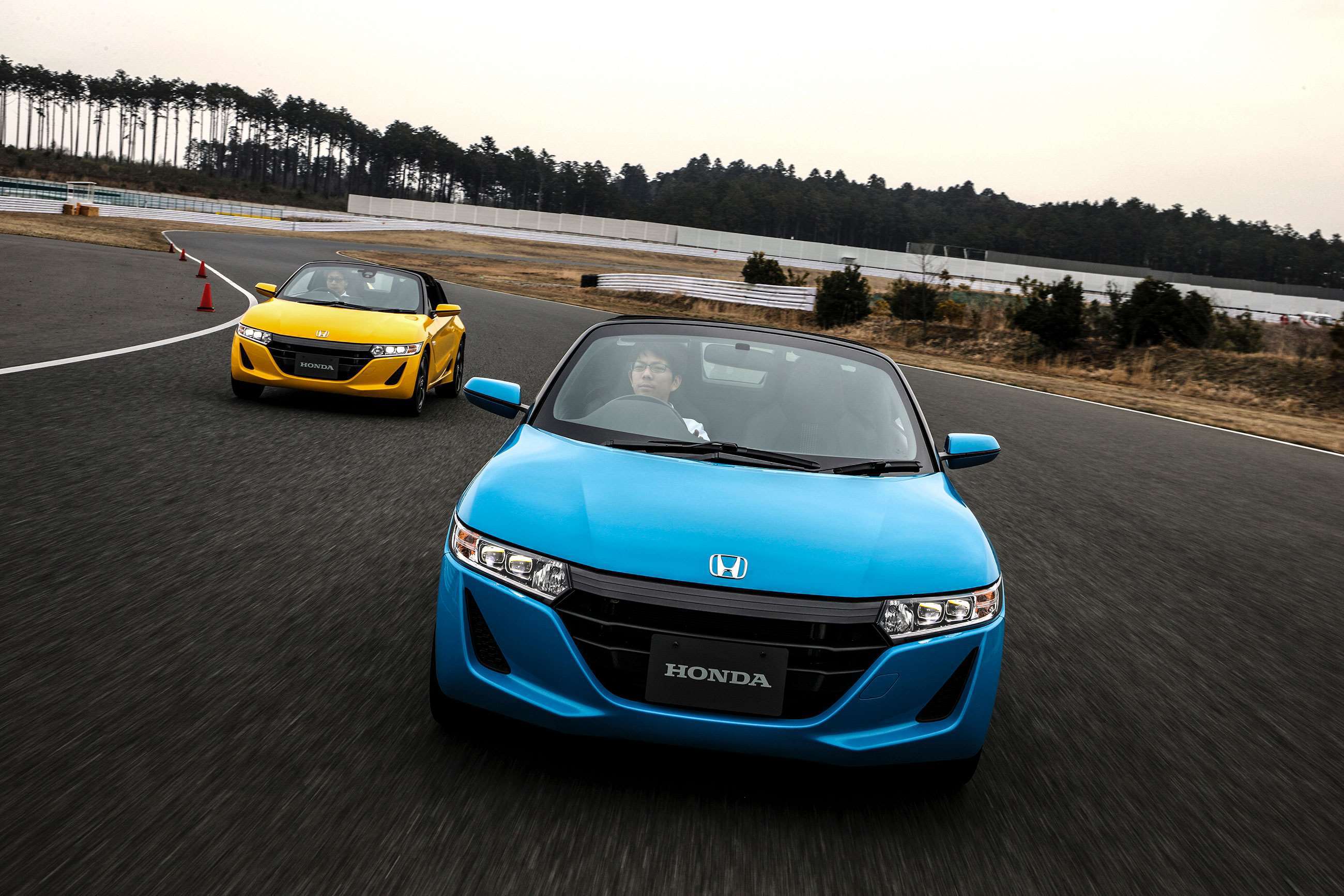
To read the spec sheet of a Kei car, you imagine pensioner-friendly econoboxes and indeed many are, especially as we move into the 2010s era. Yes, there’s a new-ish Daihatsu Copen from this era but it’s not all that appealing. What is, is the spiritual successor to the Honda Beat, the Honda S660. It’s a two-seat roadster not dissimilar in styling language to the current Honda NSX supercar.
The caveat of course is that this is a Kei car, so it’s got a 658cc three-cylinder turbo, instead of a hybridised twin-turbo V6. It’s the only S-badged Honda roadster since the S2000 and doesn’t it just look superb.
Caterham Seven 160
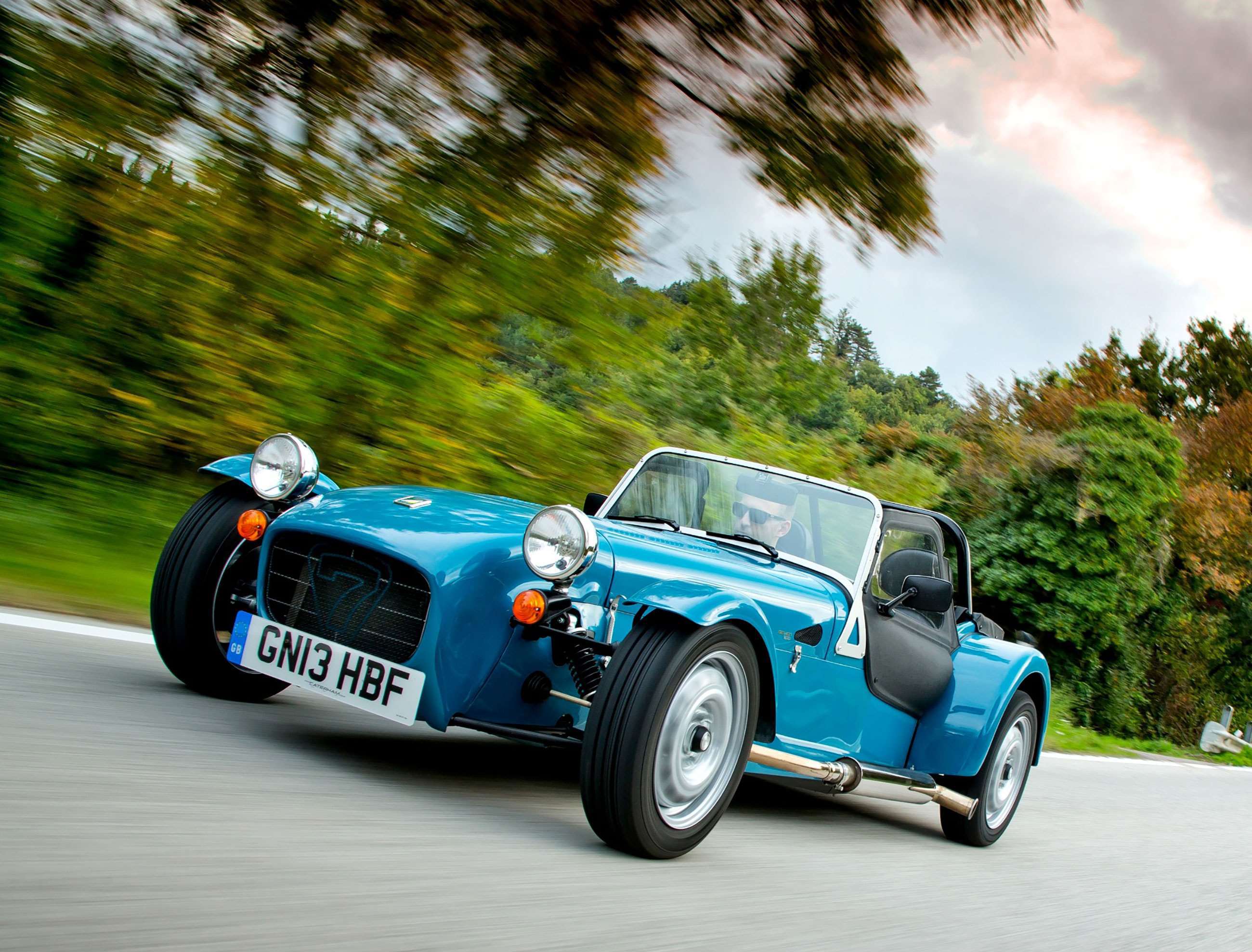
Some Kei cars that were never intended for other markets made their way to lands beyond Japan. On the flip side, some cars never intended for classification as a Kei car, find their way in. This is perhaps the best example of the latter. Meet the Caterham 160, arguably one of the coolest unlikely Kei cars.
With a Suzuki 660cc engine, a slim body and skinny tyres, it gets the already slight Caterham over the line as a Kei car in terms of regulations. The difference? Well, in Japan, it produces the regulation 64PS. In the UK, you get a heady 80PS (59kW). It won’t set your hair alight but with just 500kg to shift, it should be a riot.
Subaru
Honda
Suzuki
Mazda
Autozam
Daihatsu
Caterham
List
Mitsubishi
SUBA
road
news