

Europe has launched satellites to watch plants glow
Somewhere above you right now, European satellites are checking on how the planet is coping and where your next meal comes from.
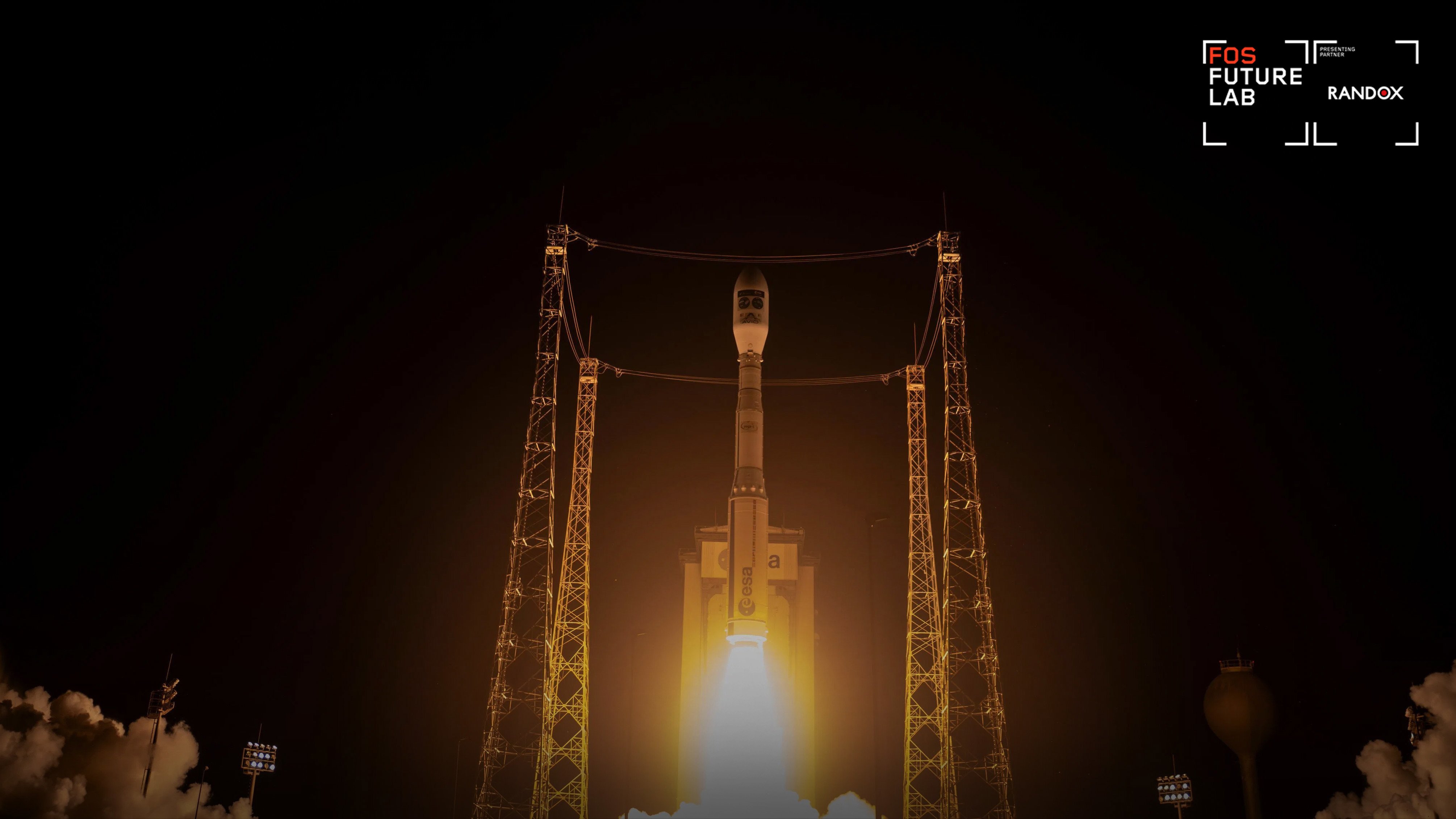
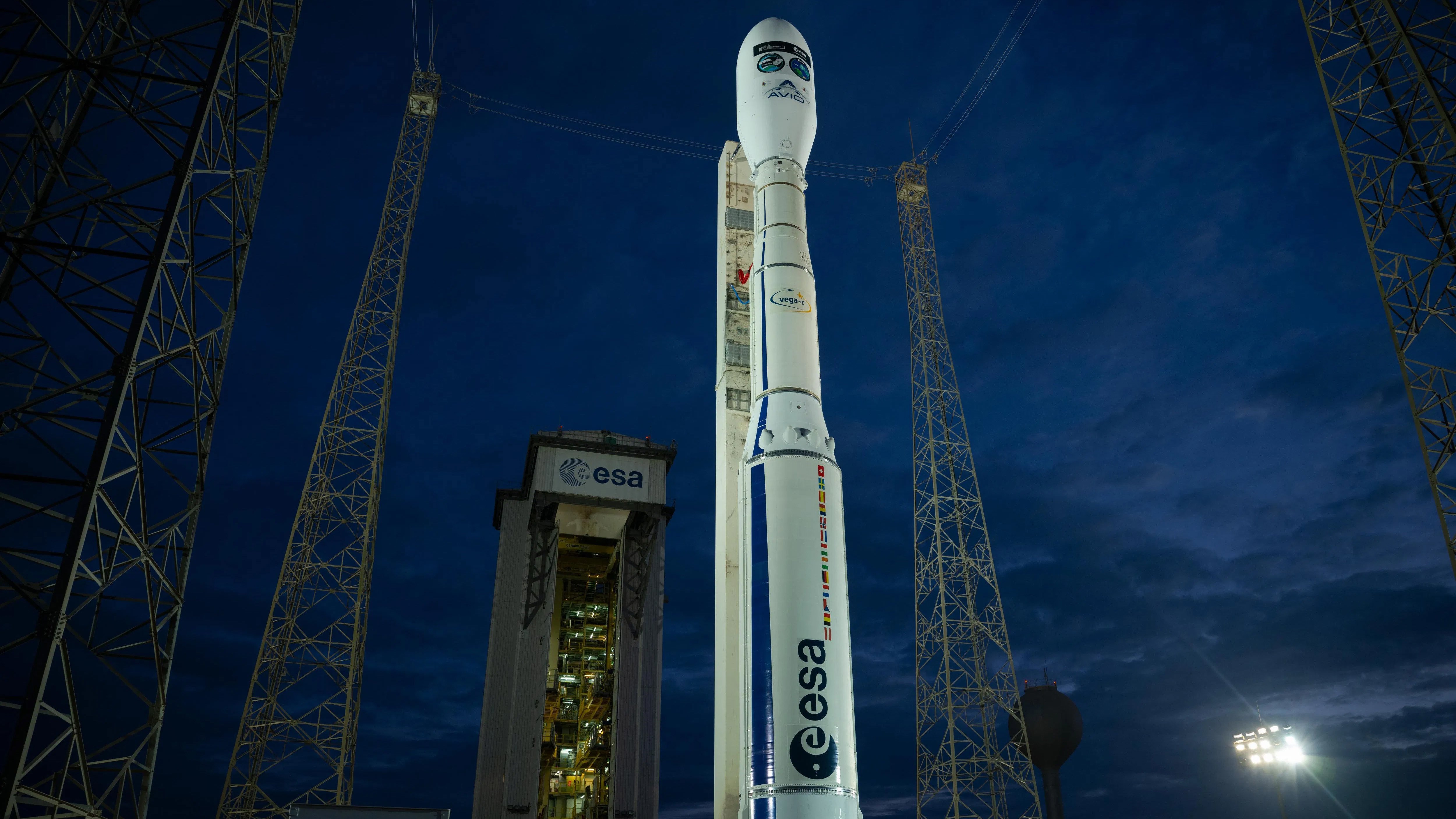
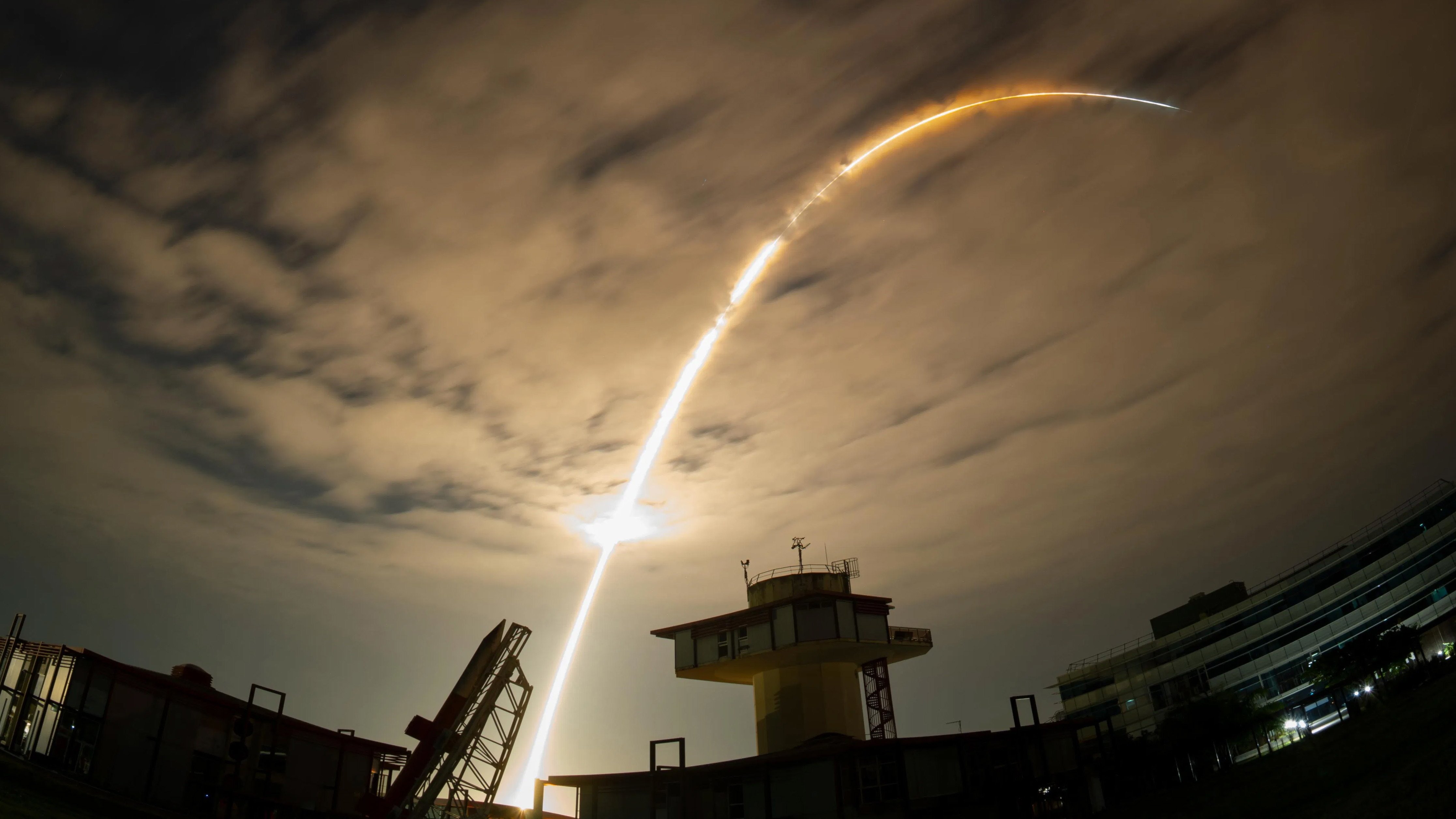
The European Space Agency launched Flex, short for Fluorescence Explorer, from French Guiana in September, alongside another satellite, Copernicus Sentinel-3C, and together this pair can measure photosynthesis from space and flag a failing harvest weeks before farmers spot it.
Plants are stubbornly good at looking well, so a field of wheat can be in trouble for weeks before anybody notices. By the time the leaves start to turn, the damage is done, and the harvest suffers.
ESA satellites can spot a faint red light plants give off while they are feeding on sunshine, and that light reveals whether a plant is growing or merely surviving. That glow only appears during photosynthesis. No glow, no grow. So, when drought, disease or exhausted soil start shutting a plant down, the light fades weeks before the leaves do.
Existing satellites measure greenness, which tells you what a field looks like, but Flex measures the glow, which tells you what a field is actually doing. And while Flex is doing the detective work, Sentinel-3C measures the cloud, heat and ground conditions that would otherwise throw its readings off.
Reading light from 500 miles up
The difficulty is the glow makes up a tiny fraction of the light coming off a field, and Flex has to find it through the entire depth of the atmosphere while travelling at thousands of miles an hour.
It does this with a spectrometer, an instrument splitting light into extremely narrow bands of colour. The glow sits at a wavelength the Sun itself barely produces, so when that band comes back brighter than it ought to be, something down there is busy turning sunlight into food.
Nobody has managed it from orbit before. ESA selected the mission back in 2015, which gives you a fair sense of how hard it has been to get to lift-off.
The unfashionable side of space
There is a version of the space industry that gets all the attention. Billionaires, Mars, asteroid mining, and the held notion we might one day need somewhere else to live.
Flex and Sentinel-3C are the other version. Satellites living in low orbit, collecting the sort of unglamorous data that tells us whether the rainforests are coping and fields of wheat will hold.
Pointing a camera at Earth shouldn’t be seen as a lesser ambition than pointing one at Mars. The most complicated system humans have to understand right now is not the lunar surface, it’s the one we’re standing on, and it’s behaving rather oddly.
FOS Future Lab presented by Randox has always kept a foot in orbit. Our ambassador is astronaut Sir Tim Peake, and recent exhibits have ranged from Space Forge's reusable satellites and Pulsar Fusion’s world-beating space propulsion systems to ESA's Euclid mission mapping billions of galaxies.
Flex follows the same instinct — a voyage of discovery — only the focus is on Earth, not outer space.

Randox is a global leader in diagnostics, revolutionising patient outcomes through innovative technologies, including its patented biochip technology. This pioneering diagnostic platform allows for the simultaneous detection of multiple biomarkers from a single sample, delivering faster, more accurate, and comprehensive results. Operating in over 145 countries, Randox develops advanced laboratory instruments, high-quality reagents, and innovative testing solutions to improve global healthcare.
Randox Health brings this cutting-edge technology directly to individuals, offering bespoke, preventative health testing programs. With world-class laboratories and personalised health insights, Randox Health enables early detection of a wide range of conditions, helping individuals take control of their health.
Together, Randox and Randox Health are redefining diagnostics and preventative healthcare. For more information, visit www.randox.com and www.randoxhealth.com.
The 2027 Festival of Speed will take place on 15th-18th July 2027, sign up for ticket alerts to make sure you don't miss out. Tickets are available for GRRC Members and Fellows, you can join the Fellowship today.
festival of speed
fos
fos future lab
future lab


Subscribe to Goodwood Road & Racing
Thank you, you’re now subscribed

How many hay bales are used at FOS?
For the last two years, 5,800 bales have been recylced into the biomass energy centre to be used for energy generation