

FOS Future Lab: Sir Tim Peake on returning to the Moon and printing hearts in space
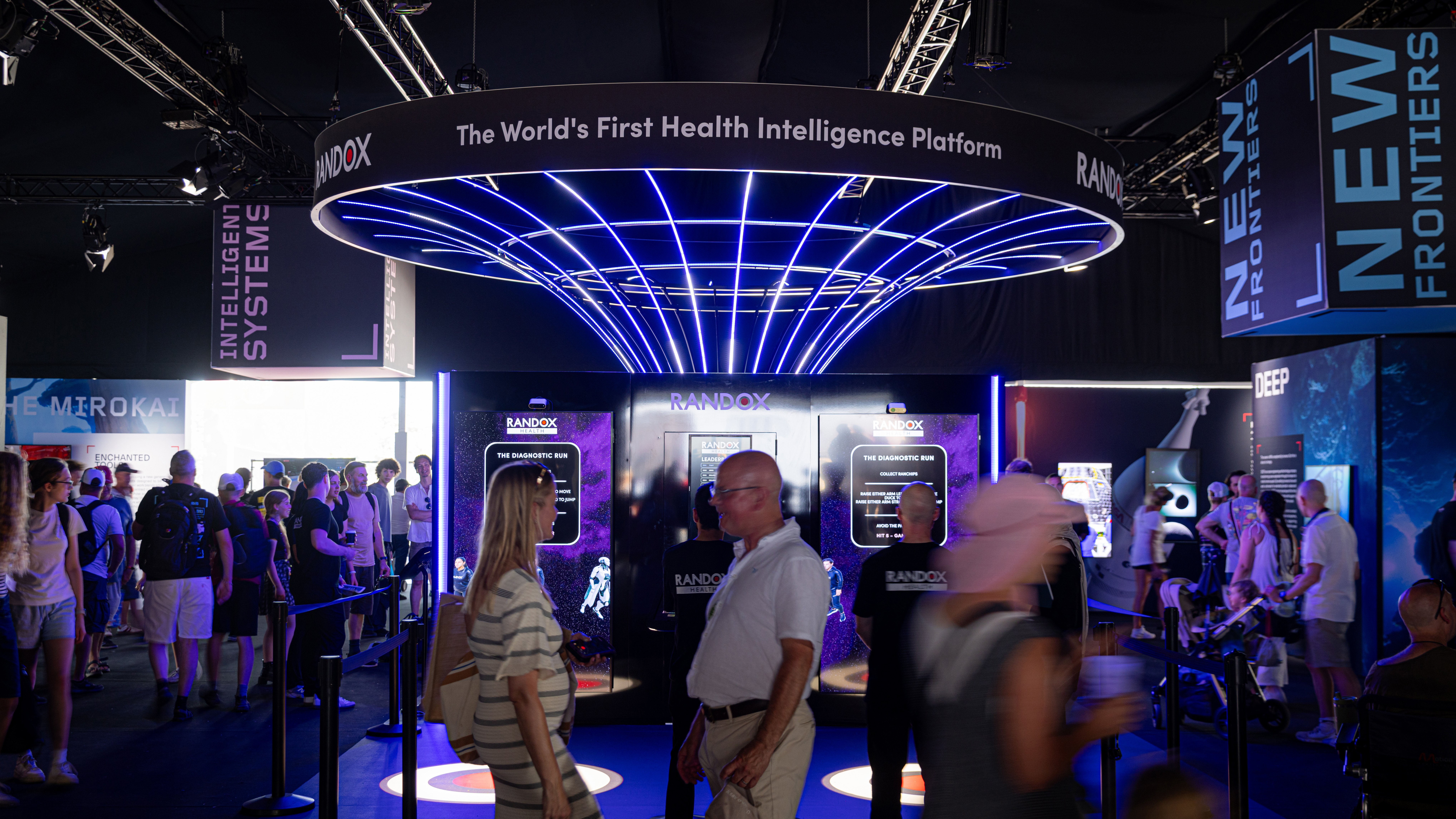
Sir Tim Peake grew up down the road from Goodwood and eventually spent six months of his life falling around the Earth at 17,500mph. At the 2026 Festival of Speed presented by Mastercard he was back on home turf at FOS Future Lab presented by Randox, explaining, among other things, how a human heart might one day arrive from space.
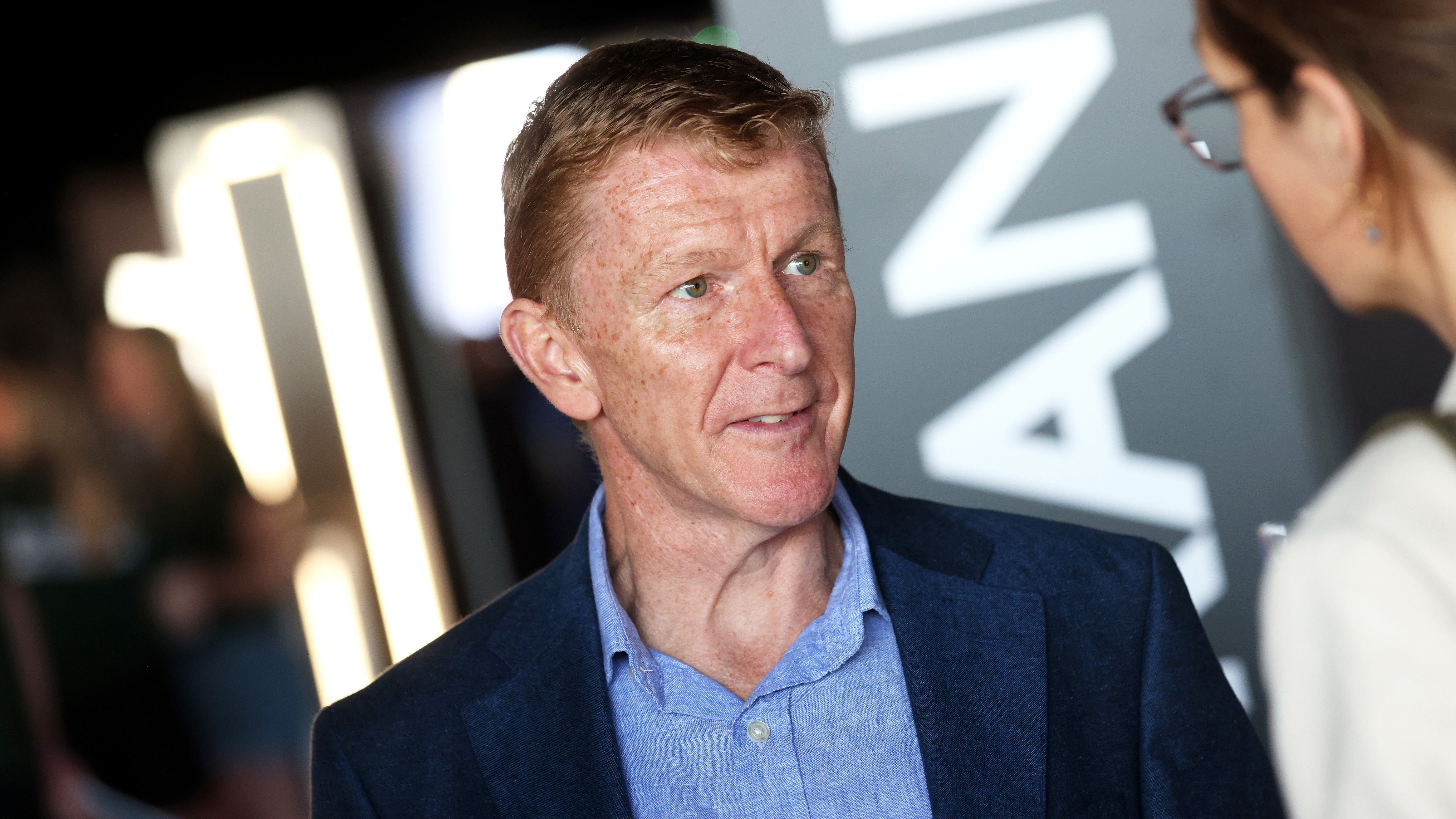
The problem, he says, is gravity. “If you try to print a human heart on Earth using bio ink, which we can do, layer by layer on a 3D printer, any fragile structure is going to need some sort of scaffolding to help it until it’s fully formed… it’s going to want to collapse in on itself.
“In space, you can print things out in perfect quality. So, the idea is in ten years you might take a patient’s cells from their heart, and you might print out their own heart in space, fly it back for a transplant with no risk of rejection from the human body, because it’s your heart.”
It’s in the FOS Future Lab ambassador’s job description to take the far-fetched and give it a delivery date, and that was just the starter for ten.
Midnight solar power
Peake's next example was closer to home: your electricity bill. A British company called Space Solar wants to collect solar power in orbit and beam it down to Earth. Up there, the sun never sets, so the panels never stop working.
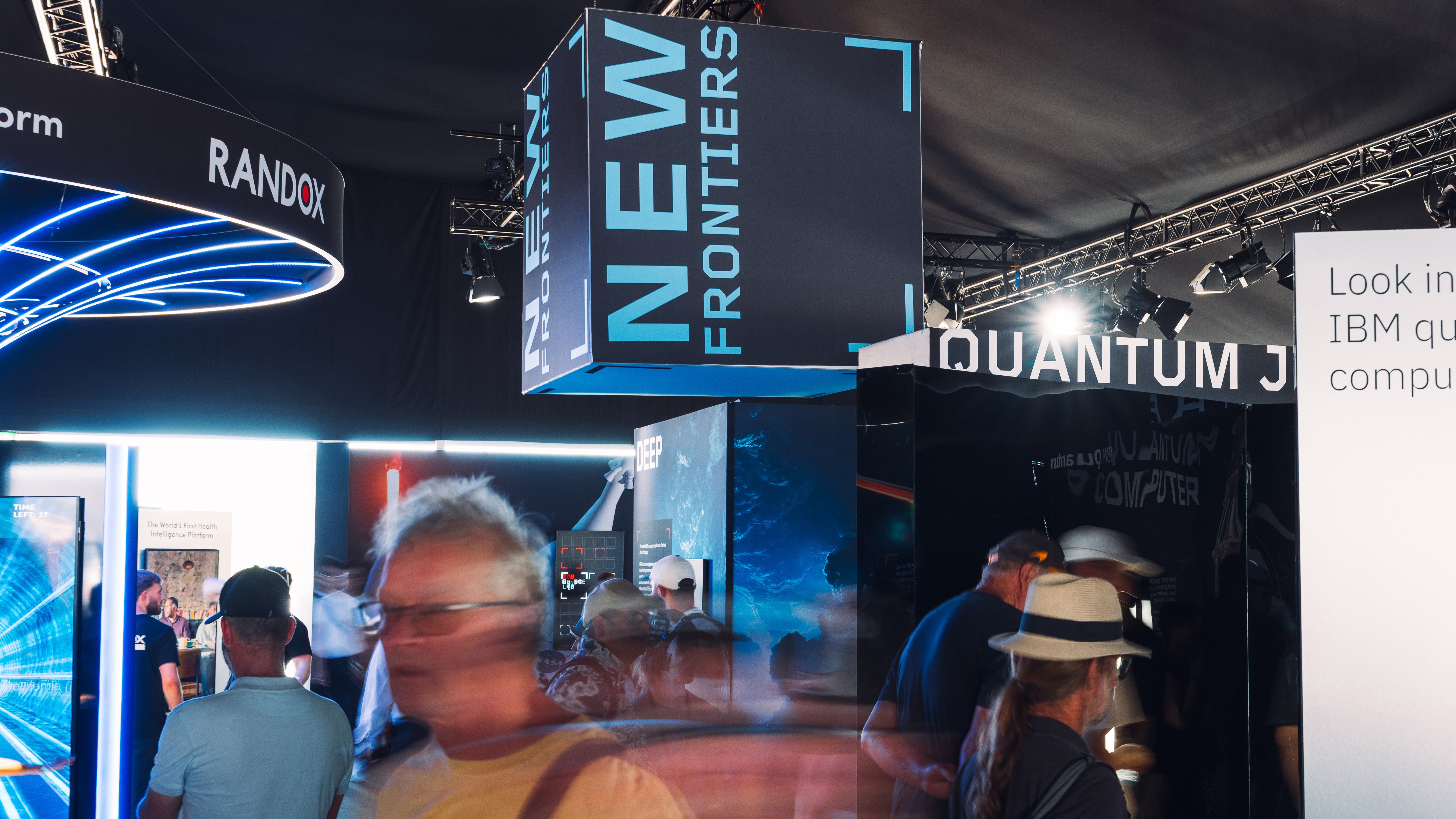
The plan starts small, with a demonstrator satellite by 2030 sending about 15 megawatts to the ground. By the mid-2030s, the aim is two gigawatts. "Two gigawatts is the size of a large nuclear reactor, so it's a meaningful chunk of electricity," said Peake. "It could be midnight in London, but you're still receiving solar power from your generator in space."
The power arrives as a microwave beam, which sounds alarming and isn't. "You could fly an airliner through that microwave beam and it would be safe within today's tolerances."
Mars is a choice, not a dream
On Mars, Peake was blunt. "Mars is not unachievable. We could do that with today's technology. We just need to get on and do it." The problem is going further. The moons of Jupiter and Saturn are too far away for today's rockets. "That is going to require some new technology to reduce the transit time — better propulsion techniques."
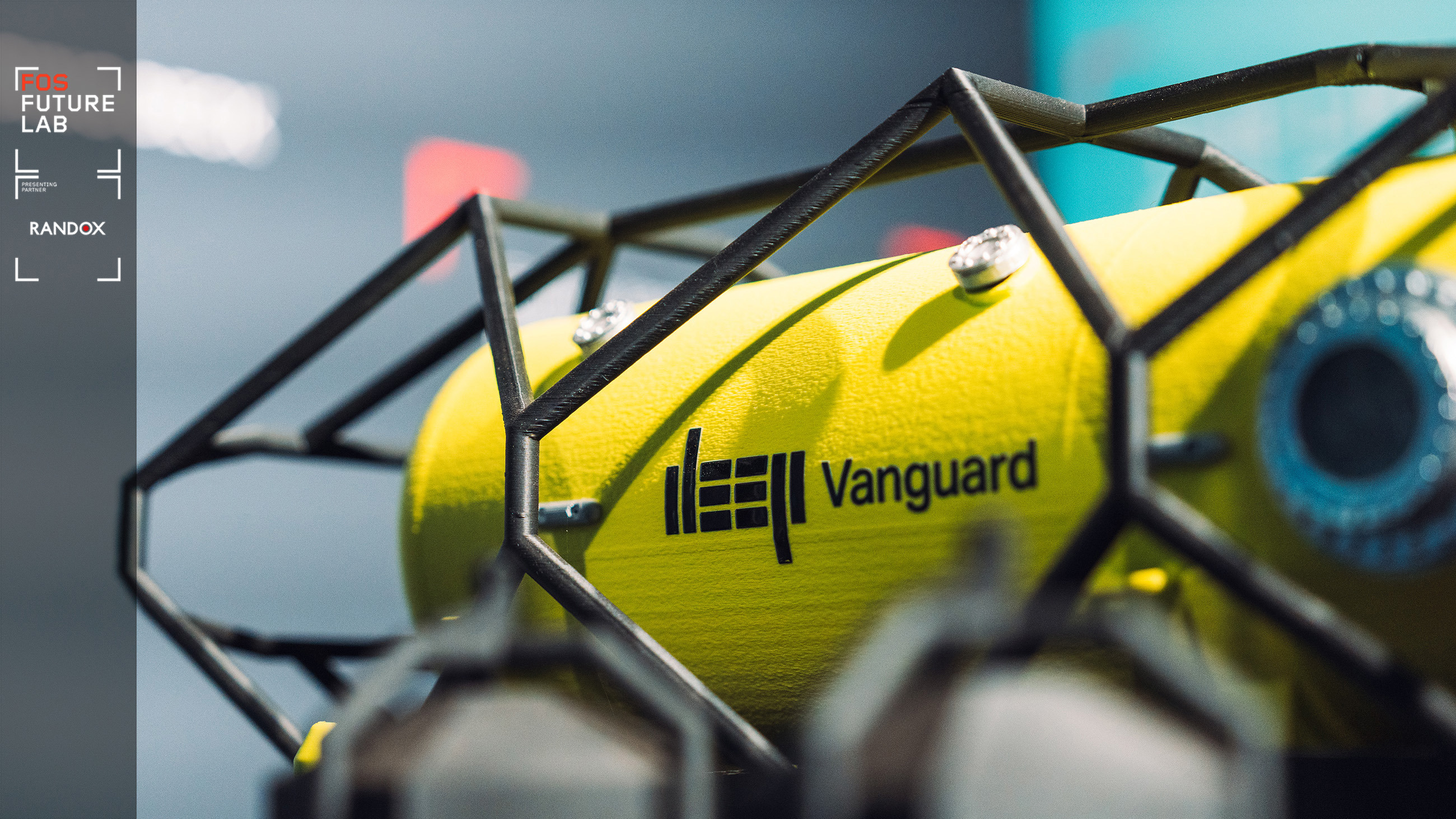
That technology was sitting a short walk from the studio. Pulsar Fusion, a British company exhibiting at FOS Future Lab, has built the first rocket nozzle ever to ignite plasma — the exhaust for a nuclear fusion engine. Its planned Sunbird space tug would wait in orbit, dock with a passing spacecraft and push it to Mars far faster than any rocket flying today.
Peake had seen it, and likes it. "The concept of having a tug in space makes things more sustainable, because it could just be used again and again," he said. "By just going a little bit faster, they cut that journey down from eight months to two-three months. It's game changing."
Mars and Earth line up only once every two years, so a shorter journey changes the whole shape of a mission. "Something like Pulsar Fusion is definitely a brilliant thing to continue to pursue, and I'm really excited about it.” Britain, he pointed out, has gone all in on this. "We're putting more money into fusion than any other nation, and that's quite remarkable. We have really bet on fusion. We got the best fusion scientists in the world."
Musk, Bezos and Katy Perry
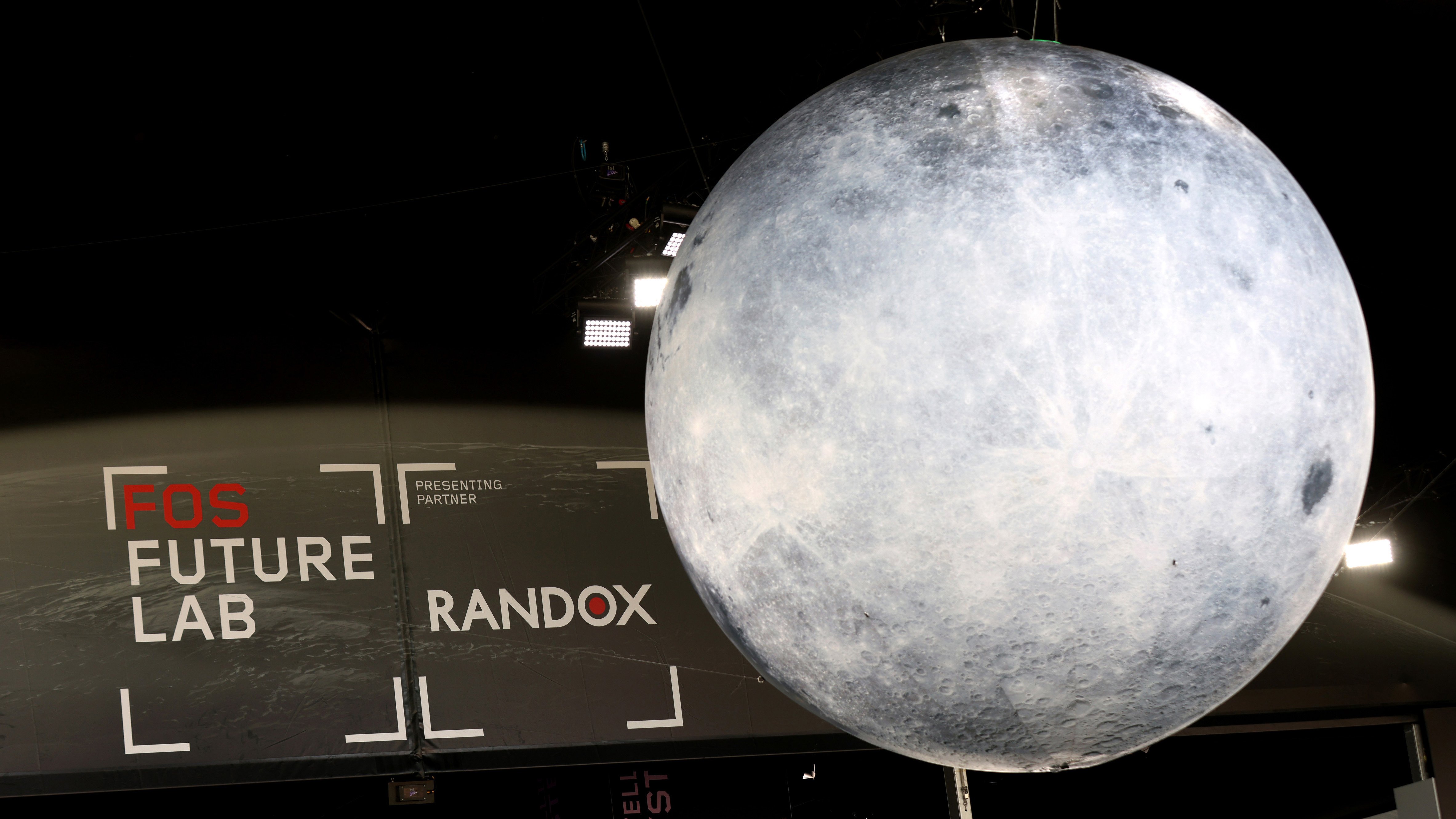
The Moon, meanwhile, has an image problem: people think it belongs to billionaires. "If you ask people about who are the main characters in space, you'll probably get Elon Musk, Jeff Bezos and Katy Perry. And that's not the case." It isn't a race, either. "There's no race to be won, because we've already been there, we've already planted the flags, it's already been done."
The real work is called Artemis, the exploration programme NASA, the European Space Agency and others are pooling their resources into. "Right now, the Artemis programme is about building a Moon base at the south pole as a research laboratory," said Peake. Antarctica with a better view, in other words.
“The Moon has ice in its dark craters for water, near-constant sunshine on the crater rims for power and a surface that hasn't changed in billions of years. "The Moon was once part of Earth. It can teach us a lot about our planet, because it's been out there in space as like a preserved museum."
The biggest obstacle to living there is the ground itself. Moon dust, or regolith, has never met wind or rain, so every grain is still razor sharp. "It gets everywhere," said Peake. "It gets into your spacesuits, it's electrostatically charged, it's a real nightmare to work with." It shreds wheel bearings, and you really don't want it in your lungs."

Fast, even by Goodwood standards
What does a rocket launch actually feel like? Four times your own body weight pressing down on you, for eight minutes and 48 seconds. Then you're in orbit, travelling at 17,500mph. "These guys are going fast up the Goodwood Hill," grinned Peake, "but 17 and a half thousand miles an hour is fast."
Randox is a global leader in diagnostics, revolutionising patient outcomes through innovative technologies, including its patented biochip technology. This pioneering diagnostic platform allows for the simultaneous detection of multiple biomarkers from a single sample, delivering faster, more accurate, and comprehensive results. Operating in over 145 countries, Randox develops advanced laboratory instruments, high-quality reagents, and innovative testing solutions to improve global healthcare.
Randox Health brings this cutting-edge technology directly to individuals, offering bespoke, preventative health testing programs. With world-class laboratories and personalised health insights, Randox Health enables early detection of a wide range of conditions, helping individuals take control of their health.
Together, Randox and Randox Health are redefining diagnostics and preventative healthcare. For more information, visit www.randox.com and www.randoxhealth.com.
The 2027 Festival of Speed will take place on 15th-18th July 2027, sign up for ticket alerts to make sure you don't miss out. Tickets are available for GRRC Members and Fellows, you can join the Fellowship today.
Main image photography by Sam Stephenson.
festival of speed
fos
fos 2026
event coverage
future lab
fos future lab
tim peake


Subscribe to Goodwood Road & Racing
Thank you, you’re now subscribed

How many hay bales are used at FOS?
For the last two years, 5,800 bales have been recylced into the biomass energy centre to be used for energy generation