

FOS Future Lab: Inside Intelligent Systems — where robots get to work
With the scorching temperatures at the Festival of Speed presented by Mastercard this weekend, FOS Future Lab presented by Randox has become one of the most welcome retreats in its new home beside the Goodwood cricket pitch.
Nobody in the Intelligent Systems zone is standing still, though. A quadruped picks its way through a mocked-up tunnel, hunting for a fault its human operators cannot see. A fox-eared Mirokai robot glides past on its ball wheel, greeting visitors who invariably say hello back. And on a wall-sized screen, a photoreal recreation of the Tyrrell Shed shifts and rebuilds itself in real time.
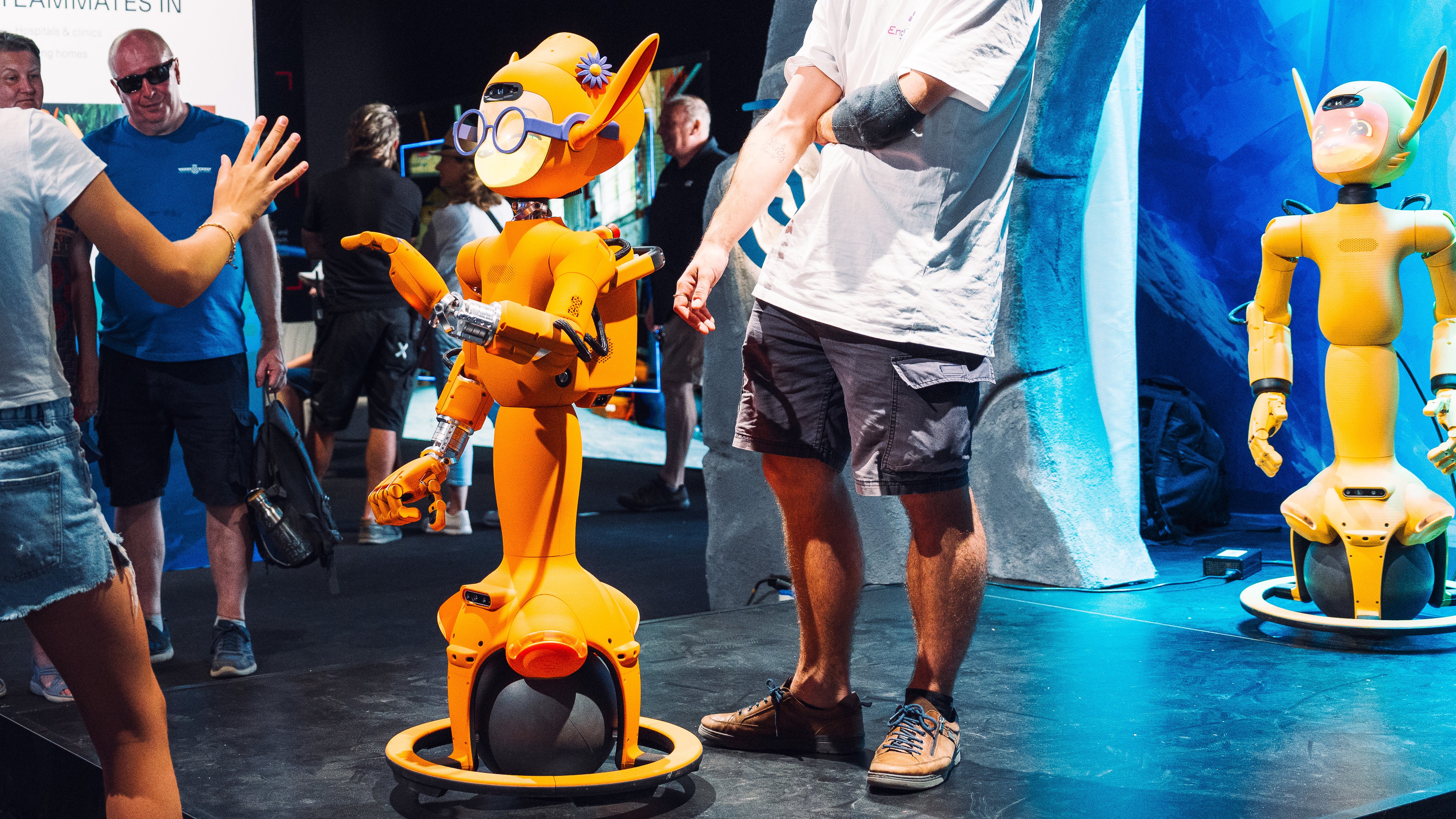
This is the zone where AI and robotics attempt to prove their worth, thanks to three exhibitors with very different answers to the same question: what should intelligent machines actually do for us?
Sheffield startup OLO Robotics, chaired by Raspberry Pi co-founder Liz Upton, has built a way to program robots from a web browser using plain English. At Goodwood, it has brought a full stable of machines to prove the point.
"The idea is that somebody will get to experience what it's like to use a robot for real,” explains COO and co-founder Eleanor Tang-Smith. “For example, we've got a robot arm you can use natural language to control. In the future, you will just ask a humanoid to do something, and it will do it. We’re still a little bit far off there, but that's where we're building towards.”
The stand has been mobbed since the gates opened, including one young mesmerised visitor returning three times. Tang-Smith recalls, "She kept dragging her parents back, and they were like, she only wants to see the robots."
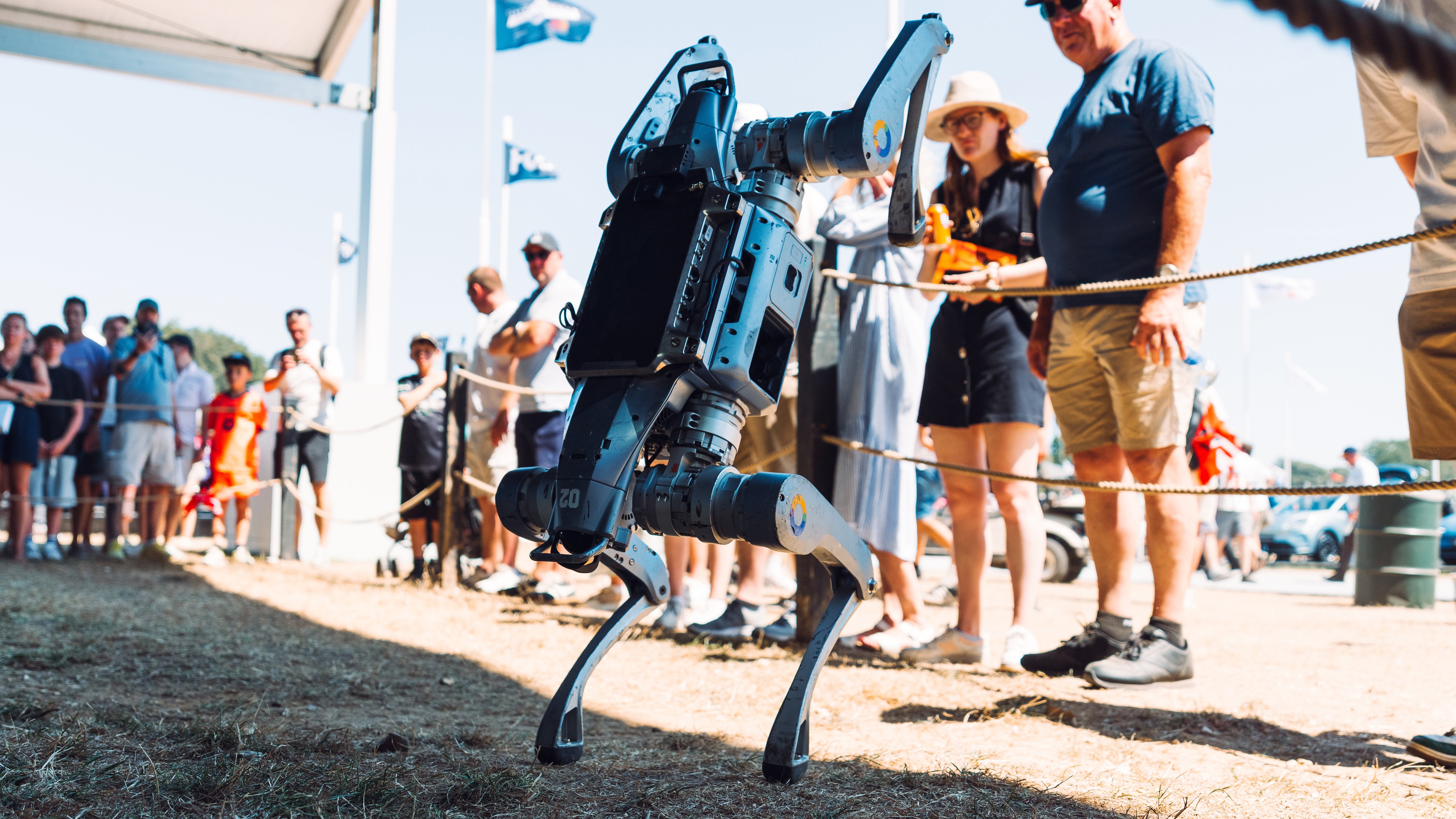
Tang-Smith, who is also giving one of the weekend's STEM seminars in the FOS Future Lab’s Randox Studio, is careful to balance the crowd-pleasers with the point of it all. "Here's a really cool thing where you can see a dancing robot. But here's also some really boring, industrial stuff that actually would be really useful because it's repetitive, it's things that we need done. But maybe we don't want humans doing that on an hourly basis."
Her wider message is simple: "You don't have to be an expert. You've just got to have the passion in your field and love the thing that you do, then you're going to be able to solve problems. And I think that's the future for us, isn't it?"
A few metres away, Sony is demonstrating what happens when a flagship cinema camera meets the computational muscle of the gaming world. "We came a few days ago and did a full scan of the Tyrrell Shed using a Sony camera," says channel manager Chris Couzens. The capture, processed through the company's XYN spatial technology, now exists as what the film industry calls a plate: a navigable digital background in which the car can be swapped and the whole scene remade at will.
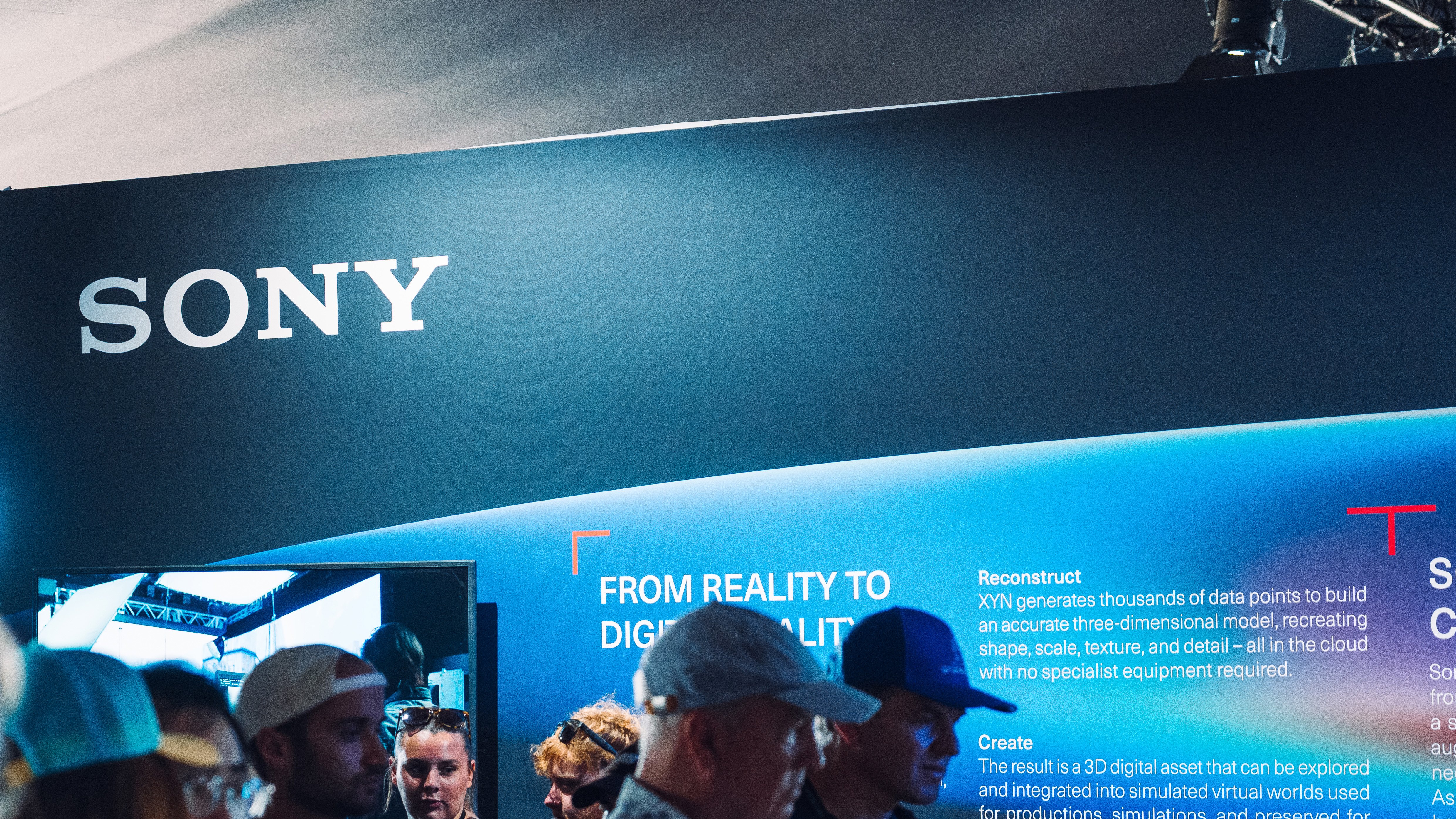
The applications are more pragmatic than showy. "Tom Cruise doesn't need to actually be in Switzerland to shoot a scene. We can create Switzerland at Goodwood," says Couzens. A glasses-free 3D display lets visitors steer around the scene with their eyes alone, built on tech from an unexpected corner of Sony’s ecosystem. "The technology was originally developed for medical use, where doctors could see organs and be able to move them around," Couzens explains.
For Sony, a long-time technical partner of Goodwood events, its FOS Future Lab presence marks a shift: "We’ve gone from being behind the camera to being in front of the public."
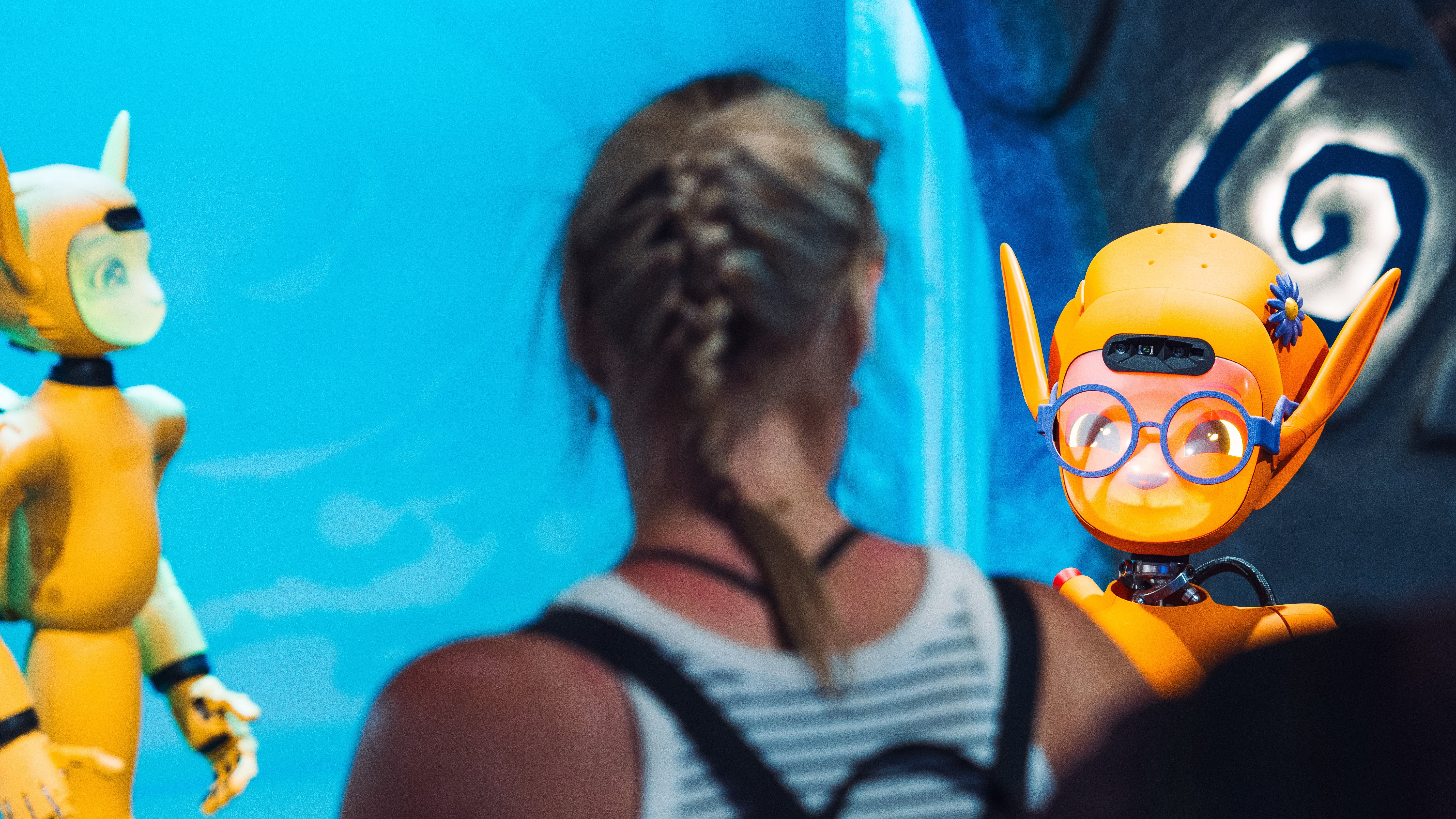
Then there are the Mirokai. Designed in Paris and already deployed in hospital wards and airports, Enchanted Tools' fox-eared robots sidestep the uncanny valley by not attempting to be human at all. With expressive faces and a disarming line in eye contact, they exist to carry, fetch and assist so humans can spend their time on more pressing matters.
Taken together, the Intelligent Systems zone makes a coherent argument. The interface between people and machines is collapsing into the tools we already have: language, eyes, gesture. And the work being handed over frees human attention and resources for judgement and creativity.
There are no proclamations about superintelligence here, just working machinery, honest caveats and people happy to explain exactly what their systems can and cannot do. In a discourse dominated by hype, that restraint might be the most futuristic thing on display.
Randox is a global leader in diagnostics, revolutionising patient outcomes through innovative technologies, including its patented biochip technology. This pioneering diagnostic platform allows for the simultaneous detection of multiple biomarkers from a single sample, delivering faster, more accurate, and comprehensive results. Operating in over 145 countries, Randox develops advanced laboratory instruments, high-quality reagents, and innovative testing solutions to improve global healthcare.
Randox Health brings this cutting-edge technology directly to individuals, offering bespoke, preventative health testing programs. With world-class laboratories and personalised health insights, Randox Health enables early detection of a wide range of conditions, helping individuals take control of their health.
Together, Randox and Randox Health are redefining diagnostics and preventative healthcare. For more information, visit www.randox.com and www.randoxhealth.com.
Photography by Charlie Brenninkmeijer.
The 2027 Festival of Speed will take place on 15th-18th July 2027, sign up for ticket alerts to make sure you don't miss out. Tickets are available for GRRC Members and Fellows, you can join the Fellowship today.
festival of speed
fos
fos 2026
event coverage
future lab
fos future lab
intelligent systems

Subscribe to Goodwood Road & Racing
Thank you, you’re now subscribed

How many hay bales are used at FOS?
For the last two years, 5,800 bales have been recylced into the biomass energy centre to be used for energy generation