

The F1-2000 is Ferrari’s Formula 1 “masterpiece”
When Jody Scheckter and Ferrari claimed the Formula 1 Drivers’ and Constructors’ crowns in 1979, it was unthinkable that it would take over 20 years for that achievement to be repeated. But eventually, that decades-long wait at Maranello was rewarded with the arrival of the F1-2000, and one of the most dominant spells F1 had ever seen.
Ferrari celebrated 75 years of F1 success at the 2026 Festival of Speed presented by Mastercard, and we took the opportunity to learn more about this history-making machine and where it takes its place in the Scuderia’s legacy.
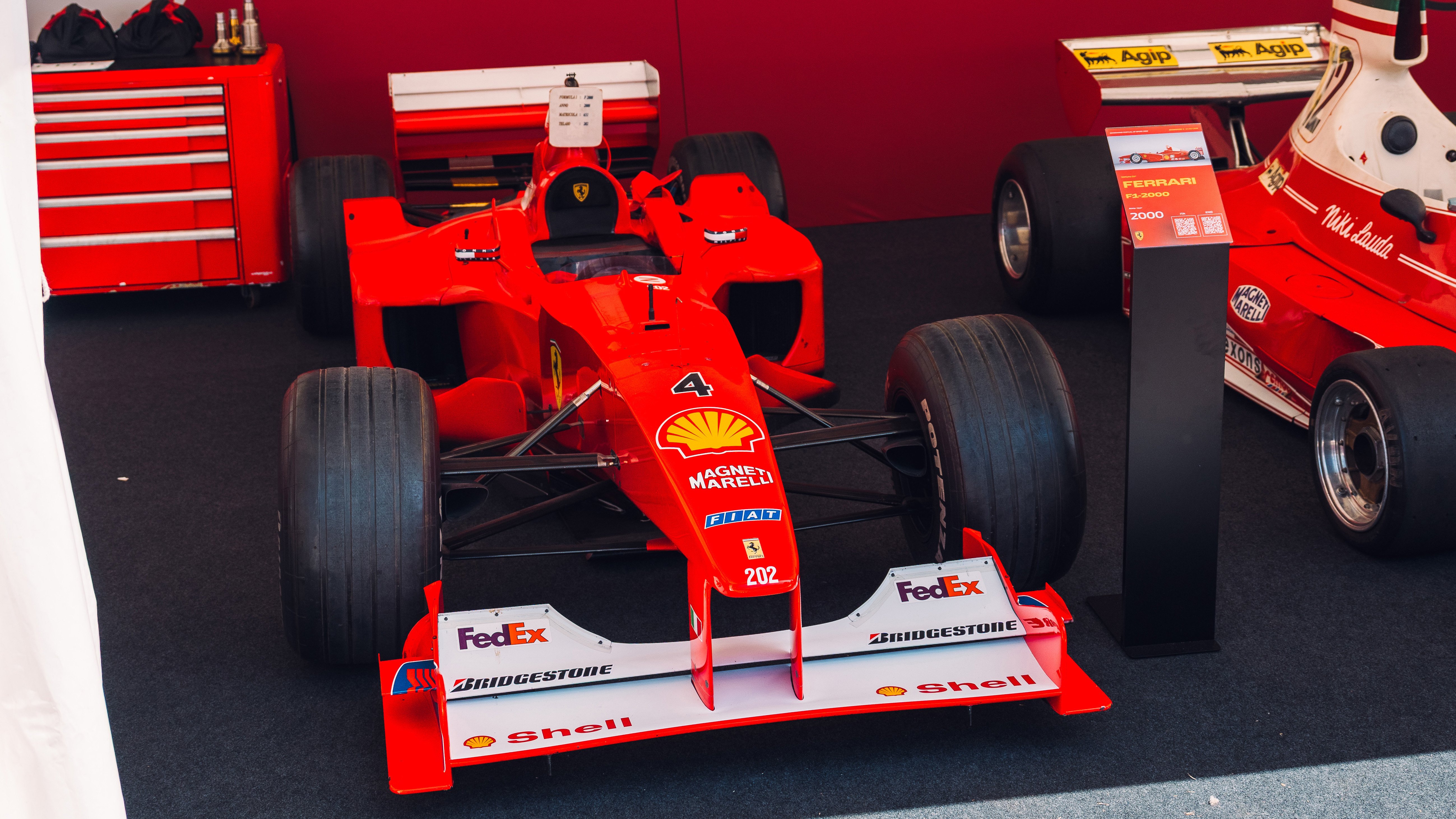
“It is the car with which Ferrari came back to win, after a long wait, so for sure it's a car which made the history of Ferrari,” said Filippo Petrucci, technical coordinator of the Corse Cliente programme.
Some of the team’s heritage F1 cars are sold to private owners, and Corse Cliente prepares them to run on track, giving owners the chance to experience the cars as they were intended. That level of maintenance and expertise — which includes the lead mechanics for Felipe Massa, Kimi Raikkonen and Fernando Alonso — also comes in handy for events such as the Festival of Speed, where we saw the F1-2000 in action on the Hill across the weekend.
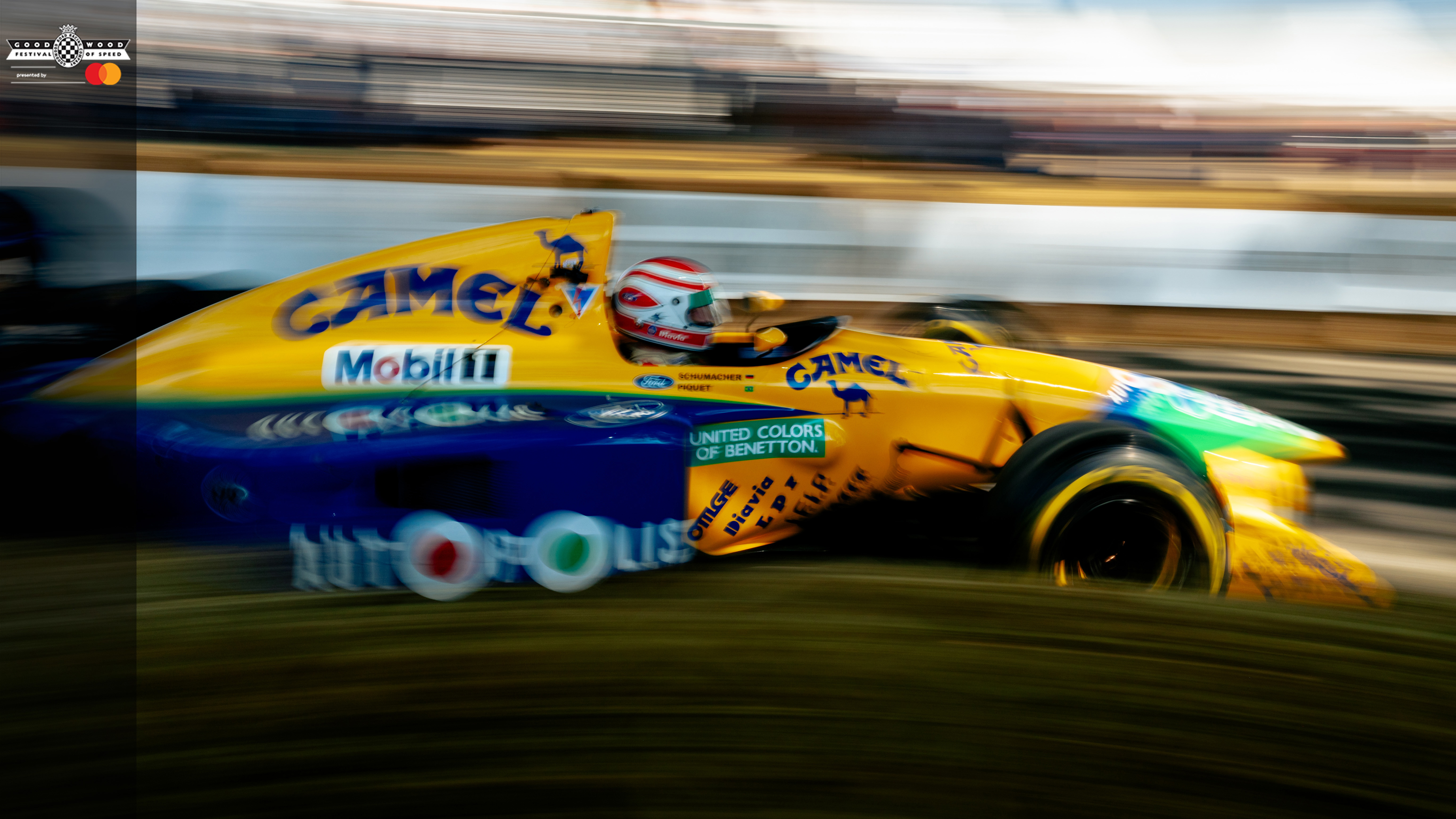
“In 1999 they started the golden days of the Schumacher winning period, so [the F1-2000 is the] first car which really made a difference against all the others.”
While Ferrari did beat McLaren in 1999 for its first title in 16 years with the F399, Eddie Irvine missed out on the championship double, falling two points short of Mika Häkkinen. Michael Schumacher finished fifth in his fourth year at Ferrari, missing much of the season with a broken leg and only standing on the podium twice.
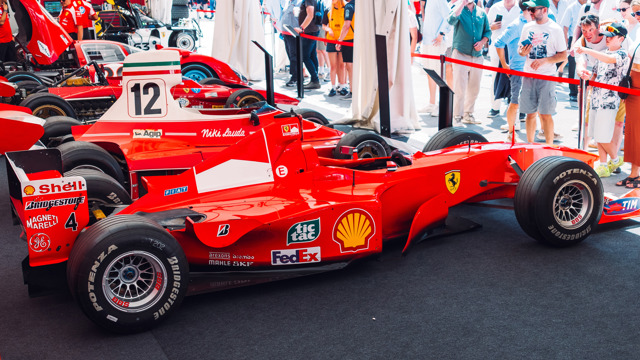
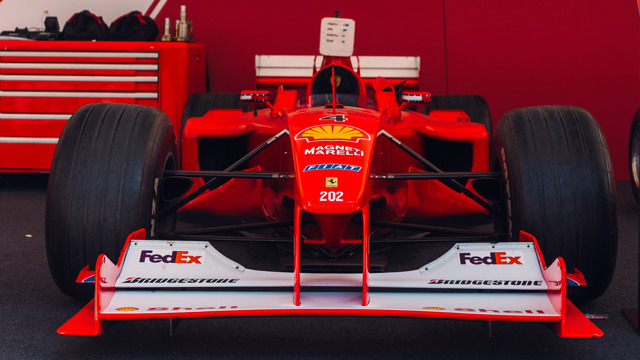
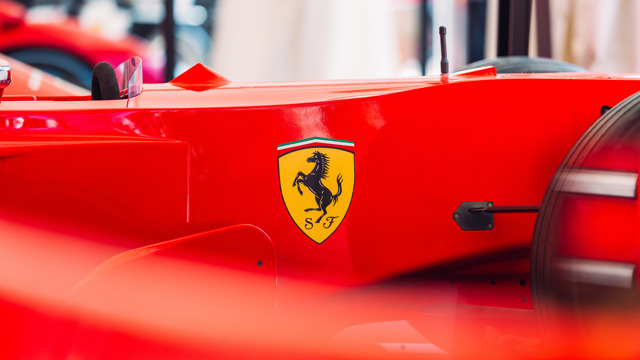
Ferrari advanced with the development of the F1-2000 to ensure there wasn’t another near-miss, and certainly it rose to the challenge. The car achieved ten victories in the 2000 season — nine for Schumacher and one for Rubens Barrichello — to seal Ferrari’s tenth Constructors’ Championship and Schumacher’s third Drivers’ title.
But while 2000 marked the start of a new era on track, it was a culmination of a years-long project that had laid the foundations for such a spell.
The F1-2000 was developed under the supervision of Technical Director Ross Brawn and Head of Vehicle Planning, Rory Byrne. The pair were recruited to Ferrari by Jean Todt between 1996 and 1997, not only for their skill but for their experience working with Schumacher. Both were formerly part of the Benetton team that helped the German to his first two Championships in 1994 and ’95.
“They knew what Michael wanted,” said Petrucci. “For sure the car has been designed to follow his driving style and his wishes. He was really side-by-side with the team. He was in good connection with Rory Byrne and Ross Brawn to give them the right information to develop the car in the right direction.”
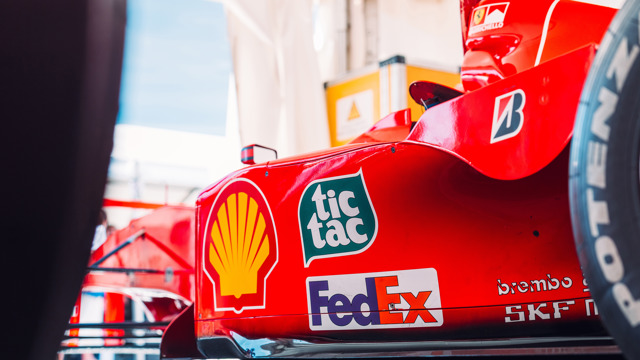
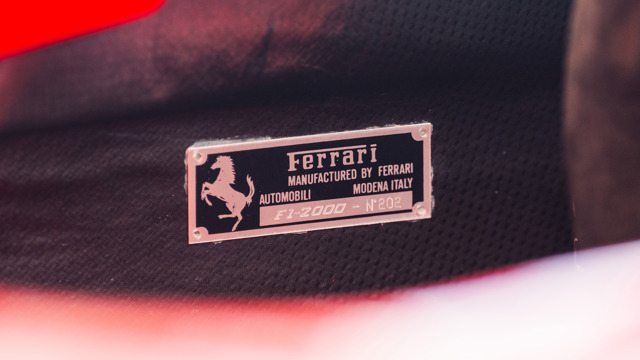
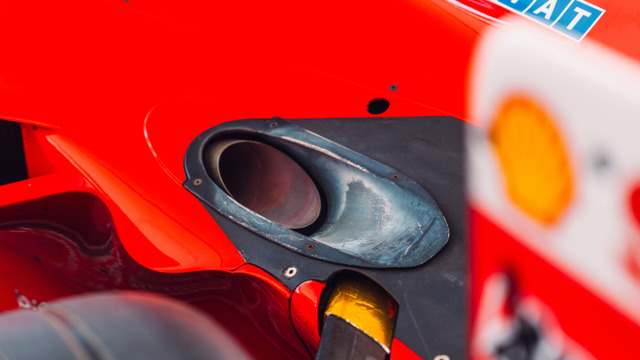
Development for the F1-2000 began in the spring of 1999 with considerations given to the F399’s performance and the opportunities of a new set of regulations. Improved aerodynamics, reduced weight and a lower centre of gravity were key elements of the design. The high nose cone of the F399 remained and dipped to support the low wing while the underside of the nose area was made flatter for better aerodynamics.
Smaller, more rounded sidepods improved airflow as part of an overall design that sought to perfect the lines and surfaces of the car, and 70kg of tungsten ballast was placed as low as possible, which could then be positioned to tune the balance and handling of the car whilst ensuring it always hit the 600kg minimum weight. “Particularly talking about the design,” Petrucci added, “it's a car which has been deeply studied to have a very narrow tail on the back to give more fresh air to the rear wing.”
Alongside an aerodynamic overhaul, there was a substantial update to the Tipo 049 V10 engine, which saw the V angle increased from Ferrari’s traditional 72 degrees to 90. “The purpose of that was to make the centre of gravity of the car lower,” explained Petrucci, “which means more performance into the car.” Its 834PS (614kW) power output was also more than any previous Ferrari F1 car.
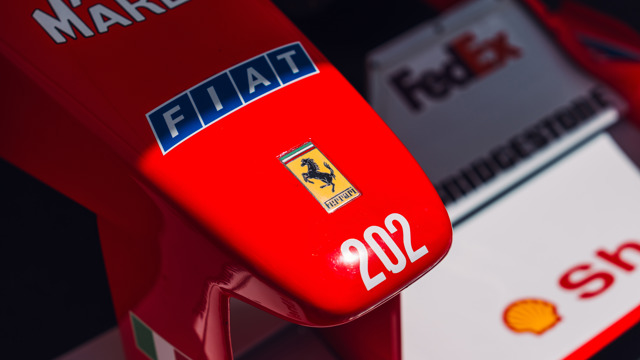
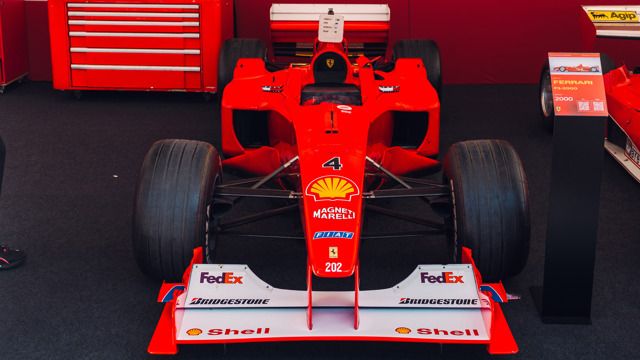
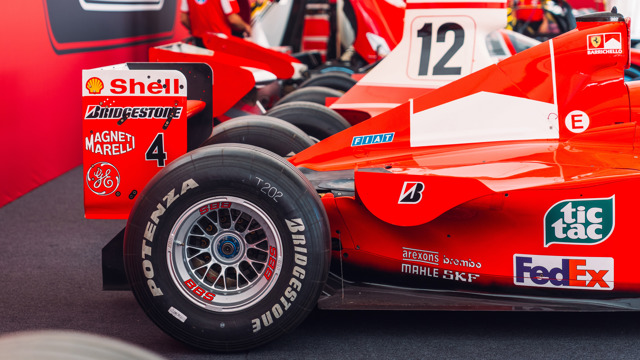
Schumacher won the opening round of the 2000 season at Melbourne, which he immediately followed up with victories at Brazil and San Marino. But the perfect start didn’t mean the work stopped back at the factory.
“It’s not like today where there is a limitation in the evolution of the car because of cost,” said Petrucci. “Everything was free, so you were free to [develop] as much as you wanted. Each race we were bringing something new, maybe on the engine, maybe on the aerodynamics, on the suspension. You have to keep developing the car through the season, otherwise if you keep the car the same, even if it is a winning car at the start, at the end of the season you are at the back of the grid.”
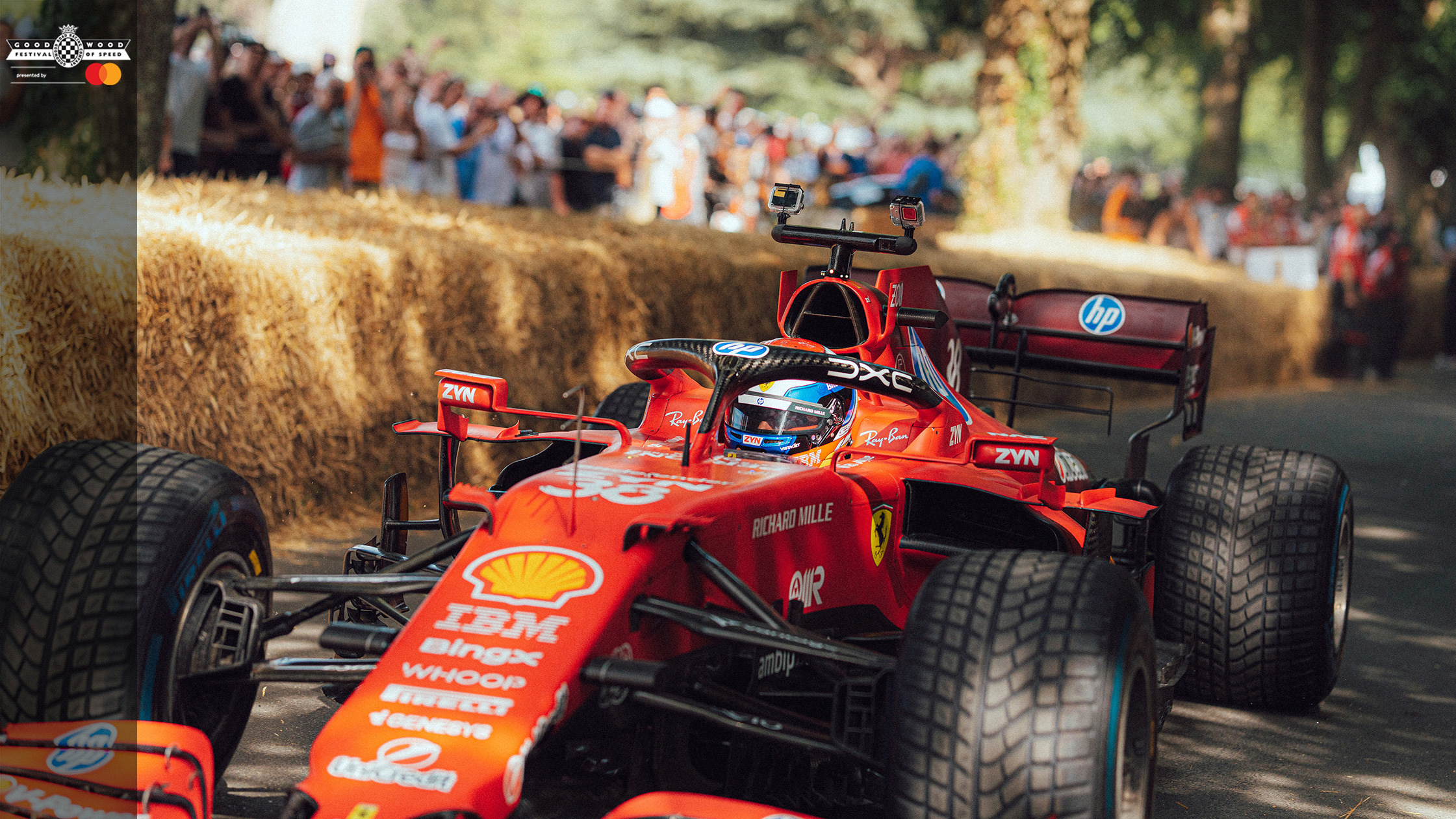
Over the campaign the F1-2000 made use of five front wing designs, three rear wings and three diffuser planes. After it essentially ran in launch configuration in Australia, a host of upgrades were brought to São Paulo and Imola. From there, developments were introduced at practically every race, tailoring the car for the unique challenges of each circuit, from maximum-downforce wings in Monaco to a new low-friction Stellite underfloor plank in France.
That said, whilst Schumacher took five wins from the first eight races, he experienced a mid-season blip of four retirements in five races, including at Monte Carlo and Magny-Cours.
Any sense of unravelling, however, was squashed after August’s Hungarian Grand Prix, where Schumacher finished second. It was a result he matched two weeks later in Belgium before embarking on a winning run across the final four races of the season to secure his first World Championship in red.
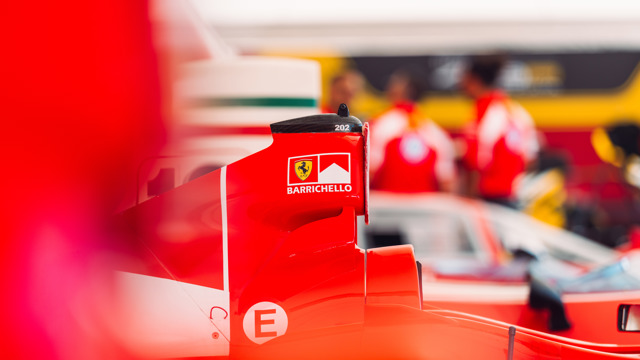
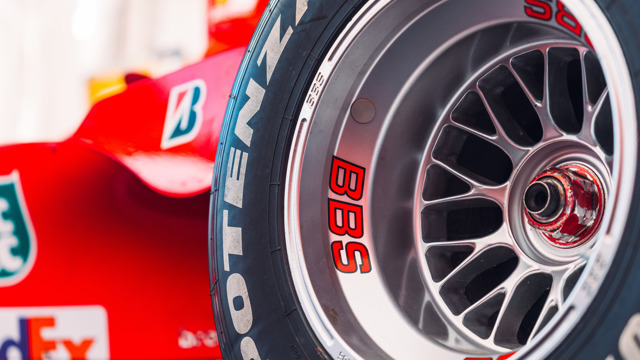
Barrichello’s valuable haul of 62 points made sure Ferrari retained the Constructors’ title, too, 18 points clear of McLaren, at last ending the tifosi’s 21-year wait for a championship sweep.
“It was crucial,” Petrucci evaluated. “Everybody was waiting, all the world. Ferrari has got fans in every corner of the world, everybody's waiting for Ferrari to win.”
After all that time, the right pieces finally came together in just the right way. Ferrari had an enormous budget but it spent it well, recruited savvily and put in more hours of development work than its rivals — 125 days compared to McLaren’s 77, with the F1-2000 running over 5,000 miles more than the MP4/15.
For Petrucci, success can never be attributed to just one element. “You don't win because you've got the best engine; you don't win because you've got the best aerodynamics; you win because you've got everything which can work together at its best.”
“It's a matter of development, a group of people, very stable, they always go together in the same direction, and this is what makes a good team, a winning team, and at the end, a winning car. It’s a very strong motivation to win and keep winning for as long as possible.”
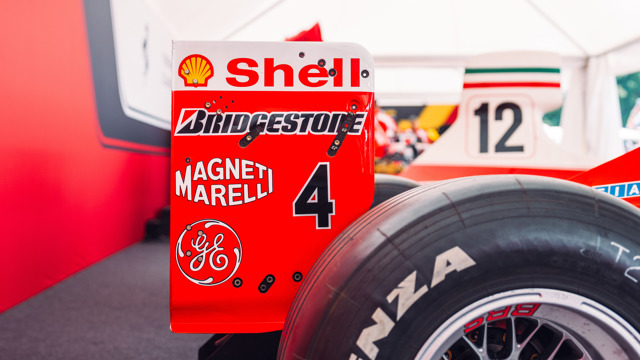
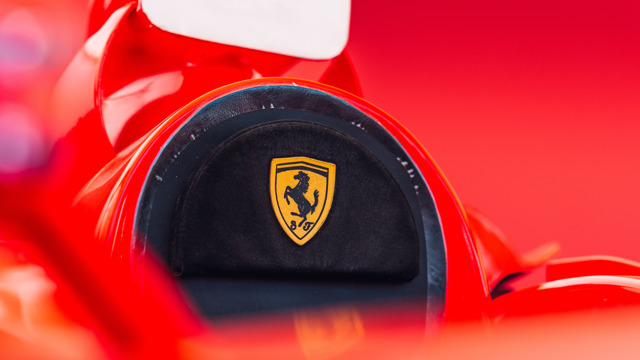
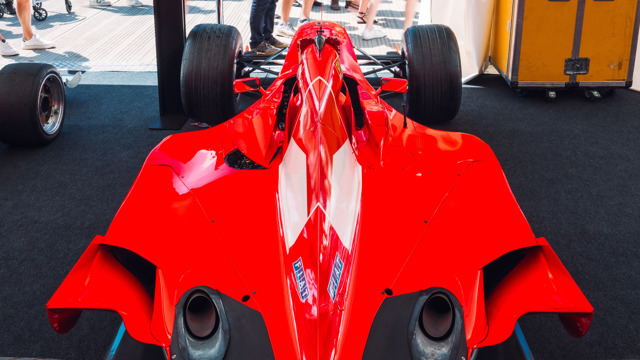
That, the Scuderia unquestionably did. Between 1999 and 2004, Ferrari won six Constructors’ Championships and five Drivers’ Championships, a legacy that sprang from the design of the F1-2000.
“The year 2000 was the starting point for the evolution of the F2001, F2002, F2003 [-GA] and F2004,” said Petrucci. “All winning cars. Obviously, the pinnacle was the 2004 season in which Ferrari almost won everything, and won the Championship very early in the season, but all these cars are the son and the grandson of the F1-2000.”
Today, once again energised by new regulations and one of F1’s all-time great drivers in Lewis Hamilton, Ferrari may feel that it could again be on the cusp of a new era following another near 20-year drought. “Hopefully this year we are on the right way,” added Petrucci. It remains to be seen what the SF-26 and its successors will achieve, but if the future heralds anything close to what the F1-2000 ushered in, then Ferrari will be glad to see history repeat itself.
“It never happened that we won so much, in such a short time,” Petrucci concluded. “So I would say that in the history of Ferrari, this is the most successful time we ever had. This car for sure is one of the masterpieces of Ferrari.”
Photography by Charlie Brenninkmeijer.
The 2027 Festival of Speed will take place on 15th-18th July 2027, sign up for ticket alerts to make sure you don't miss out. Tickets are available for GRRC Members and Fellows, you can join the Fellowship today.
festival of speed
fos
fos 2026
event coverage
ferrari
f1-2000

Subscribe to Goodwood Road & Racing
Thank you, you’re now subscribed

How many hay bales are used at FOS?
For the last two years, 5,800 bales have been recylced into the biomass energy centre to be used for energy generation