

The Shadow DN4 was the last great Can-Am car | Frankel’s Insight
 Andrew Frankel
Call me old-fashioned (a charge to which I plead proudly guilty) but there was only one car I was rooting for in the Timed Shoot-Out at the end of this year’s Festival of Speed presented by Mastercard.
Of course, I have nothing but admiration for the state-of-the-art electric racers that topped the time sheets, Romain Dumas showing his usual verve and commitment in the Ford Super Mustang Mach-E to win from Dan Ticktum’s fourth generation Spark Formula E machine.
But who’d have credited that a car well over half a century old and designed for American street circuits would be the very next fastest car up the Hill? And that by doing so, would beat the times of many absurdly more modern and, at least on paper, suitable machinery.
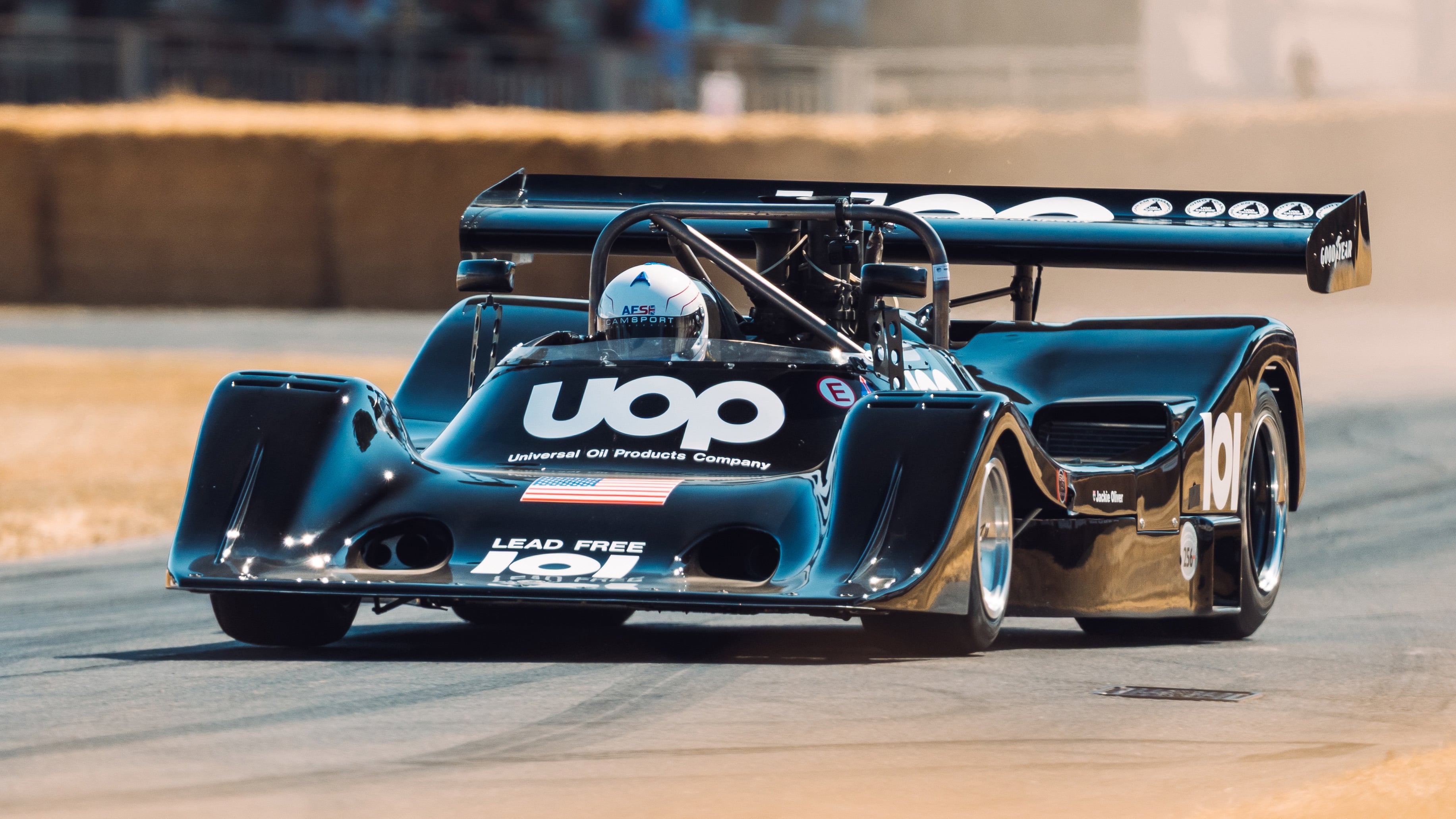
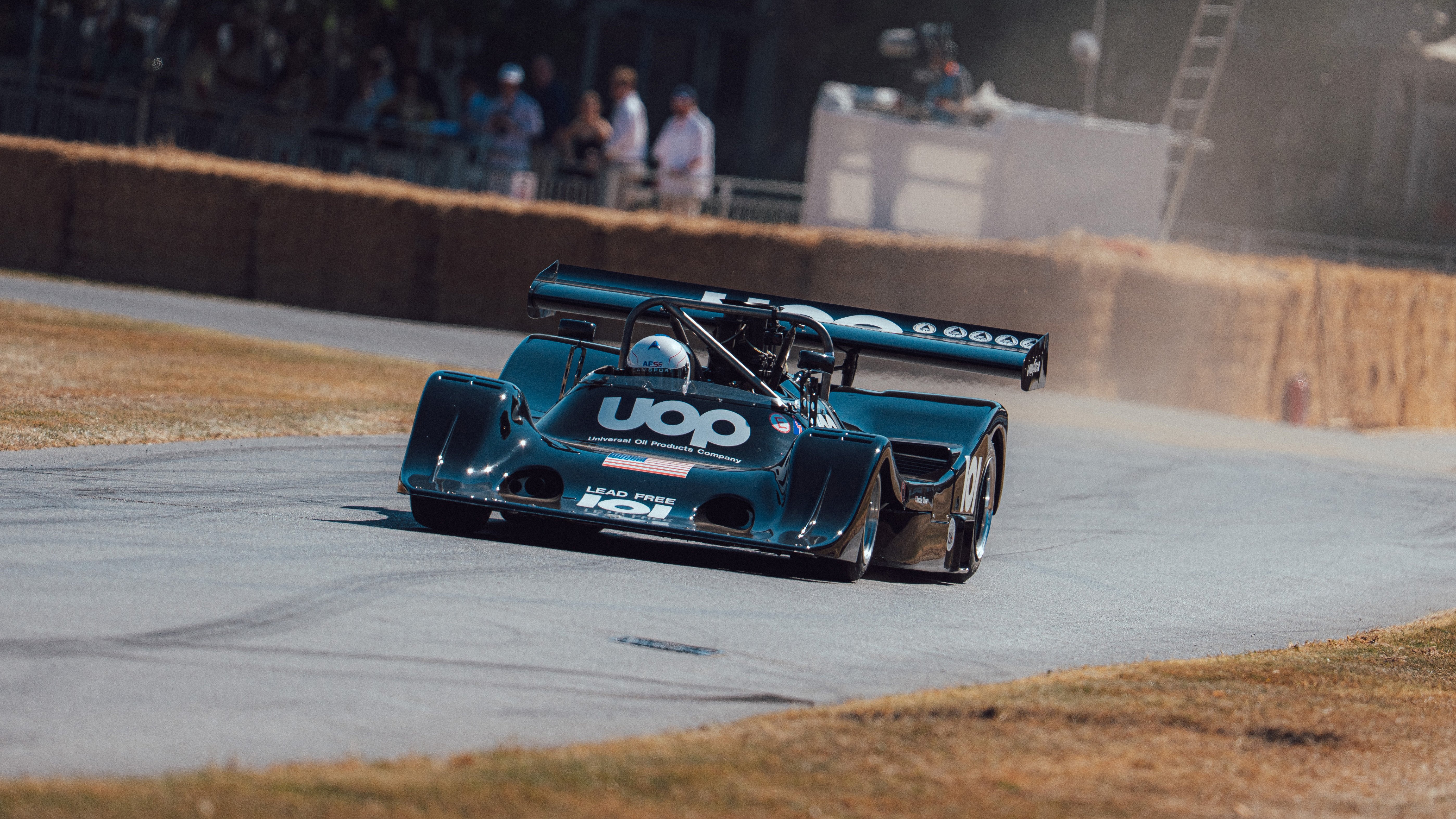
To these eyes at least, Alex Summers’ 1974 Shadow DN4 was also the best-looking car in the Timed Shoot-Out, menacing as ever in its Universal Oil Products (UOP) livery with a sound to match from its 8.1-litre V8 Chevy motor.
A former British Hillclimb Champion, Summers drove superbly, using every inch of track but eschewing the lawn-mowing antics of the modern four-wheel drive EVs that were the only cars to beat him, one of which had approaching Formula 1 levels of downforce, the other over 1,400PS (1,044kW), or around 600PS (447kW) more than Summers had under his right foot. To me, it was the performance of the weekend.
But what exactly is a Shadow DN4? It was a car designed and built in Britain for Don Nichols’ (hence the ‘DN’) well known team but intended to race in America in the Can-Am series. There was nothing new in this: save when Porsche spoiled the party in 1972-73, as every Can-Am Champion since the series’ inception in 1966 had done so in British machines: John Surtees in a Lola in the inaugural year, then five McLaren victories on the trot.
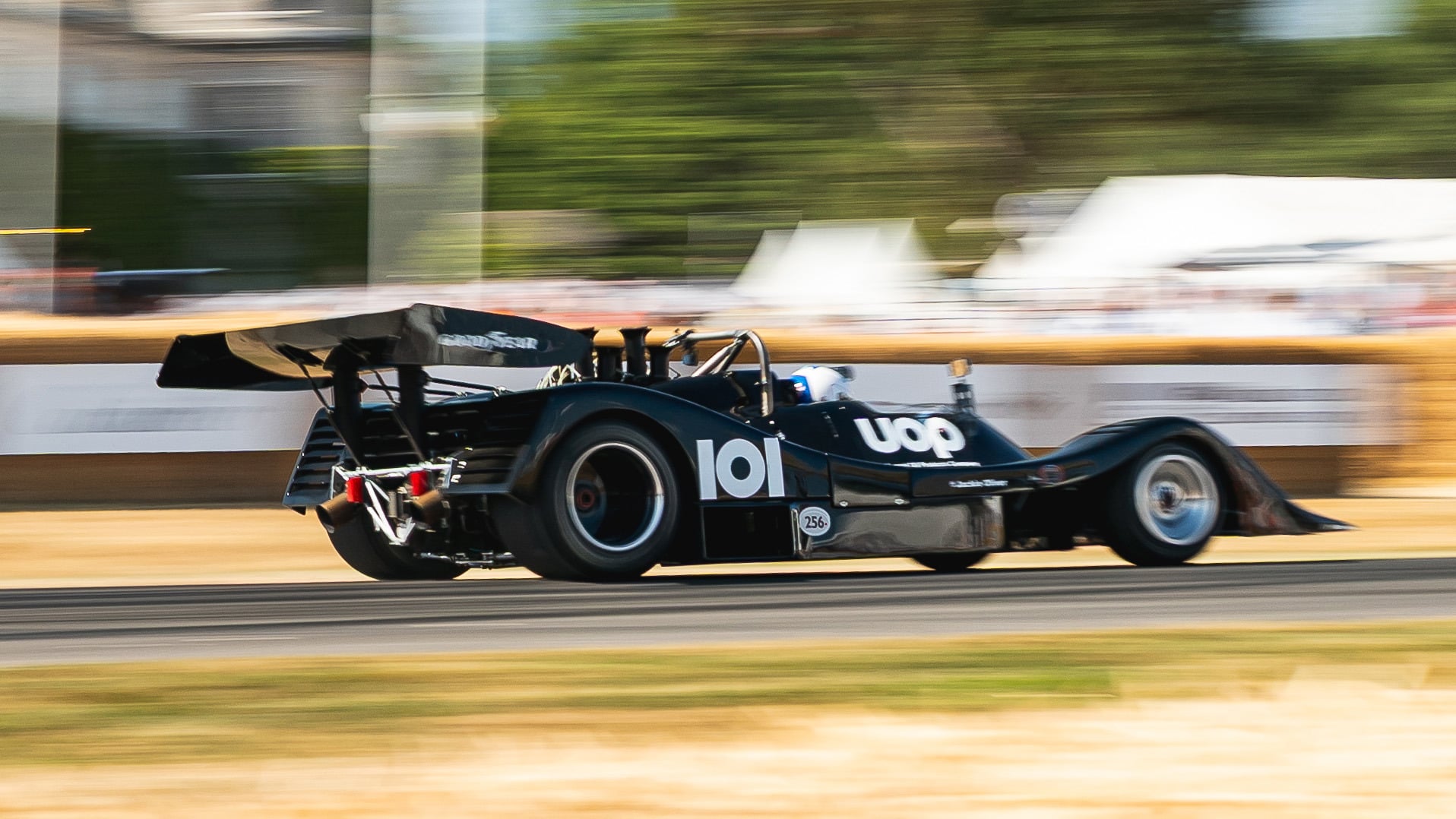
Shadow had been trying to compete ever since 1970 but with designs that were either too bonkers (see the Shadow Mk1), too unreliable or just not quite quick enough; come the start of the 1974 season it had yet to even win a race, let alone have a sniff at the Championship.
But new rules intended to reflect the real world of oil crisis America imposed a fuel consumption limit for 1974, the news of which caused Porsche to walk away from the series, McLaren having already gone at the end of 1972 rather than face another year of having their backsides kicked by Stuttgart. Now don’t laugh, but the fuel consumption limit Porsche thought it had no chance of meeting was, wait for it, 3mpg. Shadow’s moment had arrived.
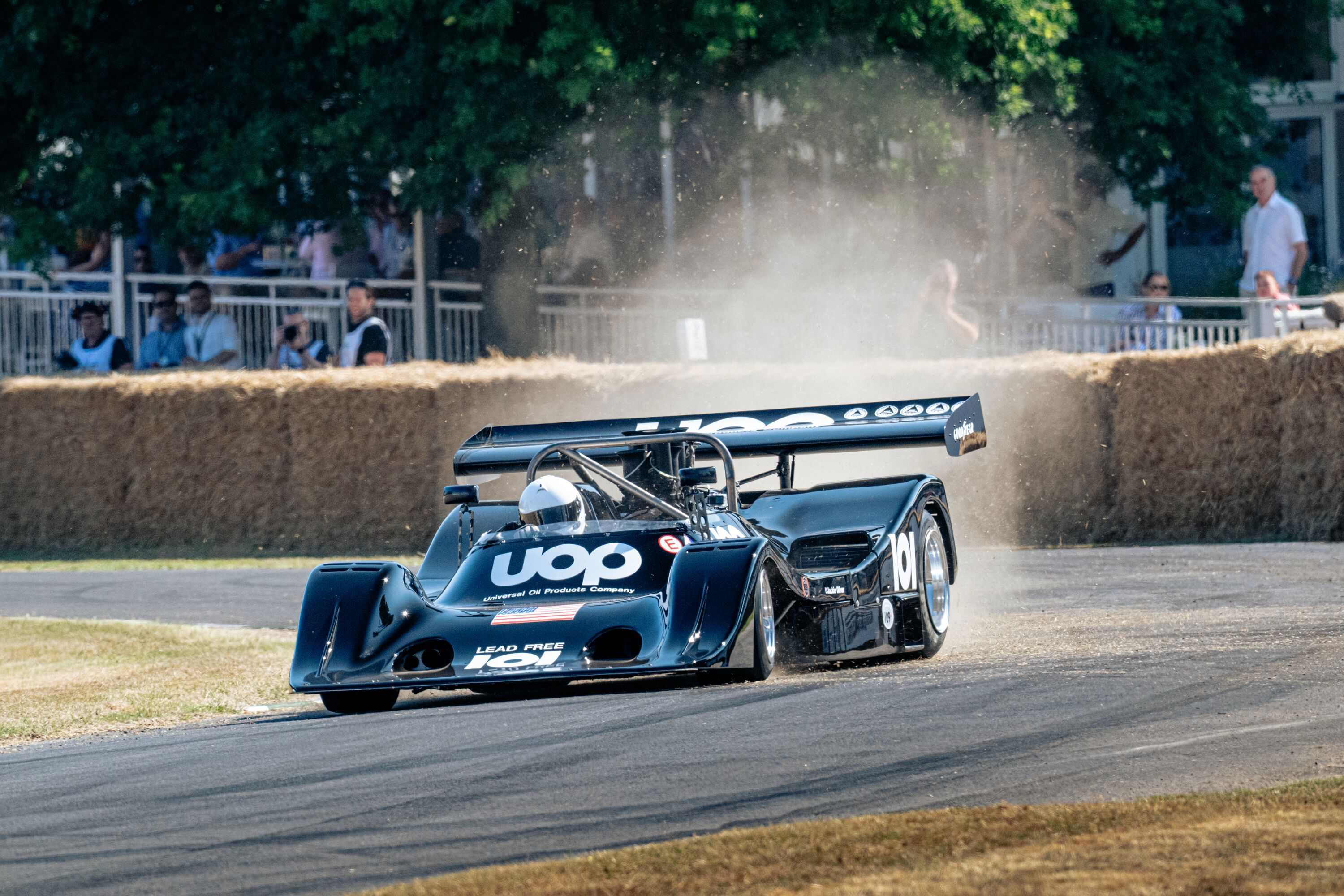
The Shadow DN4
Read more
With minimal opposition, Shadow fielded a brace of DN4s, designed by none other than Tony Southgate in the same facility (and using some of the same parts) as the Shadow Formula 1 operation. One was to be driven by Shadow regular Jackie Oliver, the other by 1972 Can-Am Champion, the formidable, pugnacious George Follmer.
The result was a cake walk, Shadow winning every round bar the last at Road America and then only because both retired. Interestingly enough, Follmer outqualified his former works Lotus F1 driver team-mate on all but one occasion, come the final flag it was always Oliver who was ahead.
He was the last Champion of what many regard as the ‘real’ Can-Am era. Ideas to continue into 1975 with a drastically cost-reduced formula came to nothing and while the name did return in 1977 and run for another 11 seasons, adding the likes of Alan Jones, Patrick Tambay, Al Unser Jnr. and Jacky Ickx to the Champions Hall of Fame, the new formula was strictly regulated and lacked the wild west spirit of the original where, within the skimpiest of rulebooks, pretty much anything went.
Which makes the Shadow DN4 the last of the truly great Can-Am cars, a roll of honour including the likes of Lola T70, McLarens M6 and M8, a few brilliantly innovative Chaparrals and, of course, the turbocharged Porsche 917/10 and 917/30. These were the most powerful racing cars there had ever been, their dominance so complete that they won 14 of 17 rounds held over the 1972-73 seasons.
It was of course the withdrawal of Porsche — prompted by new rules said to be in reaction to the energy crisis but which also just so happened to effectively outlaw the cars that were winning almost everything — that allowed the DN4 to have its moment in the sun.
Because surely there’s no way it would have been able to keep up with the brutal 917/30? Well, just once, we got to find out. One Porsche was entered for the Mid-Ohio round, the tight nature of the track making reaching the fuel consumption regs just about feasible. With Penske’s main driver Mark Donohue temporarily retired, Brian Redman was drafted onto the strength. Redman was quickest in practice but the wrong tyre choice during a race on the drying track saw him only second at the flag. So, we’ll never know for sure.
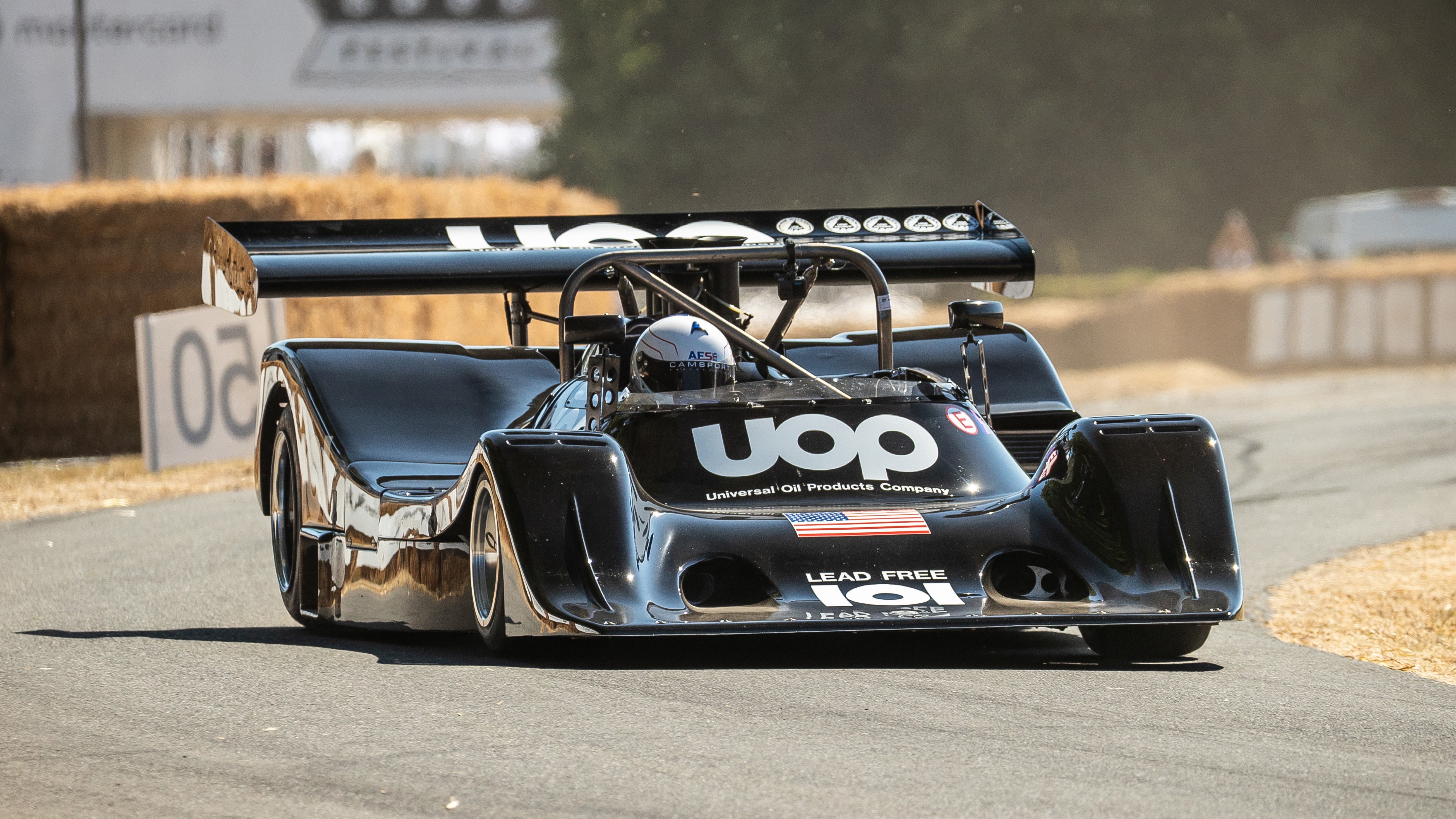
Today, it scarcely matters. Seeing the DN4 blast up the Goodwood Hill provided a wonderful flashback to a time when racing cars were not 95 per cent designed by the rule book but when designers, engineers and above all drivers, got to show what they were really made of. Half a century later these cars are more fascinating than ever.
Photography by Tom Baigent, Rob Cooper, Charlie Brenninkmeijer and Joe Harding.
The 2027 Festival of Speed will take place on 15th-18th July 2027, sign up for ticket alerts to make sure you don't miss out. Tickets are available for GRRC Members and Fellows, you can join the Fellowship today.
festival of speed
fos
fos 2026
event coverage
shadow
frankel's insight
Subscribe to Goodwood Road & Racing
Thank you, you’re now subscribed

How many hay bales are used at FOS?
For the last two years, 5,800 bales have been recylced into the biomass energy centre to be used for energy generation