

Maserati’s greatest endurance racer was centre stage at the 2026 Revival
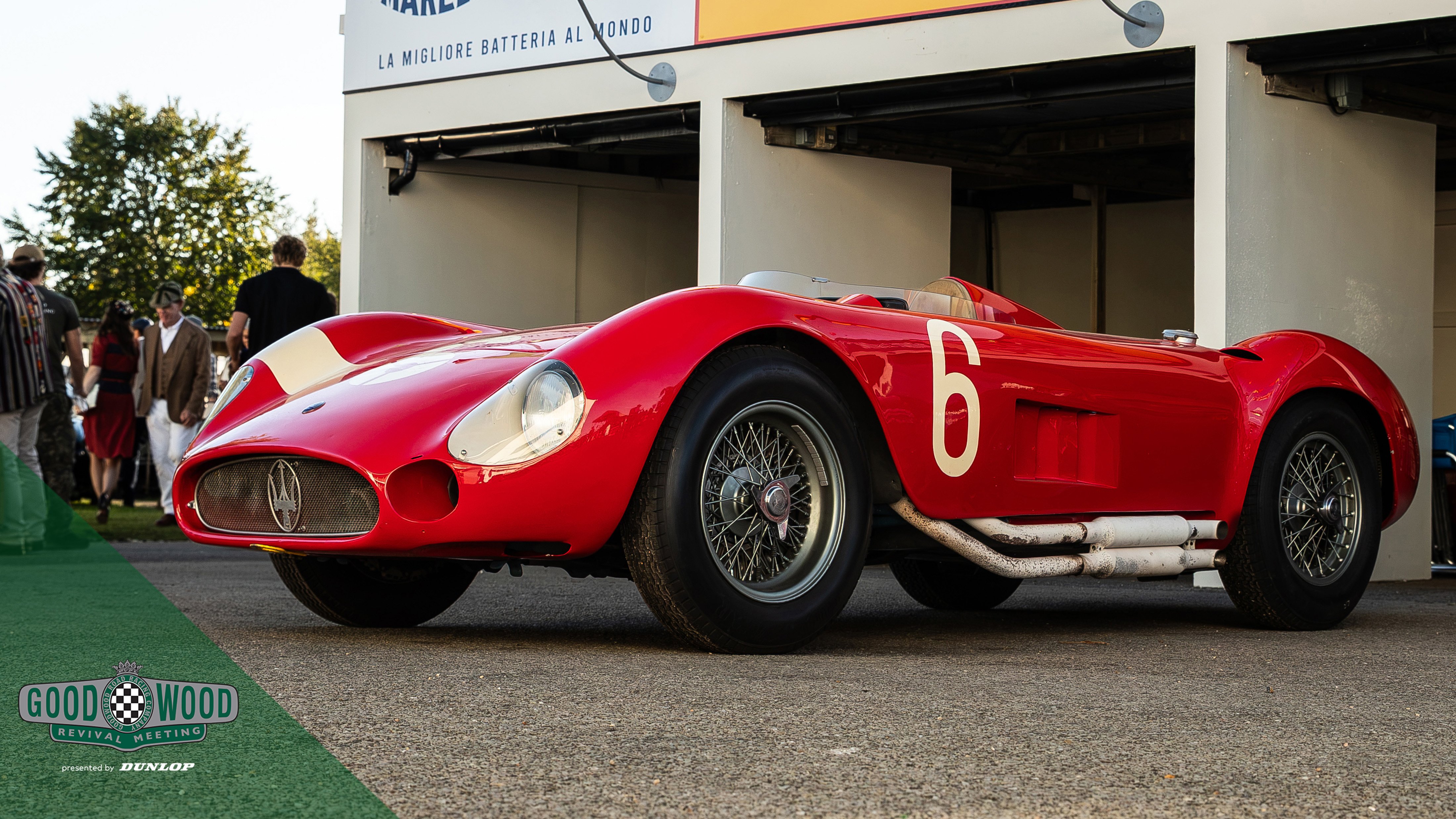
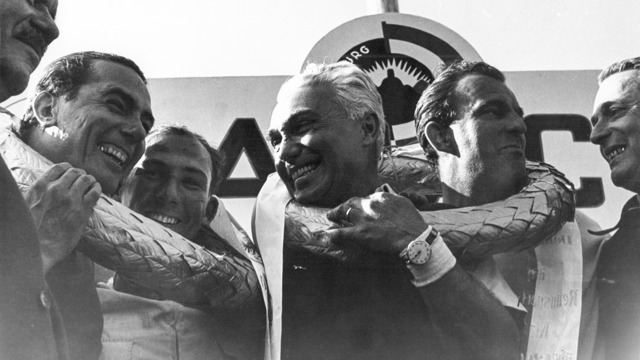
One of Maserati’s greatest days in racing came in the World Sportscar Championship, when Piero Taruffi, Harry Schell, Jean Behra and Stirling Moss drove a 300S to victory over Ferrari at the 1956 Nürburgring 1,000km. And at the 2026 Goodwood Revival presented by Dunlop, we were fortunate enough to enjoy the presence of this special car as part of our celebrations of Maserati’s centenary of motorsport success.
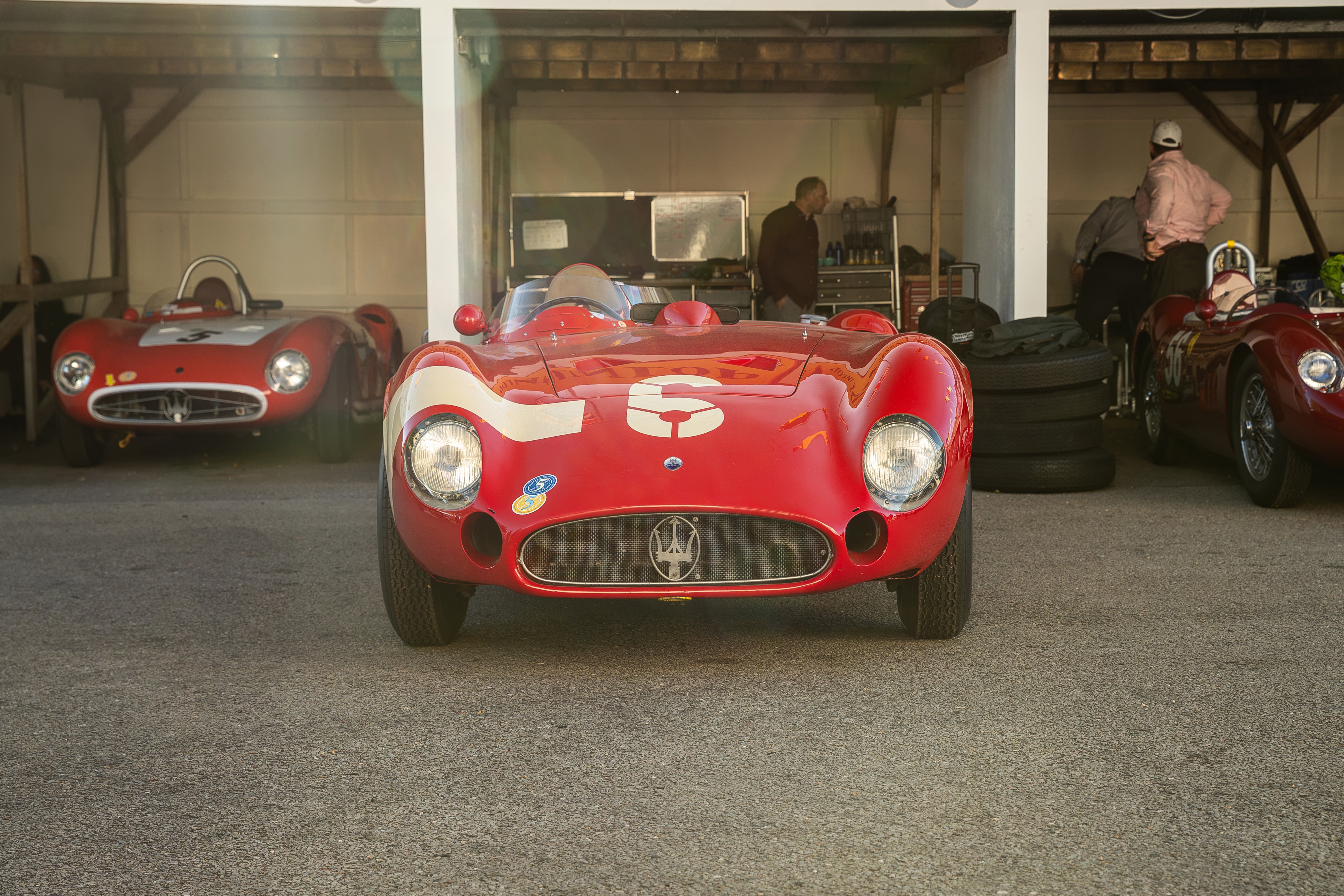
Maserati had experienced a taste of competition in the newly established World Sportscar Championship (WSC) in 1953 and ’54, with an that competed in four races across those first two seasons. But it was the development of the in 1955 that marked the team’s full commitment to the series.
Much of the 300S was derived from the Maserati 250F, the marque’s great Formula 1 car which had been developed the year prior. Its engine provided the basis for the straight-six used in the 300S, with the stroke lengthened to increase the capacity from 2.5-litres to 3.0-litres.
The two cars also shared the same brakes and suspension, though with some strengthening in the 300S to better cope with the rougher terrains of the WSC. Further additions included a De Dion type rear axle, a transverse four-speed gearbox and two chain-driven camshafts.
The 300S’ first year of competition in 1955 was blighted by mechanical issues, but Maserati’s fourth-place finish in the championship bettered the fifth position it recorded with sporadic appearances from the A6GCS the year before.
That upward trend continued into 1956, a campaign headlined by Maserati’s great victory at the Nürburgring. This year marked only the second time this endurance race was run, its inaugural edition in 1953 was followed up by a lack of entries in ’54 and cancellation in ’55. For 1956 the grid stood at a vast 71 entries, so victory for the Modenese team was by no means a foregone conclusion.
Two 300S models were initially entered into the race, one driven by Moss and Behra, the other by Schell and Taruffi. From fourth on the grid, Moss took an early lead but soon after he handed over to Behra on lap 11 the transverse rear leaf spring fractured, so he instead took over the third-placed 300S of Schell and Taruffi. Now with only one car in the race, the mission was to hunt down the leading Ferrari 860 Monza of Juan Manuel Fangio and Eugenio Castellotti.
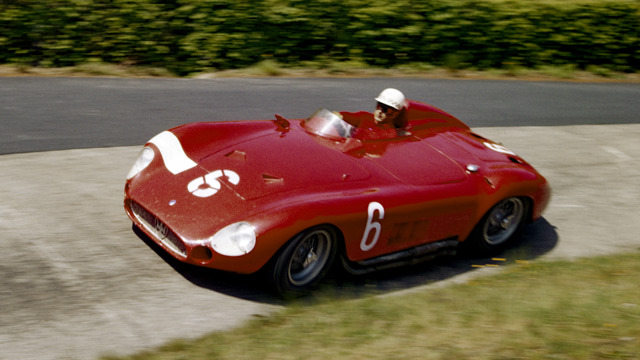
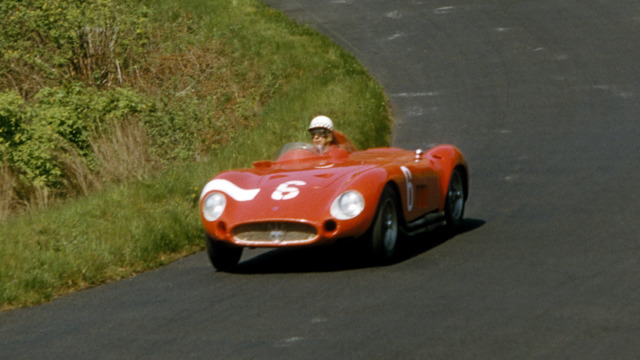
When Moss took over again, the Maserati was trailing the Ferrari by just over a minute. On a mission to reel in his rival, Moss was circulating at around five seconds a lap faster than Fangio. When the ‘Maestro’ pitted for fuel, he asked the mechanics to investigate the suspension because he wasn’t happy with the car’s handling, and the time this cost him meant Fangio remained in the seat to try to hold the Ferrari’s lead.
By lap 40, Moss and the Maserati prevailed, and took the lead of the race after the Ferrari was forced to pit again for refuelling. The car won the near eight-hour race at an average speed of 80.658mph, ultimately finishing 26 seconds ahead of Fangio and Castelloti.
Seven decades later, the quartet’s success is still considered one of Maserati’s finest victories. The performance in Germany, added to Moss’ earlier win in Argentina and a fifth-place finish at the Sebring 12 Hours, carried the team to second in the 1956 championship, six points off winners Ferrari.
An even closer contest unfurled over the course of the 1957 WSC season, where the 300S again carried Maserati to a second-place finish, this time five points shy of Ferrari’s 30-point haul.
However, the major incident at that year’s Mille Miglia led to the last remaining 300S models being sold off in America. The same chassis that was triumphant at the Nürburgring was campaigned at other flagship events in Europe, such as the Targo Florio and the Mille Miglia, before the factory exported it to Australia to race there.
It was subsequently sold to Bob James who competed with it in GT racing, and to comply with local regulations of the era the 300S was retrofitted with a hard top and competed in closed GT form for many years. After a few years respite at the Peter Briggs Museum in Australia, the car returned to Europe under the ownership of Klaus Werner and has been campaigned in historic motorsport ever since.
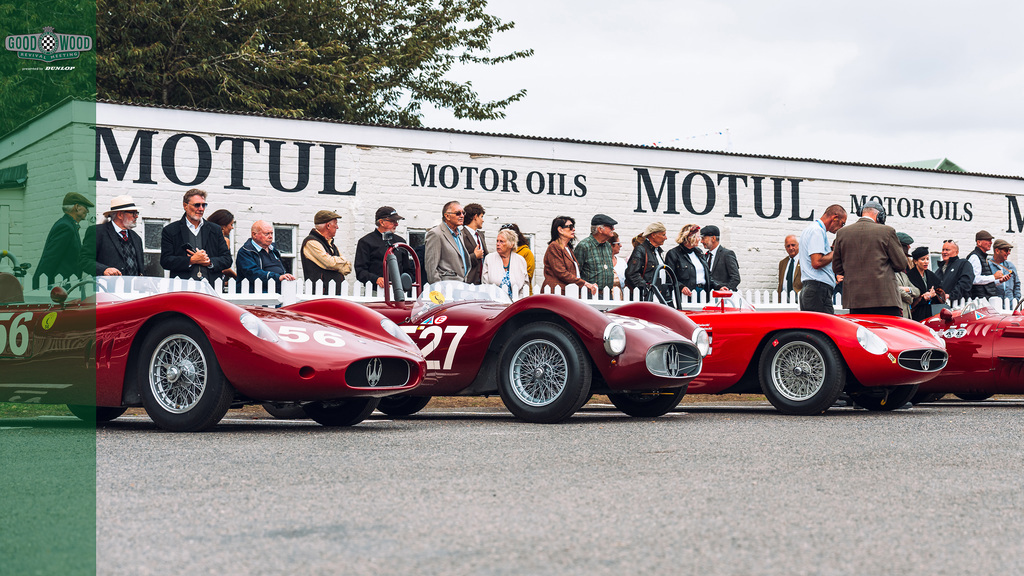
Earlier this year, it returned to the scene of its famous victory at the Nürburgring before making its way down to West Sussex for the Goodwood Revival, as we celebrated 100 years since the marque’s first major motorsport success.
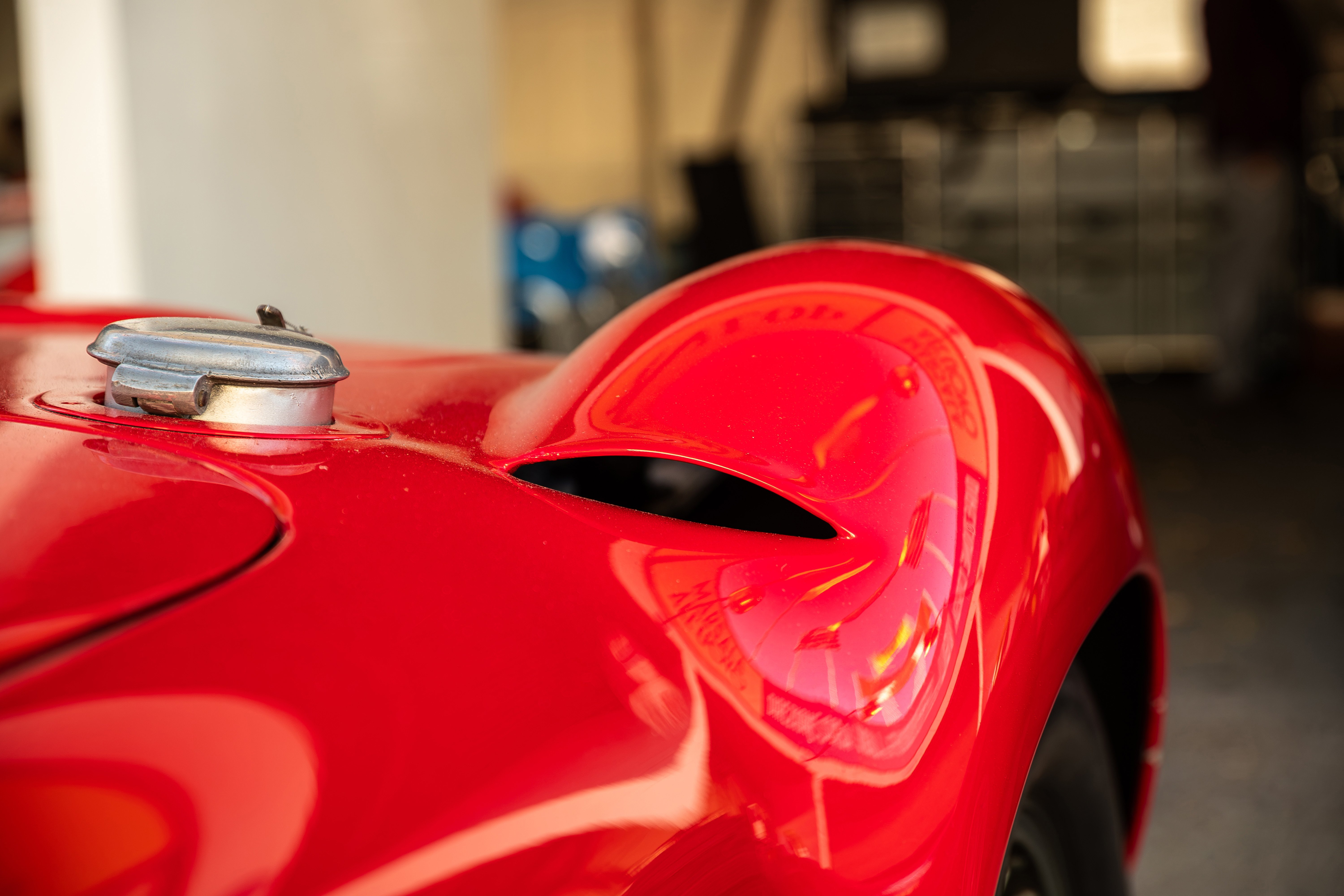
This 300S was also set to feature in the Lavant Cup, a race that evoked the ‘Battle of Modena’ with a field exclusively composed of 1950s Ferraris and Maseratis, but sadly the 3.0-litre straight-six suffered engine problems that prevented the car putting in a performance.
Nevertheless, this significant piece of Maserati history drew in the crowds in its prime display in the Targa Florio-themed paddock shelters at the Motor Circuit, reminding us all of the marque’s endurance racing prowess that originated from that very first Targa Florio victory a century ago.
Historic images courtesy of Getty Images. Goodwood photography by Joe Harding.
The 2027 Goodwood Revival will take place on 17th-19th September 2027. Sign up for ticket alerts to make sure you don’t miss out.
If you’re not already part of the GRRC, you can sign up to the Fellowship today to save ten per cent on your 2027 tickets and grandstand passes, as well as enjoying a whole host of other on-event perks.
revival
revival 2026
event coverage
maserati
Maserati Celebration
300S
Stirling Moss

Subscribe to Goodwood Road & Racing
Thank you, you’re now subscribed

How many hay bales are used at FOS?
For the last two years, 5,800 bales have been recylced into the biomass energy centre to be used for energy generation