

The Jaguar Hansgen Special started the career of one of America’s forgotten racers
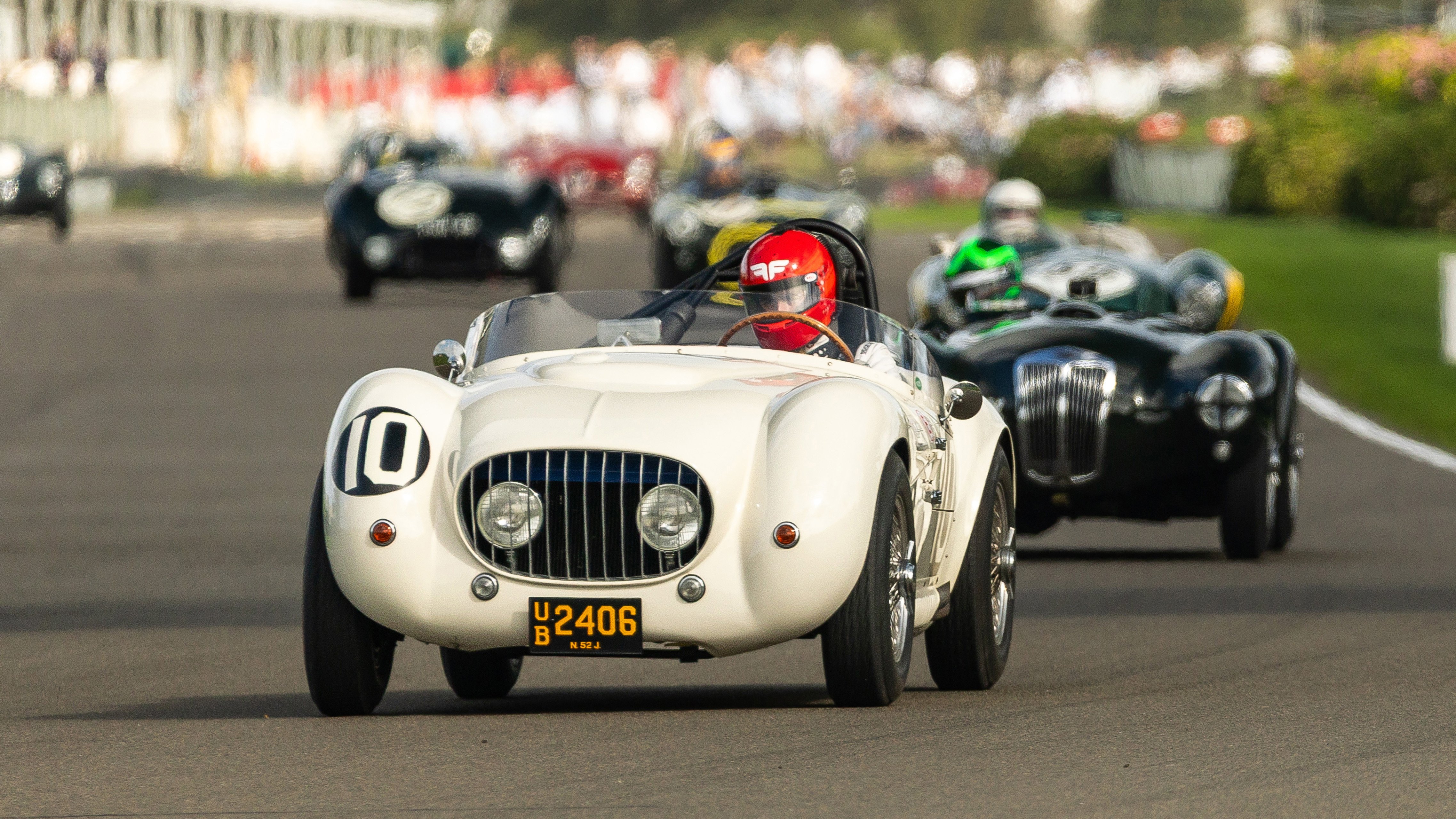
Aged 32, Walt Hansgen arrived relatively late to the motor racing scene. The New Jersey native made his debut in 1951 at the wheel of a Jaguar XK120, but with the C-Type on the horizon — and not available for newcomers — Hansgen took matters into his own hands and set about building a version himself.
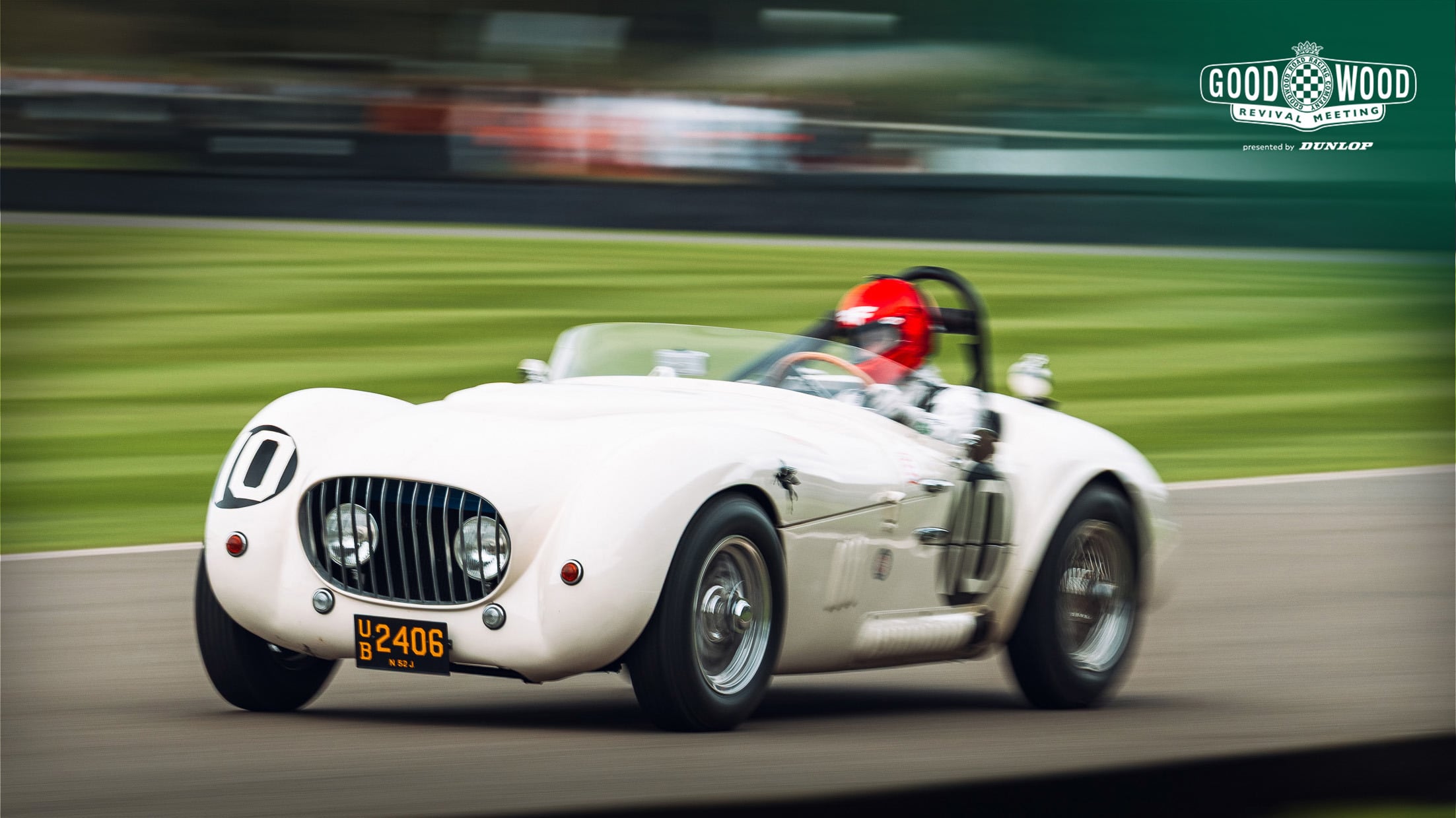
After impressing as a rookie in the XK120, the car was given over in service of what proved to be a 14-month-long project to build something capable of competing with the C-Type.
“If you cannot buy it, build it.” That was Hansgen’s approach according to Christian Jenny, who is now the proud owner of the Jaguar Hansgen Special and regaled us with its story at the 2026 Goodwood Revival presented by Dunlop.
Hansgen’s undertaking to build his own car was no doubt aided by the resources he had at his disposal. His father, Fred, owned a large workshop which had evolved from mending horse-drawn carriages to automobiles, and by the 1950s it was benefitting from its engineers’ wartime experience in aircraft.
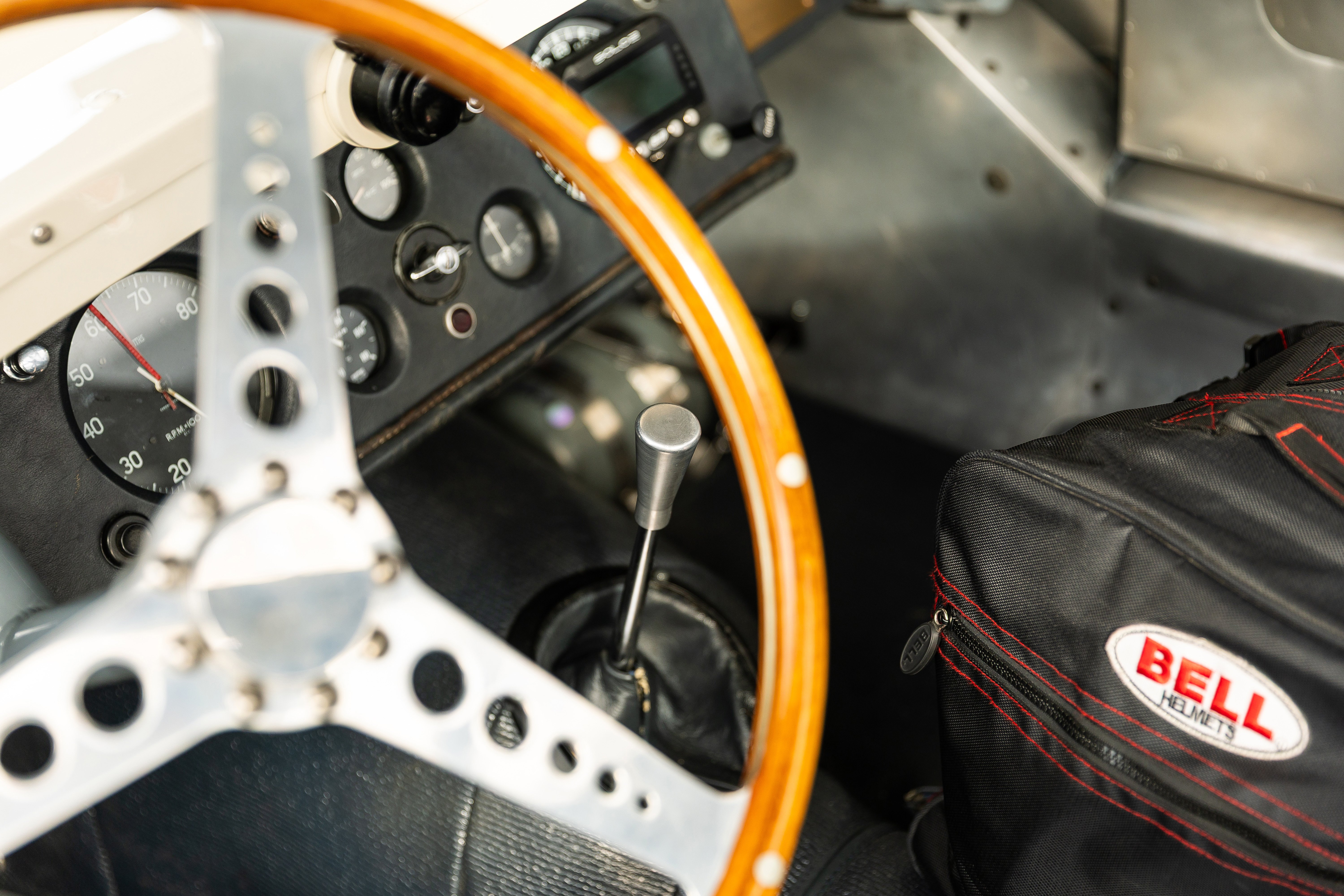
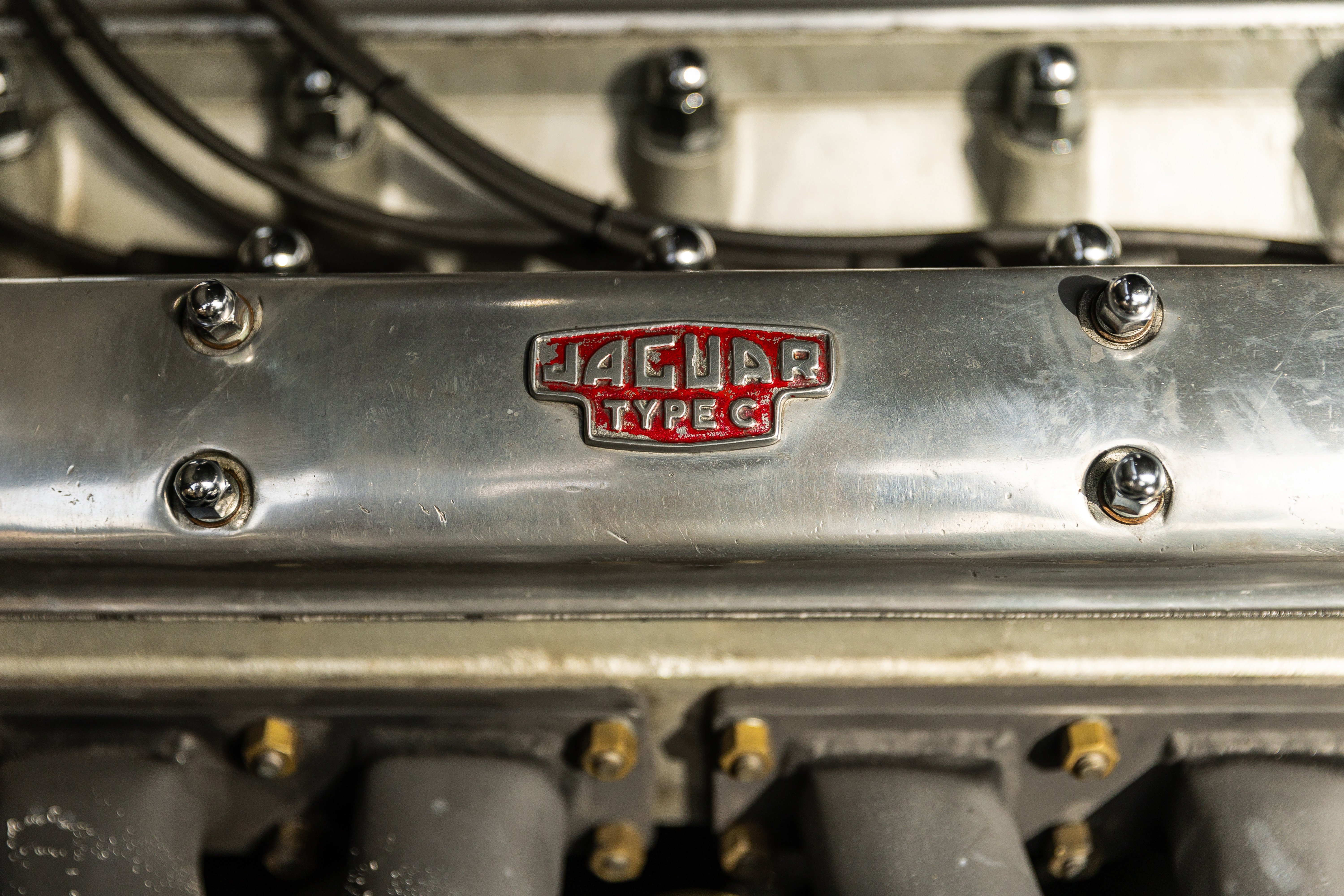
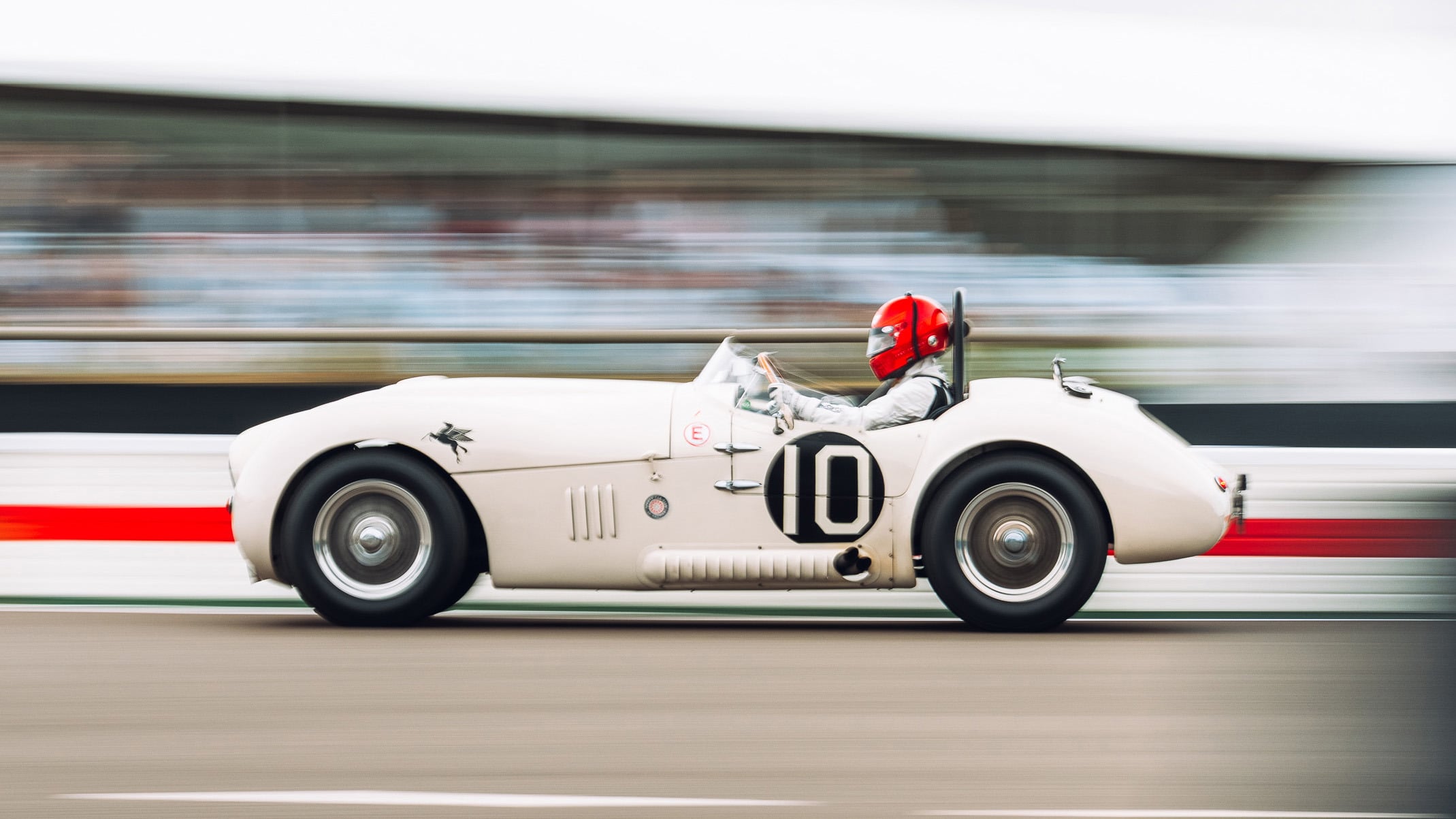
So, with a small team of craftsmen led by Emil Hoffman, Hansgen brought his design to life. His XK120 surrendered its 3.4-litre XK engine, transmission and front suspension, while its dials were fitted into the console of the new machine. Much like the C-Type, Hansgen’s creation utilised a spaceframe chassis, at the rear there was a coil-spring and radius-rod arrangement located by a Panhard rod, and a lightweight aluminium body hammered by hand which evoked not only the C-Type but also the Healey Silverstone and the design language of Maranello.
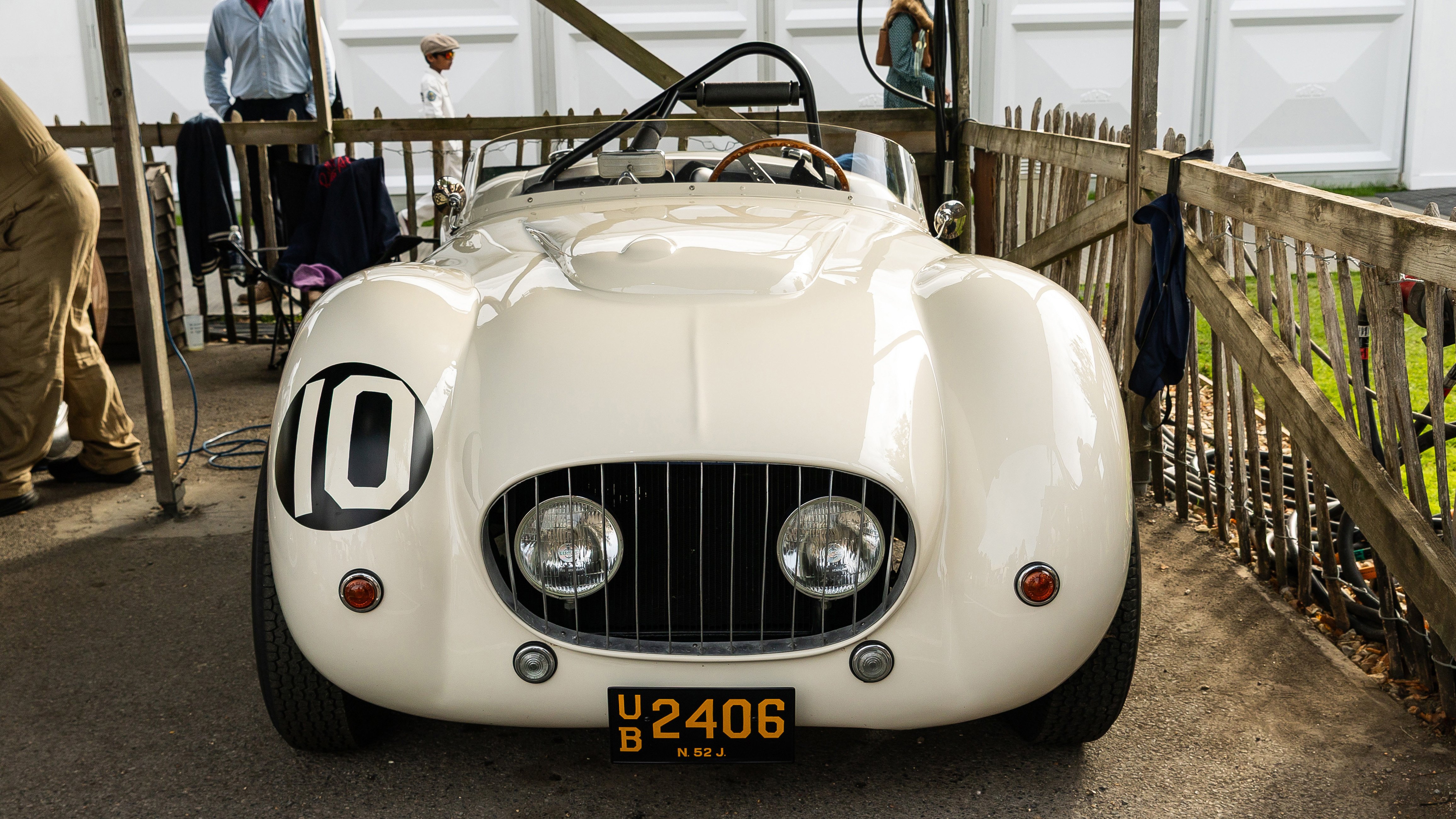
One element that wasn’t inspired by Jaguar was the steering rack taken from an MG TD, selected for its lightness, as well as the fitting of Borrani wire wheels. A 50-gallon fuel tank was also added so the car could last the distance of longer races. Overall, the Hansgen Special weighed around 950kg — about 50kg lighter than the C-Type.
“They knew how the C-Type worked and they improved it,” said Jenny, but stressed Hansgen’s car “was not just a special of a car that existed; it was a totally newly conceived car.”
Adjusted for inflation, the build cost Hansgen almost $74,000 (£54,870), a price for which he could have purchased several C-Types. But of course, that was never an option. The striking Jaguar Hansgen Special made its debut in New York at Bridgehampton in May 1953 and began proving its worth with performances that could match the C-Type. “He very often finished first, second, always in the top,” said Jenny. “The car never let him down. It's amazing.”
It was in September of that year when Hansgen sprung into the spotlight. At the wheel of his Special, he was comfortably leading the 1953 Watkins Glen Grand Prix until a shortage of fuel saw him stumble as he switched to his reserve tank. This gave the Allard of George Harris the unlikely sniff of victory, and across the final three laps he engaged Hansgen in a thrilling contest where the lead of the race swung back and forth until the final corner of the last lap.
Hansgen ultimately took the win by two car lengths, but more importantly he had impressed some of American motorsport’s biggest names and kickstarted his career as one of the top racers in the country.
“That put him on the radar of such people as Briggs Cunningham,” explained Jenny. “It wasn’t long after that Hansgen got on the Briggs Cunningham team, which had great successes at Le Mans. His drivers were considered the best, and Hansgen certainly was his prime racer.”
He could count the likes of Dan Gurney, with whom Hansgen raced for Briggs Cunningham at Le Mans in 1960, as admirers of his, and enjoyed a rich motorsport career right until his untimely death in April 1966, when he crashed a Ford GT40 during testing for Le Mans with Holman-Moody Racing.
From 1956-59, Hansgen took four consecutive SCCA National Championships; raced at Le Mans five times between 1959-63; made his Formula 1 debut at the 1961 United States Grand Prix with Cooper, then raced again at Watkins Glen in 1964, where the placed fifth with Lotus; and made two Indianapolis 500 (where he became the oldest and fastest rookie to qualify) and three NASCAR appearances in 1964 and ’65.
“Without this car, Hansgen would not have his career,” Jenny stated. The Jaguar Hansgen Special did its job so well that ultimately he was able to swap it for the car he had always wanted. At the end of the 1953 season, Hansgen purchased a C-Type from Masten Gregory and set off on his fulfilling career, and so offered the car he built to his friend, Paul Timmins.
Timmins raced it across America to several podium-place finishes in 1954, but tragically was killed in a road traffic accident in March 1955. With Timmins having never paid Hansgen money for the car, his family returned it to him, after which Hansgen sold it on to George Sterner.
Sterner kept the car solely as a leisure vehicle, and the Jaguar Hansgen Special spent 11 years away from the track. That was until it was sold again to JD Iglehart in 1966, who took the car to both track events and hillclimbs, with a fresh blue livery. When its services weren’t called upon, the car fittingly resided on display in the Watkins Glen Museum.
From 1983, the Jaguar Hansgen Special underwent careful conservation under the ownership of Bob Millstein before taking part in over 150 races. Leading C-Type specialist Terry Larson bought the car from Millstein in 2002 and kept it on display with minor conservation, before selling it to his friend Jenny in 2020.
“[Larson] had it for many, many years and didn't do anything with it. He was in Arizona, I’m in Switzerland, but about once a year I went to see him and said, ‘What are you going to do with this beautiful car?’ He said ‘Well, one day I'm going to drive it’, but then he sold it to me. He actually put it all in top shape and I took it over to Switzerland.”
Working with Jenny is David Brazell, an engineer with a passion for 1950s Jaguars. Together they fitted an original four-speed Moss gearbox and a Salisbury limited-slip differential that was used in competition Jaguars in period. “We try to keep as original as possible,” said Jenny. “It's a car that has a continuous history, we know, let's say every hour of the car's life, we know where the car has been.”
After a lifetime in America, the Jaguar Hansgen Special made its European debut in the Freddie March Memorial Trophy at the 2023 Goodwood Revival, where it finished 16th, and with Jenny it continues to enjoy a life of the road. “We drive it a lot. I’ve had it at Pebble Beach, the car got well known and many people came by and said, ‘Oh my God, the Hansgen car, it's still alive!’”
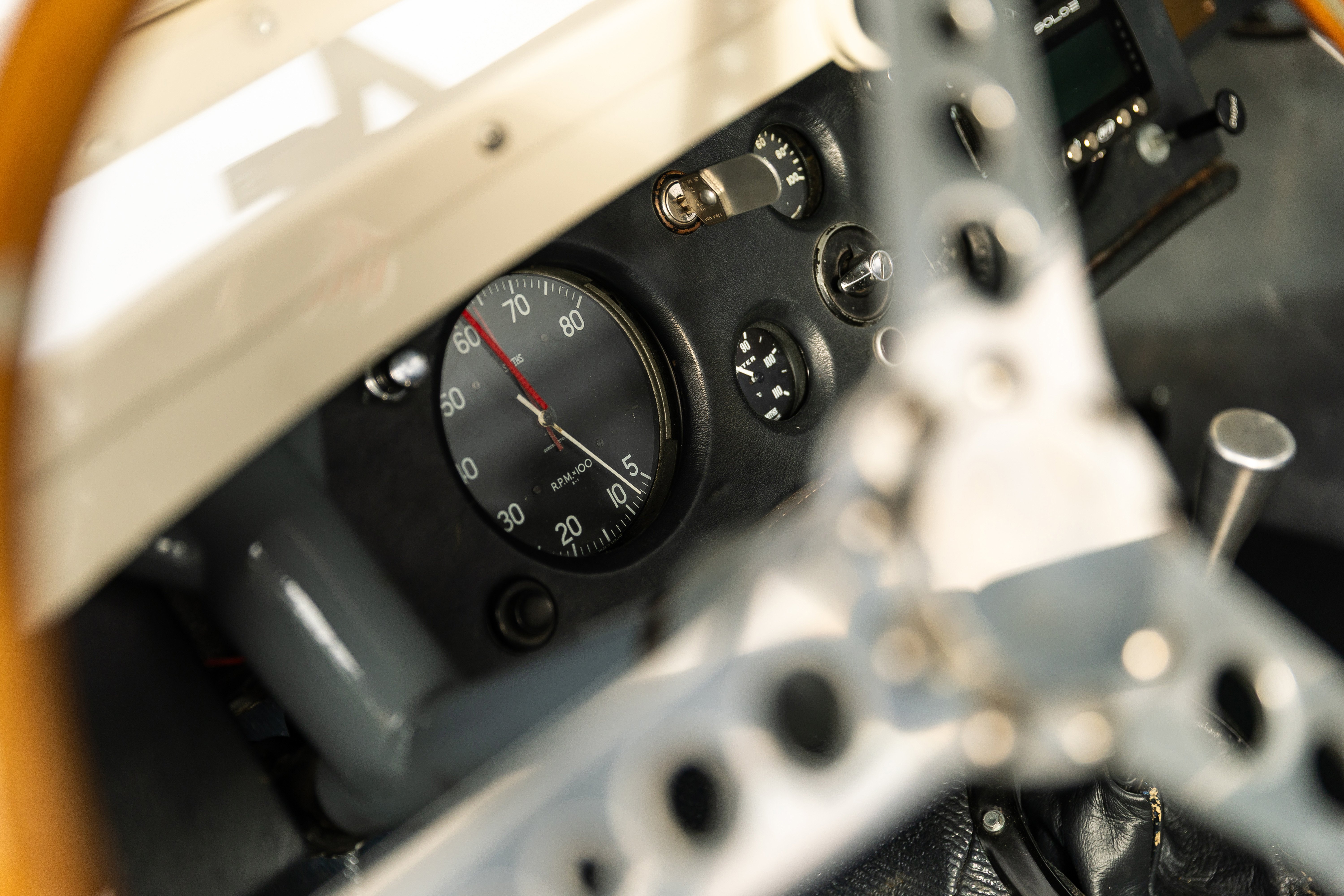
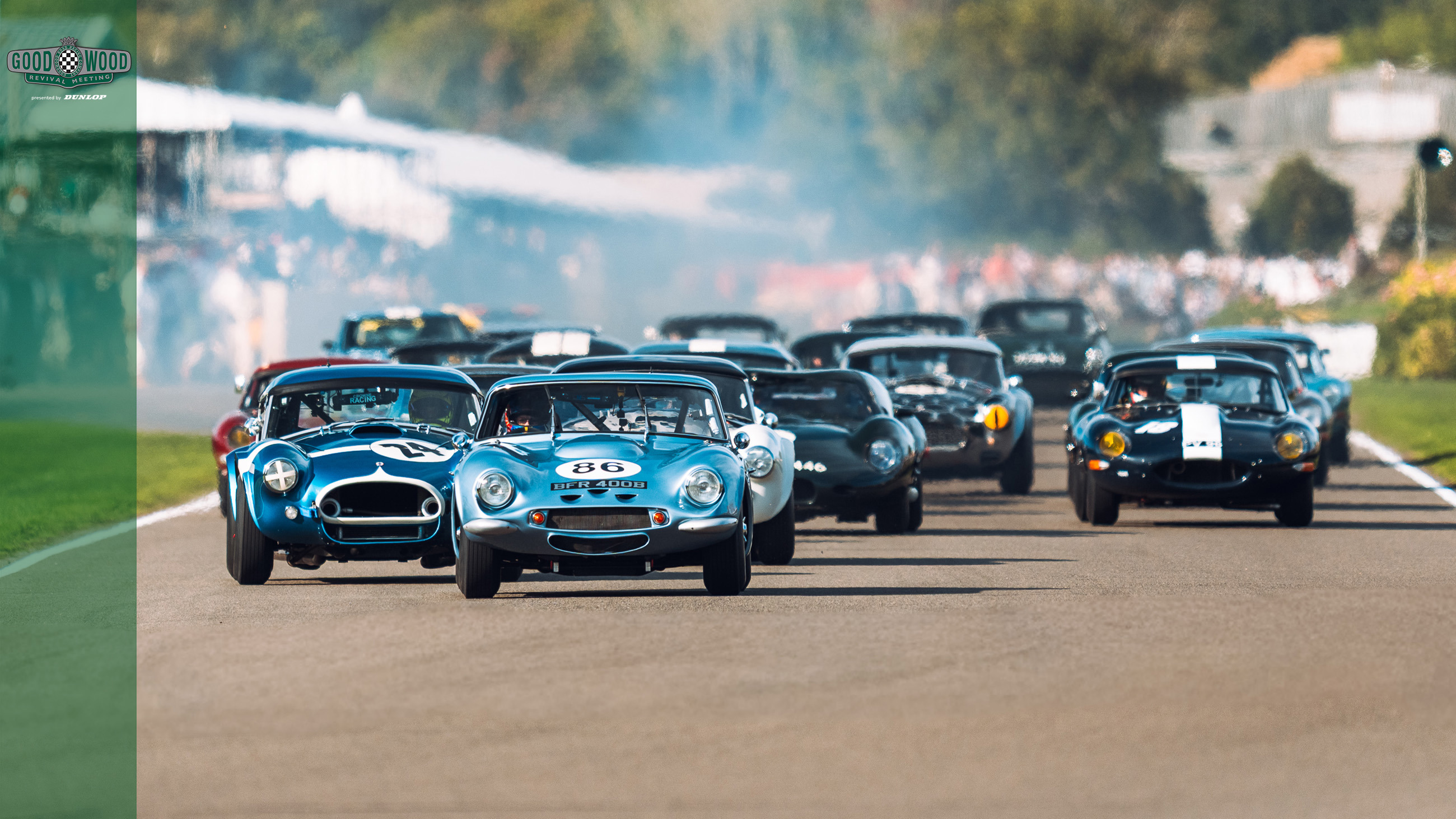
That same excitement was palpable at the 2026 Revival, where the car returned to compete in the Freddie March Memorial Trophy presented by Cazenove Capital. Its singularity continues to draw crowds as onlookers soak in the embodiment of one man’s ingenuity and ambition.
Walt Hansgen’s legacy lives on in his Jaguar Hansgen Special, and the opportunity to share stories like these is what the Goodwood Revival is all about.
Goodwood photography by Joe Harding and Charlie Brenninkmeijer.
The 2027 Goodwood Revival will take place on 17th-19th September 2027. Sign up for ticket alerts to make sure you don’t miss out.
If you’re not already part of the GRRC, you can sign up to the Fellowship today to save ten per cent on your 2027 tickets and grandstand passes, as well as enjoying a whole host of other on-event perks.
revival
revival 2026
event coverage
Freddie March Memorial Trophy
Freddie March Memorial Trophy feature
jaguar
Jaguar Hansgen Special

Subscribe to Goodwood Road & Racing
Thank you, you’re now subscribed

How many hay bales are used at FOS?
For the last two years, 5,800 bales have been recylced into the biomass energy centre to be used for energy generation