

Space vs. sea: Why more people have reached the Moon than the deep ocean
Roughly as many people have reached the deepest point of the ocean as have travelled to the Moon. With the tally under thirty each, they are among the rarest and most hostile journeys a human can make.
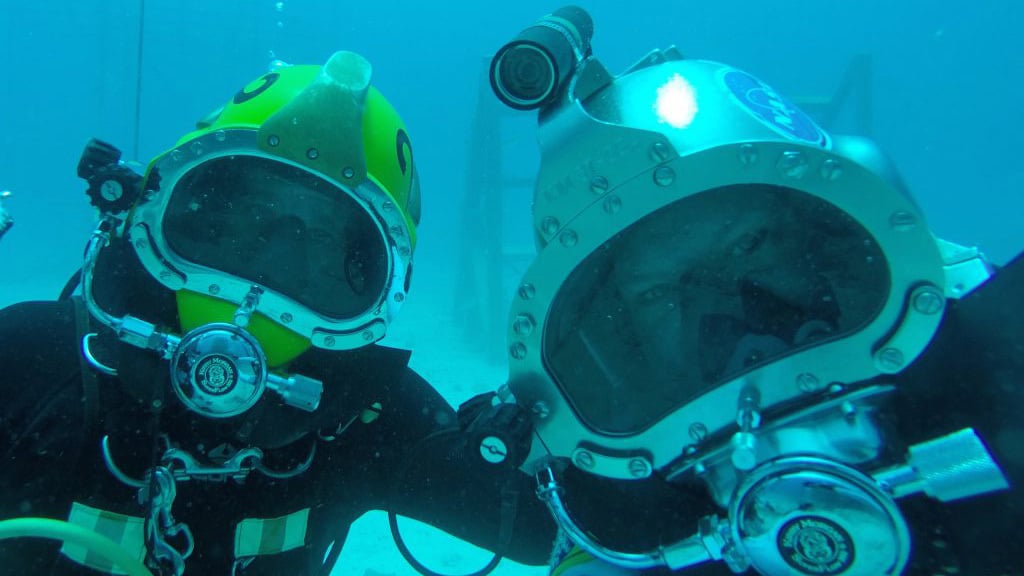
Both sit at the outer limit of what the body can take, and share some striking similarities. Astronauts even train for space underwater, because the neutral buoyancy of a dive tank is the only practical way on Earth to rehearse weightlessness, spacesuit work and moving through an airlock.
Dr May Martin is a lunar scientist at the European Space Agency. Alfred Perring is engineering design director at Deep, which builds habitats for people to live and work on the sea floor. In short, the pair know a thing or two about space vs. sea, as they shared with us at FOS Future Lab presented by Randox at the 2026 Festival of Speed presented by Mastercard.
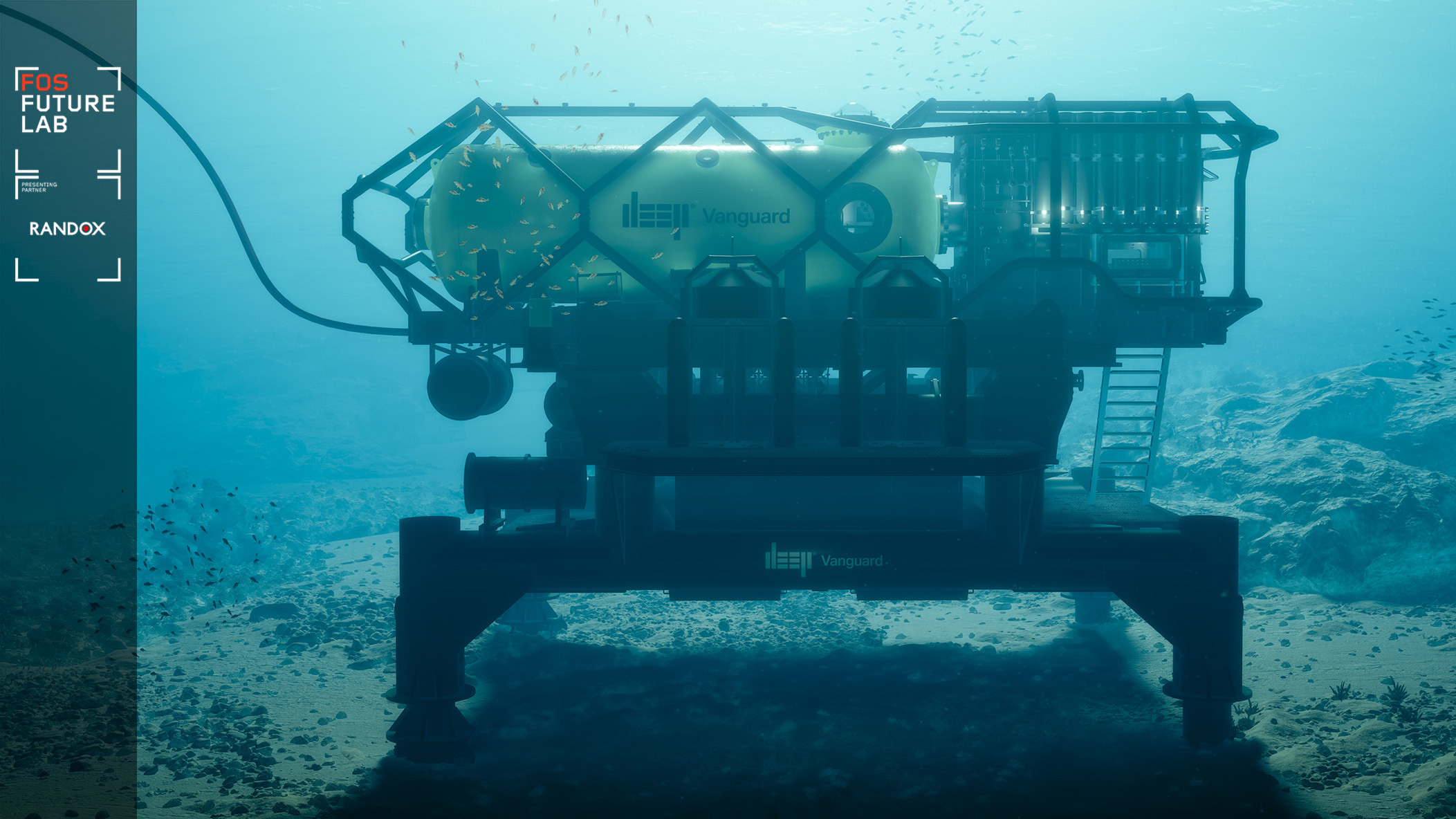
"At Deep we have a very simple mission, which is to make humans aquatic," says Perring. "We've got life support systems, atmosphere management, a pressure boundary, and a confined environment where you can't simply go back to the surface or come back to Earth."
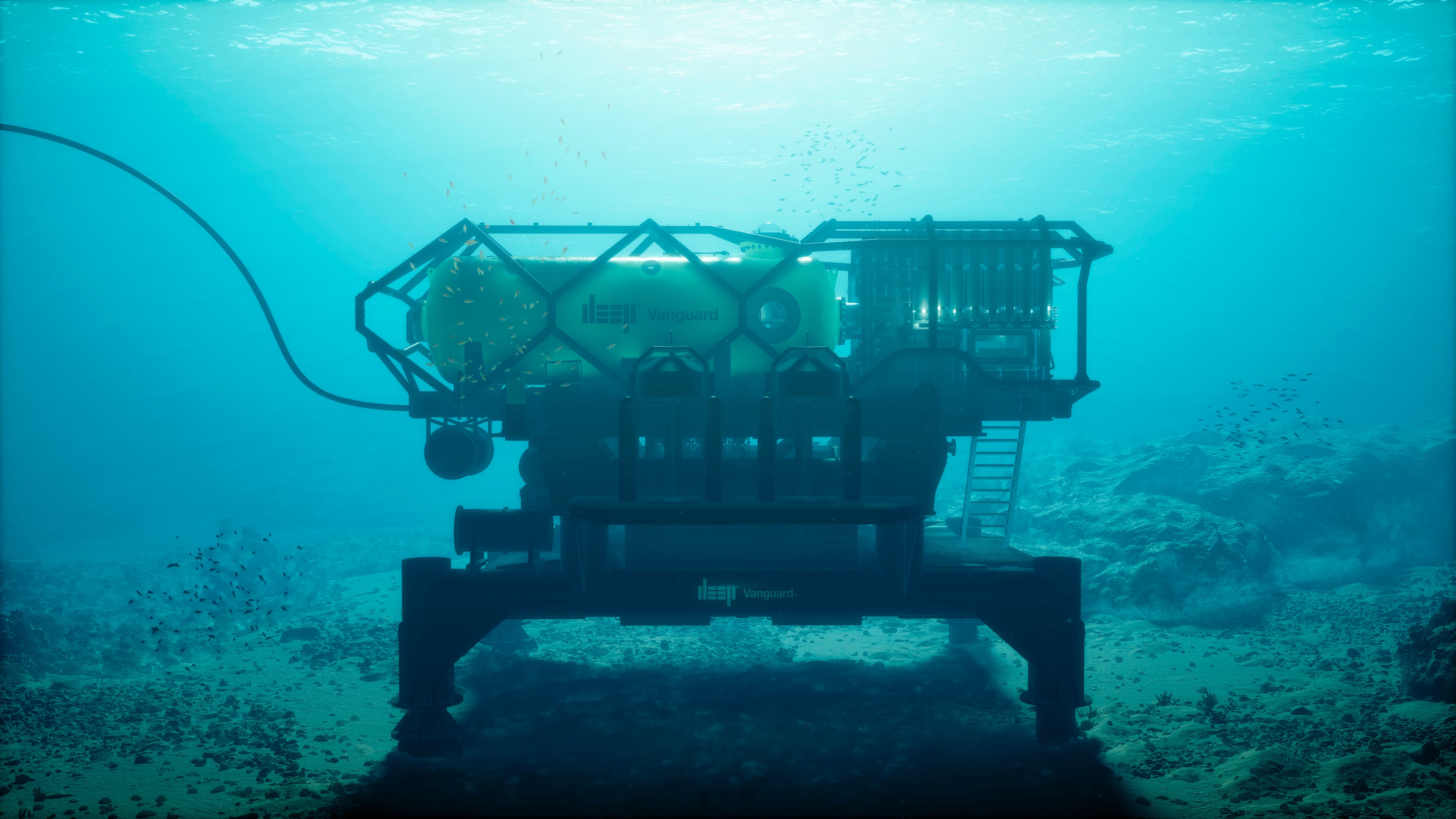
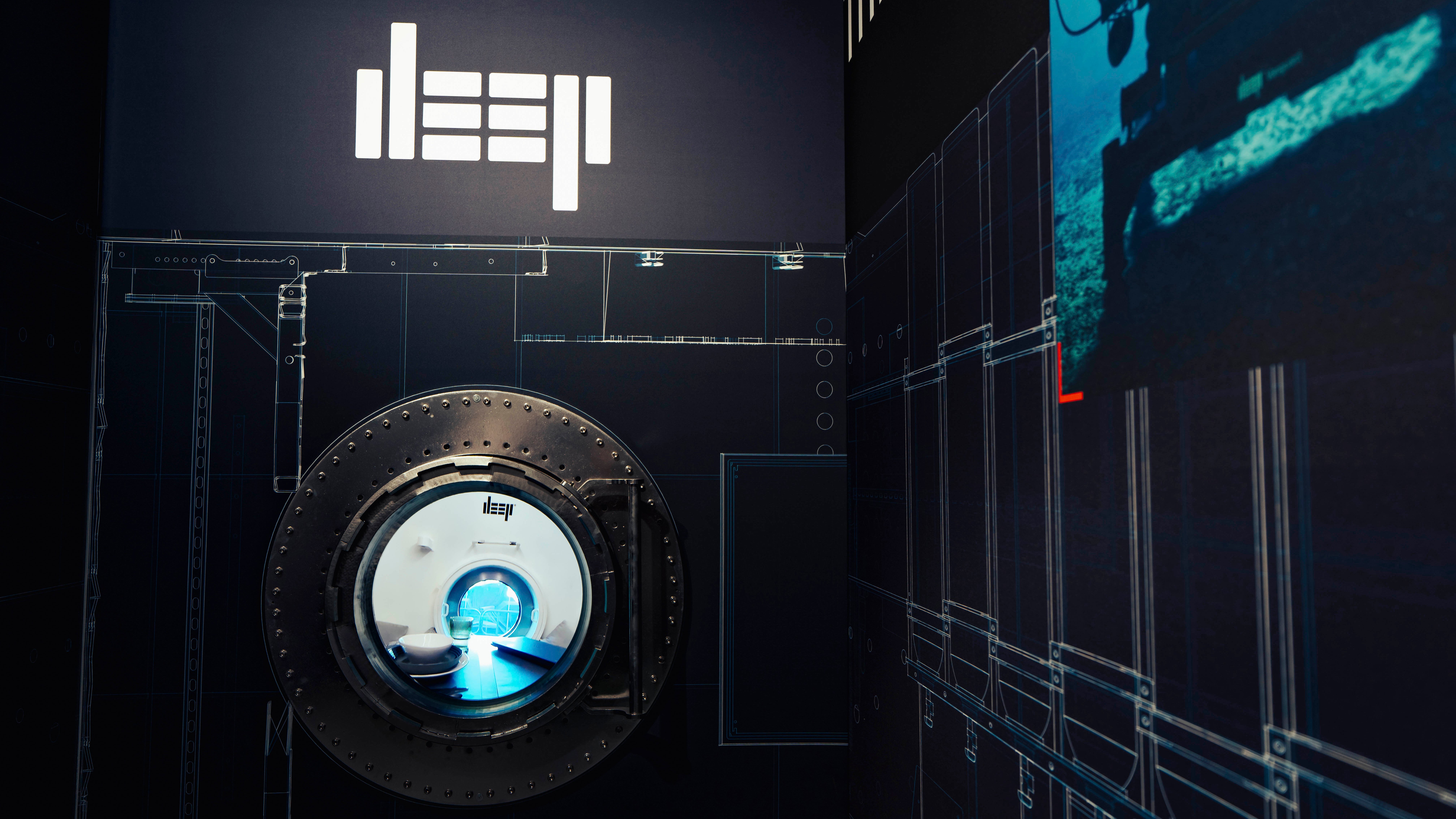
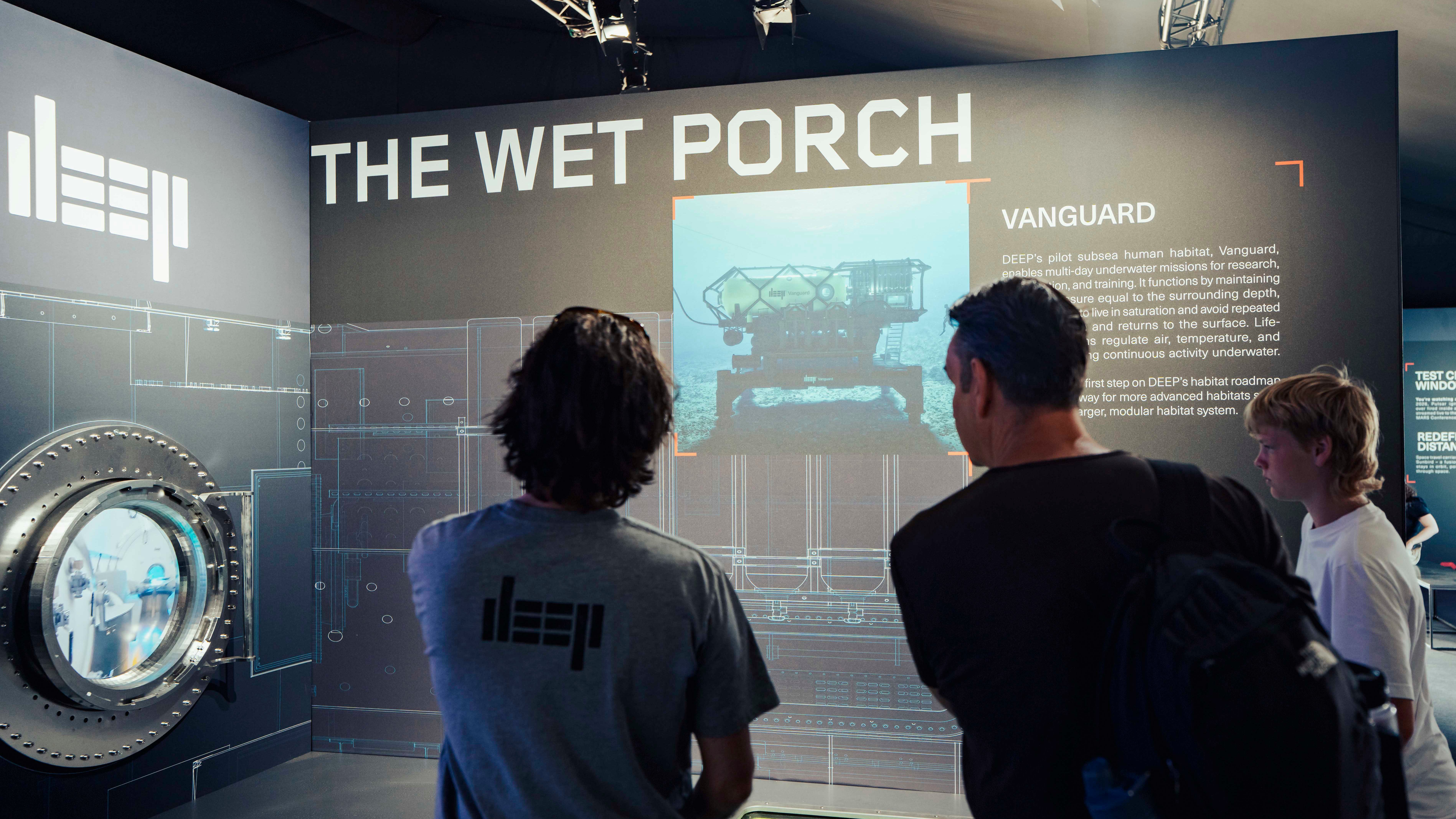
He is describing a habitat on the sea floor; he could be describing a spacecraft. Deep's Vanguard keeps a crew alive at depth for about seven days, watched around the clock from a base on shore, "like what you might see at Houston, but smaller.”
Perring first dived in a submersible as an adult, after being inspired by the BBC documentary Blue Planet as a boy. "As you start to descend, the water rushes up around you, and you disappear into the blue. The ocean isn't just a resource or an obstacle, it's the majority of our habitable planet."
"I don't think a single astronaut has been to space and not been incredibly affected by looking down at our planet," says Martin in comparison. It is the same jolt looking the other way, and it has a name: the overview effect.
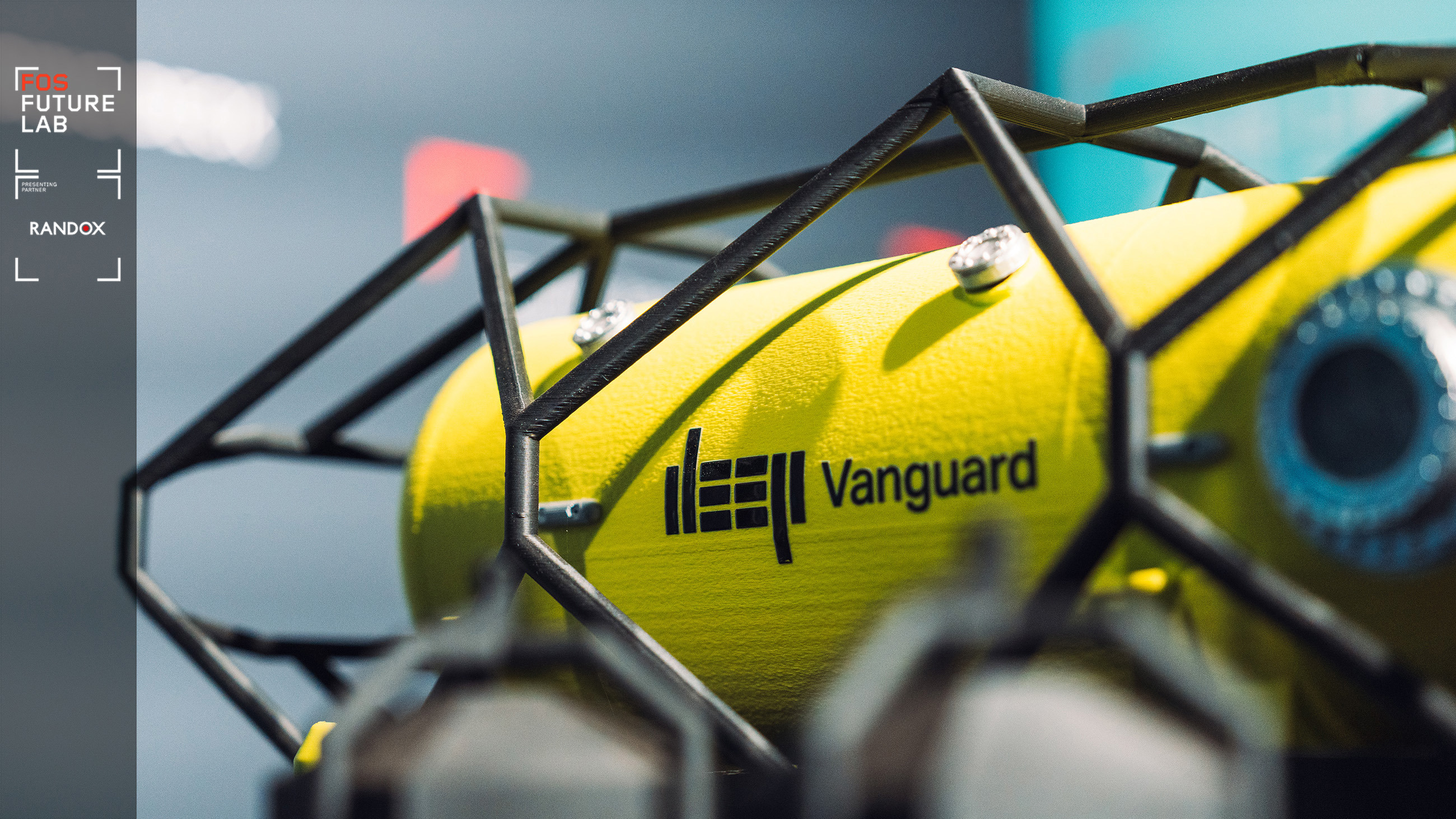
The harder toll is mental, enduring days or weeks sealed in a cramped space with the same people. Astronauts are sent up with scents and sounds of Earth to stay grounded. Deep's answer is acrylic window panes that bend light so the barrier between the crew and the ocean seems to disappear, and nobody feels boxed in.
Where they part
Living at the same pressure as the water lets a diver work six or eight hours at a stretch instead of scuba's single hour, but that pressure has to come out of the body slowly on the way up.
"It's like having air compressed in a bottle of fizzy water," says Perring. "As you go down, pressure gets greater, and the gases start to absorb into your blood, and that's what it's like having the cap on the top of fizzy water. The gas is all at the same pressure, and it's all contained in there.
"If you come back up to surface suddenly, that's like just whipping the cap off the bottle, and it will fizz." Rush it, and you get the bends. "Where the journey back to Earth is in a vehicle, it's like the journey back to the surface is in your bloodstream," he says.
In orbit, muscles waste away the longer a crew stays up, and the first days home focus on rebuilding them. If something fails underwater, Perring can get his people out in minutes. In space, there is no fast way home. The Moon is three days away, and Mars "could be anywhere up to nine months to a year, depending on the orbital dynamics".
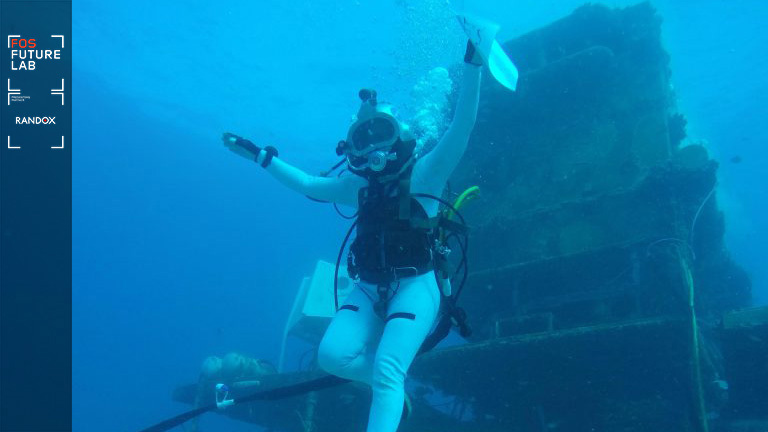
And yet, for all the money and imagination poured into looking up, the sea is the frontier we have explored least. Perring's target, the blind spot zone between 50 and 200 metres, is too deep for divers to work in for long and too costly for submersibles to bother with. "It's, in many ways, the least explored, but also where an awful lot of the life is," he says.
So the hardest, rarest, most alien place a human can go is not only overhead. A version of it lies a few hundred metres beneath the surface of our own planet. It’s closer than the Moon, arguably easier to reach, and still teeming with life no one has seen.
"We know that the future crews of our missions are still in school," says Perring. The only question is whether to choose space or sea after graduation.
Randox is a global leader in diagnostics, revolutionising patient outcomes through innovative technologies, including its patented biochip technology. This pioneering diagnostic platform allows for the simultaneous detection of multiple biomarkers from a single sample, delivering faster, more accurate, and comprehensive results. Operating in over 145 countries, Randox develops advanced laboratory instruments, high-quality reagents, and innovative testing solutions to improve global healthcare.
Randox Health brings this cutting-edge technology directly to individuals, offering bespoke, preventative health testing programs. With world-class laboratories and personalised health insights, Randox Health enables early detection of a wide range of conditions, helping individuals take control of their health.
Together, Randox and Randox Health are redefining diagnostics and preventative healthcare. For more information, visit www.randox.com and www.randoxhealth.com.
The 2027 Festival of Speed will take place on 15th-18th July 2027, sign up for ticket alerts to make sure you don't miss out. Tickets are available for GRRC Members and Fellows, you can join the Fellowship today.
Main image courtesy of NASA.
festival of speed
fos
fos 2026
event coverage
future lab
fos future lab
deep
new frontiers


Subscribe to Goodwood Road & Racing
Thank you, you’re now subscribed

How many hay bales are used at FOS?
For the last two years, 5,800 bales have been recylced into the biomass energy centre to be used for energy generation