

NASA's lunar rental car is heading to the Moon
The Moon is 2,159 miles across and humans have covered just 56 by car. The Apollo buggies managed three days each and were left abandoned on the lunar surface. NASA doesn’t want that to happen again, so the next-generation autonomous Pegasus rover is built to work for a year, hunt for ice in craters, and still be running when astronauts turn up to drive it.
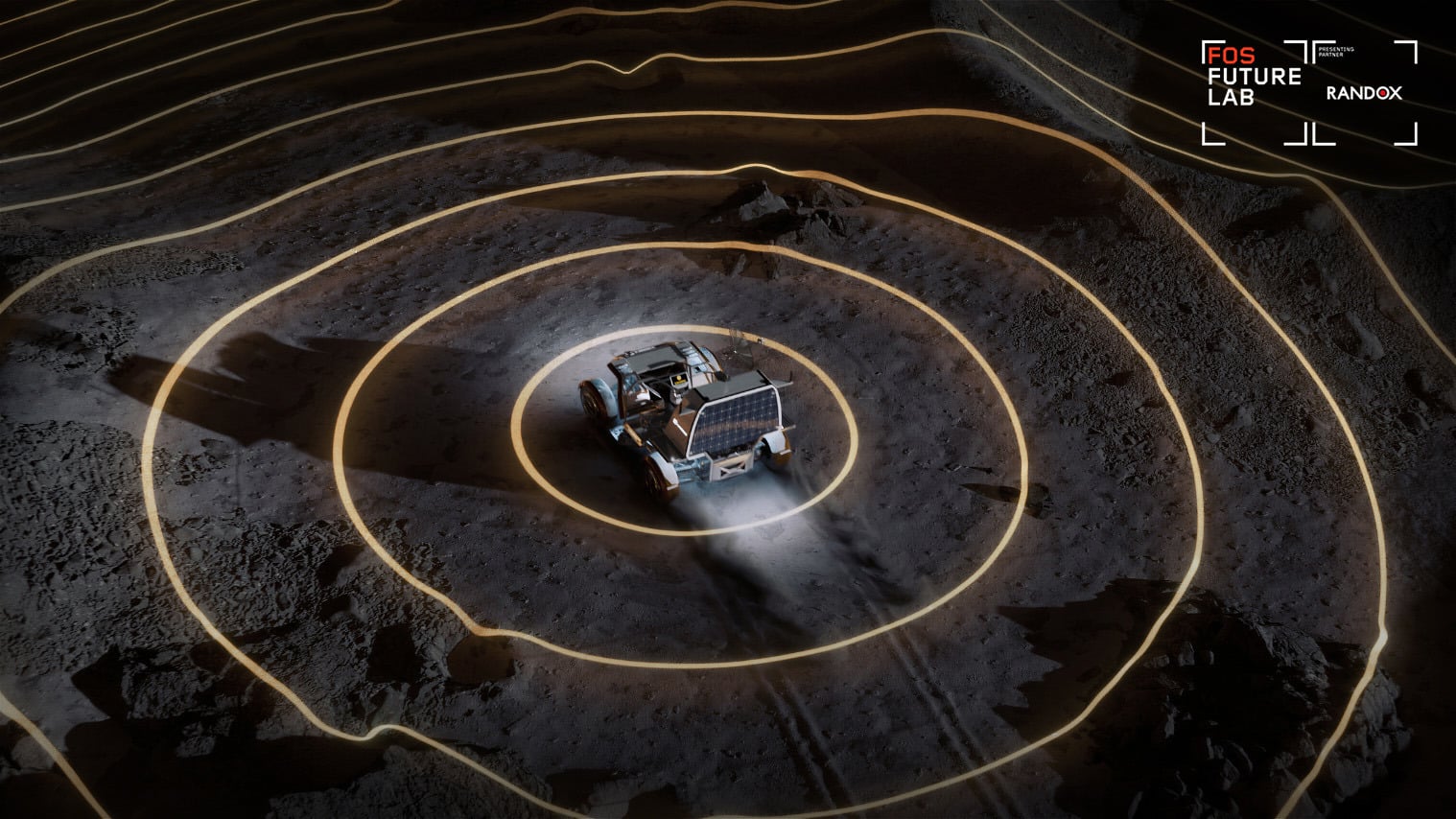
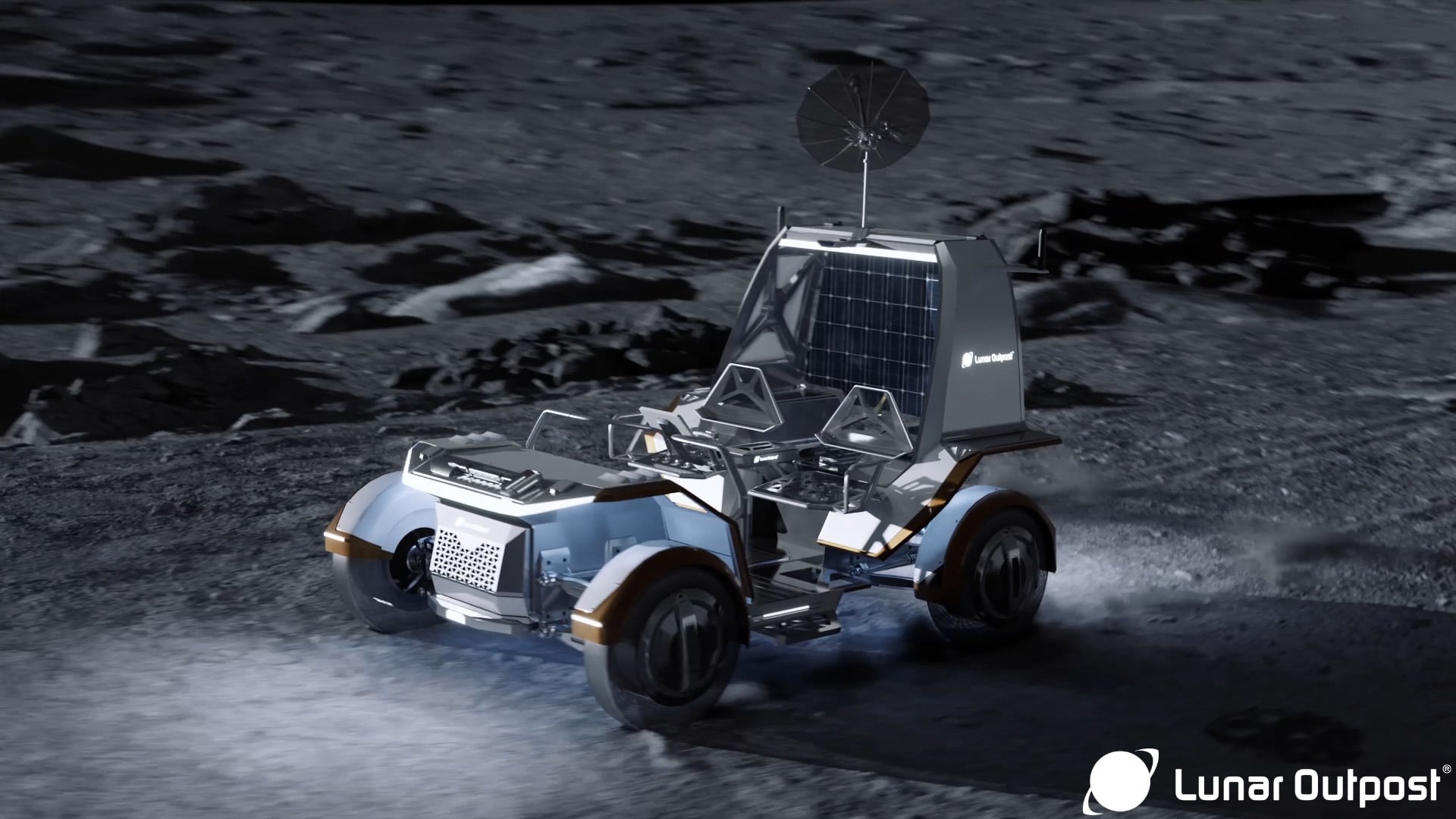
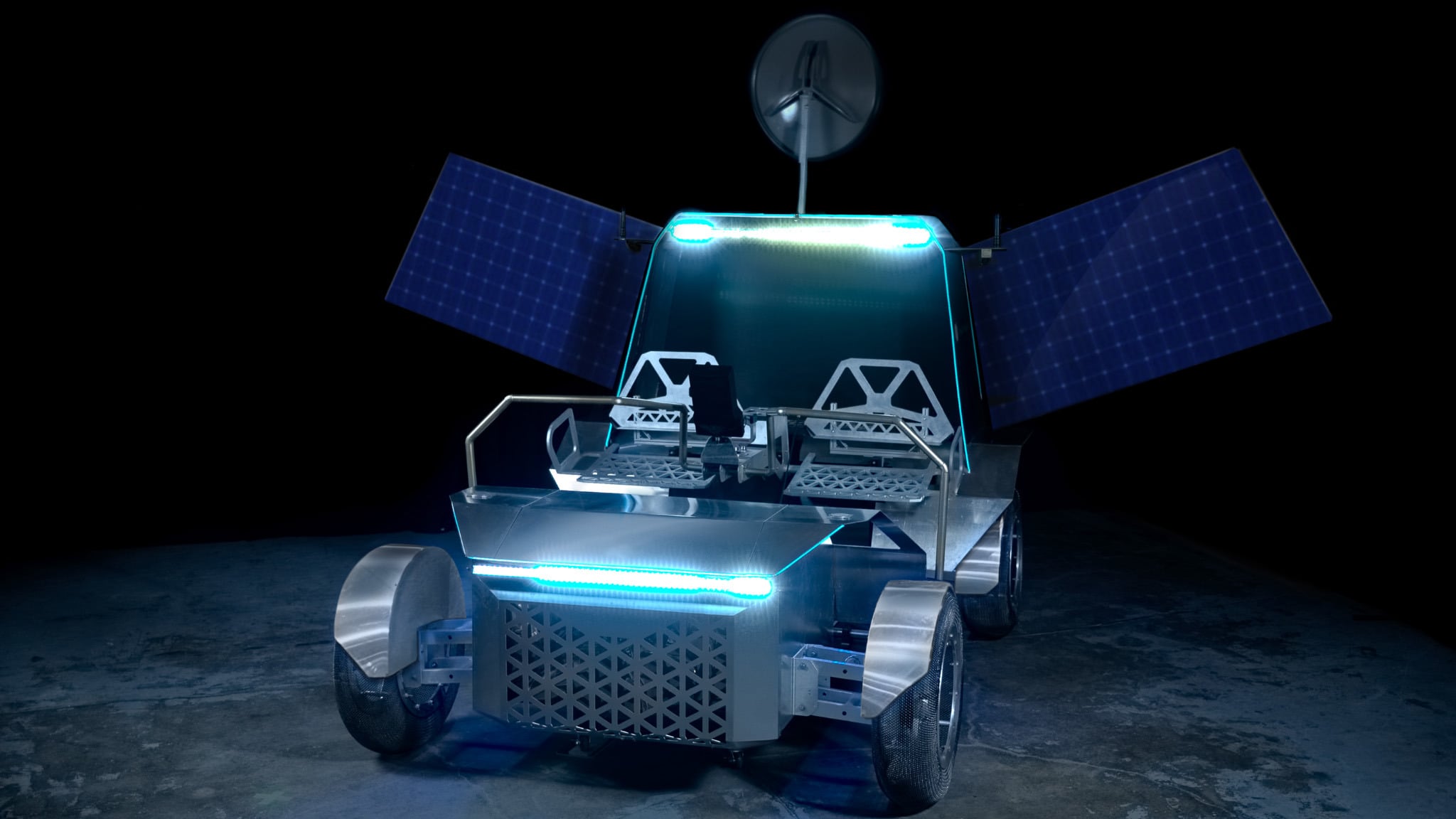
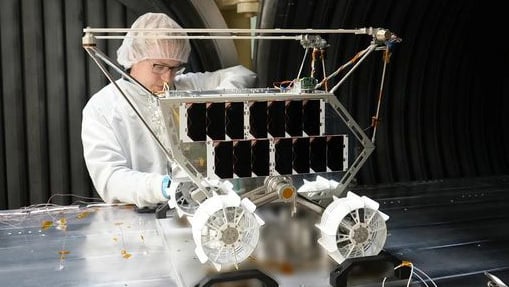
Effectively, Pegasus will be a lunar rental car. It’s a four-wheeled open-frame buggy, not unlike the Apollo originals in appearance, and it can be operated three ways: by driving itself, being operated remotely from Earth, or an astronaut can drive it like a car.
The agency is paying to use it rather than buying it, and the company building it stays the owner. That company is aptly named Lunar Outpost, and NASA has awarded it a mega-bucks $220 million under its Lunar Terrain Vehicle Services contract.
What Pegasus actually is
With a top speed of more than 9mph, it’s brisk on rough ground with no roads, and designed to cover more than double the distance of all the Apollo rovers combined.
Pegasus lands before any astronauts attempt a next giant leap for humankind and forms an autonomous advance party to clear the path. That's because at the lunar south pole the Sun sits permanently low, shadows stretch for miles and never move, and some craters have not seen daylight in billions of years.
Sending a rover ahead means the boulders, slopes and drop-offs are already mapped before the crew arrives. Pegasus is due to be handed over in late 2027, with launch and deployment at the lunar south pole slated for early 2028. We just hope NASA signs the damage waiver.
Surviving the dark
Apollo's buggies only lasted three days each because nothing back then could survive a lunar night, which goes on for a fortnight and drops to around minus 246 degrees Celsius.
The south pole is harsher still. Its permanently shadowed craters are among the coldest places ever measured anywhere in the solar system, colder than the surface of Pluto, and perfect for long-lasting ice.
Pegasus carries a thermal system that runs constantly, even while someone is driving it. Solve the cold, and a vehicle stops being disposable, which is the difference between a fleeting visit and a permanent presence.
Hunting for water
Pegasus will be targeting permanently shadowed craters because they may hold ice, which equals drinking water, breathable oxygen and rocket fuel. It’s why every space agency on Earth is interested in the same few square miles of lunar ground.
Finding its way there falls to Lidar, built by a firm called AEye, which fires laser pulses and times the bounce to map the ground in complete darkness. “The lunar environment represents the most demanding proving ground any sensor can face,” said AEye chief executive Matt Fisch. After all, there is no GPS on the Moon, nor any signposts.
No burning rubber
At minus 250 degrees rubber would shatter like a biscuit, and there is little point pumping air into anything that has to work in a vacuum. So, tyres are instead airless and made from advanced metals.
The whole architecture is designed for loose lunar regolith rather than tarmac, and for gravity a sixth as strong as ours on Earth, where a vehicle tends to bounce rather than grip. Moon dust makes it harder still as every grain is jagged, and static electricity makes it cling to everything it touches.
A fleet, not a one-off
Pegasus won’t be Lunar Outpost’s only Moon vehicle. The company currently has more lunar rover missions than all other commercial companies combined.
It also builds MAPP, a much smaller prospecting rover, which will work alongside astronauts on Artemis IV — the first time humans and a robot rover have worked together on another world.
Its Luxembourg arm is developing thermal management systems for the European Space Agency's Moonraker mission, planned for 2030, which will laser-map future safe landing sites from lunar orbit, while NASA's Lunar Terrain Vehicle Services programme, announced in 2024, is worth up to $4.6 billion across all the companies involved and runs through to 2039. It forms part of the plan to establish a permanent human base there.
“We're a lunar infrastructure company,” said Lunar Outpost's VP of strategy, Michael Moreno, “and the infrastructure of the moon base won't be built by astronauts alone.”
The bit worth telling your kids
Fifty years ago we drove 56 miles on another world and then stopped for half a century. Pegasus is built to work before the crew arrives, support them when they’re there, and keep working in between.
FOS Future Lab presented by Randox has always kept a foot in orbit, from Space Forge's reusable satellites and Pulsar Fusion's propulsion systems to the inspiring thoughts of our ambassador Sir Tim Peake. You never know, one day a Moon buggy may end up on the famous Goodwood Hill, though at just over 9mph don’t expect it to break any speed records…

Randox is a global leader in diagnostics, revolutionising patient outcomes through innovative technologies, including its patented biochip technology. This pioneering diagnostic platform allows for the simultaneous detection of multiple biomarkers from a single sample, delivering faster, more accurate, and comprehensive results. Operating in over 145 countries, Randox develops advanced laboratory instruments, high-quality reagents, and innovative testing solutions to improve global healthcare.
Randox Health brings this cutting-edge technology directly to individuals, offering bespoke, preventative health testing programs. With world-class laboratories and personalised health insights, Randox Health enables early detection of a wide range of conditions, helping individuals take control of their health.
Together, Randox and Randox Health are redefining diagnostics and preventative healthcare. For more information, visit www.randox.com and www.randoxhealth.com.
Images courtesy of Lunar Outpost.
The 2027 Festival of Speed will take place on 15th-18th July 2027, sign up for ticket alerts to make sure you don't miss out. Tickets are available for GRRC Members and Fellows, you can join the Fellowship today.
festival of speed
fos
fos future lab
future lab


Subscribe to Goodwood Road & Racing
Thank you, you’re now subscribed

How many hay bales are used at FOS?
For the last two years, 5,800 bales have been recylced into the biomass energy centre to be used for energy generation