

When the RAC TT first came to Goodwood
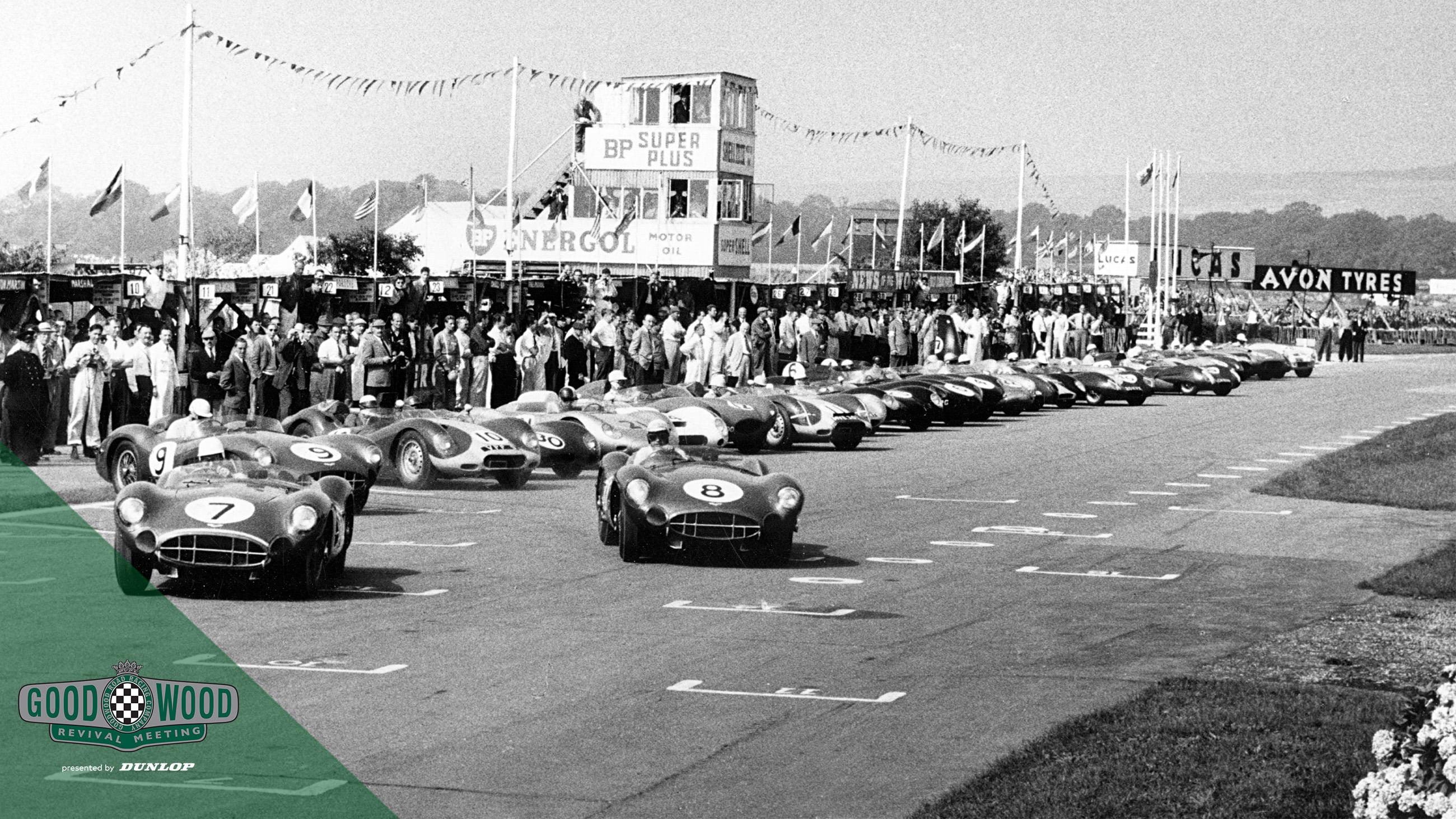
The Royal Automobile Club Tourist Trophy pre-dates the first Grand Prix by one year as motorsport’s oldest surviving prize. Inaugurated on the Isle of Man in 1905, the race was already more than half a century old when it was first held at Goodwood in 1958.
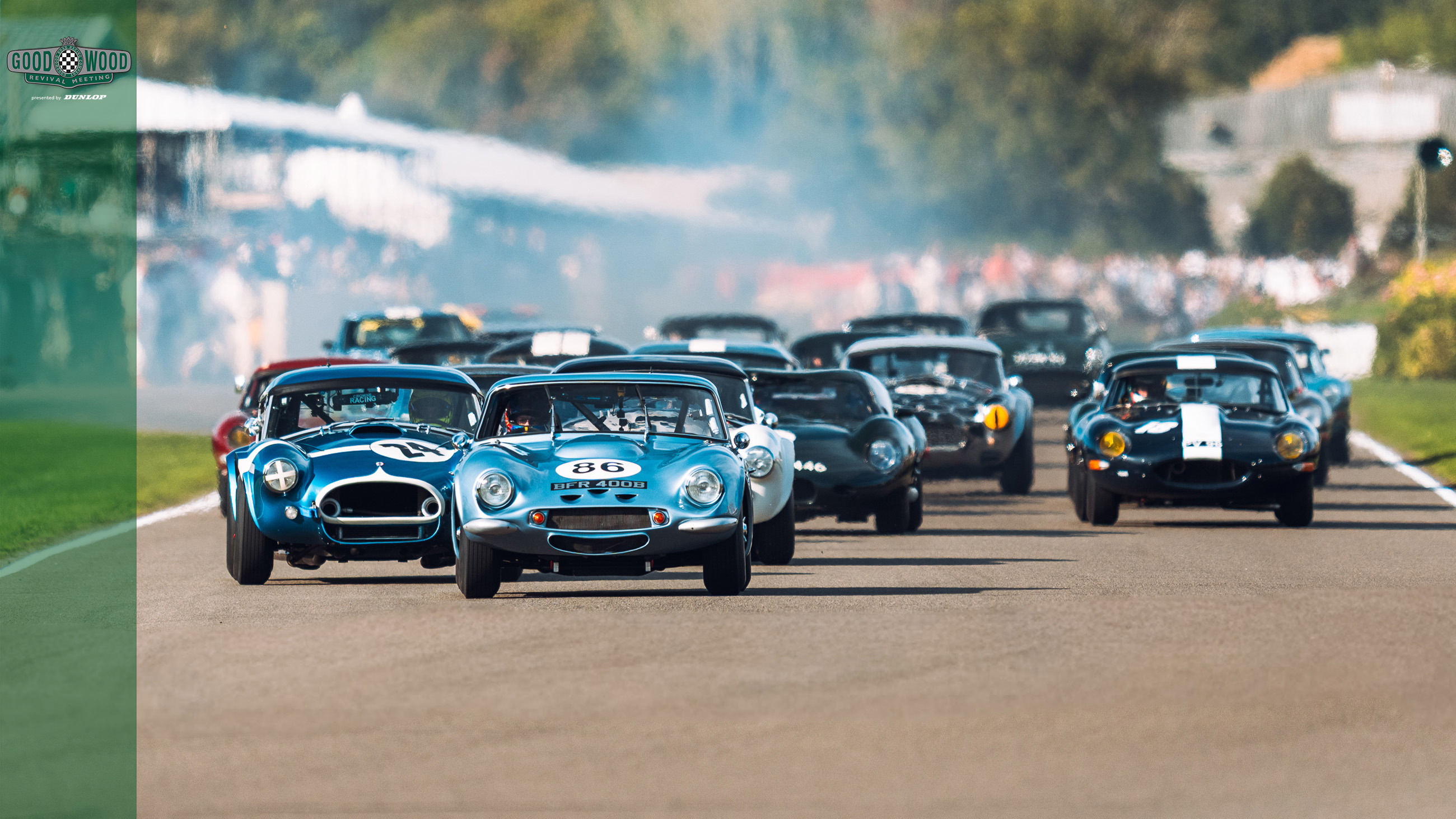
Across the next seven years, a fresh chapter for the four-wheeled version of the TT (as opposed to the motorcycle race that never left the Isle of Man) was written at the West Sussex track, and it’s one that still inspires the peerless highlight of the historic motorsport season today.
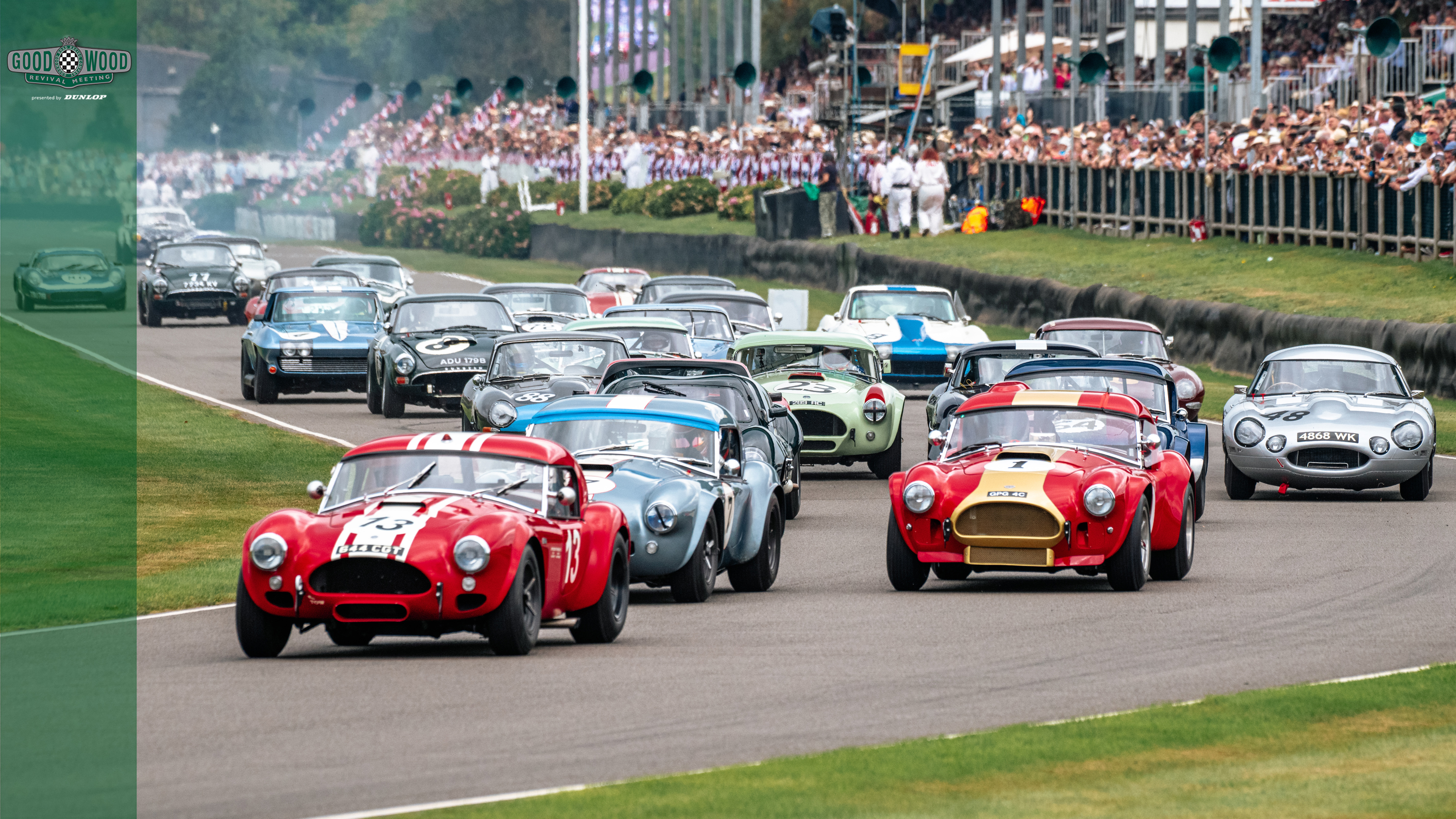
The RAC TT Celebration presented by Dunlop at the 2026 Goodwood Revival will be enhanced further this year by its new closing spot on the Sunday, taking place right at the end of the final day of racing, to offer an unforgettable climax to the meeting.
To get into gear for another star-studded edition featuring the cream of 1960s GT racers, let’s remind ourselves what the RAC TT Celebration must live up to: Goodwood’s roll-call of seven magnificent TTs held between 1958 and ’64.
1958: Moss and Brooks lead the way
The marriage of the TT and Goodwood was perfectly timed for both the race and the track. Three years after the final running of the Goodwood Nine Hours, the return of long-distance sportscar racing was already overdue at the Motor Circuit.
Meanwhile, the TT was in serious need of reinvention following the last of its editions to be held on the Dundrod road circuit in Northern Ireland, also in ’55. While that race had attracted a terrific international entry, with Stirling Moss reigning supreme in the wondrous Mercedes-Benz 300SLR, three deaths in two separate accidents had cast a significant pall. True road racing was falling out of fashion because of the high danger — especially in the wake of the tragic (and final) Mille Miglia of 1957.
A new home for the TT, held on the confines of a short circuit, wasn’t to the taste of some traditionalists. But at least it would give the TT a new lease of life.
The first Goodwood TT, held over four hours on 13th September, turned out to be something of an Aston Martin benefit, especially after Ferrari decided not to show. Moss and Tony Brooks led an Aston 1-2-3 in what Bill Boddy in Motor Sport labelled as “dull” and a “high-speed demonstration”.
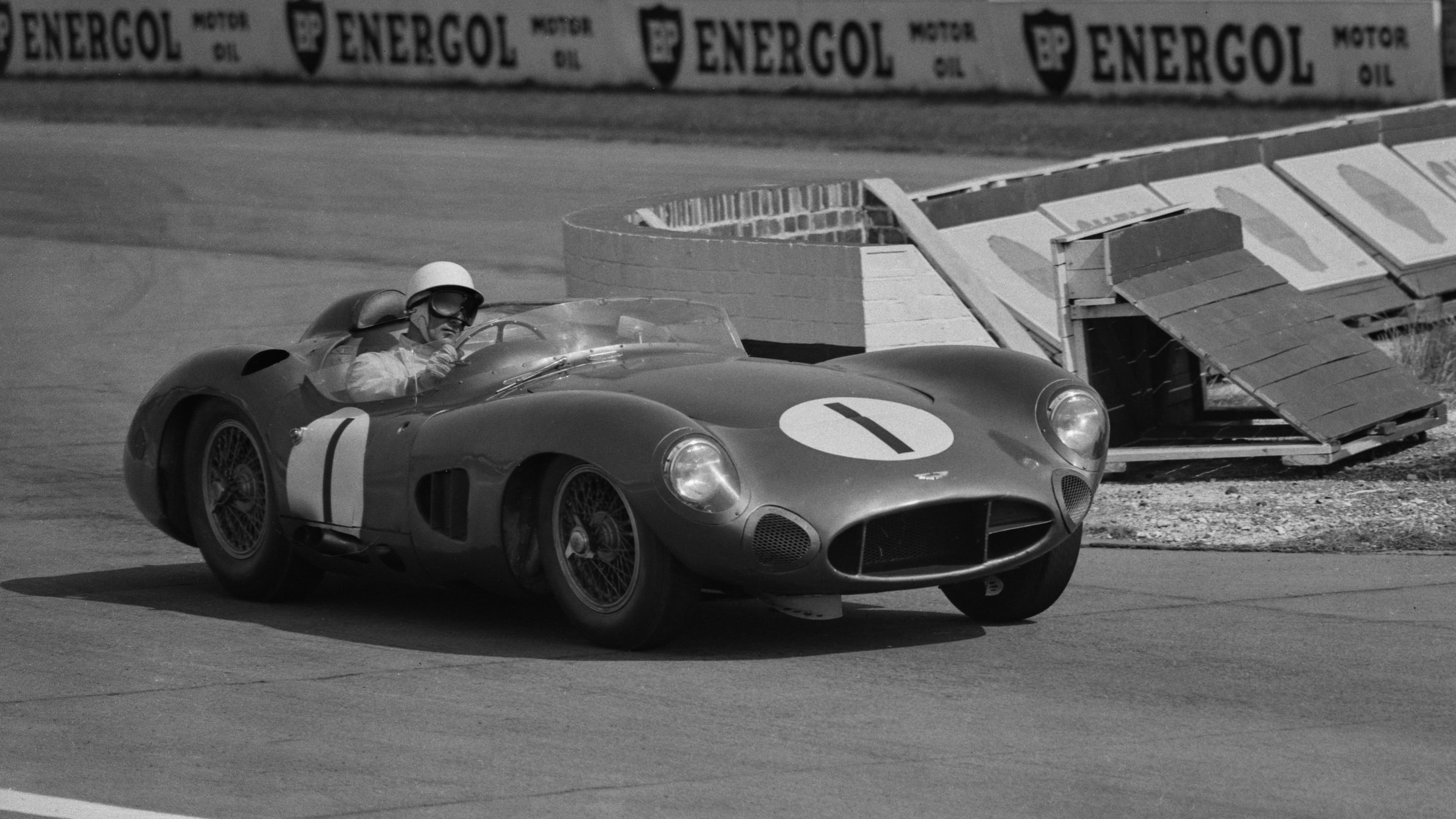
Stirling Moss won the second of Goodwood’s RAC Tourist Trophy races in an Aston Martin DBR1/300, September 1959.
Image credit: Getty Images1959: Pulling victory from the flames
That description certainly didn’t count the following year, for what is surely the most historically significant of the Goodwood TTs. This six-hour contest was the last round of the final World Sportscar Championship of the 1950s — with Aston Martin, Ferrari and Porsche all in contention to win the title.
How Aston pulled it off has gone down in legend. The pit fire that almost consumed the whole block caused Roy Salvadori to leap from the leading DBR1, as his quick-thinking team-mate Moss bounded into the sister car of Carroll Shelby and Jack Fairman.
This was another day when Moss was at his phenomenal peak, even if he’d jumped the Le Mans-style running start, triggering chaos in his wake. In the Fairman/Shelby DBR1, Moss made up for the delay caused by the pit fire and within an hour was back in the lead to claim a famous victory and world title for Aston Martin. A couple of months after Shelby and Salvadori’s gritty Le Mans win, it capped what’s still the marque’s greatest motorsport season.
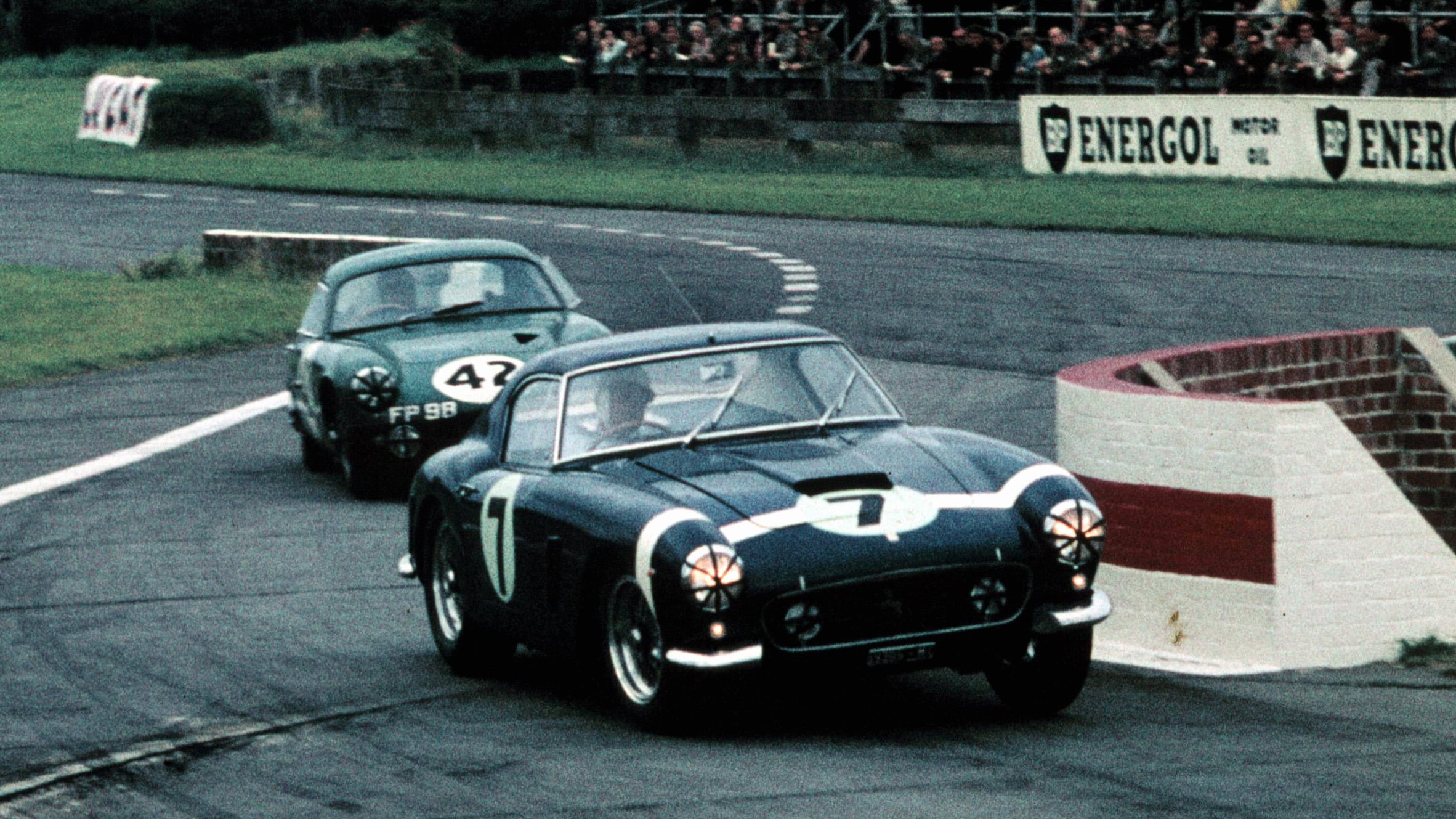
Moss’ Ferrari 250GT leads the Lotus Elite of John Wagstaff and Tony Marsh, on his way to a third RAC TT victory at Goodwood, August 1960.
Image credit: Getty Images1960: Moss gets the blues, part one
Moss never did get to drive a Ferrari in F1, following Enzo’s infamous snub early in his career at the Bari Grand Prix in 1951. So, his Goodwood exploits in Maranello’s perfectly formed 250 GT SWB remain the high points of his few times behind the wheel of a Ferrari.
Even then, the association was on Moss’ own terms, given Rob Walker’s signature shade of blue with a white nose hoop that he chose for his cars.
The 1960 race again marked a TT reinvention as the first run to the new GT rulebook, with Moss leading Salvadori’s Aston Martin DB4 GT to yet more TT glory.
1961: Moss gets the blues, part two
The second consecutive win for Moss in a Walker SWB was a better motor race. He faced a stern challenge from Mike Parkes in a similar Maranello Concessionaires Ferrari, with Salvadori and Jim Clark lining up in Zagato-bodied Astons and Innes Ireland in a standard-bodied version.
Parkes led early on, only for Moss to take the lead on lap eight, from where he then ran longer to his pitstop. What no one could know was Moss’ record-extending seventh win in the TT would also be his last.
A year later when the race again ran in August, Moss was still in recovery from his devastating accident at Goodwood on Easter Monday. The loss was profound, for the TT, for the circuit, for Britain, for the whole motorsport world.
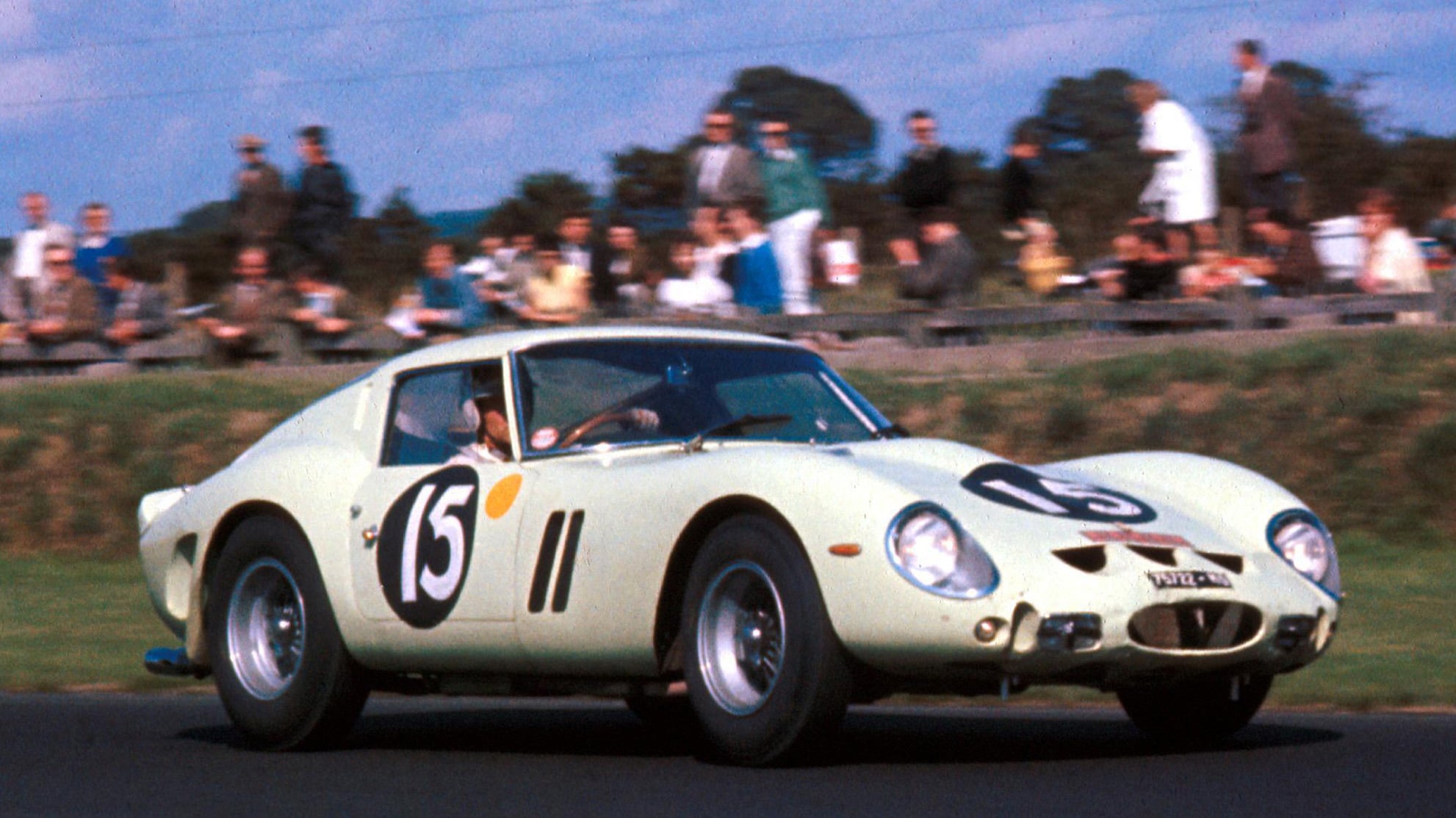
Innes Ireland won the 1962 Tourist Trophy in the UDT/Laystall Ferrari GTO Berlinetta.
Image credit: Getty Images1962: Ireland’s time to shine
The first driver to win a points-paying Grand Prix for Team Lotus put in another of his signature performances at Goodwood, on 18th August 1962. Driving a glorious Ferrari 250 GTO in the striking green of UDT Laystall, Innes Ireland completed 100 laps in a little over two and a half hours to claim the TT. He was chased home by Graham Hill in a John Coombs-run GTO, which was less than four seconds behind at the flag. But it must have been strange for all concerned without Moss on the grid.
One of the most notable aspects of the 1962 race was an awkward collision between two of the decade’s greatest drivers. Jim Clark spun his Aston at Madgwick and was collected by the Bowmaker GTO of John Surtees, putting both out of the race.
1963: Hill goes one better
“The 1.45pm grid start lacked the excitement of the hustle and bustle of the Le Mans start, now banned by the RAC,” read Motor Sport’s report, “but nevertheless the whine of the 12-cylinder Ferraris and the harsher blasts of the 6-cylinder Aston Martins and Jaguars mingling with the screams of the 4-cylinder cars augured for an exciting three hours of racing as the field streamed out into the countryside towards Fordwater and St. Mary’s.”
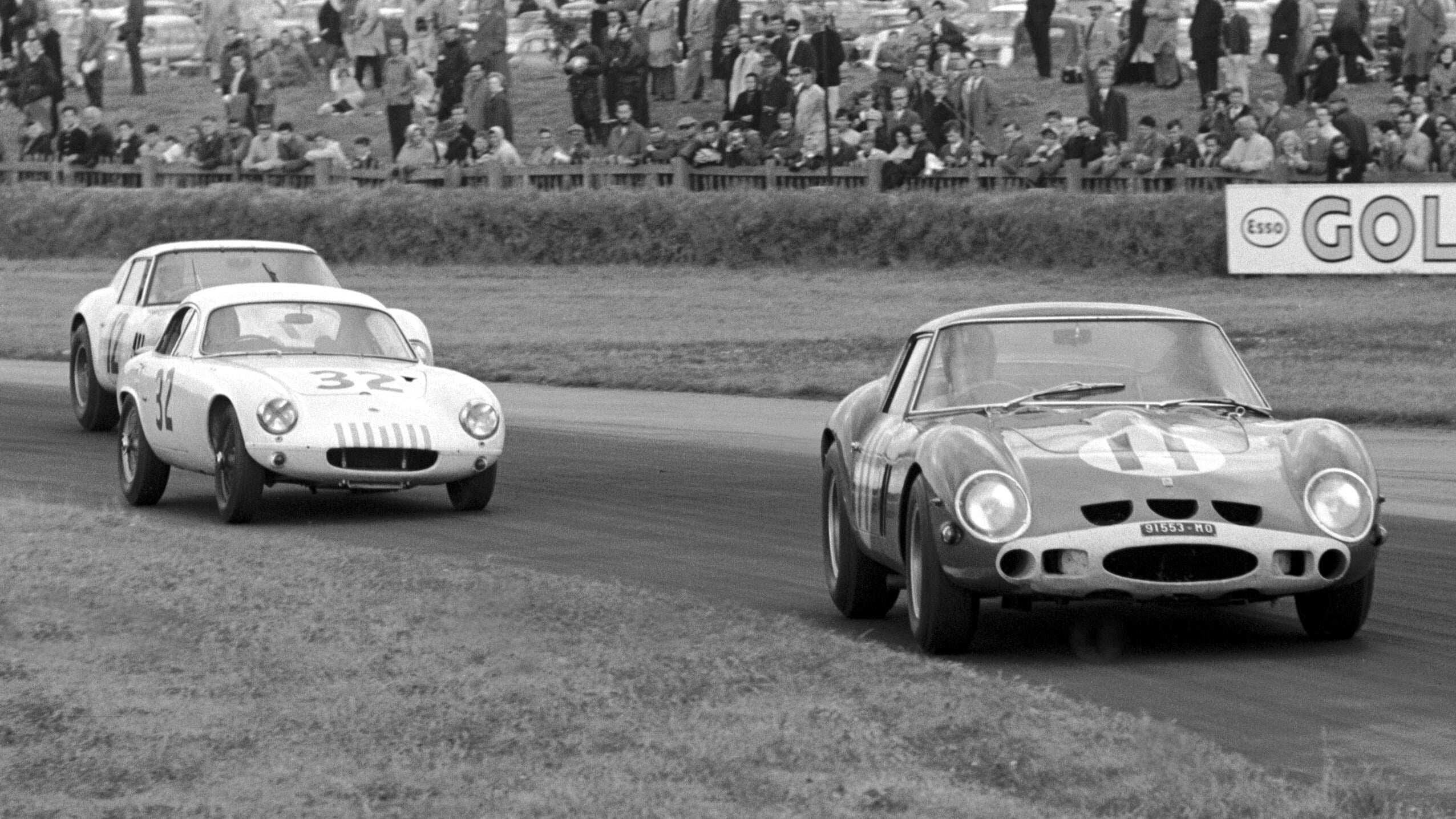
The Ferrari 250 GTOs of Graham Hill and Mike Parkes lap a Lotus Elite on their way to a 1-2 finish at the 1963 Tourist Trophy.
Image credit: Getty ImagesAt the end, Graham Hill went one better than the previous year to claim the TT in his traditional red Coombs/Maranello Concessionaires GTO, narrowly defeating the white sister car driven by Parkes, in a field that included Roger Penske in a Ferrari 250LM.
Ireland again entertained, this time in an Aston Martin, only to be delayed by a big spin at Woodcote while challenging Parkes for the lead.
1964: The last at Goodwood (for now)
“The TT has never been certain what sort of race it is supposed to be,” harrumphed Motor Sport. “This year, at Goodwood, sponsored by the Gallaher Senior Service Group, it was over 130 laps, for sports and prototype sports cars over 1,600cc and GT cars over 2,000cc.”
The mix led to a classic that signed off Goodwood’s TT story — at least for the next 34 years, until it was reinvented at the first Revival.
What an entry it was for that 1964 race. The prototypes included a Lotus 30 for Jim Clark, Cooper-Oldsmobile for Bruce McLaren, Ferrari 330P for Graham Hill and a 275LM for David Piper. Meanwhile, five AC Cobras headed the GT brigade, driven by Dan Gurney, Phil Hill, Jack Sears, Bob Olthoff and that man Salvadori — ever-present at Goodwood.
Then, there were four Ferrari 250 GTOs for Surtees, Ireland, Richie Ginther and Tony Maggs, three Jaguar E-types and an Aston Martin. A grid with length, depth and breadth.
Clark was the star, as he tended to be in the mid-1960s. “We were now treated to an exhibition of Clark at his best, in a hurry, needing all the road,” gushed Motor Sport. “He would come out of Woodcote, dust rising as the tail of the Lotus 30 touched the verge, accelerate in a burst of power that lifted the nose, slip through the chicane and as like as not use the kerb out of it to bounce the car straight.”
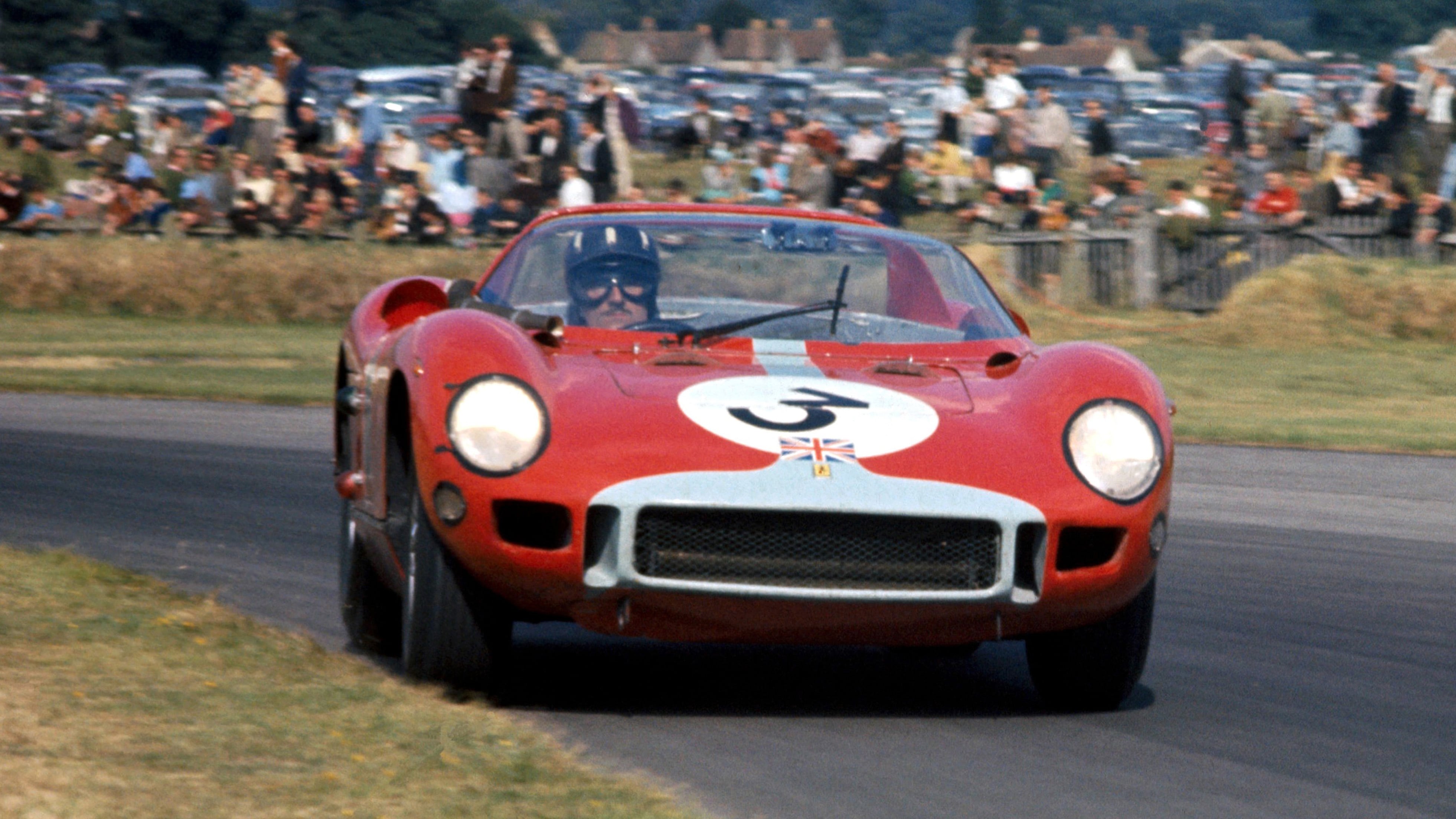
Hill claimed victory at the final Tourist Trophy race at Goodwood Motor Circuit in a Ferrari 330P, August 1964.
Image credit: Getty ImagesReliability cost him the win, of course, as tended to be the way in the Lotus 30 in period. Following an extra pitstop, from which his car took time to re-fire, Jimmy returned to put in a great charge that looked set to give him a shot at catching leader Graham Hill right at the end — only for steering problems to force another stop.
So it was that Hill and his 330P took a comfortable win, completing a run of five consecutive victories for Ferraris at Goodwood TTs.
The next year the race moved north to Oulton Park. But as we know, the TT story at Goodwood was far from over. We can’t wait for the next instalment of one of motor racing’s happiest marriages of prize and venue at this year’s Revival, 20th September.
If you’re not already part of the GRRC, you can sign up to the Fellowship today and save ten per cent on your 2026 tickets and grandstand passes, as well as enjoying a whole host of other on-event perks.
Main image courtesy of Getty Images.
revival
revival 2026
event coverage
RAC TT
RAC TT Celebration
RAC TT Celebration feature
rac tt celebration 2026
Subscribe to Goodwood Road & Racing
Thank you, you’re now subscribed

How many hay bales are used at FOS?
For the last two years, 5,800 bales have been recylced into the biomass energy centre to be used for energy generation