-
Events
-
Festival of Speed
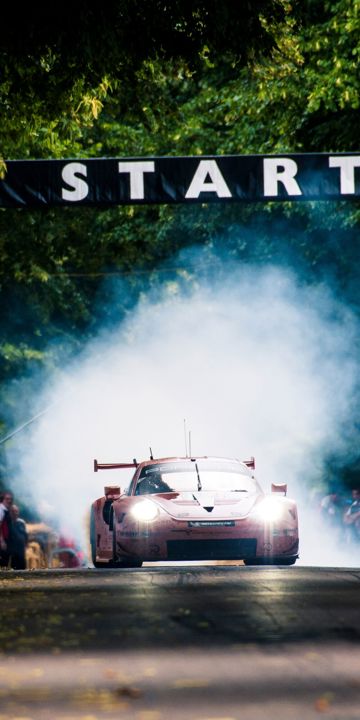

Mad Mike
FOS Favourite Mad Mike Whiddett can be caught melting tyres in his incredible collection of cars (and trucks) up the hillclimb
-
Goodwood Revival
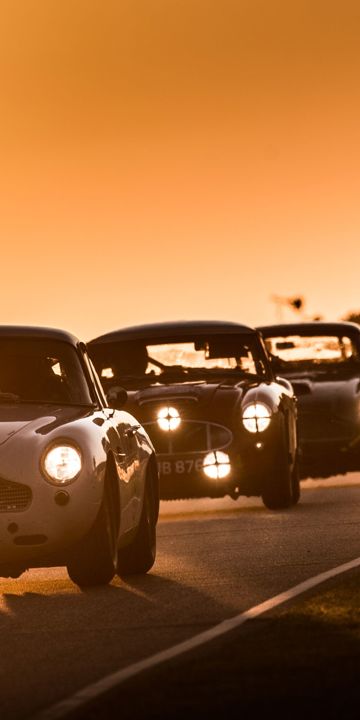

Spectators Favourite
Spectate from the chicane at the Revival to see plenty of classic cars going sideways as they exit this infamous point of our Motor Circuit.
-
Members' Meeting
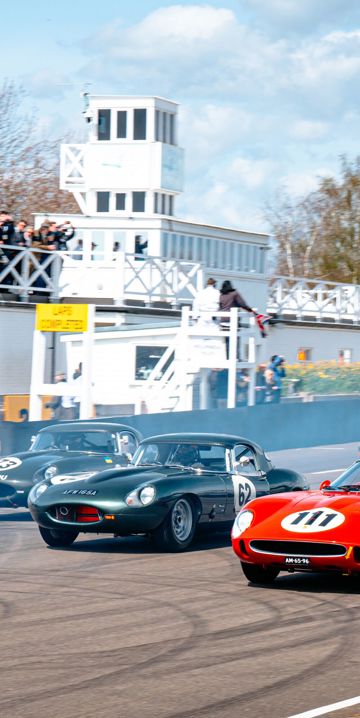

The return of the Members' Meeting
The 72nd Goodwood Members' Meeting was run for GRRC Members in 2014, the first since 1966.
-
Qatar Goodwood Festival
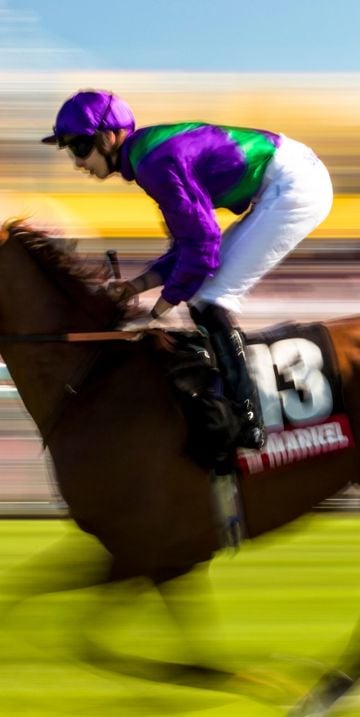

The Magnolia Cup
Leading women of business, sport, fashion and media, take part in one of the most exciting horseracing events in the world.
-
Goodwoof
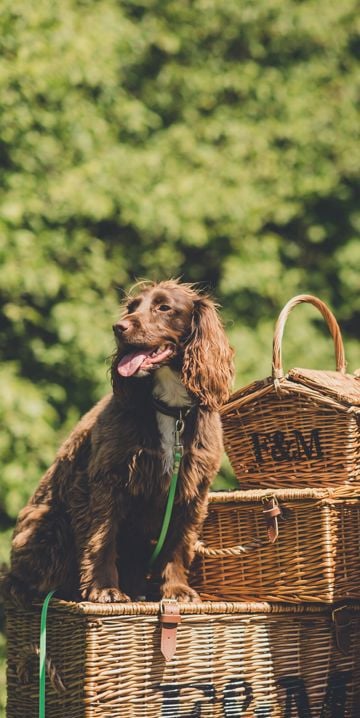

Start in style
The breed parade sees hundreds of dogs and their owners walk from Goodwood House down to The Kennels to kick start the Goodwoof weekend. -
Horseracing
-
Season Opener
-
May Festival
-
Family Race Day
-
Three Friday Nights
-
August Bank Holiday
-
Autumn Racing
-
Season Finale
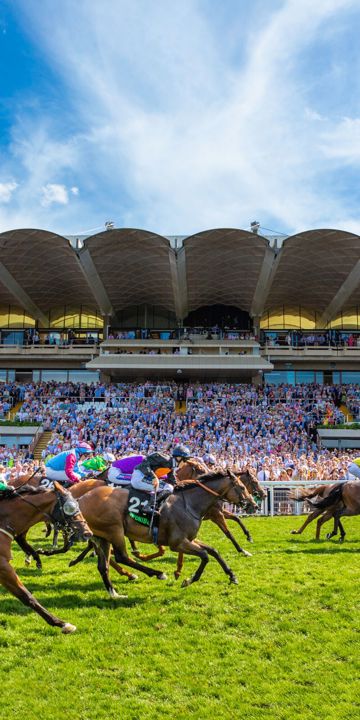

Why walk when you can drive
The first ever horsebox was used from Goodwood to Doncaster for the 1836 St. Leger. Elis arrived fresh and easily won his owner a £12k bet.
-
Season Opener
-
Breakfast Club
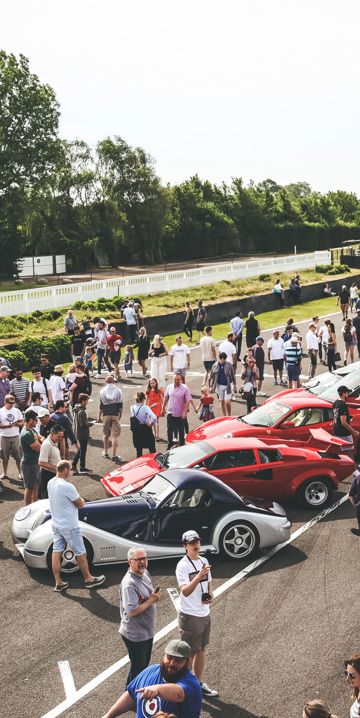

A perfect Sunday morning?
A no-cost, all-welcome motoring show where the visitors and their machines are the stars -
Health Summit
-
Hospitality
-
Exhibiting
-
Partnerships
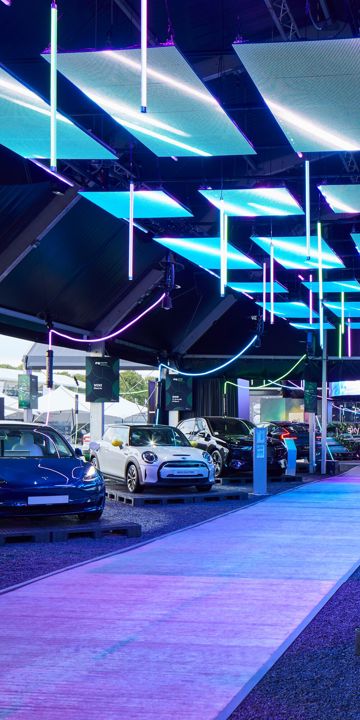

Where else can you...
...plan strategy in an ancient woodland, enjoy award-winning dining then drive around a racetrack?
-
What's on
-
Festival of Speed
-
Visit, Eat, Stay
-
The Goodwood Hotel

St Simon
Whoa Simon! A horse so determined and headstrong, he not only won the 1883 Goodwood Cup by 20 lengths, but couldn't be stopped and carried on running over the top of Trundle hill
-
Goodwood Cottages


A different breed...
Goodwood’s pigs are a mix of two rare breeds (Gloucester Old Spots and Saddlebacks) plus the Large White Boar.
-
Goodwood House
-
Afternoon Tea & Tour
-
The Collection
-
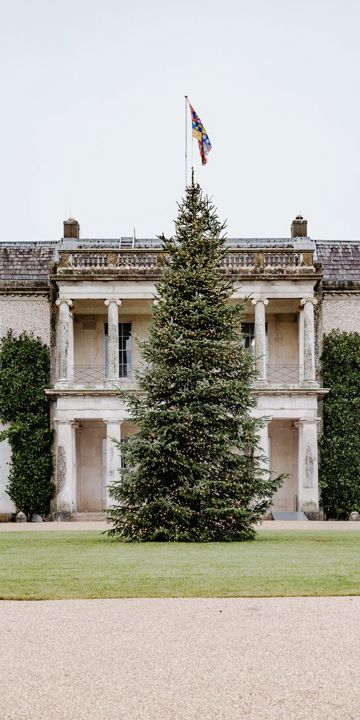
Christmas Afternoon Tea & Tour
-
Exhibitions
-
History
-
Weddings
-
Copper Dome Restoration
-
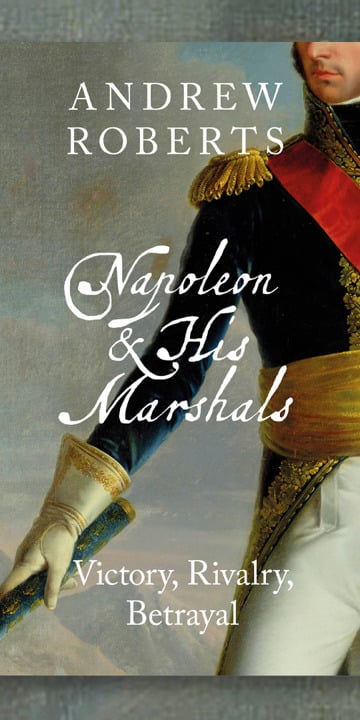
Napoleon & His Marshals Book Talk with Andrew Roberts
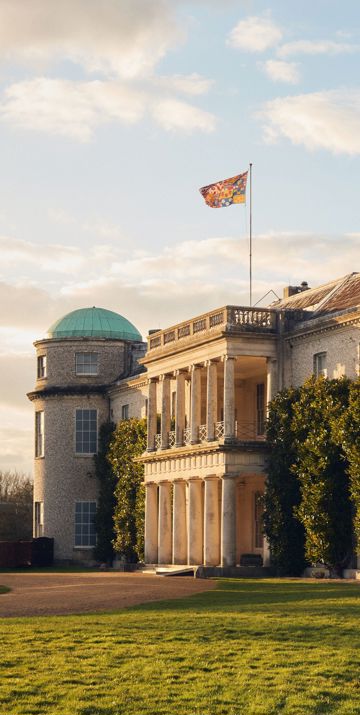

Forget Downton Abbey
David Edney, head Butler dons a morning suit "and a smile" every day and has been woking at Goodwood for over 25 years!
-
Afternoon Tea & Tour
-
Restaurants
-
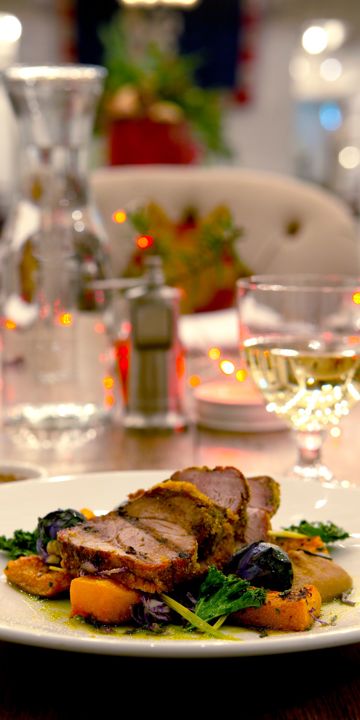
Farmer, Butcher, Chef
-
The Goodwood Bar & Grill
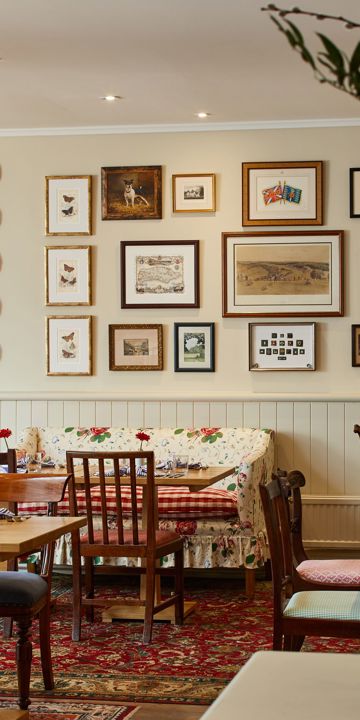
-
The Kennels
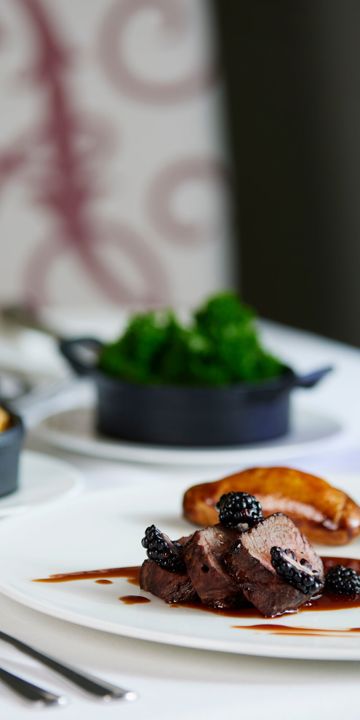
-
Aerodrome Café
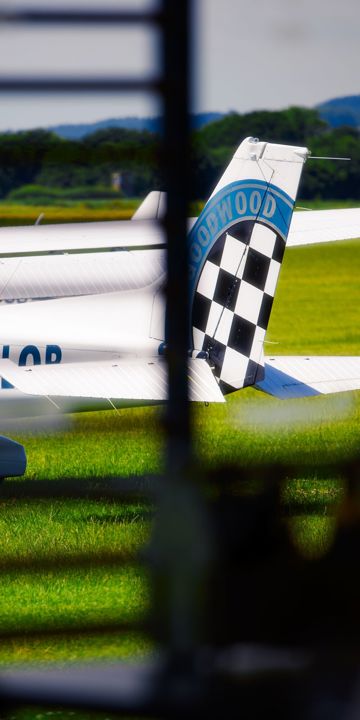
-
Motor Circuit Café

-
Cafe 24
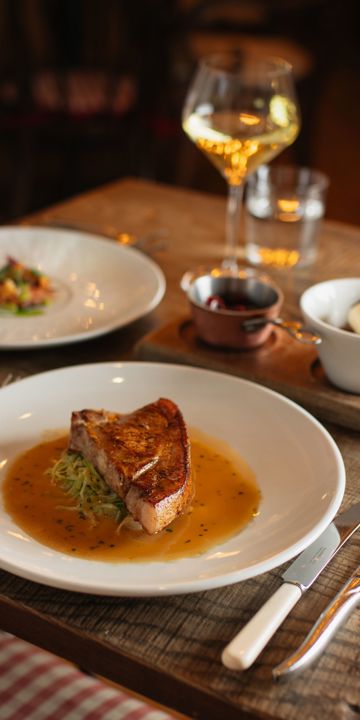

Sustainable state-of-mind
When Farmer, Butcher, Chef opened in 2016 it was awarded the UK’s first-ever Royal Academy of Culinary Arts ‘Sustainable Food Philosophy Seal’. -
Farmer, Butcher, Chef
-
The Kennels
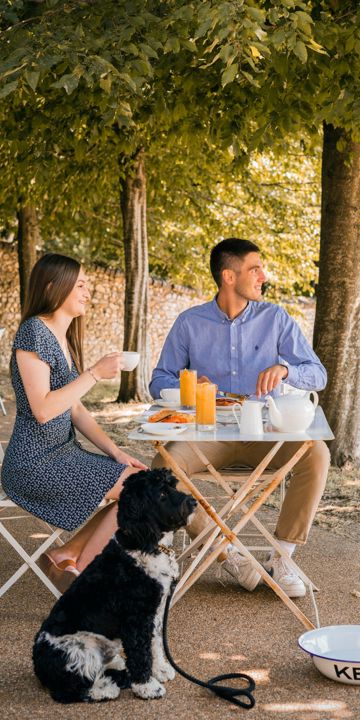

Fashionable foxhounds
The 1st Duke of Richmond bought Goodwood in 1697 as a place to stay to go foxhunting with the fashionable Charlton Hunt. -
Motor Circuit
St Simon
Whoa Simon! A horse so determined and headstrong, he not only won the 1883 Goodwood Cup by 20 lengths, but couldn't be stopped and carried on running over the top of Trundle hill
-
Health & Wellbeing
-
Membership
-
Health Club
-
Gym
-
Run Series
-
Spa Treatments
-
Wellness Retreats
-
Events Calendar
-
Corporate Wellbeing
-
Health Summit
-
Latest News
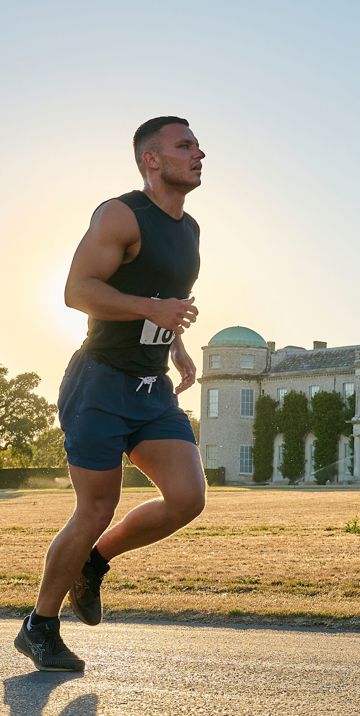

Goodwood's first Health Summit...
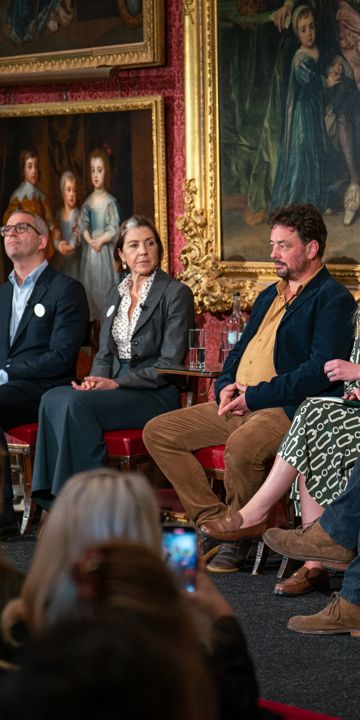
...took place in 2023 with industry experts discussing nutrition costs and food systems for a healthier future. -
Membership
-
Hound Lodge
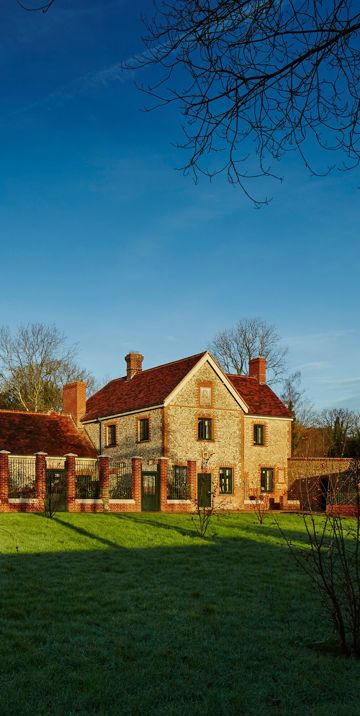

Only the finest
Mattresses and eiderdowns are stuffed with wool from the Goodwood Estate.
-
Goodwood Farm Shop


Grogger
Easy boy! The charismatic Farnham Flyer loved to celebrate every win with a pint of beer. His Boxer dog, Grogger, did too and had a tendancy to steal sips straight from the glass.
-
Parties
-
Goodwood Art Foundation
-
The Goodwood Hotel
-
Motorsport
-
Festival of Speed
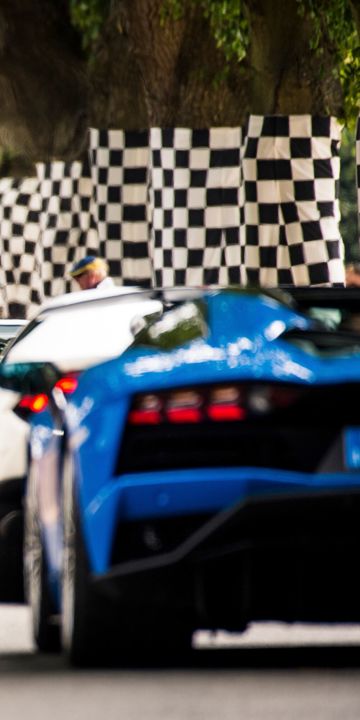

The Hillclimb
The 1.16-mile hillclimb has been the centre of the action since the first festival in 1993. -
Goodwood Revival
-
Tickets & Packages
-
Hospitality
-
Explore
-
Plan Your Day
-
Buy Merchandise
-
Charity
-
Partners
-
Accessibility
-
FAQs
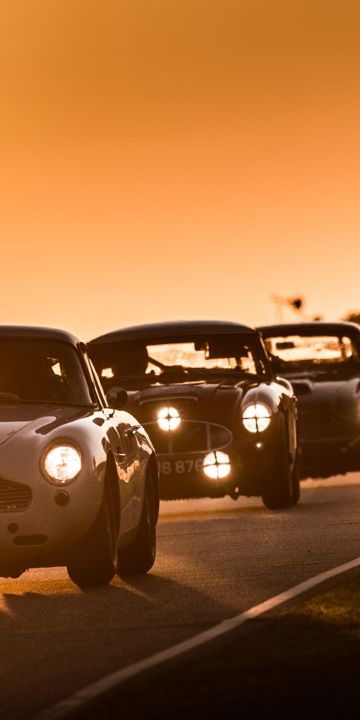
Spectators Favourite
Spectate from the chicane at the Revival to see plenty of classic cars going sideways as they exit this infamous point of our Motor Circuit.
-
Tickets & Packages
-
Members' Meeting
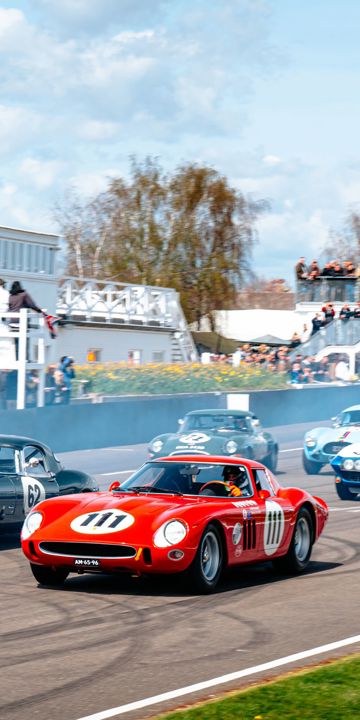

Taming the "Beast"
The Fiat S76 or "Beast of Turin" is a Goodwood favourite and can usually be heard before it is seen at #FOS
-
Breakfast Club
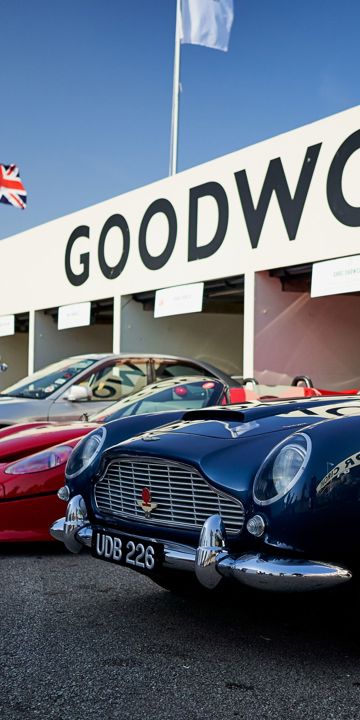

Poignant celebrations
Over the years, the Revival has honoured legends like Jim Clark, Jack Brabham, Dan Gurney and more.
-
Motor Circuit

Motorsport Since 1948
Goodwood Motor Circuit was officially opened in September 1948 when Freddie March, the 9th Duke and renowned amateur racer, tore around the track in a Bristol 400
-
Driving Experiences
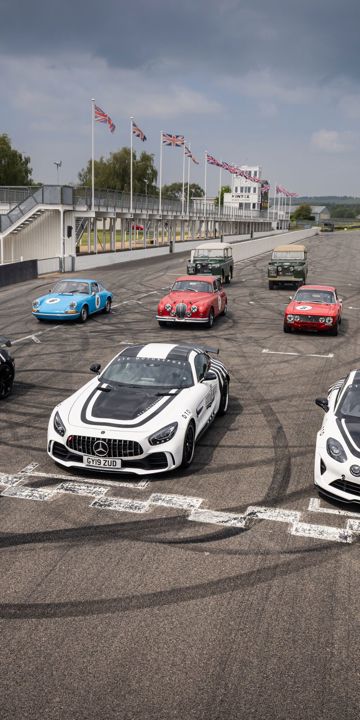

Motorsport legends return
Early Revivals saw the likes of Stirling Moss and Jack Brabham return to competitive racing.
-
Goodwood Road Racing Club
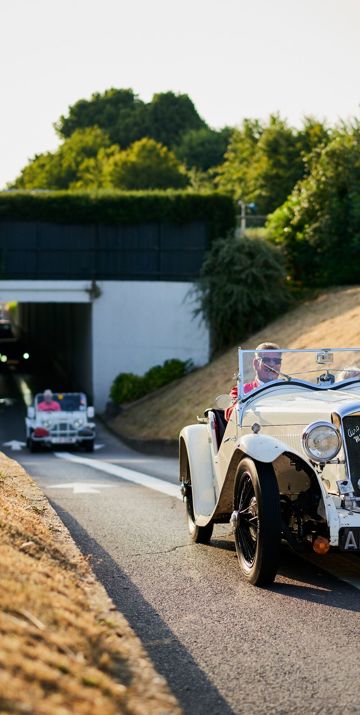

"Motorsport garden party of the gods"
Festival of Speed is our longest-standing Motorsport event, starting in 1993 when it opened to 25,000 people. We were expecting 2000!
-
Latest News
-
Festival of Speed
-
Horseracing
-
Tickets & Packages
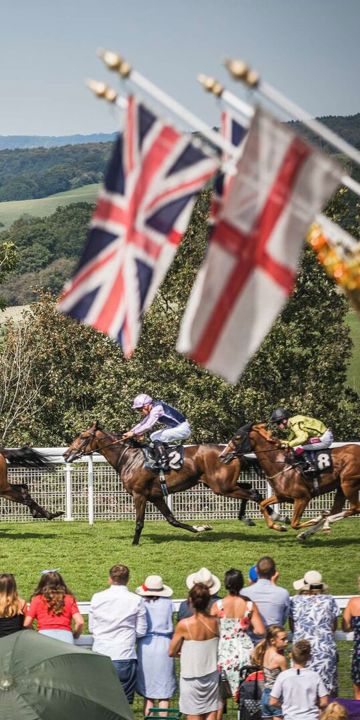

"Glorious Goodwood"
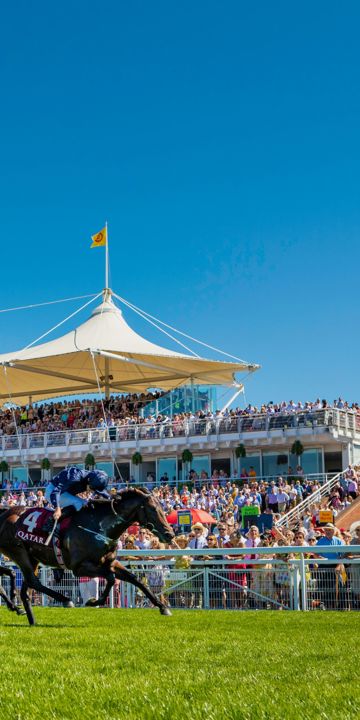
After the first public race meeting in 1902, 'Glorious Goodwood' became a highlight of the summer season.
-
Hospitality
St Simon
Whoa Simon! A horse so determined and headstrong, he not only won the 1883 Goodwood Cup by 20 lengths, but couldn't be stopped and carried on running over the top of Trundle hill
-
Horseracing Club Membership
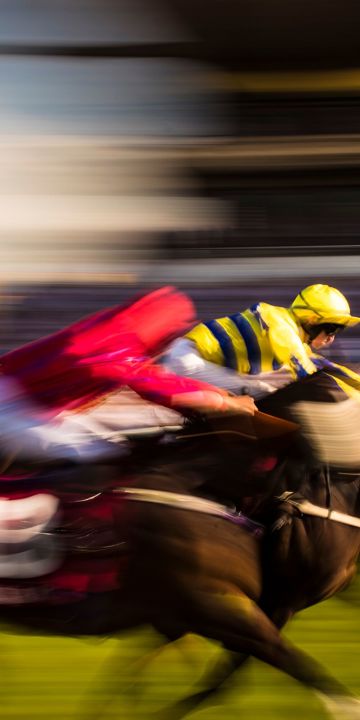
St Simon
Whoa Simon! A horse so determined and headstrong, he not only won the 1883 Goodwood Cup by 20 lengths, but couldn't be stopped and carried on running over the top of Trundle hill
-
Fixtures & Events
-
Season Opener
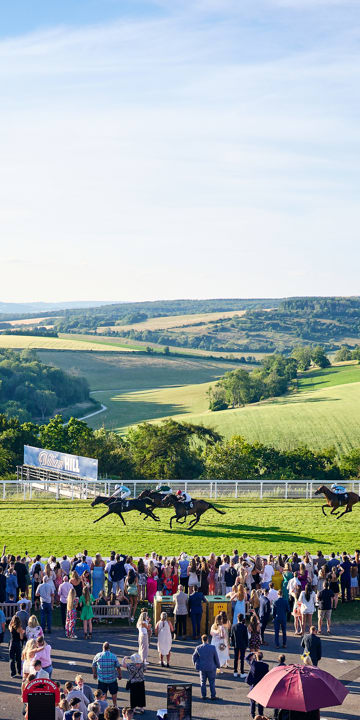
-
May Festival
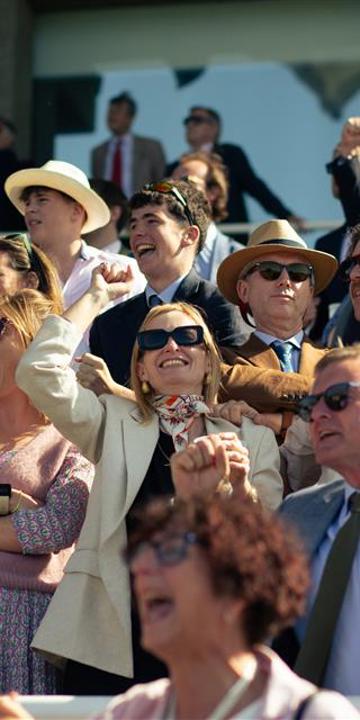
-
Family Race Day
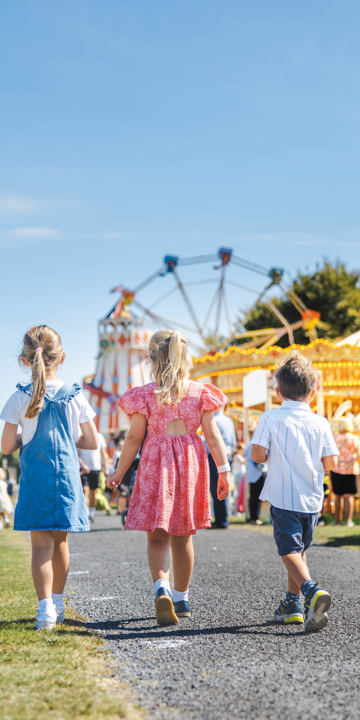
-
Three Friday Nights
-
Qatar Goodwood Festival
-
August Bank Holiday
-
Autumn Racing
-
Season Finale
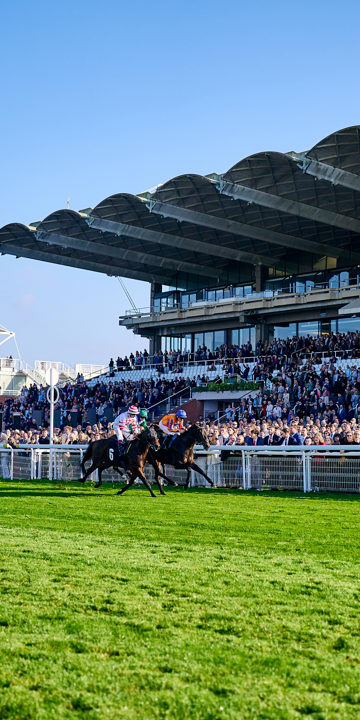
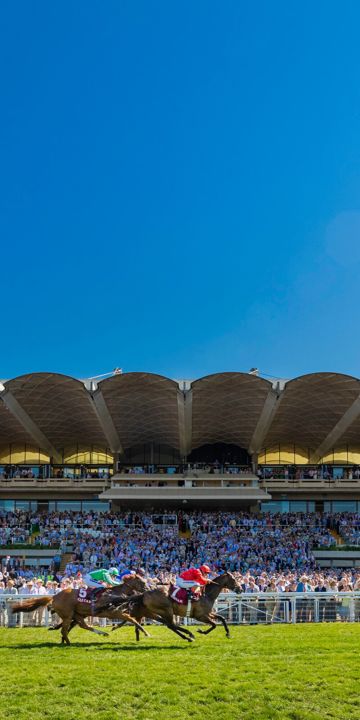
Why walk when you can drive
The first ever horsebox was used from Goodwood to Doncaster for the 1836 St. Leger. Elis arrived fresh and easily won his owner a £12k bet.
-
Season Opener
-
Qatar Goodwood Festival
-
Tickets & Packages
-
Hospitality
-
Day by Day Guide
-
Ladies Day
-
Magnolia Cup
-
The Earl's Lawn
-
Timetable
-
Partners
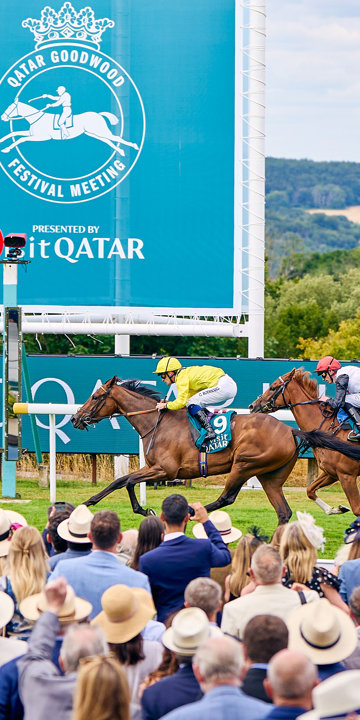
"Glorious Goodwood"
After the first public race meeting in 1902, 'Glorious Goodwood' became a highlight of the summer season.
-
Tickets & Packages
-
Three Friday Nights
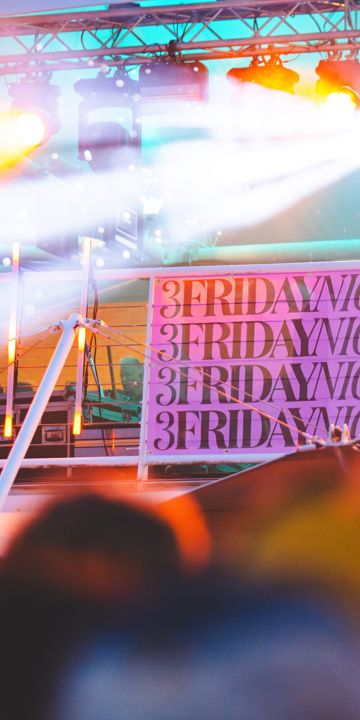

Why does everyone wear hats?
King Edward VII turned his back on the traditional morning suit and donned a linen suit and Panama hat. Thus the Glorious Goodwood trend was born.
-
Plan Your Day
-
Enclosures
-
Event Map
-
Going Report
-
Getting Here
-
Betting at Goodwood
-
Dress Code
-
Accessibility
-
Food & Drink
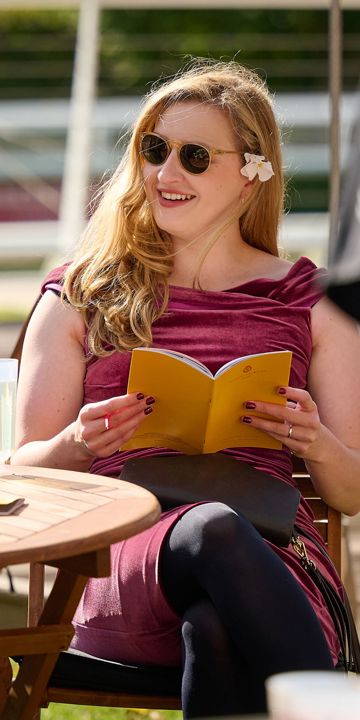

Royal approval
King Edward VII (who came almost every year) famously dubbed Glorious Goodwood “a garden party with racing tacked on”.
-
Enclosures
-
Buy Merchandise
-
Partners
-
Owners & Trainers
-
Latest News
-
FAQs
-
Accessibility
-
Tickets & Packages
-
Experiences
-
Driving
Spectators Favourite
Spectate from the chicane at the Revival to see plenty of classic cars going sideways as they exit this infamous point of our Motor Circuit.
-
Flying
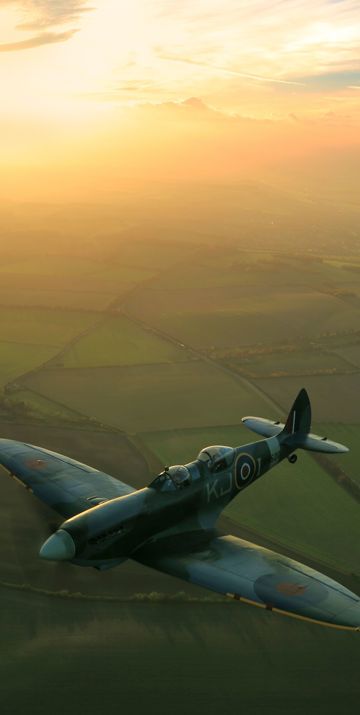

Ace Pilot
Ray Hanna famously flew straight down Goodwood’s pit straight below the height of the grandstands at the first Revival in 1998
-
Golf

A sporting Estate
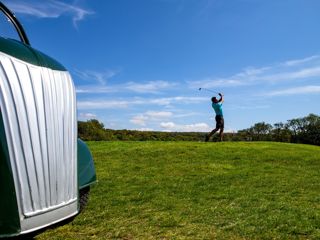
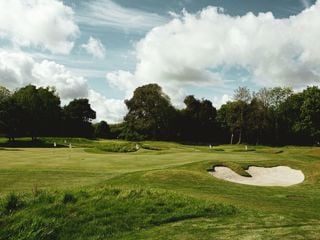
Goodwood has two 18-hole championship courses, a modern clubhouse and an impressive Academy. -
Shooting
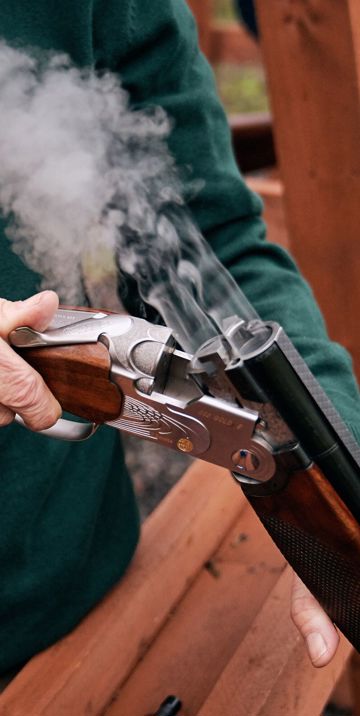

Filming at Goodwood
We have been host to many incredible film crews using Goodwood as a backdrop for shows like Downton Abbey, Hollywood Blockbusters like Venom: let there be Carnage and the Man from U.N.C.L.E.
-
Afternoon Tea
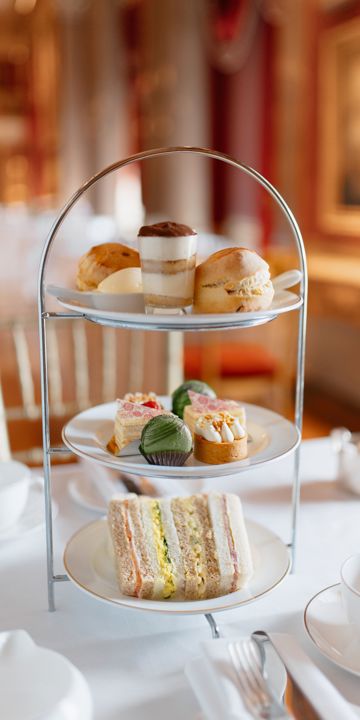
Shell house
A temple-folly guarded by two sphinxes, the beautiful shell house was built in 1748 with collected shells and the floor made from horse teeth.
-
Corporate Wellbeing
Goodwood's first Health Summit...
...took place in 2023 with industry experts discussing nutrition costs and food systems for a healthier future. -
Cycling
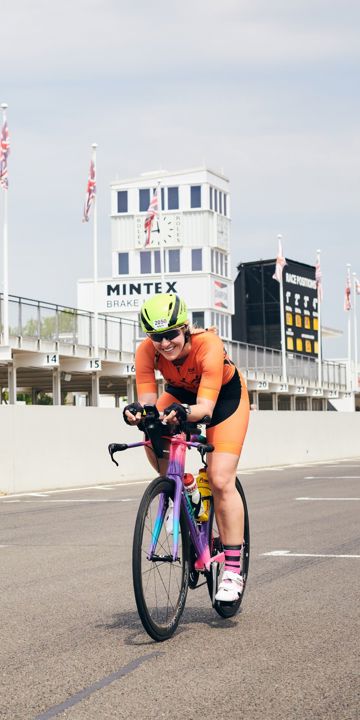
Motorsport Since 1948
Goodwood Motor Circuit was officially opened in September 1948 when Freddie March, the 9th Duke and renowned amateur racer, tore around the track in a Bristol 400
-
Corporate Experiences
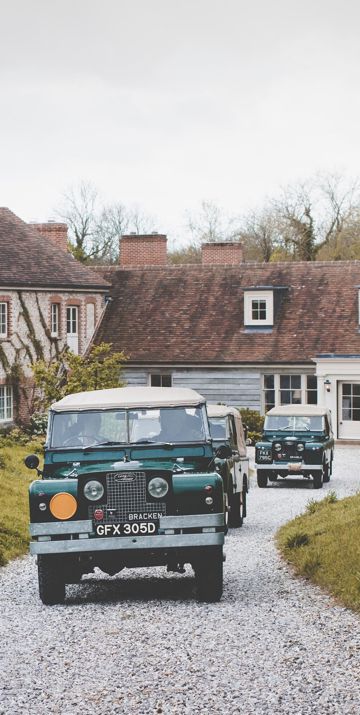
Where else can you...
...plan strategy in an ancient woodland, enjoy award-winning dining then drive around a racetrack?
-
Spa Treatments
-
Driving
- Hospitality
-
Golf
-
Golf Courses
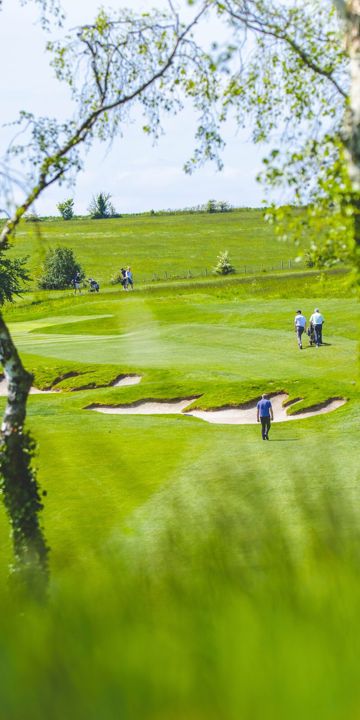
A sporting Estate
Goodwood has two 18-hole championship courses, a modern clubhouse and an impressive Academy. -
Golf Membership
-
Credit Membership
-
Application Form
-
Braid Membership
-
Intermediate Membership
-
Junior Membership
-
Corporate Membership
-
Get Into Golf
-
Copse Membership


Braid’s Masterpiece
One of the greatest golfers of all time, James Braid designed Goodwood’s iconic Downland course, opened in 1914.
-
Credit Membership
-
The Academy
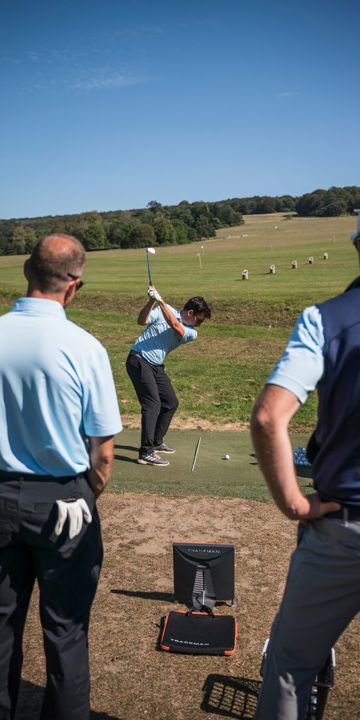

Over 100 years of Golf
The first ever round of golf played at Goodwood was in 1914 when the 6th Duke of Richmond opened the course on the Downs above Goodwood House.
-
Golf Experiences

Braid’s Masterpiece
One of the greatest golfers of all time, James Braid designed Goodwood’s iconic Downland course, opened in 1914.
-
Golf Courses
-
Flying
-
Flying School
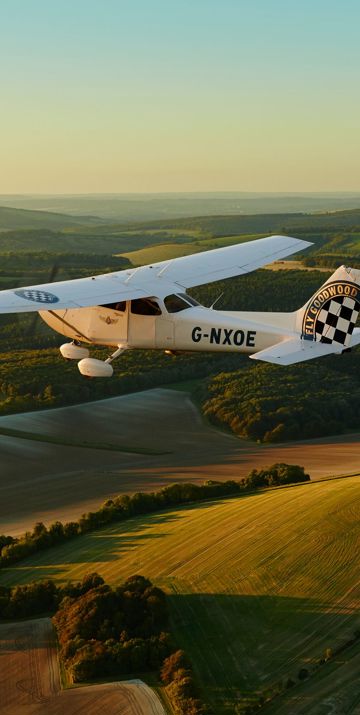

Group Captain Sir Douglas Bader
The famous fighter ace, who flew his last sortie from Goodwood Aerodrome, formerly RAF Westhampnett has a statue in his honor within the airfield.
-
Aero Club Membership
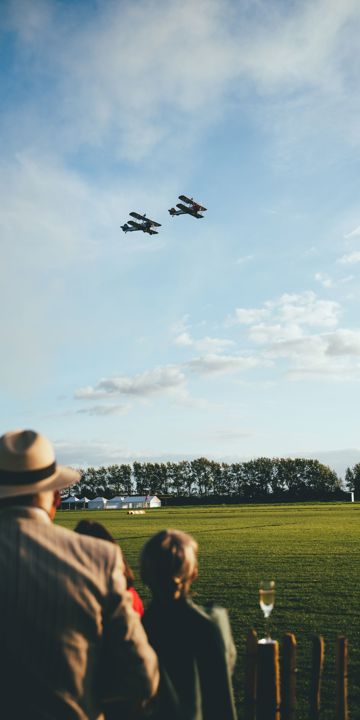

Flying Elephant
The first thing ever dropped at Goodwood was a cuddly elephant which landed in 1932 just as the 9th Duke of Richmonds passion for flying was taking off.
-
Flying Experiences
-
Pilot Information
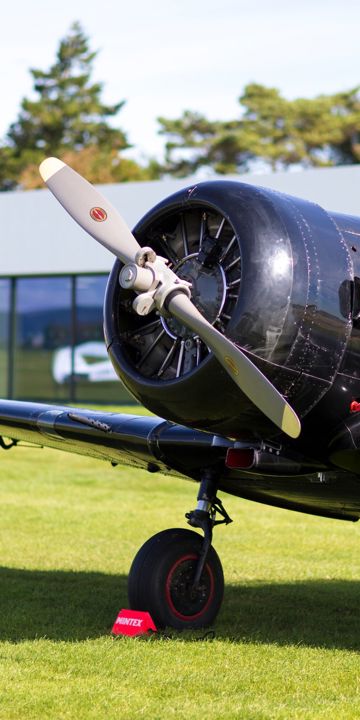
Group Captain Sir Douglas Bader
The famous fighter ace, who flew his last sortie from Goodwood Aerodrome, formerly RAF Westhampnett has a statue in his honor within the airfield.
-
Flying School
-
Meetings
-
Venue Hire
-
Goodwood House
-
The Racecourse
-
The Goodwood Hotel
-
The Motor Circuit
-
The Kennels
-
The Aerodrome
-
The Great Outdoors
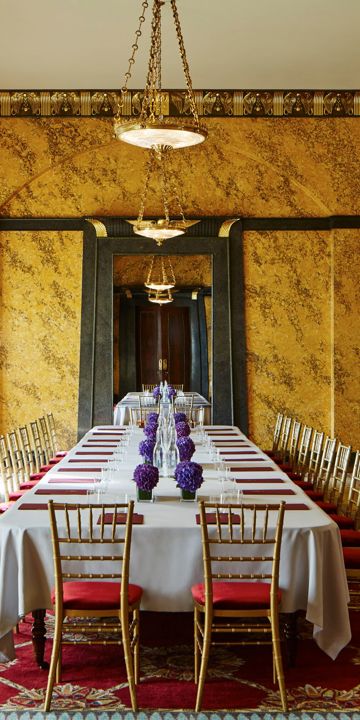
Where else can you...
...plan strategy in an ancient woodland, enjoy award-winning dining then drive around a racetrack?
-
Goodwood House
-
Plan Your Meeting
-
Parties
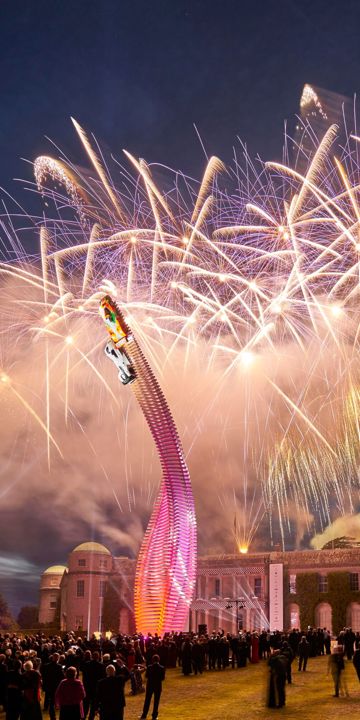
Where else can you...
...plan strategy in an ancient woodland, enjoy award-winning dining then drive around a racetrack?
-
Hospitality

-
Corporate Experiences
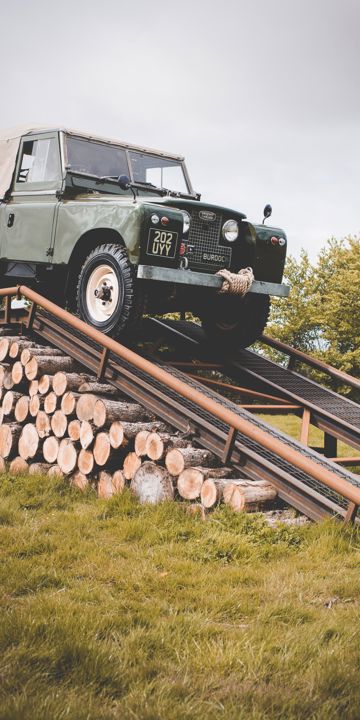
Where else can you...
...plan strategy in an ancient woodland, enjoy award-winning dining then drive around a racetrack?
-
Christmas Parties
-
Film Locations
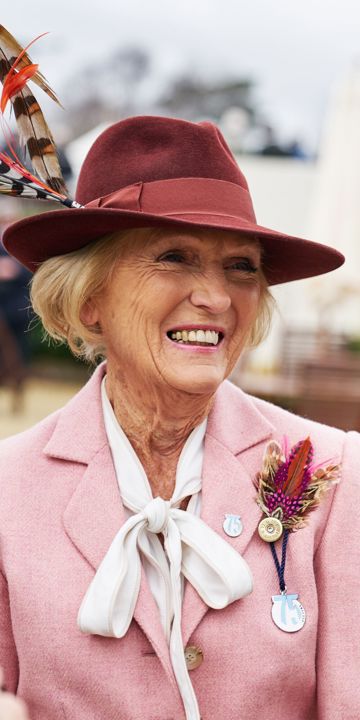
Filming at Goodwood
We have been host to many incredible film crews using Goodwood as a backdrop for shows like Downton Abbey, Hollywood Blockbusters like Venom: let there be Carnage and the Man from U.N.C.L.E.
-
Venue Hire
-
Weddings
-
Goodwood House
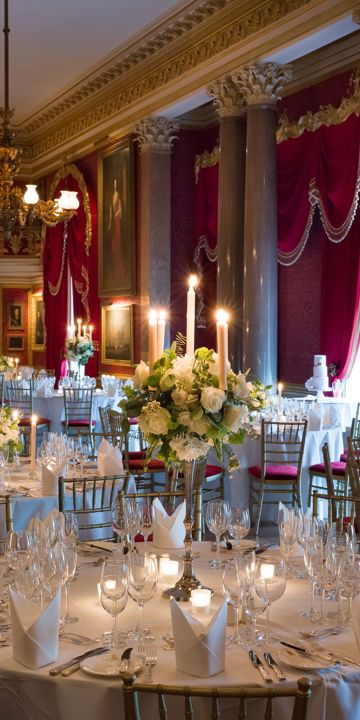
Estate Crest
"En la rose je fleurie" or "Like the rose, I flourish" is part of the Richmond coat of Arms and motto
-
The Kennels

Fashionable foxhounds
The 1st Duke of Richmond bought Goodwood in 1697 as a place to stay to go foxhunting with the fashionable Charlton Hunt. -
Parties
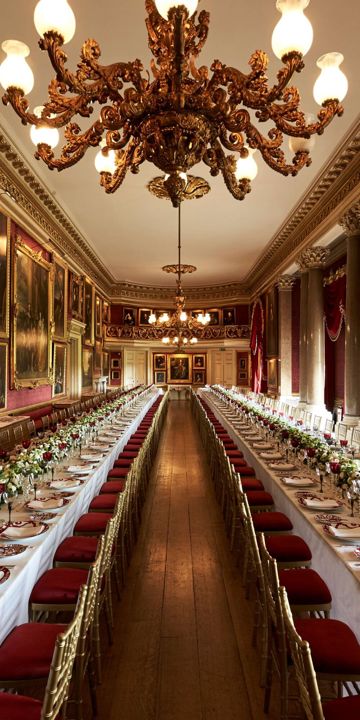
Where else can you...
...plan strategy in an ancient woodland, enjoy award-winning dining then drive around a racetrack?
-
Goodwood House
-
Memberships
-
Goodwood Road Racing Club
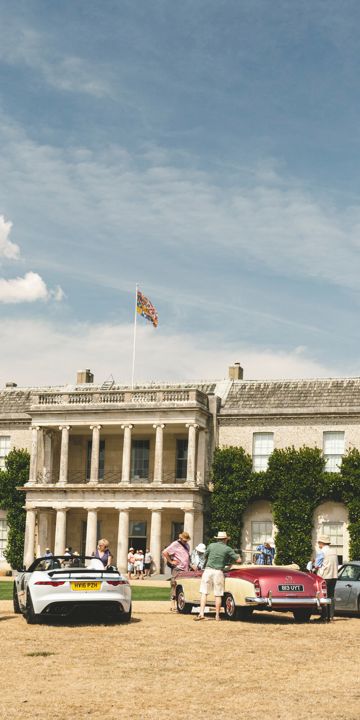
When was the GRRC founded?
Established in 1998 by the Duke of Richmond, the Goodwood Road Racing Club offers exclusive benefits across the estate year-round -
Goodwood Horseracing Club
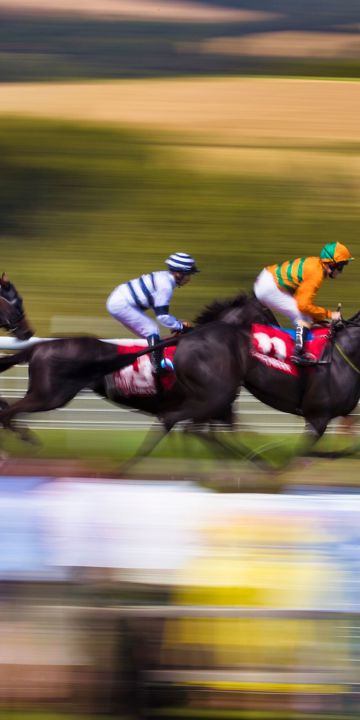
Why walk when you can drive
The first ever horsebox was used from Goodwood to Doncaster for the 1836 St. Leger. Elis arrived fresh and easily won his owner a £12k bet.
-
Golf At Goodwood
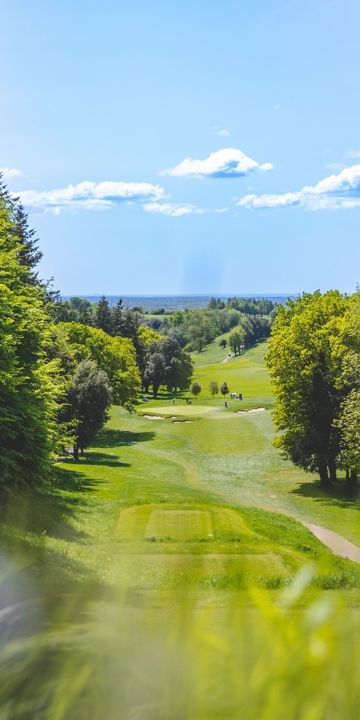
Braid’s Masterpiece
One of the greatest golfers of all time, James Braid designed Goodwood’s iconic Downland course, opened in 1914.
-
Goodwood Aero Club
Ace Pilot
Ray Hanna famously flew straight down Goodwood’s pit straight below the height of the grandstands at the first Revival in 1998
-
Goodwood Health Club
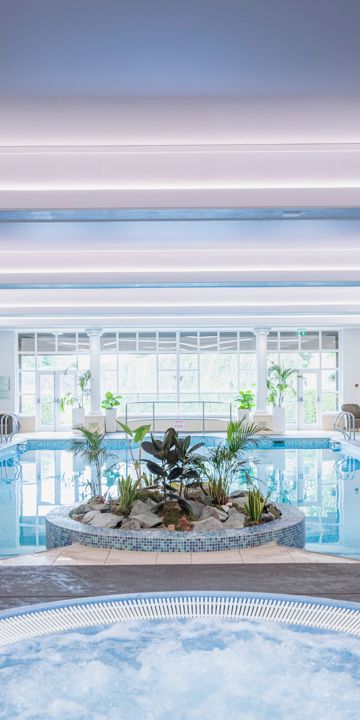
Goodwood's first Health Summit...
...took place in 2023 with industry experts discussing nutrition costs and food systems for a healthier future. -
The Kennels


How old is The Kennels?
Built in 1787 by celebrated architect James Wyatt to house the third Duke of Richmond’s prized fox hounds, The Kennels was known as one of the most luxurious dog houses in the world!
-
Sporting Membership


Battle of Britain
Flying training began at Goodwood in 1940 when pilots were taught operational flying techniques in Hurricanes and Spitfires.
-
Goodwood Racehorse Owners Group
-
Goodwood Art Foundation
-
Goodwood Road Racing Club
- Classic Car Insurance
- Health & Wellbeing
- Buy Merchandise
-
Our Estate
-
What's on
-
Estate Map

Roots for the future
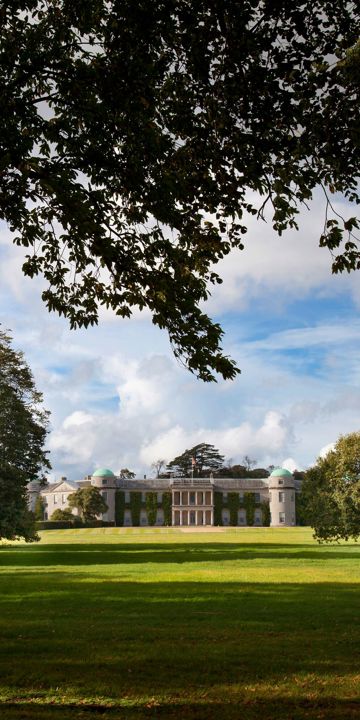
A 20m woodland rue, from Halnaker to Lavant, was planted by our forestry teams & volunteers, featuring native species like oak, beech, & hornbeam
-
Stories from the Estate
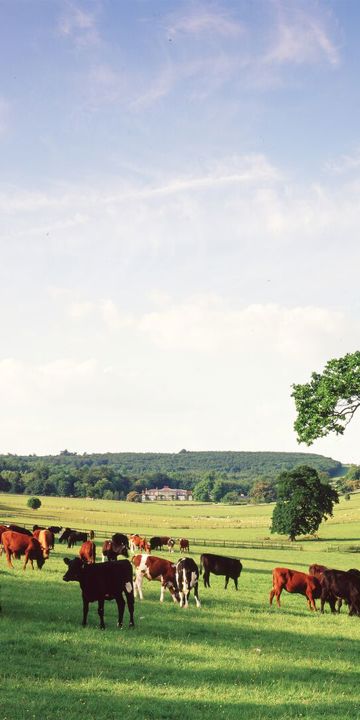

21,000 litres...
Alongside the award-winning meat, we also produce 21,000 litres of milk a week, used to make our cheeses. -
Sports
-
Goodwood Education Trust

Egyptian Dining Room
Testament to the 19th-century fascination with ancient Egypt and decorative opulence. The room is richly detailed with gilded cartouches, sphinxes, birds and crocodiles.
-
Charities

Levin Down Gin
Our gin uses wild-grown botanicals sourced from the estate, and is distilled with mineral water naturally chalk-filtered through the South Downs.
-
Sustainability

During the war...
The Motor Circuit was known as RAF Westhampnett, active from 1940 to 1946 as a Battle of Britain station. -
Diversity, Equity & inclusion
-
Property
21,000 litres...
Alongside the award-winning meat, we also produce 21,000 litres of milk a week, used to make our cheeses. -
Walking Guide

Egyptian Dining Room
Testament to the 19th-century fascination with ancient Egypt and decorative opulence. The room is richly detailed with gilded cartouches, sphinxes, birds and crocodiles.
-
Dog Walking Field
-
Careers
A different breed...
Goodwood’s pigs are a mix of two rare breeds (Gloucester Old Spots and Saddlebacks) plus the Large White Boar.
-
Goodwood Art Foundation
-
Farm Shop
-
What's on
- Christmas


Upcoming Events
JTG Nations Championships
Our Golf At Goodwood Juniors travelled to Forest Pines Golf Club in Lincolnshire for a week they will never forget, becoming the Junior Teams Golf Nations Champions.
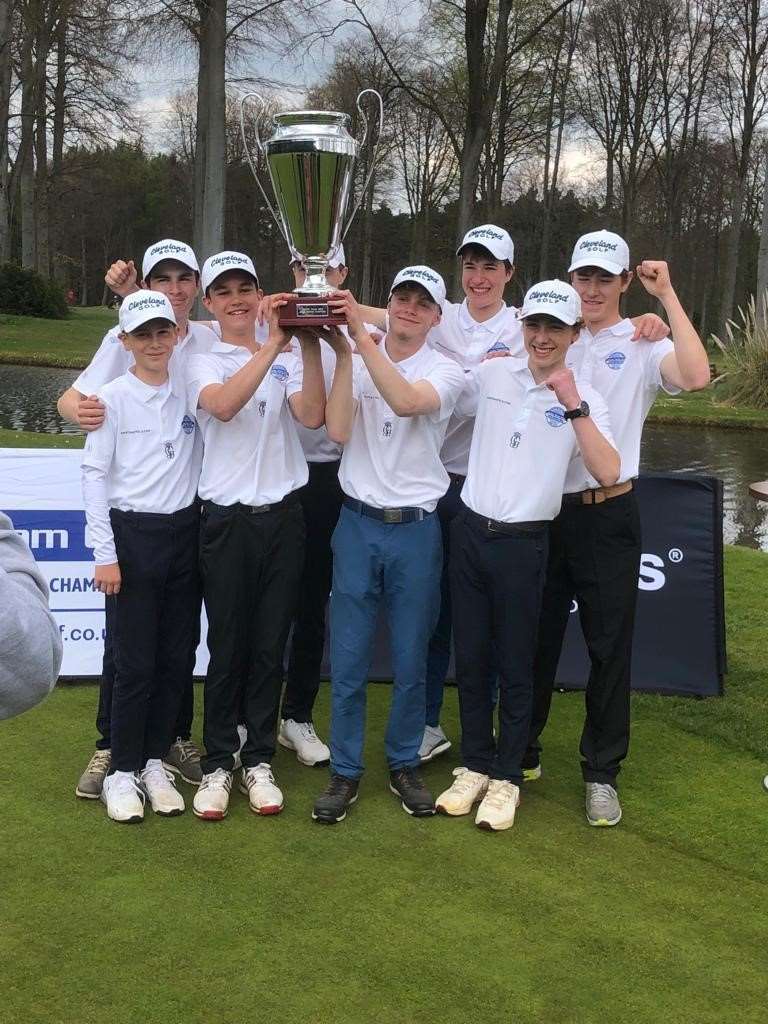
The journey started for our juniors last year when they won the West Sussex League which qualified them into the South Regional JTG Championships, which they later won, which put them into the National Finals. We then qualified for the Home Nations Finals by finishing in the top four which was played at Ramside Hall in Durham.
The Home Nations finals consisted of club teams from Scotland, England and Wales. The week started on Monday with a practice round in challenging conditions. The team started the Strokeplay qualification tournament incredibly well. It was clear that the three loops of 9 holes at Forest Pines were going to be a challenge for all the competitors due to the tight, tree lined fairways. The courses are rated among the toughest in the UK and it was clear that the boys would need to play sensible and strategic golf to progress in the tournament. The format of the event was four x 9 holes stroke play competitions with the best six of eight (one gross and five x net) scores counting. The team came out on top of the field in both the 9-hole competitions on day one which set them up well to qualify for the matchplay stages. Performances of note on Day one came from Freddie Gillett who carded a net 30 and 33 and Joe Sykes who was a combined 1 under par for both rounds.
Day two was about maintaining the position in the top four to secure a chance of competing in the Championship Semi Finals. The team continued to play sensible golf and to keep the big scores off their cards. This was the strategy that was discussed and it was great to see the boys demonstrate real maturity in how they played the course. The day’s notable performances came from Tom Bisatt, Jack Berry and Cody Jackson who all played one of the nine under handicap to keep Goodwood out in front. Once all the scores were eventually collated and verified Goodwood came out of the stroke play stage in 1st place with a 16 shot gap to the team in second. This meant they headed into the Semi-Finals full of confidence.
The format of the matchplay was complicated and took some understanding! Essentially the first six matches counted and then matches seven and eight acted as ‘play off’ matches in case the scores were tied. The order was determined by handicap and shots were given in accordance with updated handicap indexes which were updated overnight. Unfortunately this meant some cuts for the team with Freddie Gillet being cut three shots ahead of the matchplay and all bar one of the team receiving cuts.
We were drawn against the Scottish Champions, Drumpellier from Glasgow, in the semi-final. Shots were pretty evenly distributed across the team although Joe Sykes had to give eight shots to a 2 handicapper which seemed particularly harsh! Live scoring was in play for the matchplay stages and it was clear from early on the match would be tight. Drumpellier were up in the first few matches but Goodwood came back strongly in the bottom three with Jack Berry and Freddie Gillett turning early deficits around. Confusion reigned about matches seven and eight with the Goodwood support assuming both counted and with Drumpellier up in both around the turn it didn’t look good for Goodwood.
The first three matches went the way of Drumpellier but Berry, Pollard and Gillett won their matches leaving a tense culmination to the match due to the uncertainty about matches seven and eight. As Cody Jackson approached the 16th green in match seven 1up we found out that the seventh match counted and match eight only counted if match seven was halved. The change in emotions was palpable as we knew Goodwood had the upper hand. The youngest member of the team, Cameron McLeod, was putting up a strong performance in match eight but a solid back 9 from his opponent took the spoils on the 16th which meant it all came down to Cody Jackson’s match. Cody produced a great iron into the par 3 16th and his opponent struggled leaving Cody with a shot out for the match which he duly converted. The camaraderie that had grown over the week shone through in the aftermath with the team celebrating together and genuine joy for one another was great to see.
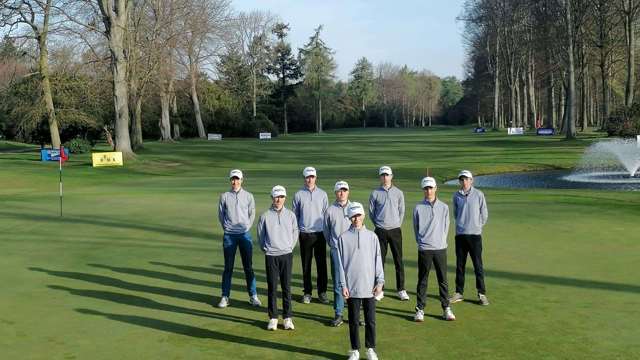
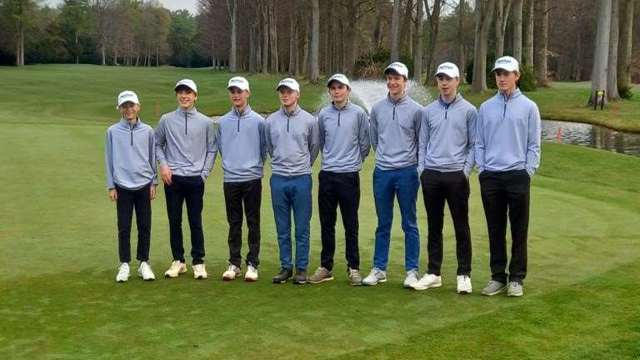
We soon found out the opponents in the Final would be Llantrisant from South Wales who had beaten the previous year’s Champions, Peterborough Milton. We quickly realised that their handicaps were a lot higher than Goodwood’s so shots would need to be given in abundance. A tactical decision took place with Joe Sykes about his position and it was decided that the Goodwood Captain would go as the 7th player and our first wildcard player.
The boys woke early for more team photos and TV interviews which certainly got the juices flowing. They were very much enjoying the experience and the fact no-one was taking it too seriously really helped. Tom Bisatt went off first followed by Zach Hauffe, Freddie Gillett, Jack Berry, James Pollard and Cody Jackson. Joe Sykes went as the first wild card followed at the back by Cameron McLeod. The early stages were nip and tuck and the spectators expected another close game especially with all the shots being given. Towards the end of the front 9 Freddie Gillett and Jack Berry started to open up commanding leads, unfortunately James Pollard came up against a strong opponent who, despite a handicap in the 20’s, was only a couple over par for the first 7 holes.
Having experienced the 3-3 result in the morning we were keen to avoid a repeat especially with Joe Sykes giving 26 shots at number 7 in the order. Tom Bisatt showed his class in the back 9 and won a number of holes to take his match 3 & 2, Freddie Gillett and Jack Berry won in similar fashion which gave us a commanding 3-0 lead. Llantrisant clawed two matches back but the ever reliable Cody Jackson pulled away from his opponent around the turn and secured the winning point on the 14th green.
What looked like it was going to be a close game didn’t materialise and the team were able to celebrate an incredible achievement. To have performed so well, playing very sensible golf on a very difficult course was a great testament to the ethos that Golf At Goodwood has driven through the junior programmes over the years. To have four of the team that started playing at Goodwood when they were five years old was fantastic and recent with graduates from the Level Up programme also in the team it really emphasises the excellence that Goodwood has in its Junior ranks.
The team got to receive the trophy on the 18th green in front of the TV cameras and some excitable comments shared on camera which rounded of a fabulous week. The excitement will build again when the boys get to watch themselves on Sky Sports in the next few months which will be a fitting climax to a great week.