
-
Events
-
Festival of Speed
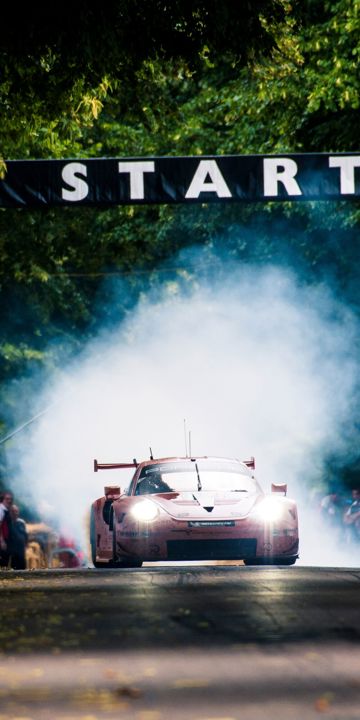

The Hillclimb
The 1.16-mile hillclimb has been the centre of the action since the first festival in 1993. -
Goodwood Revival


Freddie's Famous Scarf
When the 9th Duke won the Double Twelve at Brooklands in 1931 he never drove without it throughout his successful driving career.
-
Members' Meeting
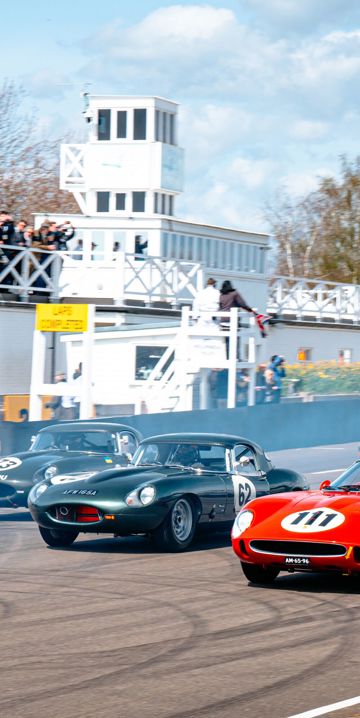

The original Members' Meeting era
The early Members' Meetings were held for BARC Members, there were 71 between 1949 and 1966.
-
Qatar Goodwood Festival
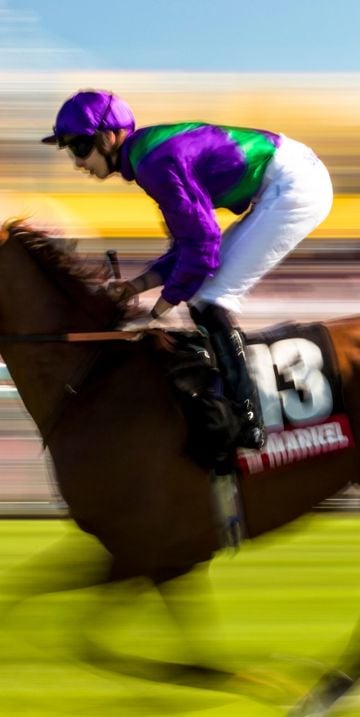

Why walk when you can drive
The first ever horsebox was used from Goodwood to Doncaster for the 1836 St. Leger. Elis arrived fresh and easily won his owner a £12k bet.
-
Goodwoof
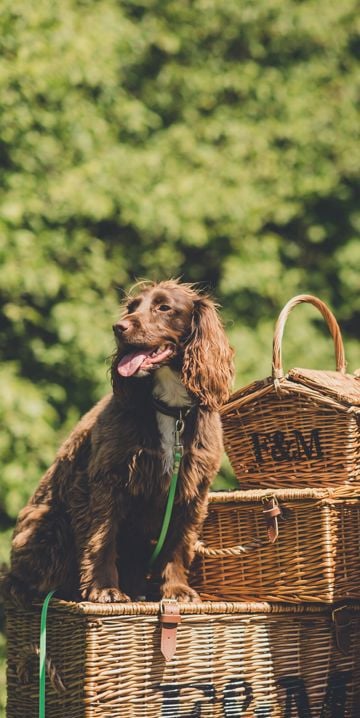

Start in style
The breed parade sees hundreds of dogs and their owners walk from Goodwood House down to The Kennels to kick start the Goodwoof weekend. -
Horseracing
-
Season Opener
-
May Festival
-
Family Race Day
-
Three Friday Nights
-
August Bank Holiday
-
Autumn Racing
-
Season Finale
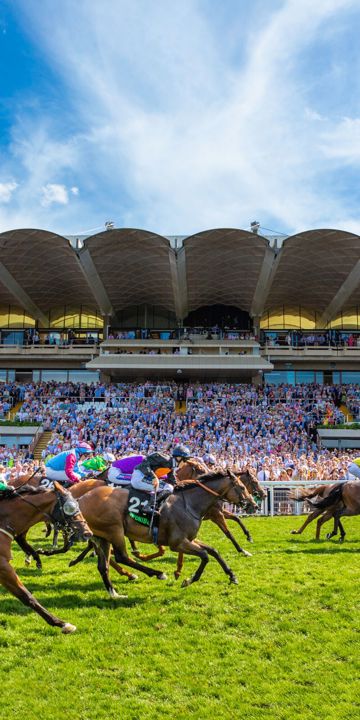

Royal approval
King Edward VII (who came almost every year) famously dubbed Glorious Goodwood “a garden party with racing tacked on”.
-
Season Opener
-
Breakfast Club
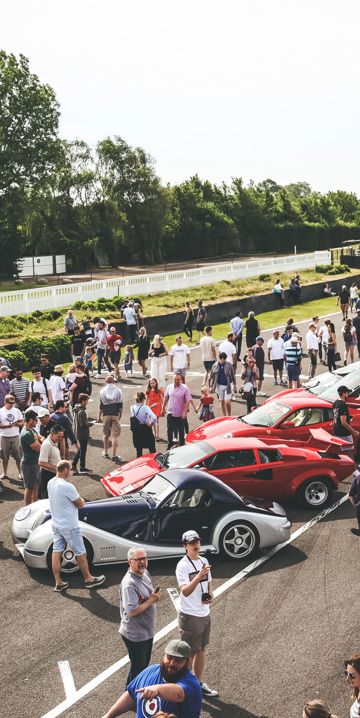

A perfect Sunday morning?
A no-cost, all-welcome motoring show where the visitors and their machines are the stars -
Health Summit
-
Hospitality
-
Exhibiting
-
Partnerships
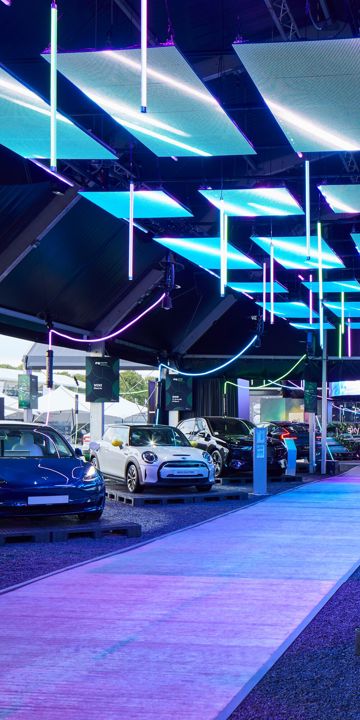

Where else can you...
...plan strategy in an ancient woodland, enjoy award-winning dining then drive around a racetrack?
-
What's on
-
Festival of Speed
-
Visit, Eat, Stay
-
The Goodwood Hotel
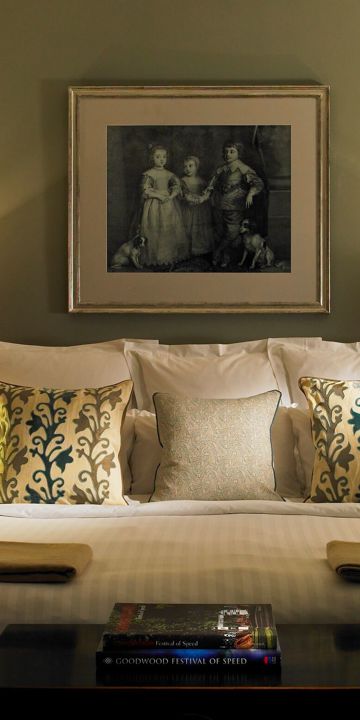

Estate Crest
"En la rose je fleurie" or "Like the rose, I flourish" is part of the Richmond coat of Arms and motto
-
Goodwood Cottages


During the war...
The Motor Circuit was known as RAF Westhampnett, active from 1940 to 1946 as a Battle of Britain station.
-
Goodwood House
-
Afternoon Tea & Tour
-
The Collection
-
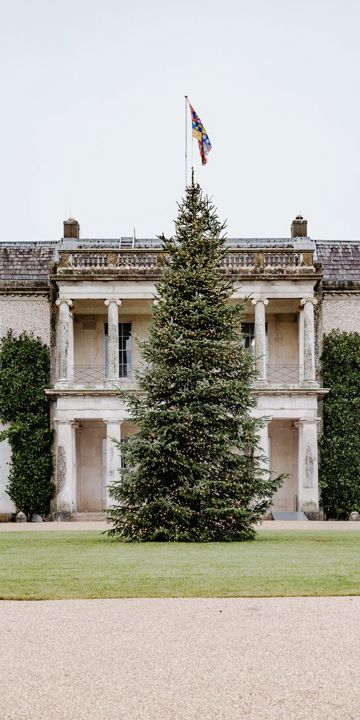
Christmas Afternoon Tea & Tour
-
Exhibitions
-
History
-
Weddings
-
Copper Dome Restoration
-
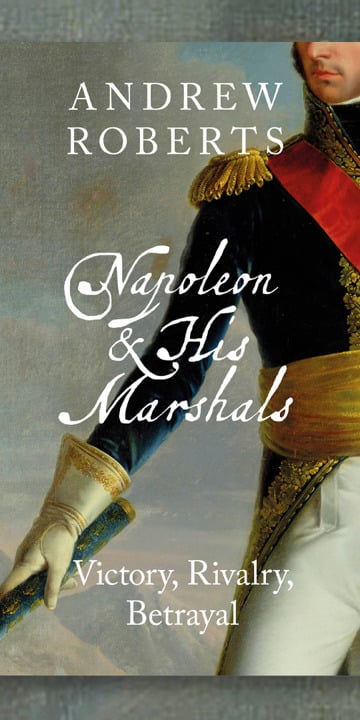
Napoleon & His Marshals Book Talk with Andrew Roberts
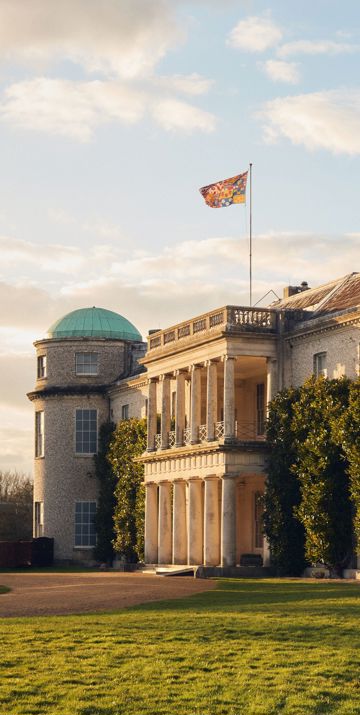

The Goodwood menagerie
Corridors of tunnels beneath Goodwood House were once filled with exotic animals to surprise female guests and allow the men to look heroic! -
Afternoon Tea & Tour
-
Restaurants
-
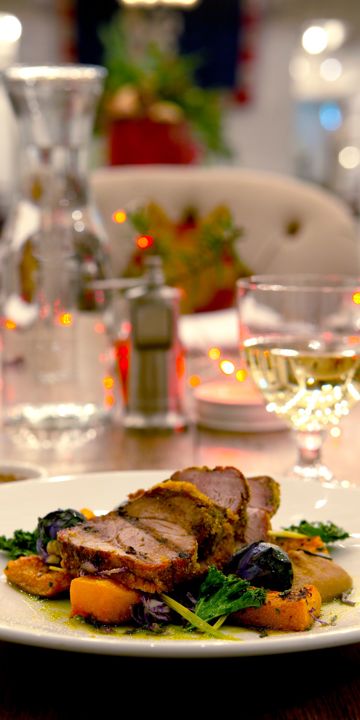
Farmer, Butcher, Chef
-
The Goodwood Bar & Grill
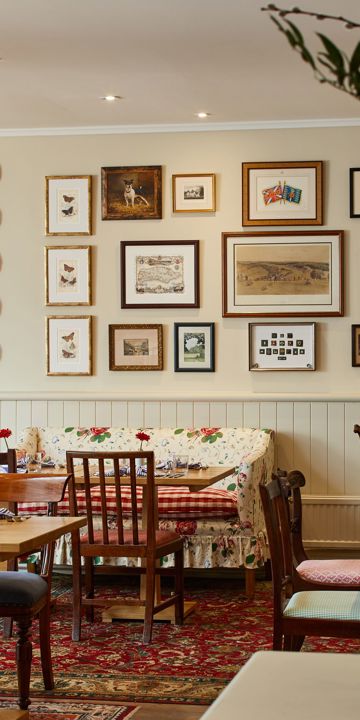
-
The Kennels
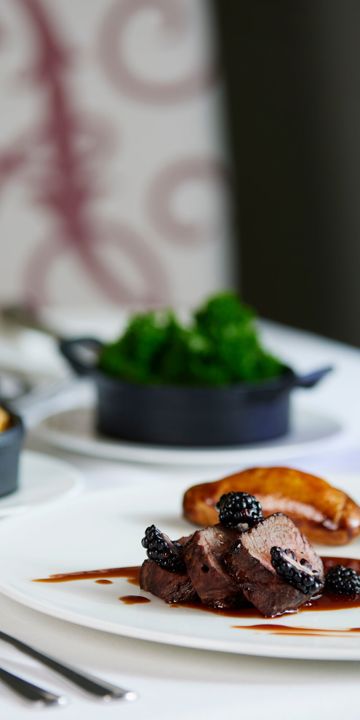
-
Aerodrome Café
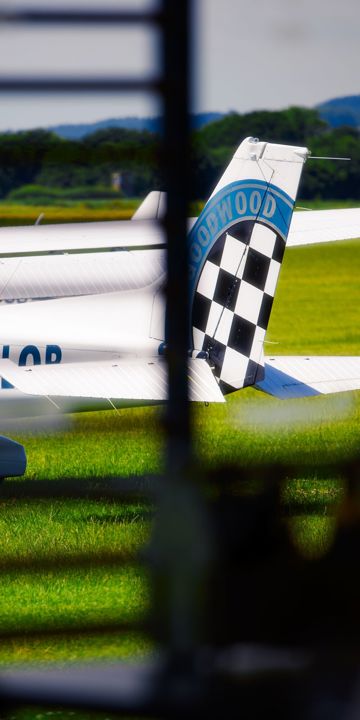
-
Motor Circuit Café

-
Cafe 24
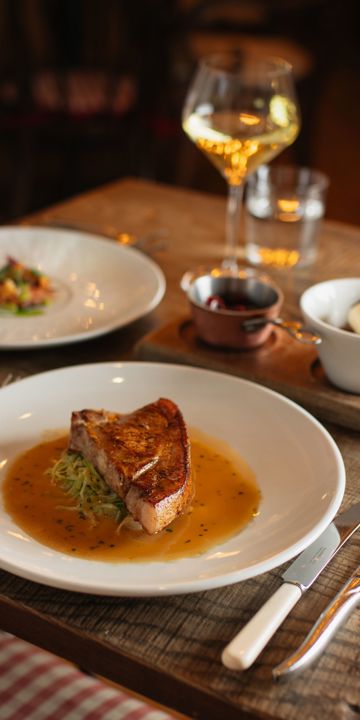

Sustainable state-of-mind
When Farmer, Butcher, Chef opened in 2016 it was awarded the UK’s first-ever Royal Academy of Culinary Arts ‘Sustainable Food Philosophy Seal’. -
Farmer, Butcher, Chef
-
The Kennels
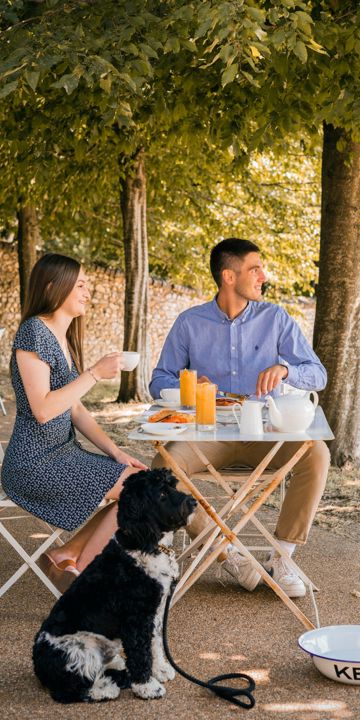

An exclusive clubhouse
As the private clubhouse for all of the Estate’s sporting and social members, it offers personal service and a relaxed atmosphere
-
Motor Circuit
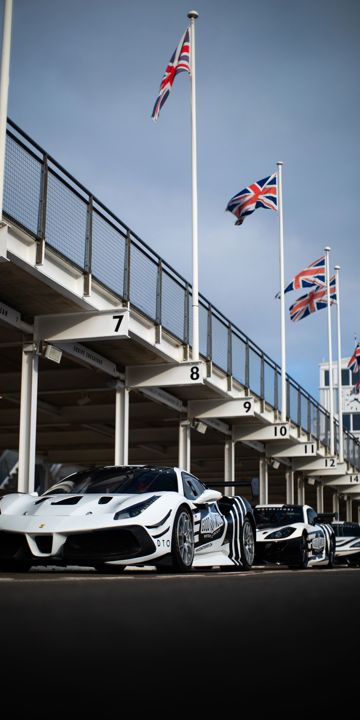
The Hillclimb
The 1.16-mile hillclimb has been the centre of the action since the first festival in 1993. -
Health & Wellbeing
-
Membership
-
Health Club
-
Gym
-
Run Series
-
Spa Treatments
-
Wellness Retreats
-
Events Calendar
-
Corporate Wellbeing
-
Health Summit
-
Latest News
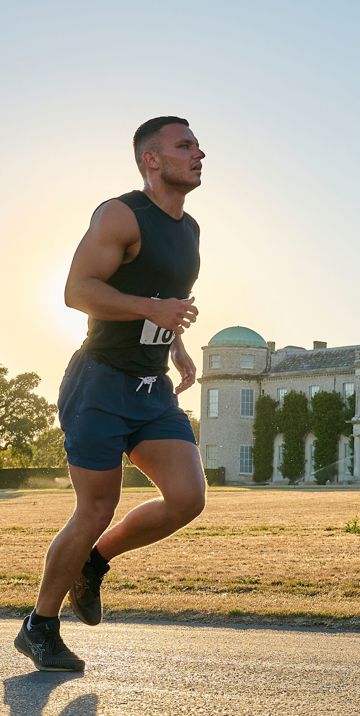

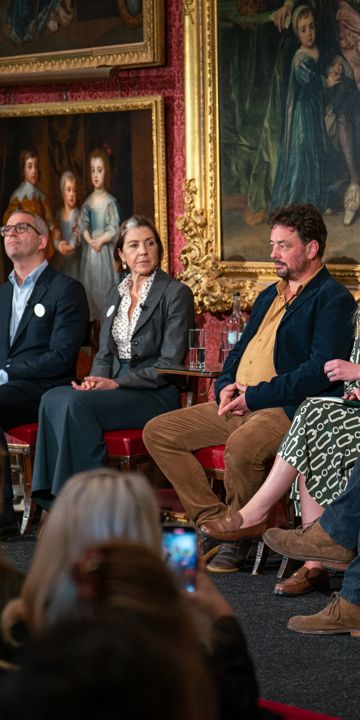
Goodwood's first Health Summit...
...took place in 2023 with industry experts discussing nutrition costs and food systems for a healthier future. -
Membership
-
Hound Lodge
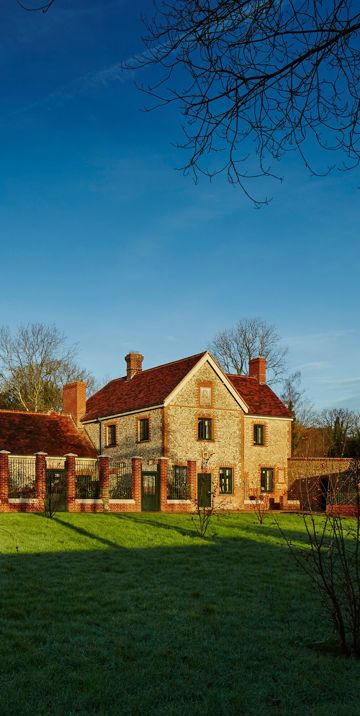

Room for 20
Within the boot room are hooks for 20 people, enough for all of the Lodges 10 bedrooms.
-
Goodwood Farm Shop


St Simon
Whoa Simon! A horse so determined and headstrong, he not only won the 1883 Goodwood Cup by 20 lengths, but couldn't be stopped and carried on running over the top of Trundle hill
-
Parties
-
Goodwood Art Foundation
-
The Goodwood Hotel
-
Motorsport
-
Festival of Speed
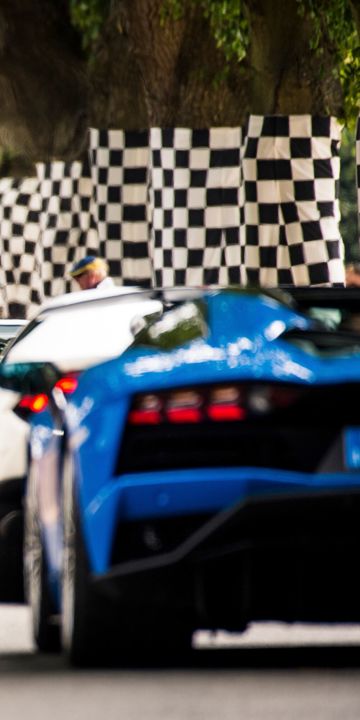

Mad Mike
FOS Favourite Mad Mike Whiddett can be caught melting tyres in his incredible collection of cars (and trucks) up the hillclimb
-
Goodwood Revival
-
Tickets & Packages
-
Hospitality
-
Explore
-
Plan Your Day
-
Buy Merchandise
-
Charity
-
Partners
-
Accessibility
-
FAQs


Spectators Favourite
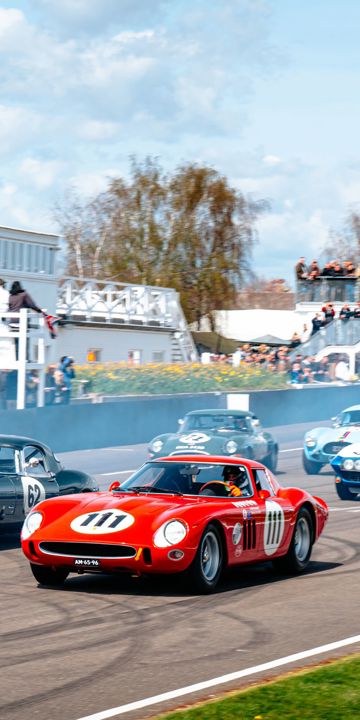
Spectate from the chicane at the Revival to see plenty of classic cars going sideways as they exit this infamous point of our Motor Circuit.
-
Tickets & Packages
-
Members' Meeting

Earls Court replica
Our replica of the famous motor show showcases the "cars of the future" in true Revival style
-
Breakfast Club

What's that on the startline?
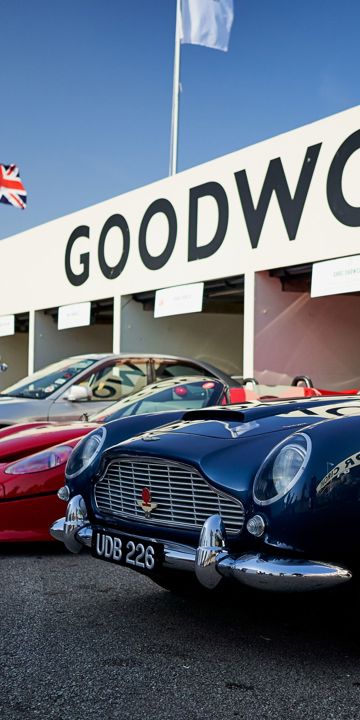
The Hill Start Line is marked by bricks taken from the Indianapolis Motor Speedway.
-
Motor Circuit
Carne's Seat
Just beyond Goodwood House along the Hillclimb, the 2nd Dukes banqueting house was also known as "one of the finest rooms in England" (George Vertue 1747).
-
Driving Experiences
A perfect Sunday morning?
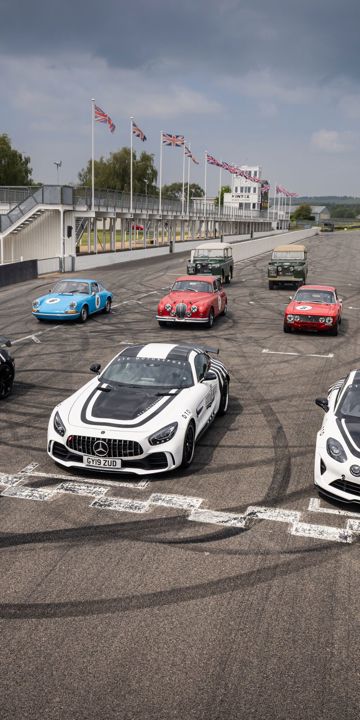
A no-cost, all-welcome motoring show where the visitors and their machines are the stars -
Goodwood Road Racing Club
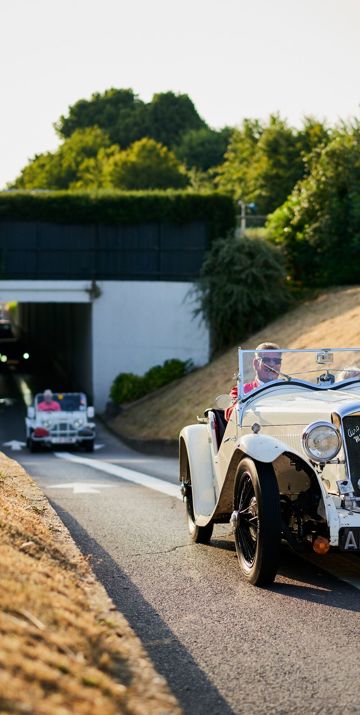

FOS Future Lab
Where wondrous innovation and future technology is placed in the palm of your hand.
-
Latest News
-
Festival of Speed
-
Horseracing
-
Tickets & Packages
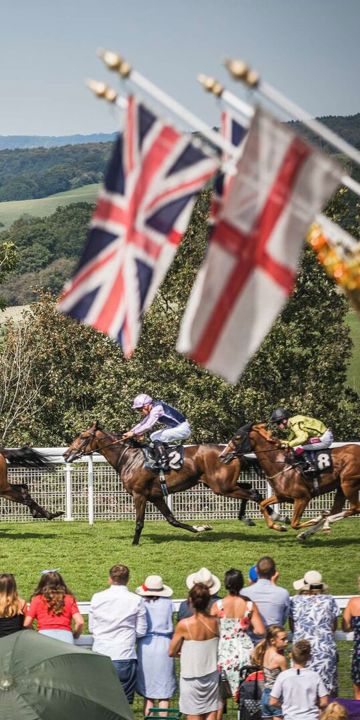
St Simon
Whoa Simon! A horse so determined and headstrong, he not only won the 1883 Goodwood Cup by 20 lengths, but couldn't be stopped and carried on running over the top of Trundle hill
-
Hospitality
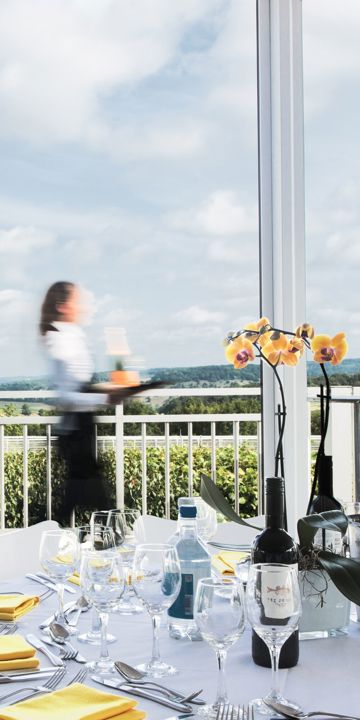

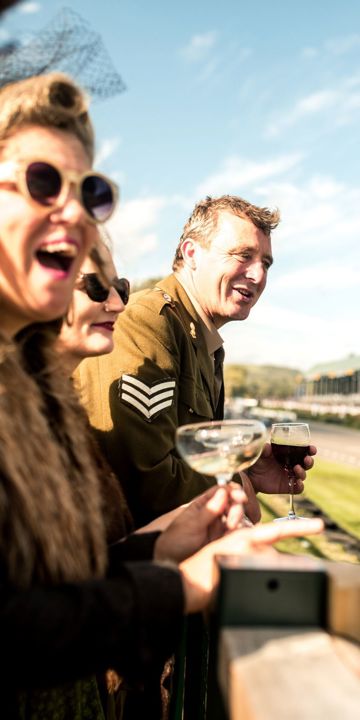
Why does everyone wear hats?
King Edward VII turned his back on the traditional morning suit and donned a linen suit and Panama hat. Thus the Glorious Goodwood trend was born.
-
Horseracing Club Membership
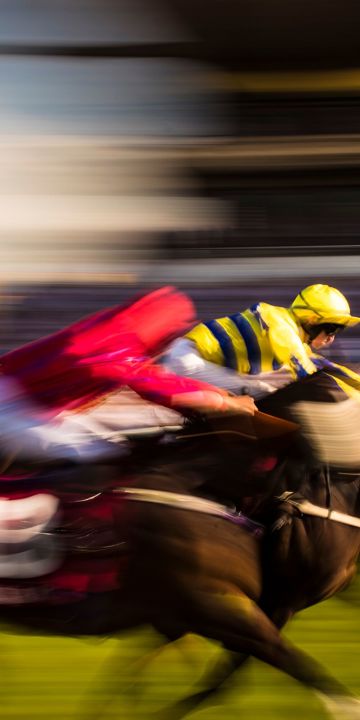

The Magnolia Cup
Leading women of business, sport, fashion and media, take part in one of the most exciting horseracing events in the world.
-
Fixtures & Events
-
Season Opener
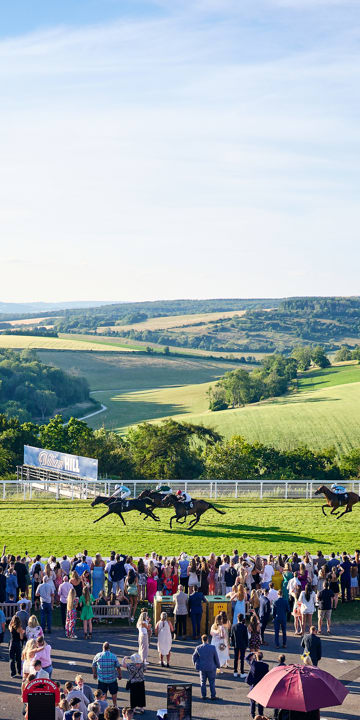
-
May Festival
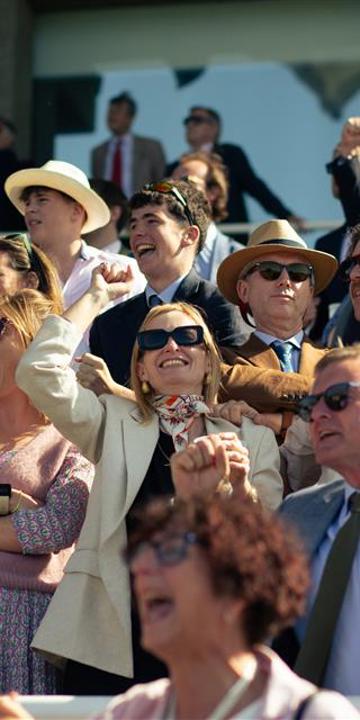
-
Family Race Day
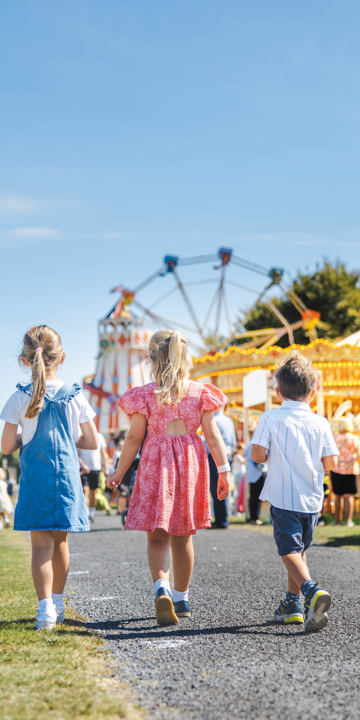
-
Three Friday Nights
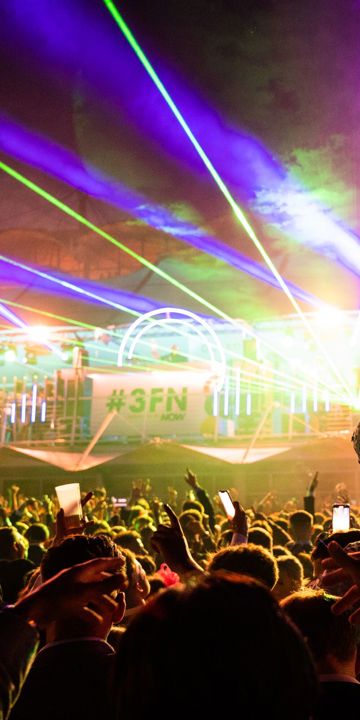
-
Qatar Goodwood Festival
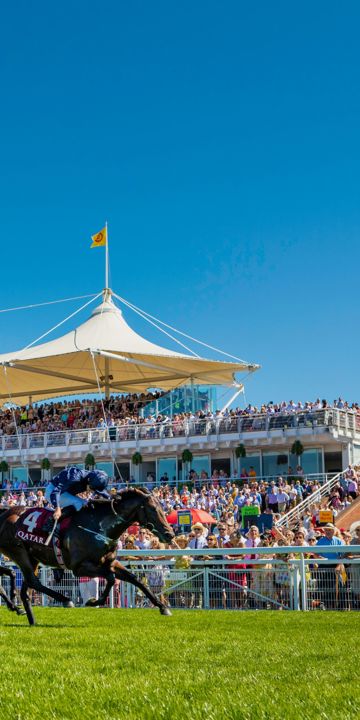
-
August Bank Holiday
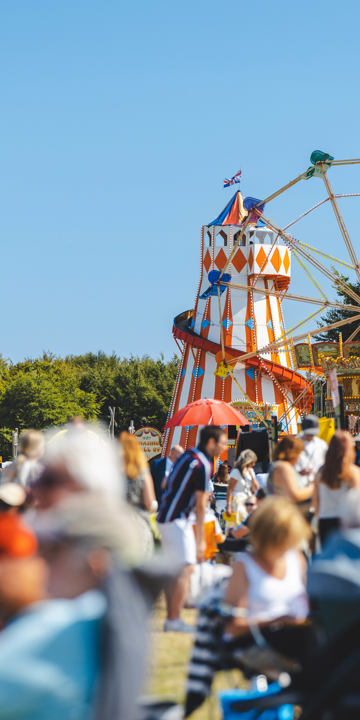
-
Autumn Racing
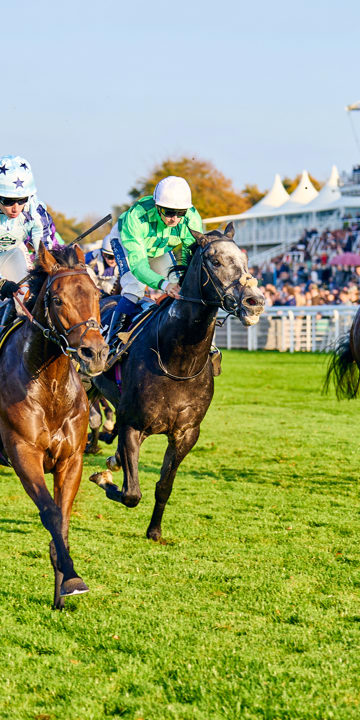
-
Season Finale
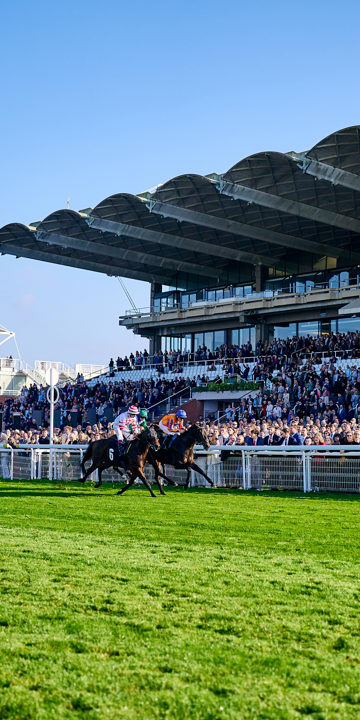
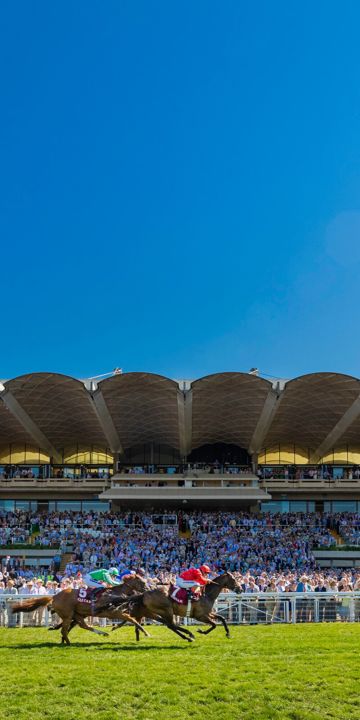
Royal approval
King Edward VII (who came almost every year) famously dubbed Glorious Goodwood “a garden party with racing tacked on”.
-
Season Opener
-
Qatar Goodwood Festival
-
Tickets & Packages
-
Hospitality
-
Day by Day Guide
-
Ladies Day
-
Magnolia Cup
-
The Earl's Lawn
-
Timetable
-
Partners
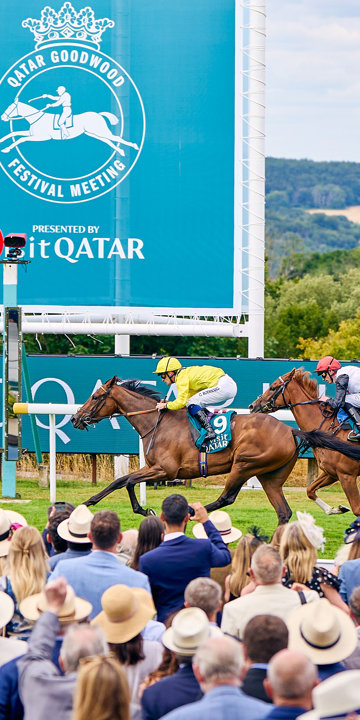
The Magnolia Cup
Leading women of business, sport, fashion and media, take part in one of the most exciting horseracing events in the world.
-
Tickets & Packages
-
Three Friday Nights
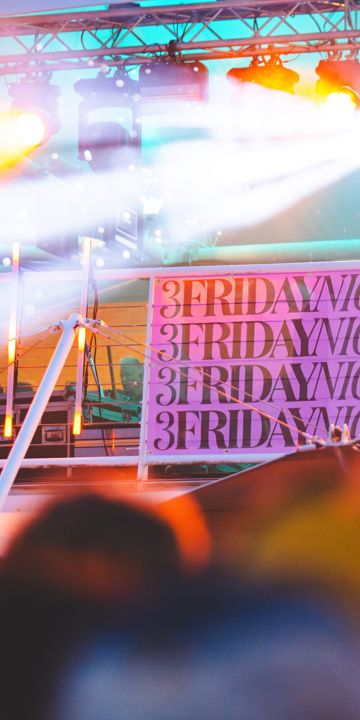

"Glorious Goodwood"
After the first public race meeting in 1902, 'Glorious Goodwood' became a highlight of the summer season.
-
Plan Your Day
-
Enclosures
-
Event Map
-
Going Report
-
Getting Here
-
Betting at Goodwood
-
Dress Code
-
Accessibility
-
Food & Drink
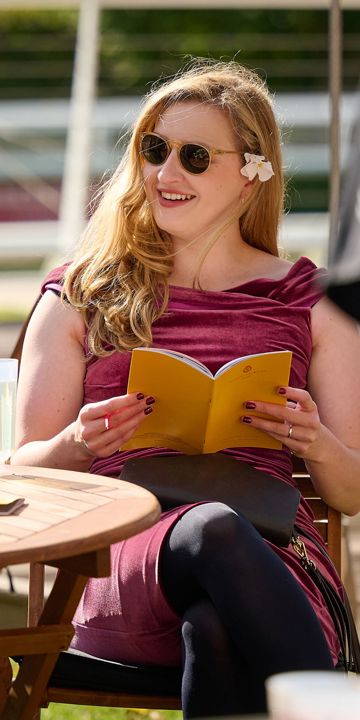
St Simon
Whoa Simon! A horse so determined and headstrong, he not only won the 1883 Goodwood Cup by 20 lengths, but couldn't be stopped and carried on running over the top of Trundle hill
-
Enclosures
-
Buy Merchandise
-
Partners
-
Owners & Trainers
-
Latest News
-
FAQs
-
Accessibility
-
Tickets & Packages
-
Experiences
-
Driving
Motorsport Since 1948
Goodwood Motor Circuit was officially opened in September 1948 when Freddie March, the 9th Duke and renowned amateur racer, tore around the track in a Bristol 400
-
Flying
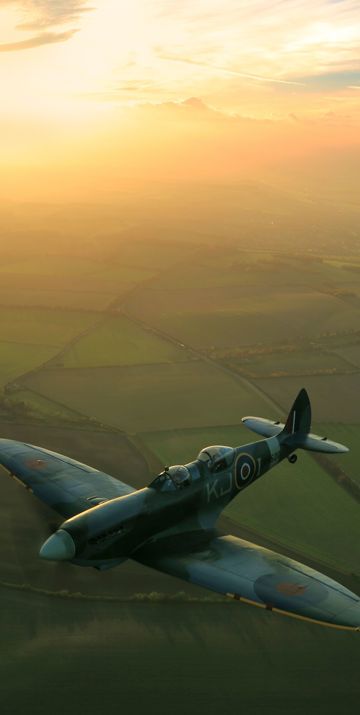

Ace Pilot
Ray Hanna famously flew straight down Goodwood’s pit straight below the height of the grandstands at the first Revival in 1998
-
Golf

Over 100 years of Golf
The first ever round of golf played at Goodwood was in 1914 when the 6th Duke of Richmond opened the course on the Downs above Goodwood House.
-
Shooting
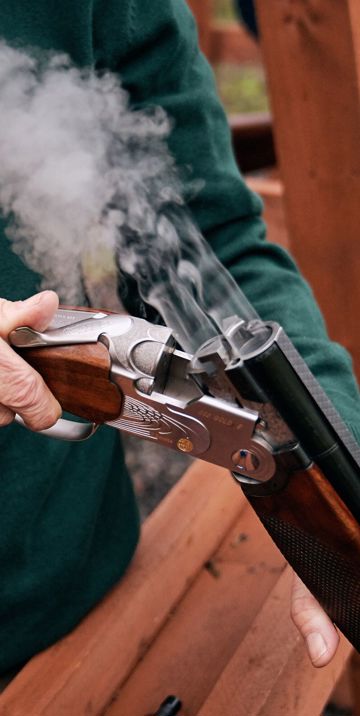

During the war...
The Motor Circuit was known as RAF Westhampnett, active from 1940 to 1946 as a Battle of Britain station. -
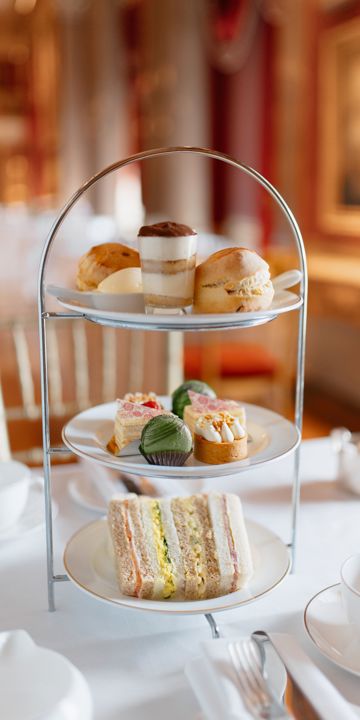
Afternoon Tea

Fashionable foxhounds
The 1st Duke of Richmond bought Goodwood in 1697 as a place to stay to go foxhunting with the fashionable Charlton Hunt. -
Corporate Wellbeing
Goodwood's first Health Summit...
...took place in 2023 with industry experts discussing nutrition costs and food systems for a healthier future. -
Cycling
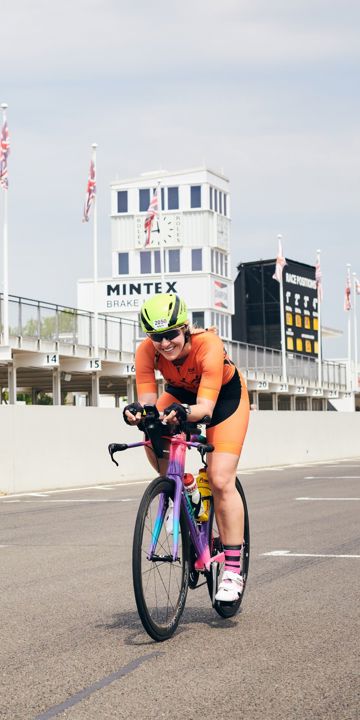

Battle of Britain
Flying training began at Goodwood in 1940 when pilots were taught operational flying techniques in Hurricanes and Spitfires.
-
Corporate Experiences
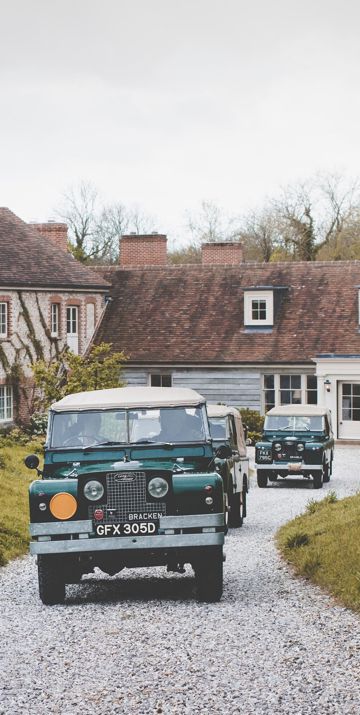
Where else can you...
...plan strategy in an ancient woodland, enjoy award-winning dining then drive around a racetrack?
-
Spa Treatments
-
Driving
- Hospitality
-
Golf
-
Golf Courses
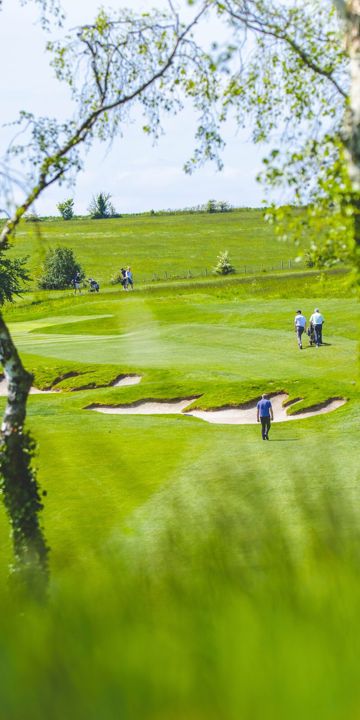

A sporting Estate
Goodwood has two 18-hole championship courses, a modern clubhouse and an impressive Academy. -
Golf Membership
-
Credit Membership
-
Application Form
-
Braid Membership
-
Intermediate Membership
-
Junior Membership
-
Corporate Membership
-
Get Into Golf
-
Copse Membership


Braid’s Masterpiece
One of the greatest golfers of all time, James Braid designed Goodwood’s iconic Downland course, opened in 1914.
-
Credit Membership
-
The Academy
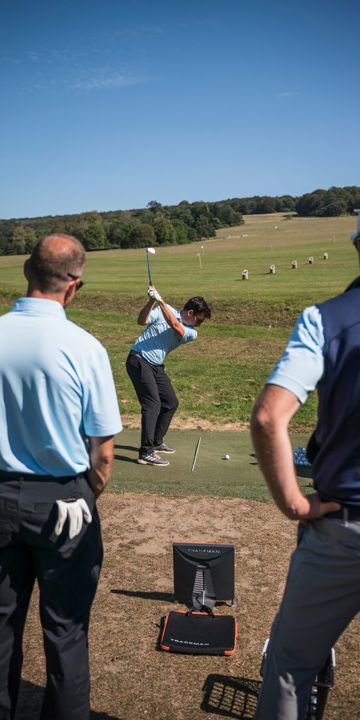
A sporting Estate
Goodwood has two 18-hole championship courses, a modern clubhouse and an impressive Academy. -
Golf Experiences

Braid’s Masterpiece
One of the greatest golfers of all time, James Braid designed Goodwood’s iconic Downland course, opened in 1914.
-
Golf Courses
-
Flying
-
Flying School
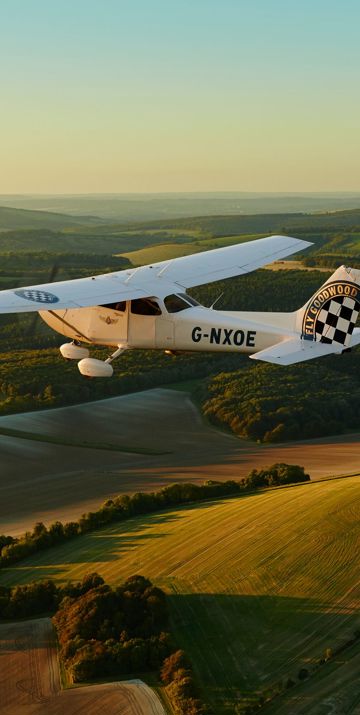

Flying Elephant
The first thing ever dropped at Goodwood was a cuddly elephant which landed in 1932 just as the 9th Duke of Richmonds passion for flying was taking off.
-
Aero Club Membership
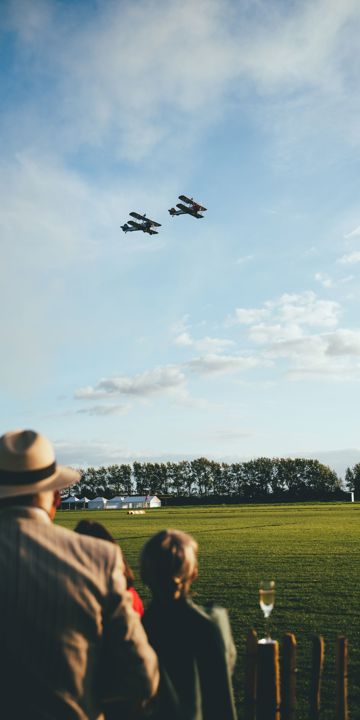

Group Captain Sir Douglas Bader
The famous fighter ace, who flew his last sortie from Goodwood Aerodrome, formerly RAF Westhampnett has a statue in his honor within the airfield.
-
Flying Experiences
-
Pilot Information
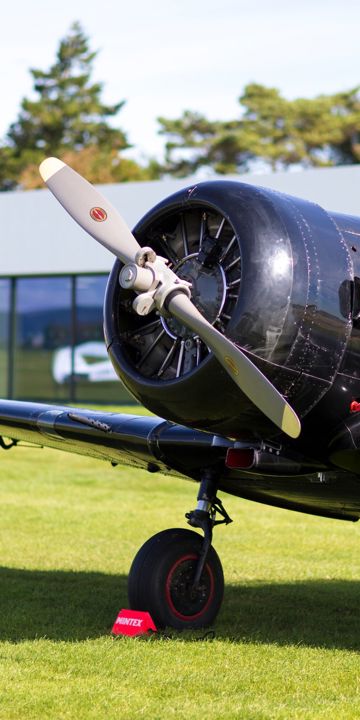
Ace Pilot
Ray Hanna famously flew straight down Goodwood’s pit straight below the height of the grandstands at the first Revival in 1998
-
Flying School
-
Meetings
-
Venue Hire
-
Goodwood House
-
The Racecourse
-
The Goodwood Hotel
-
The Motor Circuit
-
The Kennels
-
The Aerodrome
-
The Great Outdoors
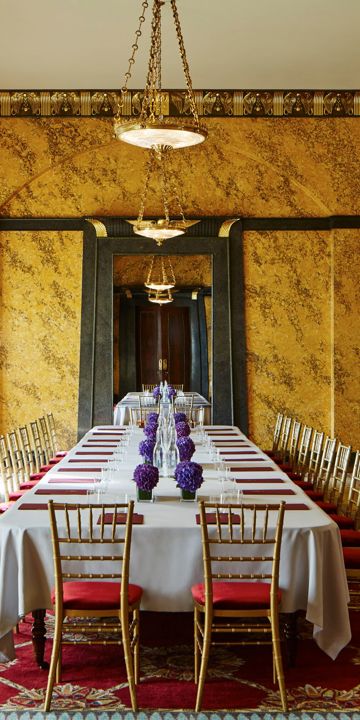
Where else can you...
...plan strategy in an ancient woodland, enjoy award-winning dining then drive around a racetrack?
-
Goodwood House
-
Plan Your Meeting
-
Parties
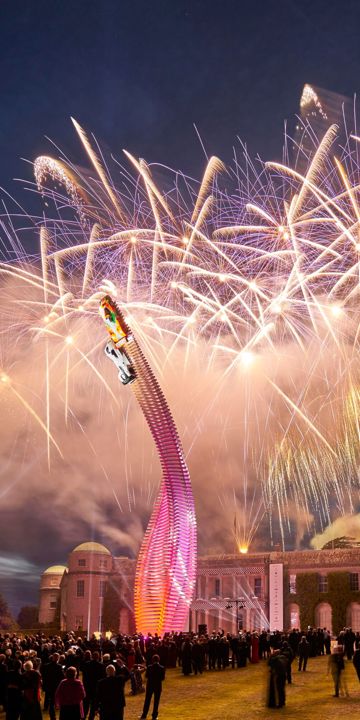
Where else can you...
...plan strategy in an ancient woodland, enjoy award-winning dining then drive around a racetrack?
-
Hospitality

-
Corporate Experiences
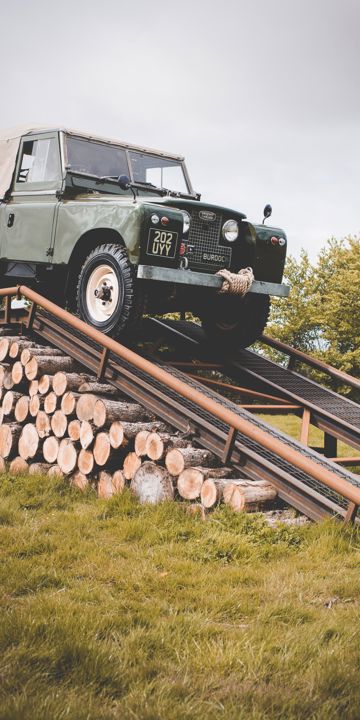
Where else can you...
...plan strategy in an ancient woodland, enjoy award-winning dining then drive around a racetrack?
-
Christmas Parties
-
Film Locations
Where else can you...
...plan strategy in an ancient woodland, enjoy award-winning dining then drive around a racetrack?
-
Venue Hire
-
Weddings
-
Goodwood House
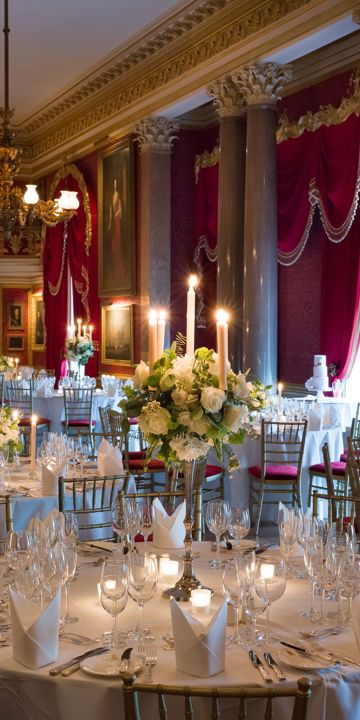
The Goodwood menagerie
Corridors of tunnels beneath Goodwood House were once filled with exotic animals to surprise female guests and allow the men to look heroic! -
The Kennels

Fashionable foxhounds
The 1st Duke of Richmond bought Goodwood in 1697 as a place to stay to go foxhunting with the fashionable Charlton Hunt. -
Parties


A destination for all seasons
We're well known for our iconic motorsport and horseracing events. But there's a lot more happening at Goodwood...
-
Goodwood House
-
Memberships
-
Goodwood Road Racing Club
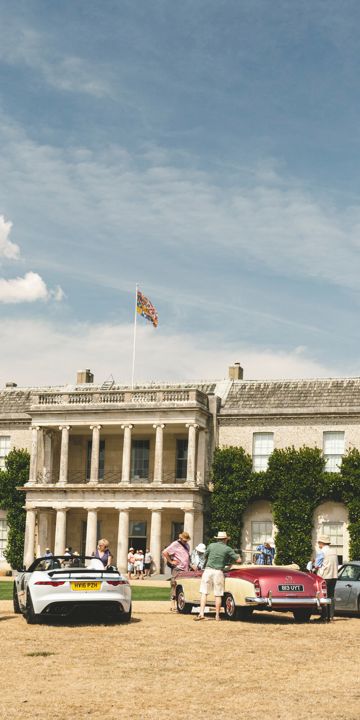
When was the GRRC founded?
Established in 1998 by the Duke of Richmond, the Goodwood Road Racing Club offers exclusive benefits across the estate year-round -
Goodwood Horseracing Club
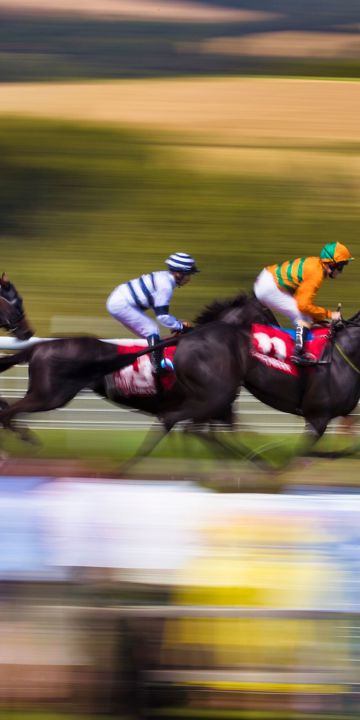
Why walk when you can drive
The first ever horsebox was used from Goodwood to Doncaster for the 1836 St. Leger. Elis arrived fresh and easily won his owner a £12k bet.
-
Golf At Goodwood
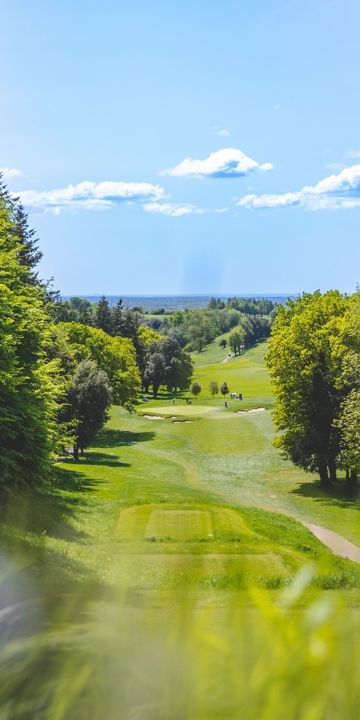
Over 100 years of Golf
The first ever round of golf played at Goodwood was in 1914 when the 6th Duke of Richmond opened the course on the Downs above Goodwood House.
-
Goodwood Aero Club
Group Captain Sir Douglas Bader
The famous fighter ace, who flew his last sortie from Goodwood Aerodrome, formerly RAF Westhampnett has a statue in his honor within the airfield.
-
Goodwood Health Club
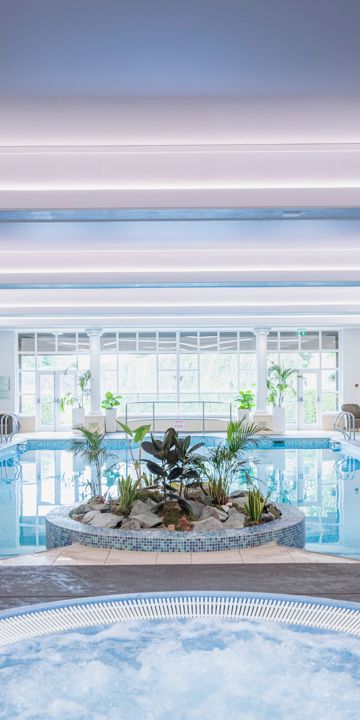
Goodwood's first Health Summit...
...took place in 2023 with industry experts discussing nutrition costs and food systems for a healthier future. -
The Kennels

An exclusive clubhouse
As the private clubhouse for all of the Estate’s sporting and social members, it offers personal service and a relaxed atmosphere
-
Sporting Membership


Cricketers since 1702
The oldest existing rules for the game were drawn up for a match between the 2nd Duke and a neighbour
-
Goodwood Racehorse Owners Group
-
Goodwood Art Foundation
-
Goodwood Road Racing Club
- Classic Car Insurance
- Health & Wellbeing
- Buy Merchandise
-
Our Estate
-
What's on
-
Estate Map
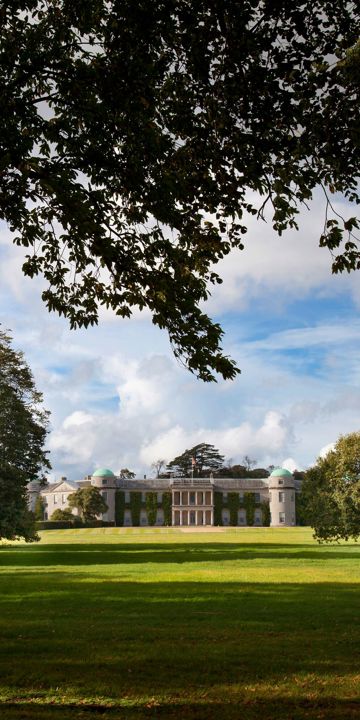
During the war...
The Motor Circuit was known as RAF Westhampnett, active from 1940 to 1946 as a Battle of Britain station.
-
Stories from the Estate
Estate Crest
"En la rose je fleurie" or "Like the rose, I flourish" is part of the Richmond coat of Arms and motto
-
Sports
-
Goodwood Education Trust
Fashionable foxhounds
The 1st Duke of Richmond bought Goodwood in 1697 as a place to stay to go foxhunting with the fashionable Charlton Hunt. -
Charities
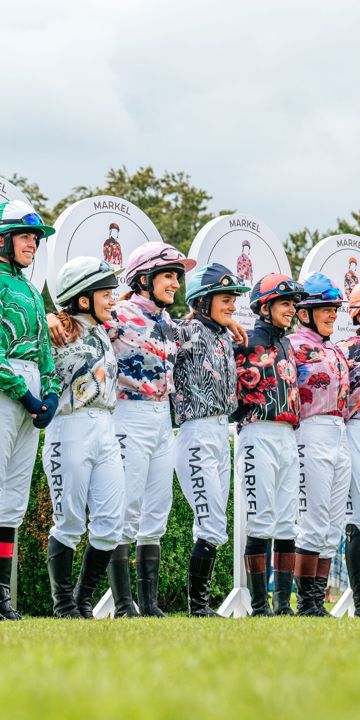

21,000 litres...
Alongside the award-winning meat, we also produce 21,000 litres of milk a week, used to make our cheeses. -
Sustainability
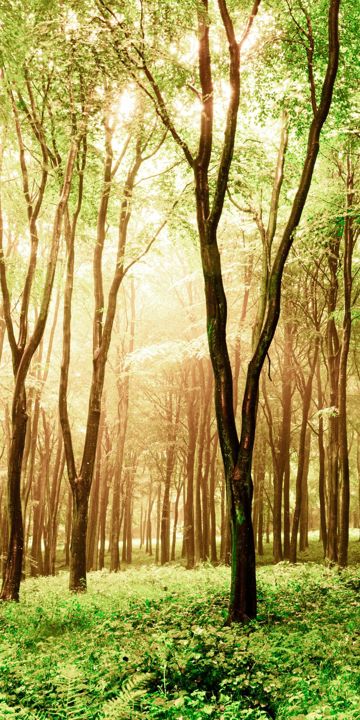

Egyptian Dining Room
Testament to the 19th-century fascination with ancient Egypt and decorative opulence. The room is richly detailed with gilded cartouches, sphinxes, birds and crocodiles.
-
Diversity, Equity & inclusion
-
Property
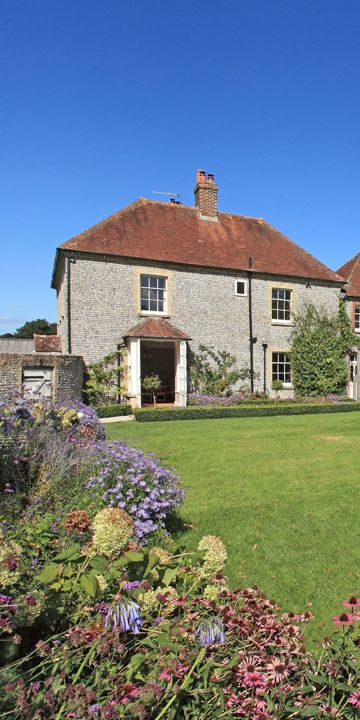
During the war...
The Motor Circuit was known as RAF Westhampnett, active from 1940 to 1946 as a Battle of Britain station.
-
Walking Guide


Grogger
Easy boy! The charismatic Farnham Flyer loved to celebrate every win with a pint of beer. His Boxer dog, Grogger, did too and had a tendancy to steal sips straight from the glass.
-
Dog Walking Field
-
Careers
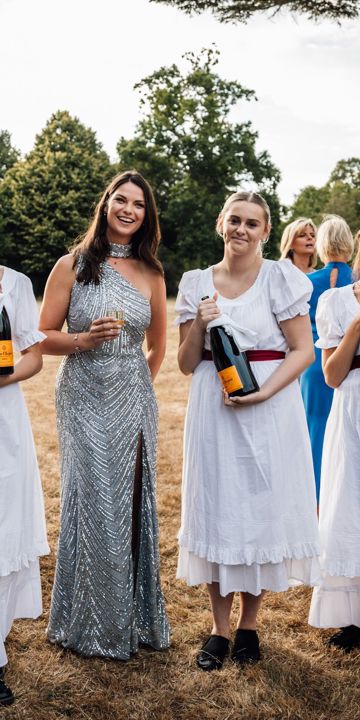

How old is The Kennels?
Built in 1787 by celebrated architect James Wyatt to house the third Duke of Richmond’s prized fox hounds, The Kennels was known as one of the most luxurious dog houses in the world!
-
Goodwood Art Foundation
-
Farm Shop
-
What's on
- Christmas


Upcoming Events
The Downs Course
This month we have continued with our aeration program of sorrel rolling weekly and have used the Air 2G2 machine to inject air deep into the soil profile. We also have applied and continue to apply, a penetrate wetting agent to move the water through the soil profile quicker, therefore decreasing the build-up of anaerobic levels in the soil. The greens this time of year are softer than in the summer due to the rainfall we are having, therefore please repair yours and any pitch marks on the green. We have had 100mm of rain in the last month, and with the drop in temperature, this has meant the grass growth has slowed down and we are cutting less frequently. We are also at our greens height of cut for the winter which is 4.5mm. This helps protect the plant over the winter months.
The application of Laser was applied last month to stunt the growth of the courser grasses in the natural rough areas. This now can be clearly seen as it has started to affect the ryegrass which has been sprayed.
New tee mats have been installed on the 5th at the front of the orange and green tees. These are the same type of mat which was installed on the 9th hole on The Park Course. The 5th tee is a problem area for growing grass, it has very little light in both the summer and winter months and the recovery rate from divoting and general growth is poor. Unfortunately, when the course was designed they didn’t anticipate the amount of golf being played from such a small teeing area. Please play from the mat and not the tee as this area needs to be recovered. Also regarding tee positions and markers. Please play between the markers and not the plate areas. We set up the course to protect certain areas and if people play from wherever they want, it makes our job harder in trying to protect these areas from wear and tear.
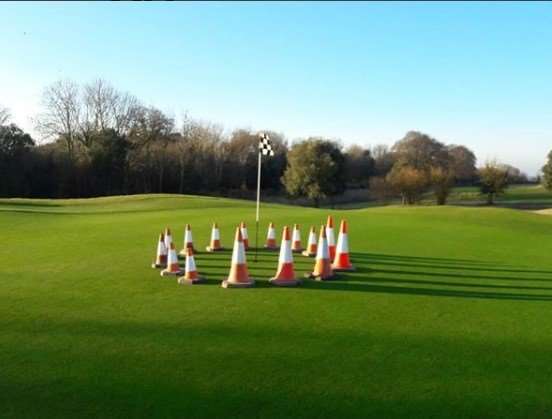
This month we had the return of greenkeepers revenge which was a great success. The course was set up with lots of obstacles and tricks around the course. Some of the highlights were the 11th pin being at the front of the green but the actual hole being at the back, tyres and traffic cones on selected holes, a crowned hole on the 8th and selected items on the green around the course. However sounding the fog horn off, whilst in the bush on the 1st tee made my day. Thank you for being a good sport those who played.
Traffic management is now in place. Please follow any signage on the course and any instructions given to you on-screen whilst in a woody.
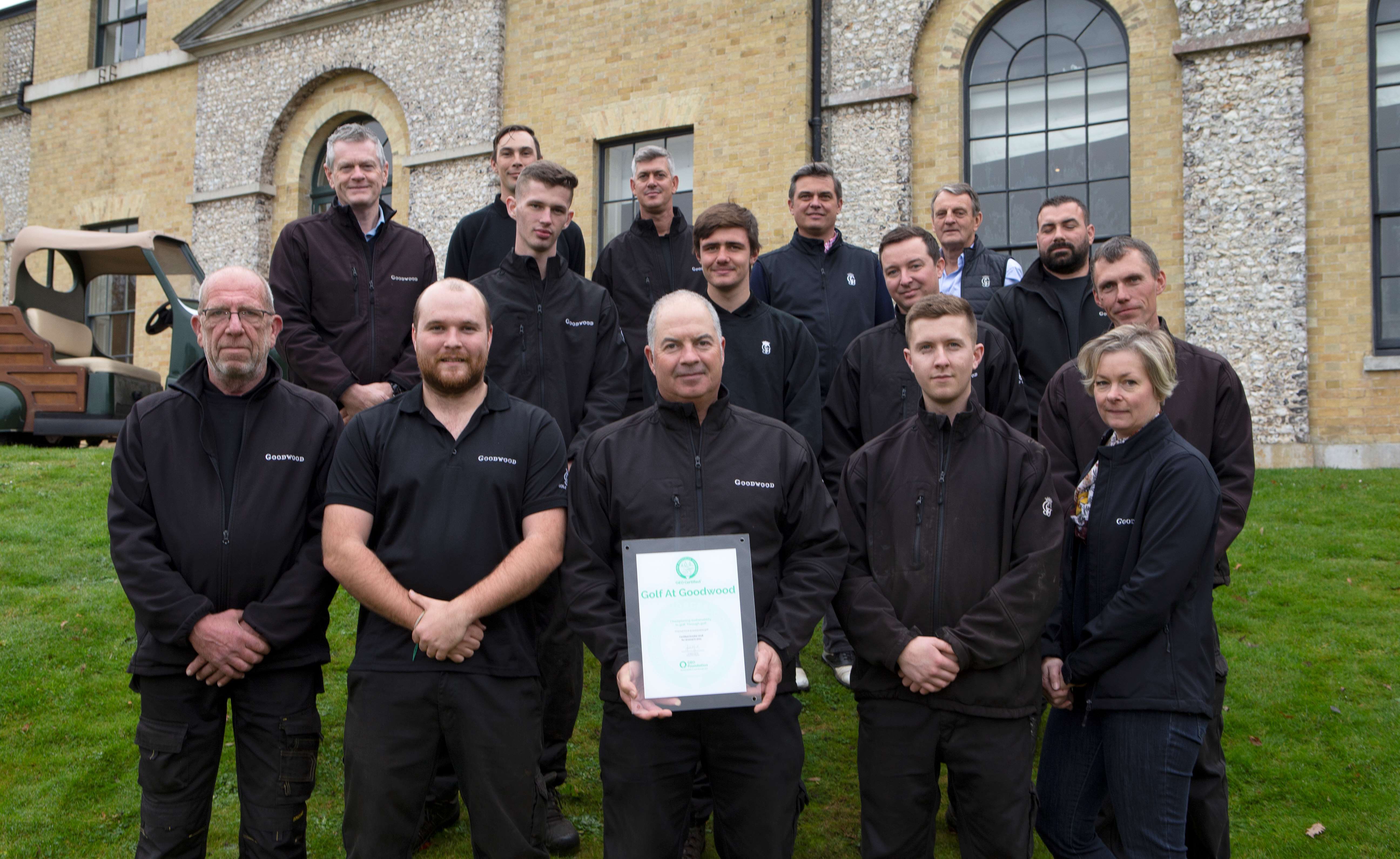
This month the golf courses have been awarded the GEO award (Golf Environment Organisation) Certification, for its commitment to sustainability. After independent verification, the GEO concluded that Golf At Goodwood should receive certification because of its “outstanding work to minimise the impact on the environment through the introduction of biomass heating, solar panels and enhanced monitoring on water consumption.” It continued stating that “the club has also undertaken numerous natural environment projects providing enhancements to habitat in line with the surveys and advice commissioned by the facility.” We set out to achieve the GEO Certification knowing that it would not just safeguard the environmental future of the courses, but also be beneficial to members, customers and the local community.
Whilst on the ecology, our bees have been winterised and will be left alone for a few months, albeit with some feed added now and then to help them through the colder months. On the last inspection, they were very healthy going into the winter months.
Look forward to seeing you on the course!
Rob Dyer, Head Greenkeeper, The Downs Course
The Park Course
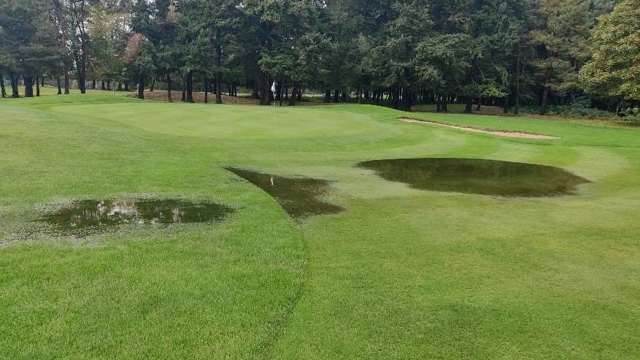
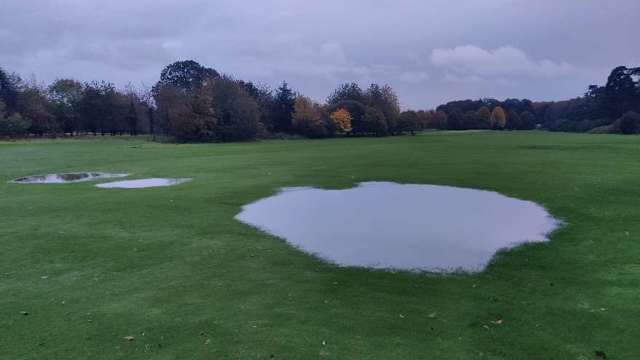
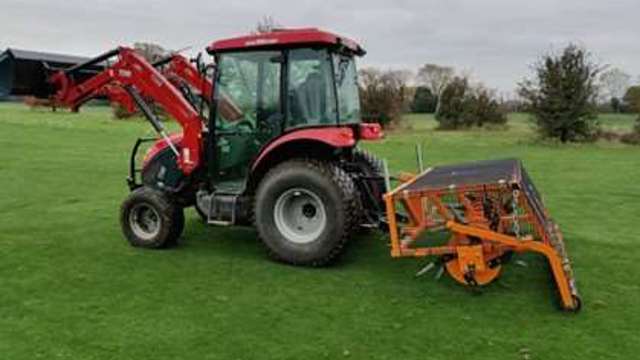
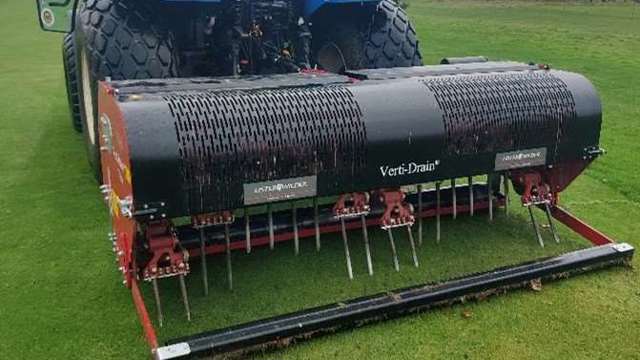
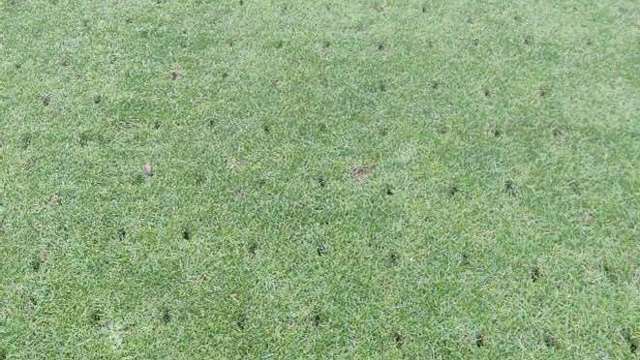
100mm of rain through the month of November and a drop in temperature has seen a reduction in our cutting regime and our focus has turned to winter maintenance. Aeration work continues on greens at deferent depths 1” spike, 4” solid tine and 12” air injection tine to break up compaction all the way through the profile. Tees and aprons have received some well-needed aeration in the form of slits which is less disruptive in wetter conditions.
At last, it finally feels that we are winning the battle with picking up all the leaves from the course!
Using tines to the depth of 12” the Air2G2 releases compressed air into the soil which breaks up soil compaction. This will create more air flow through the soil profile, this task will encourage better drainage and deeper/stronger root growth, this will result in the playing surface having a stronger, healthier turf and in turn a more consistent, faster, firmer putting surface. The picture below shows the Air2G2 at work with very little disruption
As part of our on-going conservation/habitat management plan, all the long natural rough areas around the course have been cut and collected. Although the course does look a little bare at the moment, the benefits of carrying out this task are:
- Thins out and removes unwanted weeds and coarse grasses
- Allows the natural fescue grasses a chance to grow by not being overpowered by courser species
- Gives the course definition whilst still maintaining its playability
- Doing it at this time of year it doesn’t affect nesting birds or wildlife.
See you on the course!
Simon Berry, Head Greenkeeper, The Park Course
Tee to Green
Head Greenkeepers
The Park Course
The Downs Course