-
Events
-
Festival of Speed
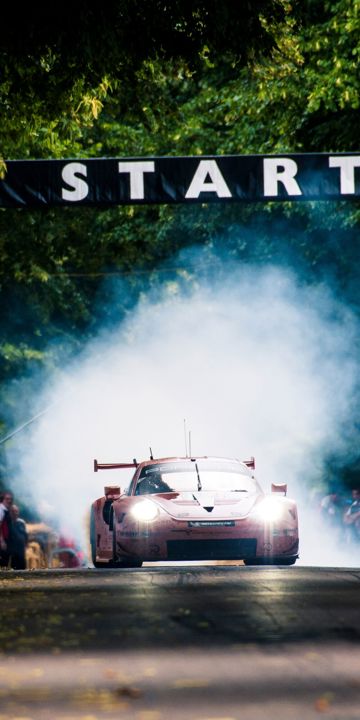

"Motorsport garden party of the gods"
Festival of Speed is our longest-standing Motorsport event, starting in 1993 when it opened to 25,000 people. We were expecting 2000!
-
Goodwood Revival
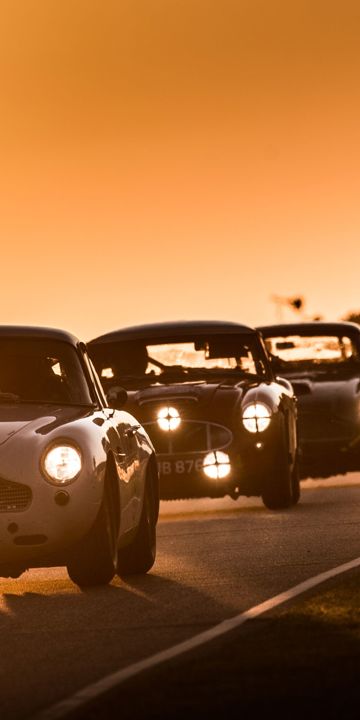

Earls Court replica
Our replica of the famous motor show showcases the "cars of the future" in true Revival style
-
Members' Meeting
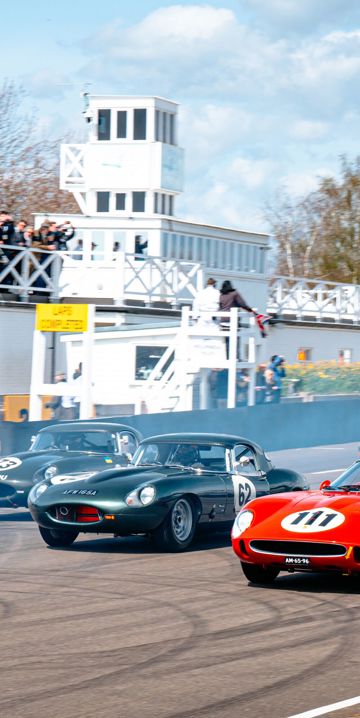

The first Members' Meeting
The inaugural BARC Members' Meeting took place at Goodwood on 13th Augurst 1949.
-
Qatar Goodwood Festival
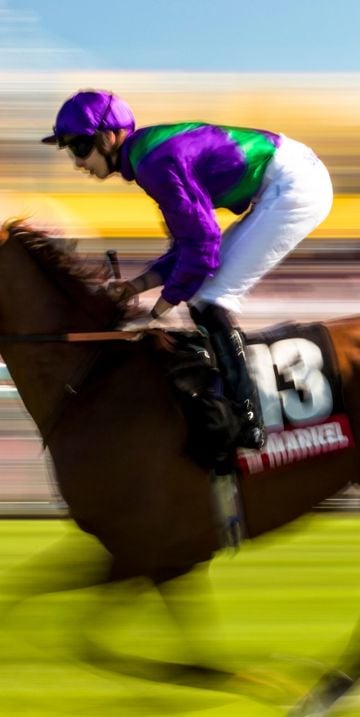

St Simon
Whoa Simon! A horse so determined and headstrong, he not only won the 1883 Goodwood Cup by 20 lengths, but couldn't be stopped and carried on running over the top of Trundle hill
-
Goodwoof
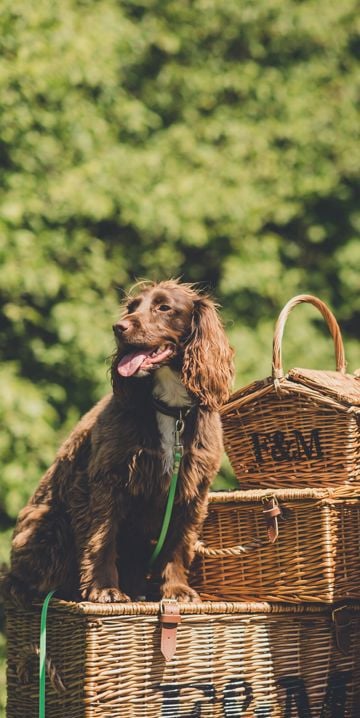

Start in style
The breed parade sees hundreds of dogs and their owners walk from Goodwood House down to The Kennels to kick start the Goodwoof weekend. -
Horseracing
-
Season Opener
-
May Festival
-
Family Race Day
-
Three Friday Nights
-
August Bank Holiday
-
Autumn Racing
-
Season Finale
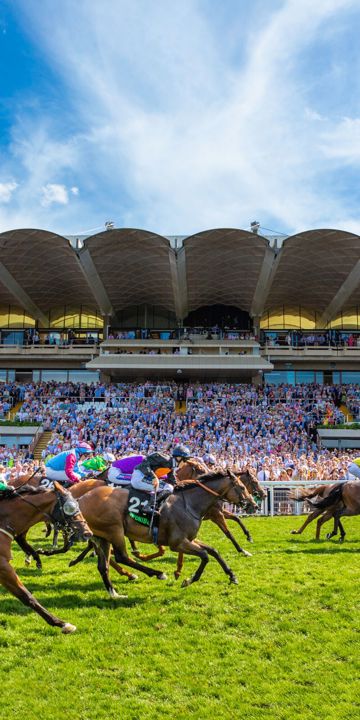
St Simon
Whoa Simon! A horse so determined and headstrong, he not only won the 1883 Goodwood Cup by 20 lengths, but couldn't be stopped and carried on running over the top of Trundle hill
-
Season Opener
-
Breakfast Club
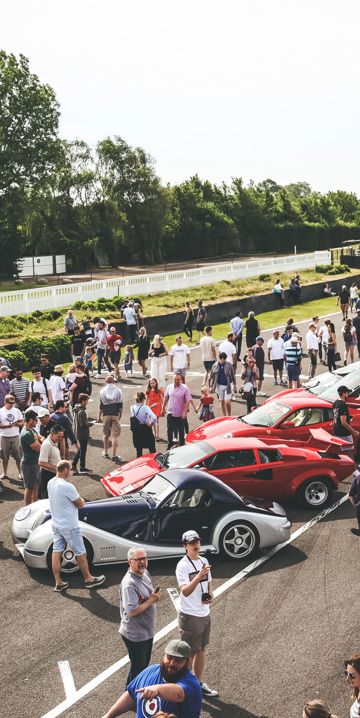

A perfect Sunday morning?
A no-cost, all-welcome motoring show where the visitors and their machines are the stars -
Health Summit
-
Hospitality
-
Exhibiting
-
Partnerships
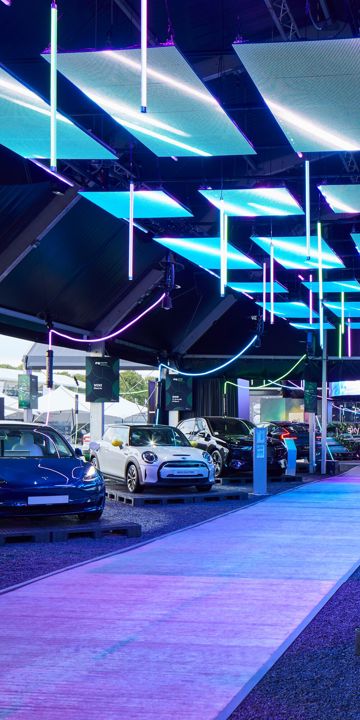

Where else can you...
...plan strategy in an ancient woodland, enjoy award-winning dining then drive around a racetrack?
-
What's on
-
Festival of Speed
-
Visit, Eat, Stay
-
The Goodwood Hotel

Roots for the future
A 20m woodland rue, from Halnaker to Lavant, was planted by our forestry teams & volunteers, featuring native species like oak, beech, & hornbeam
-
Goodwood Cottages


The Silver Spitfire
The iconic spitfire covered almost 43,000 kilometres and visited over 20 countries on its epic journey and currently resides at our Aerodrome.
-
Goodwood House
-
Afternoon Tea & Tour
-
The Collection
-
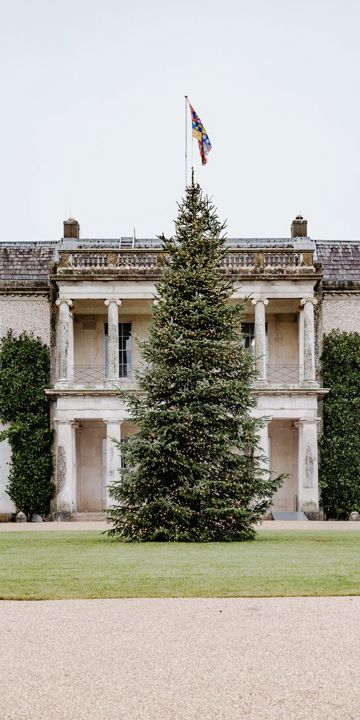
Christmas Afternoon Tea & Tour
-
Exhibitions
-
History
-
Weddings
-
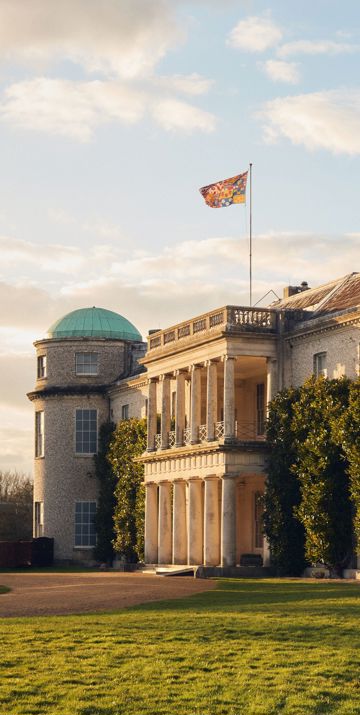
Copper Dome Restoration

Georgian Ice House
Estate milk was once transformed into ice-creams, bombes, and syllabubs, and the Georgian ice house still stands in the grounds in front of Goodwood House.
-
Afternoon Tea & Tour
-
Restaurants
-
Farmer, Butcher, Chef
-
The Goodwood Bar & Grill
-
The Kennels
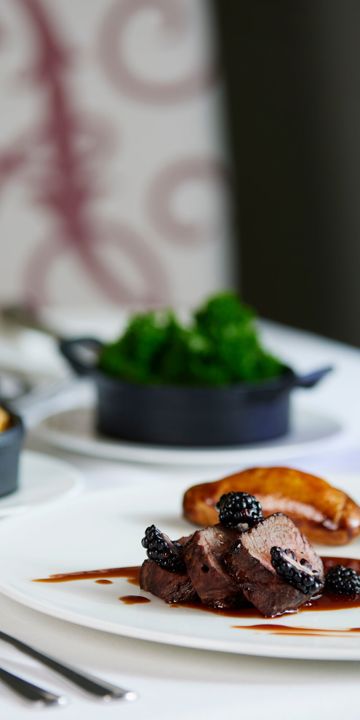
-
Aerodrome Café
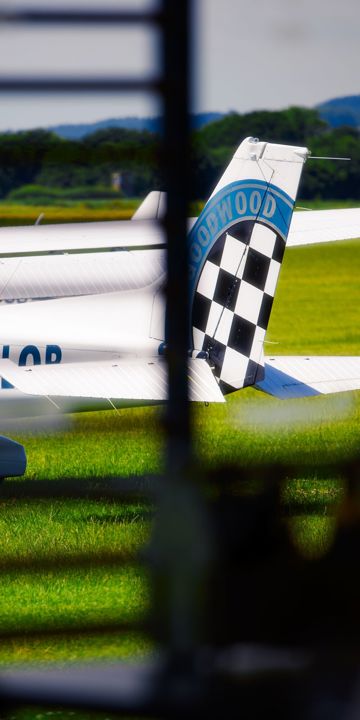
-
Motor Circuit Café

-
Cafe 24
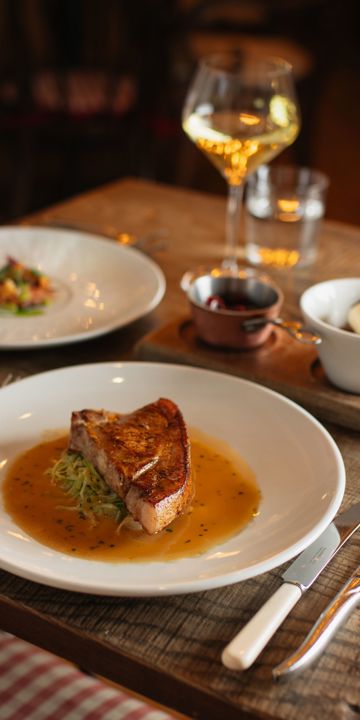

Sustainable state-of-mind
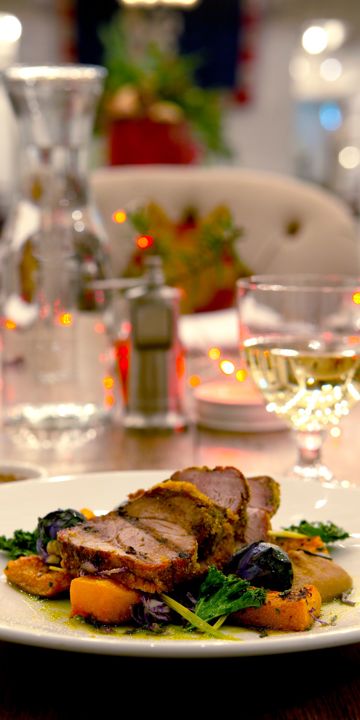
When Farmer, Butcher, Chef opened in 2016 it was awarded the UK’s first-ever Royal Academy of Culinary Arts ‘Sustainable Food Philosophy Seal’. -
Farmer, Butcher, Chef
-
The Kennels
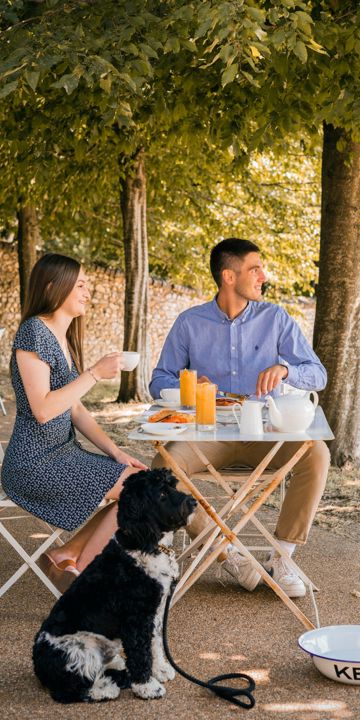

How old is The Kennels?
Built in 1787 by celebrated architect James Wyatt to house the third Duke of Richmond’s prized fox hounds, The Kennels was known as one of the most luxurious dog houses in the world!
-
Motor Circuit
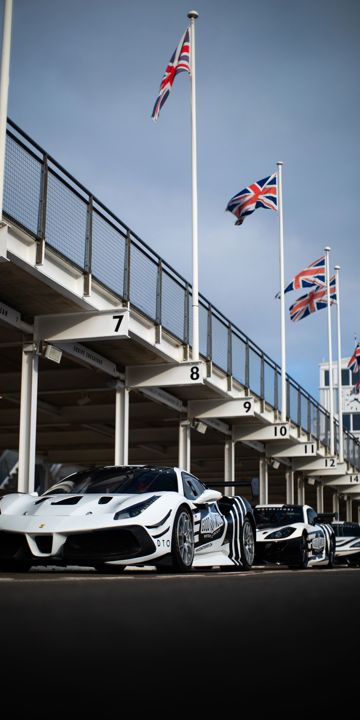

Roy Salvadori once said...
"Give me Goodwood on a summers' day and you can forget the rest."
-
Health & Wellbeing
-
Membership
-
Health Club
-
Gym
-
Run Series
-
Spa Treatments
-
Wellness Retreats
-
Events Calendar
-
Corporate Wellbeing
-
Health Summit
-
Latest News

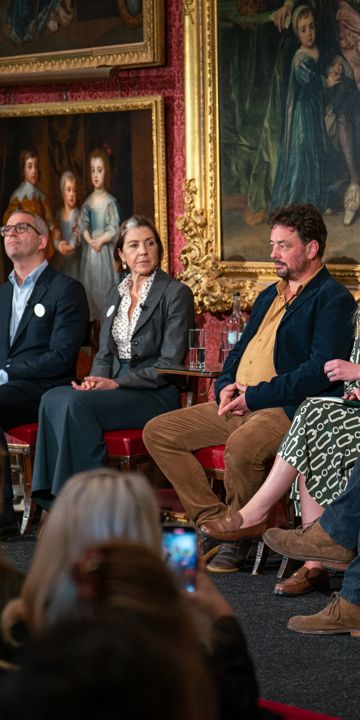
Goodwood's first Health Summit...
...took place in 2023 with industry experts discussing nutrition costs and food systems for a healthier future. -
Membership
-
Hound Lodge

On-demand
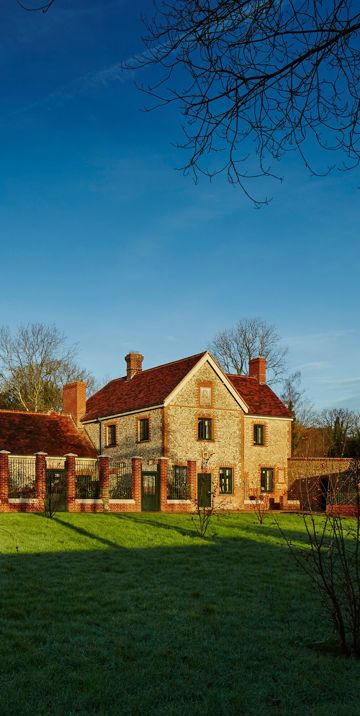
Each room has it's own button to ring for James (your butler) whenever and whatever you need him for.
-
Goodwood Farm Shop

Lucky Leap
Inspired by the legendary racer, Masten Gregory, who famously leapt from the cockpit of his car before impact when approaching Woodcote Corner in 1959.
-
Parties
-
Goodwood Art Foundation
-
The Goodwood Hotel
-
Motorsport
-
Festival of Speed
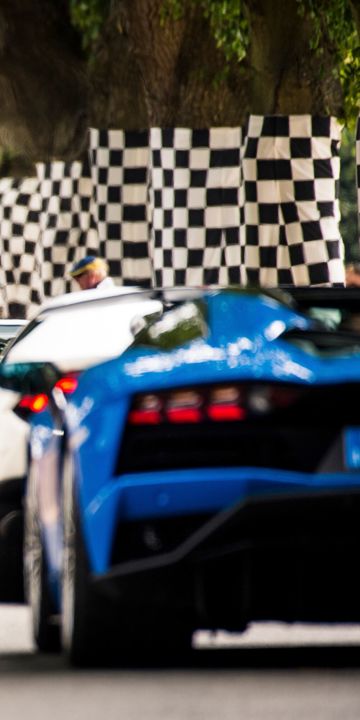

Why don't the F1 cars race the hill?
For safety reasons F1 cars can no longer do official timed runs so instead perform stunning demonstrations!
-
Goodwood Revival
-
Tickets & Packages
-
Hospitality
-
Explore
-
Plan Your Day
-
Buy Merchandise
-
Charity
-
Partners
-
Accessibility
-
FAQs
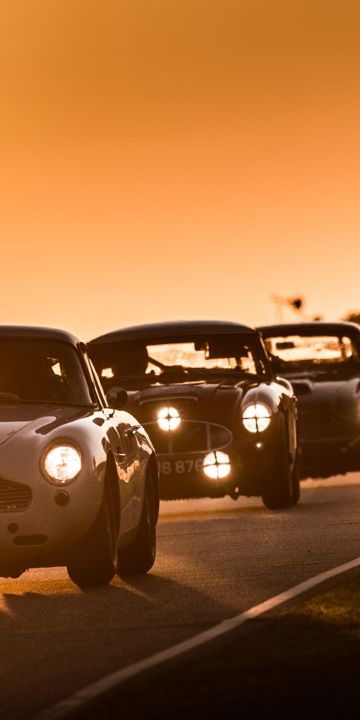

"Mr Goodwood"
Sir Stirling Moss was one of the founding patrons of the Festival of Speed, and a regular competitor at the Revival.
-
Tickets & Packages
-
Members' Meeting
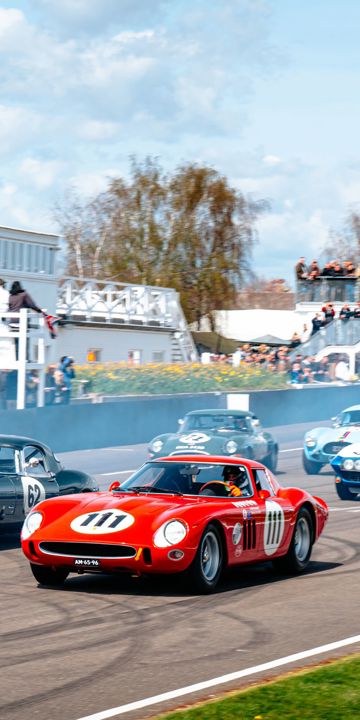

During the war...
The Motor Circuit was known as RAF Westhampnett, active from 1940 to 1946 as a Battle of Britain station. -
Breakfast Club
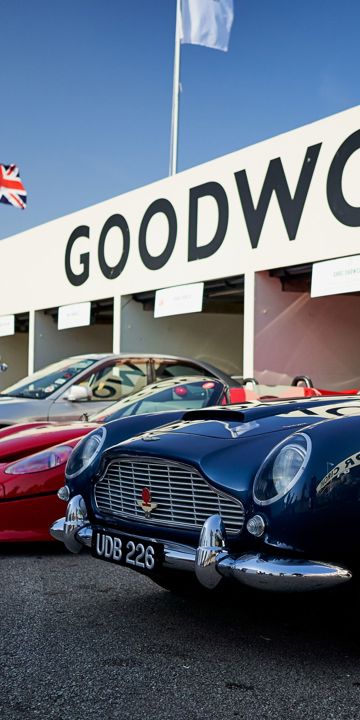
A perfect Sunday morning?
A no-cost, all-welcome motoring show where the visitors and their machines are the stars -
Motor Circuit

What's that on the startline?
The Hill Start Line is marked by bricks taken from the Indianapolis Motor Speedway.
-
Driving Experiences
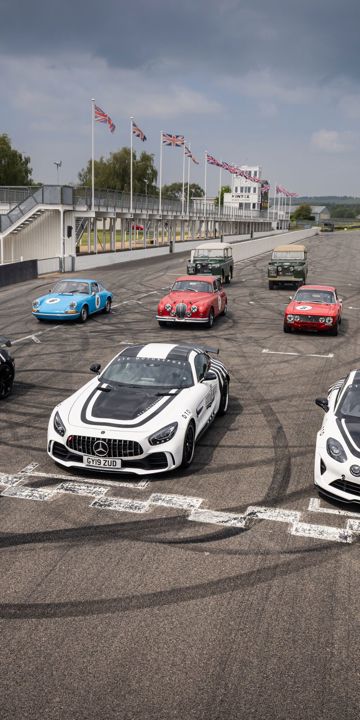

Driving experiences
Unleashed your driving skils -
Goodwood Road Racing Club
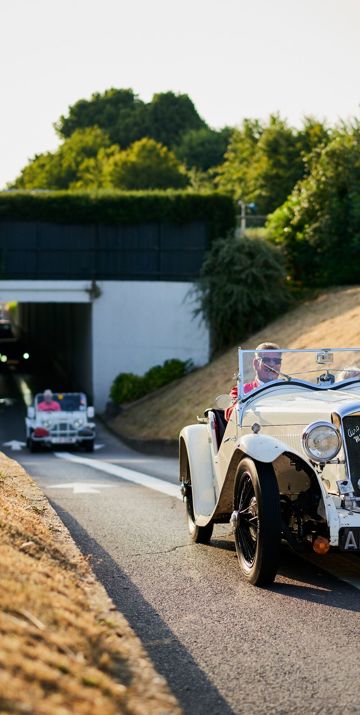

Poignant celebrations
Over the years, the Revival has honoured legends like Jim Clark, Jack Brabham, Dan Gurney and more.
-
Latest News
-
Festival of Speed
-
Horseracing
-
Tickets & Packages
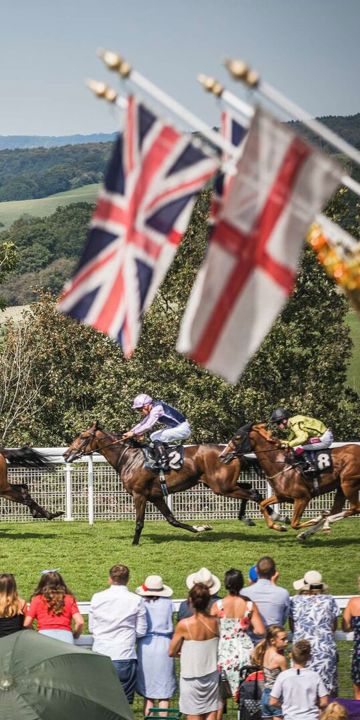

Why does everyone wear hats?
King Edward VII turned his back on the traditional morning suit and donned a linen suit and Panama hat. Thus the Glorious Goodwood trend was born.
-
Hospitality
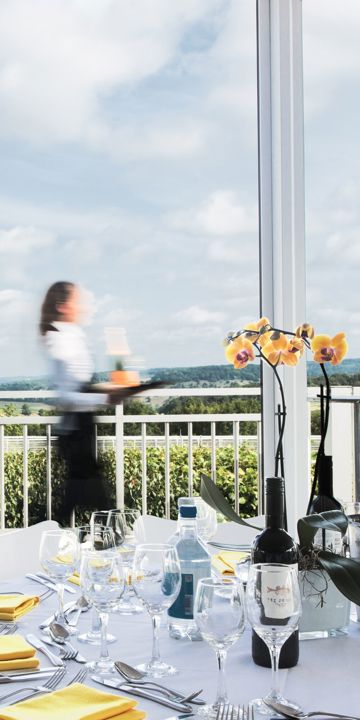
Why does everyone wear hats?
King Edward VII turned his back on the traditional morning suit and donned a linen suit and Panama hat. Thus the Glorious Goodwood trend was born.
-
Horseracing Club Membership
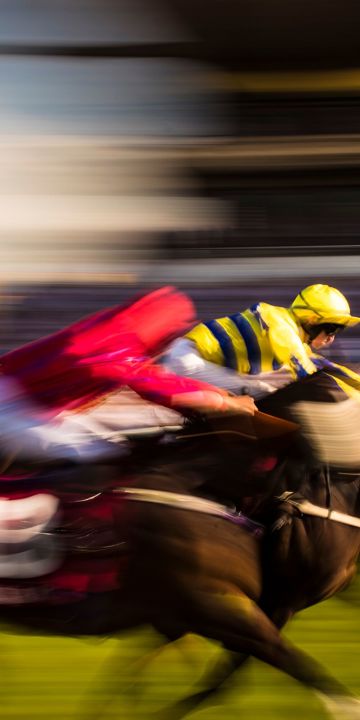

Why walk when you can drive
The first ever horsebox was used from Goodwood to Doncaster for the 1836 St. Leger. Elis arrived fresh and easily won his owner a £12k bet.
-
Fixtures & Events
-
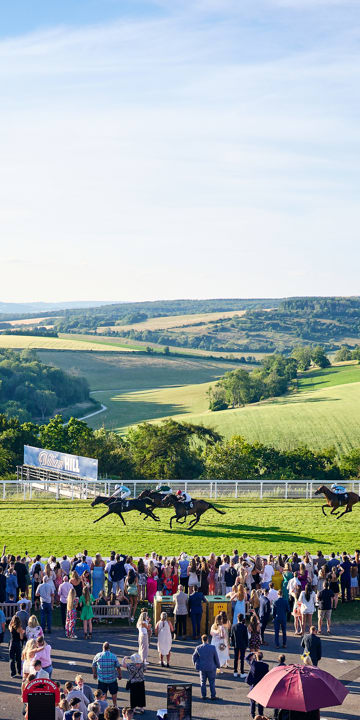
Season Opener
-
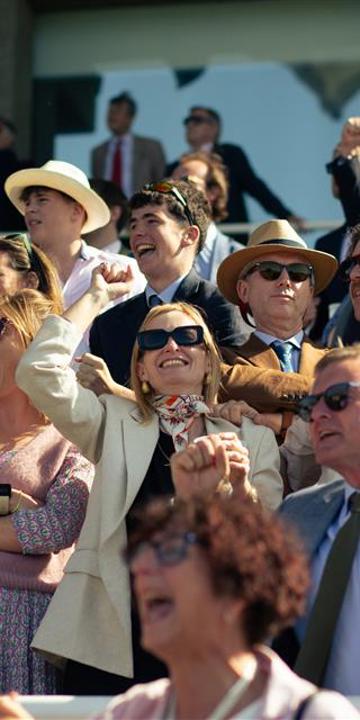
May Festival
-
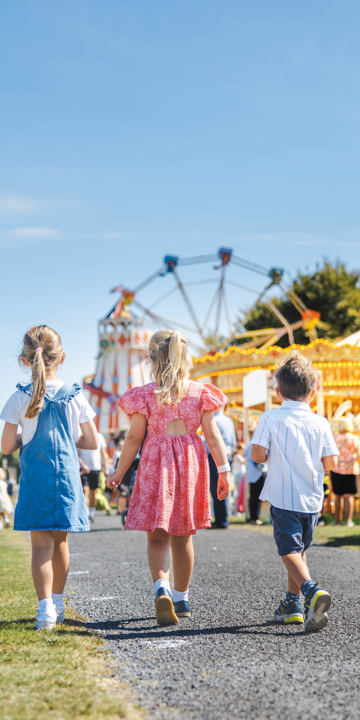
Family Race Day
-
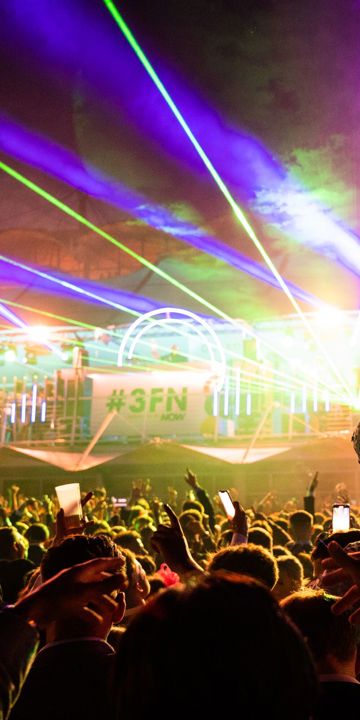
Three Friday Nights
-
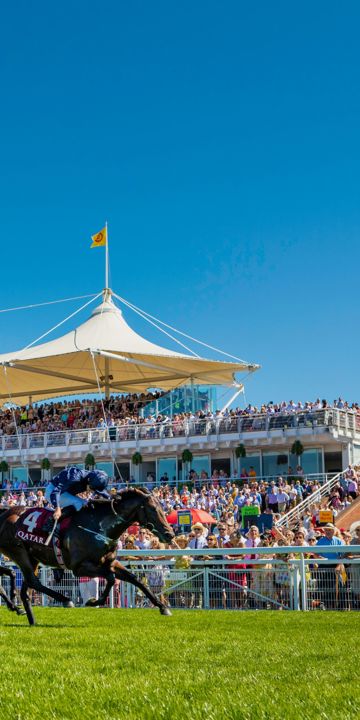
Qatar Goodwood Festival
-
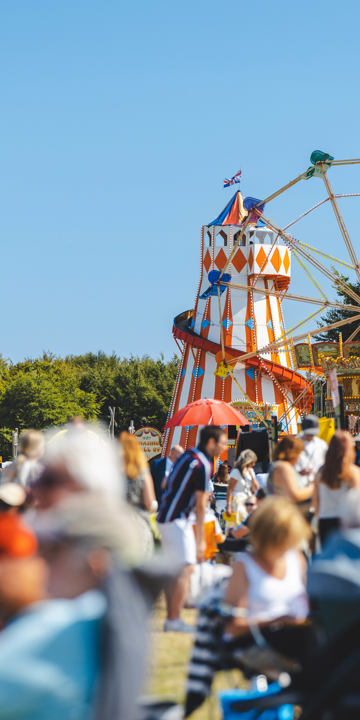
August Bank Holiday
-
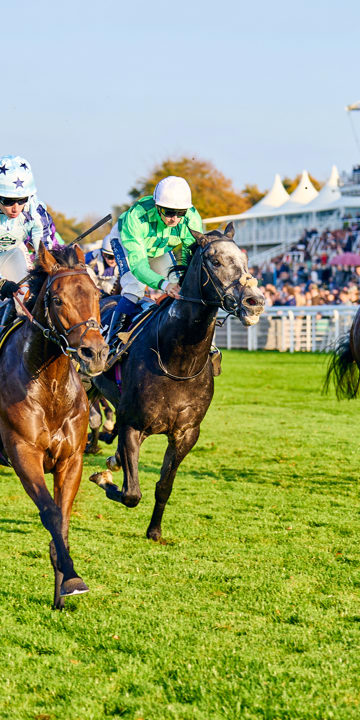
Autumn Racing
-
Season Finale
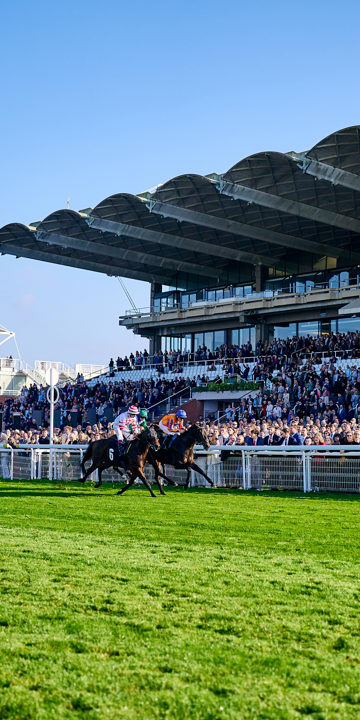
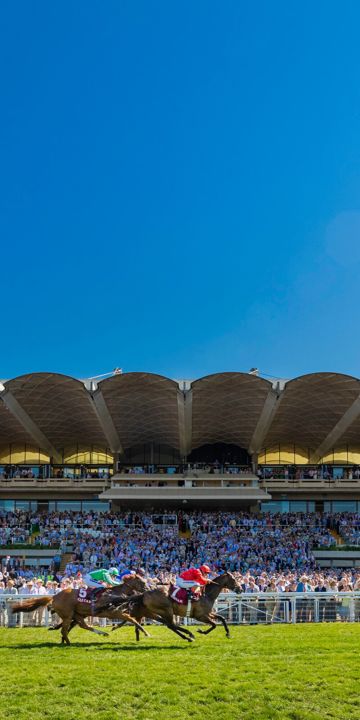
St Simon
Whoa Simon! A horse so determined and headstrong, he not only won the 1883 Goodwood Cup by 20 lengths, but couldn't be stopped and carried on running over the top of Trundle hill
-
Season Opener
-
Qatar Goodwood Festival
-
Tickets & Packages
-
Hospitality
-
Day by Day Guide
-
Ladies Day
-
Magnolia Cup
-
The Earl's Lawn
-
Timetable
-
Partners
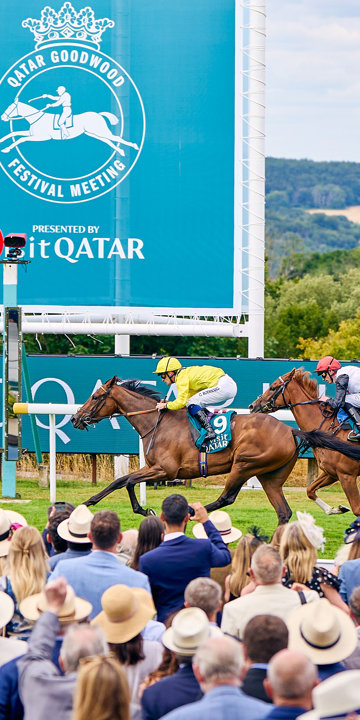

"Glorious Goodwood"
After the first public race meeting in 1902, 'Glorious Goodwood' became a highlight of the summer season.
-
Tickets & Packages
-
Three Friday Nights

The Magnolia Cup
Leading women of business, sport, fashion and media, take part in one of the most exciting horseracing events in the world.
-
Plan Your Day
-
Enclosures
-
Event Map
-
Going Report
-
Getting Here
-
Betting at Goodwood
-
Dress Code
-
Accessibility
-
Food & Drink
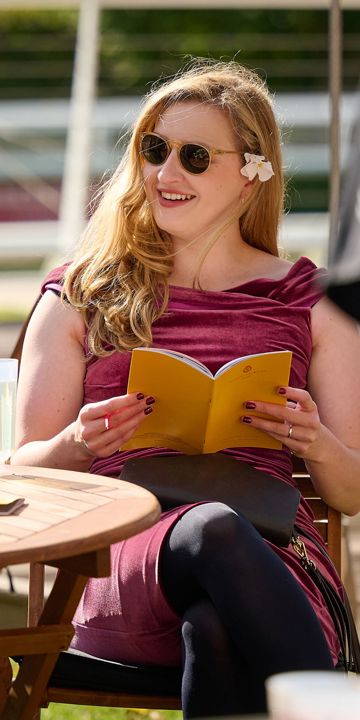

Royal approval
King Edward VII (who came almost every year) famously dubbed Glorious Goodwood “a garden party with racing tacked on”.
-
Enclosures
-
Buy Merchandise
-
Partners
-
Owners & Trainers
-
Latest News
-
FAQs
-
Accessibility
-
Tickets & Packages
-
Experiences
-
Driving

Mad Mike
FOS Favourite Mad Mike Whiddett can be caught melting tyres in his incredible collection of cars (and trucks) up the hillclimb
-
Flying
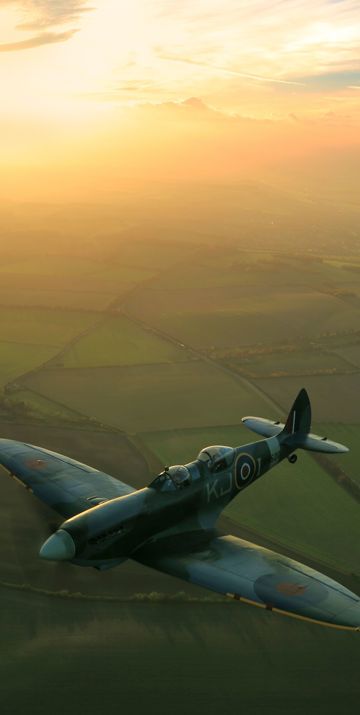

During the war...
The Motor Circuit was known as RAF Westhampnett, active from 1940 to 1946 as a Battle of Britain station.
-
Golf

Over 100 years of Golf
The first ever round of golf played at Goodwood was in 1914 when the 6th Duke of Richmond opened the course on the Downs above Goodwood House.
-
Shooting
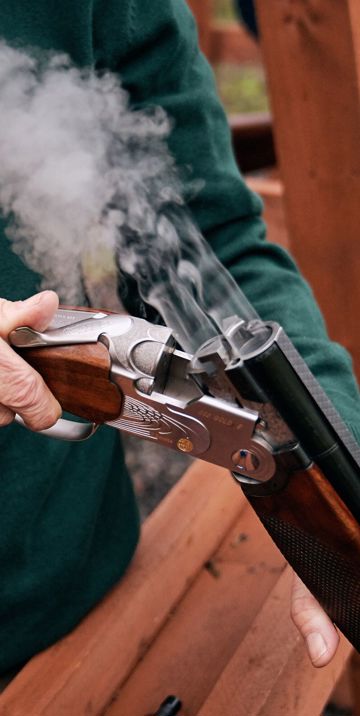

Fashionable foxhounds
The 1st Duke of Richmond bought Goodwood in 1697 as a place to stay to go foxhunting with the fashionable Charlton Hunt. -
Afternoon Tea
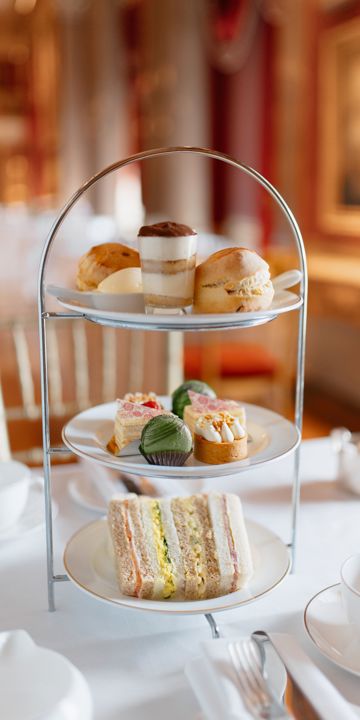
How old is The Kennels?
Built in 1787 by celebrated architect James Wyatt to house the third Duke of Richmond’s prized fox hounds, The Kennels was known as one of the most luxurious dog houses in the world!
-
Corporate Wellbeing
Goodwood's first Health Summit...
...took place in 2023 with industry experts discussing nutrition costs and food systems for a healthier future. -
Cycling
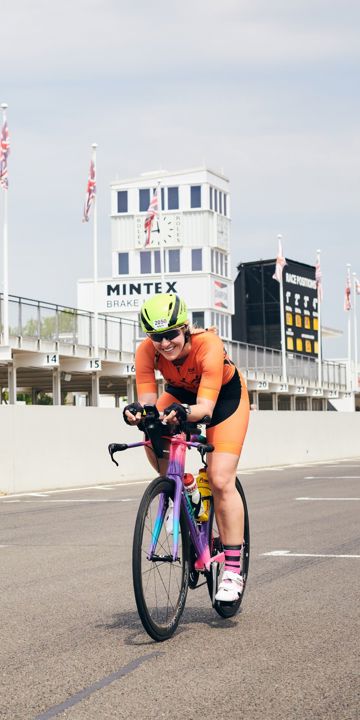
The Silver Spitfire
The iconic spitfire covered almost 43,000 kilometres and visited over 20 countries on its epic journey and currently resides at our Aerodrome.
-
Corporate Experiences
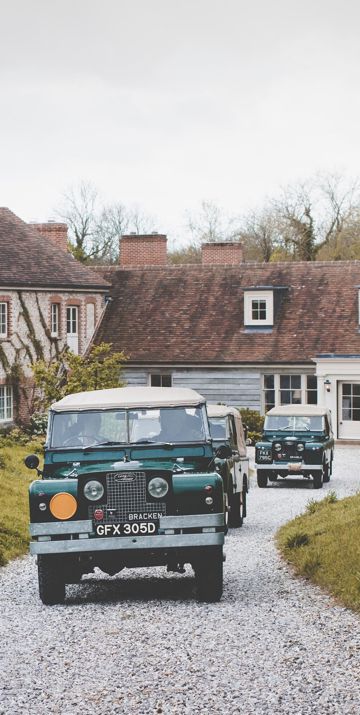
Where else can you...
...plan strategy in an ancient woodland, enjoy award-winning dining then drive around a racetrack?
-
Spa Treatments
-
Driving
- Hospitality
-
Golf
-
Golf Courses
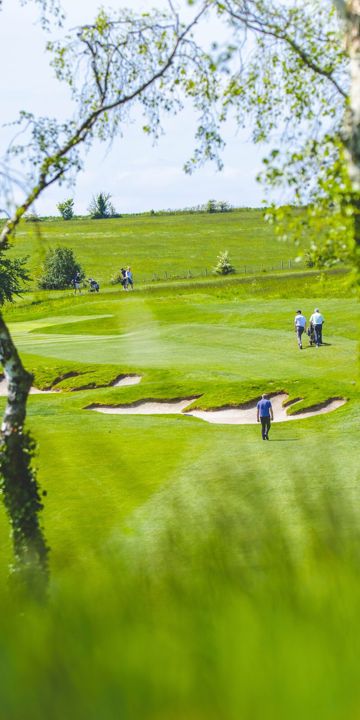

A sporting Estate
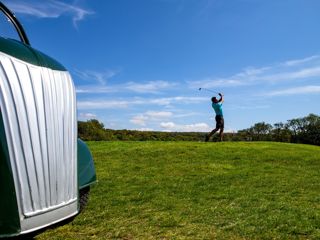
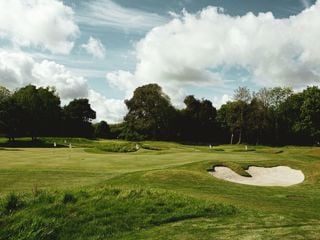
Goodwood has two 18-hole championship courses, a modern clubhouse and an impressive Academy. -
Golf Membership
-
Credit Membership
-
Application Form
-
Braid Membership
-
Intermediate Membership
-
Junior Membership
-
Corporate Membership
-
Get Into Golf
-
Copse Membership


Braid’s Masterpiece
One of the greatest golfers of all time, James Braid designed Goodwood’s iconic Downland course, opened in 1914.
-
Credit Membership
-
The Academy
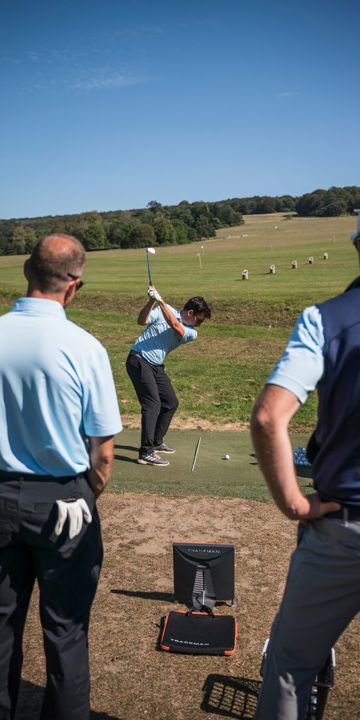
A sporting Estate
Goodwood has two 18-hole championship courses, a modern clubhouse and an impressive Academy. -
Golf Experiences

Braid’s Masterpiece
One of the greatest golfers of all time, James Braid designed Goodwood’s iconic Downland course, opened in 1914.
-
Golf Courses
-
Flying
-
Flying School
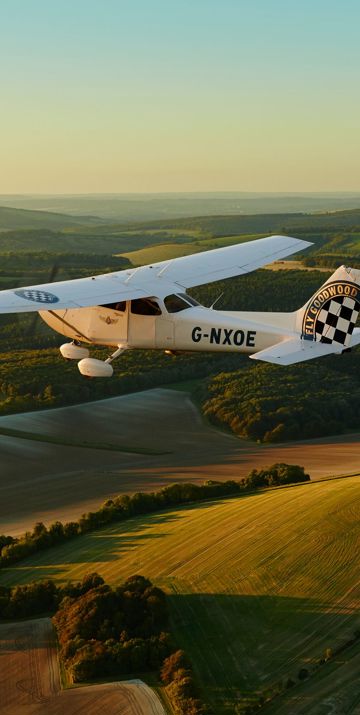

Group Captain Sir Douglas Bader
The famous fighter ace, who flew his last sortie from Goodwood Aerodrome, formerly RAF Westhampnett has a statue in his honor within the airfield.
-
Aero Club Membership
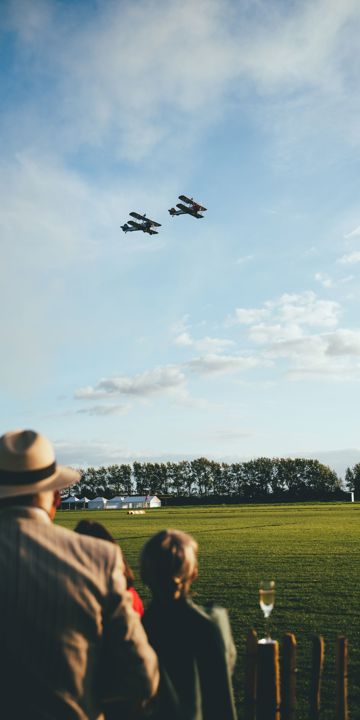

Flying with Goodwood
Come with us for an epic journey. -
Flying Experiences
-
Pilot Information
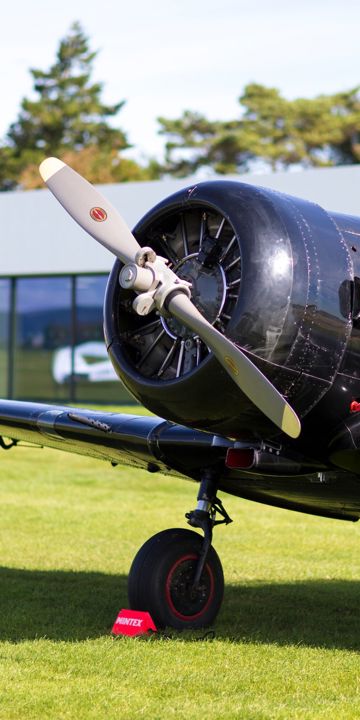
Flying with Goodwood
Come with us for an epic journey.
-
Flying School
-
Meetings
-
Venue Hire
-
Goodwood House
-
The Racecourse
-
The Goodwood Hotel
-
The Motor Circuit
-
The Kennels
-
The Aerodrome
-
The Great Outdoors
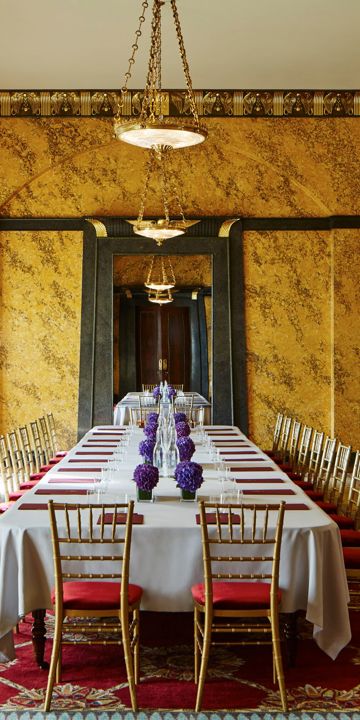
Where else can you...
...plan strategy in an ancient woodland, enjoy award-winning dining then drive around a racetrack?
-
Goodwood House
-
Plan Your Meeting
-
Parties
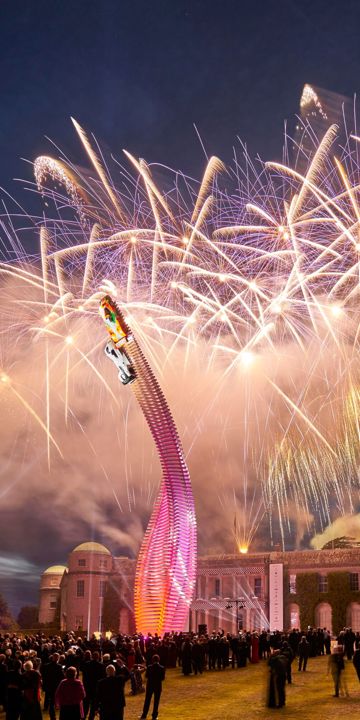
Where else can you...
...plan strategy in an ancient woodland, enjoy award-winning dining then drive around a racetrack?
-
Hospitality

-
Corporate Experiences
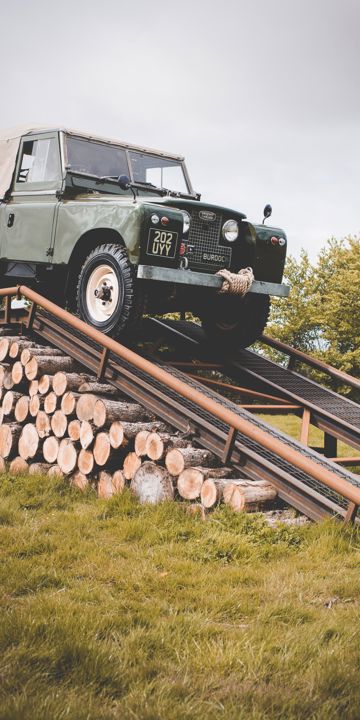
Where else can you...
...plan strategy in an ancient woodland, enjoy award-winning dining then drive around a racetrack?
-
Christmas Parties
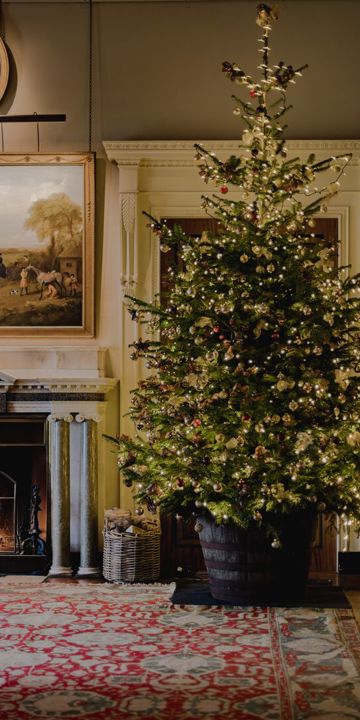
-
Film Locations
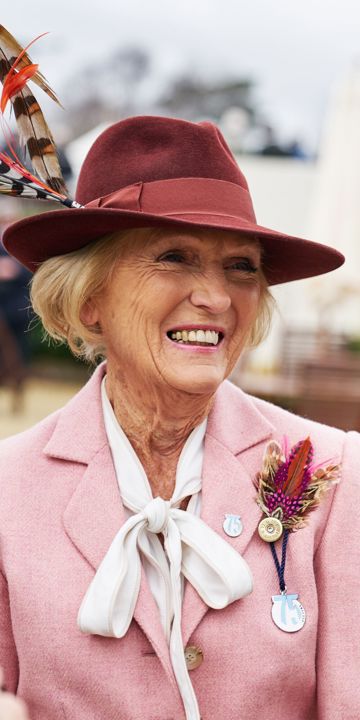
Where else can you...
...plan strategy in an ancient woodland, enjoy award-winning dining then drive around a racetrack?
-
Venue Hire
-
Weddings
-
Goodwood House
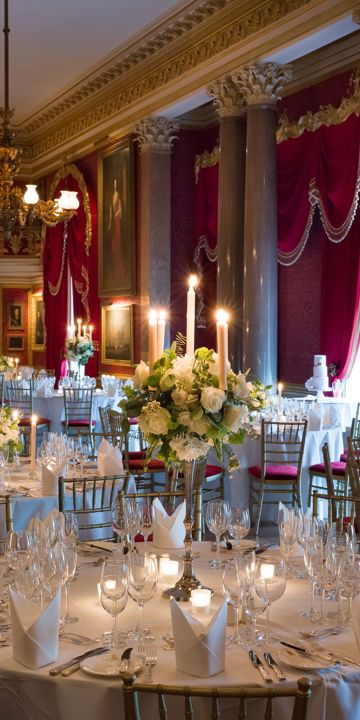
Minor furniture details
The exquisite mirror in the Ballroom of Goodwood House it so big they had to raise the ceiling to get it inside!
-
The Kennels

Fashionable foxhounds
The 1st Duke of Richmond bought Goodwood in 1697 as a place to stay to go foxhunting with the fashionable Charlton Hunt. -
Parties
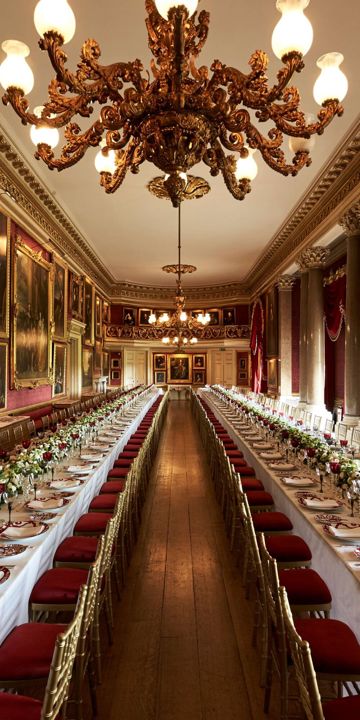


A destination for all seasons
We're well known for our iconic motorsport and horseracing events. But there's a lot more happening at Goodwood...
-
Goodwood House
-
Memberships
-
Goodwood Road Racing Club
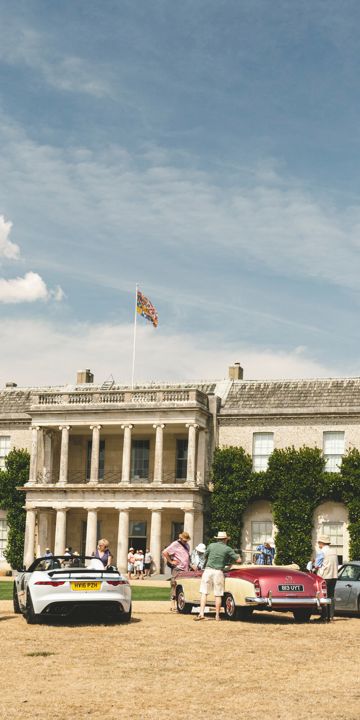

When was the GRRC founded?
Established in 1998 by the Duke of Richmond, the Goodwood Road Racing Club offers exclusive benefits across the estate year-round -
Goodwood Horseracing Club
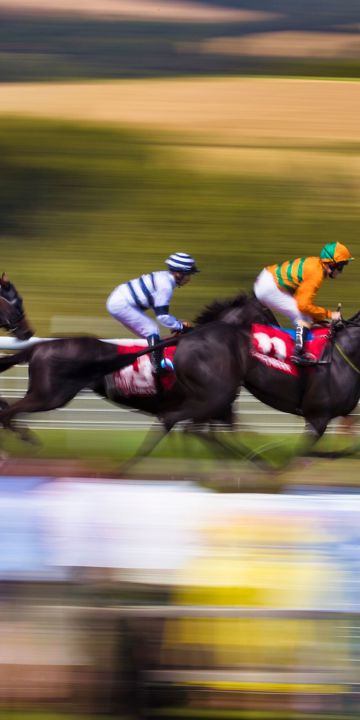
St Simon
Whoa Simon! A horse so determined and headstrong, he not only won the 1883 Goodwood Cup by 20 lengths, but couldn't be stopped and carried on running over the top of Trundle hill
-
Golf At Goodwood
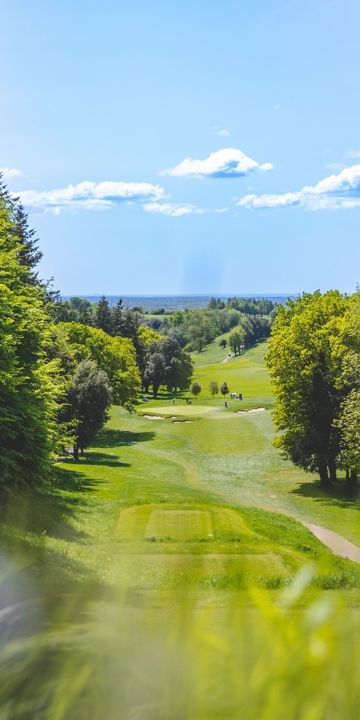
A sporting Estate
Goodwood has two 18-hole championship courses, a modern clubhouse and an impressive Academy. -
Goodwood Aero Club

Flying Elephant
The first thing ever dropped at Goodwood was a cuddly elephant which landed in 1932 just as the 9th Duke of Richmonds passion for flying was taking off.
-
Goodwood Health Club
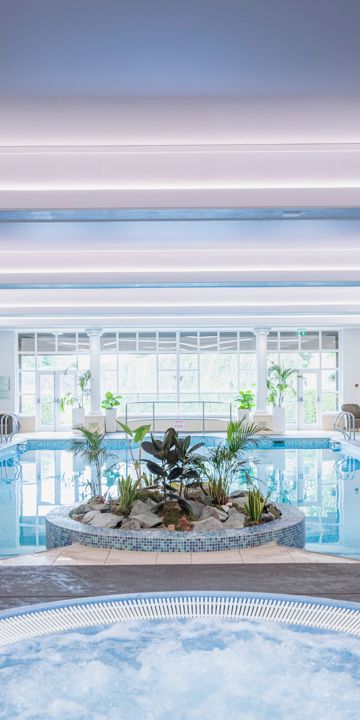
Goodwood's first Health Summit...
...took place in 2023 with industry experts discussing nutrition costs and food systems for a healthier future. -
The Kennels

How old is The Kennels?
Built in 1787 by celebrated architect James Wyatt to house the third Duke of Richmond’s prized fox hounds, The Kennels was known as one of the most luxurious dog houses in the world!
-
Sporting Membership

How old is The Kennels?
Built in 1787 by celebrated architect James Wyatt to house the third Duke of Richmond’s prized fox hounds, The Kennels was known as one of the most luxurious dog houses in the world!
-
Goodwood Racehorse Owners Group
-
Goodwood Art Foundation
-
Goodwood Road Racing Club
- Classic Car Insurance
- Health & Wellbeing
- Buy Merchandise
-
Our Estate
-
What's on
-
Estate Map
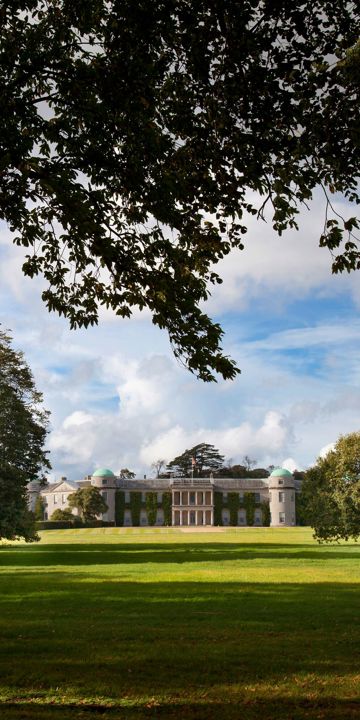
Carne's Seat
Just beyond Goodwood House along the Hillclimb, the 2nd Dukes banqueting house was also known as "one of the finest rooms in England" (George Vertue 1747).
-
Stories from the Estate
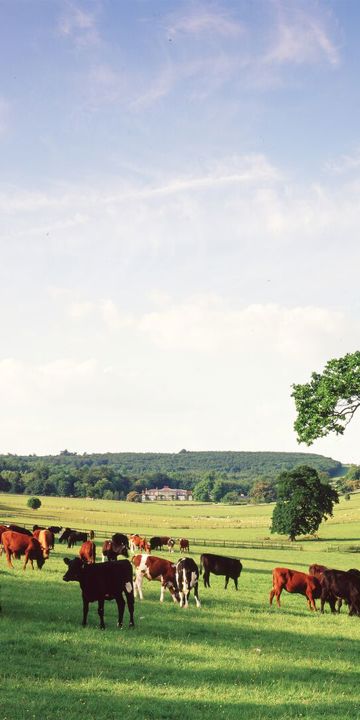
Fashionable foxhounds
The 1st Duke of Richmond bought Goodwood in 1697 as a place to stay to go foxhunting with the fashionable Charlton Hunt. -
Sports
-
Goodwood Education Trust
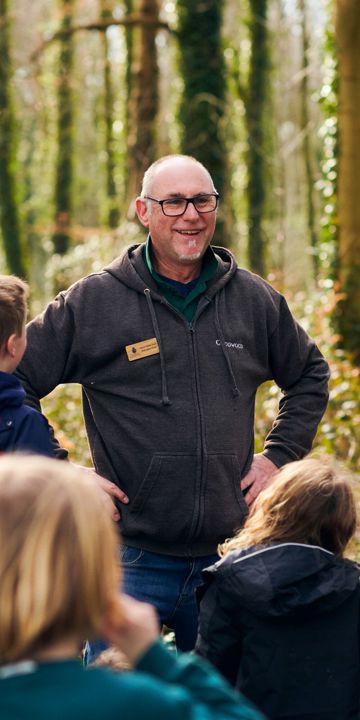
Group Captain Sir Douglas Bader
The famous fighter ace, who flew his last sortie from Goodwood Aerodrome, formerly RAF Westhampnett has a statue in his honor within the airfield.
-
Charities
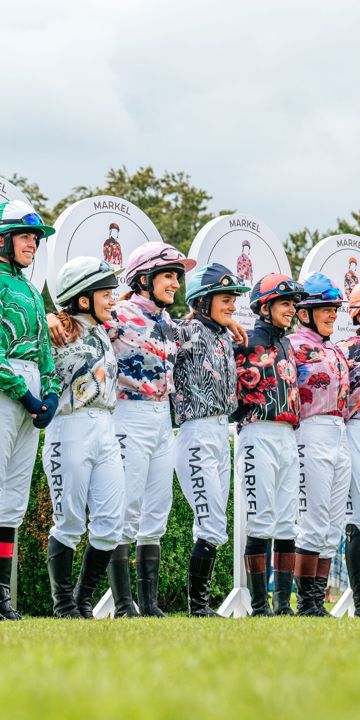

Egyptian Dining Room
Testament to the 19th-century fascination with ancient Egypt and decorative opulence. The room is richly detailed with gilded cartouches, sphinxes, birds and crocodiles.
-
Sustainability
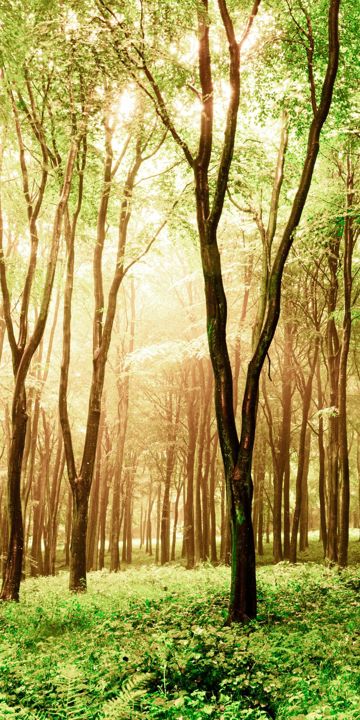
Fashionable foxhounds
The 1st Duke of Richmond bought Goodwood in 1697 as a place to stay to go foxhunting with the fashionable Charlton Hunt. -
Diversity, Equity & inclusion
-
Property
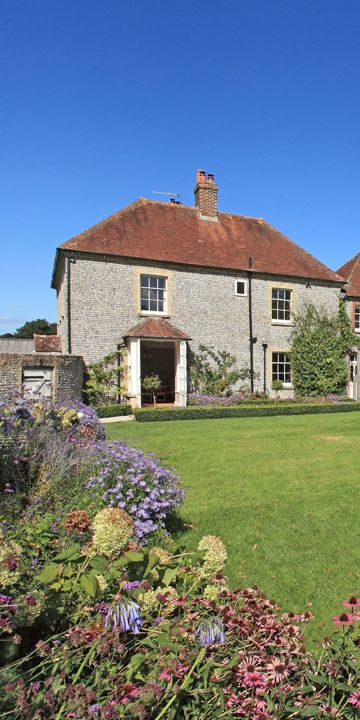
Carne's Seat
Just beyond Goodwood House along the Hillclimb, the 2nd Dukes banqueting house was also known as "one of the finest rooms in England" (George Vertue 1747).
-
Walking Guide

The Silver Spitfire
The iconic spitfire covered almost 43,000 kilometres and visited over 20 countries on its epic journey and currently resides at our Aerodrome.
-
Dog Walking Field
-
Careers
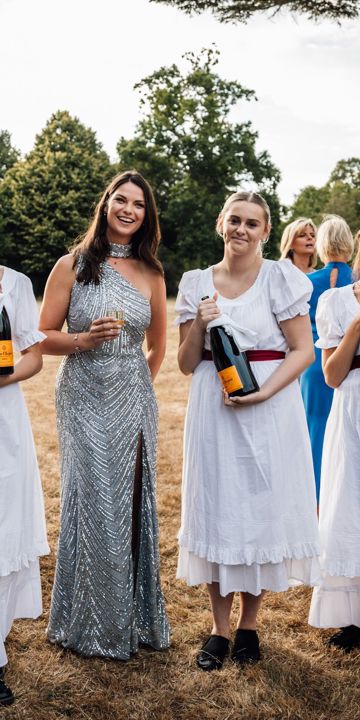
Group Captain Sir Douglas Bader
The famous fighter ace, who flew his last sortie from Goodwood Aerodrome, formerly RAF Westhampnett has a statue in his honor within the airfield.
-
Goodwood Art Foundation
-
Farm Shop
-
What's on
- Christmas


Upcoming Events
Ayurveda & Longevity: Ancient Wisdom for Modern Wellness
Rooted in millennia-old traditions, Ayurveda offers not just a system of healing, but a comprehensive guide, an instruction manual tailored to individual needs, aiming not only to treat symptoms but as a preventative health measure. At Goodwood Health & Wellbeing, we delve into Ayurveda and its profound impact on gut health, longevity and overall wellbeing.
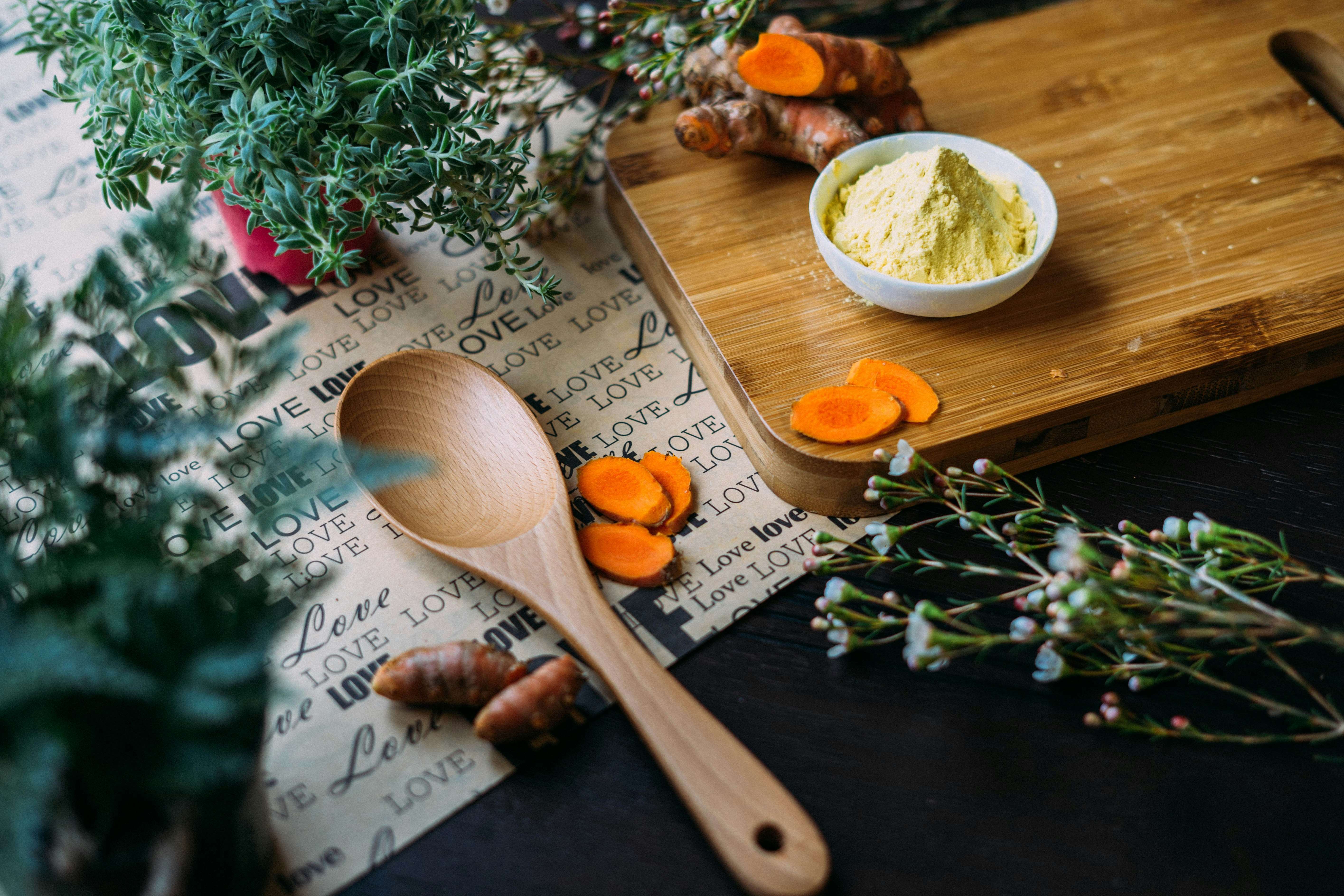
Ayurveda as a personalised approach to health
Ayurveda, often referred to as the "science of life," is founded on the principle that each person is unique, with their own distinctive constitution, or dosha. By understanding one's dosha—Vata, Pitta, or Kapha—Ayurvedic practitioners tailor recommendations to harmonise the body, mind, and spirit, promoting radical health from within.
Dr. Sam Watts MCMA, Dip.Ayu, MSc, BSc (Hons), PhD of Mind Body Medical is a lead Ayurvedic consultant and one of the health practitioners on the Goodwood Active Longevity Retreat, shares the significance of Ayurveda in today's wellness landscape. "Ayurveda goes beyond the one-size-fits-all approach," he explains. "It provides personalised recommendations based on an individual's unique constitution, lifestyle and environment."
"Think of Ayurveda as your body's user manual," Dr. Sam shares “setting the tone for a profound exploration of ancient wisdom brought into our modern everyday living.”
"Ayurveda provides a profound understanding of our body's unique needs." Dr Sam explains, "By garnering personalised insights, individuals can navigate lifestyle choices that nurture their wellbeing and resilience through a holistic approach to living well.”
Ayurveda for preventative health
Ayurveda emphasises the importance of prevention over cure, advocating for a holistic approach to health that encompasses diet, lifestyle, and mindfulness practices. "In Ayurveda, we focus on nurturing the gut, as it is the cornerstone of overall health," says Dr Sam, "A balanced gut microbiome not only supports digestion but also influences mood, immunity and longevity."
Recent scientific research corroborates the efficacy of Ayurvedic principles in promoting gut health and overall wellbeing. Studies have shown that Ayurvedic herbs and formulations, such as triphala and ashwagandha, possess potent antioxidant and anti-inflammatory properties, supporting digestive function and enhancing resilience to stress.
The science-backed approach to Ayurveda
As Dr Sam states, “Clinical studies show their capacity to slow down in some cases, reverse ageing, suppress the seeds of disease and promote energy and vitality in the body.”
"Ayurveda is not just a system of medicine; it's a way of life—one that promotes balance, harmony, and longevity. By embracing Ayurvedic principles, we can unlock the secrets to vibrant health and wellbeing, ensuring a life lived to its fullest potential."
Ayurvedic medicine serves as a timeless roadmap to gut health, longevity and holistic wellbeing. Rooted in tradition yet supported by modern research, Ayurveda offers a personalised approach to living that empowers individuals to take charge of their health and wellbeing.
At Goodwood’s Active Longevity Retreat, you are invited on a transformative journey towards health and vitality, guided, in part, by the wisdom of Ayurveda and the expertise of our world-class experts who support your journey towards maximising your healthy years.
Find out more about the Goodwood Active Longevity Retreat here.
References
Rao RV. Ayurveda and the science of aging. J Ayurveda Integr Med. 2018 Jul-Sep;9(3):225-232. doi: 10.1016/j.jaim.2017.10.002. Epub 2017 Dec 21. PMID: 29276113; PMCID: PMC6148064.
Peterson CT, Denniston K, Chopra D. Therapeutic Uses of Triphala in Ayurvedic Medicine. J Altern Complement Med. 2017 Aug;23(8):607-614. doi: 10.1089/acm.2017.0083. Epub 2017 Jul 11. PMID: 28696777; PMCID: PMC5567597.
Kumar S, Dobos GJ, Rampp T. The Significance of Ayurvedic Medicinal Plants. J Evid Based Complementary Altern Med. 2017 Jul;22(3):494-501. doi: 10.1177/2156587216671392. Epub 2016 Oct 5. PMID: 27707902; PMCID: PMC5871155.
Patwardhan B. Bridging Ayurveda with evidence-based scientific approaches in medicine. EPMA J. 2014 Nov 1;5(1):19. doi: 10.1186/1878-5085-5-19. PMID: 25395997; PMCID: PMC4230501.