-
Events
-
Festival of Speed
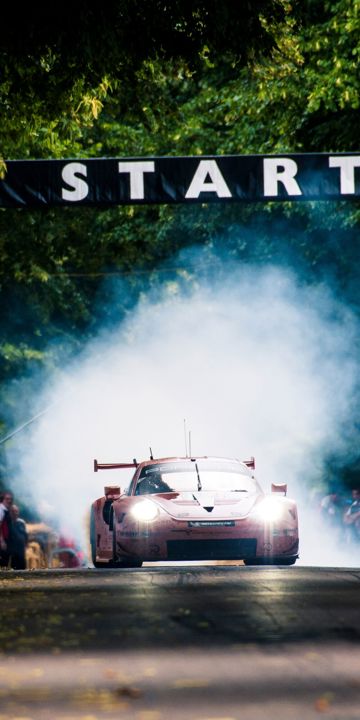

What's that on the startline?
The bricks lining the Festival of Speed startline are 100 years old and a gift from the Indianapolis Speedway "Brickyard" in 2011 to mark their centenary event!
-
Goodwood Revival
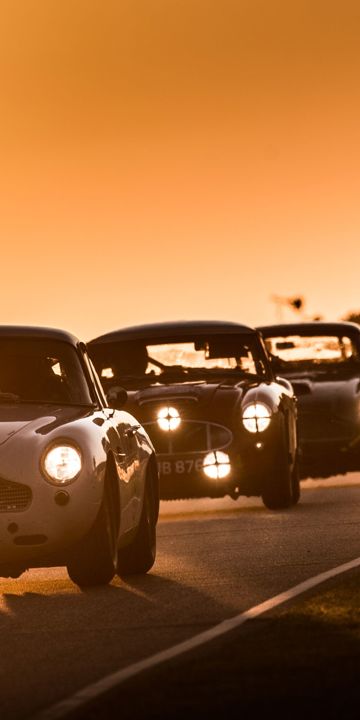

Goodwood Heroes
Legend of Goodwood's golden racing era and Le Mans winner Roy Salvadori once famously said "give me Goodwood on a summer's day and you can forget the rest".
-
Members' Meeting

More than motorsport...
Ferret racing and duck herding are two of the many off-track activities at Members' Meeting -
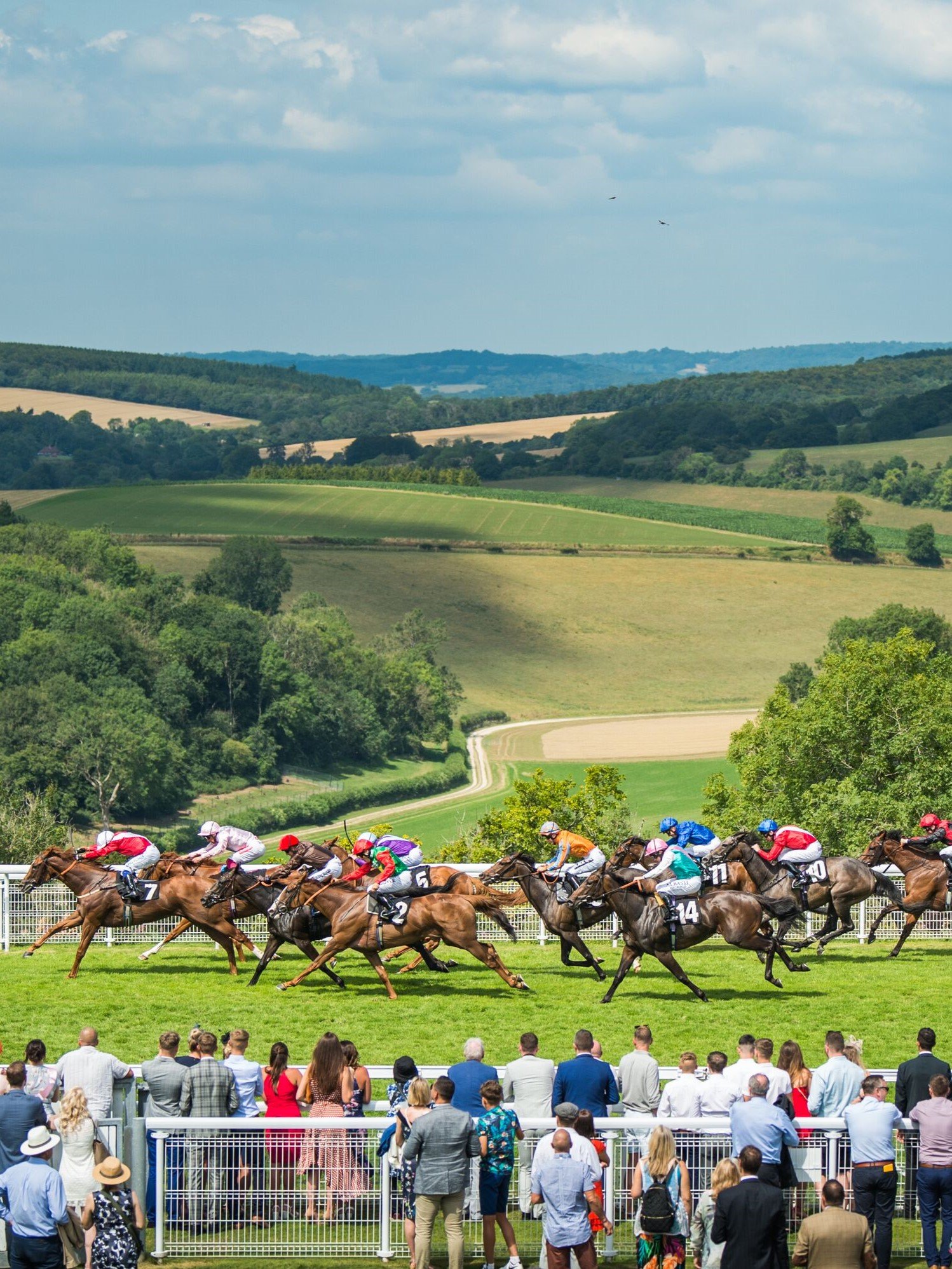
Qatar Goodwood Festival
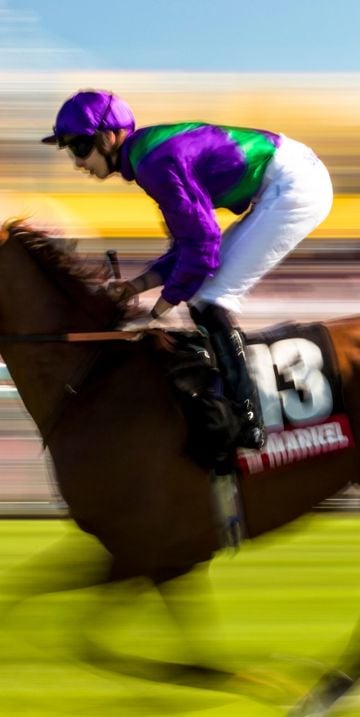

Why walk when you can drive
The first ever horsebox was used from Goodwood to Doncaster for the 1836 St. Leger. Elis arrived fresh and easily won his owner a £12k bet.
-
Goodwoof
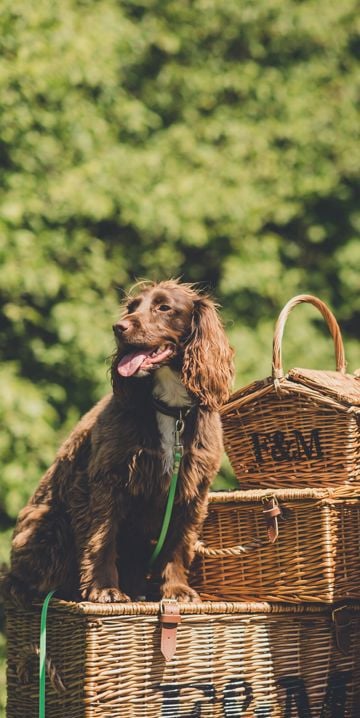

Start in style
The breed parade sees hundreds of dogs and their owners walk from Goodwood House down to The Kennels to kick start the Goodwoof weekend. -
Horseracing
-
Season Opener
-
May Festival
-
Family Race Day
-
Three Friday Nights
-
August Bank Holiday
-
Autumn Racing
-
Season Finale
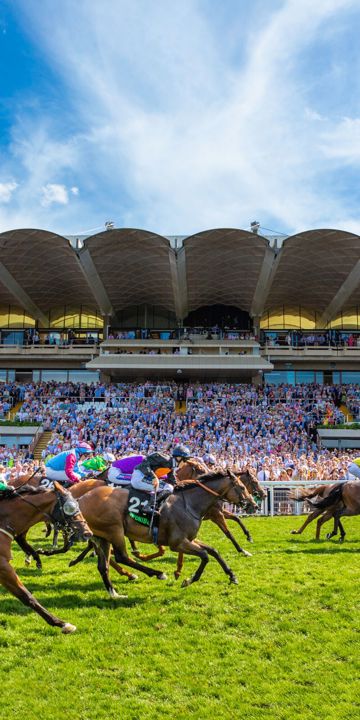

St Simon
Whoa Simon! A horse so determined and headstrong, he not only won the 1883 Goodwood Cup by 20 lengths, but couldn't be stopped and carried on running over the top of Trundle hill
-
Season Opener
-
Breakfast Club
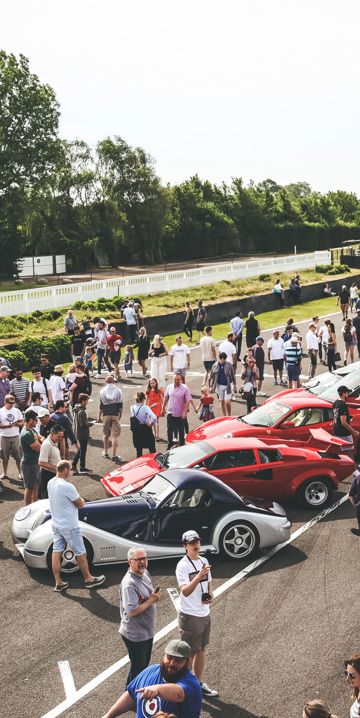

A perfect Sunday morning?
A no-cost, all-welcome motoring show where the visitors and their machines are the stars -
Health Summit
-
Hospitality
-
Exhibiting
-
Partnerships
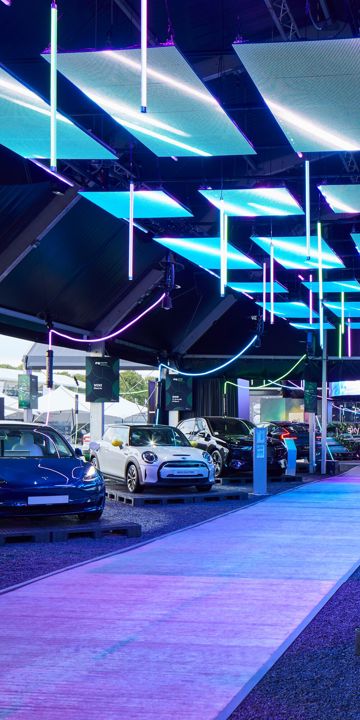

Where else can you...
...plan strategy in an ancient woodland, enjoy award-winning dining then drive around a racetrack?
-
What's on
-
Festival of Speed
-
Visit, Eat, Stay
-
The Goodwood Hotel
-
Rooms
-
Contact Us
-
Christmas
-
New Year's Eve
-
Weddings
-
Kids Activities
-
Offers
-
Local Attractions
-
Plan your stay
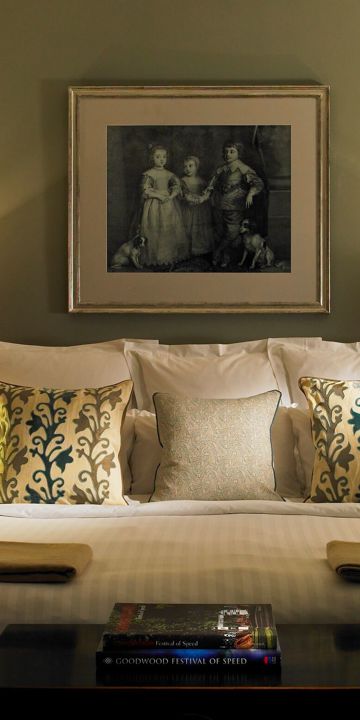

Cricketers since 1702
The oldest existing rules for the game were drawn up for a match between the 2nd Duke and a neighbour
-
Rooms
-
Goodwood Cottages


Estate Crest
"En la rose je fleurie" or "Like the rose, I flourish" is part of the Richmond coat of Arms and motto
-
Goodwood House
Minor furniture details
The exquisite mirror in the Ballroom of Goodwood House it so big they had to raise the ceiling to get it inside!
-
Restaurants
-
Farmer, Butcher, Chef
-
The Goodwood Bar & Grill
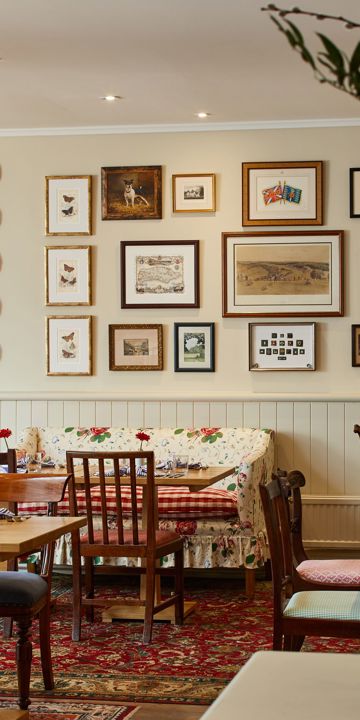
-
The Kennels
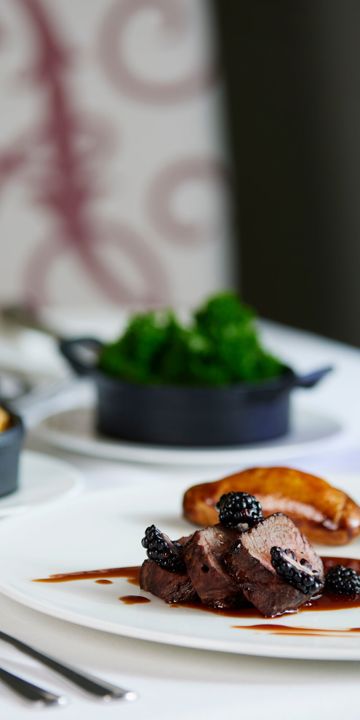
-
Aerodrome Café
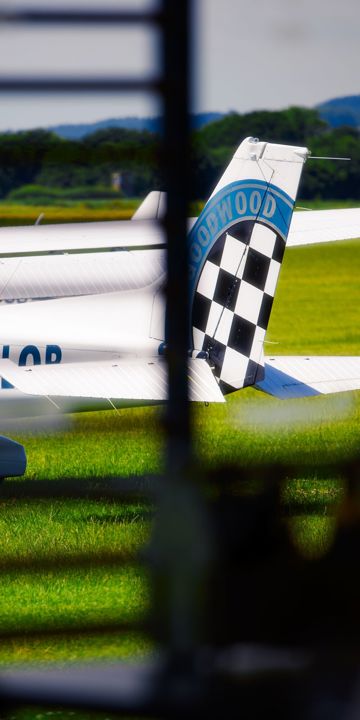
-
Motor Circuit Café

-
Cafe 24
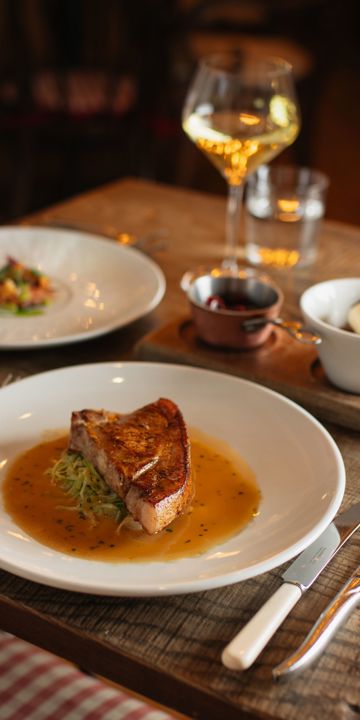

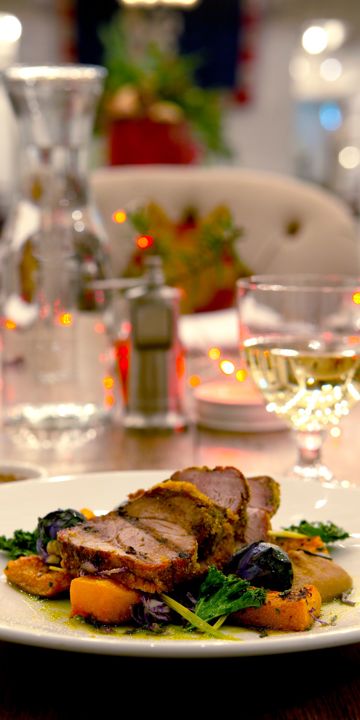
Sustainable state-of-mind
When Farmer, Butcher, Chef opened in 2016 it was awarded the UK’s first-ever Royal Academy of Culinary Arts ‘Sustainable Food Philosophy Seal’. -
Farmer, Butcher, Chef
-
The Kennels
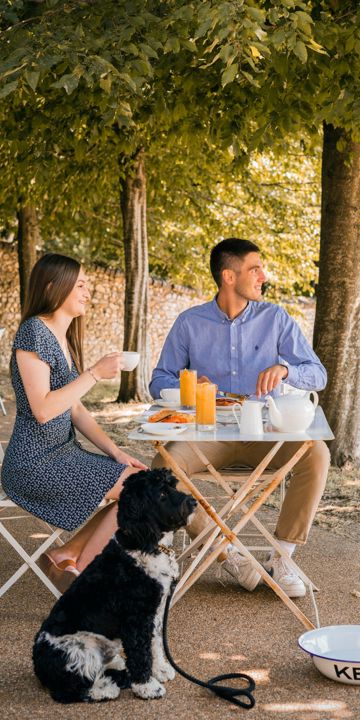

Fashionable foxhounds
The 1st Duke of Richmond bought Goodwood in 1697 as a place to stay to go foxhunting with the fashionable Charlton Hunt. -
Motor Circuit
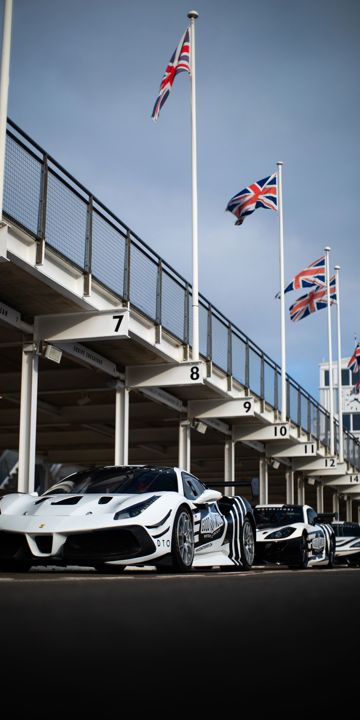

The Hillclimb
The 1.16-mile hillclimb has been the centre of the action since the first festival in 1993. -
Health & Wellbeing
-
Membership
-
Health Club
-
Gym
-
Run Club
-
Run Series
-
Spa Treatments
-
Wellness Retreats
-
Events Calendar
-
Corporate Wellbeing
-
Health Summit
-
Latest News
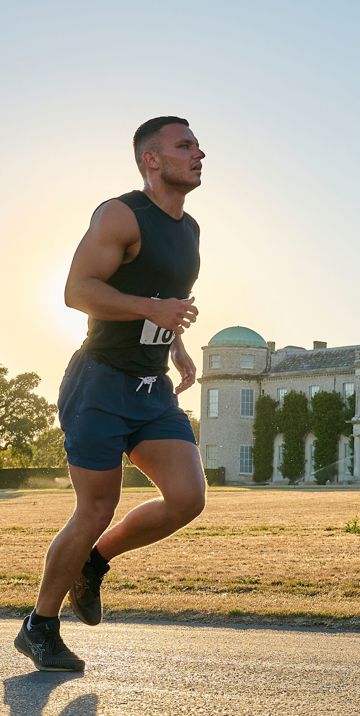

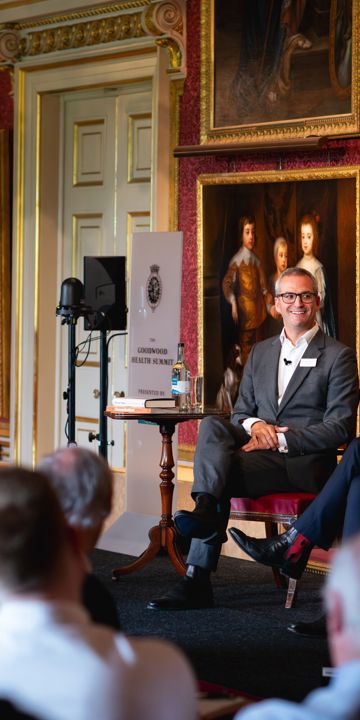
Goodwood's first Health Summit...
...took place in 2023 with industry experts discussing nutrition costs and food systems for a healthier future. -
Membership
-
Hound Lodge
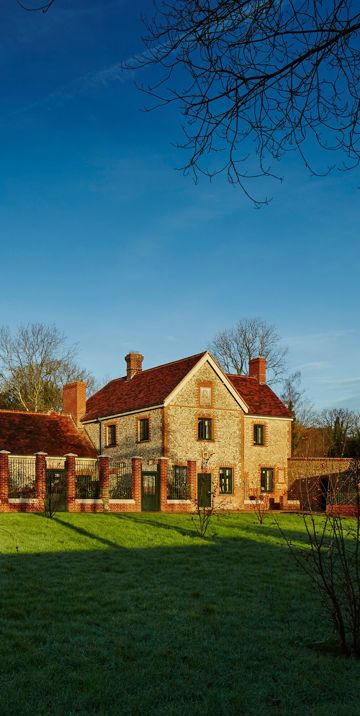

Leveson Design
Hound lodge is one of our wonderful lcoations designed by Cindy, whose incredible eye for detail can be seen in every inch.
-
Goodwood Farm Shop

Lucky Leap
Inspired by the legendary racer, Masten Gregory, who famously leapt from the cockpit of his car before impact when approaching Woodcote Corner in 1959.
-
Parties
-
Goodwood Art Foundation
-
The Goodwood Hotel
-
Motorsport
-
Festival of Speed
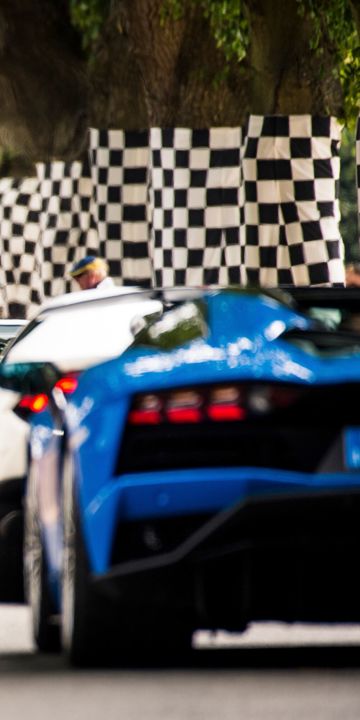
The Hillclimb
The 1.16-mile hillclimb has been the centre of the action since the first festival in 1993. -
Goodwood Revival
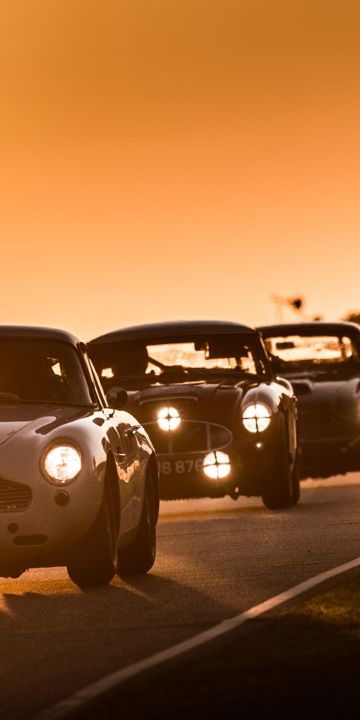

Earls Court replica
Our replica of the famous motor show showcases the "cars of the future" in true Revival style
-
Members' Meeting
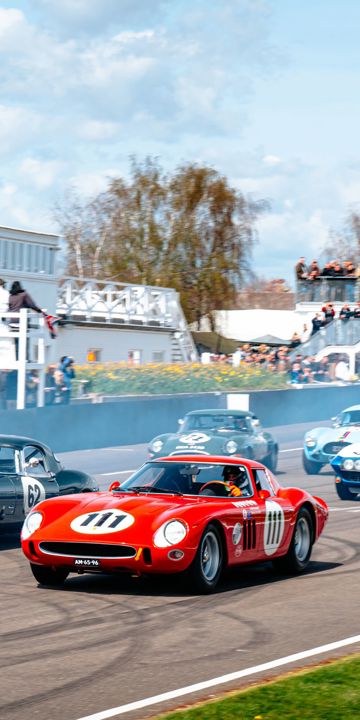
The Hillclimb
The 1.16-mile hillclimb has been the centre of the action since the first festival in 1993. -
Breakfast Club
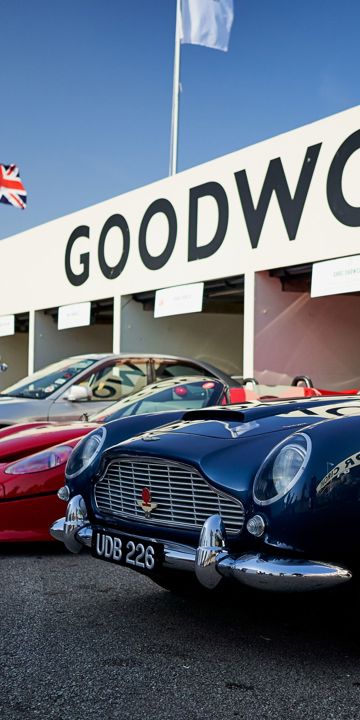

During the war...
The Motor Circuit was known as RAF Westhampnett, active from 1940 to 1946 as a Battle of Britain station. -
Motor Circuit
Cricketers since 1702
The oldest existing rules for the game were drawn up for a match between the 2nd Duke and a neighbour
-
Driving Experiences
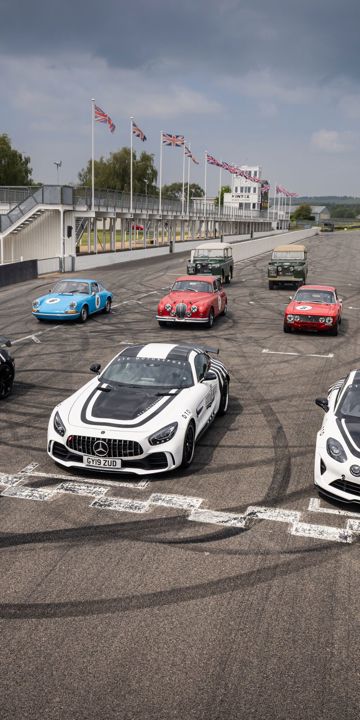

"Motorsport garden party of the gods"
Festival of Speed is our longest-standing Motorsport event, starting in 1993 when it opened to 25,00 people. We were expecting 2000!
-
Goodwood Road Racing Club
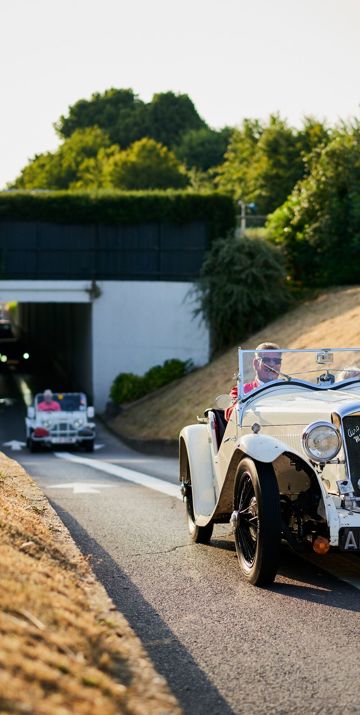
During the war...
The Motor Circuit was known as RAF Westhampnett, active from 1940 to 1946 as a Battle of Britain station. -
Latest News
-
Festival of Speed
-
Horseracing
-
Tickets & Packages
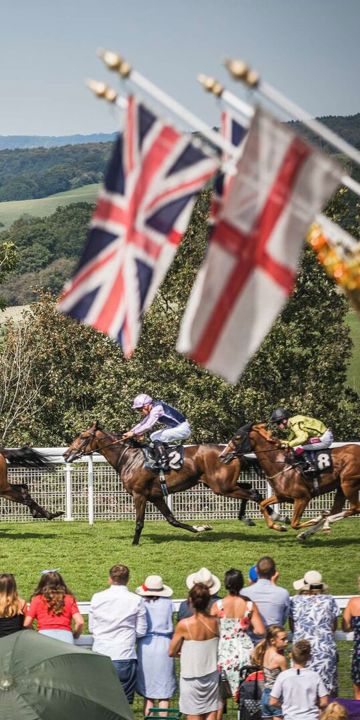
St Simon
Whoa Simon! A horse so determined and headstrong, he not only won the 1883 Goodwood Cup by 20 lengths, but couldn't be stopped and carried on running over the top of Trundle hill
-
Buy Merchandise
-
Fixtures & Events
-
Season Opener
-
May Festival
-
Family Race Day
-
Three Friday Nights
-
Qatar Goodwood Festival
-
August Bank Holiday
-
Autumn Racing
-
Season Finale
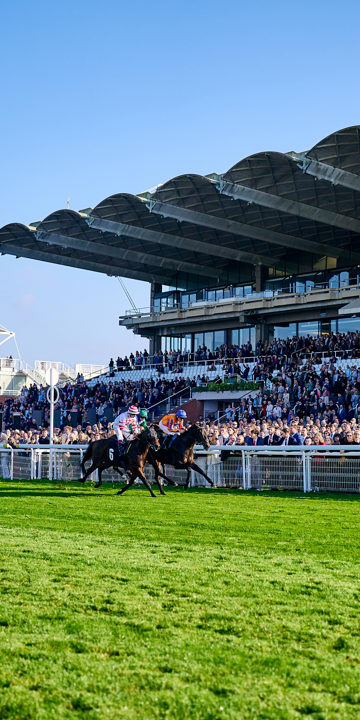
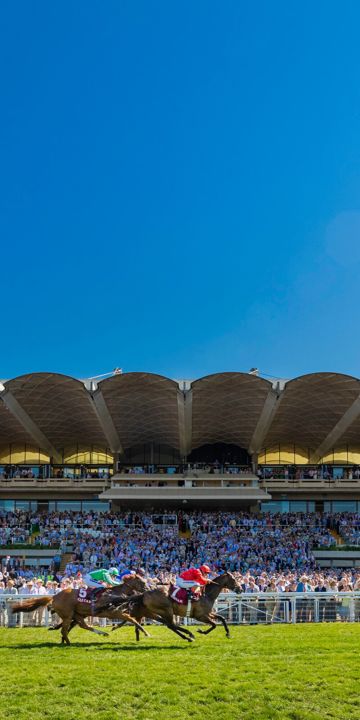

Why does everyone wear hats?
One Summer, King Edward VII turned his back on the traditional morning suit, and donned a linen suit and Panama hat. Thus the Glorious Goodwood trend was born.
-
Season Opener
-
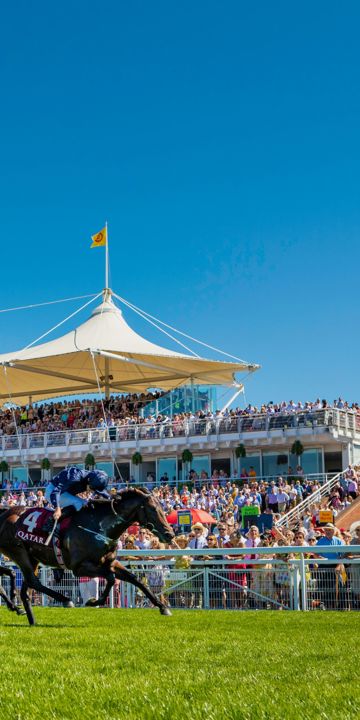
Qatar Goodwood Festival
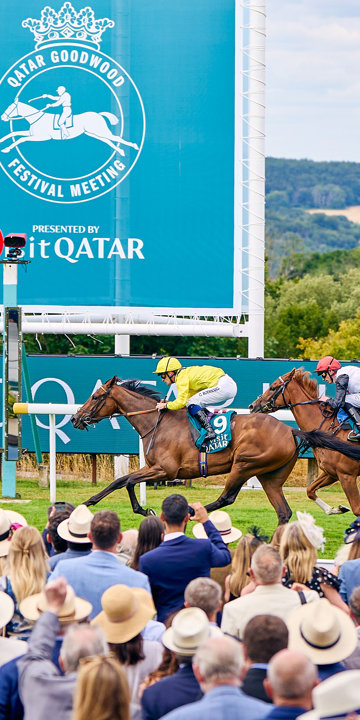
Why walk when you can drive
The first ever horsebox was used from Goodwood to Doncaster for the 1836 St. Leger. Elis arrived fresh and easily won his owner a £12k bet.
-
Three Friday Nights
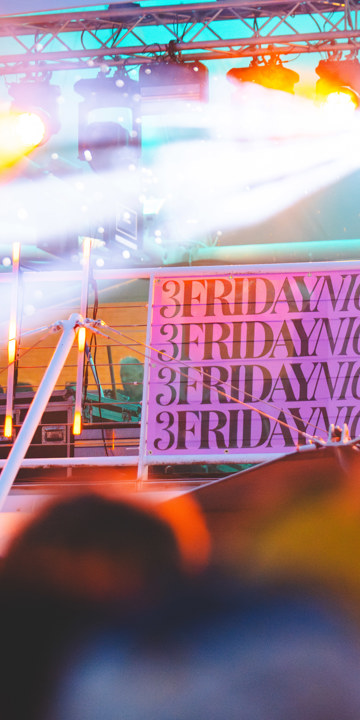

The Magnolia Cup
Leading women of business, sport, fashion and media, take part in one of the most exciting horseracing events in the world.
-
Hospitality
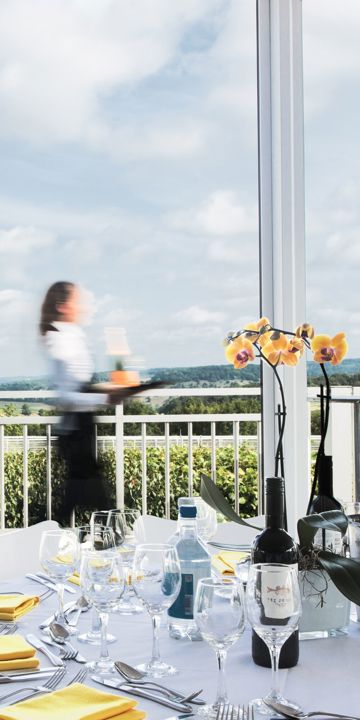

"Glorious Goodwood"
The first public race meeting took place in 1802 and, through the nineteenth century, ‘Glorious Goodwood,’ as the press named it, became a highlight of the summer season
-
Partners
-
Plan Your Day
-
Enclosures
-
Event Map
-
Going Report
-
Getting Here
-
Betting at Goodwood
-
Dress Code
-
Accessibility
-
Food & Drink
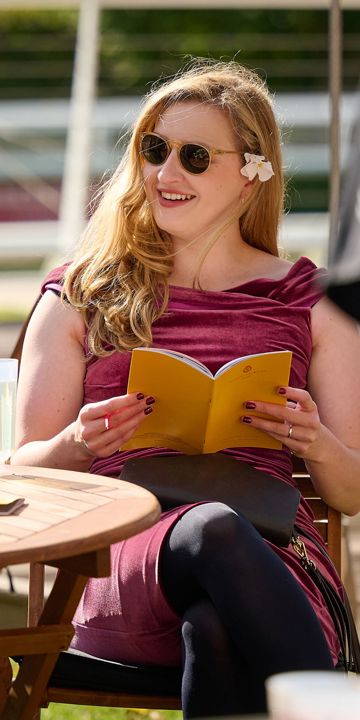
Why does everyone wear hats?
One Summer, King Edward VII turned his back on the traditional morning suit, and donned a linen suit and Panama hat. Thus the Glorious Goodwood trend was born.
-
Enclosures
-
Latest News
-
Owners & Trainers
-
Goodwood Horseracing Club
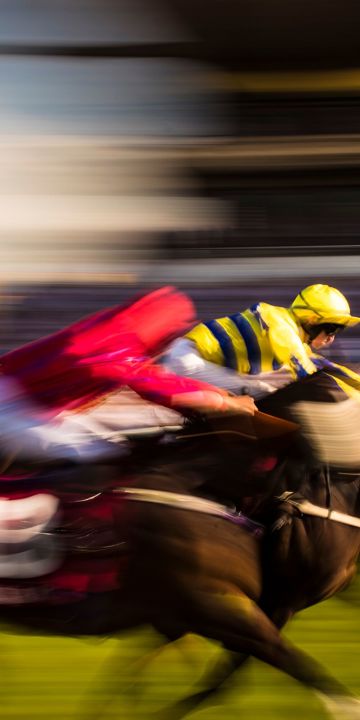

Royal approval
King Edward VII (who came almost every year) famously dubbed Glorious Goodwood “a garden party with racing tacked on”.
-
FAQs
-
Accessibility
-
Tickets & Packages
-
Experiences
-
Driving
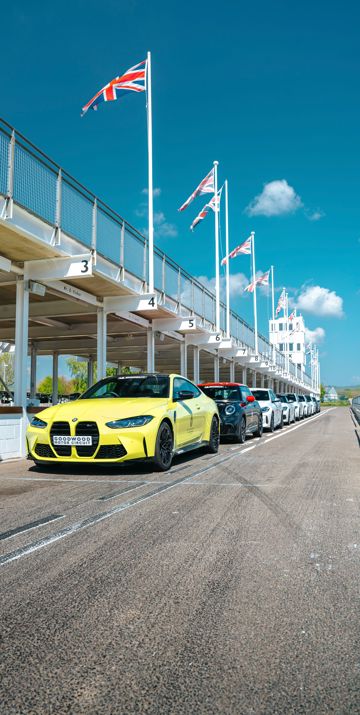

How many hay bales are used at FOS?
For the last two years, 5,800 bales have been recylced into the biomass energy centre to be used for energy generation
-
Flying
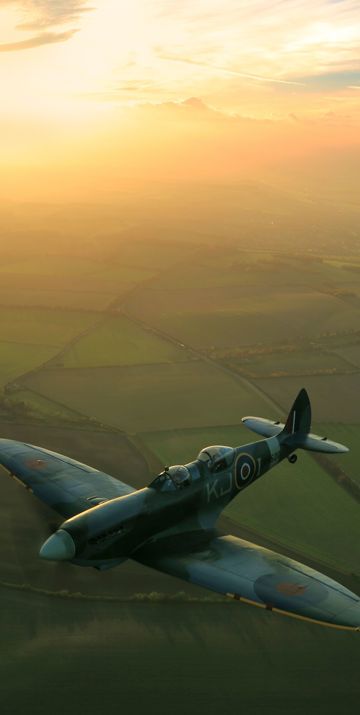

Group Captain Sir Douglas Bader
The famous fighter ace, who flew his last sortie from Goodwood Aerodrome, formerly RAF Westhampnett has a statue in his honor within the airfield.
-
Golf

Over 100 years of Golf
The first ever round of golf played at Goodwood was in 1914 when the 6th Duke of Richmond opened the course on the Downs above Goodwood House.
-
Shooting
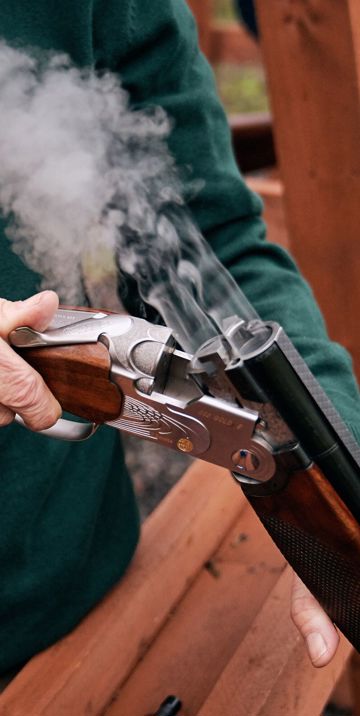
Fashionable foxhounds
The 1st Duke of Richmond bought Goodwood in 1697 as a place to stay to go foxhunting with the fashionable Charlton Hunt. -
Afternoon Tea
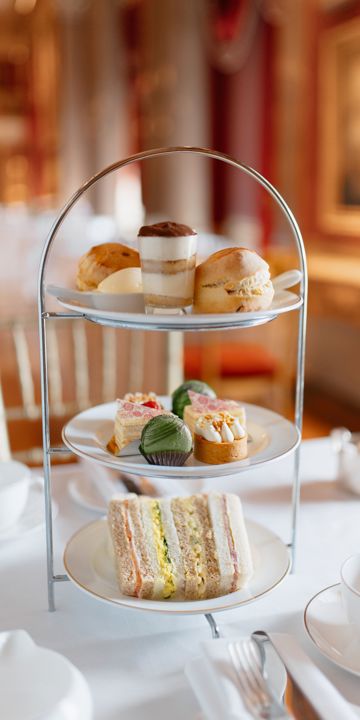
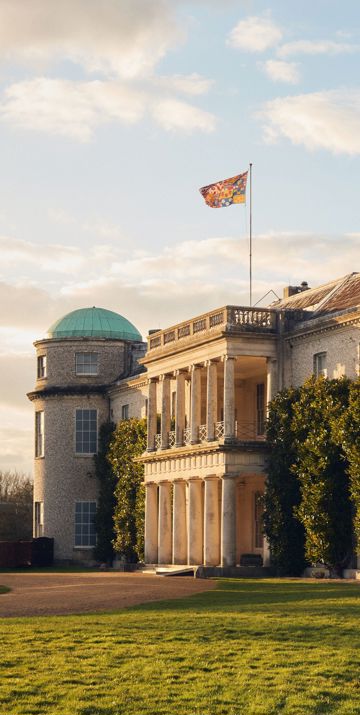
Copper Turrets
After a fire in 1791 at Richmond House in Whitehall, London, James Wyatt added two great wings to showcase the saved collection at Goodwood. To give unity to the two new wings, Wyatt added copper-domed turrets framing each façade.
-
Corporate Wellbeing
Goodwood's first Health Summit...
...took place in 2023 with industry experts discussing nutrition costs and food systems for a healthier future. -
Cycling
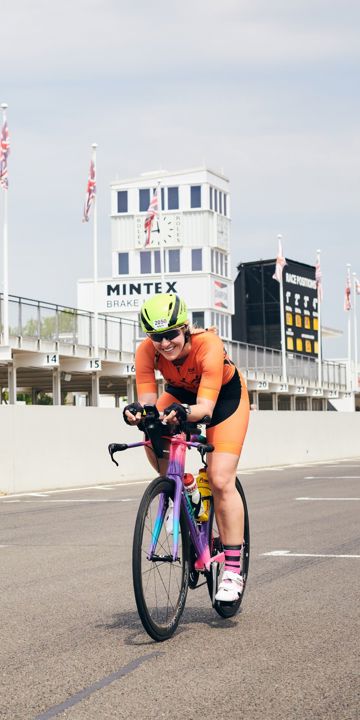

The Silver Spitfire
The iconic spitfire covered almost 43,000 kilometres and visited over 20 countries on its epic journey and currently resides at our Aerodrome.
-
Corporate Experiences
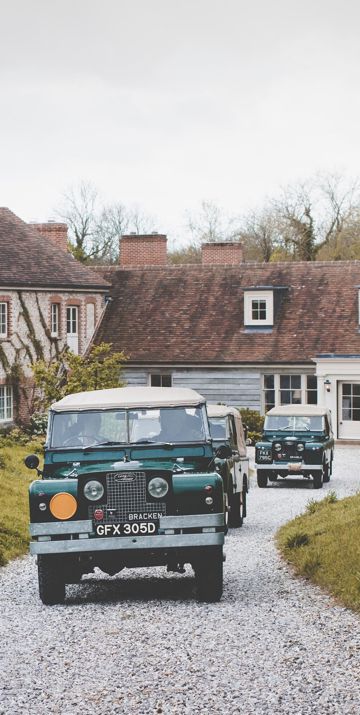
Where else can you...
...plan strategy in an ancient woodland, enjoy award-winning dining then drive around a racetrack?
-
Spa Treatments
-
Driving
-
Golf
-
Golf Courses
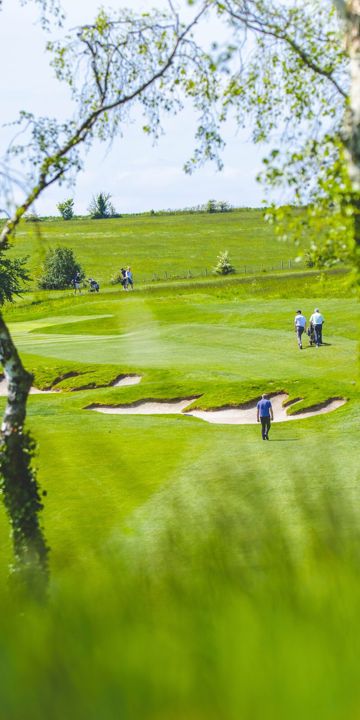
Over 100 years of Golf
The first ever round of golf played at Goodwood was in 1914 when the 6th Duke of Richmond opened the course on the Downs above Goodwood House.
-
Golf Membership
-
Credit Membership
-
Application Form
-
Intermediate Membership
-
Junior Membership
-
Corporate Membership
-
Copse Membership


Braid’s Masterpiece
One of the greatest golfers of all time, James Braid designed Goodwood’s iconic Downland course, opened in 1914.
-
Credit Membership
-
The Academy
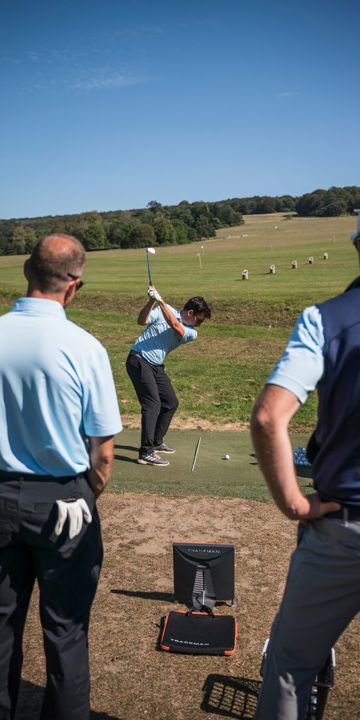
Over 100 years of Golf
The first ever round of golf played at Goodwood was in 1914 when the 6th Duke of Richmond opened the course on the Downs above Goodwood House.
-
Golf Experiences

Over 100 years of Golf
The first ever round of golf played at Goodwood was in 1914 when the 6th Duke of Richmond opened the course on the Downs above Goodwood House.
-
Golf Courses
-
Flying
-
Flying School
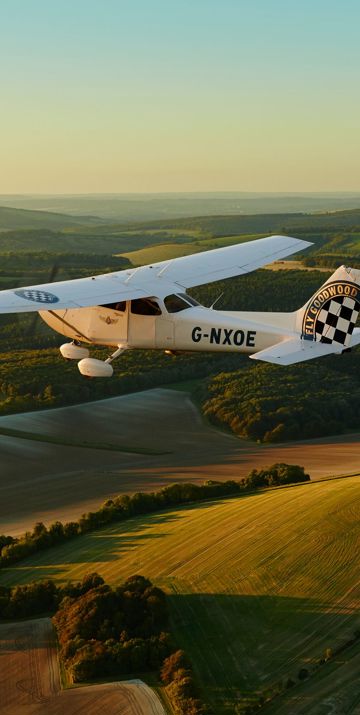
During the war...
The Motor Circuit was known as RAF Westhampnett, active from 1940 to 1946 as a Battle of Britain station. -
Aero Club Membership
The Silver Spitfire
The iconic spitfire covered almost 43,000 kilometres and visited over 20 countries on its epic journey and currently resides at our Aerodrome.
-
Flying Experiences
-
Pilot Information
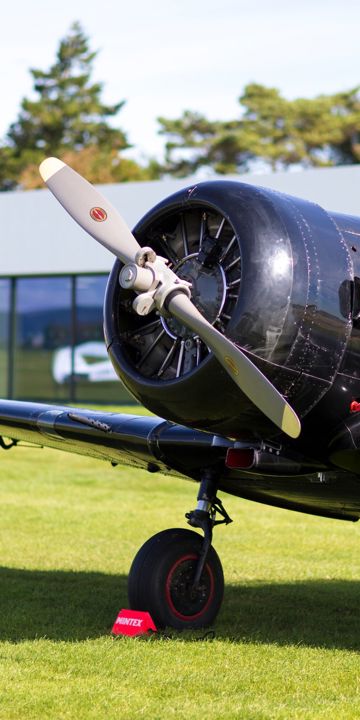

Flying with Goodwood
Come with us for an epic journey.
-
Flying School
-
Meetings
-
Venue Hire
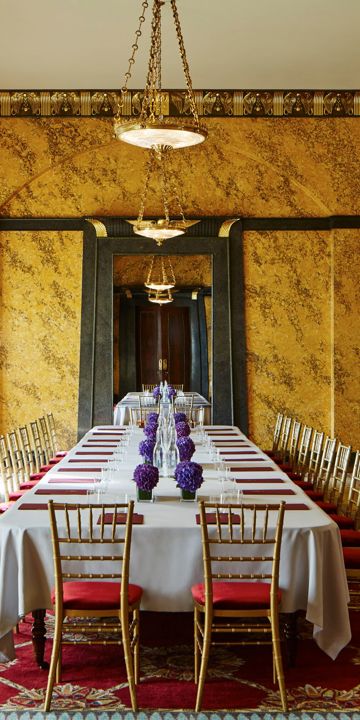
Where else can you...
...plan strategy in an ancient woodland, enjoy award-winning dining then drive around a racetrack?
-
Plan Your Meeting
-
Parties
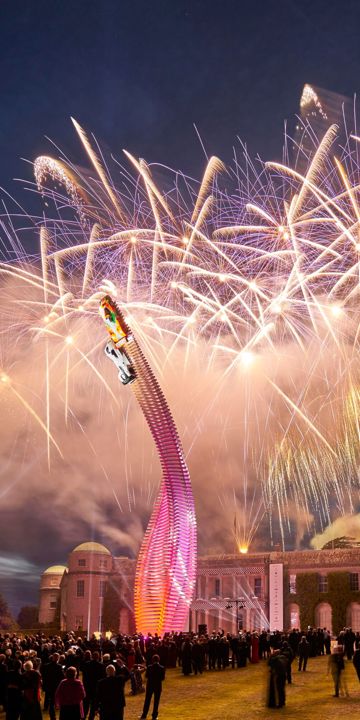
Where else can you...
...plan strategy in an ancient woodland, enjoy award-winning dining then drive around a racetrack?
-
Hospitality

-
Corporate Experiences
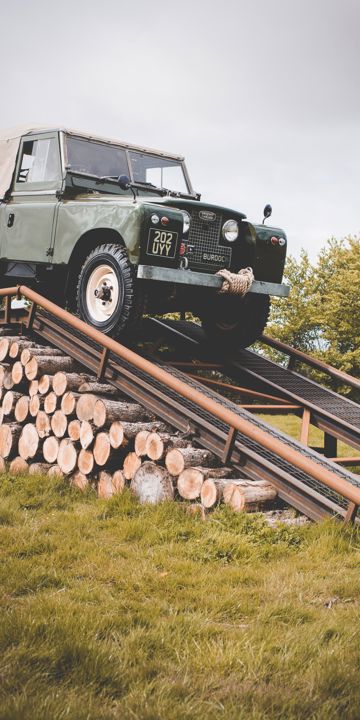
Where else can you...
...plan strategy in an ancient woodland, enjoy award-winning dining then drive around a racetrack?
-
Christmas Parties
-
Film Locations
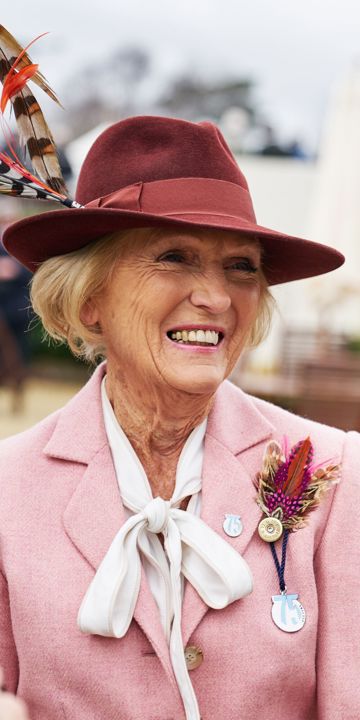
Filming at Goodwood
We have been host to many incredible film crews using Goodwood as a backdrop for shows like Downton Abbey, Hollywood Blockbusters like Venom: let there be Carnage and the Man from U.N.C.L.E.
-
Venue Hire
-
Weddings
-
Goodwood House
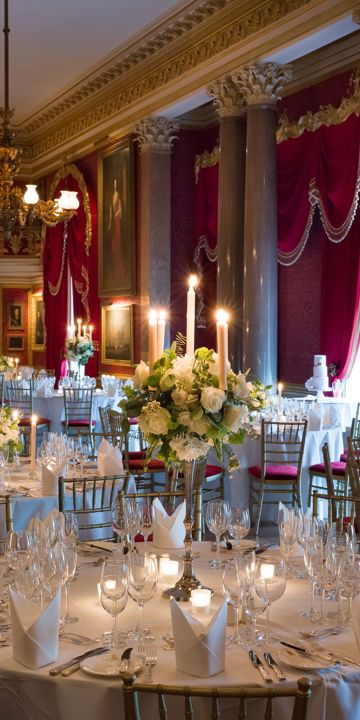

Forget Downton Abbey
David Edney, head Butler dons a morning suit "and a smile" every day and has been woking at Goodwood for over 25 years!
-
The Kennels

Fashionable foxhounds
The 1st Duke of Richmond bought Goodwood in 1697 as a place to stay to go foxhunting with the fashionable Charlton Hunt. -
Parties
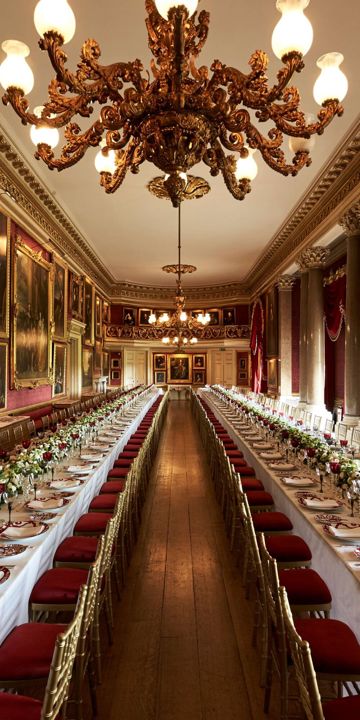


A destination for all seasons
We're well known for our iconic motorsport and horseracing events. But there's a lot more happening at Goodwood...
-
Goodwood House
-
Memberships
-
Goodwood Road Racing Club
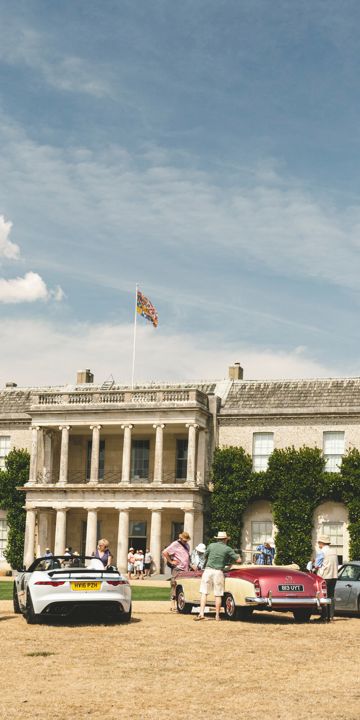
When was the GRRC founded?
Established in 1998 by the Duke of Richmond, the Goodwood Road Racing Club offers exclusive benefits across the estate year-round -
Goodwood Horseracing Club
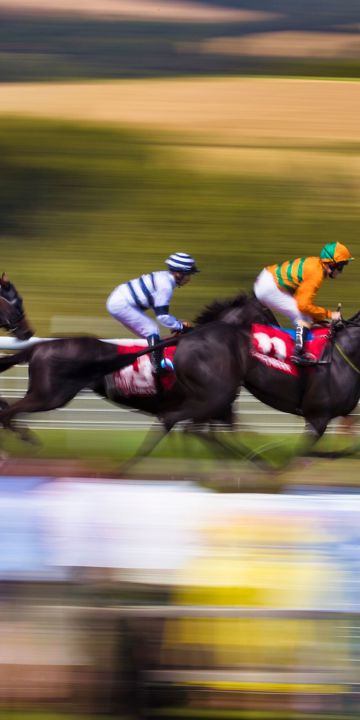
Royal approval
King Edward VII (who came almost every year) famously dubbed Glorious Goodwood “a garden party with racing tacked on”.
-
Golf At Goodwood
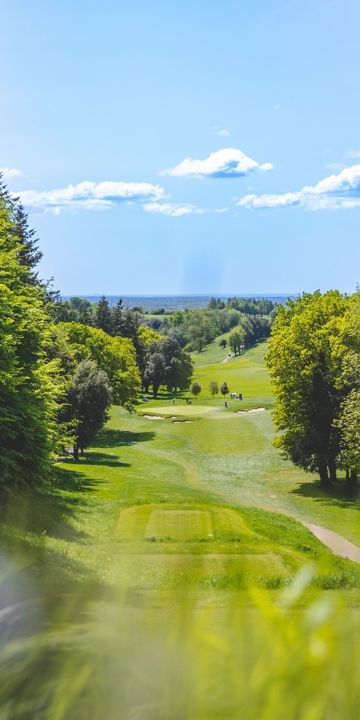
Over 100 years of Golf
The first ever round of golf played at Goodwood was in 1914 when the 6th Duke of Richmond opened the course on the Downs above Goodwood House.
-
Goodwood Aero Club

Flying Elephant
The first thing ever dropped at Goodwood was a cuddly elephant which landed in 1932 just as the 9th Duke of Richmonds passion for flying was taking off.
-
Goodwood Health Club
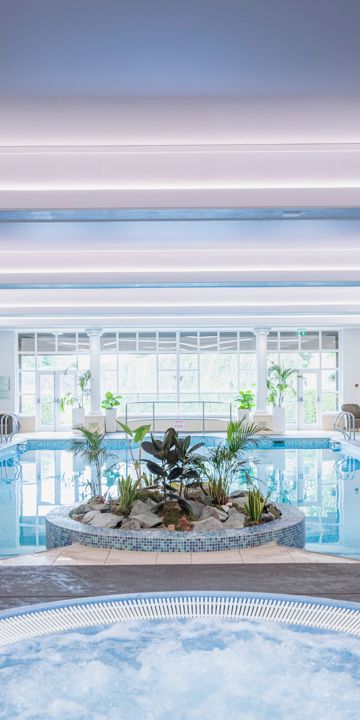
Goodwood's first Health Summit...
...took place in 2023 with industry experts discussing nutrition costs and food systems for a healthier future. -
The Kennels


How old is The Kennels?
Built in 1787 by celebrated architect James Wyatt to house the third Duke of Richmond’s prized fox hounds, The Kennels was known as one of the most luxurious dog houses in the world!
-
Sporting Membership

Carne's Seat
Just beyond Goodwood House along the Hillclimb, the 2nd Dukes banqueting house was also known as "one of the finest rooms in England" (George Vertue 1747).
-
Goodwood Racehorse Owners Group
-
Goodwood Art Foundation
-
Goodwood Road Racing Club
- Classic Car Insurance
- Health & Wellbeing
- Buy Merchandise
-
Our Estate
-
What's on
-
Estate Map
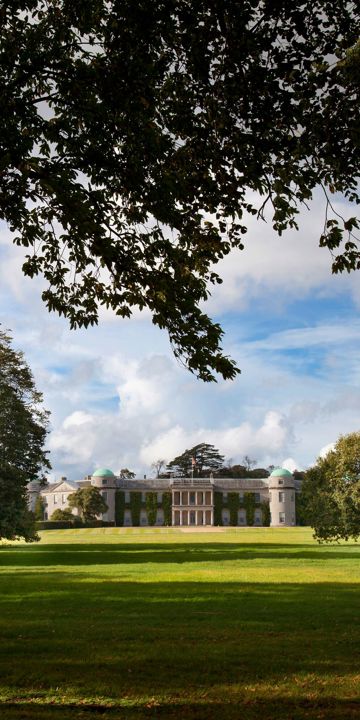
Flying Elephant
The first thing ever dropped at Goodwood was a cuddly elephant which landed in 1932 just as the 9th Duke of Richmonds passion for flying was taking off.
-
Stories from the Estate
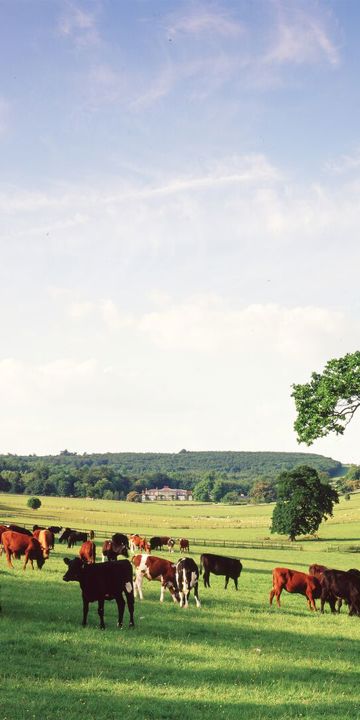
During the war...
The Motor Circuit was known as RAF Westhampnett, active from 1940 to 1946 as a Battle of Britain station. -
Goodwood Education Trust
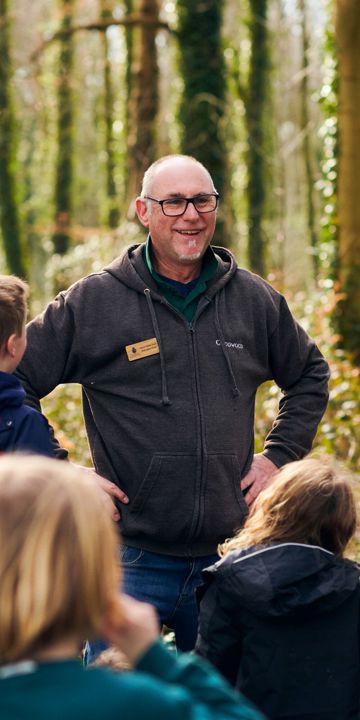
Lucky Leap
Inspired by the legendary racer, Masten Gregory, who famously leapt from the cockpit of his car before impact when approaching Woodcote Corner in 1959.
-
Charities
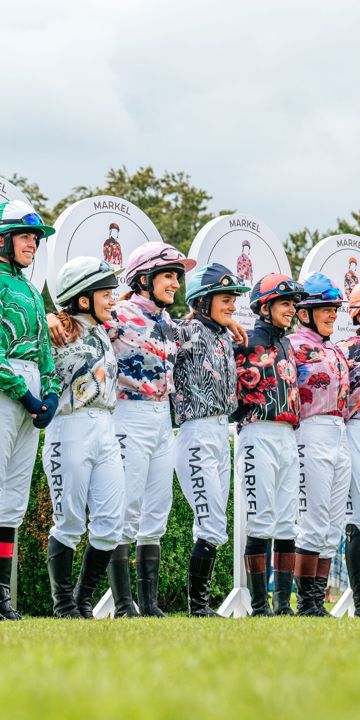
How old is The Kennels?
Built in 1787 by celebrated architect James Wyatt to house the third Duke of Richmond’s prized fox hounds, The Kennels was known as one of the most luxurious dog houses in the world!
-
Sustainability
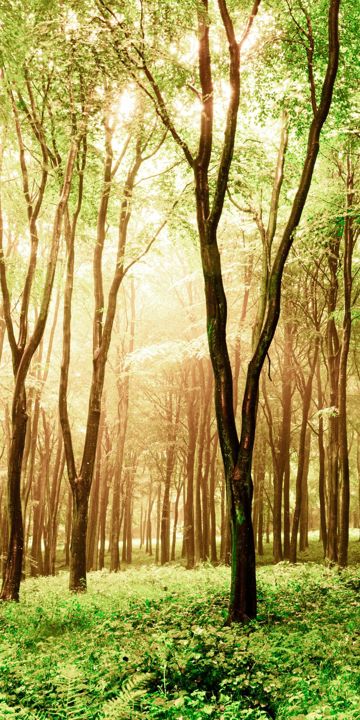
Sustainable state-of-mind
When Farmer, Butcher, Chef opened in 2016 it was awarded the UK’s first-ever Royal Academy of Culinary Arts ‘Sustainable Food Philosophy Seal’. -
Diversity, Equity & inclusion
-
Property
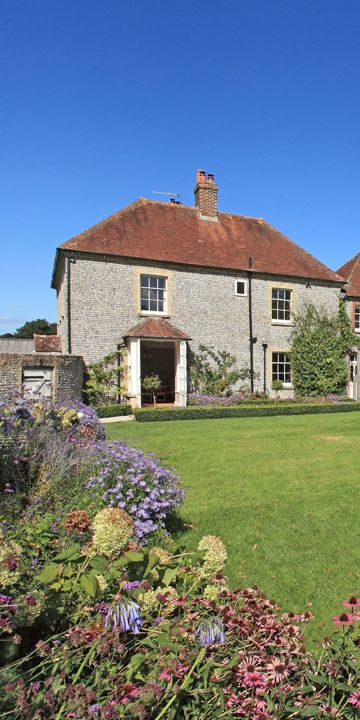
Fashionable foxhounds
The 1st Duke of Richmond bought Goodwood in 1697 as a place to stay to go foxhunting with the fashionable Charlton Hunt. -
Walking Guide

During the war...
The Motor Circuit was known as RAF Westhampnett, active from 1940 to 1946 as a Battle of Britain station. -
Dog Walking Field
-
Careers
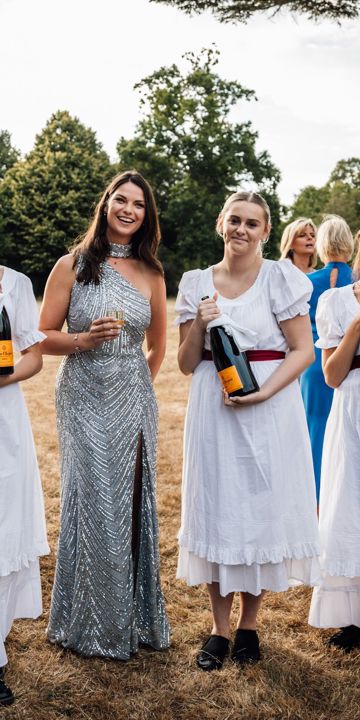
Cricketers since 1702
The oldest existing rules for the game were drawn up for a match between the 2nd Duke and a neighbour
-
Goodwood Art Foundation
-
Farm Shop
-
What's on
- Christmas
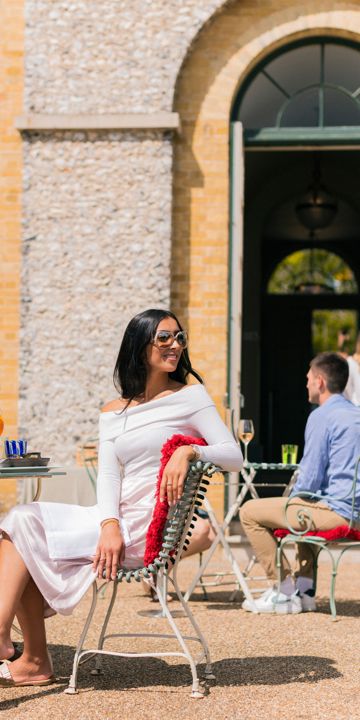


Christmas at Goodwood
The mouse that roared
Since its launch 60 years ago, the Fiat 500 has changed the face of Italian urban life. Stephen Bayley looks back at the iconic design – celebrated at last year's Revival – which remains a potent symbol of Italy’s postwar optimism
Motorsport
Magazine
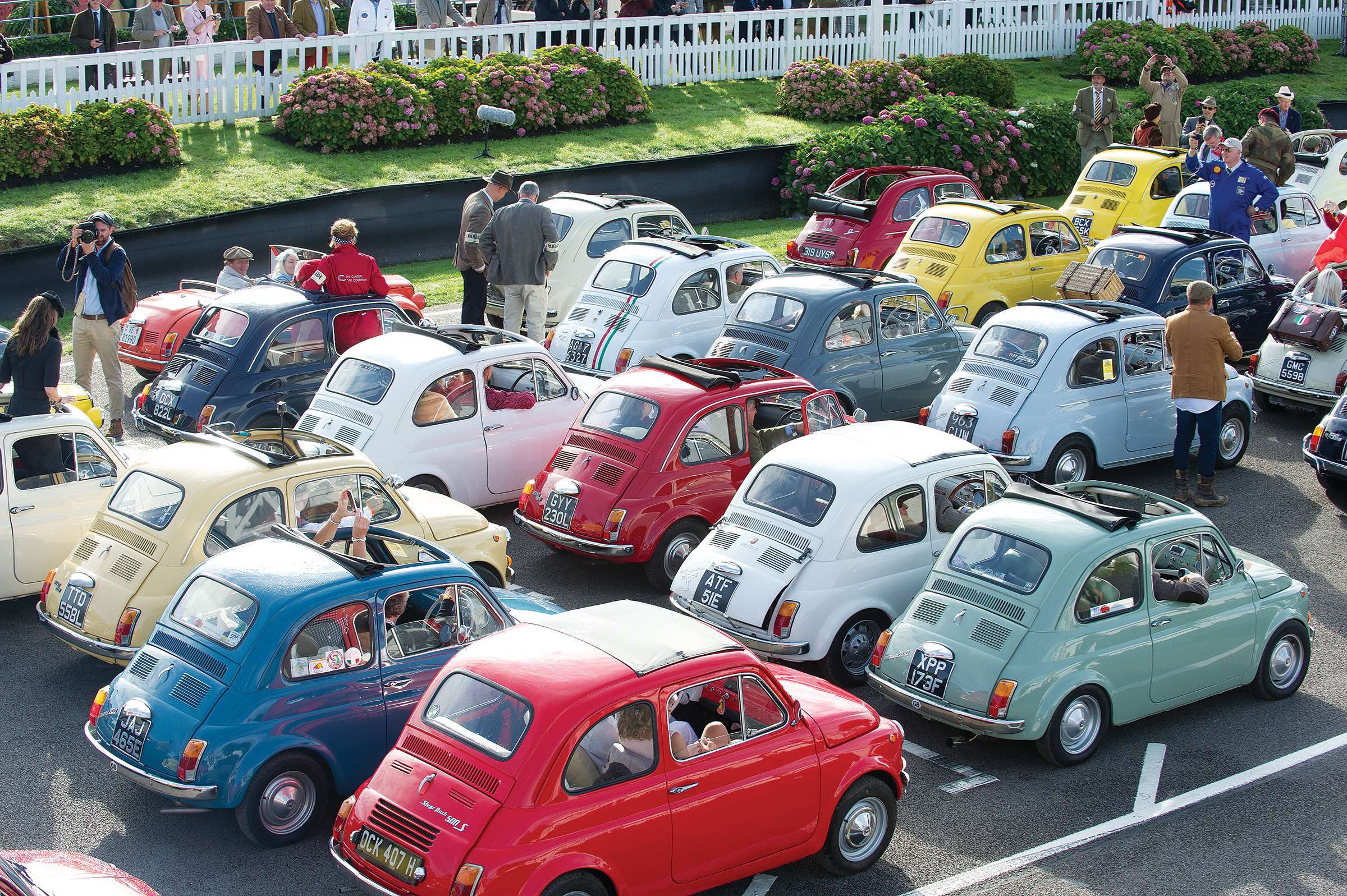
THE FIAT 500 WAS DEFINED by Italian townscapes: its tiny dimensions allowed it to cope with the narrow streets and alleyways of cities such as Florence or Naples. It was also designed with Italian passion: a product conceived without cynicism, but with a simple belief that ordinary things can be beautiful – as was demonstrated when so many pristine examples of this gamechanging car were paraded by their proud owners in honour of its 60th anniversary at Goodwood Revival last year.
This simple construction was visually interesting – the nuova cinquecento was a model of intuitive genius
This nuova cinquecento of 1957 was the successor to the great Dante Giacosa’s original 500 of 1936, known as “topolino” or “little mouse”. The smallest car in the world at the time, this first front-engined 500 weighed just 535kg and could carry two people and 50kg of luggage at 85km/h. The nuova cinquecento was conceived for a very different world from Giacoso’s Mussolini-era topolino. This was the Italy of the ricostruzione, the postwar rebuilding, and it was necessary, first, to motorise the citizenry and, second, to provide Italians with agreeable symbols of much hopedfor national renewal. Corradino d’Ascanio’s Vespa scooter, designed using aeronautical principles, was the first machine to meet this brief; the nuova cinquecento, designed to be just a little bit more comfortable than a Vespa, was the second.


A disciplined and committed engineer, Giacosa had a fundamental disapproval of excess and spoke eloquently about the quest for simplicity. He understood every aspect of the motor car, but took a special interest in body construction, designing panels that were cheap to manufacture with minimum waste. But, very cleverly, he somehow made this simple construction visually interesting. The 500 deploys nearly flat glass, but pinching and contouring of the body creates an effect of sculpted generosity, rather than of a frugal metal box. Interestingly, Giacosa would come to dislike computers, saying they were only capable of rapidly verifying results, not of anticipating them. The nuova cinquecento was a design of intuitive genius.


The full-size wooden styling buck used to determine the final form of the body still exists, a haunting reminder of how car design was once done. Yet the 500 was forward-looking too: it was launched on live TV at Fiat’s Lingotto plant in Turin with Giacosa presiding. The 500 revolutionised Italian life and won the Compasso d’Oro design award in 1959. It stayed in production, largely unaltered, until 1975. When, in 2007, Fiat decided to revive the 500, the technology was very different, but Roberto Giolito’s new design paid frank homage to the original. You still see them today, in cheerful colours, animated, charming and useful. Not just one of the greatest cars to roll off a production line, but one of the greatest designs… ever.
This article is taken from the Goodwood magazine, Winter 2018 issue
Motorsport
Magazine