-
Events
-
Festival of Speed
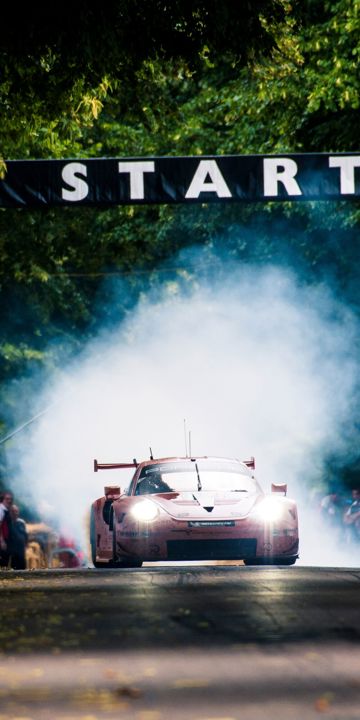

A bright future at #FOS
Future Lab is Goodwood's innovation pavilion, inspiring industry enthusiasts and future scientists with dynamic tech
-
Goodwood Revival


"Mr Goodwood"
Sir Stirling Moss was one of the founding patrons of the Festival of Speed, and a regular competitor at the Revival.
-
Members' Meeting
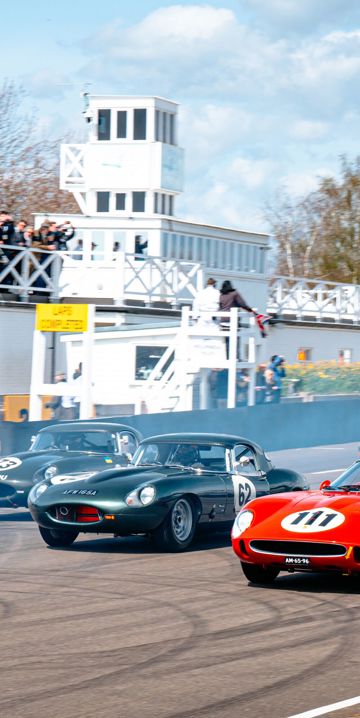

More than motorsport...
Ferret racing and duck herding are two of the many off-track activities at Members' Meeting -
Qatar Goodwood Festival
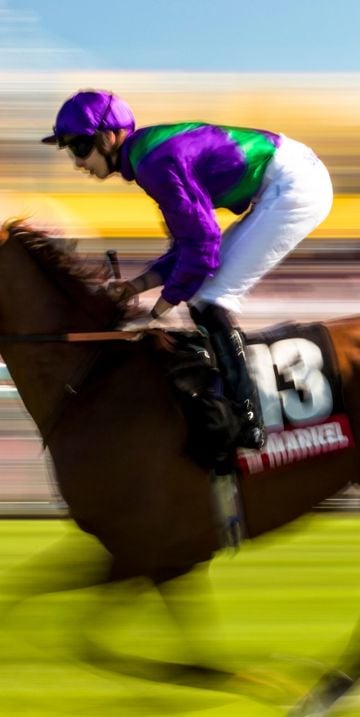

Why does everyone wear hats?
One Summer, King Edward VII turned his back on the traditional morning suit, and donned a linen suit and Panama hat. Thus the Glorious Goodwood trend was born.
-
Goodwoof
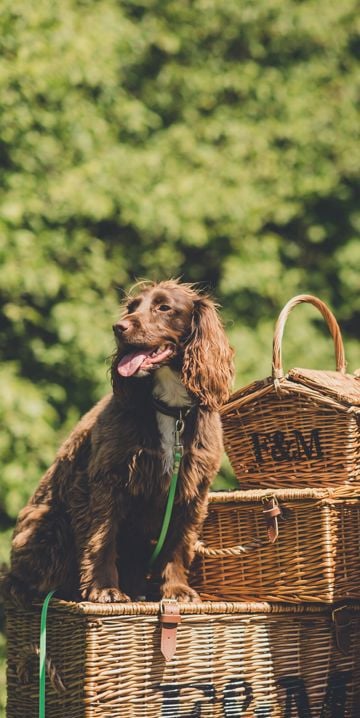

Start in style
The breed parade sees hundreds of dogs and their owners walk from Goodwood House down to The Kennels to kick start the Goodwoof weekend. -
Horseracing
-
Season Opener
-
May Festival
-
Family Race Day
-
Three Friday Nights
-
August Bank Holiday
-
Autumn Racing
-
Season Finale
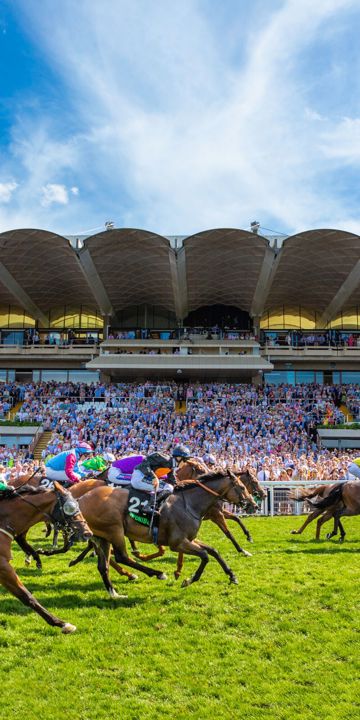

The Magnolia Cup
Leading women of business, sport, fashion and media, take part in one of the most exciting horseracing events in the world.
-
Season Opener
-
Breakfast Club
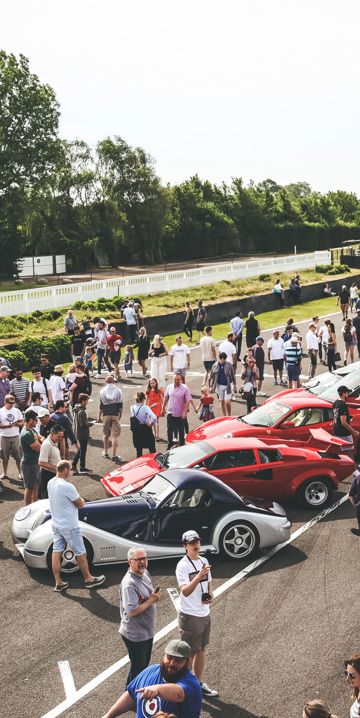

A perfect Sunday morning?
A no-cost, all-welcome motoring show where the visitors and their machines are the stars -
Health Summit
-
Hospitality
-
Exhibiting
-
Partnerships
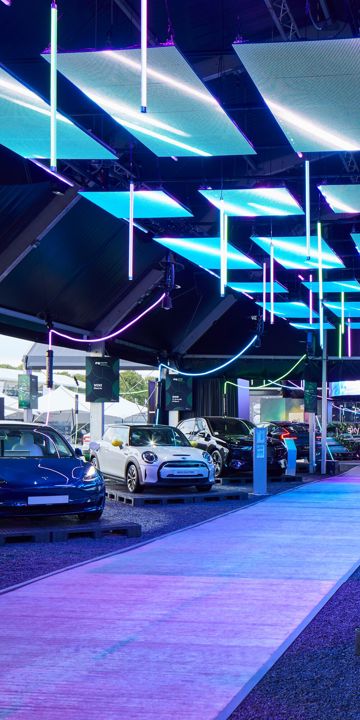

Where else can you...
...plan strategy in an ancient woodland, enjoy award-winning dining then drive around a racetrack?
-
What's on
-
Festival of Speed
-
Visit, Eat, Stay
-
The Goodwood Hotel
-
Rooms
-
Contact Us
-
Christmas
-
New Year's Eve
-
Weddings
-
Kids Activities
-
Offers
-
Local Attractions
-
Plan your stay

Roots for the future
A 20m woodland rue, from Halnaker to Lavant, was planted by our forestry teams & volunteers, featuring native species like oak, beech, & hornbeam
-
Rooms
-
Goodwood Cottages


St Simon
Whoa Simon! A horse so determined and headstrong, he not only won the 1883 Goodwood Cup by 20 lengths, but couldn't be stopped and carried on running over the top of Trundle hill
-
Goodwood House

Egyptian Dining Room
Testament to the 19th-century fascination with ancient Egypt and decorative opulence. The room is richly detailed with gilded cartouches, sphinxes, birds and crocodiles.
-
Restaurants
-
Farmer, Butcher, Chef
-
The Goodwood Bar & Grill
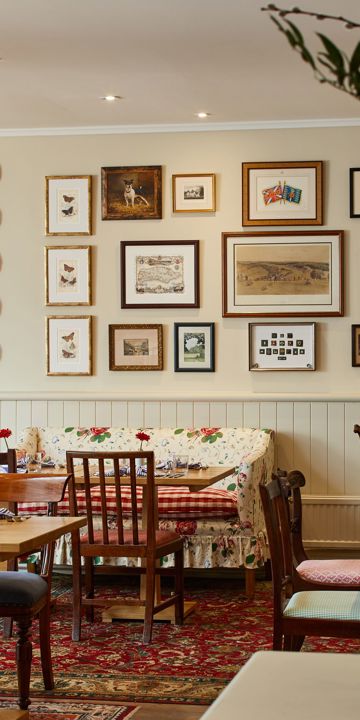
-
The Kennels
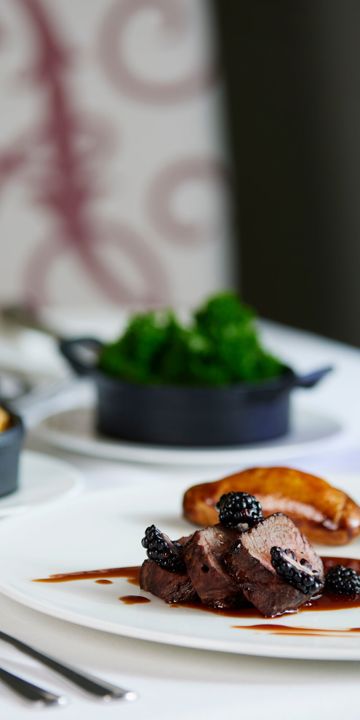
-
Aerodrome Café
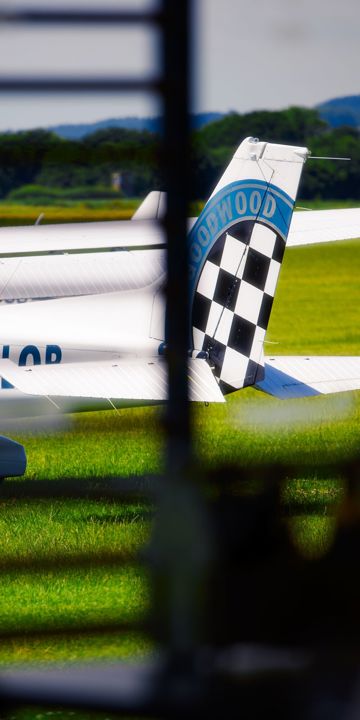
-
Motor Circuit Café

-
Cafe 24
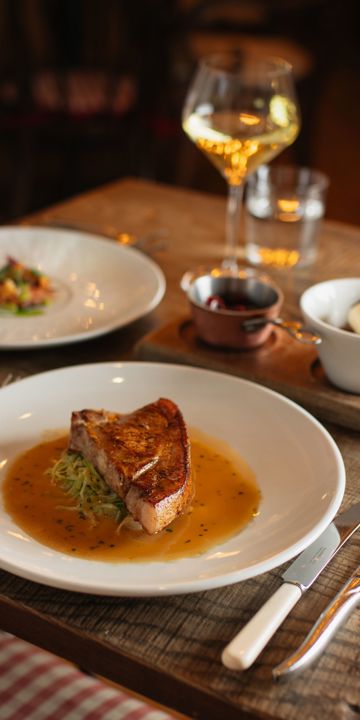

Sustainable state-of-mind
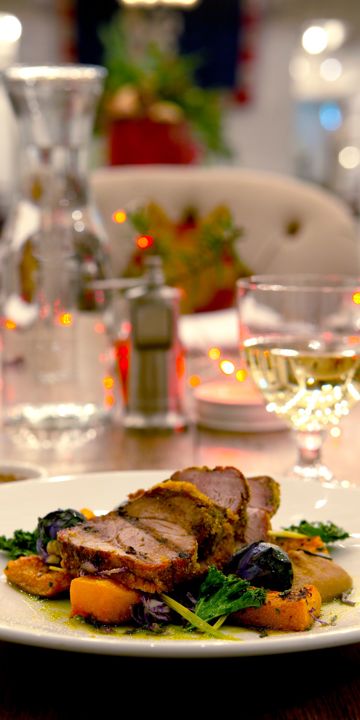
When Farmer, Butcher, Chef opened in 2016 it was awarded the UK’s first-ever Royal Academy of Culinary Arts ‘Sustainable Food Philosophy Seal’. -
Farmer, Butcher, Chef
-
The Kennels
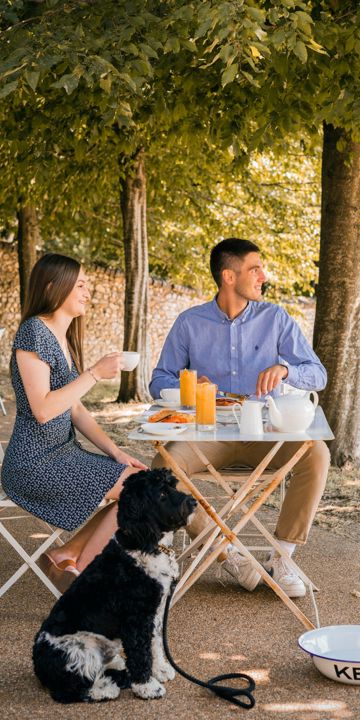

An exclusive clubhouse
As the private clubhouse for all of the Estate’s sporting and social members, it offers personal service and a relaxed atmosphere
-
Motor Circuit


During the war...
The Motor Circuit was known as RAF Westhampnett, active from 1940 to 1946 as a Battle of Britain station.
-
Health & Wellbeing
-
Membership
-
Health Club
-
Gym
-
Run Club
-
Run Series
-
Spa Treatments
-
Wellness Retreats
-
Events Calendar
-
Corporate Wellbeing
-
Health Summit
-
Latest News

Goodwood's first Health Summit...
...took place in 2023 with industry experts discussing nutrition costs and food systems for a healthier future. -
Membership
-
Hound Lodge
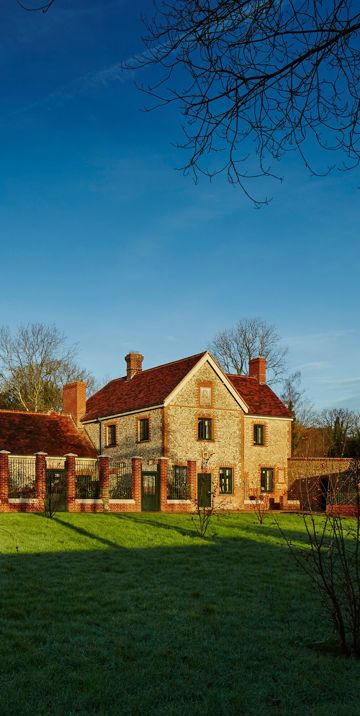

Saved from salvage
4 doors in the lodge were rescued from salvage and expertly split to ensure they meet modern fire standards before being fitted.
-
Goodwood Farm Shop

Lucky Leap
Inspired by the legendary racer, Masten Gregory, who famously leapt from the cockpit of his car before impact when approaching Woodcote Corner in 1959.
-
Parties
-
Goodwood Art Foundation
-
The Goodwood Hotel
-
Motorsport
-
Festival of Speed
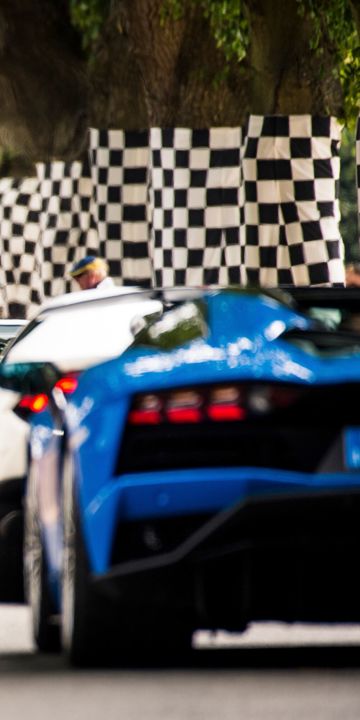
A bright future at #FOS
Future Lab is Goodwood's innovation pavilion, inspiring industry enthusiasts and future scientists with dynamic tech
-
Goodwood Revival


Spectators Favourite
Spectate from the chicane at the Revival to see plenty of classic cars going sideways as they exit this infamous point of our Motor Circuit.
-
Members' Meeting
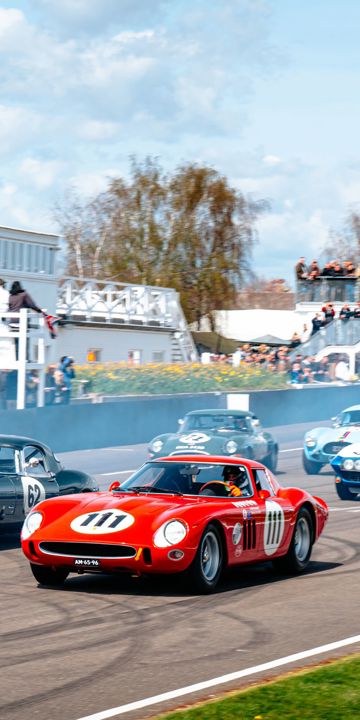

What's that on the startline?
The bricks lining the Festival of Speed startline are 100 years old and a gift from the Indianapolis Speedway "Brickyard" in 2011 to mark their centenary event!
-
Breakfast Club
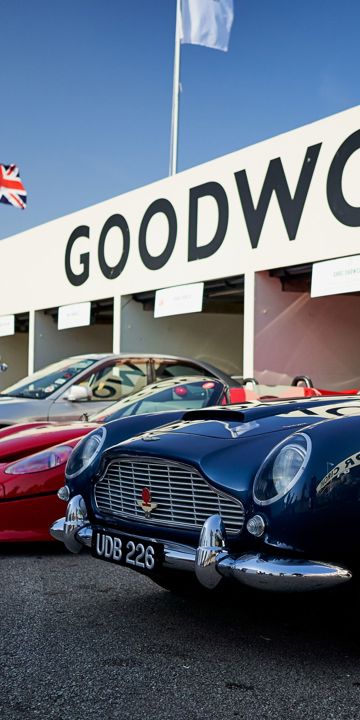
"Mr Goodwood"
Sir Stirling Moss was one of the founding patrons of the Festival of Speed, and a regular competitor at the Revival.
-
Motor Circuit
A perfect Sunday morning?
A no-cost, all-welcome motoring show where the visitors and their machines are the stars -
Driving Experiences
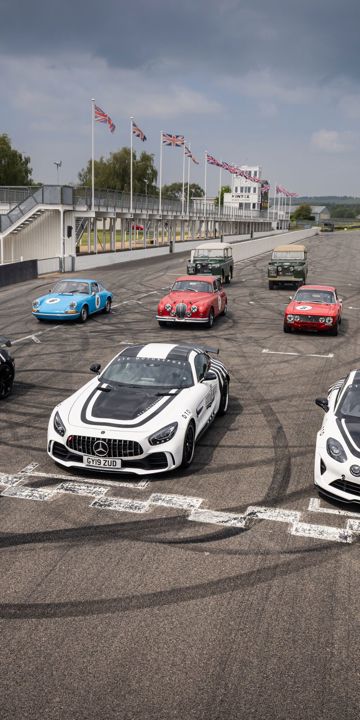

Driving experiences
Unleashed your driving skils -
Goodwood Road Racing Club
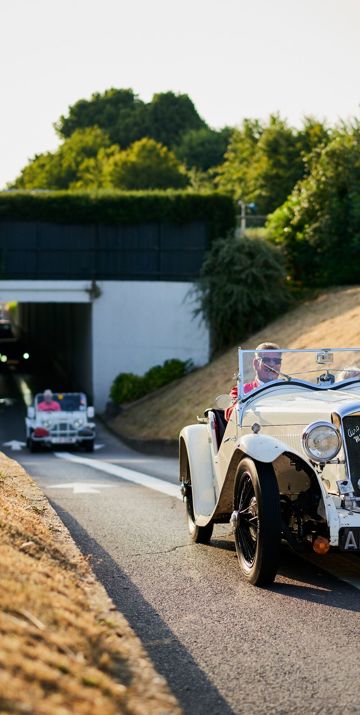

Taming the "Beast"
The Fiat S76 or "Beast of Turin" is a Goodwood favourite and can usually be heard before it is seen at #FOS
-
Latest News
-
Festival of Speed
-
Horseracing
-
Tickets & Packages
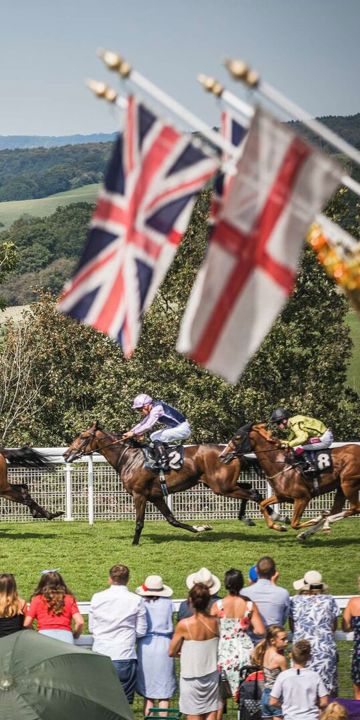
The Magnolia Cup
Leading women of business, sport, fashion and media, take part in one of the most exciting horseracing events in the world.
-
Buy Merchandise
-
Fixtures & Events
-
Season Opener
-
May Festival
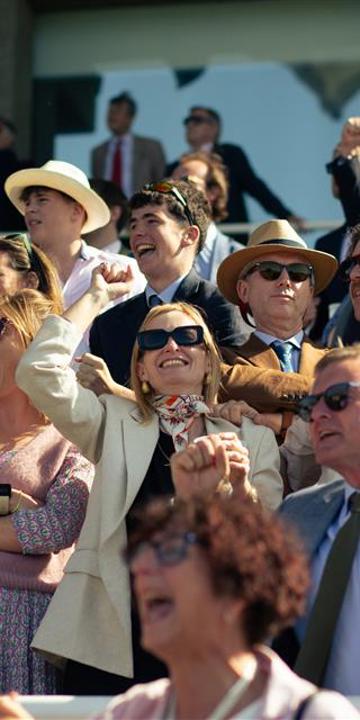
-
Family Race Day
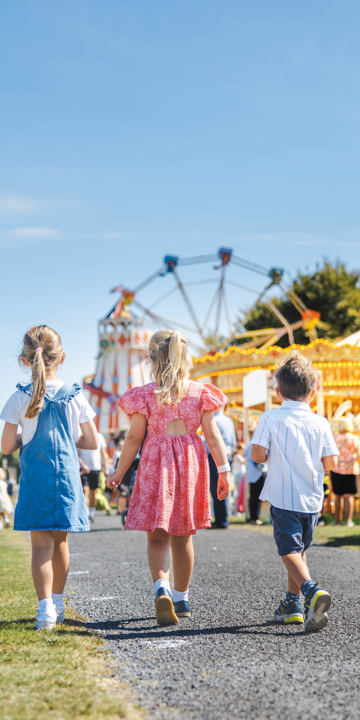
-
Three Friday Nights
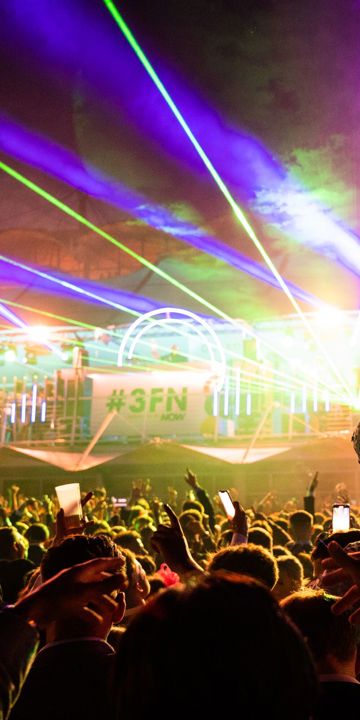
-
Qatar Goodwood Festival
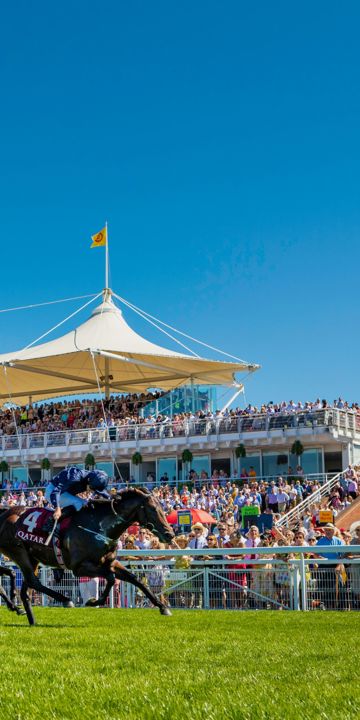
-
August Bank Holiday
-
Autumn Racing
-
Season Finale

Royal approval
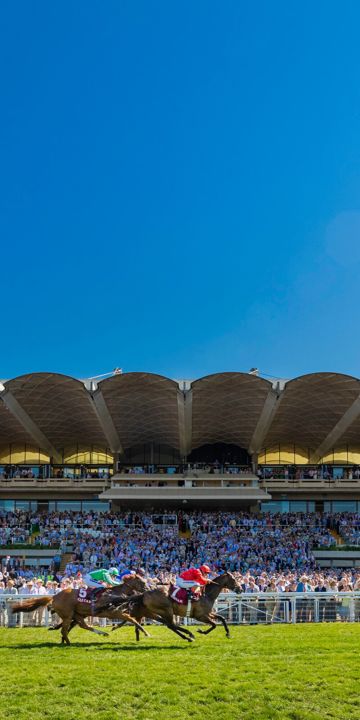
King Edward VII (who came almost every year) famously dubbed Glorious Goodwood “a garden party with racing tacked on”.
-
Season Opener
-
Qatar Goodwood Festival
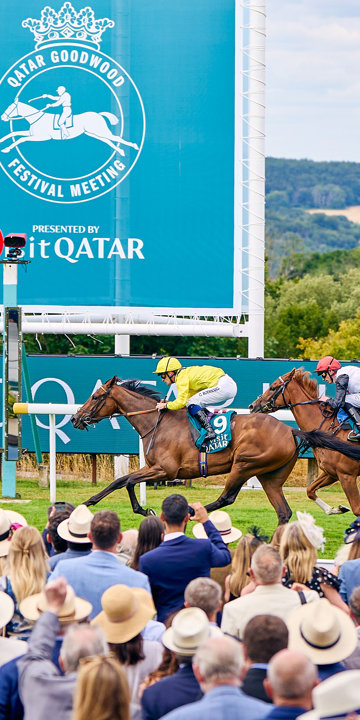
St Simon
Whoa Simon! A horse so determined and headstrong, he not only won the 1883 Goodwood Cup by 20 lengths, but couldn't be stopped and carried on running over the top of Trundle hill
-
Three Friday Nights
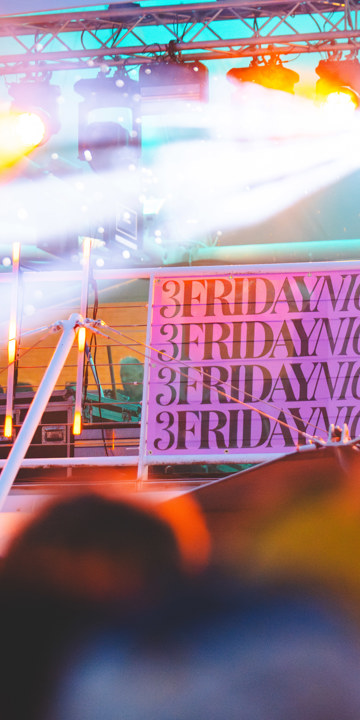
Why does everyone wear hats?
One Summer, King Edward VII turned his back on the traditional morning suit, and donned a linen suit and Panama hat. Thus the Glorious Goodwood trend was born.
-
Hospitality
Why does everyone wear hats?
One Summer, King Edward VII turned his back on the traditional morning suit, and donned a linen suit and Panama hat. Thus the Glorious Goodwood trend was born.
-
Partners
-
Plan Your Day
-
Enclosures
-
Event Map
-
Going Report
-
Getting Here
-
Betting at Goodwood
-
Dress Code
-
Accessibility
-
Food & Drink
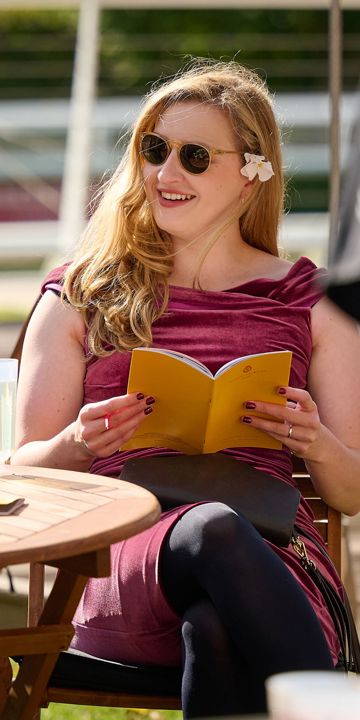
The Magnolia Cup
Leading women of business, sport, fashion and media, take part in one of the most exciting horseracing events in the world.
-
Enclosures
-
Latest News
-
Owners & Trainers
-
Goodwood Horseracing Club
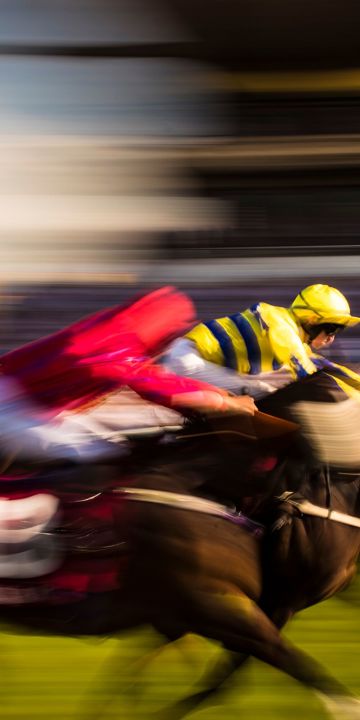

Racing Colours
The red & yellow of the Racecourse can be traced back hundreds of years, even captured in our stunning Stubbs paintings in the Goodwood Collection
-
FAQs
-
Accessibility
-
Tickets & Packages
-
Experiences
-
Driving
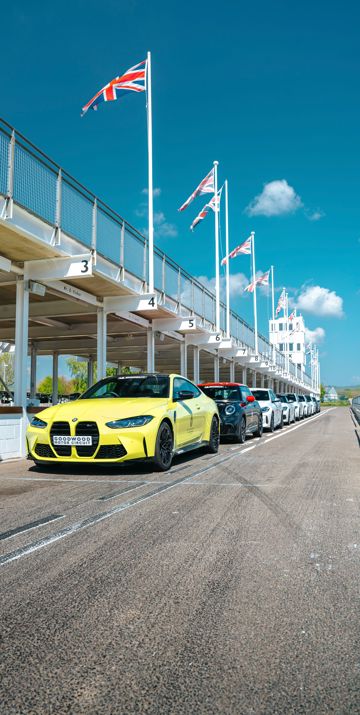
During the war...
The Motor Circuit was known as RAF Westhampnett, active from 1940 to 1946 as a Battle of Britain station.
-
Flying
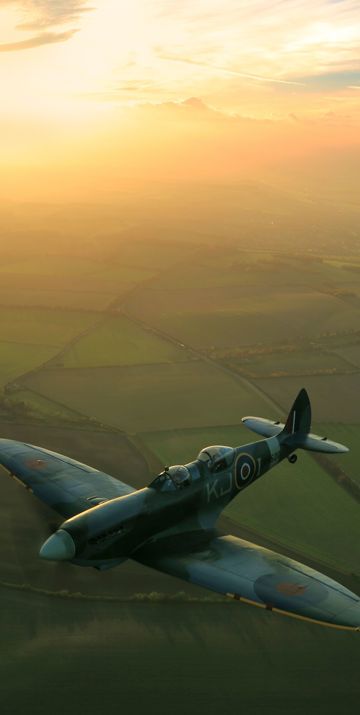

The Silver Spitfire
The iconic spitfire covered almost 43,000 kilometres and visited over 20 countries on its epic journey and currently resides at our Aerodrome.
-
Golf
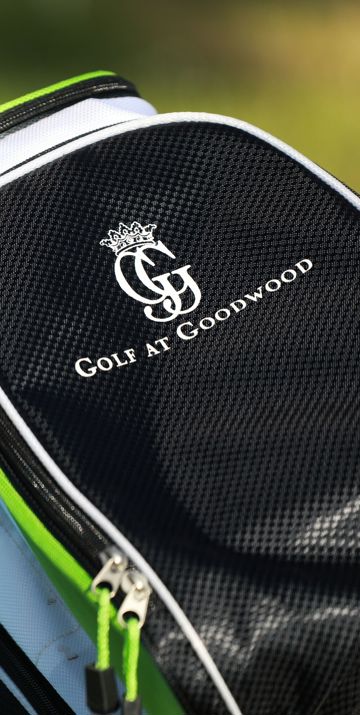

Braid’s Masterpiece
One of the greatest golfers of all time, James Braid designed Goodwood’s iconic Downland course, opened in 1914.
-
Shooting
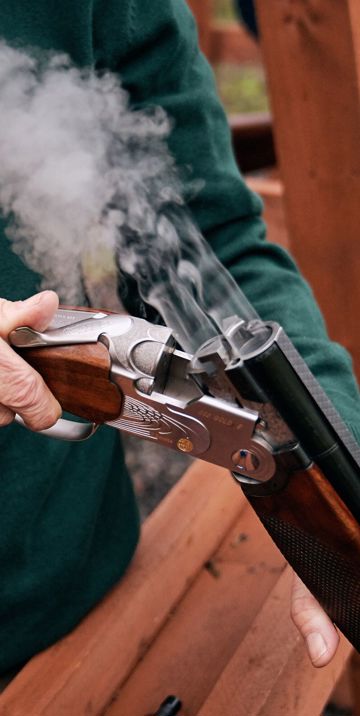
During the war...
The Motor Circuit was known as RAF Westhampnett, active from 1940 to 1946 as a Battle of Britain station.
-
Afternoon Tea
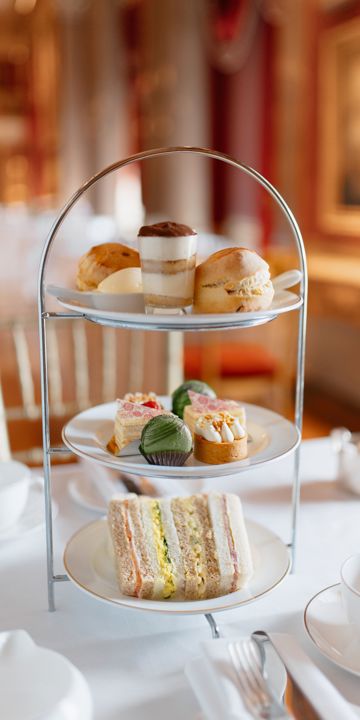
The Silver Spitfire
The iconic spitfire covered almost 43,000 kilometres and visited over 20 countries on its epic journey and currently resides at our Aerodrome.
-
Corporate Wellbeing
Goodwood's first Health Summit...
...took place in 2023 with industry experts discussing nutrition costs and food systems for a healthier future. -
Cycling
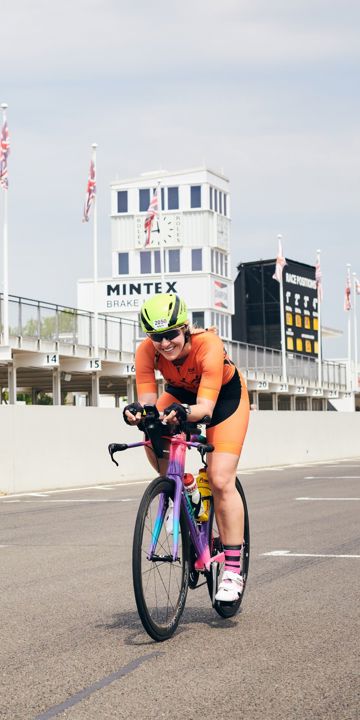

Motorsport Since 1948
Goodwood Motor Circuit was officially opened in September 1948 when Freddie March, the 9th Duke and renowned amateur racer, tore around the track in a Bristol 400
-
Corporate Experiences
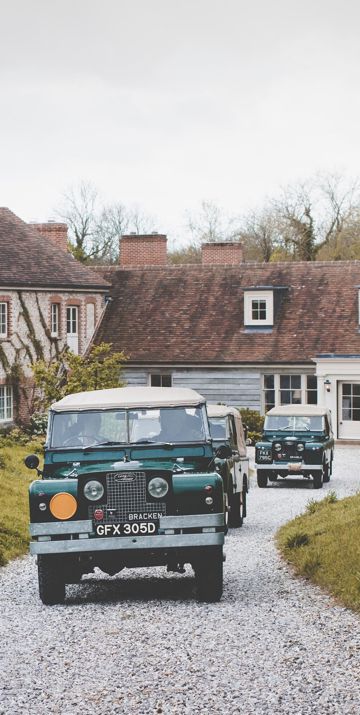
Where else can you...
...plan strategy in an ancient woodland, enjoy award-winning dining then drive around a racetrack?
-
Spa Treatments
-
Driving
-
Golf
-
Golf Courses
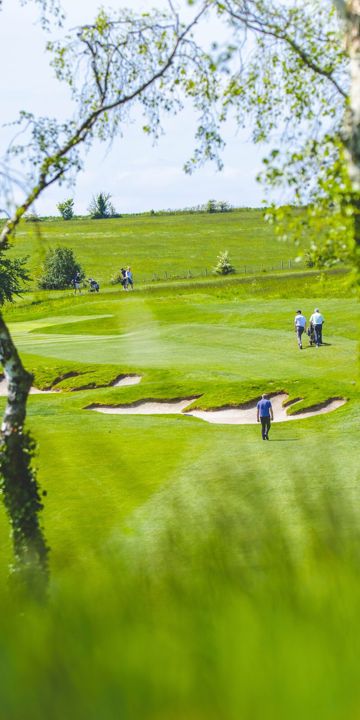

A sporting Estate
Goodwood has two 18-hole championship courses, a modern clubhouse and an impressive Academy. -
Golf Membership
-
Credit Membership
-
Application Form
-
Intermediate Membership
-
Junior Membership
-
Corporate Membership
-
Copse Membership


Over 100 years of Golf
The first ever round of golf played at Goodwood was in 1914 when the 6th Duke of Richmond opened the course on the Downs above Goodwood House.
-
Credit Membership
-
The Academy
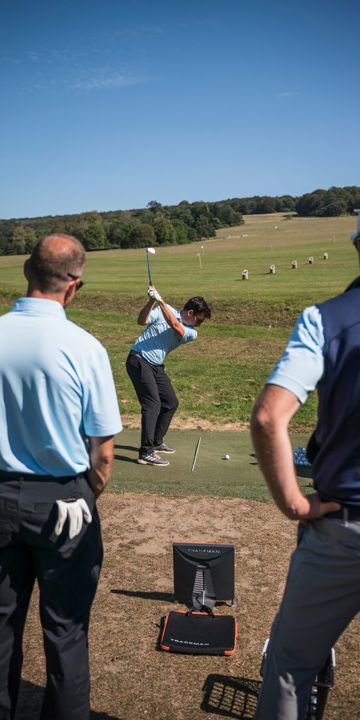
Over 100 years of Golf
The first ever round of golf played at Goodwood was in 1914 when the 6th Duke of Richmond opened the course on the Downs above Goodwood House.
-
Golf Experiences

Over 100 years of Golf
The first ever round of golf played at Goodwood was in 1914 when the 6th Duke of Richmond opened the course on the Downs above Goodwood House.
-
Golf Courses
-
Flying
-
Flying School
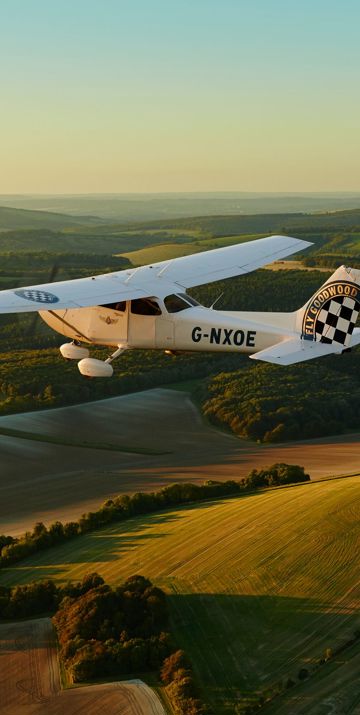
During the war...
The Motor Circuit was known as RAF Westhampnett, active from 1940 to 1946 as a Battle of Britain station.
-
Aero Club Membership
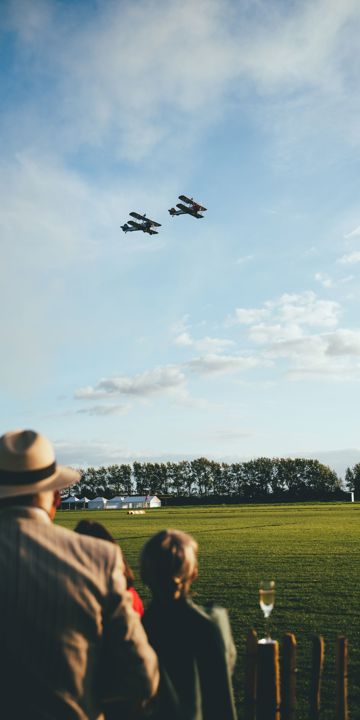
During the war...
The Motor Circuit was known as RAF Westhampnett, active from 1940 to 1946 as a Battle of Britain station.
-
Flying Experiences
-
Pilot Information

Flying Elephant
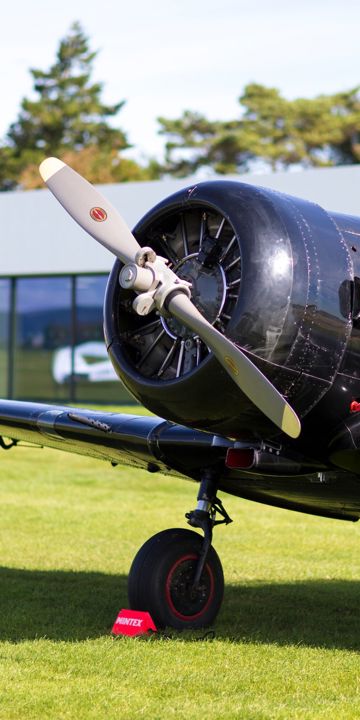
The first thing ever dropped at Goodwood was a cuddly elephant which landed in 1932 just as the 9th Duke of Richmonds passion for flying was taking off.
-
Flying School
-
Meetings
-
Venue Hire
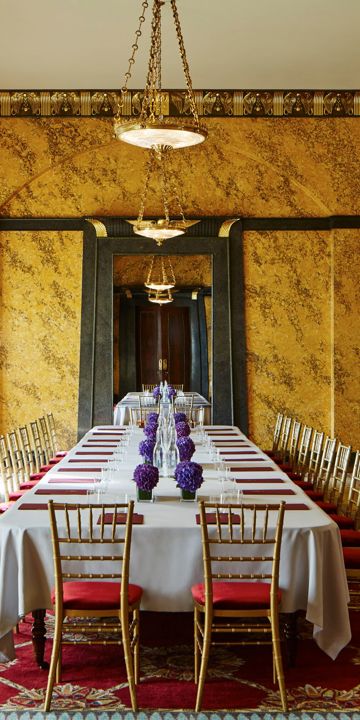
Where else can you...
...plan strategy in an ancient woodland, enjoy award-winning dining then drive around a racetrack?
-
Plan Your Meeting
-
Parties
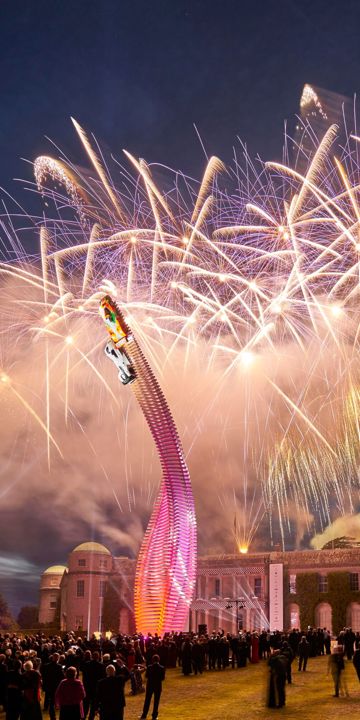
Where else can you...
...plan strategy in an ancient woodland, enjoy award-winning dining then drive around a racetrack?
-
Hospitality

-
Corporate Experiences
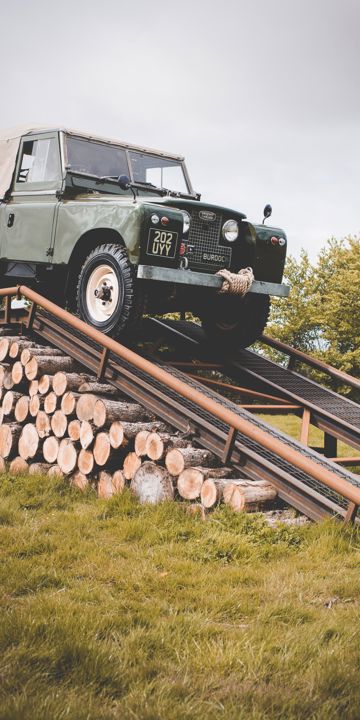
Where else can you...
...plan strategy in an ancient woodland, enjoy award-winning dining then drive around a racetrack?
-
Christmas Parties
-
Film Locations
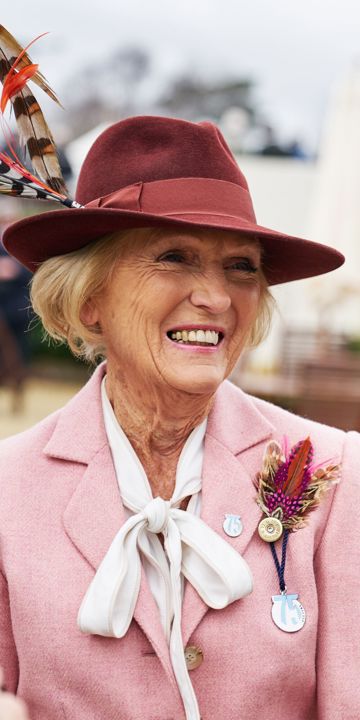
Where else can you...
...plan strategy in an ancient woodland, enjoy award-winning dining then drive around a racetrack?
-
Venue Hire
-
Weddings
-
Goodwood House
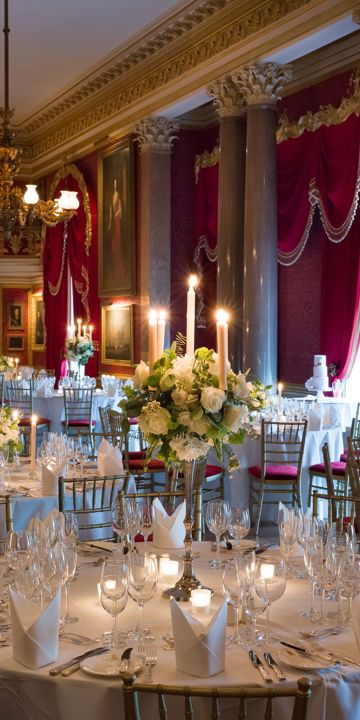

Yellow drawing room
The replica of the original Axminster carpet is so lavish that the President of Bulgaria came to visit it before its departure!
-
The Kennels


How old is The Kennels?
Built in 1787 by celebrated architect James Wyatt to house the third Duke of Richmond’s prized fox hounds, The Kennels was known as one of the most luxurious dog houses in the world!
-
Parties
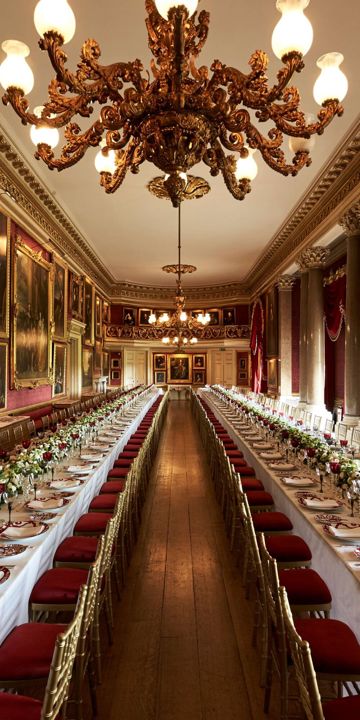


A destination for all seasons
We're well known for our iconic motorsport and horseracing events. But there's a lot more happening at Goodwood...
-
Goodwood House
-
Memberships
-
Goodwood Road Racing Club
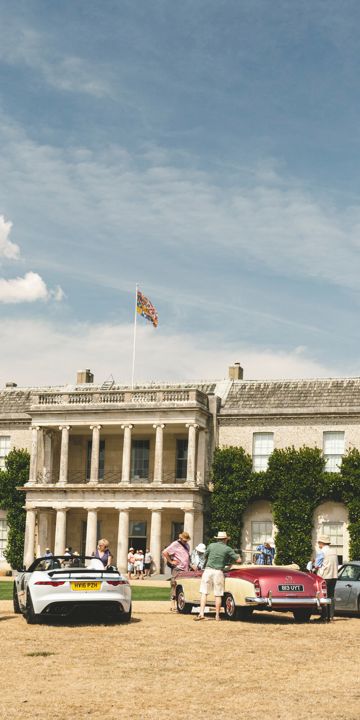

When was the GRRC founded?
Established in 1998 by the Duke of Richmond, the Goodwood Road Racing Club offers exclusive benefits across the estate year-round -
Goodwood Horseracing Club
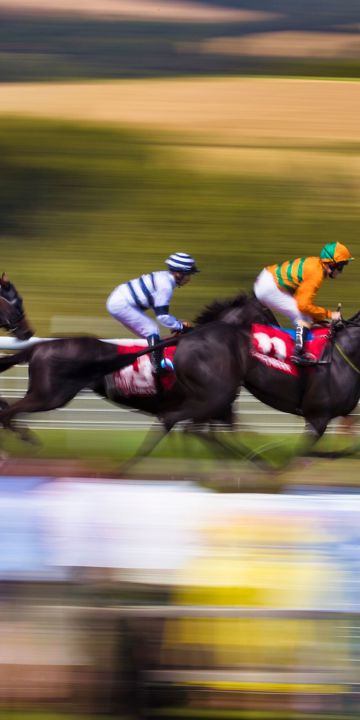

Why walk when you can drive
The first ever horsebox was used from Goodwood to Doncaster for the 1836 St. Leger. Elis arrived fresh and easily won his owner a £12k bet.
-
Golf At Goodwood
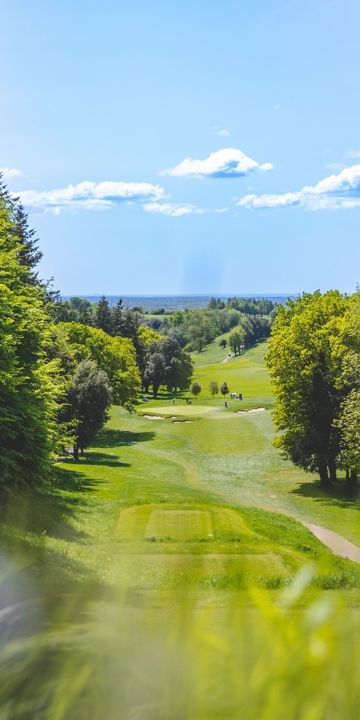
Braid’s Masterpiece
One of the greatest golfers of all time, James Braid designed Goodwood’s iconic Downland course, opened in 1914.
-
Goodwood Aero Club

Ace Pilot
Ray Hanna famously flew straight down Goodwood’s pit straight below the height of the grandstands at the first Revival in 1998
-
Goodwood Health Club
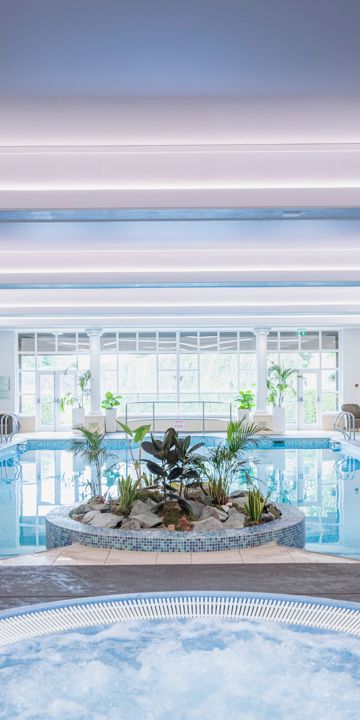
Goodwood's first Health Summit...
...took place in 2023 with industry experts discussing nutrition costs and food systems for a healthier future. -
The Kennels


Fashionable foxhounds
The 1st Duke of Richmond bought Goodwood in 1697 as a place to stay to go foxhunting with the fashionable Charlton Hunt. -
Sporting Membership


21,000 litres...
Alongside the award-winning meat, we also produce 21,000 litres of milk a week, used to make our cheeses. -
Goodwood Racehorse Owners Group
-
Goodwood Art Foundation
-
Goodwood Road Racing Club
- Classic Car Insurance
- Health & Wellbeing
- Buy Merchandise
-
Our Estate
-
What's on
-
Estate Map
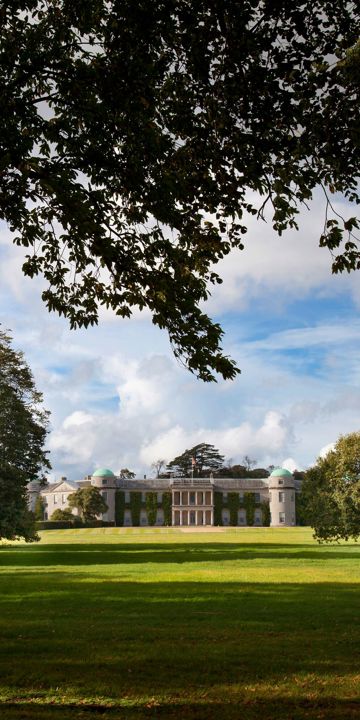

Filming at Goodwood
We have been host to many incredible film crews using Goodwood as a backdrop for shows like Downton Abbey, Hollywood Blockbusters like Venom: let there be Carnage and the Man from U.N.C.L.E.
-
Stories from the Estate
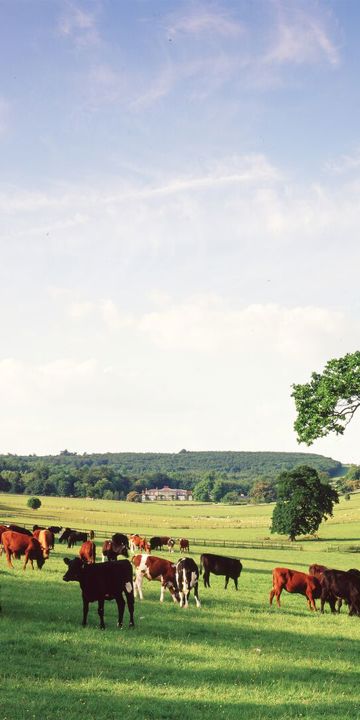

Levin Down Gin
Our gin uses wild-grown botanicals sourced from the estate, and is distilled with mineral water naturally chalk-filtered through the South Downs.
-
Goodwood Education Trust
Carne's Seat
Just beyond Goodwood House along the Hillclimb, the 2nd Dukes banqueting house was also known as "one of the finest rooms in England" (George Vertue 1747).
-
Charities
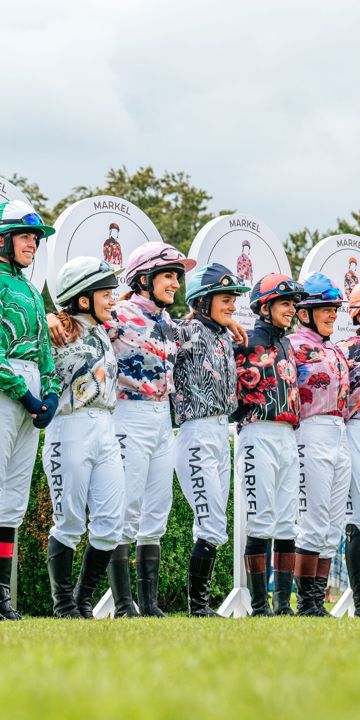
Lucky Leap
Inspired by the legendary racer, Masten Gregory, who famously leapt from the cockpit of his car before impact when approaching Woodcote Corner in 1959.
-
Sustainability
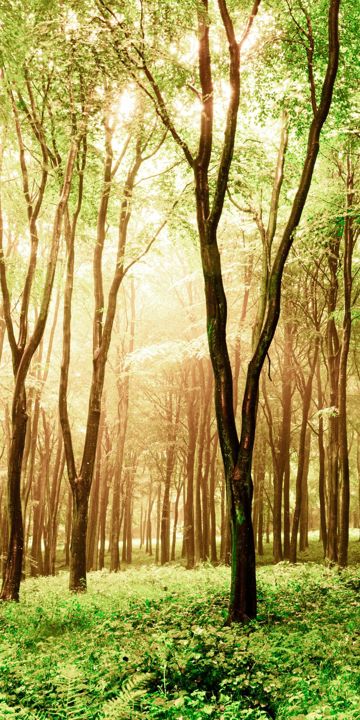
Fashionable foxhounds
The 1st Duke of Richmond bought Goodwood in 1697 as a place to stay to go foxhunting with the fashionable Charlton Hunt. -
Diversity, Equity & inclusion
-
Property
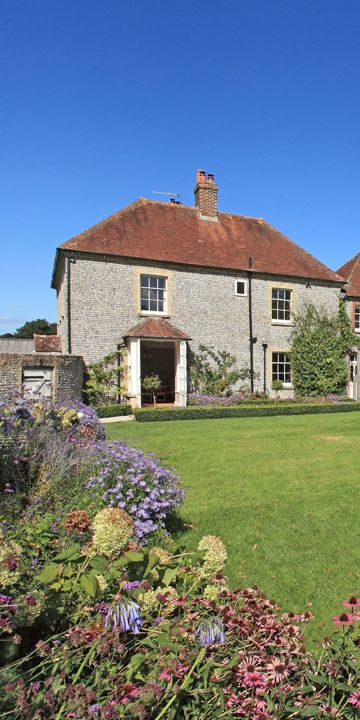
How old is The Kennels?
Built in 1787 by celebrated architect James Wyatt to house the third Duke of Richmond’s prized fox hounds, The Kennels was known as one of the most luxurious dog houses in the world!
-
Walking Guide

Lucky Leap
Inspired by the legendary racer, Masten Gregory, who famously leapt from the cockpit of his car before impact when approaching Woodcote Corner in 1959.
-
Dog Walking Field
-
Careers
Lucky Leap
Inspired by the legendary racer, Masten Gregory, who famously leapt from the cockpit of his car before impact when approaching Woodcote Corner in 1959.
-
Goodwood Art Foundation
-
Farm Shop
-
What's on
- Christmas


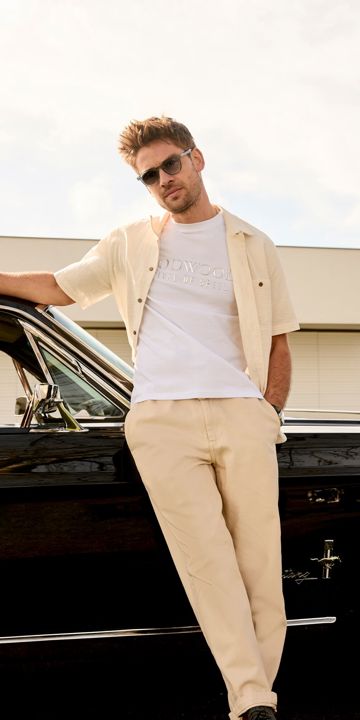
Christmas at Goodwood
Goodwood Health Summit 2025 Recap
The third annual Goodwood Health Summit presented by Randox Health focussed on the intricate relationships between the soil microbiome and the human microbiome, highlighting how these two ecosystems influence each other and overall health. The Duchess of Richmond and Gordon, a long-standing and prominent health campaigner, invited six world-leading experts to address the Summit in three sessions hosted by infectious diseases doctor and broadcaster, Professor Chris van Tulleken.
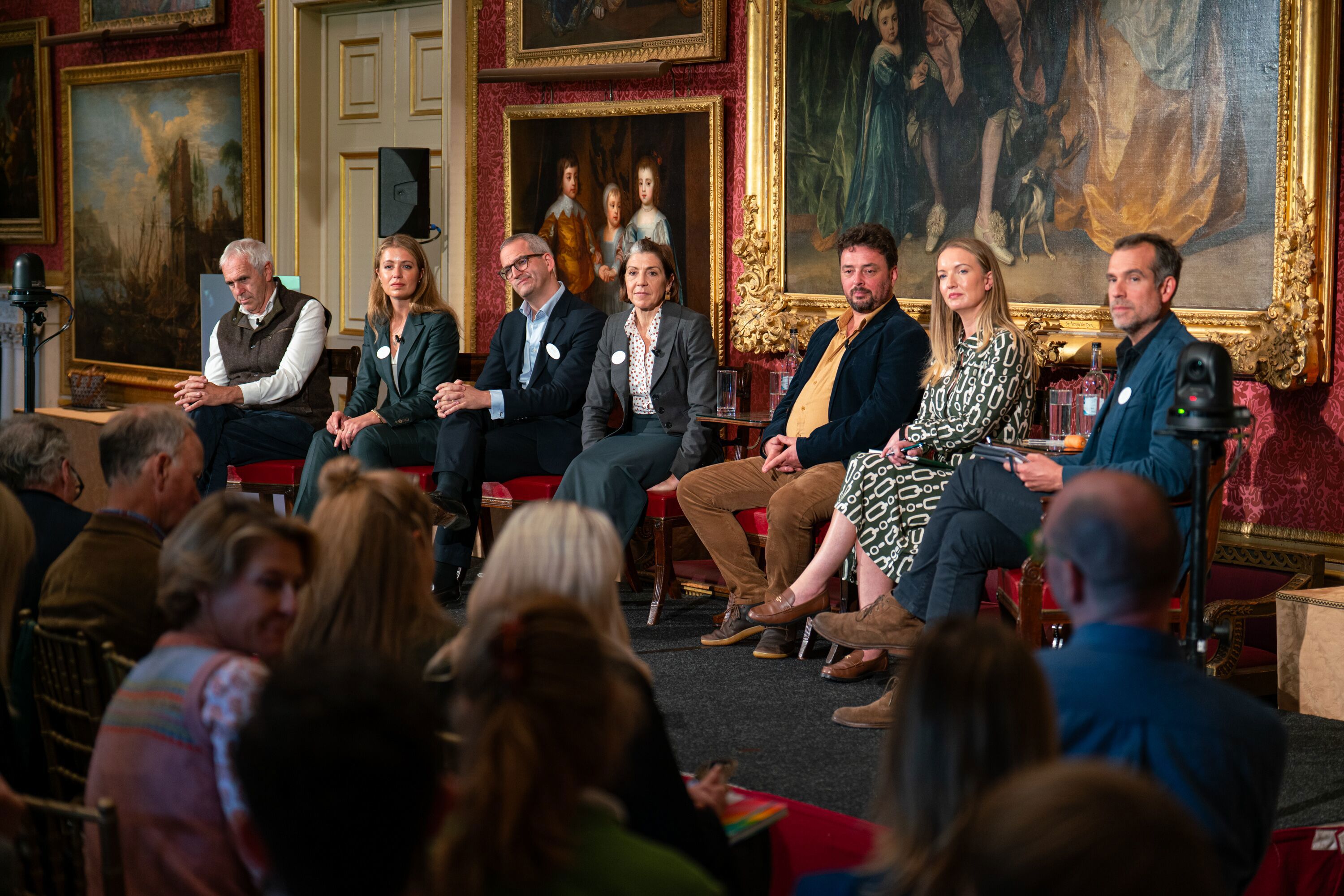
The third annual Goodwood Health Summit presented by Randox took ‘The Soil Microbiome and the Human Microbiome’ as its theme. Introducing the event, The Duchess of Richmond and Gordwon, a long-standing health campaigner said that ‘soil quality determines the food we produce, the nutrients we consume, and the microbial diversity that supports immunity and resilience from the earliest stages of life. When soils are depleted, the health consequences reverberate across the animal and human populations.’
Summit co-founder Stephanie Moore, the clinical nutritional therapist, author, and lead for the Goodwood Gut Health Programme said that this year’s event would ‘dig into two huge subjects with a shared importance. The gut microbiome and the soil microbiome are where human health and the health of the planet begin.”
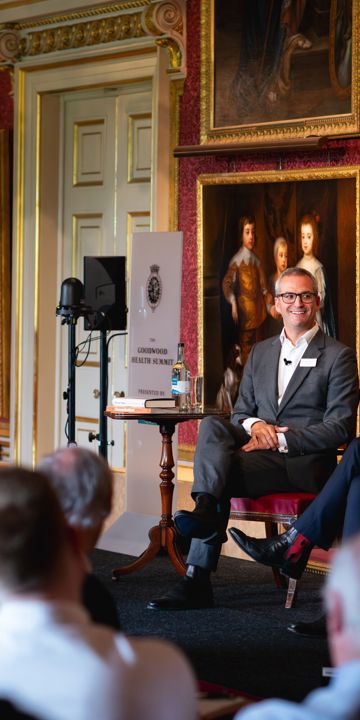
Held at Goodwood House and streamed live, this year’s Summit was moderated by Professor Chris van Tulleken, the BAFTA-winning broadcaster, author, doctor and Associate Professor at UCL, who said that the ‘genius’ of the Summit lay in ‘bringing together two communities of academics, scientists, experts and practitioners who have been isolated from each other for a long time,’ despite the ‘intricate relationships’ between their fields.
The first session was titled ‘The State of Our Environment – Bridging Regenerative Agriculture and Human Health’. Mr James Kinross, the surgeon, author and world-leading authority on the microbiome was joined on stage by Dan Kittredge, founder of the Bionutrient Food Association & The Bionutrient Institute, and a lifelong farmer, educator, and advocate for nutrient-dense food.
As a surgeon, Mr Kinross said the majority of the disease that he operates on is preventable, and that ‘how you set up the gut and how you set up health more broadly in very early life is a critical determinant of the longer-term risk of these diseases’. We are experiencing an ‘internal climate crisis’, he said, and there is a direct link between the health and variety of the human and soil microbiomes. Not only does better soil grow better food, but there is a more direct link too. “Gardeners’ microbiomes shift with the seasons,” he said, “because they’re putting their hands in the soil. I prescribe my patients to get out into the garden and to reconnect with nature.”
Dan Kittredge struck an optimistic note: he acknowledged the ‘vast amounts of desertification that have occurred through the practice of agriculture over the last 10,000 years,’ but said that we could ‘regreen this planet’, turning dirt back into healthy soil. ‘If you’re focusing on the plant, you’re missing the point,” he said. “The real point is to optimise the function of the soil microbiome.” He advocated consumer action rather than regulatory reform as the most effective means of change. “We have evolved with sophisticated nutrient monitoring systems called noses and tongues,” he said. “When you eat a carrot and it doesn’t taste particularly good, it’s not particularly good for you.” Consumers should crowd-source knowledge on this, he said, and leave poorly-grown, nutrient-weak foods on the shelves. “We don’t need to learn about this stuff,” he said. “We already know it.”
The second session was titled ‘Policy, Food Culture, and Personal Health: Reimagining Food Systems for the 21st Century’, and brought together Dr Federica Amati, Nutrition Lead at Imperial College London Faculty of Medicine, and Patrick Holden CBE, the organic farmer and founder of the Sustainable Food Trust.
Dr Amati said that there was ‘a parallel extinction event happening in our guts which reflects what’s happening in our natural environment’. We have lost around half of the microbial diversity in our gut, she said, and the impact was particularly severe in infants given the profound influence of the first thousand days on later health. We need to think of our gut microbes as ‘mini-pharmacies’ with a systemic impact, she said. While much remains to be understood about the gut microbiome, ‘the science is moving very quickly’, and the advice on how to improve it is ‘actually fairly simple’. Food contributes up to 65 per cent of the composition of the gut microbiome, she said, with other environmental influences, including soil directly, contributing the rest. Studies show that improvements in soil health have observable human health outcomes, including a decline in stunting in children.
Patrick Holden compared the ‘mystery’ of soil to that of the human microbiome: ‘we’re only at the beginning of our understanding of it,’ he said. “As a practitioner, an insight which struck me very deeply 15 years ago is that the soil can be likened to the stomach of the plant,” he said, with plants as dependant on their ‘stomach’ for their health as humans are on ours. He challenged the ‘no plough’ and ‘no cow’ schools of thought on agriculture, saying that both could make a contribution to the health of our soils and atmosphere. And he described the Goodwood Health Summit as ‘a really important, even historic gathering’ for ‘building this bridge’ between the medical and farming communities.
The Summit’s final session saw the panellists reassemble to take questions from the floor and from those following on the live stream. They were joined on stage by Lauren Aitken, Head of Operations for Randox Health, who opened by outlining some recent Randox research on the impact of farming and other environmental factors on human health. In one study, lower water quality, due to the fertiliser and pesticide run-off from conventionally farmed fields, brought a ‘dramatic reduction’ in FSH and LH hormones in women, which are ‘strongly linked’ to fertility.
From the floor, Goodwood’s local Liberal Democrat MP Jess Brown-Fuller said that ‘there is political will across the House to do something about this,’ but that Government cannot see that better funding for DEFRA might also save money for the NHS. “I think that’s a fundamentally broken part of our system,” she said. Also speaking from the floor, the epidemiologist and public health campaigner Dr Dolly van Tulleken said legislators understand that the public want change, but that they do not feel the ‘political heat’ at all, and it needs to be turned up. Both advocated writing to your MP, to make our voices heard.
Mr James Kinross said that standards and definitions would help drive policy change: work is starting on this but we still don’t have fundamental agreements around what a healthy human or soil microbiome is. Dan Kittredge said a different, bottom-up approach was needed. “If we organise ourselves around our collective common interest, that will build the momentum that will then turn into government action,” he said. “If the people lead, the leaders will follow.”
Lauren Aitken said Randox’s ‘huge engagement’ with people aged between 25 and 45 showed that ‘people are ready for this change’. And Stephanie Moore advocated starting even earlier, educating children on the importance of their microbiome and encouraging them to feed it every day with the right stuff, treating their gut bugs ‘like they would their pet rabbit’.