-
Events
-
Festival of Speed
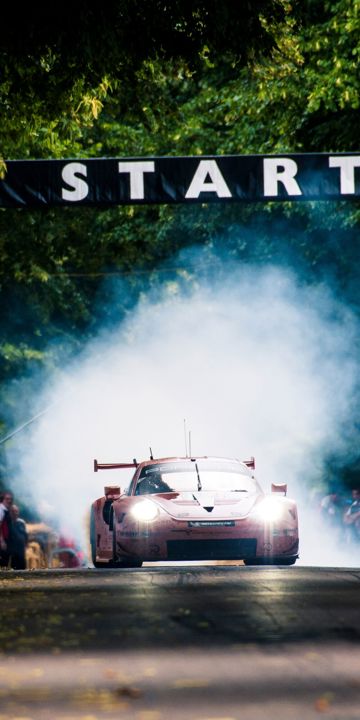

The Hillclimb
The 1.16-mile hillclimb has been the centre of the action since the first festival in 1993. -
Goodwood Revival
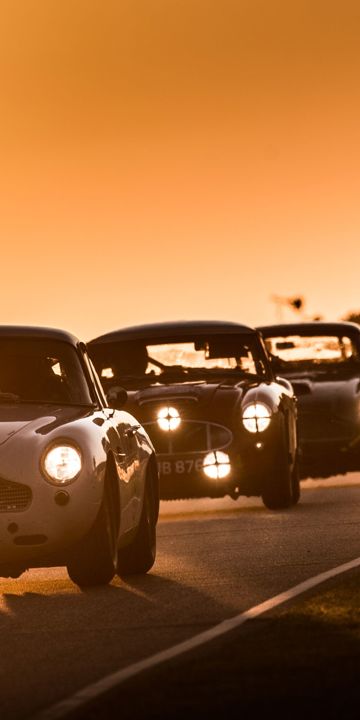

Earls Court replica
Our replica of the famous motor show showcases the "cars of the future" in true Revival style
-
Members' Meeting
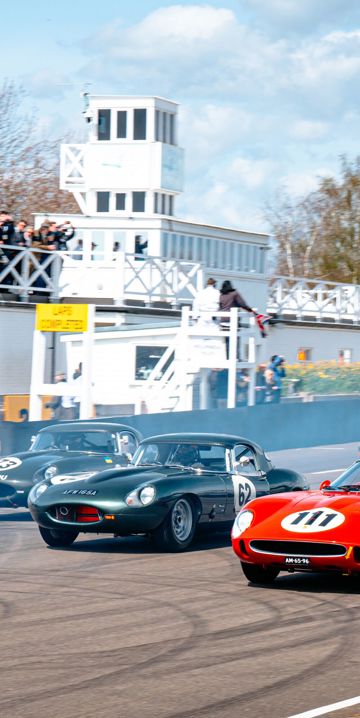

More than motorsport...
Ferret racing and duck herding are two of the many off-track activities at Members' Meeting -
Qatar Goodwood Festival
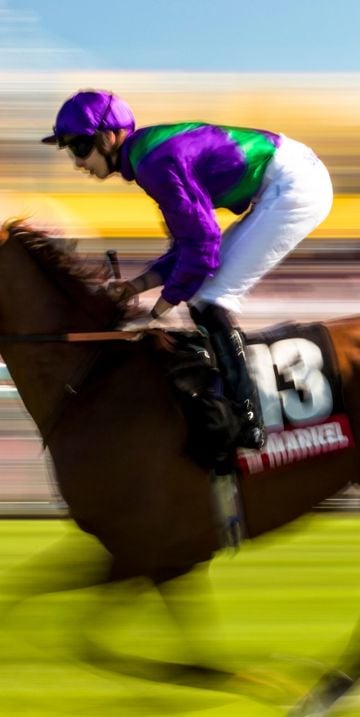

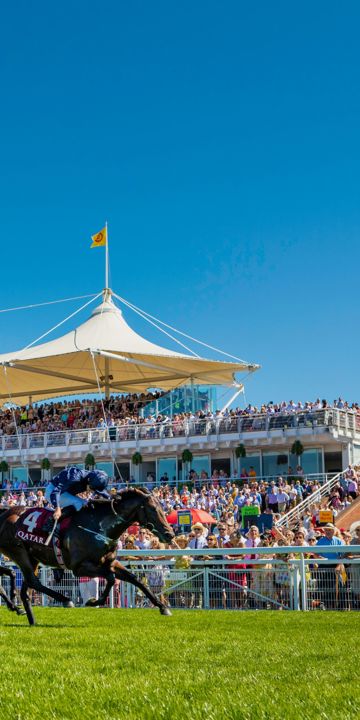
"Glorious Goodwood"
The first public race meeting took place in 1802 and, through the nineteenth century, ‘Glorious Goodwood,’ as the press named it, became a highlight of the summer season
-
Goodwoof
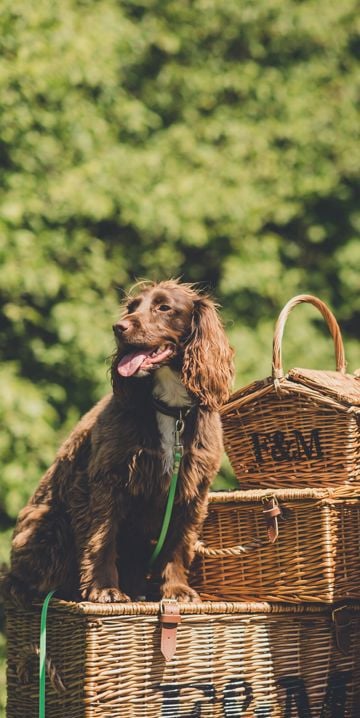

Start in style
The breed parade sees hundreds of dogs and their owners walk from Goodwood House down to The Kennels to kick start the Goodwoof weekend. -
Horseracing
-
Season Opener
-
May Festival
-
Family Race Day
-
Three Friday Nights
-
August Bank Holiday
-
Autumn Racing
-
Season Finale
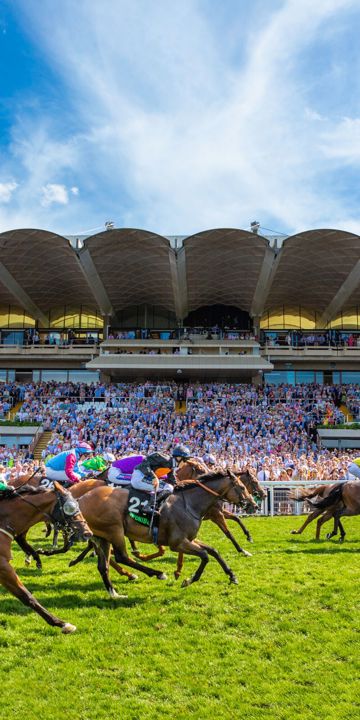

St Simon
Whoa Simon! A horse so determined and headstrong, he not only won the 1883 Goodwood Cup by 20 lengths, but couldn't be stopped and carried on running over the top of Trundle hill
-
Season Opener
-
Breakfast Club
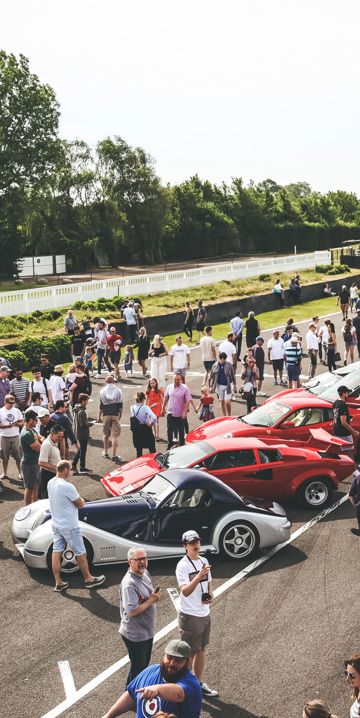

A perfect Sunday morning?
A no-cost, all-welcome motoring show where the visitors and their machines are the stars -
Health Summit
-
Hospitality
-
Exhibiting
-
Partnerships

Where else can you...
...plan strategy in an ancient woodland, enjoy award-winning dining then drive around a racetrack?
-
What's on
-
Festival of Speed
-
Visit, Eat, Stay
-
The Goodwood Hotel
-
Rooms
-
Contact Us
-
Christmas
-
New Year's Eve
-
Weddings
-
Kids Activities
-
Offers
-
Local Attractions
-
Plan your stay

Filming at Goodwood
We have been host to many incredible film crews using Goodwood as a backdrop for shows like Downton Abbey, Hollywood Blockbusters like Venom: let there be Carnage and the Man from U.N.C.L.E.
-
Rooms
-
Goodwood Cottages

Carne's Seat
Just beyond Goodwood House along the Hillclimb, the 2nd Dukes banqueting house was also known as "one of the finest rooms in England" (George Vertue 1747).
-
Goodwood House
-
Afternoon Tea & Tour
-
The Collection
-
Exhibitions
-
History
-
Weddings
-
Copper Dome Restoration
-
Secrets of a Radical Duke Talk by Professor Danielle Allen

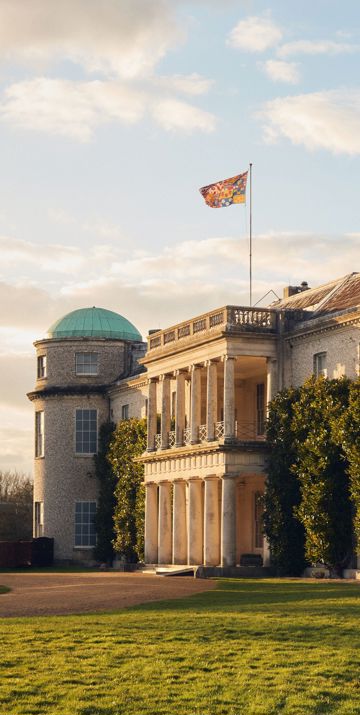
Copper Turrets
After a fire in 1791 at Richmond House in Whitehall, London, James Wyatt added two great wings to showcase the saved collection at Goodwood. To give unity to the two new wings, Wyatt added copper-domed turrets framing each façade.
-
Afternoon Tea & Tour
-
Restaurants
-
Farmer, Butcher, Chef
-
The Goodwood Bar & Grill
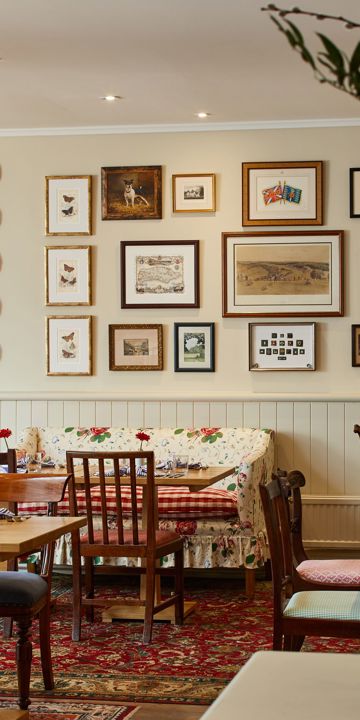
-
The Kennels
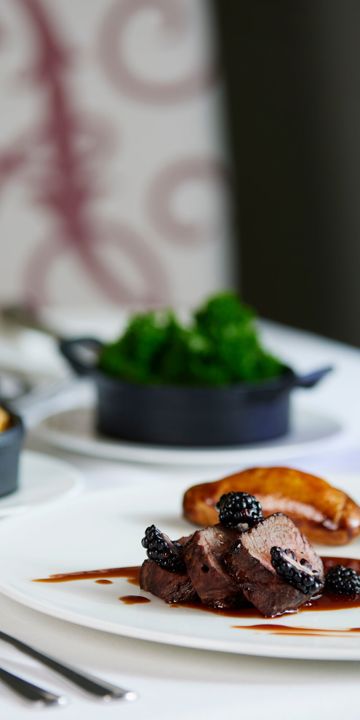
-
Aerodrome Café
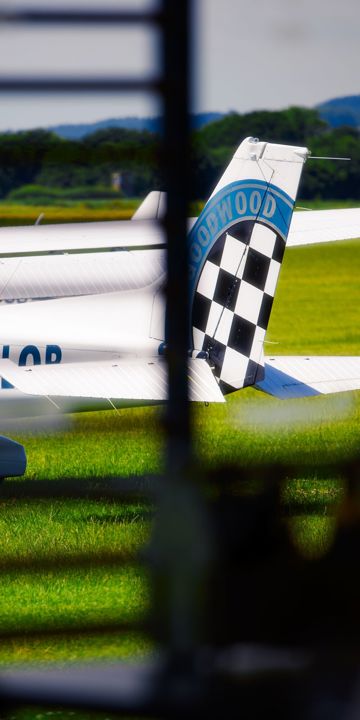
-
Motor Circuit Café

-
Cafe 24
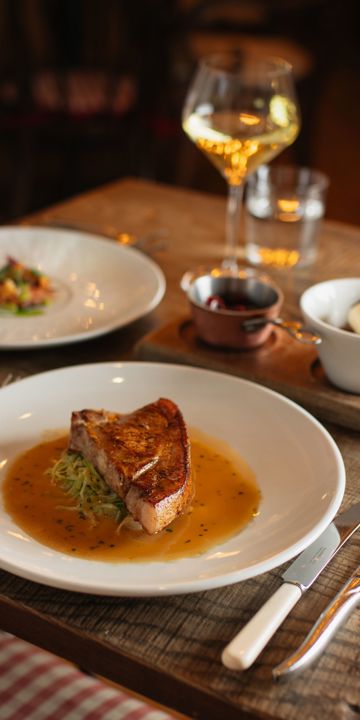

Sustainable state-of-mind
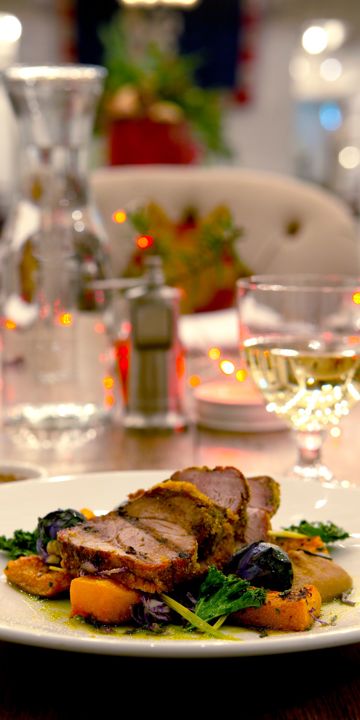
When Farmer, Butcher, Chef opened in 2016 it was awarded the UK’s first-ever Royal Academy of Culinary Arts ‘Sustainable Food Philosophy Seal’. -
Farmer, Butcher, Chef
-
The Kennels
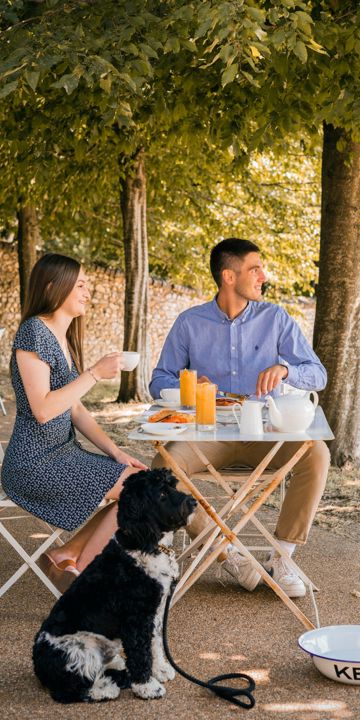

An exclusive clubhouse
As the private clubhouse for all of the Estate’s sporting and social members, it offers personal service and a relaxed atmosphere
-
Motor Circuit
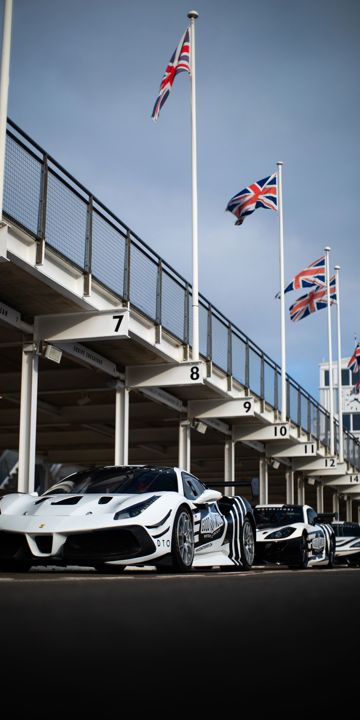

"Motorsport garden party of the gods"
Festival of Speed is our longest-standing Motorsport event, starting in 1993 when it opened to 25,00 people. We were expecting 2000!
-
Health & Wellbeing
-
Membership
-
Health Club
-
Gym
-
Run Series
-
Spa Treatments
-
Wellness Retreats
-
Events Calendar
-
Corporate Wellbeing
-
Health Summit
-
Latest News
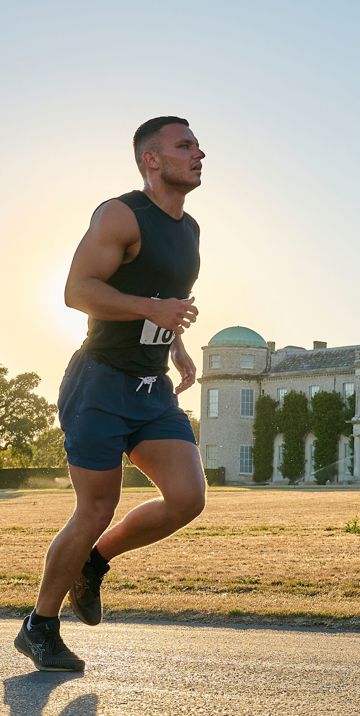

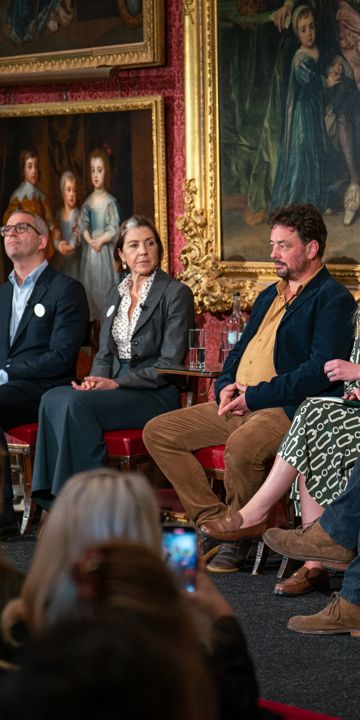
Goodwood's first Health Summit...
...took place in 2023 with industry experts discussing nutrition costs and food systems for a healthier future. -
Membership
-
Hound Lodge
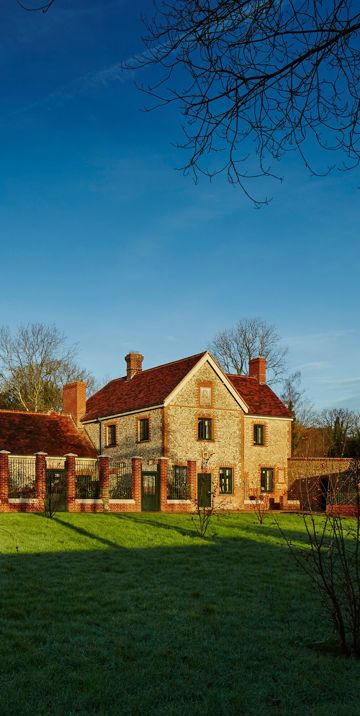

One for every occasion
A huge variety of glassware is available for each wine, all labelled by grape type to give the best flavour profile.
-
Goodwood Farm Shop


Levin Down Gin
Our gin uses wild-grown botanicals sourced from the estate, and is distilled with mineral water naturally chalk-filtered through the South Downs.
-
Parties
-
Goodwood Art Foundation
-
The Goodwood Hotel
-
Motorsport
-
Festival of Speed
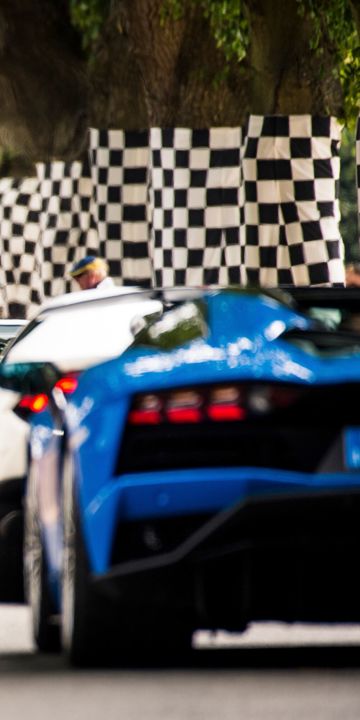

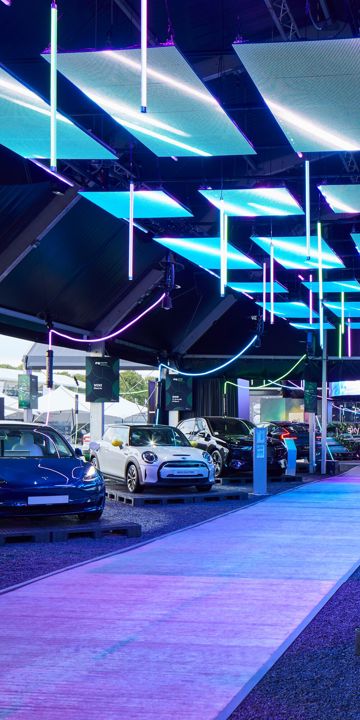
A bright future at #FOS
Future Lab is Goodwood's innovation pavilion, inspiring industry enthusiasts and future scientists with dynamic tech
-
Goodwood Revival
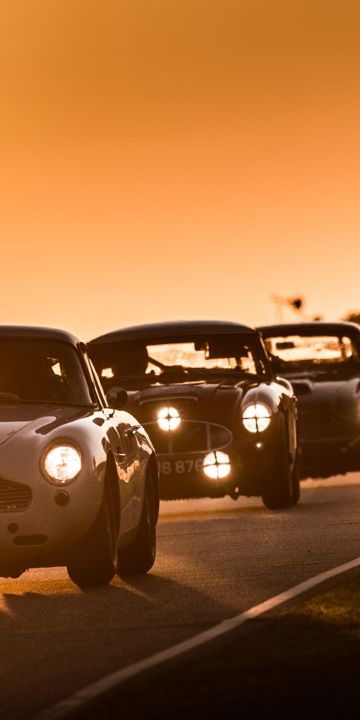

Spectators Favourite
Spectate from the chicane at the Revival to see plenty of classic cars going sideways as they exit this infamous point of our Motor Circuit.
-
Members' Meeting
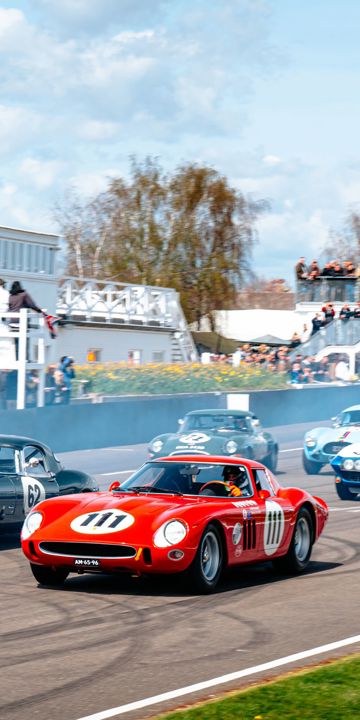

"Mr Goodwood"
Sir Stirling Moss was one of the founding patrons of the Festival of Speed, and a regular competitor at the Revival.
-
Breakfast Club
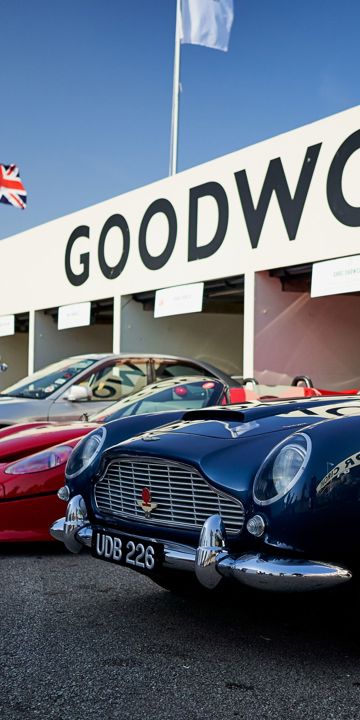
Spectators Favourite
Spectate from the chicane at the Revival to see plenty of classic cars going sideways as they exit this infamous point of our Motor Circuit.
-
Motor Circuit
A perfect Sunday morning?
A no-cost, all-welcome motoring show where the visitors and their machines are the stars -
Driving Experiences
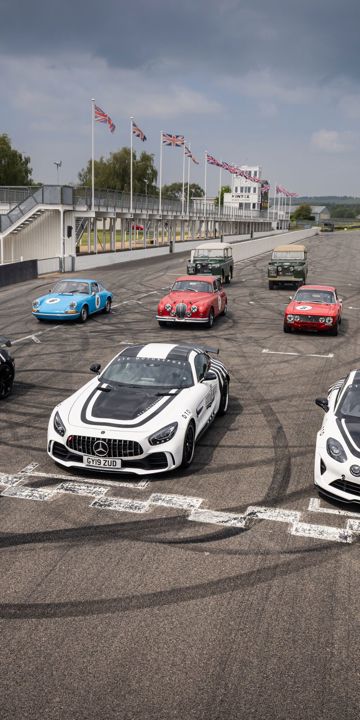

Taming the "Beast"
The Fiat S76 or "Beast of Turin" is a Goodwood favourite and can usually be heard before it is seen at #FOS
-
Goodwood Road Racing Club
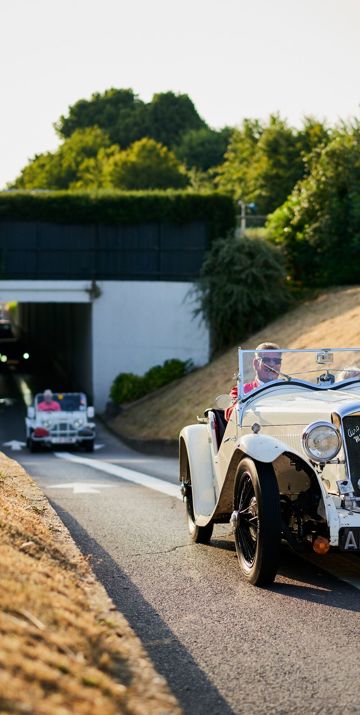

Mad Mike
FOS Favourite Mad Mike Whiddett can be caught melting tyres in his incredible collection of cars (and trucks) up the hillclimb
-
Latest News
-
Festival of Speed
-
Horseracing
-
Tickets & Packages
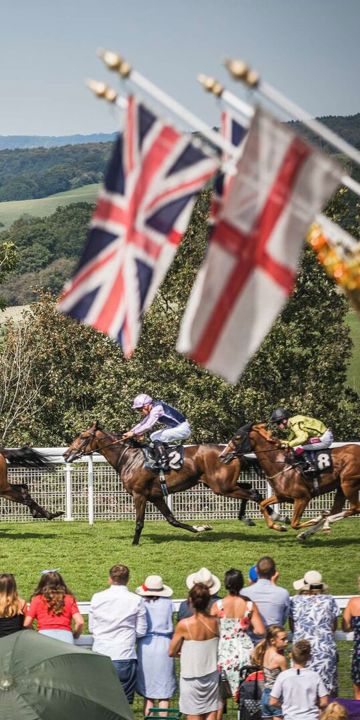

Racing Colours
The red & yellow of the Racecourse can be traced back hundreds of years, even captured in our stunning Stubbs paintings in the Goodwood Collection
-
Hospitality
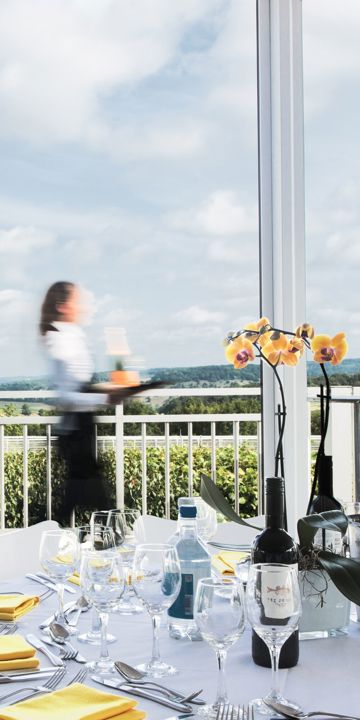

Royal approval
King Edward VII (who came almost every year) famously dubbed Glorious Goodwood “a garden party with racing tacked on”.
-
Goodwood Horseracing Club
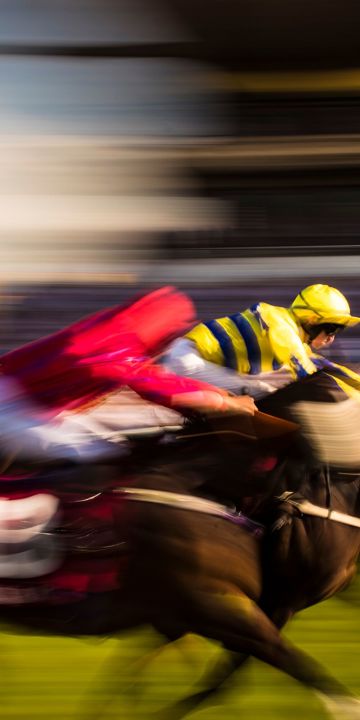

The Magnolia Cup
Leading women of business, sport, fashion and media, take part in one of the most exciting horseracing events in the world.
-
Fixtures & Events
-
Season Opener
-
May Festival
-
Family Race Day
-
Three Friday Nights
-
Qatar Goodwood Festival
-
August Bank Holiday
-
Autumn Racing
-
Season Finale
Royal approval
King Edward VII (who came almost every year) famously dubbed Glorious Goodwood “a garden party with racing tacked on”.
-
Season Opener
-
Qatar Goodwood Festival
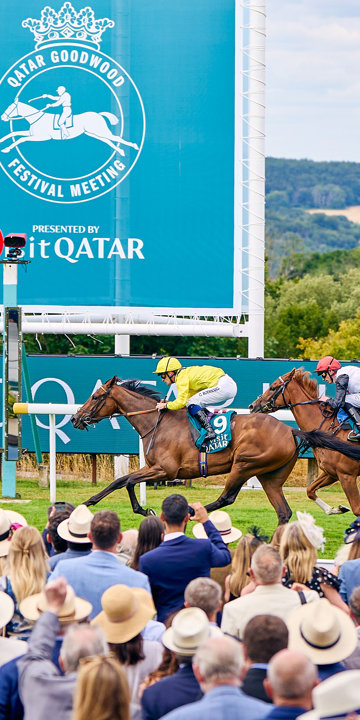

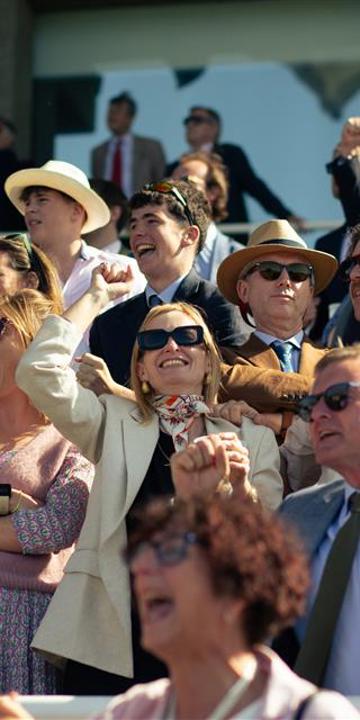
Why does everyone wear hats?
One Summer, King Edward VII turned his back on the traditional morning suit, and donned a linen suit and Panama hat. Thus the Glorious Goodwood trend was born.
-
Three Friday Nights
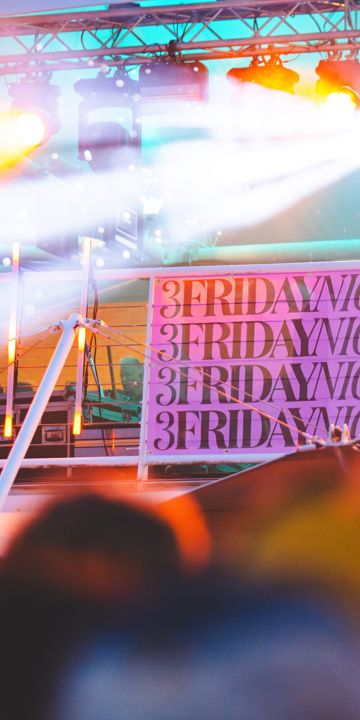
St Simon
Whoa Simon! A horse so determined and headstrong, he not only won the 1883 Goodwood Cup by 20 lengths, but couldn't be stopped and carried on running over the top of Trundle hill
-
Plan Your Day
-
Enclosures
-
Event Map
-
Going Report
-
Getting Here
-
Betting at Goodwood
-
Dress Code
-
Accessibility
-
Food & Drink
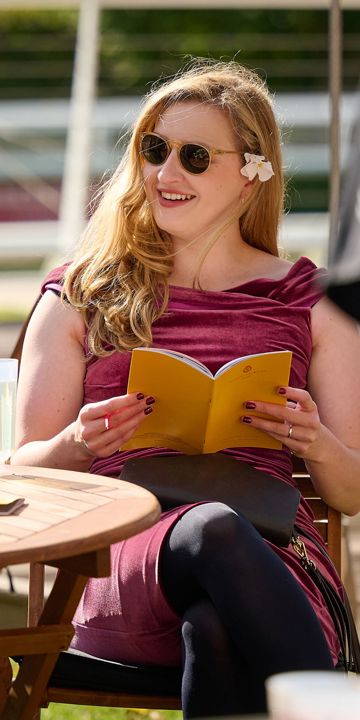
Racing Colours
The red & yellow of the Racecourse can be traced back hundreds of years, even captured in our stunning Stubbs paintings in the Goodwood Collection
-
Enclosures
-
Buy Merchandise
-
Partners
-
Owners & Trainers
-
Latest News
-
FAQs
-
Accessibility
-
Tickets & Packages
-
Experiences
-
Driving
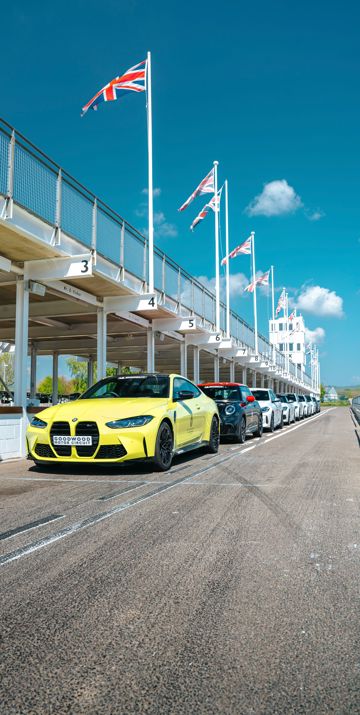
Mad Mike
FOS Favourite Mad Mike Whiddett can be caught melting tyres in his incredible collection of cars (and trucks) up the hillclimb
-
Flying
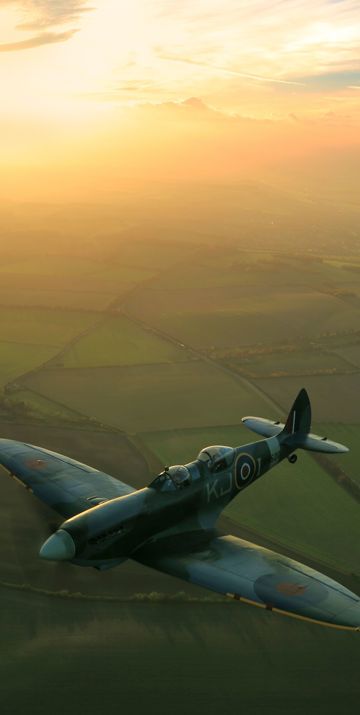

The Silver Spitfire
The iconic spitfire covered almost 43,000 kilometres and visited over 20 countries on its epic journey and currently resides at our Aerodrome.
-
Golf
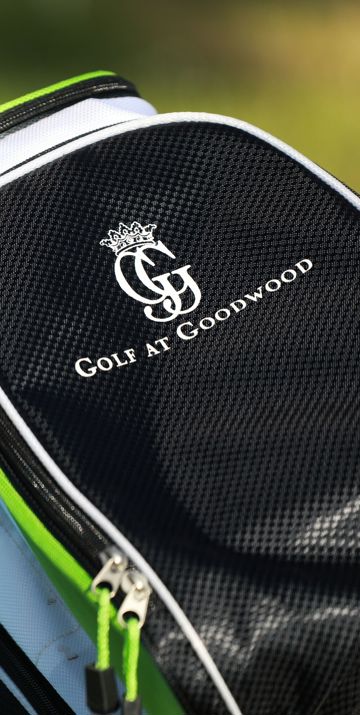

A sporting Estate
Goodwood has two 18-hole championship courses, a modern clubhouse and an impressive Academy. -
Shooting
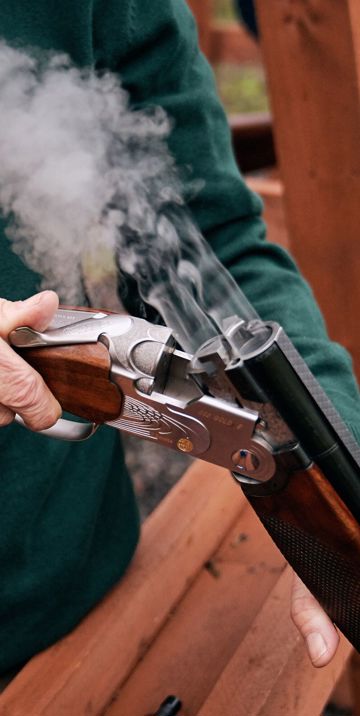

Roots for the future
A 20m woodland rue, from Halnaker to Lavant, was planted by our forestry teams & volunteers, featuring native species like oak, beech, & hornbeam
-
Afternoon Tea
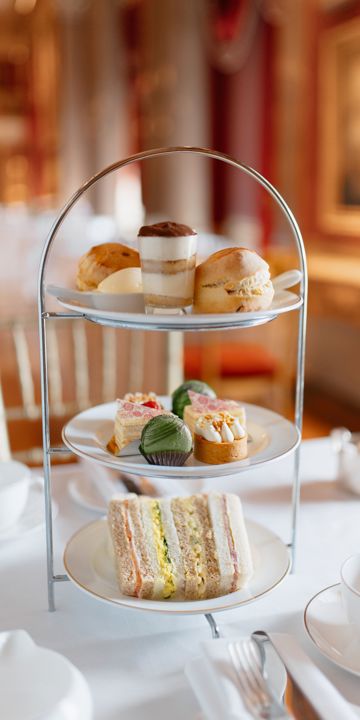

During the war...
The Motor Circuit was known as RAF Westhampnett, active from 1940 to 1946 as a Battle of Britain station. -
Corporate Wellbeing
Goodwood's first Health Summit...
...took place in 2023 with industry experts discussing nutrition costs and food systems for a healthier future. -
Cycling
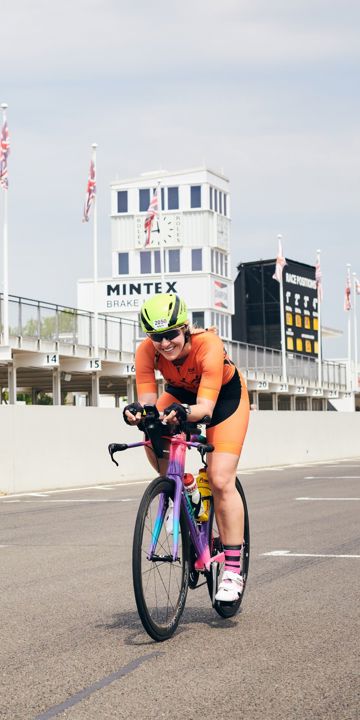

Ace Pilot
Ray Hanna famously flew straight down Goodwood’s pit straight below the height of the grandstands at the first Revival in 1998
-
Corporate Experiences
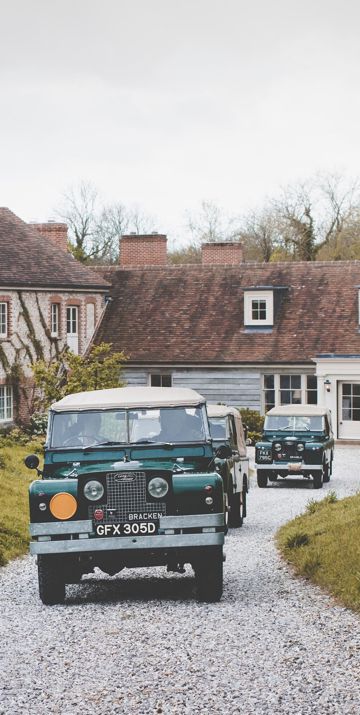
Where else can you...
...plan strategy in an ancient woodland, enjoy award-winning dining then drive around a racetrack?
-
Spa Treatments
-
Driving
- Hospitality
-
Golf
-
Golf Courses
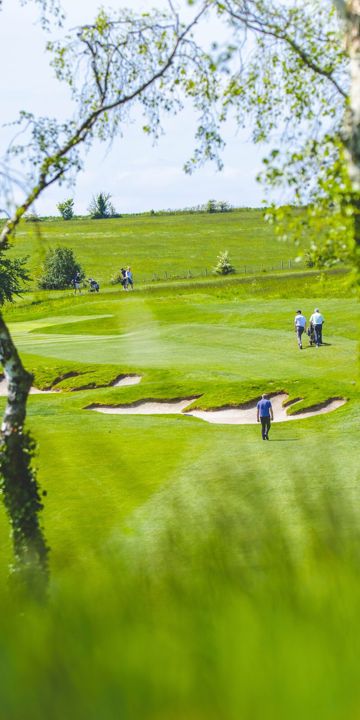

Braid’s Masterpiece
One of the greatest golfers of all time, James Braid designed Goodwood’s iconic Downland course, opened in 1914.
-
Golf Membership
-
Credit Membership
-
Application Form
-
Braid Membership
-
Intermediate Membership
-
Junior Membership
-
Corporate Membership
-
Copse Membership

A sporting Estate
Goodwood has two 18-hole championship courses, a modern clubhouse and an impressive Academy. -
Credit Membership
-
The Academy
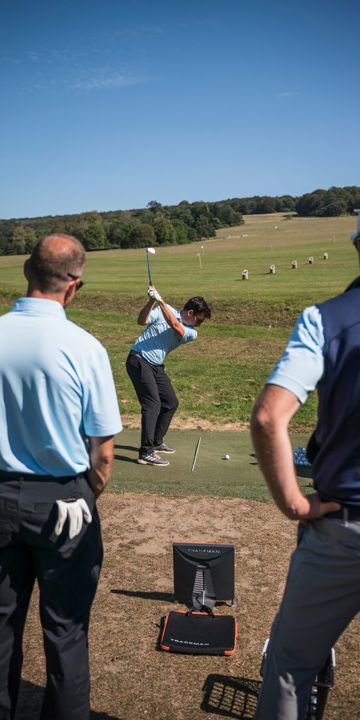
Braid’s Masterpiece
One of the greatest golfers of all time, James Braid designed Goodwood’s iconic Downland course, opened in 1914.
-
Golf Experiences

A sporting Estate
Goodwood has two 18-hole championship courses, a modern clubhouse and an impressive Academy.
-
Golf Courses
-
Flying
-
Flying School
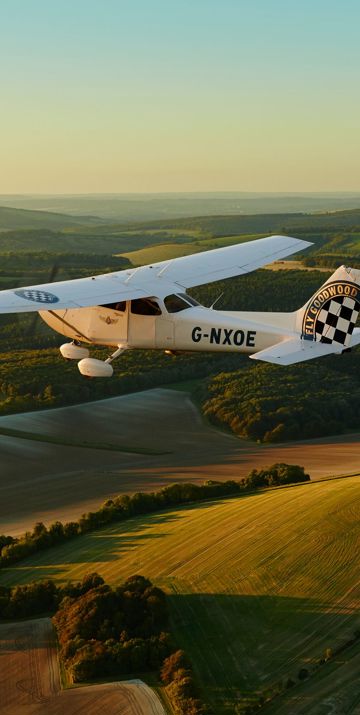

Group Captain Sir Douglas Bader
The famous fighter ace, who flew his last sortie from Goodwood Aerodrome, formerly RAF Westhampnett has a statue in his honor within the airfield.
-
Aero Club Membership
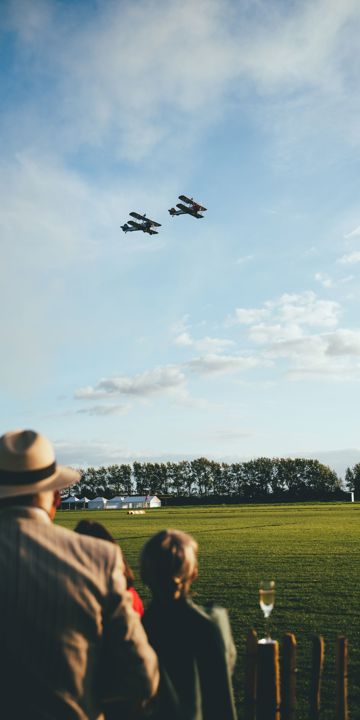
Group Captain Sir Douglas Bader
The famous fighter ace, who flew his last sortie from Goodwood Aerodrome, formerly RAF Westhampnett has a statue in his honor within the airfield.
-
Flying Experiences
-
Pilot Information
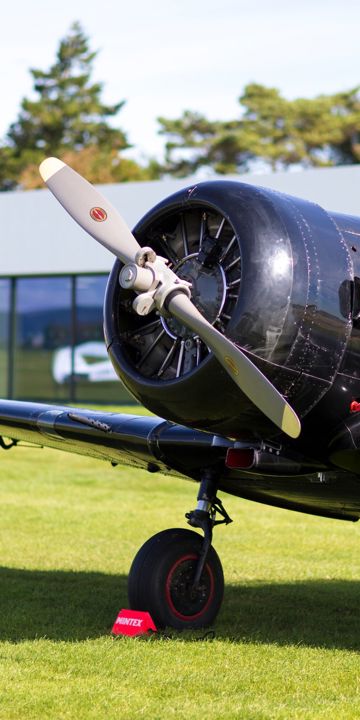

Flying Elephant
The first thing ever dropped at Goodwood was a cuddly elephant which landed in 1932 just as the 9th Duke of Richmonds passion for flying was taking off.
-
Flying School
-
Meetings
-
Venue Hire
-
Goodwood House
-
The Racecourse
-
The Goodwood Hotel
-
The Motor Circuit
-
The Kennels
-
The Aerodrome
-
The Great Outdoors
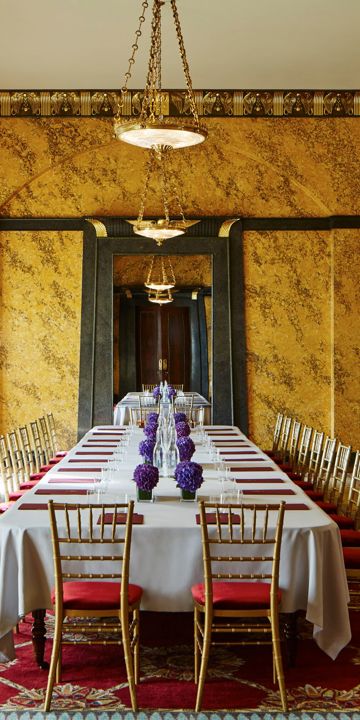
Where else can you...
...plan strategy in an ancient woodland, enjoy award-winning dining then drive around a racetrack?
-
Goodwood House
-
Plan Your Meeting
-
Parties
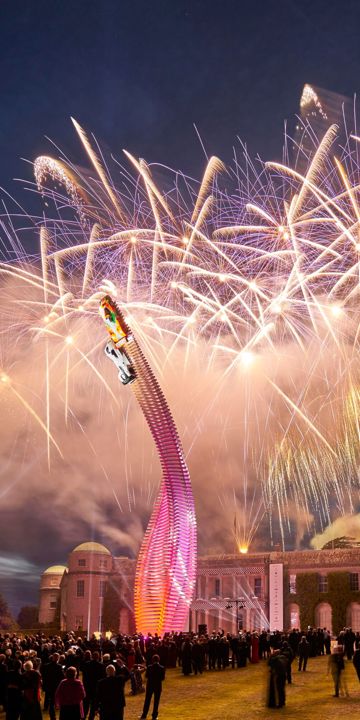
Where else can you...
...plan strategy in an ancient woodland, enjoy award-winning dining then drive around a racetrack?
-
Hospitality

-
Corporate Experiences
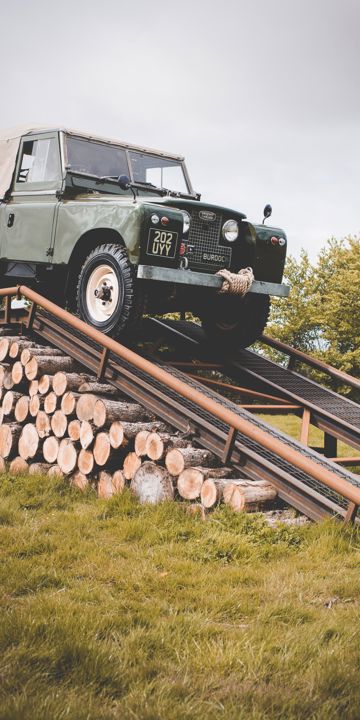
Where else can you...
...plan strategy in an ancient woodland, enjoy award-winning dining then drive around a racetrack?
-
Christmas Parties
-
Film Locations
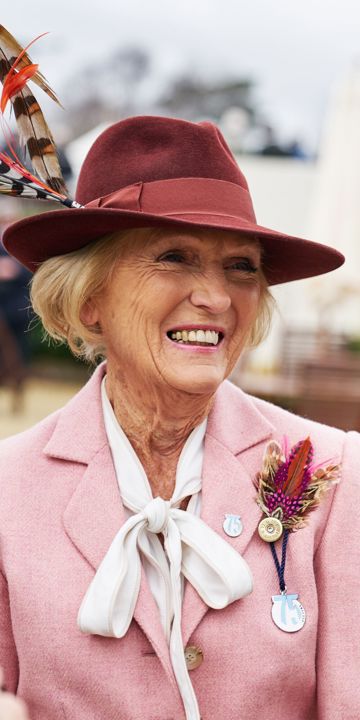
Filming at Goodwood
We have been host to many incredible film crews using Goodwood as a backdrop for shows like Downton Abbey, Hollywood Blockbusters like Venom: let there be Carnage and the Man from U.N.C.L.E.
-
Venue Hire
-
Weddings
-
Goodwood House
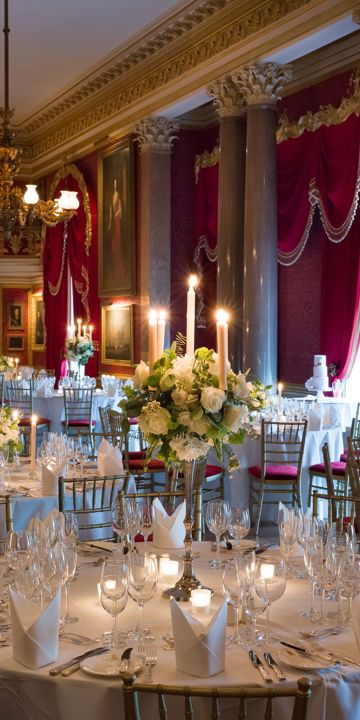

Egyptian Dining Room
Testament to the 19th-century fascination with ancient Egypt and decorative opulence. The room is richly detailed with gilded cartouches, sphinxes, birds and crocodiles.
-
The Kennels


Fashionable foxhounds
The 1st Duke of Richmond bought Goodwood in 1697 as a place to stay to go foxhunting with the fashionable Charlton Hunt. -
Parties
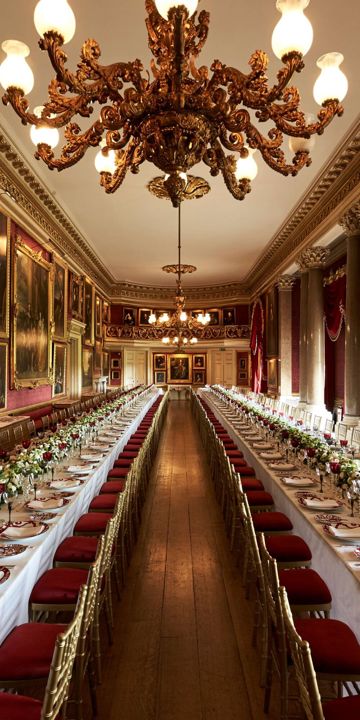
Where else can you...
...plan strategy in an ancient woodland, enjoy award-winning dining then drive around a racetrack?
-
Goodwood House
-
Memberships
-
Goodwood Road Racing Club
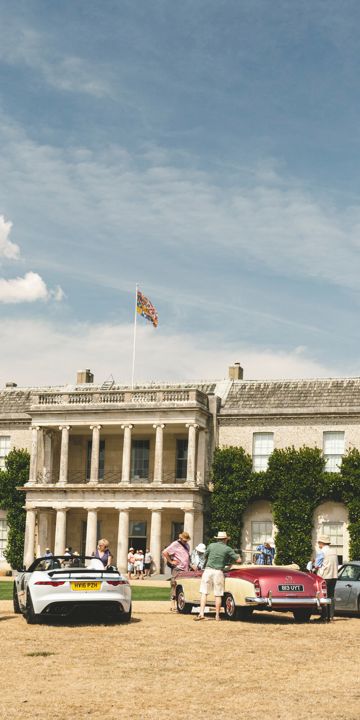
When was the GRRC founded?
Established in 1998 by the Duke of Richmond, the Goodwood Road Racing Club offers exclusive benefits across the estate year-round -
Goodwood Horseracing Club
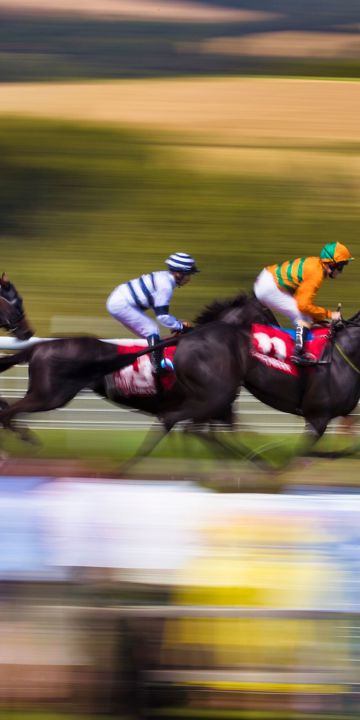
Racing Colours
The red & yellow of the Racecourse can be traced back hundreds of years, even captured in our stunning Stubbs paintings in the Goodwood Collection
-
Golf At Goodwood
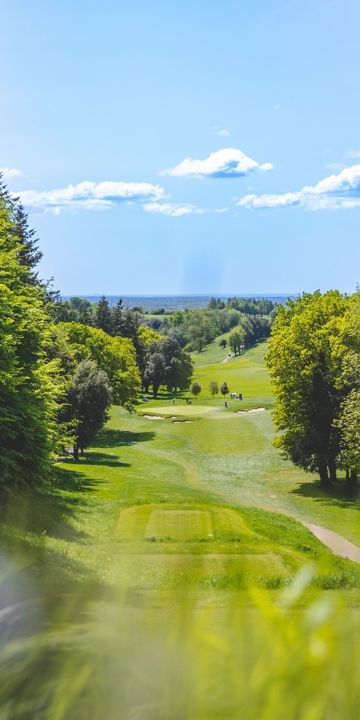
A sporting Estate
Goodwood has two 18-hole championship courses, a modern clubhouse and an impressive Academy. -
Goodwood Aero Club
Group Captain Sir Douglas Bader
The famous fighter ace, who flew his last sortie from Goodwood Aerodrome, formerly RAF Westhampnett has a statue in his honor within the airfield.
-
Goodwood Health Club
Goodwood's first Health Summit...
...took place in 2023 with industry experts discussing nutrition costs and food systems for a healthier future. -
The Kennels

An exclusive clubhouse
As the private clubhouse for all of the Estate’s sporting and social members, it offers personal service and a relaxed atmosphere
-
Sporting Membership

Lucky Leap
Inspired by the legendary racer, Masten Gregory, who famously leapt from the cockpit of his car before impact when approaching Woodcote Corner in 1959.
-
Goodwood Racehorse Owners Group
-
Goodwood Art Foundation
-
Goodwood Road Racing Club
- Classic Car Insurance
- Health & Wellbeing
- Buy Merchandise
-
Our Estate
-
What's on
-
Estate Map
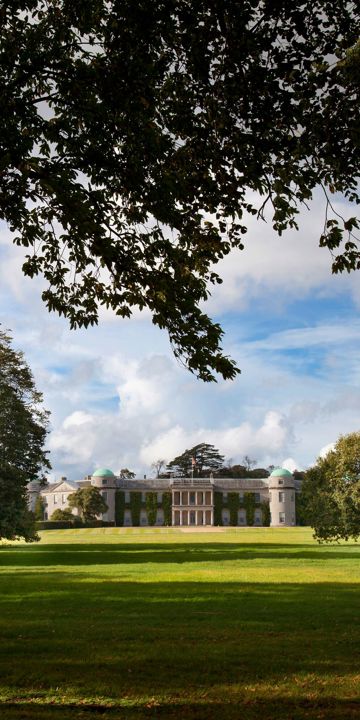
St Simon
Whoa Simon! A horse so determined and headstrong, he not only won the 1883 Goodwood Cup by 20 lengths, but couldn't be stopped and carried on running over the top of Trundle hill
-
Stories from the Estate
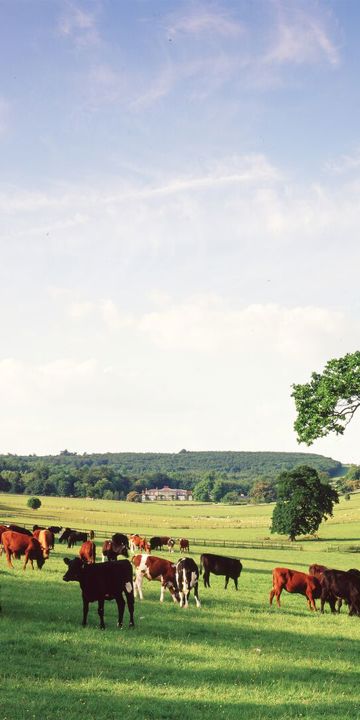
Flying Elephant
The first thing ever dropped at Goodwood was a cuddly elephant which landed in 1932 just as the 9th Duke of Richmonds passion for flying was taking off.
-
Sports
-
Goodwood Education Trust
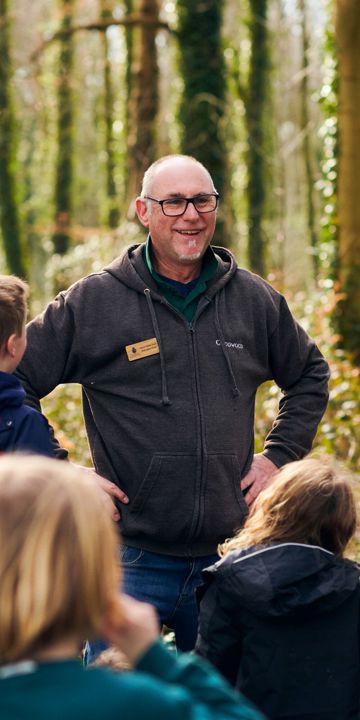

How old is The Kennels?
Built in 1787 by celebrated architect James Wyatt to house the third Duke of Richmond’s prized fox hounds, The Kennels was known as one of the most luxurious dog houses in the world!
-
Charities
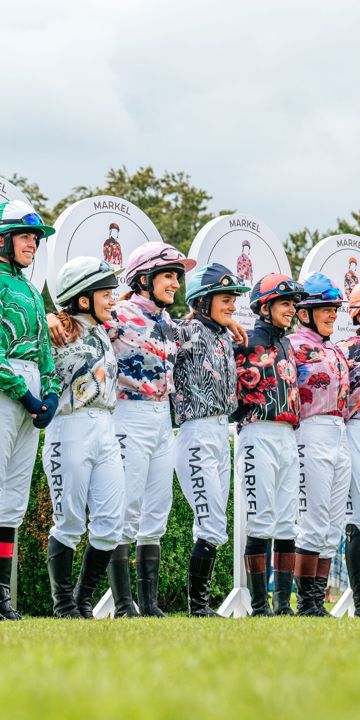

21,000 litres...
Alongside the award-winning meat, we also produce 21,000 litres of milk a week, used to make our cheeses. -
Sustainability
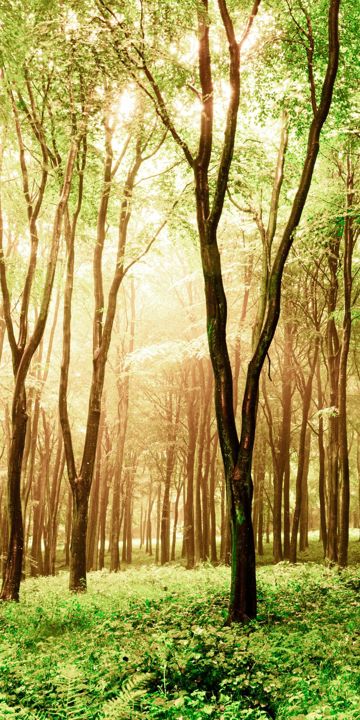
Roots for the future
A 20m woodland rue, from Halnaker to Lavant, was planted by our forestry teams & volunteers, featuring native species like oak, beech, & hornbeam
-
Diversity, Equity & inclusion
-
Property
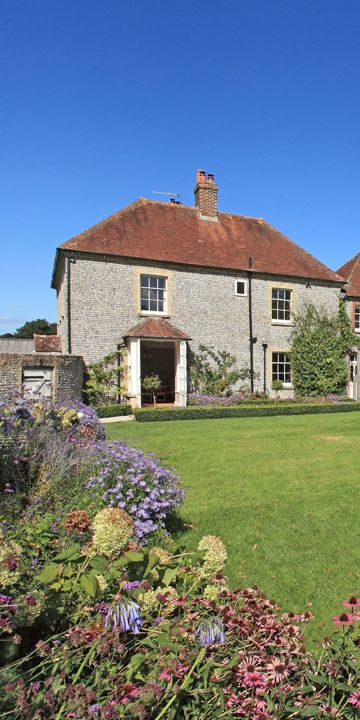
Estate Crest
"En la rose je fleurie" or "Like the rose, I flourish" is part of the Richmond coat of Arms and motto
-
Walking Guide

Fashionable foxhounds
The 1st Duke of Richmond bought Goodwood in 1697 as a place to stay to go foxhunting with the fashionable Charlton Hunt. -
Dog Walking Field
-
Careers
St Simon
Whoa Simon! A horse so determined and headstrong, he not only won the 1883 Goodwood Cup by 20 lengths, but couldn't be stopped and carried on running over the top of Trundle hill
-
Goodwood Art Foundation
-
Farm Shop
-
What's on



Upcoming Events

A Bit Fishy
Ridiculed for its resemblance to a catfish when it was launched in 1959, the Daimler Dart is now considered a quirky classic.
Words Peter Hall
Goodwood Magazine
Motorsport
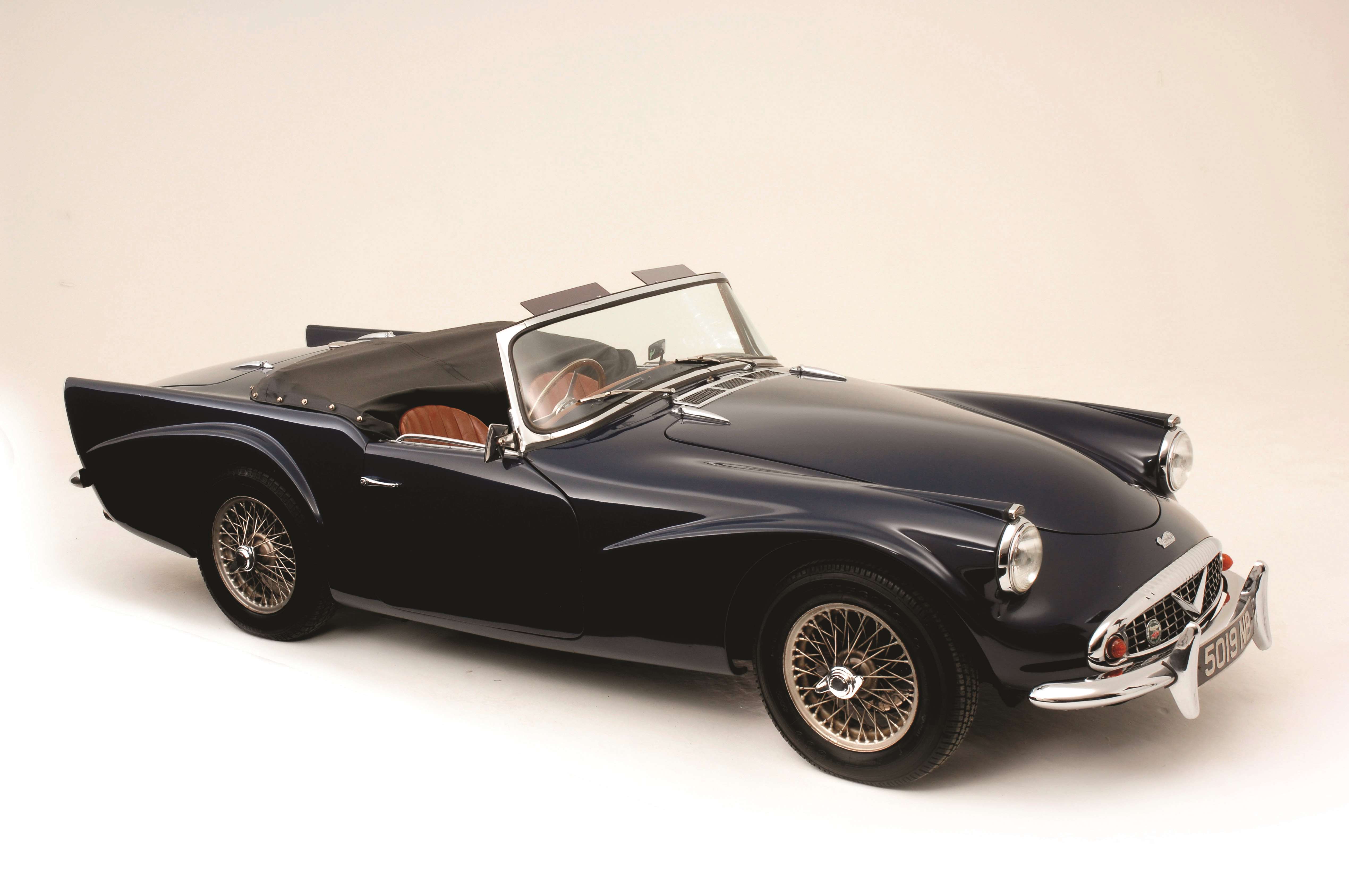
What do the Aston Martin DB5, Jaguar E-Type, Jensen FF, Mercedes-Benz C111, Reliant Sabre Six, Triumph Spitfire, Opel GT and Rolls-Royce Silver Cloud have in common? The answer is, all were driven by comic-strip heroine Modesty Blaise. Clearly, she knew a good car when she saw one. So it should come as no surprise that in her early adventures she drove an ivory-coloured Daimler Dart.
Aimed at the US market and launched at the 1959 New York Motor Show, the Dart was Daimler’s last hurrah before it was acquired by Jaguar. But in New York some critics declared it the ugliest car on display – a questionable verdict given that Ford was still trying to flog its hideous Edsel and Cadillac’s new Eldorado had grown tail fins that would have looked excessive on a Saturn rocket.
Quickly renamed the SP250 when Chrysler claimed ownership of the Dart name, the glass-fibre-bodied roadster boasted advanced features such as four-wheel disc brakes and a wonderfully flexible 2.5-litre V8 engine that permitted 0-60mph acceleration in 8.9 seconds and a top speed of almost 125mph – although the car was prone to chassis flexing that could pop the doors open when cornering, until an improved B-spec version was introduced in 1961. Fast, well-equipped and comfortable, the SP250 was adopted by police forces in Britain, Australia and New Zealand for high-speed pursuit duties, catching motoring miscreants on fast roads such as Britain’s new M1 motorway, which in those days had no speed limit. You would be lucky to spot an SP250 in your rear-view mirror today, however. Only 2,654 were built in the five years before Jaguar halted production in favour of the more profitable E-Type, and fewer than 1,000 have survived.
People still criticise the SP250’s appearance – although you certainly couldn’t call it boring, which is a frequent accusation levelled at many of the current generation of cars. But received wisdom says it looks too much like a catfish, particularly when fitted with protective chrome overriders that resemble whiskers. Yet people are more than happy to forgive the equally eccentric styling of Ford’s “Anglebox” Anglia, launched the same year.
You could argue that simpler lines have aged better as car designers have come to understand aerodynamics, although today’s computer-modelled F1 cars present more complicated lines than anything designed in the late-1950s. But tastes change. The SP250 is a fabulous period piece, and with the best examples now worth £50,000, Mam’selle Blaise may well rue the day she ditched her Daimler.
This article was taken from the Winter 2018/19 edition of the Goodwood Magazine.
Goodwood Magazine
Motorsport