-
Events
-
Festival of Speed
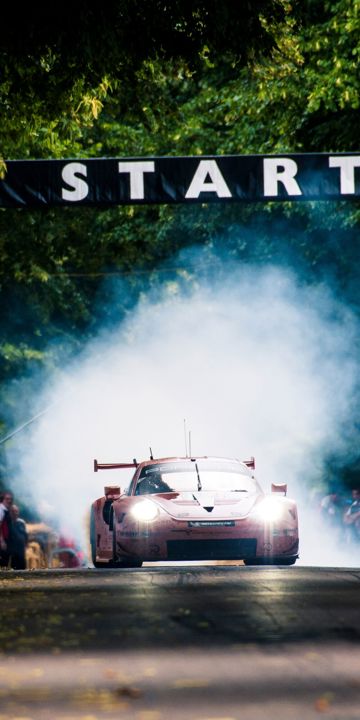

Why don't the F1 cars race the hill?
For safety reasons F1 cars can no longer do official timed runs so instead perform stunning demonstrations!
-
Goodwood Revival
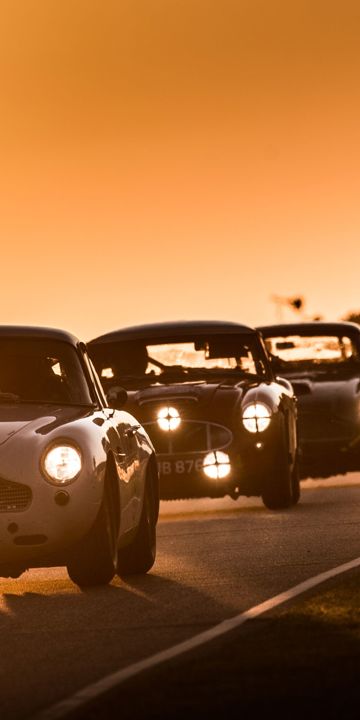

Spectators Favourite
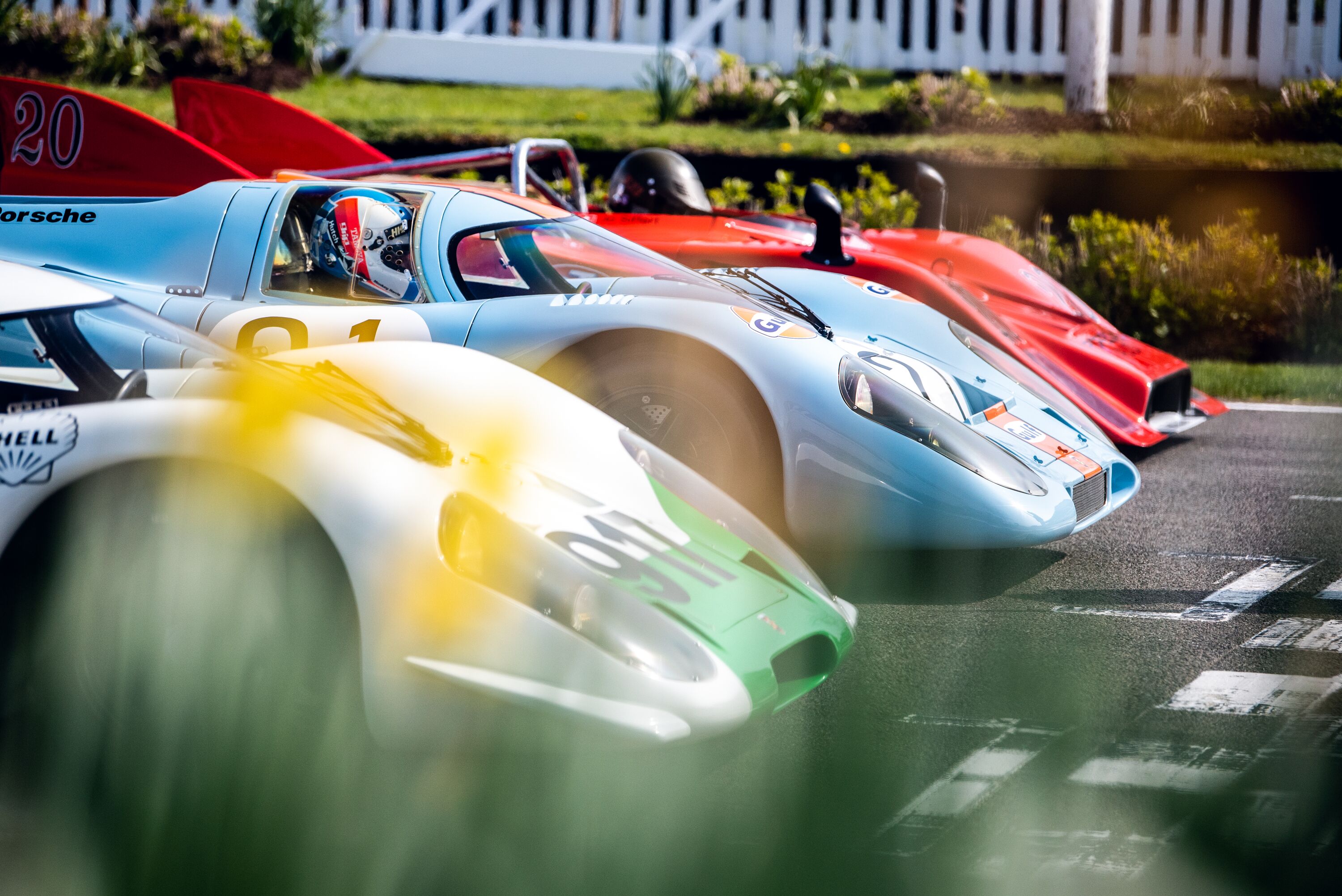
Spectate from the chicane at the Revival to see plenty of classic cars going sideways as they exit this infamous point of our Motor Circuit.
-
Members' Meeting
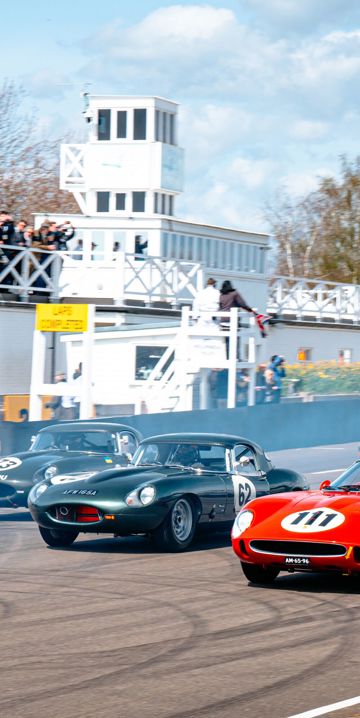

More than motorsport...
Ferret racing and duck herding are two of the many off-track activities at Members' Meeting -
Qatar Goodwood Festival
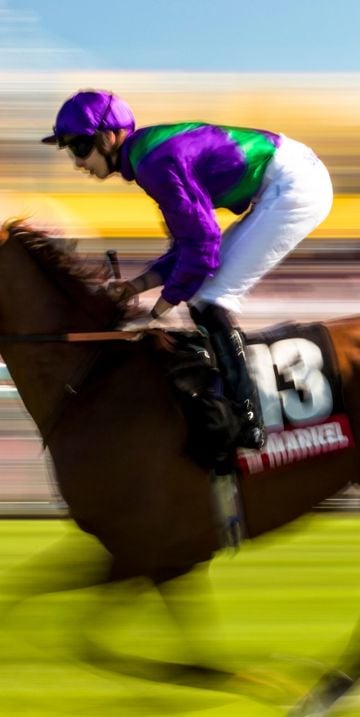

Why does everyone wear hats?
One Summer, King Edward VII turned his back on the traditional morning suit, and donned a linen suit and Panama hat. Thus the Glorious Goodwood trend was born.
-
Goodwoof
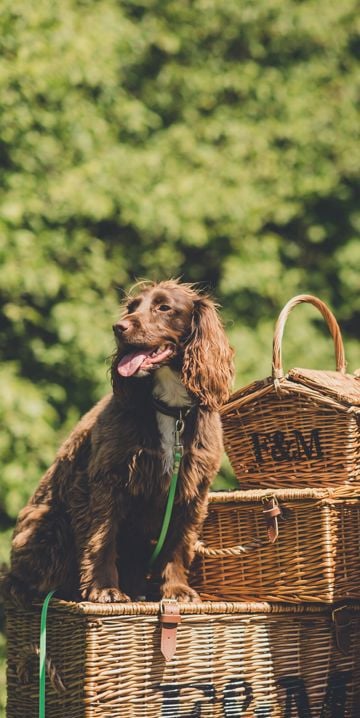

Start in style
The breed parade sees hundreds of dogs and their owners walk from Goodwood House down to The Kennels to kick start the Goodwoof weekend. -
Horseracing
-
Season Opener
-
May Festival
-
Family Race Day
-
Three Friday Nights
-
August Bank Holiday
-
Autumn Racing
-
Season Finale
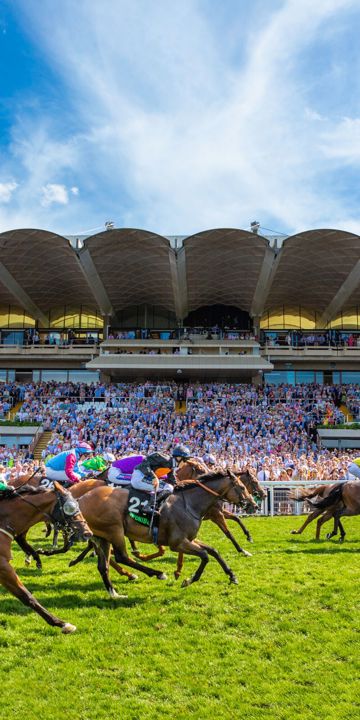
Why does everyone wear hats?
One Summer, King Edward VII turned his back on the traditional morning suit, and donned a linen suit and Panama hat. Thus the Glorious Goodwood trend was born.
-
Season Opener
-
Breakfast Club
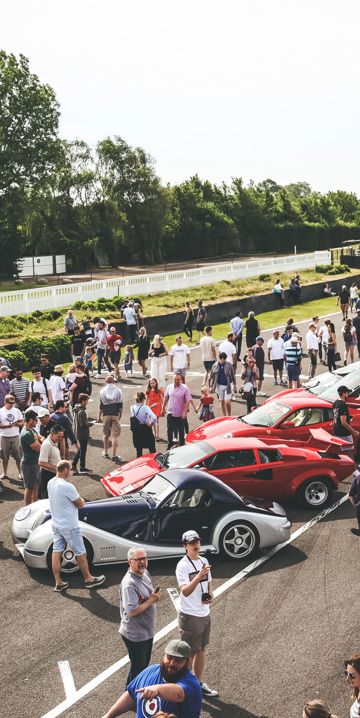

A perfect Sunday morning?
A no-cost, all-welcome motoring show where the visitors and their machines are the stars -
Health Summit
-
Hospitality
-
Exhibiting
-
Partnerships
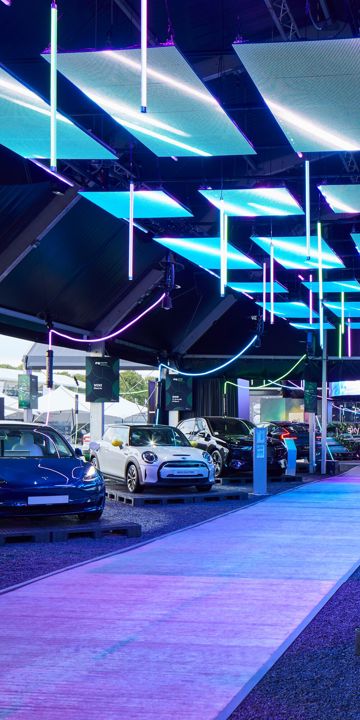

Where else can you...
...plan strategy in an ancient woodland, enjoy award-winning dining then drive around a racetrack?
-
What's on
-
Festival of Speed
-
Visit, Eat, Stay
-
The Goodwood Hotel
-
Rooms
-
Contact Us
-
Christmas
-
New Year's Eve
-
Weddings
-
Kids Activities
-
Offers
-
Local Attractions
-
Plan your stay

Grogger
Easy boy! The charismatic Farnham Flyer loved to celebrate every win with a pint of beer. His Boxer dog, Grogger, did too and had a tendancy to steal sips straight from the glass.
-
Rooms
-
Goodwood Cottages


Flying Elephant
The first thing ever dropped at Goodwood was a cuddly elephant which landed in 1932 just as the 9th Duke of Richmonds passion for flying was taking off.
-
Goodwood House
-
Afternoon Tea & Tour
-
The Collection
-
Exhibitions
-
History
-
Weddings
-
Copper Dome Restoration
-
Secrets of a Radical Duke Talk by Professor Danielle Allen


Egyptian Dining Room
Testament to the 19th-century fascination with ancient Egypt and decorative opulence. The room is richly detailed with gilded cartouches, sphinxes, birds and crocodiles.
-
Afternoon Tea & Tour
-
Restaurants
-
Farmer, Butcher, Chef
-
The Goodwood Bar & Grill
-
The Kennels
-
Aerodrome Café
-
Motor Circuit Café

-
Cafe 24

Sustainable state-of-mind
When Farmer, Butcher, Chef opened in 2016 it was awarded the UK’s first-ever Royal Academy of Culinary Arts ‘Sustainable Food Philosophy Seal’. -
Farmer, Butcher, Chef
-
The Kennels
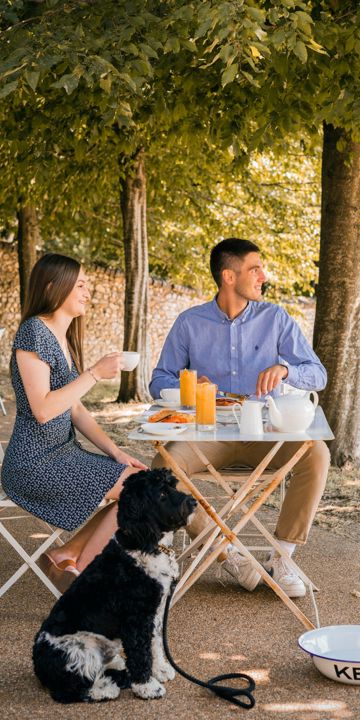

An exclusive clubhouse
As the private clubhouse for all of the Estate’s sporting and social members, it offers personal service and a relaxed atmosphere
-
Motor Circuit
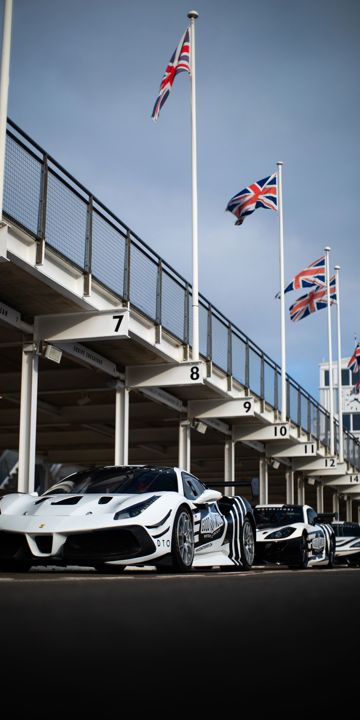

Lucky Leap
Inspired by the legendary racer, Masten Gregory, who famously leapt from the cockpit of his car before impact when approaching Woodcote Corner in 1959.
-
Health & Wellbeing
-
Membership
-
Health Club
-
Gym
-
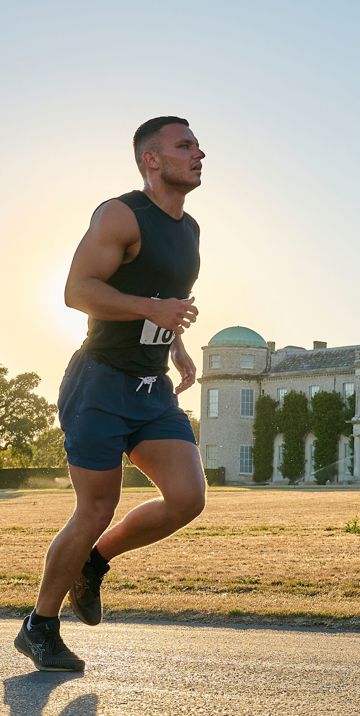
Run Series
-
Spa Treatments
-
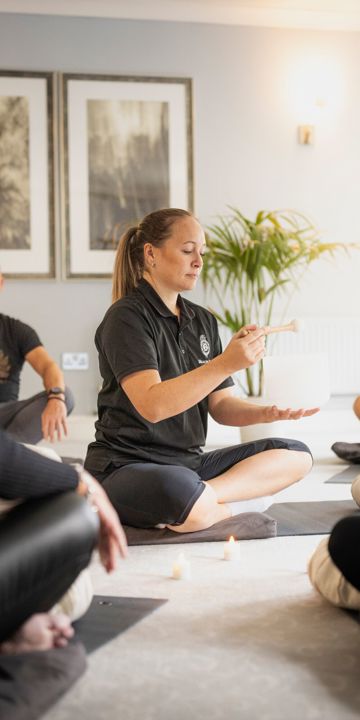
Wellness Retreats
-
Events Calendar
-
Corporate Wellbeing
-
Health Summit
-
Latest News

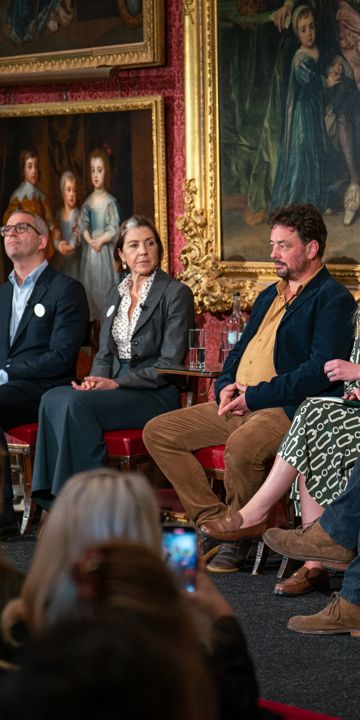
Goodwood's first Health Summit...
...took place in 2023 with industry experts discussing nutrition costs and food systems for a healthier future. -
Membership
-
Hound Lodge
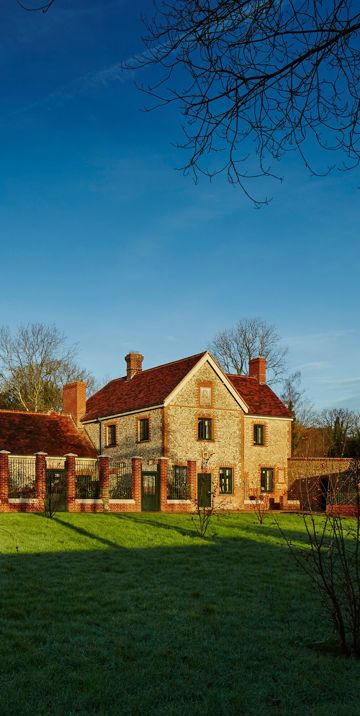

23 Glorious Hounds
Each room is named after one of the hounds documented in January 1718, including Dido, Ruby and Drummer.
-
Goodwood Farm Shop


21,000 litres...
Alongside the award-winning meat, we also produce 21,000 litres of milk a week, used to make our cheeses. -
Parties
-
Goodwood Art Foundation
-
The Goodwood Hotel
-
Motorsport
-
Festival of Speed
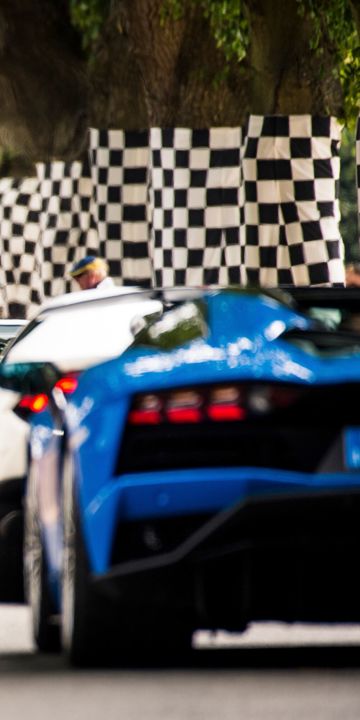

Have you visited our Forest Rally Stage?
From 2005 to present there has been a demonstration area for the rally cars at the top of the hill
-
Goodwood Revival
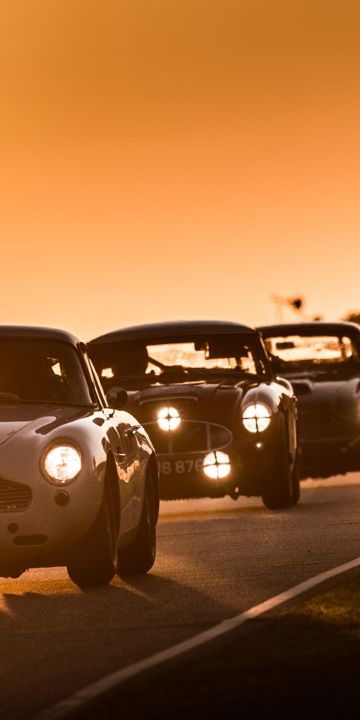

"Mr Goodwood"
Sir Stirling Moss was one of the founding patrons of the Festival of Speed, and a regular competitor at the Revival.
-
Members' Meeting
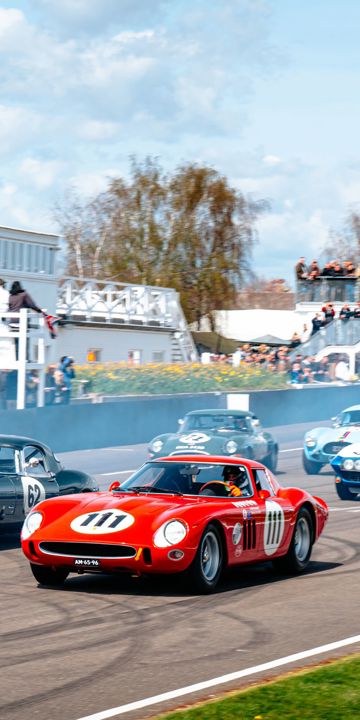
Why don't the F1 cars race the hill?
For safety reasons F1 cars can no longer do official timed runs so instead perform stunning demonstrations!
-
Breakfast Club
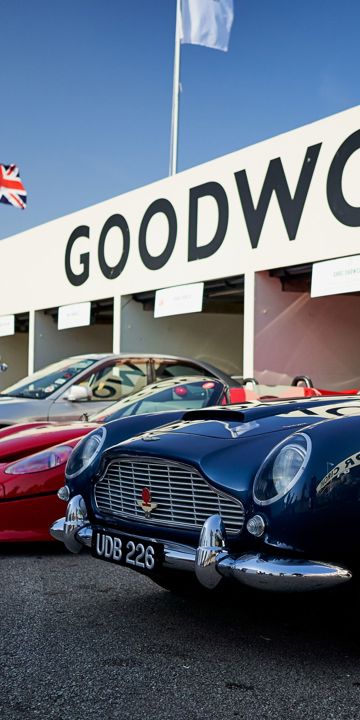
A perfect Sunday morning?
A no-cost, all-welcome motoring show where the visitors and their machines are the stars -
Motor Circuit
Egyptian Dining Room
Testament to the 19th-century fascination with ancient Egypt and decorative opulence. The room is richly detailed with gilded cartouches, sphinxes, birds and crocodiles.
-
Driving Experiences
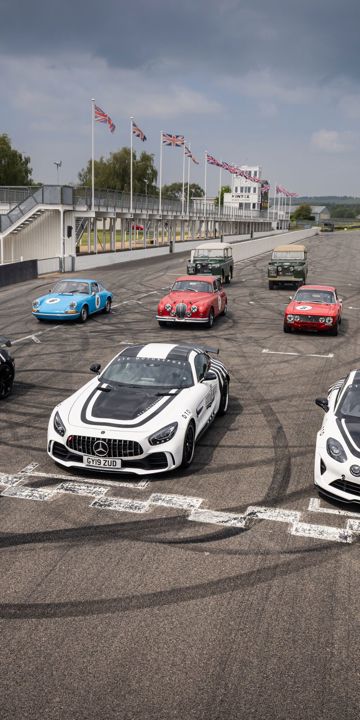

When was the GRRC founded?
Established in 1998 by the Duke of Richmond, the Goodwood Road Racing Club offers exclusive benefits across the estate year-round -
Goodwood Road Racing Club
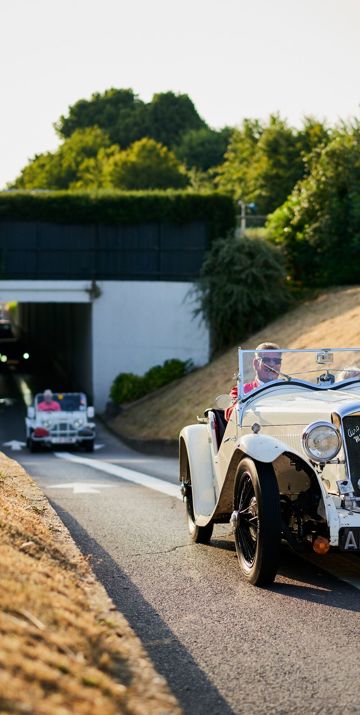

Motorsport Since 1948
Goodwood Motor Circuit was officially opened in September 1948 when Freddie March, the 9th Duke and renowned amateur racer, tore around the track in a Bristol 400
-
Latest News
-
Festival of Speed
-
Horseracing
-
Tickets & Packages
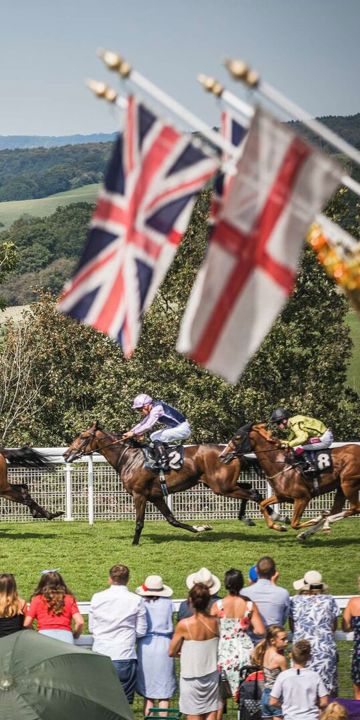

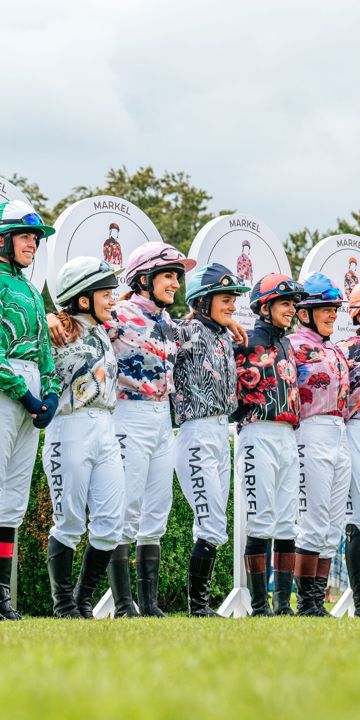
The Magnolia Cup
Leading women of business, sport, fashion and media, take part in one of the most exciting horseracing events in the world.
-
Hospitality
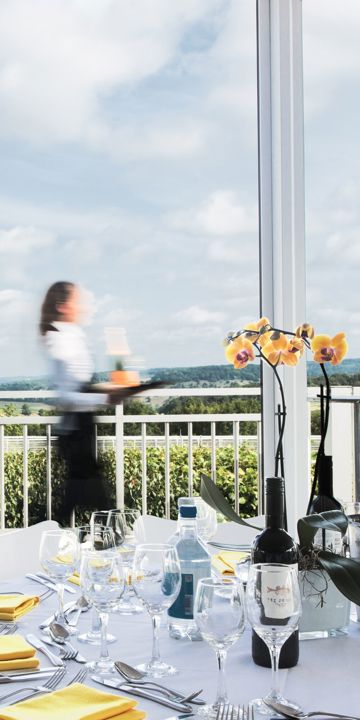
The Magnolia Cup
Leading women of business, sport, fashion and media, take part in one of the most exciting horseracing events in the world.
-
Goodwood Horseracing Club
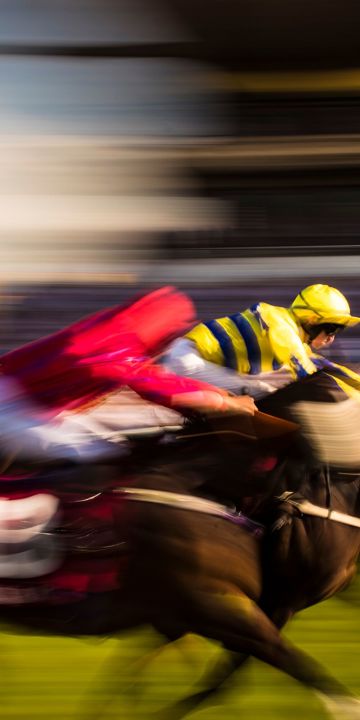
Why does everyone wear hats?
One Summer, King Edward VII turned his back on the traditional morning suit, and donned a linen suit and Panama hat. Thus the Glorious Goodwood trend was born.
-
Fixtures & Events
-
Season Opener
-
May Festival
-
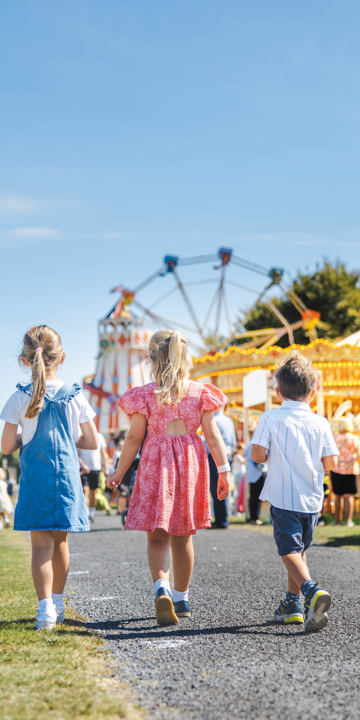
Family Race Day
-
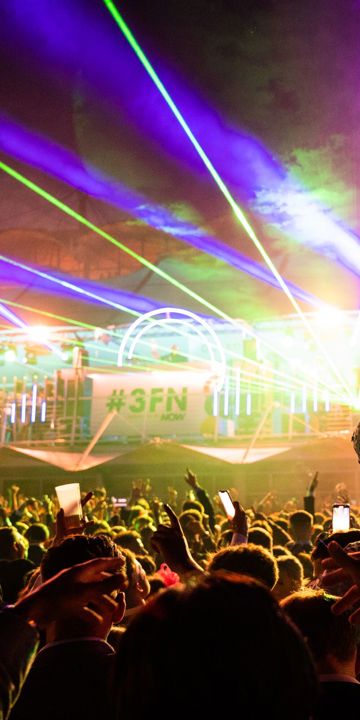
Three Friday Nights
-
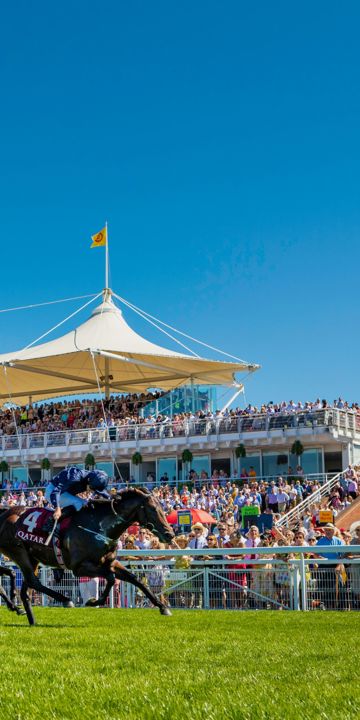
Qatar Goodwood Festival
-
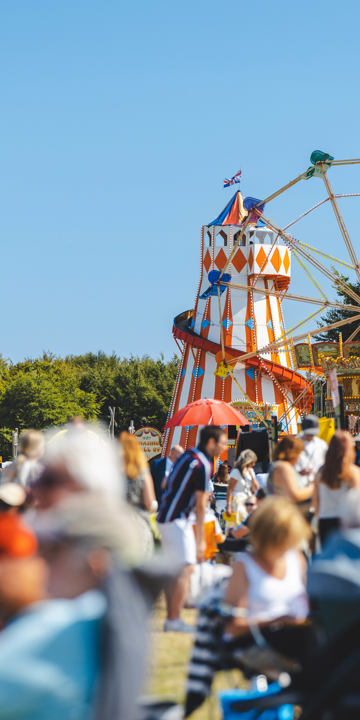
August Bank Holiday
-
Autumn Racing
-
Season Finale

Wearing Linen at the Races
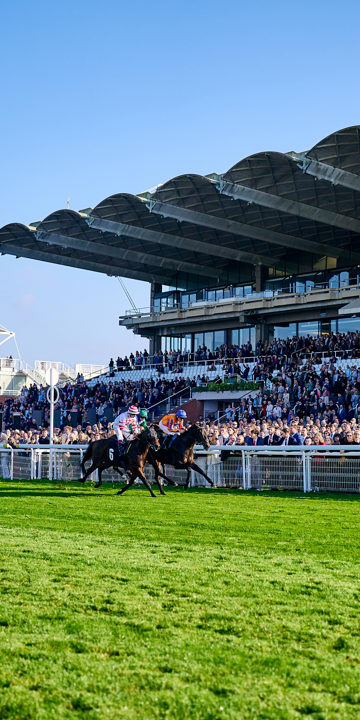
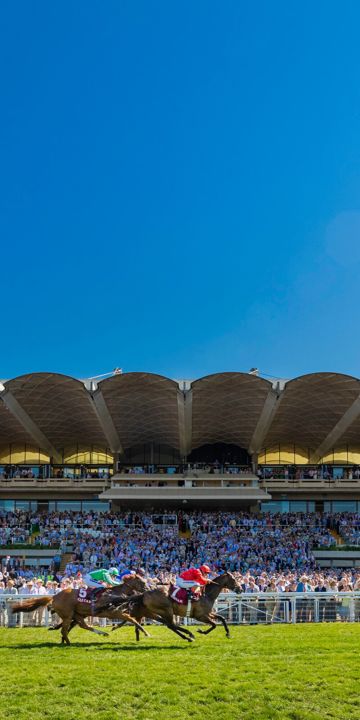
Ever since King Edward VII relaxed the dress code in the 19th century, we have enjoyed a carefree holiday feel here, unlike any other racecourse. -
Season Opener
-
Qatar Goodwood Festival
The Magnolia Cup
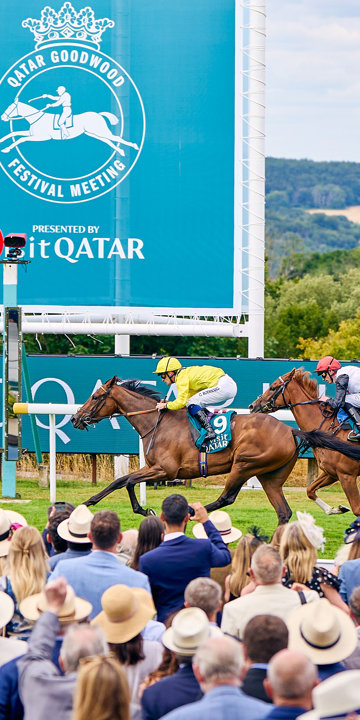
Leading women of business, sport, fashion and media, take part in one of the most exciting horseracing events in the world.
-
Three Friday Nights
Why does everyone wear hats?
One Summer, King Edward VII turned his back on the traditional morning suit, and donned a linen suit and Panama hat. Thus the Glorious Goodwood trend was born.
-
Plan Your Day
-
Enclosures
-
Event Map
-
Going Report
-
Getting Here
-
Betting at Goodwood
-
Dress Code
-
Accessibility
-
Food & Drink
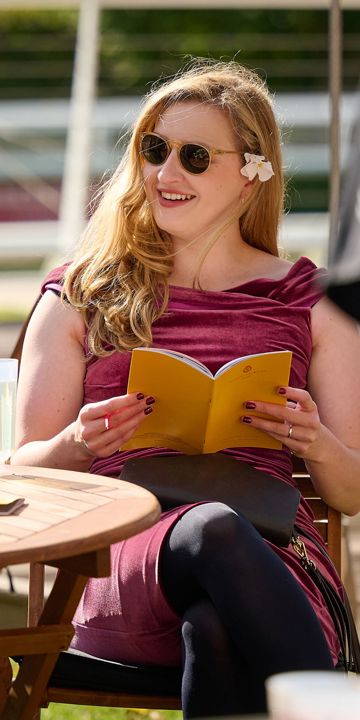

Why walk when you can drive
The first ever horsebox was used from Goodwood to Doncaster for the 1836 St. Leger. Elis arrived fresh and easily won his owner a £12k bet.
-
Enclosures
-
Buy Merchandise
-
Partners
-
Owners & Trainers
-
Latest News
-
FAQs
-
Accessibility
-
Tickets & Packages
-
Experiences
-
Driving
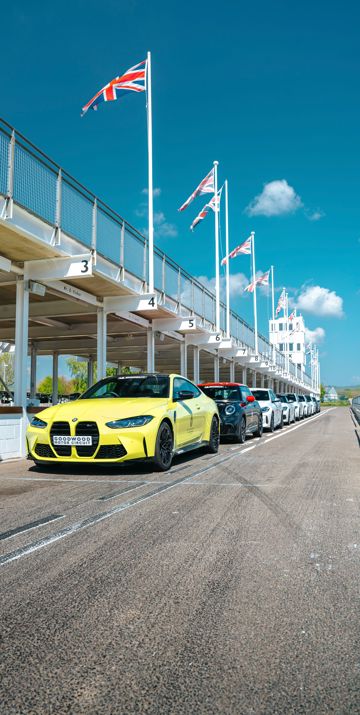

Battle of Britain
Flying training began at Goodwood in 1940 when pilots were taught operational flying techniques in Hurricanes and Spitfires.
-
Flying
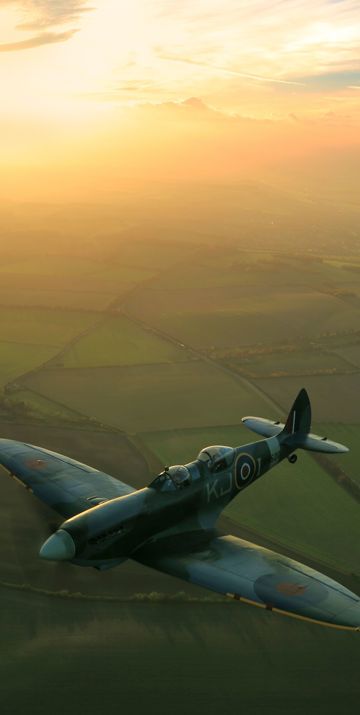

Group Captain Sir Douglas Bader
The famous fighter ace, who flew his last sortie from Goodwood Aerodrome, formerly RAF Westhampnett has a statue in his honor within the airfield.
-
Golf

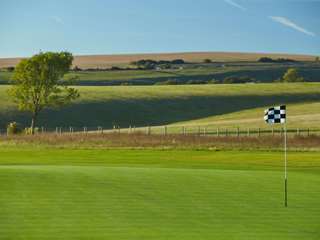
A sporting Estate
Goodwood has two 18-hole championship courses, a modern clubhouse and an impressive Academy. -
Shooting
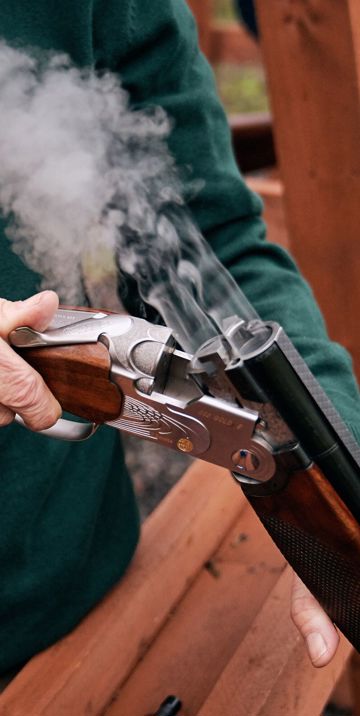
Flying Elephant
The first thing ever dropped at Goodwood was a cuddly elephant which landed in 1932 just as the 9th Duke of Richmonds passion for flying was taking off.
-
Afternoon Tea
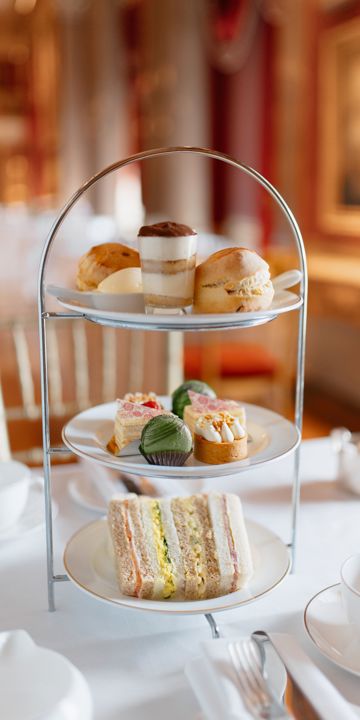

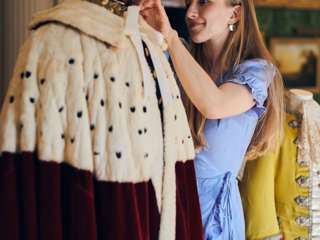
Scottish Heritage
The Gordon Tartan has been worn by the Dukes and Duchesses over the last 300 years.
-
Corporate Wellbeing
Goodwood's first Health Summit...
...took place in 2023 with industry experts discussing nutrition costs and food systems for a healthier future. -
Cycling
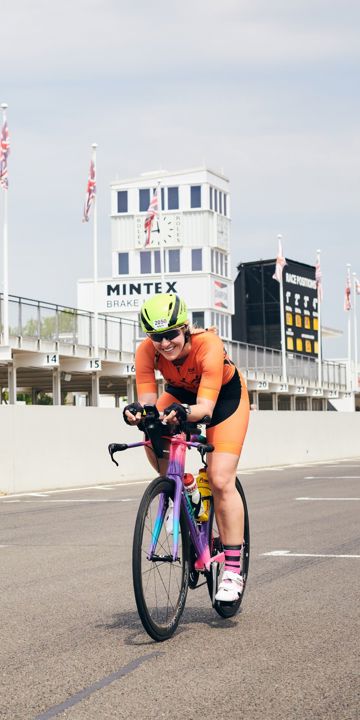

Ace Pilot
Ray Hanna famously flew straight down Goodwood’s pit straight below the height of the grandstands at the first Revival in 1998
-
Corporate Experiences
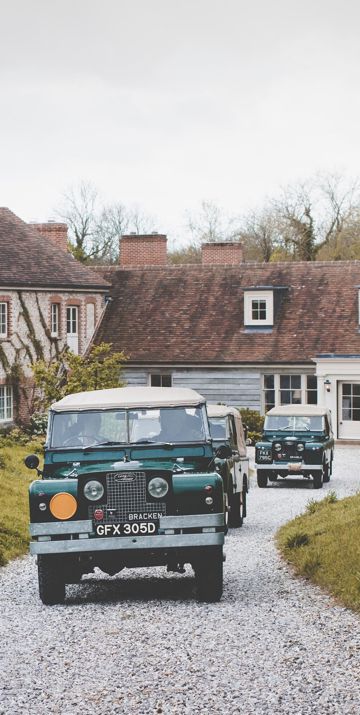
Where else can you...
...plan strategy in an ancient woodland, enjoy award-winning dining then drive around a racetrack?
-
Spa Treatments
-
Driving
- Hospitality
-
Golf
-
Golf Courses
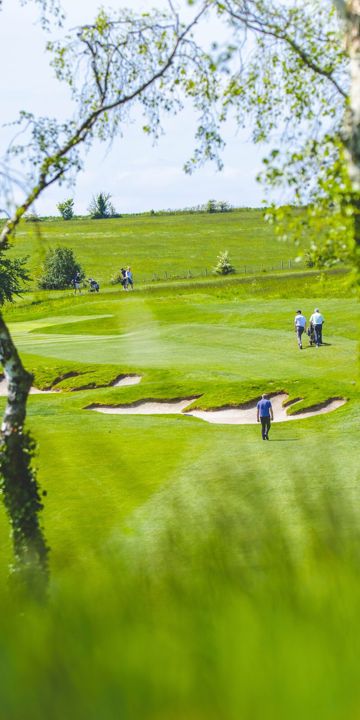
A sporting Estate
Goodwood has two 18-hole championship courses, a modern clubhouse and an impressive Academy. -
Golf Membership
-
Credit Membership
-
Application Form
-
Braid Membership
-
Intermediate Membership
-
Junior Membership
-
Corporate Membership
-
Copse Membership

A sporting Estate
Goodwood has two 18-hole championship courses, a modern clubhouse and an impressive Academy. -
Credit Membership
-
The Academy
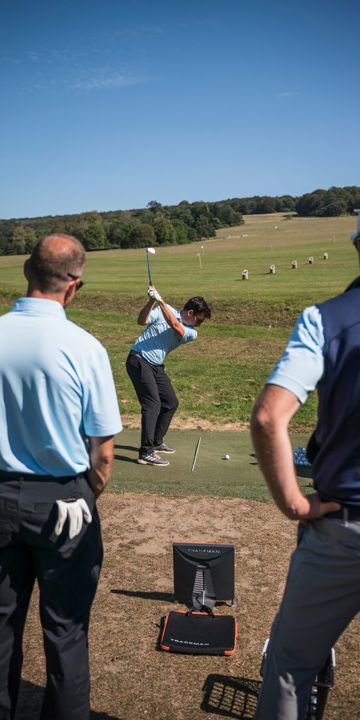

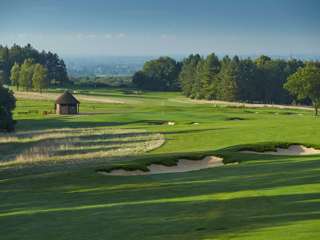
Braid’s Masterpiece
One of the greatest golfers of all time, James Braid designed Goodwood’s iconic Downland course, opened in 1914.
-
Golf Experiences


Over 100 years of Golf
The first ever round of golf played at Goodwood was in 1914 when the 6th Duke of Richmond opened the course on the Downs above Goodwood House.
-
Golf Courses
-
Flying
-
Flying School
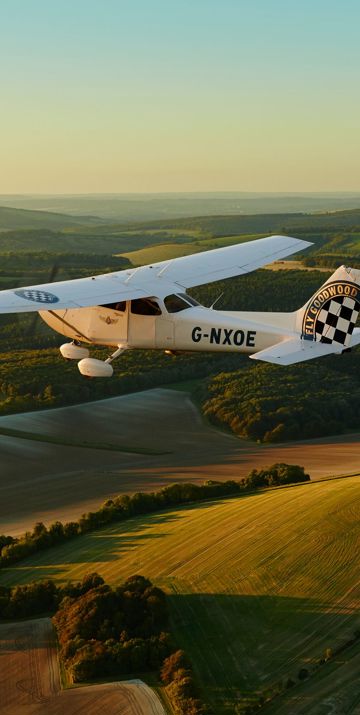

The Silver Spitfire
The iconic spitfire covered almost 43,000 kilometres and visited over 20 countries on its epic journey and currently resides at our Aerodrome.
-
Aero Club Membership
Flying Elephant
The first thing ever dropped at Goodwood was a cuddly elephant which landed in 1932 just as the 9th Duke of Richmonds passion for flying was taking off.
-
Flying Experiences
-
Pilot Information
Flying Elephant
The first thing ever dropped at Goodwood was a cuddly elephant which landed in 1932 just as the 9th Duke of Richmonds passion for flying was taking off.
-
Flying School
-
Meetings
-
Venue Hire
-
Goodwood House
-
The Racecourse
-
The Goodwood Hotel
-
The Motor Circuit
-
The Kennels
-
The Aerodrome
-
The Great Outdoors
Where else can you...
...plan strategy in an ancient woodland, enjoy award-winning dining then drive around a racetrack?
-
Goodwood House
-
Plan Your Meeting
-
Parties
Where else can you...
...plan strategy in an ancient woodland, enjoy award-winning dining then drive around a racetrack?
-
Hospitality

-
Corporate Experiences
Where else can you...
...plan strategy in an ancient woodland, enjoy award-winning dining then drive around a racetrack?
-
Christmas Parties
-
Film Locations
Where else can you...
...plan strategy in an ancient woodland, enjoy award-winning dining then drive around a racetrack?
-
Venue Hire
-
Weddings
-
Goodwood House
Shell house
A temple-folly guarded by two sphinxes, the beautiful shell house was built in 1748 with collected shells and the floor made from horse teeth.
-
The Kennels

An exclusive clubhouse
As the private clubhouse for all of the Estate’s sporting and social members, it offers personal service and a relaxed atmosphere
-
Parties
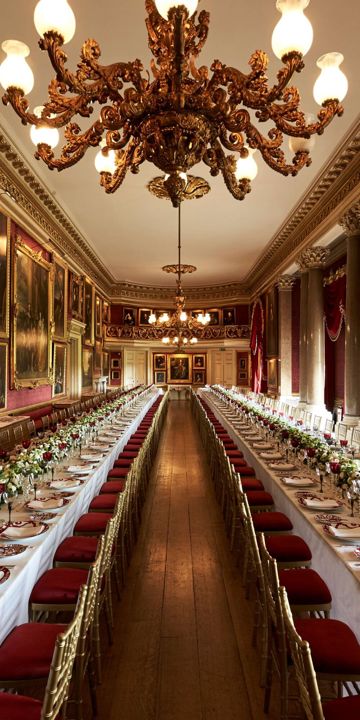


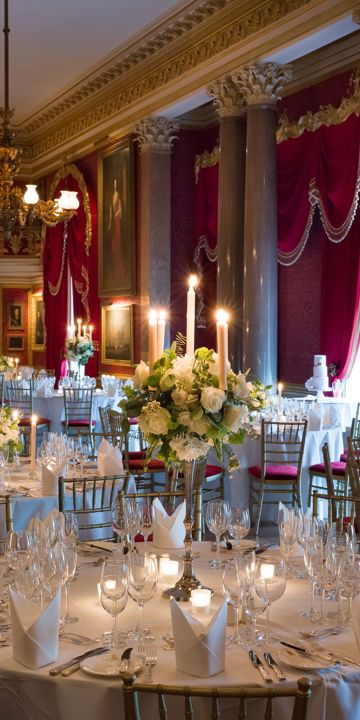
A destination for all seasons
We're well known for our iconic motorsport and horseracing events. But there's a lot more happening at Goodwood...
-
Goodwood House
-
Memberships
-
Goodwood Road Racing Club
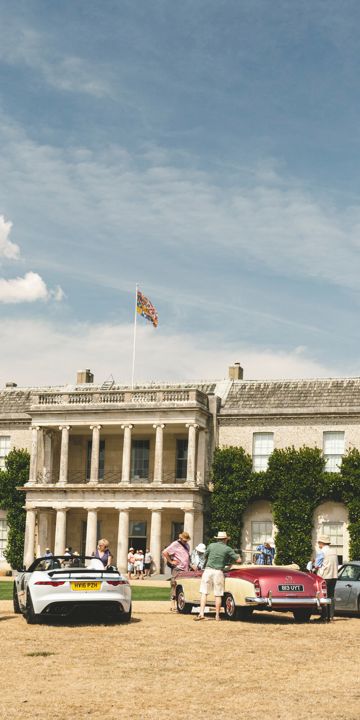
When was the GRRC founded?
Established in 1998 by the Duke of Richmond, the Goodwood Road Racing Club offers exclusive benefits across the estate year-round -
Goodwood Horseracing Club
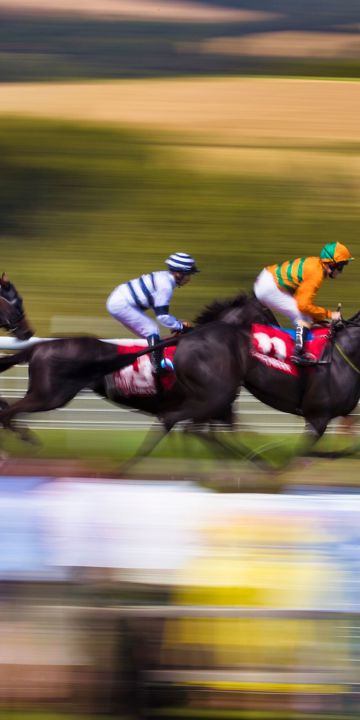

Racing Colours
The red & yellow of the Racecourse can be traced back hundreds of years, even captured in our stunning Stubbs paintings in the Goodwood Collection
-
Golf At Goodwood
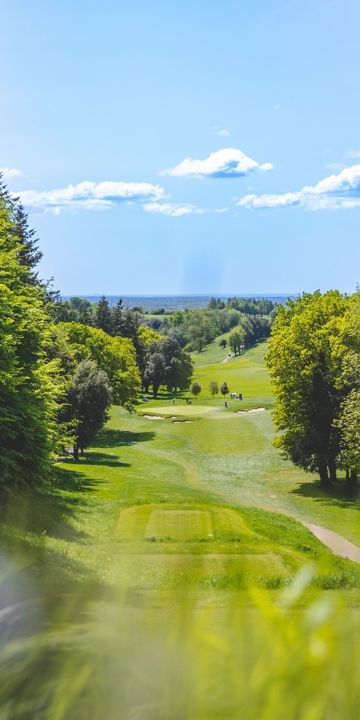
Braid’s Masterpiece
One of the greatest golfers of all time, James Braid designed Goodwood’s iconic Downland course, opened in 1914.
-
Goodwood Aero Club
Group Captain Sir Douglas Bader
The famous fighter ace, who flew his last sortie from Goodwood Aerodrome, formerly RAF Westhampnett has a statue in his honor within the airfield.
-
Goodwood Health Club
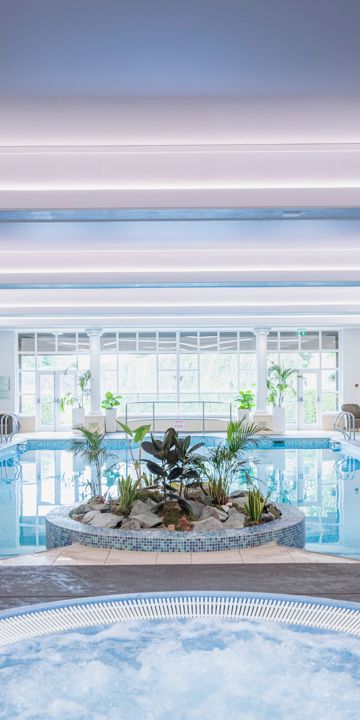
Goodwood's first Health Summit...
...took place in 2023 with industry experts discussing nutrition costs and food systems for a healthier future. -
The Kennels


How old is The Kennels?
Built in 1787 by celebrated architect James Wyatt to house the third Duke of Richmond’s prized fox hounds, The Kennels was known as one of the most luxurious dog houses in the world!
-
Sporting Membership

Flying Elephant
The first thing ever dropped at Goodwood was a cuddly elephant which landed in 1932 just as the 9th Duke of Richmonds passion for flying was taking off.
-
Goodwood Racehorse Owners Group
-
Goodwood Art Foundation
-
Goodwood Road Racing Club
- Classic Car Insurance
- Health & Wellbeing
- Buy Merchandise
-
Our Estate
-
What's on
-
Estate Map

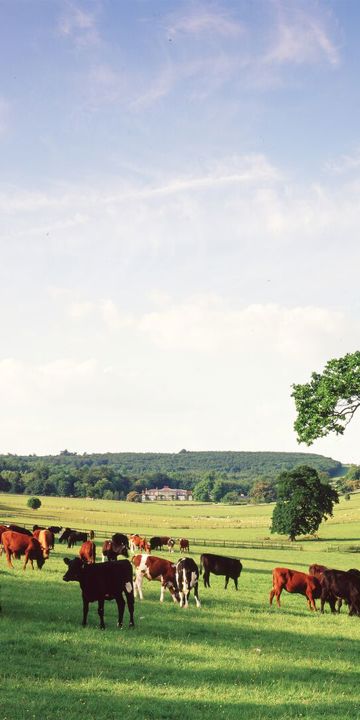
A different breed...
Goodwood’s pigs are a mix of two rare breeds (Gloucester Old Spots and Saddlebacks) plus the Large White Boar.
-
Stories from the Estate
Grogger
Easy boy! The charismatic Farnham Flyer loved to celebrate every win with a pint of beer. His Boxer dog, Grogger, did too and had a tendancy to steal sips straight from the glass.
-
Sports
-
Goodwood Education Trust
A different breed...
Goodwood’s pigs are a mix of two rare breeds (Gloucester Old Spots and Saddlebacks) plus the Large White Boar.
-
Charities
Battle of Britain
Flying training began at Goodwood in 1940 when pilots were taught operational flying techniques in Hurricanes and Spitfires.
-
Sustainability

How many hay bales are used at FOS?
For the last two years, 5,800 bales have been recylced into the biomass energy centre to be used for energy generation
-
Diversity, Equity & inclusion
-
Property

Levin Down Gin
Our gin uses wild-grown botanicals sourced from the estate, and is distilled with mineral water naturally chalk-filtered through the South Downs.
-
Walking Guide

A different breed...
Goodwood’s pigs are a mix of two rare breeds (Gloucester Old Spots and Saddlebacks) plus the Large White Boar.
-
Dog Walking Field
-
Careers
Grogger
Easy boy! The charismatic Farnham Flyer loved to celebrate every win with a pint of beer. His Boxer dog, Grogger, did too and had a tendancy to steal sips straight from the glass.
-
Goodwood Art Foundation
-
Farm Shop
-
What's on



Upcoming Events

IT’S THE PEOPLE WHO really pull you into the photos on the Retronaut website. A smart young woman about town, looking a bit cross at being snapped; a handsome face that somehow stands out in a group portrait; or a likeness captured as someone goes about their day in Soho… Or rather, went about their day. The smart young woman, for example, is in a Retronaut “capsule” on street-style in London, 1905-08. The handsome face might be that of an Austro-Hungarian POW in World War I; while the passerby was photographed by Bob Hyde, a photographer who shot London in the 1960s. For Retronaut, as the name suggests, is a website all about the past – but designed to make us look afresh at the past. Or as its founder, Wolfgang
Wild, would put it, not so much the past: “Because the people in these pictures didn’t think of themselves as living in the past. These are just other nows.”
The people in these pictures didn’t think of themselves as living in the past. These are just other nows.
There are lots of other nows on the Retronaut site. The peasants of Pre-Revolutionary Russia, shot in vivid colour by photographer Sergey Prokudin-Gorsky, at the behest of the last Tsar. Or, closer to home, Covent Garden in the 1970s, when it was still a market, not a retail and tourist destination. There it is, complete with porters lugging crates of fruit and veg, its handsome buildings looking a little dowdy and rough around the edges, the way London often did back then, before the capital acquired all that Nineties and Noughties gleam and polish.
Or photographs of British sailors from World War I – only these British sailors aren’t the ruddy-faced old tars we might expect, like the sailor pictured on an old packet of Player’s, because they’re all black. Or my favourite capsule, which is a series showing World War II gunners at play – only weirdly, inexplicably, but deliciously, these soldiers are all in drag. Quite convincing drag, actually. But surely this isn’t our perception of British soldiery at wartime – our Finest Hour spent cross-dressing, indeed.
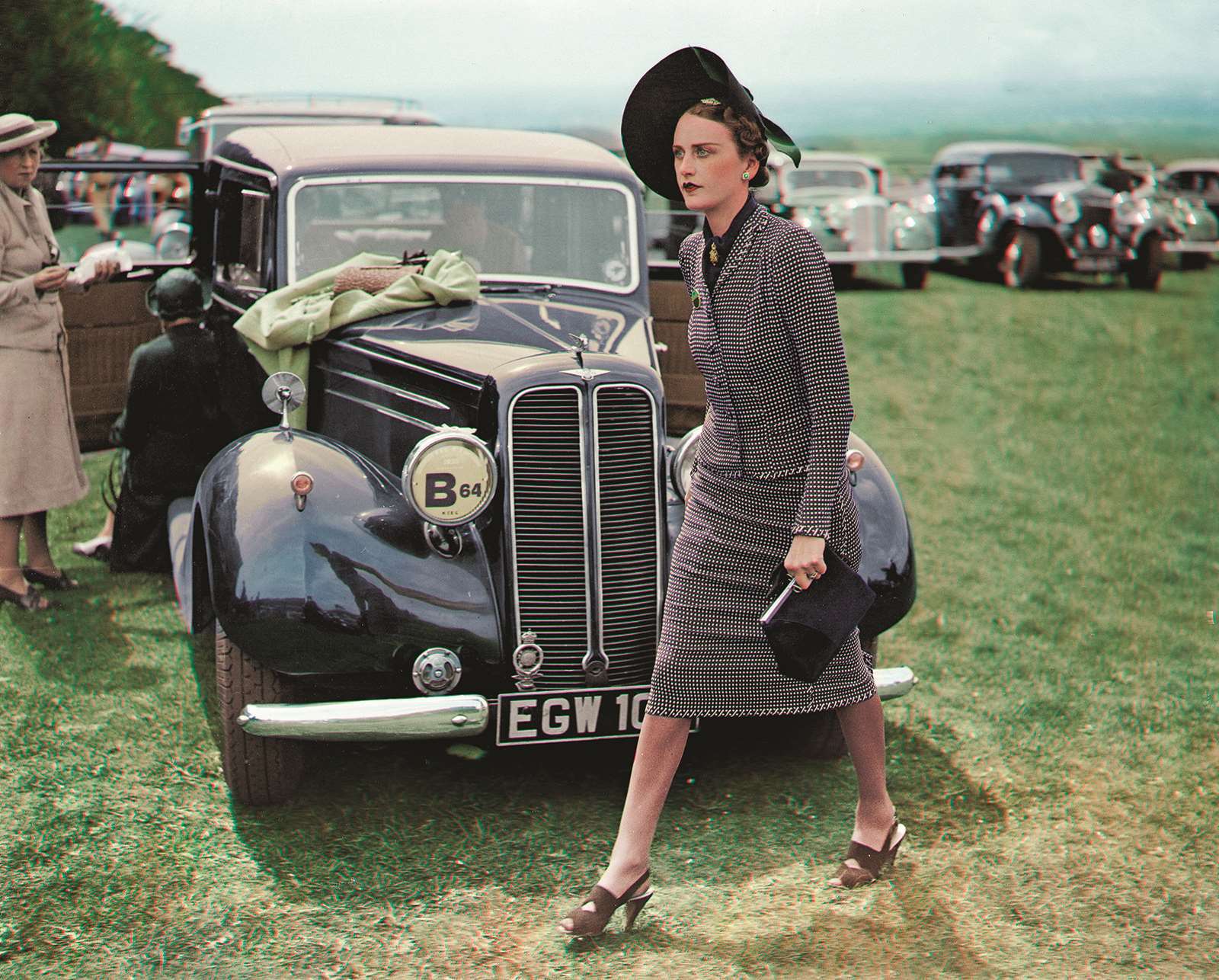
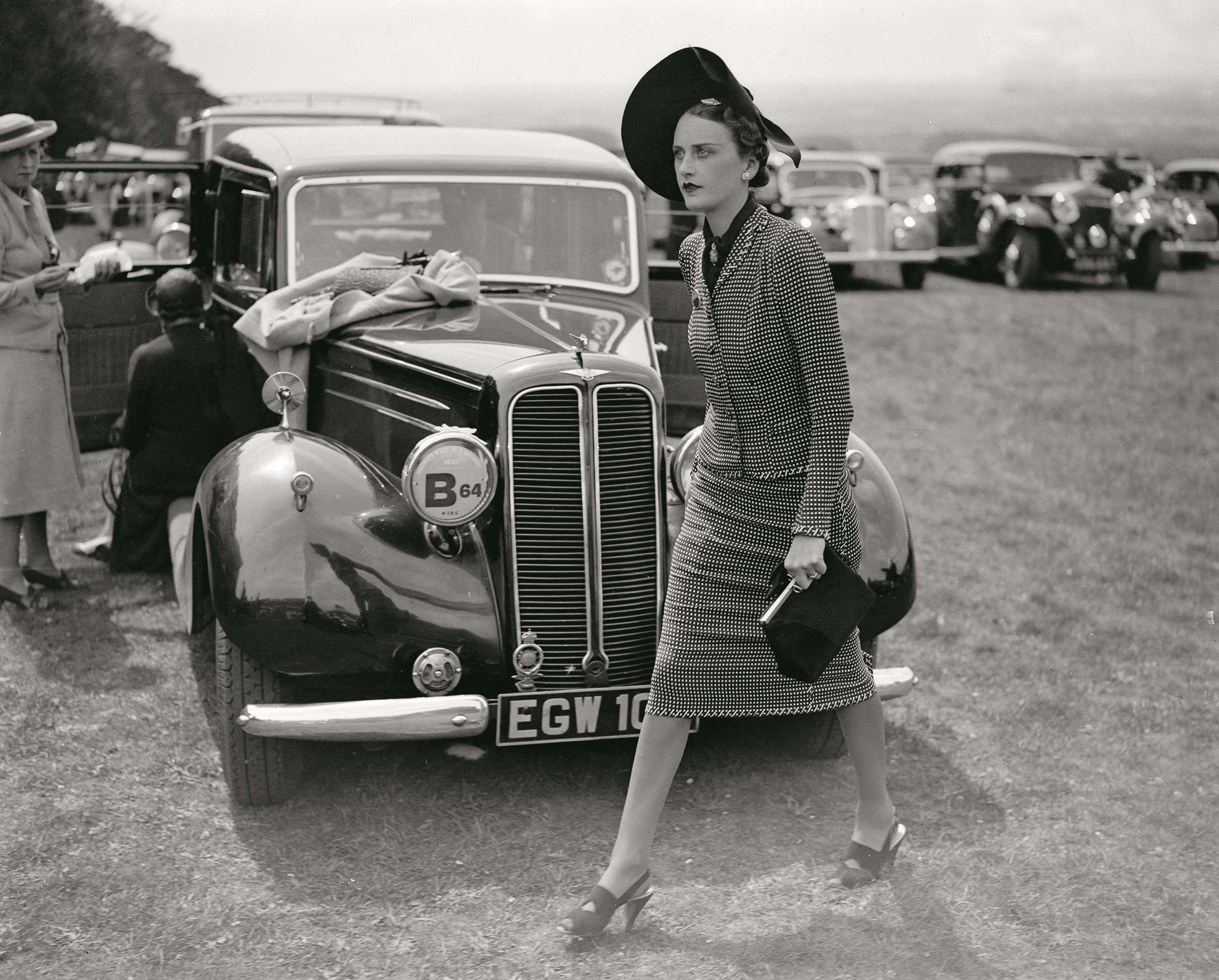
The colourised version of the 1938 black-and-white photo of a Mrs Ulrica Murray Smith taken at Goodwood.
But these kinds of surprises are stock-in-trade for Retronaut. It’s a bit like a joke, Wild explains, with a set-up line, and the punchline that subverts it. “We have a version of the past in our heads,” and when we’re confronted with something that doesn’t fit that, we’re thrown. “And at that moment of disruption, the barrier between the past and now seems almost to disappear. Time collapses.”
Wild, who founded the Retronaut site in 2011, grew up fascinated by the idea of time travel. “As a child I’d been obsessed with the idea of going back in time, starting with Bagpuss, when you see all those Edwardian figures and then suddenly it all comes to life in colour.” The past is another country, they say, and for Wild, that’s precisely what makes it “exotic and exciting”. And it’s Retronaut’s mission to communicate that excitement.
And at that moment of disruption, the barrier between the past and now seems almost to disappear. Time collapses.
Retronaut began with a loan from Wild’s mother – and a set of photographs taken in London in the 1940s, in colour. “I had drifted through my life until my late thirties,” Wild confesses. “I tried out all kinds of different things: I worked in publishing, I was a teacher, I did some training consultancy, I sang in a band... But none of it ever stuck. I was always searching, but never found my niche.” His wife, meanwhile, is an Oxford professor whose specialist subject is “the translation of the psalms from the Latin into Medieval English by female mystic writers. So she has this thing, but I never seemed to have my thing.”
But something his wife said after Wild had lost yet another job helped him find his thing and bring Retronaut about. As he recalls, his wife said, “Look, you’re clearly unemployable, so just go ahead and just do something you want to do.” Wild realised that over the years he had sought out images that for him, somehow had that startling, time-collapsing quality. And so, with that loan from his mother and this idea in his head, Wild launched his Retronaut site in 2011 and started putting up images.
“For the first few weeks, no-one was looking at anything, other than me and my mum. And then suddenly one image went viral – London in the 1940s in colour – and we got 30,000 hits.” Wild uses the very analogue analogy of “hit singles” to describe these moments when an image he’s discovered goes viral on social media. “Before long I was routinely finding material that went viral. I could look at any archive and quickly see what would work – all based on the fact that people have an internal map of reality, of the past, but our map is very partial when we look at the past.” So the Retronaut rule is: “The more a photo doesn’t fit on our map, the more it will go viral.”
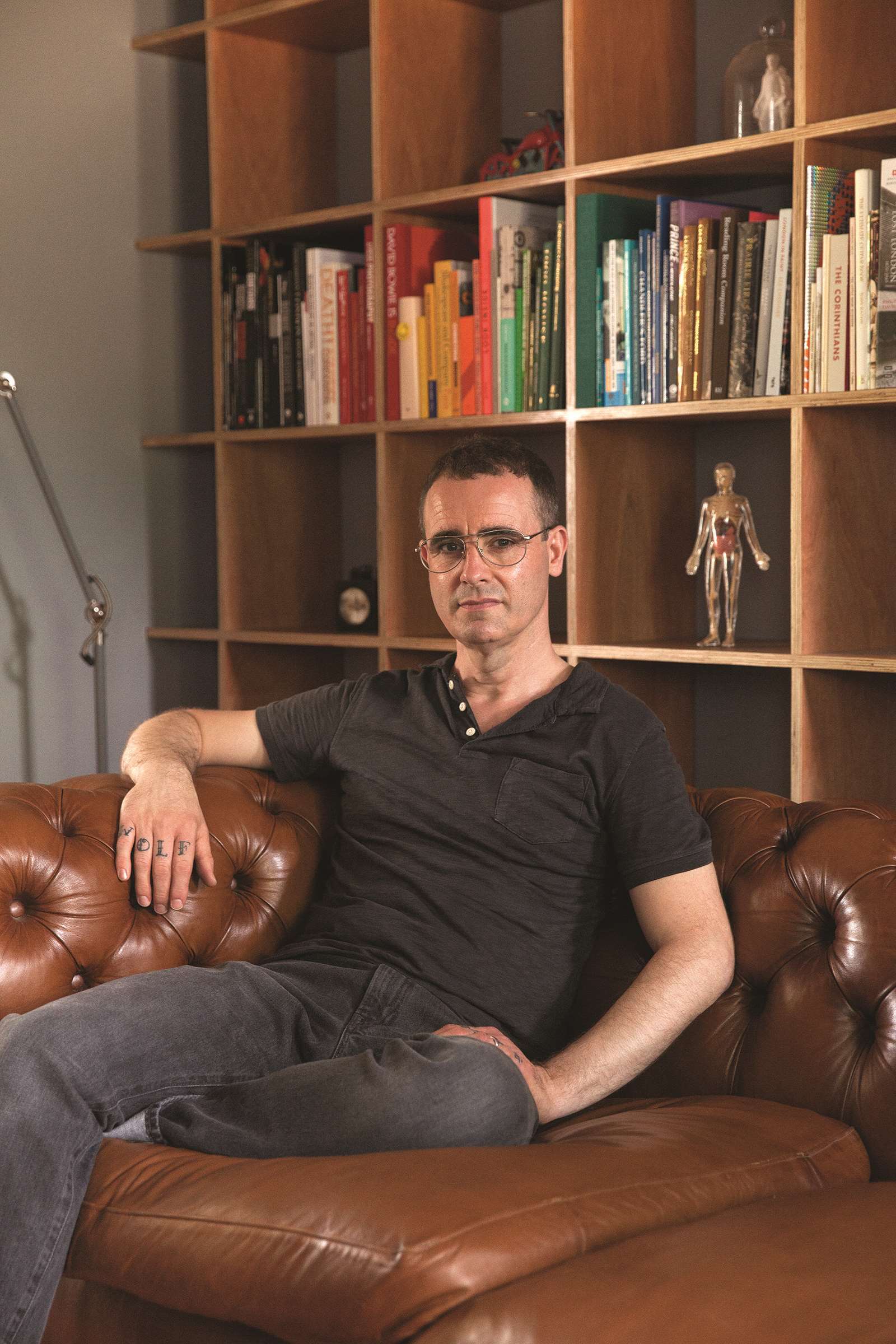
Wolfgang Wild
These hit singles are not the only kind of image he puts up on the site. Far from it. But they’re how the website built its cult following – and secured partnerships with picture agencies – first Mashable and now Top Foto. For while Retronaut is about the past, it couldn’t be more current in its use of social media – and the way Wild finds much of his content in the vast archives that have been digitised by museums, libraries and cultural institutions. “Museums have great material,” he explains, “but they’re not always good at identifying what might be cool, or at getting it out there.” There have also been Retronaut books – the book remains his preferred way of displaying photography – and he has curated exhibitions in the UK and New York.
Wild has a particular passion for taking photographs from the past and showcasing them in colour, especially as colourisation of black-and-white photos has reached a level where you can produce an almost immaculate version of the original. “But even black and white photographs are interpretations,” he points out. “They’re not an empirical recording; it’s about that camera, and that time. And rather than wanting to recreate exactly what something looked like, what you’re aiming for is something believable, to add that sense of disruption.” A case in point: the image Wild colourised for Goodwood Magazine, of a sassy, snazzily dressed woman. Photographed at a Goodwood race meeting in the 1930s, she wouldn’t look out of place at Revival today. It’s all just a question of those other nows.
Visit retronaut.com to see more Goodwood photography