-
Events
-
Festival of Speed
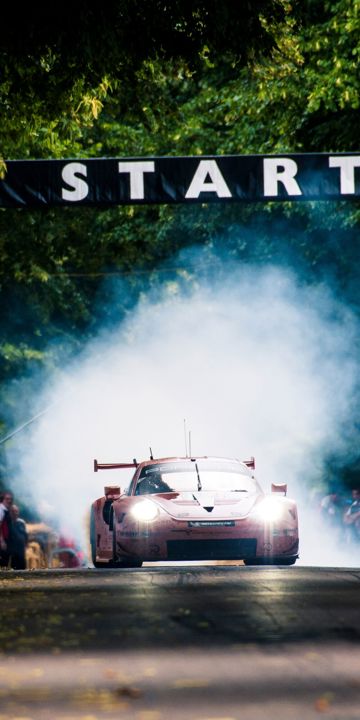

Why don't the F1 cars race the hill?
For safety reasons F1 cars can no longer do official timed runs so instead perform stunning demonstrations!
-
Goodwood Revival
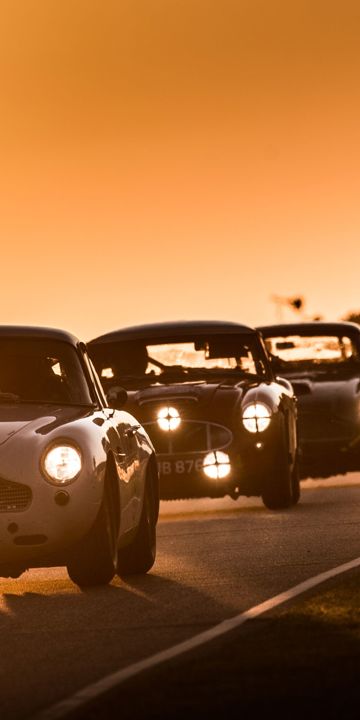

Spectators Favourite
Spectate from the chicane at the Revival to see plenty of classic cars going sideways as they exit this infamous point of our Motor Circuit.
-
Members' Meeting
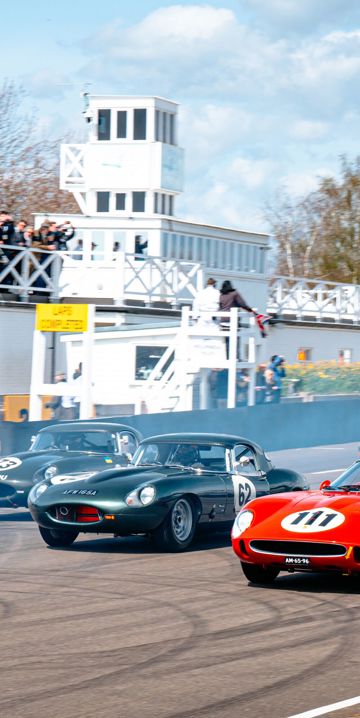

More than motorsport...
Ferret racing and duck herding are two of the many off-track activities at Members' Meeting -
Qatar Goodwood Festival
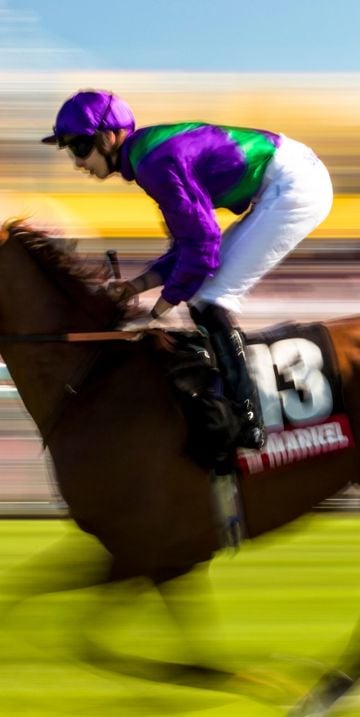

Why does everyone wear hats?
One Summer, King Edward VII turned his back on the traditional morning suit, and donned a linen suit and Panama hat. Thus the Glorious Goodwood trend was born.
-
Goodwoof
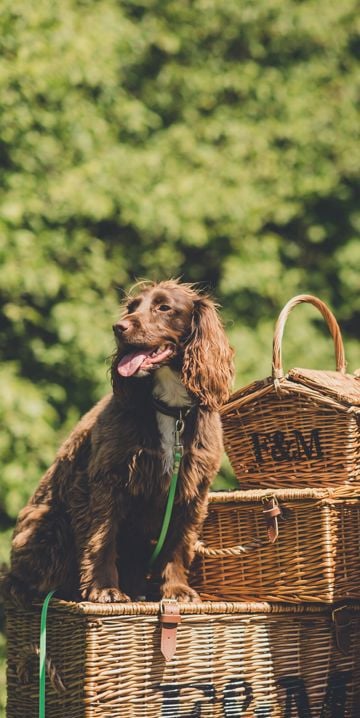

Start in style
The breed parade sees hundreds of dogs and their owners walk from Goodwood House down to The Kennels to kick start the Goodwoof weekend. -
Horseracing
-
Season Opener
-
May Festival
-
Family Race Day
-
Three Friday Nights
-
August Bank Holiday
-
Autumn Racing
-
Season Finale
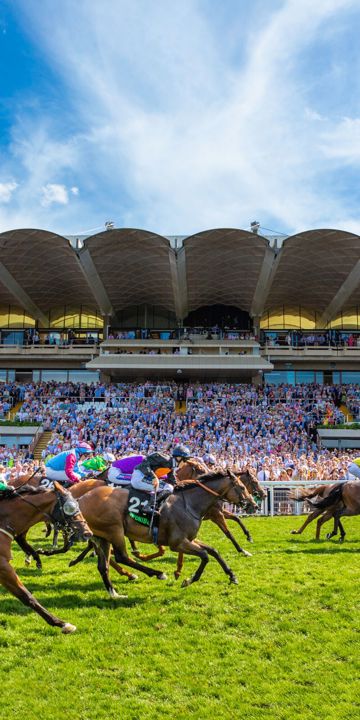
Why does everyone wear hats?
One Summer, King Edward VII turned his back on the traditional morning suit, and donned a linen suit and Panama hat. Thus the Glorious Goodwood trend was born.
-
Season Opener
-
Breakfast Club
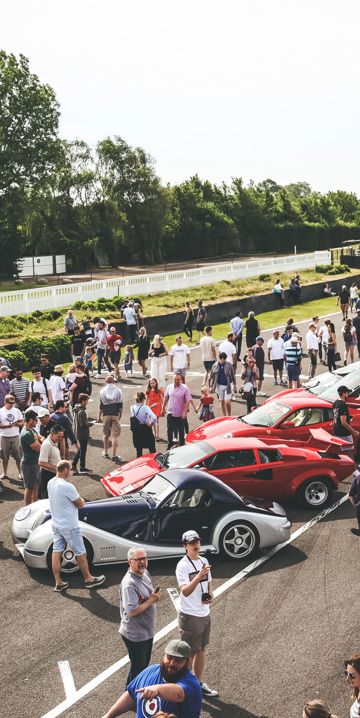

A perfect Sunday morning?
A no-cost, all-welcome motoring show where the visitors and their machines are the stars -
Health Summit
-
Hospitality
-
Exhibiting
-
Partnerships
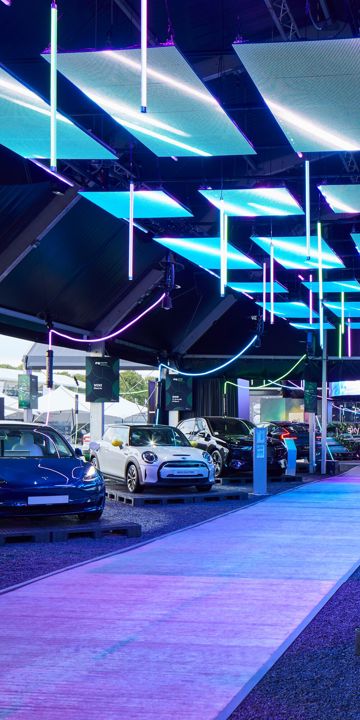

Where else can you...
...plan strategy in an ancient woodland, enjoy award-winning dining then drive around a racetrack?
-
What's on
-
Festival of Speed
-
Visit, Eat, Stay
-
The Goodwood Hotel
-
Rooms
-
Contact Us
-
Christmas
-
New Year's Eve
-
Weddings
-
Kids Activities
-
Offers
-
Local Attractions
-
Plan your stay
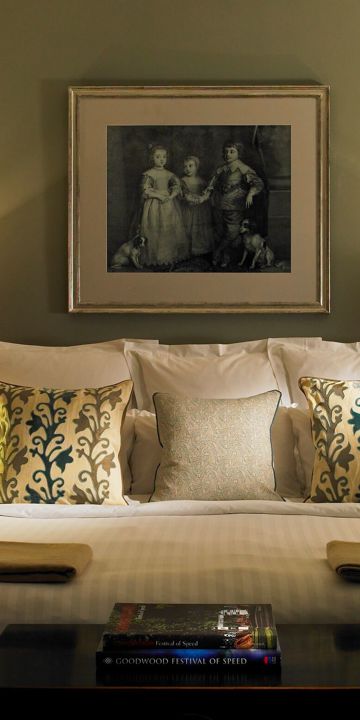

Grogger
Easy boy! The charismatic Farnham Flyer loved to celebrate every win with a pint of beer. His Boxer dog, Grogger, did too and had a tendancy to steal sips straight from the glass.
-
Rooms
-
Goodwood Cottages


Flying Elephant
The first thing ever dropped at Goodwood was a cuddly elephant which landed in 1932 just as the 9th Duke of Richmonds passion for flying was taking off.
-
Goodwood House
-
Afternoon Tea & Tour
-
The Collection
-
Exhibitions
-
History
-
Weddings
-
Copper Dome Restoration
-
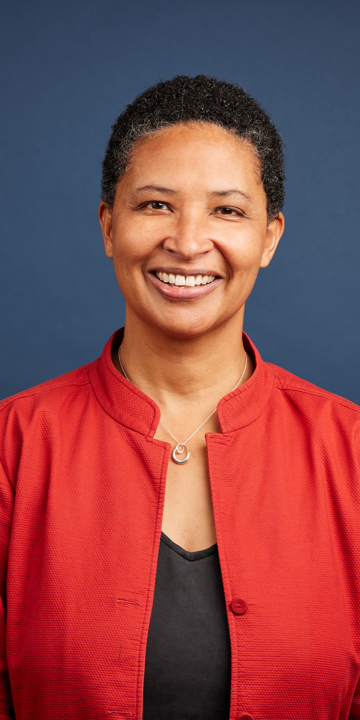
Secrets of a Radical Duke Talk by Professor Danielle Allen

Egyptian Dining Room
Testament to the 19th-century fascination with ancient Egypt and decorative opulence. The room is richly detailed with gilded cartouches, sphinxes, birds and crocodiles.
-
Afternoon Tea & Tour
-
Restaurants
-
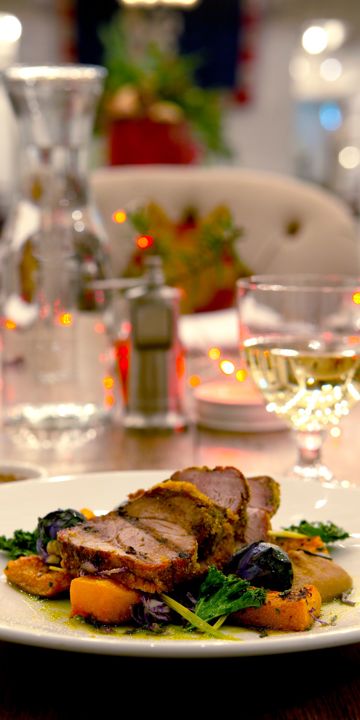
Farmer, Butcher, Chef
-
The Goodwood Bar & Grill
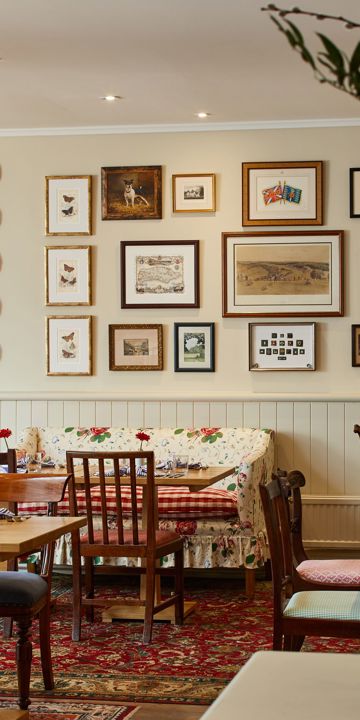
-
The Kennels
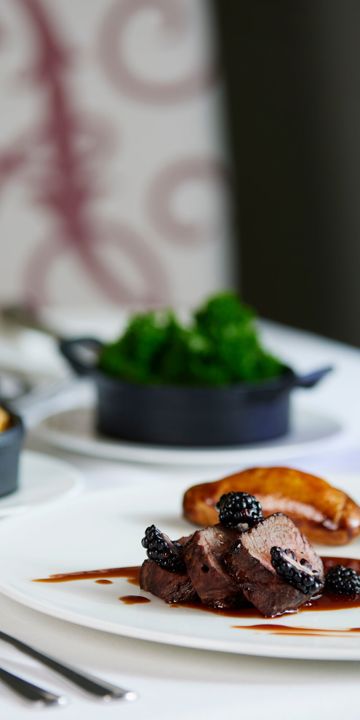
-
Aerodrome Café
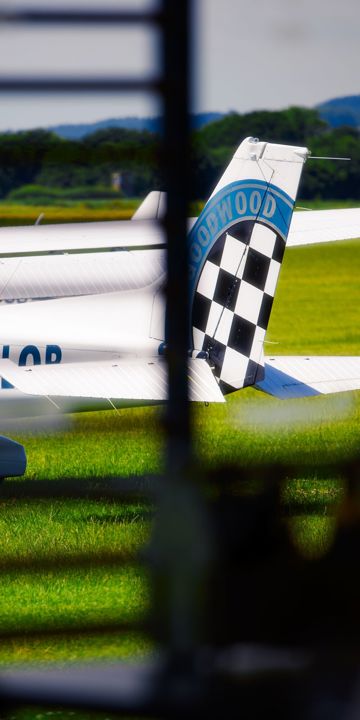
-
Motor Circuit Café

-
Cafe 24
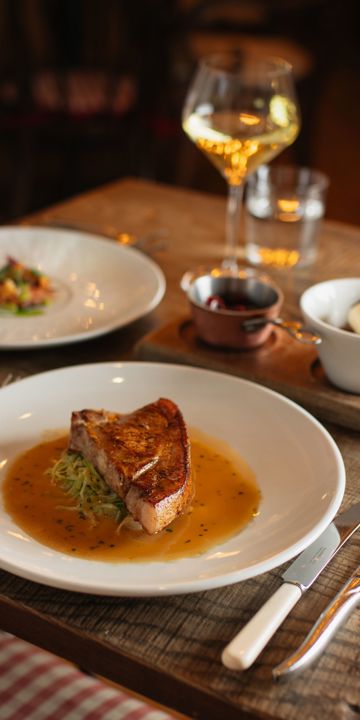

Sustainable state-of-mind
When Farmer, Butcher, Chef opened in 2016 it was awarded the UK’s first-ever Royal Academy of Culinary Arts ‘Sustainable Food Philosophy Seal’. -
Farmer, Butcher, Chef
-
The Kennels
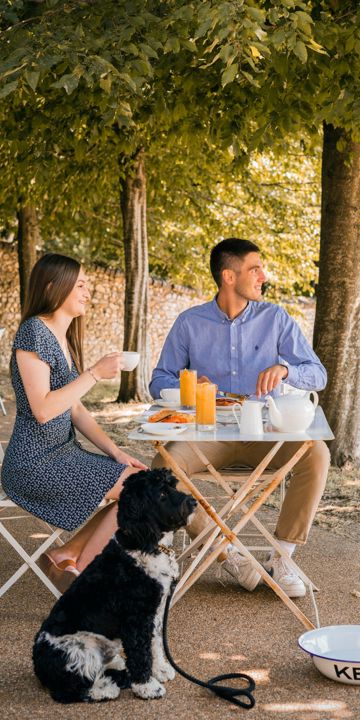

An exclusive clubhouse
As the private clubhouse for all of the Estate’s sporting and social members, it offers personal service and a relaxed atmosphere
-
Motor Circuit
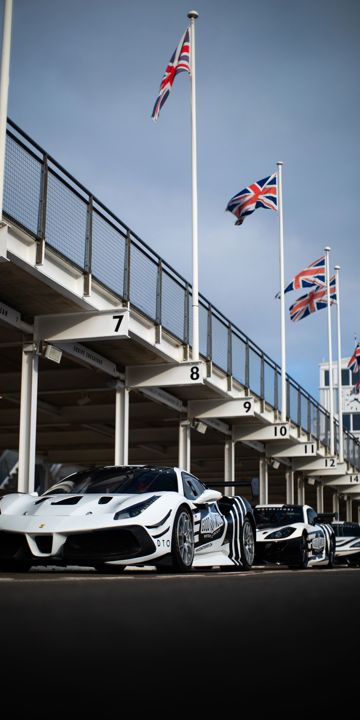

Lucky Leap
Inspired by the legendary racer, Masten Gregory, who famously leapt from the cockpit of his car before impact when approaching Woodcote Corner in 1959.
-
Health & Wellbeing
-
Membership
-
Health Club
-
Gym
-
Run Series
-
Spa Treatments
-
Wellness Retreats
-
Events Calendar
-
Corporate Wellbeing
-
Health Summit
-
Latest News
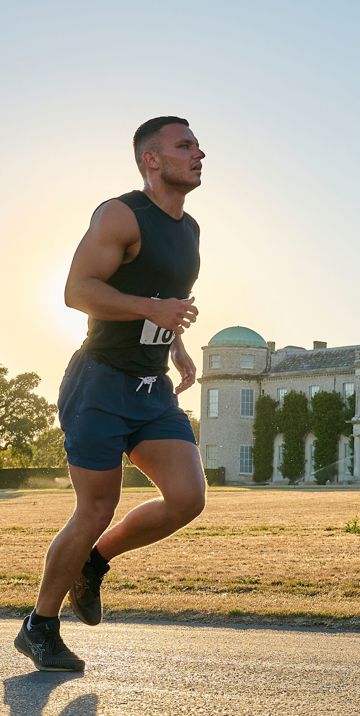

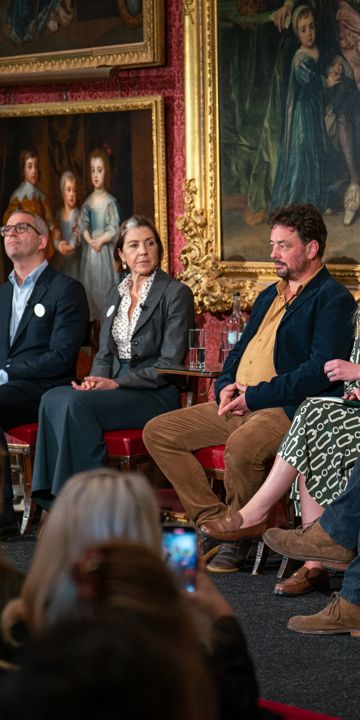
Goodwood's first Health Summit...
...took place in 2023 with industry experts discussing nutrition costs and food systems for a healthier future. -
Membership
-
Hound Lodge
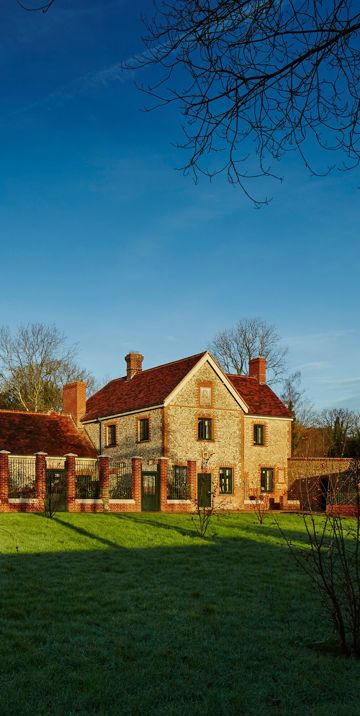

23 Glorious Hounds
Each room is named after one of the hounds documented in January 1718, including Dido, Ruby and Drummer.
-
Goodwood Farm Shop


21,000 litres...
Alongside the award-winning meat, we also produce 21,000 litres of milk a week, used to make our cheeses. -
Parties
-
Goodwood Art Foundation
-
The Goodwood Hotel
-
Motorsport
-
Festival of Speed
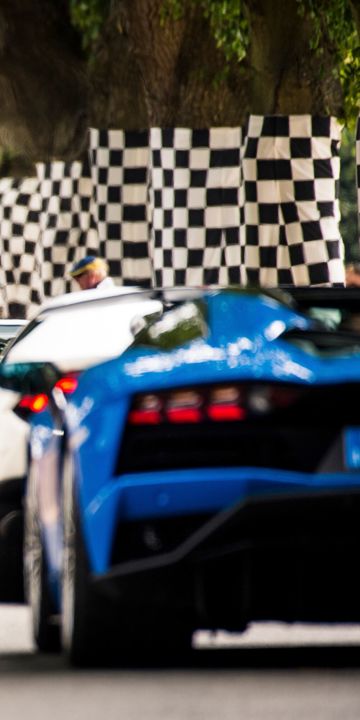

Have you visited our Forest Rally Stage?
From 2005 to present there has been a demonstration area for the rally cars at the top of the hill
-
Goodwood Revival
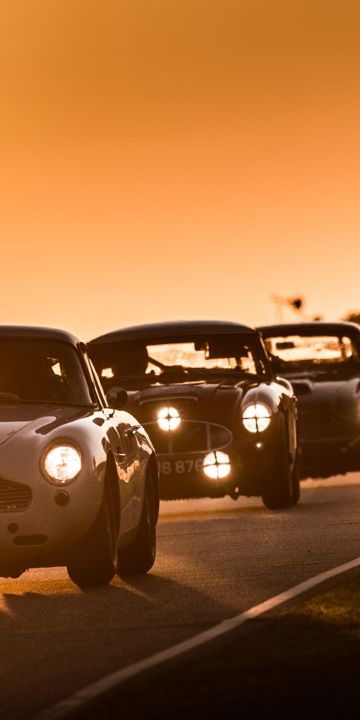

"Mr Goodwood"
Sir Stirling Moss was one of the founding patrons of the Festival of Speed, and a regular competitor at the Revival.
-
Members' Meeting
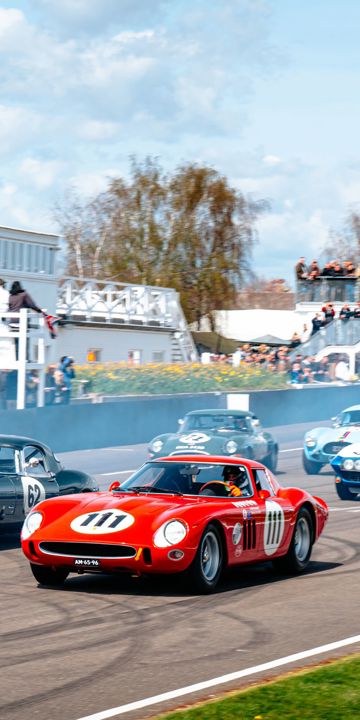
Why don't the F1 cars race the hill?
For safety reasons F1 cars can no longer do official timed runs so instead perform stunning demonstrations!
-
Breakfast Club
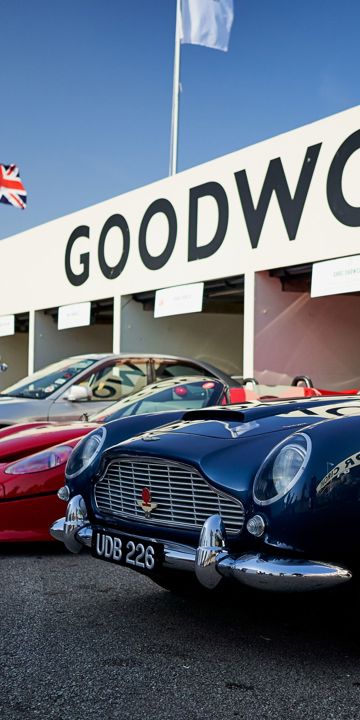
A perfect Sunday morning?
A no-cost, all-welcome motoring show where the visitors and their machines are the stars -
Motor Circuit
Egyptian Dining Room
Testament to the 19th-century fascination with ancient Egypt and decorative opulence. The room is richly detailed with gilded cartouches, sphinxes, birds and crocodiles.
-
Driving Experiences
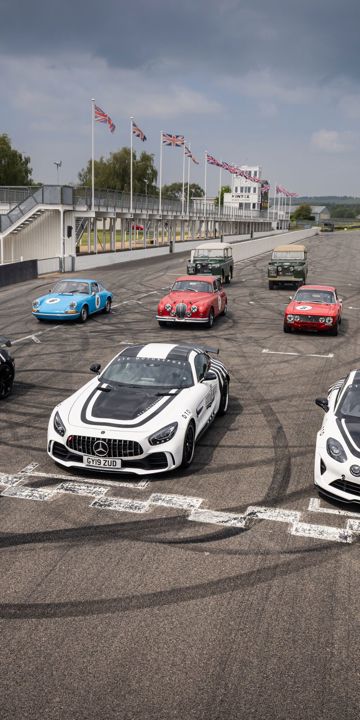

When was the GRRC founded?
Established in 1998 by the Duke of Richmond, the Goodwood Road Racing Club offers exclusive benefits across the estate year-round -
Goodwood Road Racing Club
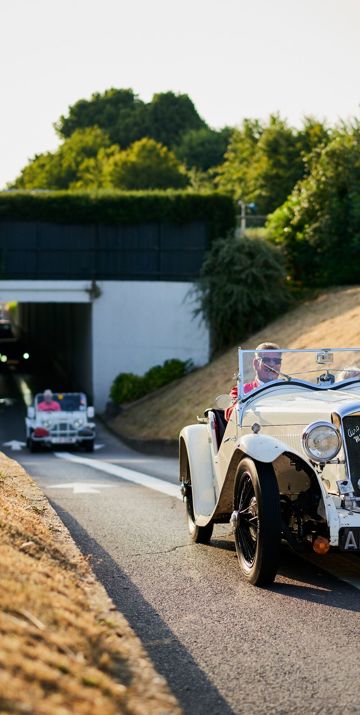

Motorsport Since 1948
Goodwood Motor Circuit was officially opened in September 1948 when Freddie March, the 9th Duke and renowned amateur racer, tore around the track in a Bristol 400
-
Latest News
-
Festival of Speed
-
Horseracing
-
Tickets & Packages
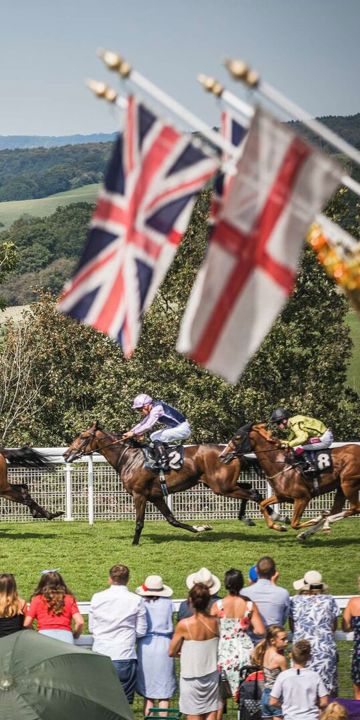

The Magnolia Cup
Leading women of business, sport, fashion and media, take part in one of the most exciting horseracing events in the world.
-
Hospitality
The Magnolia Cup
Leading women of business, sport, fashion and media, take part in one of the most exciting horseracing events in the world.
-
Goodwood Horseracing Club
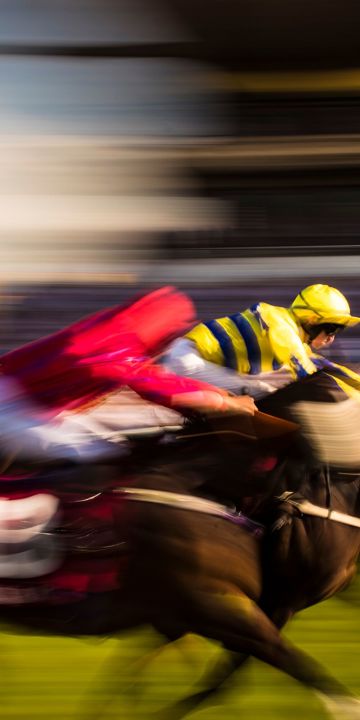
Why does everyone wear hats?
One Summer, King Edward VII turned his back on the traditional morning suit, and donned a linen suit and Panama hat. Thus the Glorious Goodwood trend was born.
-
Fixtures & Events
-
Season Opener
-
May Festival
-
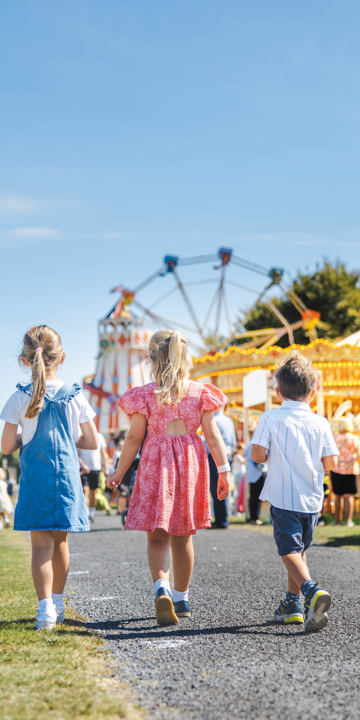
Family Race Day
-
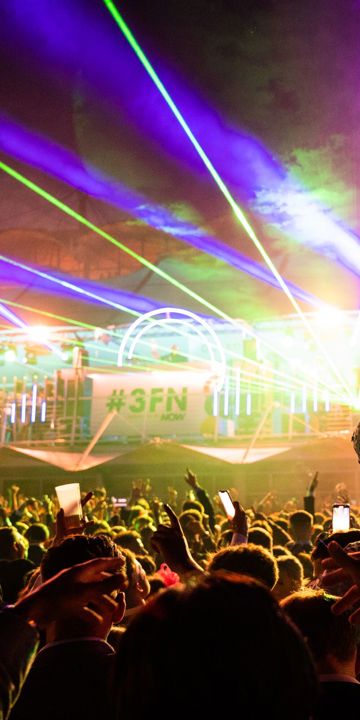
Three Friday Nights
-
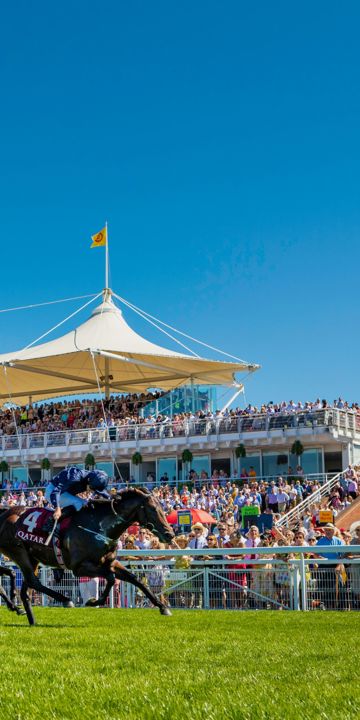
Qatar Goodwood Festival
-
August Bank Holiday
-
Autumn Racing
-
Season Finale

Wearing Linen at the Races
Ever since King Edward VII relaxed the dress code in the 19th century, we have enjoyed a carefree holiday feel here, unlike any other racecourse. -
Season Opener
-
Qatar Goodwood Festival
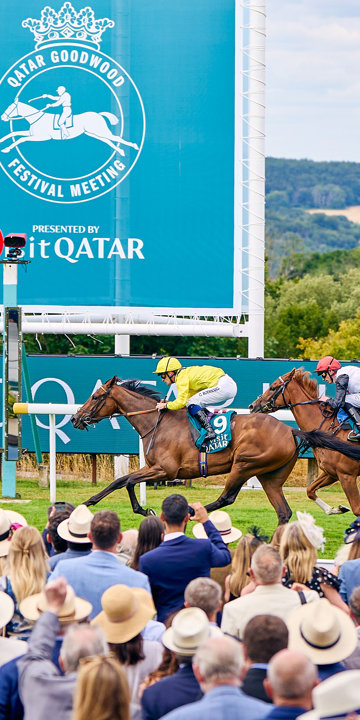
The Magnolia Cup
Leading women of business, sport, fashion and media, take part in one of the most exciting horseracing events in the world.
-
Three Friday Nights
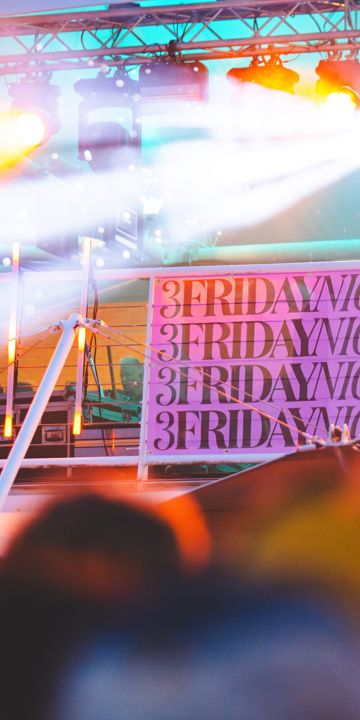
Why does everyone wear hats?
One Summer, King Edward VII turned his back on the traditional morning suit, and donned a linen suit and Panama hat. Thus the Glorious Goodwood trend was born.
-
Plan Your Day
-
Enclosures
-
Event Map
-
Going Report
-
Getting Here
-
Betting at Goodwood
-
Dress Code
-
Accessibility
-
Food & Drink
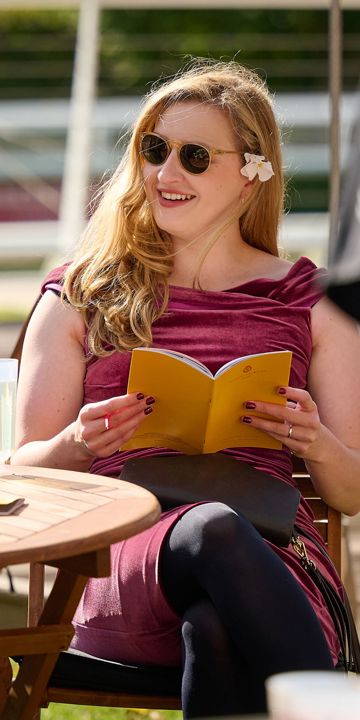

Why walk when you can drive
The first ever horsebox was used from Goodwood to Doncaster for the 1836 St. Leger. Elis arrived fresh and easily won his owner a £12k bet.
-
Enclosures
-
Buy Merchandise
-
Partners
-
Owners & Trainers
-
Latest News
-
FAQs
-
Accessibility
-
Tickets & Packages
-
Experiences
-
Driving
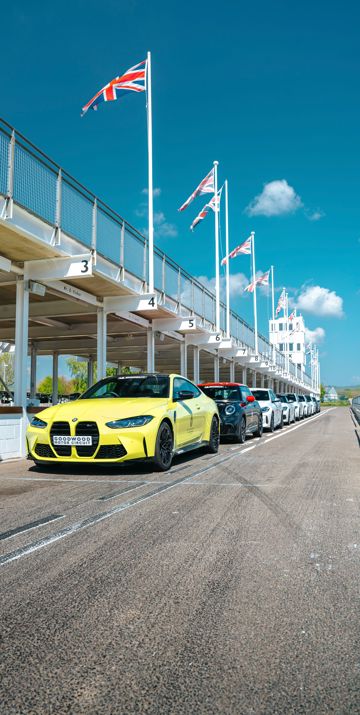

Battle of Britain
Flying training began at Goodwood in 1940 when pilots were taught operational flying techniques in Hurricanes and Spitfires.
-
Flying
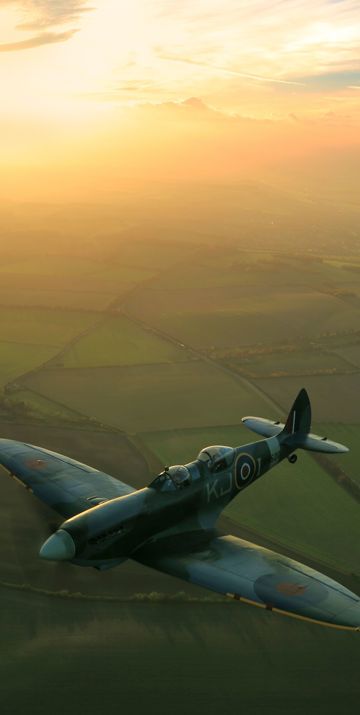

Group Captain Sir Douglas Bader
The famous fighter ace, who flew his last sortie from Goodwood Aerodrome, formerly RAF Westhampnett has a statue in his honor within the airfield.
-
Golf

A sporting Estate
Goodwood has two 18-hole championship courses, a modern clubhouse and an impressive Academy. -
Shooting
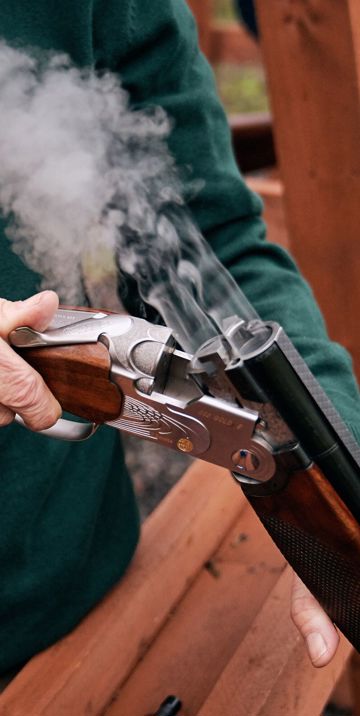
Flying Elephant
The first thing ever dropped at Goodwood was a cuddly elephant which landed in 1932 just as the 9th Duke of Richmonds passion for flying was taking off.
-
Afternoon Tea
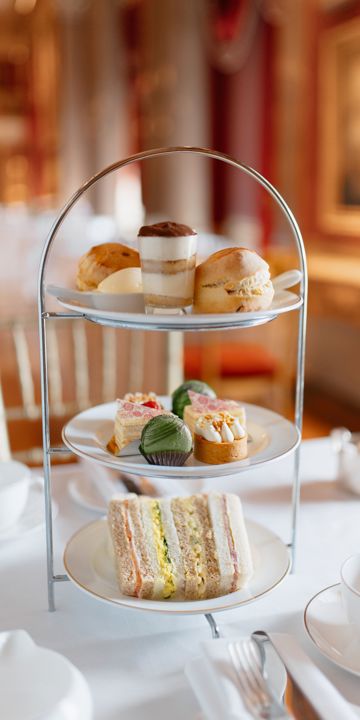

Scottish Heritage
The Gordon Tartan has been worn by the Dukes and Duchesses over the last 300 years.
-
Corporate Wellbeing
Goodwood's first Health Summit...
...took place in 2023 with industry experts discussing nutrition costs and food systems for a healthier future. -
Cycling
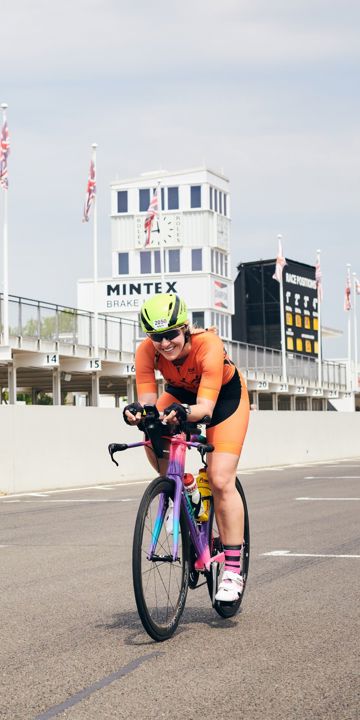

Ace Pilot
Ray Hanna famously flew straight down Goodwood’s pit straight below the height of the grandstands at the first Revival in 1998
-
Corporate Experiences
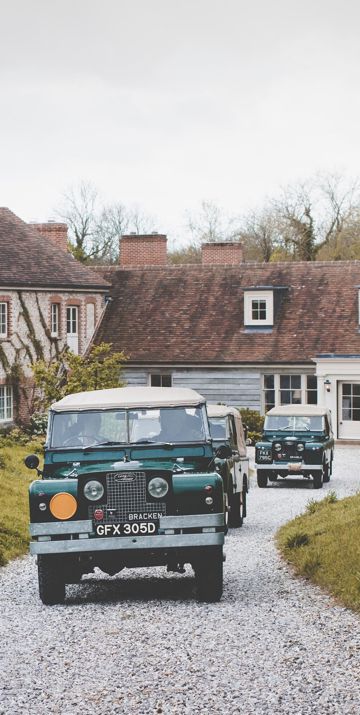
Where else can you...
...plan strategy in an ancient woodland, enjoy award-winning dining then drive around a racetrack?
-
Spa Treatments
-
Driving
- Hospitality
-
Golf
-
Golf Courses
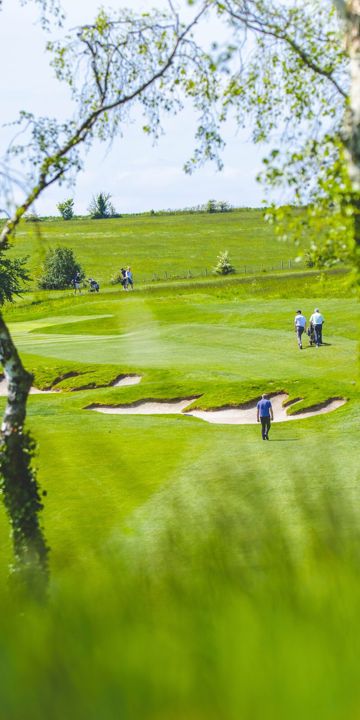
A sporting Estate
Goodwood has two 18-hole championship courses, a modern clubhouse and an impressive Academy. -
Golf Membership
-
Credit Membership
-
Application Form
-
Braid Membership
-
Intermediate Membership
-
Junior Membership
-
Corporate Membership
-
Copse Membership

A sporting Estate
Goodwood has two 18-hole championship courses, a modern clubhouse and an impressive Academy. -
Credit Membership
-
The Academy
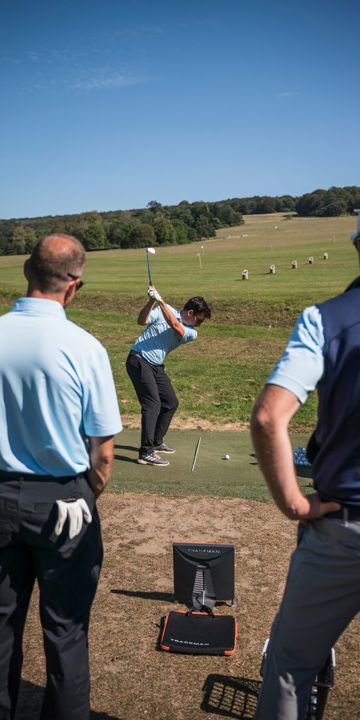

Braid’s Masterpiece
One of the greatest golfers of all time, James Braid designed Goodwood’s iconic Downland course, opened in 1914.
-
Golf Experiences


Over 100 years of Golf
The first ever round of golf played at Goodwood was in 1914 when the 6th Duke of Richmond opened the course on the Downs above Goodwood House.
-
Golf Courses
-
Flying
-
Flying School
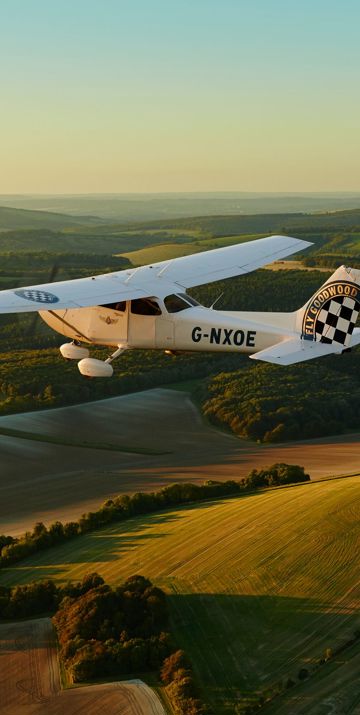

The Silver Spitfire
The iconic spitfire covered almost 43,000 kilometres and visited over 20 countries on its epic journey and currently resides at our Aerodrome.
-
Aero Club Membership
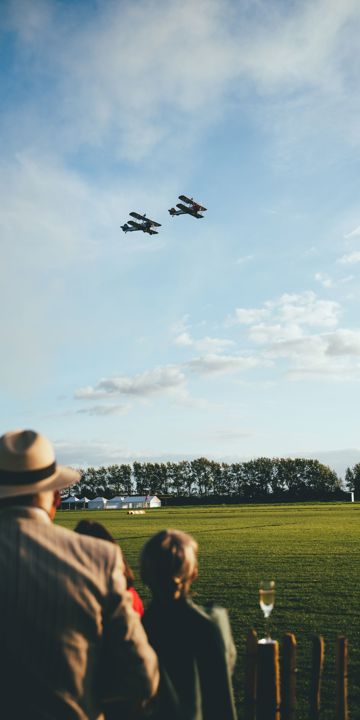
Flying Elephant
The first thing ever dropped at Goodwood was a cuddly elephant which landed in 1932 just as the 9th Duke of Richmonds passion for flying was taking off.
-
Flying Experiences
-
Pilot Information
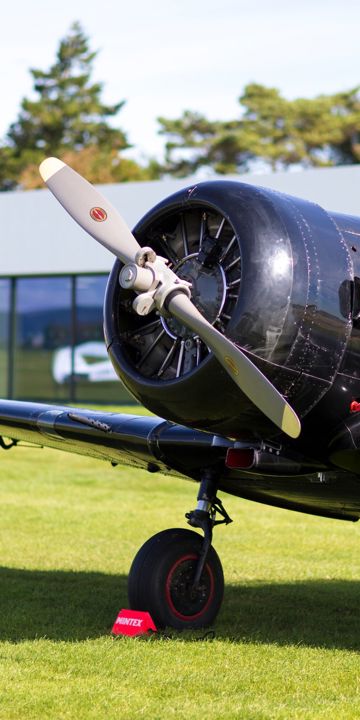
Flying Elephant
The first thing ever dropped at Goodwood was a cuddly elephant which landed in 1932 just as the 9th Duke of Richmonds passion for flying was taking off.
-
Flying School
-
Meetings
-
Venue Hire
-
Goodwood House
-
The Racecourse
-
The Goodwood Hotel
-
The Motor Circuit
-
The Kennels
-
The Aerodrome
-
The Great Outdoors
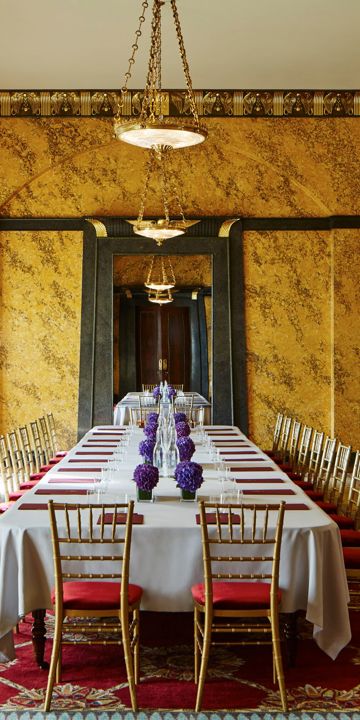
Where else can you...
...plan strategy in an ancient woodland, enjoy award-winning dining then drive around a racetrack?
-
Goodwood House
-
Plan Your Meeting
-
Parties
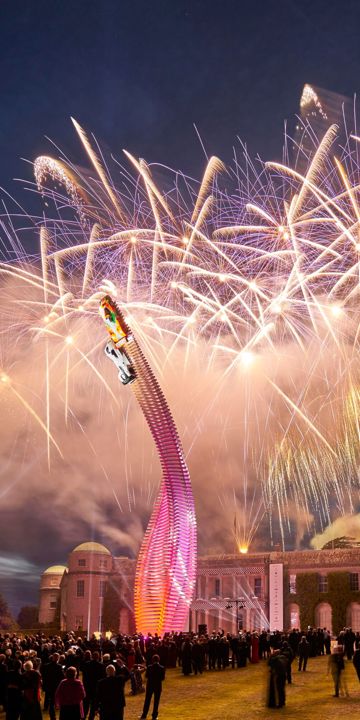
Where else can you...
...plan strategy in an ancient woodland, enjoy award-winning dining then drive around a racetrack?
-
Hospitality

-
Corporate Experiences
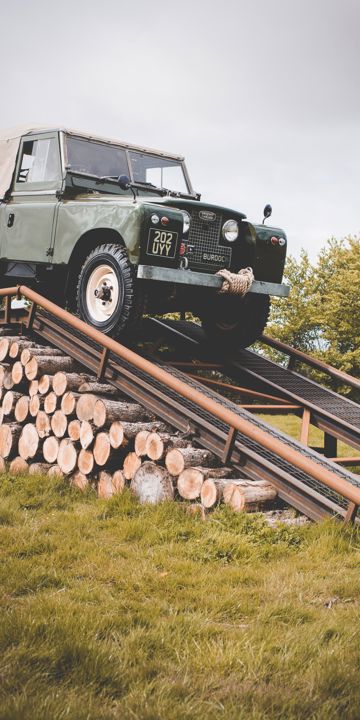
Where else can you...
...plan strategy in an ancient woodland, enjoy award-winning dining then drive around a racetrack?
-
Christmas Parties
-
Film Locations
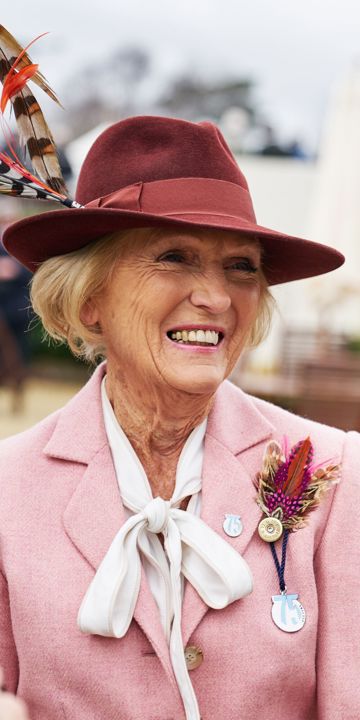
Where else can you...
...plan strategy in an ancient woodland, enjoy award-winning dining then drive around a racetrack?
-
Venue Hire
-
Weddings
-
Goodwood House
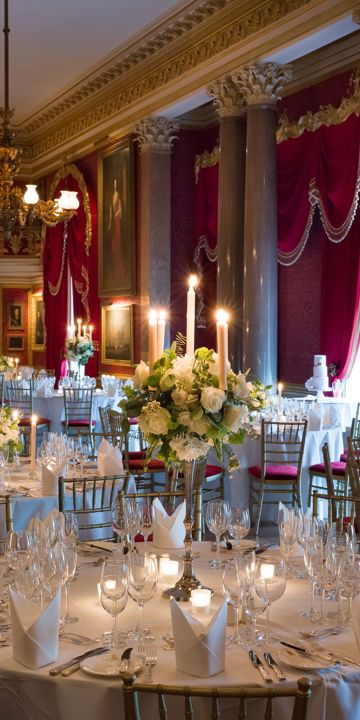
Shell house
A temple-folly guarded by two sphinxes, the beautiful shell house was built in 1748 with collected shells and the floor made from horse teeth.
-
The Kennels

An exclusive clubhouse
As the private clubhouse for all of the Estate’s sporting and social members, it offers personal service and a relaxed atmosphere
-
Parties
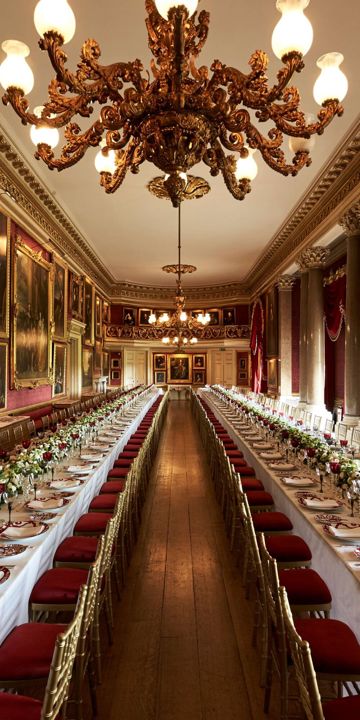


A destination for all seasons
We're well known for our iconic motorsport and horseracing events. But there's a lot more happening at Goodwood...
-
Goodwood House
-
Memberships
-
Goodwood Road Racing Club
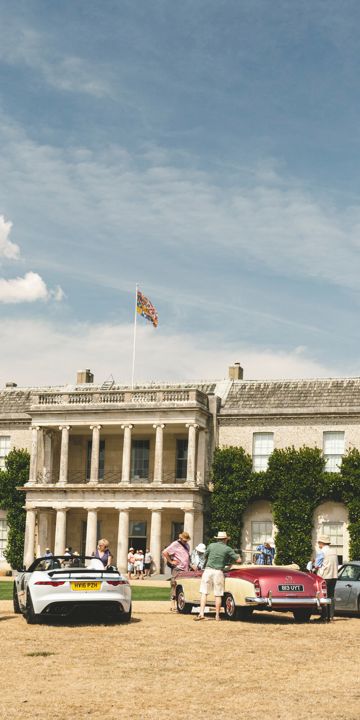
When was the GRRC founded?
Established in 1998 by the Duke of Richmond, the Goodwood Road Racing Club offers exclusive benefits across the estate year-round -
Goodwood Horseracing Club
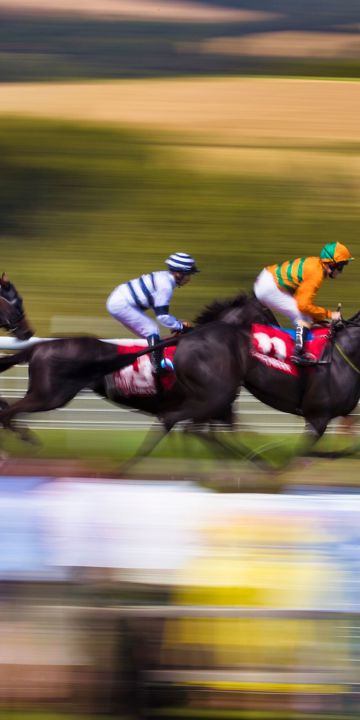

Racing Colours
The red & yellow of the Racecourse can be traced back hundreds of years, even captured in our stunning Stubbs paintings in the Goodwood Collection
-
Golf At Goodwood
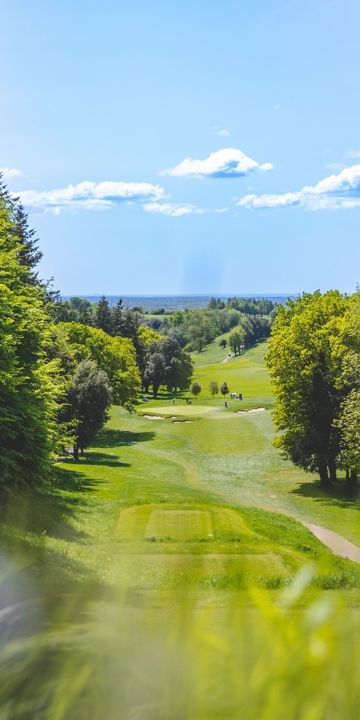
Braid’s Masterpiece
One of the greatest golfers of all time, James Braid designed Goodwood’s iconic Downland course, opened in 1914.
-
Goodwood Aero Club
Group Captain Sir Douglas Bader
The famous fighter ace, who flew his last sortie from Goodwood Aerodrome, formerly RAF Westhampnett has a statue in his honor within the airfield.
-
Goodwood Health Club
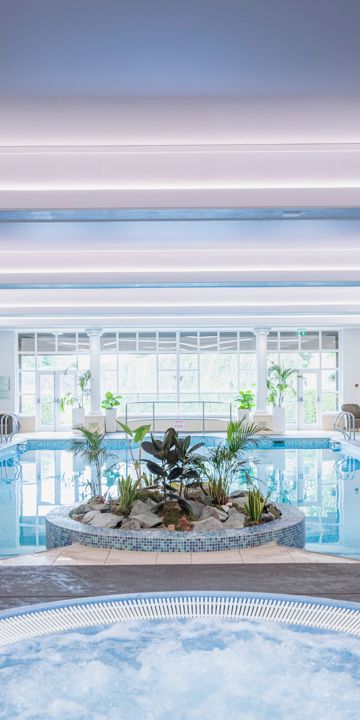
Goodwood's first Health Summit...
...took place in 2023 with industry experts discussing nutrition costs and food systems for a healthier future. -
The Kennels


How old is The Kennels?
Built in 1787 by celebrated architect James Wyatt to house the third Duke of Richmond’s prized fox hounds, The Kennels was known as one of the most luxurious dog houses in the world!
-
Sporting Membership

Flying Elephant
The first thing ever dropped at Goodwood was a cuddly elephant which landed in 1932 just as the 9th Duke of Richmonds passion for flying was taking off.
-
Goodwood Racehorse Owners Group
-
Goodwood Art Foundation
-
Goodwood Road Racing Club
- Classic Car Insurance
- Health & Wellbeing
- Buy Merchandise
-
Our Estate
-
What's on
-
Estate Map

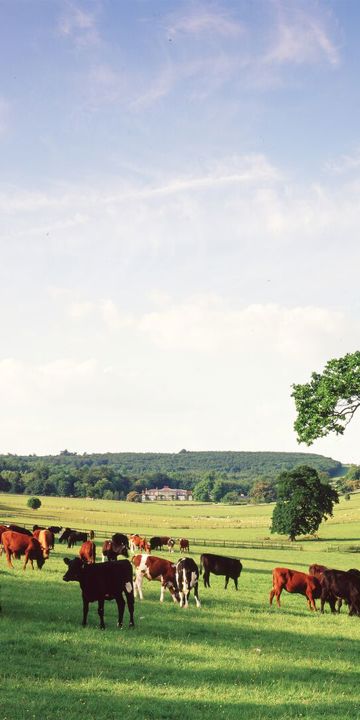
A different breed...
Goodwood’s pigs are a mix of two rare breeds (Gloucester Old Spots and Saddlebacks) plus the Large White Boar.
-
Stories from the Estate
Grogger
Easy boy! The charismatic Farnham Flyer loved to celebrate every win with a pint of beer. His Boxer dog, Grogger, did too and had a tendancy to steal sips straight from the glass.
-
Sports
-
Goodwood Education Trust
A different breed...
Goodwood’s pigs are a mix of two rare breeds (Gloucester Old Spots and Saddlebacks) plus the Large White Boar.
-
Charities
Battle of Britain
Flying training began at Goodwood in 1940 when pilots were taught operational flying techniques in Hurricanes and Spitfires.
-
Sustainability
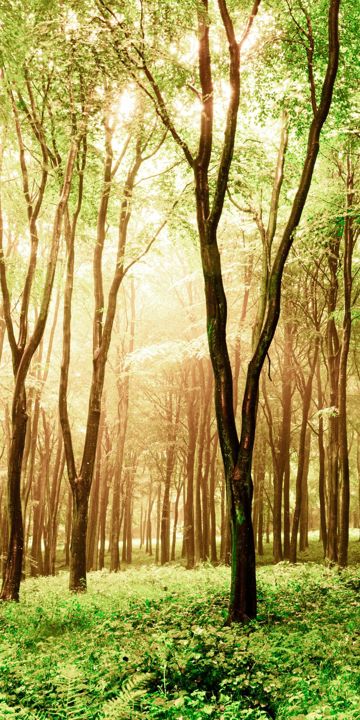

How many hay bales are used at FOS?
For the last two years, 5,800 bales have been recylced into the biomass energy centre to be used for energy generation
-
Diversity, Equity & inclusion
-
Property
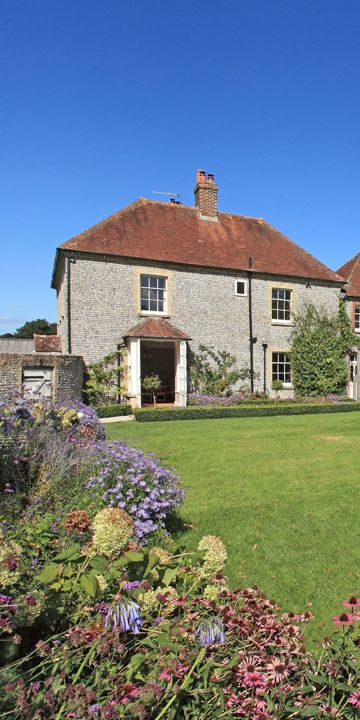

Levin Down Gin
Our gin uses wild-grown botanicals sourced from the estate, and is distilled with mineral water naturally chalk-filtered through the South Downs.
-
Walking Guide

A different breed...
Goodwood’s pigs are a mix of two rare breeds (Gloucester Old Spots and Saddlebacks) plus the Large White Boar.
-
Dog Walking Field
-
Careers
Grogger
Easy boy! The charismatic Farnham Flyer loved to celebrate every win with a pint of beer. His Boxer dog, Grogger, did too and had a tendancy to steal sips straight from the glass.
-
Goodwood Art Foundation
-
Farm Shop
-
What's on



Upcoming Events
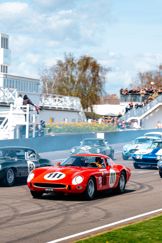

Captain Fantastic
He partnered James Hunt, mentored Michael Schumacher, and survived two horrendous crashes. Jochen Mass, Captain of Darnley at this year’s Members’ Meeting, looks back on the highs and lows of life in the fast lane
Words by Rob Widdows
Magazine
Cars
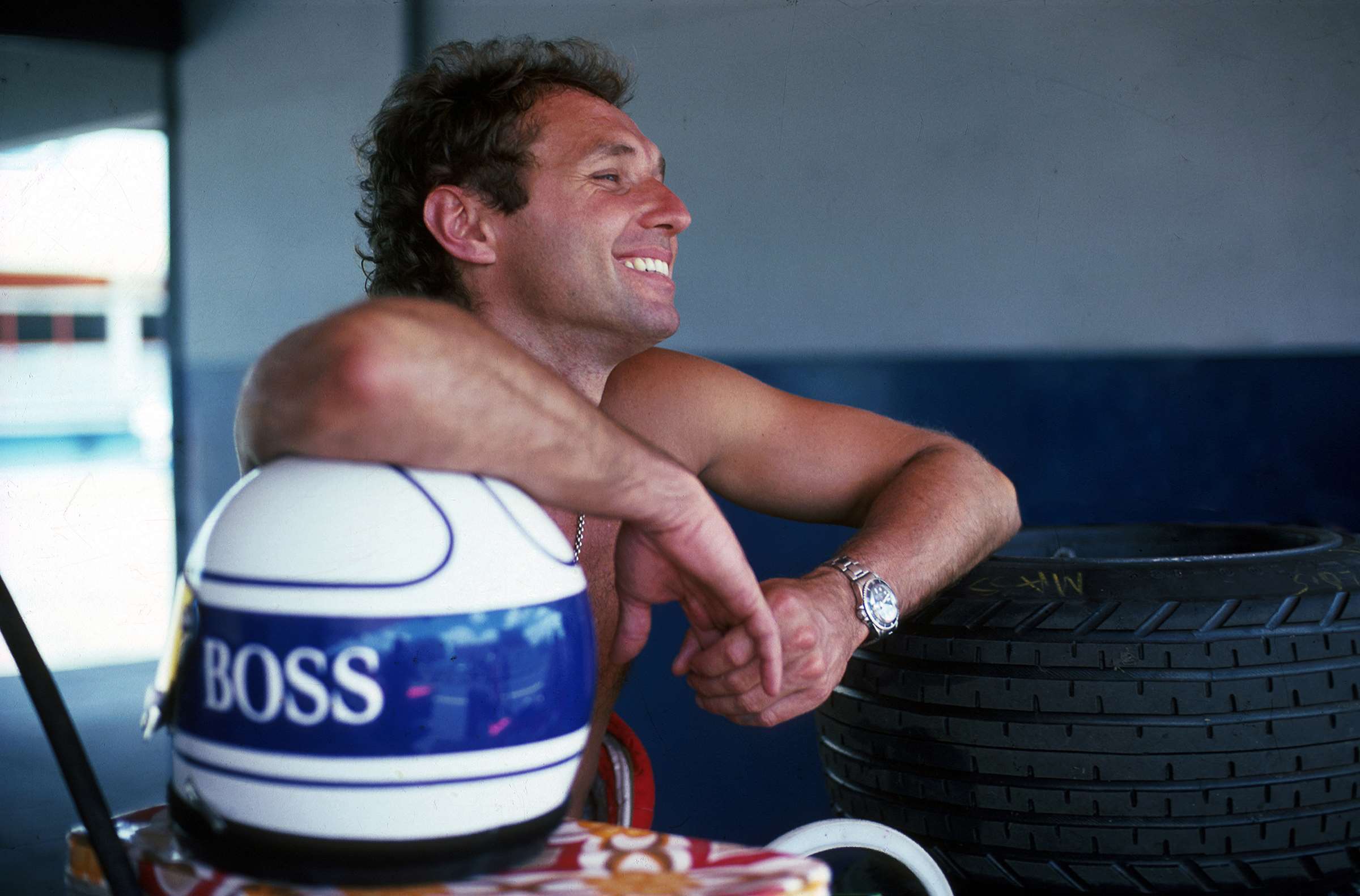
Jochen Mass at the 1977 Argentine Grand Prix
“I was flying through the air and then I hit the ground violently and my car caught fire. I remember all these pictures of my life passing in slow motion… my little boys… it was beautiful. My wife was watching on TV at the time and the commentator said, ‘He’s dead. He couldn’t survive a crash like that. He was a nice guy…’ and all that.”
But Jochen Mass did survive to tell the tale, many tales, of a career that brought victory in Formula 1 and at Le Mans, and a World Sportscar Championship. Now “Hermann the German”, as his mechanics at McLaren called him, has swapped his fireproofs for the blue and white striped blazer of a House Captain at the Goodwood Members’ Meeting.
Jochen is Captain of Darnley, one of four “houses” that compete for points both on and off the circuit at Goodwood’s traditional spring meeting. In a pastiche of the English public school system, each house has a team of both drivers and spectators, who win points through race results and via an eclectic range of field sports as disparate as football and welly-boot throwing. Darnley has yet to win the coveted House Shield.
James [Hunt] was a wild man and we did some crazy things together, but I never understood the superstar thing... I had the natural talent
“My role is to lead my team, to encourage them in their sports and then to try and win points for the house myself when I’m racing. I love the Members’ Meeting because the fans are at the very heart of it – there’s an intimacy that’s missing from most motor events these days. They want to be in the house with the best cars and drivers. They like to play the game. So while I do my best in the cars, I urge them on to win the tug-of-war, or the egg-and-spoon. It’s competitive, naturally, because all four captains are racing drivers, past or present.”
Jochen had no big ambition to be a racing driver. As a boy, he dreamed of going to sea and joined the Merchant Navy. Coming ashore, he caught sight of a hillclimb near his home in Bavaria, and was captivated by the speed of the cars flashing through the forest. Sails were about to give way to wheels.
At the 1976 German Grand Prix
I had been so damn lucky. I walked away from those big accidents unscathed, but it was time to get out. There was nothing for me in Formula 1 any more.
“I had always loved sailing – being at one with the boat and the ocean – and when I got myself into a Grand Prix car I found it gave me a similar feeling. When you race you become one with the car, the instruments, the steering wheel and, just like sailing a boat, you’ve got to be in control of both yourself and the car too. You’re in your own world, at peace in a strange way…”
Jochen’s career was a rollercoaster, filled with extreme highs and lows. At McLaren he partnered with James Hunt during a purple patch for the team, and the two of them played as hard as they raced. “James was a wild man and we did some crazy things together, but I never understood the superstar thing. He was a masterful driver, but I had the natural talent, and I knew I was as fast as him… so when he beat me I began to realise the team was favouring him with better equipment. Maybe I was too laid-back; I should have been a bit tougher.”
It was with McLaren that Jochen took his only F1 victory, in Spain in 1975 – but his win was bittersweet. “It was such a very sad day. I won the Grand Prix but Rolf Stommelen was killed when his rear wing broke and his car went flying over the barriers, killing five spectators as well. The race was stopped. We had all been worried about track safety because the barriers had not been properly mounted the day before and we weren’t sure they had been fixed overnight. We threatened a boycott, but we raced, and then this tragedy happened. I didn’t want to win like that.”
At that time, triumph and tragedy so often went hand in hand in a sport that was both glamorous and dangerous. In 1982 Jochen decided that he had had enough, having survived a horrendous crash in Belgium in which his friend Gilles Villeneuve lost his life. Then two months later in France, he had the miracle escape to which he refers at the beginning of our story.
“I had been so damn lucky. I walked away from those big accidents unscathed, but it was time to get out. There was nothing for me in Formula 1 any more.”

Related Reading
Sign up for a ticket alert to next years 77th Members' Meeting
Mass at the wheel of a silver Mercedes at 2016's Members' Meeting
Having stepped away, Jochen went on to forge a hugely successful career in sports cars. He won all the blue riband races at Daytona, Sebring, Spa, the fearsome Nürburgring and most famously the 24 Hours of Le Mans with the Sauber Mercedes team where he mentored a young man called Michael Schumacher.
“I couldn’t teach him to go faster,” recalls Mass. “He was fast already. Sometimes I was quicker, and that really annoyed him, but it’s because I was stronger – the car was tough to steer sometimes, so you needed to have the muscles. That’s when he began the training regime that made him the fittest driver in Formula 1. He was a very special driver, meticulous, and hell-bent on getting the maximum out of the car. I would say, ‘Michael, the car is good. Leave it alone,’ but he’d always say that we could do more. It was obvious to me that he was someone very special.”
Perhaps it might seem strange that in an interview about himself, Mass is far more comfortable discussing the lives of other racing greats than his own, but it’s what you might expect from this particularly modest man. Happiest on the deck of his wooden sailing boat, he has lived his racing dreams to the full, made his name in motorsport history, and today, the Captain of Darnley remains one of Goodwood’s best-loved racers.
Goodwood Members’ Meeting took place on March 17-18 2018. For information, visit Goodwood.com/membersmeeting or call us on 01243 755055
This article is taken from the Goodwood magazine, Spring 2018 issue
Magazine
Cars