-
Events
-
Festival of Speed

The Hillclimb
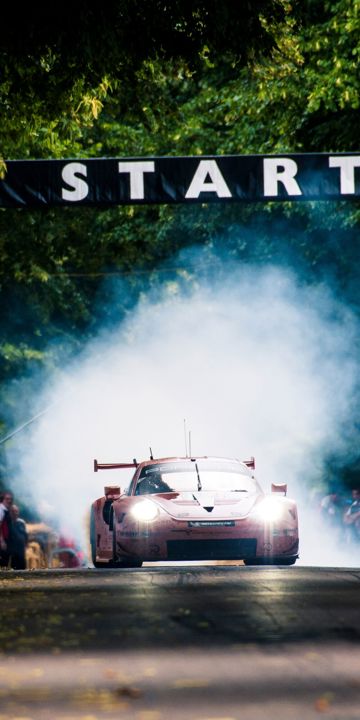
The 1.16-mile hillclimb has been the centre of the action since the first festival in 1993. -
Goodwood Revival
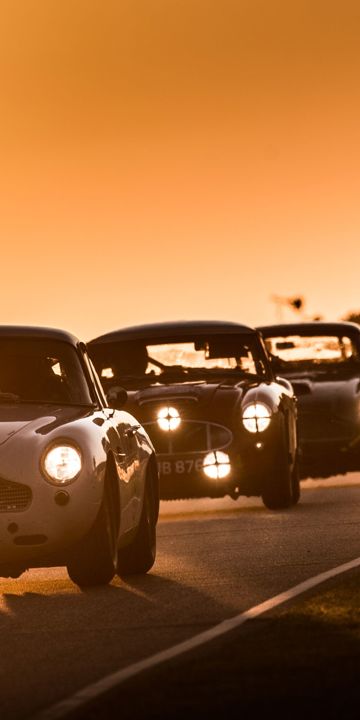

Earls Court replica
Our replica of the famous motor show showcases the "cars of the future" in true Revival style
-
Members' Meeting
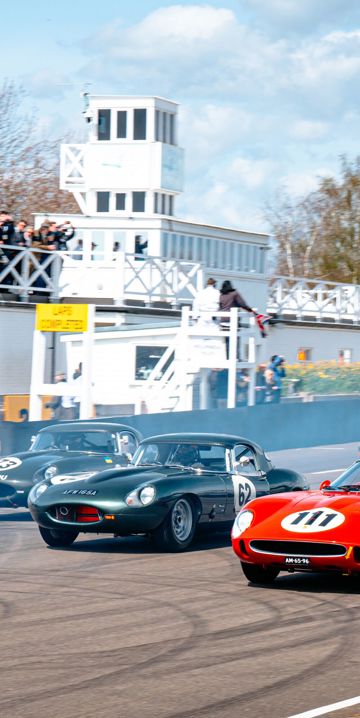

More than motorsport...
Ferret racing and duck herding are two of the many off-track activities at Members' Meeting -
Qatar Goodwood Festival
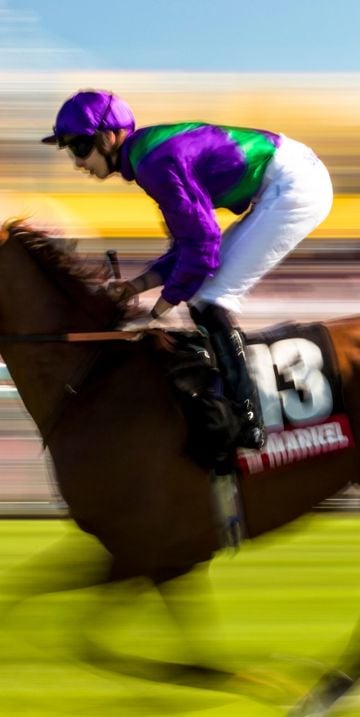

Royal approval
King Edward VII (who came almost every year) famously dubbed Glorious Goodwood “a garden party with racing tacked on”.
-
Goodwoof
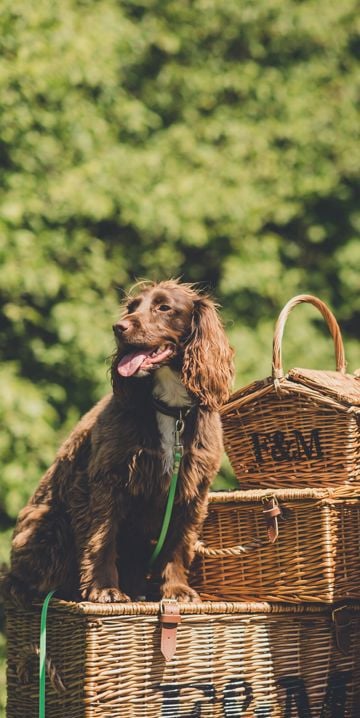

Start in style
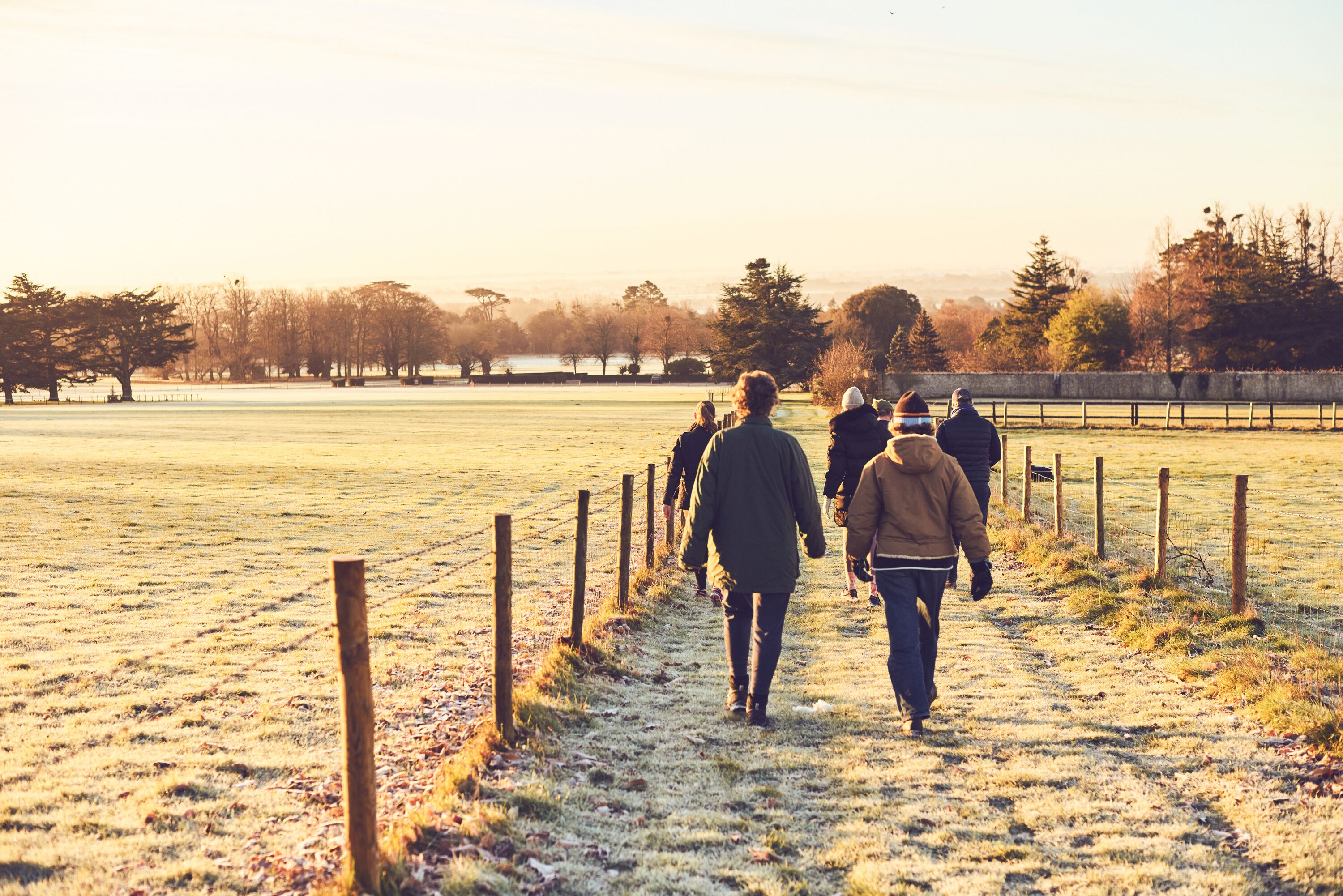
The breed parade sees hundreds of dogs and their owners walk from Goodwood House down to The Kennels to kick start the Goodwoof weekend. -
Horseracing
-
Season Opener
-
May Festival
-
Family Race Day
-
Three Friday Nights
-
August Bank Holiday
-
Autumn Racing
-
Season Finale
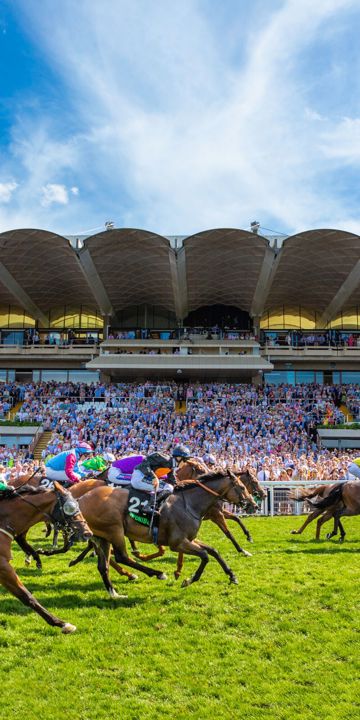
Royal approval
King Edward VII (who came almost every year) famously dubbed Glorious Goodwood “a garden party with racing tacked on”.
-
Season Opener
-
Breakfast Club
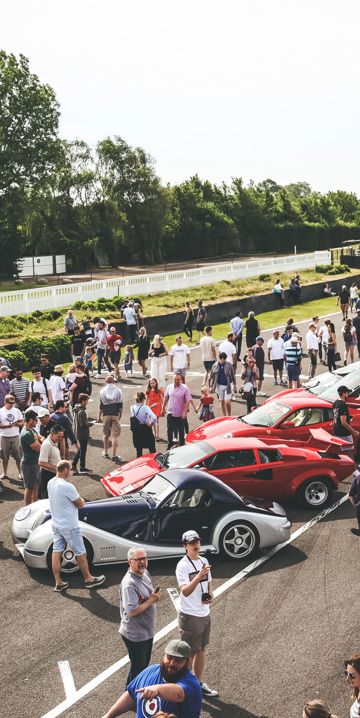

A perfect Sunday morning?
A no-cost, all-welcome motoring show where the visitors and their machines are the stars -
Health Summit
-
Hospitality
-
Exhibiting
-
Partnerships
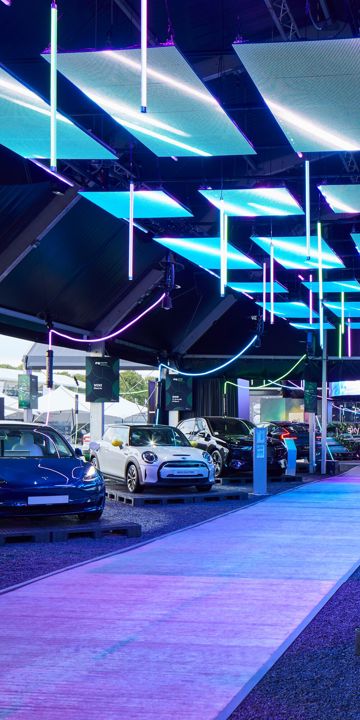

Where else can you...
...plan strategy in an ancient woodland, enjoy award-winning dining then drive around a racetrack?
-
What's on
-
Festival of Speed
-
Visit, Eat, Stay
-
The Goodwood Hotel
-
Rooms
-
Contact Us
-
Christmas
-
New Year's Eve
-
Weddings
-
Kids Activities
-
Offers
-
Local Attractions
-
Plan your stay

Battle of Britain
Flying training began at Goodwood in 1940 when pilots were taught operational flying techniques in Hurricanes and Spitfires.
-
Rooms
-
Goodwood Cottages


Lucky Leap
Inspired by the legendary racer, Masten Gregory, who famously leapt from the cockpit of his car before impact when approaching Woodcote Corner in 1959.
-
Goodwood House
-
Afternoon Tea & Tour
-
The Collection
-
Exhibitions
-
History
-
Weddings
-
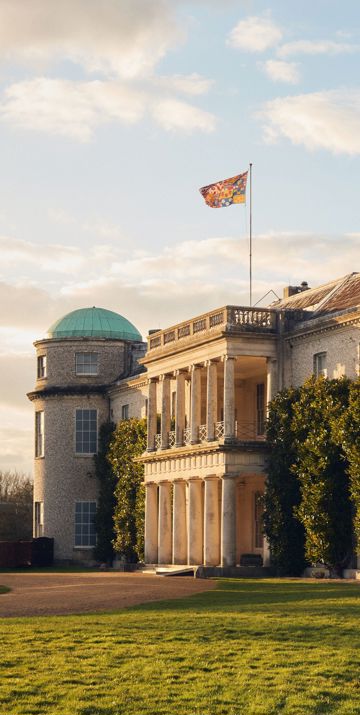
Copper Dome Restoration
-
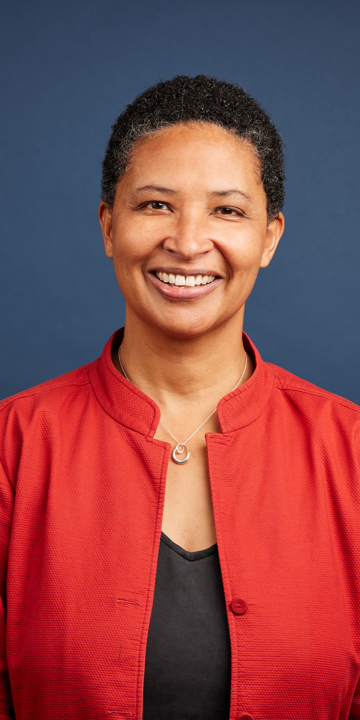
Secrets of a Radical Duke Talk by Professor Danielle Allen

Scottish Heritage
The Gordon Tartan has been worn by the Dukes and Duchesses over the last 300 years.
-
Afternoon Tea & Tour
-
Restaurants
-
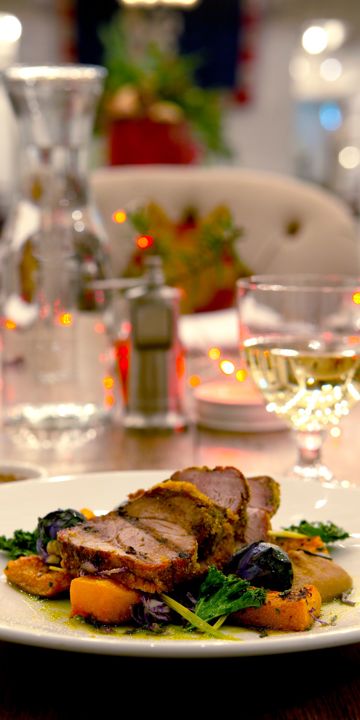
Farmer, Butcher, Chef
-
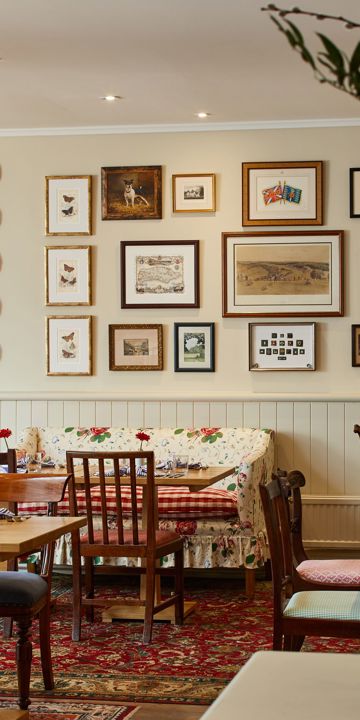
The Goodwood Bar & Grill
-
The Kennels
-
Aerodrome Café
-
Motor Circuit Café

-
Cafe 24

Sustainable state-of-mind
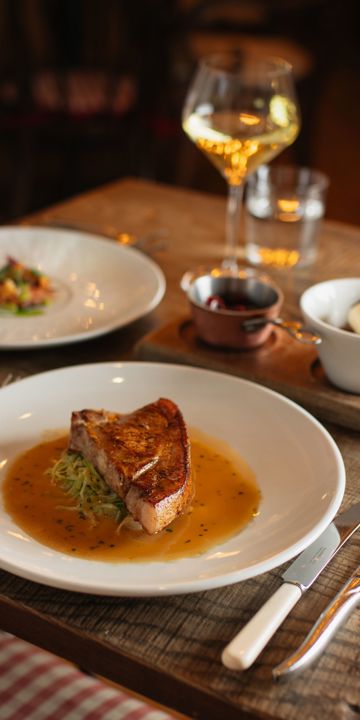
When Farmer, Butcher, Chef opened in 2016 it was awarded the UK’s first-ever Royal Academy of Culinary Arts ‘Sustainable Food Philosophy Seal’. -
Farmer, Butcher, Chef
-
The Kennels

Fashionable foxhounds
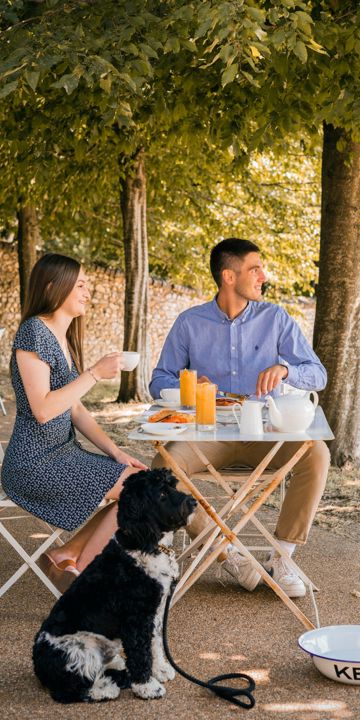
The 1st Duke of Richmond bought Goodwood in 1697 as a place to stay to go foxhunting with the fashionable Charlton Hunt. -
Motor Circuit
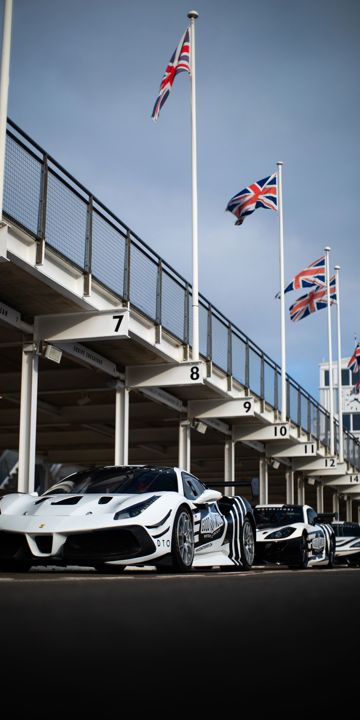

Have you visited our Forest Rally Stage?
From 2005 to present there has been a demonstration area for the rally cars at the top of the hill
-
Health & Wellbeing
-
Membership
-
Health Club
-
Gym
-
Run Series
-
Spa Treatments
-
Wellness Retreats
-
Events Calendar
-
Corporate Wellbeing
-
Health Summit
-
Latest News

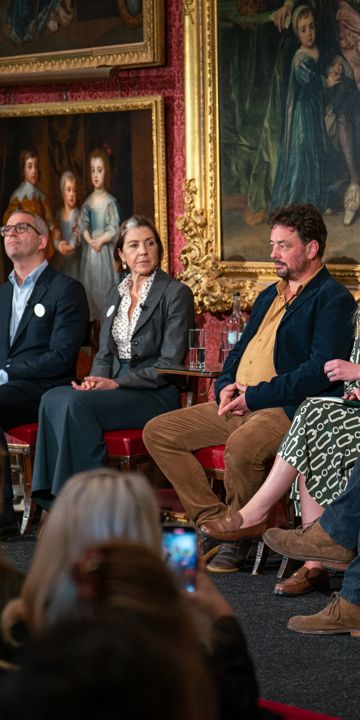
Goodwood's first Health Summit...
...took place in 2023 with industry experts discussing nutrition costs and food systems for a healthier future. -
Membership
-
Hound Lodge
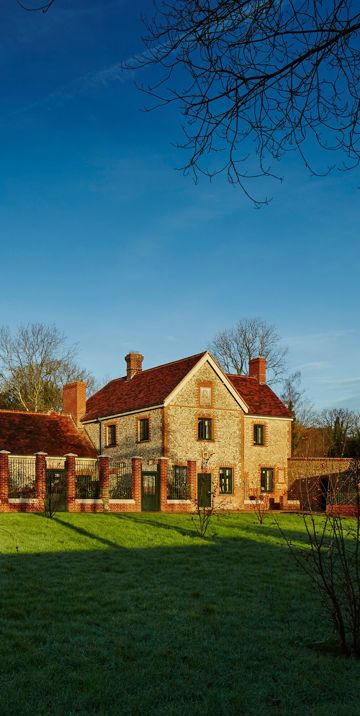

Only the finest
Mattresses and eiderdowns are stuffed with wool from the Goodwood Estate.
-
Goodwood Farm Shop


Levin Down Gin
Our gin uses wild-grown botanicals sourced from the estate, and is distilled with mineral water naturally chalk-filtered through the South Downs.
-
Parties
-
Goodwood Art Foundation
-
The Goodwood Hotel
-
Motorsport
-
Festival of Speed
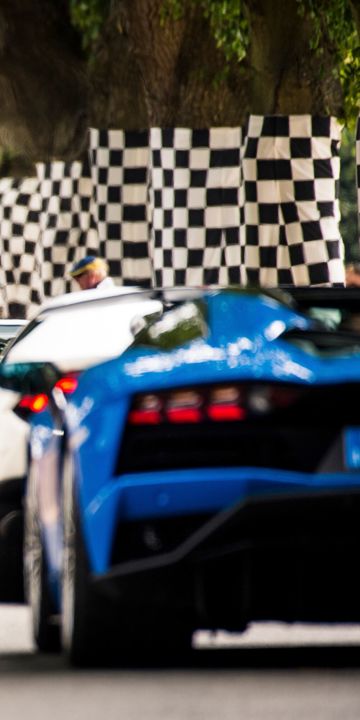

Why don't the F1 cars race the hill?
For safety reasons F1 cars can no longer do official timed runs so instead perform stunning demonstrations!
-
Goodwood Revival
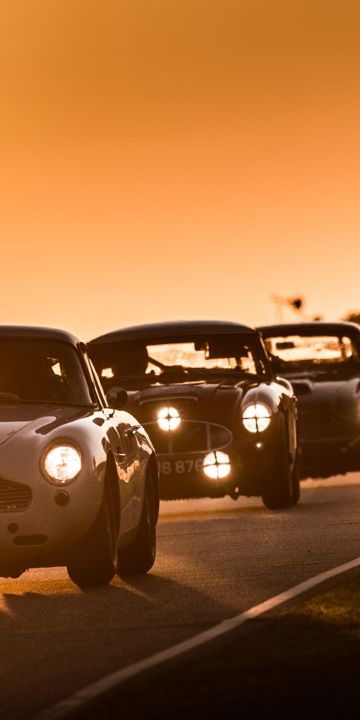

"Mr Goodwood"
Sir Stirling Moss was one of the founding patrons of the Festival of Speed, and a regular competitor at the Revival.
-
Members' Meeting
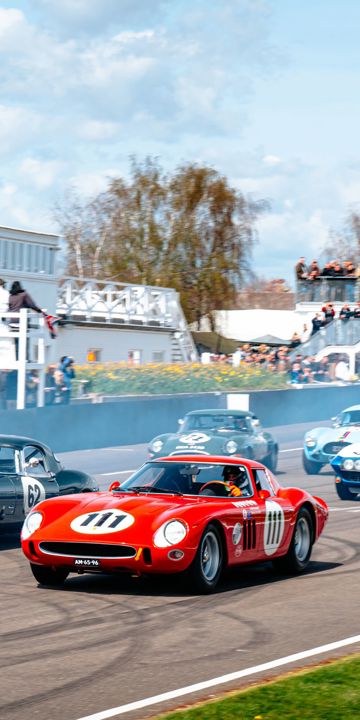

The Hillclimb Record
Nick Heidfelds 1999 (41.6s) hillclimb record was beaten after Max Chilton in his McMurtry Spéirling fan car tore it to shreds at 39.08s in 2022!
-
Breakfast Club
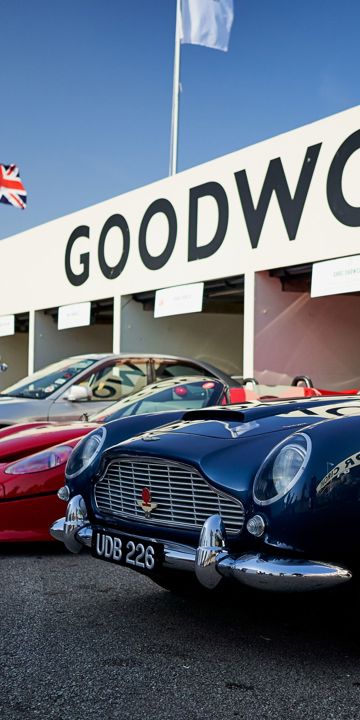

Goodwood Heroes
Legend of Goodwood's golden racing era and Le Mans winner Roy Salvadori once famously said "give me Goodwood on a summer's day and you can forget the rest".
-
Motor Circuit
Why don't the F1 cars race the hill?
For safety reasons F1 cars can no longer do official timed runs so instead perform stunning demonstrations!
-
Driving Experiences
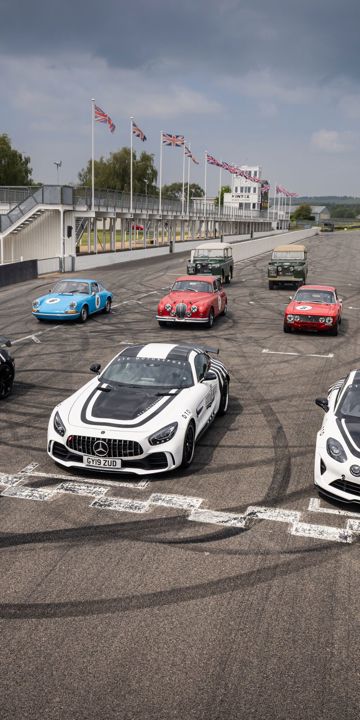

Driving experiences
Unleashed your driving skils -
Goodwood Road Racing Club
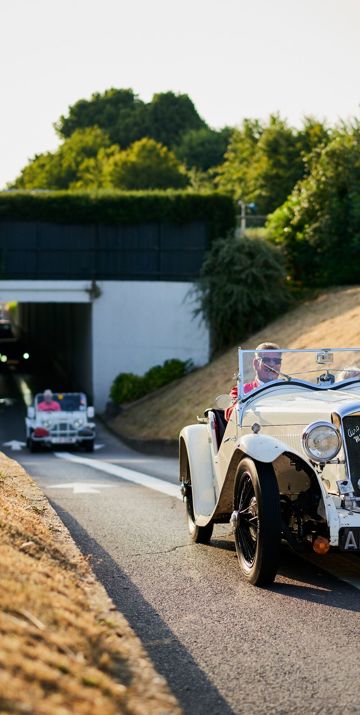

How many hay bales are used at FOS?
For the last two years, 5,800 bales have been recylced into the biomass energy centre to be used for energy generation
-
Latest News
-
Festival of Speed
-
Horseracing
-
Tickets & Packages
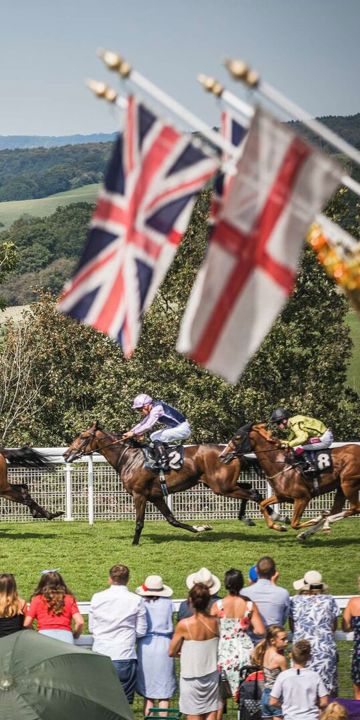

Why walk when you can drive
The first ever horsebox was used from Goodwood to Doncaster for the 1836 St. Leger. Elis arrived fresh and easily won his owner a £12k bet.
-
Hospitality
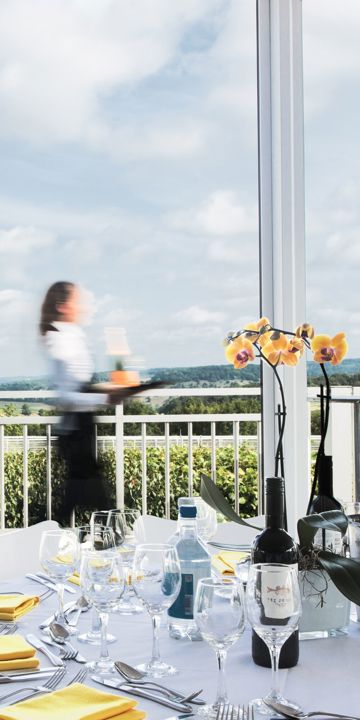

Wearing Linen at the Races
Ever since King Edward VII relaxed the dress code in the 19th century, we have enjoyed a carefree holiday feel here, unlike any other racecourse. -
Goodwood Horseracing Club
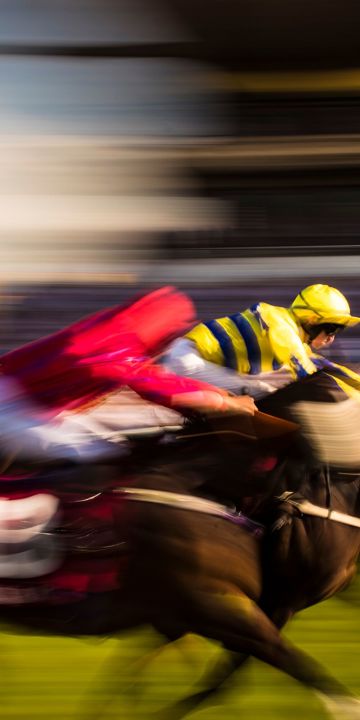

Racing Colours
The red & yellow of the Racecourse can be traced back hundreds of years, even captured in our stunning Stubbs paintings in the Goodwood Collection
-
Fixtures & Events
-
Season Opener
-
May Festival
-
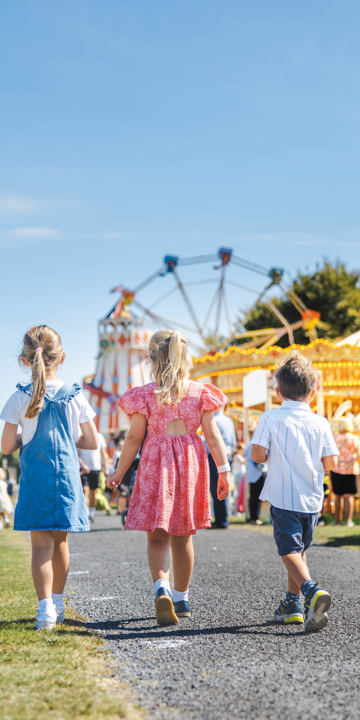
Family Race Day
-
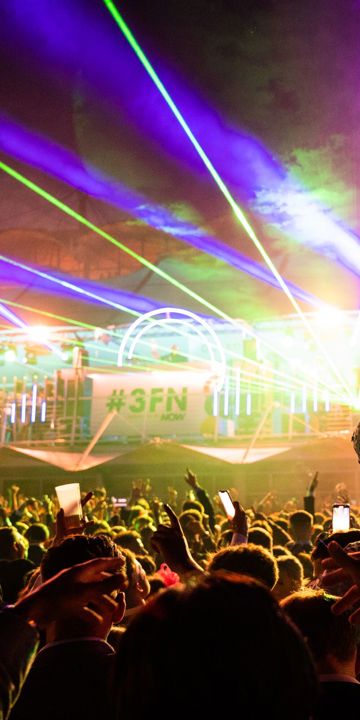
Three Friday Nights
-
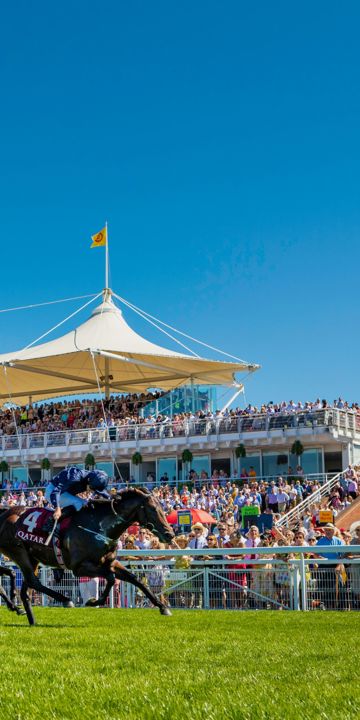
Qatar Goodwood Festival
-
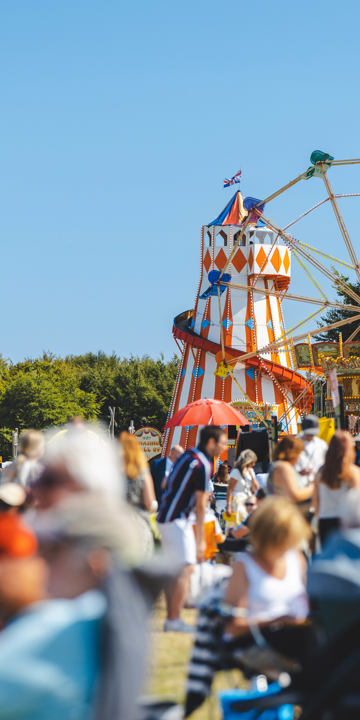
August Bank Holiday
-
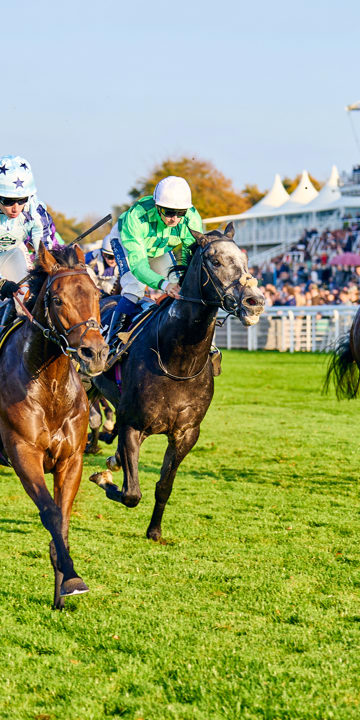
Autumn Racing
-
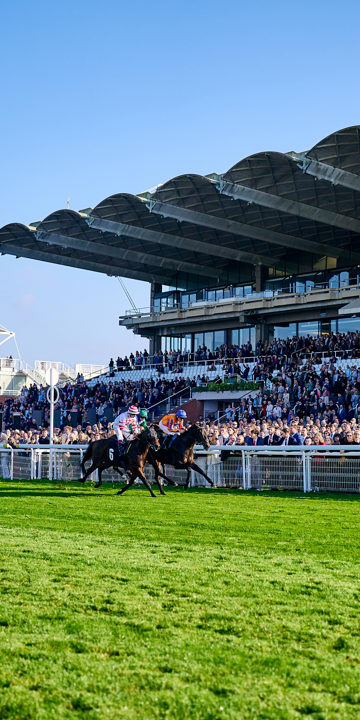
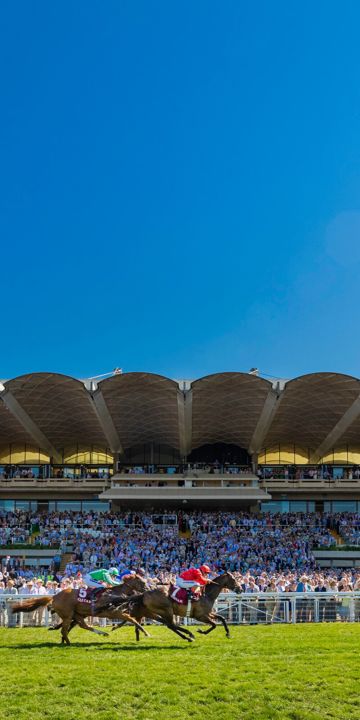
Season Finale
Why walk when you can drive
The first ever horsebox was used from Goodwood to Doncaster for the 1836 St. Leger. Elis arrived fresh and easily won his owner a £12k bet.
-
Season Opener
-
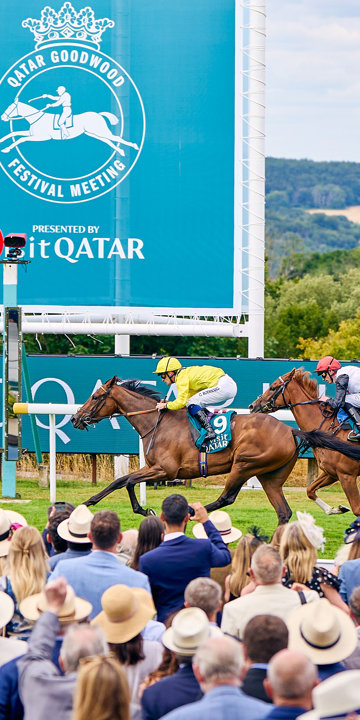
Qatar Goodwood Festival
St Simon
Whoa Simon! A horse so determined and headstrong, he not only won the 1883 Goodwood Cup by 20 lengths, but couldn't be stopped and carried on running over the top of Trundle hill
-
Three Friday Nights
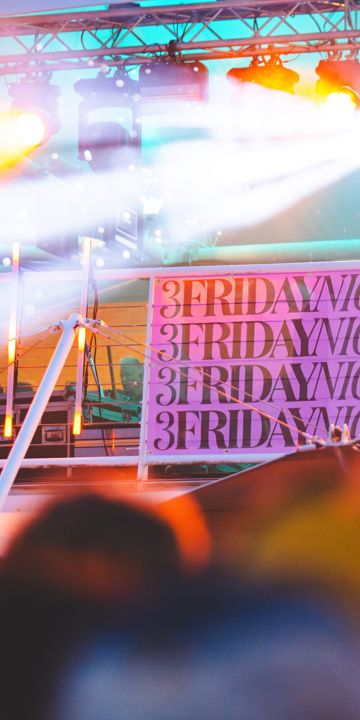
Wearing Linen at the Races
Ever since King Edward VII relaxed the dress code in the 19th century, we have enjoyed a carefree holiday feel here, unlike any other racecourse. -
Plan Your Day
-
Enclosures
-
Event Map
-
Going Report
-
Getting Here
-
Betting at Goodwood
-
Dress Code
-
Accessibility
-
Food & Drink
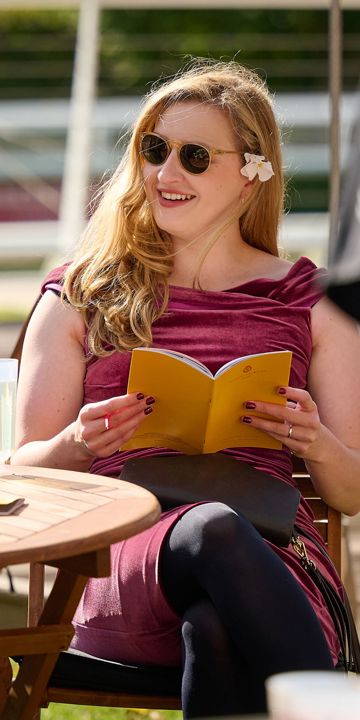
St Simon
Whoa Simon! A horse so determined and headstrong, he not only won the 1883 Goodwood Cup by 20 lengths, but couldn't be stopped and carried on running over the top of Trundle hill
-
Enclosures
-
Buy Merchandise
-
Partners
-
Owners & Trainers
-
Latest News
-
FAQs
-
Accessibility
-
Tickets & Packages
-
Experiences
-
Driving
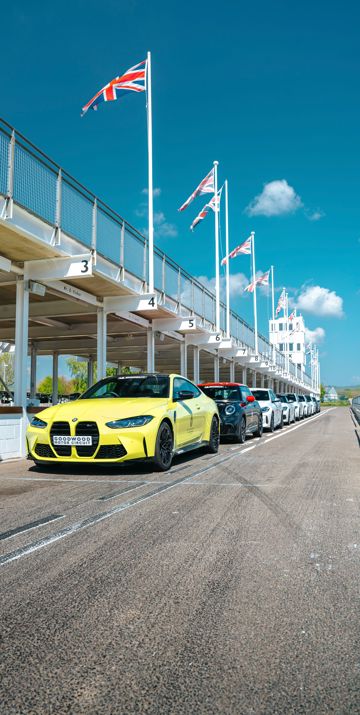

During the war...
The Motor Circuit was known as RAF Westhampnett, active from 1940 to 1946 as a Battle of Britain station.
-
Flying
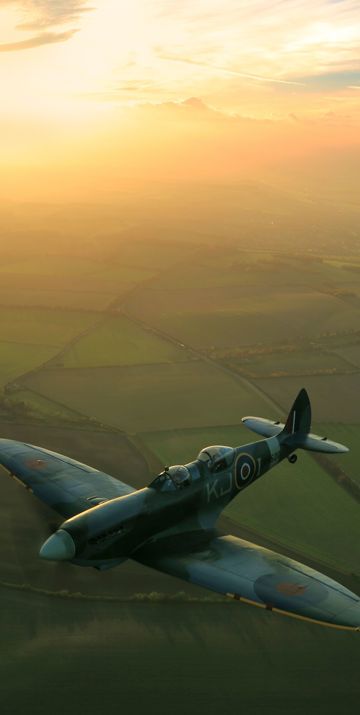

Flying with Goodwood
Come with us for an epic journey. -
Golf

Braid’s Masterpiece
One of the greatest golfers of all time, James Braid designed Goodwood’s iconic Downland course, opened in 1914.
-
Shooting
During the war...
The Motor Circuit was known as RAF Westhampnett, active from 1940 to 1946 as a Battle of Britain station.
-
Afternoon Tea

Cricketers since 1702
The oldest existing rules for the game were drawn up for a match between the 2nd Duke and a neighbour
-
Corporate Wellbeing
Goodwood's first Health Summit...
...took place in 2023 with industry experts discussing nutrition costs and food systems for a healthier future. -
Cycling
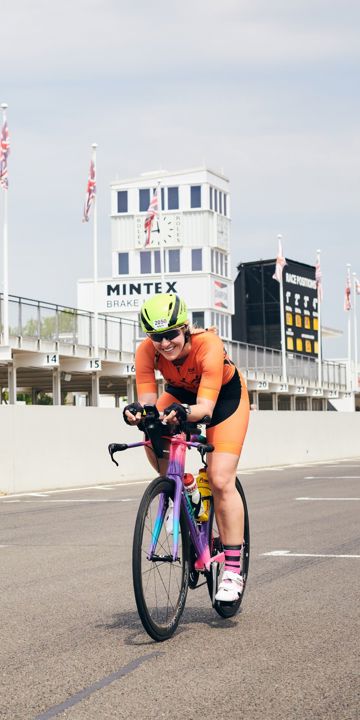

Motorsport Since 1948
Goodwood Motor Circuit was officially opened in September 1948 when Freddie March, the 9th Duke and renowned amateur racer, tore around the track in a Bristol 400
-
Corporate Experiences
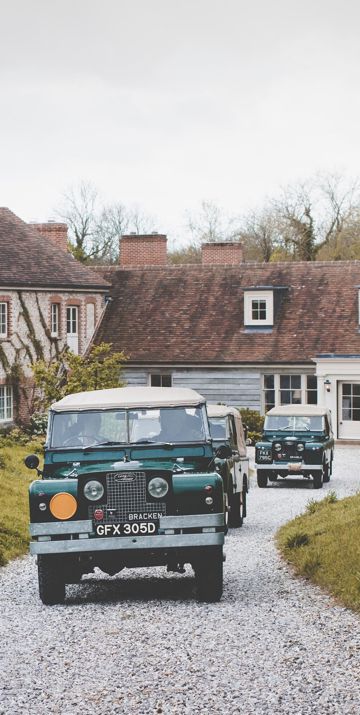
Where else can you...
...plan strategy in an ancient woodland, enjoy award-winning dining then drive around a racetrack?
-
Spa Treatments
-
Driving
- Hospitality
-
Golf
-
Golf Courses
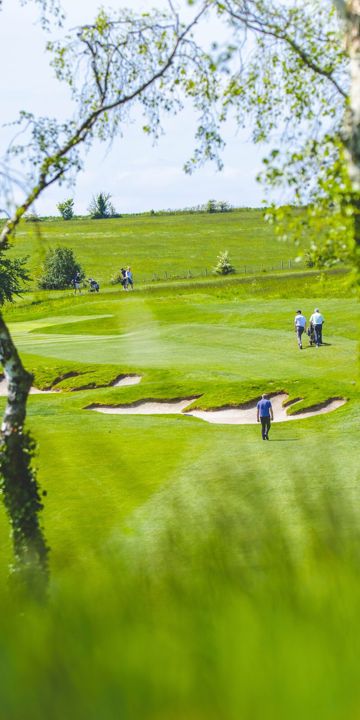

A sporting Estate
Goodwood has two 18-hole championship courses, a modern clubhouse and an impressive Academy. -
Golf Membership
-
Credit Membership
-
Application Form
-
Braid Membership
-
Intermediate Membership
-
Junior Membership
-
Corporate Membership
-
Copse Membership

A sporting Estate
Goodwood has two 18-hole championship courses, a modern clubhouse and an impressive Academy. -
Credit Membership
-
The Academy
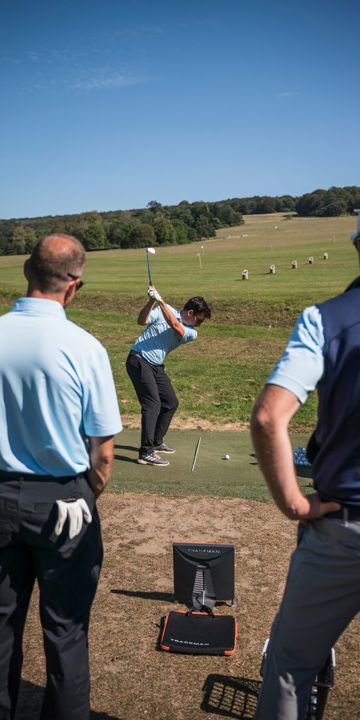
A sporting Estate
Goodwood has two 18-hole championship courses, a modern clubhouse and an impressive Academy. -
Golf Experiences

A sporting Estate
Goodwood has two 18-hole championship courses, a modern clubhouse and an impressive Academy.
-
Golf Courses
-
Flying
-
Flying School
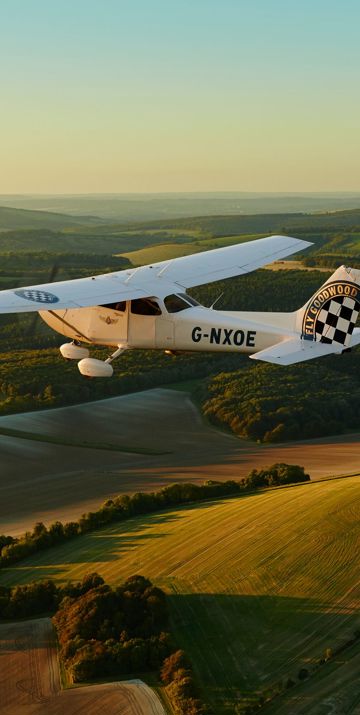
Flying with Goodwood
Come with us for an epic journey. -
Aero Club Membership
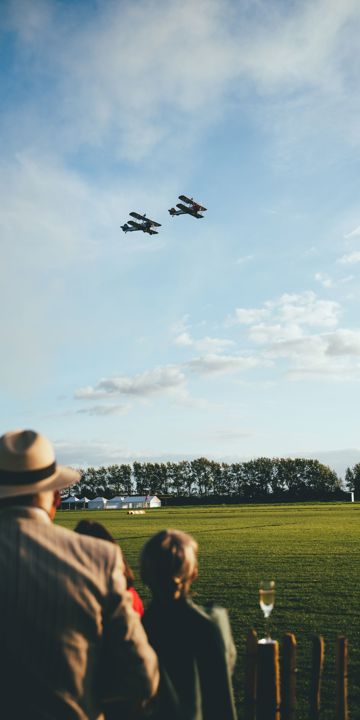

Group Captain Sir Douglas Bader
The famous fighter ace, who flew his last sortie from Goodwood Aerodrome, formerly RAF Westhampnett has a statue in his honor within the airfield.
-
Flying Experiences
-
Pilot Information
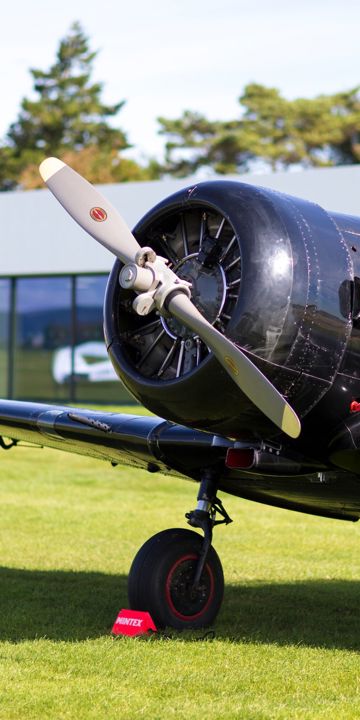

Flying Elephant
The first thing ever dropped at Goodwood was a cuddly elephant which landed in 1932 just as the 9th Duke of Richmonds passion for flying was taking off.
-
Flying School
-
Meetings
-
Venue Hire
-
Goodwood House
-
The Racecourse
-
The Goodwood Hotel
-
The Motor Circuit
-
The Kennels
-
The Aerodrome
-
The Great Outdoors
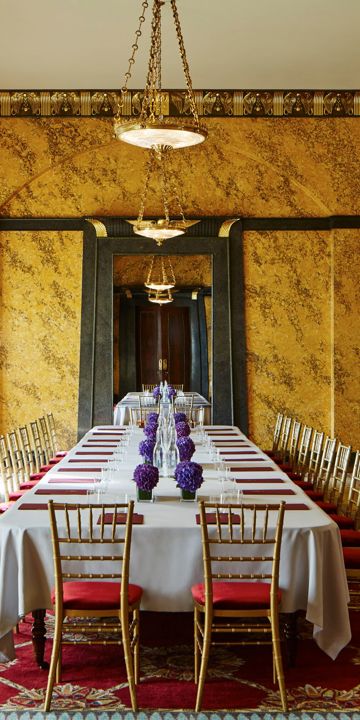
Where else can you...
...plan strategy in an ancient woodland, enjoy award-winning dining then drive around a racetrack?
-
Goodwood House
-
Plan Your Meeting
-
Parties
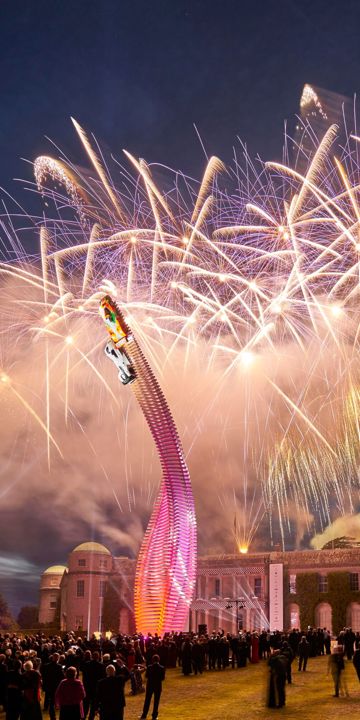
Where else can you...
...plan strategy in an ancient woodland, enjoy award-winning dining then drive around a racetrack?
-
Hospitality

-
Corporate Experiences
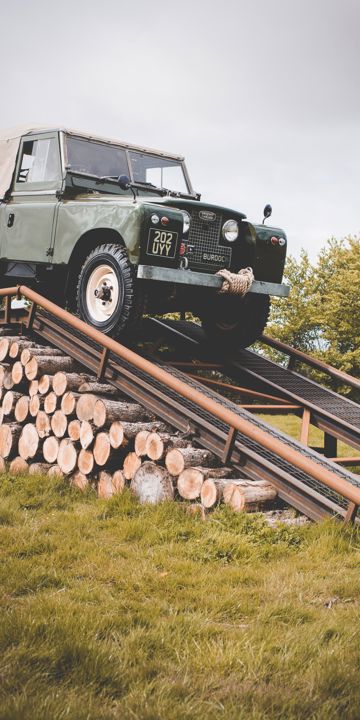
Where else can you...
...plan strategy in an ancient woodland, enjoy award-winning dining then drive around a racetrack?
-
Christmas Parties
-
Film Locations
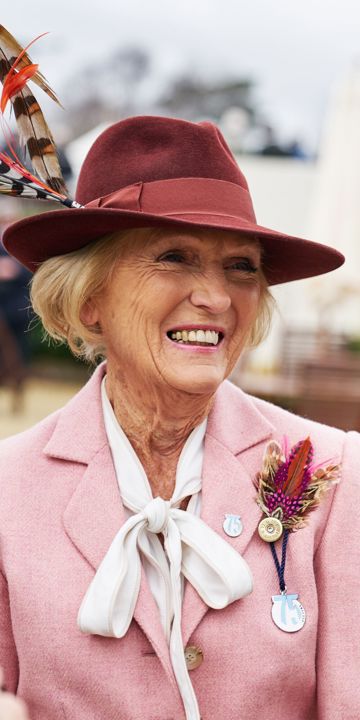
Where else can you...
...plan strategy in an ancient woodland, enjoy award-winning dining then drive around a racetrack?
-
Venue Hire
-
Weddings
-
Goodwood House

George Stubbs
G. Stubbs (1724–1806) created some of the animal portraiture masterpieces at Goodwood House, combining anatomical exactitude with expressive details
-
The Kennels


An exclusive clubhouse
As the private clubhouse for all of the Estate’s sporting and social members, it offers personal service and a relaxed atmosphere
-
Parties


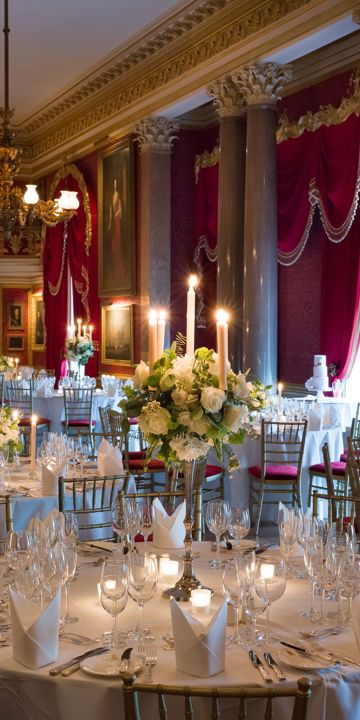
A destination for all seasons
We're well known for our iconic motorsport and horseracing events. But there's a lot more happening at Goodwood...
-
Goodwood House
-
Memberships
-
Goodwood Road Racing Club
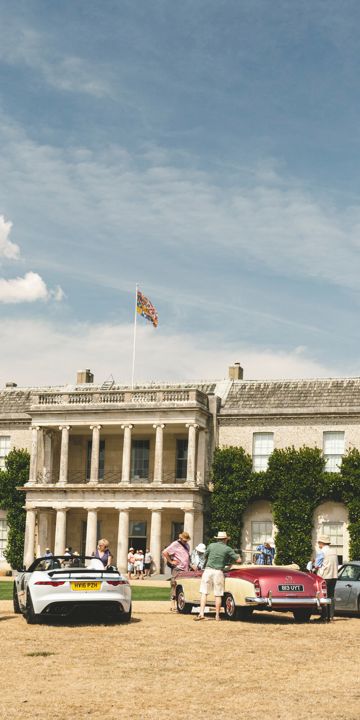
When was the GRRC founded?
Established in 1998 by the Duke of Richmond, the Goodwood Road Racing Club offers exclusive benefits across the estate year-round -
Goodwood Horseracing Club
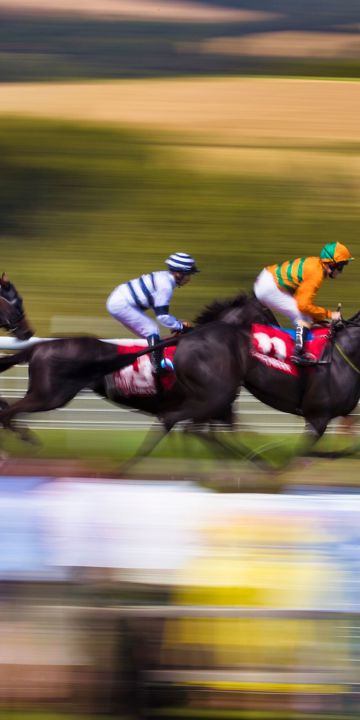
Royal approval
King Edward VII (who came almost every year) famously dubbed Glorious Goodwood “a garden party with racing tacked on”.
-
Golf At Goodwood
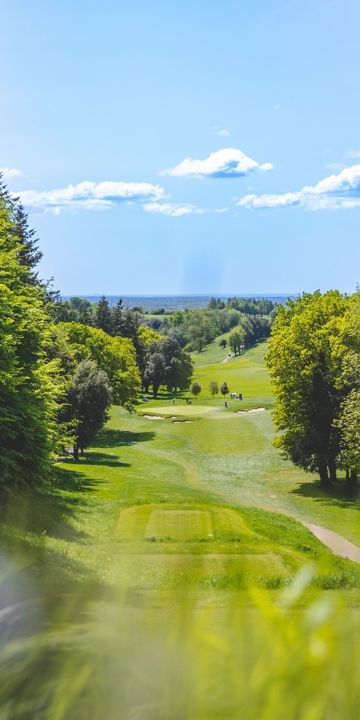
A sporting Estate
Goodwood has two 18-hole championship courses, a modern clubhouse and an impressive Academy. -
Goodwood Aero Club
Flying with Goodwood
Come with us for an epic journey. -
Goodwood Health Club
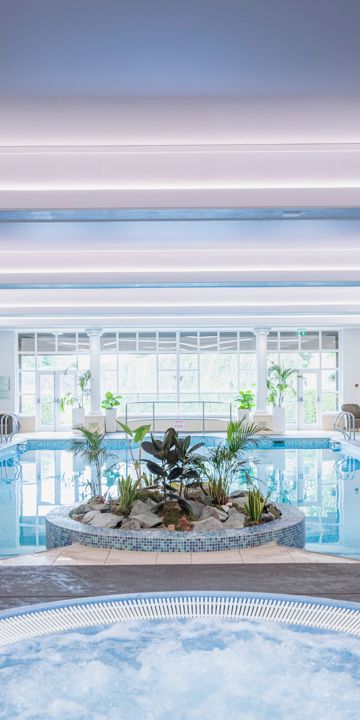
Goodwood's first Health Summit...
...took place in 2023 with industry experts discussing nutrition costs and food systems for a healthier future. -
The Kennels

An exclusive clubhouse
As the private clubhouse for all of the Estate’s sporting and social members, it offers personal service and a relaxed atmosphere
-
Sporting Membership

Carne's Seat
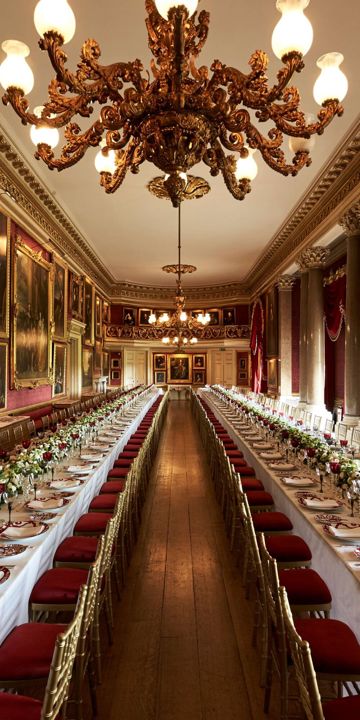
Just beyond Goodwood House along the Hillclimb, the 2nd Dukes banqueting house was also known as "one of the finest rooms in England" (George Vertue 1747).
-
Goodwood Racehorse Owners Group
-
Goodwood Art Foundation
-
Goodwood Road Racing Club
- Classic Car Insurance
- Health & Wellbeing
- Buy Merchandise
-
Our Estate
-
What's on
-
Estate Map
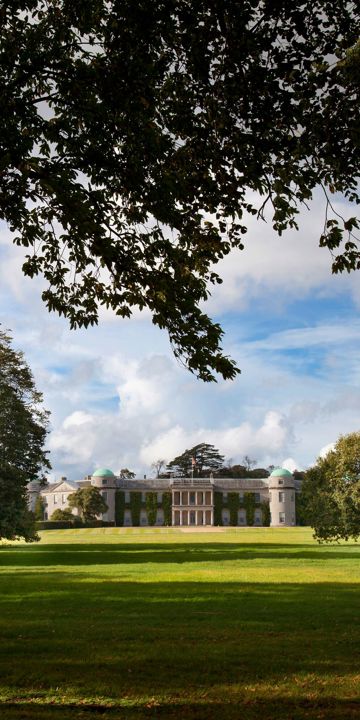

During the war...
The Motor Circuit was known as RAF Westhampnett, active from 1940 to 1946 as a Battle of Britain station. -
Stories from the Estate
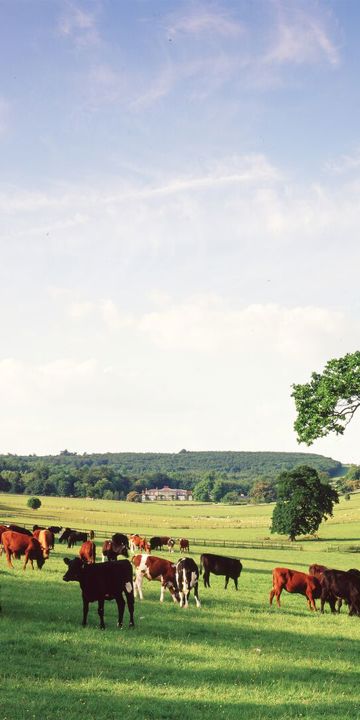
St Simon
Whoa Simon! A horse so determined and headstrong, he not only won the 1883 Goodwood Cup by 20 lengths, but couldn't be stopped and carried on running over the top of Trundle hill
-
Sports
-
Goodwood Education Trust
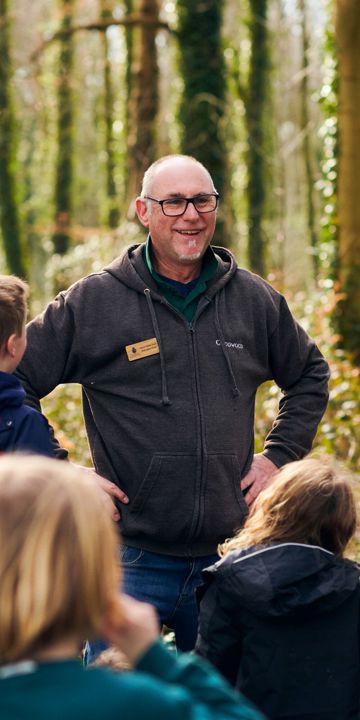
Levin Down Gin
Our gin uses wild-grown botanicals sourced from the estate, and is distilled with mineral water naturally chalk-filtered through the South Downs.
-
Charities
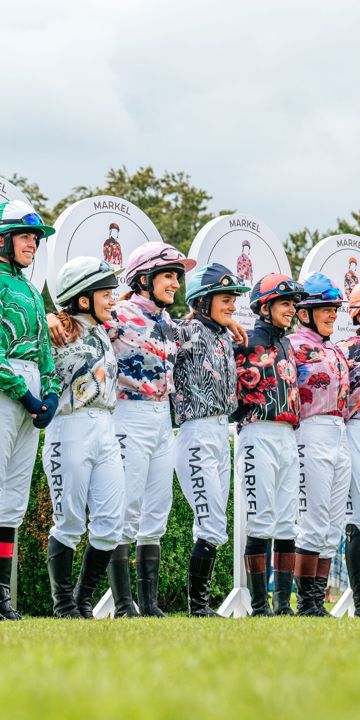

Egyptian Dining Room
Testament to the 19th-century fascination with ancient Egypt and decorative opulence. The room is richly detailed with gilded cartouches, sphinxes, birds and crocodiles.
-
Sustainability
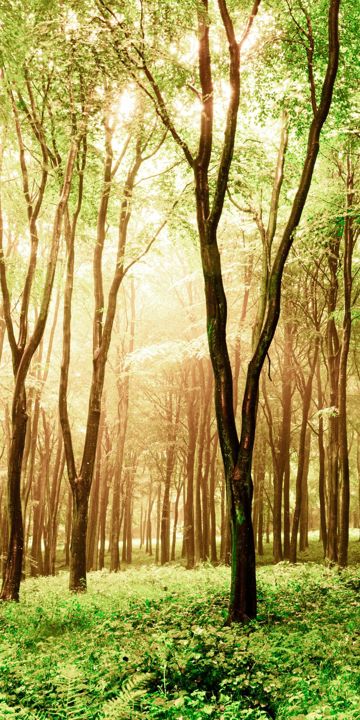

How old is The Kennels?
Built in 1787 by celebrated architect James Wyatt to house the third Duke of Richmond’s prized fox hounds, The Kennels was known as one of the most luxurious dog houses in the world!
-
Diversity, Equity & inclusion
-
Property
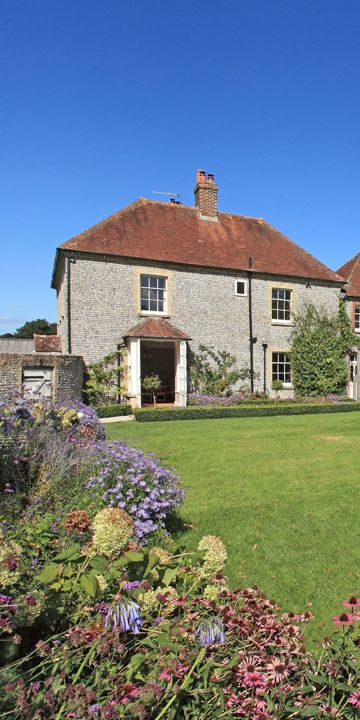
Flying Elephant
The first thing ever dropped at Goodwood was a cuddly elephant which landed in 1932 just as the 9th Duke of Richmonds passion for flying was taking off.
-
Walking Guide

Cricketers since 1702
The oldest existing rules for the game were drawn up for a match between the 2nd Duke and a neighbour
-
Dog Walking Field
-
Careers
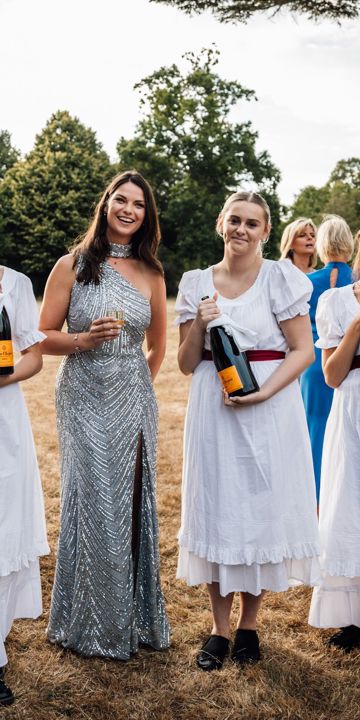

Grogger
Easy boy! The charismatic Farnham Flyer loved to celebrate every win with a pint of beer. His Boxer dog, Grogger, did too and had a tendancy to steal sips straight from the glass.
-
Goodwood Art Foundation
-
Farm Shop
-
What's on
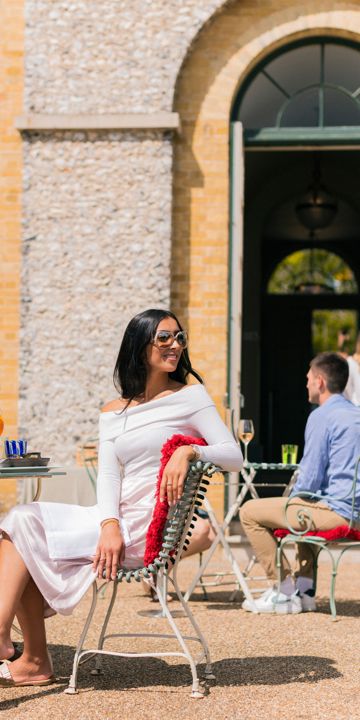
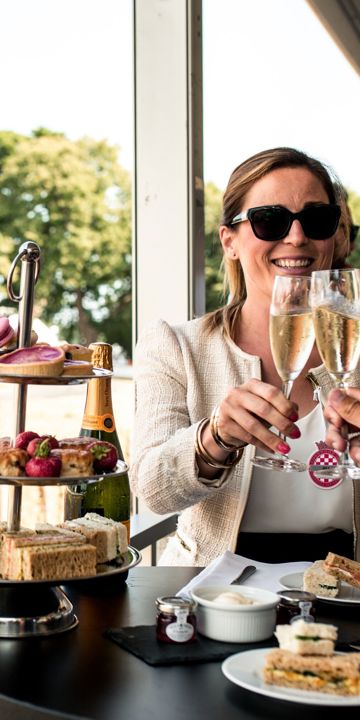



Upcoming Events

Chequered Past
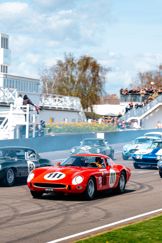
As we approach the 75th anniversary of F1’s inception, we remember the winner of its first race, Achille Varzi, whose brilliant driving was overshadowed by scandals on and off the track.
goodwood estate
goodwood magazine
Motor Cicuit
goodwood revival
Words by Peter Hall
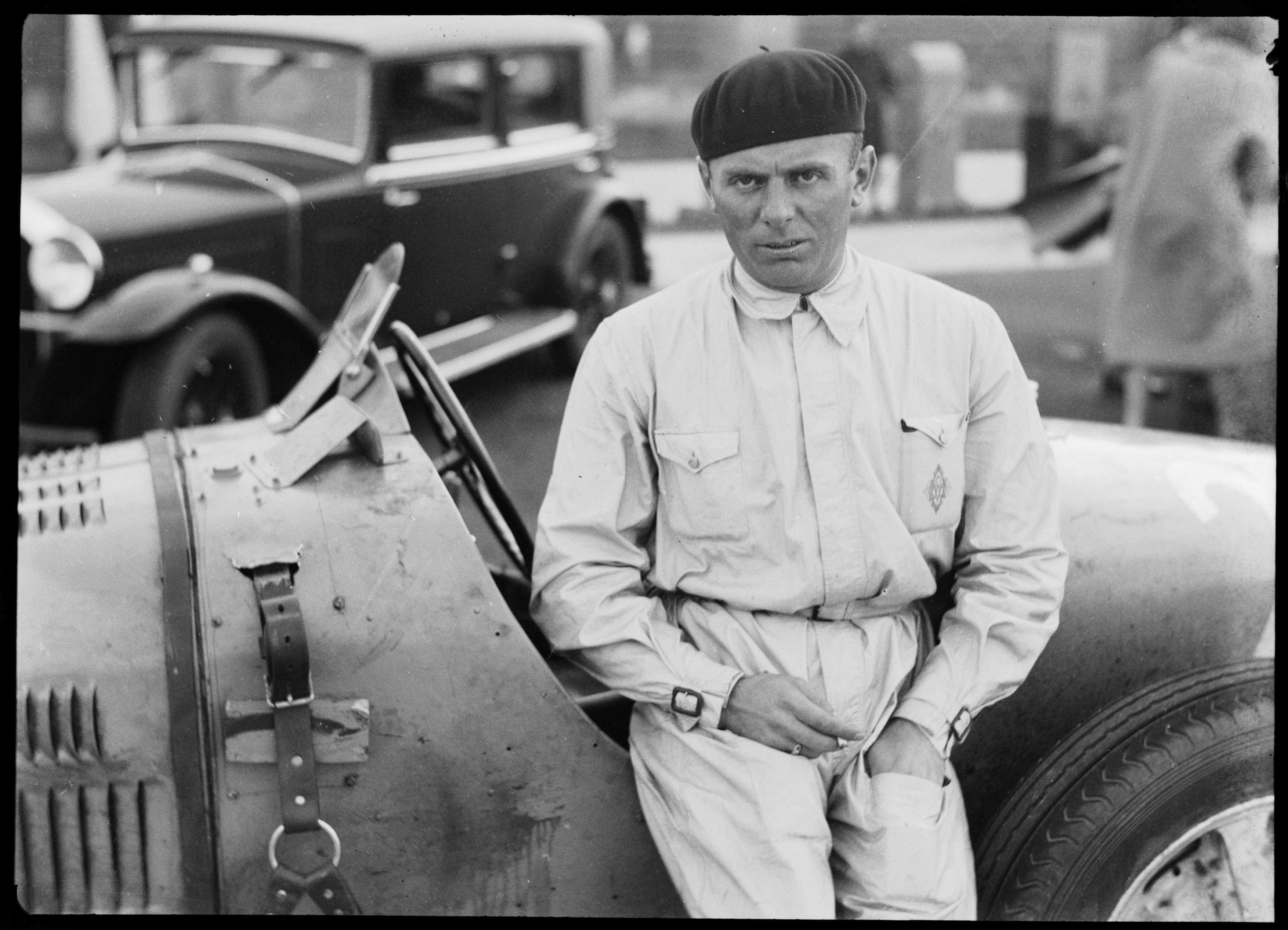
It was Italian pre-war great Achille Varzi who won the very first race under the new Formula 1 rules – the Turin Grand Prix of September 1946. But for the 42-year-old, this was not just the dawn of a new era, but a moment of redemption – a triumphant return to form, following a scandalous affair, an addiction to morphine and the long absence from the racetrack caused by World War II.
F1 is 75 years old this year. A world championship for grand prix cars and drivers had been discussed since the 1920s, but it was only after the war that the Fédération Internationale de l’Automobile (FIA) established a set of regulations. Although intended to take effect in 1947, the rules were first applied in the Turin race.
Born on 8 August 1904 to a wealthy Piedmontese family, Varzi raced motorcycles then switched to cars in 1928, driving with Alfa Romeo, Bugatti, Maserati and Auto Union. The closest rival to his celebrated compatriot Tazio Nuvolari, he recorded 33 wins in grands prix, the Mille Miglia and the Targa Florio.
A precise and careful driver, he was also formidably determined; in the 1930 Targa Florio, when his Alfa P2 was engulfed in flames, he simply drove on to win while his mechanic beat out the fire with a seat cushion. Yet although Varzi was popular with partisan crowds, he was never a man of the people. Taciturn and aloof, he was also intensely analytical; Enzo Ferrari recalled him quibbling for hours over the seat height of his Alfa until a mechanic raised it by the thickness of a folded newspaper.
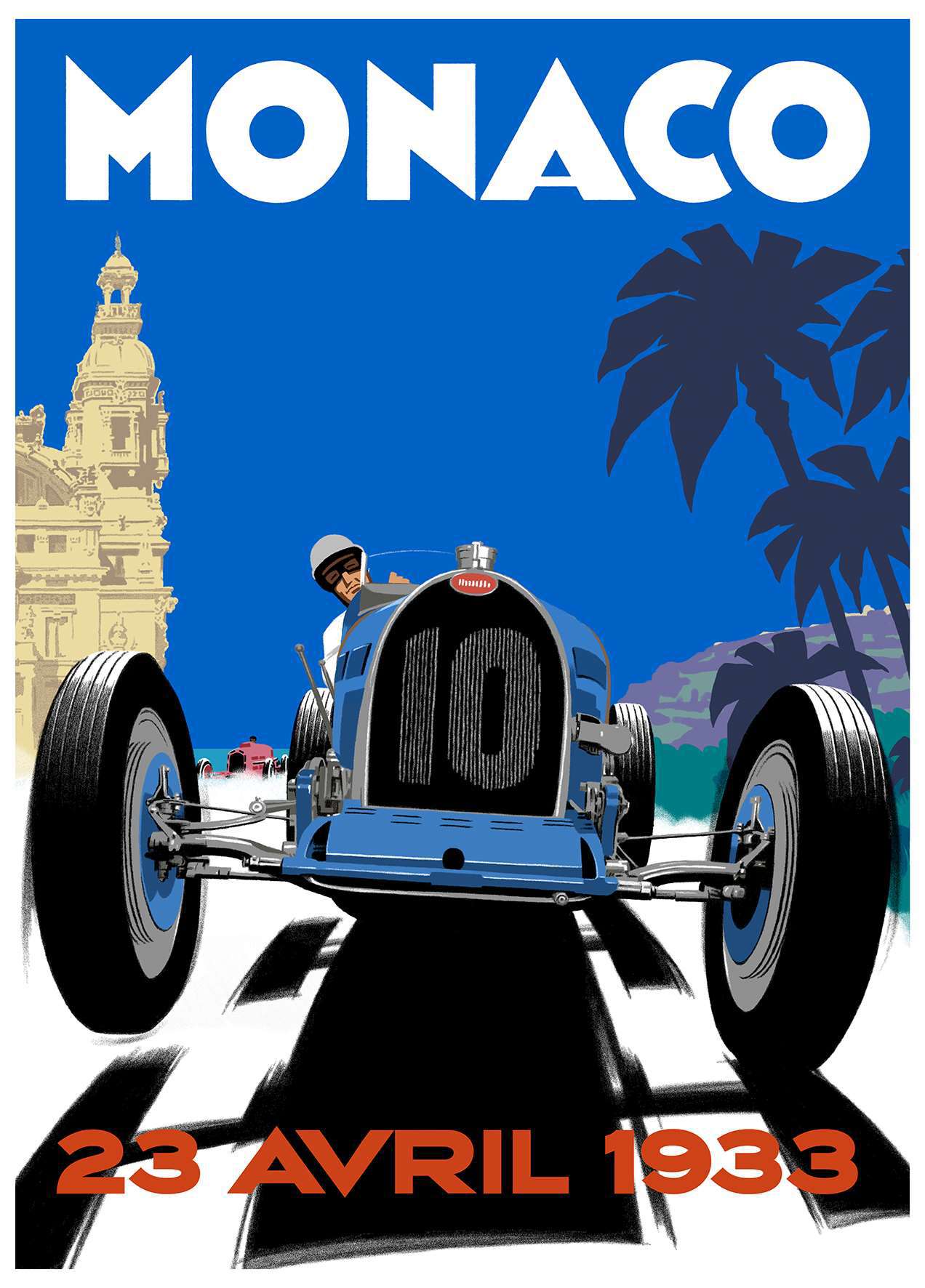
His reputation was not enhanced by rumours of corruption at the 1933 Tripoli GP, where the race result was linked to a 15 million lire lottery fund. It was later alleged that Varzi, Nuvolari and others conspired to fix the result (Varzi won by 0.2sec after Nuvolari slowed dramatically on the final lap) but evidence suggests they merely agreed to share their winnings equally.
Varzi’s career took a more dangerous turn in the spring of 1935. Having joined the German Auto Union team he met Ilse Pietsch, the wife of a team-mate, and embarked on a torrid affair, unaware that she was a drug addict.
A year later, Varzi won at Tripoli ahead of team-mate Hans Stuck, who had slowed under orders mandated by the Nazi regime to ensure an Italian victory on Italian soil (as Libya then was). Both drivers were furious, but when the Governor of Libya proposed a toast to Stuck, declaring him the real winner, Varzi was incensed. He couldn’t sleep, and Ilse offered him morphine.
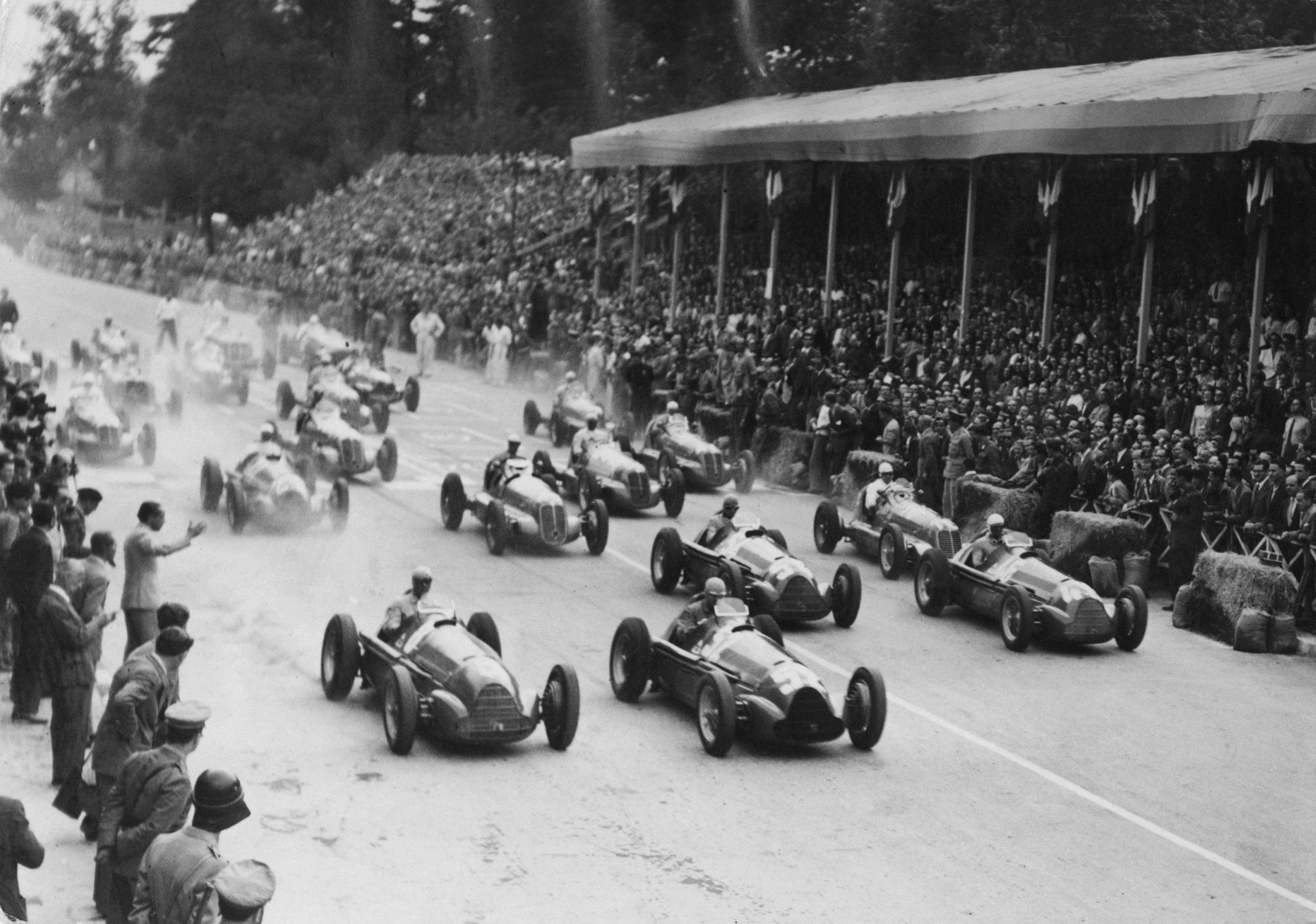
The start of the 1946 Turin Grand Prix, which Varzi won driving an Alfa Romeo 158.
As addiction took hold, Varzi’s world collapsed. Increasingly unreliable and elusive, he lost his place in the team and descended with Ilse into dark obscurity. Alarmed at her malign influence, Mussolini barred Ilse from Italy; in March 1939 Stuck found her in Munich begging for money to buy a forged Italian passport to get back into the country, and a waiter later reported finding her unconscious in the street, wearing a pink nightdress and murmuring Achille’s name. Varzi was more fortunate; once free of Ilse he married an old friend, Norma Colombo, who helped his recovery.
He made a remarkable post-war comeback at that first F1 race in 1946, driving an Alfa Romeo 158 and beating Alfa team-mate and former French Resistance fighter Jean-Pierre Wimille by half a second after 60 laps (174 miles) of Turin’s Valentino Park circuit. He went on to win three more GPs in 1947 and also raced successfully in Argentina.
However, his luck ran out on 1 July 1948, while practising for the Swiss GP at Bremgarten. In only the second accident of his career, his Alfa skidded on a damp track and overturned, killing him instantly.
For all his victories, success on the track was not Varzi’s only legacy. In Argentina he had befriended Juan Manuel Fangio, and persuaded him to race in Europe. Fangio would win five F1 world championships, but never forgot his mentor: “Varzi was to me a god… he is probably the driver I have most admired in my life, a man who cared only for his art.”
This article was taken from the Spring 2021 edition of the Goodwood Magazine.
goodwood estate
goodwood magazine
Motor Cicuit
goodwood revival