-
Events
-
Festival of Speed
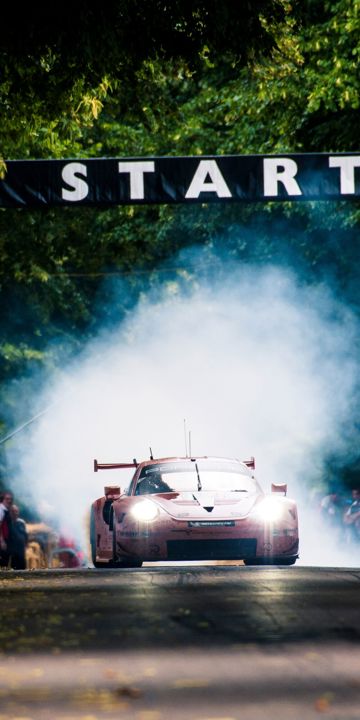

How many hay bales are used at FOS?
For the last two years, 5,800 bales have been recylced into the biomass energy centre to be used for energy generation
-
Goodwood Revival
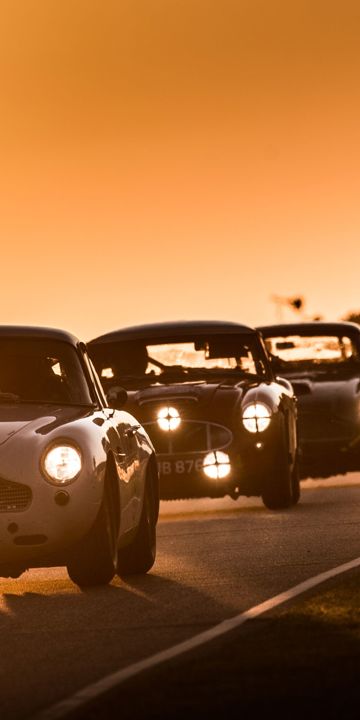

Spectators Favourite
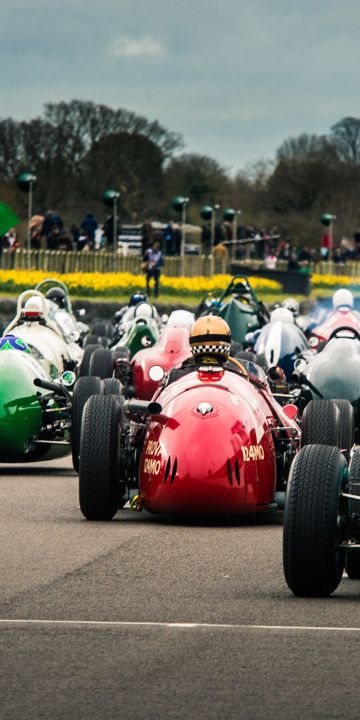
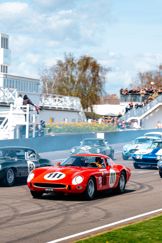
Spectate from the chicane at the Revival to see plenty of classic cars going sideways as they exit this infamous point of our Motor Circuit.
-
Members' Meeting

More than motorsport...
Ferret racing and duck herding are two of the many off-track activities at Members' Meeting -
Qatar Goodwood Festival
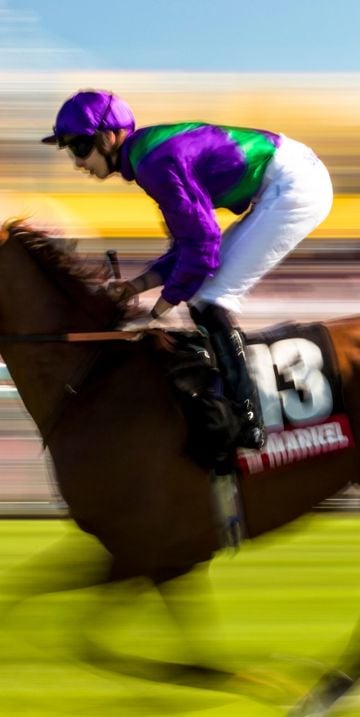

"Glorious Goodwood"
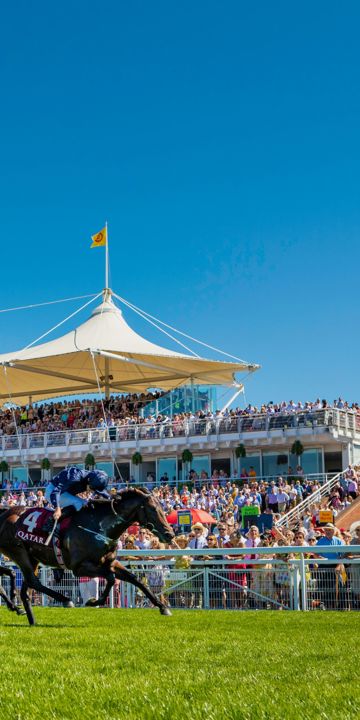
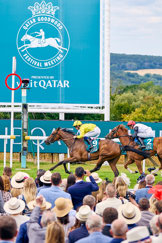
The first public race meeting took place in 1802 and, through the nineteenth century, ‘Glorious Goodwood,’ as the press named it, became a highlight of the summer season
-
Goodwoof
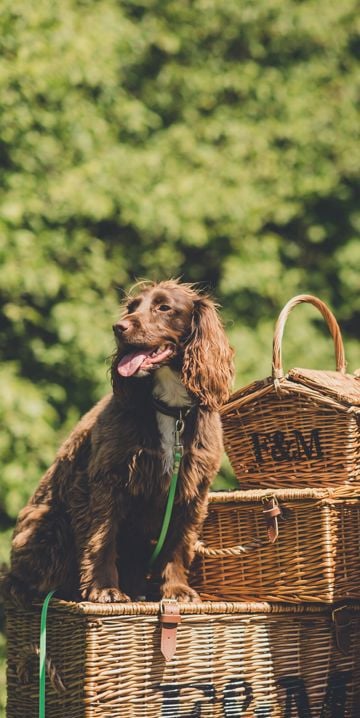

Start in style
The breed parade sees hundreds of dogs and their owners walk from Goodwood House down to The Kennels to kick start the Goodwoof weekend. -
Horseracing
-
Season Opener
-
May Festival
-
Family Race Day
-
Three Friday Nights
-
August Bank Holiday
-
Autumn Racing
-
Season Finale
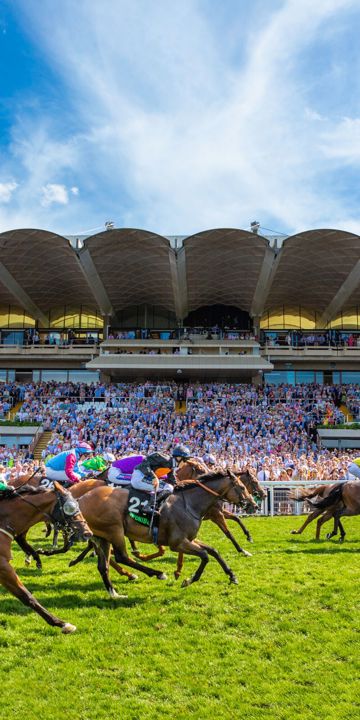

Wearing Linen at the Races
Ever since King Edward VII relaxed the dress code in the 19th century, we have enjoyed a carefree holiday feel here, unlike any other racecourse. -
Season Opener
-
Breakfast Club
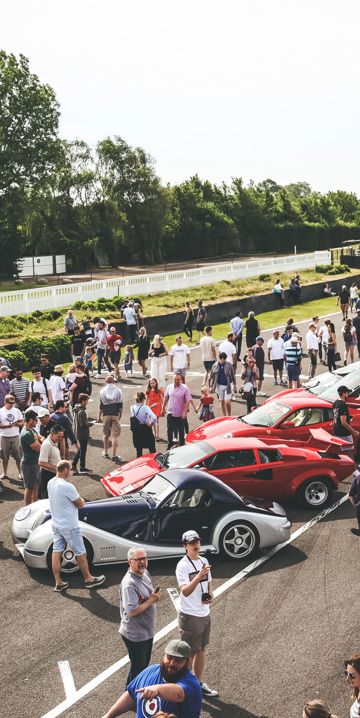

A perfect Sunday morning?
A no-cost, all-welcome motoring show where the visitors and their machines are the stars -
Health Summit
-
Hospitality
-
Exhibiting
-
Partnerships
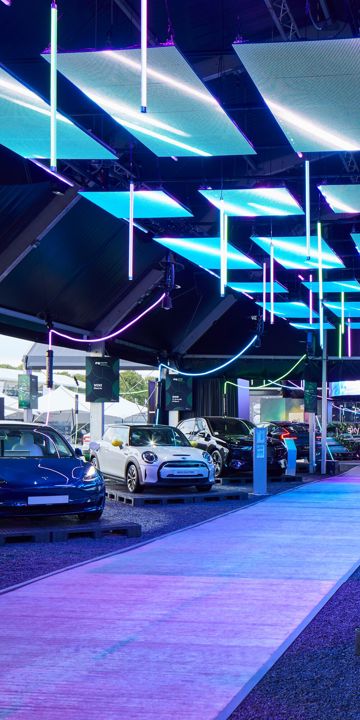

Where else can you...
...plan strategy in an ancient woodland, enjoy award-winning dining then drive around a racetrack?
-
What's on
-
Festival of Speed
-
Visit, Eat, Stay
-
The Goodwood Hotel
-
Rooms
-
Contact Us
-
Christmas
-
New Year's Eve
-
Weddings
-
Kids Activities
-
Offers
-
Local Attractions
-
Plan your stay

St Simon
Whoa Simon! A horse so determined and headstrong, he not only won the 1883 Goodwood Cup by 20 lengths, but couldn't be stopped and carried on running over the top of Trundle hill
-
Rooms
-
Goodwood Cottages

St Simon
Whoa Simon! A horse so determined and headstrong, he not only won the 1883 Goodwood Cup by 20 lengths, but couldn't be stopped and carried on running over the top of Trundle hill
-
Goodwood House
-
Afternoon Tea & Tour
-
The Collection
-
Exhibitions
-
History
-
Weddings
-
Copper Dome Restoration
-
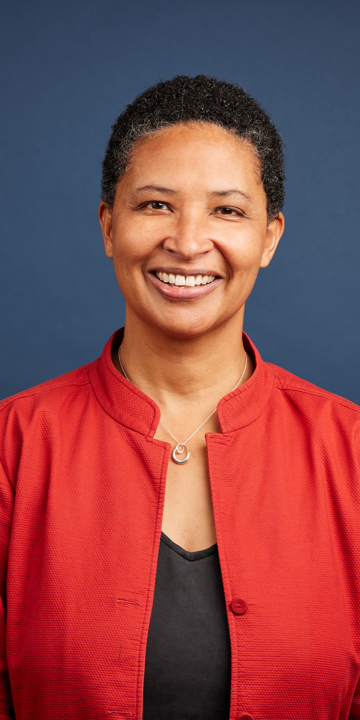
Secrets of a Radical Duke Talk by Professor Danielle Allen
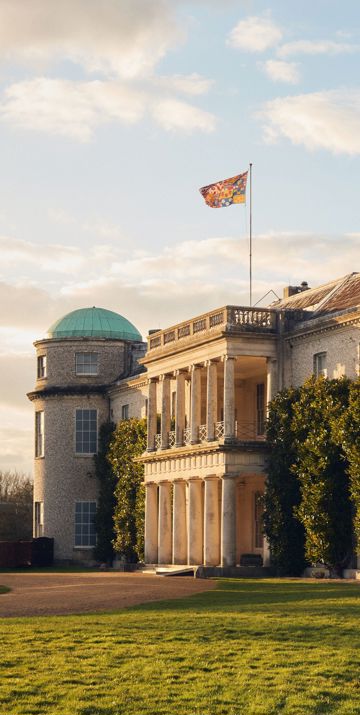

Carne's Seat
Just beyond Goodwood House along the Hillclimb, the 2nd Dukes banqueting house was also known as "one of the finest rooms in England" (George Vertue 1747).
-
Afternoon Tea & Tour
-
Restaurants
-
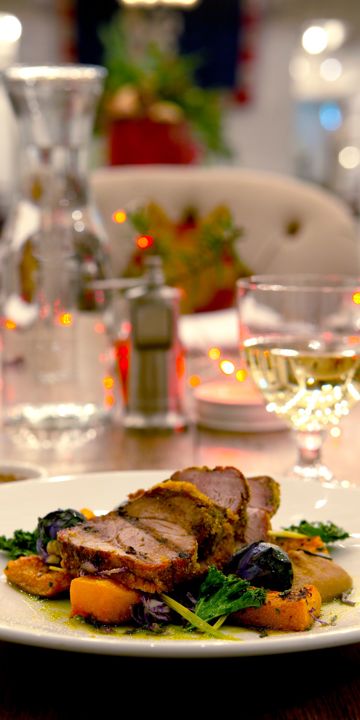
Farmer, Butcher, Chef
-
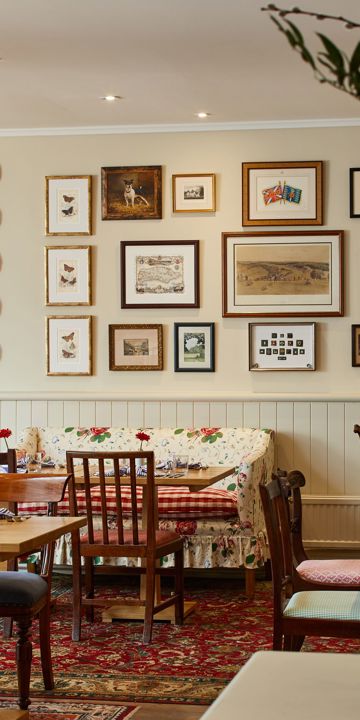
The Goodwood Bar & Grill
-
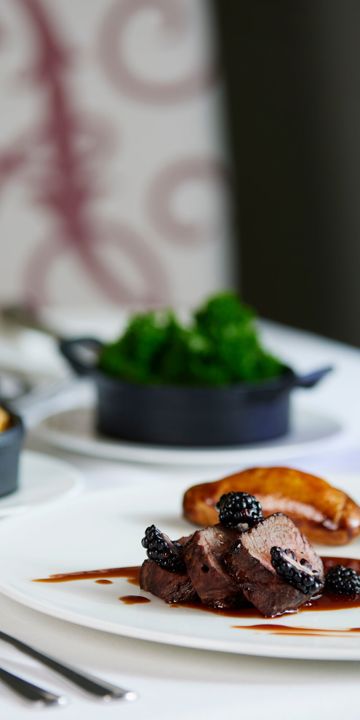
The Kennels
-
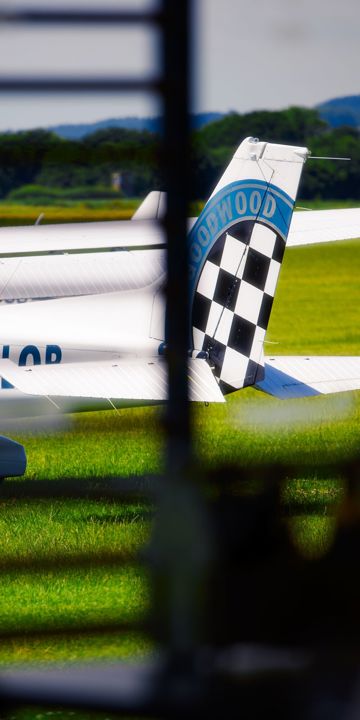
Aerodrome Café
-
Motor Circuit Café

-
Cafe 24
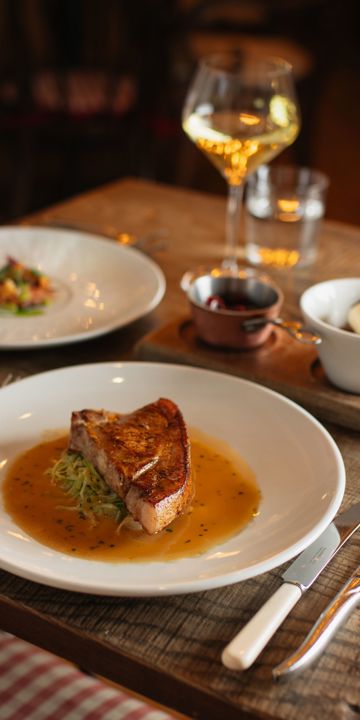

Sustainable state-of-mind
When Farmer, Butcher, Chef opened in 2016 it was awarded the UK’s first-ever Royal Academy of Culinary Arts ‘Sustainable Food Philosophy Seal’. -
Farmer, Butcher, Chef
-
The Kennels
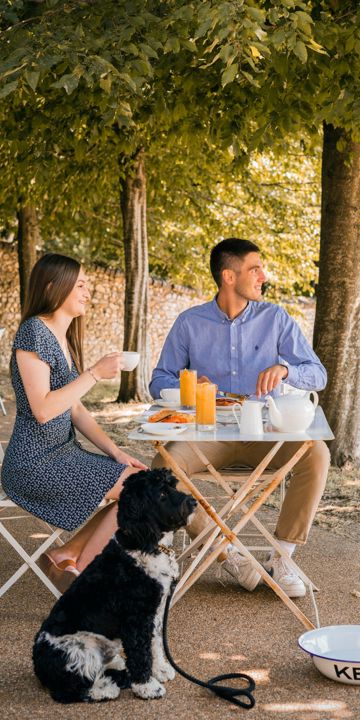

An exclusive clubhouse
As the private clubhouse for all of the Estate’s sporting and social members, it offers personal service and a relaxed atmosphere
-
Motor Circuit
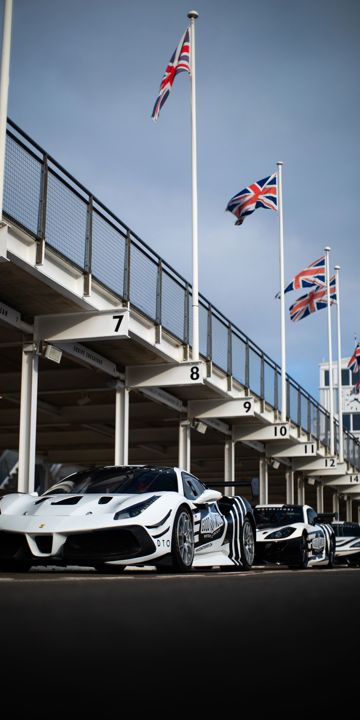

Grogger
Easy boy! The charismatic Farnham Flyer loved to celebrate every win with a pint of beer. His Boxer dog, Grogger, did too and had a tendancy to steal sips straight from the glass.
-
Health & Wellbeing
-
Membership
-
Health Club
-
Gym
-
Run Series
-
Spa Treatments
-
Wellness Retreats
-
Events Calendar
-
Corporate Wellbeing
-
Health Summit
-
Latest News

Goodwood's first Health Summit...
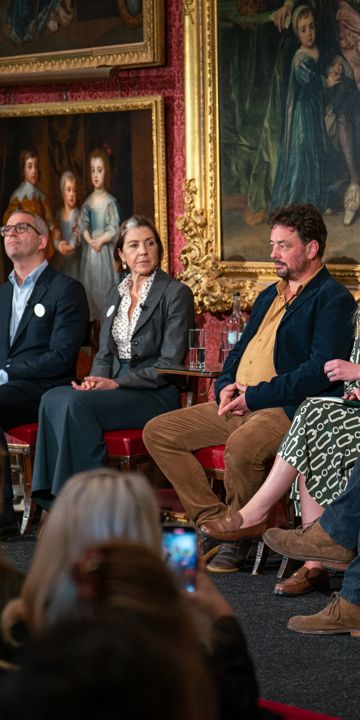
...took place in 2023 with industry experts discussing nutrition costs and food systems for a healthier future. -
Membership
-
Hound Lodge

Saved from salvage
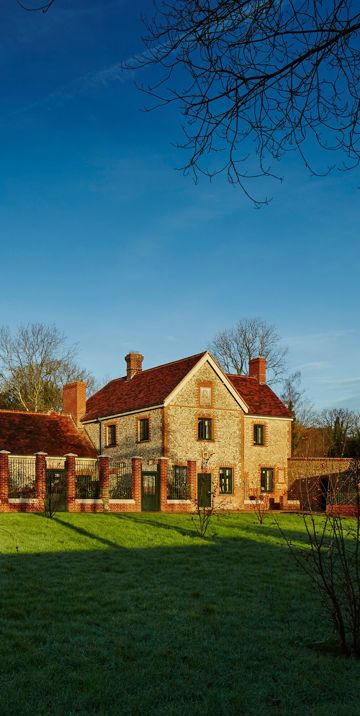
4 doors in the lodge were rescued from salvage and expertly split to ensure they meet modern fire standards before being fitted.
-
Goodwood Farm Shop


21,000 litres...
Alongside the award-winning meat, we also produce 21,000 litres of milk a week, used to make our cheeses. -
Parties
-
Goodwood Art Foundation
-
The Goodwood Hotel
-
Motorsport
-
Festival of Speed

"Motorsport garden party of the gods"
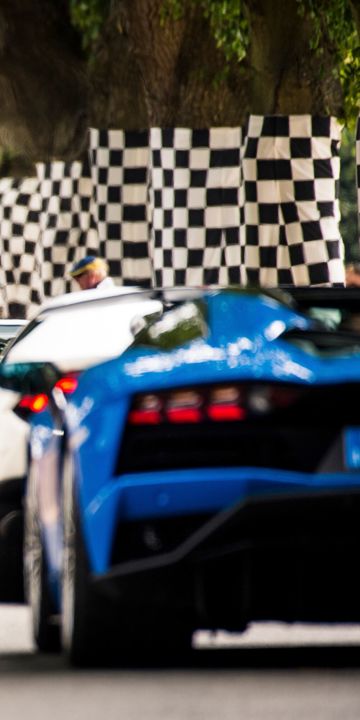
Festival of Speed is our longest-standing Motorsport event, starting in 1993 when it opened to 25,00 people. We were expecting 2000!
-
Goodwood Revival
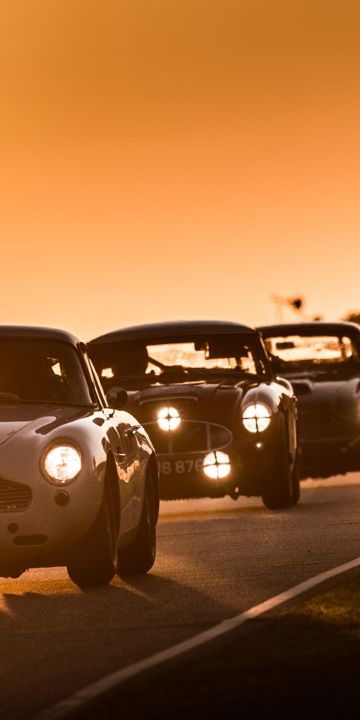

"Mr Goodwood"
Sir Stirling Moss was one of the founding patrons of the Festival of Speed, and a regular competitor at the Revival.
-
Members' Meeting
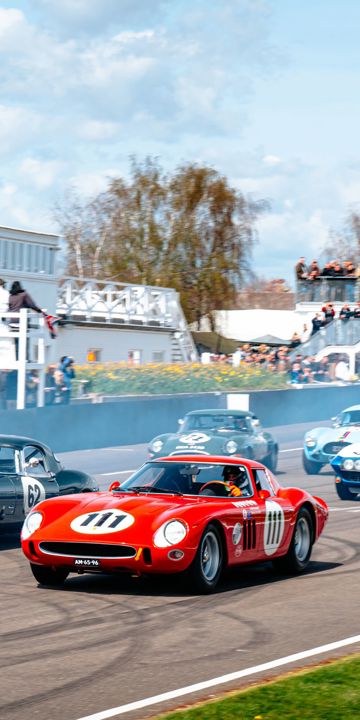

Have you visited our Forest Rally Stage?
From 2005 to present there has been a demonstration area for the rally cars at the top of the hill
-
Breakfast Club
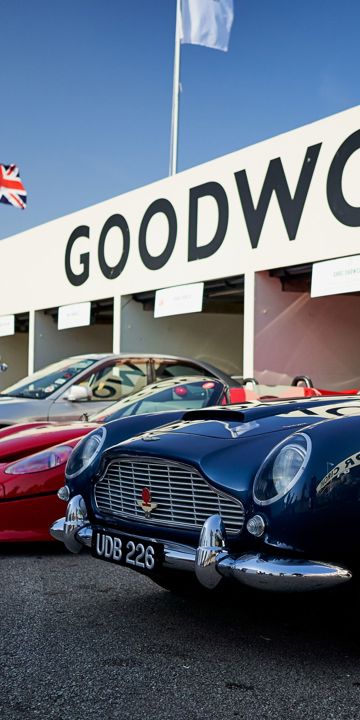

Earls Court replica
Our replica of the famous motor show showcases the "cars of the future" in true Revival style
-
Motor Circuit

Levin Down Gin
Our gin uses wild-grown botanicals sourced from the estate, and is distilled with mineral water naturally chalk-filtered through the South Downs.
-
Driving Experiences
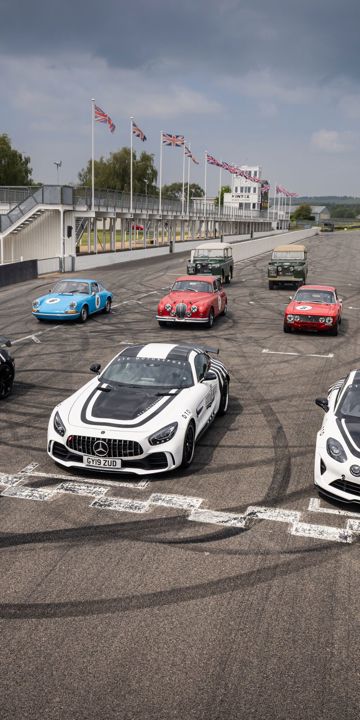
Spectators Favourite
Spectate from the chicane at the Revival to see plenty of classic cars going sideways as they exit this infamous point of our Motor Circuit.
-
Goodwood Road Racing Club
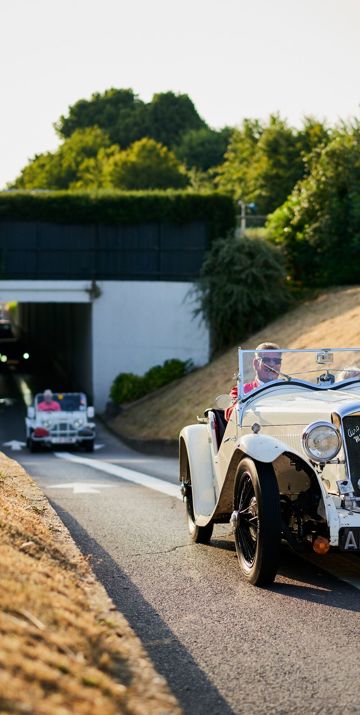

Why don't the F1 cars race the hill?
For safety reasons F1 cars can no longer do official timed runs so instead perform stunning demonstrations!
-
Latest News
-
Festival of Speed
-
Horseracing
-
Tickets & Packages
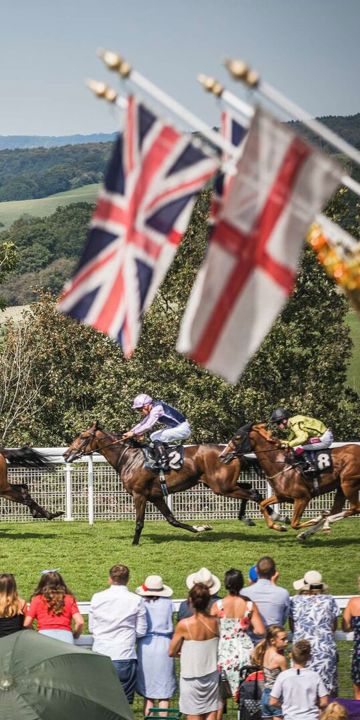

Why does everyone wear hats?
One Summer, King Edward VII turned his back on the traditional morning suit, and donned a linen suit and Panama hat. Thus the Glorious Goodwood trend was born.
-
Hospitality
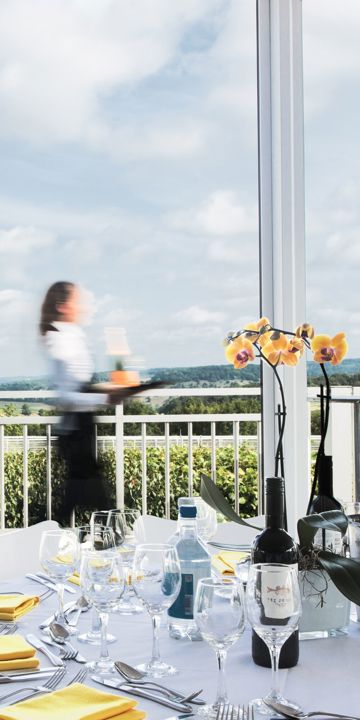
Why does everyone wear hats?
One Summer, King Edward VII turned his back on the traditional morning suit, and donned a linen suit and Panama hat. Thus the Glorious Goodwood trend was born.
-
Goodwood Horseracing Club
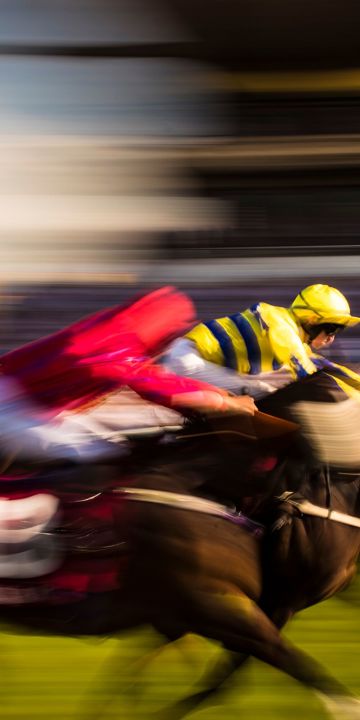
Why does everyone wear hats?
One Summer, King Edward VII turned his back on the traditional morning suit, and donned a linen suit and Panama hat. Thus the Glorious Goodwood trend was born.
-
Fixtures & Events
-
Season Opener
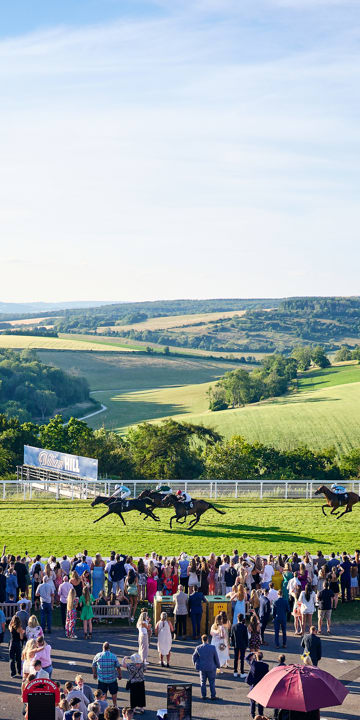
-
May Festival
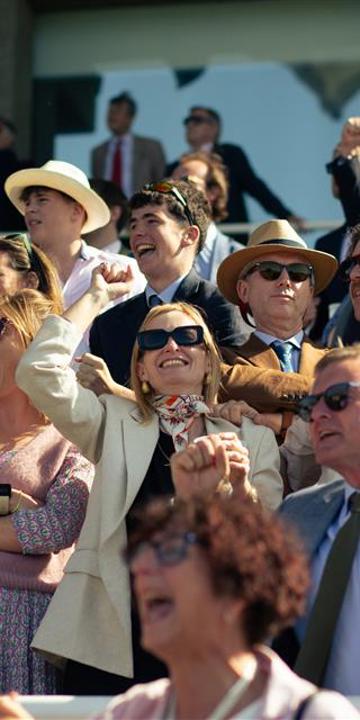
-
Family Race Day
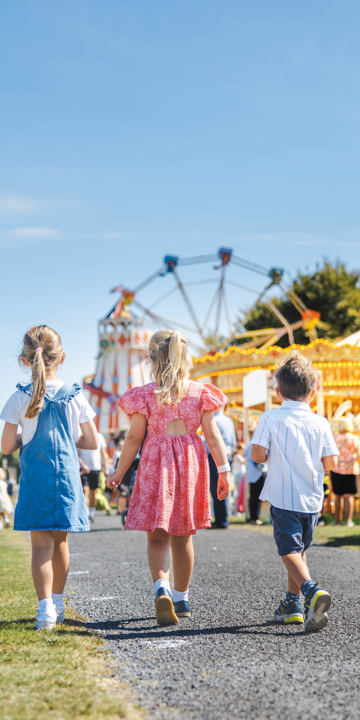
-
Three Friday Nights
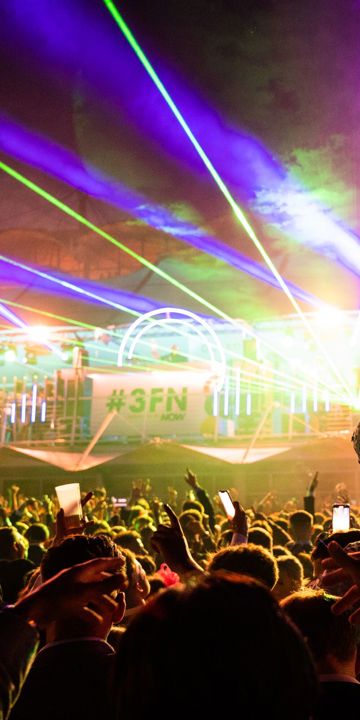
-
Qatar Goodwood Festival
-
August Bank Holiday
-
Autumn Racing
-
Season Finale
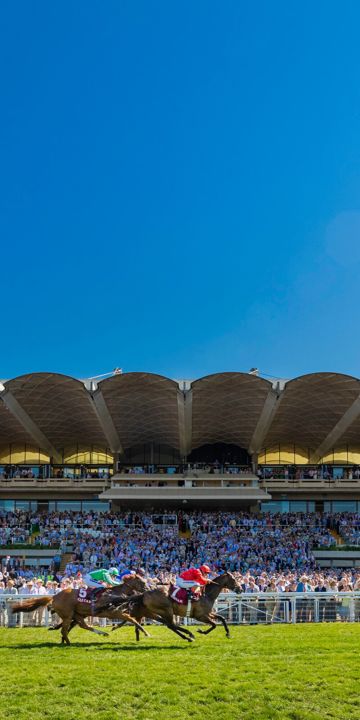
St Simon
Whoa Simon! A horse so determined and headstrong, he not only won the 1883 Goodwood Cup by 20 lengths, but couldn't be stopped and carried on running over the top of Trundle hill
-
Season Opener
-
Qatar Goodwood Festival
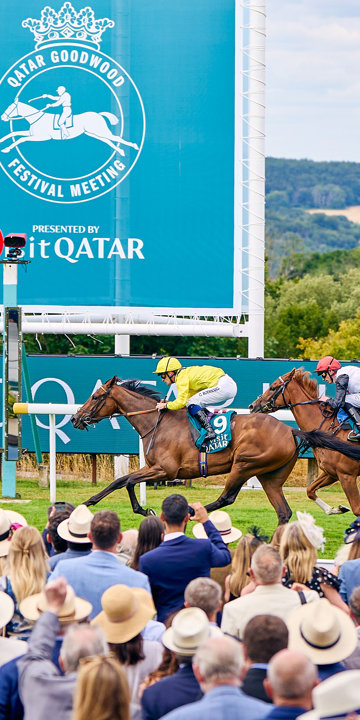

Why walk when you can drive
The first ever horsebox was used from Goodwood to Doncaster for the 1836 St. Leger. Elis arrived fresh and easily won his owner a £12k bet.
-
Three Friday Nights
St Simon
Whoa Simon! A horse so determined and headstrong, he not only won the 1883 Goodwood Cup by 20 lengths, but couldn't be stopped and carried on running over the top of Trundle hill
-
Plan Your Day
-
Enclosures
-
Event Map
-
Going Report
-
Getting Here
-
Betting at Goodwood
-
Dress Code
-
Accessibility
-
Food & Drink
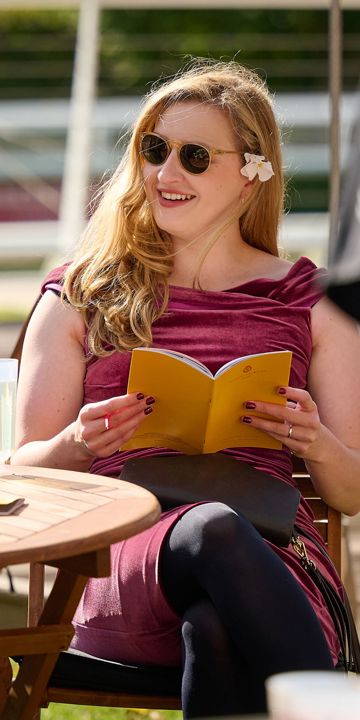
Wearing Linen at the Races
Ever since King Edward VII relaxed the dress code in the 19th century, we have enjoyed a carefree holiday feel here, unlike any other racecourse. -
Enclosures
-
Buy Merchandise
-
Partners
-
Owners & Trainers
-
Latest News
-
FAQs
-
Accessibility
-
Tickets & Packages
-
Experiences
-
Driving
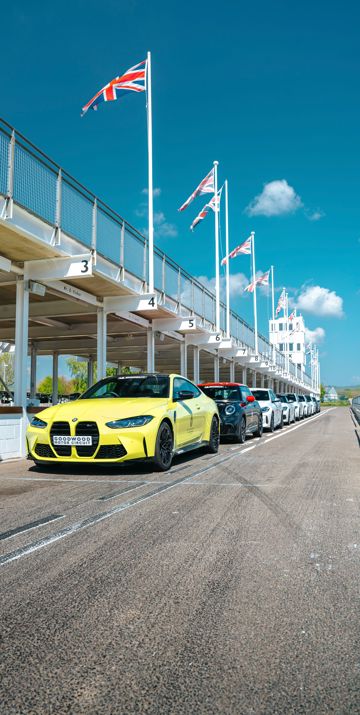
Earls Court replica
Our replica of the famous motor show showcases the "cars of the future" in true Revival style
-
Flying
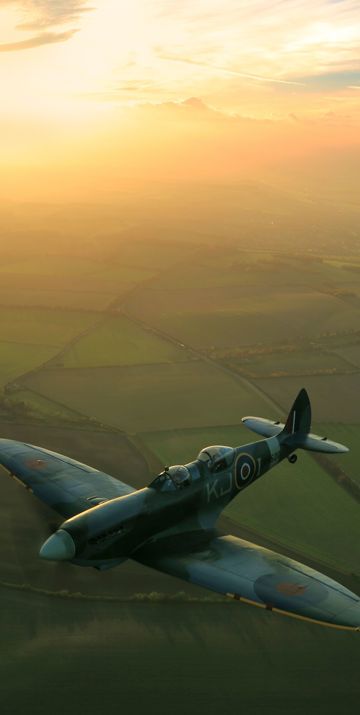

During the war...
The Motor Circuit was known as RAF Westhampnett, active from 1940 to 1946 as a Battle of Britain station. -
Golf

Over 100 years of Golf
The first ever round of golf played at Goodwood was in 1914 when the 6th Duke of Richmond opened the course on the Downs above Goodwood House.
-
Shooting

Group Captain Sir Douglas Bader
The famous fighter ace, who flew his last sortie from Goodwood Aerodrome, formerly RAF Westhampnett has a statue in his honor within the airfield.
-
Afternoon Tea
Levin Down Gin
Our gin uses wild-grown botanicals sourced from the estate, and is distilled with mineral water naturally chalk-filtered through the South Downs.
-
Corporate Wellbeing
Goodwood's first Health Summit...
...took place in 2023 with industry experts discussing nutrition costs and food systems for a healthier future. -
Cycling

Motorsport Since 1948
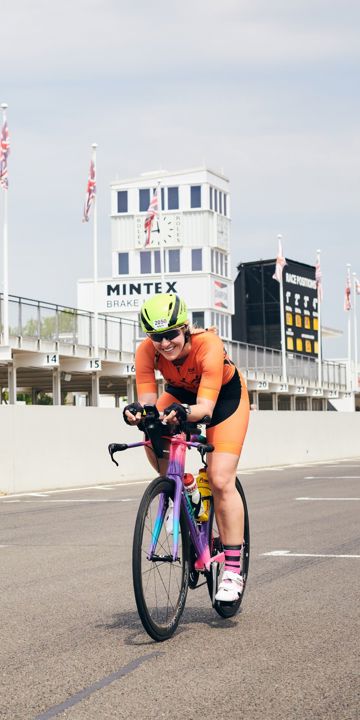
Goodwood Motor Circuit was officially opened in September 1948 when Freddie March, the 9th Duke and renowned amateur racer, tore around the track in a Bristol 400
-
Corporate Experiences
Where else can you...
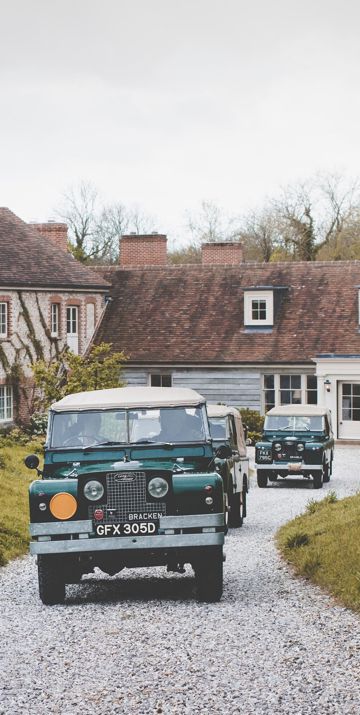
...plan strategy in an ancient woodland, enjoy award-winning dining then drive around a racetrack?
-
Spa Treatments
-
Driving
- Hospitality
-
Golf
-
Golf Courses

A sporting Estate
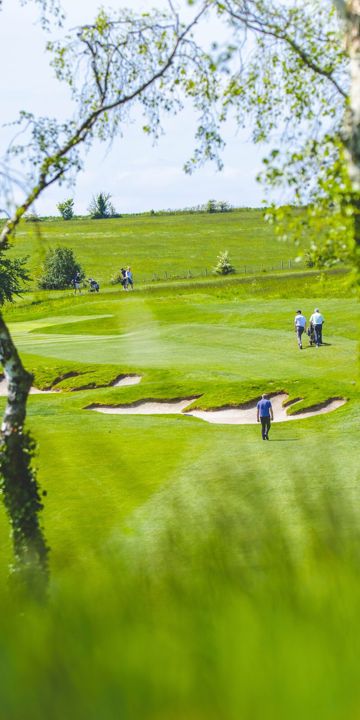
Goodwood has two 18-hole championship courses, a modern clubhouse and an impressive Academy. -
Golf Membership
-
Credit Membership
-
Application Form
-
Intermediate Membership
-
Junior Membership
-
Corporate Membership
-
Copse Membership

A sporting Estate
Goodwood has two 18-hole championship courses, a modern clubhouse and an impressive Academy. -
Credit Membership
-
The Academy
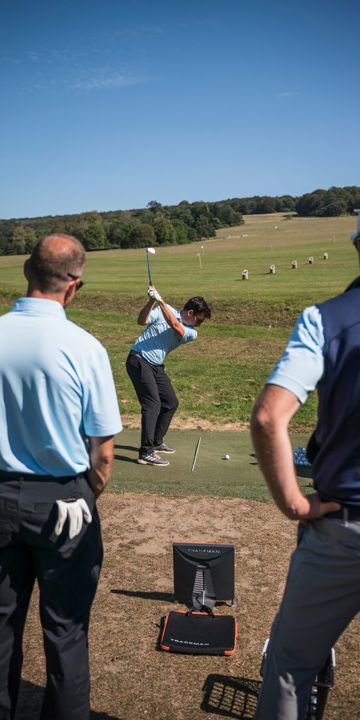
Over 100 years of Golf
The first ever round of golf played at Goodwood was in 1914 when the 6th Duke of Richmond opened the course on the Downs above Goodwood House.
-
Golf Experiences

Over 100 years of Golf
The first ever round of golf played at Goodwood was in 1914 when the 6th Duke of Richmond opened the course on the Downs above Goodwood House.
-
Golf Courses
-
Flying
-
Flying School
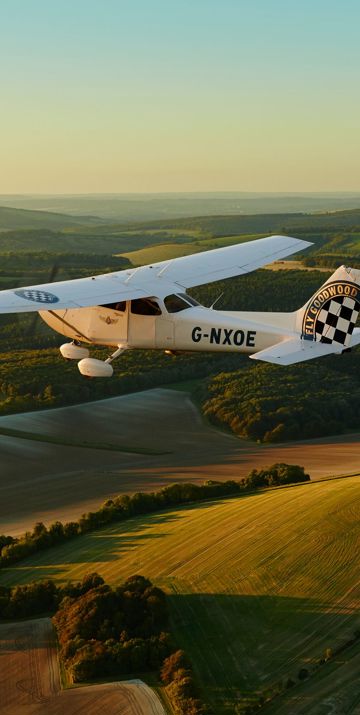
During the war...
The Motor Circuit was known as RAF Westhampnett, active from 1940 to 1946 as a Battle of Britain station. -
Aero Club Membership
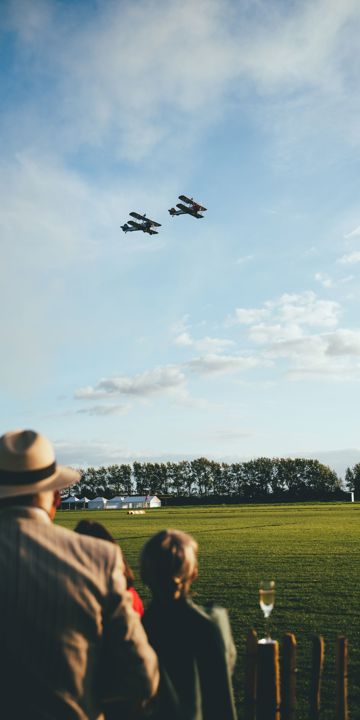

Battle of Britain
Flying training began at Goodwood in 1940 when pilots were taught operational flying techniques in Hurricanes and Spitfires.
-
Flying Experiences
-
Pilot Information
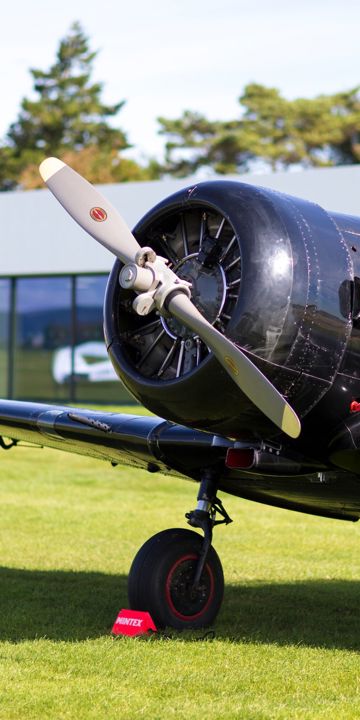

During the war...
The Motor Circuit was known as RAF Westhampnett, active from 1940 to 1946 as a Battle of Britain station.
-
Flying School
-
Meetings
-
Venue Hire
-
Goodwood House
-
The Racecourse
-
The Goodwood Hotel
-
The Motor Circuit
-
The Kennels
-
The Aerodrome
-
The Great Outdoors
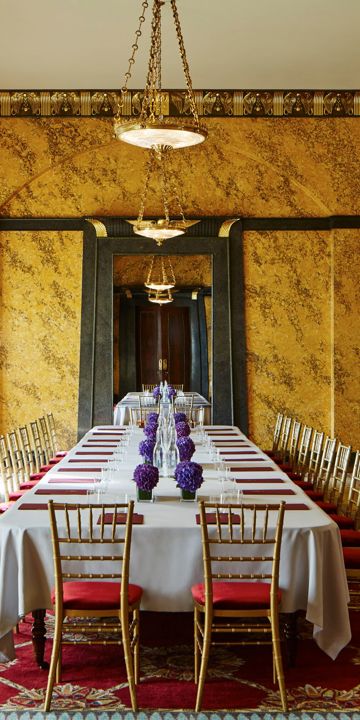
Where else can you...
...plan strategy in an ancient woodland, enjoy award-winning dining then drive around a racetrack?
-
Goodwood House
-
Plan Your Meeting
-
Parties
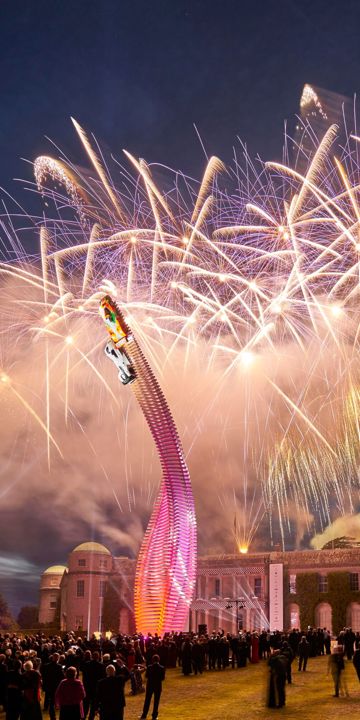
Where else can you...
...plan strategy in an ancient woodland, enjoy award-winning dining then drive around a racetrack?
-
Hospitality

-
Corporate Experiences
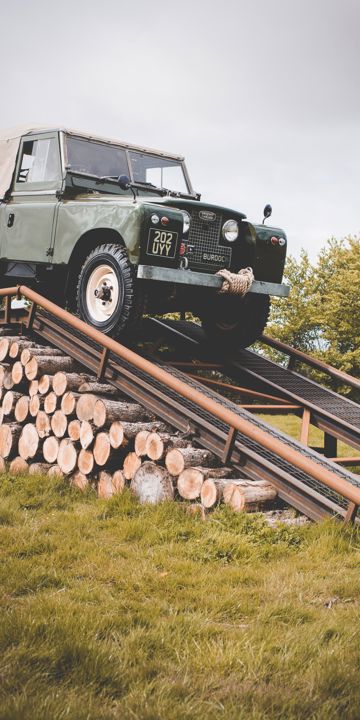
Where else can you...
...plan strategy in an ancient woodland, enjoy award-winning dining then drive around a racetrack?
-
Christmas Parties
-
Film Locations
Where else can you...
...plan strategy in an ancient woodland, enjoy award-winning dining then drive around a racetrack?
-
Venue Hire
-
Weddings
-
Goodwood House
Minor furniture details
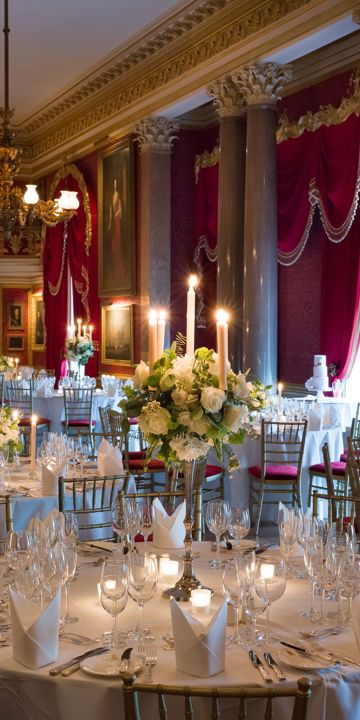
The exquisite mirror in the Ballroom of Goodwood House it so big they had to raise the ceiling to get it inside!
-
The Kennels


How old is The Kennels?
Built in 1787 by celebrated architect James Wyatt to house the third Duke of Richmond’s prized fox hounds, The Kennels was known as one of the most luxurious dog houses in the world!
-
Parties
Where else can you...
...plan strategy in an ancient woodland, enjoy award-winning dining then drive around a racetrack?
-
Goodwood House
-
Memberships
-
Goodwood Road Racing Club
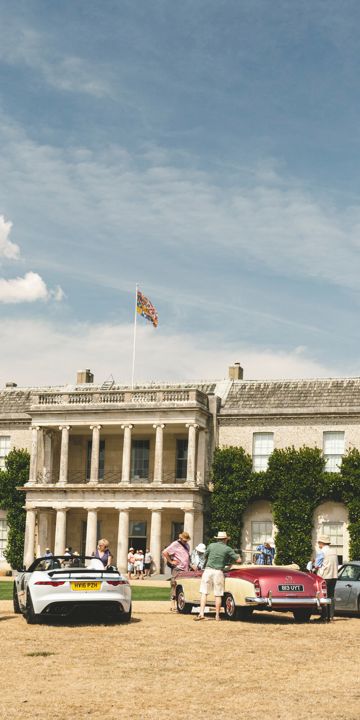

When was the GRRC founded?
Established in 1998 by the Duke of Richmond, the Goodwood Road Racing Club offers exclusive benefits across the estate year-round -
Goodwood Horseracing Club
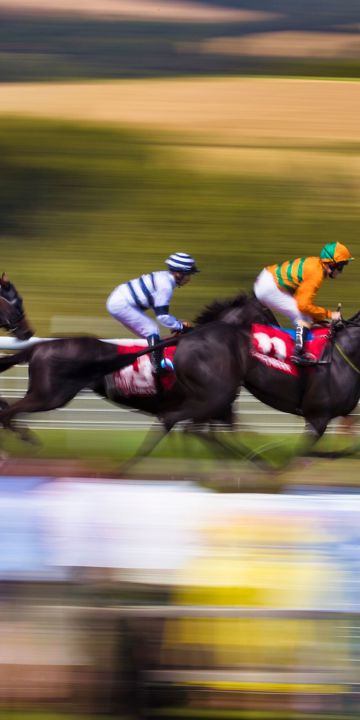

Racing Colours
The red & yellow of the Racecourse can be traced back hundreds of years, even captured in our stunning Stubbs paintings in the Goodwood Collection
-
Golf At Goodwood
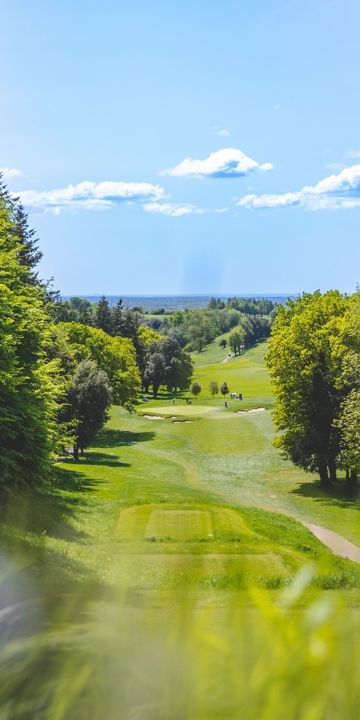
Over 100 years of Golf
The first ever round of golf played at Goodwood was in 1914 when the 6th Duke of Richmond opened the course on the Downs above Goodwood House.
-
Goodwood Aero Club
During the war...
The Motor Circuit was known as RAF Westhampnett, active from 1940 to 1946 as a Battle of Britain station.
-
Goodwood Health Club
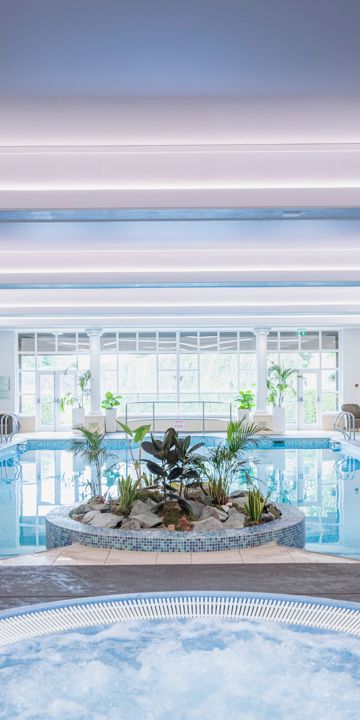
Goodwood's first Health Summit...
...took place in 2023 with industry experts discussing nutrition costs and food systems for a healthier future. -
The Kennels

An exclusive clubhouse
As the private clubhouse for all of the Estate’s sporting and social members, it offers personal service and a relaxed atmosphere
-
Sporting Membership

Estate Crest
"En la rose je fleurie" or "Like the rose, I flourish" is part of the Richmond coat of Arms and motto
-
Goodwood Racehorse Owners Group
-
Goodwood Art Foundation
-
Goodwood Road Racing Club
- Classic Car Insurance
- Health & Wellbeing
- Buy Merchandise
-
Our Estate
-
What's on
-
Estate Map
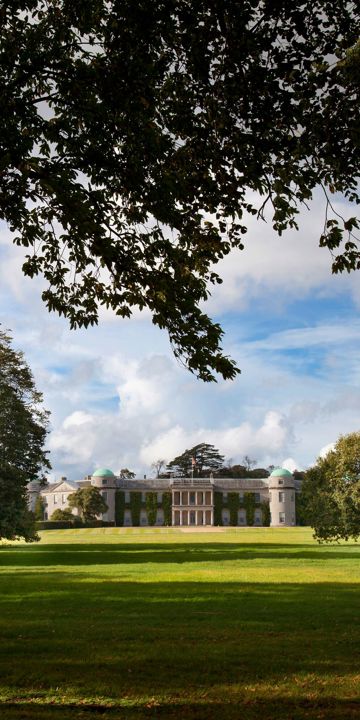

Fashionable foxhounds
The 1st Duke of Richmond bought Goodwood in 1697 as a place to stay to go foxhunting with the fashionable Charlton Hunt. -
Stories from the Estate
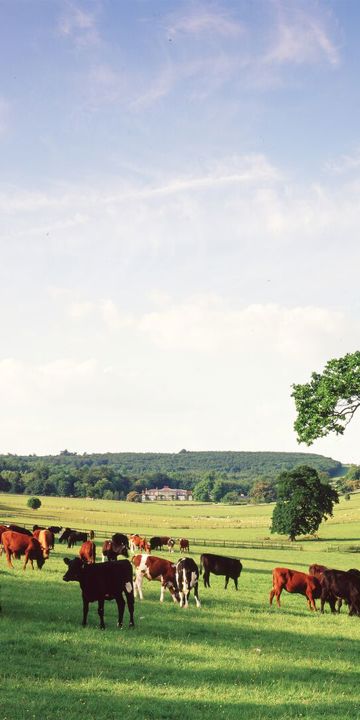

A different breed...
Goodwood’s pigs are a mix of two rare breeds (Gloucester Old Spots and Saddlebacks) plus the Large White Boar.
-
Sports
-
Goodwood Education Trust
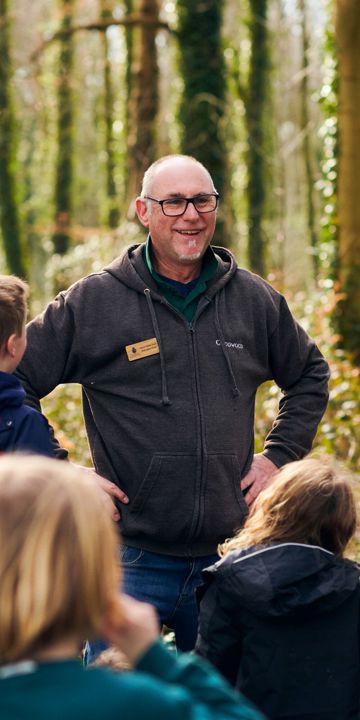

Cricketers since 1702
The oldest existing rules for the game were drawn up for a match between the 2nd Duke and a neighbour
-
Charities
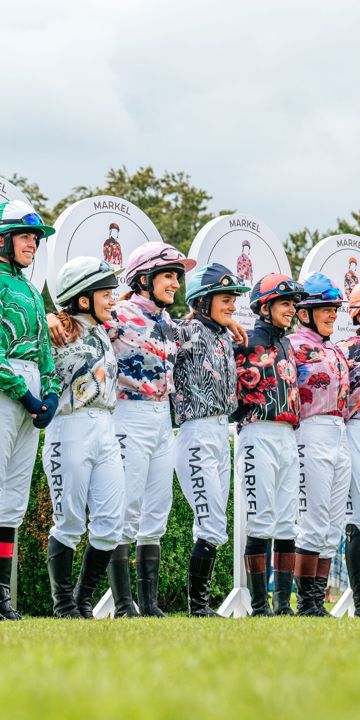
St Simon
Whoa Simon! A horse so determined and headstrong, he not only won the 1883 Goodwood Cup by 20 lengths, but couldn't be stopped and carried on running over the top of Trundle hill
-
Sustainability
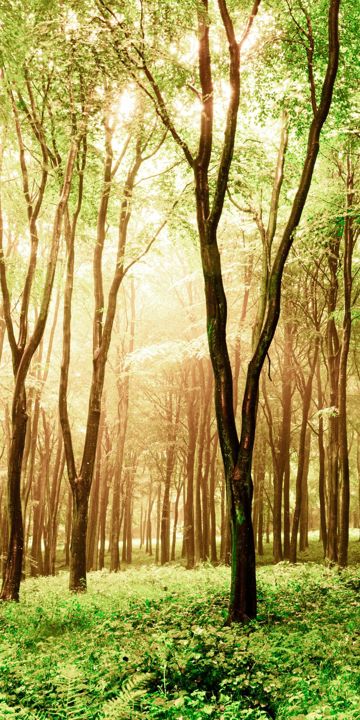
Sustainable state-of-mind
When Farmer, Butcher, Chef opened in 2016 it was awarded the UK’s first-ever Royal Academy of Culinary Arts ‘Sustainable Food Philosophy Seal’. -
Diversity, Equity & inclusion
-
Property
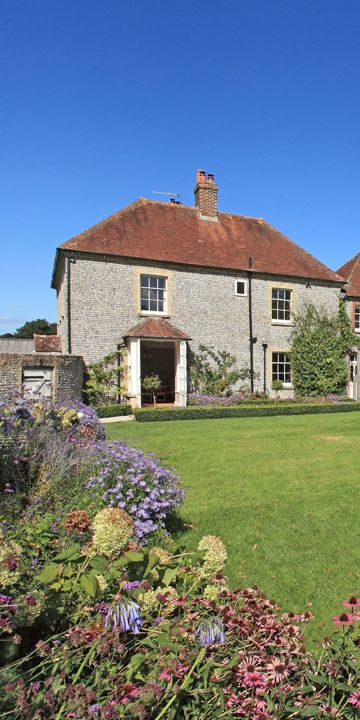
Levin Down Gin
Our gin uses wild-grown botanicals sourced from the estate, and is distilled with mineral water naturally chalk-filtered through the South Downs.
-
Walking Guide

Levin Down Gin
Our gin uses wild-grown botanicals sourced from the estate, and is distilled with mineral water naturally chalk-filtered through the South Downs.
-
Dog Walking Field
-
Careers
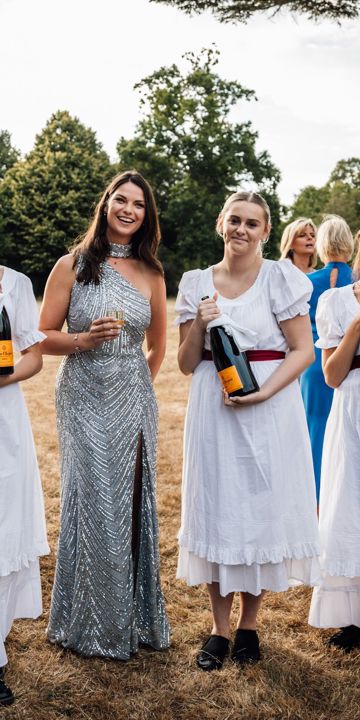
Estate Crest
"En la rose je fleurie" or "Like the rose, I flourish" is part of the Richmond coat of Arms and motto
-
Goodwood Art Foundation
-
Farm Shop
-
What's on



Upcoming Events

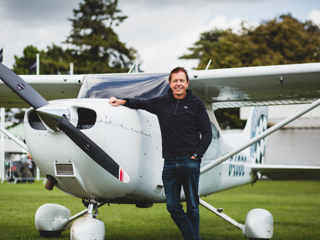
Meet the GAC Member - Paul Cooper
Meet Goodwood Aeroclub Member Paul Cooper, and discover his history of flying.
aerodrome
GAC Exclusive
flying at goodwood
Flying
Flying Lessons
Aerodrome Cafe
Flying Membership

Have you always been interested in Aviation?
When I was five, my dad spared a rare moment of his time and took me to an amusement park in Southport. I had a ride on a roundabout which consisted of aircraft going round and up and down. Apparently, I was not impressed and the idea of a career in aviation must have been totally dismissed. Twenty years later, he watched from the airfield perimeter fence at RAF Valley when I took off in a Lightning at the end of a 4 aircraft detachment to the missile firing facility there. We did a 270-degree turn, passing over the coast at over 600 knots and climbed vertically to FL240 before heading eastwards to our base at RAF Gutersloh in North Germany. My dad must have pondered over my change in mindset.
Tell us a bit about you and your flying journey?
My secondary school had a CCF and after a compulsory 2-year session as an army cadet, I joined the RAF section and my first ever flight was in a Chipmunk from RAF Woodvale. Not long after this, during a camp at RAF Little Rissington, several of us had a trip in a Jet Provost. My instructor flew continuous aerobatics for about 15 minutes and although I was not actually sick, just seeing or hearing one fly past, made me feel ill for the rest of the day.
During my Easter holiday, I attended a gliding course at RAF Swanton Morley, but the weather was awful, and we played cards for most of the week, enjoying only 7 launches. I managed to persuade the relevant teacher at school to find another course and after battling down the M6 on a tired Lambretta, turned up at Burtonwood and flew my first short solo from there in 1966.
The next year, I was lucky enough to be awarded a flying scholarship and learned to fly at Carlisle mainly on the Cessna 152. A PPL required another 5 hours, and I scraped enough money together to gain the PPL when I was just 17. A few days later I took and failed my driving test. Not enough care at junctions, I think!
University at Liverpool found me flying again from Woodvale as part of the UAS. I remember some wonderful summer detachments at RAF Benson and RAF Wattisham, where on one flight I became so short of fuel in my Chipmunk that a Lightning was made to orbit while I landed! On finishing my engineering degree, I considered military or civilian flying or failing entry to either of these I would go mining for diamonds in Zimbabwe with Anglo American. At that time the wait for Hamble (BEA/BOAC) I considered too long so started my Airforce career at Cranwell in January 1972.
Through training, I flew the Jet Provost Mk 5, a lovely aircraft for aerobatics, the Gnat, which was a bit of a handful at first, and the Hunter for basic weapon training. Of course, pressure was a constant and many friends and colleagues were chopped along the way. Probably about a quarter of each course had to rethink their future.
The Lightening was big noisy and intimidating at first. After a few trips in the T4, the first solo in the 1A is still memorable. Coasting out near Cromer I inadvertently went supersonic in a 10 degree climb with only cold power set. None of the other Lightning Mks were so slippery!
With no breaks between the courses at Valley, Chivenor and Coltishall, I started on my first Squadron No 19(F) at RAF Gutersloh in July 1974. I was rushed out there to replace someone who had, according to the Boss, not measured up. My wife and I did not unpack our boxes in our downtown flat just in case the same thing happened to me! Within weeks I was on detachment to Sardinia. My flight commander took the opportunity to keep a close eye on me and after a couple of weeks leading him around the skies of Sardinia and managing to successfully shoot at the banner towed by a Canberra, I seemed to be fully accepted onto the Squadron. The Lightning was being phased out at Gutersloh and at the end of my tour was posted to 5 Squadron at RAF Binbrook to fly the Mks 3 and 6.
CFS loomed at the end of that tour, and I spent over 3 years at RAF Valley instructing on the Hawk: a lovely aircraft, much easier to fly than the Gnat it replaced, but capable of much longer and complex flights.
Back to Binbrook and an instructional tour on the Lightning Training Flight, followed by promotion to Squadron Leader, I became a flight commander on 11 Squadron. My final flight was leading the last pair of Lightnings in RAF service on a delivery flight to Cranfield, then went back to Binbrook, handed in my RAF watch, and left!
Any favourite moments of flying?
The memorable moments from my RAF career include the interception of Russian Bears (Tu-95) and Bison (M-4). Low level night flying over the North Sea with head partly buried in the radar scope concentrated the mind. It was also very rewarding being a flight commander at Valley instructing some wonderful students.
While I was on detachment in Cyprus, with a year to go to an optional leaving date (age 38 years), I decided to leave the RAF and join the airlines. This meant I had a year to get my commercial license. This involved the normal aviation exams at Bournemouth and getting the twin engine and instrument ratings at Cranfield. Lots of pressure as I had a young family to support! I decided I would like to fly with Brittania Airways. The interview went well (despite arriving late because of severe holdups on the Al!) and I started my commercial flying career with Britannia in August 88.
The Boeing 737-200 was the first airliner I flew and with fairly basic instrumentation and early generation autopilot, it provided a good base to learn the more procedural type of flying. Soon after I completed my First Officer checkout, a road journey to Glasgow took me past Lockerbie 2 days after the Pan-Am crash. I can still remember the smell from the smoking town and shortly afterwards the Kegworth disaster occurred. And I thought I had started a safer form of flying!
After a course to fly the 757 and 767 the world opened up, beyond Europe. I enjoyed some long detachments to New Zealand and many to Indonesia carrying pilgrims to Jeddah for their Hajj in Mecca. The seniority list system within the airline meant a long wait for a command course, successfully completed in 2001. By 2013 the company (now Tui) was acquiring the 787 and rather than retrain I decided to leave a year before my 65th birthday.
After my first year flying airlines, I missed being upside, so I joined the RAF Volunteer Reserve and flew cadets on experience flights from Cambridge, Cosford and Colerne using the Chipmunk, Bulldog and finally the Grob Tutor. Of these I felt the Bulldog was the best for the role. A good sturdy aircraft with pleasant aerobatic potential and, of course, side by side seating.
I moved to Chichester soon after LGW became my base, so when I retired it was very convenient to join Goodwood Flying Club. I have enjoyed many flights from here and feel very lucky to have been given the opportunity to continue flying for so long.
Who is your aviation hero?
I have enjoyed reading the amazing descriptions of wartime flying by Roald Dahl and Geoffrey Welland. The early female pioneers, such as Amelia Earhart and Jacqueline Cochran, must be admired for their courage and ability. More recently, the ditching of his A320 on the Hudson River made by Captain Sullenberger is an amazing example of decision making, skill and crew coordination.
What has been the best piece of advice you have been given about flying?
Flight Safety posters have always played a role in the RAF, and I will always remember “If you think Flight Safety is expensive, wait until you’ve had an accident” I have tried to take that one through life.
Read more about the Goodwood Aerodrome and becoming a GAC member.
aerodrome
GAC Exclusive
flying at goodwood
Flying
Flying Lessons
Aerodrome Cafe
Flying Membership