-
Events
-
Festival of Speed
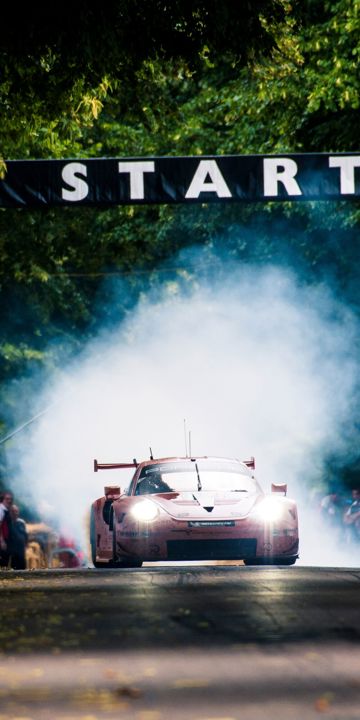

"Motorsport garden party of the gods"
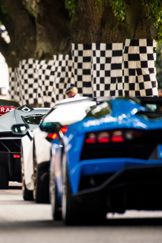
Festival of Speed is our longest-standing Motorsport event, starting in 1993 when it opened to 25,00 people. We were expecting 2000!
-
Goodwood Revival
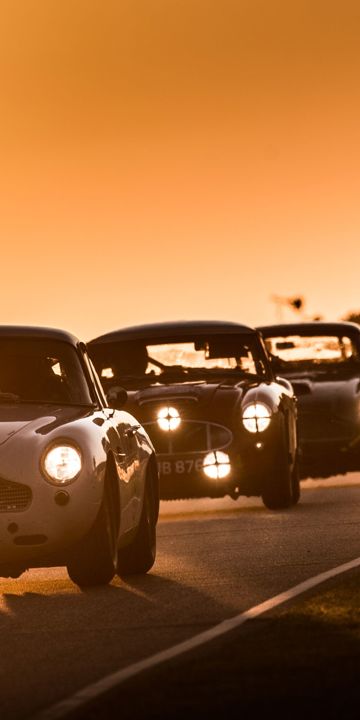

Earls Court replica
Our replica of the famous motor show showcases the "cars of the future" in true Revival style
-
Members' Meeting
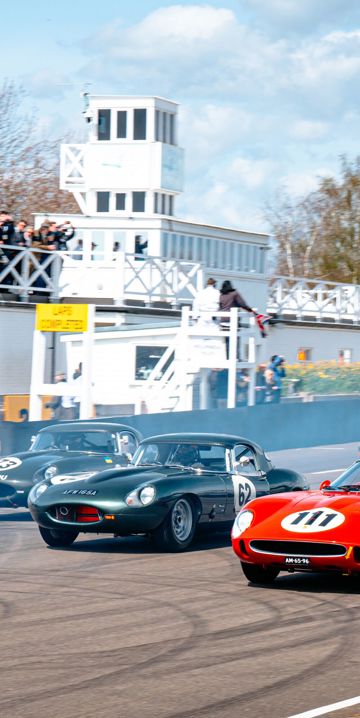

More than motorsport...
Ferret racing and duck herding are two of the many off-track activities at Members' Meeting -
Qatar Goodwood Festival
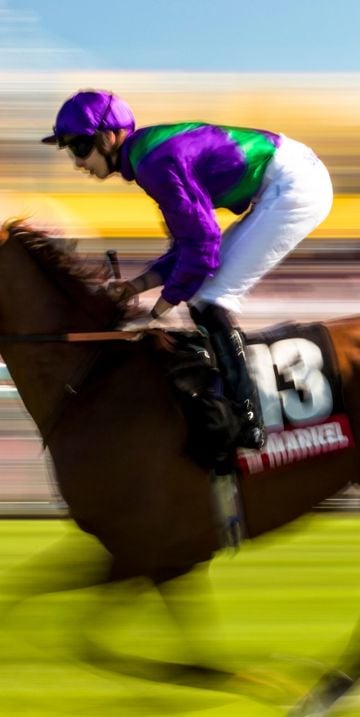

Why does everyone wear hats?
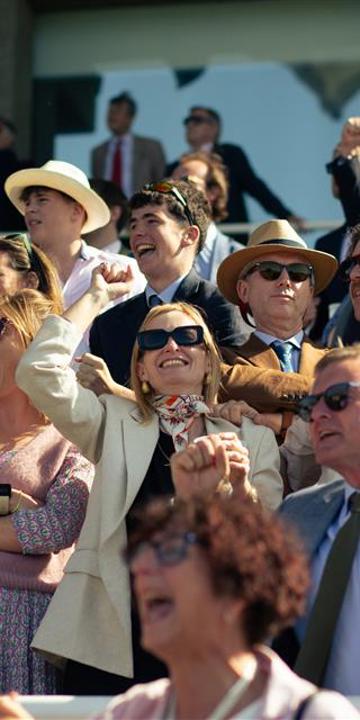
One Summer, King Edward VII turned his back on the traditional morning suit, and donned a linen suit and Panama hat. Thus the Glorious Goodwood trend was born.
-
Goodwoof
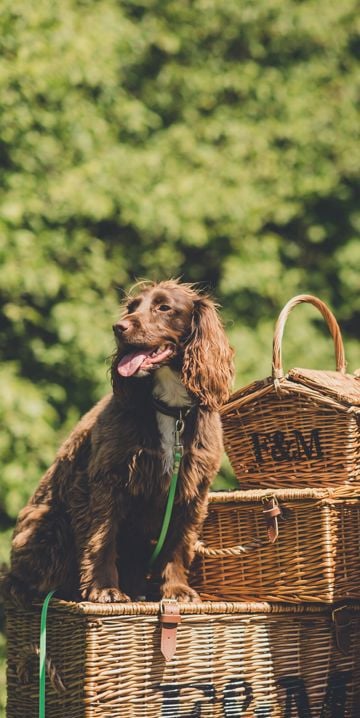

Start in style
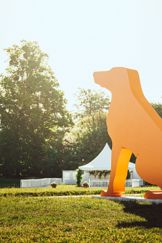
The breed parade sees hundreds of dogs and their owners walk from Goodwood House down to The Kennels to kick start the Goodwoof weekend. -
Horseracing
-
Season Opener
-
May Festival
-
Family Race Day
-
Three Friday Nights
-
August Bank Holiday
-
Autumn Racing
-
Season Finale
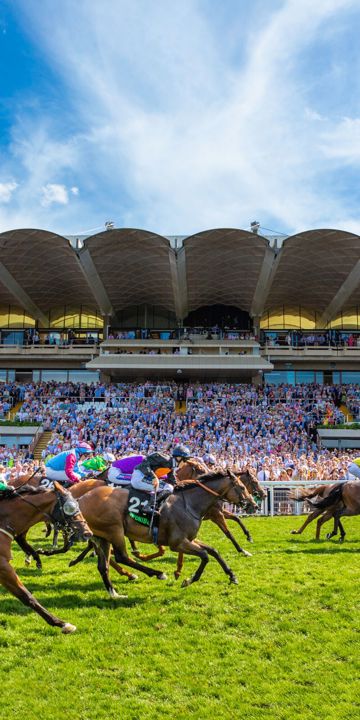

Royal approval
King Edward VII (who came almost every year) famously dubbed Glorious Goodwood “a garden party with racing tacked on”.
-
Season Opener
-
Breakfast Club
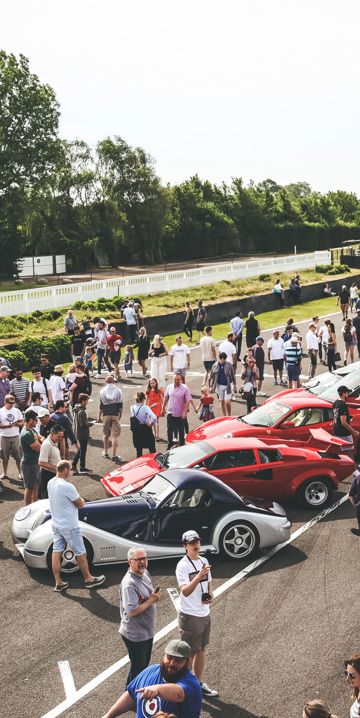

A perfect Sunday morning?
A no-cost, all-welcome motoring show where the visitors and their machines are the stars -
Health Summit
-
Hospitality
-
Exhibiting
-
Partnerships
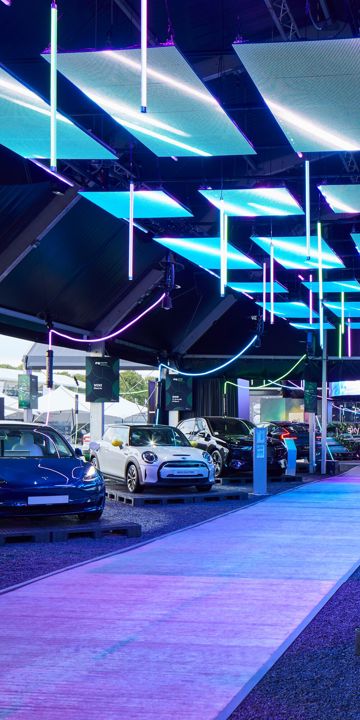

Where else can you...
...plan strategy in an ancient woodland, enjoy award-winning dining then drive around a racetrack?
-
What's on
-
Festival of Speed
-
Visit, Eat, Stay
-
The Goodwood Hotel
-
Rooms
-
Contact Us
-
Christmas
-
New Year's Eve
-
Weddings
-
Kids Activities
-
Offers
-
Local Attractions
-
Plan your stay
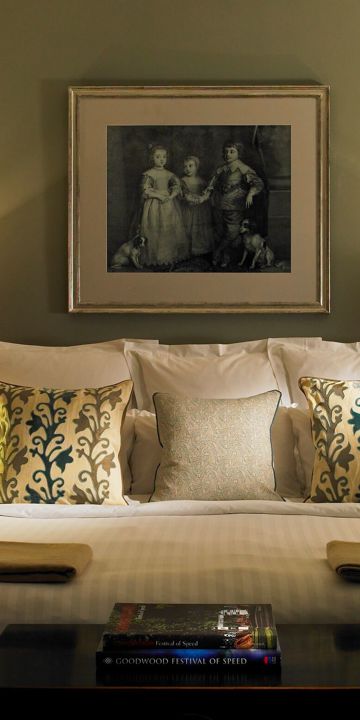

Grogger
Easy boy! The charismatic Farnham Flyer loved to celebrate every win with a pint of beer. His Boxer dog, Grogger, did too and had a tendancy to steal sips straight from the glass.
-
Rooms
-
Goodwood Cottages


Carne's Seat
Just beyond Goodwood House along the Hillclimb, the 2nd Dukes banqueting house was also known as "one of the finest rooms in England" (George Vertue 1747).
-
Goodwood House
-
Afternoon Tea & Tour
-
The Collection
-
Exhibitions
-
History
-
Weddings
-
Copper Dome Restoration
-
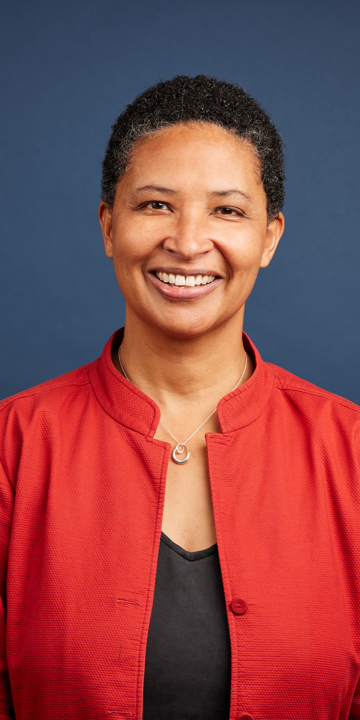
Secrets of a Radical Duke Talk by Professor Danielle Allen
Copper Turrets
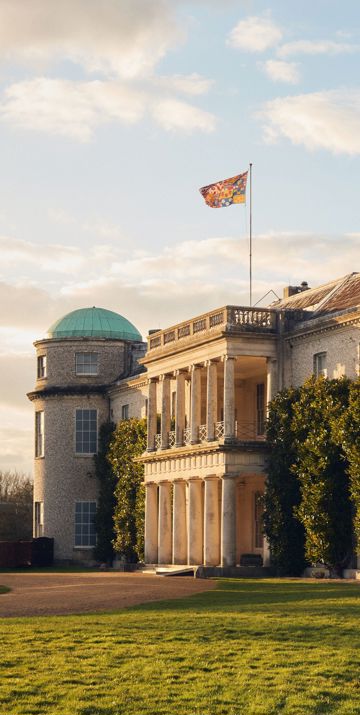
After a fire in 1791 at Richmond House in Whitehall, London, James Wyatt added two great wings to showcase the saved collection at Goodwood. To give unity to the two new wings, Wyatt added copper-domed turrets framing each façade.
-
Afternoon Tea & Tour
-
Restaurants
-
Farmer, Butcher, Chef
-
The Goodwood Bar & Grill
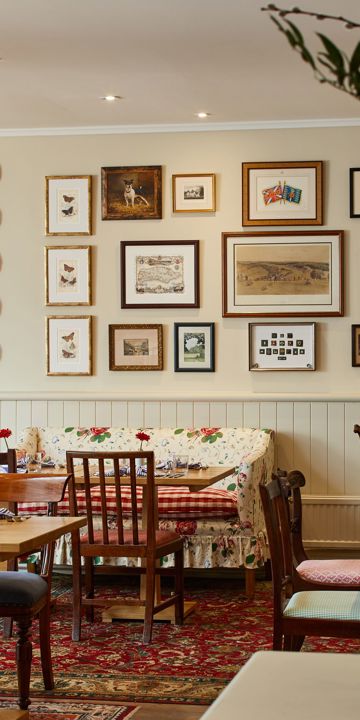
-
The Kennels
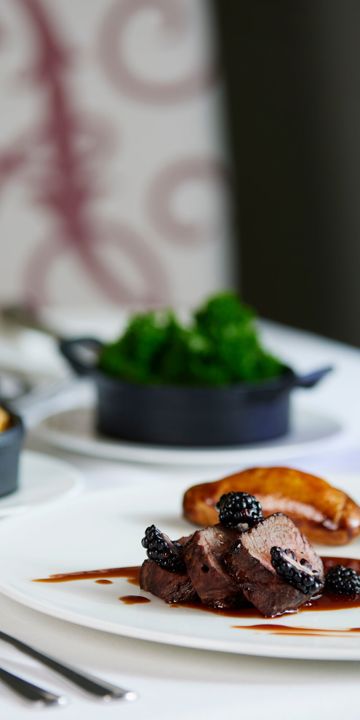
-
Aerodrome Café
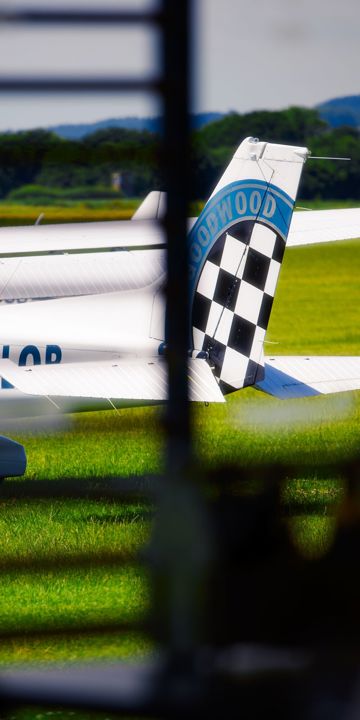
-
Motor Circuit Café

-
Cafe 24
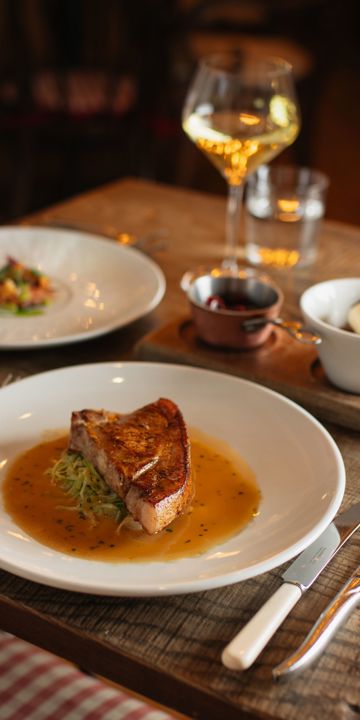

Sustainable state-of-mind
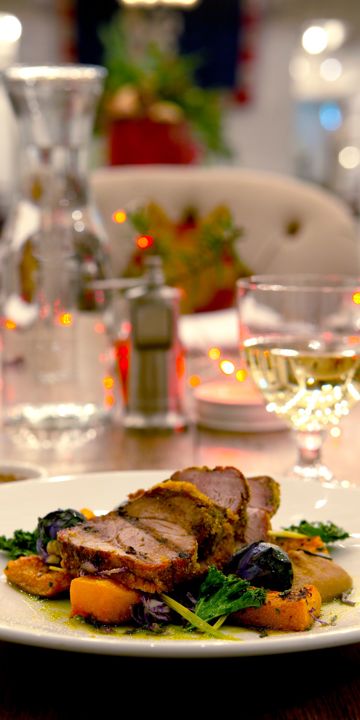
When Farmer, Butcher, Chef opened in 2016 it was awarded the UK’s first-ever Royal Academy of Culinary Arts ‘Sustainable Food Philosophy Seal’. -
Farmer, Butcher, Chef
-
The Kennels
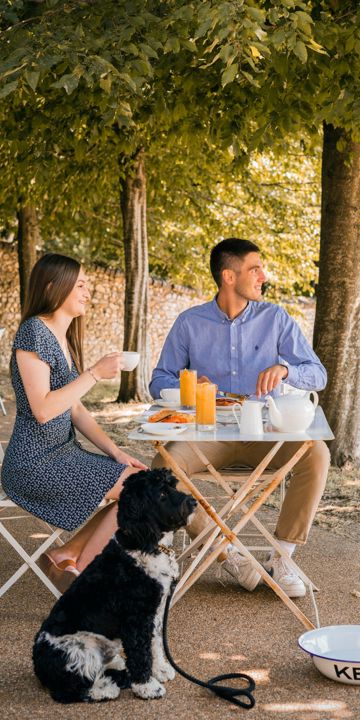

An exclusive clubhouse
As the private clubhouse for all of the Estate’s sporting and social members, it offers personal service and a relaxed atmosphere
-
Motor Circuit
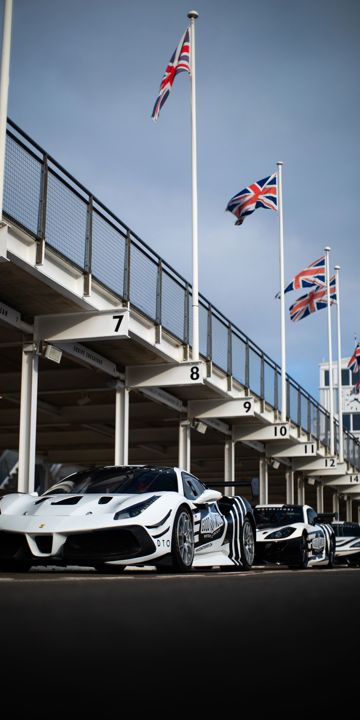
Grogger
Easy boy! The charismatic Farnham Flyer loved to celebrate every win with a pint of beer. His Boxer dog, Grogger, did too and had a tendancy to steal sips straight from the glass.
-
Health & Wellbeing
-
Membership
-
Health Club
-
Gym
-
Run Series
-
Spa Treatments
-
Wellness Retreats
-
Events Calendar
-
Corporate Wellbeing
-
Health Summit
-
Latest News
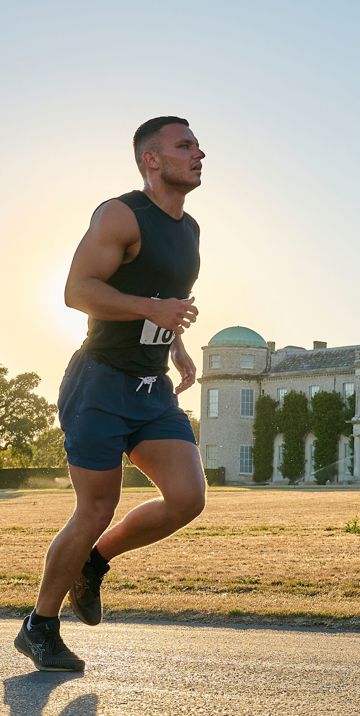

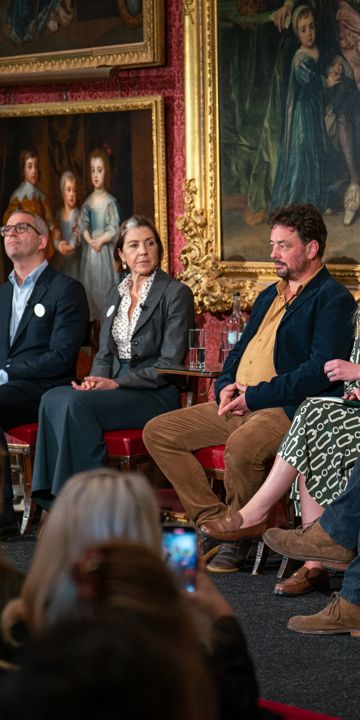
Goodwood's first Health Summit...
...took place in 2023 with industry experts discussing nutrition costs and food systems for a healthier future. -
Membership
-
Hound Lodge
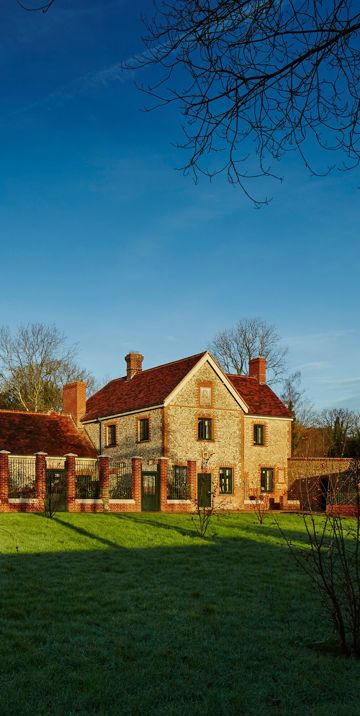

Privacy is paramount
A bell under each place at the table to signal if butlers can come back in to the dining room, a guests privacy is always paramount.
-
Goodwood Farm Shop


St Simon
Whoa Simon! A horse so determined and headstrong, he not only won the 1883 Goodwood Cup by 20 lengths, but couldn't be stopped and carried on running over the top of Trundle hill
-
Parties
-
Goodwood Art Foundation
-
The Goodwood Hotel
-
Motorsport
-
Festival of Speed
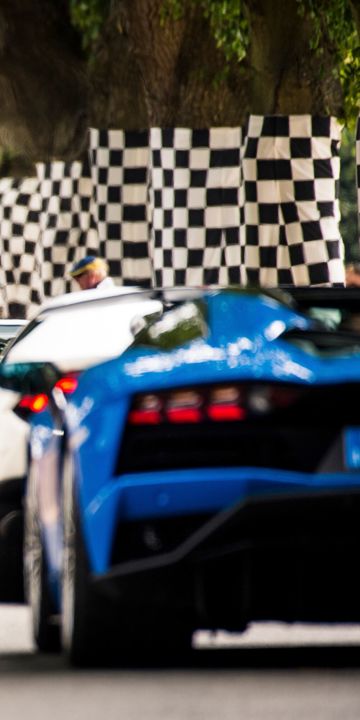

Have you visited our Forest Rally Stage?
From 2005 to present there has been a demonstration area for the rally cars at the top of the hill
-
Goodwood Revival
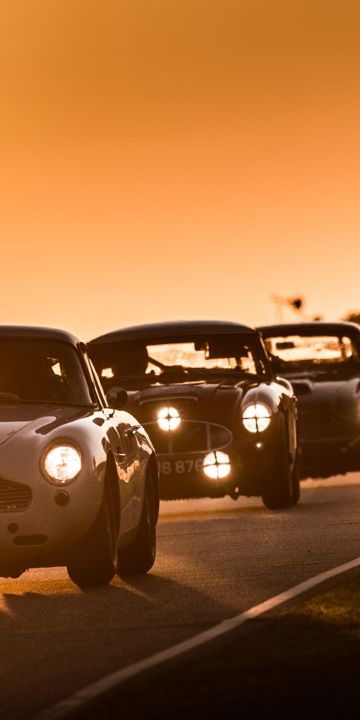

Goodwood Heroes
Legend of Goodwood's golden racing era and Le Mans winner Roy Salvadori once famously said "give me Goodwood on a summer's day and you can forget the rest".
-
Members' Meeting
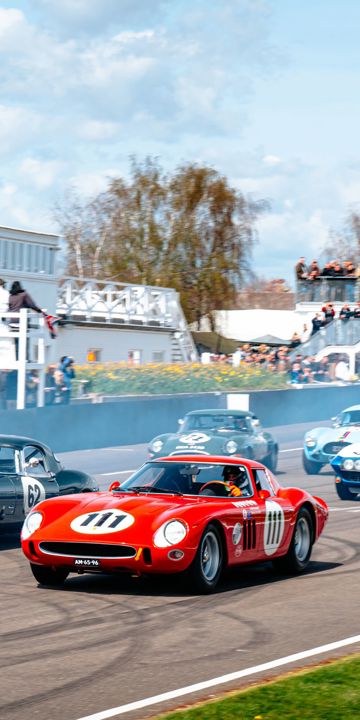
More than motorsport...
Ferret racing and duck herding are two of the many off-track activities at Members' Meeting -
Breakfast Club
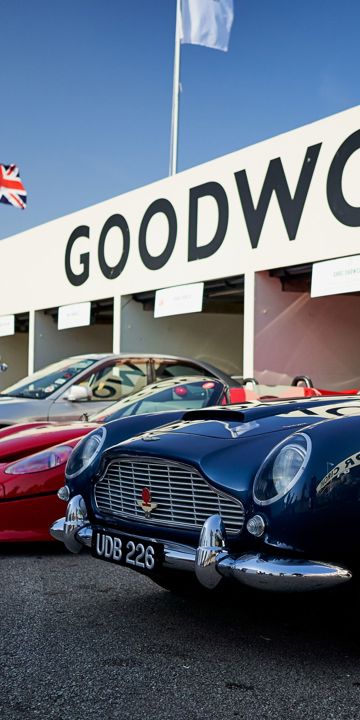

During the war...
The Motor Circuit was known as RAF Westhampnett, active from 1940 to 1946 as a Battle of Britain station. -
Motor Circuit

Why don't the F1 cars race the hill?
For safety reasons F1 cars can no longer do official timed runs so instead perform stunning demonstrations!
-
Driving Experiences
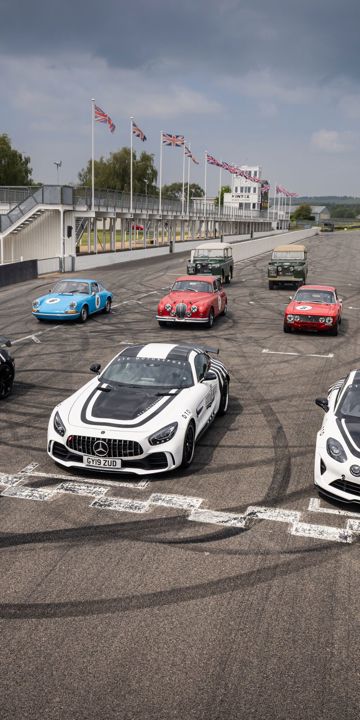

The Hillclimb
The 1.16-mile hillclimb has been the centre of the action since the first festival in 1993. -
Goodwood Road Racing Club
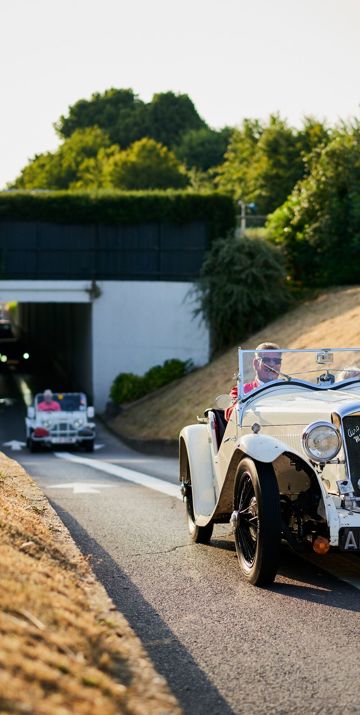
Why don't the F1 cars race the hill?
For safety reasons F1 cars can no longer do official timed runs so instead perform stunning demonstrations!
-
Latest News
-
Festival of Speed
-
Horseracing
-
Tickets & Packages
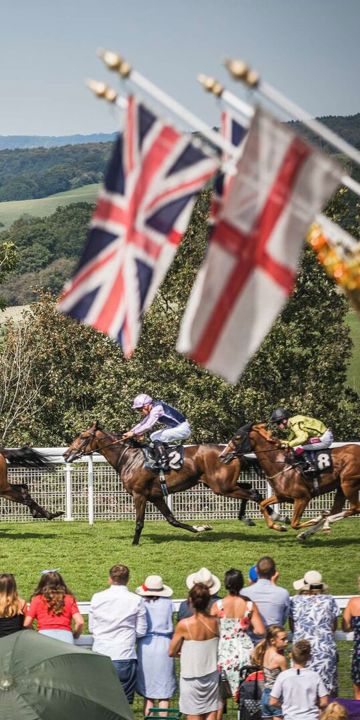

"Glorious Goodwood"
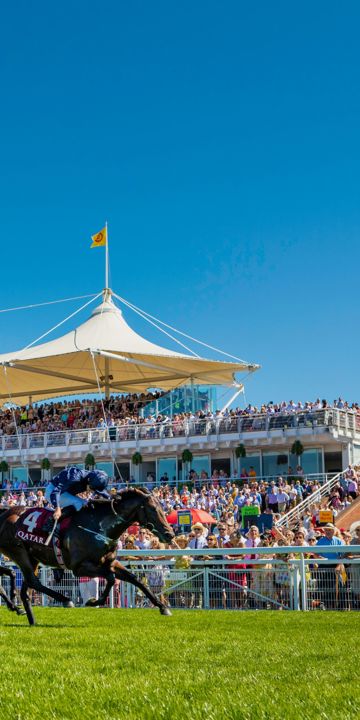
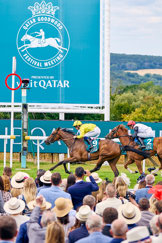
The first public race meeting took place in 1802 and, through the nineteenth century, ‘Glorious Goodwood,’ as the press named it, became a highlight of the summer season
-
Hospitality
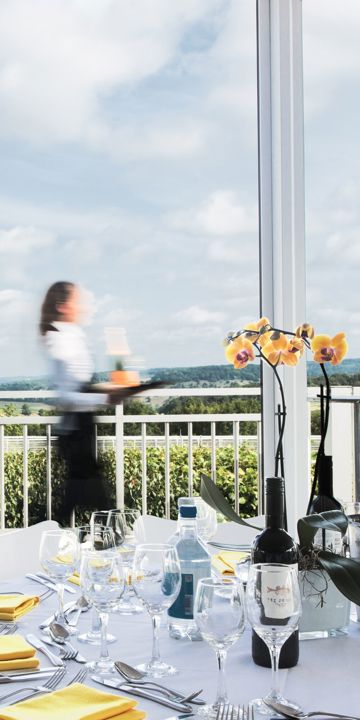
"Glorious Goodwood"
The first public race meeting took place in 1802 and, through the nineteenth century, ‘Glorious Goodwood,’ as the press named it, became a highlight of the summer season
-
Goodwood Horseracing Club
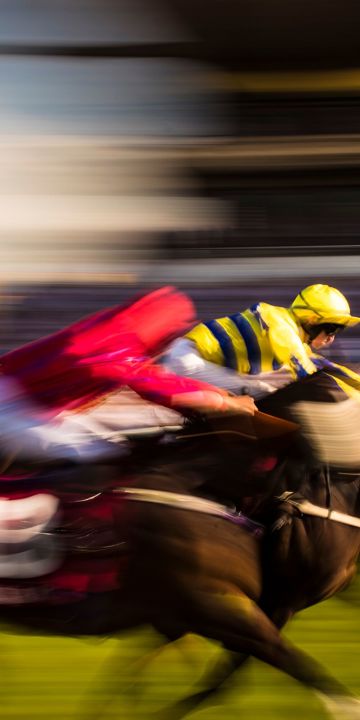
"Glorious Goodwood"
The first public race meeting took place in 1802 and, through the nineteenth century, ‘Glorious Goodwood,’ as the press named it, became a highlight of the summer season
-
Fixtures & Events
-
Season Opener
-
May Festival
-
Family Race Day
-
Three Friday Nights
-
Qatar Goodwood Festival
-
August Bank Holiday
-
Autumn Racing
-
Season Finale

Wearing Linen at the Races
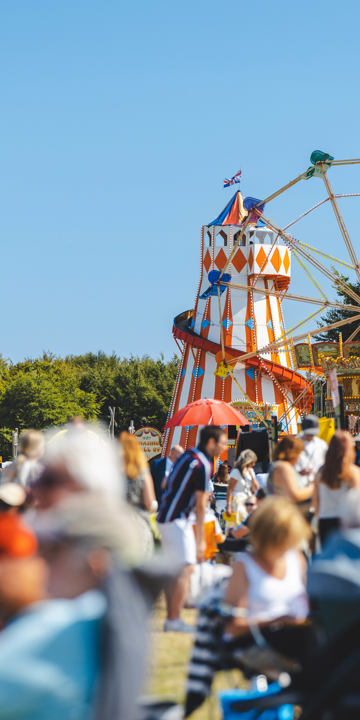
Ever since King Edward VII relaxed the dress code in the 19th century, we have enjoyed a carefree holiday feel here, unlike any other racecourse. -
Season Opener
-
Qatar Goodwood Festival
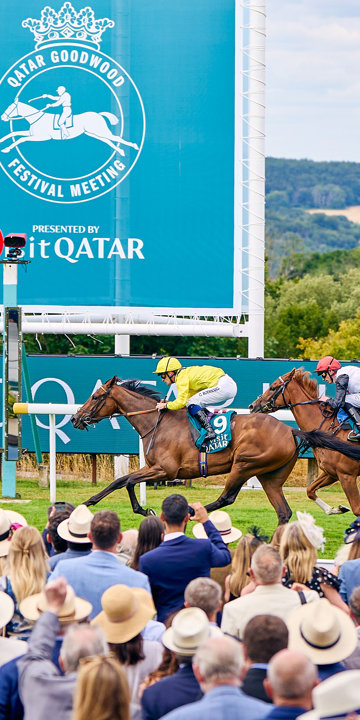
"Glorious Goodwood"
The first public race meeting took place in 1802 and, through the nineteenth century, ‘Glorious Goodwood,’ as the press named it, became a highlight of the summer season
-
Three Friday Nights
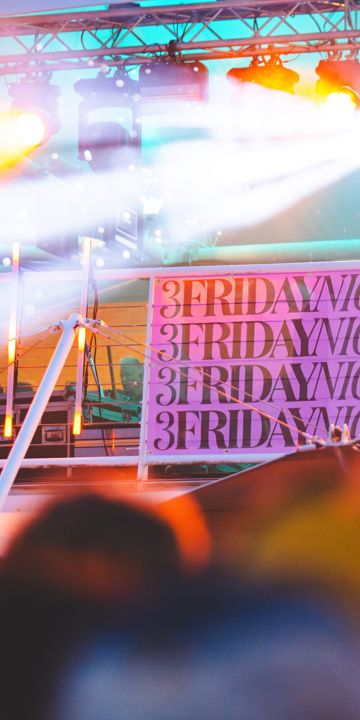

Why walk when you can drive
The first ever horsebox was used from Goodwood to Doncaster for the 1836 St. Leger. Elis arrived fresh and easily won his owner a £12k bet.
-
Plan Your Day
-
Enclosures
-
Event Map
-
Going Report
-
Getting Here
-
Betting at Goodwood
-
Dress Code
-
Accessibility
-
Food & Drink
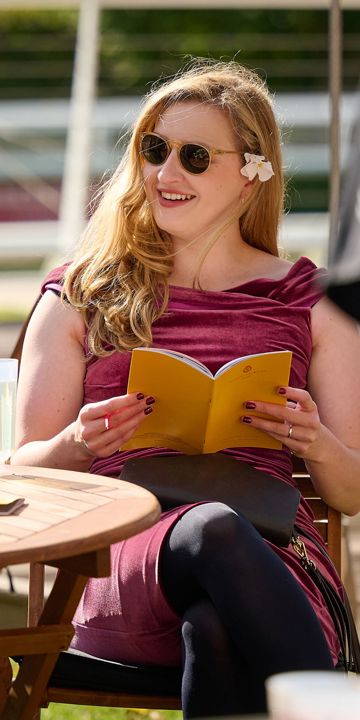

Racing Colours
The red & yellow of the Racecourse can be traced back hundreds of years, even captured in our stunning Stubbs paintings in the Goodwood Collection
-
Enclosures
-
Buy Merchandise
-
Partners
-
Owners & Trainers
-
Latest News
-
FAQs
-
Accessibility
-
Tickets & Packages
-
Experiences
-
Driving
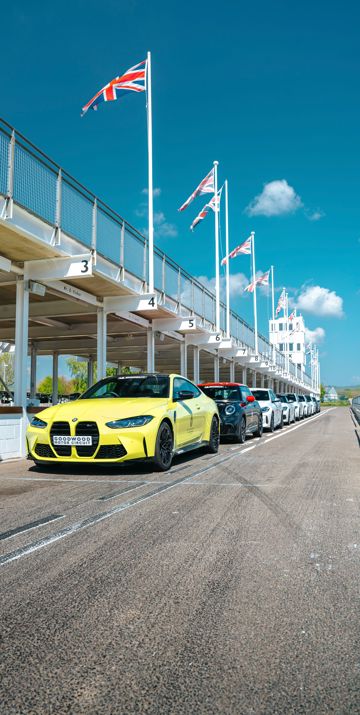

What's that on the startline?
The bricks lining the Festival of Speed startline are 100 years old and a gift from the Indianapolis Speedway "Brickyard" in 2011 to mark their centenary event!
-
Flying
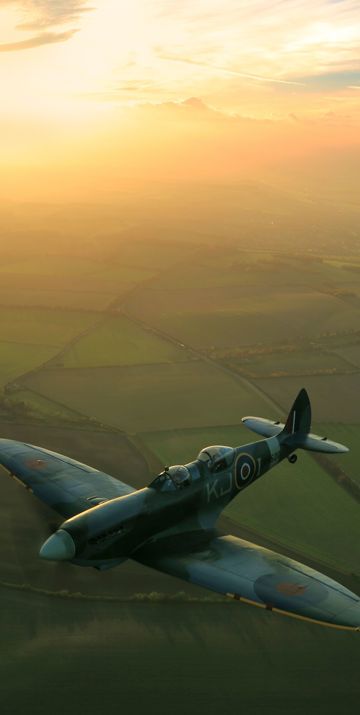

During the war...
The Motor Circuit was known as RAF Westhampnett, active from 1940 to 1946 as a Battle of Britain station.
-
Golf

A sporting Estate
Goodwood has two 18-hole championship courses, a modern clubhouse and an impressive Academy. -
Shooting
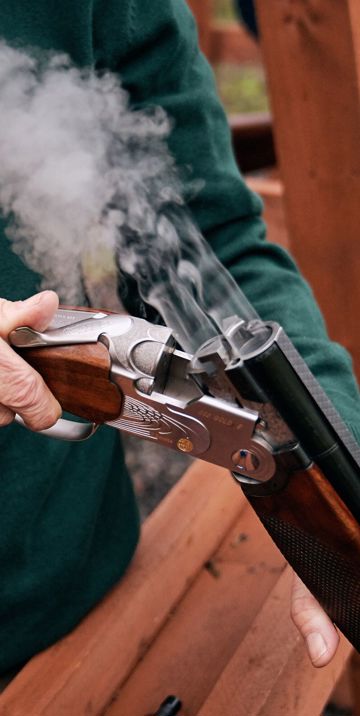
Grogger
Easy boy! The charismatic Farnham Flyer loved to celebrate every win with a pint of beer. His Boxer dog, Grogger, did too and had a tendancy to steal sips straight from the glass.
-
Afternoon Tea

Cricketers since 1702
The oldest existing rules for the game were drawn up for a match between the 2nd Duke and a neighbour
-
Corporate Wellbeing
Goodwood's first Health Summit...
...took place in 2023 with industry experts discussing nutrition costs and food systems for a healthier future. -
Cycling
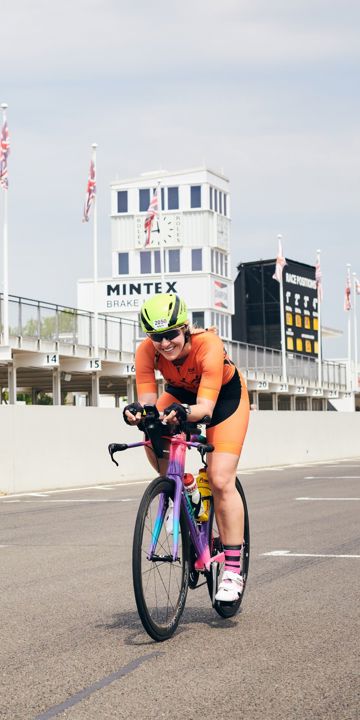

The Silver Spitfire
The iconic spitfire covered almost 43,000 kilometres and visited over 20 countries on its epic journey and currently resides at our Aerodrome.
-
Corporate Experiences
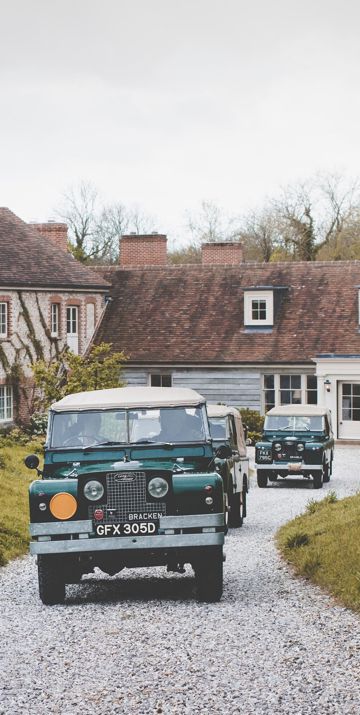
Where else can you...
...plan strategy in an ancient woodland, enjoy award-winning dining then drive around a racetrack?
-
Spa Treatments
-
Driving
- Hospitality
-
Golf
-
Golf Courses
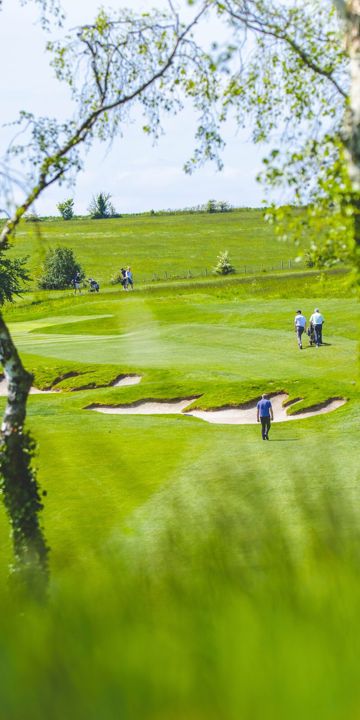
A sporting Estate
Goodwood has two 18-hole championship courses, a modern clubhouse and an impressive Academy. -
Golf Membership
-
Credit Membership
-
Application Form
-
Braid Membership
-
Intermediate Membership
-
Junior Membership
-
Corporate Membership
-
Copse Membership


Braid’s Masterpiece
One of the greatest golfers of all time, James Braid designed Goodwood’s iconic Downland course, opened in 1914.
-
Credit Membership
-
The Academy
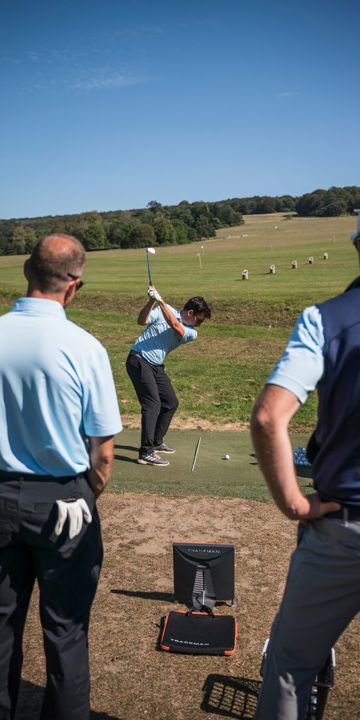

Over 100 years of Golf
The first ever round of golf played at Goodwood was in 1914 when the 6th Duke of Richmond opened the course on the Downs above Goodwood House.
-
Golf Experiences

A sporting Estate
Goodwood has two 18-hole championship courses, a modern clubhouse and an impressive Academy.
-
Golf Courses
-
Flying
-
Flying School
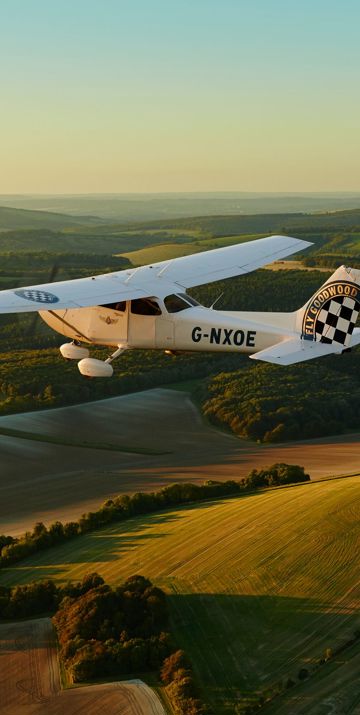
During the war...
The Motor Circuit was known as RAF Westhampnett, active from 1940 to 1946 as a Battle of Britain station. -
Aero Club Membership
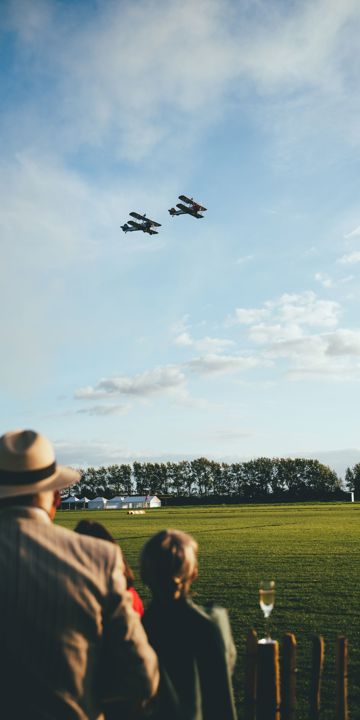
The Silver Spitfire
The iconic spitfire covered almost 43,000 kilometres and visited over 20 countries on its epic journey and currently resides at our Aerodrome.
-
Flying Experiences
-
Pilot Information
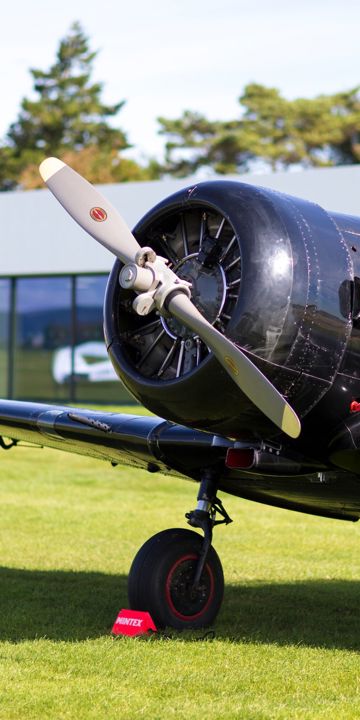

Flying with Goodwood
Come with us for an epic journey.
-
Flying School
-
Meetings
-
Venue Hire
-
Goodwood House
-
The Racecourse
-
The Goodwood Hotel
-
The Motor Circuit
-
The Kennels
-
The Aerodrome
-
The Great Outdoors
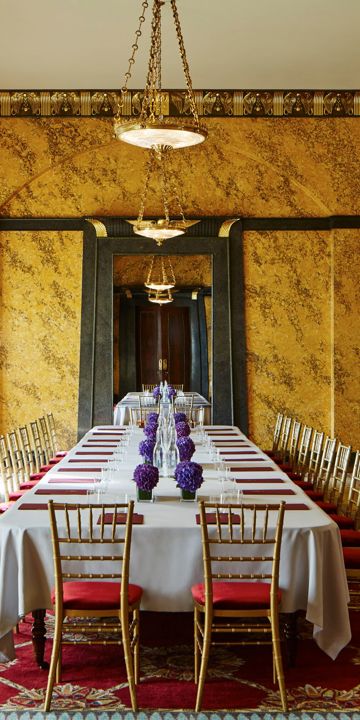
Where else can you...
...plan strategy in an ancient woodland, enjoy award-winning dining then drive around a racetrack?
-
Goodwood House
-
Plan Your Meeting
-
Parties
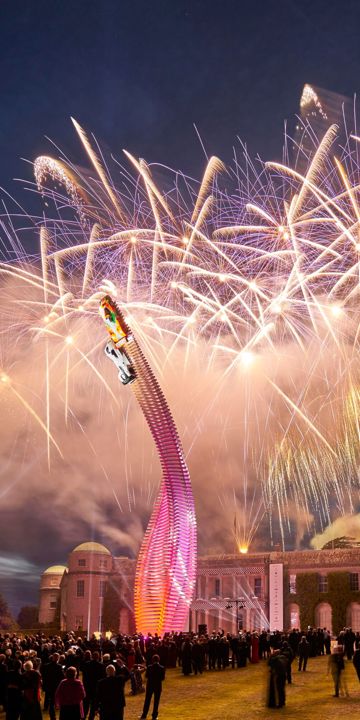
Where else can you...
...plan strategy in an ancient woodland, enjoy award-winning dining then drive around a racetrack?
-
Hospitality

-
Corporate Experiences
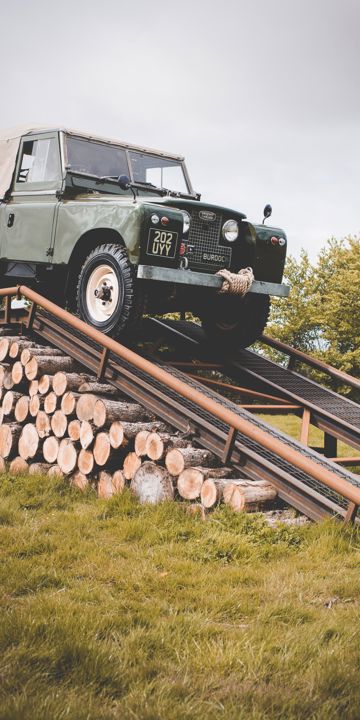
Where else can you...
...plan strategy in an ancient woodland, enjoy award-winning dining then drive around a racetrack?
-
Christmas Parties
-
Film Locations
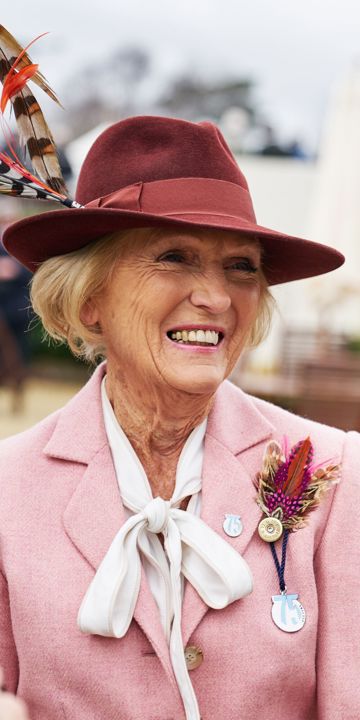
Where else can you...
...plan strategy in an ancient woodland, enjoy award-winning dining then drive around a racetrack?
-
Venue Hire
-
Weddings
-
Goodwood House
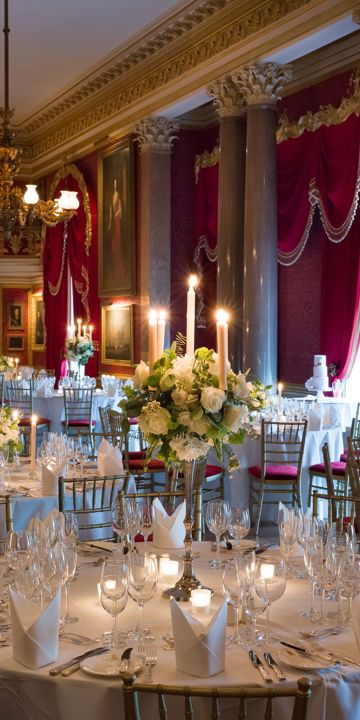
Estate Crest
"En la rose je fleurie" or "Like the rose, I flourish" is part of the Richmond coat of Arms and motto
-
The Kennels

An exclusive clubhouse
As the private clubhouse for all of the Estate’s sporting and social members, it offers personal service and a relaxed atmosphere
-
Parties
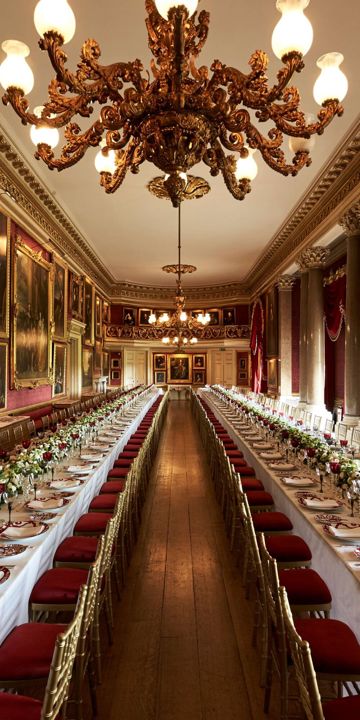


A destination for all seasons
We're well known for our iconic motorsport and horseracing events. But there's a lot more happening at Goodwood...
-
Goodwood House
-
Memberships
-
Goodwood Road Racing Club
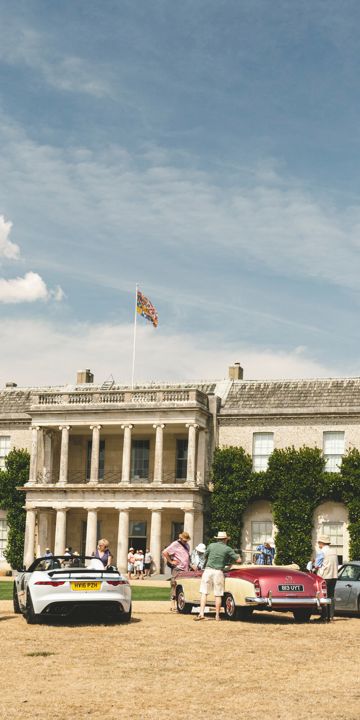
When was the GRRC founded?
Established in 1998 by the Duke of Richmond, the Goodwood Road Racing Club offers exclusive benefits across the estate year-round -
Goodwood Horseracing Club
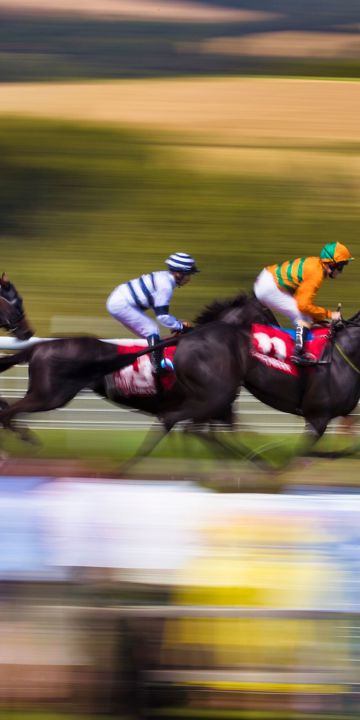
"Glorious Goodwood"
The first public race meeting took place in 1802 and, through the nineteenth century, ‘Glorious Goodwood,’ as the press named it, became a highlight of the summer season
-
Golf At Goodwood
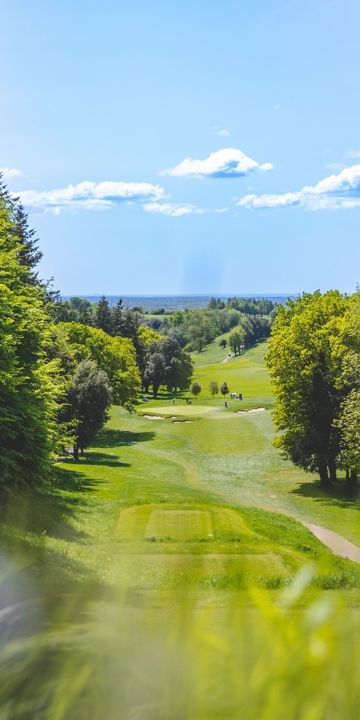
A sporting Estate
Goodwood has two 18-hole championship courses, a modern clubhouse and an impressive Academy. -
Goodwood Aero Club
The Silver Spitfire
The iconic spitfire covered almost 43,000 kilometres and visited over 20 countries on its epic journey and currently resides at our Aerodrome.
-
Goodwood Health Club
Goodwood's first Health Summit...
...took place in 2023 with industry experts discussing nutrition costs and food systems for a healthier future. -
The Kennels

An exclusive clubhouse
As the private clubhouse for all of the Estate’s sporting and social members, it offers personal service and a relaxed atmosphere
-
Sporting Membership

Cricketers since 1702
The oldest existing rules for the game were drawn up for a match between the 2nd Duke and a neighbour
-
Goodwood Racehorse Owners Group
-
Goodwood Art Foundation
-
Goodwood Road Racing Club
- Classic Car Insurance
- Health & Wellbeing
- Buy Merchandise
-
Our Estate
-
What's on
-
Estate Map
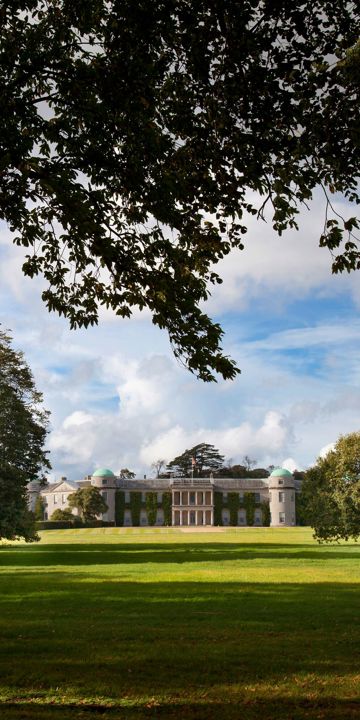

A different breed...
Goodwood’s pigs are a mix of two rare breeds (Gloucester Old Spots and Saddlebacks) plus the Large White Boar.
-
Stories from the Estate
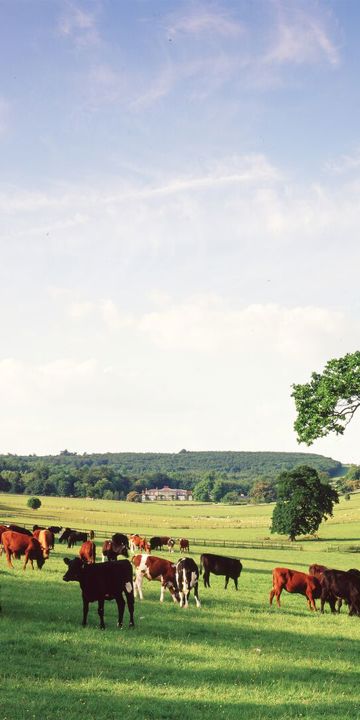

Fashionable foxhounds
The 1st Duke of Richmond bought Goodwood in 1697 as a place to stay to go foxhunting with the fashionable Charlton Hunt. -
Sports
-
Goodwood Education Trust
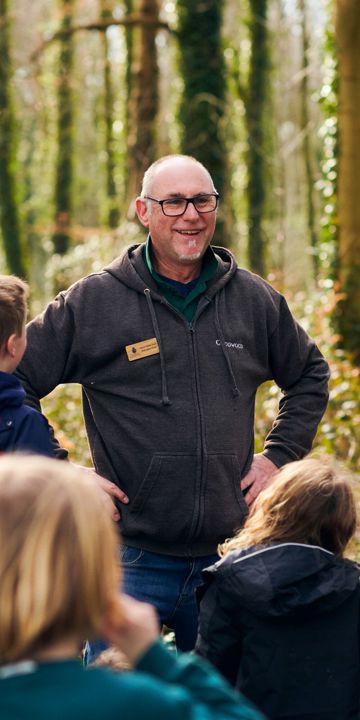

21,000 litres...
Alongside the award-winning meat, we also produce 21,000 litres of milk a week, used to make our cheeses. -
Charities
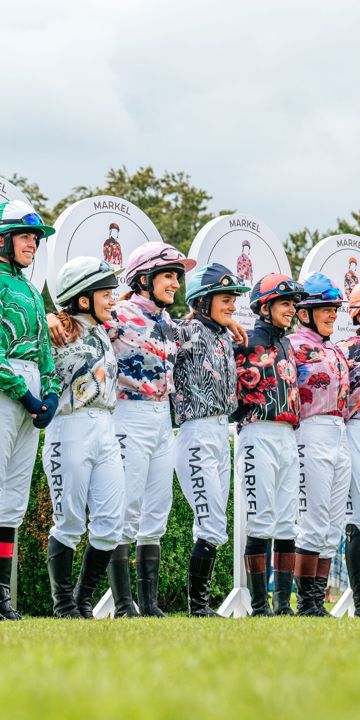
Cricketers since 1702
The oldest existing rules for the game were drawn up for a match between the 2nd Duke and a neighbour
-
Sustainability
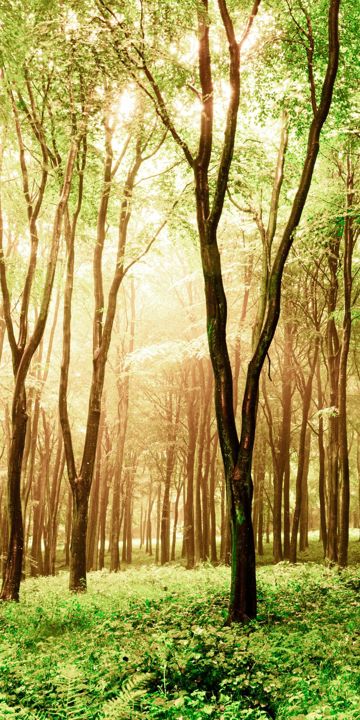
Filming at Goodwood
We have been host to many incredible film crews using Goodwood as a backdrop for shows like Downton Abbey, Hollywood Blockbusters like Venom: let there be Carnage and the Man from U.N.C.L.E.
-
Diversity, Equity & inclusion
-
Property
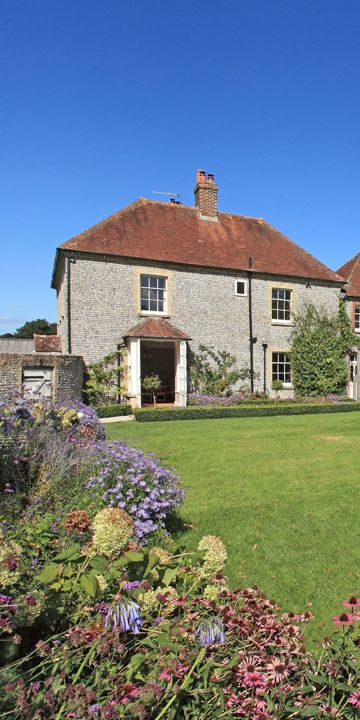
During the war...
The Motor Circuit was known as RAF Westhampnett, active from 1940 to 1946 as a Battle of Britain station. -
Walking Guide

Carne's Seat
Just beyond Goodwood House along the Hillclimb, the 2nd Dukes banqueting house was also known as "one of the finest rooms in England" (George Vertue 1747).
-
Dog Walking Field
-
Careers
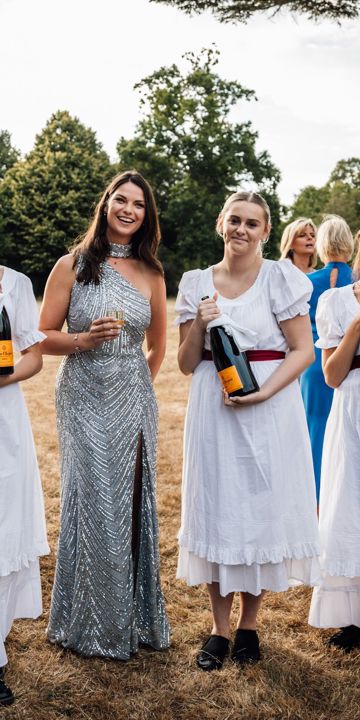
Estate Crest
"En la rose je fleurie" or "Like the rose, I flourish" is part of the Richmond coat of Arms and motto
-
Goodwood Art Foundation
-
Farm Shop
-
What's on
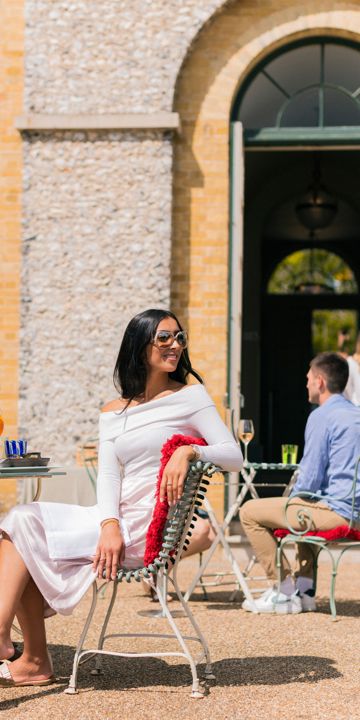


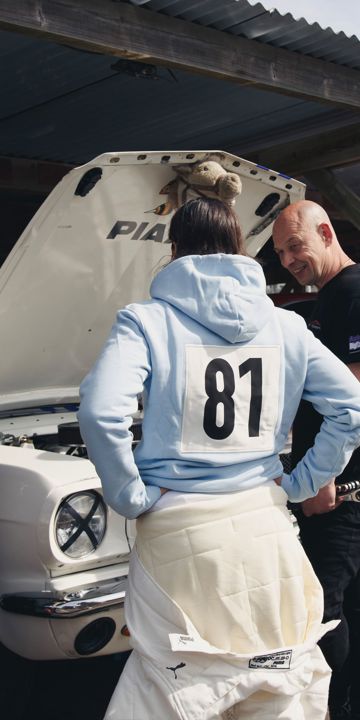

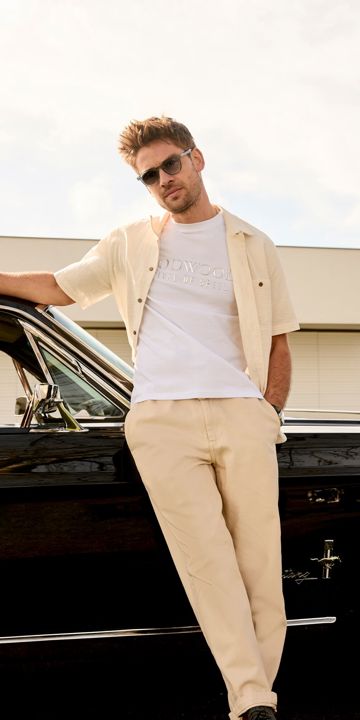
Upcoming Events

The breakthrough
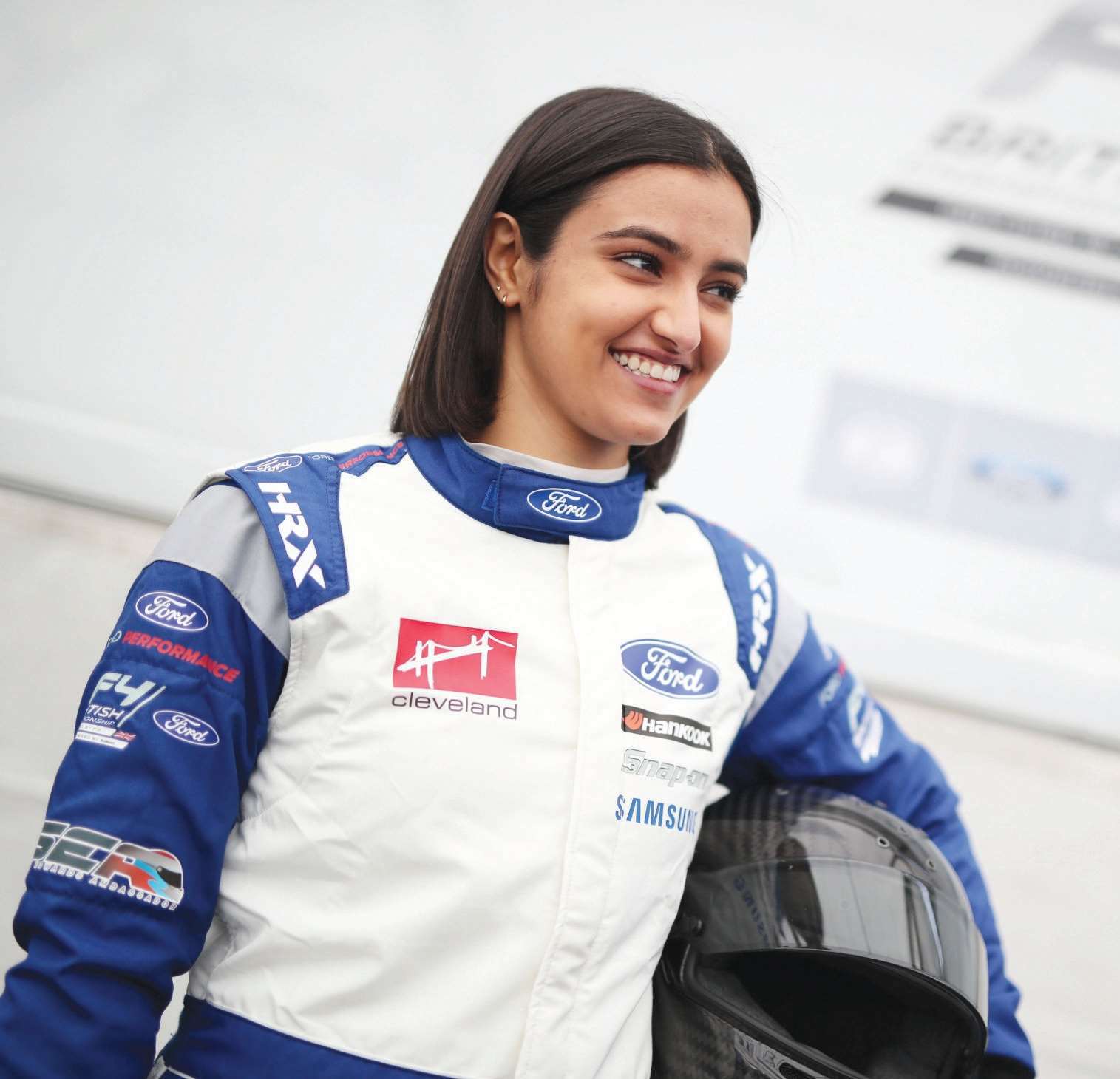
This year, Reema Al Juffali became the first Saudi woman to compete in motor racing – just months after her country lifted a ban on women driving. So how did she do it?
Words by Erin Baker
Goodwood Magazine
Estate News
Festival of Speed
There are two ways, it transpires, to become a successful racing driver. One is to start racing karts as a child, enjoy plentiful support from family and friends, grow up living and breathing cars, progress through the national ranks, encouraged at every stage by town and country, and finally, get into a championship series.
The other way is to have grown up female in Saudi Arabia when women were banned from driving. You grow up not knowing what it’s like to hold a steering wheel, have no knowledge about cars, then head to the US to study, think to yourself, “Motorsport looks fun,” and bingo, you’re making your debut in Formula 4.
Bonkers, eh? True story, though. This April, Reema Al Juffali, a 27-year-old Saudi woman, made the headlines by competing in the British F4 Championship at Brands Hatch, less than a year after her home country lifted its ban on female drivers.
I was so used to the F1 format of racing, where the leading car generally wins the race. In endurance racing there seemed to be more variables to play with – it was unpredictable.
Everything about Al Juffali’s approach to motorsport is unconventional, but miraculously it appears to be working. It wasn’t the glitter of Formula 1, for example, that first attracted her to the sport, but the hard slog of the 24 Hours of Le Mans endurance race. “I thought there was a lot more strategy involved,” she says, applying typical intellectual rigour to her approach (she studied International Affairs at Northeastern University, Boston). “I was so used to the F1 format of racing, where the leading car generally wins the race. In endurance racing there seemed to be more variables to play with – it was unpredictable.” She also liked the fact that the average age of endurance racing drivers was higher than in F1; it made the whole sport seem more accessible to such a late-comer.
Then, of course there’s the small matter of her homeland’s attitude towards women driving cars. Al Juffali is back in Jeddah these days, where she drives a VW Golf GTI (“It’s a fun car,” she says, “but I do like my classics. I’m a big fan of 1960s Mustangs, Porsches and Mercs”). Just a few years ago, “going racing” wasn’t remotely on her radar. “I had no aspirations [to race]. I didn’t grow up around a racing culture and at the time women couldn’t drive in Saudi Arabia. And I’m now representing my country as a female racing driver. Who would have guessed?” So how did she feel when the Saudi ban was lifted? “It was a moment I’d always looked forward to,” she says. “I knew all the roads and how to get places, so it felt natural. But being behind the wheel for the first time at home… I couldn’t help but smile. It was a great feeling.”
Women driving in Saudi is undoubtedly something new to all and, like everything new, it will take some time to sink in
Despite the apparent liberation, I wonder if women are still nervous about driving in Saudi Arabia, and whether there is still opposition. “Saudi women have come a long way and I’m very proud of their accomplishments,” she says. “Women driving in Saudi is undoubtedly something new to all and, like everything new, it will take some time to sink in,” she adds diplomatically.
Al Juffali has built a career on the strange foundation of more disadvantages than your average female racing driver – not just the lack of driving experience on the road, but also, no background in karts. She is sanguine about this, and argues that while her competitors on the track might have had more experience, she can “learn everything from scratch and build on it in the best way possible”.
Like all the female racing drivers I’ve ever spoken to, she doesn’t believe there’s an inherent physical disadvantage for her as a woman in racing. “Many female racers have proven that [there is no physical disadvantage] already. The disadvantage women face in motorsport is opportunity,” she says. “Inside a car, men and women are no different. I really believe that as long as women have been given the same opportunity from the start of their training, we will see them in F1.”
I’m a motorhead at heart - which I find inexplicably comforting
If optimism could secure you a podium finish, Al Juffali would walk away with top honours at every race.
Finally, I ask this newly minted petrolhead for her feelings on the growth of Formula E and electric motorsport. Does a fresh pair of eyes mean a fresh approach to the industry? “I love the fact that Formula E races are all on street circuits, but I’m a motorhead at heart,” she says – which I find inexplicably comforting.
Reema Al Juffali will be appearing at Goodwood Festival of Speed, which takes place July 4 – 7 2019
This article was taken from the Summer 2019 edition of the Goodwood Magazine.
Goodwood Magazine
Estate News
Festival of Speed