-
Events
-
Festival of Speed
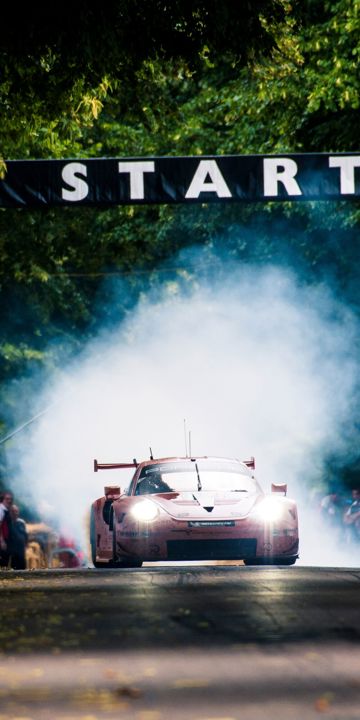

The Hillclimb Record
Nick Heidfelds 1999 (41.6s) hillclimb record was beaten after Max Chilton in his McMurtry Spéirling fan car tore it to shreds at 39.08s in 2022!
-
Goodwood Revival


Earls Court replica
Our replica of the famous motor show showcases the "cars of the future" in true Revival style
-
Members' Meeting
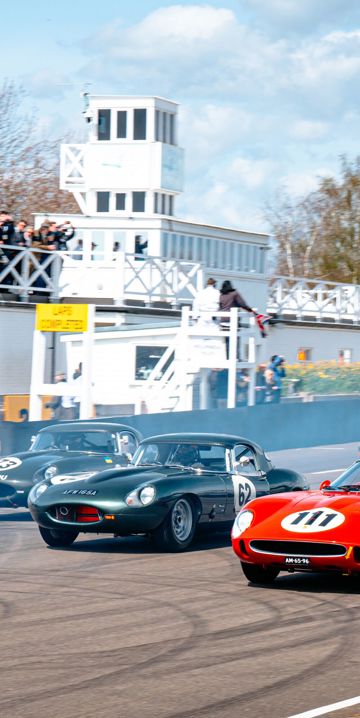

More than motorsport...
Ferret racing and duck herding are two of the many off-track activities at Members' Meeting -
Qatar Goodwood Festival
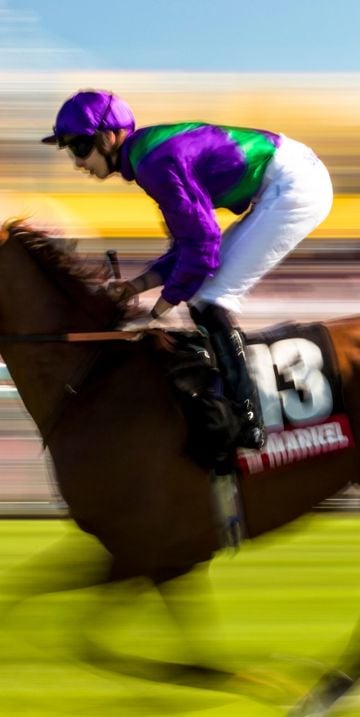

Why does everyone wear hats?
One Summer, King Edward VII turned his back on the traditional morning suit, and donned a linen suit and Panama hat. Thus the Glorious Goodwood trend was born.
-
Goodwoof
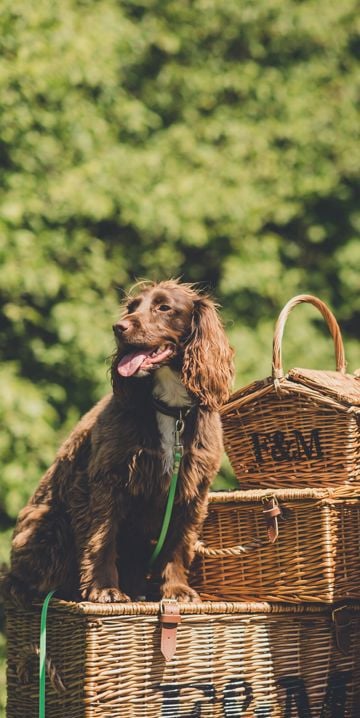

Start in style
The breed parade sees hundreds of dogs and their owners walk from Goodwood House down to The Kennels to kick start the Goodwoof weekend. -
Horseracing
-
Season Opener
-
May Festival
-
Family Race Day
-
Three Friday Nights
-
August Bank Holiday
-
Autumn Racing
-
Season Finale
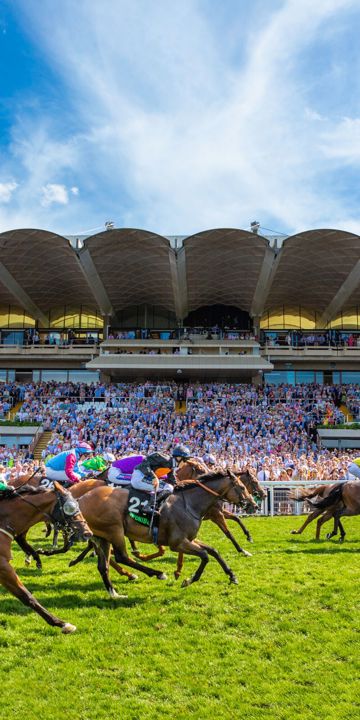

Royal approval
King Edward VII (who came almost every year) famously dubbed Glorious Goodwood “a garden party with racing tacked on”.
-
Season Opener
-
Breakfast Club
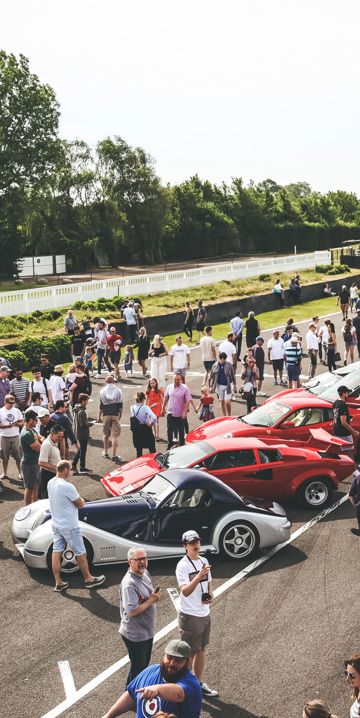

A perfect Sunday morning?
A no-cost, all-welcome motoring show where the visitors and their machines are the stars -
Health Summit
-
Hospitality
-
Exhibiting
-
Partnerships
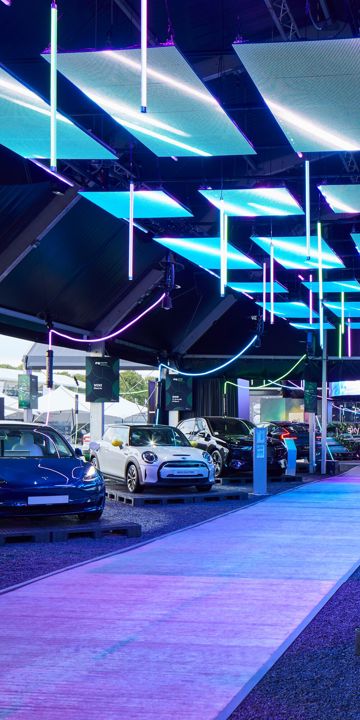

Where else can you...
...plan strategy in an ancient woodland, enjoy award-winning dining then drive around a racetrack?
-
What's on
-
Festival of Speed
-
Visit, Eat, Stay
-
The Goodwood Hotel
-
Rooms
-
Contact Us
-
Christmas
-
New Year's Eve
-
Weddings
-
Kids Activities
-
Offers
-
Local Attractions
-
Plan your stay

During the war...
The Motor Circuit was known as RAF Westhampnett, active from 1940 to 1946 as a Battle of Britain station. -
Rooms
-
Goodwood Cottages


Filming at Goodwood
We have been host to many incredible film crews using Goodwood as a backdrop for shows like Downton Abbey, Hollywood Blockbusters like Venom: let there be Carnage and the Man from U.N.C.L.E.
-
Goodwood House
-
Afternoon Tea & Tour
-
The Collection
-
Exhibitions
-
History
-
Weddings
-
Copper Dome Restoration
-
Secrets of a Radical Duke Talk by Professor Danielle Allen

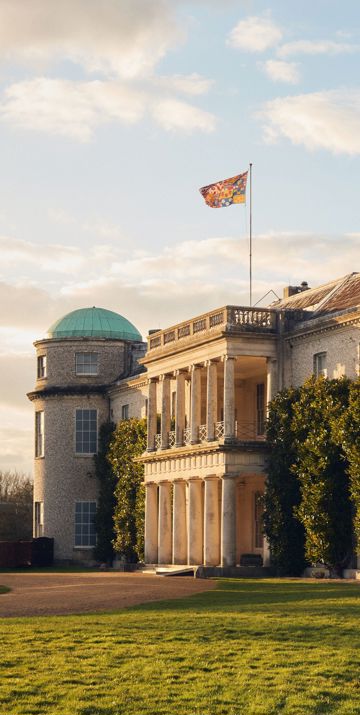

Our Paintings Collection
The origins of the collection lay in the possessions of Louise de Keroualle, Duchess of Portsmouth, and Duchess of Aubigny in France, to whom some of the paintings originally belonged.
-
Afternoon Tea & Tour
-
Restaurants
-
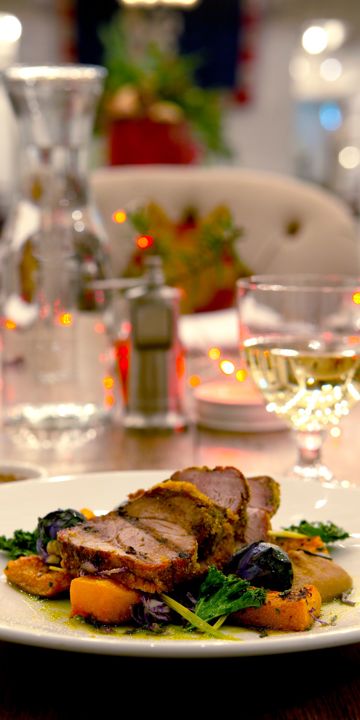
Farmer, Butcher, Chef
-
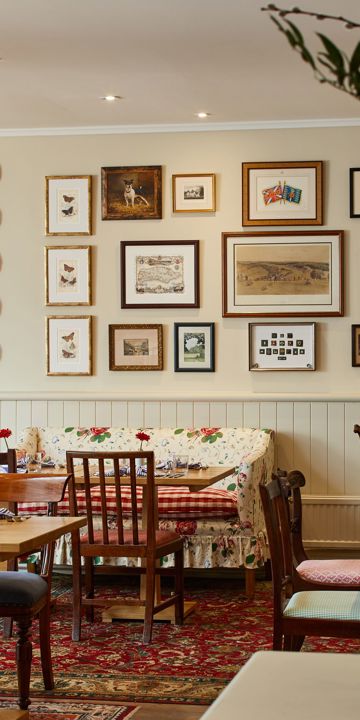
The Goodwood Bar & Grill
-
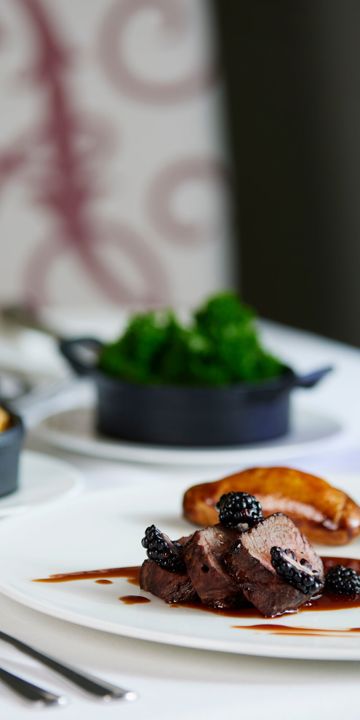
The Kennels
-
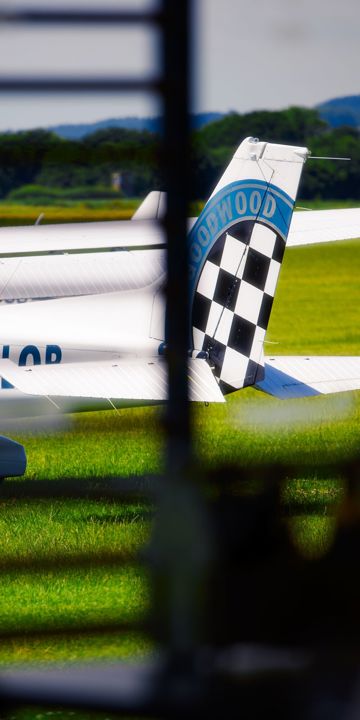
Aerodrome Café
-
Motor Circuit Café

-
Cafe 24
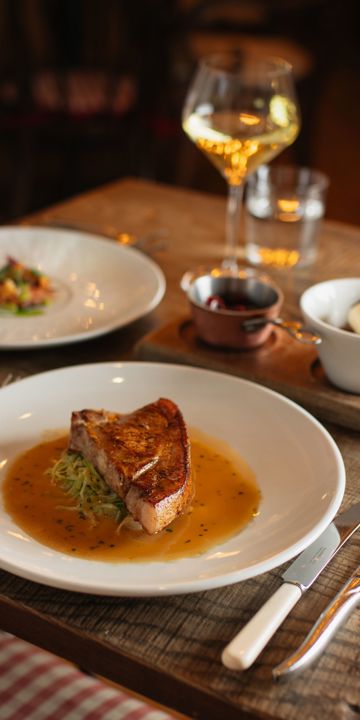

Sustainable state-of-mind
When Farmer, Butcher, Chef opened in 2016 it was awarded the UK’s first-ever Royal Academy of Culinary Arts ‘Sustainable Food Philosophy Seal’. -
Farmer, Butcher, Chef
-
The Kennels
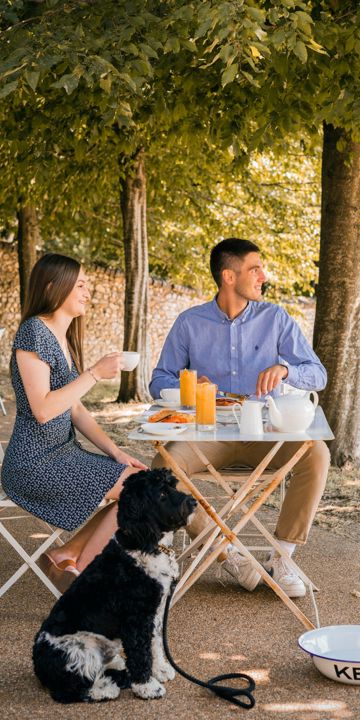

An exclusive clubhouse
As the private clubhouse for all of the Estate’s sporting and social members, it offers personal service and a relaxed atmosphere
-
Motor Circuit
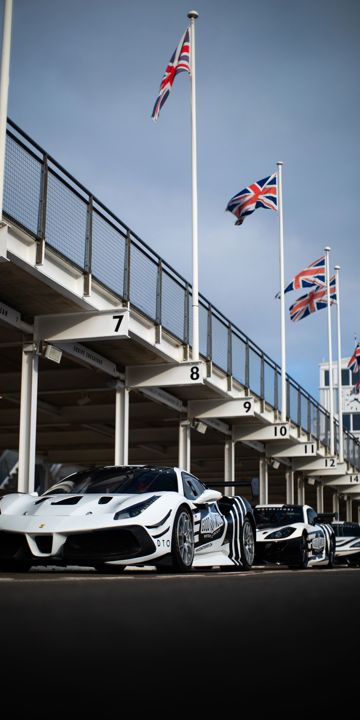

Grogger
Easy boy! The charismatic Farnham Flyer loved to celebrate every win with a pint of beer. His Boxer dog, Grogger, did too and had a tendancy to steal sips straight from the glass.
-
Health & Wellbeing
-
Membership
-
Health Club
-
Gym
-
Run Series
-
Spa Treatments
-
Wellness Retreats
-
Events Calendar
-
Corporate Wellbeing
-
Health Summit
-
Latest News

Goodwood's first Health Summit...
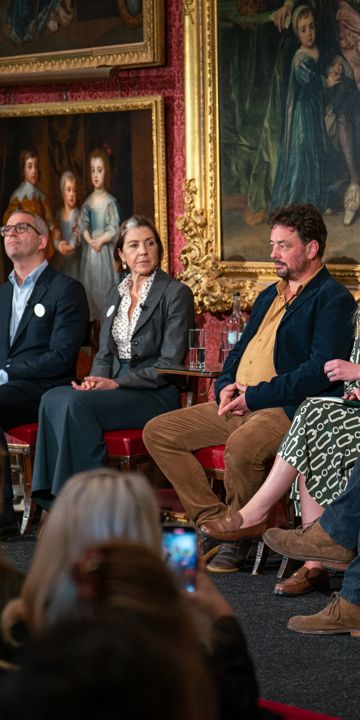
...took place in 2023 with industry experts discussing nutrition costs and food systems for a healthier future. -
Membership
-
Hound Lodge
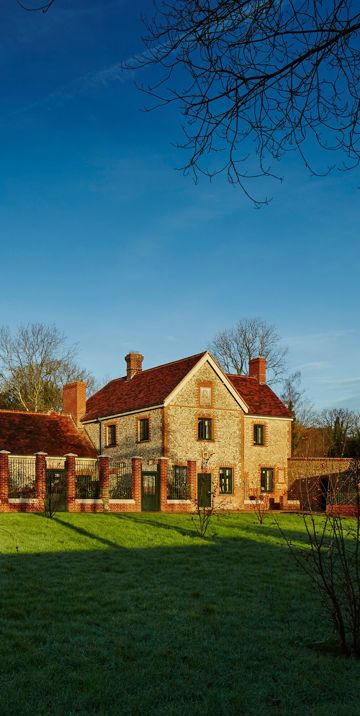

What's the best room?
Dido is traditionally for the host, but every single room is designed with personal touches from Cindy Leveson and the Duke & Duchess of Richmond.
-
Goodwood Farm Shop


St Simon
Whoa Simon! A horse so determined and headstrong, he not only won the 1883 Goodwood Cup by 20 lengths, but couldn't be stopped and carried on running over the top of Trundle hill
-
Parties
-
Goodwood Art Foundation
-
The Goodwood Hotel
-
Motorsport
-
Festival of Speed
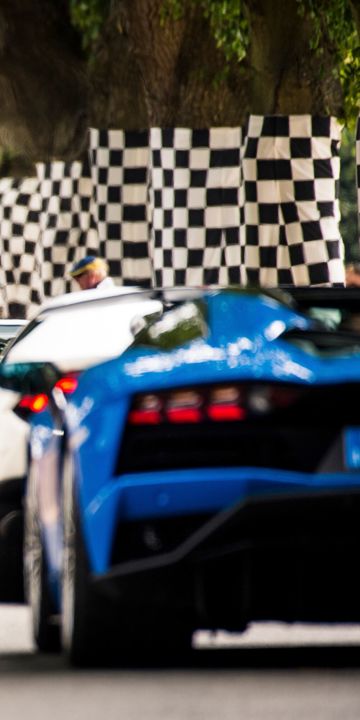

Have you visited our Forest Rally Stage?
From 2005 to present there has been a demonstration area for the rally cars at the top of the hill
-
Goodwood Revival


"Mr Goodwood"
Sir Stirling Moss was one of the founding patrons of the Festival of Speed, and a regular competitor at the Revival.
-
Members' Meeting
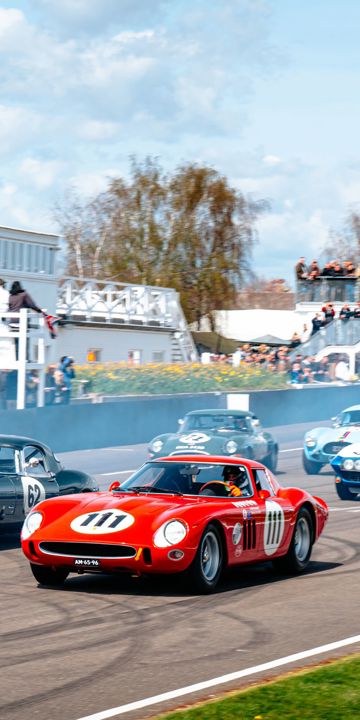

Goodwood Heroes
Legend of Goodwood's golden racing era and Le Mans winner Roy Salvadori once famously said "give me Goodwood on a summer's day and you can forget the rest".
-
Breakfast Club
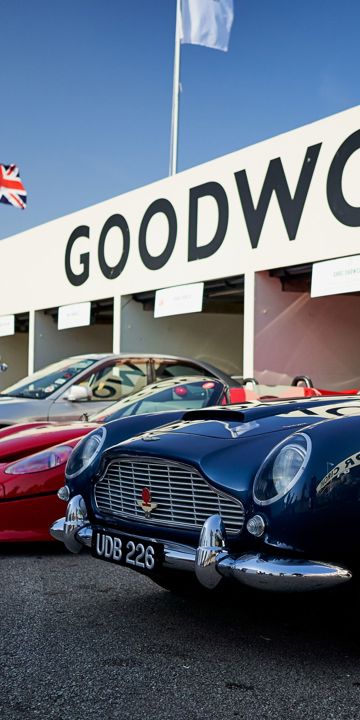

A bright future at #FOS
Future Lab is Goodwood's innovation pavilion, inspiring industry enthusiasts and future scientists with dynamic tech
-
Motor Circuit
St Simon
Whoa Simon! A horse so determined and headstrong, he not only won the 1883 Goodwood Cup by 20 lengths, but couldn't be stopped and carried on running over the top of Trundle hill
-
Driving Experiences
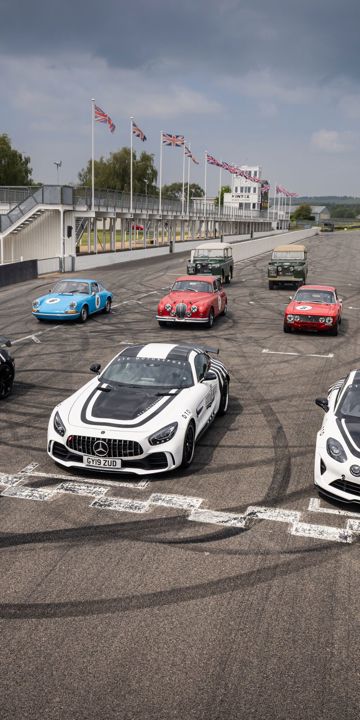

"Motorsport garden party of the gods"
Festival of Speed is our longest-standing Motorsport event, starting in 1993 when it opened to 25,00 people. We were expecting 2000!
-
Goodwood Road Racing Club
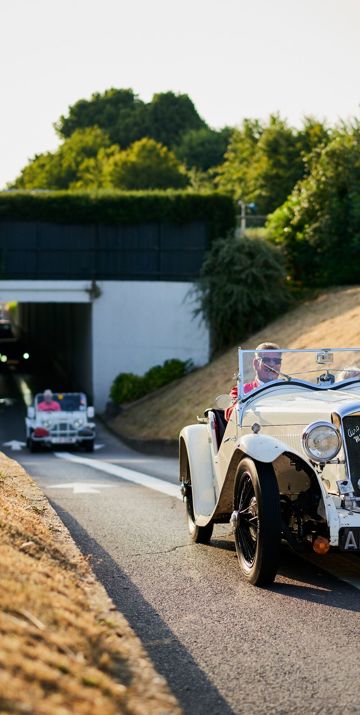

The Hillclimb
The 1.16-mile hillclimb has been the centre of the action since the first festival in 1993. -
Latest News
-
Festival of Speed
-
Horseracing
-
Tickets & Packages
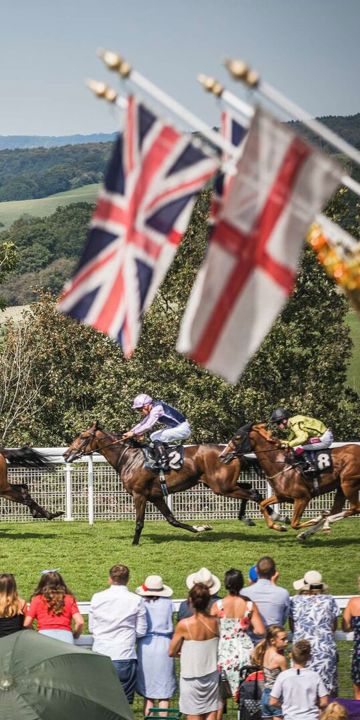

Why walk when you can drive
The first ever horsebox was used from Goodwood to Doncaster for the 1836 St. Leger. Elis arrived fresh and easily won his owner a £12k bet.
-
Hospitality
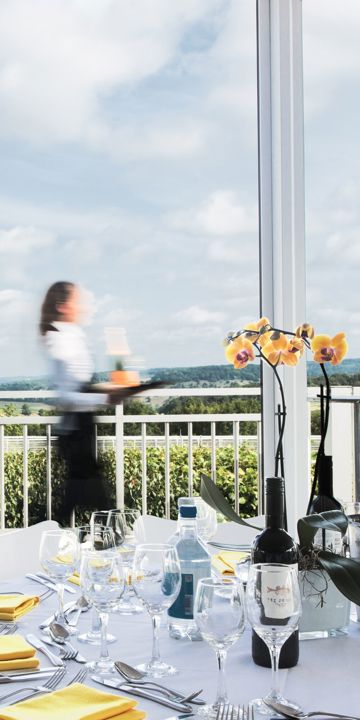
Royal approval
King Edward VII (who came almost every year) famously dubbed Glorious Goodwood “a garden party with racing tacked on”.
-
Goodwood Horseracing Club
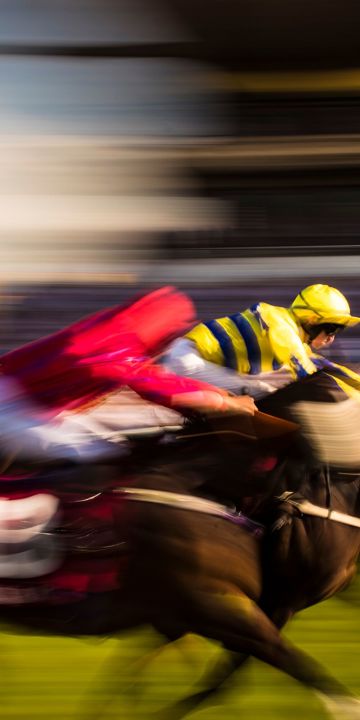

Racing Colours
The red & yellow of the Racecourse can be traced back hundreds of years, even captured in our stunning Stubbs paintings in the Goodwood Collection
-
Fixtures & Events
-
Season Opener
-
May Festival
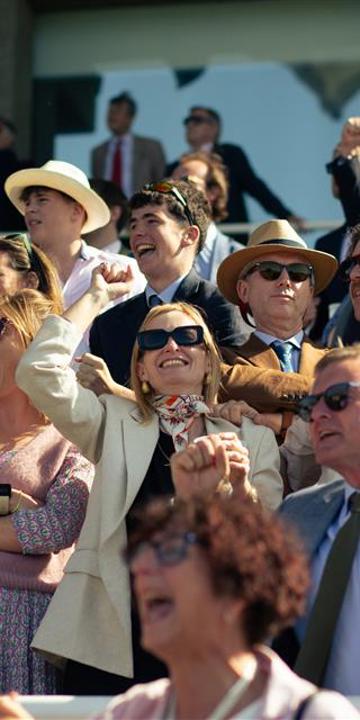
-
Family Race Day
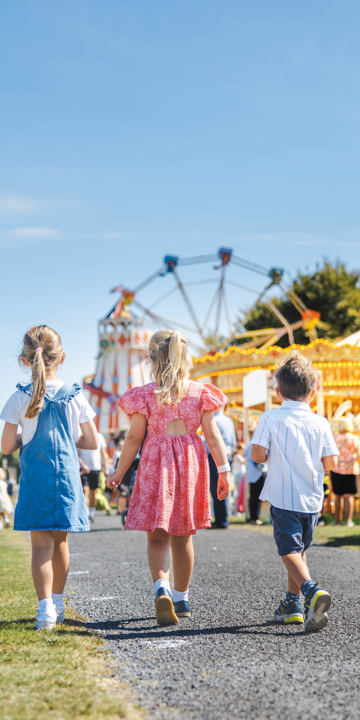
-
Three Friday Nights
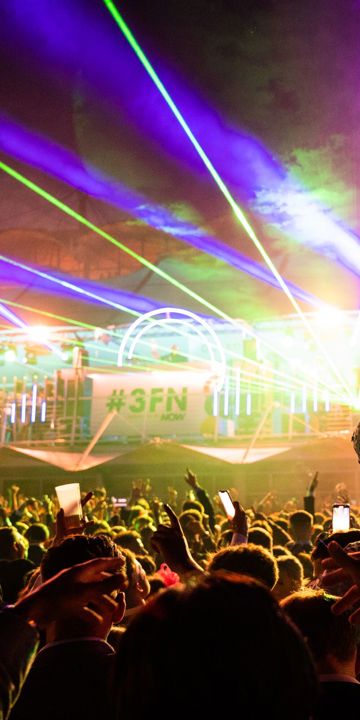
-
Qatar Goodwood Festival
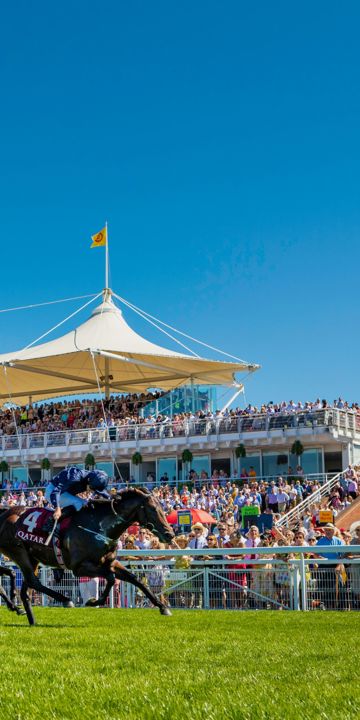
-
August Bank Holiday
-
Autumn Racing
-
Season Finale
St Simon
Whoa Simon! A horse so determined and headstrong, he not only won the 1883 Goodwood Cup by 20 lengths, but couldn't be stopped and carried on running over the top of Trundle hill
-
Season Opener
-
Qatar Goodwood Festival
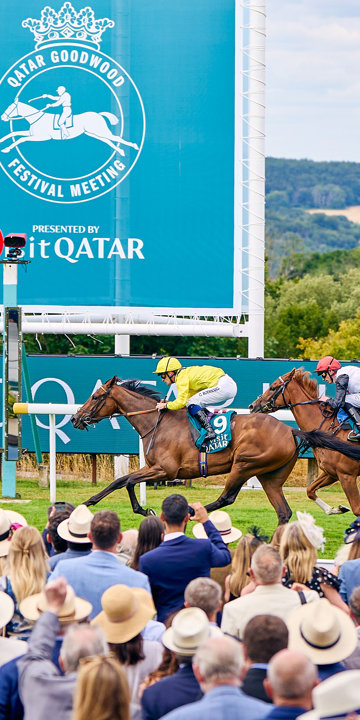

Wearing Linen at the Races
Ever since King Edward VII relaxed the dress code in the 19th century, we have enjoyed a carefree holiday feel here, unlike any other racecourse. -
Three Friday Nights
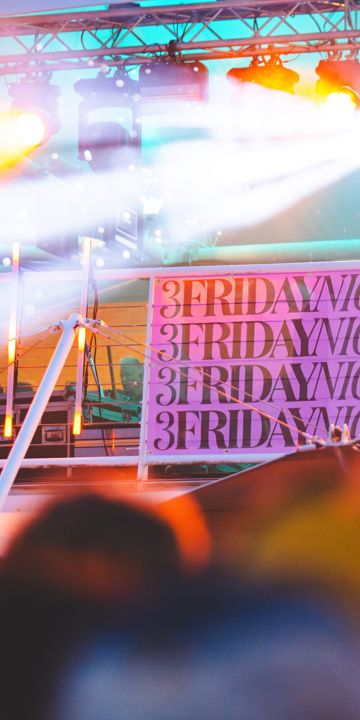

The Magnolia Cup
Leading women of business, sport, fashion and media, take part in one of the most exciting horseracing events in the world.
-
Plan Your Day
-
Enclosures
-
Event Map
-
Going Report
-
Getting Here
-
Betting at Goodwood
-
Dress Code
-
Accessibility
-
Food & Drink
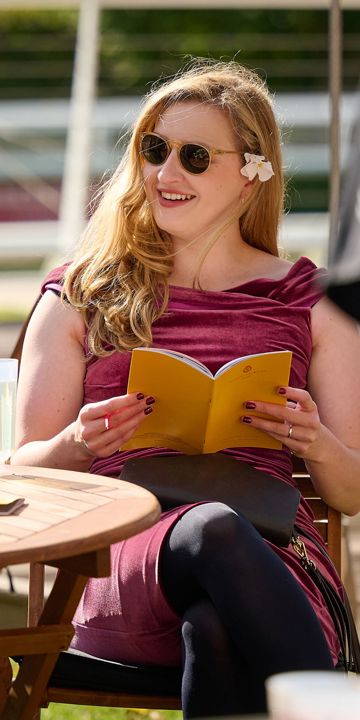
Why does everyone wear hats?
One Summer, King Edward VII turned his back on the traditional morning suit, and donned a linen suit and Panama hat. Thus the Glorious Goodwood trend was born.
-
Enclosures
-
Buy Merchandise
-
Partners
-
Owners & Trainers
-
Latest News
-
FAQs
-
Accessibility
-
Tickets & Packages
-
Experiences
-
Driving
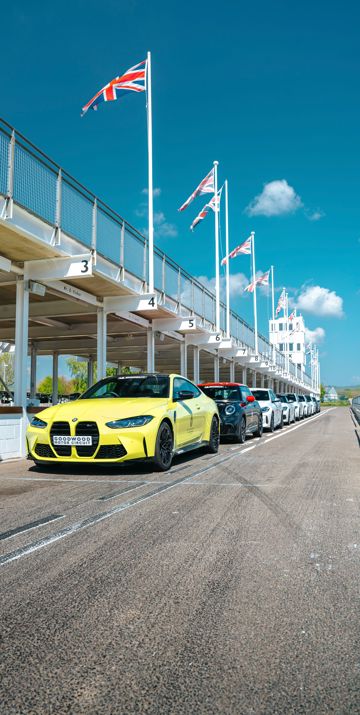

Mad Mike
FOS Favourite Mad Mike Whiddett can be caught melting tyres in his incredible collection of cars (and trucks) up the hillclimb
-
Flying
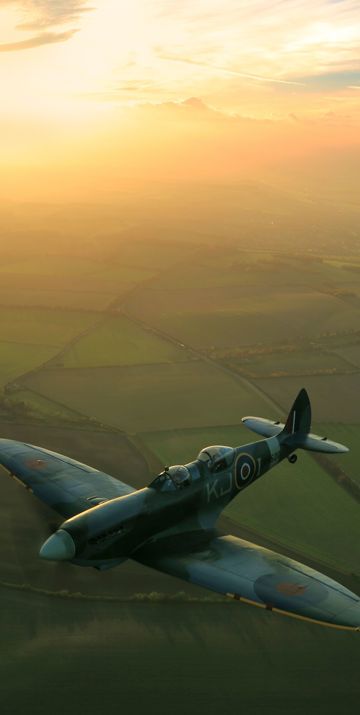

Flying with Goodwood
Come with us for an epic journey. -
Golf

Braid’s Masterpiece
One of the greatest golfers of all time, James Braid designed Goodwood’s iconic Downland course, opened in 1914.
-
Shooting
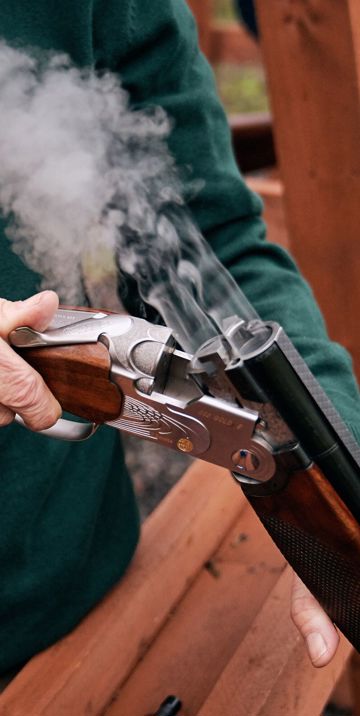

Levin Down Gin
Our gin uses wild-grown botanicals sourced from the estate, and is distilled with mineral water naturally chalk-filtered through the South Downs.
-
Afternoon Tea
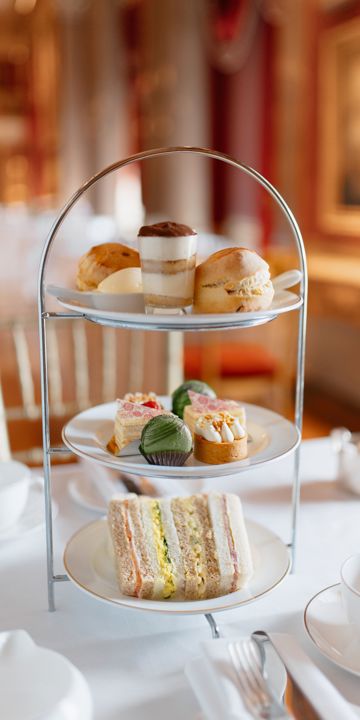
Duke of Richmond and Gordon
The Duke of Richmond holds the title of Duke of Richmond and Gordon. This title reflects the historical association with both the Richmond and Gordon families.
-
Corporate Wellbeing
Goodwood's first Health Summit...
...took place in 2023 with industry experts discussing nutrition costs and food systems for a healthier future. -
Cycling
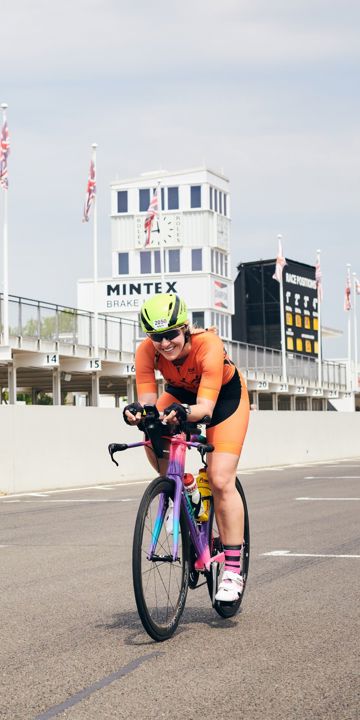
During the war...
The Motor Circuit was known as RAF Westhampnett, active from 1940 to 1946 as a Battle of Britain station. -
Corporate Experiences
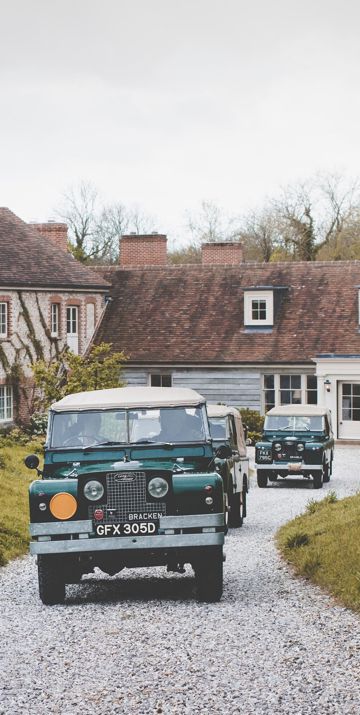
Where else can you...
...plan strategy in an ancient woodland, enjoy award-winning dining then drive around a racetrack?
-
Spa Treatments
-
Driving
- Hospitality
-
Golf
-
Golf Courses
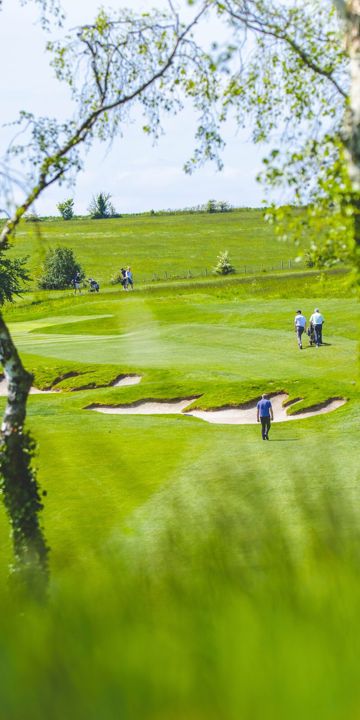

Over 100 years of Golf
The first ever round of golf played at Goodwood was in 1914 when the 6th Duke of Richmond opened the course on the Downs above Goodwood House.
-
Golf Membership
-
Credit Membership
-
Application Form
-
Braid Membership
-
Intermediate Membership
-
Junior Membership
-
Corporate Membership
-
Copse Membership

Braid’s Masterpiece
One of the greatest golfers of all time, James Braid designed Goodwood’s iconic Downland course, opened in 1914.
-
Credit Membership
-
The Academy
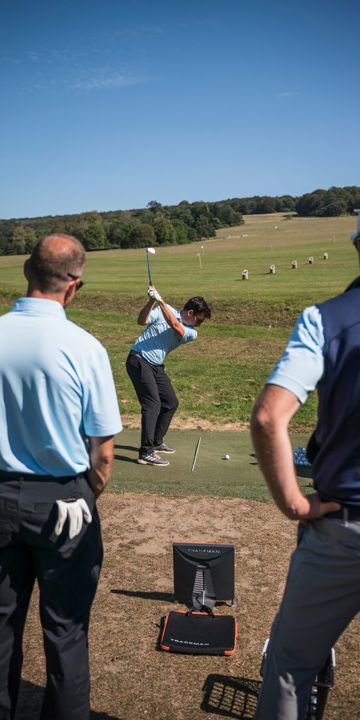

A sporting Estate
Goodwood has two 18-hole championship courses, a modern clubhouse and an impressive Academy. -
Golf Experiences

Over 100 years of Golf
The first ever round of golf played at Goodwood was in 1914 when the 6th Duke of Richmond opened the course on the Downs above Goodwood House.
-
Golf Courses
-
Flying
-
Flying School
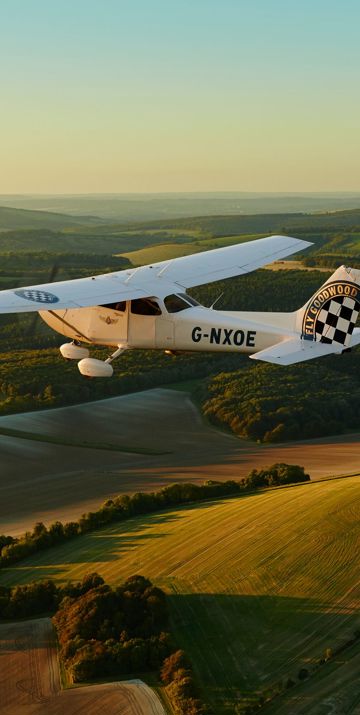
Flying with Goodwood
Come with us for an epic journey. -
Aero Club Membership
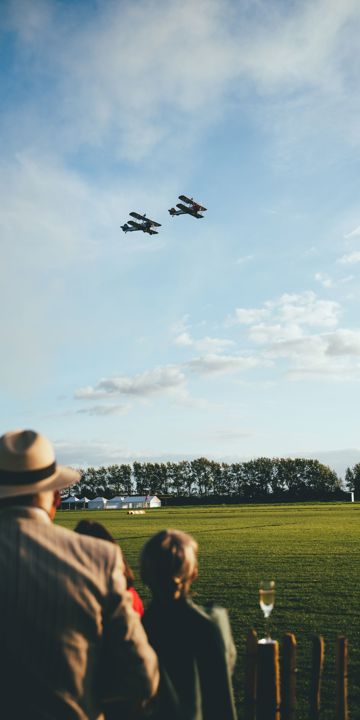

Group Captain Sir Douglas Bader
The famous fighter ace, who flew his last sortie from Goodwood Aerodrome, formerly RAF Westhampnett has a statue in his honor within the airfield.
-
Flying Experiences
-
Pilot Information
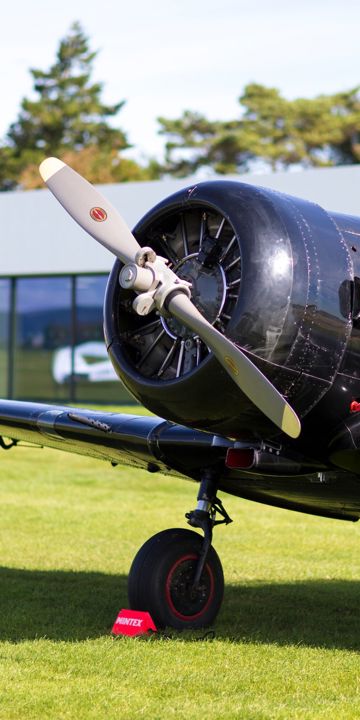

Battle of Britain
Flying training began at Goodwood in 1940 when pilots were taught operational flying techniques in Hurricanes and Spitfires.
-
Flying School
-
Meetings
-
Venue Hire
-
Goodwood House
-
The Racecourse
-
The Goodwood Hotel
-
The Motor Circuit
-
The Kennels
-
The Aerodrome
-
The Great Outdoors
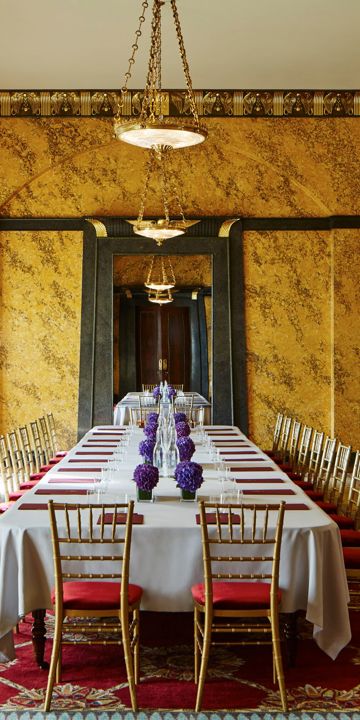
Where else can you...
...plan strategy in an ancient woodland, enjoy award-winning dining then drive around a racetrack?
-
Goodwood House
-
Plan Your Meeting
-
Parties
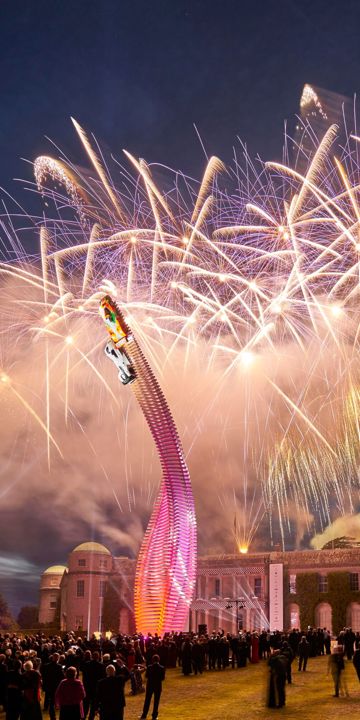
Where else can you...
...plan strategy in an ancient woodland, enjoy award-winning dining then drive around a racetrack?
-
Hospitality

-
Corporate Experiences
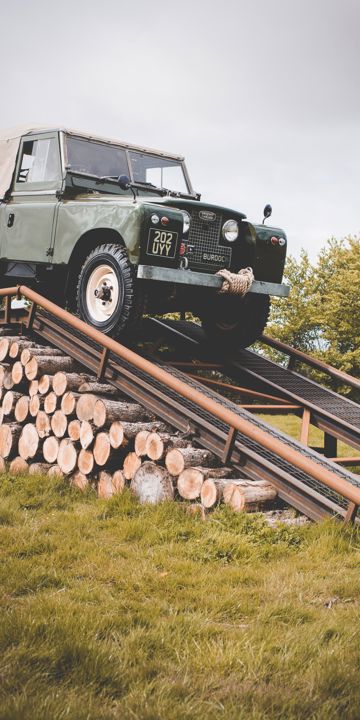
Where else can you...
...plan strategy in an ancient woodland, enjoy award-winning dining then drive around a racetrack?
-
Christmas Parties
-
Film Locations
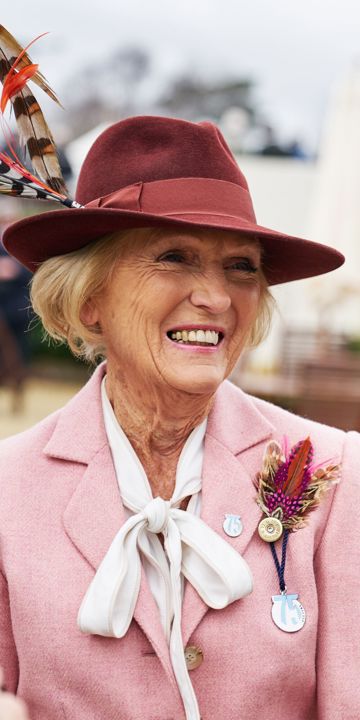
Where else can you...
...plan strategy in an ancient woodland, enjoy award-winning dining then drive around a racetrack?
-
Venue Hire
-
Weddings
-
Goodwood House
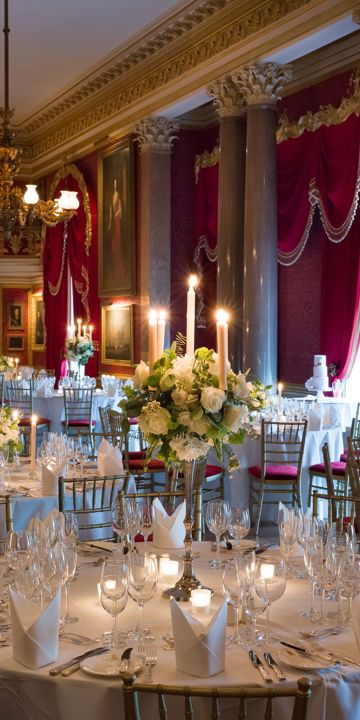
Shell house
A temple-folly guarded by two sphinxes, the beautiful shell house was built in 1748 with collected shells and the floor made from horse teeth.
-
The Kennels


Fashionable foxhounds
The 1st Duke of Richmond bought Goodwood in 1697 as a place to stay to go foxhunting with the fashionable Charlton Hunt. -
Parties
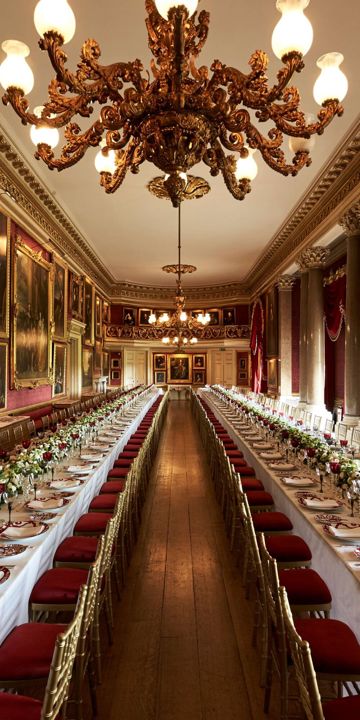
Where else can you...
...plan strategy in an ancient woodland, enjoy award-winning dining then drive around a racetrack?
-
Goodwood House
-
Memberships
-
Goodwood Road Racing Club
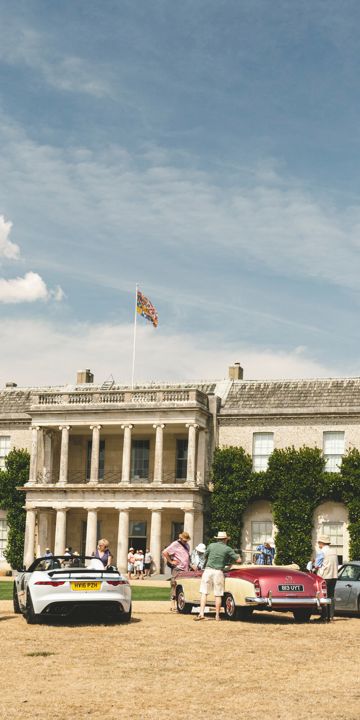
When was the GRRC founded?
Established in 1998 by the Duke of Richmond, the Goodwood Road Racing Club offers exclusive benefits across the estate year-round -
Goodwood Horseracing Club
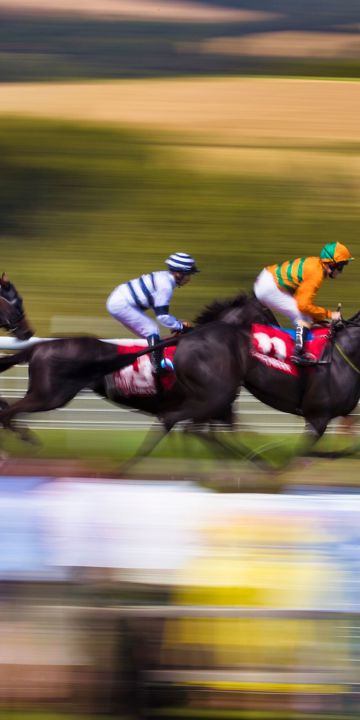
Wearing Linen at the Races
Ever since King Edward VII relaxed the dress code in the 19th century, we have enjoyed a carefree holiday feel here, unlike any other racecourse. -
Golf At Goodwood
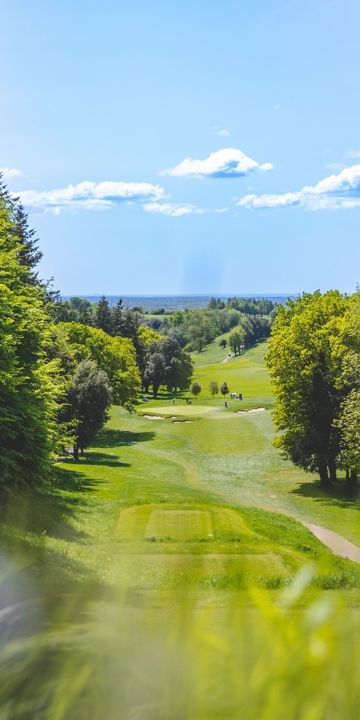
A sporting Estate
Goodwood has two 18-hole championship courses, a modern clubhouse and an impressive Academy. -
Goodwood Aero Club
Battle of Britain
Flying training began at Goodwood in 1940 when pilots were taught operational flying techniques in Hurricanes and Spitfires.
-
Goodwood Health Club
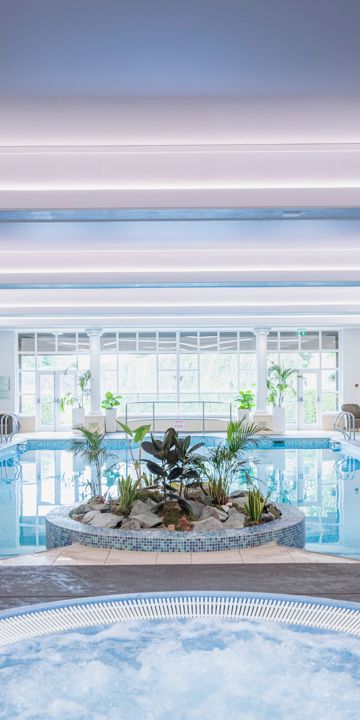
Goodwood's first Health Summit...
...took place in 2023 with industry experts discussing nutrition costs and food systems for a healthier future. -
The Kennels


How old is The Kennels?
Built in 1787 by celebrated architect James Wyatt to house the third Duke of Richmond’s prized fox hounds, The Kennels was known as one of the most luxurious dog houses in the world!
-
Sporting Membership

Filming at Goodwood
We have been host to many incredible film crews using Goodwood as a backdrop for shows like Downton Abbey, Hollywood Blockbusters like Venom: let there be Carnage and the Man from U.N.C.L.E.
-
Goodwood Racehorse Owners Group
-
Goodwood Art Foundation
-
Goodwood Road Racing Club
- Classic Car Insurance
- Health & Wellbeing
- Buy Merchandise
-
Our Estate
-
What's on
-
Estate Map
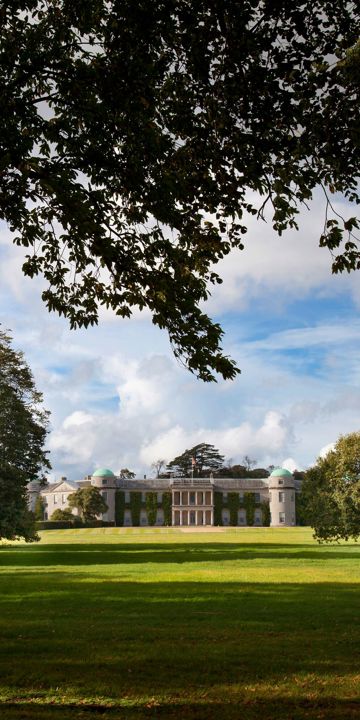
Levin Down Gin
Our gin uses wild-grown botanicals sourced from the estate, and is distilled with mineral water naturally chalk-filtered through the South Downs.
-
Stories from the Estate
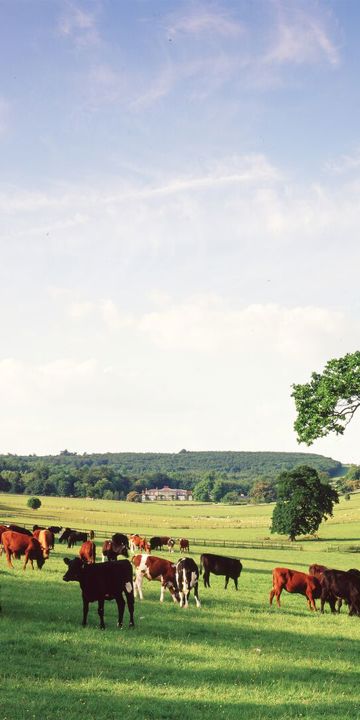
St Simon
Whoa Simon! A horse so determined and headstrong, he not only won the 1883 Goodwood Cup by 20 lengths, but couldn't be stopped and carried on running over the top of Trundle hill
-
Sports
-
Goodwood Education Trust
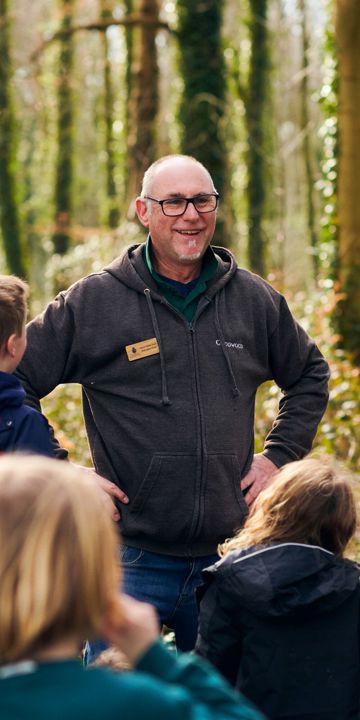
How old is The Kennels?
Built in 1787 by celebrated architect James Wyatt to house the third Duke of Richmond’s prized fox hounds, The Kennels was known as one of the most luxurious dog houses in the world!
-
Charities
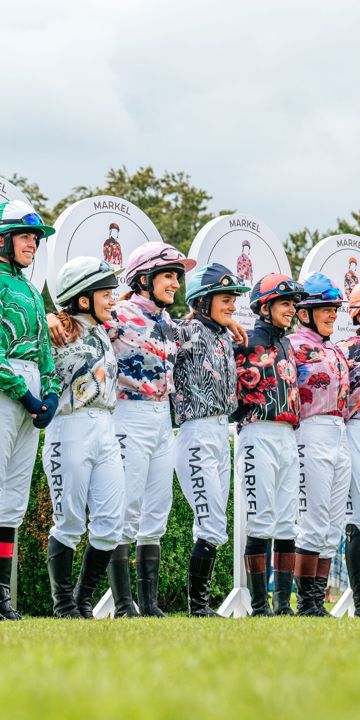
How old is The Kennels?
Built in 1787 by celebrated architect James Wyatt to house the third Duke of Richmond’s prized fox hounds, The Kennels was known as one of the most luxurious dog houses in the world!
-
Sustainability
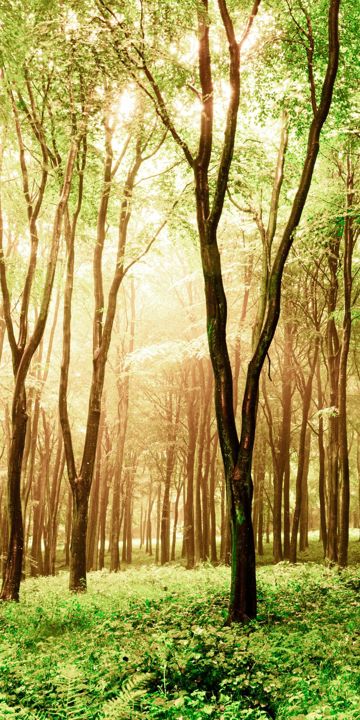
Sustainable state-of-mind
When Farmer, Butcher, Chef opened in 2016 it was awarded the UK’s first-ever Royal Academy of Culinary Arts ‘Sustainable Food Philosophy Seal’. -
Diversity, Equity & inclusion
-
Property
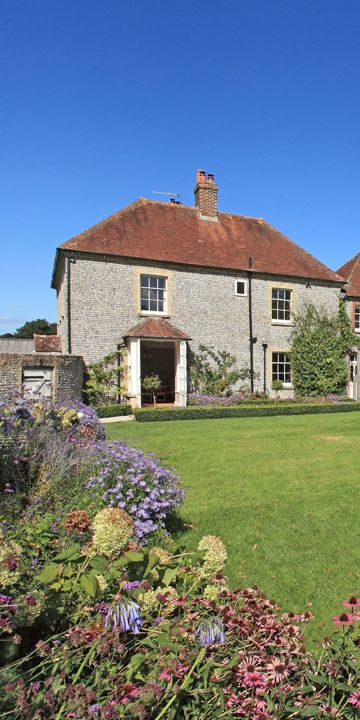

Egyptian Dining Room
Testament to the 19th-century fascination with ancient Egypt and decorative opulence. The room is richly detailed with gilded cartouches, sphinxes, birds and crocodiles.
-
Walking Guide

Fashionable foxhounds
The 1st Duke of Richmond bought Goodwood in 1697 as a place to stay to go foxhunting with the fashionable Charlton Hunt. -
Dog Walking Field
-
Careers
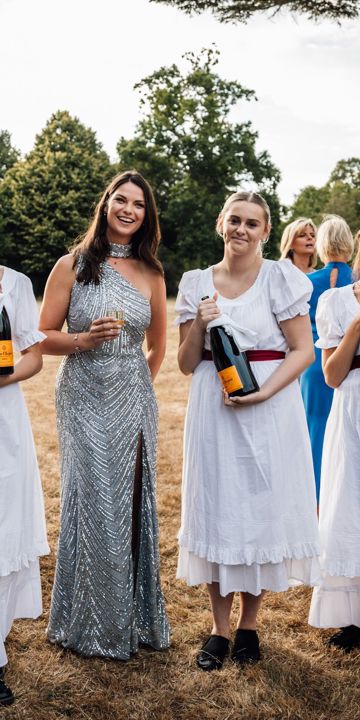
Carne's Seat
Just beyond Goodwood House along the Hillclimb, the 2nd Dukes banqueting house was also known as "one of the finest rooms in England" (George Vertue 1747).
-
Goodwood Art Foundation
-
Farm Shop
-
What's on
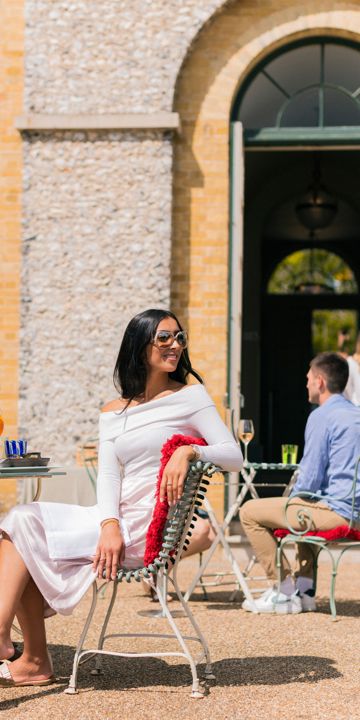
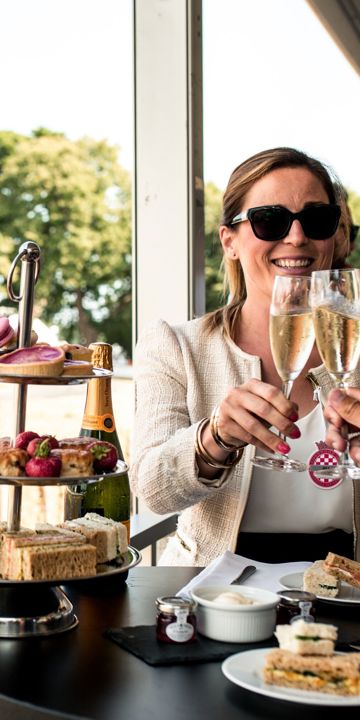
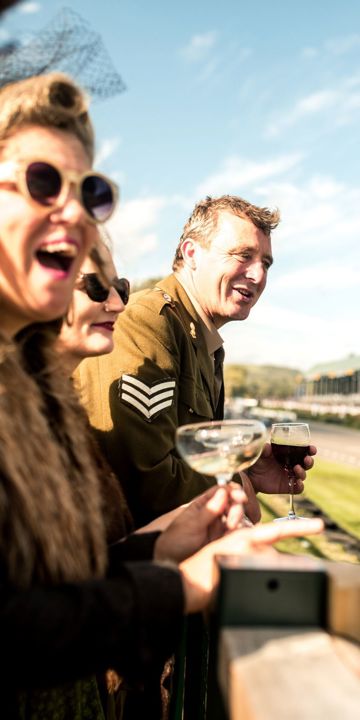
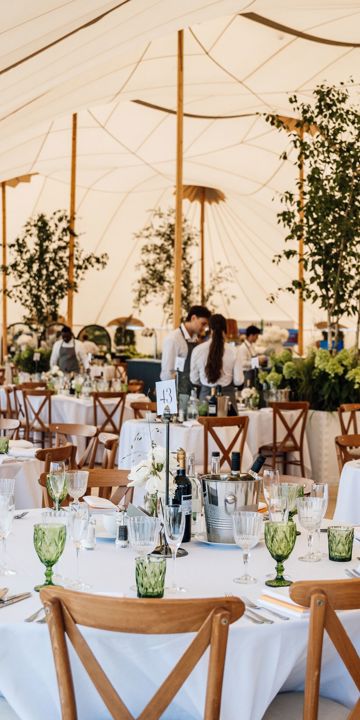



Upcoming Events

Tee to Green: January 2024
The latest from The Downs and Park Courses from our Head Greenkeepers, Rob Dyer and Simon Berry.
The Downs Course
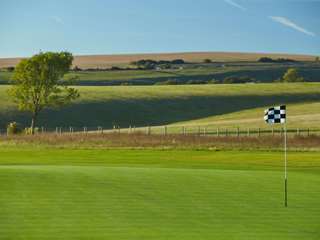
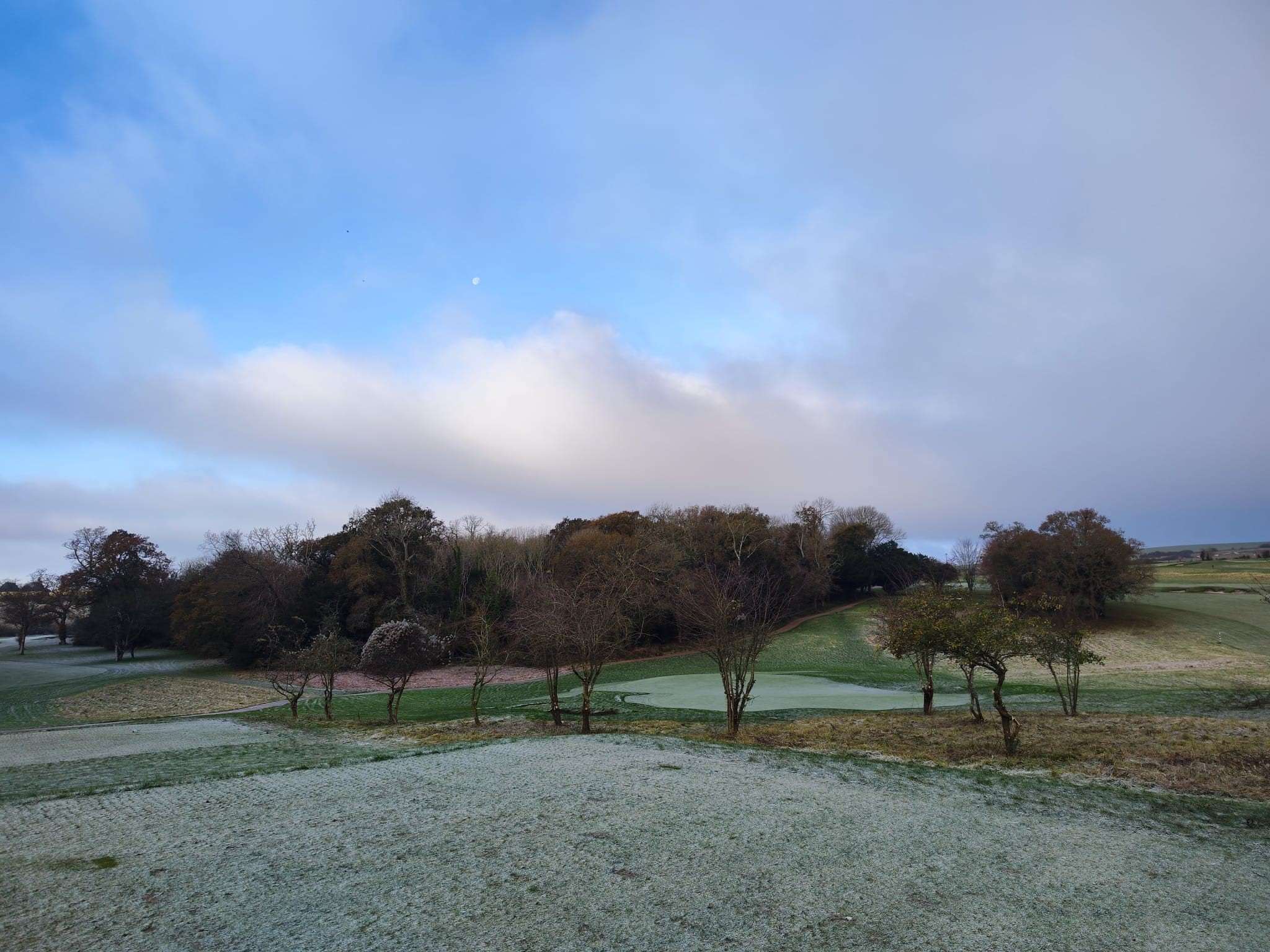
A Happy New Year to you all and we hope you had a very nice Christmas period. The course in general I feel is currently in a good condition, especially under the circumstances of the weather conditions we have had over the past few months. Although some pinch points and tees are starting to look a bit worn, all in all every looks in good order. Please may I ask that you do not walk under any post and rope areas and follow any traffic management signs, as these are put out to protect areas and will massively help in the future, going into the main playing season.
We have decided to start to put bunkers as GUR when they are frozen, as we feel it is unfair that you have to play out of these and possibly risk damaging your clubs as they are like playing off of concrete when conditions are so cold.
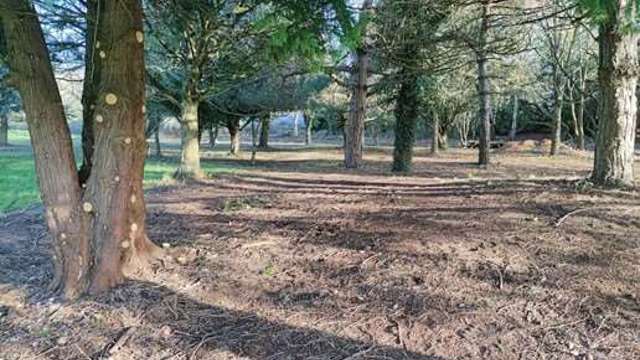
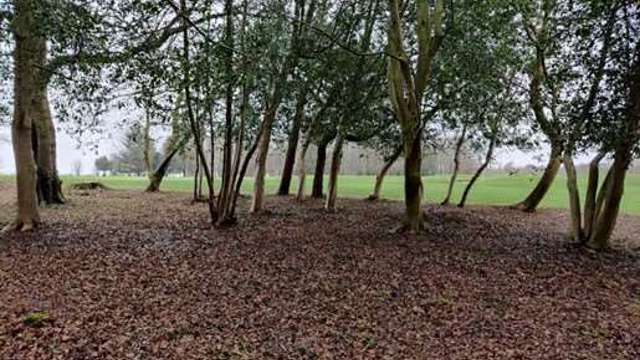
The cold weather has finally come and we can now move onto our winter woodland projects, as the ground is now frozen. Woodland work has started on the right side of the 13th hole, and the aim is to expose some feature trees and to make the woods look more inviting, but make it possible to find your ball in the area. There is currently a lot of brambles which need removing and this will improve the speed of play too. It will also allow any wild flowers in this area to thrive, as there will be more sunlight hitting the woodland floor.
The back of the 12th green has also been thinned, which has improved the hole aesthetically and will slightly increase airflow around the greens complex.
We have verti-drained the greens again last month, to improve the percolation rates and relive any compaction.
Winter mats will now be in use on holes 2 to 7, as we are starting to struggle with recovery on these fairways, compared to the rest of the course. These fairways sit about four degrees Celsius below the others and have restricted sunlight on them, with decreases recovery rates. Please use them as much as possible, as this will put us in good stead when the main playing season starts.
Winter feeding has become a slightly issue, mainly because of weather conditions, rain and frosts for example. We are slightly behind on our liquid feeds on all surfaces; however, this will be completed when weather permits. This will include spraying greens, tees, aprons, surrounds and fairways.
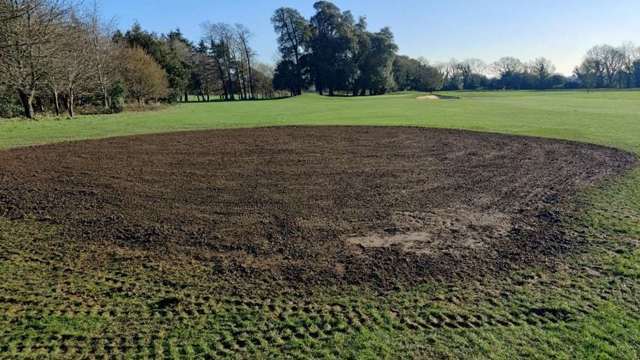
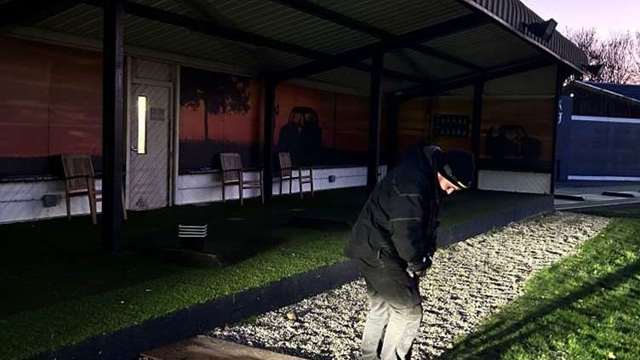
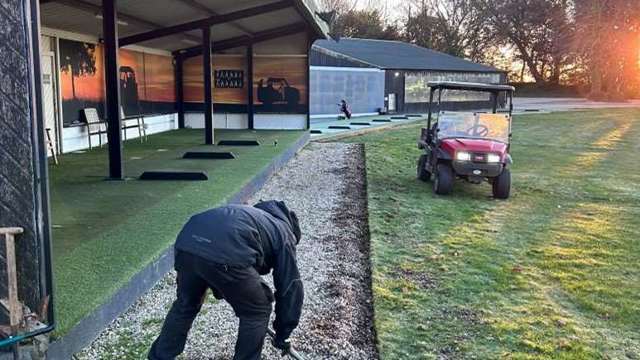
Two walk off areas have been opened up for repair. These are the walk off areas on the 5th and 18th holes. We have dug out the compacted chalk and will replace this with soil, to give the roots of the turf a better chance of rooting with a good soil profile. We will be using some cores from hollow tining the tees to make up the profile, which is a good sustainable approach, as we will not need to buy in a lot more soil which will reduce our carbon footprint.
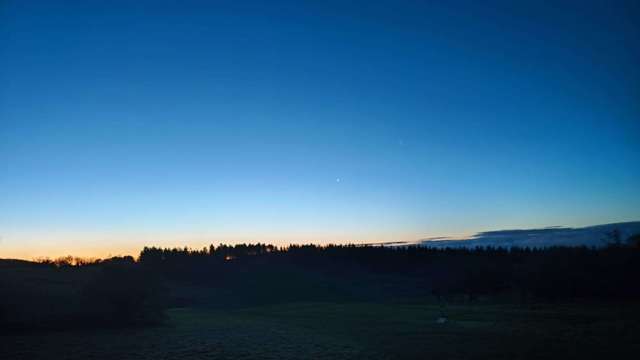
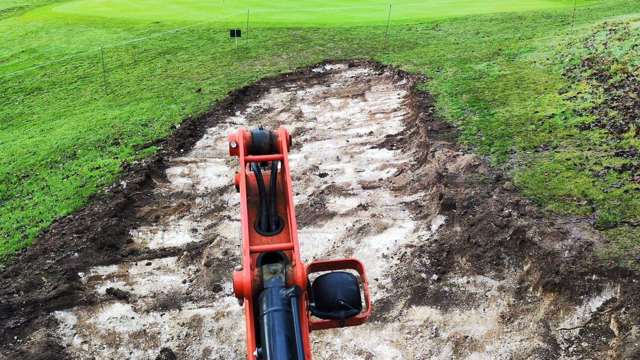


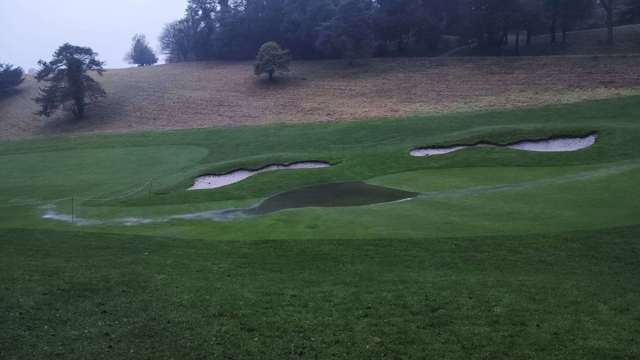
We look forward to seeing you on the course!
Rob Dyer, Head Greenkeeper, The Downs Course
The Park course
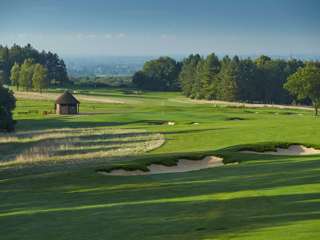
The rainfall in 2023 was the highest we have had in five years, let’s hope for a dryer 2024. It didn’t start off that way but after the first week we were in to hard frosty weather, which means our attention has been to continue with our woodland maintenance. As part of our ecology programme, we have thinning out some of the wooded areas on the course which includes raising canopy’s, removing ivy and clearing all brambles. This has made a real difference and has created quite a feature. With more light getting to the woodland floor, we hope to see the bluebells flourish. We will continue to plant more trees around the course in rough areas, the species consist of beach, oak, hazel and maple.
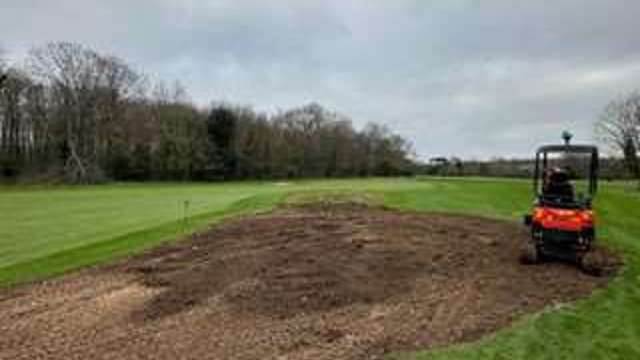
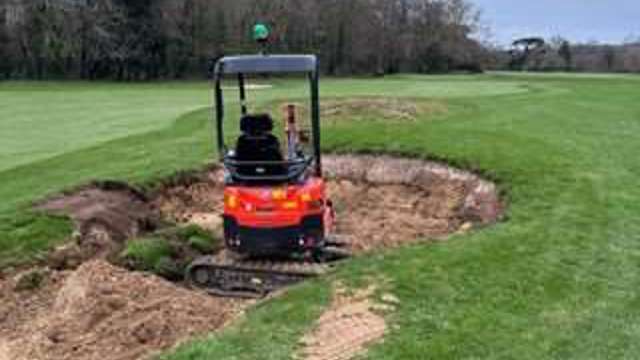
Construction work on our bunkers has started. Scott has been busy putting things into place. We will be redeveloping the 4th and 13th holes with removal of the fairway bunkers with new ones being repositioned in the coming months.
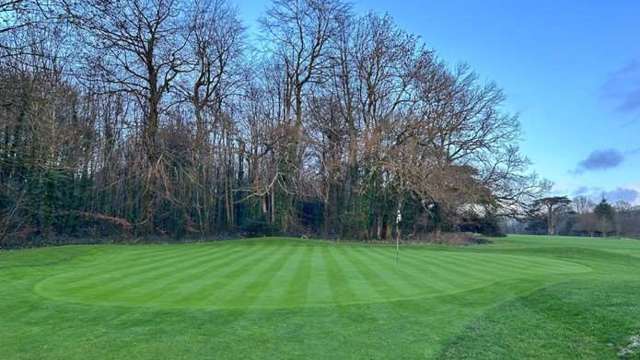
The greens cutting heights have been raised to 4.5 and we are only cutting them once a week, when conditions allow. Overall, they are in good health. We have aerated the greens using a 10mm tine across the green going to the depth of 100mm to help break up thatch and compaction in the top layer and promote root and plant health. The most pleasing thing is that the greens are disease free! With no scars in sight which is due to regular aeration and thatch reduction work and our disease preventative programme.
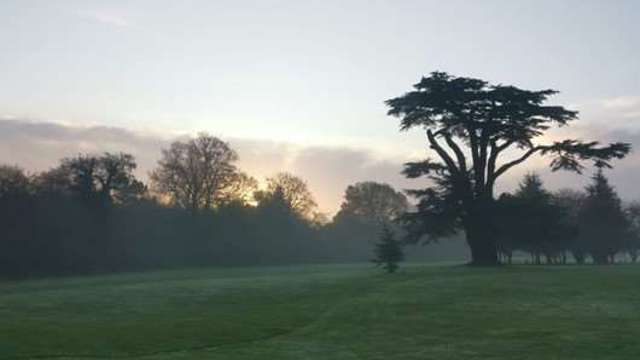
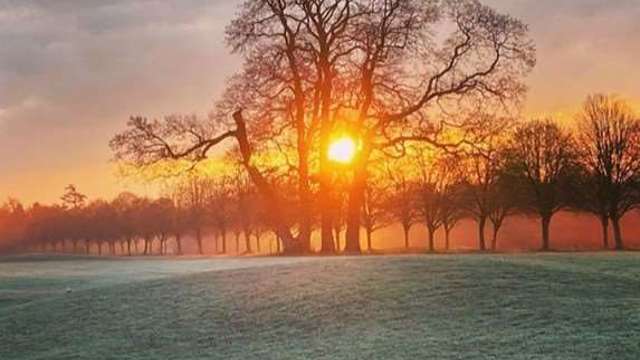
Look forward to seeing you on the course!
Simon Berry, Head Greenkeeper, The Park Course