-
Events
-
Festival of Speed
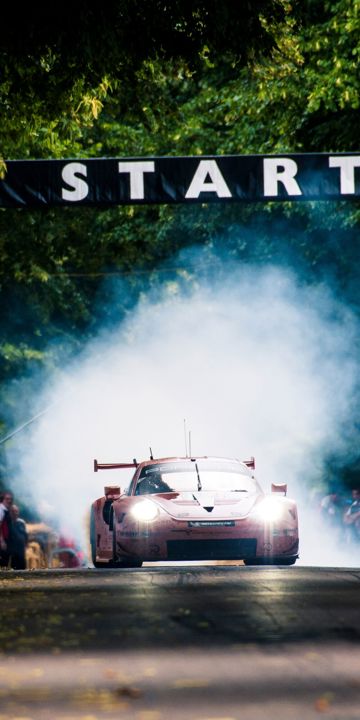

Style et Luxe
Found on the lawn at FOS is the finest concours d'elegance in the world, where the most beautiful cars are presented
-
Goodwood Revival
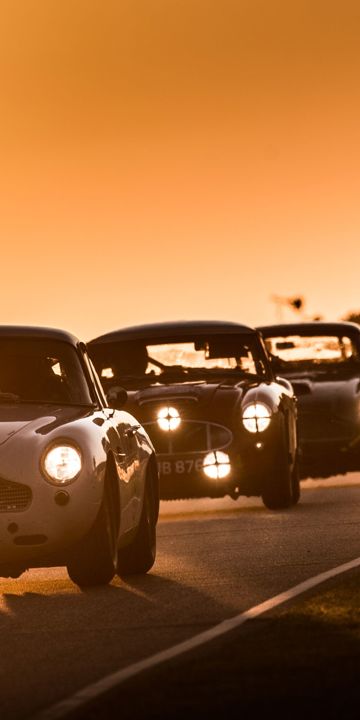

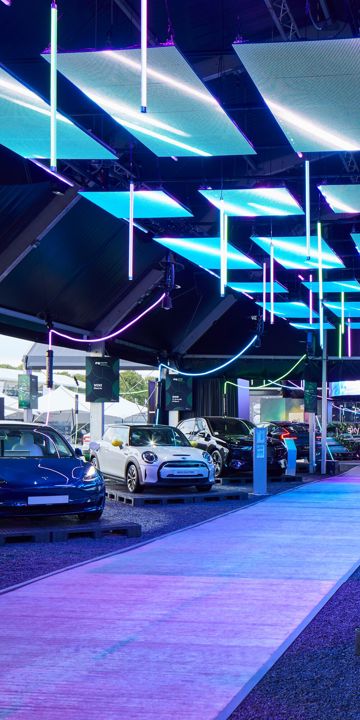
Earls Court replica
Our replica of the famous motor show showcases the "cars of the future" in true Revival style
-
Members' Meeting
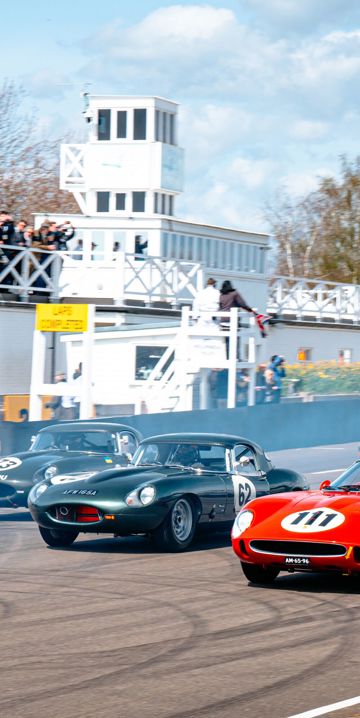

More than motorsport...
Ferret racing and duck herding are two of the many off-track activities at Members' Meeting -
Qatar Goodwood Festival
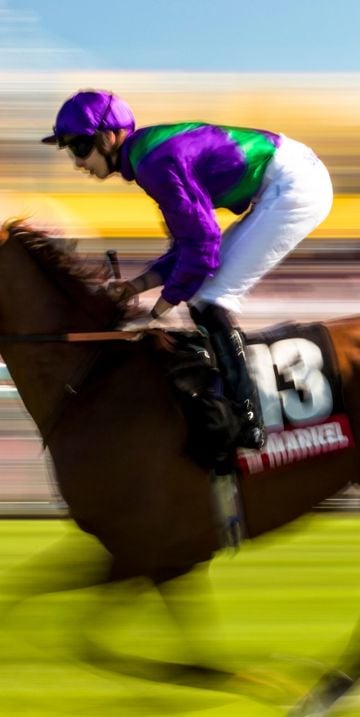

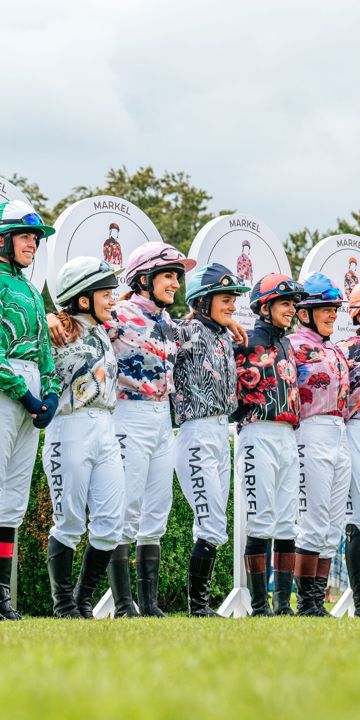
The Magnolia Cup
Leading women of business, sport, fashion and media, take part in one of the most exciting horseracing events in the world.
-
Goodwoof
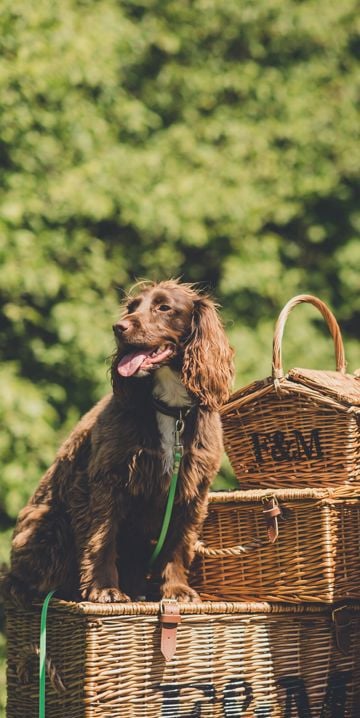

Start in style
The breed parade sees hundreds of dogs and their owners walk from Goodwood House down to The Kennels to kick start the Goodwoof weekend. -
Horseracing
-
Season Opener
-
May Festival
-
Family Race Day
-
Three Friday Nights
-
August Bank Holiday
-
Autumn Racing
-
Season Finale
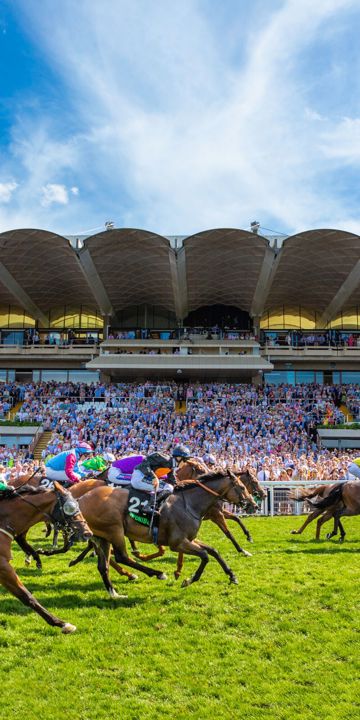

Royal approval
King Edward VII (who came almost every year) famously dubbed Glorious Goodwood “a garden party with racing tacked on”.
-
Season Opener
-
Breakfast Club
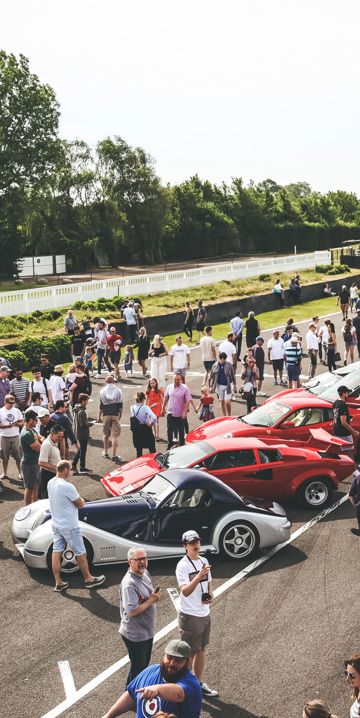

A perfect Sunday morning?
A no-cost, all-welcome motoring show where the visitors and their machines are the stars -
Health Summit
-
Hospitality
-
Exhibiting
-
Partnerships

Where else can you...
...plan strategy in an ancient woodland, enjoy award-winning dining then drive around a racetrack?
-
What's on
-
Festival of Speed
-
Visit, Eat, Stay
-
The Goodwood Hotel
-
Rooms
-
Contact Us
-
Christmas
-
New Year's Eve
-
Weddings
-
Kids Activities
-
Offers
-
Local Attractions
-
Plan your stay

During the war...
The Motor Circuit was known as RAF Westhampnett, active from 1940 to 1946 as a Battle of Britain station.
-
Rooms
-
Goodwood Cottages


Carne's Seat
Just beyond Goodwood House along the Hillclimb, the 2nd Dukes banqueting house was also known as "one of the finest rooms in England" (George Vertue 1747).
-
Goodwood House
-
Afternoon Tea & Tour
-
The Collection
-
Exhibitions
-
History
-
Weddings
-
Copper Dome Restoration
-
Secrets of a Radical Duke Talk by Professor Danielle Allen

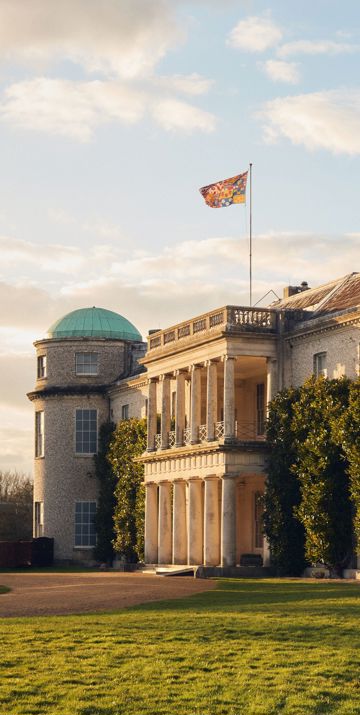
Shell house
A temple-folly guarded by two sphinxes, the beautiful shell house was built in 1748 with collected shells and the floor made from horse teeth.
-
Afternoon Tea & Tour
-
Restaurants
-
Farmer, Butcher, Chef
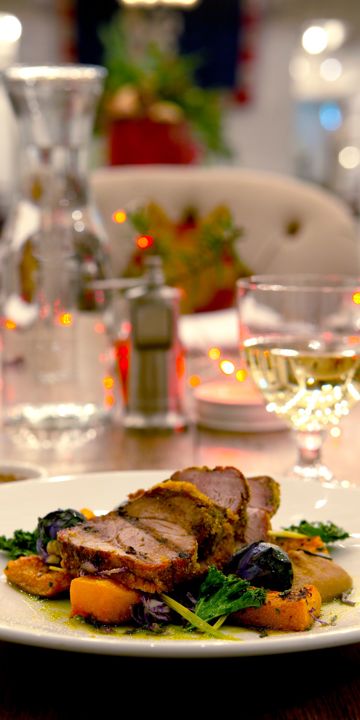
-
The Goodwood Bar & Grill
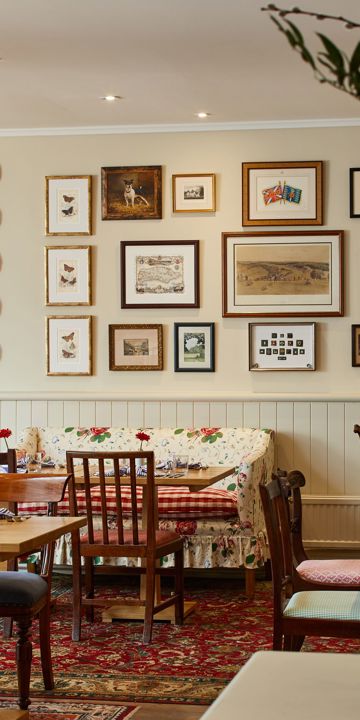
-
The Kennels
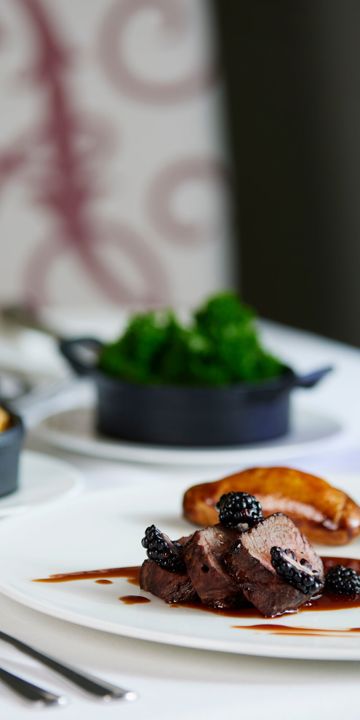
-
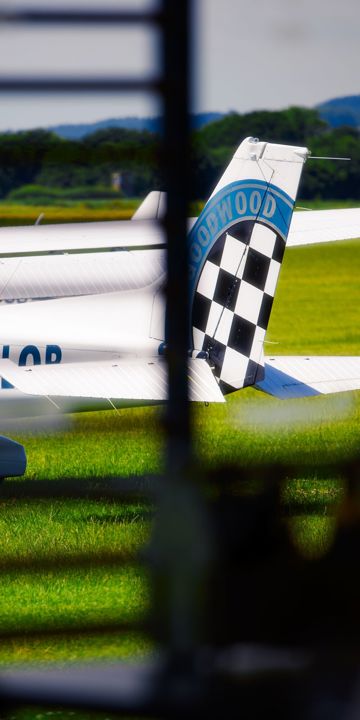
Aerodrome Café
-
Motor Circuit Café

-
Cafe 24

Sustainable state-of-mind
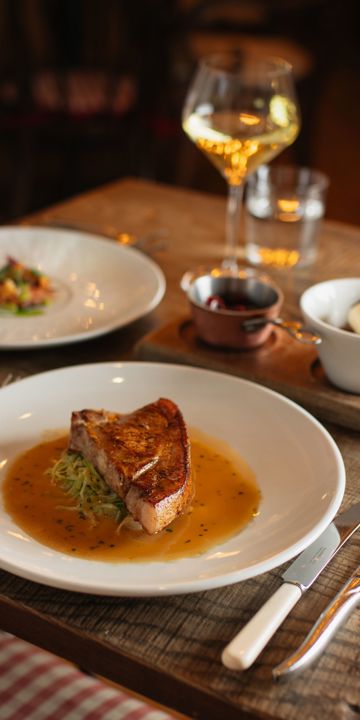
When Farmer, Butcher, Chef opened in 2016 it was awarded the UK’s first-ever Royal Academy of Culinary Arts ‘Sustainable Food Philosophy Seal’. -
Farmer, Butcher, Chef
-
The Kennels

How old is The Kennels?
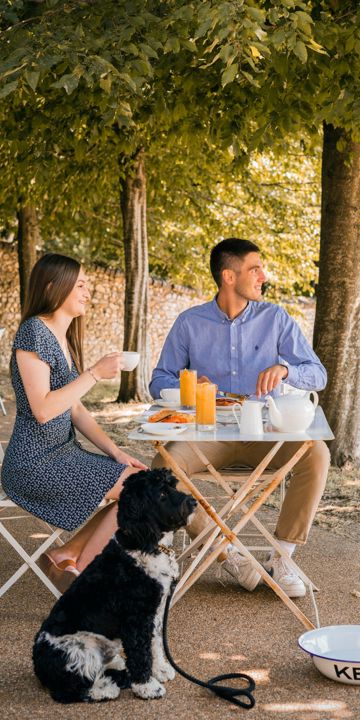
Built in 1787 by celebrated architect James Wyatt to house the third Duke of Richmond’s prized fox hounds, The Kennels was known as one of the most luxurious dog houses in the world!
-
Motor Circuit

Mad Mike
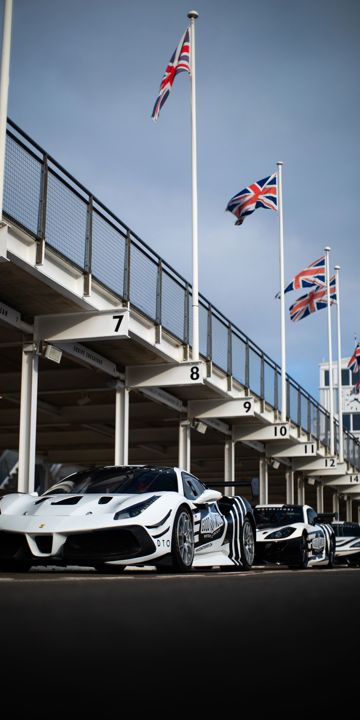
FOS Favourite Mad Mike Whiddett can be caught melting tyres in his incredible collection of cars (and trucks) up the hillclimb
-
Health & Wellbeing
-
Membership
-
Health Club
-
Gym
-
Run Series
-
Spa Treatments
-
Wellness Retreats
-
Events Calendar
-
Corporate Wellbeing
-
Health Summit
-
Latest News

Goodwood's first Health Summit...
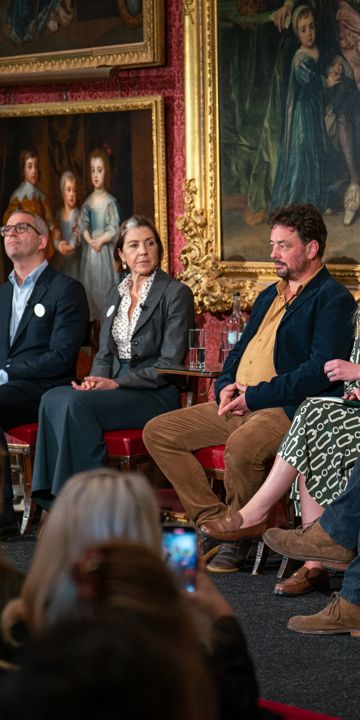
...took place in 2023 with industry experts discussing nutrition costs and food systems for a healthier future. -
Membership
-
Hound Lodge

Gordon Castle
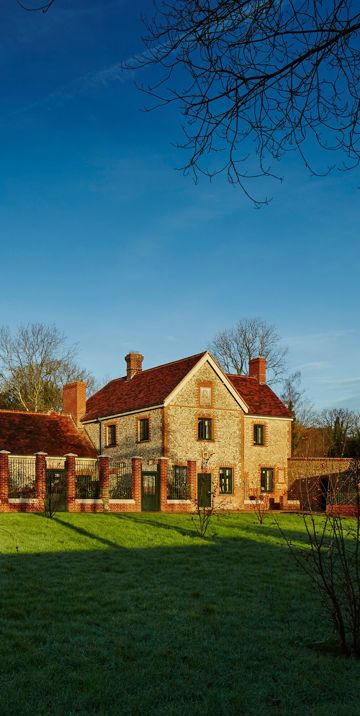
Many items came from Gordon castle in Scotland when it left family ownership, coming out from storage exclusively for Hound Lodge.
-
Goodwood Farm Shop


21,000 litres...
Alongside the award-winning meat, we also produce 21,000 litres of milk a week, used to make our cheeses. -
Parties
-
Goodwood Art Foundation
-
The Goodwood Hotel
-
Motorsport
-
Festival of Speed
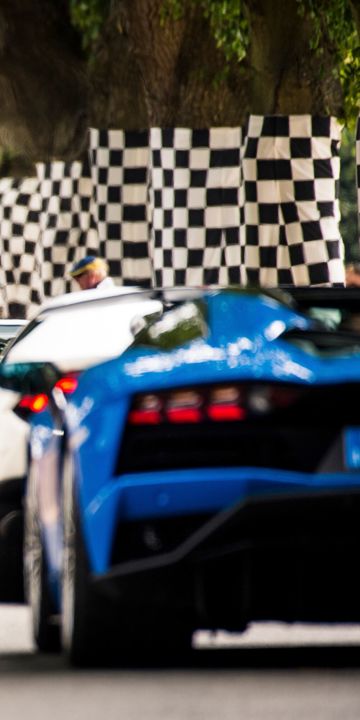

"Motorsport garden party of the gods"
Festival of Speed is our longest-standing Motorsport event, starting in 1993 when it opened to 25,00 people. We were expecting 2000!
-
Goodwood Revival
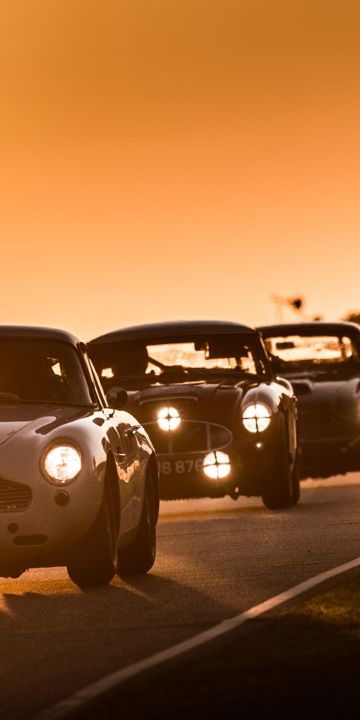

Goodwood Heroes
Legend of Goodwood's golden racing era and Le Mans winner Roy Salvadori once famously said "give me Goodwood on a summer's day and you can forget the rest".
-
Members' Meeting
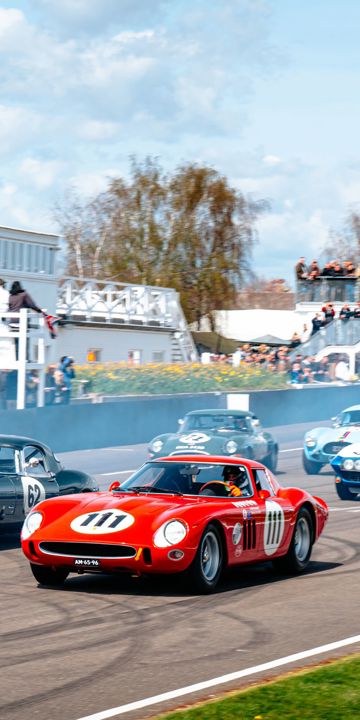

During the war...
The Motor Circuit was known as RAF Westhampnett, active from 1940 to 1946 as a Battle of Britain station. -
Breakfast Club
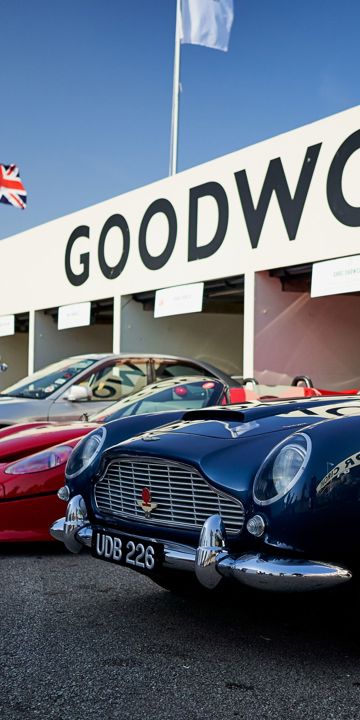

What's that on the startline?
The bricks lining the Festival of Speed startline are 100 years old and a gift from the Indianapolis Speedway "Brickyard" in 2011 to mark their centenary event!
-
Motor Circuit

Fashionable foxhounds
The 1st Duke of Richmond bought Goodwood in 1697 as a place to stay to go foxhunting with the fashionable Charlton Hunt. -
Driving Experiences
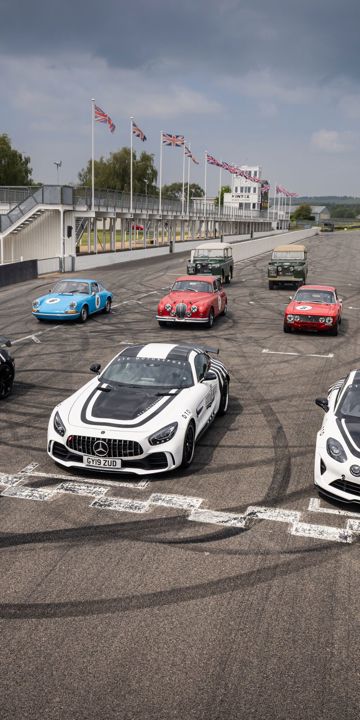
Earls Court replica
Our replica of the famous motor show showcases the "cars of the future" in true Revival style
-
Goodwood Road Racing Club
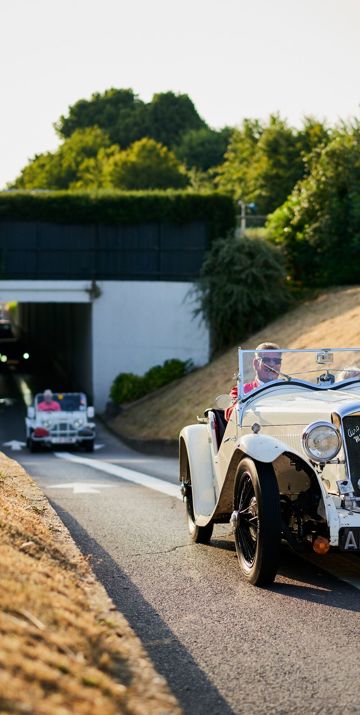

"Mr Goodwood"
Sir Stirling Moss was one of the founding patrons of the Festival of Speed, and a regular competitor at the Revival.
-
Latest News
-
Festival of Speed
-
Horseracing
-
Tickets & Packages
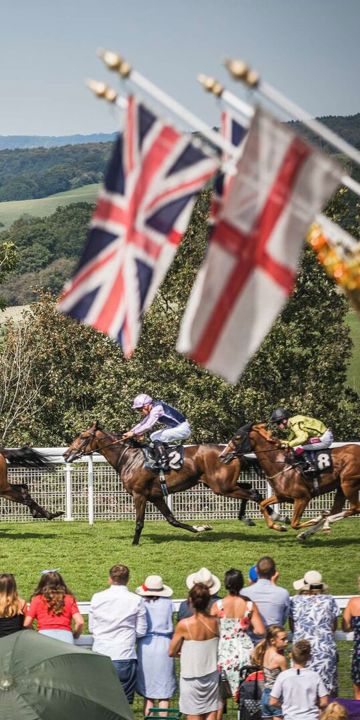
The Magnolia Cup
Leading women of business, sport, fashion and media, take part in one of the most exciting horseracing events in the world.
-
Hospitality
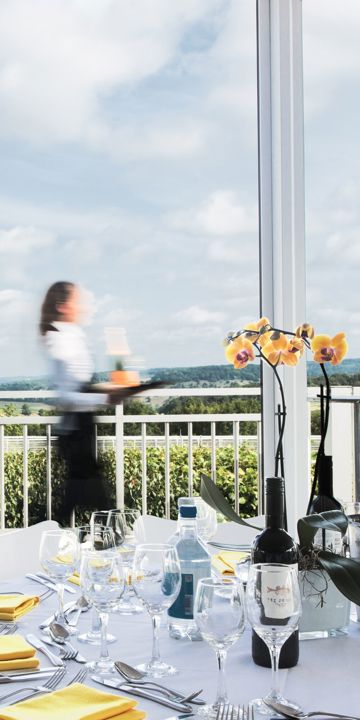

Why does everyone wear hats?
One Summer, King Edward VII turned his back on the traditional morning suit, and donned a linen suit and Panama hat. Thus the Glorious Goodwood trend was born.
-
Goodwood Horseracing Club
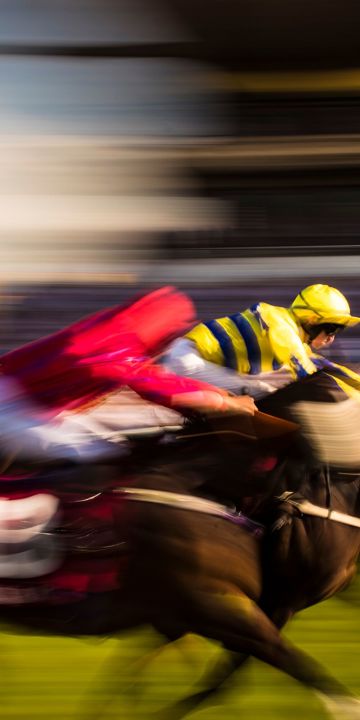

Racing Colours
The red & yellow of the Racecourse can be traced back hundreds of years, even captured in our stunning Stubbs paintings in the Goodwood Collection
-
Fixtures & Events
-
Season Opener
-
May Festival
-
Family Race Day
-
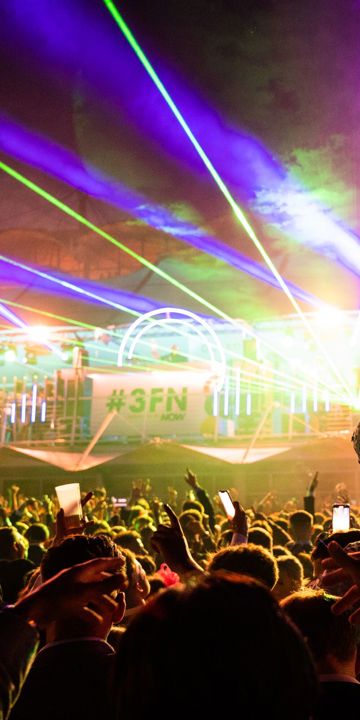
Three Friday Nights
-
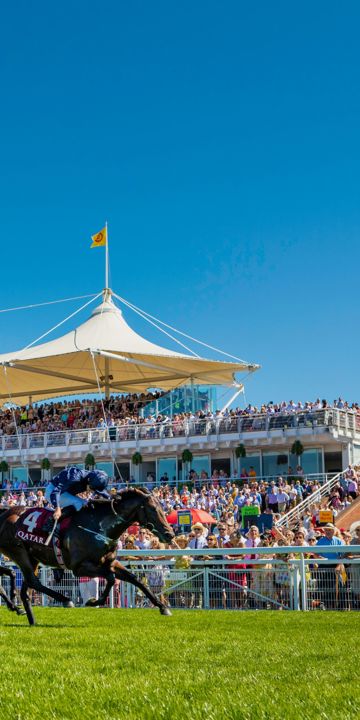
Qatar Goodwood Festival
-
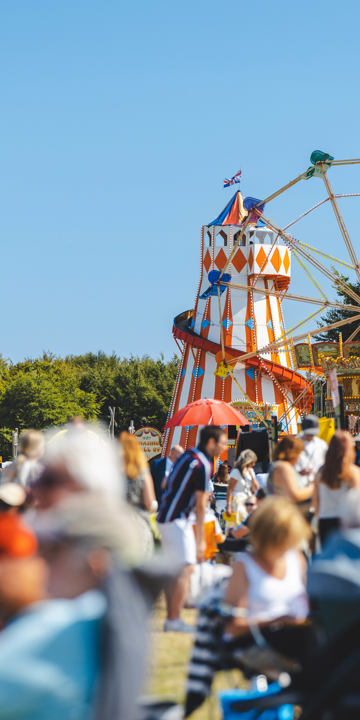
August Bank Holiday
-
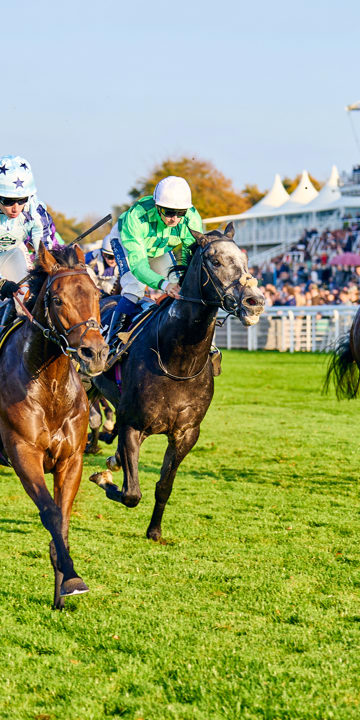
Autumn Racing
-
Season Finale
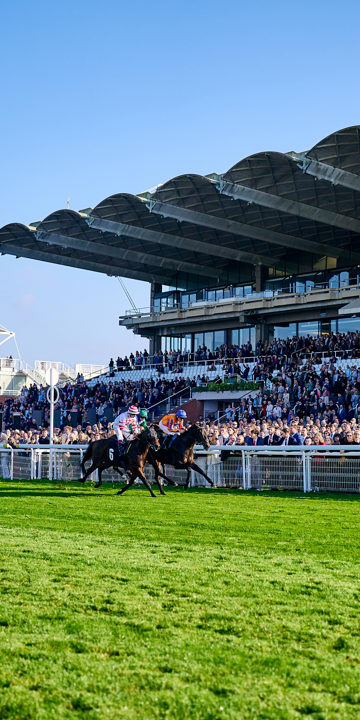
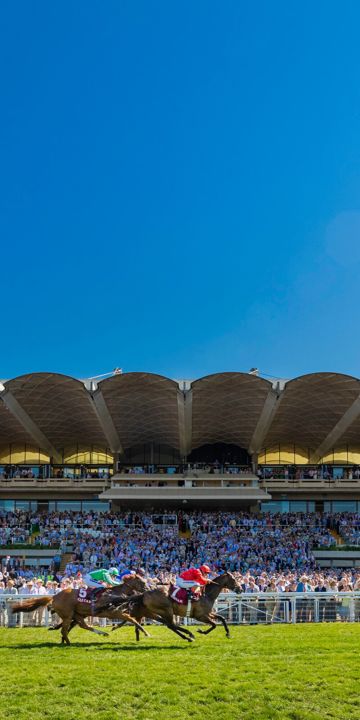
Racing Colours
The red & yellow of the Racecourse can be traced back hundreds of years, even captured in our stunning Stubbs paintings in the Goodwood Collection
-
Season Opener
-
Qatar Goodwood Festival
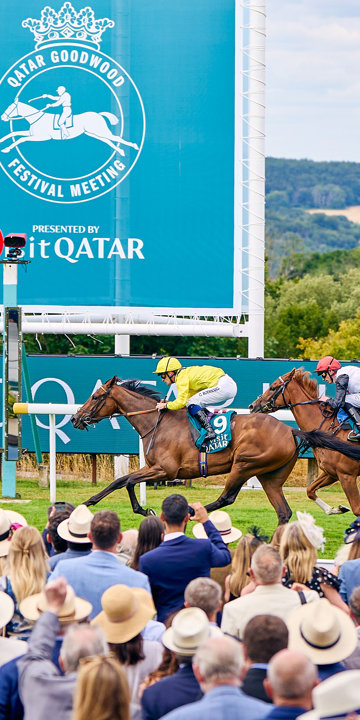
Royal approval
King Edward VII (who came almost every year) famously dubbed Glorious Goodwood “a garden party with racing tacked on”.
-
Three Friday Nights
Racing Colours
The red & yellow of the Racecourse can be traced back hundreds of years, even captured in our stunning Stubbs paintings in the Goodwood Collection
-
Plan Your Day
-
Enclosures
-
Event Map
-
Going Report
-
Getting Here
-
Betting at Goodwood
-
Dress Code
-
Accessibility
-
Food & Drink
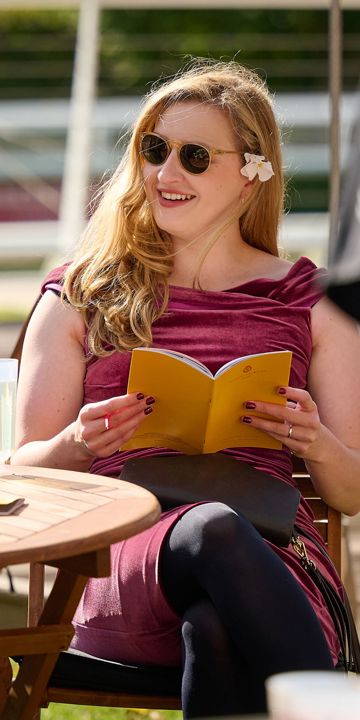

St Simon
Whoa Simon! A horse so determined and headstrong, he not only won the 1883 Goodwood Cup by 20 lengths, but couldn't be stopped and carried on running over the top of Trundle hill
-
Enclosures
-
Buy Merchandise
-
Partners
-
Owners & Trainers
-
Latest News
-
FAQs
-
Accessibility
-
Tickets & Packages
-
Experiences
-
Driving
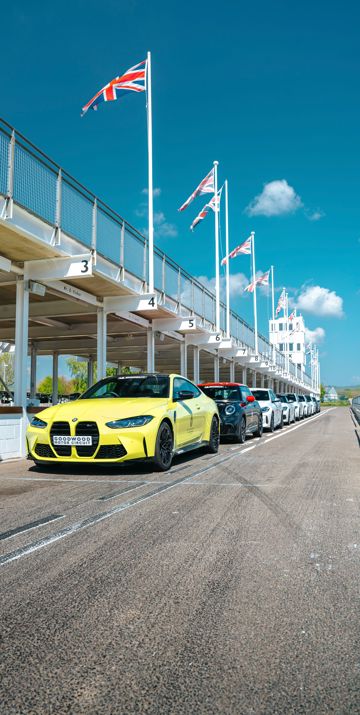

Spectators Favourite
Spectate from the chicane at the Revival to see plenty of classic cars going sideways as they exit this infamous point of our Motor Circuit.
-
Flying
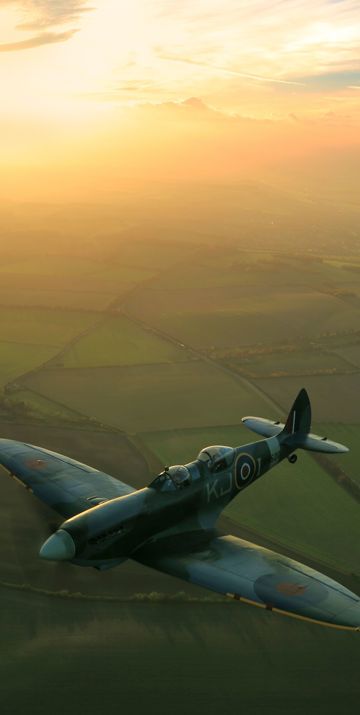

Flying Elephant
The first thing ever dropped at Goodwood was a cuddly elephant which landed in 1932 just as the 9th Duke of Richmonds passion for flying was taking off.
-
Golf
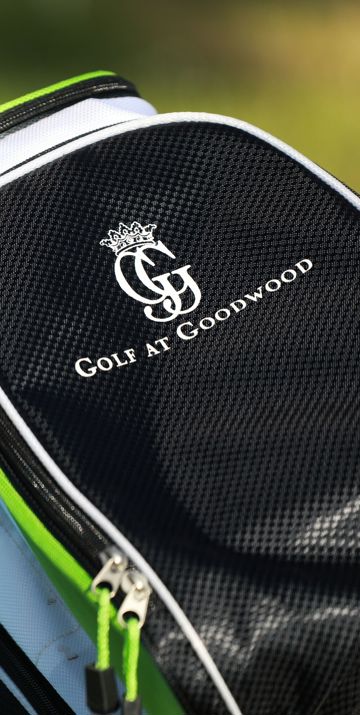

Over 100 years of Golf
The first ever round of golf played at Goodwood was in 1914 when the 6th Duke of Richmond opened the course on the Downs above Goodwood House.
-
Shooting
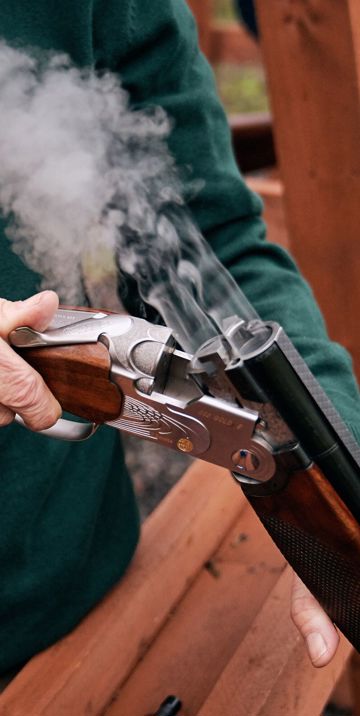
Filming at Goodwood
We have been host to many incredible film crews using Goodwood as a backdrop for shows like Downton Abbey, Hollywood Blockbusters like Venom: let there be Carnage and the Man from U.N.C.L.E.
-
Afternoon Tea
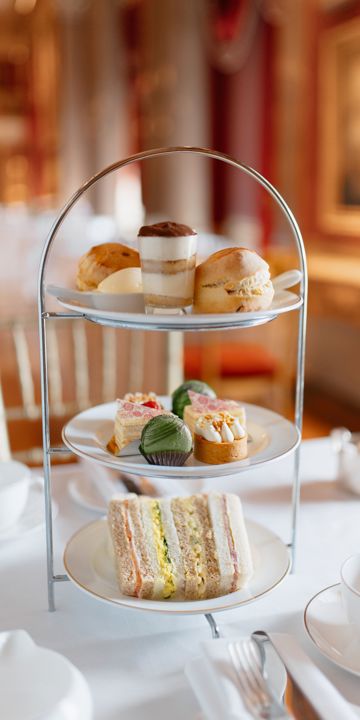
Estate Crest
"En la rose je fleurie" or "Like the rose, I flourish" is part of the Richmond coat of Arms and motto
-
Corporate Wellbeing
Goodwood's first Health Summit...
...took place in 2023 with industry experts discussing nutrition costs and food systems for a healthier future. -
Cycling
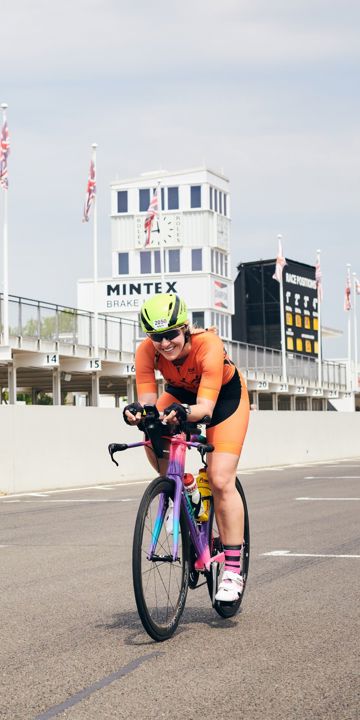
During the war...
The Motor Circuit was known as RAF Westhampnett, active from 1940 to 1946 as a Battle of Britain station. -
Corporate Experiences
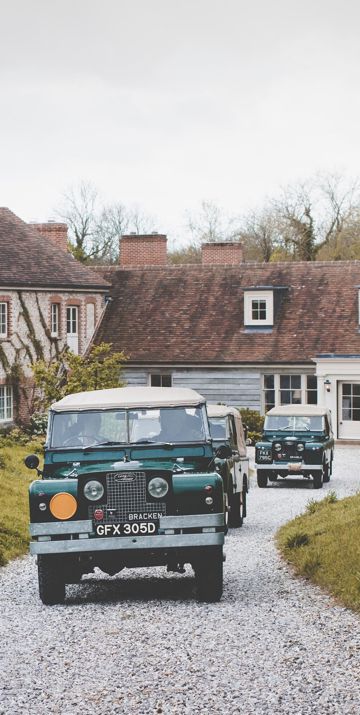
Where else can you...
...plan strategy in an ancient woodland, enjoy award-winning dining then drive around a racetrack?
-
Spa Treatments
-
Driving
- Hospitality
-
Golf
-
Golf Courses
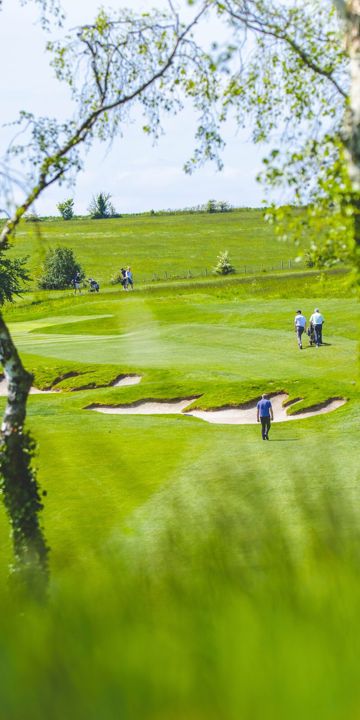
Over 100 years of Golf
The first ever round of golf played at Goodwood was in 1914 when the 6th Duke of Richmond opened the course on the Downs above Goodwood House.
-
Golf Membership
-
Credit Membership
-
Application Form
-
Braid Membership
-
Intermediate Membership
-
Junior Membership
-
Corporate Membership
-
Copse Membership


A sporting Estate
Goodwood has two 18-hole championship courses, a modern clubhouse and an impressive Academy. -
Credit Membership
-
The Academy
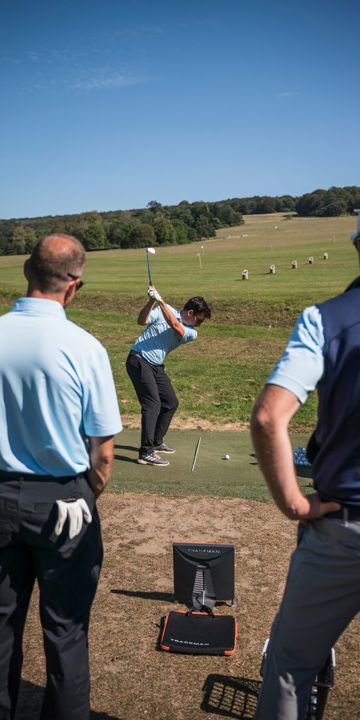

Braid’s Masterpiece
One of the greatest golfers of all time, James Braid designed Goodwood’s iconic Downland course, opened in 1914.
-
Golf Experiences

Braid’s Masterpiece
One of the greatest golfers of all time, James Braid designed Goodwood’s iconic Downland course, opened in 1914.
-
Golf Courses
-
Flying
-
Flying School
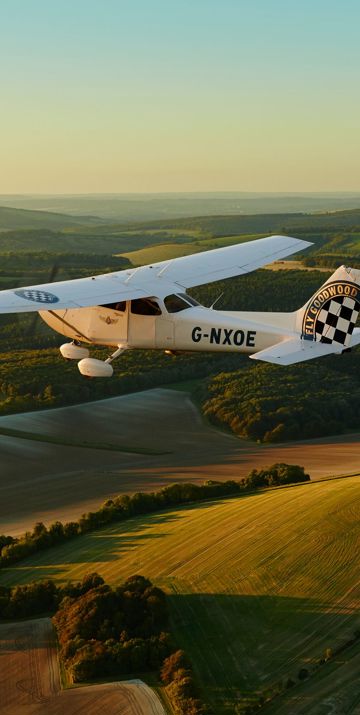

Ace Pilot
Ray Hanna famously flew straight down Goodwood’s pit straight below the height of the grandstands at the first Revival in 1998
-
Aero Club Membership
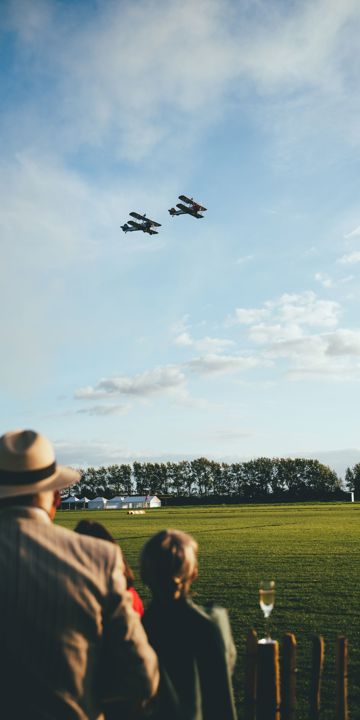

Group Captain Sir Douglas Bader
The famous fighter ace, who flew his last sortie from Goodwood Aerodrome, formerly RAF Westhampnett has a statue in his honor within the airfield.
-
Flying Experiences
-
Pilot Information
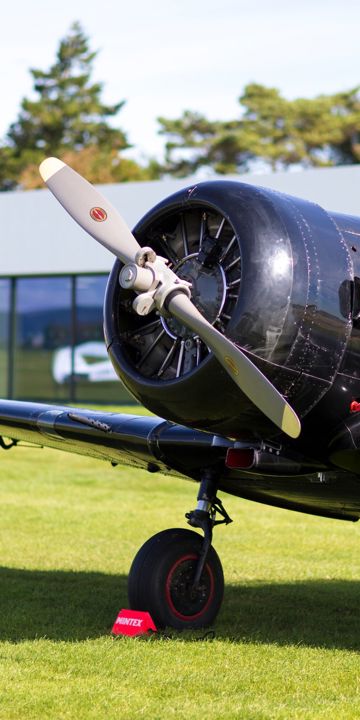
Ace Pilot
Ray Hanna famously flew straight down Goodwood’s pit straight below the height of the grandstands at the first Revival in 1998
-
Flying School
-
Meetings
-
Venue Hire
-
Goodwood House
-
The Racecourse
-
The Goodwood Hotel
-
The Motor Circuit
-
The Kennels
-
The Aerodrome
-
The Great Outdoors
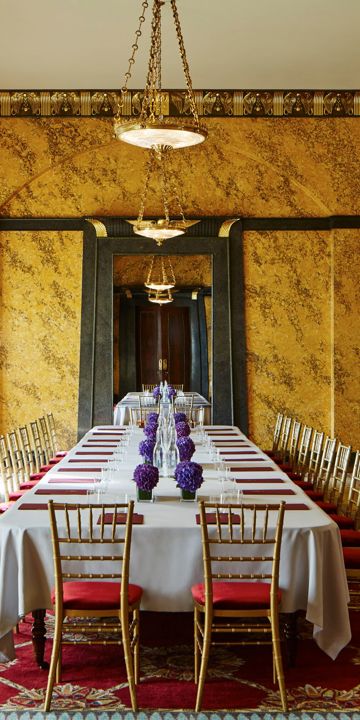
Where else can you...
...plan strategy in an ancient woodland, enjoy award-winning dining then drive around a racetrack?
-
Goodwood House
-
Plan Your Meeting
-
Parties
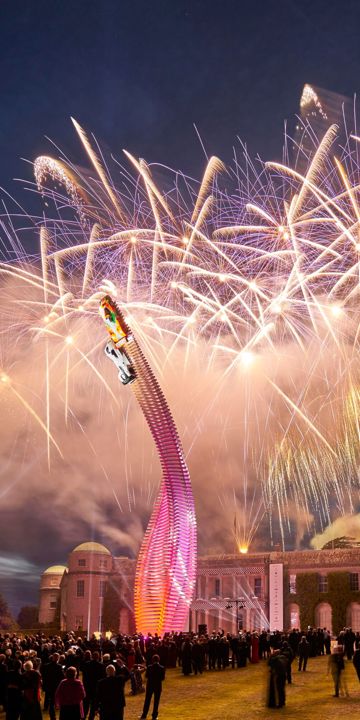
Where else can you...
...plan strategy in an ancient woodland, enjoy award-winning dining then drive around a racetrack?
-
Hospitality

-
Corporate Experiences
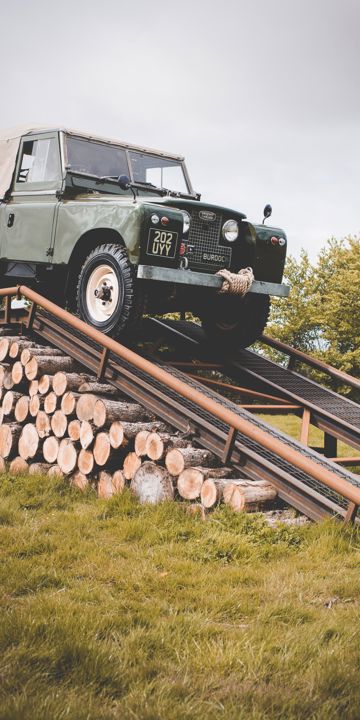
Where else can you...
...plan strategy in an ancient woodland, enjoy award-winning dining then drive around a racetrack?
-
Christmas Parties
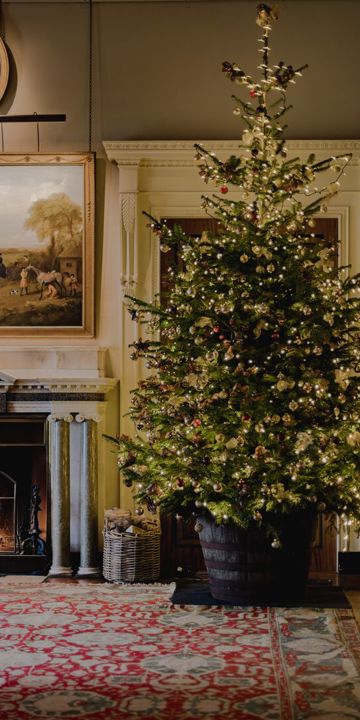
-
Film Locations
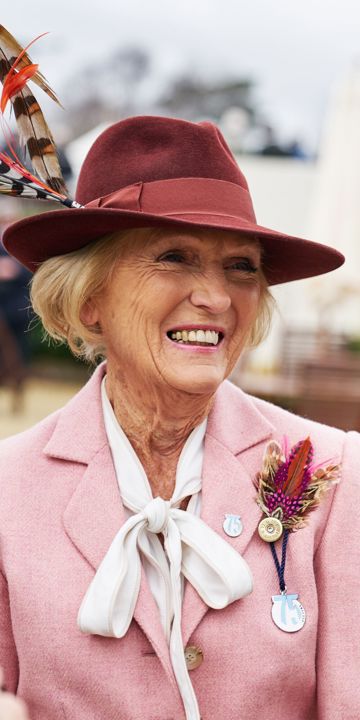
Filming at Goodwood
We have been host to many incredible film crews using Goodwood as a backdrop for shows like Downton Abbey, Hollywood Blockbusters like Venom: let there be Carnage and the Man from U.N.C.L.E.
-
Venue Hire
-
Weddings
-
Goodwood House
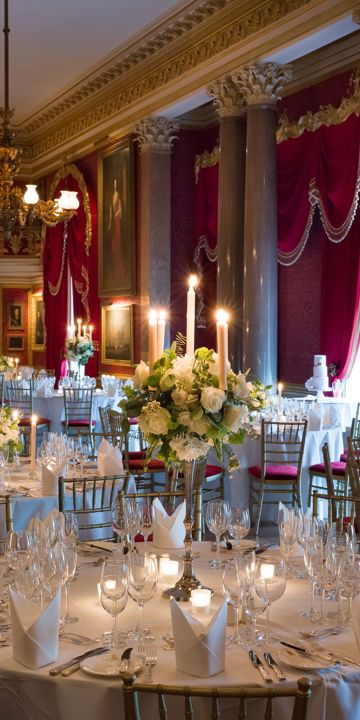
Minor furniture details
The exquisite mirror in the Ballroom of Goodwood House it so big they had to raise the ceiling to get it inside!
-
The Kennels


An exclusive clubhouse
As the private clubhouse for all of the Estate’s sporting and social members, it offers personal service and a relaxed atmosphere
-
Parties
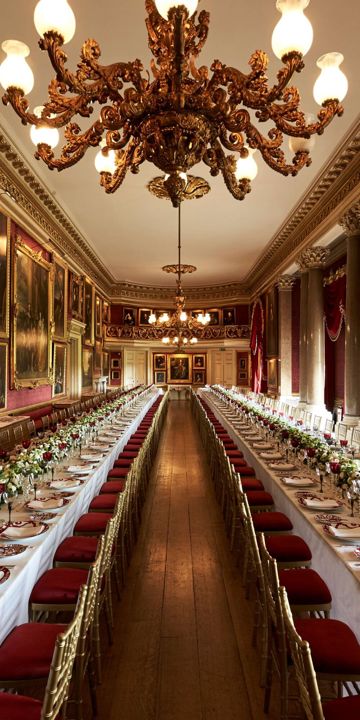


A destination for all seasons
We're well known for our iconic motorsport and horseracing events. But there's a lot more happening at Goodwood...
-
Goodwood House
-
Memberships
-
Goodwood Road Racing Club
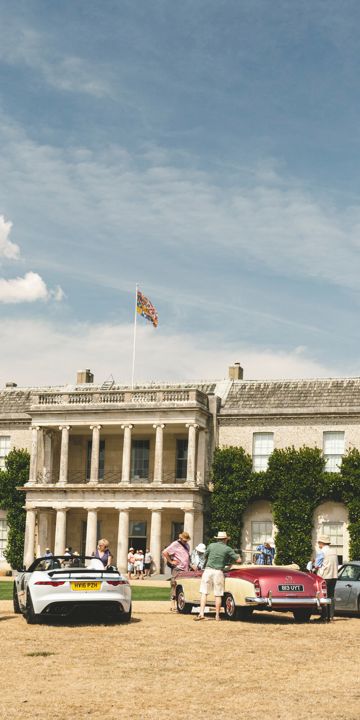

When was the GRRC founded?
Established in 1998 by the Duke of Richmond, the Goodwood Road Racing Club offers exclusive benefits across the estate year-round -
Goodwood Horseracing Club
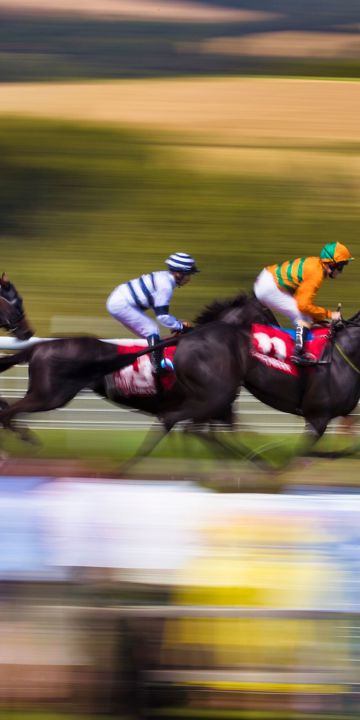

"Glorious Goodwood"
The first public race meeting took place in 1802 and, through the nineteenth century, ‘Glorious Goodwood,’ as the press named it, became a highlight of the summer season
-
Golf At Goodwood
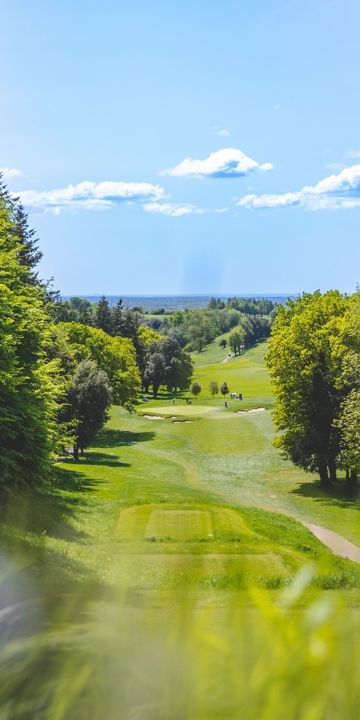
A sporting Estate
Goodwood has two 18-hole championship courses, a modern clubhouse and an impressive Academy. -
Goodwood Aero Club
Group Captain Sir Douglas Bader
The famous fighter ace, who flew his last sortie from Goodwood Aerodrome, formerly RAF Westhampnett has a statue in his honor within the airfield.
-
Goodwood Health Club
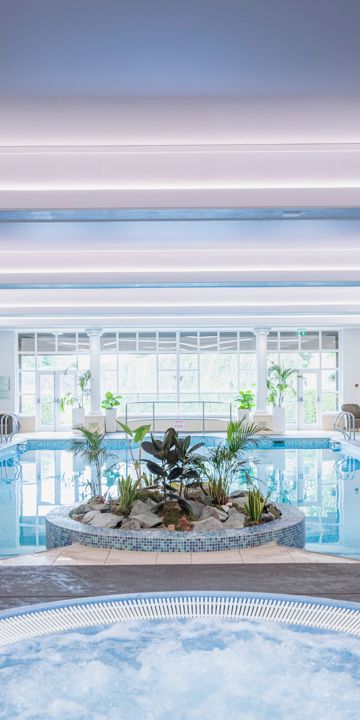
Goodwood's first Health Summit...
...took place in 2023 with industry experts discussing nutrition costs and food systems for a healthier future. -
The Kennels

Fashionable foxhounds
The 1st Duke of Richmond bought Goodwood in 1697 as a place to stay to go foxhunting with the fashionable Charlton Hunt. -
Sporting Membership


Roots for the future
A 20m woodland rue, from Halnaker to Lavant, was planted by our forestry teams & volunteers, featuring native species like oak, beech, & hornbeam
-
Goodwood Racehorse Owners Group
-
Goodwood Art Foundation
-
Goodwood Road Racing Club
- Classic Car Insurance
- Health & Wellbeing
- Buy Merchandise
-
Our Estate
-
What's on
-
Estate Map
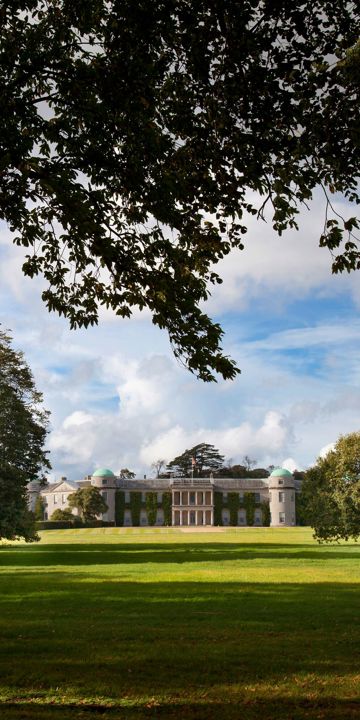
Estate Crest
"En la rose je fleurie" or "Like the rose, I flourish" is part of the Richmond coat of Arms and motto
-
Stories from the Estate
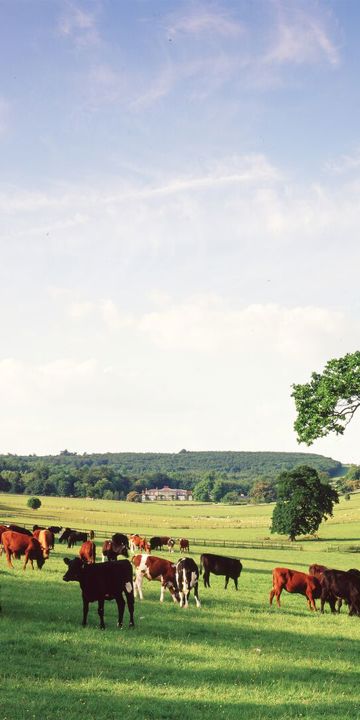

Grogger
Easy boy! The charismatic Farnham Flyer loved to celebrate every win with a pint of beer. His Boxer dog, Grogger, did too and had a tendancy to steal sips straight from the glass.
-
Sports
-
Goodwood Education Trust
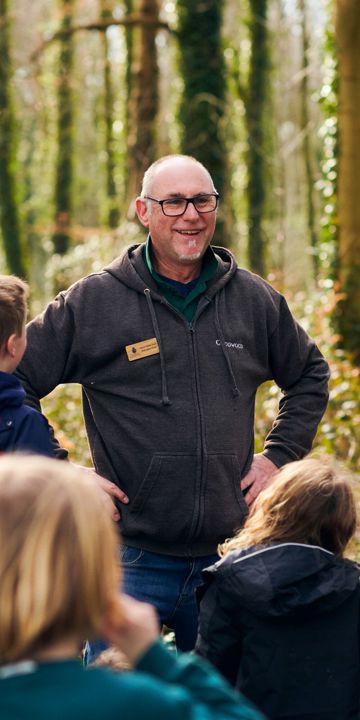
21,000 litres...
Alongside the award-winning meat, we also produce 21,000 litres of milk a week, used to make our cheeses. -
Charities
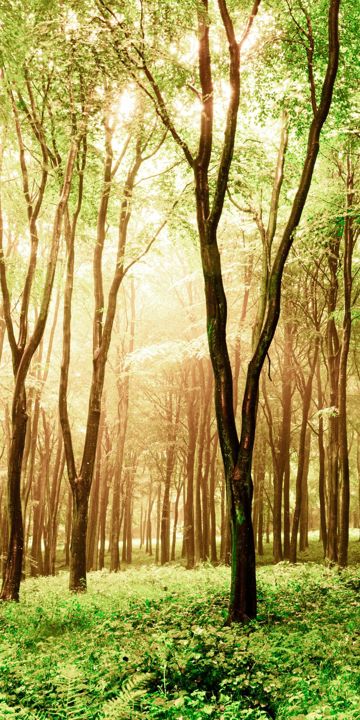
Roots for the future
A 20m woodland rue, from Halnaker to Lavant, was planted by our forestry teams & volunteers, featuring native species like oak, beech, & hornbeam
-
Sustainability
Flying Elephant
The first thing ever dropped at Goodwood was a cuddly elephant which landed in 1932 just as the 9th Duke of Richmonds passion for flying was taking off.
-
Diversity, Equity & inclusion
-
Property
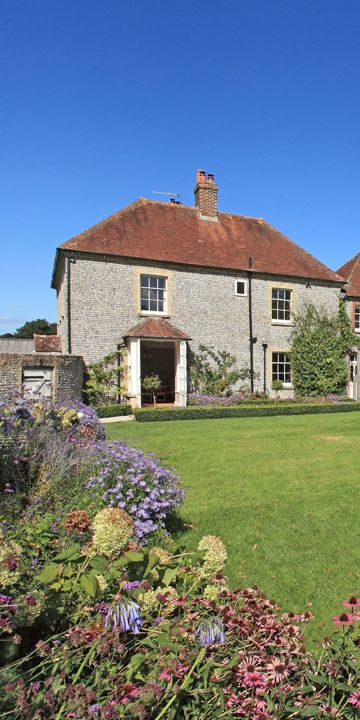

Cricketers since 1702
The oldest existing rules for the game were drawn up for a match between the 2nd Duke and a neighbour
-
Walking Guide

Estate Crest
"En la rose je fleurie" or "Like the rose, I flourish" is part of the Richmond coat of Arms and motto
-
Dog Walking Field
-
Careers
Grogger
Easy boy! The charismatic Farnham Flyer loved to celebrate every win with a pint of beer. His Boxer dog, Grogger, did too and had a tendancy to steal sips straight from the glass.
-
Goodwood Art Foundation
-
Farm Shop
-
What's on



Upcoming Events

Simply Red
Since the time of Cleopatra, women have been using crimson colouring to give their mouths a little extra oomph. Red lipstick, it seems, never goes out of style – but what exactly does it signify?
Words by Hannah Betts
goodwood magazine
goodwood news
estate news
estate newsletter
goodwood style
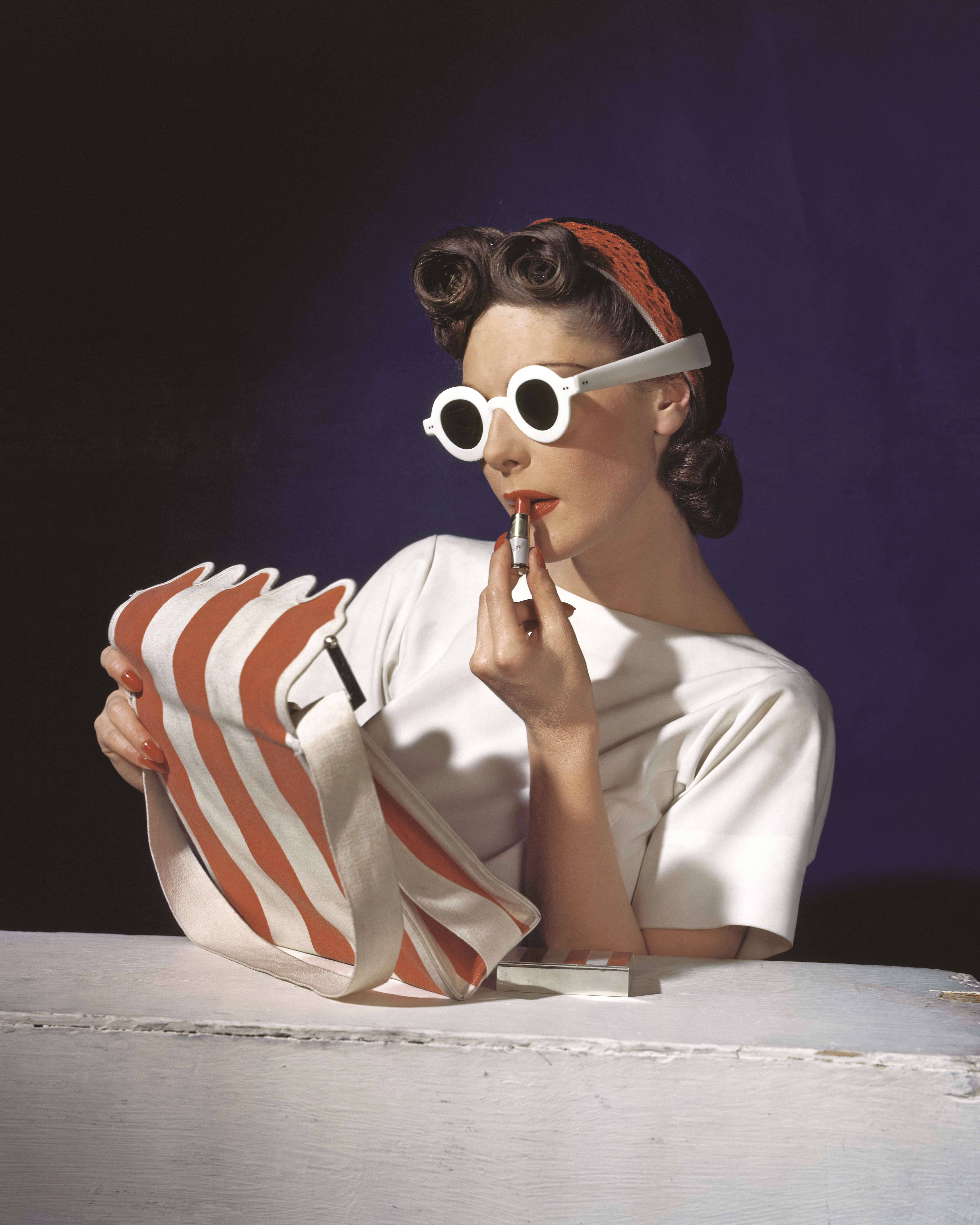
“ON A BAD DAY, THERE’S ALWAYS LIPSTICK,” noted no less an icon than Audrey Hepburn. And even the most slavish natural-look devotee will understand what she meant. Hepburn wasn’t talking about the guileless pink she applies post jail-release in Breakfast at Tiffany’s, but a humdinging rocket-red of the sort one turns to for serious kapow.
Red lips shout stardom, in the same way that for the ancients they spelled divinity, given that statues of the gods were replete with cherry-red mouths. No Hollywood legend has been without her scarlet smile, be it Bette Davis, Marilyn Monroe or Elizabeth Taylor; just as pop stars Madonna, Rihanna and Taylor Swift crave a carmine pout today. Red is the signal for stop, behold and bow down – as much a demand for submission as it is a provocation.
For red is not merely a primary colour, but nature’s primal hue; the shade against which all others feel a bit… meh. “Red is the colour of life, of blood,” declared Coco Chanel – no mean red-lip sporter herself – getting to the heart of its elemental appeal. It is the first colour specified by name in almost all primitive cultures, and the shade most deployed in their art. In ancient Hebrew, “Adam” means both “alive” and “red”, while prehistoric man daubed with blood anything he sought to summon to life.
For many women, and still more for their male admirers, red lipstick is make-up. Certainly its potently plush tone is associated with fertility – the ultimate incitement to the red-blooded male
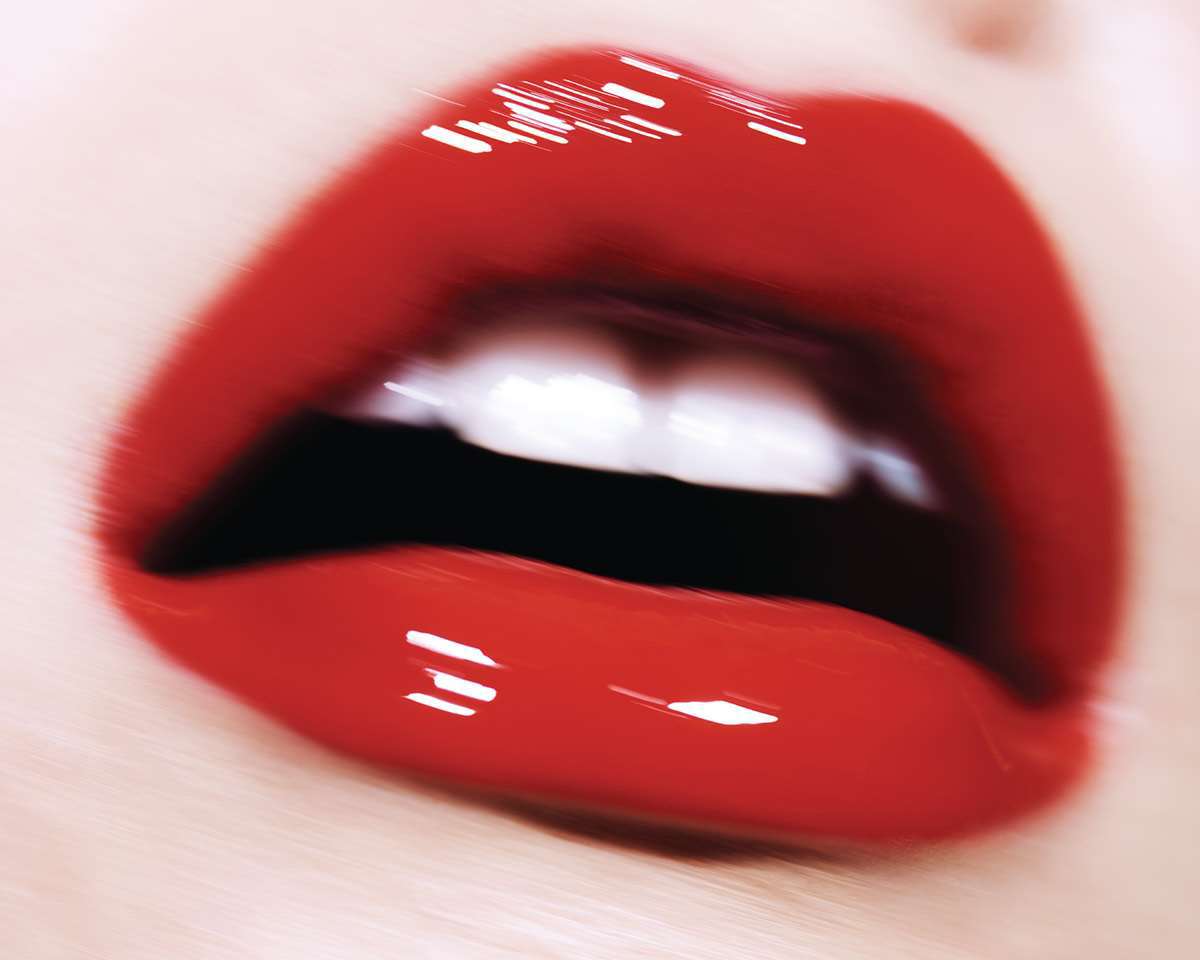
Accordingly, when we refer to red lips as “retro”, we’re actually talking millennia. Red is the cosmetic arsenal’s most ancient shade, in evidence as long ago as we have evidence of man. Back in the 3rd century BC, the Sumerian city of Ur’s Queen Shubad favoured ground red rock; Cleopatra relied on henna and carmine; while Poppaea, wife of the Roman Emperor Nero, experimented with ochre and iron ore. One of the most poignant relics left by the eruption of Vesuvius in 79 AD is an ivory-handled mirror which would have been clutched by a fashionable beauty while she ruddied her pout.
This long and potent legacy means that, for many women, and still more for their male admirers, red lipstick is make-up. Certainly its potently plush tone is associated with fertility – the ultimate incitement to the red-blooded male and the chief symbol of the tricks the female of the species has up her sleeve. However, today’s cultural critics tend to smile at such naivety. Instead – inspired by gender theorist Judith Butler – they view the painted face as an act of theatre, performance, play.
Either way, the scarlet mouth presents an exquisite contradiction: an emblem of perfection begging to be besmirched; hallmark of a siren who cannot kiss or consume. Red-lips woman may harbour beguiling shades of the gutter; however, her immaculate moue renders her a class act, sufficiently leisured to keep her maquillage pristine. Her mouth demands that we pay attention to what she’s saying, while providing the ultimate distraction by means of subtext.
Red, of course, also means war: something incendiary, a red rag to a bull. Magenta, lest we forget, is a shade that takes its name from the blood-soaked soil of an Italian battlefield. Merely laying eyes on the colour is said to increase the metabolic rate. When subjects in a study measuring grip were shown a red light, their strength improved by almost a fifth. Red steels a girl for action, supplies her with her armour. Hence the red mouth’s popularity when Britain was last at war: a mark that its womanhood would be red in tooth and claw as they took over the working world and kept home fires burning bright.
I came out of the womb waving red lipstick
Come the 1980s, red lips returned as women re-staged their assault on the workplace. These new power players brandished their bullets, wielding their lips like the cosmetic equivalent of so many flame-coloured Ferraris. No superwoman nor supermodel sallied forth sans scarlet lip. As Rose McGowan, the #MeToo heroine who later took on Harvey Weinstein, would declare: “I came out of the womb waving red lipstick.”
Make-up mythology has it that there is a red for every woman. Well, up to a point, Lord Copper. Lacquer or letterbox reds such as MAC’s Red Rock can look fabulous on milky blondes, honey-hued brunettes or raven-tressed beauties. However, if one’s complexion is pink-toned, then a bluish hue such as MAC’s Ruby Woo will be just the thing, while tawnyorange types should veer toward foxy corals such as Dolce & Gabbana’s Devil. Chanel, of course, is the home of the scarlet pout, inspired by its creator’s lifelong fixation. It even boasts a sheer option for ingenues desirous of dipping a toe: Les Beiges Healthy Glow Lip Balm in Deep.
My personal obsession is a berry, specifically, Charlotte Tilbury’s Matte Revolution in Glastonberry. The company describes this shade as a “muted purple”; however, it reads red to its perpetual stream of admirers. When I hold its bullet to my lips, I am transformed into my best and most ball-breaking self – beneficiary of a retro ritual that remains forever new.
This article was taken from the Autumn 2019 edition of the Goodwood Magazine.
goodwood magazine
goodwood news
estate news
estate newsletter
goodwood style