-
Events
-
Festival of Speed
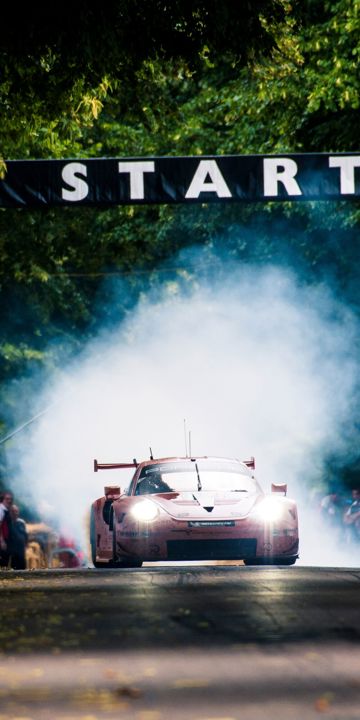

Have you visited our Forest Rally Stage?
From 2005 to present there has been a demonstration area for the rally cars at the top of the hill
-
Goodwood Revival
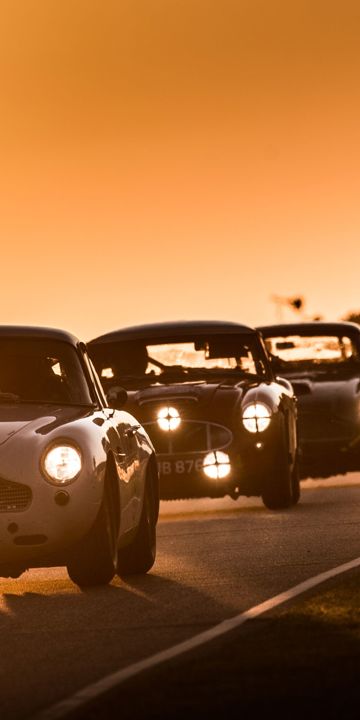

Spectators Favourite
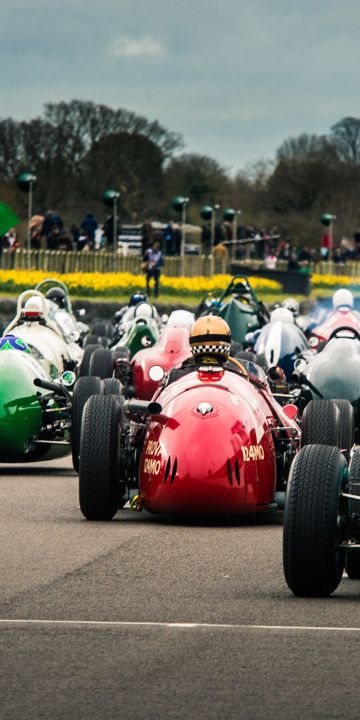
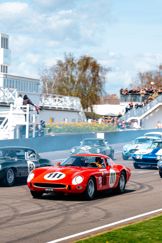
Spectate from the chicane at the Revival to see plenty of classic cars going sideways as they exit this infamous point of our Motor Circuit.
-
Members' Meeting
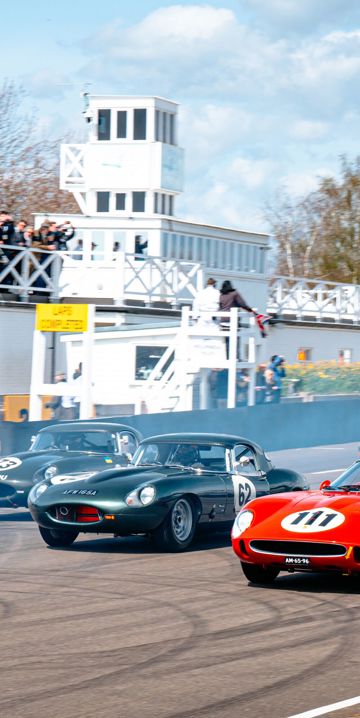

More than motorsport...
Ferret racing and duck herding are two of the many off-track activities at Members' Meeting -
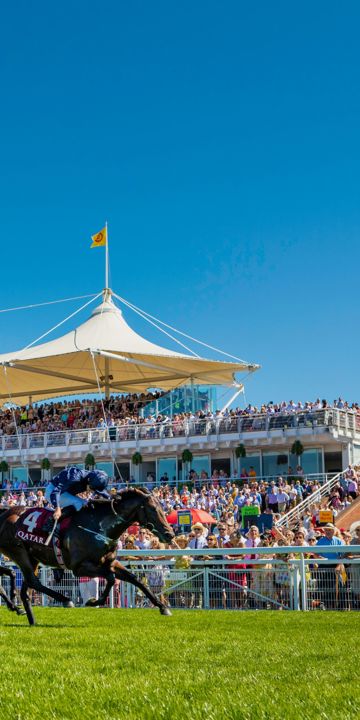
Qatar Goodwood Festival
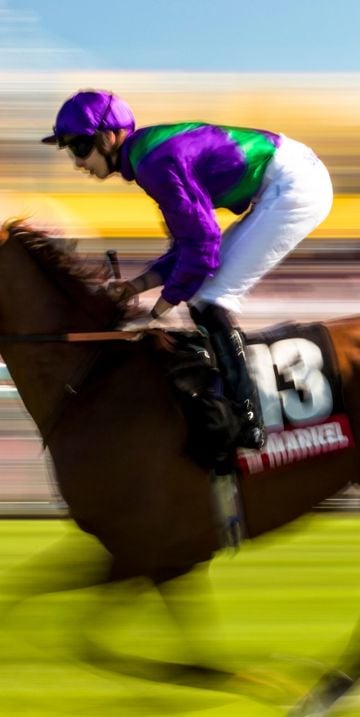

St Simon
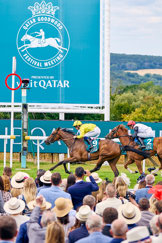
Whoa Simon! A horse so determined and headstrong, he not only won the 1883 Goodwood Cup by 20 lengths, but couldn't be stopped and carried on running over the top of Trundle hill
-
Goodwoof
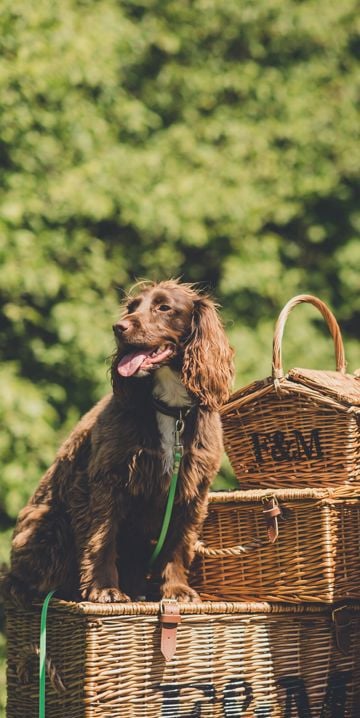

Start in style
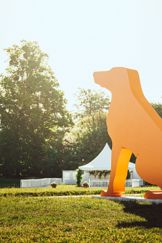
The breed parade sees hundreds of dogs and their owners walk from Goodwood House down to The Kennels to kick start the Goodwoof weekend. -
Horseracing
-
Season Opener
-
May Festival
-
Family Race Day
-
Three Friday Nights
-
August Bank Holiday
-
Autumn Racing
-
Season Finale
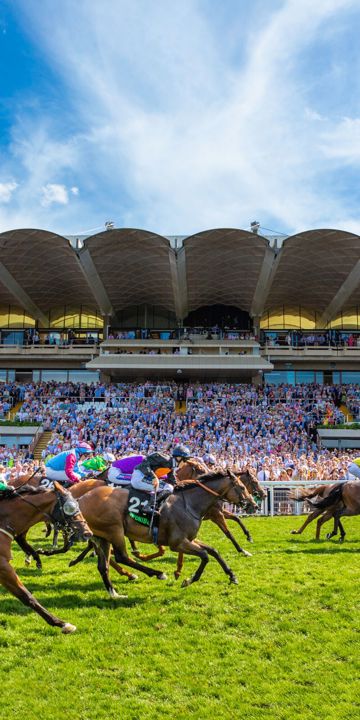

Racing Colours
The red & yellow of the Racecourse can be traced back hundreds of years, even captured in our stunning Stubbs paintings in the Goodwood Collection
-
Season Opener
-
Breakfast Club
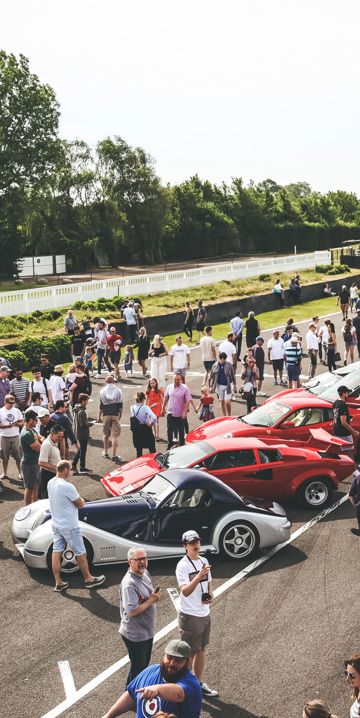

A perfect Sunday morning?
A no-cost, all-welcome motoring show where the visitors and their machines are the stars -
Health Summit
-
Hospitality
-
Exhibiting
-
Partnerships
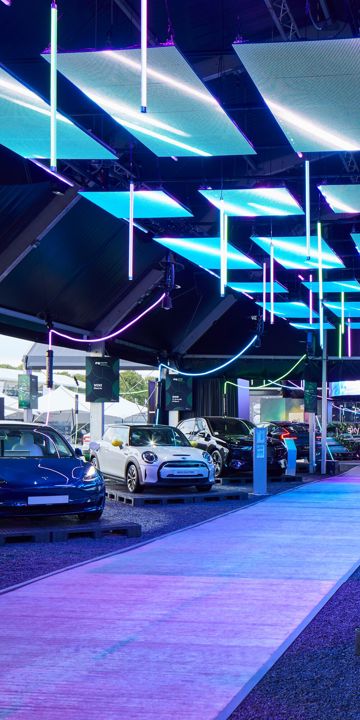

Where else can you...
...plan strategy in an ancient woodland, enjoy award-winning dining then drive around a racetrack?
-
What's on
-
Festival of Speed
-
Visit, Eat, Stay
-
The Goodwood Hotel
-
Rooms
-
Contact Us
-
Christmas
-
New Year's Eve
-
Weddings
-
Kids Activities
-
Offers
-
Local Attractions
-
Plan your stay
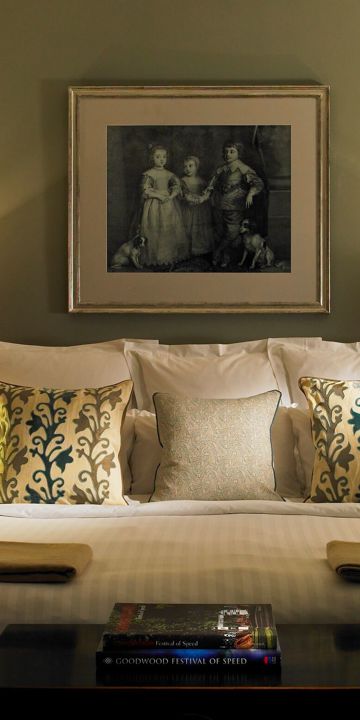

Carne's Seat
Just beyond Goodwood House along the Hillclimb, the 2nd Dukes banqueting house was also known as "one of the finest rooms in England" (George Vertue 1747).
-
Rooms
-
Goodwood Cottages


During the war...
The Motor Circuit was known as RAF Westhampnett, active from 1940 to 1946 as a Battle of Britain station.
-
Goodwood House
-
Afternoon Tea & Tour
-
The Collection
-
Exhibitions
-
History
-
Weddings
-
Copper Dome Restoration
-
Secrets of a Radical Duke Talk by Professor Danielle Allen

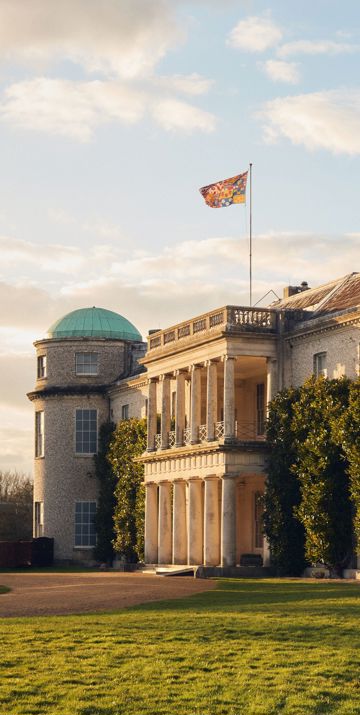
Copper Turrets
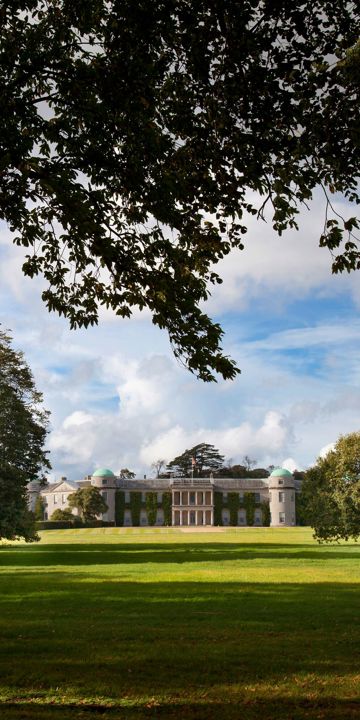
After a fire in 1791 at Richmond House in Whitehall, London, James Wyatt added two great wings to showcase the saved collection at Goodwood. To give unity to the two new wings, Wyatt added copper-domed turrets framing each façade.
-
Afternoon Tea & Tour
-
Restaurants
-
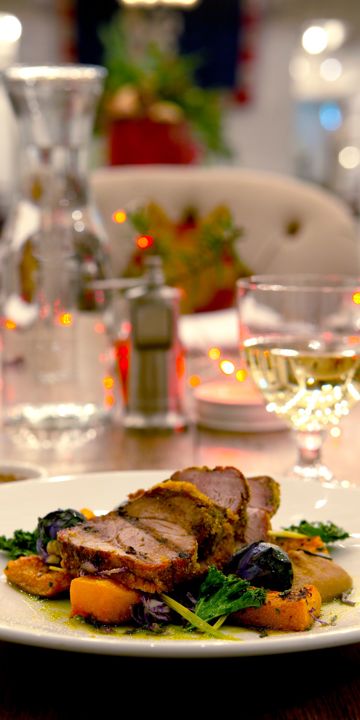
Farmer, Butcher, Chef
-
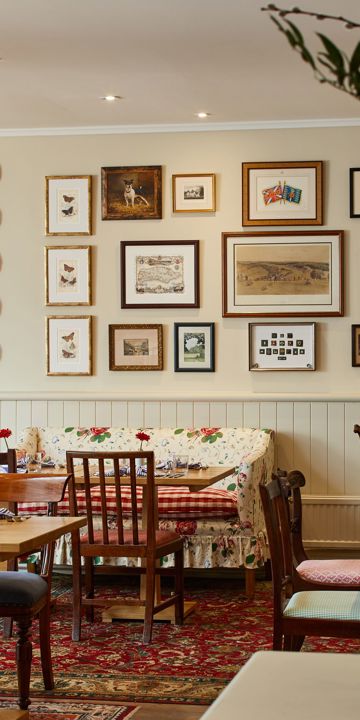
The Goodwood Bar & Grill
-
The Kennels
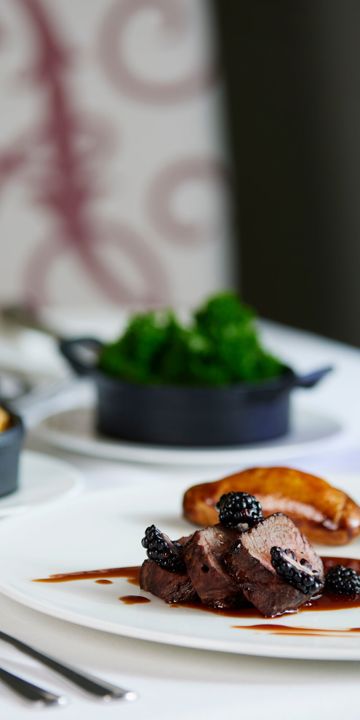
-
Aerodrome Café
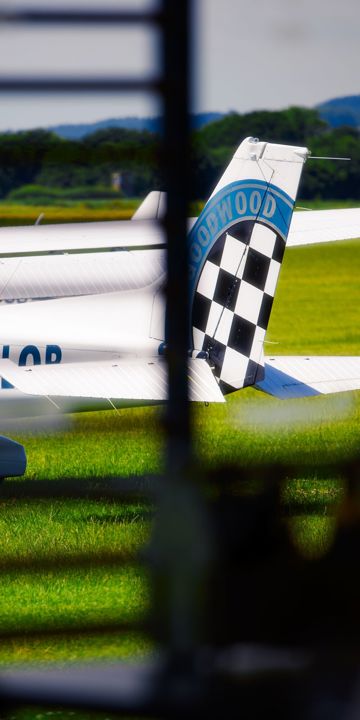
-
Motor Circuit Café

-
Cafe 24
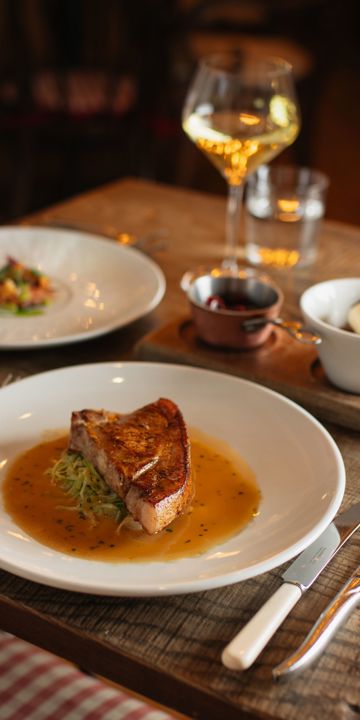

Sustainable state-of-mind
When Farmer, Butcher, Chef opened in 2016 it was awarded the UK’s first-ever Royal Academy of Culinary Arts ‘Sustainable Food Philosophy Seal’. -
Farmer, Butcher, Chef
-
The Kennels
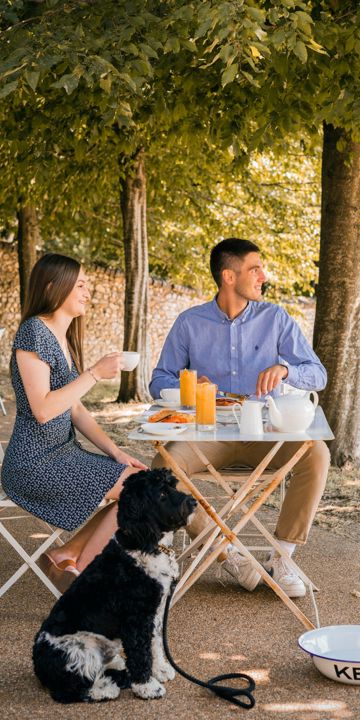

How old is The Kennels?
Built in 1787 by celebrated architect James Wyatt to house the third Duke of Richmond’s prized fox hounds, The Kennels was known as one of the most luxurious dog houses in the world!
-
Motor Circuit
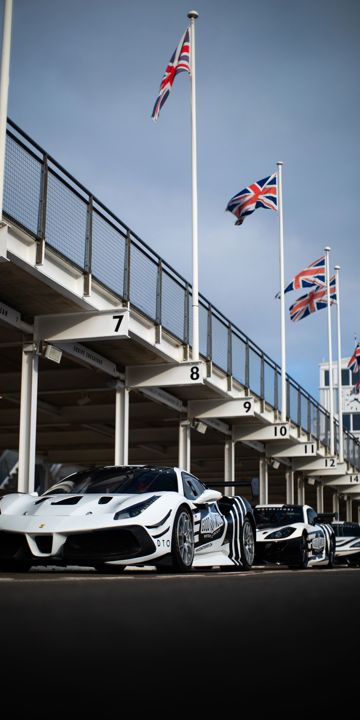

During the war...
The Motor Circuit was known as RAF Westhampnett, active from 1940 to 1946 as a Battle of Britain station. -
Health & Wellbeing
-
Membership
-
Health Club
-
Gym
-
Run Series
-
Spa Treatments
-
Wellness Retreats
-
Events Calendar
-
Corporate Wellbeing
-
Health Summit
-
Latest News

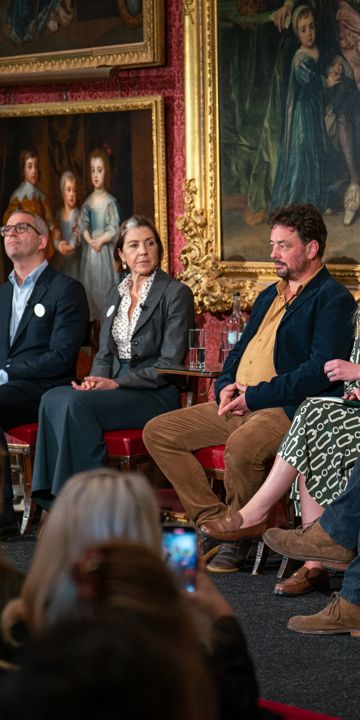
Goodwood's first Health Summit...
...took place in 2023 with industry experts discussing nutrition costs and food systems for a healthier future. -
Membership
-
Hound Lodge
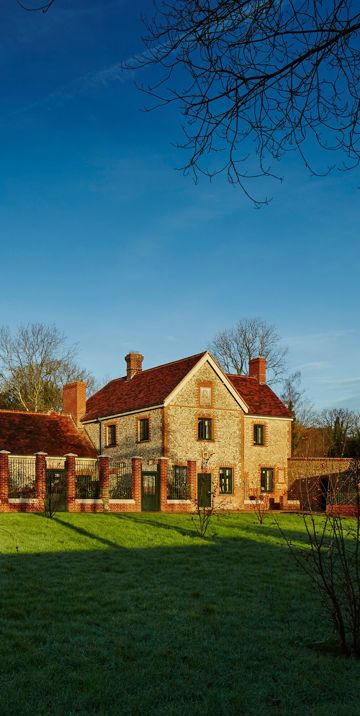

"No" isn't in our vocabulary
Everything that we can do to ensure your stay at Hound Lodge is impeccable will be taken into account. -
Goodwood Farm Shop


Levin Down Gin
Our gin uses wild-grown botanicals sourced from the estate, and is distilled with mineral water naturally chalk-filtered through the South Downs.
-
Parties
-
Goodwood Art Foundation
-
The Goodwood Hotel
-
Motorsport
-
Festival of Speed
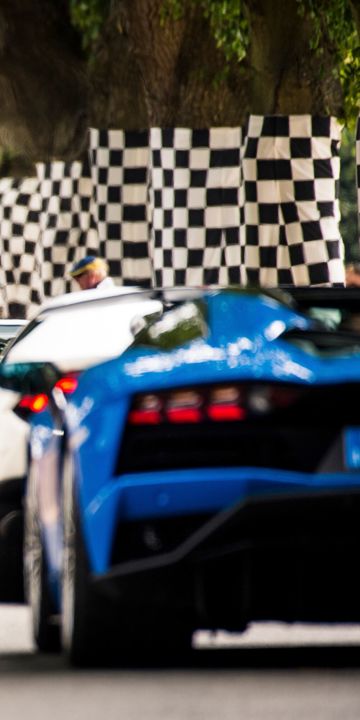

Why don't the F1 cars race the hill?
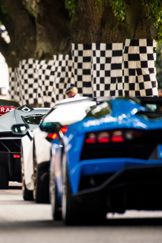
For safety reasons F1 cars can no longer do official timed runs so instead perform stunning demonstrations!
-
Goodwood Revival
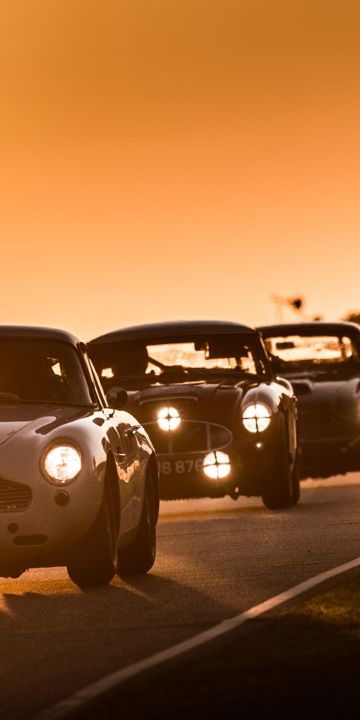

Goodwood Heroes
Legend of Goodwood's golden racing era and Le Mans winner Roy Salvadori once famously said "give me Goodwood on a summer's day and you can forget the rest".
-
Members' Meeting
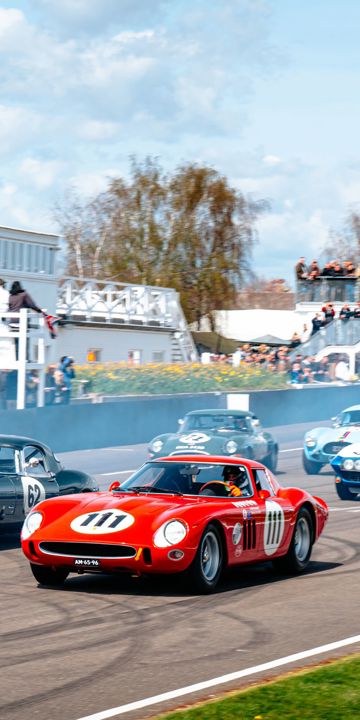

Earls Court replica
Our replica of the famous motor show showcases the "cars of the future" in true Revival style
-
Breakfast Club
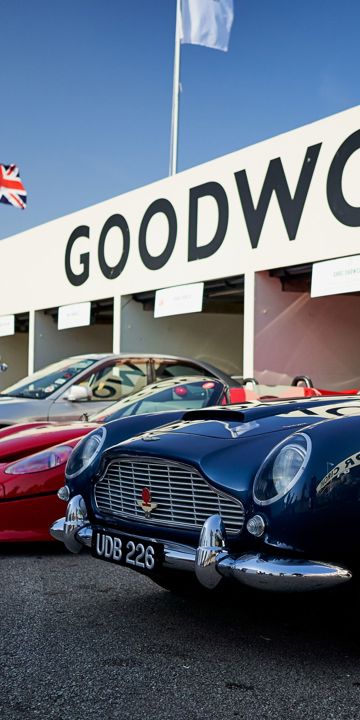

What's that on the startline?
The bricks lining the Festival of Speed startline are 100 years old and a gift from the Indianapolis Speedway "Brickyard" in 2011 to mark their centenary event!
-
Motor Circuit

The Hillclimb Record
Nick Heidfelds 1999 (41.6s) hillclimb record was beaten after Max Chilton in his McMurtry Spéirling fan car tore it to shreds at 39.08s in 2022!
-
Driving Experiences
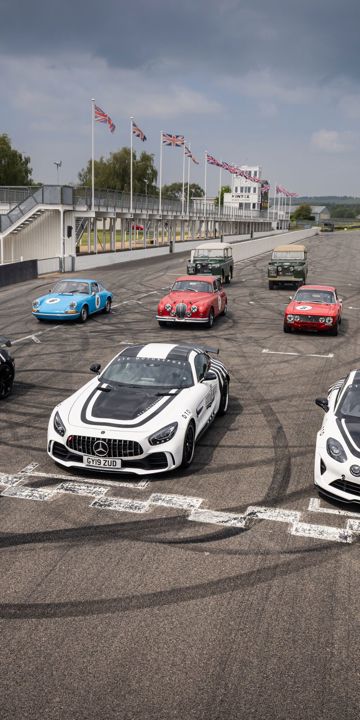
Earls Court replica
Our replica of the famous motor show showcases the "cars of the future" in true Revival style
-
Goodwood Road Racing Club
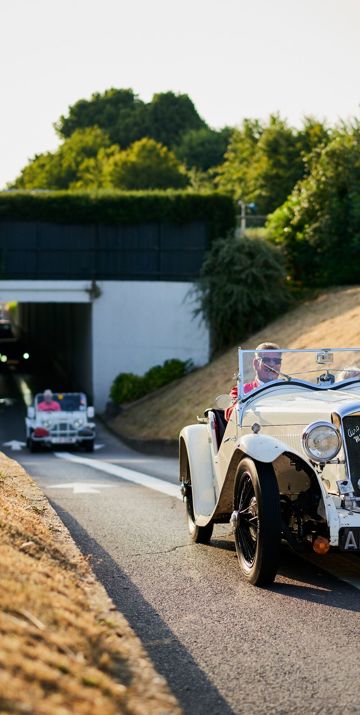
What's that on the startline?
The bricks lining the Festival of Speed startline are 100 years old and a gift from the Indianapolis Speedway "Brickyard" in 2011 to mark their centenary event!
-
Latest News
-
Festival of Speed
-
Horseracing
-
Tickets & Packages
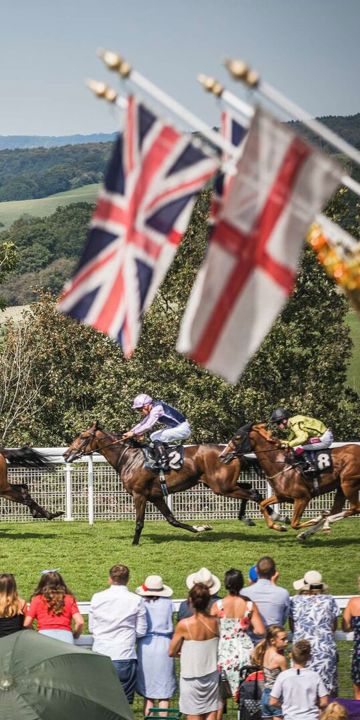

Why walk when you can drive
The first ever horsebox was used from Goodwood to Doncaster for the 1836 St. Leger. Elis arrived fresh and easily won his owner a £12k bet.
-
Hospitality
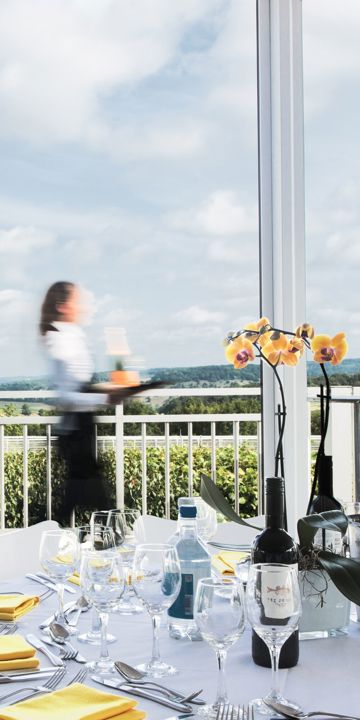

"Glorious Goodwood"
The first public race meeting took place in 1802 and, through the nineteenth century, ‘Glorious Goodwood,’ as the press named it, became a highlight of the summer season
-
Goodwood Horseracing Club
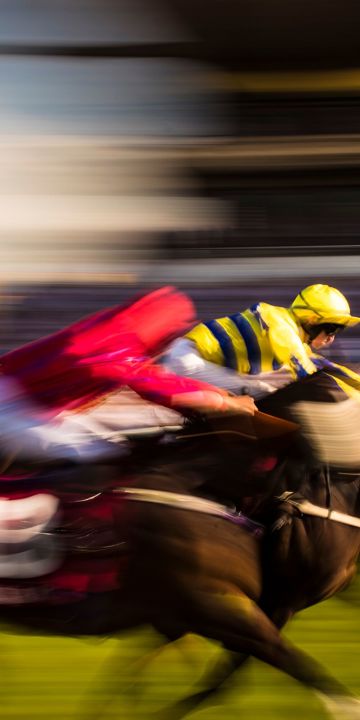

Wearing Linen at the Races
Ever since King Edward VII relaxed the dress code in the 19th century, we have enjoyed a carefree holiday feel here, unlike any other racecourse. -
Fixtures & Events
-
Season Opener
-
May Festival
-
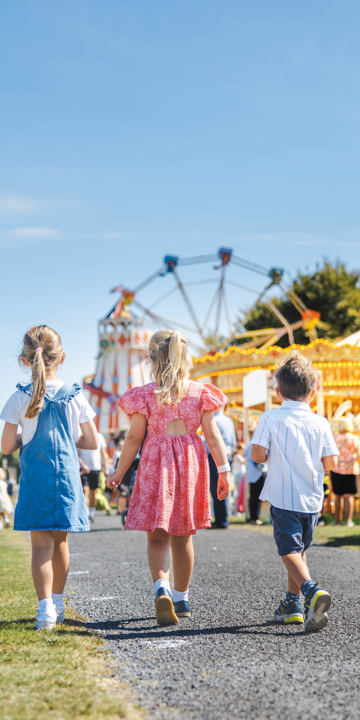
Family Race Day
-
Three Friday Nights

-
Qatar Goodwood Festival
-
August Bank Holiday
-
Autumn Racing
-
Season Finale
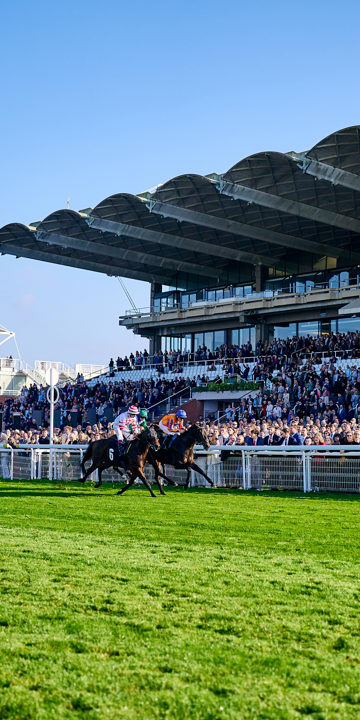
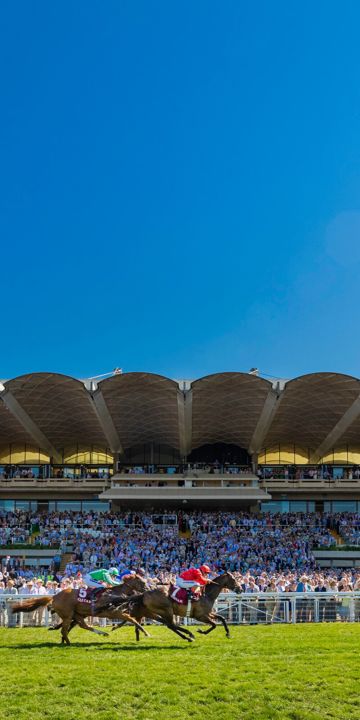
Why walk when you can drive
The first ever horsebox was used from Goodwood to Doncaster for the 1836 St. Leger. Elis arrived fresh and easily won his owner a £12k bet.
-
Season Opener
-
Qatar Goodwood Festival
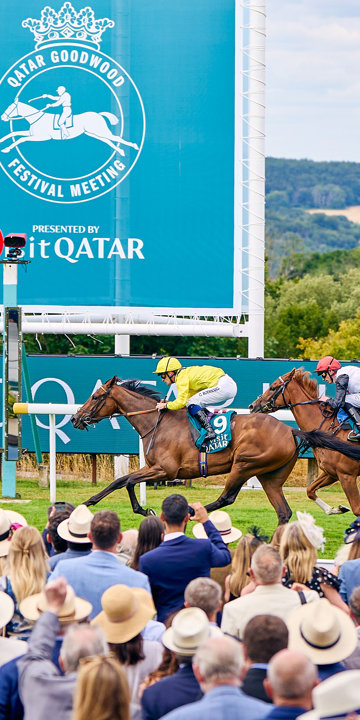
Why walk when you can drive
The first ever horsebox was used from Goodwood to Doncaster for the 1836 St. Leger. Elis arrived fresh and easily won his owner a £12k bet.
-
Three Friday Nights
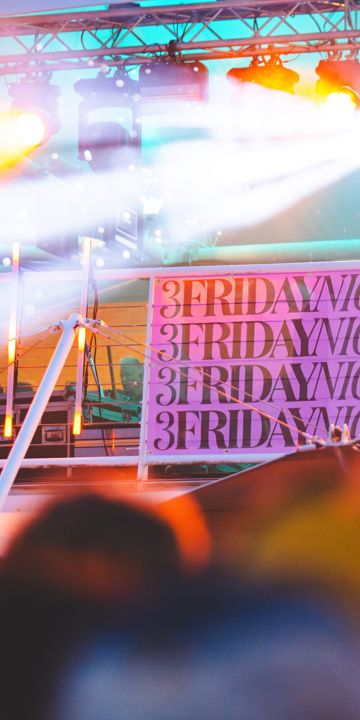
Why walk when you can drive
The first ever horsebox was used from Goodwood to Doncaster for the 1836 St. Leger. Elis arrived fresh and easily won his owner a £12k bet.
-
Plan Your Day
-
Enclosures
-
Event Map
-
Going Report
-
Getting Here
-
Betting at Goodwood
-
Dress Code
-
Accessibility
-
Food & Drink
Why walk when you can drive
The first ever horsebox was used from Goodwood to Doncaster for the 1836 St. Leger. Elis arrived fresh and easily won his owner a £12k bet.
-
Enclosures
-
Buy Merchandise
-
Partners
-
Owners & Trainers
-
Latest News
-
FAQs
-
Accessibility
-
Tickets & Packages
-
Experiences
-
Driving
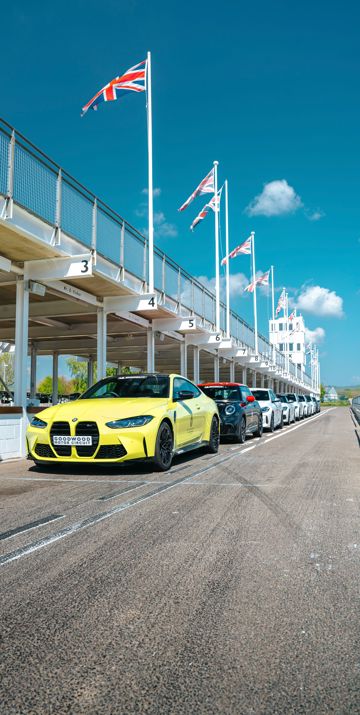
During the war...
The Motor Circuit was known as RAF Westhampnett, active from 1940 to 1946 as a Battle of Britain station. -
Flying
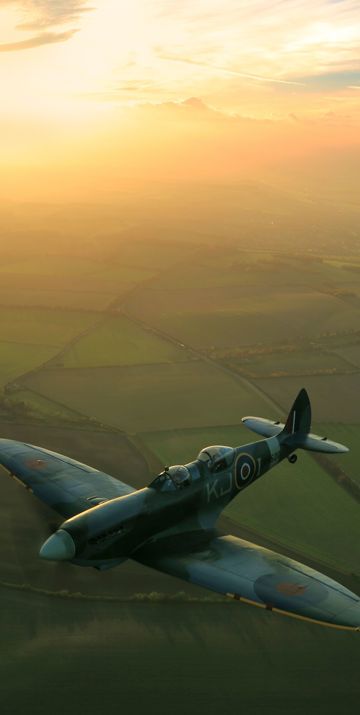

Flying Elephant
The first thing ever dropped at Goodwood was a cuddly elephant which landed in 1932 just as the 9th Duke of Richmonds passion for flying was taking off.
-
Golf

Over 100 years of Golf
The first ever round of golf played at Goodwood was in 1914 when the 6th Duke of Richmond opened the course on the Downs above Goodwood House.
-
Shooting
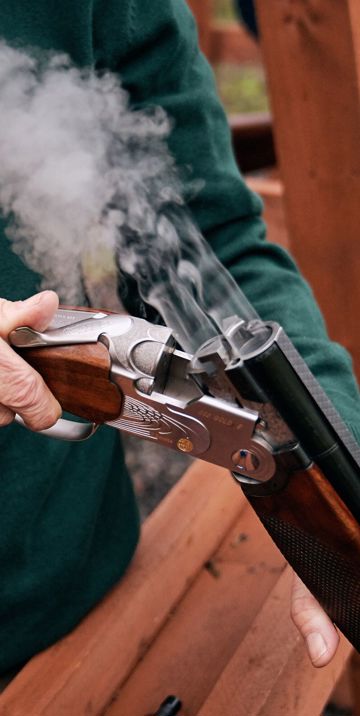
Flying Elephant
The first thing ever dropped at Goodwood was a cuddly elephant which landed in 1932 just as the 9th Duke of Richmonds passion for flying was taking off.
-
Afternoon Tea
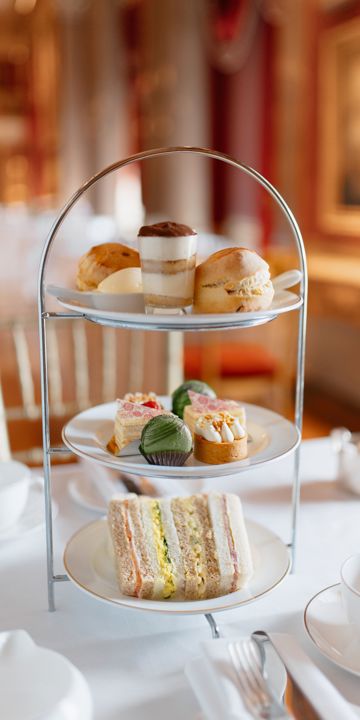

Roots for the future
A 20m woodland rue, from Halnaker to Lavant, was planted by our forestry teams & volunteers, featuring native species like oak, beech, & hornbeam
-
Corporate Wellbeing
Goodwood's first Health Summit...
...took place in 2023 with industry experts discussing nutrition costs and food systems for a healthier future. -
Cycling
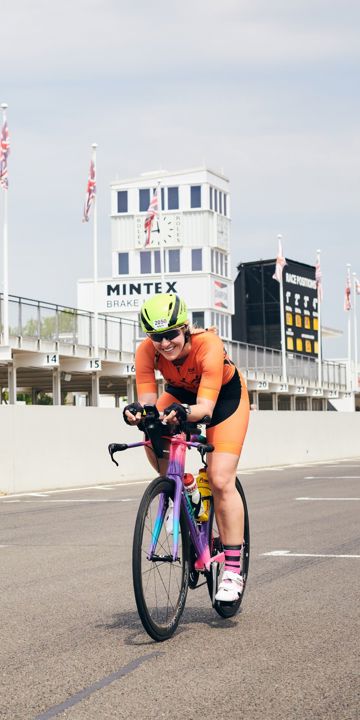

Motorsport Since 1948
Goodwood Motor Circuit was officially opened in September 1948 when Freddie March, the 9th Duke and renowned amateur racer, tore around the track in a Bristol 400
-
Corporate Experiences
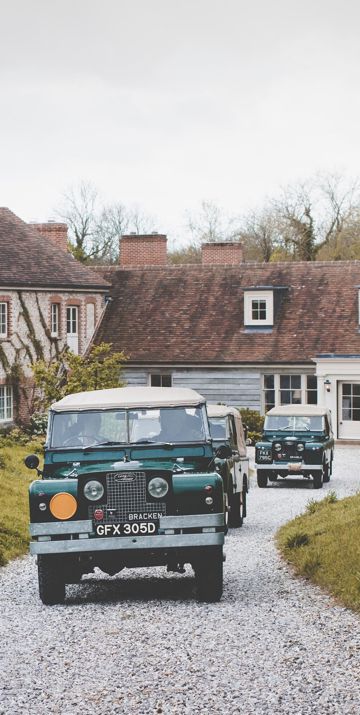
Where else can you...
...plan strategy in an ancient woodland, enjoy award-winning dining then drive around a racetrack?
-
Spa Treatments
-
Driving
- Hospitality
-
Golf
-
Golf Courses
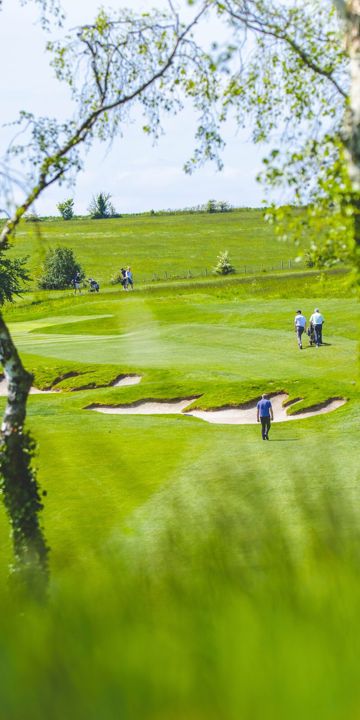

Braid’s Masterpiece
One of the greatest golfers of all time, James Braid designed Goodwood’s iconic Downland course, opened in 1914.
-
Golf Membership
-
Credit Membership
-
Application Form
-
Braid Membership
-
Intermediate Membership
-
Junior Membership
-
Corporate Membership
-
Copse Membership


A sporting Estate
Goodwood has two 18-hole championship courses, a modern clubhouse and an impressive Academy. -
Credit Membership
-
The Academy
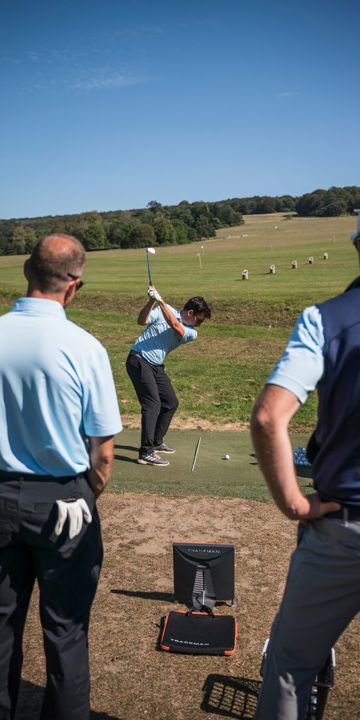
A sporting Estate
Goodwood has two 18-hole championship courses, a modern clubhouse and an impressive Academy. -
Golf Experiences

Braid’s Masterpiece
One of the greatest golfers of all time, James Braid designed Goodwood’s iconic Downland course, opened in 1914.
-
Golf Courses
-
Flying
-
Flying School
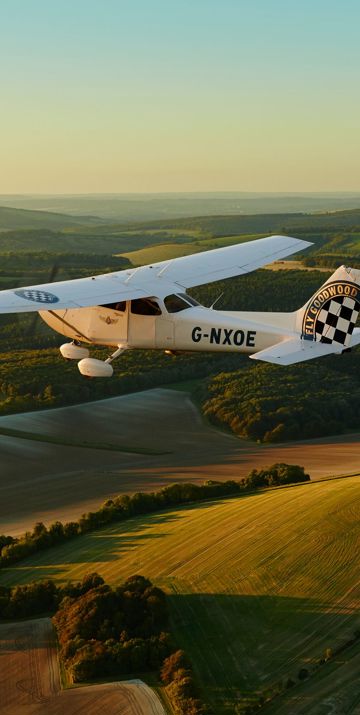

Ace Pilot
Ray Hanna famously flew straight down Goodwood’s pit straight below the height of the grandstands at the first Revival in 1998
-
Aero Club Membership
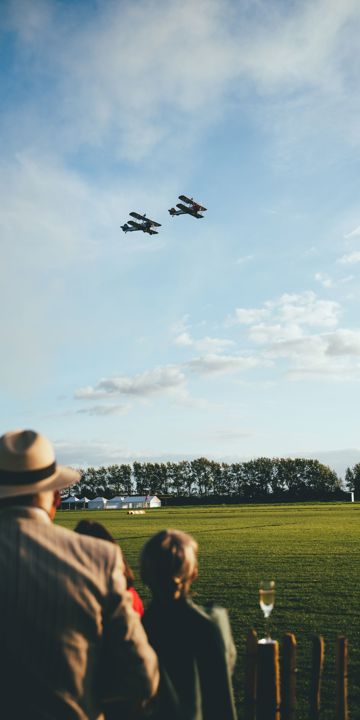

Flying with Goodwood
Come with us for an epic journey. -
Flying Experiences
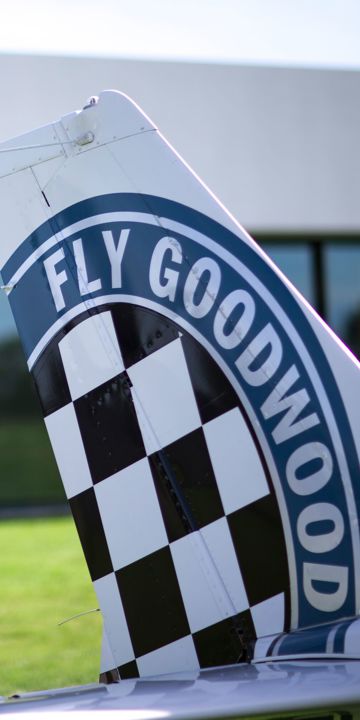
-
Pilot Information
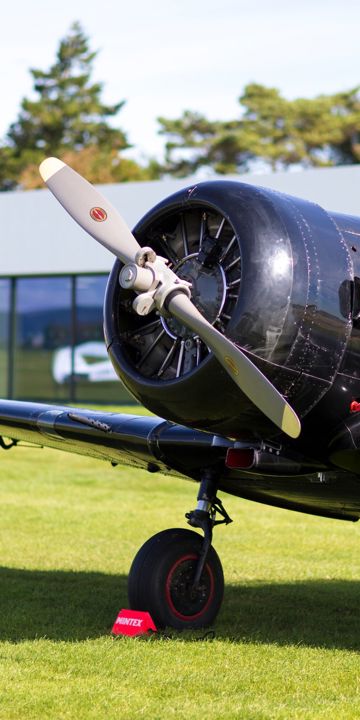

Group Captain Sir Douglas Bader
The famous fighter ace, who flew his last sortie from Goodwood Aerodrome, formerly RAF Westhampnett has a statue in his honor within the airfield.
-
Flying School
-
Meetings
-
Venue Hire
-
Goodwood House
-
The Racecourse
-
The Goodwood Hotel
-
The Motor Circuit
-
The Kennels
-
The Aerodrome
-
The Great Outdoors
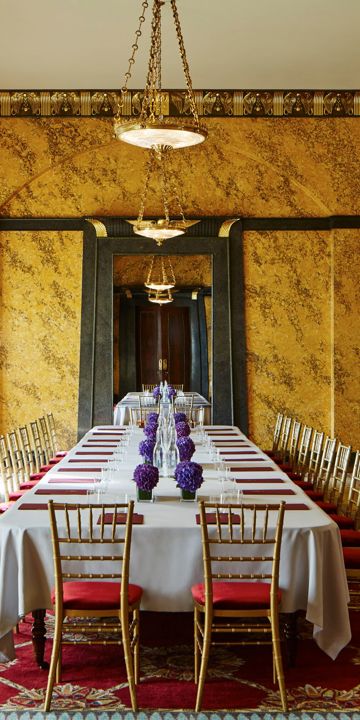
Where else can you...
...plan strategy in an ancient woodland, enjoy award-winning dining then drive around a racetrack?
-
Goodwood House
-
Plan Your Meeting
-
Parties
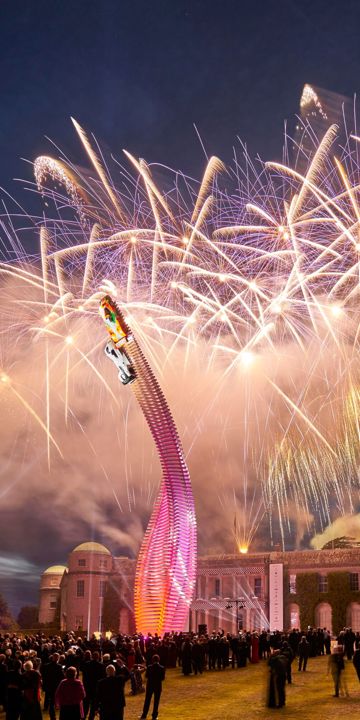
Where else can you...
...plan strategy in an ancient woodland, enjoy award-winning dining then drive around a racetrack?
-
Hospitality

-
Corporate Experiences
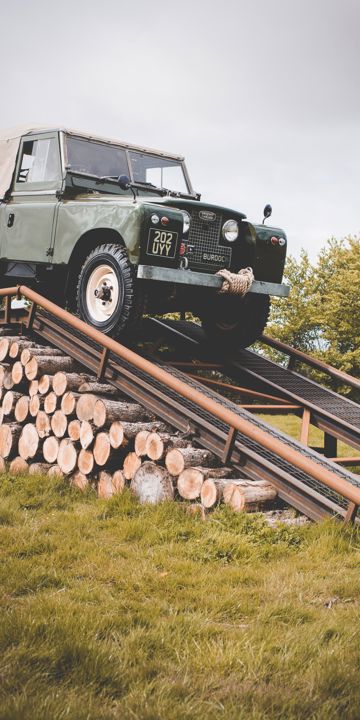
Where else can you...
...plan strategy in an ancient woodland, enjoy award-winning dining then drive around a racetrack?
-
Christmas Parties
-
Film Locations
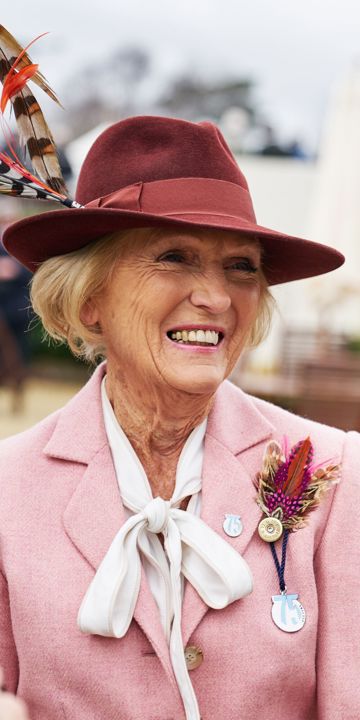
Filming at Goodwood
We have been host to many incredible film crews using Goodwood as a backdrop for shows like Downton Abbey, Hollywood Blockbusters like Venom: let there be Carnage and the Man from U.N.C.L.E.
-
Venue Hire
-
Weddings
-
Goodwood House
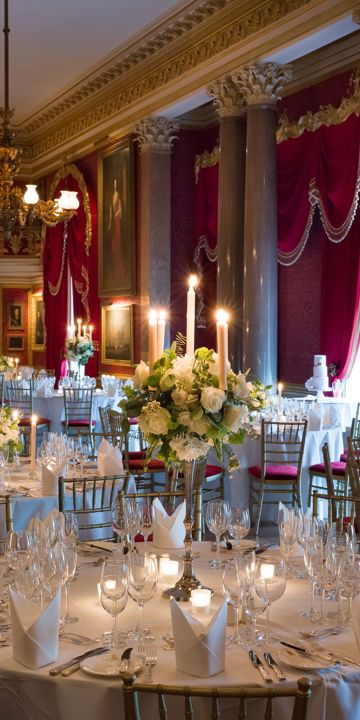
Duke of Richmond and Gordon
The Duke of Richmond holds the title of Duke of Richmond and Gordon. This title reflects the historical association with both the Richmond and Gordon families.
-
The Kennels


Advice from our Head Butler
Ensure you take a little time out together to pause and take in the celebration of all the hard work you put in will be a treasured memory.
-
Parties
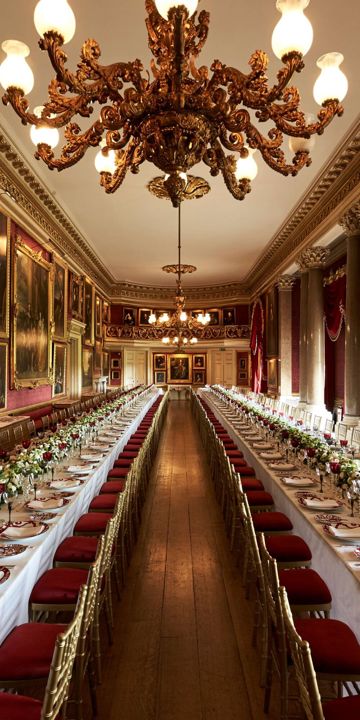


A destination for all seasons
We're well known for our iconic motorsport and horseracing events. But there's a lot more happening at Goodwood...
-
Goodwood House
-
Memberships
-
Goodwood Road Racing Club
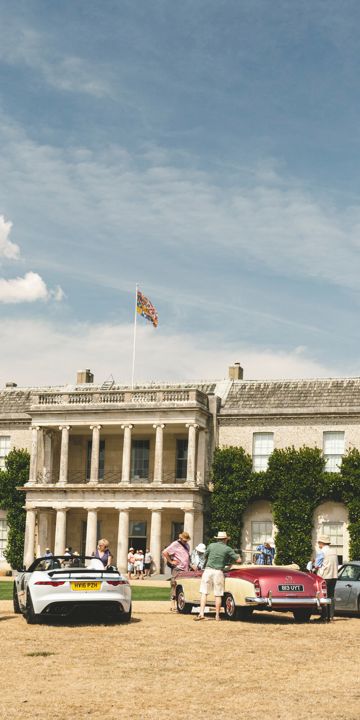

When was the GRRC founded?
Established in 1998 by the Duke of Richmond, the Goodwood Road Racing Club offers exclusive benefits across the estate year-round -
Goodwood Horseracing Club
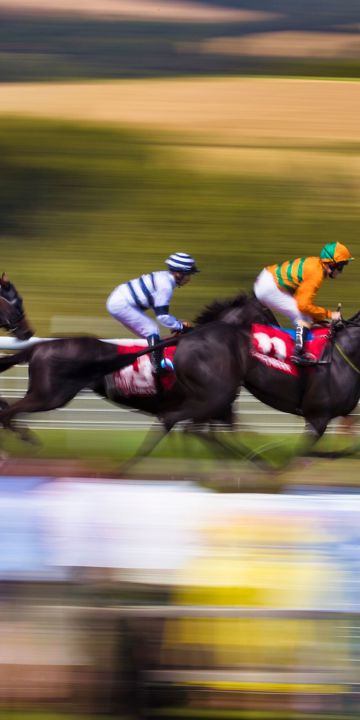
"Glorious Goodwood"
The first public race meeting took place in 1802 and, through the nineteenth century, ‘Glorious Goodwood,’ as the press named it, became a highlight of the summer season
-
Golf At Goodwood
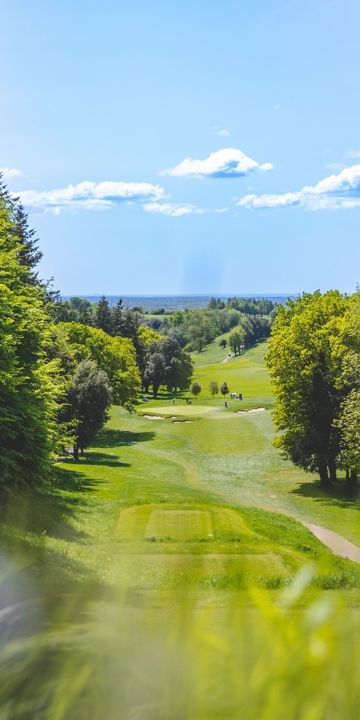
Over 100 years of Golf
The first ever round of golf played at Goodwood was in 1914 when the 6th Duke of Richmond opened the course on the Downs above Goodwood House.
-
Goodwood Aero Club
Flying with Goodwood
Come with us for an epic journey. -
Goodwood Health Club
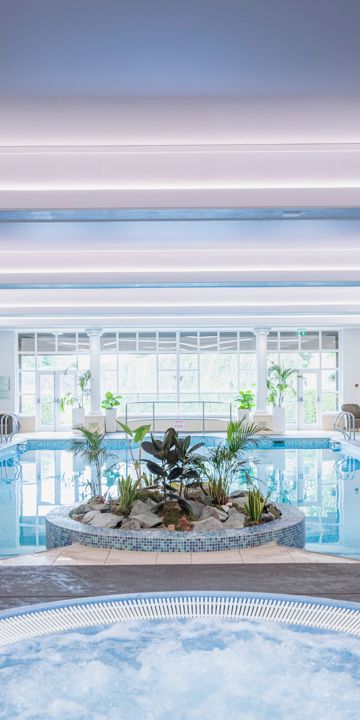
Goodwood's first Health Summit...
...took place in 2023 with industry experts discussing nutrition costs and food systems for a healthier future. -
The Kennels


An exclusive clubhouse
As the private clubhouse for all of the Estate’s sporting and social members, it offers personal service and a relaxed atmosphere
-
Sporting Membership


Battle of Britain
Flying training began at Goodwood in 1940 when pilots were taught operational flying techniques in Hurricanes and Spitfires.
-
Goodwood Racehorse Owners Group
-
Goodwood Art Foundation
-
Goodwood Road Racing Club
- Classic Car Insurance
- Health & Wellbeing
- Buy Merchandise
-
Our Estate
-
What's on
-
Estate Map
Group Captain Sir Douglas Bader
The famous fighter ace, who flew his last sortie from Goodwood Aerodrome, formerly RAF Westhampnett has a statue in his honor within the airfield.
-
Stories from the Estate
Flying Elephant
The first thing ever dropped at Goodwood was a cuddly elephant which landed in 1932 just as the 9th Duke of Richmonds passion for flying was taking off.
-
Sports
-
Goodwood Education Trust
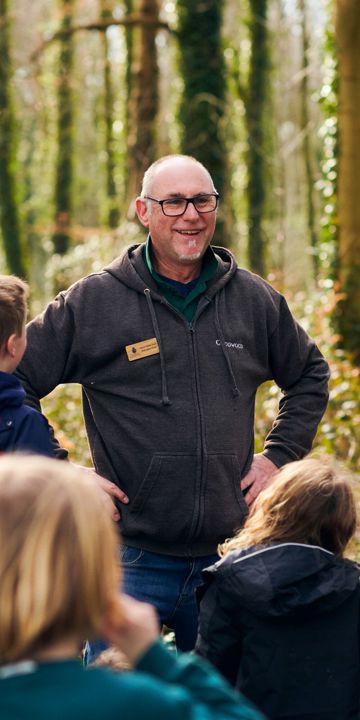

Fashionable foxhounds
The 1st Duke of Richmond bought Goodwood in 1697 as a place to stay to go foxhunting with the fashionable Charlton Hunt. -
Charities
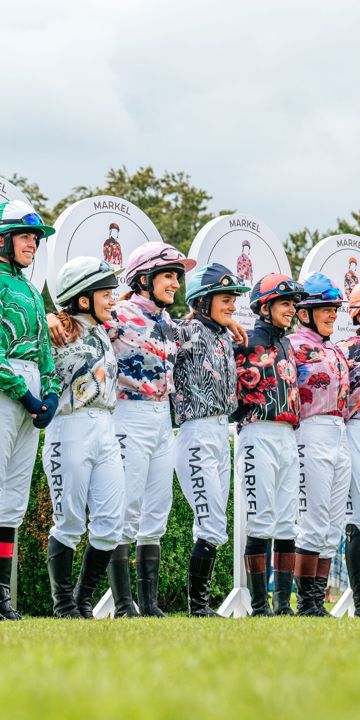
Estate Crest
"En la rose je fleurie" or "Like the rose, I flourish" is part of the Richmond coat of Arms and motto
-
Sustainability


The Silver Spitfire
The iconic spitfire covered almost 43,000 kilometres and visited over 20 countries on its epic journey and currently resides at our Aerodrome.
-
Diversity, Equity & inclusion
-
Property
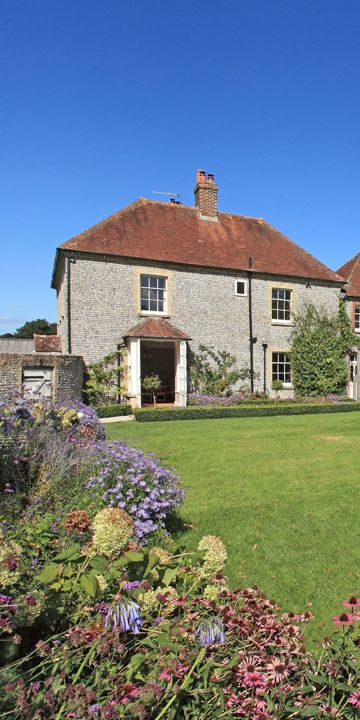
Group Captain Sir Douglas Bader
The famous fighter ace, who flew his last sortie from Goodwood Aerodrome, formerly RAF Westhampnett has a statue in his honor within the airfield.
-
Walking Guide

St Simon
Whoa Simon! A horse so determined and headstrong, he not only won the 1883 Goodwood Cup by 20 lengths, but couldn't be stopped and carried on running over the top of Trundle hill
-
Dog Walking Field
-
Careers
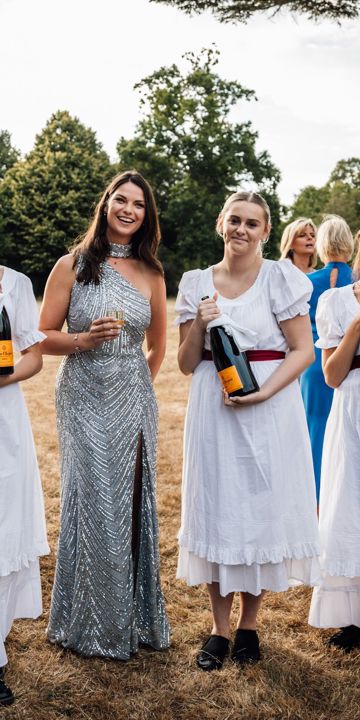
Battle of Britain
Flying training began at Goodwood in 1940 when pilots were taught operational flying techniques in Hurricanes and Spitfires.
-
Goodwood Art Foundation
-
Farm Shop
-
What's on



Upcoming Events

The Birth of a Legend
Dubbed “the most beautiful car in the world”, the E-type was a hit from the moment the world clapped eyes on its sinuous lines. But, as Andrew Frankel explains, achieving the performance to match its looks presented Jaguar with a thorny problem.
goodwood magazine
goodwood estate
festival of speed
Motor Cicuit
GRRC

There is no more iconic British sports car than the Jaguar E-type, launched 60 years ago at the Geneva Motor Show to global awe, acclaim and something quite close to lust. But behind the photographs of its gorgeous Malcolm Sayer-penned shape and the lurid headlines attesting to its 150mph top speed lies another story – the story of how it got those headlines and even how it got to Geneva in the first place.
The E-type must have seemed something of a nightmare to its principal rivals. It was as beautiful as any Ferrari; in fact it was Enzo Ferrari himself who handed Jaguar their powerful marketing line when he described the E-type as “the most beautiful car in the world”. It was as fast and probably faster than any Aston Martin – and it was half the price of either. Worse, from its semi-monocoque construction to its fully independent rear suspension, it was technologically streets ahead of the opposition. Indeed, it is perhaps a shame that so many commentators have focused on its near unimprovable shape, because they tended to ignore the beauty beneath its skin.

Norman Dewis, Jaguar’s chief test driver in 1961
Yet despite all it had going for it, Jaguar’s top brass felt it needed something else, a rabbit out of a hat to accompany its launch in Geneva on March 15, 1961 that the world would never forget. And a 150mph top speed was it. Which presented Jaguar with a rather thorny problem because if you got into an E-type and put your foot down, it wouldn’t do much more than 135mph. What made the issue far more critical was that for the sake of credibility its top speed had to be achieved and verified by independent assessors, in this case the journalists from The Autocar and The Motor magazines. So they couldn’t just drop the idea or simply claim that it could do it in the hope no one would ever find out it could not. The E-type had to do 150mph.
Jaguar’s top brass felt it needed something else, a rabbit out of a hat to accompany its launch in Geneva… and a 150mph top speed was it
As speed is a function of drag and power, it gave Jaguar the opportunity to attack the problem from both ends. In aerodynamic terms, removing the front bumper helped considerably, and the bar across its “mouth” too (it’s pertinent that Sayer, a master of aerodynamic design, had worked as a wartime aircraft engineer). Then racing Dunlop R5 tyres were fitted, ostensibly as a result of safety concerns about the road tyres withstanding prolonged speed of or around 150mph, but they also reduced “rolling resistance” between the tyre and road, which undoubtedly found some additional speed too.

And now we turn to an issue still shrouded in secrecy, which has been debated ever since: just how standard were the engines used for these tests? There were two cars, both prototypes: a coupe dispatched to The Autocar and a roadster sent to The Motor. At one end of the spectrum lie those who say that the engines were standard, but nicely run in. Certainly there are references to the need for engines “of known performance”, but that could simply mean engines with known power because back then tolerances varied and outputs differed from one engine to the next. At the other are those who say the engines were thinly veiled racing motors, more related to those fitted to the D-type Le Mans winners than a standard road car powerplant.
I expect the truth lies somewhere between the poles. When the Jaguar historian Philip Porter was restoring the coupe in the late 1990s, he determined to get it as close as possible to how it was when The Autocar conducted its test. He did a huge amount of research and consequently fitted its engine with various modifications, including polished conrods and crankshaft, carefully gas-flowed cylinder head and manifolds and, probably most significantly, a big valve cylinder head. Compared to what you can do to one of these engines, that’s not much of a list, but could quite conceivably have added another 20-30 horsepower.
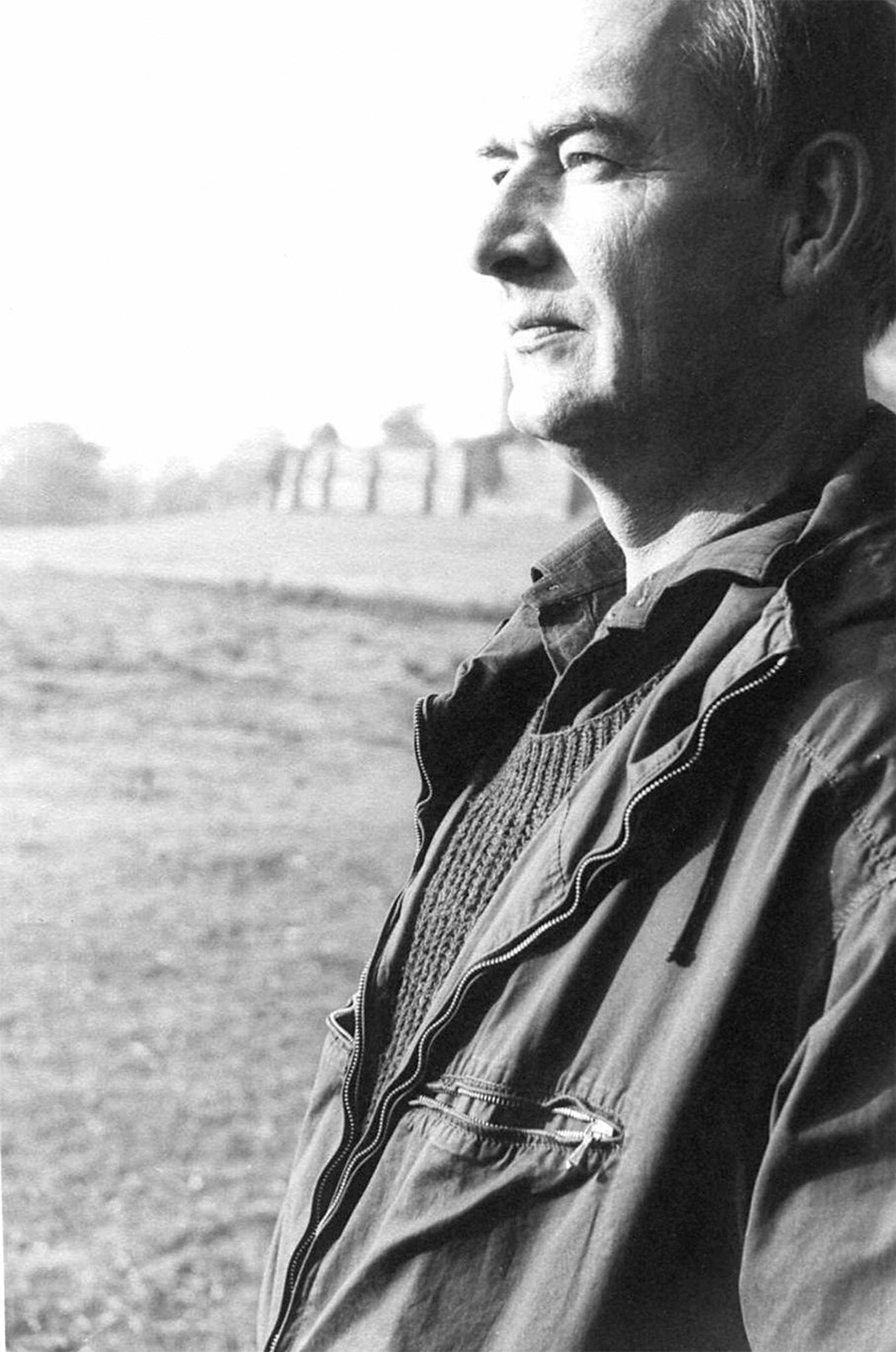
Malcolm Sayer, designer of the Jaguar E-type
Whatever they did, and whether you think the result a legitimate representation of a standard road-going E-type, it did the trick. After an enormous amount of effort and not a small number of scares, The Autocar’s terrified reporter returned a two-way average of 150.4mph on a motorway outside Antwerp. Jaguar had its headline.
And now we turn to an issue still shrouded in secrecy, which has been debated ever since: just how standard were the engines used for these tests?
It worked better than anyone could have expected. The exhibited car quite naturally stole the show at its Geneva launch, but Jaguar had also sent the coupe along to provide journalists and favoured VIPs with passenger rides up into the hills. With near-infinite demand to travel in the E-type and a supply of just one car, queues began to develop. They needed the roadster, fast. The problem was that it was not in Geneva at the time but pounding around the MIRA test track near Nuneaton.
And now we turn to an issue still shrouded in secrecy, which has been debated ever since: just how standard were the engines used for these tests? There were two cars, both prototypes: a coupe dispatched to The Autocar and a roadster sent to The Motor. At one end of the spectrum lie those who say that the engines were standard, but nicely run in. Certainly there are references to the need for engines “of known performance”, but that could simply mean engines with known power because back then tolerances varied and outputs differed from one engine to the next. At the other are those who say the engines were thinly veiled racing motors, more related to those fitted to the D-type Le Mans winners than a standard road car powerplant.
I expect the truth lies somewhere between the poles. When the Jaguar historian Philip Porter was restoring the coupe in the late 1990s, he determined to get it as close as possible to how it was when The Autocar conducted its test. He did a huge amount of research and consequently fitted its engine with various modifications, including polished conrods and crankshaft, carefully gas-flowed cylinder head and manifolds and, probably most significantly, a big valve cylinder head. Compared to what you can do to one of these engines, that’s not much of a list, but could quite conceivably have added another 20-30 horsepower.
It was in the care of Jaguar’s chief test driver, Norman Dewis, who died in 2019, aged 98, 84 years after leaving school and spending a lifetime in the motor industry. He’d already done a full working day when the call came. Could he get it to Geneva the following morning? The car had to be checked over before departure, so he drove it to Jaguar’s base in Coventry while someone else rushed to his house and waited while Norman’s wife packed an overnight bag for him. He left the factory at 7.45pm and just managed to catch the 10pm ferry from Dover. When he got to France he had to crawl through 200 miles of fog before he could get his foot down and race, flat out, to Switzerland. He’d been told he had to be there for 10am; he arrived with 20 minutes to spare.
Having now been up for a day and a night, he asked if someone could direct him to his hotel so he could finally get some sleep. But the only directions he received were to get back behind the wheel of the E-type and help out with the passenger rides, which he did for the rest of the day. And the one after that.
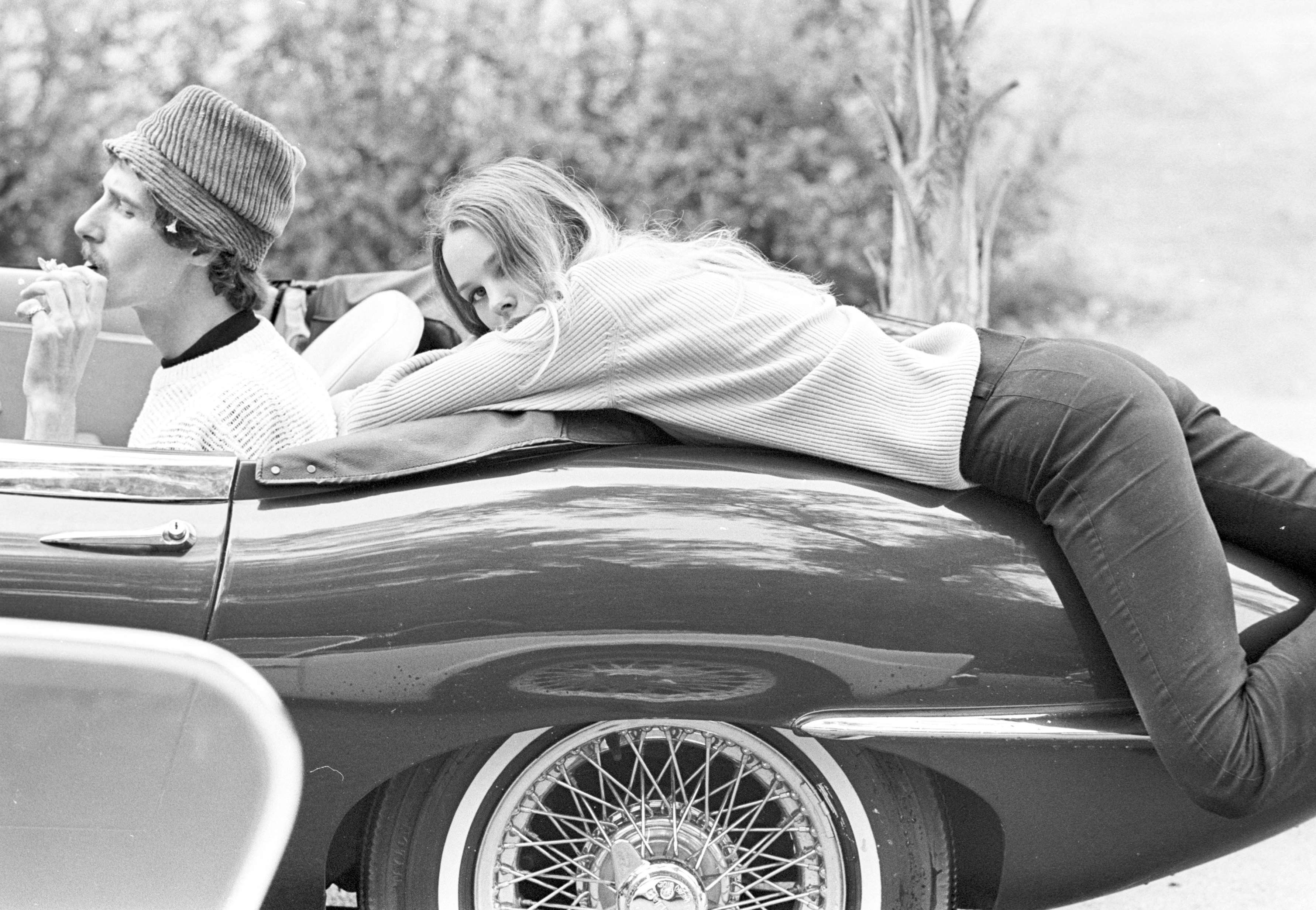
John and Michelle Phillips of the Mamas and the Papas pose with an E-type
The E-type would go on to enjoy a hugely varied career over the 14 years it was in production. It was a successful club racing car, starring at Goodwood throughout the early 1960s and, thanks to its extraordinary good looks, quickly became a film star and a fashion icon, with celebrities of the day often photographed at the wheel. Even decades after it went out of production it was still capable of making headlines: in 1996 it became only the third car to be exhibited at New York’s famed Museum of Modern Art. But when I think of it, it’s always to those intrepid early days that my mind turns. They are what made the reputation of what remains Britain’s single most important contribution to the sports car oeuvre.
This article was taken from the Spring 2021 edition of the Goodwood Magazine.
goodwood magazine
goodwood estate
festival of speed
Motor Cicuit
GRRC