
-
Events
-
Festival of Speed
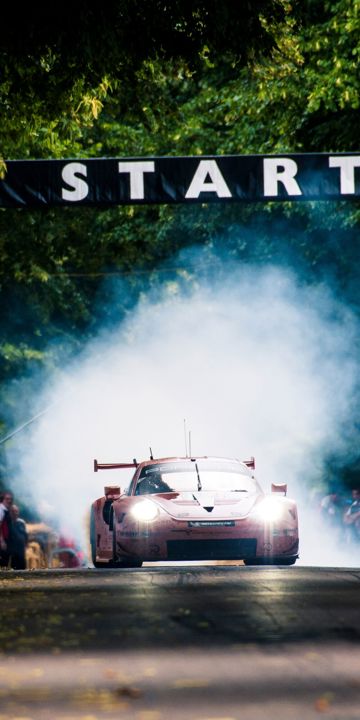

What's that on the startline?
The Hill Start Line is marked by bricks taken from the Indianapolis Motor Speedway.
-
Goodwood Revival


Freddie's Famous Scarf
When the 9th Duke won the Double Twelve at Brooklands in 1931 he never drove without it throughout his successful driving career.
-
Members' Meeting
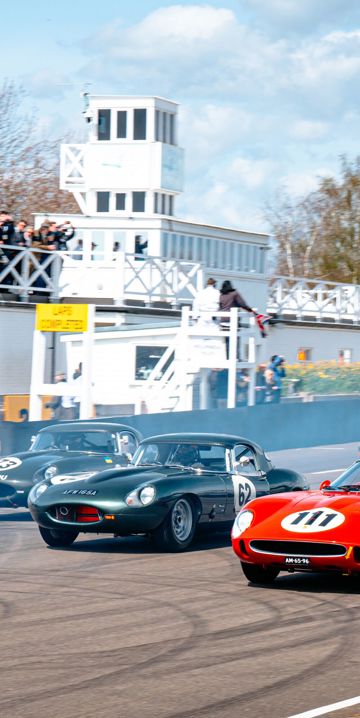

More than motorsport...
Ferret racing and duck herding are two of the many off-track activities at Members' Meeting -
Qatar Goodwood Festival
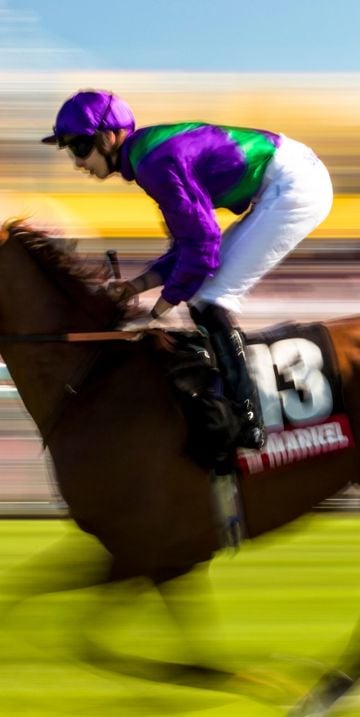

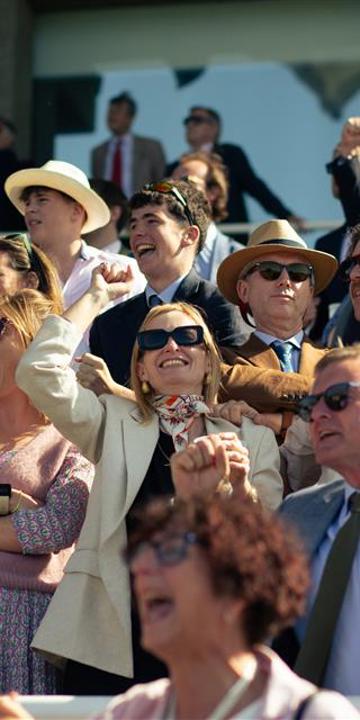
Why does everyone wear hats?
King Edward VII turned his back on the traditional morning suit and donned a linen suit and Panama hat. Thus the Glorious Goodwood trend was born.
-
Goodwoof
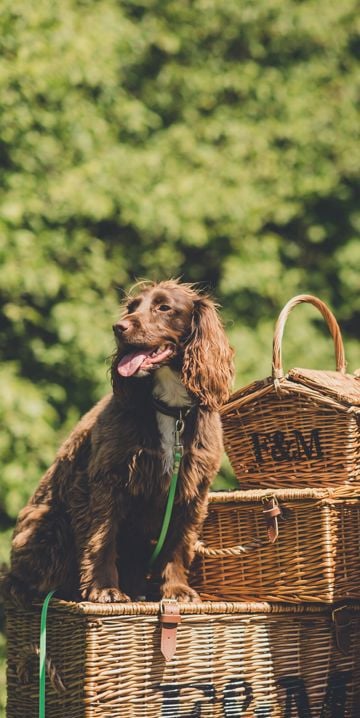

Start in style
The breed parade sees hundreds of dogs and their owners walk from Goodwood House down to The Kennels to kick start the Goodwoof weekend. -
Horseracing
-
Season Opener
-
May Festival
-
Family Race Day
-
Three Friday Nights
-
August Bank Holiday
-
Autumn Racing
-
Season Finale
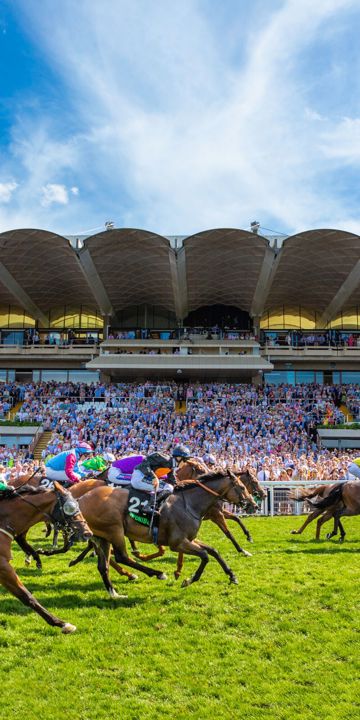
Why does everyone wear hats?
King Edward VII turned his back on the traditional morning suit and donned a linen suit and Panama hat. Thus the Glorious Goodwood trend was born.
-
Season Opener
-
Breakfast Club
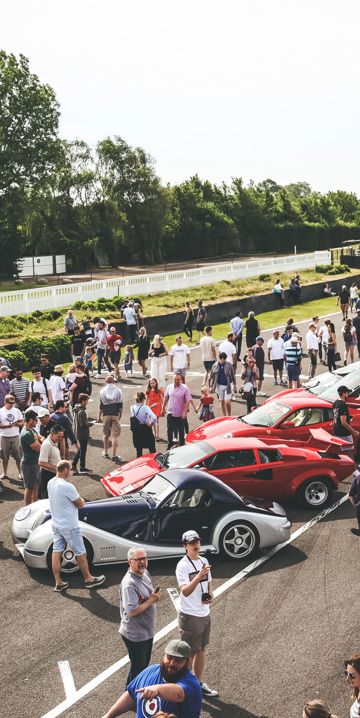

A perfect Sunday morning?
A no-cost, all-welcome motoring show where the visitors and their machines are the stars -
Health Summit
-
Hospitality
-
Exhibiting
-
Partnerships
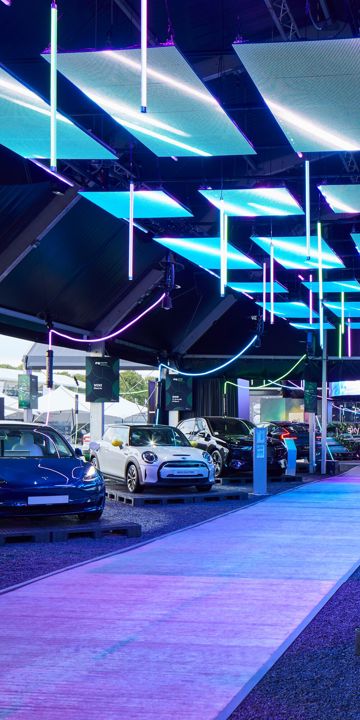

Where else can you...
...plan strategy in an ancient woodland, enjoy award-winning dining then drive around a racetrack?
-
What's on
-
Festival of Speed
-
Visit, Eat, Stay
-
The Goodwood Hotel

A different breed...
Goodwood’s pigs are a mix of two rare breeds (Gloucester Old Spots and Saddlebacks) plus the Large White Boar.
-
Goodwood Cottages


Carne's Seat
Just beyond Goodwood House along the Hillclimb, the 2nd Dukes banqueting house was also known as "one of the finest rooms in England" (George Vertue 1747).
-
Goodwood House
-
Afternoon Tea & Tour
-
The Collection
-
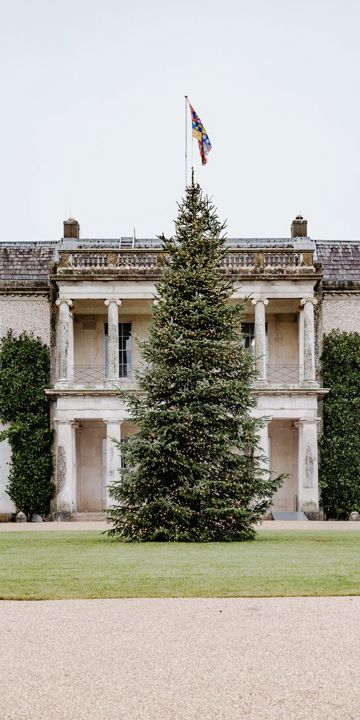
Christmas Afternoon Tea & Tour
-
Exhibitions
-
History
-
Weddings
-
Copper Dome Restoration
-
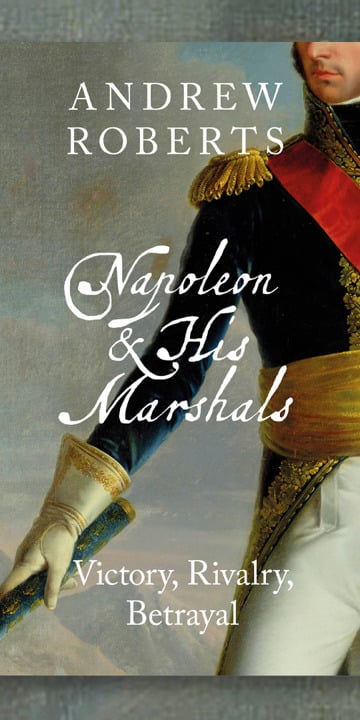
Napoleon & His Marshals Book Talk with Andrew Roberts
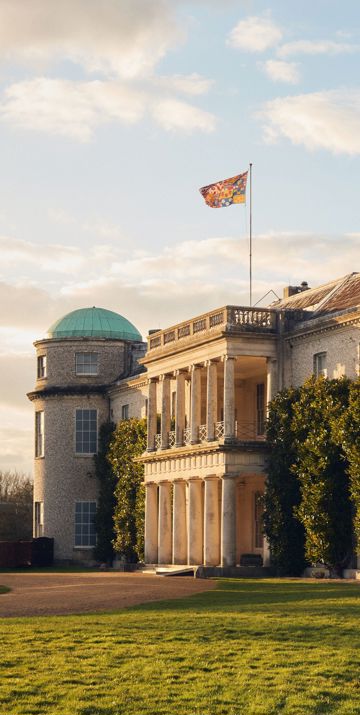

Forget Downton Abbey
David Edney, head Butler dons a morning suit "and a smile" every day and has been woking at Goodwood for over 25 years!
-
Afternoon Tea & Tour
-
Restaurants
-
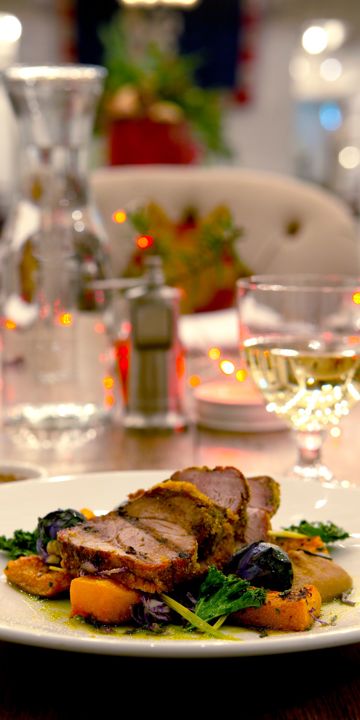
Farmer, Butcher, Chef
-
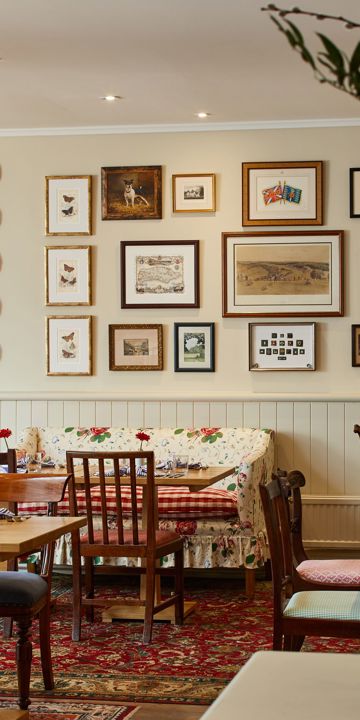
The Goodwood Bar & Grill
-
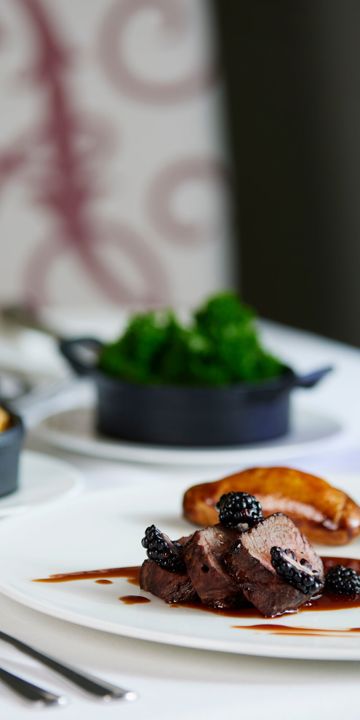
The Kennels
-
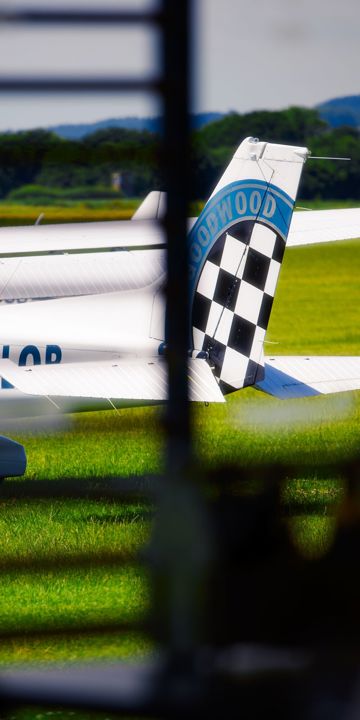
Aerodrome Café
-
Motor Circuit Café

-
Cafe 24
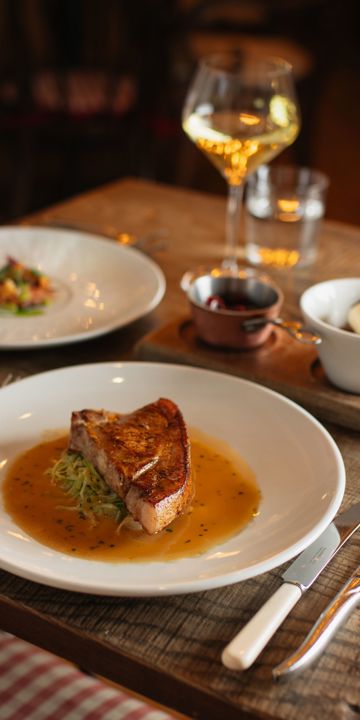

Sustainable state-of-mind
When Farmer, Butcher, Chef opened in 2016 it was awarded the UK’s first-ever Royal Academy of Culinary Arts ‘Sustainable Food Philosophy Seal’. -
Farmer, Butcher, Chef
-
The Kennels
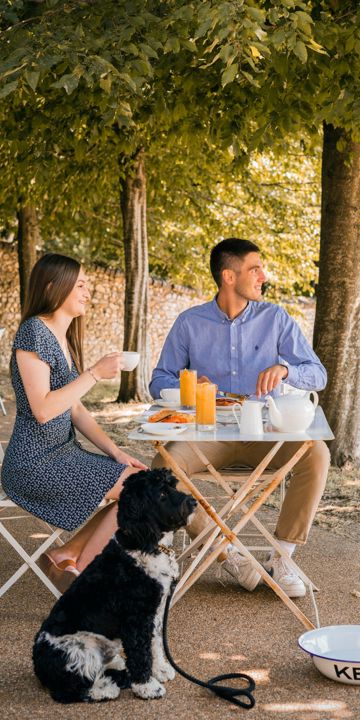

Fashionable foxhounds
The 1st Duke of Richmond bought Goodwood in 1697 as a place to stay to go foxhunting with the fashionable Charlton Hunt. -
Motor Circuit
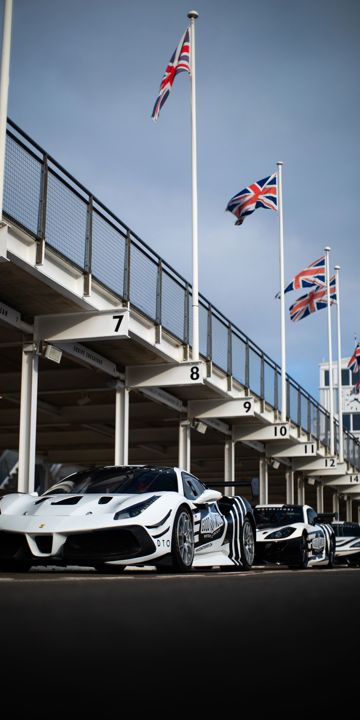

Battle of Britain
Flying training began at Goodwood in 1940 when pilots were taught operational flying techniques in Hurricanes and Spitfires.
-
Health & Wellbeing
-
Membership
-
Health Club
-
Gym
-
Run Series
-
Spa Treatments
-
Wellness Retreats
-
Events Calendar
-
Corporate Wellbeing
-
Health Summit
-
Latest News
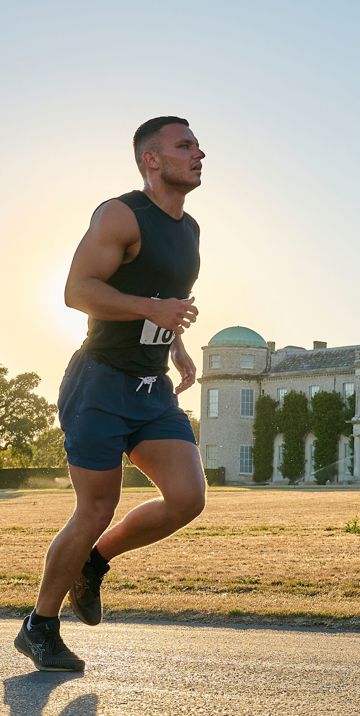

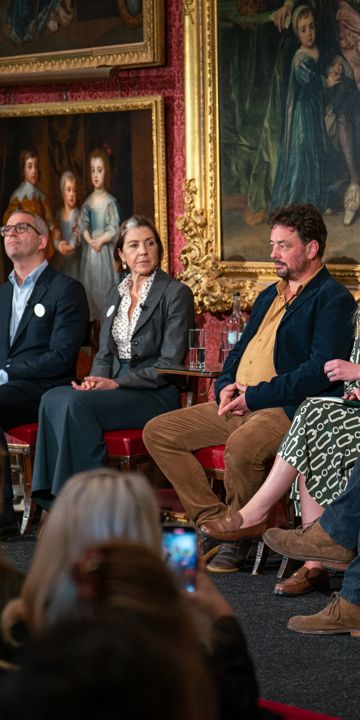
Goodwood's first Health Summit...
...took place in 2023 with industry experts discussing nutrition costs and food systems for a healthier future. -
Membership
-
Hound Lodge
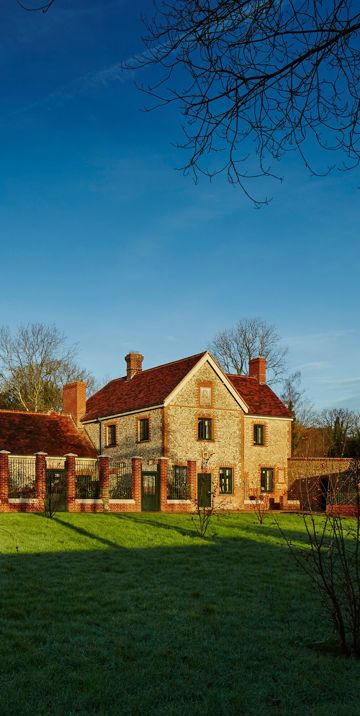

"No" isn't in our vocabulary
Everything that we can do to ensure your stay at Hound Lodge is impeccable will be taken into account. -
Goodwood Farm Shop


Grogger
Easy boy! The charismatic Farnham Flyer loved to celebrate every win with a pint of beer. His Boxer dog, Grogger, did too and had a tendancy to steal sips straight from the glass.
-
Parties

-
Goodwood Art Foundation
-
The Goodwood Hotel
-
Motorsport
-
Festival of Speed
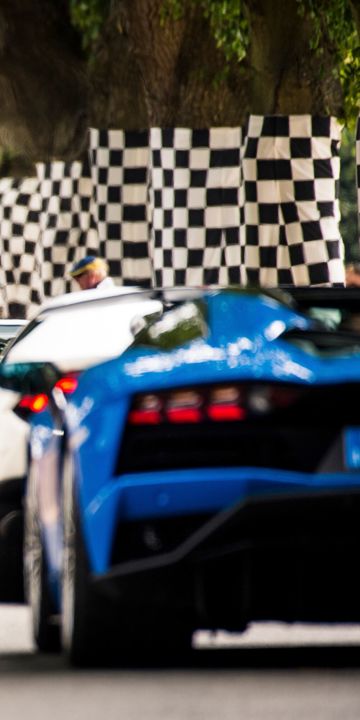

"Motorsport garden party of the gods"
Festival of Speed is our longest-standing Motorsport event, starting in 1993 when it opened to 25,000 people. We were expecting 2000!
-
Goodwood Revival
-
Tickets & Packages
-
Hospitality
-
Explore
-
Plan Your Day
-
Buy Merchandise
-
Charity
-
Partners
-
Accessibility
-
FAQs

Freddie's Famous Scarf
When the 9th Duke won the Double Twelve at Brooklands in 1931 he never drove without it throughout his successful driving career.
-
Tickets & Packages
-
Members' Meeting
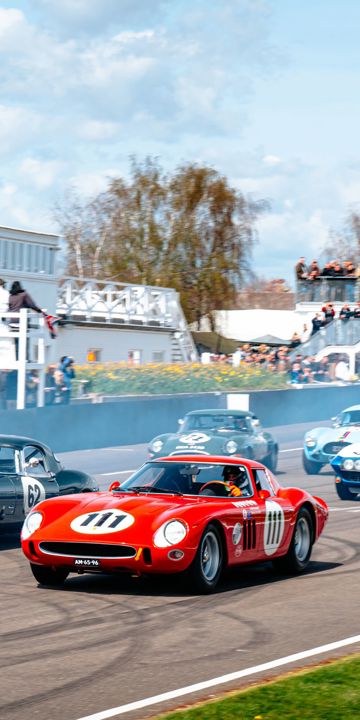

"Mr Goodwood"
Sir Stirling Moss was one of the founding patrons of the Festival of Speed, and a regular competitor at the Revival.
-
Breakfast Club
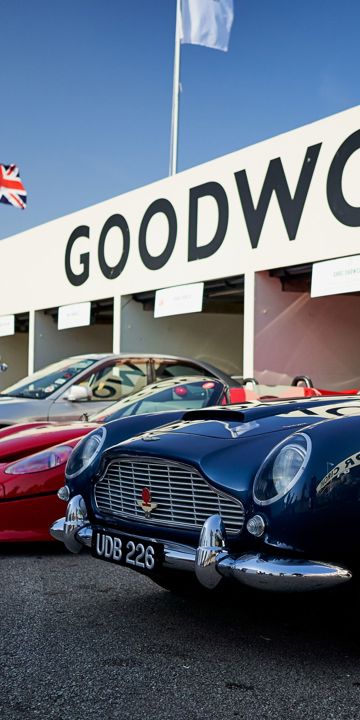

Motorsport legends return
Early Revivals saw the likes of Stirling Moss and Jack Brabham return to competitive racing.
-
Motor Circuit
"Mr Goodwood"
Sir Stirling Moss was one of the founding patrons of the Festival of Speed, and a regular competitor at the Revival.
-
Driving Experiences
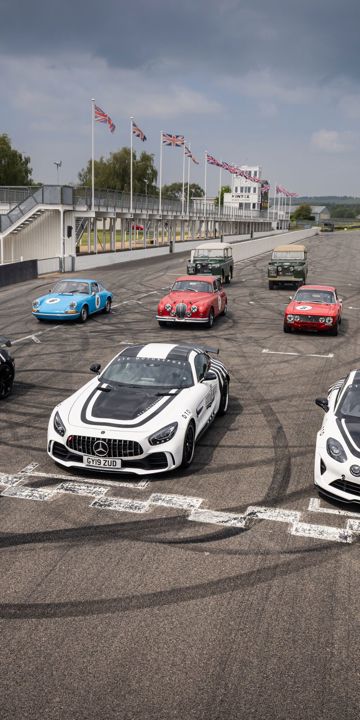

Spectators Favourite
Spectate from the chicane at the Revival to see plenty of classic cars going sideways as they exit this infamous point of our Motor Circuit.
-
Goodwood Road Racing Club
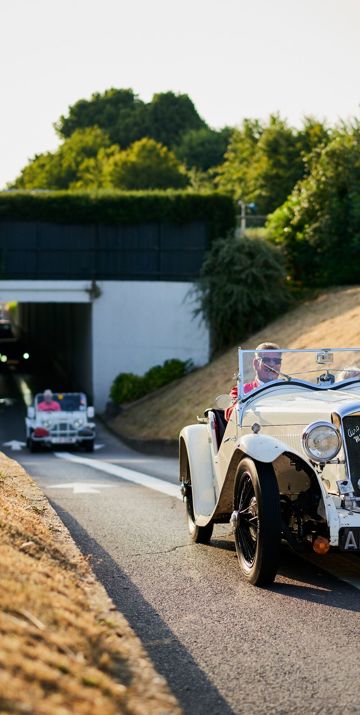
Motorsport Since 1948
Goodwood Motor Circuit was officially opened in September 1948 when Freddie March, the 9th Duke and renowned amateur racer, tore around the track in a Bristol 400
-
Latest News
-
Festival of Speed
-
Horseracing
-
Tickets & Packages
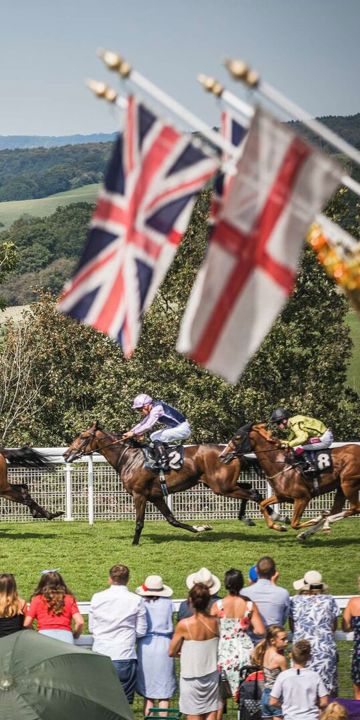
Why does everyone wear hats?
King Edward VII turned his back on the traditional morning suit and donned a linen suit and Panama hat. Thus the Glorious Goodwood trend was born.
-
Hospitality
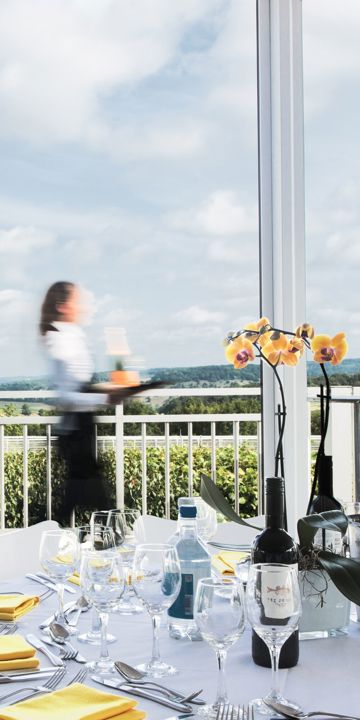

Royal approval
King Edward VII (who came almost every year) famously dubbed Glorious Goodwood “a garden party with racing tacked on”.
-
Horseracing Club Membership
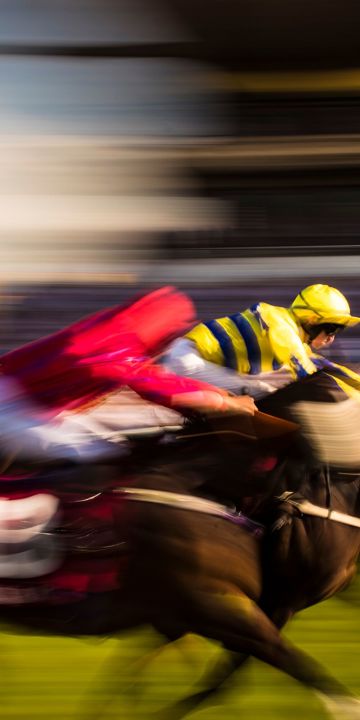
Royal approval
King Edward VII (who came almost every year) famously dubbed Glorious Goodwood “a garden party with racing tacked on”.
-
Fixtures & Events
-
Season Opener
-
May Festival
-
Family Race Day
-
Three Friday Nights

-
Qatar Goodwood Festival
-
August Bank Holiday
-
Autumn Racing
-
Season Finale

St Simon
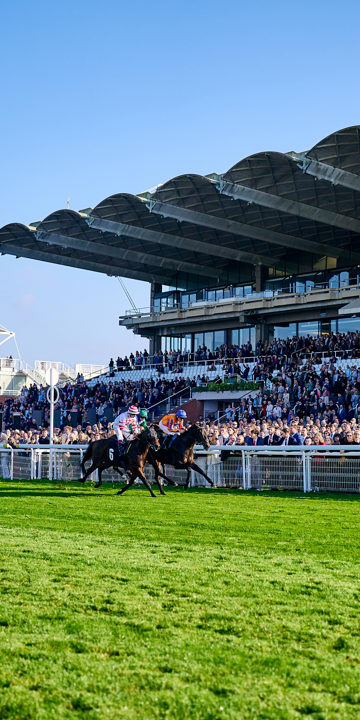
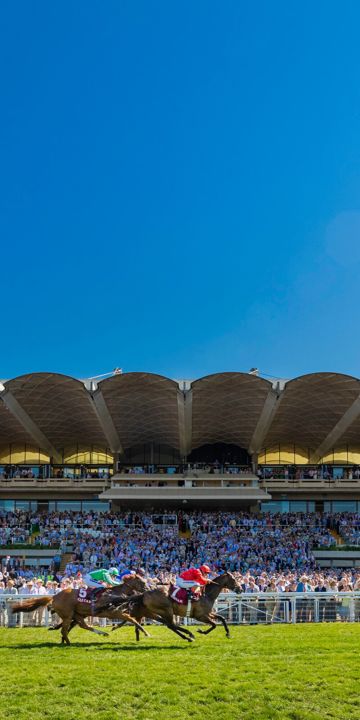
Whoa Simon! A horse so determined and headstrong, he not only won the 1883 Goodwood Cup by 20 lengths, but couldn't be stopped and carried on running over the top of Trundle hill
-
Season Opener
-
Qatar Goodwood Festival
-
Tickets & Packages
-
Hospitality
-
Day by Day Guide
-
Ladies Day
-
Magnolia Cup
-
The Earl's Lawn
-
Timetable
-
Partners
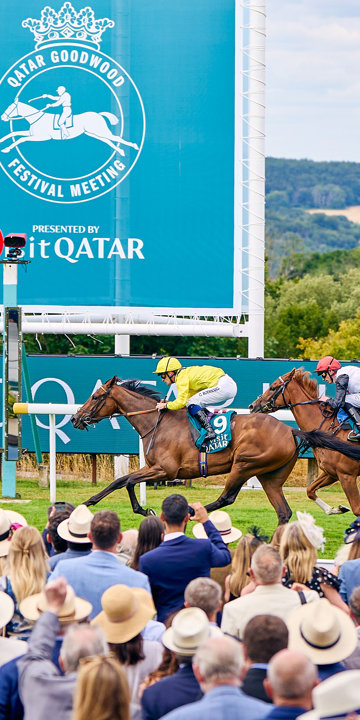

The Magnolia Cup
Leading women of business, sport, fashion and media, take part in one of the most exciting horseracing events in the world.
-
Tickets & Packages
-
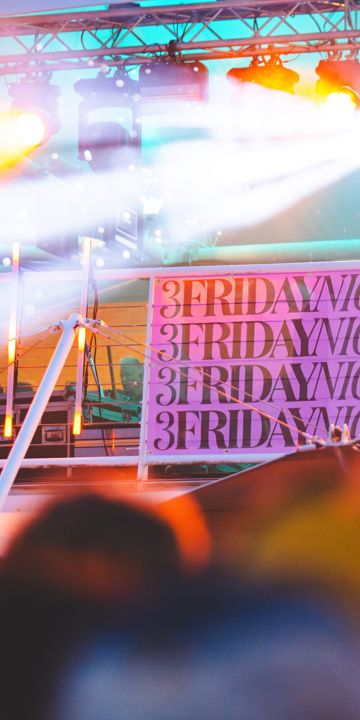
Three Friday Nights
Why does everyone wear hats?
King Edward VII turned his back on the traditional morning suit and donned a linen suit and Panama hat. Thus the Glorious Goodwood trend was born.
-
Plan Your Day
-
Enclosures
-
Event Map
-
Going Report
-
Getting Here
-
Betting at Goodwood
-
Dress Code
-
Accessibility
-
Food & Drink
St Simon
Whoa Simon! A horse so determined and headstrong, he not only won the 1883 Goodwood Cup by 20 lengths, but couldn't be stopped and carried on running over the top of Trundle hill
-
Enclosures
-
Buy Merchandise
-
Partners
-
Owners & Trainers
-
Latest News
-
FAQs
-
Accessibility
-
Tickets & Packages
-
Experiences
-
Driving

When was the GRRC founded?
Established in 1998 by the Duke of Richmond, the Goodwood Road Racing Club offers exclusive benefits across the estate year-round -
Flying
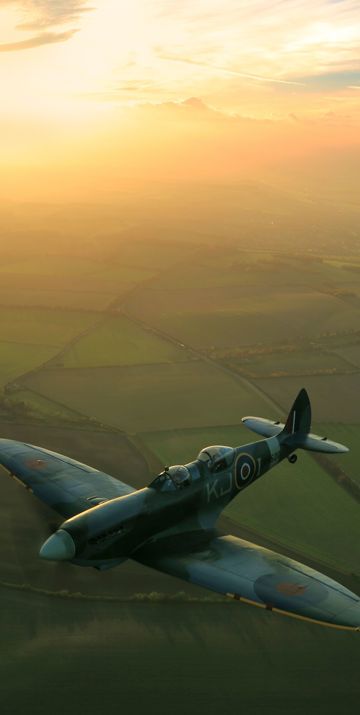

Group Captain Sir Douglas Bader
The famous fighter ace, who flew his last sortie from Goodwood Aerodrome, formerly RAF Westhampnett has a statue in his honor within the airfield.
-
Golf

A sporting Estate
Goodwood has two 18-hole championship courses, a modern clubhouse and an impressive Academy. -
Shooting
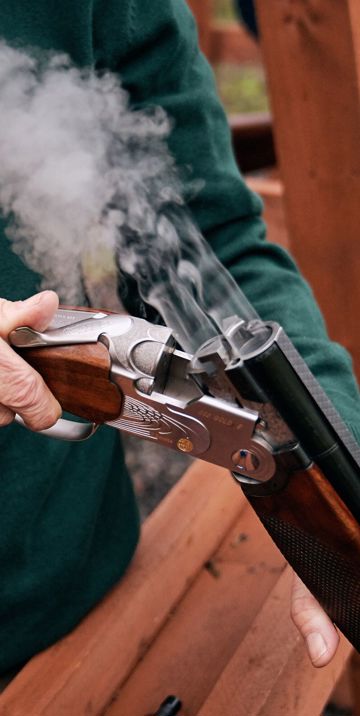

During the war...
The Motor Circuit was known as RAF Westhampnett, active from 1940 to 1946 as a Battle of Britain station. -
Afternoon Tea
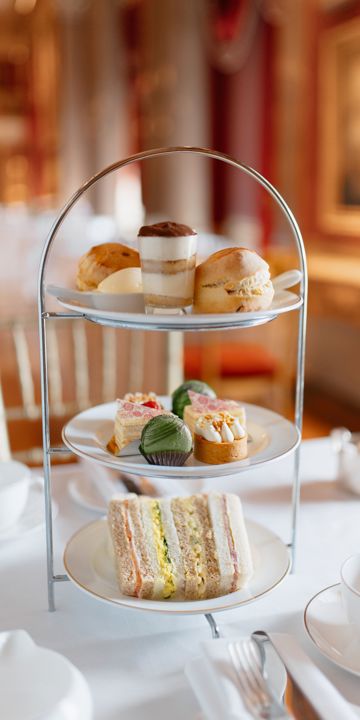

Egyptian Dining Room
Testament to the 19th-century fascination with ancient Egypt and decorative opulence. The room is richly detailed with gilded cartouches, sphinxes, birds and crocodiles.
-
Corporate Wellbeing
Goodwood's first Health Summit...
...took place in 2023 with industry experts discussing nutrition costs and food systems for a healthier future. -
Cycling
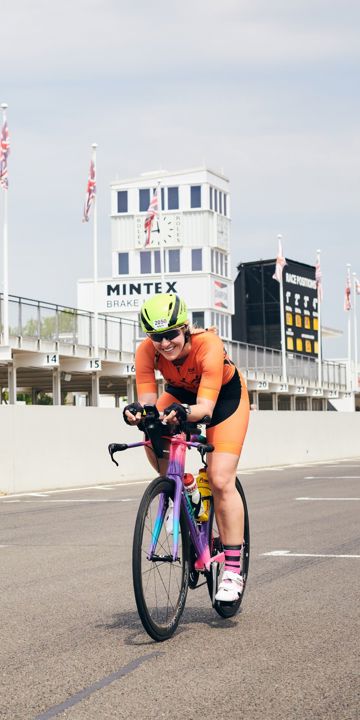

During the war...
The Motor Circuit was known as RAF Westhampnett, active from 1940 to 1946 as a Battle of Britain station.
-
Corporate Experiences
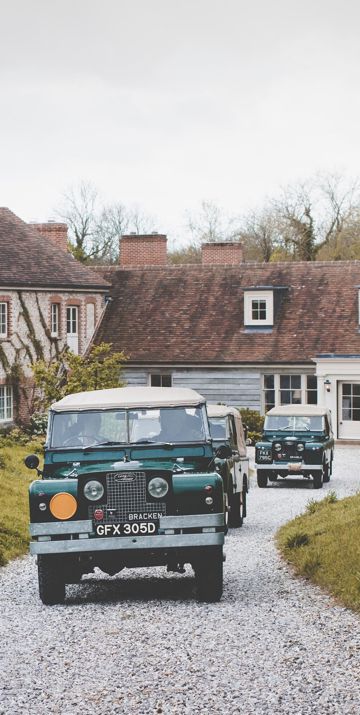
Where else can you...
...plan strategy in an ancient woodland, enjoy award-winning dining then drive around a racetrack?
-
Spa Treatments
-
Driving
- Hospitality
-
Golf
-
Golf Courses
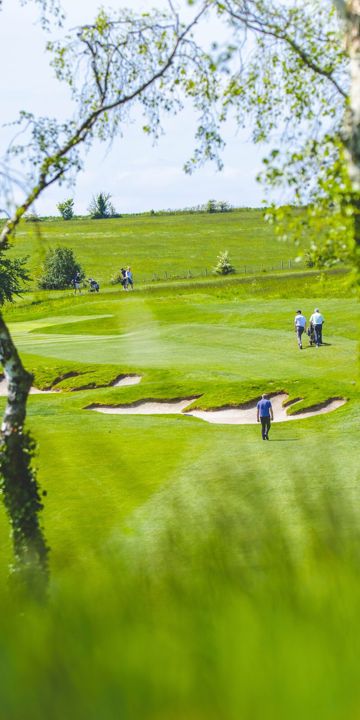

Braid’s Masterpiece
One of the greatest golfers of all time, James Braid designed Goodwood’s iconic Downland course, opened in 1914.
-
Golf Membership
-
Credit Membership
-
Application Form
-
Braid Membership
-
Intermediate Membership
-
Junior Membership
-
Corporate Membership
-
Get Into Golf
-
Copse Membership


Over 100 years of Golf
The first ever round of golf played at Goodwood was in 1914 when the 6th Duke of Richmond opened the course on the Downs above Goodwood House.
-
Credit Membership
-
The Academy
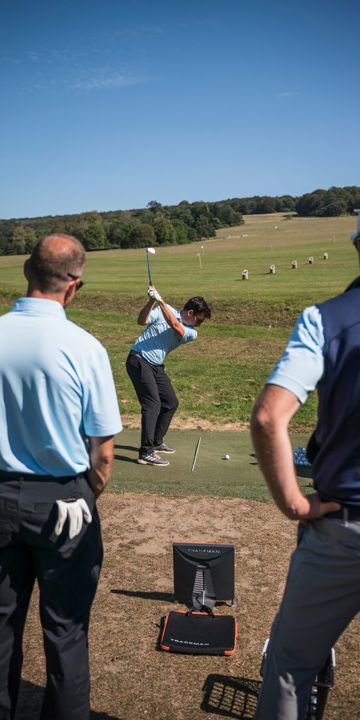
Over 100 years of Golf
The first ever round of golf played at Goodwood was in 1914 when the 6th Duke of Richmond opened the course on the Downs above Goodwood House.
-
Golf Experiences

Braid’s Masterpiece
One of the greatest golfers of all time, James Braid designed Goodwood’s iconic Downland course, opened in 1914.
-
Golf Courses
-
Flying
-
Flying School
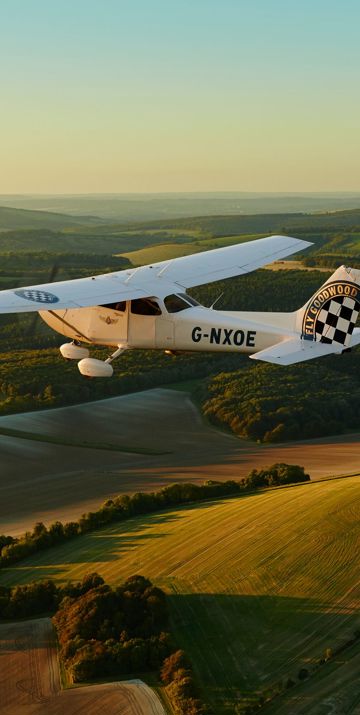

Ace Pilot
Ray Hanna famously flew straight down Goodwood’s pit straight below the height of the grandstands at the first Revival in 1998
-
Aero Club Membership
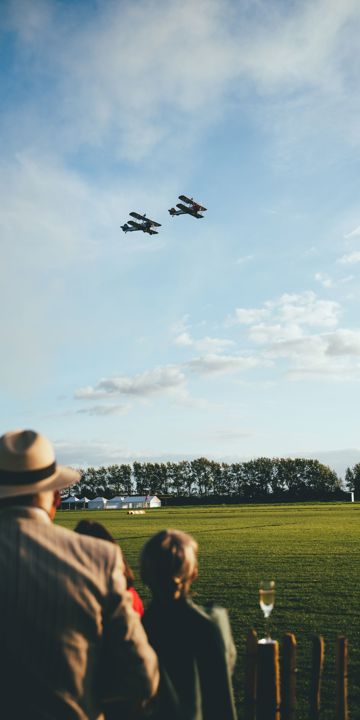

The Silver Spitfire
The iconic spitfire covered almost 43,000 kilometres and visited over 20 countries on its epic journey and currently resides at our Aerodrome.
-
Flying Experiences
-
Pilot Information
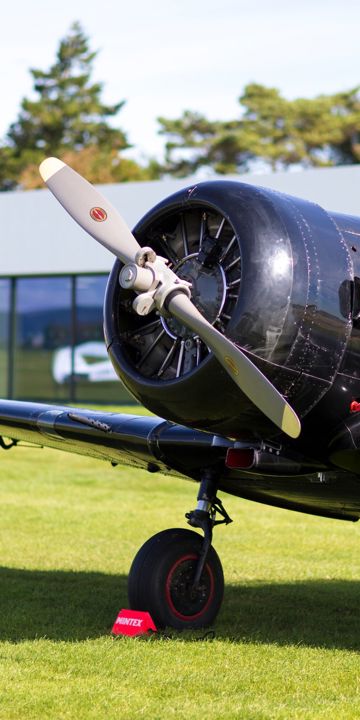
During the war...
The Motor Circuit was known as RAF Westhampnett, active from 1940 to 1946 as a Battle of Britain station.
-
Flying School
-
Meetings
-
Venue Hire
-
Goodwood House
-
The Racecourse
-
The Goodwood Hotel
-
The Motor Circuit
-
The Kennels
-
The Aerodrome
-
The Great Outdoors
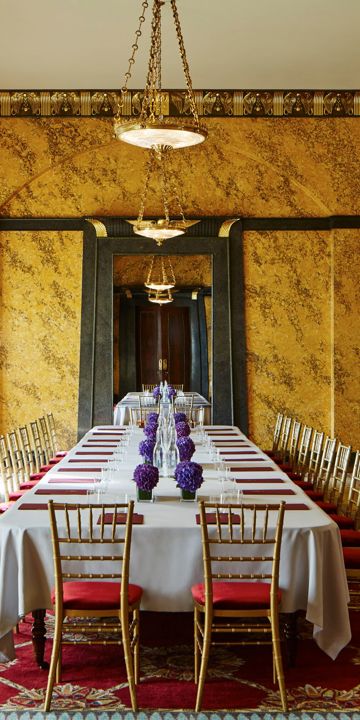
Where else can you...
...plan strategy in an ancient woodland, enjoy award-winning dining then drive around a racetrack?
-
Goodwood House
-
Plan Your Meeting
-
Parties
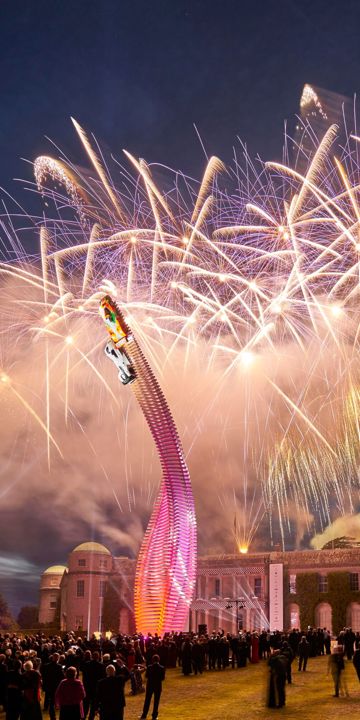
Where else can you...
...plan strategy in an ancient woodland, enjoy award-winning dining then drive around a racetrack?
-
Hospitality

-
Corporate Experiences
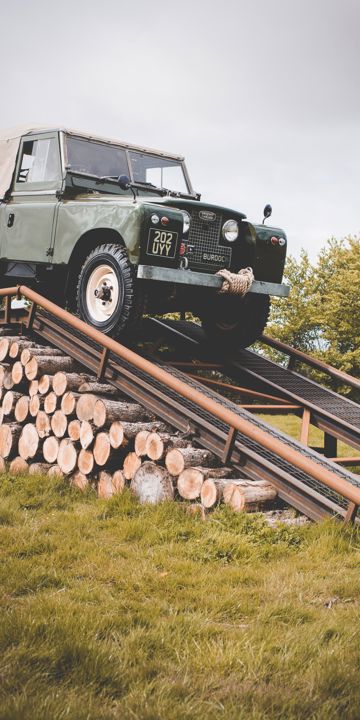
Where else can you...
...plan strategy in an ancient woodland, enjoy award-winning dining then drive around a racetrack?
-
Christmas Parties
-
Film Locations
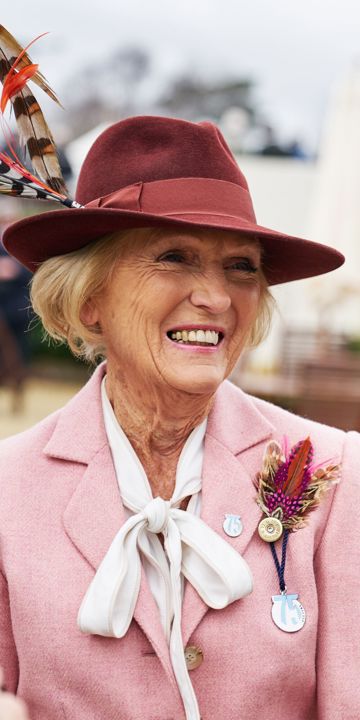
Filming at Goodwood
We have been host to many incredible film crews using Goodwood as a backdrop for shows like Downton Abbey, Hollywood Blockbusters like Venom: let there be Carnage and the Man from U.N.C.L.E.
-
Venue Hire
-
Weddings
-
Goodwood House
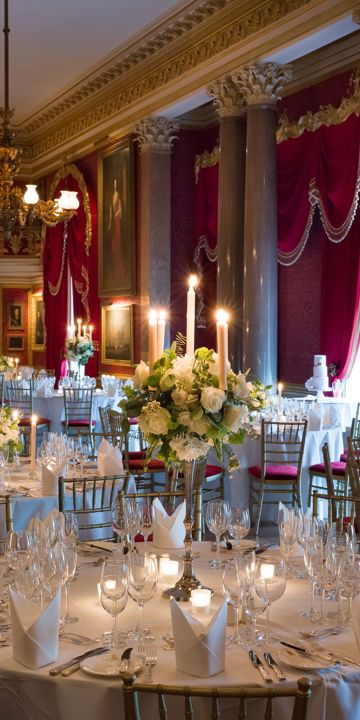
Egyptian Dining Room
Testament to the 19th-century fascination with ancient Egypt and decorative opulence. The room is richly detailed with gilded cartouches, sphinxes, birds and crocodiles.
-
The Kennels

Fashionable foxhounds
The 1st Duke of Richmond bought Goodwood in 1697 as a place to stay to go foxhunting with the fashionable Charlton Hunt. -
Parties
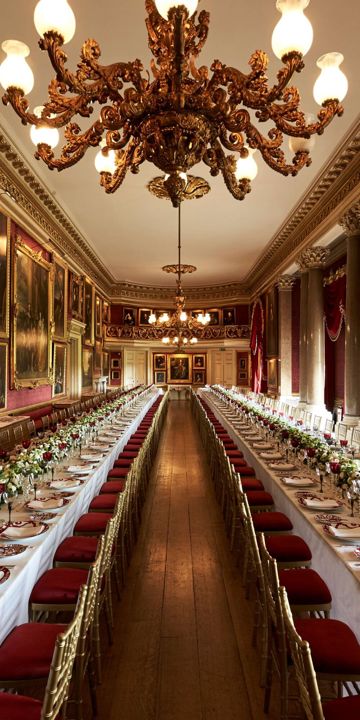


A destination for all seasons
We're well known for our iconic motorsport and horseracing events. But there's a lot more happening at Goodwood...
-
Goodwood House
-
Memberships
-
Goodwood Road Racing Club
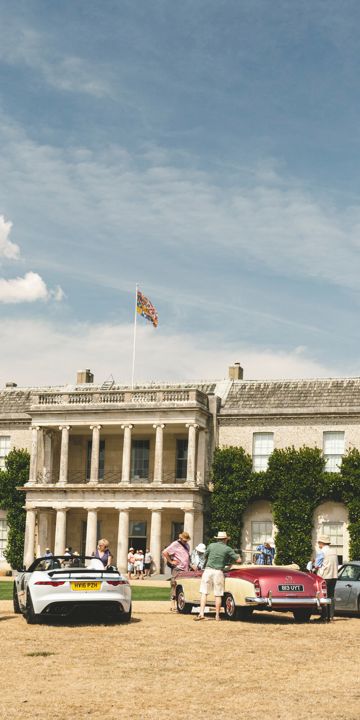
When was the GRRC founded?
Established in 1998 by the Duke of Richmond, the Goodwood Road Racing Club offers exclusive benefits across the estate year-round -
Goodwood Horseracing Club
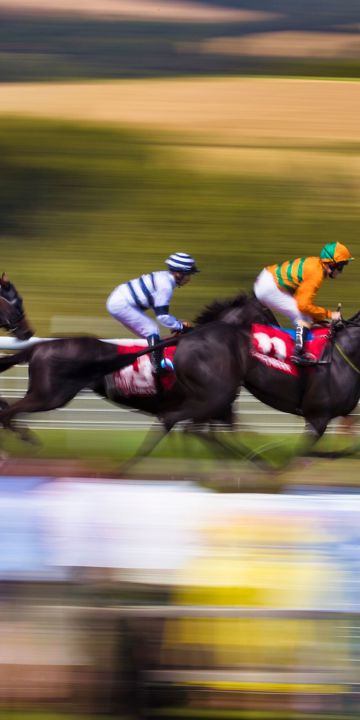

"Glorious Goodwood"
After the first public race meeting in 1902, 'Glorious Goodwood' became a highlight of the summer season.
-
Golf At Goodwood
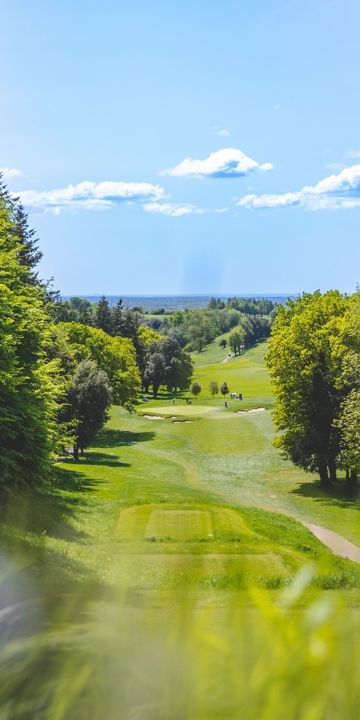
Braid’s Masterpiece
One of the greatest golfers of all time, James Braid designed Goodwood’s iconic Downland course, opened in 1914.
-
Goodwood Aero Club
Battle of Britain
Flying training began at Goodwood in 1940 when pilots were taught operational flying techniques in Hurricanes and Spitfires.
-
Goodwood Health Club
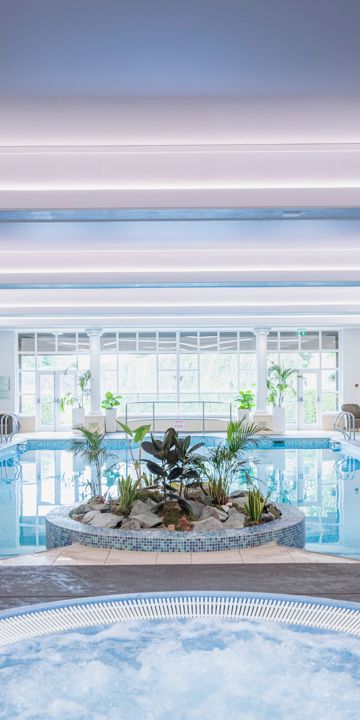
Goodwood's first Health Summit...
...took place in 2023 with industry experts discussing nutrition costs and food systems for a healthier future. -
The Kennels


How old is The Kennels?
Built in 1787 by celebrated architect James Wyatt to house the third Duke of Richmond’s prized fox hounds, The Kennels was known as one of the most luxurious dog houses in the world!
-
Sporting Membership

Egyptian Dining Room
Testament to the 19th-century fascination with ancient Egypt and decorative opulence. The room is richly detailed with gilded cartouches, sphinxes, birds and crocodiles.
-
Goodwood Racehorse Owners Group
-
Goodwood Art Foundation
-
Goodwood Road Racing Club
- Classic Car Insurance
- Health & Wellbeing
- Buy Merchandise
-
Our Estate
-
What's on
-
Estate Map
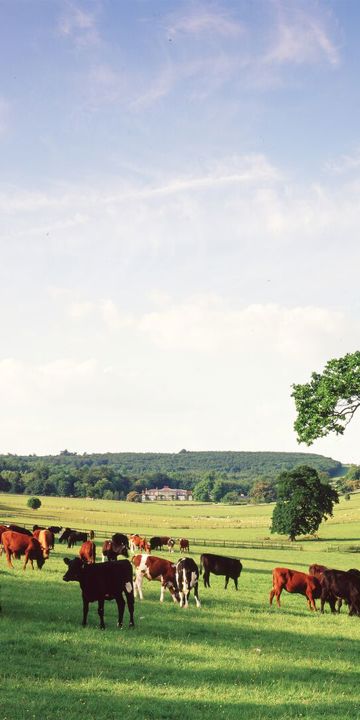
A different breed...
Goodwood’s pigs are a mix of two rare breeds (Gloucester Old Spots and Saddlebacks) plus the Large White Boar.
-
Stories from the Estate
Group Captain Sir Douglas Bader
The famous fighter ace, who flew his last sortie from Goodwood Aerodrome, formerly RAF Westhampnett has a statue in his honor within the airfield.
-
Sports
-
Goodwood Education Trust
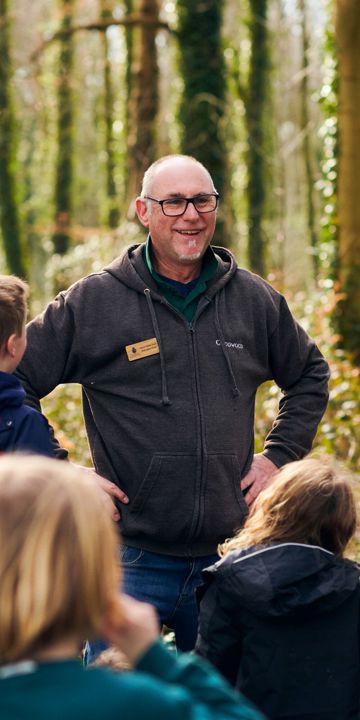
Filming at Goodwood
We have been host to many incredible film crews using Goodwood as a backdrop for shows like Downton Abbey, Hollywood Blockbusters like Venom: let there be Carnage and the Man from U.N.C.L.E.
-
Charities
Battle of Britain
Flying training began at Goodwood in 1940 when pilots were taught operational flying techniques in Hurricanes and Spitfires.
-
Sustainability
Battle of Britain
Flying training began at Goodwood in 1940 when pilots were taught operational flying techniques in Hurricanes and Spitfires.
-
Diversity, Equity & inclusion
-
Property
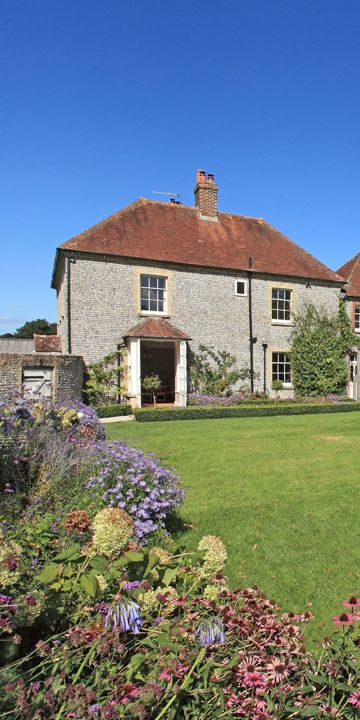
Fashionable foxhounds
The 1st Duke of Richmond bought Goodwood in 1697 as a place to stay to go foxhunting with the fashionable Charlton Hunt. -
Walking Guide


Cricketers since 1702
The oldest existing rules for the game were drawn up for a match between the 2nd Duke and a neighbour
-
Dog Walking Field
-
Careers
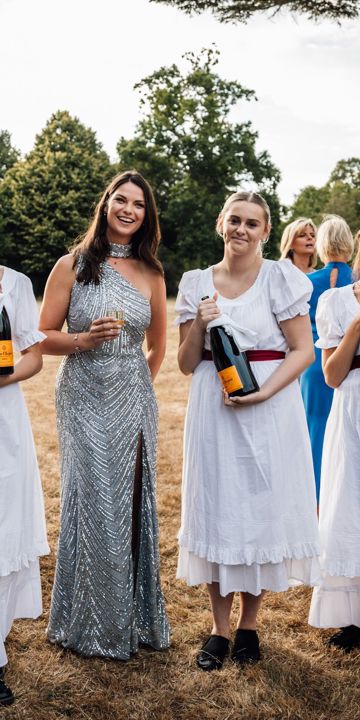
How old is The Kennels?
Built in 1787 by celebrated architect James Wyatt to house the third Duke of Richmond’s prized fox hounds, The Kennels was known as one of the most luxurious dog houses in the world!
-
Goodwood Art Foundation
-
Farm Shop
-
What's on
- Christmas
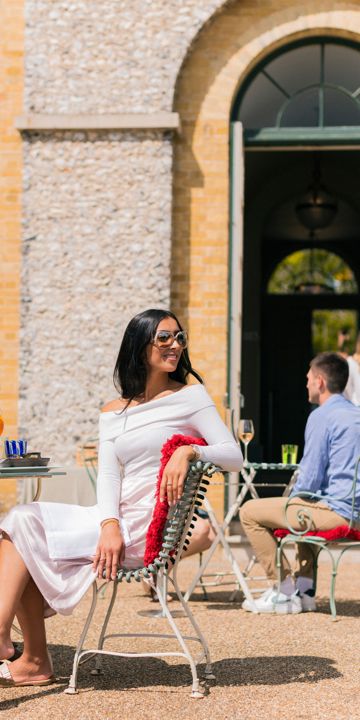
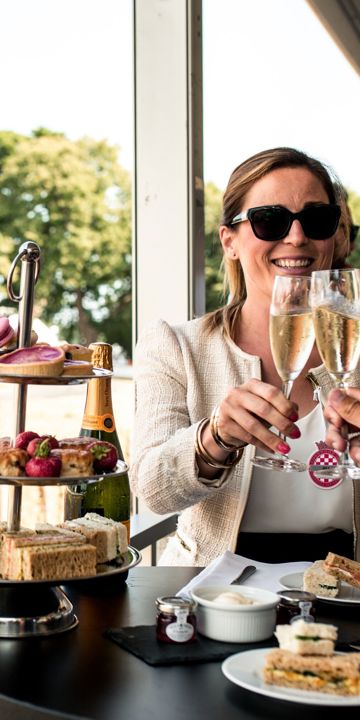


Upcoming Events
Tee To Green April
Find out the latest from our Greenkeepers in this month's Tee to Green.
Golf
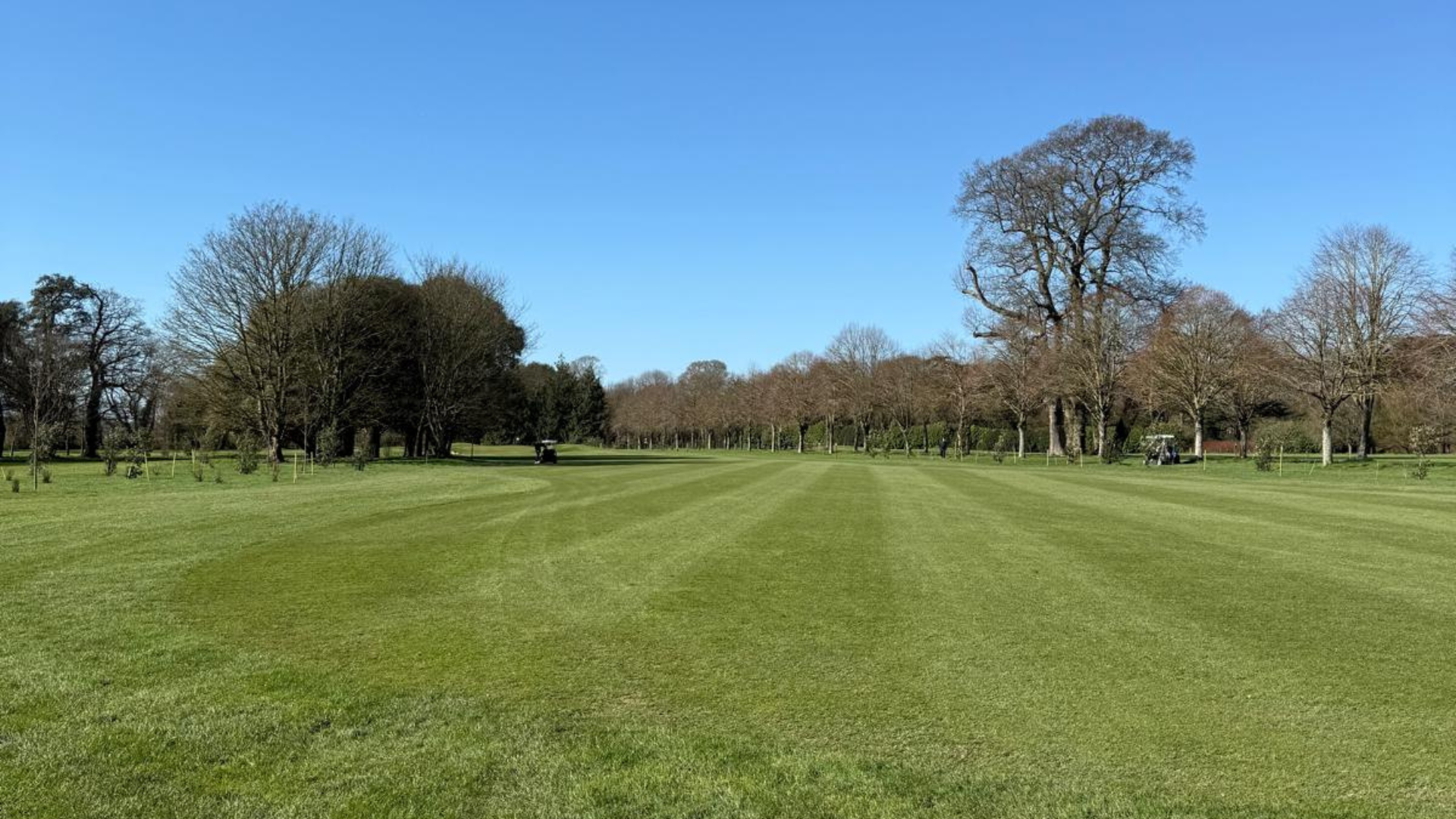
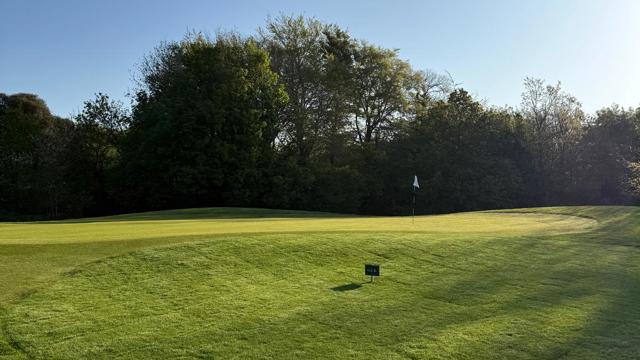
The Downs course
April has been a big month for us on The Downs course and it’s been great to finally see a number of key projects come together.
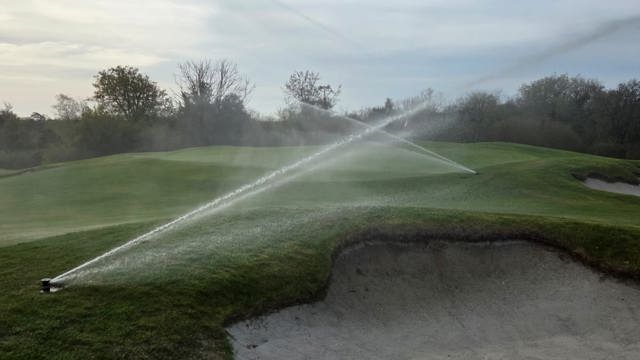
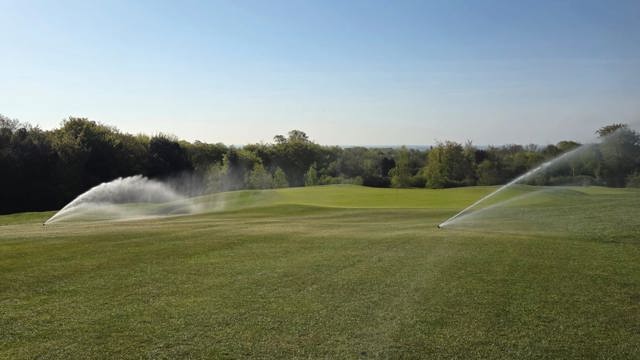
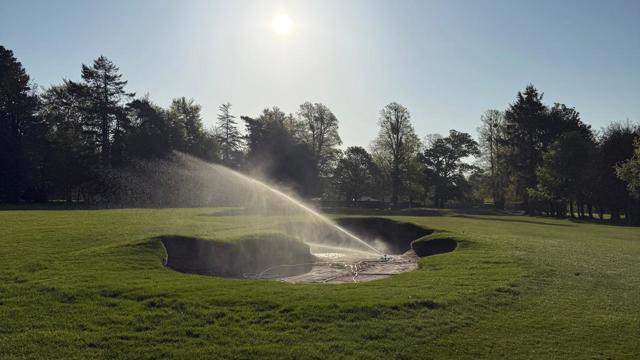
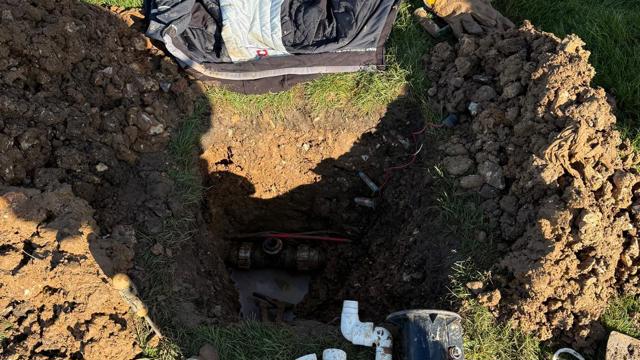
The headline news is that our irrigation installation is now complete. This is a major step forward for the course and one the team has put a huge amount of effort into over the past months. We’ve now moved into the testing phase, working through the sprinkler arcs to ensure we’re getting consistent and accurate coverage across all playing surfaces. It’s always satisfying to see a project like this come to life and it will play a huge role in maintaining surface quality through the drier periods ahead.
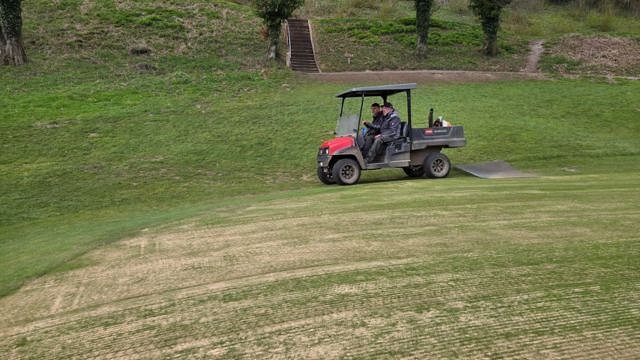
On the maintenance front, we’ve had a really productive window. Greens were scarified to a depth of around 2 inches, which has removed a significant amount of thatch from the profile. This is a key part of improving firmness, drainage and overall playability. Following this, we applied approximately 40 tonnes of sand across the surfaces to help continue building a firmer, truer playing surface.
Unfortunately, we did encounter an issue with machinery during the process, which meant we weren’t able to carry out hollow coring on this occasion. While that’s not ideal, the work we have completed still delivers strong benefits and we’ll look to reintroduce coring at the next available opportunity.
Around the course, you’ll hopefully have noticed we’re starting to get some really nice definition between playing surfaces. This is something we’ve been focusing on and it’s beginning to show. The tees in particular are looking especially smart since we’ve introduced hand cutting, which gives a much cleaner, sharper finish.
We’ve also carried out verti-cutting on the aprons. This helps to stand the grass up and remove lateral growth that can cause a “puffy” surface. It’s a process we’ll continue little and often throughout the season, gradually refining these areas to get them performing exactly how we want.
Finally, I’d just like to say thank you for all the positive feedback we’ve received recently, it genuinely means a lot to the whole team. If you do see me out on the course and have any questions, please don’t hesitate to stop me for a chat.
See you on the course.
Dan Cornish, Head Greenkeeper, The Downs course
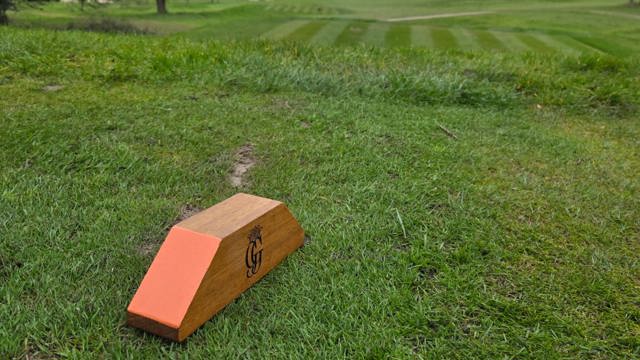
The Park course
As we approach the end of April, the weather is taking a similar pattern from 2025. Last year we effectively had no Spring and very little rain. So far from March to April this year with had 21mm in rain. Last year it was 23mm. Quite a lot down from 2024, which was 226mm! Think April showers are disappearing. As turf professionals, we are constantly changing our way of working and thinking with the changing climate and seasons.
The greens, as mentioned in the last blog, are still struggling for consistent growth. The granular fertiliser and foliar sprays applications are having little effect. The bents, rye are thriving at different rates and the POA is not like it at all. Even though we are seeing good day time temperatures, the nights are still cold with even some frosts. Add into that a bitterly cold wind, it's not ideal for growing conditions.
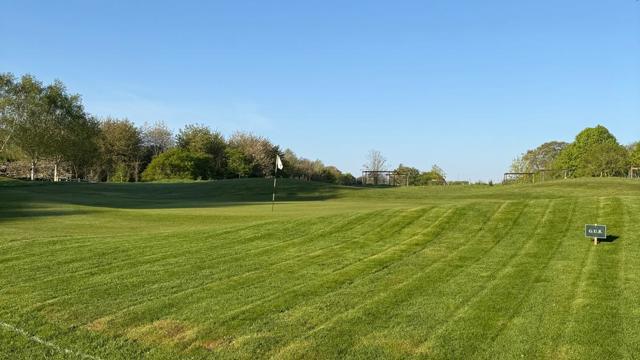
We recently completed our greens maintenance. Unfortunately, the verti-drain broke on the first hole so we couldn’t complete that task, but we did manage to do a 10mm tine to a depth of 5 inches. We followed this with roughly 1 ton of dressing per green which was then dragged in. Due to some irrigation issues, we haven’t been able to wash the sand in as much as we would like after the maintenance. Now issues resolved, we have now seen the sand washed in better. After maintenance we use our older cutting units to cut greens with. These go of cut very quickly with the sand going through them. This also doesn’t help with trueness and gives an uneven cut. Once we use our modern machinery, we will see a much better cut and finish and improve trueness and speeds.
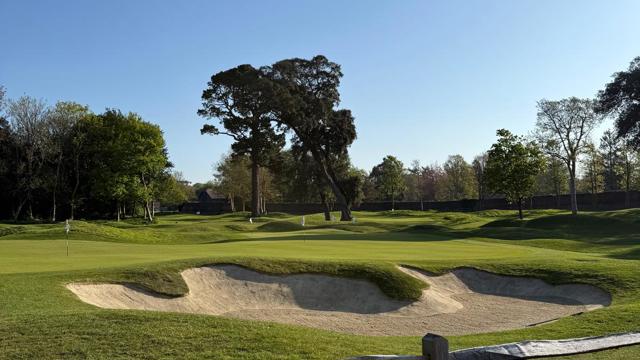
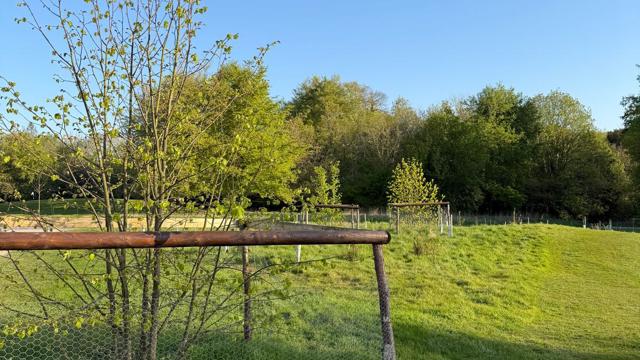
The new bunkers are bedding in nicely. The team has been watering these areas 7 days a week in these tough conditions to keep the turf alive. The plan is to cut and strim them, get sand into the bunkers in the first week of May and have them open by mid-May, if all goes to plan. As well as watering the new turf, we have also been watering the newly planted trees. This is taking 2 days to complete at the moment using a bowser. Pleasing to see that all are budding and have taken well.
The Copse
The Copse had greens maintenance as well. The same process as mains greens. The whole area, excluding greens, has been sprayed with a foliar to help with growth and colour. As with a newly built site, the ground is naturally lacking in nutrients. We have been building this up with fertiliser granulars and foliar sprays over the last few years. Over the half term it was exceptionally busy, with Junior Camps and families using the facilities as well as been booked out for exclusive days.
Look forward to seeing you on the course
Scott Peterson, Head Greenkeeper, The Park and Copse courses
Golf