-
Events
-
Festival of Speed
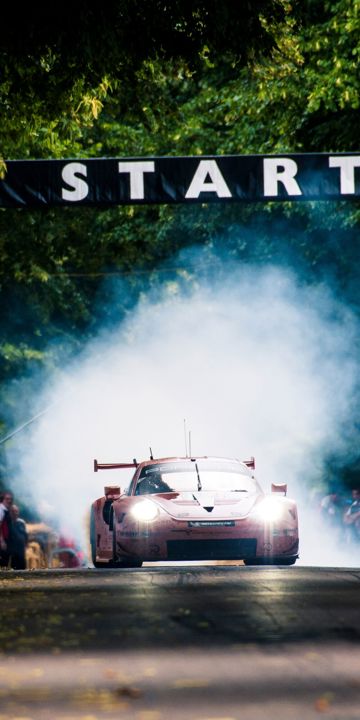

Have you visited our Forest Rally Stage?
From 2005 to present there has been a demonstration area for the rally cars at the top of the hill
-
Goodwood Revival
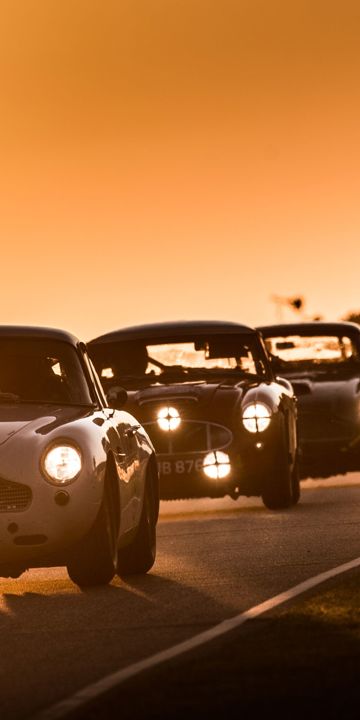

Freddie's Famous Scarf
When the 9th Duke won the Double Twelve at Brooklands in 1931 he never drove without it throughout his successful driving career.
-
Members' Meeting
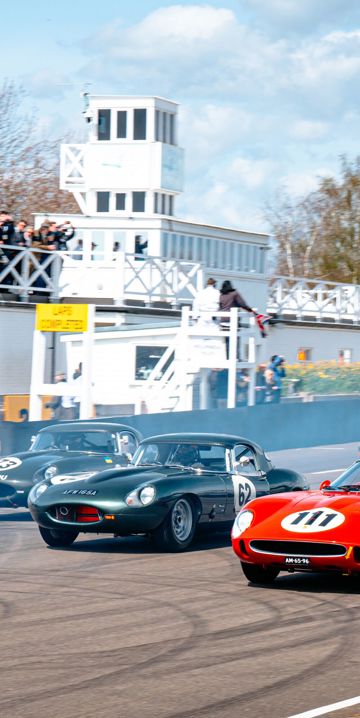

The original Members' Meeting era
The early Members' Meetings were held for BARC Members, there were 71 between 1949 and 1966.
-
Qatar Goodwood Festival
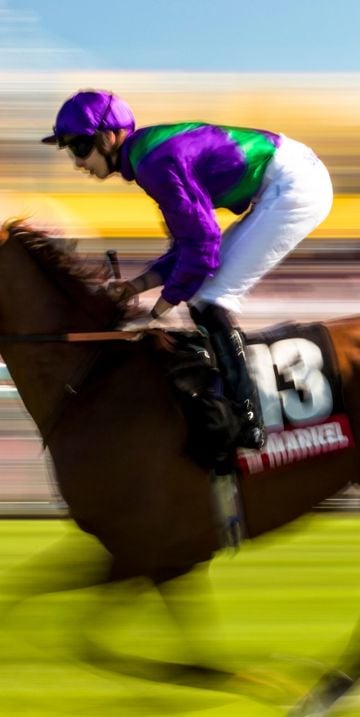

Royal approval
King Edward VII (who came almost every year) famously dubbed Glorious Goodwood “a garden party with racing tacked on”.
-
Goodwoof
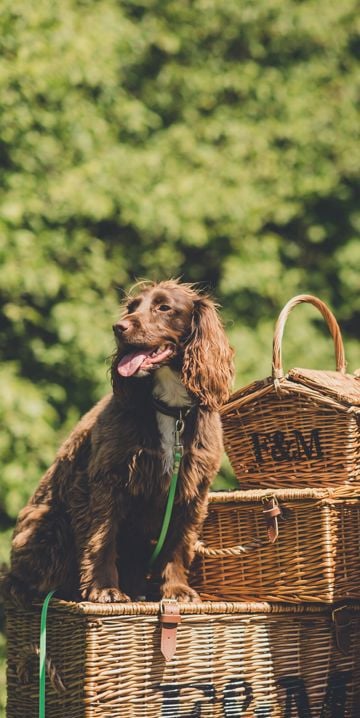

Start in style
The breed parade sees hundreds of dogs and their owners walk from Goodwood House down to The Kennels to kick start the Goodwoof weekend. -
Horseracing
-
Season Opener
-
May Festival
-
Family Race Day
-
Three Friday Nights
-
August Bank Holiday
-
Autumn Racing
-
Season Finale
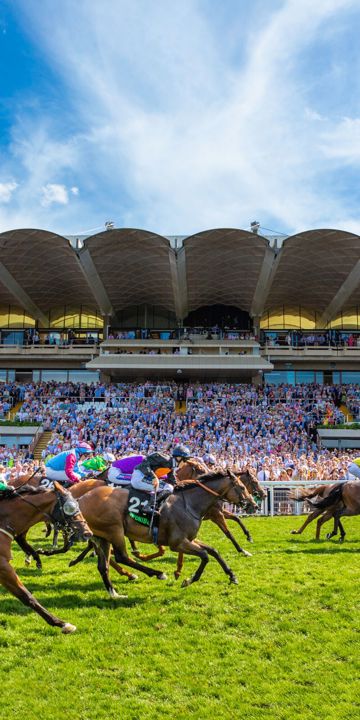

Why does everyone wear hats?
King Edward VII turned his back on the traditional morning suit and donned a linen suit and Panama hat. Thus the Glorious Goodwood trend was born.
-
Season Opener
-
Breakfast Club
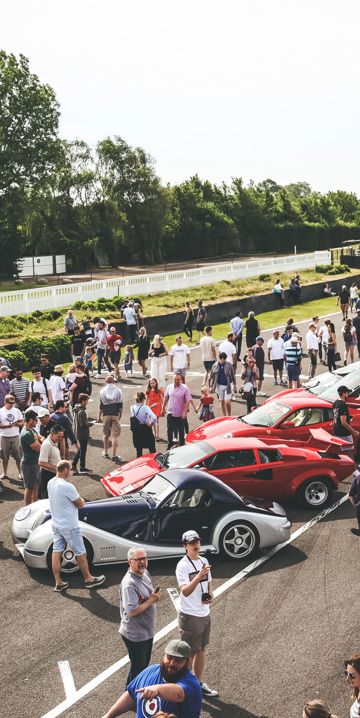

A perfect Sunday morning?
A no-cost, all-welcome motoring show where the visitors and their machines are the stars -
Health Summit
-
Hospitality
-
Exhibiting
-
Partnerships
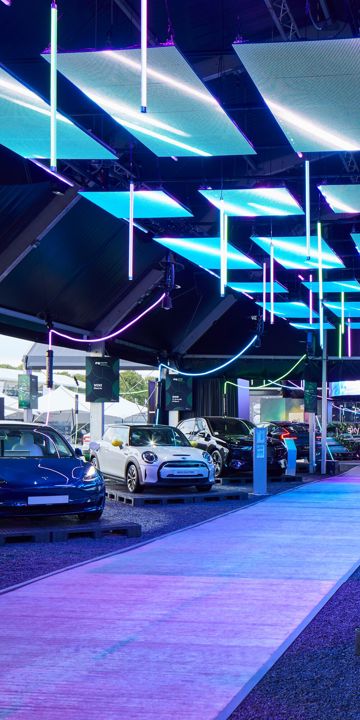

Where else can you...
...plan strategy in an ancient woodland, enjoy award-winning dining then drive around a racetrack?
-
What's on
-
Festival of Speed
-
Visit, Eat, Stay
-
The Goodwood Hotel
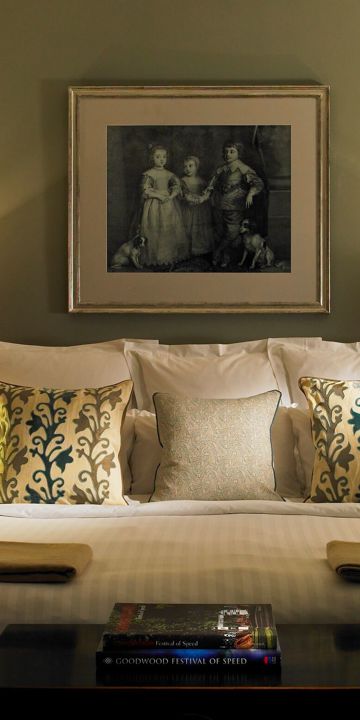

Fashionable foxhounds
The 1st Duke of Richmond bought Goodwood in 1697 as a place to stay to go foxhunting with the fashionable Charlton Hunt. -
Goodwood Cottages


Battle of Britain
Flying training began at Goodwood in 1940 when pilots were taught operational flying techniques in Hurricanes and Spitfires.
-
Goodwood House
-
Afternoon Tea & Tour
-
The Collection
-
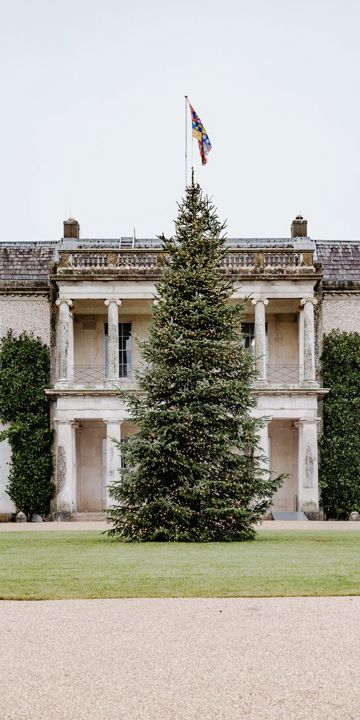
Christmas Afternoon Tea & Tour
-
Exhibitions
-
History
-
Weddings
-
Copper Dome Restoration
-
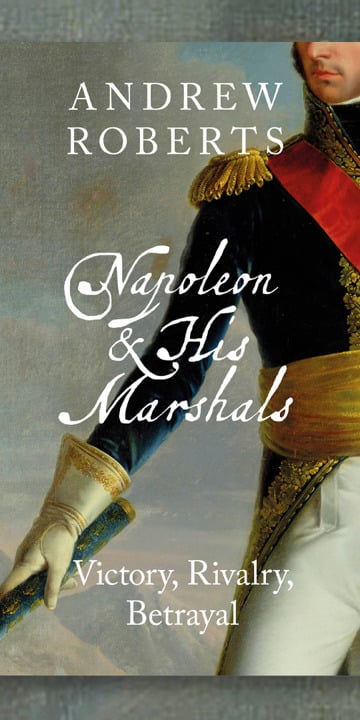
Napoleon & His Marshals Book Talk with Andrew Roberts

Duke of Richmond and Gordon
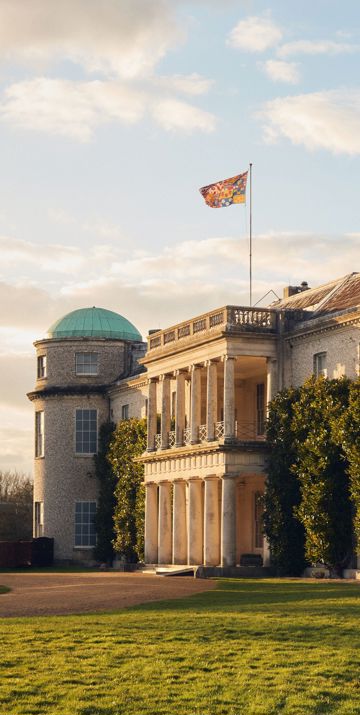
The Duke of Richmond holds the title of Duke of Richmond and Gordon. This title reflects the historical association with both the Richmond and Gordon families.
-
Afternoon Tea & Tour
-
Restaurants
-
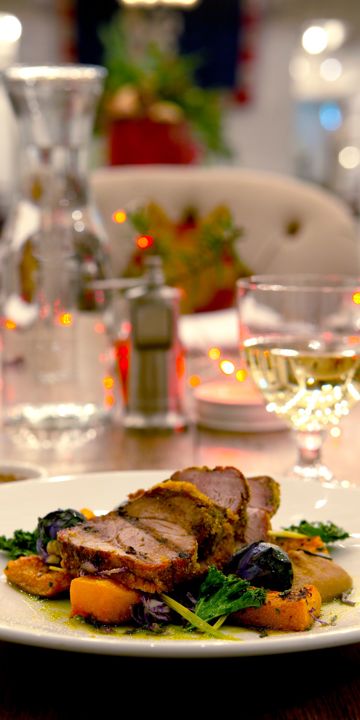
Farmer, Butcher, Chef
-
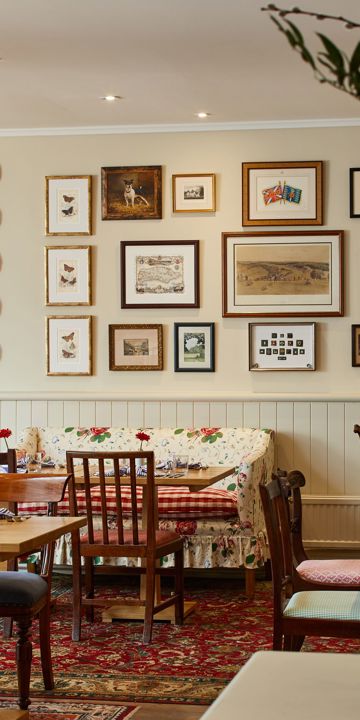
The Goodwood Bar & Grill
-
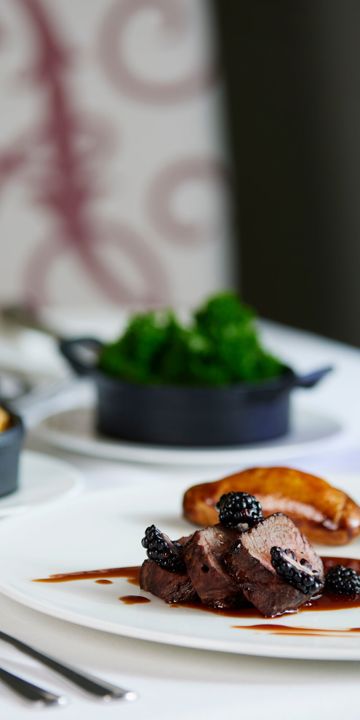
The Kennels
-
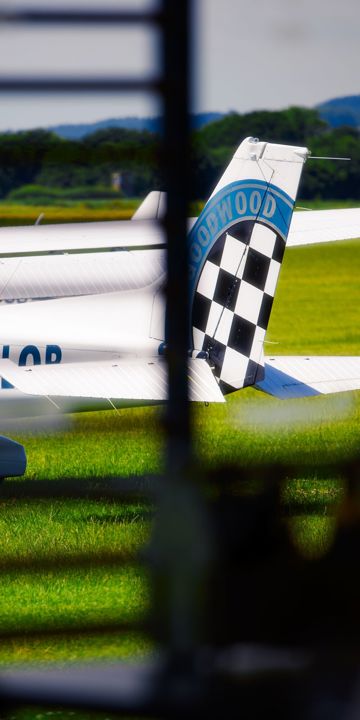
Aerodrome Café
-
Motor Circuit Café

-
Cafe 24
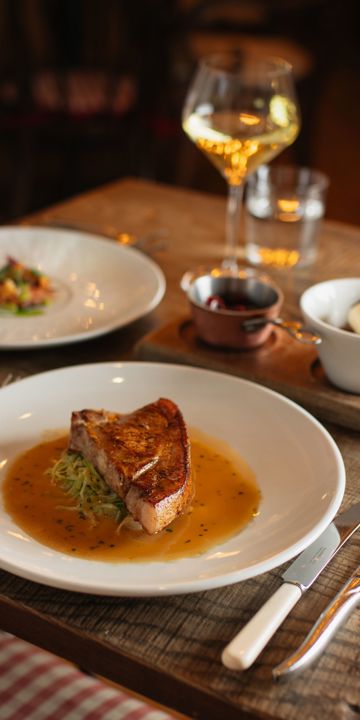

Sustainable state-of-mind
When Farmer, Butcher, Chef opened in 2016 it was awarded the UK’s first-ever Royal Academy of Culinary Arts ‘Sustainable Food Philosophy Seal’. -
Farmer, Butcher, Chef
-
The Kennels
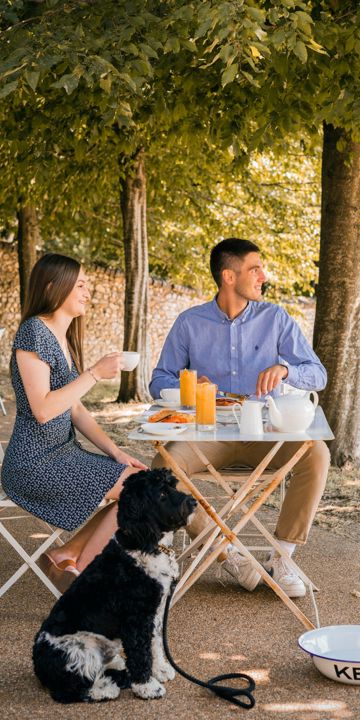
Fashionable foxhounds
The 1st Duke of Richmond bought Goodwood in 1697 as a place to stay to go foxhunting with the fashionable Charlton Hunt. -
Motor Circuit
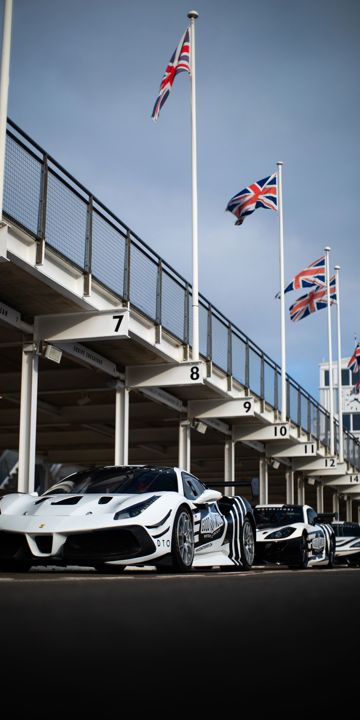

How many hay bales are used at FOS?
For the last two years, 5,800 bales have been recylced into the biomass energy centre to be used for energy generation
-
Health & Wellbeing
-
Membership
-
Health Club
-
Gym
-
Run Series
-
Spa Treatments
-
Wellness Retreats
-
Events Calendar
-
Corporate Wellbeing
-
Health Summit
-
Latest News

Goodwood's first Health Summit...
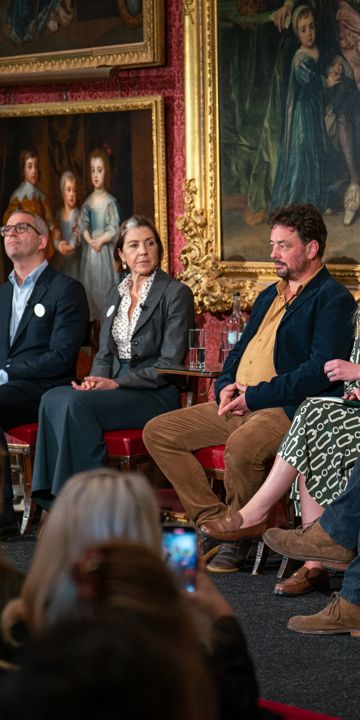
...took place in 2023 with industry experts discussing nutrition costs and food systems for a healthier future. -
Membership
-
Hound Lodge
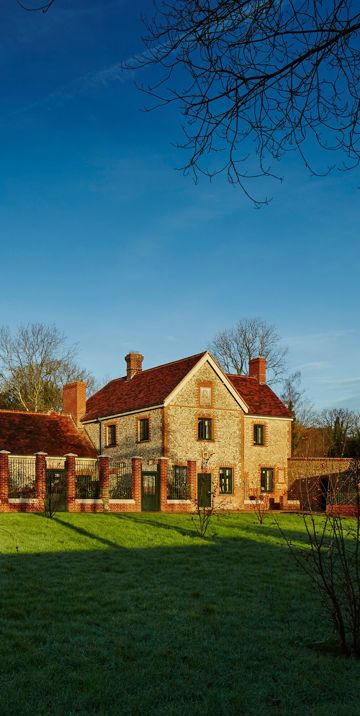

Room for 20
Within the boot room are hooks for 20 people, enough for all of the Lodges 10 bedrooms.
-
Goodwood Farm Shop


Levin Down Gin
Our gin uses wild-grown botanicals sourced from the estate, and is distilled with mineral water naturally chalk-filtered through the South Downs.
-
Parties
-
Goodwood Art Foundation
-
The Goodwood Hotel
-
Motorsport
-
Festival of Speed
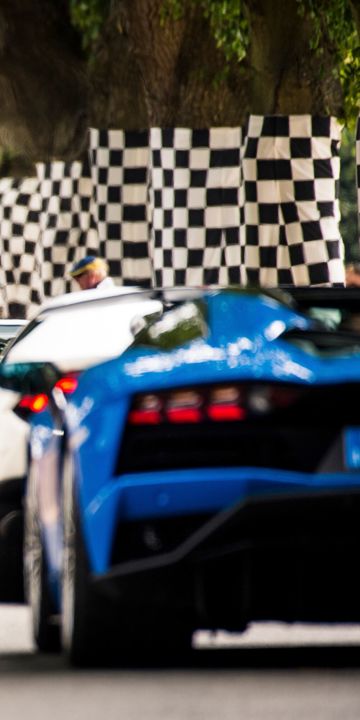

Why don't the F1 cars race the hill?
For safety reasons F1 cars can no longer do official timed runs so instead perform stunning demonstrations!
-
Goodwood Revival
-
Tickets & Packages
-
Hospitality
-
Explore
-
Plan Your Day
-
Buy Merchandise
-
Charity
-
Partners
-
Accessibility
-
FAQs
Freddie's Famous Scarf
When the 9th Duke won the Double Twelve at Brooklands in 1931 he never drove without it throughout his successful driving career.
-
Tickets & Packages
-
Members' Meeting
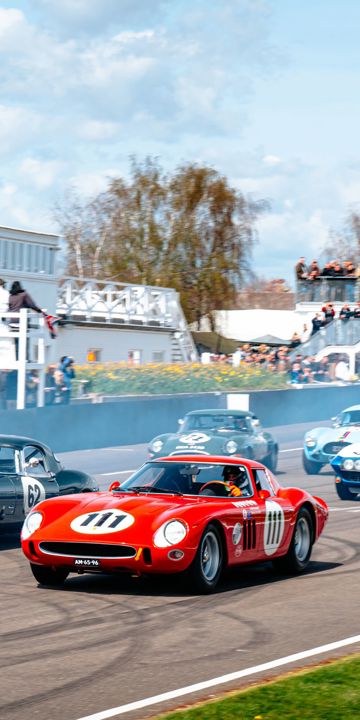

What's that on the startline?
The Hill Start Line is marked by bricks taken from the Indianapolis Motor Speedway.
-
Breakfast Club
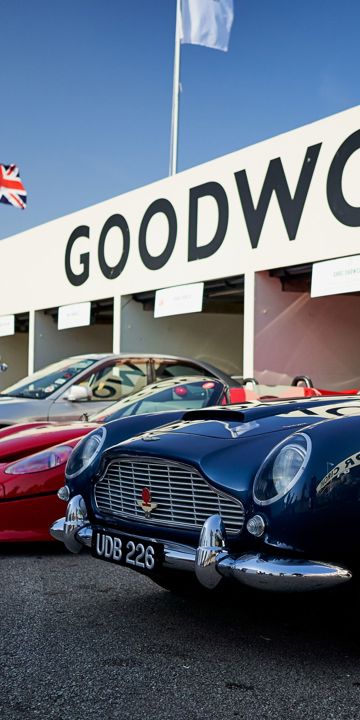

Earls Court replica
Our replica of the famous motor show showcases the "cars of the future" in true Revival style
-
Motor Circuit

When was the GRRC founded?
Established in 1998 by the Duke of Richmond, the Goodwood Road Racing Club offers exclusive benefits across the estate year-round -
Driving Experiences
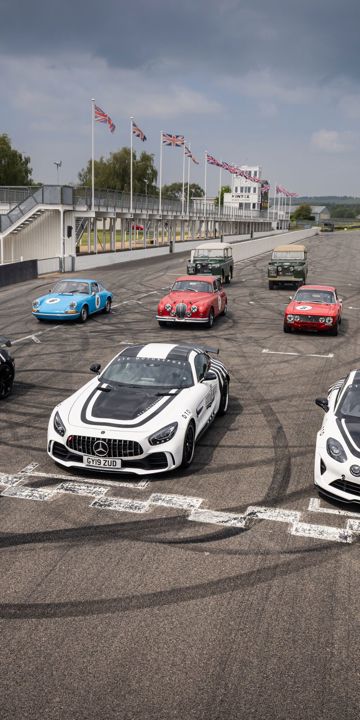

Spectators Favourite
Spectate from the chicane at the Revival to see plenty of classic cars going sideways as they exit this infamous point of our Motor Circuit.
-
Goodwood Road Racing Club
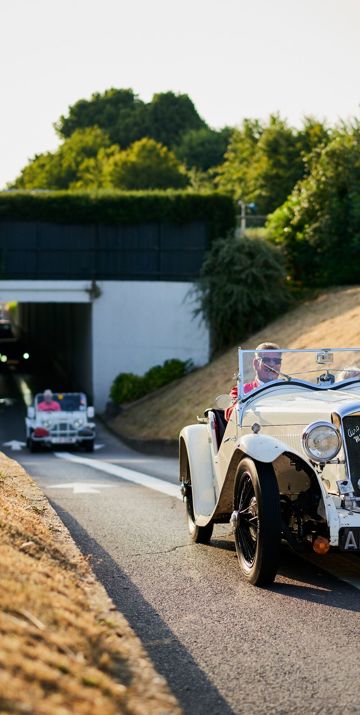
Motorsport Since 1948
Goodwood Motor Circuit was officially opened in September 1948 when Freddie March, the 9th Duke and renowned amateur racer, tore around the track in a Bristol 400
-
Latest News
-
Festival of Speed
-
Horseracing
-
Tickets & Packages
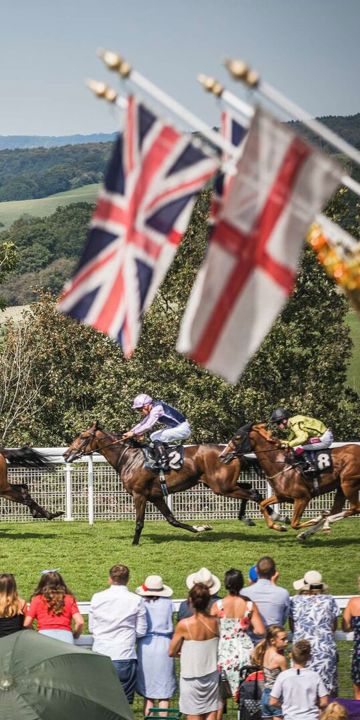
Why does everyone wear hats?
King Edward VII turned his back on the traditional morning suit and donned a linen suit and Panama hat. Thus the Glorious Goodwood trend was born.
-
Hospitality
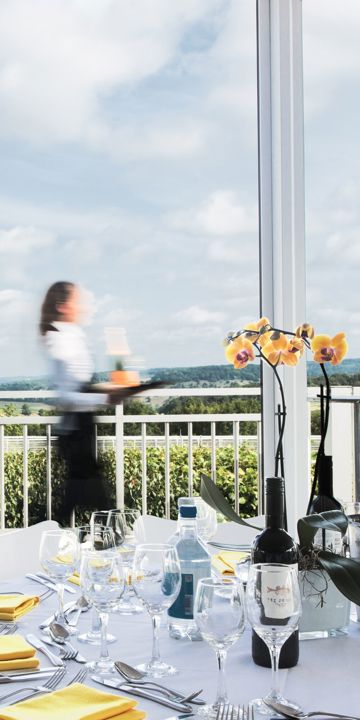
Why does everyone wear hats?
King Edward VII turned his back on the traditional morning suit and donned a linen suit and Panama hat. Thus the Glorious Goodwood trend was born.
-
Horseracing Club Membership
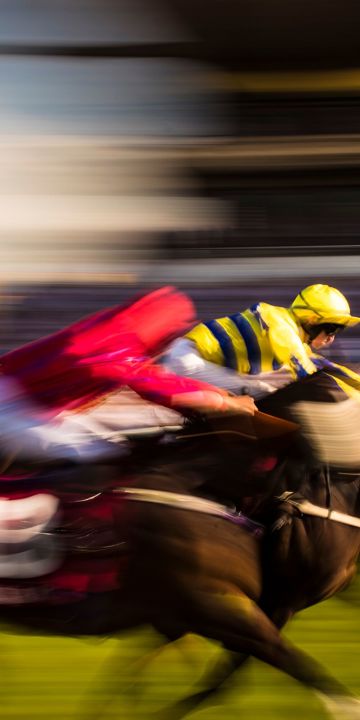
Why does everyone wear hats?
King Edward VII turned his back on the traditional morning suit and donned a linen suit and Panama hat. Thus the Glorious Goodwood trend was born.
-
Fixtures & Events
-
Season Opener
-
May Festival
-
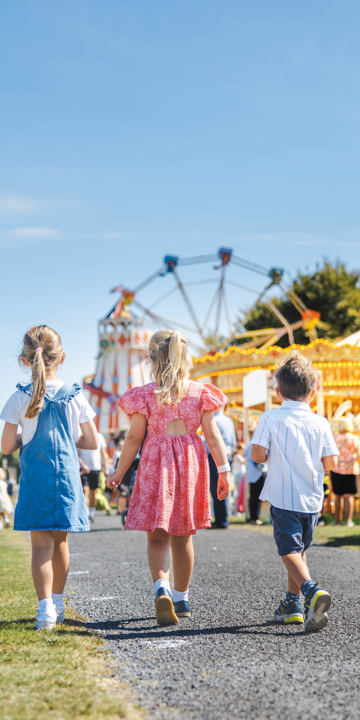
Family Race Day
-
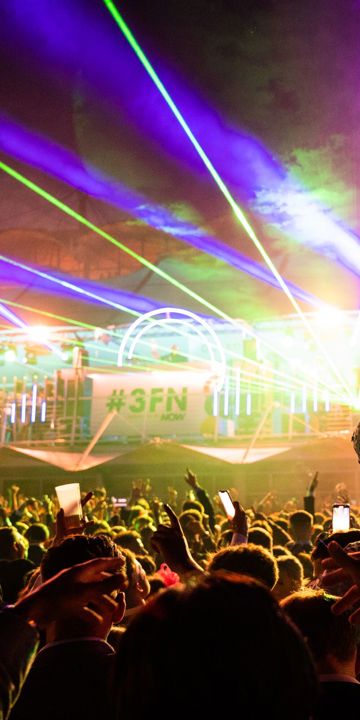
Three Friday Nights
-
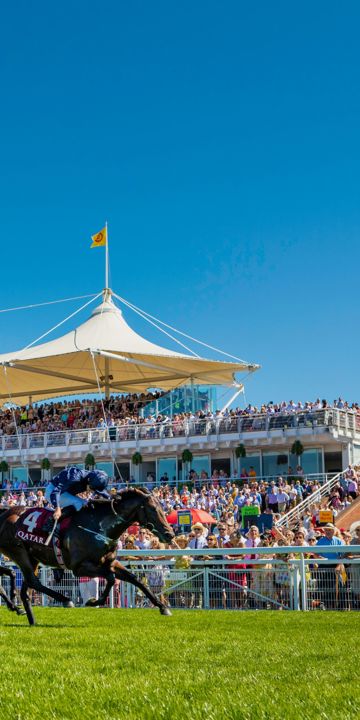
Qatar Goodwood Festival
-
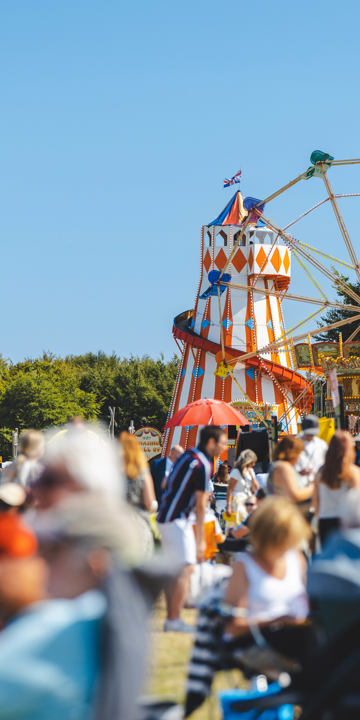
August Bank Holiday
-
Autumn Racing
-
Season Finale
Royal approval
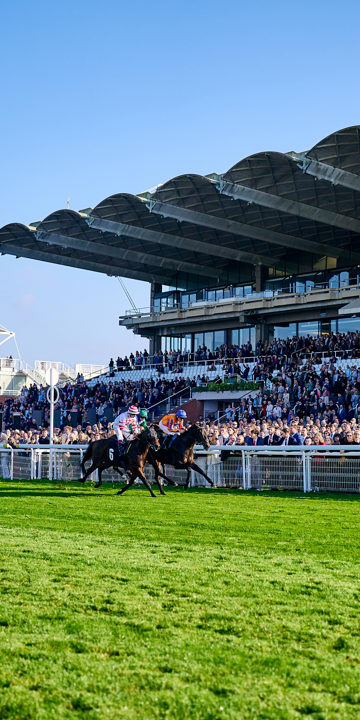
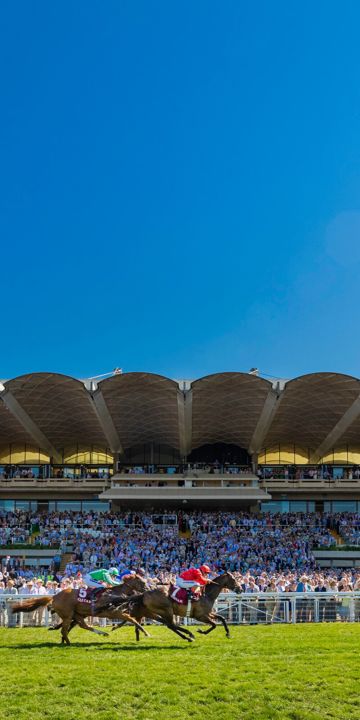
King Edward VII (who came almost every year) famously dubbed Glorious Goodwood “a garden party with racing tacked on”.
-
Season Opener
-
Qatar Goodwood Festival
-
Tickets & Packages
-
Hospitality
-
Day by Day Guide
-
Ladies Day
-
Magnolia Cup
-
The Earl's Lawn
-
Timetable
-
Partners
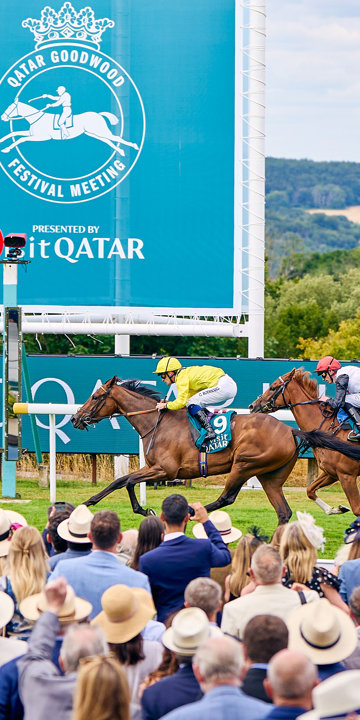
Why does everyone wear hats?
King Edward VII turned his back on the traditional morning suit and donned a linen suit and Panama hat. Thus the Glorious Goodwood trend was born.
-
Tickets & Packages
-
Three Friday Nights
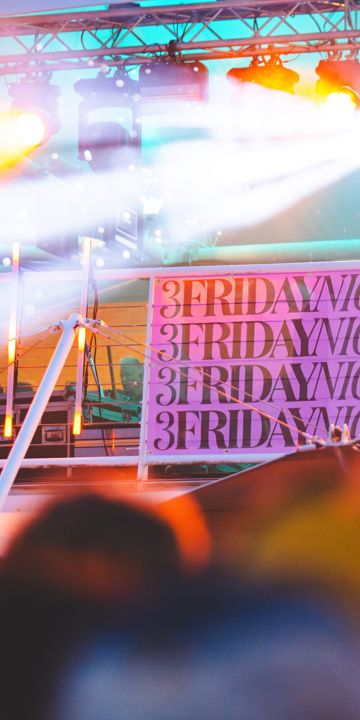

St Simon
Whoa Simon! A horse so determined and headstrong, he not only won the 1883 Goodwood Cup by 20 lengths, but couldn't be stopped and carried on running over the top of Trundle hill
-
Plan Your Day
-
Enclosures
-
Event Map
-
Going Report
-
Getting Here
-
Betting at Goodwood
-
Dress Code
-
Accessibility
-
Food & Drink
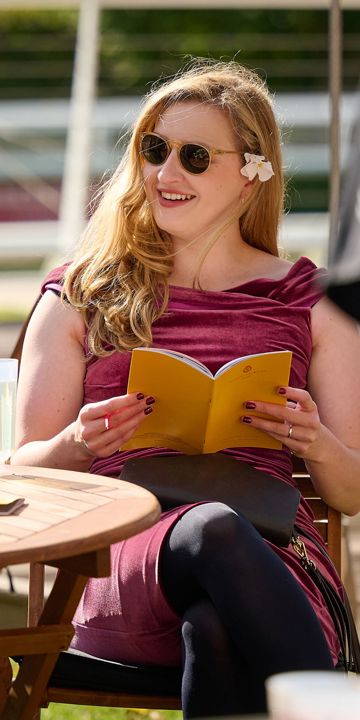

Why walk when you can drive
The first ever horsebox was used from Goodwood to Doncaster for the 1836 St. Leger. Elis arrived fresh and easily won his owner a £12k bet.
-
Enclosures
-
Buy Merchandise
-
Partners
-
Owners & Trainers
-
Latest News
-
FAQs
-
Accessibility
-
Tickets & Packages
-
Experiences
-
Driving

Driving experiences
Unleashed your driving skils -
Flying
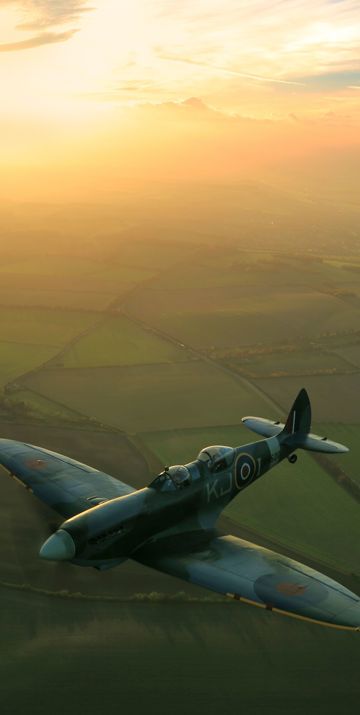

Flying with Goodwood
Come with us for an epic journey. -
Golf
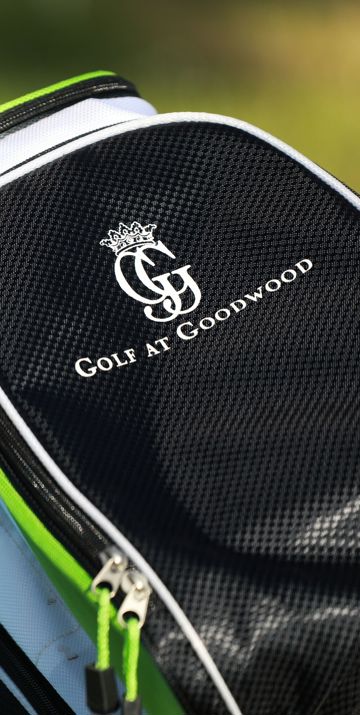

Over 100 years of Golf
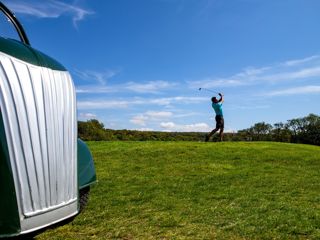
The first ever round of golf played at Goodwood was in 1914 when the 6th Duke of Richmond opened the course on the Downs above Goodwood House.
-
Shooting
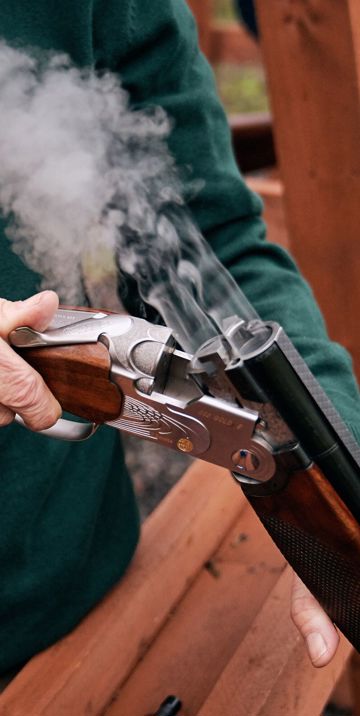

A different breed...
Goodwood’s pigs are a mix of two rare breeds (Gloucester Old Spots and Saddlebacks) plus the Large White Boar.
-
Afternoon Tea
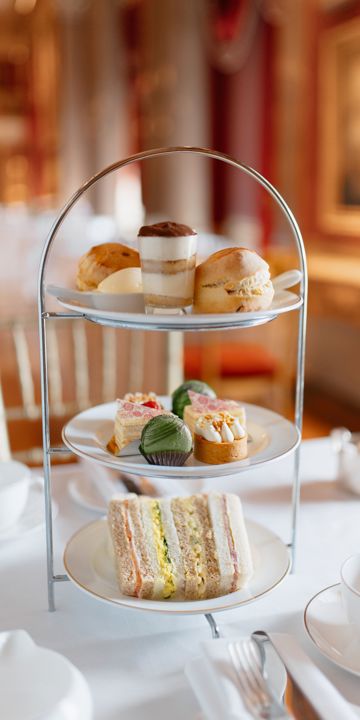

Egyptian Dining Room
Testament to the 19th-century fascination with ancient Egypt and decorative opulence. The room is richly detailed with gilded cartouches, sphinxes, birds and crocodiles.
-
Corporate Wellbeing
Goodwood's first Health Summit...
...took place in 2023 with industry experts discussing nutrition costs and food systems for a healthier future. -
Cycling
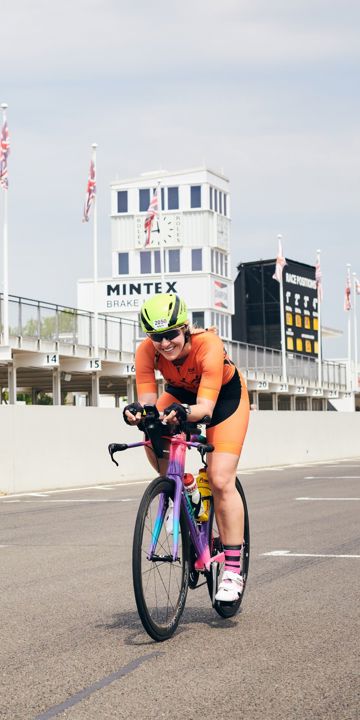
Battle of Britain
Flying training began at Goodwood in 1940 when pilots were taught operational flying techniques in Hurricanes and Spitfires.
-
Corporate Experiences
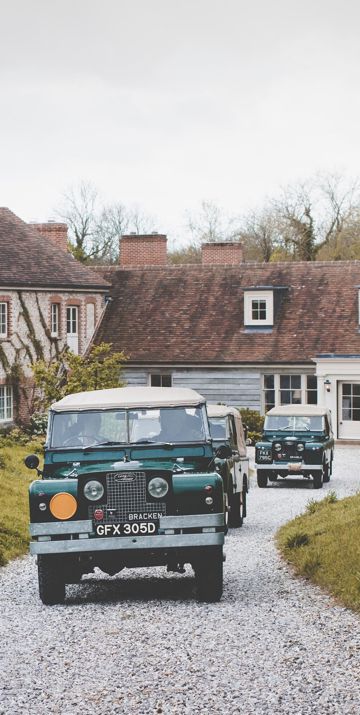
Where else can you...
...plan strategy in an ancient woodland, enjoy award-winning dining then drive around a racetrack?
-
Spa Treatments
-
Driving
- Hospitality
-
Golf
-
Golf Courses
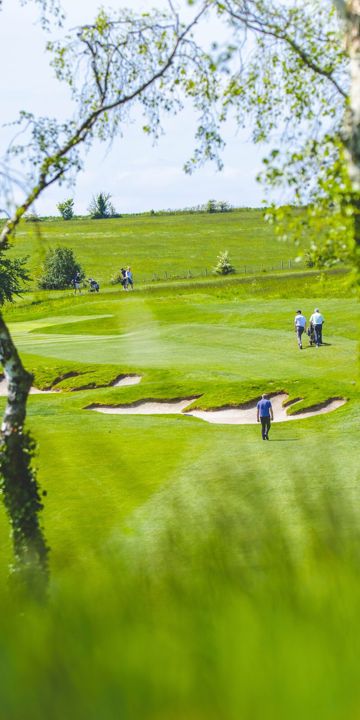
Over 100 years of Golf
The first ever round of golf played at Goodwood was in 1914 when the 6th Duke of Richmond opened the course on the Downs above Goodwood House.
-
Golf Membership
-
Credit Membership
-
Application Form
-
Braid Membership
-
Intermediate Membership
-
Junior Membership
-
Corporate Membership
-
Get Into Golf
-
Copse Membership

Over 100 years of Golf
The first ever round of golf played at Goodwood was in 1914 when the 6th Duke of Richmond opened the course on the Downs above Goodwood House.
-
Credit Membership
-
The Academy
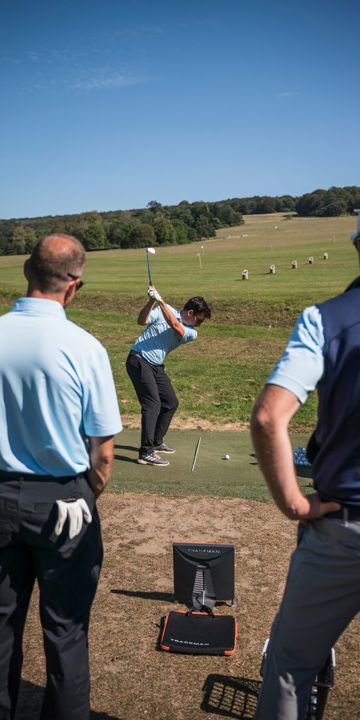
Over 100 years of Golf
The first ever round of golf played at Goodwood was in 1914 when the 6th Duke of Richmond opened the course on the Downs above Goodwood House.
-
Golf Experiences


A sporting Estate
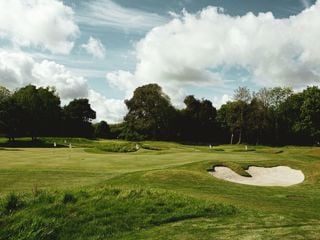
Goodwood has two 18-hole championship courses, a modern clubhouse and an impressive Academy.
-
Golf Courses
-
Flying
-
Flying School
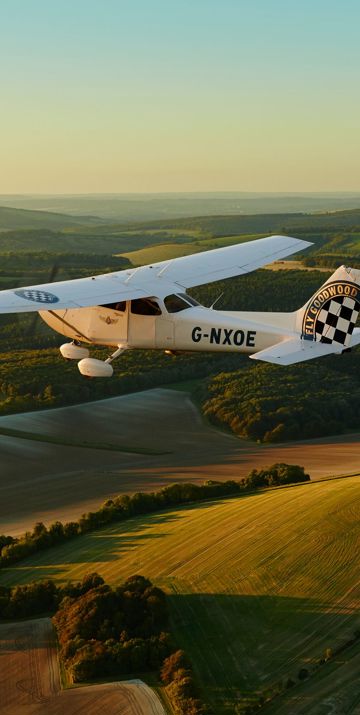
Battle of Britain
Flying training began at Goodwood in 1940 when pilots were taught operational flying techniques in Hurricanes and Spitfires.
-
Aero Club Membership
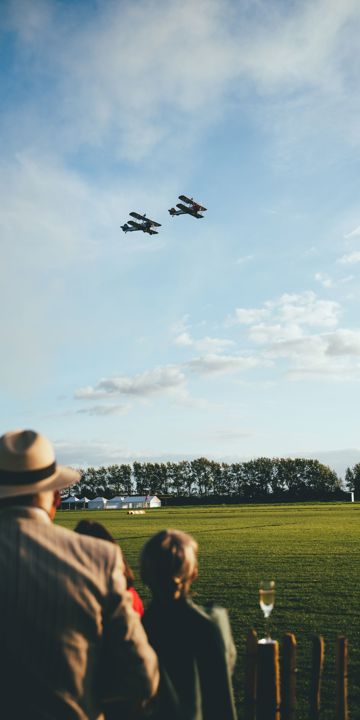

During the war...
The Motor Circuit was known as RAF Westhampnett, active from 1940 to 1946 as a Battle of Britain station. -
Flying Experiences
-
Pilot Information
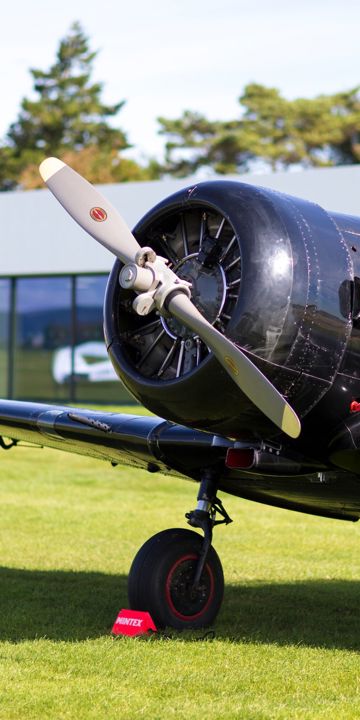

Ace Pilot
Ray Hanna famously flew straight down Goodwood’s pit straight below the height of the grandstands at the first Revival in 1998
-
Flying School
-
Meetings
-
Venue Hire
-
Goodwood House
-
The Racecourse
-
The Goodwood Hotel
-
The Motor Circuit
-
The Kennels
-
The Aerodrome
-
The Great Outdoors
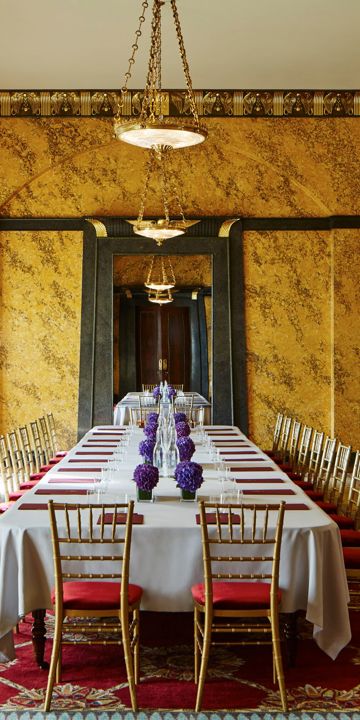
Where else can you...
...plan strategy in an ancient woodland, enjoy award-winning dining then drive around a racetrack?
-
Goodwood House
-
Plan Your Meeting
-
Parties
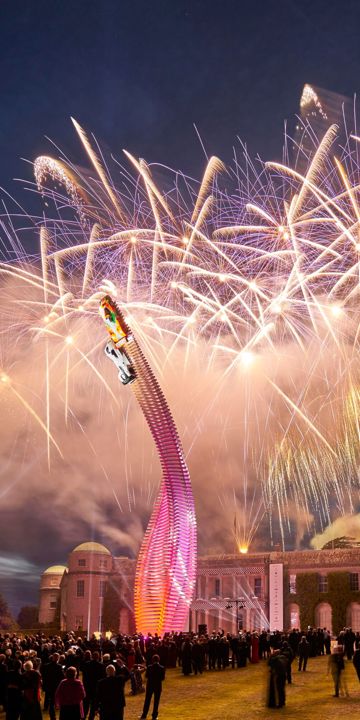
Where else can you...
...plan strategy in an ancient woodland, enjoy award-winning dining then drive around a racetrack?
-
Hospitality

-
Corporate Experiences
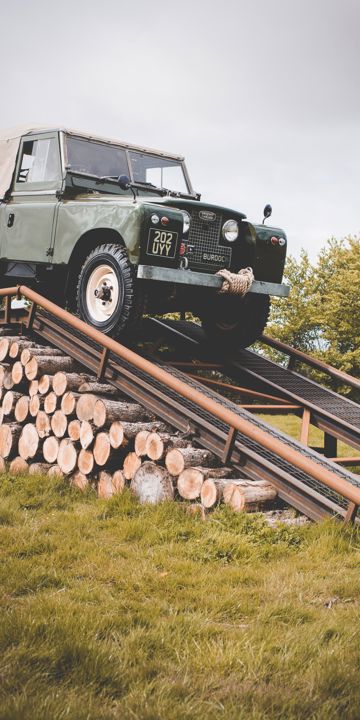
Where else can you...
...plan strategy in an ancient woodland, enjoy award-winning dining then drive around a racetrack?
-
Christmas Parties
-
Film Locations
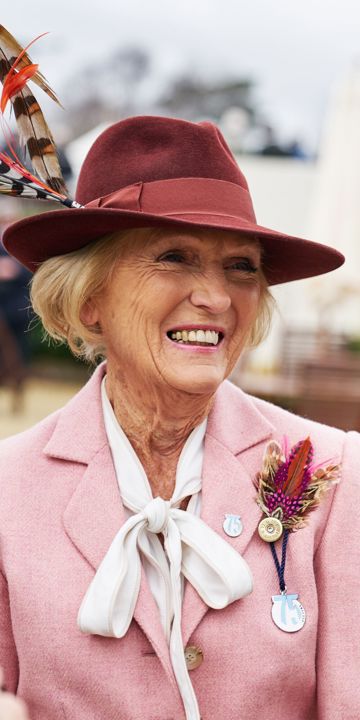
Filming at Goodwood
We have been host to many incredible film crews using Goodwood as a backdrop for shows like Downton Abbey, Hollywood Blockbusters like Venom: let there be Carnage and the Man from U.N.C.L.E.
-
Venue Hire
-
Weddings
-
Goodwood House
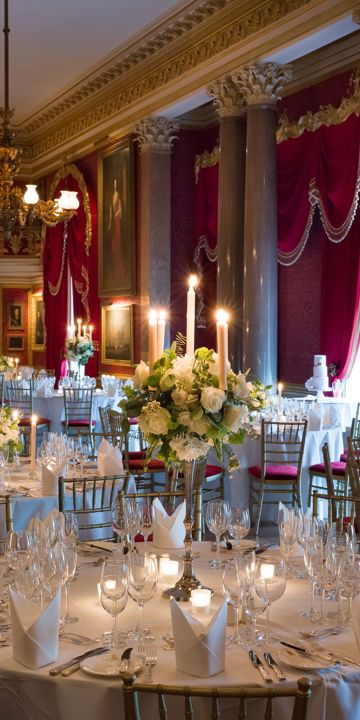
Duke of Richmond and Gordon
The Duke of Richmond holds the title of Duke of Richmond and Gordon. This title reflects the historical association with both the Richmond and Gordon families.
-
The Kennels


An exclusive clubhouse
As the private clubhouse for all of the Estate’s sporting and social members, it offers personal service and a relaxed atmosphere
-
Parties
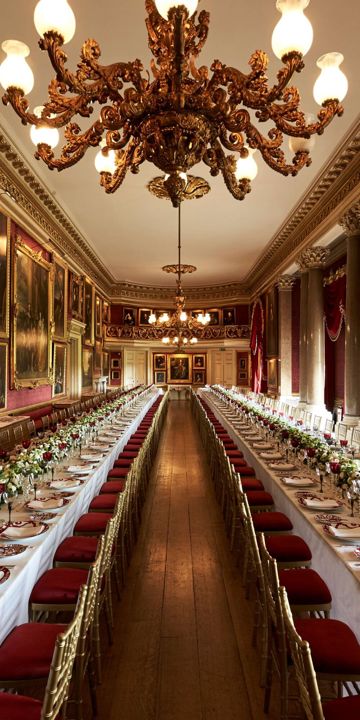


A destination for all seasons
We're well known for our iconic motorsport and horseracing events. But there's a lot more happening at Goodwood...
-
Goodwood House
-
Memberships
-
Goodwood Road Racing Club
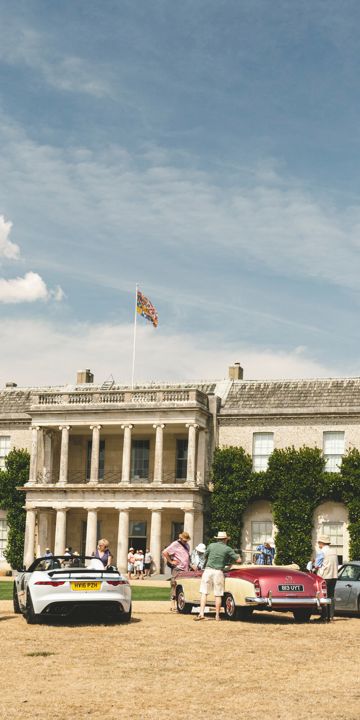
When was the GRRC founded?
Established in 1998 by the Duke of Richmond, the Goodwood Road Racing Club offers exclusive benefits across the estate year-round -
Goodwood Horseracing Club
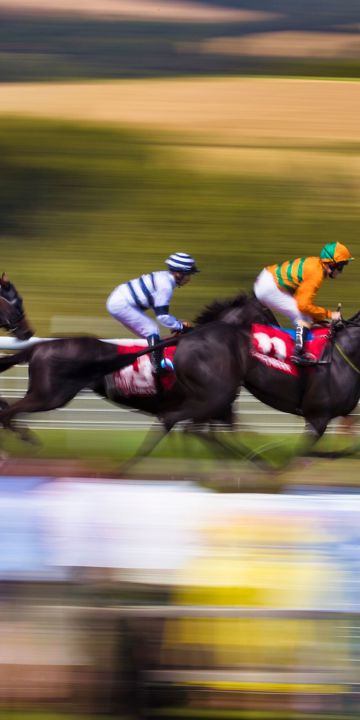
Why walk when you can drive
The first ever horsebox was used from Goodwood to Doncaster for the 1836 St. Leger. Elis arrived fresh and easily won his owner a £12k bet.
-
Golf At Goodwood
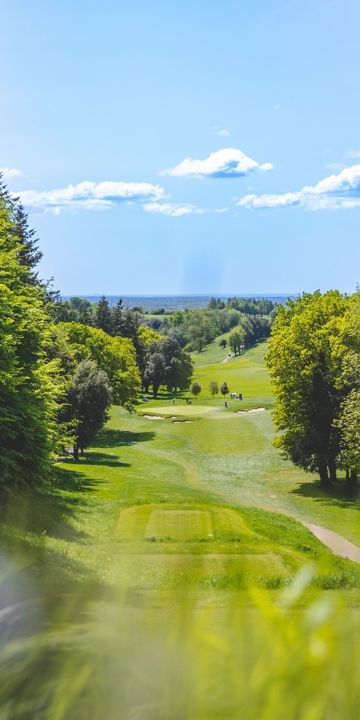

Braid’s Masterpiece
One of the greatest golfers of all time, James Braid designed Goodwood’s iconic Downland course, opened in 1914.
-
Goodwood Aero Club

During the war...
The Motor Circuit was known as RAF Westhampnett, active from 1940 to 1946 as a Battle of Britain station.
-
Goodwood Health Club
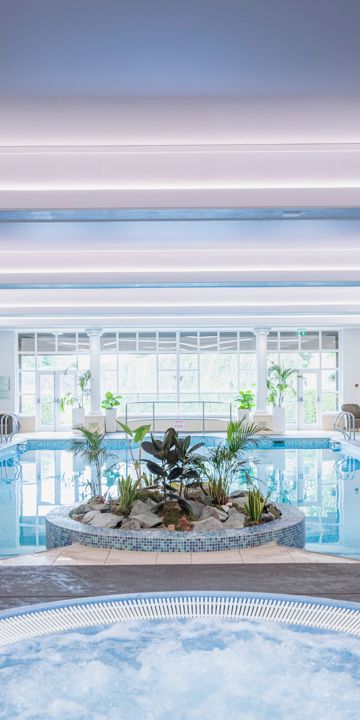
Goodwood's first Health Summit...
...took place in 2023 with industry experts discussing nutrition costs and food systems for a healthier future. -
The Kennels


How old is The Kennels?
Built in 1787 by celebrated architect James Wyatt to house the third Duke of Richmond’s prized fox hounds, The Kennels was known as one of the most luxurious dog houses in the world!
-
Sporting Membership

St Simon
Whoa Simon! A horse so determined and headstrong, he not only won the 1883 Goodwood Cup by 20 lengths, but couldn't be stopped and carried on running over the top of Trundle hill
-
Goodwood Racehorse Owners Group
-
Goodwood Art Foundation
-
Goodwood Road Racing Club
- Classic Car Insurance
- Health & Wellbeing
- Buy Merchandise
-
Our Estate
-
What's on
-
Estate Map
St Simon
Whoa Simon! A horse so determined and headstrong, he not only won the 1883 Goodwood Cup by 20 lengths, but couldn't be stopped and carried on running over the top of Trundle hill
-
Stories from the Estate
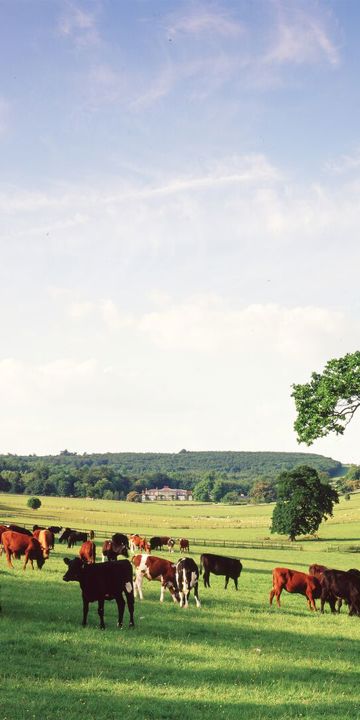
St Simon
Whoa Simon! A horse so determined and headstrong, he not only won the 1883 Goodwood Cup by 20 lengths, but couldn't be stopped and carried on running over the top of Trundle hill
-
Sports
-
Goodwood Education Trust
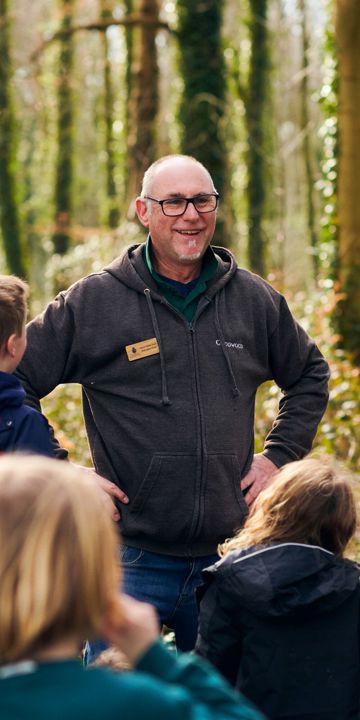
Battle of Britain
Flying training began at Goodwood in 1940 when pilots were taught operational flying techniques in Hurricanes and Spitfires.
-
Charities
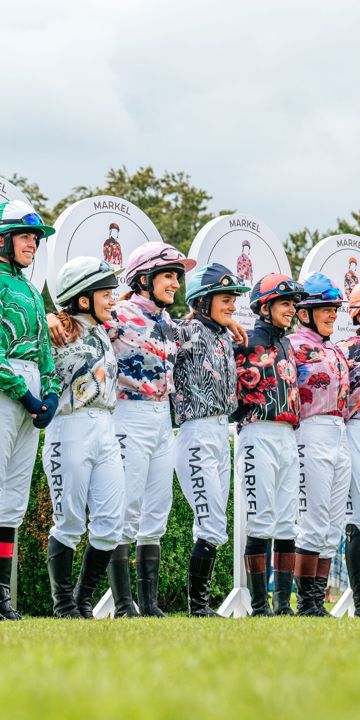
During the war...
The Motor Circuit was known as RAF Westhampnett, active from 1940 to 1946 as a Battle of Britain station. -
Sustainability
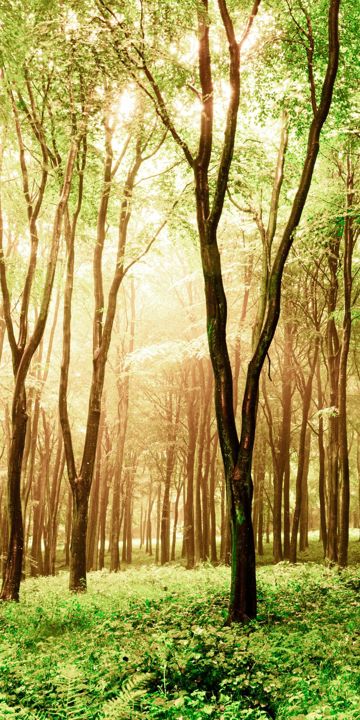

Cricketers since 1702
The oldest existing rules for the game were drawn up for a match between the 2nd Duke and a neighbour
-
Diversity, Equity & inclusion
-
Property
Lucky Leap
Inspired by the legendary racer, Masten Gregory, who famously leapt from the cockpit of his car before impact when approaching Woodcote Corner in 1959.
-
Walking Guide

How old is The Kennels?
Built in 1787 by celebrated architect James Wyatt to house the third Duke of Richmond’s prized fox hounds, The Kennels was known as one of the most luxurious dog houses in the world!
-
Dog Walking Field
-
Careers
During the war...
The Motor Circuit was known as RAF Westhampnett, active from 1940 to 1946 as a Battle of Britain station.
-
Goodwood Art Foundation
-
Farm Shop
-
What's on
- Christmas


Upcoming Events
Making the Most of May Half Term: Why Unstructured Family Time Matters
May Half Term arrives at an interesting point in the year. The energy of spring is giving way to early summer, routines are well established and yet there’s a growing sense that everyone could benefit from a pause.
In this article, we explore why unstructured time is becoming increasingly important for families, and how environments that encourage exploration and freedom can shape more meaningful experiences during the school holidays.
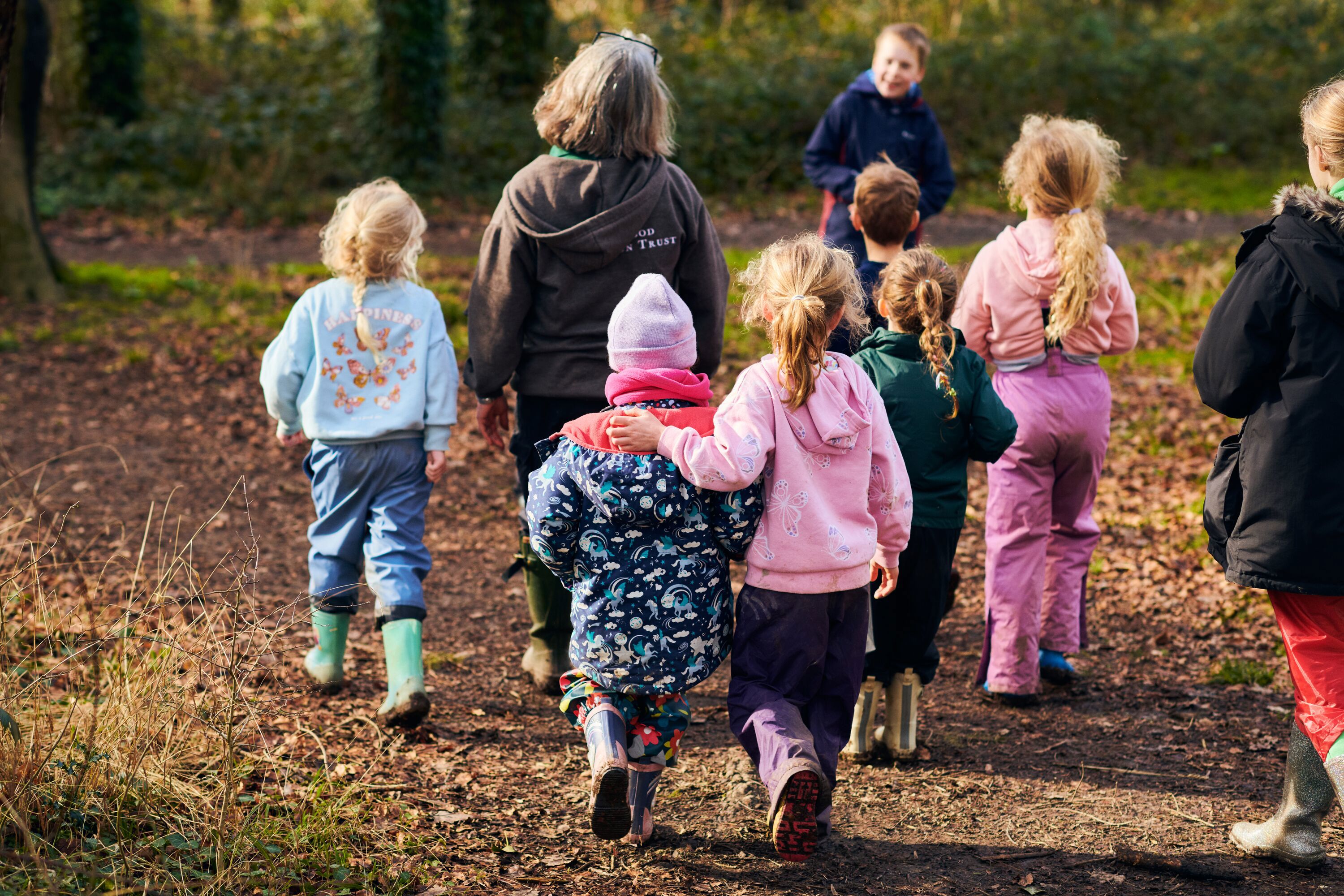
But how that time is spent matters.
In a culture where children’s schedules are often filled with planned activities, clubs and commitments, there’s a quiet shift happening. More families are recognising the value of stepping away from structure, even briefly, to allow space for something else: curiosity, independence and genuine connection.
Why Unplanned Time Is So Important
Unstructured time, the kind without a fixed agenda. plays a crucial role in childhood development. It encourages imagination, builds confidence and allows children to engage more deeply with their surroundings. Without the pressure of a timetable, they’re more likely to explore, ask questions and create their own sense of adventure.
For parents, it offers something equally important: the opportunity to be present, rather than to organise. To step out of logistics and into shared experience.
This doesn’t mean doing nothing. It means creating the right environment for something to happen.
The Power of the Outdoors
Spending time outside is one of the simplest and most effective ways to reset as a family. Studies consistently show that time in nature can reduce stress, improve mood and support both physical and mental wellbeing, for children and adults alike.
But beyond the science, there’s something more instinctive at play. Give children space, real space, and they naturally begin to move, explore and engage. A fallen tree becomes something to climb. Nature becomes a cornucopia of discovery. A path becomes a route to somewhere new to investigate.
It’s in these environments that family time often feels easiest, less forced, more fluid.
A Playground Without Walls
At Goodwood, the landscape lends itself to exactly this kind of experience. The estate’s 11,000 acres provide a setting where families can move freely between moments of activity and stillness, without needing to over-plan.
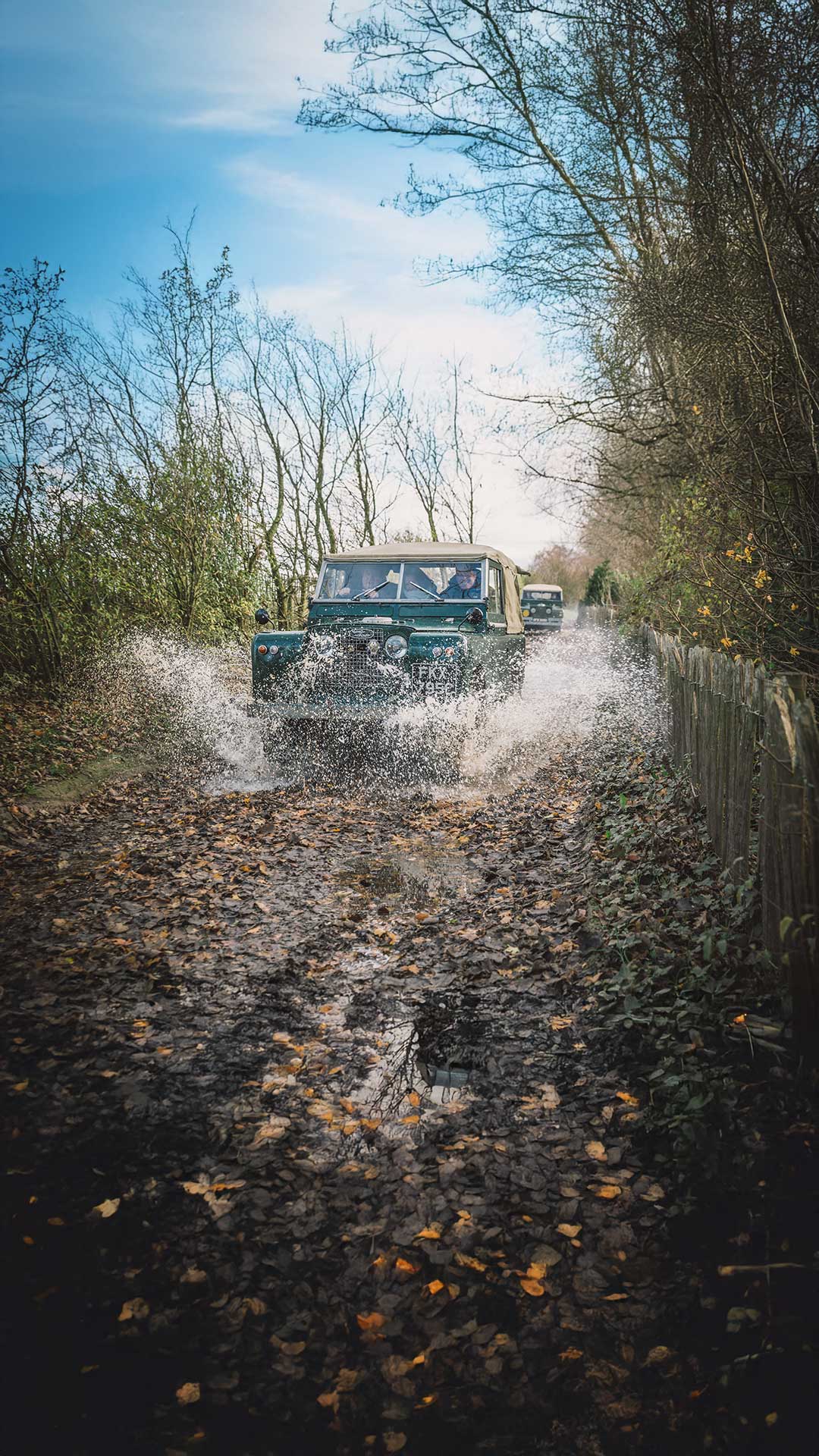
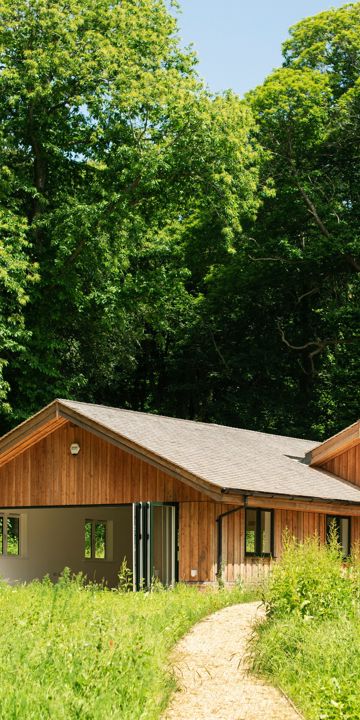
Start the day with a walk through ancient woodland, where winding paths lead to unexpected clearings and sweeping views across the South Downs. Children can run ahead, climb, explore and discover, while adults take a moment to slow down and breathe it all in.
Pack a picnic and find your spot, whether it’s overlooking rolling hills or tucked beneath the trees, and enjoy the kind of unhurried time that’s often hard to come by.
And sometimes, the simplest pleasures are the most captivating. Watching planes take off and land whilst having lunch the Aerodrome Cafe brings a quiet sense of wonder, while the unmistakable sound of engines roaring passed from a viewpoint by the Motor Circuit Cafe adds a thrill that stops everyone in their tracks. These are the moments that require no planning, yet stay with you long after you leave.
Balancing Freedom with Discovery
Of course, unstructured time doesn’t mean there’s nothing to do. In fact, having the option to dip into different experiences, without building your day around them, often creates the best balance.
Opportunities to try something new, whether that’s time at the Goodwood Art Foundation, time spent learning a new skill, or a more active experience, can add variety and spark new interests. For children, these moments can build confidence; for families, they create shared points of reference, stories to revisit long after the break has ended.
The key is flexibility: choosing when to engage and when to simply let the day unfold.
A Different Kind of Family Break
What May Half Term offers, at its best, is a reset. Not through doing more, but through doing things differently.
By prioritising space, time and a sense of ease, families can reconnect in a way that feels natural rather than orchestrated. It’s less about ticking off activities and more about creating the conditions for meaningful moments to happen.
Because often, it’s not the big, planned experiences that stay with us; it’s the small, unexpected ones. The discoveries, the conversations, the shared silences.
And sometimes, all that’s needed is the right setting to let them unfold.
Throughout the holidays, it’s not about doing more, it’s about making space for what matters most. And finding somewhere that allows you to do exactly that. At Goodwood, that space is already part of the experience, whether you choose to stay at the Hotel or settle into one of the Cottages.