-
Events
-
Festival of Speed
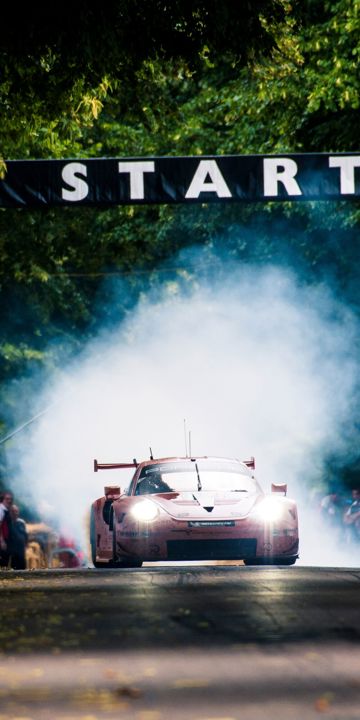

How many hay bales are used at FOS?
For the last two years, 5,800 bales have been recylced into the biomass energy centre to be used for energy generation
-
Goodwood Revival
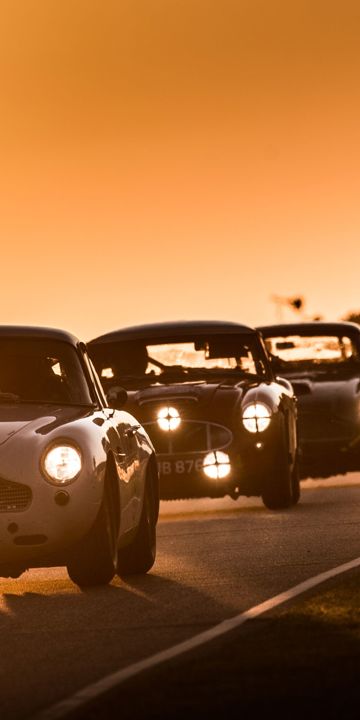

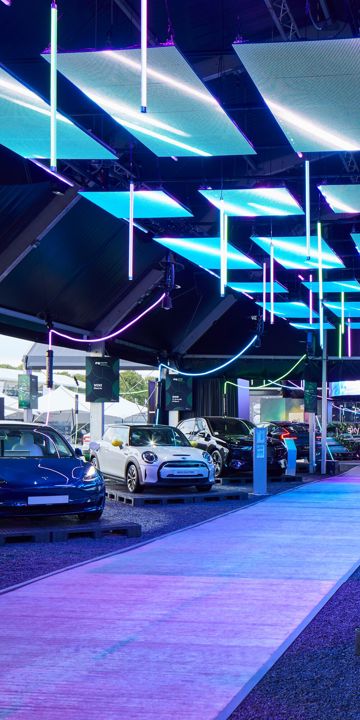
Earls Court replica
Our replica of the famous motor show showcases the "cars of the future" in true Revival style
-
Members' Meeting
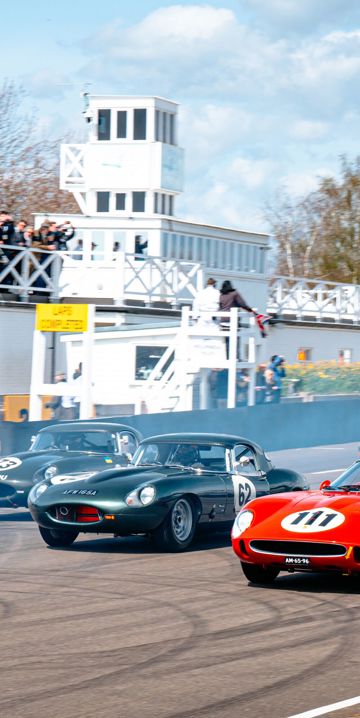

The first Members' Meeting
The inaugural BARC Members' Meeting took place at Goodwood on 13th Augurst 1949.
-
Qatar Goodwood Festival
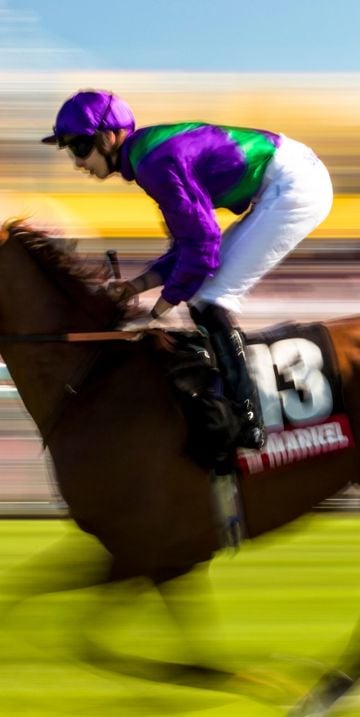

Royal approval
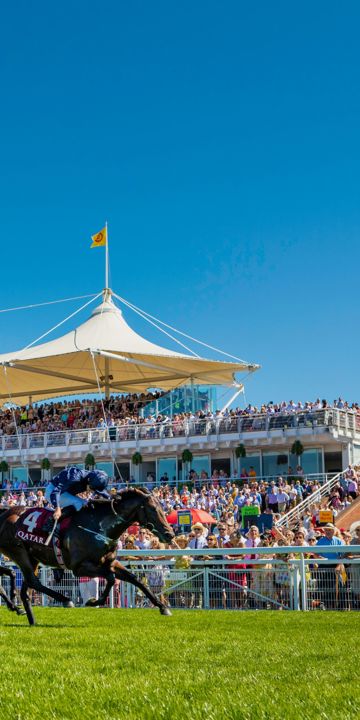
King Edward VII (who came almost every year) famously dubbed Glorious Goodwood “a garden party with racing tacked on”.
-
Goodwoof
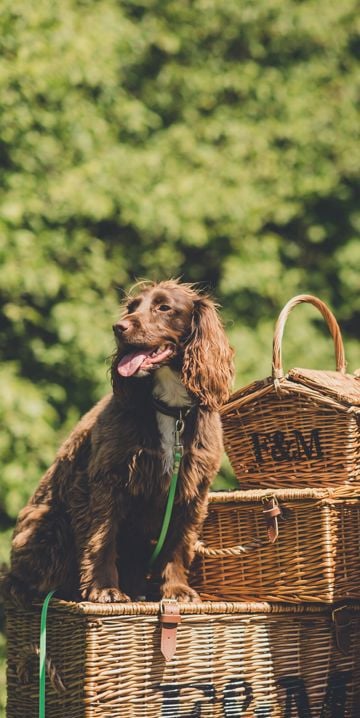

Start in style
The breed parade sees hundreds of dogs and their owners walk from Goodwood House down to The Kennels to kick start the Goodwoof weekend. -
Horseracing
-
Season Opener
-
May Festival
-
Family Race Day
-
Three Friday Nights
-
August Bank Holiday
-
Autumn Racing
-
Season Finale
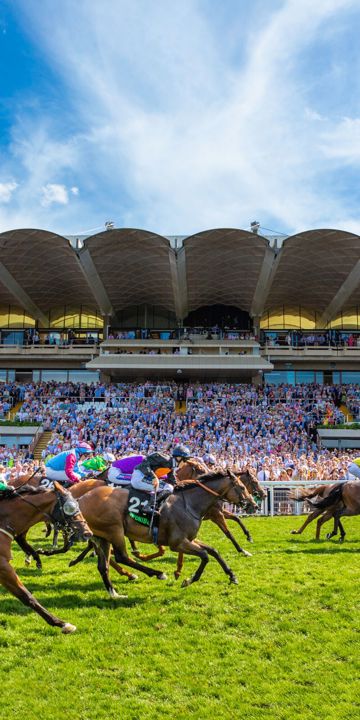

"Glorious Goodwood"
After the first public race meeting in 1902, 'Glorious Goodwood' became a highlight of the summer season.
-
Season Opener
-
Breakfast Club
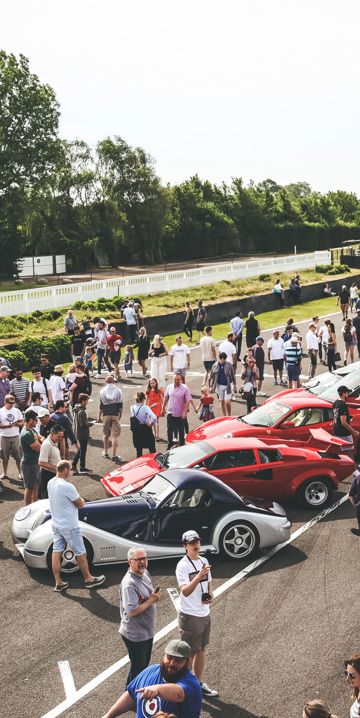

A perfect Sunday morning?
A no-cost, all-welcome motoring show where the visitors and their machines are the stars -
Health Summit
-
Hospitality
-
Exhibiting
-
Partnerships

Where else can you...
...plan strategy in an ancient woodland, enjoy award-winning dining then drive around a racetrack?
-
What's on
-
Festival of Speed
-
Visit, Eat, Stay
-
The Goodwood Hotel
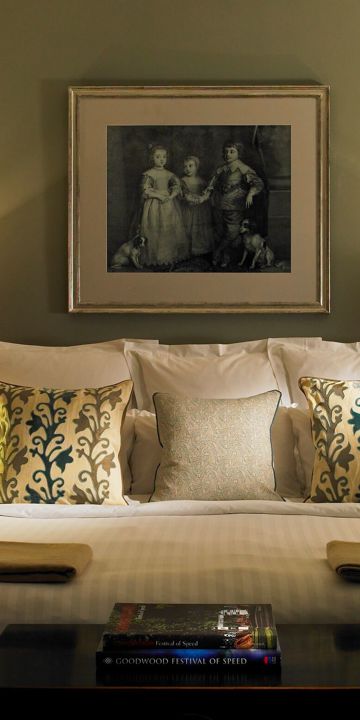

During the war...
The Motor Circuit was known as RAF Westhampnett, active from 1940 to 1946 as a Battle of Britain station. -
Goodwood Cottages


Carne's Seat
Just beyond Goodwood House along the Hillclimb, the 2nd Dukes banqueting house was also known as "one of the finest rooms in England" (George Vertue 1747).
-
Goodwood House
-
Afternoon Tea & Tour
-
The Collection
-
Christmas Afternoon Tea & Tour
-
Exhibitions
-
History
-
Weddings
-
Copper Dome Restoration
-
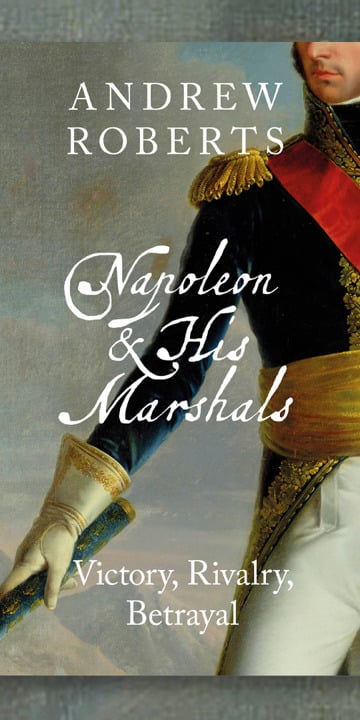
Napoleon & His Marshals Book Talk with Andrew Roberts
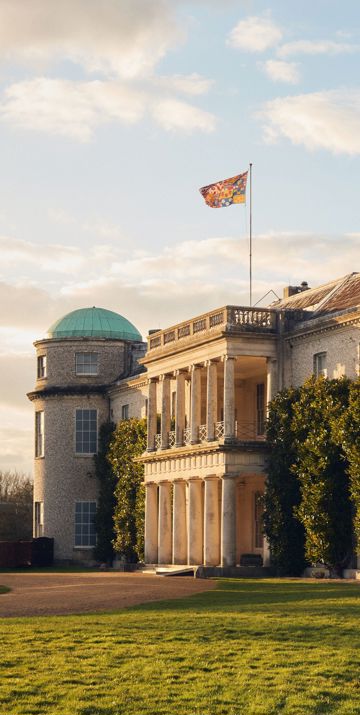
Shell house
A temple-folly guarded by two sphinxes, the beautiful shell house was built in 1748 with collected shells and the floor made from horse teeth.
-
Afternoon Tea & Tour
-
Restaurants
-
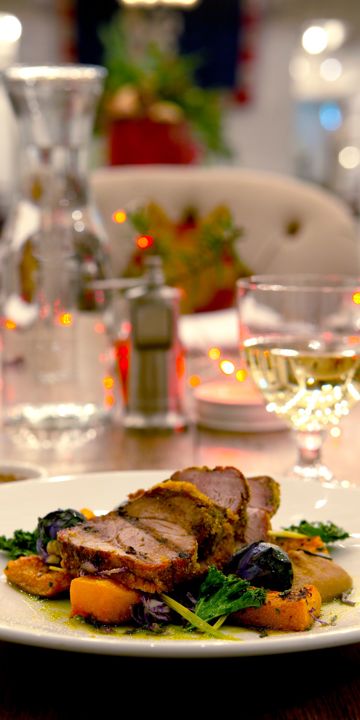
Farmer, Butcher, Chef
-
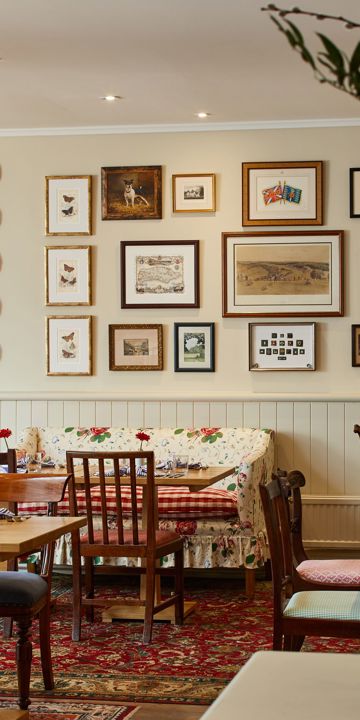
The Goodwood Bar & Grill
-
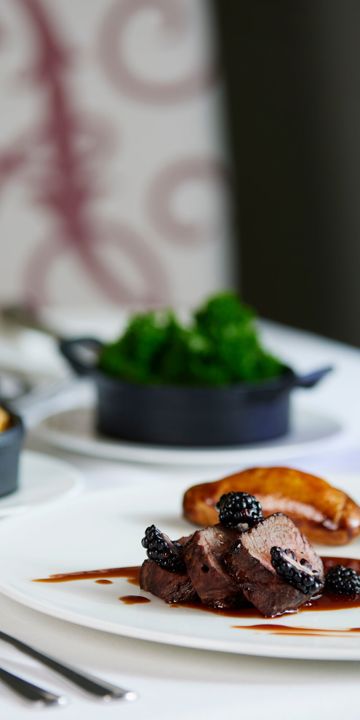
The Kennels
-
Aerodrome Café
-
Motor Circuit Café

-
Cafe 24

Sustainable state-of-mind
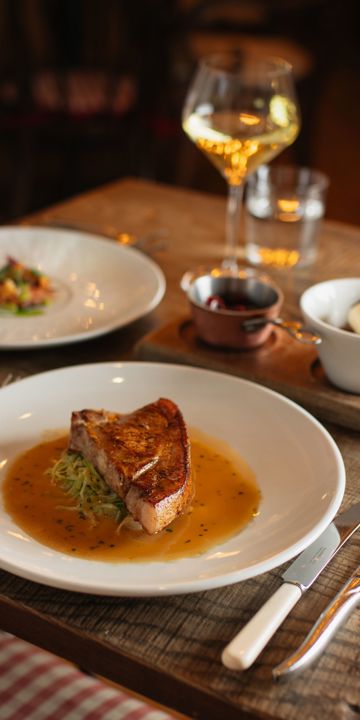
When Farmer, Butcher, Chef opened in 2016 it was awarded the UK’s first-ever Royal Academy of Culinary Arts ‘Sustainable Food Philosophy Seal’. -
Farmer, Butcher, Chef
-
The Kennels

How old is The Kennels?
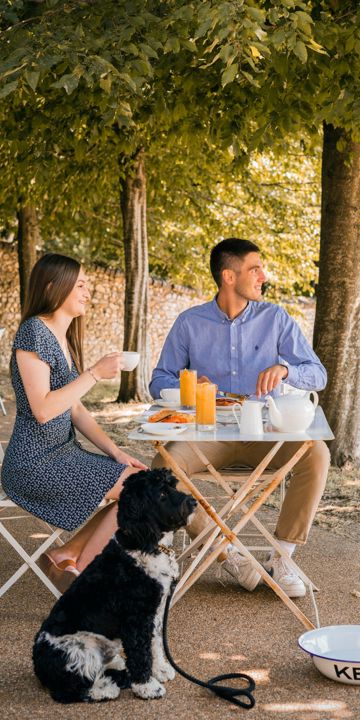
Built in 1787 by celebrated architect James Wyatt to house the third Duke of Richmond’s prized fox hounds, The Kennels was known as one of the most luxurious dog houses in the world!
-
Motor Circuit

21,000 litres...
Alongside the award-winning meat, we also produce 21,000 litres of milk a week, used to make our cheeses. -
Health & Wellbeing
-
Membership
-
Health Club
-
Gym
-
Run Series
-
Spa Treatments
-
Wellness Retreats
-
Events Calendar
-
Corporate Wellbeing
-
Health Summit
-
Latest News

Goodwood's first Health Summit...
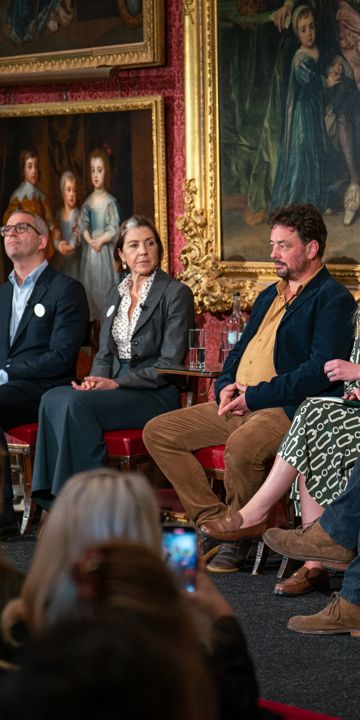
...took place in 2023 with industry experts discussing nutrition costs and food systems for a healthier future. -
Membership
-
Hound Lodge

23 Glorious Hounds
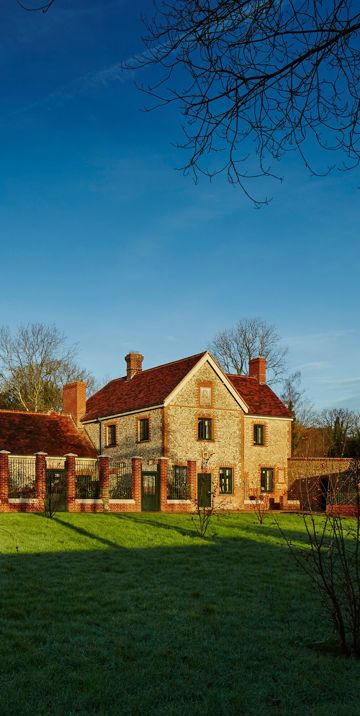
Each room is named after one of the hounds documented in January 1718, including Dido, Ruby and Drummer.
-
Goodwood Farm Shop


Grogger
Easy boy! The charismatic Farnham Flyer loved to celebrate every win with a pint of beer. His Boxer dog, Grogger, did too and had a tendancy to steal sips straight from the glass.
-
Parties
-
Goodwood Art Foundation
-
The Goodwood Hotel
-
Motorsport
-
Festival of Speed
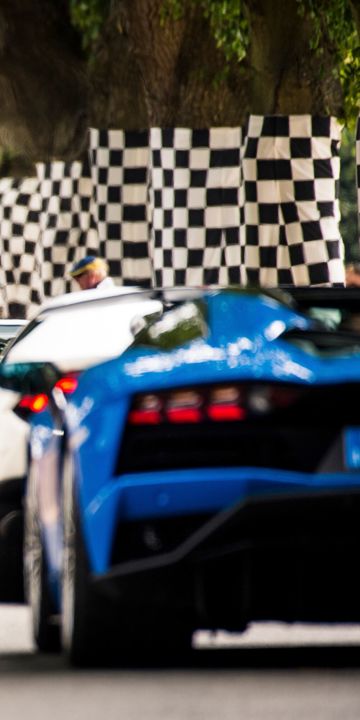
How many hay bales are used at FOS?
For the last two years, 5,800 bales have been recylced into the biomass energy centre to be used for energy generation
-
Goodwood Revival
-
Tickets & Packages
-
Hospitality
-
Explore
-
Plan Your Day
-
Buy Merchandise
-
Charity
-
Partners
-
Accessibility
-
FAQs

Freddie's Famous Scarf
When the 9th Duke won the Double Twelve at Brooklands in 1931 he never drove without it throughout his successful driving career.
-
Tickets & Packages
-
Members' Meeting

When was the GRRC founded?
Established in 1998 by the Duke of Richmond, the Goodwood Road Racing Club offers exclusive benefits across the estate year-round -
Breakfast Club

Motorsport legends return
Early Revivals saw the likes of Stirling Moss and Jack Brabham return to competitive racing.
-
Motor Circuit

Poignant celebrations
Over the years, the Revival has honoured legends like Jim Clark, Jack Brabham, Dan Gurney and more.
-
Driving Experiences
How many hay bales are used at FOS?
For the last two years, 5,800 bales have been recylced into the biomass energy centre to be used for energy generation
-
Goodwood Road Racing Club

FOS Future Lab
Where wondrous innovation and future technology is placed in the palm of your hand.
-
Latest News
-
Festival of Speed
-
Horseracing
-
Tickets & Packages
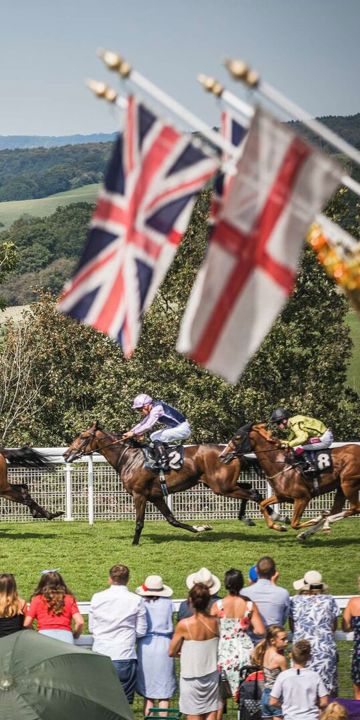
"Glorious Goodwood"
After the first public race meeting in 1902, 'Glorious Goodwood' became a highlight of the summer season.
-
Hospitality
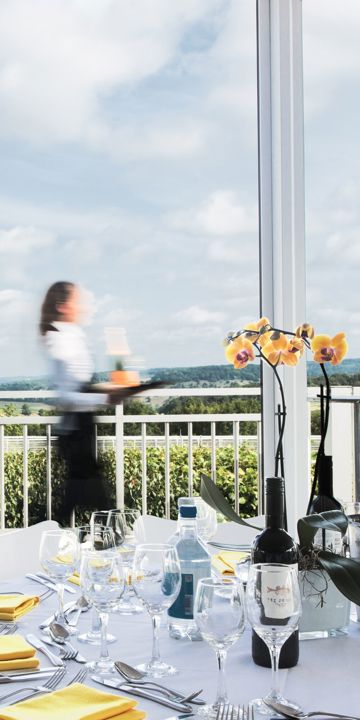

The Magnolia Cup
Leading women of business, sport, fashion and media, take part in one of the most exciting horseracing events in the world.
-
Horseracing Club Membership
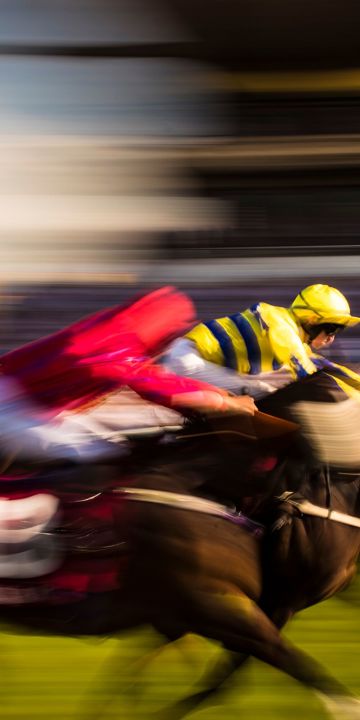

St Simon
Whoa Simon! A horse so determined and headstrong, he not only won the 1883 Goodwood Cup by 20 lengths, but couldn't be stopped and carried on running over the top of Trundle hill
-
Fixtures & Events
-
Season Opener
-
May Festival
-
Family Race Day
-
Three Friday Nights
-
Qatar Goodwood Festival
-
August Bank Holiday
-
Autumn Racing
-
Season Finale
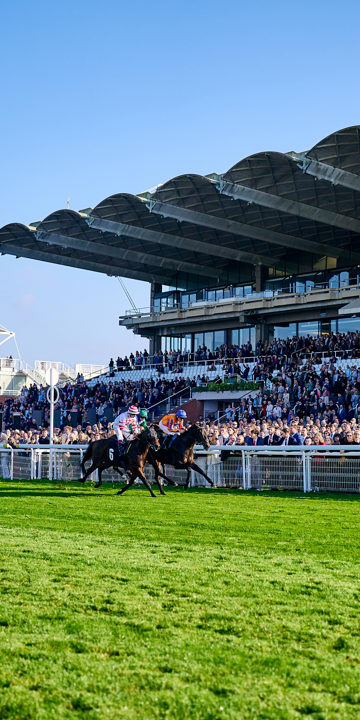
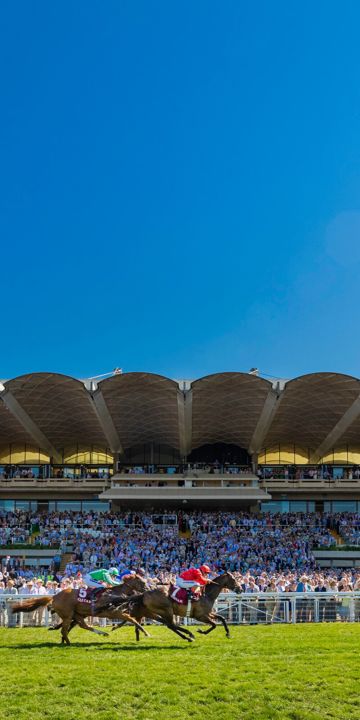
"Glorious Goodwood"
After the first public race meeting in 1902, 'Glorious Goodwood' became a highlight of the summer season.
-
Season Opener
-
Qatar Goodwood Festival
-
Tickets & Packages
-
Hospitality
-
Day by Day Guide
-
Ladies Day
-
Magnolia Cup
-
The Earl's Lawn
-
Timetable
-
Partners
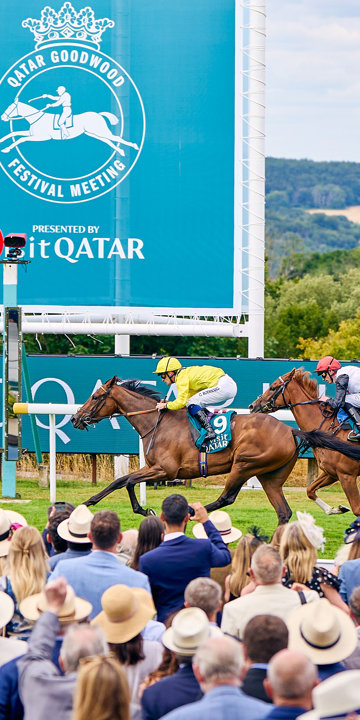
Royal approval
King Edward VII (who came almost every year) famously dubbed Glorious Goodwood “a garden party with racing tacked on”.
-
Tickets & Packages
-
Three Friday Nights
The Magnolia Cup
Leading women of business, sport, fashion and media, take part in one of the most exciting horseracing events in the world.
-
Plan Your Day
-
Enclosures
-
Event Map
-
Going Report
-
Getting Here
-
Betting at Goodwood
-
Dress Code
-
Accessibility
-
Food & Drink
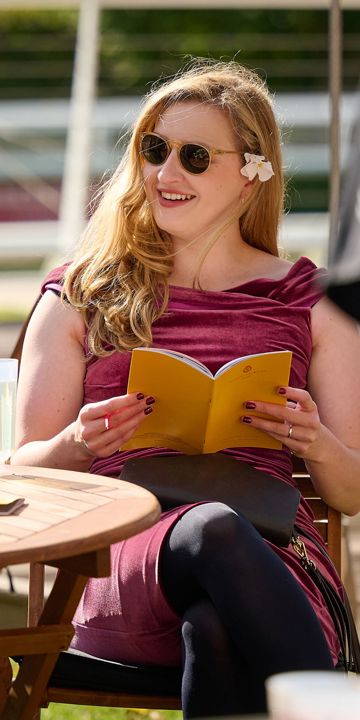
Royal approval
King Edward VII (who came almost every year) famously dubbed Glorious Goodwood “a garden party with racing tacked on”.
-
Enclosures
-
Buy Merchandise
-
Partners
-
Owners & Trainers
-
Latest News
-
FAQs
-
Accessibility
-
Tickets & Packages
-
Experiences
-
Driving
Earls Court replica
Our replica of the famous motor show showcases the "cars of the future" in true Revival style
-
Flying
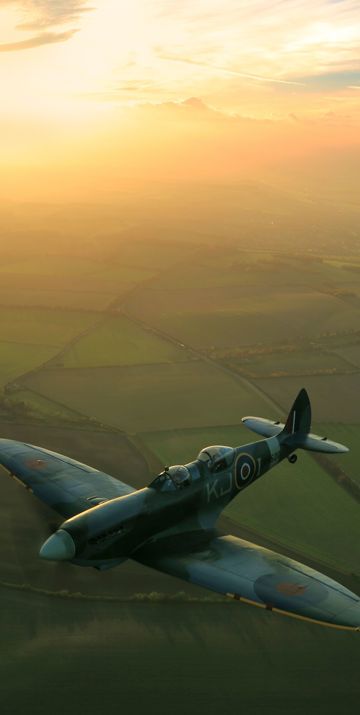

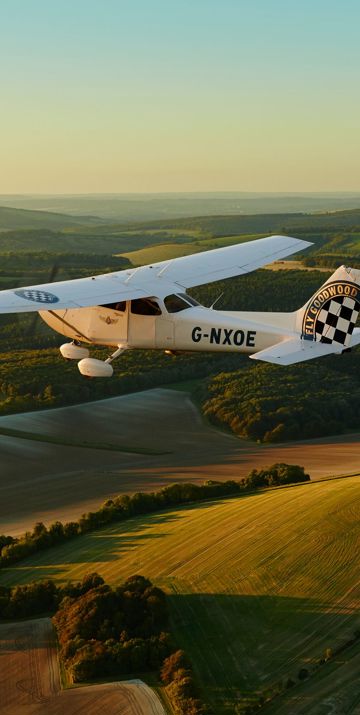
Flying with Goodwood
Come with us for an epic journey. -
Golf
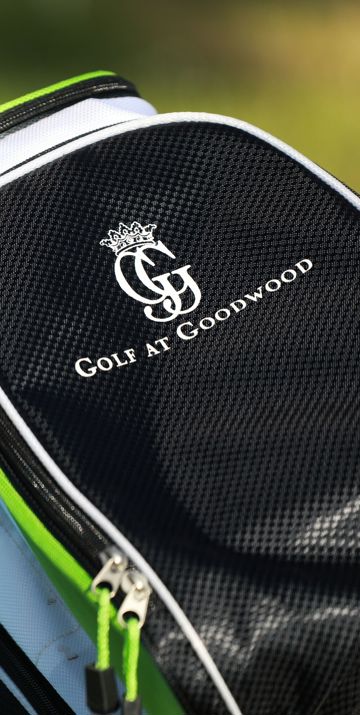

Over 100 years of Golf
The first ever round of golf played at Goodwood was in 1914 when the 6th Duke of Richmond opened the course on the Downs above Goodwood House.
-
Shooting
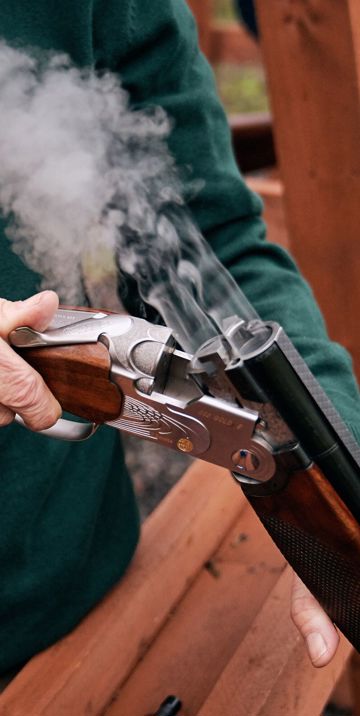
Carne's Seat
Just beyond Goodwood House along the Hillclimb, the 2nd Dukes banqueting house was also known as "one of the finest rooms in England" (George Vertue 1747).
-
Afternoon Tea
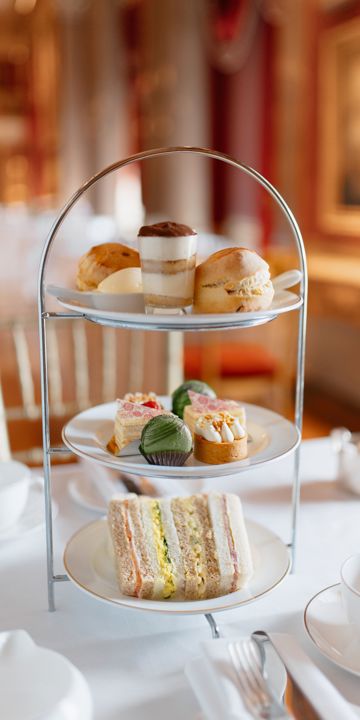

Yellow drawing room
The replica of the original Axminster carpet is so lavish that the President of Bulgaria came to visit it before its departure!
-
Corporate Wellbeing
Goodwood's first Health Summit...
...took place in 2023 with industry experts discussing nutrition costs and food systems for a healthier future. -
Cycling
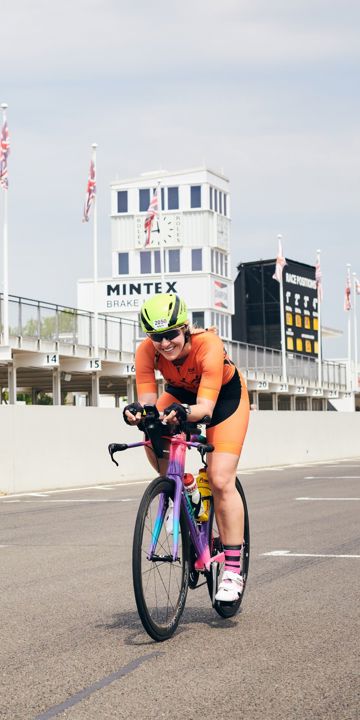
During the war...
The Motor Circuit was known as RAF Westhampnett, active from 1940 to 1946 as a Battle of Britain station. -
Corporate Experiences
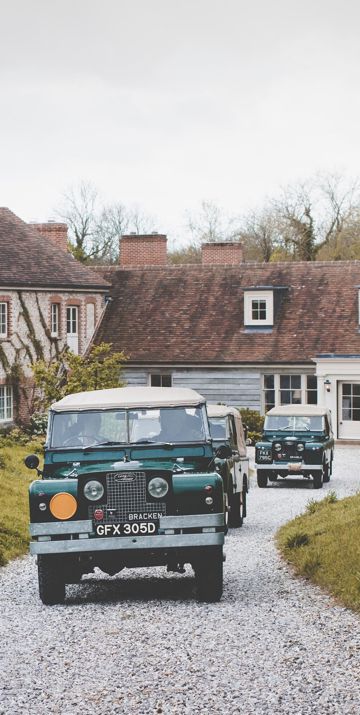
Where else can you...
...plan strategy in an ancient woodland, enjoy award-winning dining then drive around a racetrack?
-
Spa Treatments
-
Driving
- Hospitality
-
Golf
-
Golf Courses
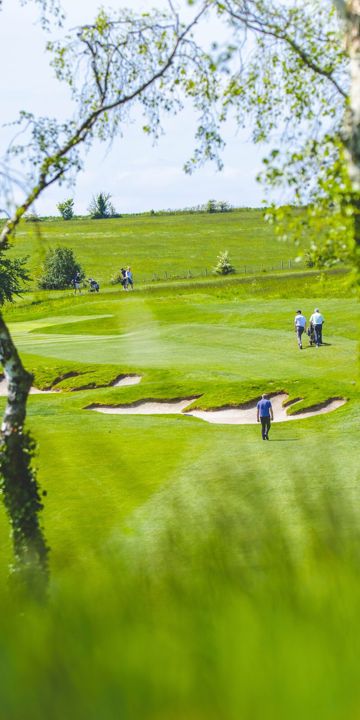

A sporting Estate
Goodwood has two 18-hole championship courses, a modern clubhouse and an impressive Academy. -
Golf Membership
-
Credit Membership
-
Application Form
-
Braid Membership
-
Intermediate Membership
-
Junior Membership
-
Corporate Membership
-
Get Into Golf
-
Copse Membership


Braid’s Masterpiece
One of the greatest golfers of all time, James Braid designed Goodwood’s iconic Downland course, opened in 1914.
-
Credit Membership
-
The Academy
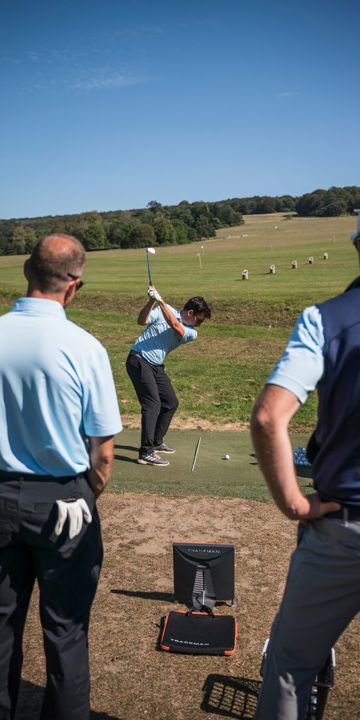
Braid’s Masterpiece
One of the greatest golfers of all time, James Braid designed Goodwood’s iconic Downland course, opened in 1914.
-
Golf Experiences

A sporting Estate
Goodwood has two 18-hole championship courses, a modern clubhouse and an impressive Academy.
-
Golf Courses
-
Flying
-
Flying School

During the war...
The Motor Circuit was known as RAF Westhampnett, active from 1940 to 1946 as a Battle of Britain station.
-
Aero Club Membership
During the war...
The Motor Circuit was known as RAF Westhampnett, active from 1940 to 1946 as a Battle of Britain station. -
Flying Experiences
-
Pilot Information
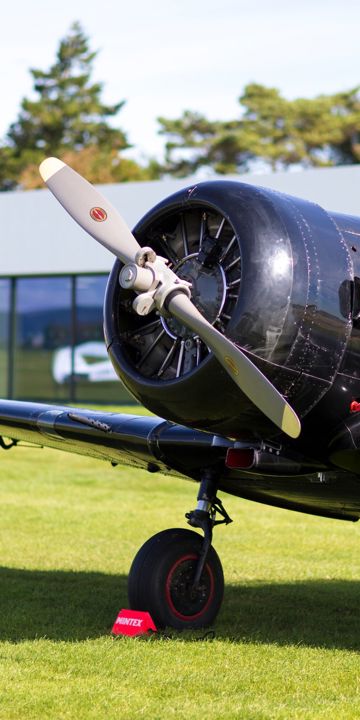

The Silver Spitfire
The iconic spitfire covered almost 43,000 kilometres and visited over 20 countries on its epic journey and currently resides at our Aerodrome.
-
Flying School
-
Meetings
-
Venue Hire
-
Goodwood House
-
The Racecourse
-
The Goodwood Hotel
-
The Motor Circuit
-
The Kennels
-
The Aerodrome
-
The Great Outdoors
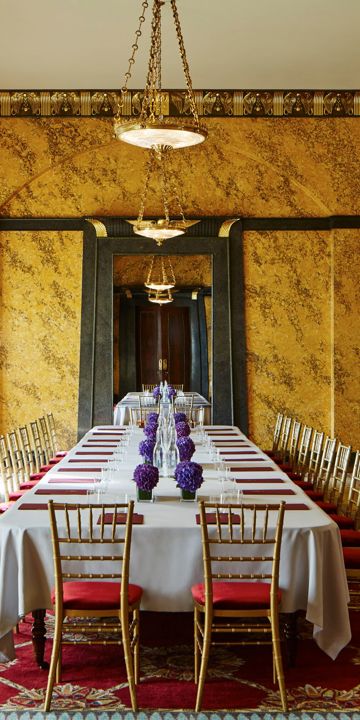
Where else can you...
...plan strategy in an ancient woodland, enjoy award-winning dining then drive around a racetrack?
-
Goodwood House
-
Plan Your Meeting
-
Parties
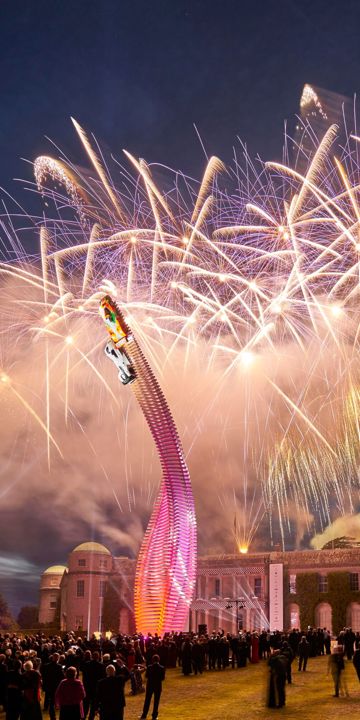
Where else can you...
...plan strategy in an ancient woodland, enjoy award-winning dining then drive around a racetrack?
-
Hospitality

-
Corporate Experiences
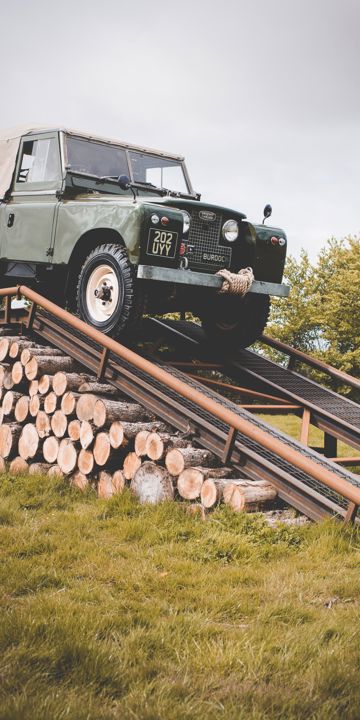
Where else can you...
...plan strategy in an ancient woodland, enjoy award-winning dining then drive around a racetrack?
-
Christmas Parties
-
Film Locations
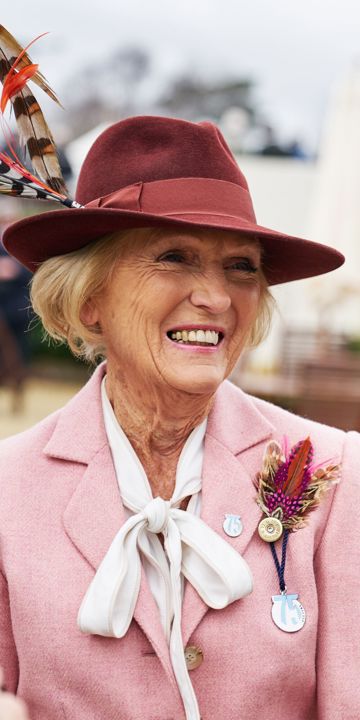
Filming at Goodwood
We have been host to many incredible film crews using Goodwood as a backdrop for shows like Downton Abbey, Hollywood Blockbusters like Venom: let there be Carnage and the Man from U.N.C.L.E.
-
Venue Hire
-
Weddings
-
Goodwood House
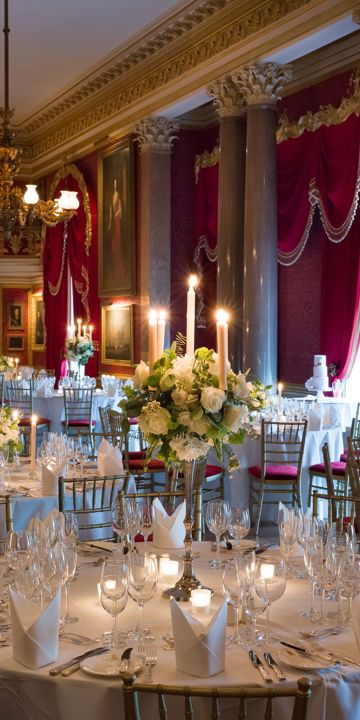
Georgian Ice House
Estate milk was once transformed into ice-creams, bombes, and syllabubs, and the Georgian ice house still stands in the grounds in front of Goodwood House.
-
The Kennels


An exclusive clubhouse
As the private clubhouse for all of the Estate’s sporting and social members, it offers personal service and a relaxed atmosphere
-
Parties
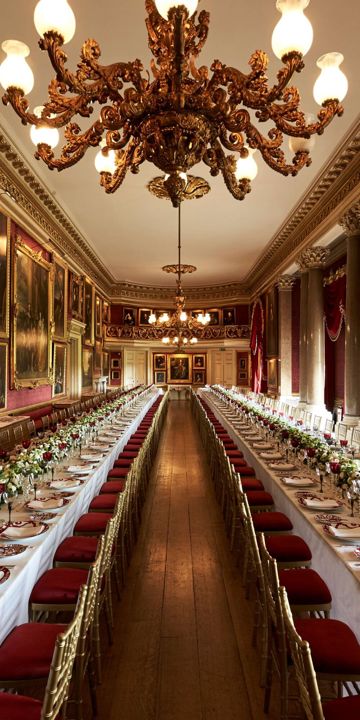
Where else can you...
...plan strategy in an ancient woodland, enjoy award-winning dining then drive around a racetrack?
-
Goodwood House
-
Memberships
-
Goodwood Road Racing Club
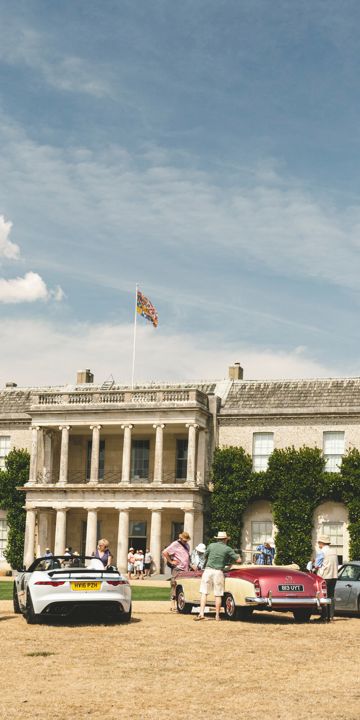
When was the GRRC founded?
Established in 1998 by the Duke of Richmond, the Goodwood Road Racing Club offers exclusive benefits across the estate year-round -
Goodwood Horseracing Club
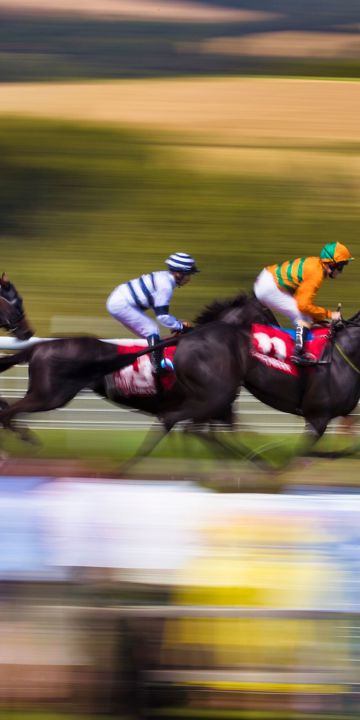

Why walk when you can drive
The first ever horsebox was used from Goodwood to Doncaster for the 1836 St. Leger. Elis arrived fresh and easily won his owner a £12k bet.
-
Golf At Goodwood
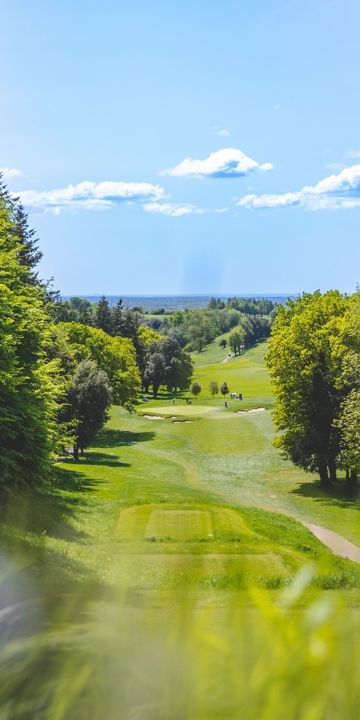
A sporting Estate
Goodwood has two 18-hole championship courses, a modern clubhouse and an impressive Academy. -
Goodwood Aero Club

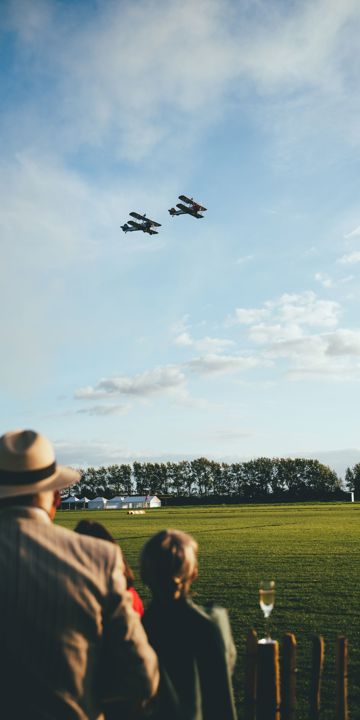
Flying Elephant
The first thing ever dropped at Goodwood was a cuddly elephant which landed in 1932 just as the 9th Duke of Richmonds passion for flying was taking off.
-
Goodwood Health Club
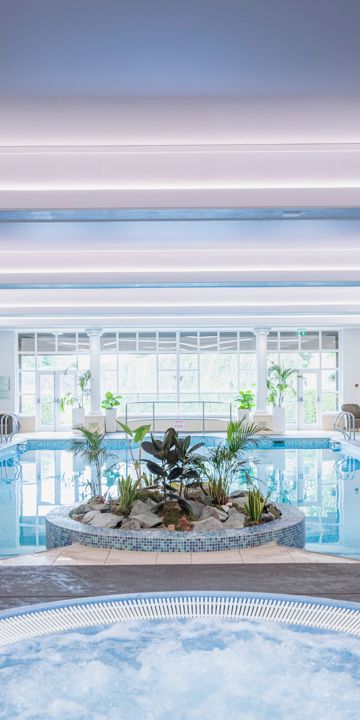
Goodwood's first Health Summit...
...took place in 2023 with industry experts discussing nutrition costs and food systems for a healthier future. -
The Kennels

An exclusive clubhouse
As the private clubhouse for all of the Estate’s sporting and social members, it offers personal service and a relaxed atmosphere
-
Sporting Membership

During the war...
The Motor Circuit was known as RAF Westhampnett, active from 1940 to 1946 as a Battle of Britain station.
-
Goodwood Racehorse Owners Group
-
Goodwood Art Foundation
-
Goodwood Road Racing Club
- Classic Car Insurance
- Health & Wellbeing
- Buy Merchandise
-
Our Estate
-
What's on
-
Estate Map
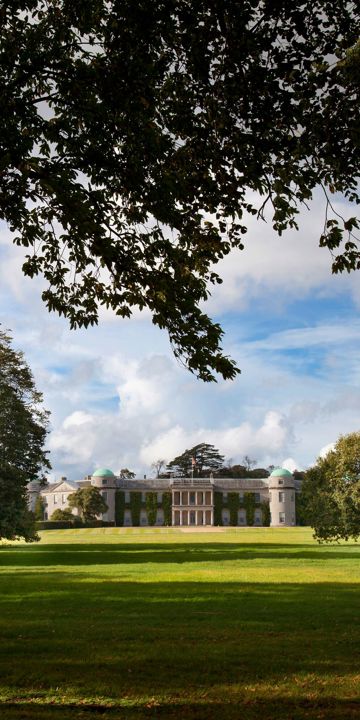

Roots for the future
A 20m woodland rue, from Halnaker to Lavant, was planted by our forestry teams & volunteers, featuring native species like oak, beech, & hornbeam
-
Stories from the Estate
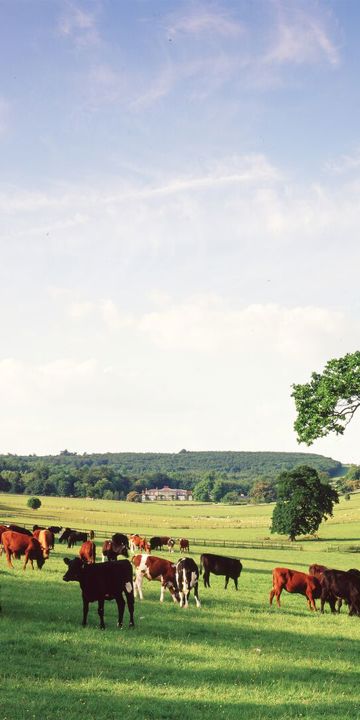
Carne's Seat
Just beyond Goodwood House along the Hillclimb, the 2nd Dukes banqueting house was also known as "one of the finest rooms in England" (George Vertue 1747).
-
Sports
-
Goodwood Education Trust
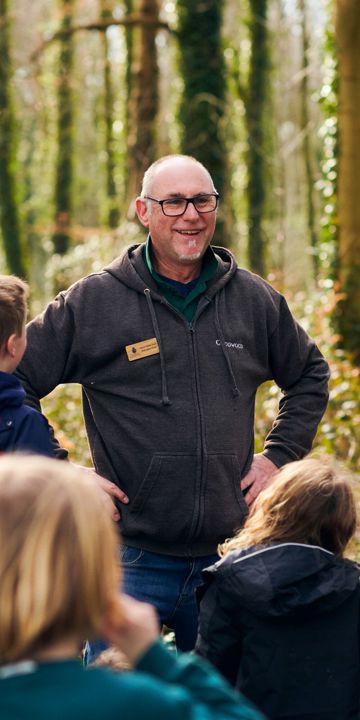
St Simon
Whoa Simon! A horse so determined and headstrong, he not only won the 1883 Goodwood Cup by 20 lengths, but couldn't be stopped and carried on running over the top of Trundle hill
-
Charities
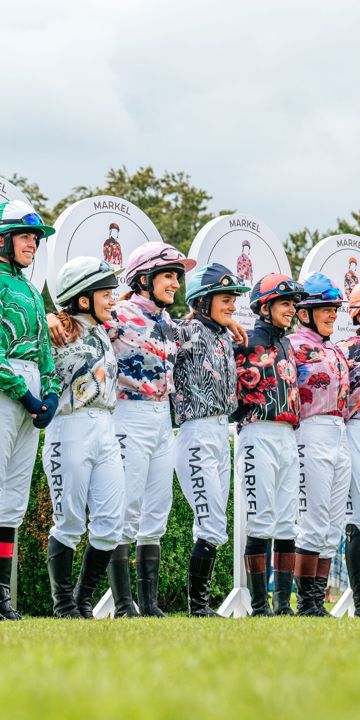
Lucky Leap
Inspired by the legendary racer, Masten Gregory, who famously leapt from the cockpit of his car before impact when approaching Woodcote Corner in 1959.
-
Sustainability
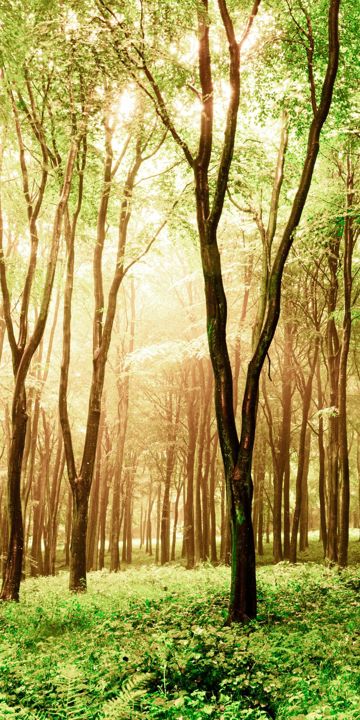
How old is The Kennels?
Built in 1787 by celebrated architect James Wyatt to house the third Duke of Richmond’s prized fox hounds, The Kennels was known as one of the most luxurious dog houses in the world!
-
Diversity, Equity & inclusion
-
Property
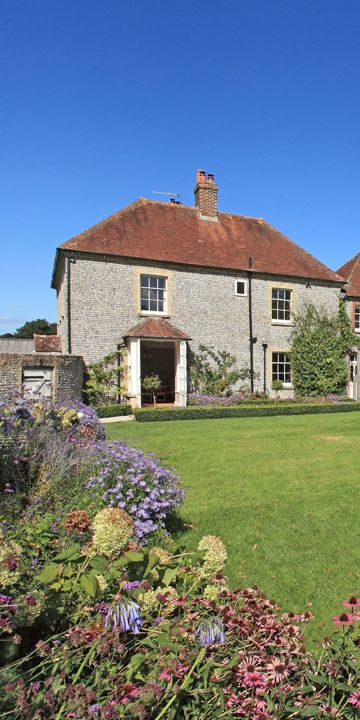
The Silver Spitfire
The iconic spitfire covered almost 43,000 kilometres and visited over 20 countries on its epic journey and currently resides at our Aerodrome.
-
Walking Guide

Roots for the future
A 20m woodland rue, from Halnaker to Lavant, was planted by our forestry teams & volunteers, featuring native species like oak, beech, & hornbeam
-
Dog Walking Field
-
Careers
During the war...
The Motor Circuit was known as RAF Westhampnett, active from 1940 to 1946 as a Battle of Britain station. -
Goodwood Art Foundation
-
Farm Shop
-
What's on
- Christmas


Upcoming Events
Symphony in Flat 6
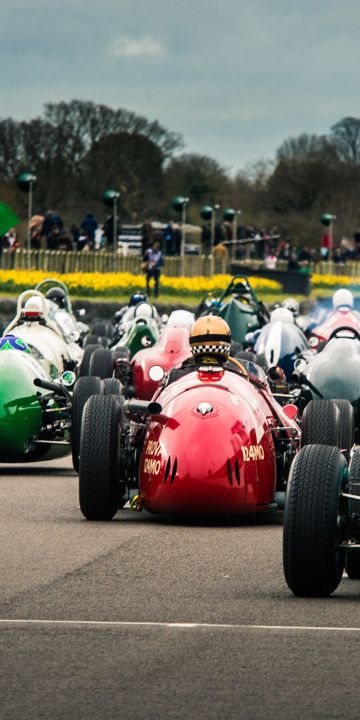
There are fast cars, there are beautiful cars, and there are some cars that sound extraordinary, from the distinctive growl of the ’68 Dodge Charger to the mesmeric thrum of the Matra V12.
Words by Andrew Frankel
Goodwood Magazine
Motorsport
revival
Goodwood Revival
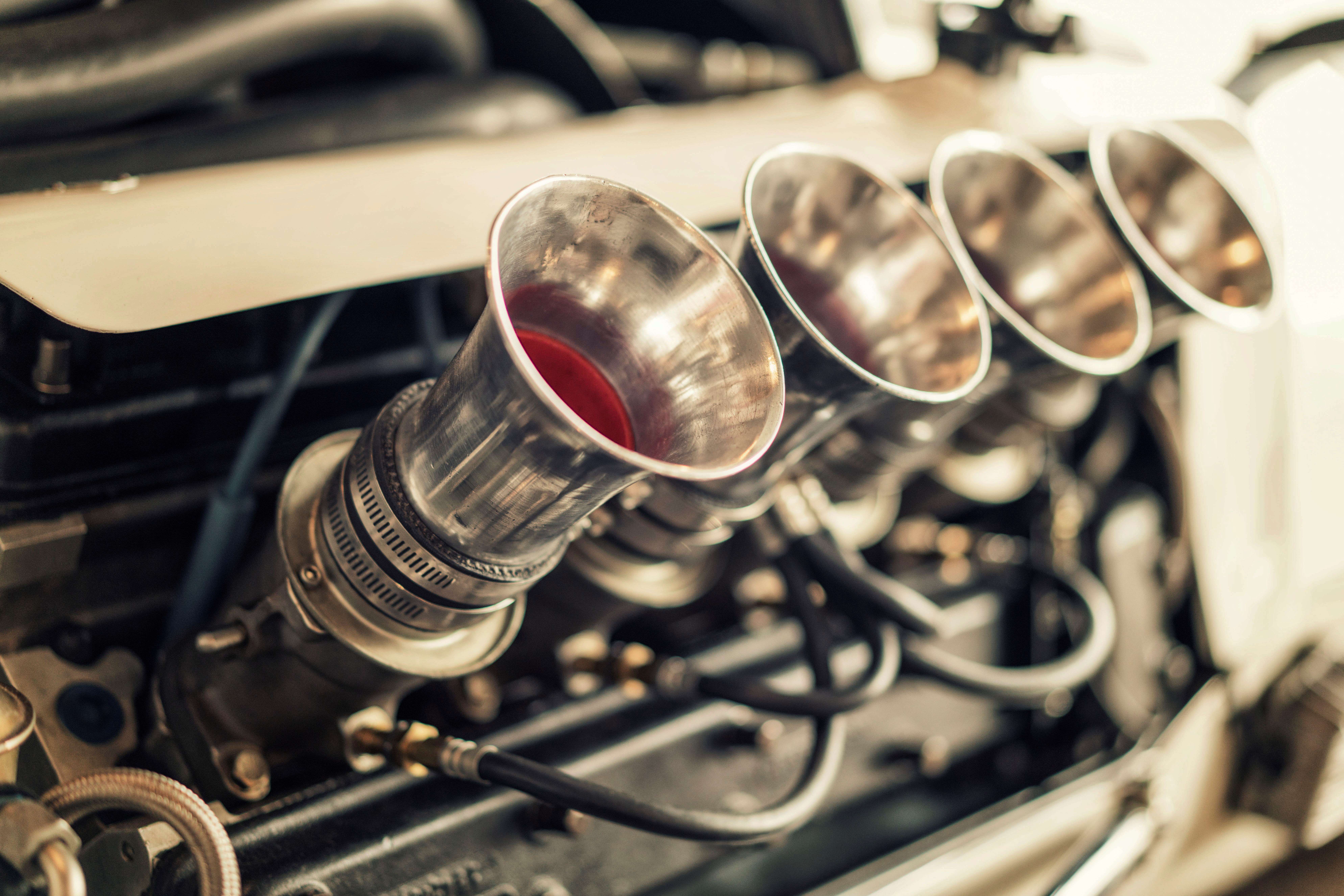
We don’t know why one car sounds better than another, but nor do we need to: we know a great-sounding car when we hear one, and that’s all that counts. Here then, from road and track, present and past, are some of the most sonically stunning machines ever created.
We start before the war, with Bugatti, and it doesn’t really matter if you choose a Type 51 Grand Prix car or a Type 55 street machine because they both shared the same engine: a 2.3-litre supercharged motor with eight cylinders all in a long line. Decades ago someone likened its ripping, screaming voice as being akin to “tearing calico” and I don’t suppose anyone will ever describe it better.
The purest sounds, however, were always made by straight-six engines. For some reason they always remind me of Britain, so let’s choose the engine of a lightweight Jaguar E-type, tuned to the very limit of existence. Hearing such a car howling its way around Goodwood is like listening to the very soundtrack of the circuit.
We need an eight-cylinder too, or a V8 to be precise. But these can be engineered to make very different sounds, as anyone who’s heard, say, a V8 Ferrari and almost any American V8 will attest. I won’t dwell on the crankshaft configuration responsible but to me it’s always been the American approach I’ve preferred: if you ever feel an engine shake the ground beneath your feet, turn to your neighbour and say, “That’ll be a V8 with cross-plane crank,” and 99 times out of 100 you’ll be right. The best? In the racing arena, the Aston Martin AMR1 Le Mans car of 1989. Among road cars it’s probably the 1968 Dodge Charger 440 R/T. Perhaps the most interesting sound made by a conventional car engine these days belongs to those with five cylinders in a line. These engines are inherently unbalanced, but that’s actually the source of their amazing noise. Their offbeat thrum was captivating when we first heard it regularly in cars like the original Audi Quattro, but with its cylinder count doubled to make a V10, and shoehorned into the back of a modern supercar, the configuration can sound absolutely incredible. Indeed the current Lamborghini Huracán Performante is probably the most exciting-sounding car on sale today.
Best of all? It has to be a V12, the most classically configured engine arrangement of them all. A proper V12 can do it all, changing its voice from growl to howl to scream to shriek as the revs rise. But the V12 sound, at least if you’re listening to the right one, is also deeply layered and complex, a mesmeric orchestration of mechanical sound. It’s an old cliché, so motoring journalists no longer use it, but there is something symphonic about these engines that no others have.
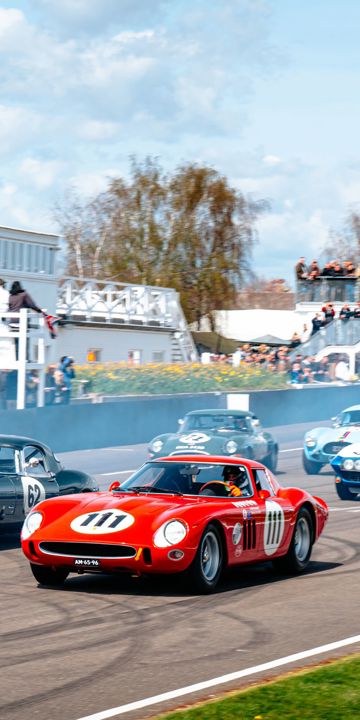
As for the best, racing geeks will know it’s the Matra V12 engine, used in F1 and sports cars from 1968 through the 1970s. Its sound is incomparable. But the car that most people have heard of that has the best claim to being the greatest-sounding car ever created? I’d probably choose the 1962 Ferrari 250 GTO, thanks to its 3-litre V12 engine. Its voice is not the loudest, nor the most exciting, but simply the most beautiful I’ve ever heard a car make. And that’s good enough for me.
Goodwood Magazine
Motorsport
revival
Goodwood Revival