-
Events
-
Festival of Speed
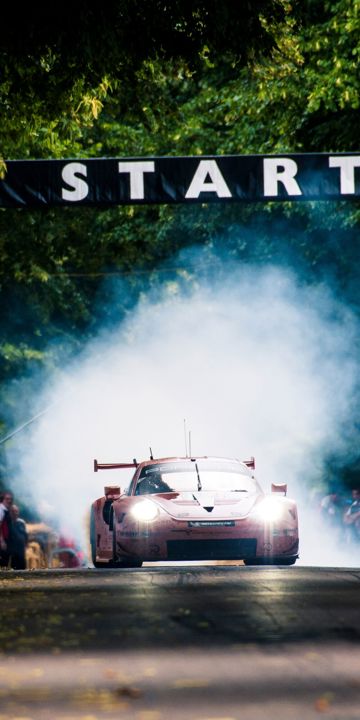

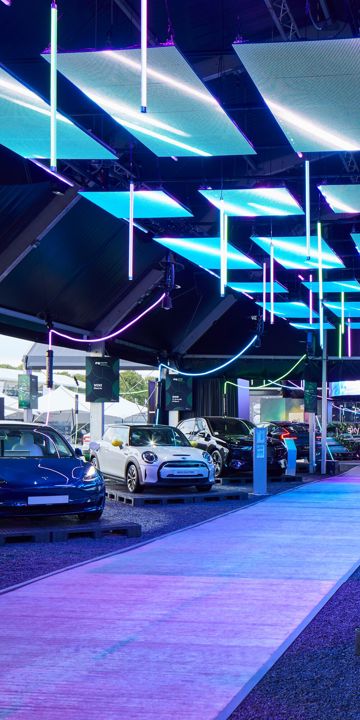
A bright future at #FOS
Future Lab is Goodwood's innovation pavilion, inspiring industry enthusiasts and future scientists with dynamic tech
-
Goodwood Revival
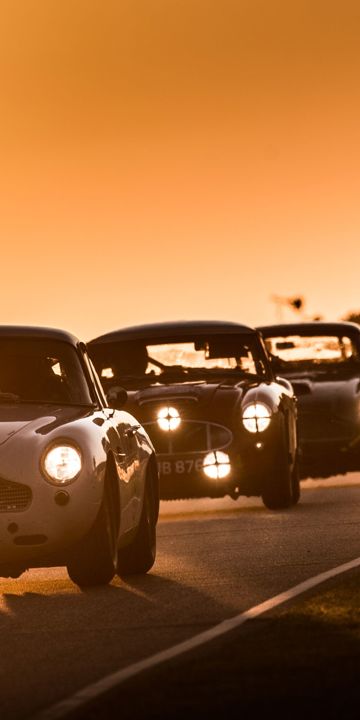

Spectators Favourite
Spectate from the chicane at the Revival to see plenty of classic cars going sideways as they exit this infamous point of our Motor Circuit.
-
Members' Meeting
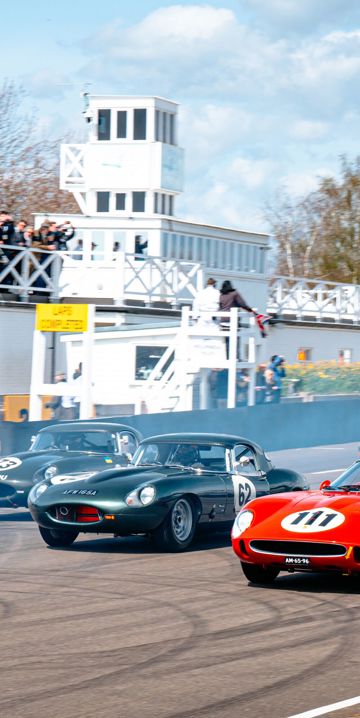

More than motorsport...
Ferret racing and duck herding are two of the many off-track activities at Members' Meeting -
Qatar Goodwood Festival
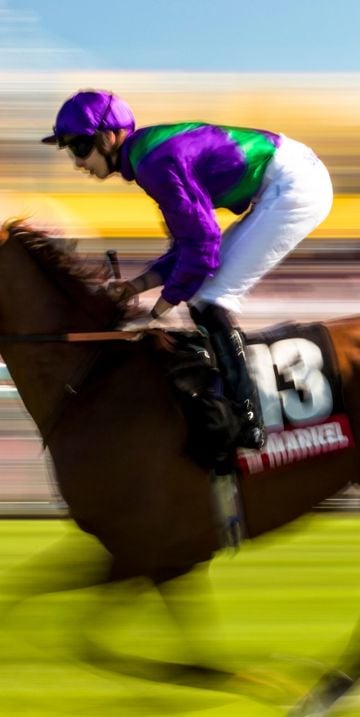

St Simon
Whoa Simon! A horse so determined and headstrong, he not only won the 1883 Goodwood Cup by 20 lengths, but couldn't be stopped and carried on running over the top of Trundle hill
-
Goodwoof
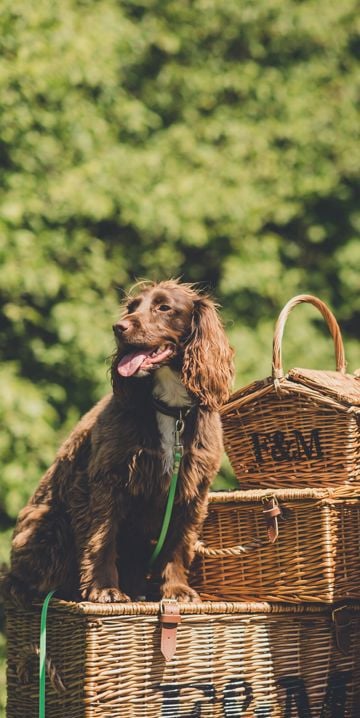

Start in style
The breed parade sees hundreds of dogs and their owners walk from Goodwood House down to The Kennels to kick start the Goodwoof weekend. -
Horseracing
-
Season Opener
-
May Festival
-
Family Race Day
-
Three Friday Nights
-
August Bank Holiday
-
Autumn Racing
-
Season Finale
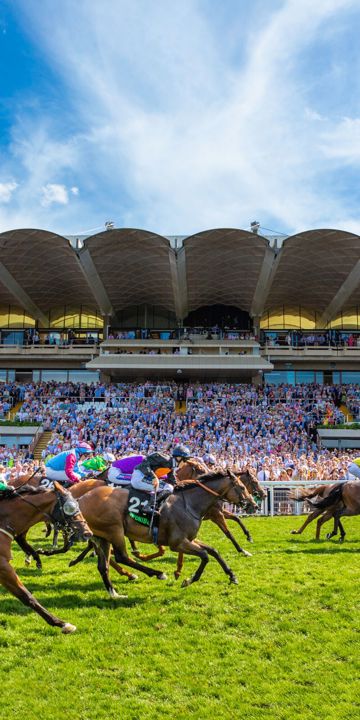
St Simon
Whoa Simon! A horse so determined and headstrong, he not only won the 1883 Goodwood Cup by 20 lengths, but couldn't be stopped and carried on running over the top of Trundle hill
-
Season Opener
-
Breakfast Club
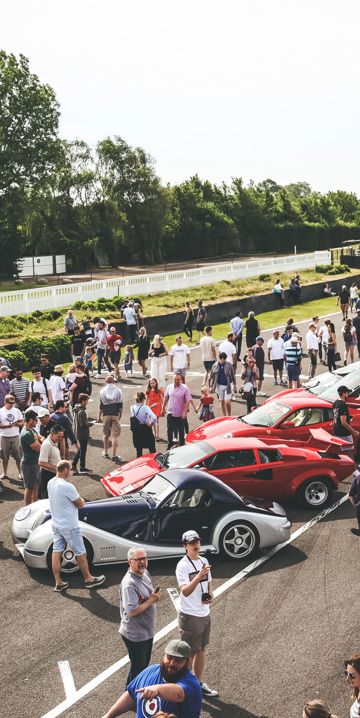

A perfect Sunday morning?
A no-cost, all-welcome motoring show where the visitors and their machines are the stars -
Health Summit
-
Hospitality
-
Exhibiting
-
Partnerships

Where else can you...
...plan strategy in an ancient woodland, enjoy award-winning dining then drive around a racetrack?
-
What's on
-
Festival of Speed
-
Visit, Eat, Stay
-
The Goodwood Hotel
-
Rooms
-
Contact Us
-
Christmas
-
New Year's Eve
-
Weddings
-
Kids Activities
-
Offers
-
Local Attractions
-
Plan your stay

21,000 litres...
Alongside the award-winning meat, we also produce 21,000 litres of milk a week, used to make our cheeses. -
Rooms
-
Goodwood Cottages


A different breed...
Goodwood’s pigs are a mix of two rare breeds (Gloucester Old Spots and Saddlebacks) plus the Large White Boar.
-
Goodwood House
-
Afternoon Tea & Tour
-
The Collection
-
Exhibitions
-
History
-
Weddings
-
Copper Dome Restoration
-
Secrets of a Radical Duke Talk by Professor Danielle Allen

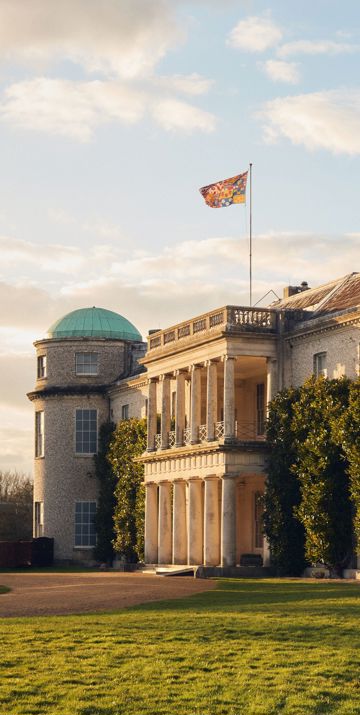

Our Paintings Collection
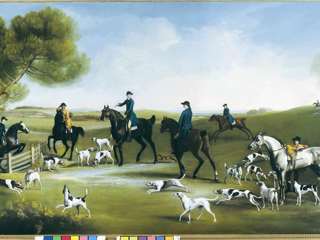
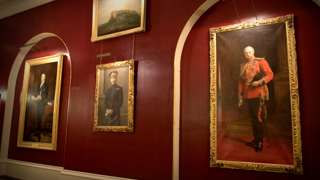
The origins of the collection lay in the possessions of Louise de Keroualle, Duchess of Portsmouth, and Duchess of Aubigny in France, to whom some of the paintings originally belonged.
-
Afternoon Tea & Tour
-
Restaurants
-
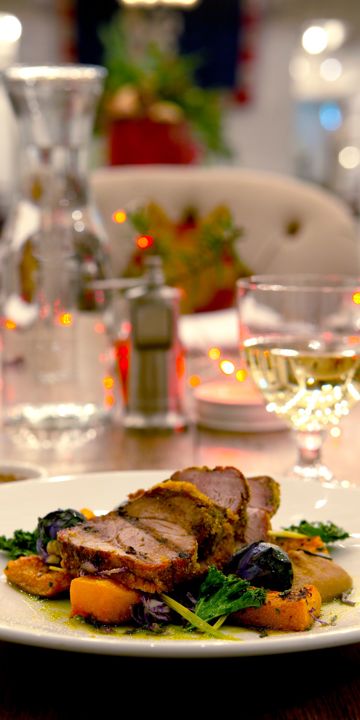
Farmer, Butcher, Chef
-
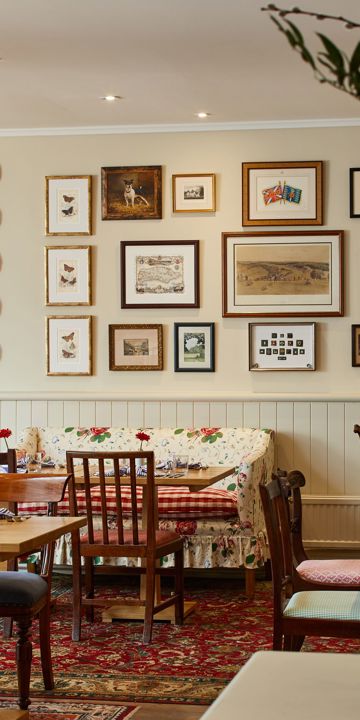
The Goodwood Bar & Grill
-
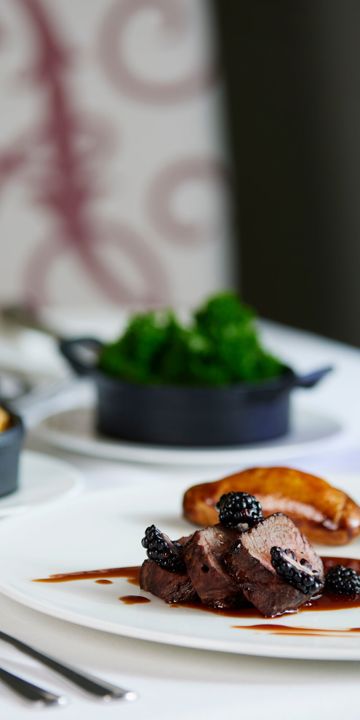
The Kennels
-
Aerodrome Café
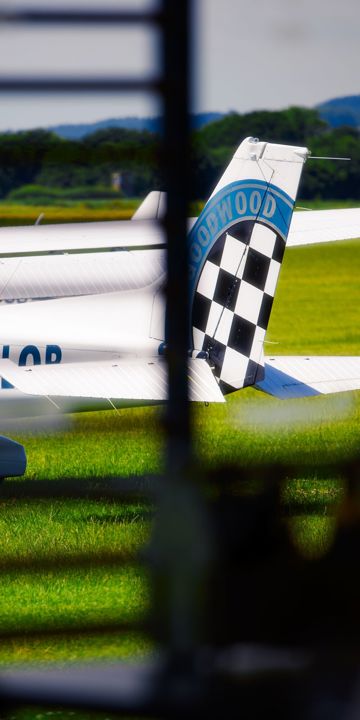
-
Motor Circuit Café

-
Cafe 24
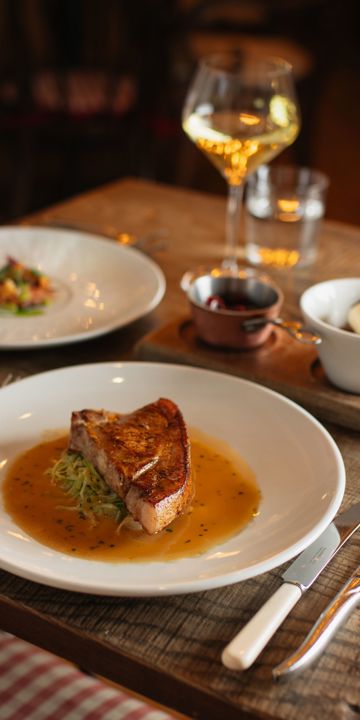

Sustainable state-of-mind
When Farmer, Butcher, Chef opened in 2016 it was awarded the UK’s first-ever Royal Academy of Culinary Arts ‘Sustainable Food Philosophy Seal’. -
Farmer, Butcher, Chef
-
The Kennels
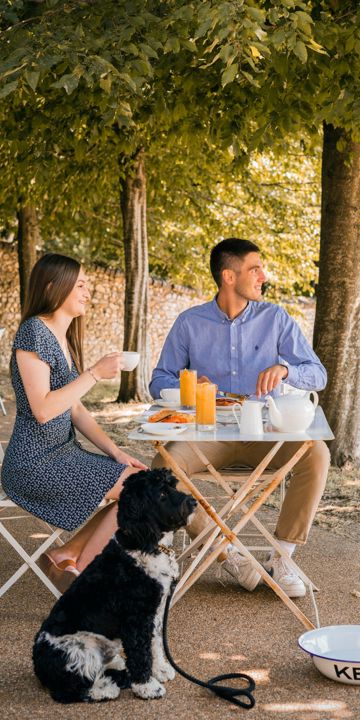

How old is The Kennels?
Built in 1787 by celebrated architect James Wyatt to house the third Duke of Richmond’s prized fox hounds, The Kennels was known as one of the most luxurious dog houses in the world!
-
Motor Circuit
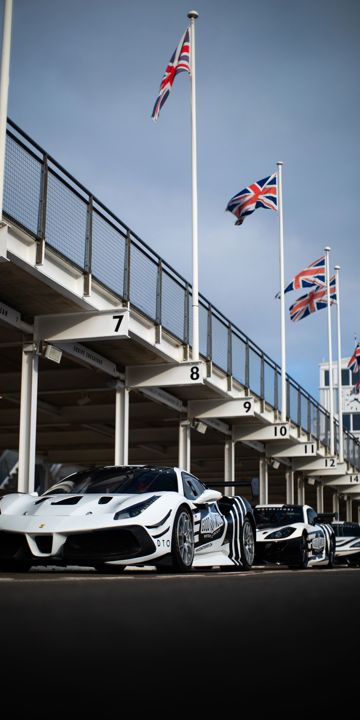

"Motorsport garden party of the gods"
Festival of Speed is our longest-standing Motorsport event, starting in 1993 when it opened to 25,00 people. We were expecting 2000!
-
Health & Wellbeing
-
Membership
-
Health Club
-
Gym
-
Run Series
-
Spa Treatments
-
Wellness Retreats
-
Events Calendar
-
Corporate Wellbeing
-
Health Summit
-
Latest News
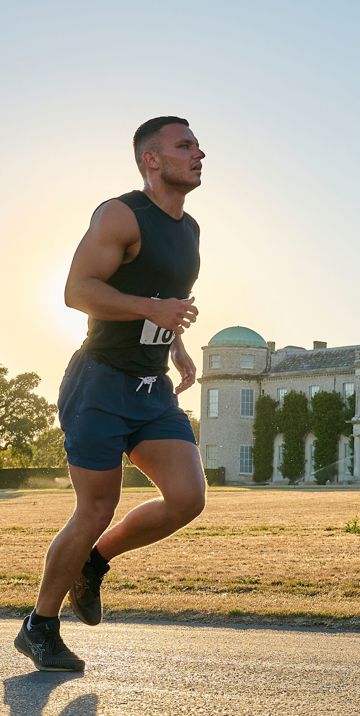

Goodwood's first Health Summit...
...took place in 2023 with industry experts discussing nutrition costs and food systems for a healthier future. -
Membership
-
Hound Lodge
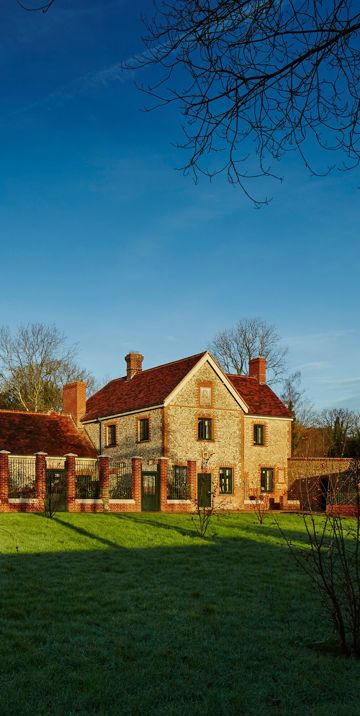

23 Glorious Hounds
Each room is named after one of the hounds documented in January 1718, including Dido, Ruby and Drummer.
-
Goodwood Farm Shop


Levin Down Gin
Our gin uses wild-grown botanicals sourced from the estate, and is distilled with mineral water naturally chalk-filtered through the South Downs.
-
Parties
-
Goodwood Art Foundation
-
The Goodwood Hotel
-
Motorsport
-
Festival of Speed
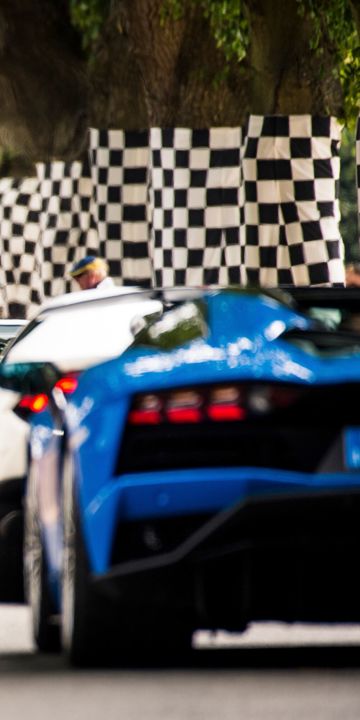
"Motorsport garden party of the gods"
Festival of Speed is our longest-standing Motorsport event, starting in 1993 when it opened to 25,00 people. We were expecting 2000!
-
Goodwood Revival
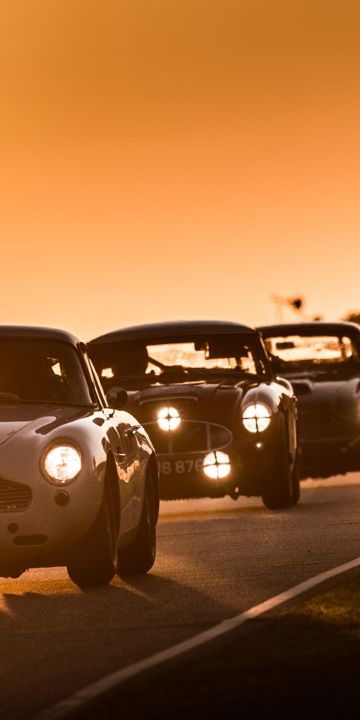

Earls Court replica
Our replica of the famous motor show showcases the "cars of the future" in true Revival style
-
Members' Meeting
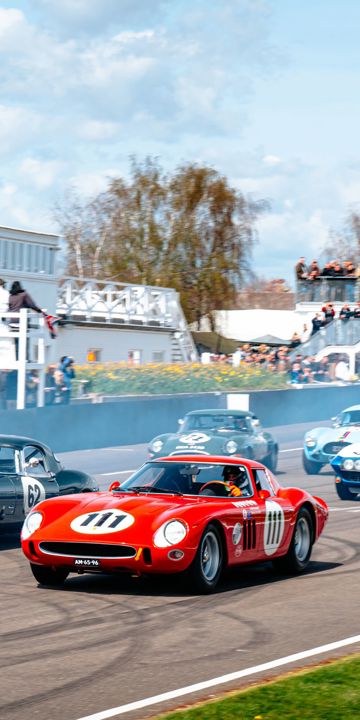

How many hay bales are used at FOS?
For the last two years, 5,800 bales have been recylced into the biomass energy centre to be used for energy generation
-
Breakfast Club
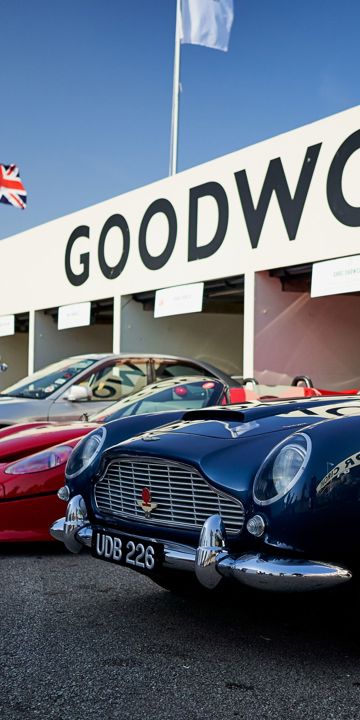
How many hay bales are used at FOS?
For the last two years, 5,800 bales have been recylced into the biomass energy centre to be used for energy generation
-
Motor Circuit

Goodwood Heroes
Legend of Goodwood's golden racing era and Le Mans winner Roy Salvadori once famously said "give me Goodwood on a summer's day and you can forget the rest".
-
Driving Experiences
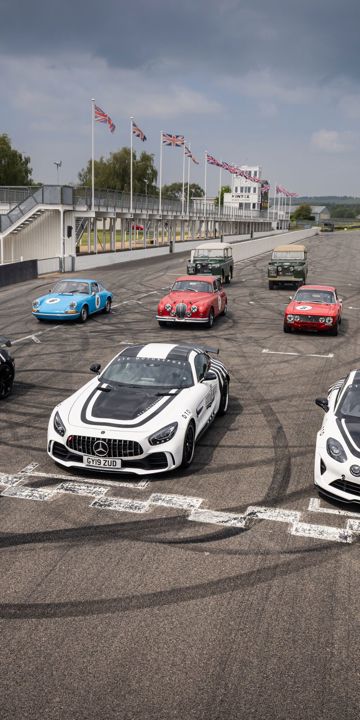
A perfect Sunday morning?
A no-cost, all-welcome motoring show where the visitors and their machines are the stars -
Goodwood Road Racing Club
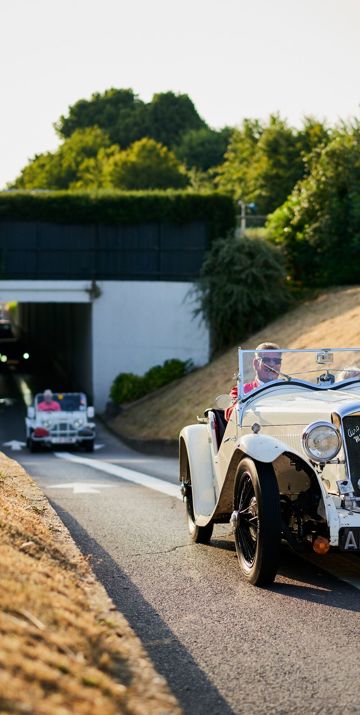
A bright future at #FOS
Future Lab is Goodwood's innovation pavilion, inspiring industry enthusiasts and future scientists with dynamic tech
-
Latest News
-
Festival of Speed
-
Horseracing
-
Tickets & Packages
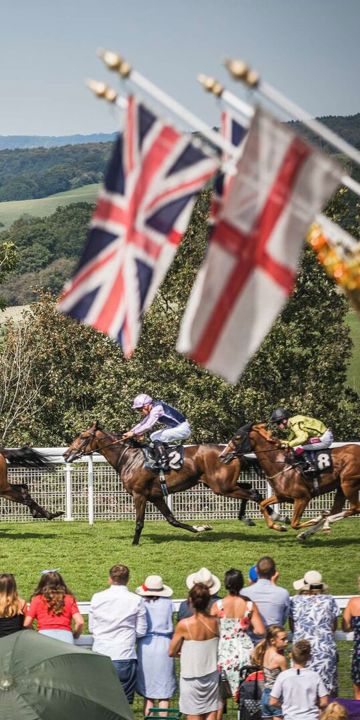

"Glorious Goodwood"
The first public race meeting took place in 1802 and, through the nineteenth century, ‘Glorious Goodwood,’ as the press named it, became a highlight of the summer season
-
Hospitality
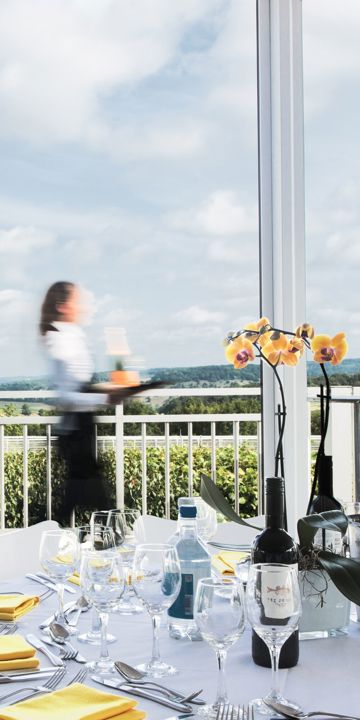

Royal approval
King Edward VII (who came almost every year) famously dubbed Glorious Goodwood “a garden party with racing tacked on”.
-
Goodwood Horseracing Club
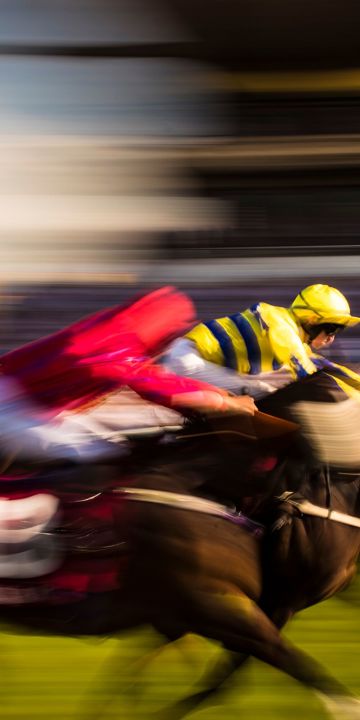
St Simon
Whoa Simon! A horse so determined and headstrong, he not only won the 1883 Goodwood Cup by 20 lengths, but couldn't be stopped and carried on running over the top of Trundle hill
-
Fixtures & Events
-
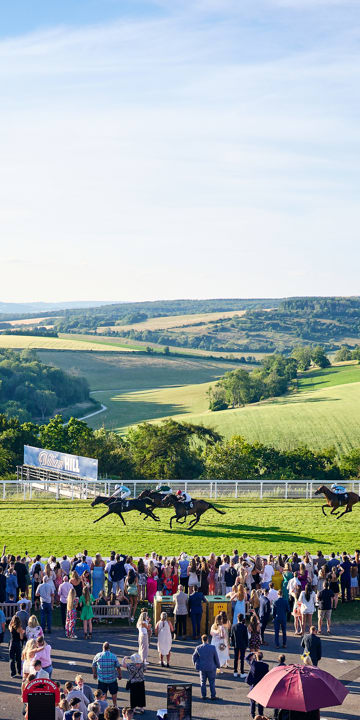
Season Opener
-
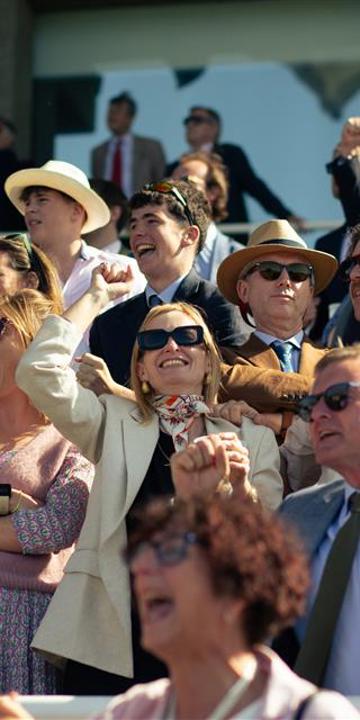
May Festival
-
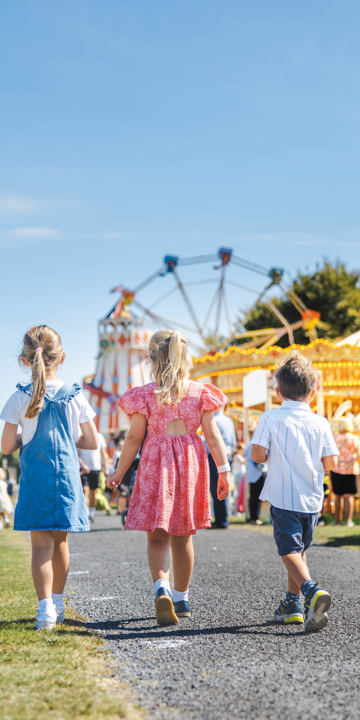
Family Race Day
-
Three Friday Nights
-
Qatar Goodwood Festival
-
August Bank Holiday
-
Autumn Racing
-
Season Finale
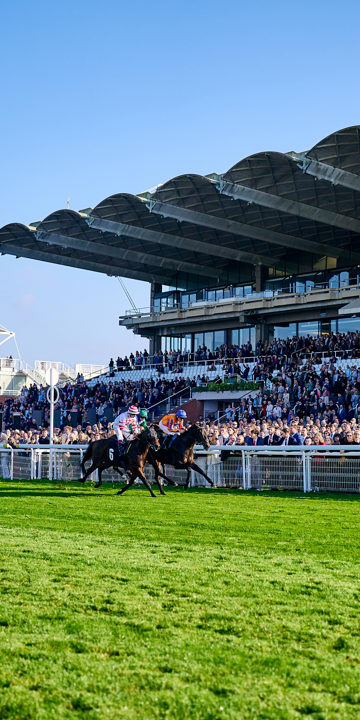
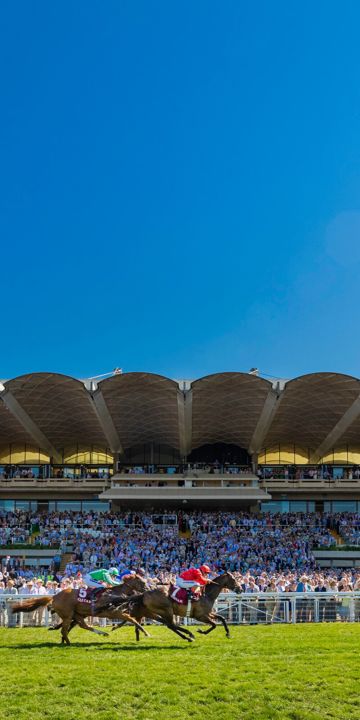

Why does everyone wear hats?
One Summer, King Edward VII turned his back on the traditional morning suit, and donned a linen suit and Panama hat. Thus the Glorious Goodwood trend was born.
-
Season Opener
-
Qatar Goodwood Festival
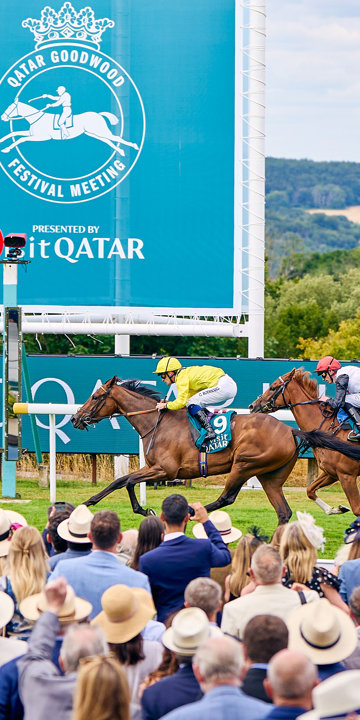

The Magnolia Cup
Leading women of business, sport, fashion and media, take part in one of the most exciting horseracing events in the world.
-
Three Friday Nights
St Simon
Whoa Simon! A horse so determined and headstrong, he not only won the 1883 Goodwood Cup by 20 lengths, but couldn't be stopped and carried on running over the top of Trundle hill
-
Plan Your Day
-
Enclosures
-
Event Map
-
Going Report
-
Getting Here
-
Betting at Goodwood
-
Dress Code
-
Accessibility
-
Food & Drink
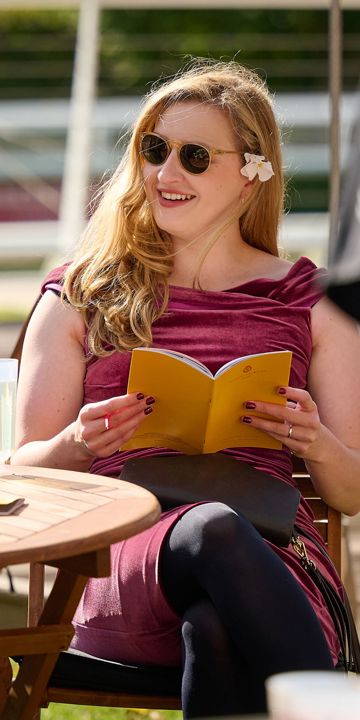
"Glorious Goodwood"
The first public race meeting took place in 1802 and, through the nineteenth century, ‘Glorious Goodwood,’ as the press named it, became a highlight of the summer season
-
Enclosures
-
Buy Merchandise
-
Partners
-
Owners & Trainers
-
Latest News
-
FAQs
-
Accessibility
-
Tickets & Packages
-
Experiences
-
Driving
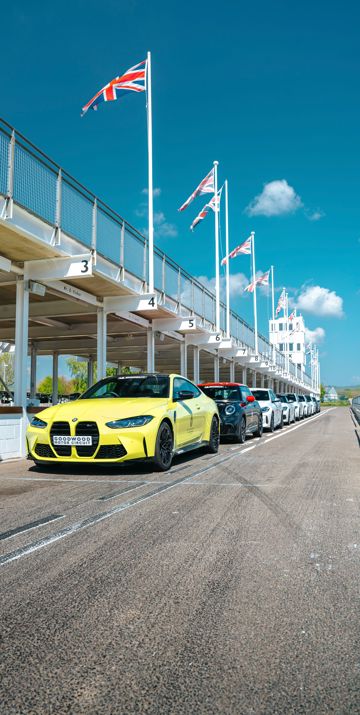

During the war...
The Motor Circuit was known as RAF Westhampnett, active from 1940 to 1946 as a Battle of Britain station. -
Flying
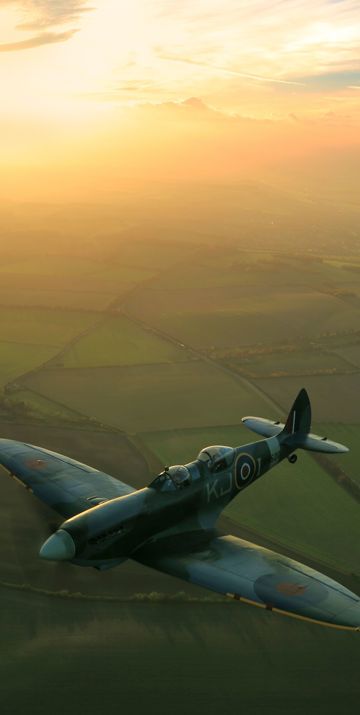

The Silver Spitfire
The iconic spitfire covered almost 43,000 kilometres and visited over 20 countries on its epic journey and currently resides at our Aerodrome.
-
Golf

A sporting Estate
Goodwood has two 18-hole championship courses, a modern clubhouse and an impressive Academy. -
Shooting
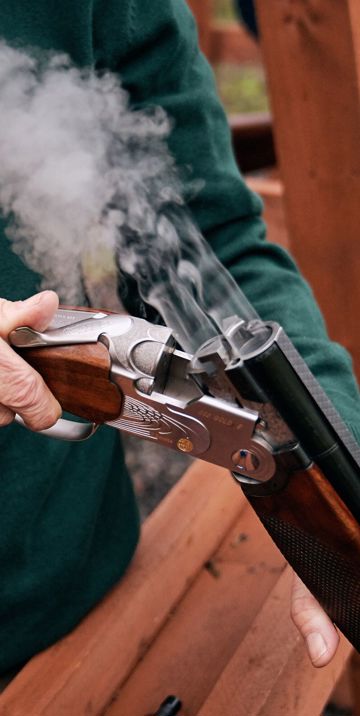

Battle of Britain
Flying training began at Goodwood in 1940 when pilots were taught operational flying techniques in Hurricanes and Spitfires.
-
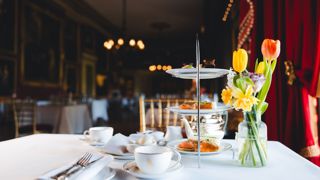
Afternoon Tea
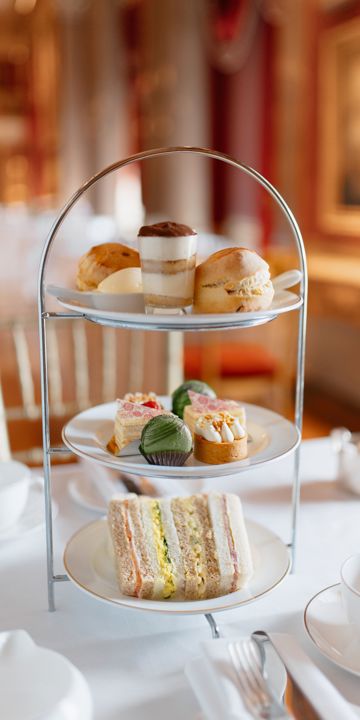

What are the top qualities of a butler?
According to Head Butler at Goodwood House David Edney "Class, sophistication and discretion".
-
Corporate Wellbeing
Goodwood's first Health Summit...
...took place in 2023 with industry experts discussing nutrition costs and food systems for a healthier future. -
Cycling
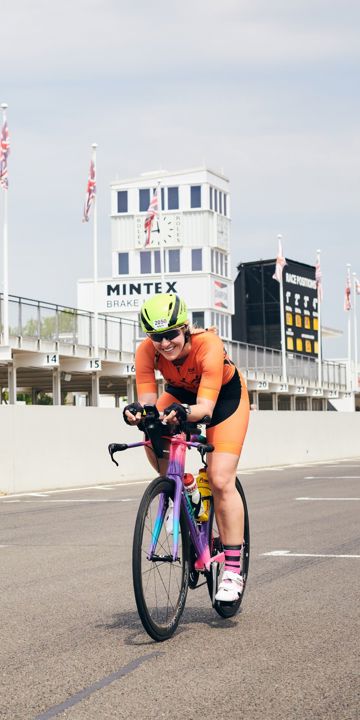

During the war...
The Motor Circuit was known as RAF Westhampnett, active from 1940 to 1946 as a Battle of Britain station.
-
Corporate Experiences
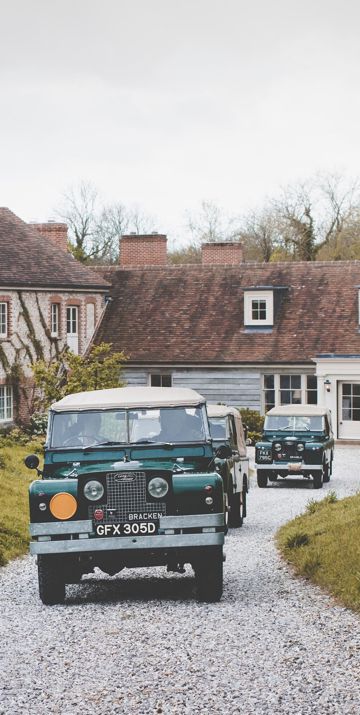
Where else can you...
...plan strategy in an ancient woodland, enjoy award-winning dining then drive around a racetrack?
-
Spa Treatments
-
Driving
- Hospitality
-
Golf
-
Golf Courses
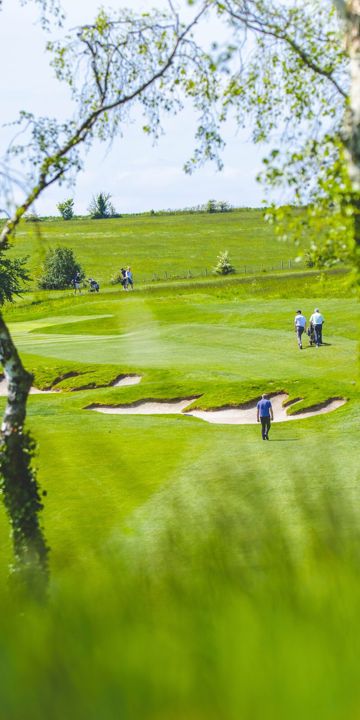
A sporting Estate
Goodwood has two 18-hole championship courses, a modern clubhouse and an impressive Academy. -
Golf Membership
-
Credit Membership
-
Application Form
-
Braid Membership
-
Intermediate Membership
-
Junior Membership
-
Corporate Membership
-
Copse Membership

A sporting Estate
Goodwood has two 18-hole championship courses, a modern clubhouse and an impressive Academy. -
Credit Membership
-
The Academy
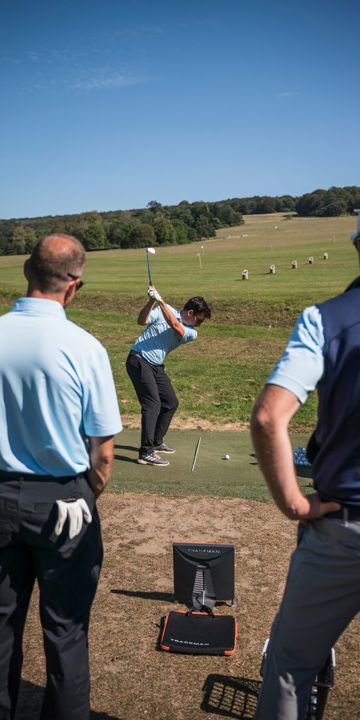

Braid’s Masterpiece
One of the greatest golfers of all time, James Braid designed Goodwood’s iconic Downland course, opened in 1914.
-
Golf Experiences

Braid’s Masterpiece
One of the greatest golfers of all time, James Braid designed Goodwood’s iconic Downland course, opened in 1914.
-
Golf Courses
-
Flying
-
Flying School
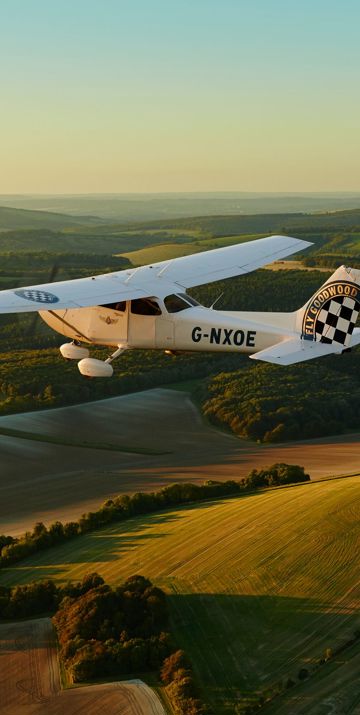
Battle of Britain
Flying training began at Goodwood in 1940 when pilots were taught operational flying techniques in Hurricanes and Spitfires.
-
Aero Club Membership
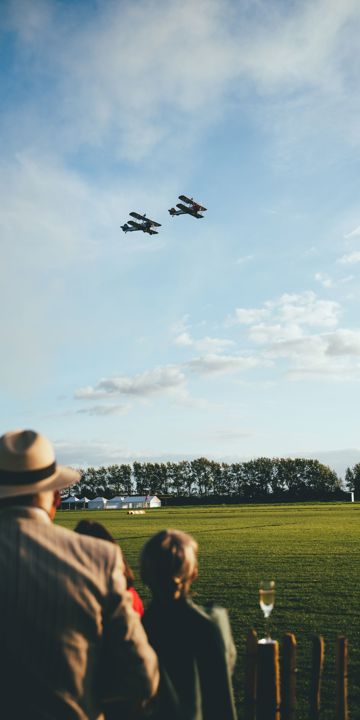
During the war...
The Motor Circuit was known as RAF Westhampnett, active from 1940 to 1946 as a Battle of Britain station. -
Flying Experiences
-
Pilot Information
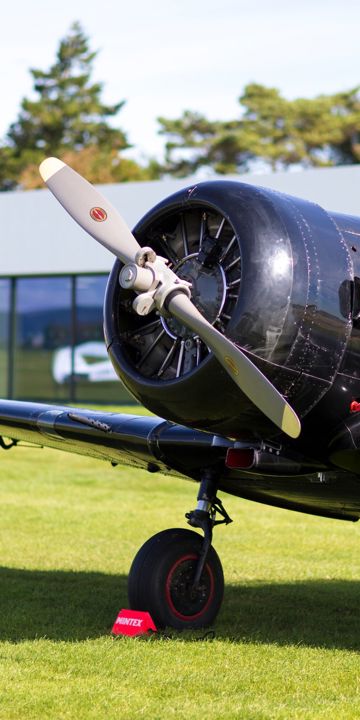
Battle of Britain
Flying training began at Goodwood in 1940 when pilots were taught operational flying techniques in Hurricanes and Spitfires.
-
Flying School
-
Meetings
-
Venue Hire
-
Goodwood House
-
The Racecourse
-
The Goodwood Hotel
-
The Motor Circuit
-
The Kennels
-
The Aerodrome
-
The Great Outdoors
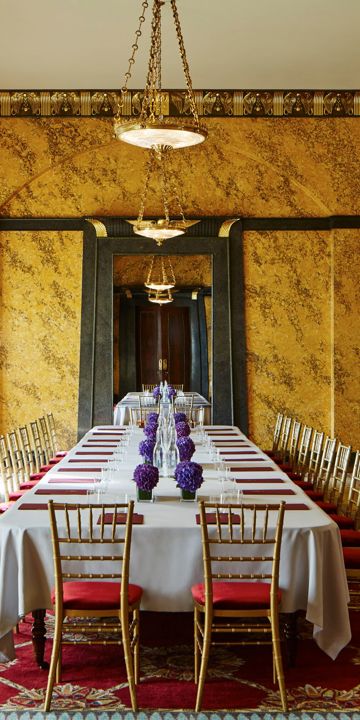
Where else can you...
...plan strategy in an ancient woodland, enjoy award-winning dining then drive around a racetrack?
-
Goodwood House
-
Plan Your Meeting
-
Parties
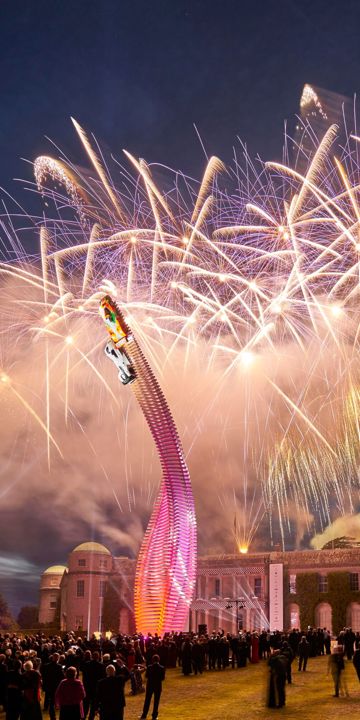
Where else can you...
...plan strategy in an ancient woodland, enjoy award-winning dining then drive around a racetrack?
-
Hospitality

-
Corporate Experiences
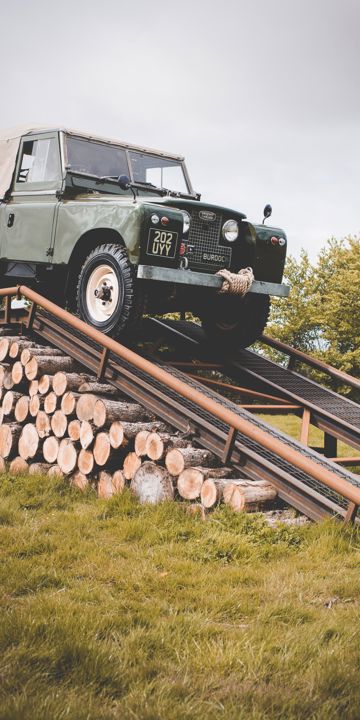
Where else can you...
...plan strategy in an ancient woodland, enjoy award-winning dining then drive around a racetrack?
-
Christmas Parties
-
Film Locations
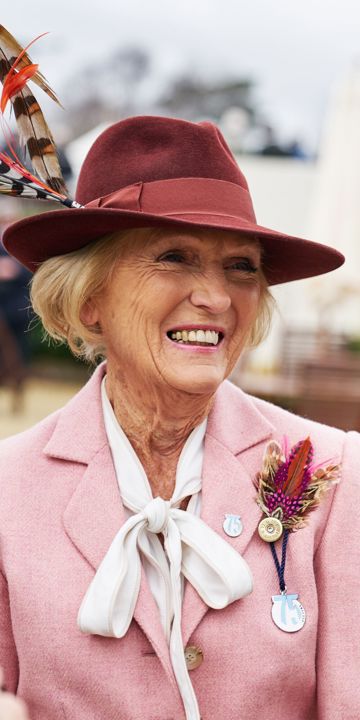

Filming at Goodwood
We have been host to many incredible film crews using Goodwood as a backdrop for shows like Downton Abbey, Hollywood Blockbusters like Venom: let there be Carnage and the Man from U.N.C.L.E.
-
Venue Hire
-
Weddings
-
Goodwood House
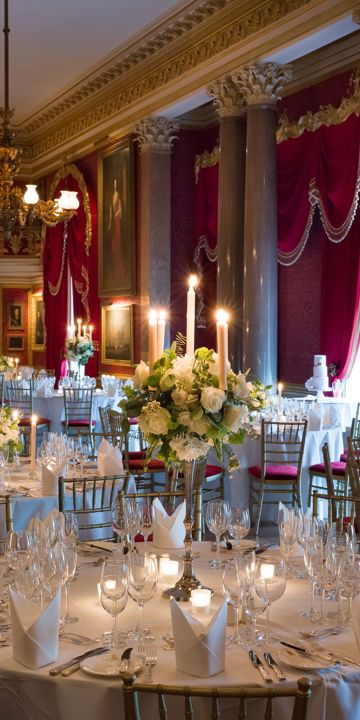

The Goodwood menagerie
Corridors of tunnels beneath Goodwood House were once filled with exotic animals to surprise female guests and allow the men to look heroic! -
The Kennels


Fashionable foxhounds
The 1st Duke of Richmond bought Goodwood in 1697 as a place to stay to go foxhunting with the fashionable Charlton Hunt. -
Parties
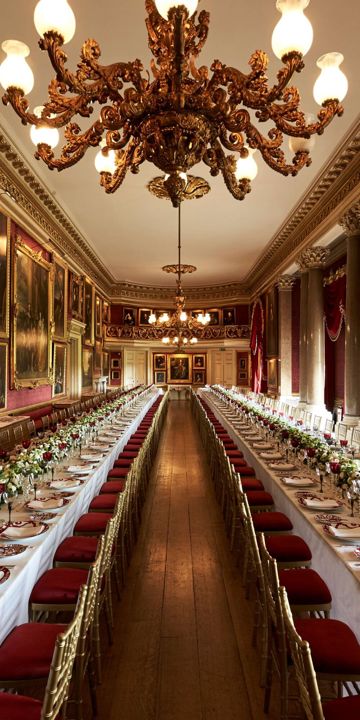
Where else can you...
...plan strategy in an ancient woodland, enjoy award-winning dining then drive around a racetrack?
-
Goodwood House
-
Memberships
-
Goodwood Road Racing Club
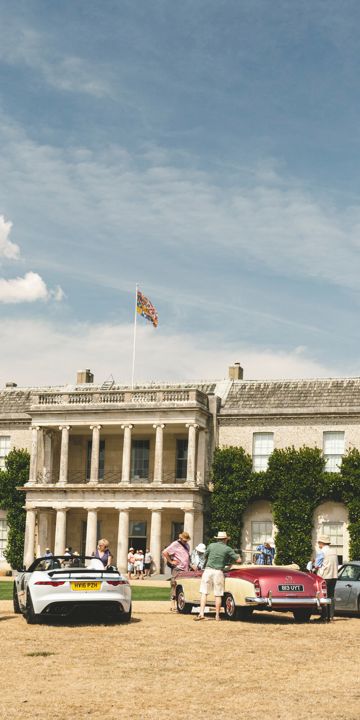

When was the GRRC founded?
Established in 1998 by the Duke of Richmond, the Goodwood Road Racing Club offers exclusive benefits across the estate year-round -
Goodwood Horseracing Club
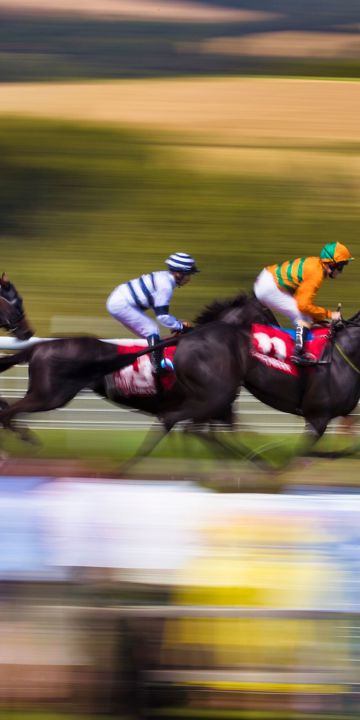
"Glorious Goodwood"
The first public race meeting took place in 1802 and, through the nineteenth century, ‘Glorious Goodwood,’ as the press named it, became a highlight of the summer season
-
Golf At Goodwood
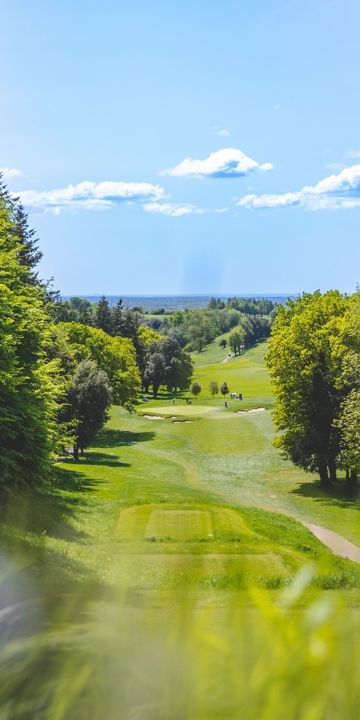
A sporting Estate
Goodwood has two 18-hole championship courses, a modern clubhouse and an impressive Academy. -
Goodwood Aero Club
During the war...
The Motor Circuit was known as RAF Westhampnett, active from 1940 to 1946 as a Battle of Britain station.
-
Goodwood Health Club
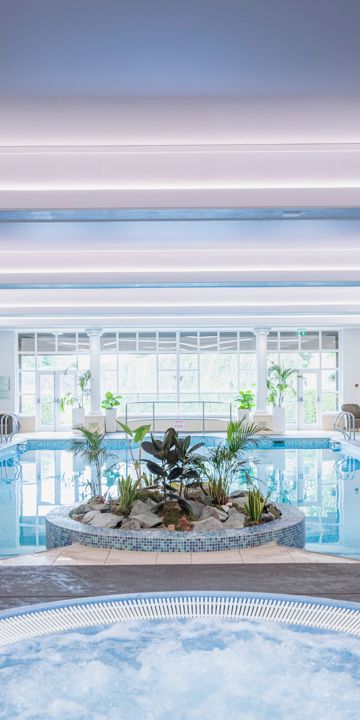
Goodwood's first Health Summit...
...took place in 2023 with industry experts discussing nutrition costs and food systems for a healthier future. -
The Kennels

Fashionable foxhounds
The 1st Duke of Richmond bought Goodwood in 1697 as a place to stay to go foxhunting with the fashionable Charlton Hunt. -
Sporting Membership


Egyptian Dining Room
Testament to the 19th-century fascination with ancient Egypt and decorative opulence. The room is richly detailed with gilded cartouches, sphinxes, birds and crocodiles.
-
Goodwood Racehorse Owners Group
-
Goodwood Art Foundation
-
Goodwood Road Racing Club
- Classic Car Insurance
- Health & Wellbeing
- Buy Merchandise
-
Our Estate
-
What's on
-
Estate Map
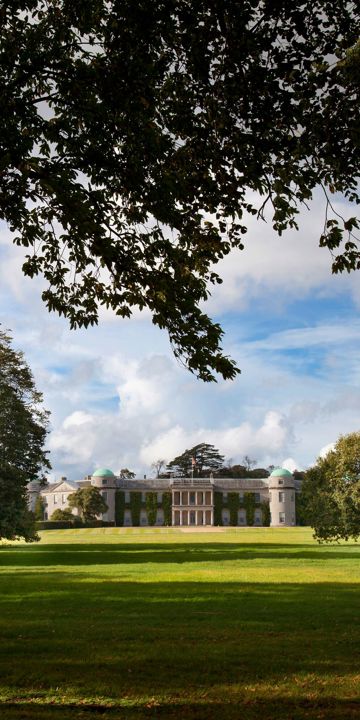
Fashionable foxhounds
The 1st Duke of Richmond bought Goodwood in 1697 as a place to stay to go foxhunting with the fashionable Charlton Hunt. -
Stories from the Estate
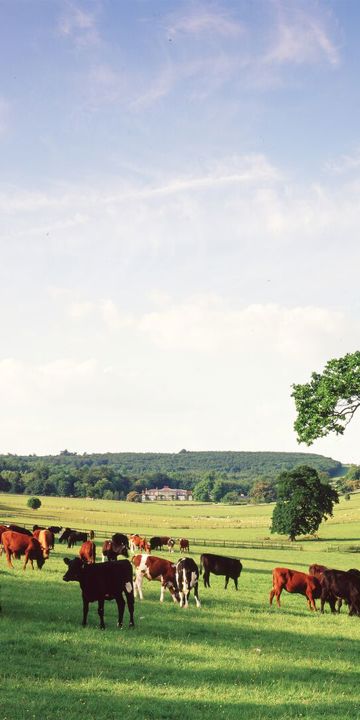
A different breed...
Goodwood’s pigs are a mix of two rare breeds (Gloucester Old Spots and Saddlebacks) plus the Large White Boar.
-
Sports
-
Goodwood Education Trust
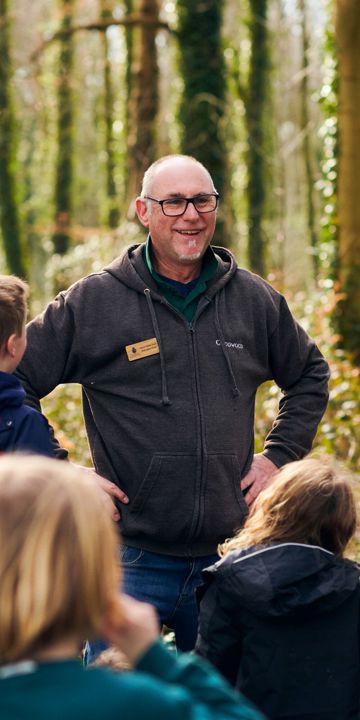
St Simon
Whoa Simon! A horse so determined and headstrong, he not only won the 1883 Goodwood Cup by 20 lengths, but couldn't be stopped and carried on running over the top of Trundle hill
-
Charities
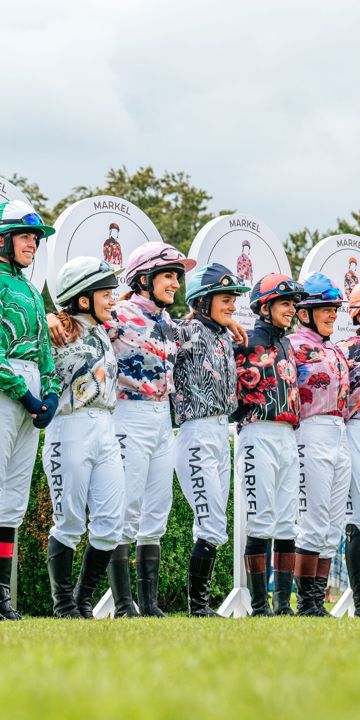

Grogger
Easy boy! The charismatic Farnham Flyer loved to celebrate every win with a pint of beer. His Boxer dog, Grogger, did too and had a tendancy to steal sips straight from the glass.
-
Sustainability
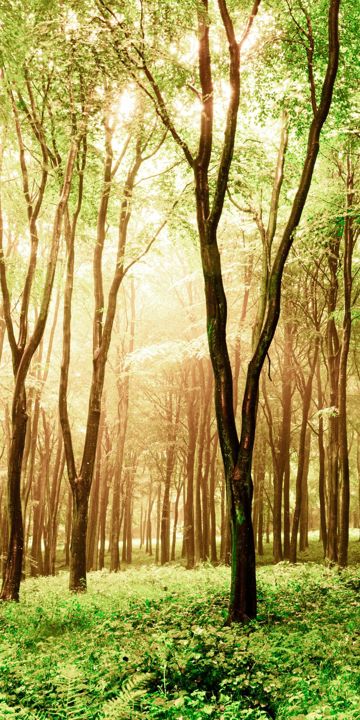
Carne's Seat
Just beyond Goodwood House along the Hillclimb, the 2nd Dukes banqueting house was also known as "one of the finest rooms in England" (George Vertue 1747).
-
Diversity, Equity & inclusion
-
Property
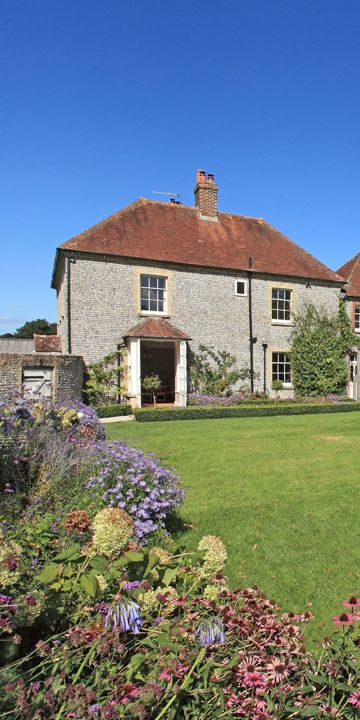
Lucky Leap
Inspired by the legendary racer, Masten Gregory, who famously leapt from the cockpit of his car before impact when approaching Woodcote Corner in 1959.
-
Walking Guide

During the war...
The Motor Circuit was known as RAF Westhampnett, active from 1940 to 1946 as a Battle of Britain station. -
Dog Walking Field
-
Careers
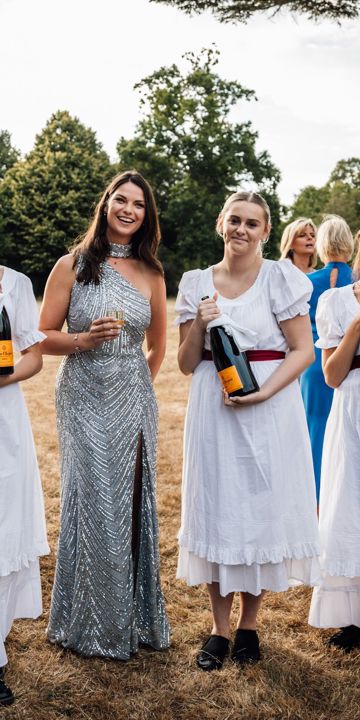
Grogger
Easy boy! The charismatic Farnham Flyer loved to celebrate every win with a pint of beer. His Boxer dog, Grogger, did too and had a tendancy to steal sips straight from the glass.
-
Goodwood Art Foundation
-
Farm Shop
-
What's on



Upcoming Events

Canaletto at Goodwood
Discover Canaletto's paintings at Goodwood, by Elen Walker
Goodwood House
Goodwood House Tea and Tour
Stories from the Collection
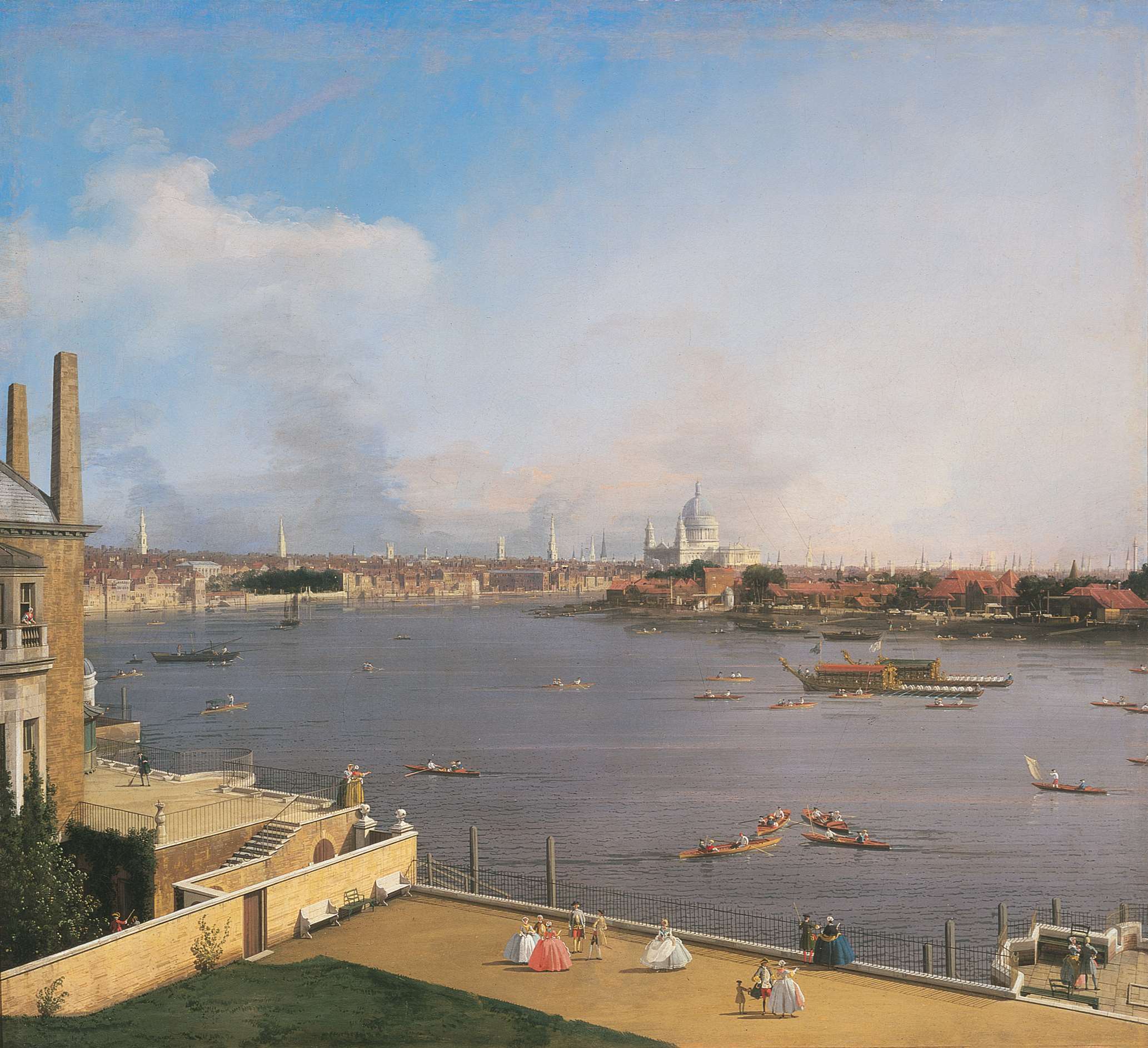
The Goodwood Collection houses a number of oil paintings by the Venetian artist, Giovanni Antonio Canal, known as Canaletto.
Whilst several depict scenes of Venice typically associated with the artist, more unusually two of the works portray different views of London from the first floor of Richmond House, the north facing London residence of the Dukes of Richmond in the 18th century. The house had been built by the 2nd Duke of Richmond in the 1730s to designs by Lord Burlington, with interiors done by William Kent. It boasted the Richmond House theatre, and in the later 18th century, a sculpture gallery for budding artists.
Relatively little is known about what the interiors of Richmond House looked like, but Canaletto allows us a glimpse of what the family looked out onto in 1747 when they gazed through the first-floor windows. To one side was Whitehall and the Privy Gardens, and in his picture, Whitehall and the Privy Garden from Richmond House, Canaletto captures in minute detail the buildings that survived the terrible fire of Whitehall Palace of 1698. The end of Inigo Jones’s Banqueting House can be seen, with its classical façade just discernible through the inclusion of the columns. This was where the 2nd Duke of Richmond’s great-grandfather, Charles I had been executed in 1649. Also peeking out in this painting is the Holbein Gate, which was built by King Henry VIII, and was the site of his secret marriage to Anne Boleyn in 1533. Whilst the Banqueting House can still be visited, the Holbein Gate was demolished just over ten years after this was painted. The picture also captures the Privy Gardens, and in doing so excellently demonstrates the culture of the eighteenth-century English elite. Expensive to enter, the garden was used as a way to be seen in society, parade in front of suitors and was a hive of gossip. The delicate figures with their exuberant clothing highlights not only the style of Canaletto’s works but also contemporary views of fashion.
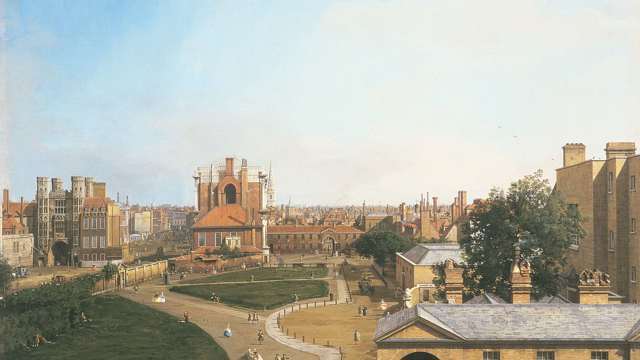
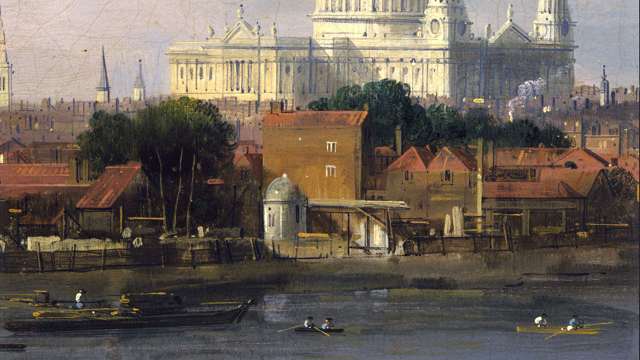
The second view Canaletto presents the viewer with is one of the Thames. The Thames and the City of London from Richmond House artfully depicts the buzzing atmosphere of the river from the window bay of the first-floor dining room, as well as the waterfront terrace of Richmond House and the sweeping London cityscape of the eighteenth century. Dominating the skyline is St Paul’s Cathedral, as well as all of Sir Christopher Wren’s 51 church spires. The inclusion of all of these reveal that Canaletto was not necessarily painting exactly what he saw, but rather an idealised view. Canaletto famously sketched from different perspectives and angles, and made up his composition by putting these sketches together to achieve the best possible picture. Also discernible is Old Somerset House, before it was altered by Sir William Chambers, with its trees running down to the river, as well as Montagu House next to the Richmond House terrace. The corner of the green Chinese pavilion that can be spotted next to the house can be still seen at Boughton House today. The manipulation of light to create a northern glimmer in the sky displays the impressive contemporary skills of Canaletto. Canaletto’s focus on the Thames and the barges of the livery companies excellently demonstrates the importance of the river to 18th century life; the river was the main form of transport, and was important for business and commerce.
The two works were commissioned by the 2nd Duke of Richmond in 1747, and the commissions launched Canaletto’s career in England. Up until this point Canaletto had been working in Venice, selling Venetian scenes to English aristocratic young gentlemen who visited Venice as part of the Grand Tour. The 2nd Duke acquired four Venetian scenes on copper from Canaletto when the artist was still in Venice through his contact Owen McSwiny. However, in the 1740s Canaletto’s work in Venice began to dry up due to the Wars of the Austrian Succession Crisis. Canaletto made the move to England in order to further his career prospects, and in 1746 he arrived with a letter of introduction from Joseph Smith, a self-created art dealer, to McSwiny, his ultimate target being the patronage of The Duke of Richmond. Despite being drunk at a dinner hosted by the 2nd Duke of Montagu, McSwiny gave Canaletto’s recommendation to another guest, Tom Hill, a friend, and former tutor of the 2nd Duke, who thought it best that Canaletto be commissioned to paint a river scene from Richmond House which was accepted by The Duke. It may be that initially one larger scene that took in both the Privy Gardens and the Thames was planned, as this exists in sketch from by Canaletto in the Goodwood Collection.
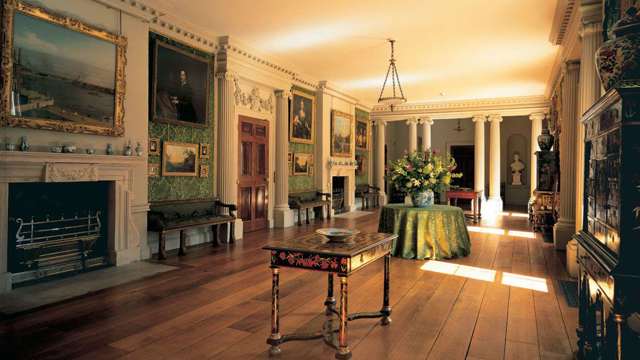
The paintings today hang at Goodwood House above the fireplaces in the Long Hall, the oldest part of the house. It is thought they were painted specifically for these spots, as the canvases are unusually square for Canaletto and fit perfectly the square spaces above the classical chimneypieces. Sitting beside the fireplaces, the 2nd Duke could look out through the windows opposite and see the rolling Sussex landscape, and if he missed the activity and excitement of the capital, he could cast his eye up to the Canalettos and be absorbed in the commercial and social buzz of city life.
____
The two paintings can be viewe as part of a Guided Tour and Tea & Tour as part of our Open Days at Goodwood House from March to October.
Article by Elen Walker
Goodwood House
Goodwood House Tea and Tour
Stories from the Collection