-
Events
-
Festival of Speed

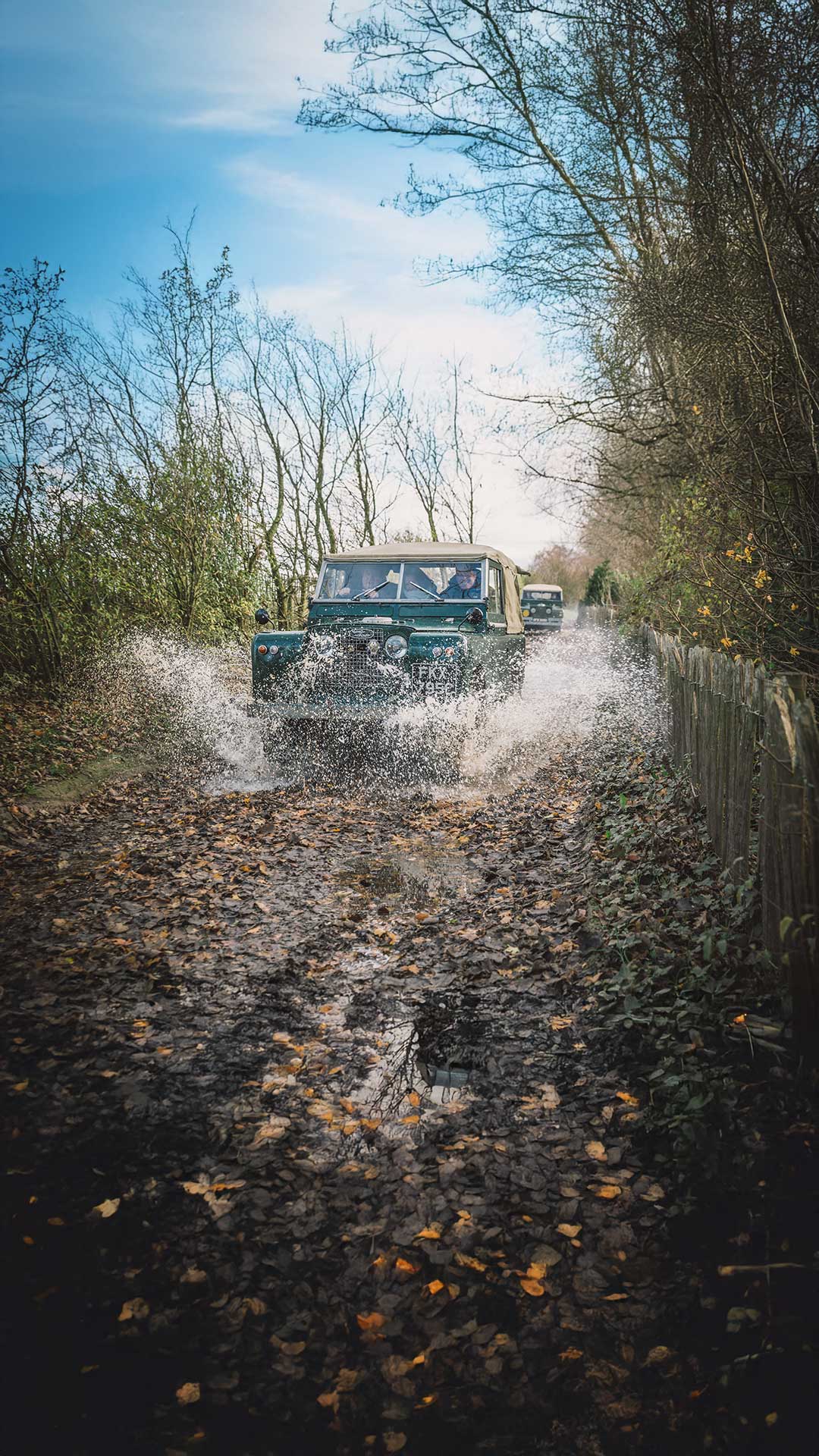
Have you visited our Forest Rally Stage?
From 2005 to present there has been a demonstration area for the rally cars at the top of the hill
-
Goodwood Revival
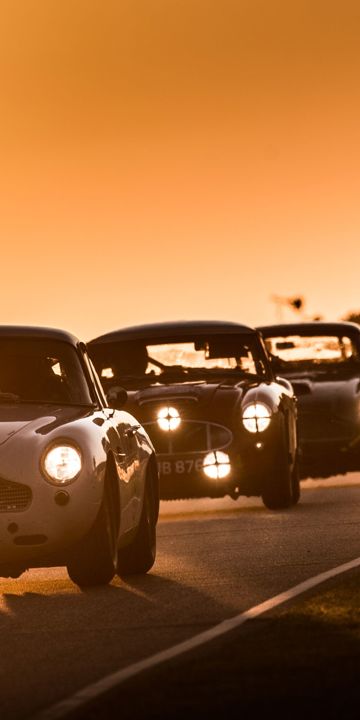

Spectators Favourite
Spectate from the chicane at the Revival to see plenty of classic cars going sideways as they exit this infamous point of our Motor Circuit.
-
Members' Meeting
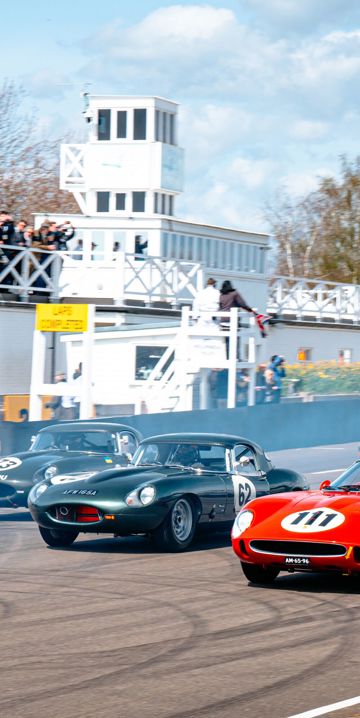

The original Members' Meeting era
The early Members' Meetings were held for BARC Members, there were 71 between 1949 and 1966.
-
Qatar Goodwood Festival
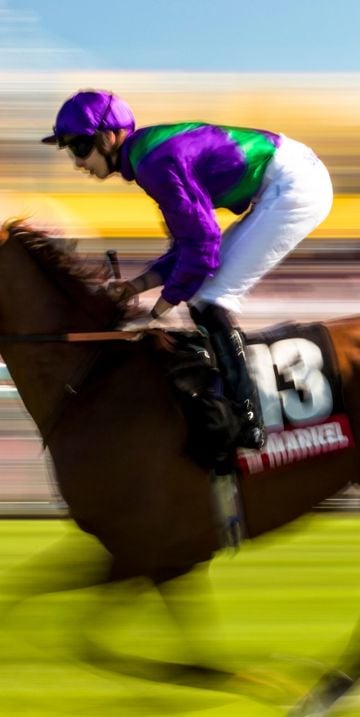

Why does everyone wear hats?
King Edward VII turned his back on the traditional morning suit and donned a linen suit and Panama hat. Thus the Glorious Goodwood trend was born.
-
Goodwoof
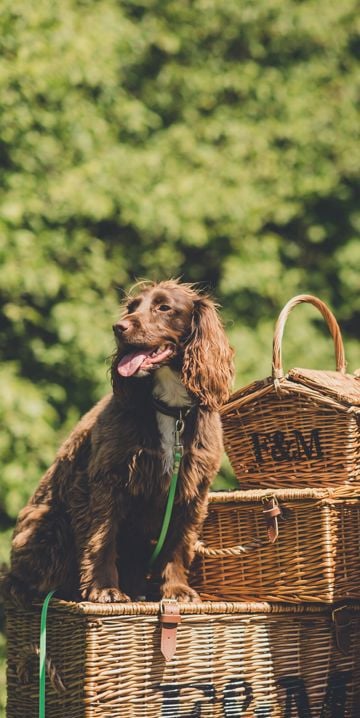

Start in style
The breed parade sees hundreds of dogs and their owners walk from Goodwood House down to The Kennels to kick start the Goodwoof weekend. -
Horseracing
-
Season Opener
-
May Festival
-
Family Race Day
-
Three Friday Nights
-
August Bank Holiday
-
Autumn Racing
-
Season Finale
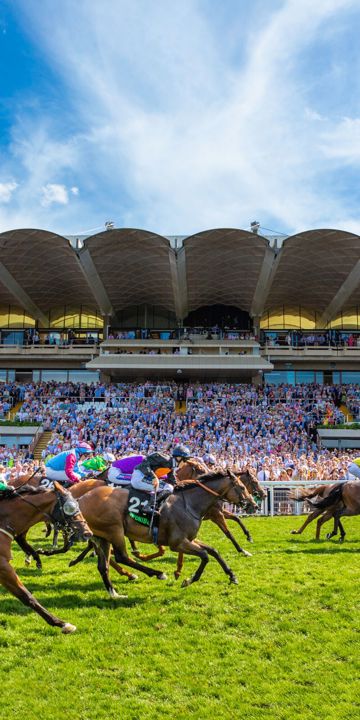

The Magnolia Cup
Leading women of business, sport, fashion and media, take part in one of the most exciting horseracing events in the world.
-
Season Opener
-
Breakfast Club
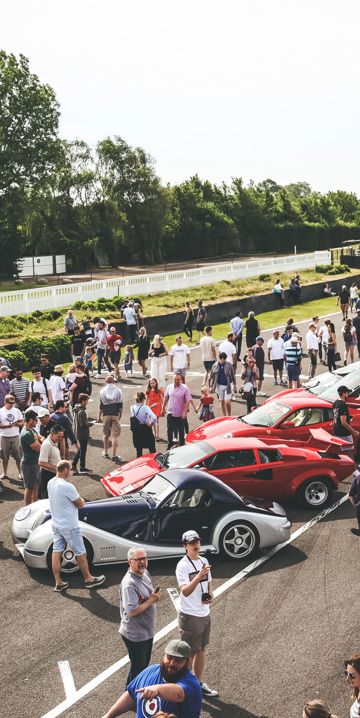

A perfect Sunday morning?
A no-cost, all-welcome motoring show where the visitors and their machines are the stars -
Health Summit
-
Hospitality
-
Exhibiting
-
Partnerships
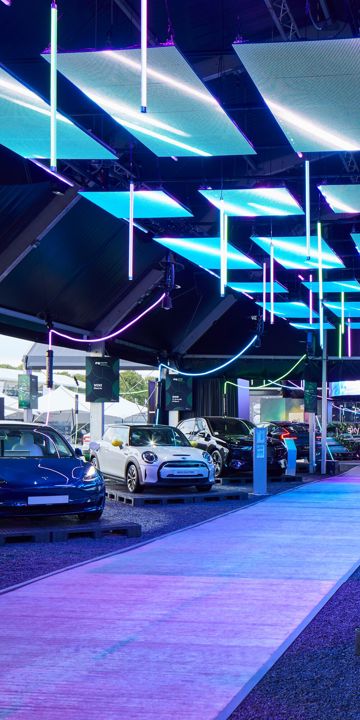

Where else can you...
...plan strategy in an ancient woodland, enjoy award-winning dining then drive around a racetrack?
-
What's on
-
Festival of Speed
-
Visit, Eat, Stay
-
The Goodwood Hotel

Levin Down Gin
Our gin uses wild-grown botanicals sourced from the estate, and is distilled with mineral water naturally chalk-filtered through the South Downs.
-
Goodwood Cottages


St Simon
Whoa Simon! A horse so determined and headstrong, he not only won the 1883 Goodwood Cup by 20 lengths, but couldn't be stopped and carried on running over the top of Trundle hill
-
Goodwood House
-
Afternoon Tea & Tour
-
The Collection
-
Christmas Afternoon Tea & Tour
-
Exhibitions
-
History
-
Weddings
-
Copper Dome Restoration
-
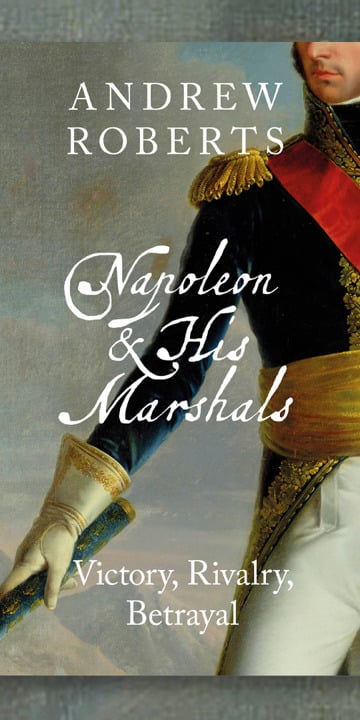
Napoleon & His Marshals Book Talk with Andrew Roberts
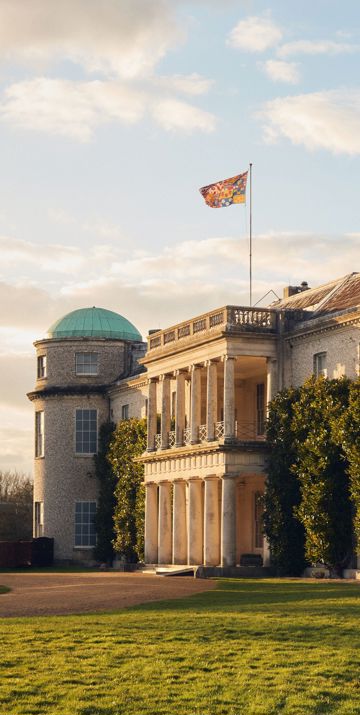

The Goodwood menagerie
Corridors of tunnels beneath Goodwood House were once filled with exotic animals to surprise female guests and allow the men to look heroic! -
Afternoon Tea & Tour
-
Restaurants
-
Farmer, Butcher, Chef
-
The Goodwood Bar & Grill
-
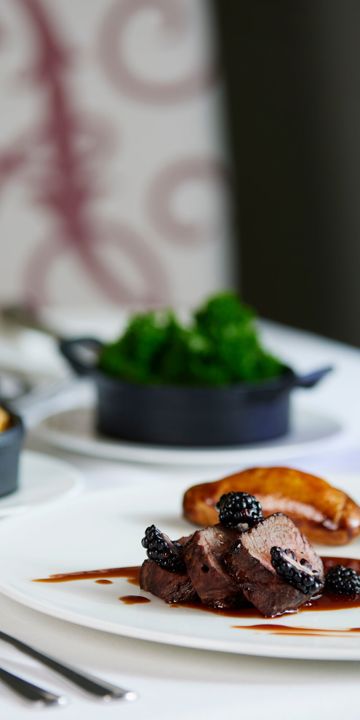
The Kennels
-
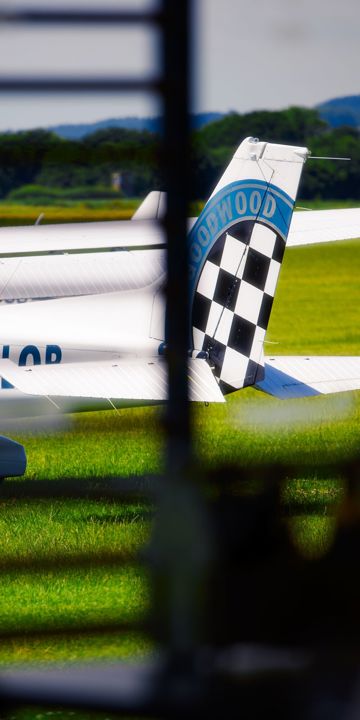
Aerodrome Café
-
Motor Circuit Café

-
Cafe 24
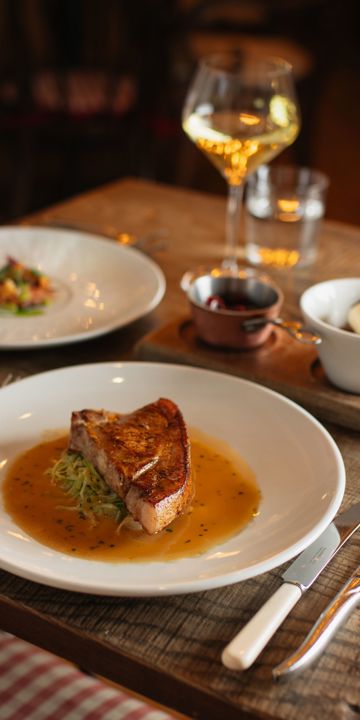

Sustainable state-of-mind
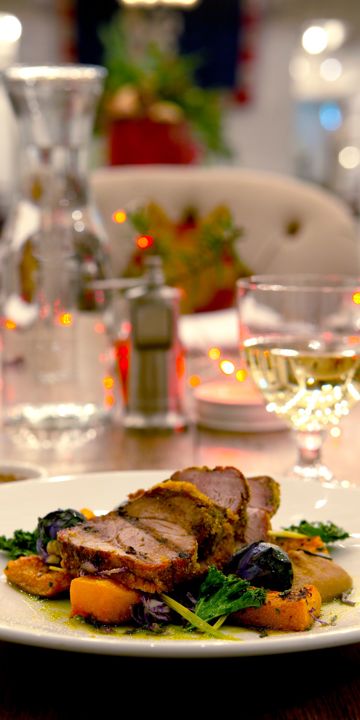
When Farmer, Butcher, Chef opened in 2016 it was awarded the UK’s first-ever Royal Academy of Culinary Arts ‘Sustainable Food Philosophy Seal’. -
Farmer, Butcher, Chef
-
The Kennels
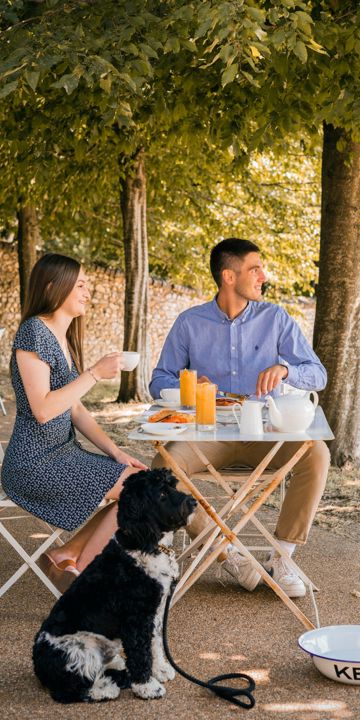

Fashionable foxhounds
The 1st Duke of Richmond bought Goodwood in 1697 as a place to stay to go foxhunting with the fashionable Charlton Hunt. -
Motor Circuit
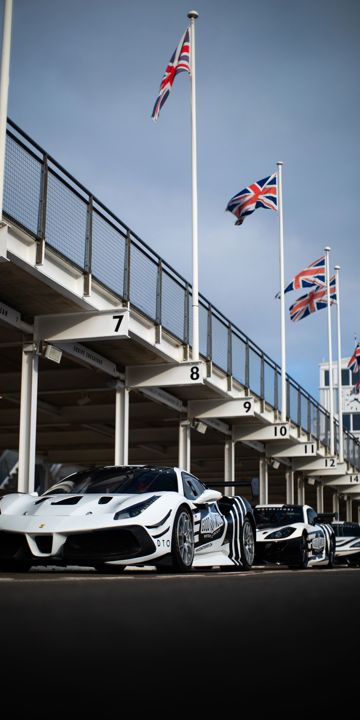

Carne's Seat
Just beyond Goodwood House along the Hillclimb, the 2nd Dukes banqueting house was also known as "one of the finest rooms in England" (George Vertue 1747).
-
Health & Wellbeing
-
Membership
-
Health Club
-
Gym
-
Run Series
-
Spa Treatments
-
Wellness Retreats
-
Events Calendar
-
Corporate Wellbeing
-
Health Summit
-
Latest News
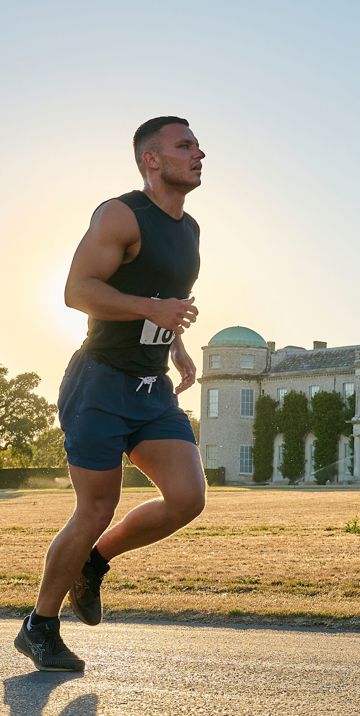

Goodwood's first Health Summit...
...took place in 2023 with industry experts discussing nutrition costs and food systems for a healthier future. -
Membership
-
Hound Lodge
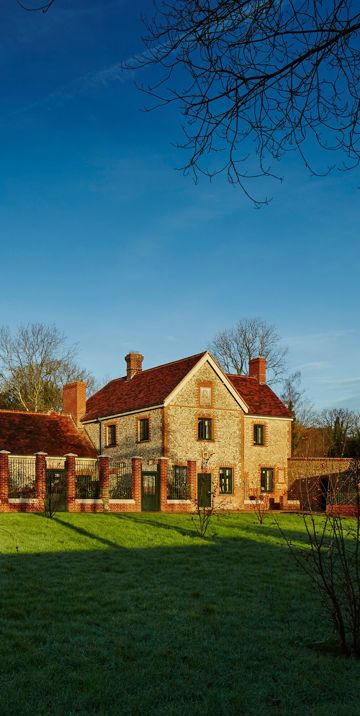

Family Trees
Revel in the history of our hounds with their family trees dating back to some of our earliest documents at Goodwood.
-
Goodwood Farm Shop

St Simon
Whoa Simon! A horse so determined and headstrong, he not only won the 1883 Goodwood Cup by 20 lengths, but couldn't be stopped and carried on running over the top of Trundle hill
-
Parties
-
Goodwood Art Foundation
-
The Goodwood Hotel
-
Motorsport
-
Festival of Speed
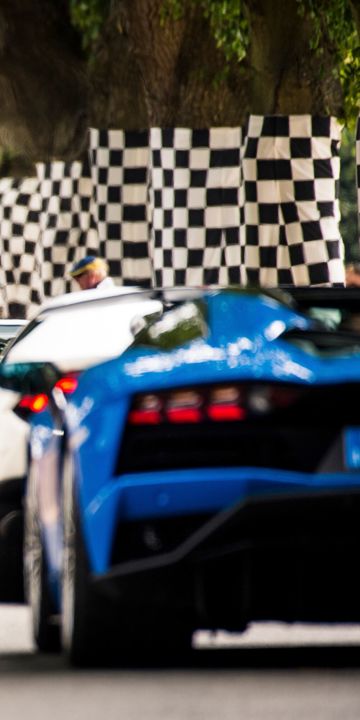

FOS Future Lab
Where wondrous innovation and future technology is placed in the palm of your hand.
-
Goodwood Revival
-
Tickets & Packages
-
Hospitality
-
Explore
-
Plan Your Day
-
Buy Merchandise
-
Charity
-
Partners
-
Accessibility
-
FAQs
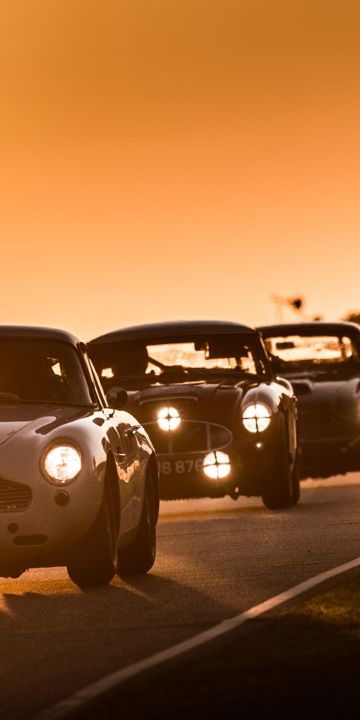

Freddie's Famous Scarf
When the 9th Duke won the Double Twelve at Brooklands in 1931 he never drove without it throughout his successful driving career.
-
Tickets & Packages
-
Members' Meeting
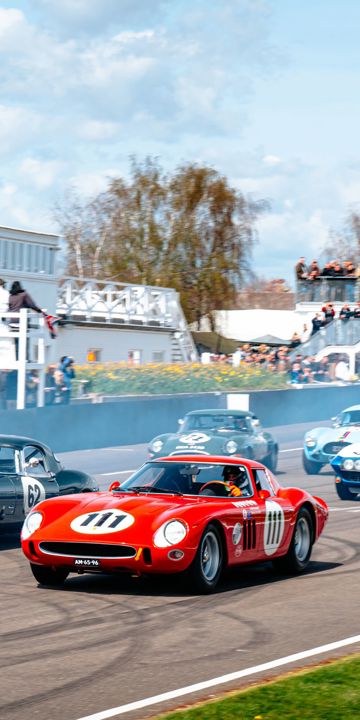

Poignant celebrations
Over the years, the Revival has honoured legends like Jim Clark, Jack Brabham, Dan Gurney and more.
-
Breakfast Club
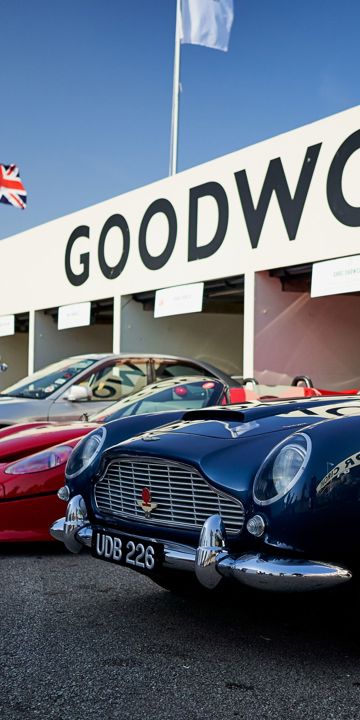
FOS Future Lab
Where wondrous innovation and future technology is placed in the palm of your hand.
-
Motor Circuit
Poignant celebrations
Over the years, the Revival has honoured legends like Jim Clark, Jack Brabham, Dan Gurney and more.
-
Driving Experiences
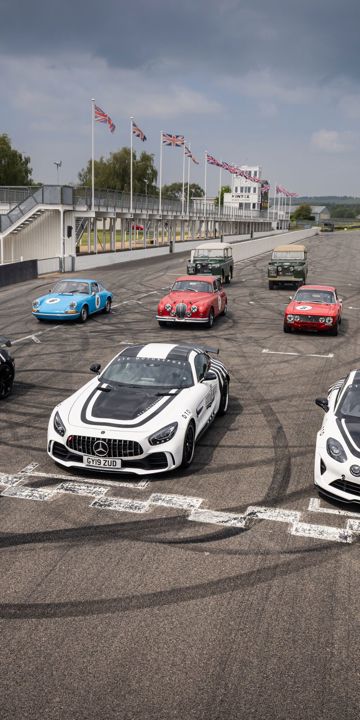

Why don't the F1 cars race the hill?
For safety reasons F1 cars can no longer do official timed runs so instead perform stunning demonstrations!
-
Goodwood Road Racing Club
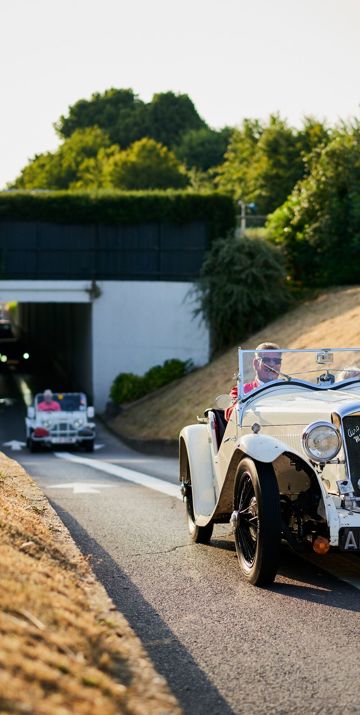

Mad Mike
FOS Favourite Mad Mike Whiddett can be caught melting tyres in his incredible collection of cars (and trucks) up the hillclimb
-
Latest News
-
Festival of Speed
-
Horseracing
-
Tickets & Packages
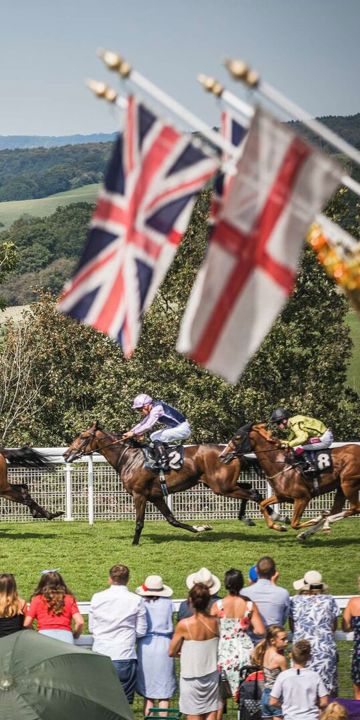

Royal approval
King Edward VII (who came almost every year) famously dubbed Glorious Goodwood “a garden party with racing tacked on”.
-
Hospitality
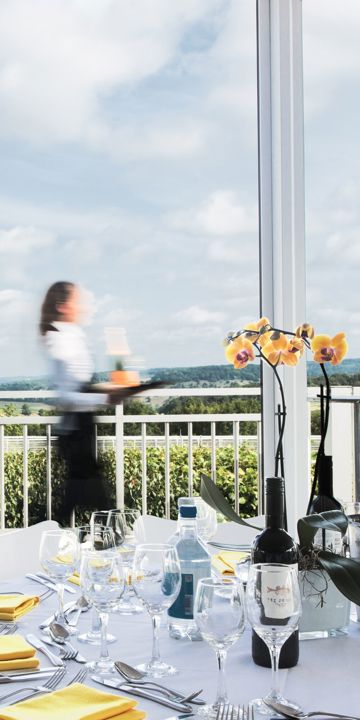

Why walk when you can drive
The first ever horsebox was used from Goodwood to Doncaster for the 1836 St. Leger. Elis arrived fresh and easily won his owner a £12k bet.
-
Horseracing Club Membership
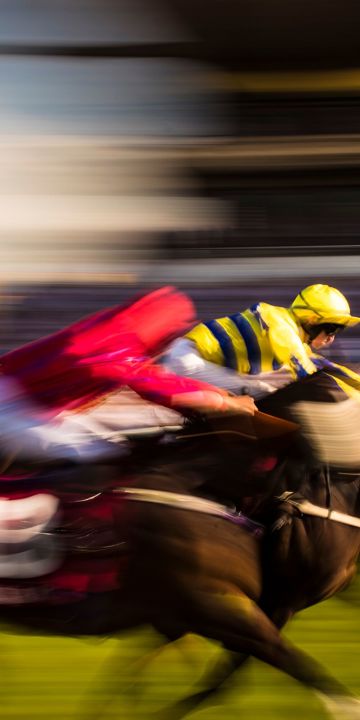
Why does everyone wear hats?
King Edward VII turned his back on the traditional morning suit and donned a linen suit and Panama hat. Thus the Glorious Goodwood trend was born.
-
Fixtures & Events
-
Season Opener
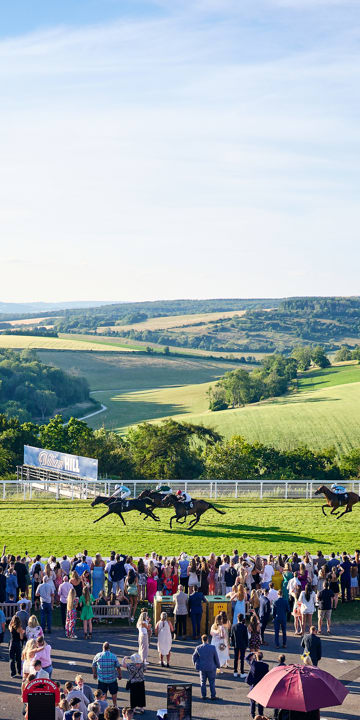
-
May Festival
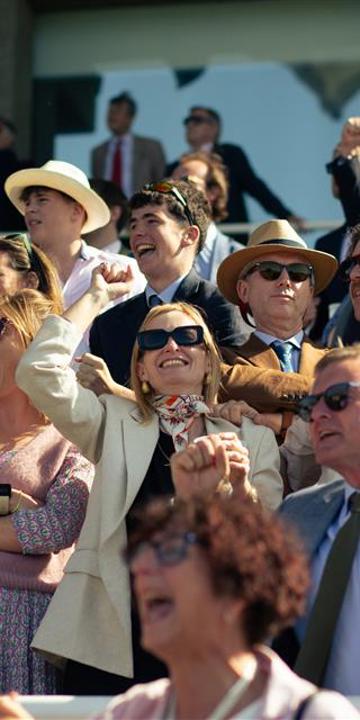
-
Family Race Day
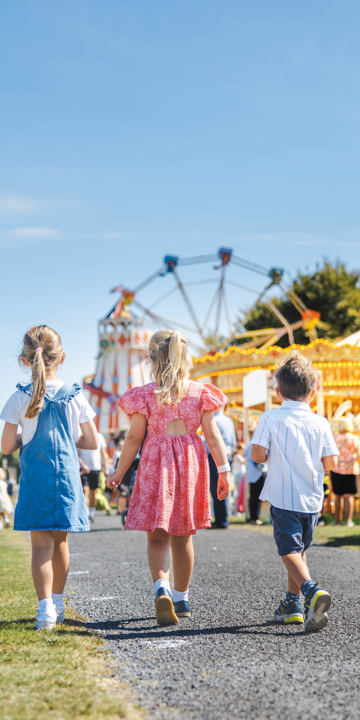
-
Three Friday Nights
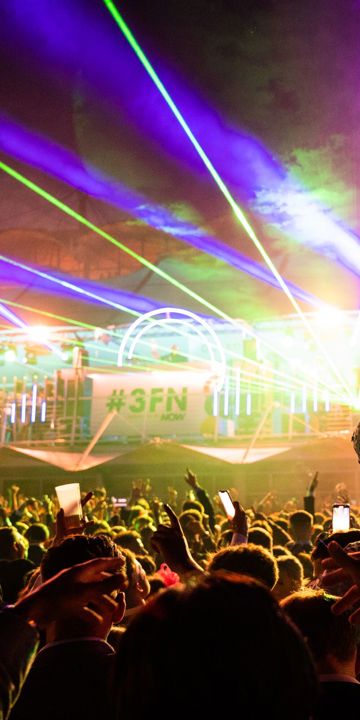
-
Qatar Goodwood Festival
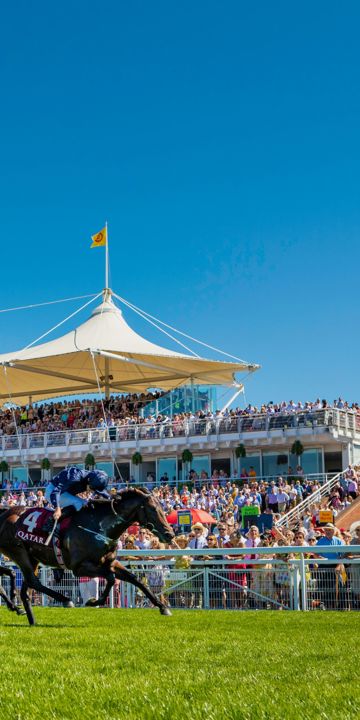
-
August Bank Holiday
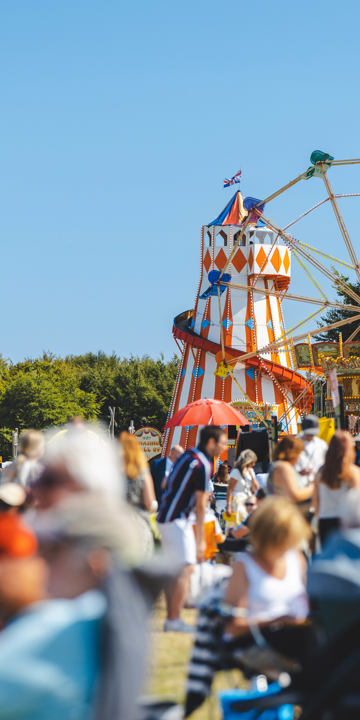
-
Autumn Racing
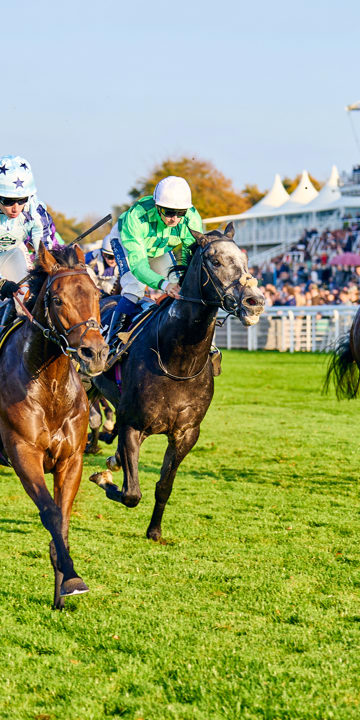
-
Season Finale
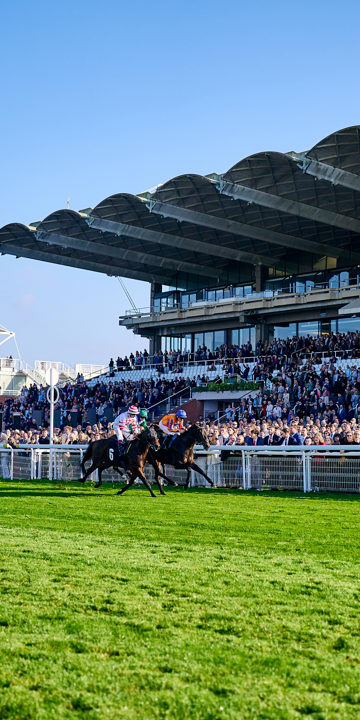
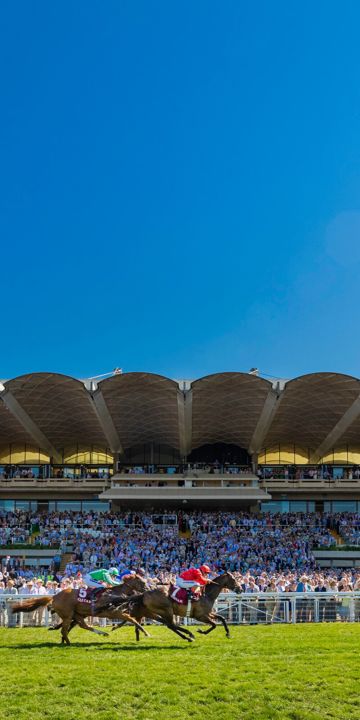
Why walk when you can drive
The first ever horsebox was used from Goodwood to Doncaster for the 1836 St. Leger. Elis arrived fresh and easily won his owner a £12k bet.
-
Season Opener
-
Qatar Goodwood Festival
-
Tickets & Packages
-
Hospitality
-
Day by Day Guide
-
Ladies Day
-
Magnolia Cup
-
The Earl's Lawn
-
Timetable
-
Partners
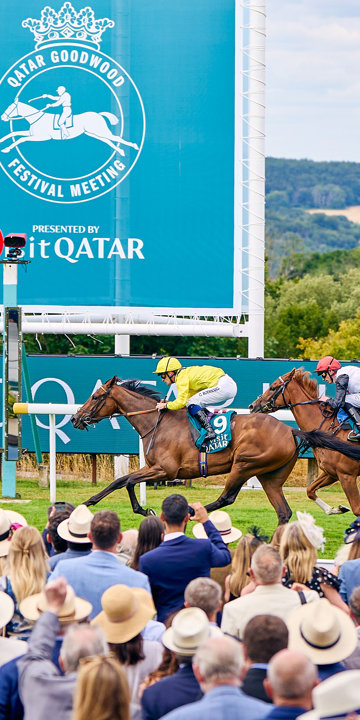
Royal approval
King Edward VII (who came almost every year) famously dubbed Glorious Goodwood “a garden party with racing tacked on”.
-
Tickets & Packages
-
Three Friday Nights
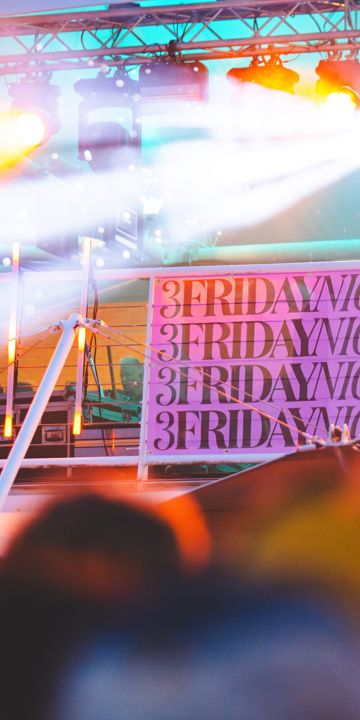
Why does everyone wear hats?
King Edward VII turned his back on the traditional morning suit and donned a linen suit and Panama hat. Thus the Glorious Goodwood trend was born.
-
Plan Your Day
-
Enclosures
-
Event Map
-
Going Report
-
Getting Here
-
Betting at Goodwood
-
Dress Code
-
Accessibility
-
Food & Drink
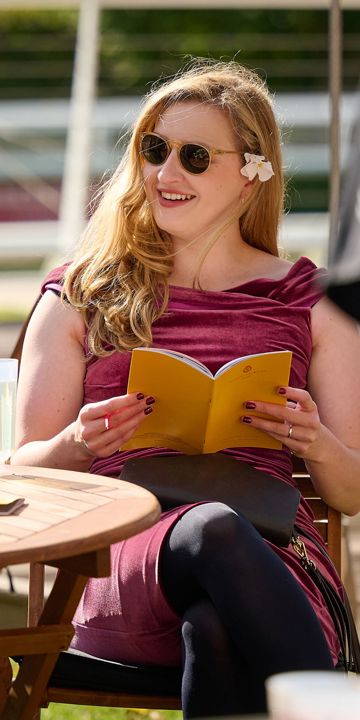

"Glorious Goodwood"
After the first public race meeting in 1902, 'Glorious Goodwood' became a highlight of the summer season.
-
Enclosures
-
Buy Merchandise
-
Partners
-
Owners & Trainers
-
Latest News
-
FAQs
-
Accessibility
-
Tickets & Packages
-
Experiences
-
Driving

Battle of Britain
Flying training began at Goodwood in 1940 when pilots were taught operational flying techniques in Hurricanes and Spitfires.
-
Flying
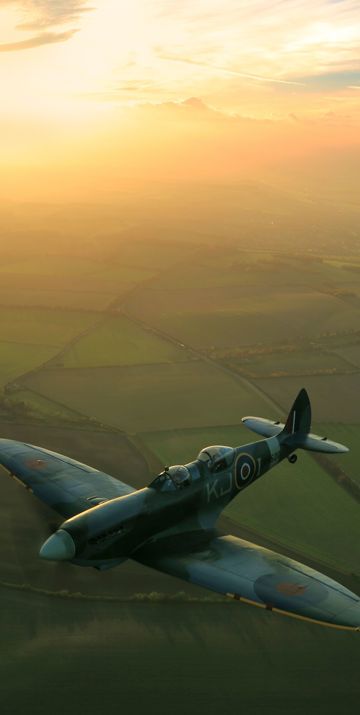

During the war...
The Motor Circuit was known as RAF Westhampnett, active from 1940 to 1946 as a Battle of Britain station.
-
Golf

Over 100 years of Golf
The first ever round of golf played at Goodwood was in 1914 when the 6th Duke of Richmond opened the course on the Downs above Goodwood House.
-
Shooting
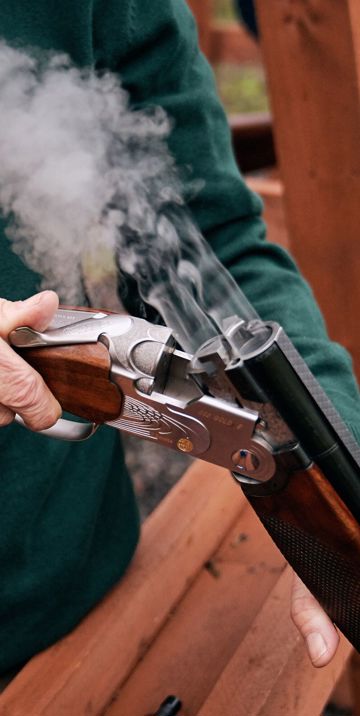
Fashionable foxhounds
The 1st Duke of Richmond bought Goodwood in 1697 as a place to stay to go foxhunting with the fashionable Charlton Hunt. -
Afternoon Tea

21,000 litres...
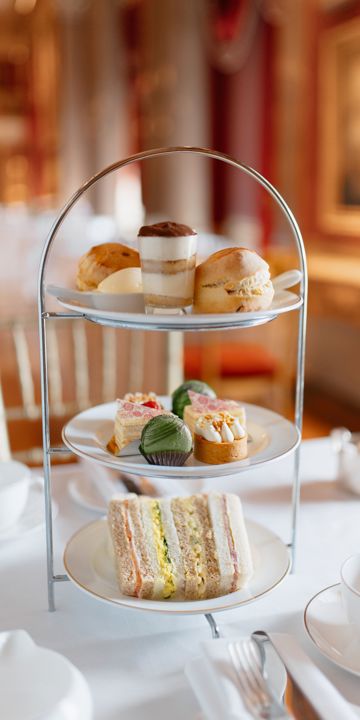
Alongside the award-winning meat, we also produce 21,000 litres of milk a week, used to make our cheeses. -
Corporate Wellbeing
Goodwood's first Health Summit...
...took place in 2023 with industry experts discussing nutrition costs and food systems for a healthier future. -
Cycling

Ace Pilot
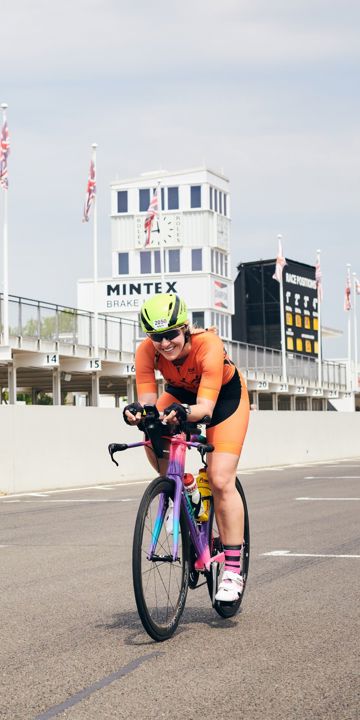
Ray Hanna famously flew straight down Goodwood’s pit straight below the height of the grandstands at the first Revival in 1998
-
Corporate Experiences
Where else can you...
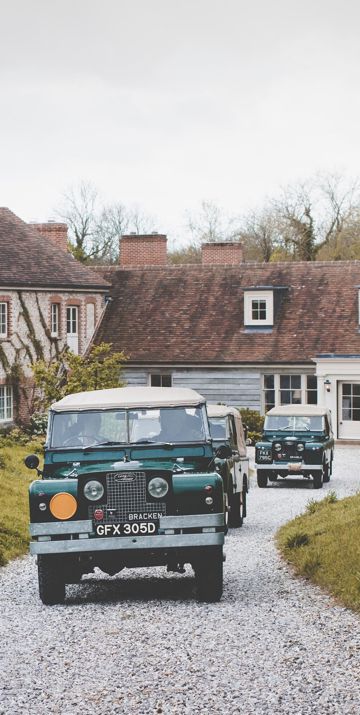
...plan strategy in an ancient woodland, enjoy award-winning dining then drive around a racetrack?
-
Spa Treatments
-
Driving
- Hospitality
-
Golf
-
Golf Courses

A sporting Estate
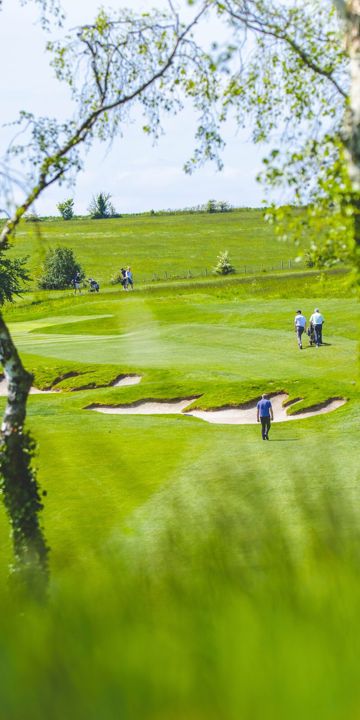
Goodwood has two 18-hole championship courses, a modern clubhouse and an impressive Academy. -
Golf Membership
-
Credit Membership
-
Application Form
-
Braid Membership
-
Intermediate Membership
-
Junior Membership
-
Corporate Membership
-
Get Into Golf
-
Copse Membership


Braid’s Masterpiece
One of the greatest golfers of all time, James Braid designed Goodwood’s iconic Downland course, opened in 1914.
-
Credit Membership
-
The Academy
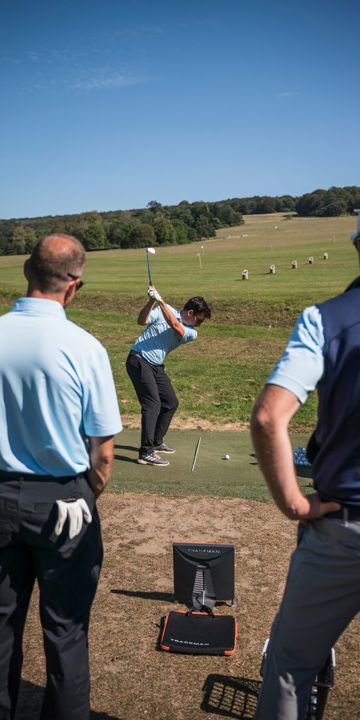
Braid’s Masterpiece
One of the greatest golfers of all time, James Braid designed Goodwood’s iconic Downland course, opened in 1914.
-
Golf Experiences

Braid’s Masterpiece
One of the greatest golfers of all time, James Braid designed Goodwood’s iconic Downland course, opened in 1914.
-
Golf Courses
-
Flying
-
Flying School
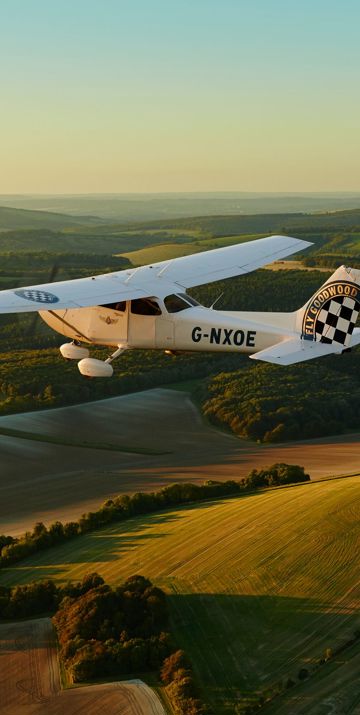

During the war...
The Motor Circuit was known as RAF Westhampnett, active from 1940 to 1946 as a Battle of Britain station. -
Aero Club Membership
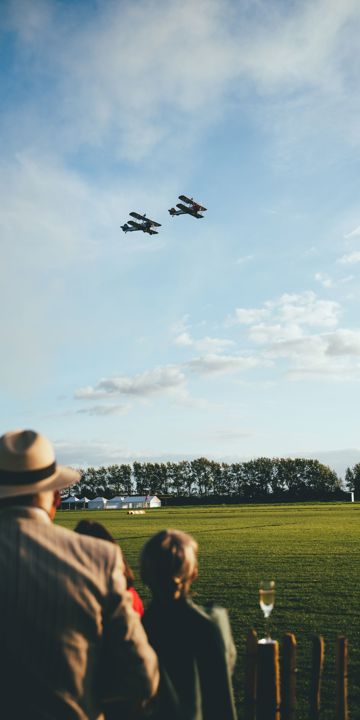

The Silver Spitfire
The iconic spitfire covered almost 43,000 kilometres and visited over 20 countries on its epic journey and currently resides at our Aerodrome.
-
Flying Experiences
-
Pilot Information
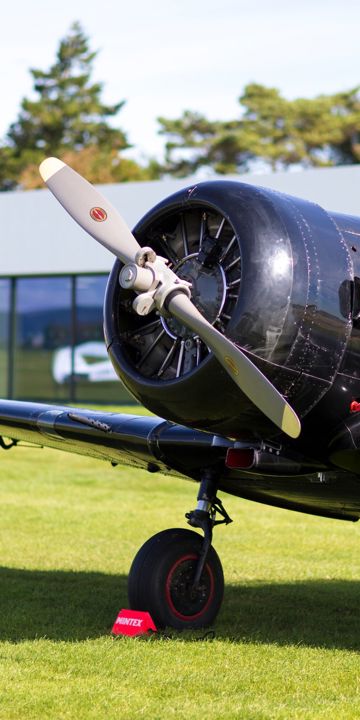

Group Captain Sir Douglas Bader
The famous fighter ace, who flew his last sortie from Goodwood Aerodrome, formerly RAF Westhampnett has a statue in his honor within the airfield.
-
Flying School
-
Meetings
-
Venue Hire
-
Goodwood House
-
The Racecourse
-
The Goodwood Hotel
-
The Motor Circuit
-
The Kennels
-
The Aerodrome
-
The Great Outdoors
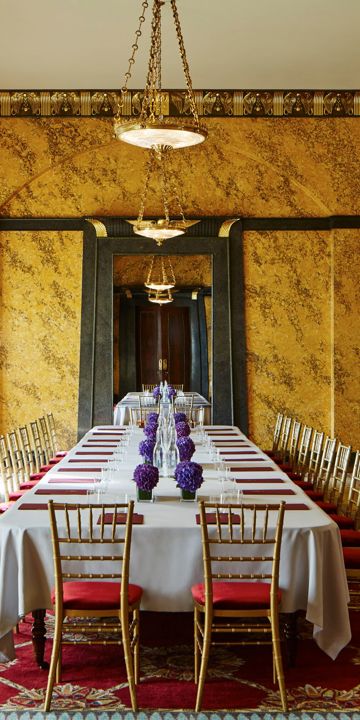
Where else can you...
...plan strategy in an ancient woodland, enjoy award-winning dining then drive around a racetrack?
-
Goodwood House
-
Plan Your Meeting
-
Parties
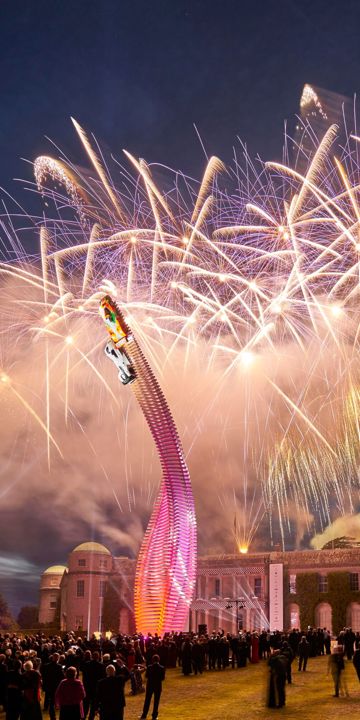
Where else can you...
...plan strategy in an ancient woodland, enjoy award-winning dining then drive around a racetrack?
-
Hospitality

-
Corporate Experiences
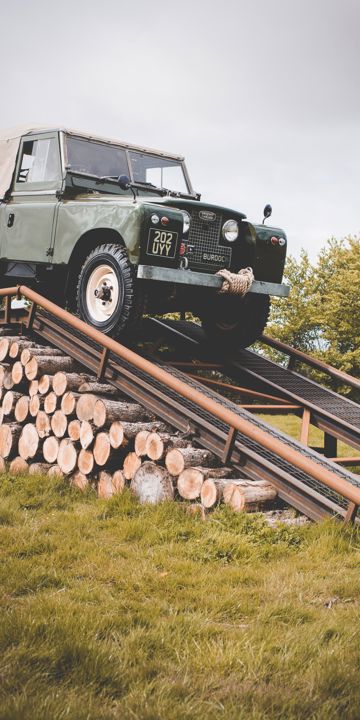
Where else can you...
...plan strategy in an ancient woodland, enjoy award-winning dining then drive around a racetrack?
-
Christmas Parties
-
Film Locations
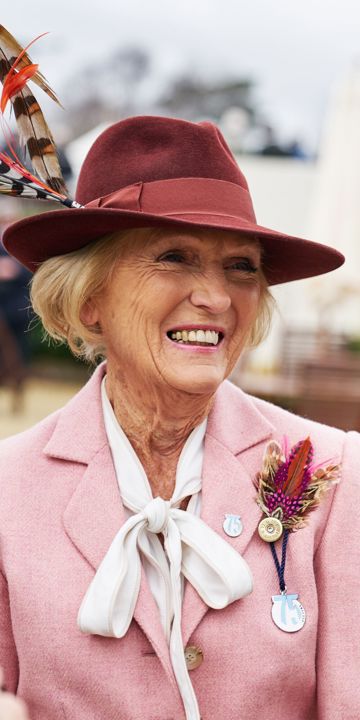
Filming at Goodwood
We have been host to many incredible film crews using Goodwood as a backdrop for shows like Downton Abbey, Hollywood Blockbusters like Venom: let there be Carnage and the Man from U.N.C.L.E.
-
Venue Hire
-
Weddings
-
Goodwood House
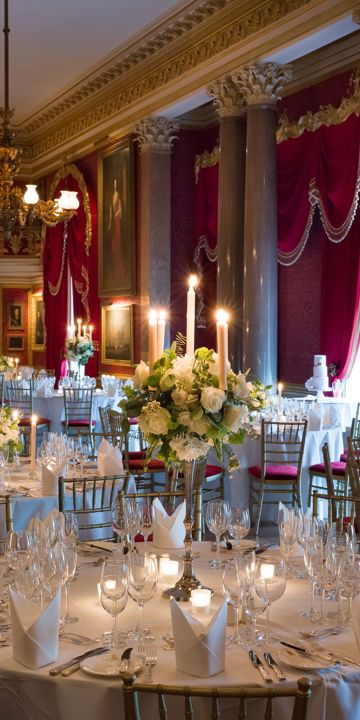
Shell house
A temple-folly guarded by two sphinxes, the beautiful shell house was built in 1748 with collected shells and the floor made from horse teeth.
-
The Kennels


Advice from our Head Butler
Ensure you take a little time out together to pause and take in the celebration of all the hard work you put in.
-
Parties
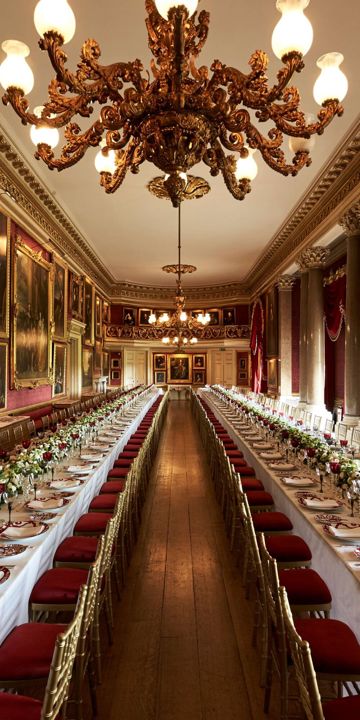
Where else can you...
...plan strategy in an ancient woodland, enjoy award-winning dining then drive around a racetrack?
-
Goodwood House
-
Memberships
-
Goodwood Road Racing Club
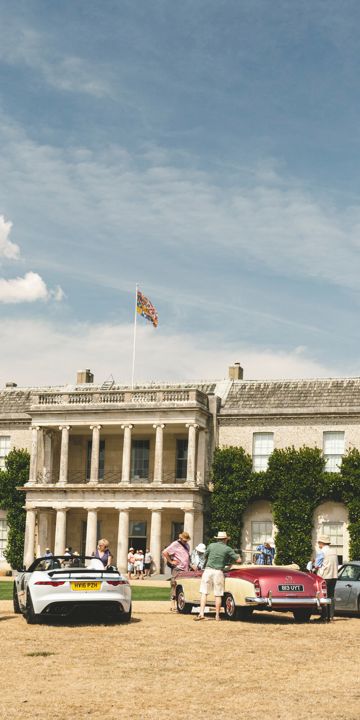

When was the GRRC founded?
Established in 1998 by the Duke of Richmond, the Goodwood Road Racing Club offers exclusive benefits across the estate year-round -
Goodwood Horseracing Club
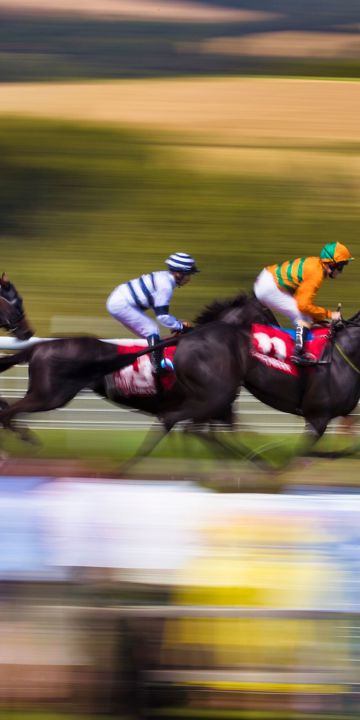
The Magnolia Cup
Leading women of business, sport, fashion and media, take part in one of the most exciting horseracing events in the world.
-
Golf At Goodwood
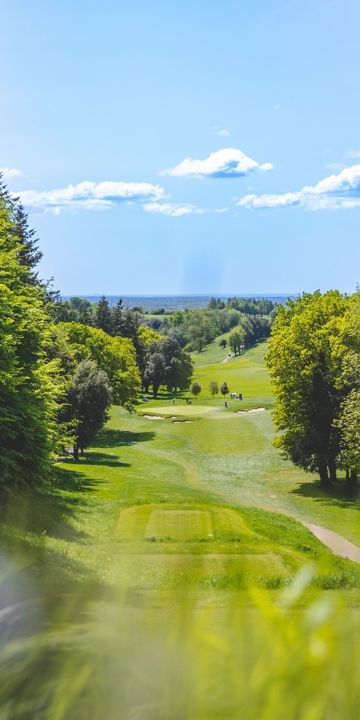
A sporting Estate
Goodwood has two 18-hole championship courses, a modern clubhouse and an impressive Academy. -
Goodwood Aero Club

Flying Elephant
The first thing ever dropped at Goodwood was a cuddly elephant which landed in 1932 just as the 9th Duke of Richmonds passion for flying was taking off.
-
Goodwood Health Club
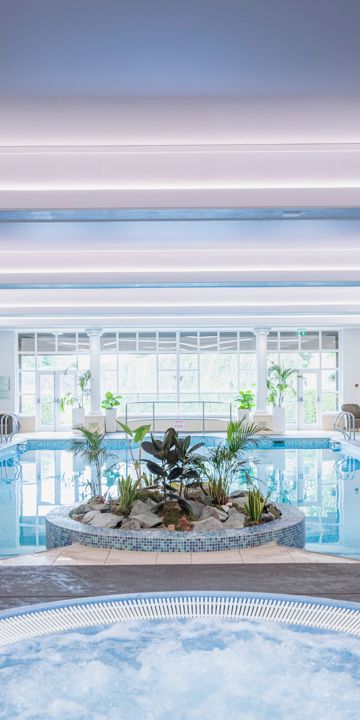
Goodwood's first Health Summit...
...took place in 2023 with industry experts discussing nutrition costs and food systems for a healthier future. -
The Kennels

Fashionable foxhounds
The 1st Duke of Richmond bought Goodwood in 1697 as a place to stay to go foxhunting with the fashionable Charlton Hunt. -
Sporting Membership


A different breed...
Goodwood’s pigs are a mix of two rare breeds (Gloucester Old Spots and Saddlebacks) plus the Large White Boar.
-
Goodwood Racehorse Owners Group
-
Goodwood Art Foundation
-
Goodwood Road Racing Club
- Classic Car Insurance
- Health & Wellbeing
- Buy Merchandise
-
Our Estate
-
What's on
-
Estate Map
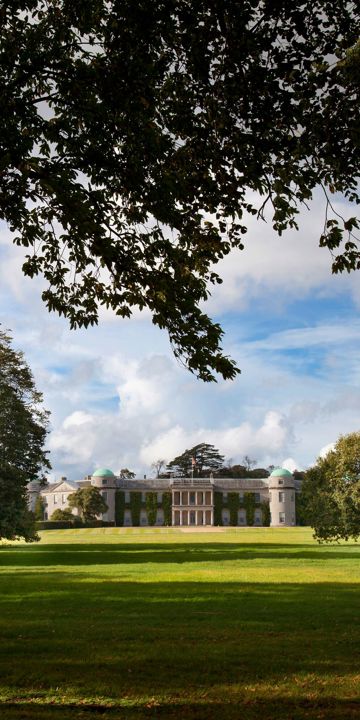

Egyptian Dining Room
Testament to the 19th-century fascination with ancient Egypt and decorative opulence. The room is richly detailed with gilded cartouches, sphinxes, birds and crocodiles.
-
Stories from the Estate
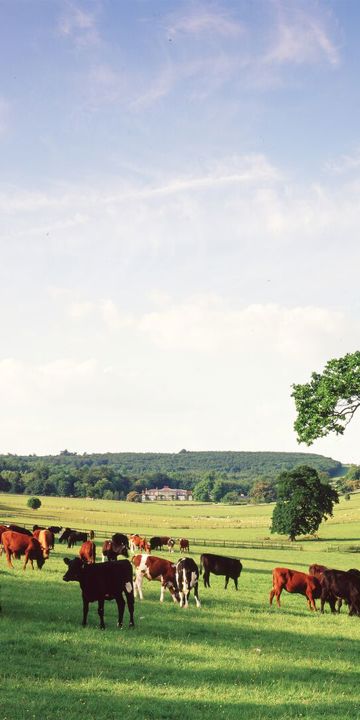
During the war...
The Motor Circuit was known as RAF Westhampnett, active from 1940 to 1946 as a Battle of Britain station.
-
Sports
-
Goodwood Education Trust
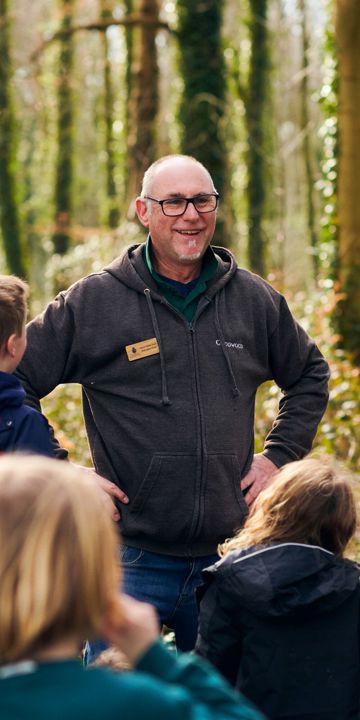
Fashionable foxhounds
The 1st Duke of Richmond bought Goodwood in 1697 as a place to stay to go foxhunting with the fashionable Charlton Hunt. -
Charities
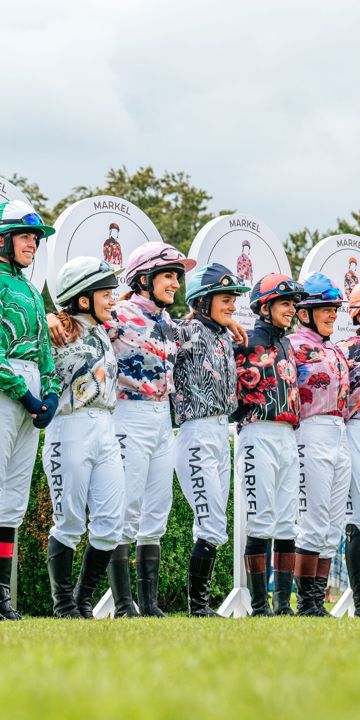
A different breed...
Goodwood’s pigs are a mix of two rare breeds (Gloucester Old Spots and Saddlebacks) plus the Large White Boar.
-
Sustainability
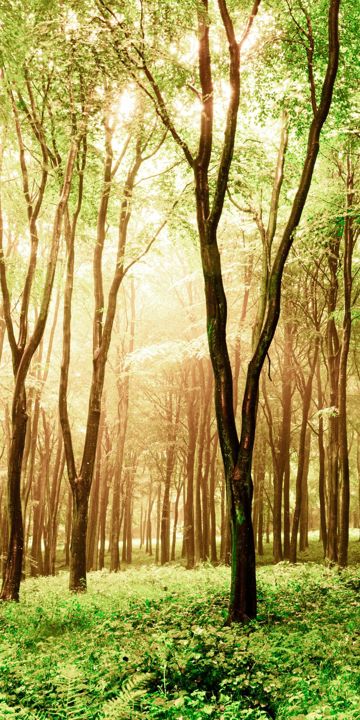

Saved from salvage
4 doors in the lodge were rescued from salvage and expertly split to ensure they meet modern fire standards before being fitted.
-
Diversity, Equity & inclusion
-
Property
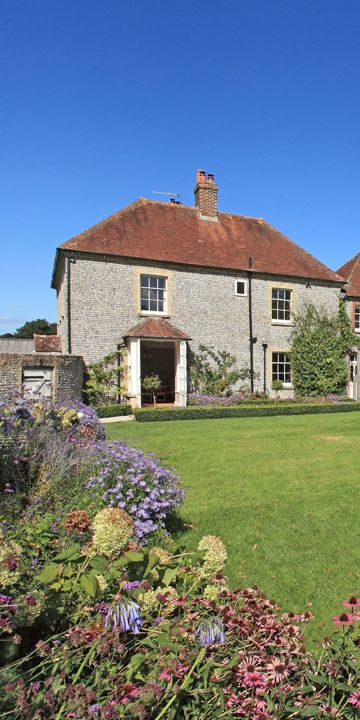

Cricketers since 1702
The oldest existing rules for the game were drawn up for a match between the 2nd Duke and a neighbour
-
Walking Guide

Carne's Seat
Just beyond Goodwood House along the Hillclimb, the 2nd Dukes banqueting house was also known as "one of the finest rooms in England" (George Vertue 1747).
-
Dog Walking Field
-
Careers
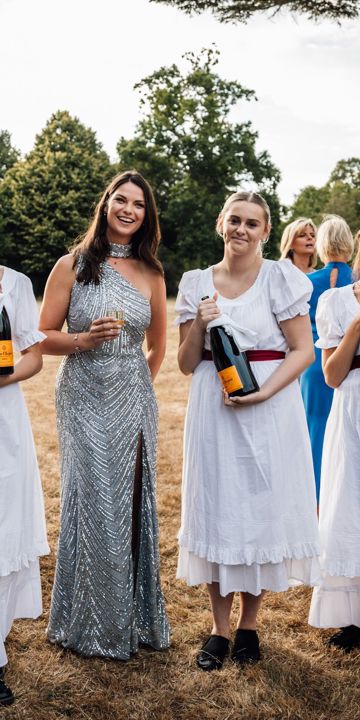
Levin Down Gin
Our gin uses wild-grown botanicals sourced from the estate, and is distilled with mineral water naturally chalk-filtered through the South Downs.
-
Goodwood Art Foundation
-
Farm Shop
-
What's on
- Christmas


Upcoming Events
A Summer Tradition: Sheep Shearing at Goodwood
As summer reaches its height, the annual sheep shearing season begins, marking an important moment in the farming calendar.
Home Farm
Farm Shop
Meet the Flock
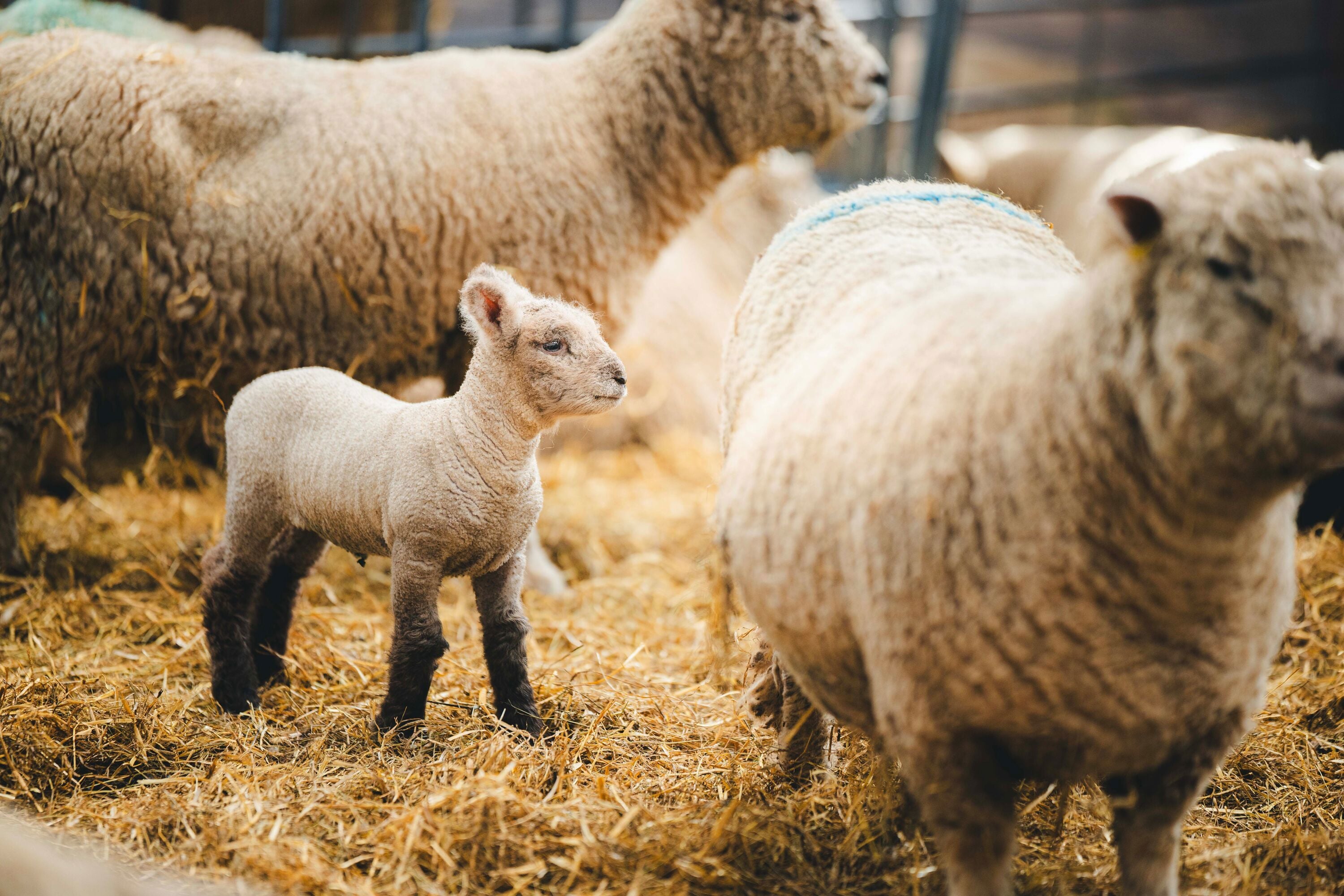
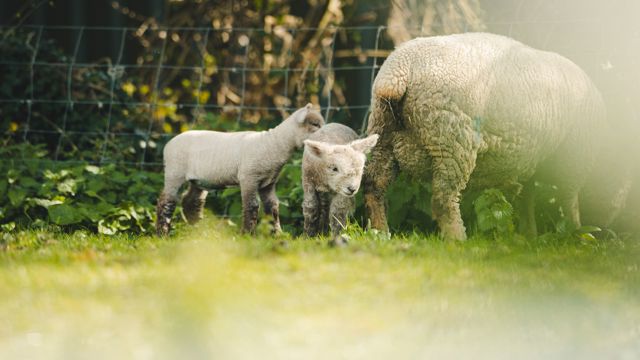
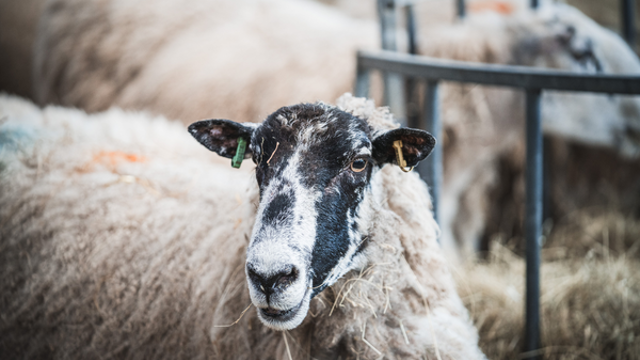
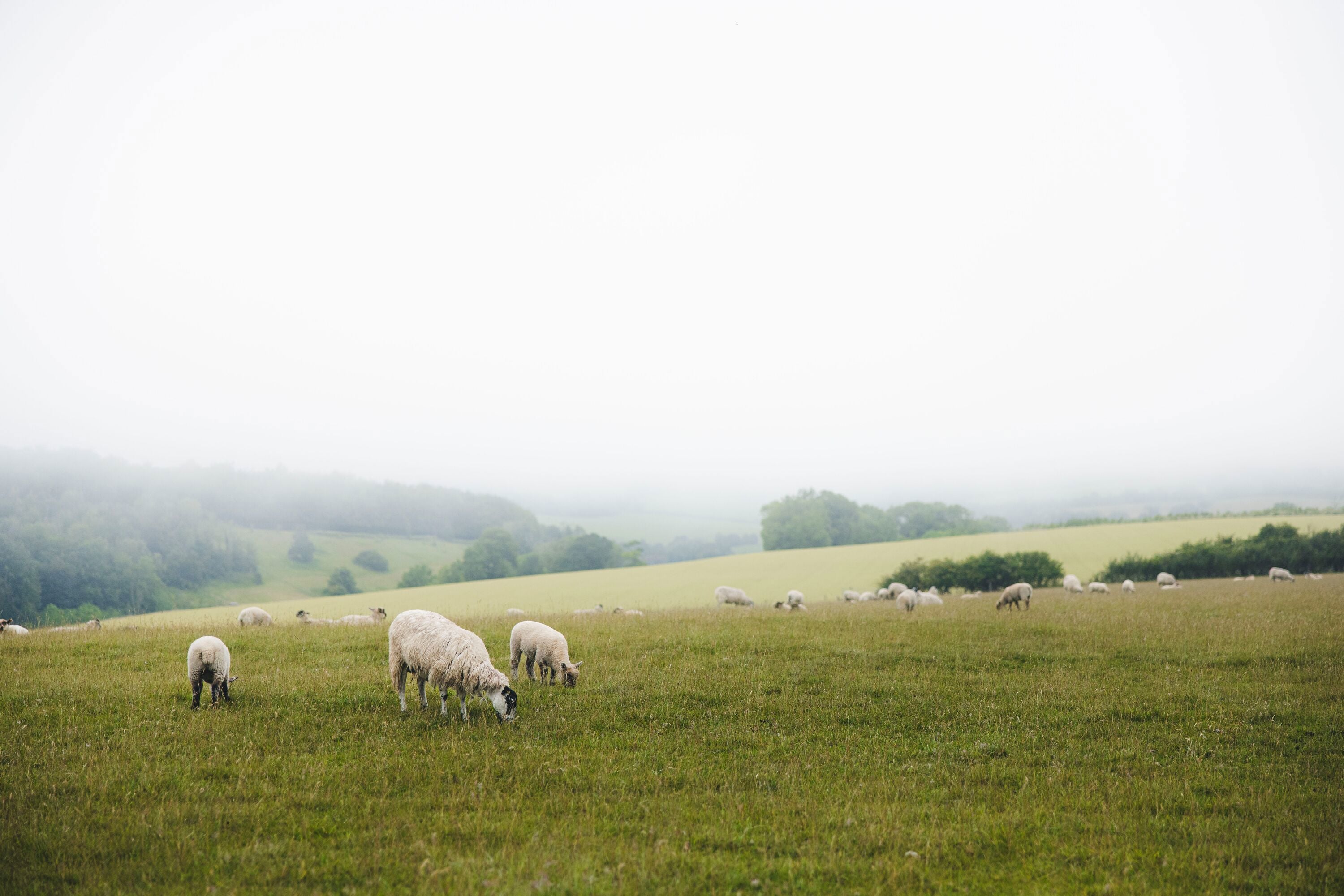
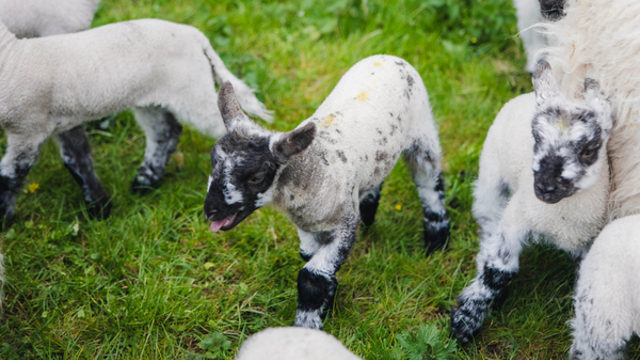
Home to around 2,500 sheep and lambs, Goodwood's flock plays an integral role in the Estate's organic farming system, supporting both the landscape and the food produced for the Farm Shop and restaurants.
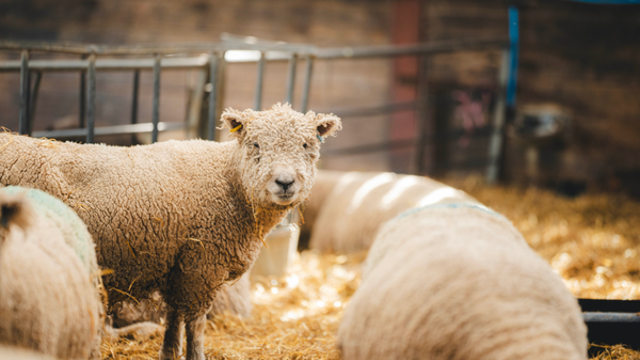
The flock is made up of traditional Southdown sheep and North Country Mules, two breeds carefully chosen for their suitability to the chalk grassland of the South Downs.
The Southdown has long been associated with Sussex, making it a natural fit for the Estate.
"They've been here for centuries," says Shepherd Nick Page. "We would've been the oldest flock in the country if it wasn’t for the wars."
Alongside them are the North Country Mules, sourced from the same breeder for the past 38 years. Known as one of the country's leading commercial breeds, they are valued for being reliable mothers with excellent milk, producing quality lambs while providing future breeding stock for the flock.
As a Soil Association-certified organic farm, Goodwood also breeds many of its own replacement ewe lambs, ensuring the flock remains well suited to the estate while supporting its long-term sustainable farming principles.
Why Shearing Matters
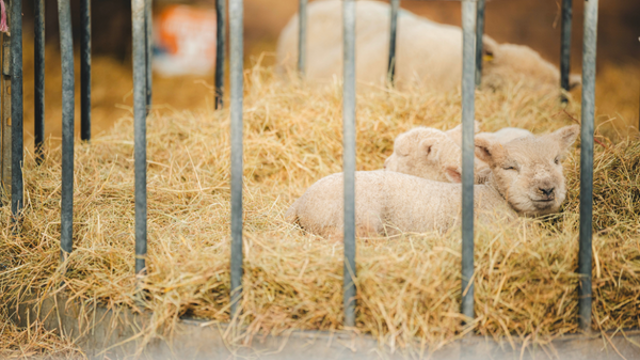
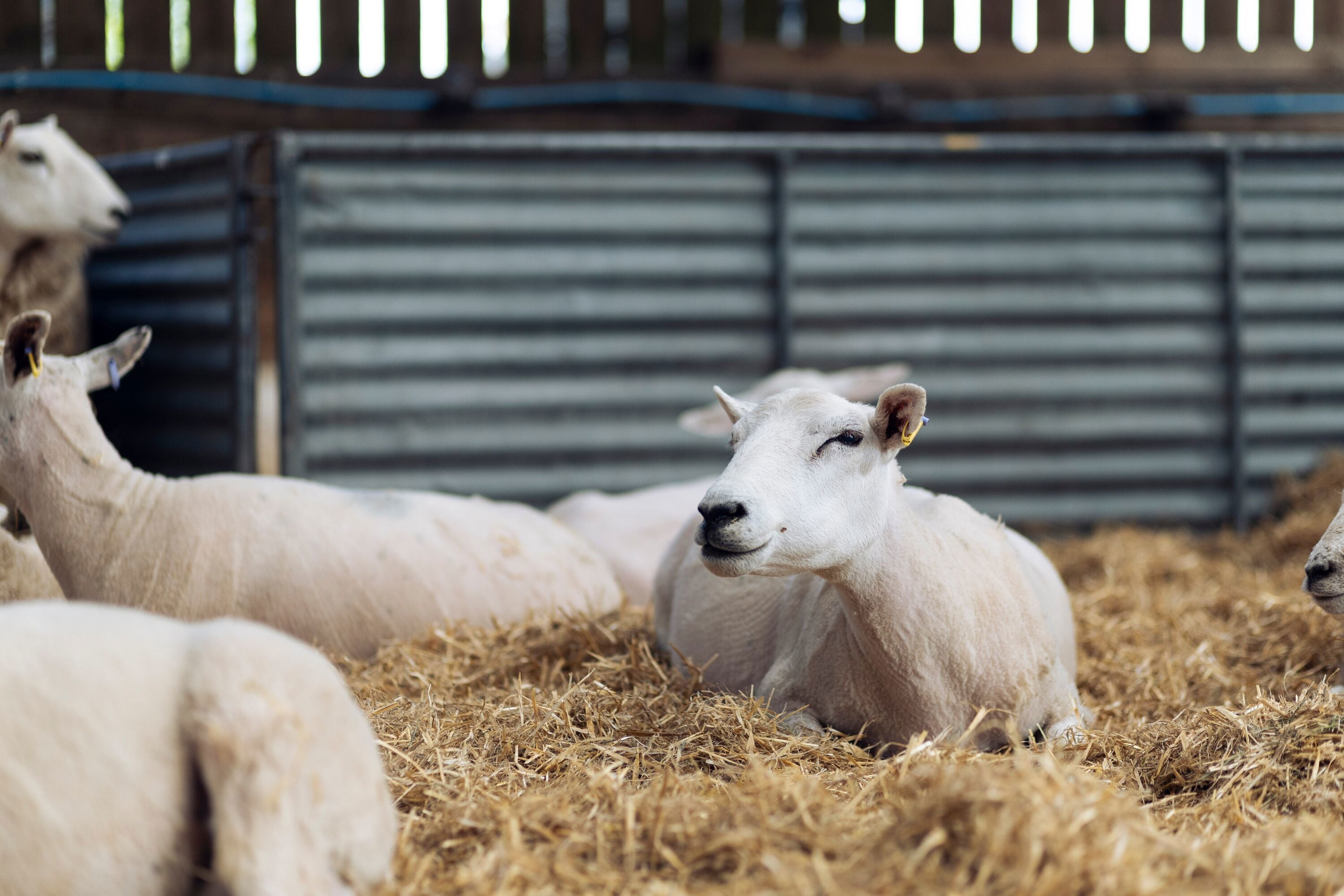
Shearing is far more than a seasonal tradition, it is an essential part of caring for the flock, helping each sheep stay healthy, comfortable and ready to graze throughout the summer months.
Every sheep at Goodwood is shorn once a year, with early July providing the ideal conditions. Removing the fleece helps sheep regulate their body temperature, reduces the risk of flystrike and encourages them to spend more time grazing rather than seeking shade.
"Once they've been shorn, they're much cooler," Nick explains. "They're out eating instead of standing in the shade."
Timing is important, with the team working around the weather to ensure the process is as comfortable as possible for both the sheep and the shearers.
"We're good mates” Nick says about his shearing team “We've worked together for years, so it's a relaxed environment… that's important because the sheep stay relaxed too."
A Day of Shearing
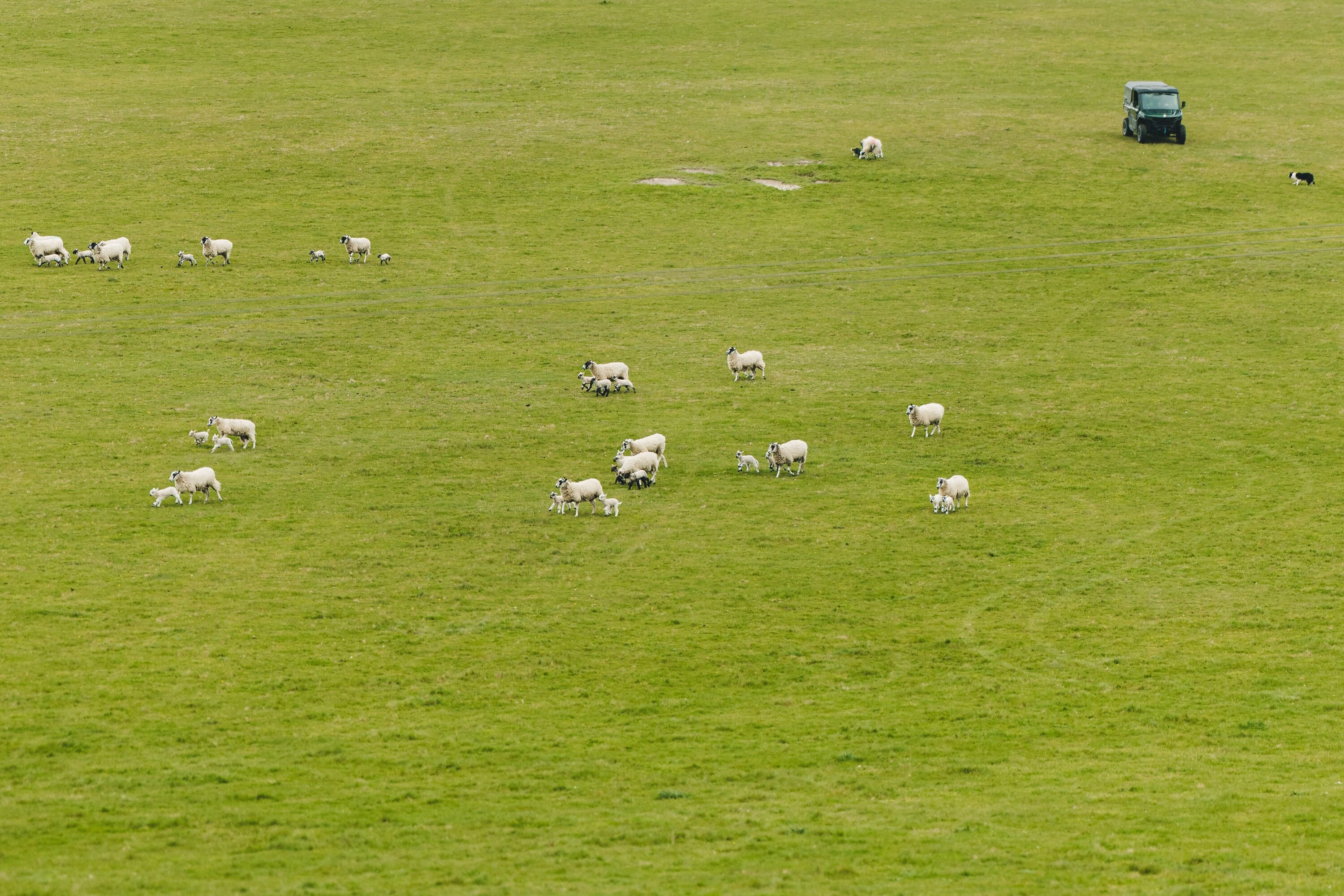
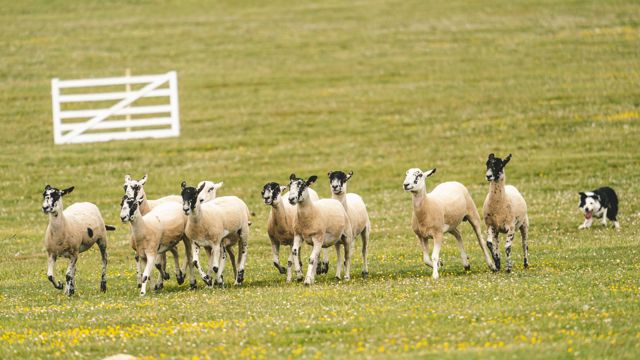
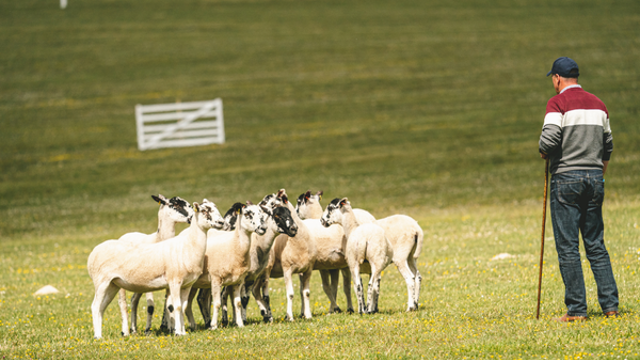
Shearing begins early in the day, particularly when warmer weather is forecast. The sheep are quietly gathered from the surrounding fields before, guided by Nick's sheepdogs, the flock moves calmly into the pens, with every stage carefully managed to minimise stress.
"It takes us about four days to shear the whole flock," Nick says.
Although it is one of the busiest weeks of the year, years of experience, familiar faces and well-practised routines make shearing an enjoyable part of the farming calendar.
Grazing the South Downs
The flock's role extends far beyond shearing season. Throughout the year, the sheep graze the chalk downland around the 4500 acres of farm land, helping to naturally manage the landscape. They favour shorter grass, allowing biodiversity to flourish while maintaining the character of the South Downs.
Alongside the estate's cattle, they form an important part of Goodwood's regenerative, organic farming system, improving soil health and supporting wildlife across the landscape. Nick operates closely with Ian and his cattle to move around the estate’s fields and ensure the land is cared for and the animals have the best soil to thrive on.
Life with the Flock
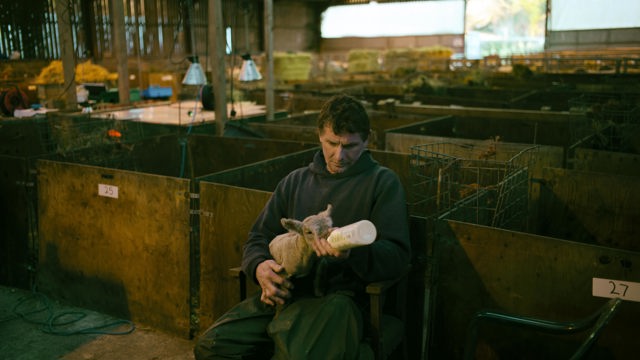
For Nick, caring for sheep has been a way of life for more than 40 years at Goodwood. Working alongside his daughter Amy and colleague Ryan Chamber, no two days are ever the same. Each morning begins with a drive around the fields, checking the flock and making sure every sheep has what it needs, but each new day brings its own unique roles and responsibilities for the team.
"I love my job. I love the sheep. And I love Goodwood. There's always something different happening here. No day at Goodwood is the same"
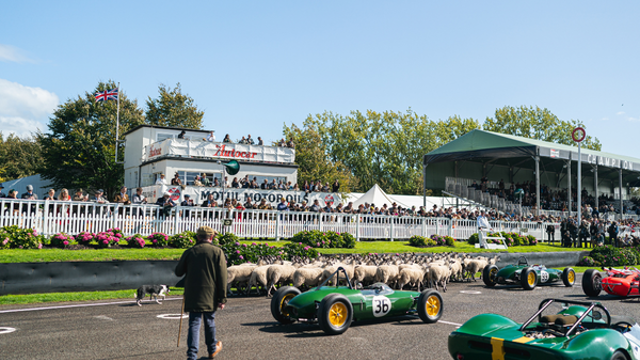
And Goodwood Revival last year was no exception. Nick herded his sheep across the Goodwood Motor Circuit track as part of a Revival Jim Clark celebration.
"It was stressful," he laughs, "but I loved it."
Read more about the story here.
Looking Ahead
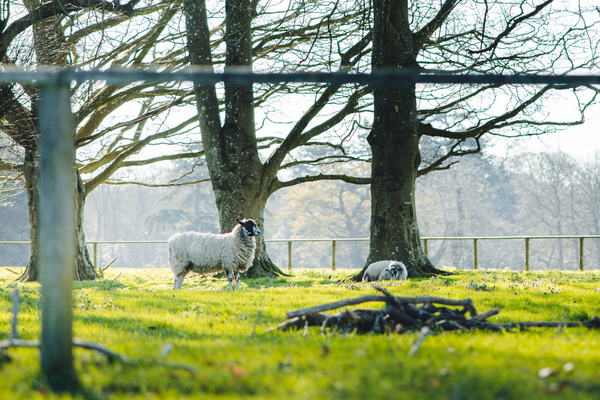
As the flock returns to the fields after shearing, the South Downs once again becomes a place for them to freely roam. Lighter fleeces mean healthier, more comfortable sheep, free to graze the rolling hills that have supported the breed for centuries.
For visitors, sheep shearing is a familiar sign that summer has arrived. For the farming team, it is another chapter in a year defined by the changing seasons, careful stewardship and a shared commitment to caring for both the land and the animals.
Get Involved
Take part in a two to three hour hands-on sheep herding experience at Goodwood Home Farm, in which teams will learn how to guide and manage a flock using traditional techniques and sheepdog commands, led by Nick Page.
Working together to build herding pens and move sheep across the landscape, this is a practical, engaging experience that brings teamwork, communication and leadership to life in a completely different environment.
Find out more about team building here.
Home Farm
Farm Shop