-
Events
-
Festival of Speed
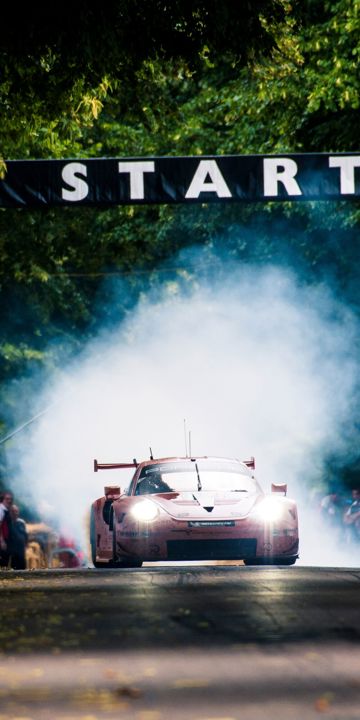

Taming the "Beast"
The Fiat S76 or "Beast of Turin" is a Goodwood favourite and can usually be heard before it is seen at #FOS
-
Goodwood Revival
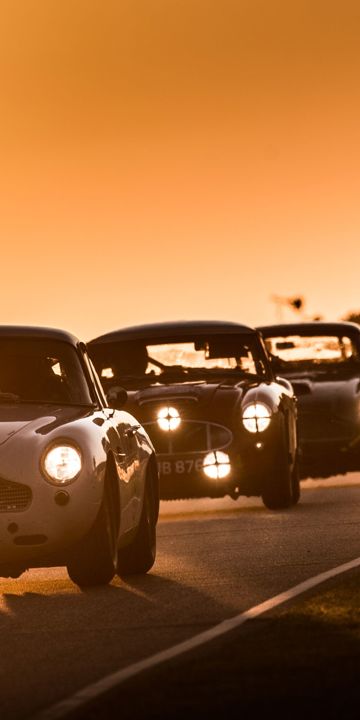

Spectators Favourite
Spectate from the chicane at the Revival to see plenty of classic cars going sideways as they exit this infamous point of our Motor Circuit.
-
Members' Meeting
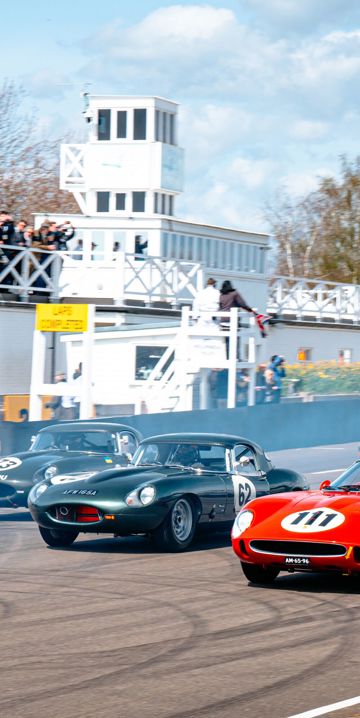

The return of the Members' Meeting
The 72nd Goodwood Members' Meeting was run for GRRC Members in 2014, the first since 1966.
-
Qatar Goodwood Festival
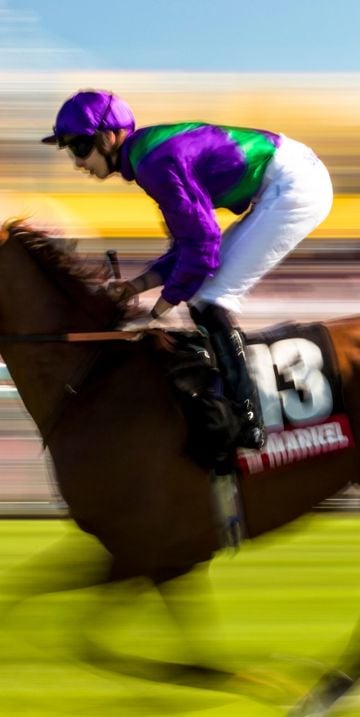

Royal approval
King Edward VII (who came almost every year) famously dubbed Glorious Goodwood “a garden party with racing tacked on”.
-
Goodwoof
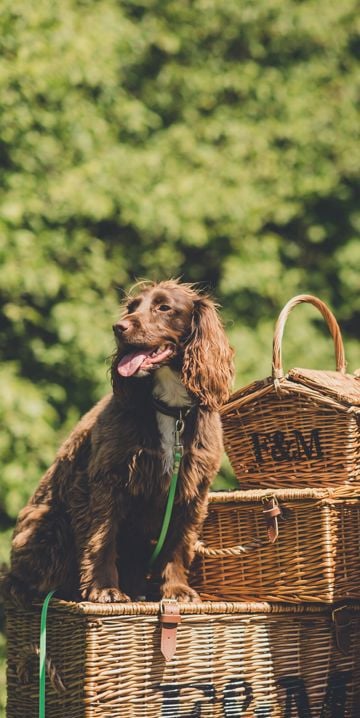

Start in style
The breed parade sees hundreds of dogs and their owners walk from Goodwood House down to The Kennels to kick start the Goodwoof weekend. -
Horseracing
-
Season Opener
-
May Festival
-
Family Race Day
-
Three Friday Nights
-
August Bank Holiday
-
Autumn Racing
-
Season Finale
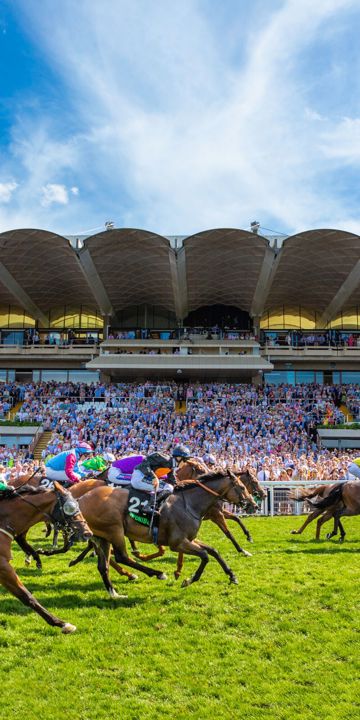

The Magnolia Cup
Leading women of business, sport, fashion and media, take part in one of the most exciting horseracing events in the world.
-
Season Opener
-
Breakfast Club
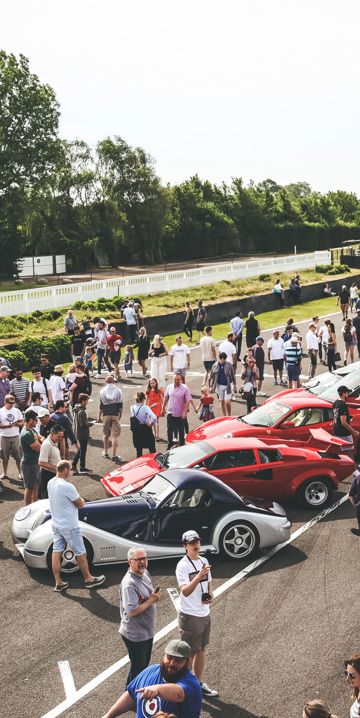

A perfect Sunday morning?
A no-cost, all-welcome motoring show where the visitors and their machines are the stars -
Health Summit
-
Hospitality
-
Exhibiting
-
Partnerships
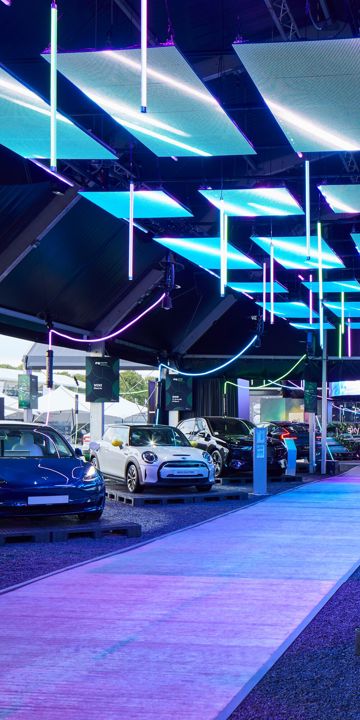

Where else can you...
...plan strategy in an ancient woodland, enjoy award-winning dining then drive around a racetrack?
-
What's on
-
Festival of Speed
-
Visit, Eat, Stay
-
The Goodwood Hotel

21,000 litres...
Alongside the award-winning meat, we also produce 21,000 litres of milk a week, used to make our cheeses. -
Goodwood Cottages


During the war...
The Motor Circuit was known as RAF Westhampnett, active from 1940 to 1946 as a Battle of Britain station. -
Goodwood House
-
Afternoon Tea & Tour
-
The Collection
-
Christmas Afternoon Tea & Tour
-
Exhibitions
-
History
-
Weddings
-
Copper Dome Restoration
-
Napoleon & His Marshals Book Talk with Andrew Roberts
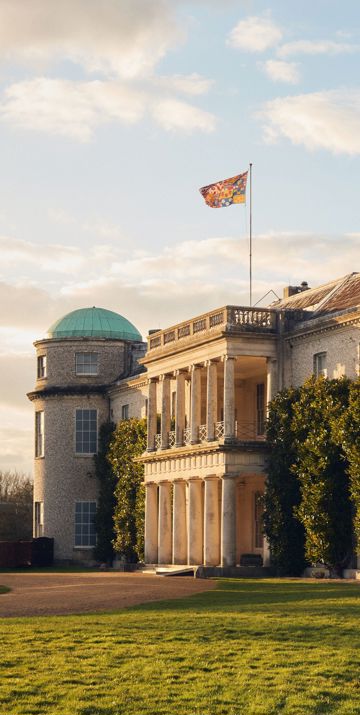

Yellow drawing room
The replica of the original Axminster carpet is so lavish that the President of Bulgaria came to visit it before its departure!
-
Afternoon Tea & Tour
-
Restaurants
-
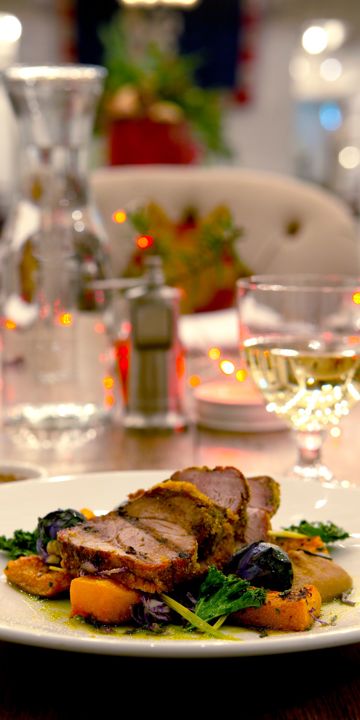
Farmer, Butcher, Chef
-
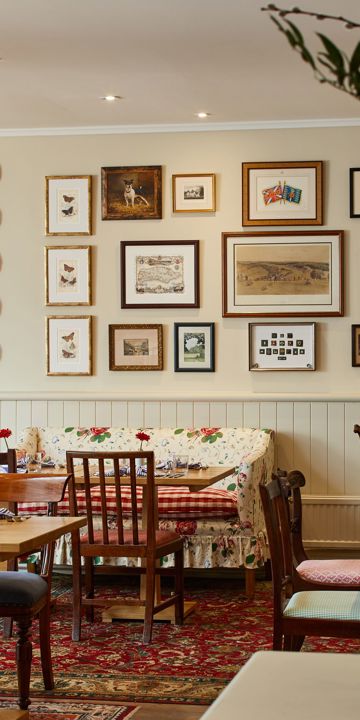
The Goodwood Bar & Grill
-
The Kennels
-
Aerodrome Café
-
Motor Circuit Café

-
Cafe 24

Sustainable state-of-mind
When Farmer, Butcher, Chef opened in 2016 it was awarded the UK’s first-ever Royal Academy of Culinary Arts ‘Sustainable Food Philosophy Seal’. -
Farmer, Butcher, Chef
-
The Kennels

Fashionable foxhounds
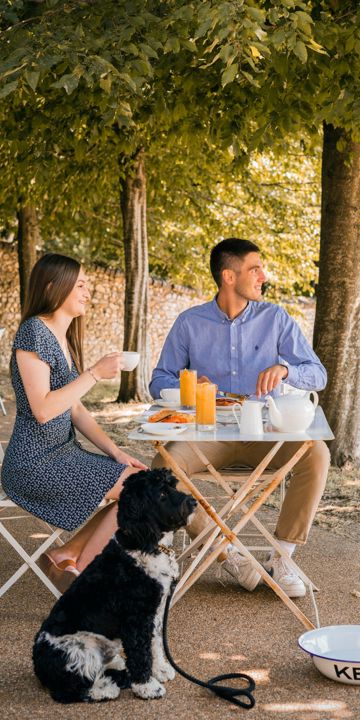
The 1st Duke of Richmond bought Goodwood in 1697 as a place to stay to go foxhunting with the fashionable Charlton Hunt. -
Motor Circuit
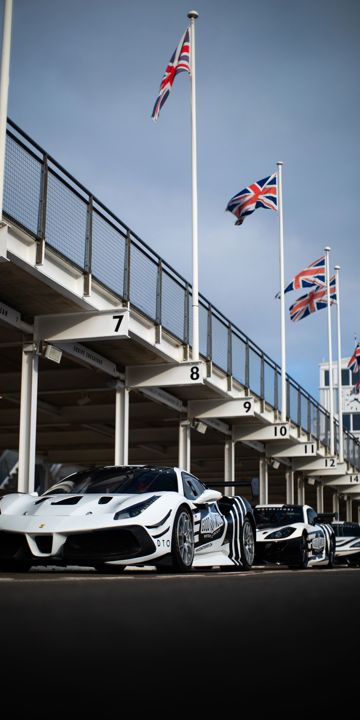

How many hay bales are used at FOS?
For the last two years, 5,800 bales have been recylced into the biomass energy centre to be used for energy generation
-
Health & Wellbeing
-
Membership
-
Health Club
-
Gym
-
Run Series
-
Spa Treatments
-
Wellness Retreats
-
Events Calendar
-
Corporate Wellbeing
-
Health Summit
-
Latest News

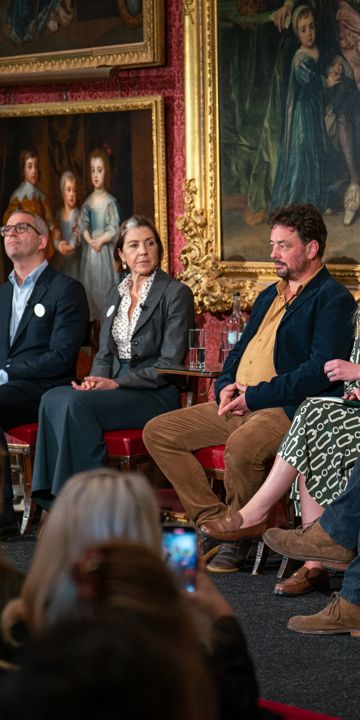
Goodwood's first Health Summit...
...took place in 2023 with industry experts discussing nutrition costs and food systems for a healthier future. -
Membership
-
Hound Lodge
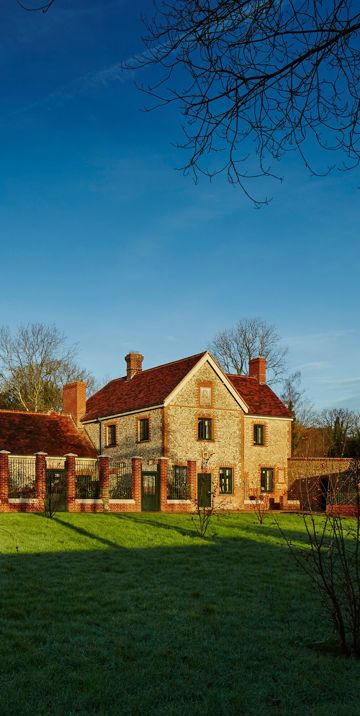

Leveson Design
Hound lodge is one of our wonderful lcoations designed by Cindy, whose incredible eye for detail can be seen in every inch.
-
Goodwood Farm Shop

21,000 litres...
Alongside the award-winning meat, we also produce 21,000 litres of milk a week, used to make our cheeses. -
Parties
-
Goodwood Art Foundation
-
The Goodwood Hotel
-
Motorsport
-
Festival of Speed
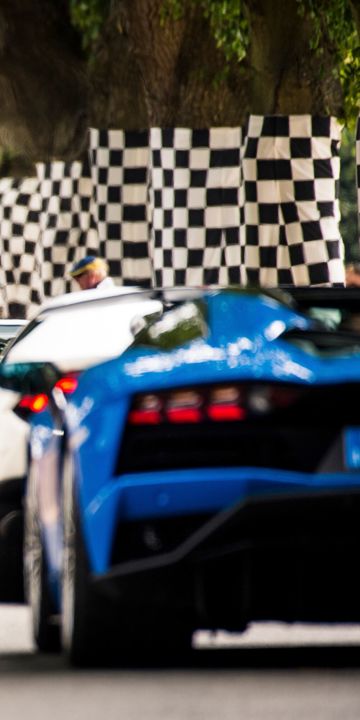

Cartier Style et Luxe
Experience stunning automotive design at the world's finest concours d'elegance.
-
Goodwood Revival
-
Tickets & Packages
-
Hospitality
-
Explore
-
Plan Your Day
-
Buy Merchandise
-
Charity
-
Partners
-
Accessibility
-
FAQs
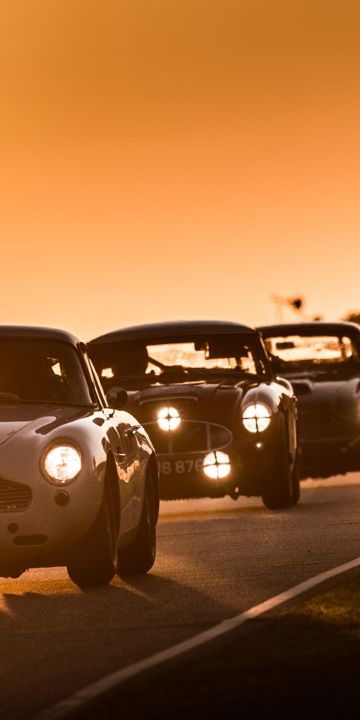

"Mr Goodwood"
Sir Stirling Moss was one of the founding patrons of the Festival of Speed, and a regular competitor at the Revival.
-
Tickets & Packages
-
Members' Meeting
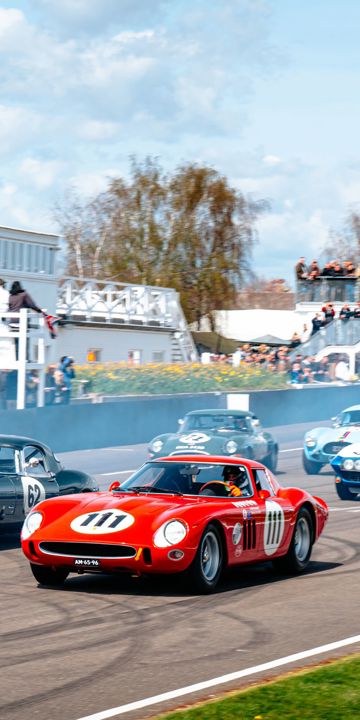

"Motorsport garden party of the gods"
Festival of Speed is our longest-standing Motorsport event, starting in 1993 when it opened to 25,000 people. We were expecting 2000!
-
Breakfast Club
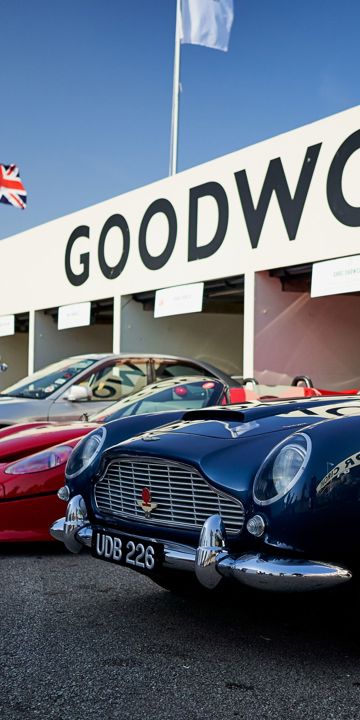

When was the GRRC founded?
Established in 1998 by the Duke of Richmond, the Goodwood Road Racing Club offers exclusive benefits across the estate year-round -
Motor Circuit

Egyptian Dining Room
Testament to the 19th-century fascination with ancient Egypt and decorative opulence. The room is richly detailed with gilded cartouches, sphinxes, birds and crocodiles.
-
Driving Experiences
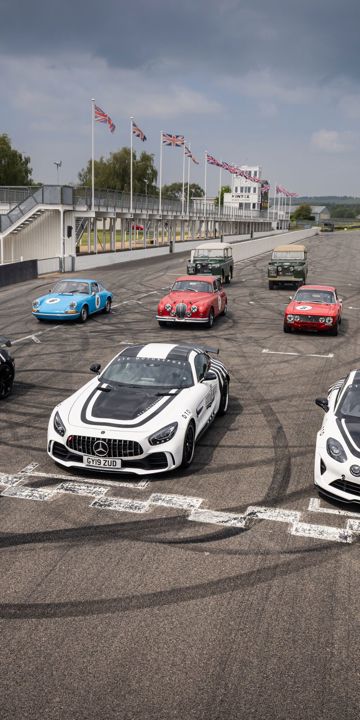

Why don't the F1 cars race the hill?
For safety reasons F1 cars can no longer do official timed runs so instead perform stunning demonstrations!
-
Goodwood Road Racing Club
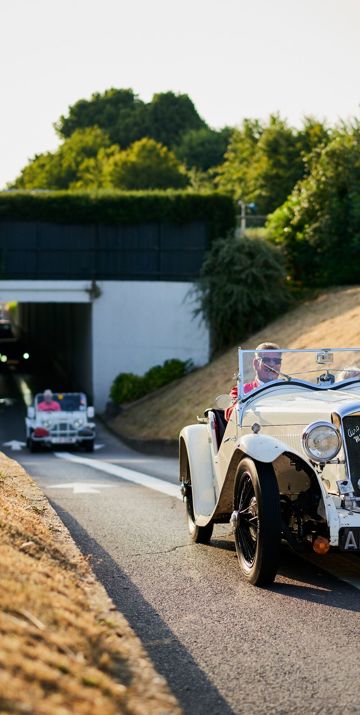
Why don't the F1 cars race the hill?
For safety reasons F1 cars can no longer do official timed runs so instead perform stunning demonstrations!
-
Latest News
-
Festival of Speed
-
Horseracing
-
Tickets & Packages
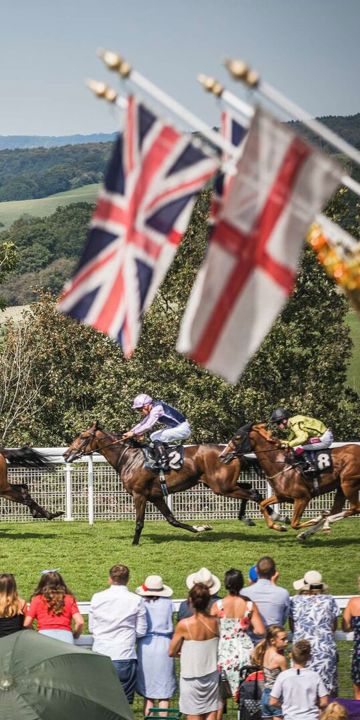

Why does everyone wear hats?
King Edward VII turned his back on the traditional morning suit and donned a linen suit and Panama hat. Thus the Glorious Goodwood trend was born.
-
Hospitality
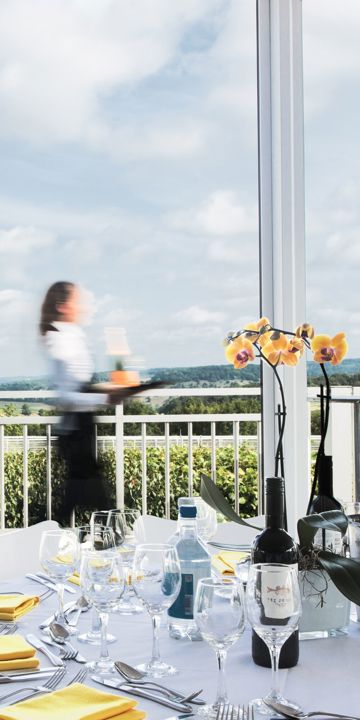

"Glorious Goodwood"
After the first public race meeting in 1902, 'Glorious Goodwood' became a highlight of the summer season.
-
Horseracing Club Membership
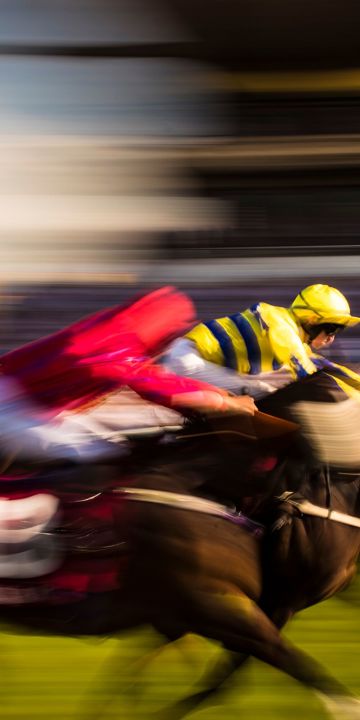
"Glorious Goodwood"
After the first public race meeting in 1902, 'Glorious Goodwood' became a highlight of the summer season.
-
Fixtures & Events
-
Season Opener
-
May Festival
-
Family Race Day
-
Three Friday Nights
-
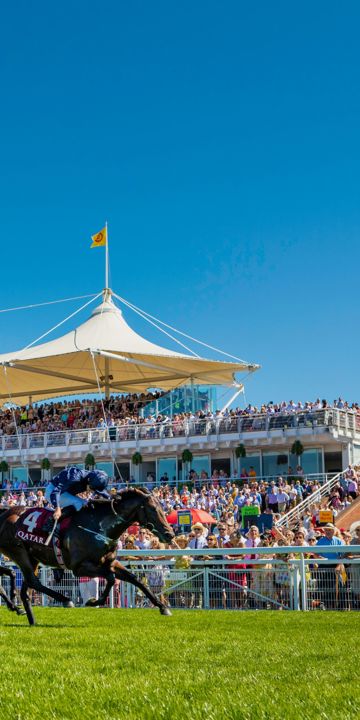
Qatar Goodwood Festival
-
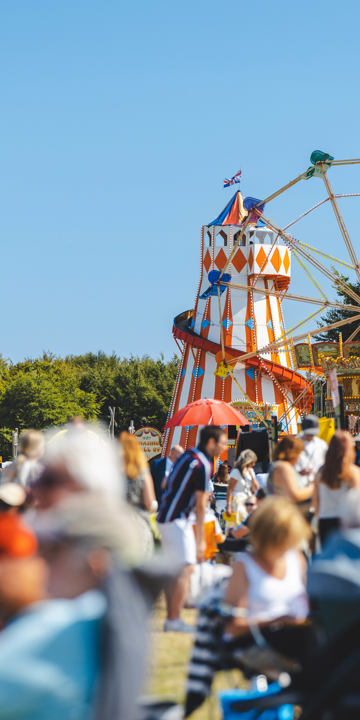
August Bank Holiday
-
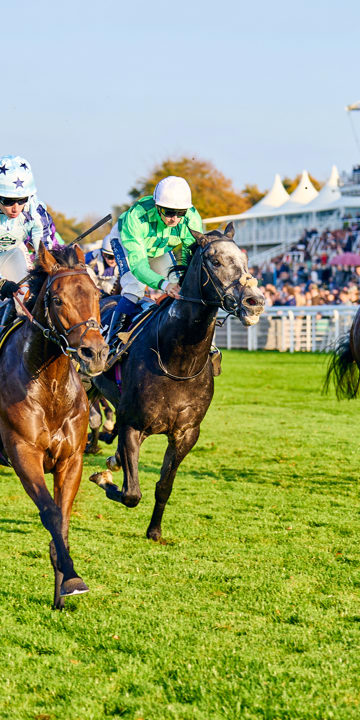
Autumn Racing
-
Season Finale
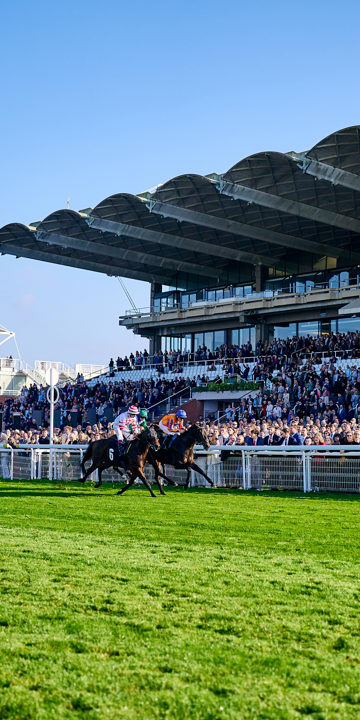
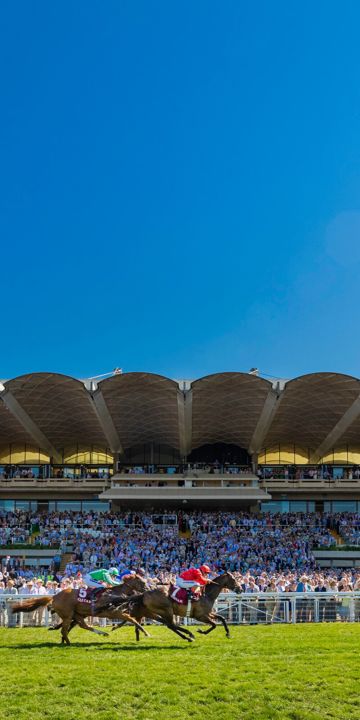

St Simon
Whoa Simon! A horse so determined and headstrong, he not only won the 1883 Goodwood Cup by 20 lengths, but couldn't be stopped and carried on running over the top of Trundle hill
-
Season Opener
-
Qatar Goodwood Festival
-
Tickets & Packages
-
Hospitality
-
Day by Day Guide
-
Ladies Day
-
Magnolia Cup
-
The Earl's Lawn
-
Timetable
-
Partners
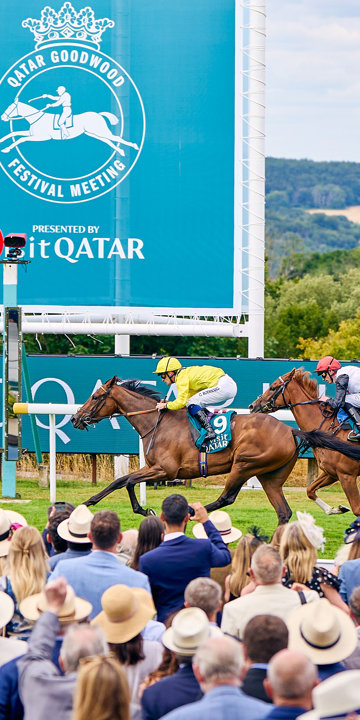
St Simon
Whoa Simon! A horse so determined and headstrong, he not only won the 1883 Goodwood Cup by 20 lengths, but couldn't be stopped and carried on running over the top of Trundle hill
-
Tickets & Packages
-
Three Friday Nights
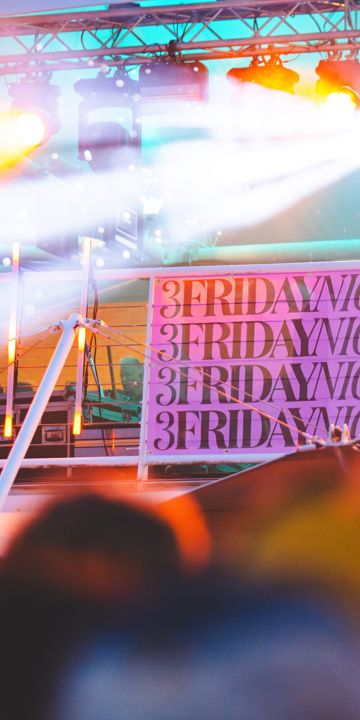
St Simon
Whoa Simon! A horse so determined and headstrong, he not only won the 1883 Goodwood Cup by 20 lengths, but couldn't be stopped and carried on running over the top of Trundle hill
-
Plan Your Day
-
Enclosures
-
Event Map
-
Going Report
-
Getting Here
-
Betting at Goodwood
-
Dress Code
-
Accessibility
-
Food & Drink
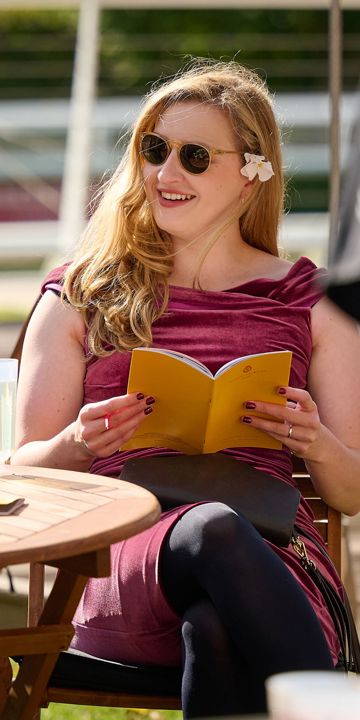

Why walk when you can drive
The first ever horsebox was used from Goodwood to Doncaster for the 1836 St. Leger. Elis arrived fresh and easily won his owner a £12k bet.
-
Enclosures
-
Buy Merchandise
-
Partners
-
Owners & Trainers
-
Latest News
-
FAQs
-
Accessibility
-
Tickets & Packages
-
Experiences
-
Driving
Why don't the F1 cars race the hill?
For safety reasons F1 cars can no longer do official timed runs so instead perform stunning demonstrations!
-
Flying
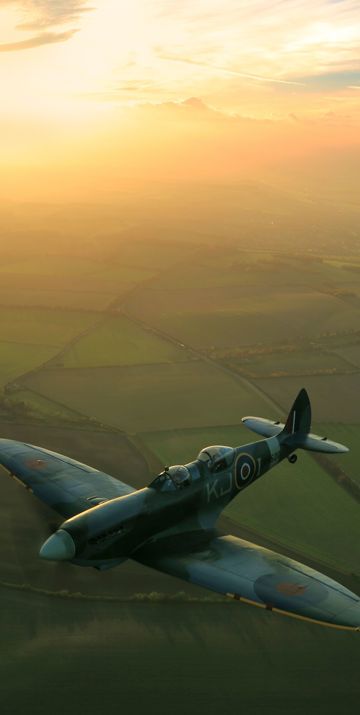

Flying with Goodwood
Come with us for an epic journey. -
Golf

Braid’s Masterpiece
One of the greatest golfers of all time, James Braid designed Goodwood’s iconic Downland course, opened in 1914.
-
Shooting
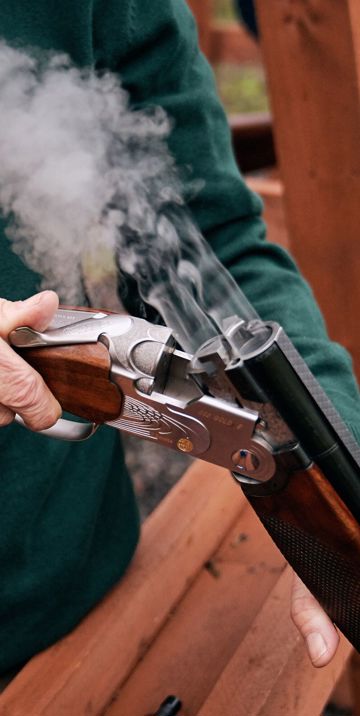

Filming at Goodwood
We have been host to many incredible film crews using Goodwood as a backdrop for shows like Downton Abbey, Hollywood Blockbusters like Venom: let there be Carnage and the Man from U.N.C.L.E.
-
Afternoon Tea
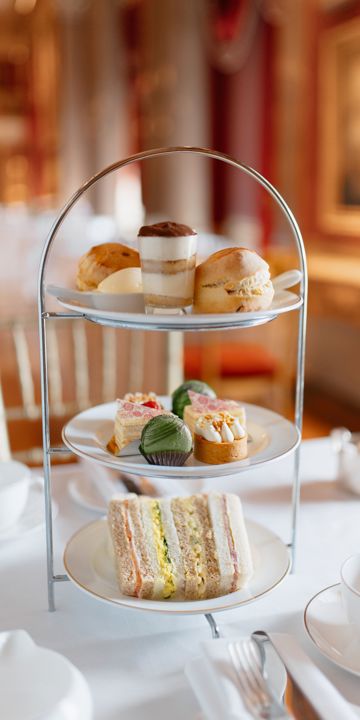

Battle of Britain
Flying training began at Goodwood in 1940 when pilots were taught operational flying techniques in Hurricanes and Spitfires.
-
Corporate Wellbeing
Goodwood's first Health Summit...
...took place in 2023 with industry experts discussing nutrition costs and food systems for a healthier future. -
Cycling
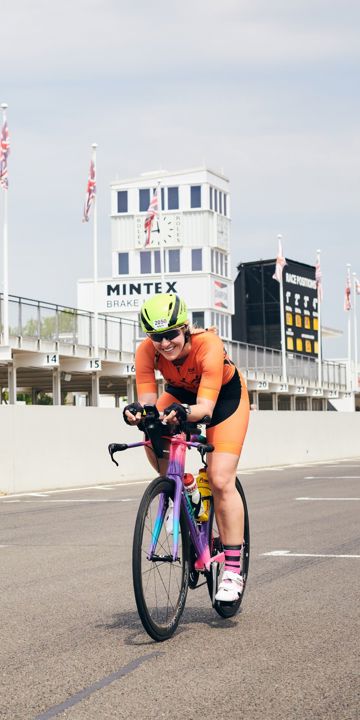

Motorsport Since 1948
Goodwood Motor Circuit was officially opened in September 1948 when Freddie March, the 9th Duke and renowned amateur racer, tore around the track in a Bristol 400
-
Corporate Experiences
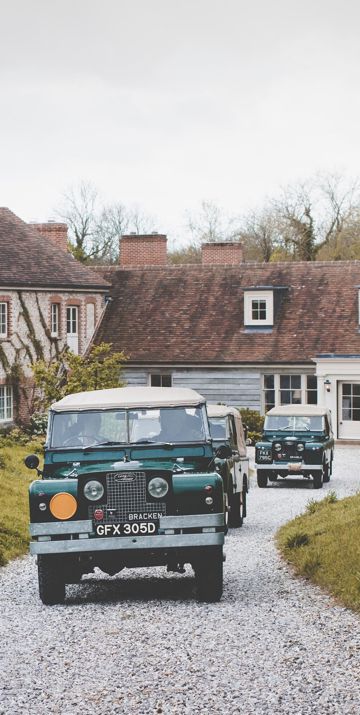
Where else can you...
...plan strategy in an ancient woodland, enjoy award-winning dining then drive around a racetrack?
-
Spa Treatments
-
Driving
- Hospitality
-
Golf
-
Golf Courses
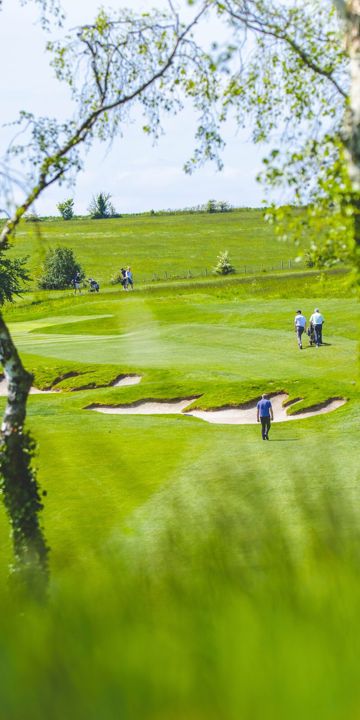

Over 100 years of Golf
The first ever round of golf played at Goodwood was in 1914 when the 6th Duke of Richmond opened the course on the Downs above Goodwood House.
-
Golf Membership
-
Credit Membership
-
Application Form
-
Braid Membership
-
Intermediate Membership
-
Junior Membership
-
Corporate Membership
-
Get Into Golf
-
Copse Membership


A sporting Estate
Goodwood has two 18-hole championship courses, a modern clubhouse and an impressive Academy. -
Credit Membership
-
The Academy
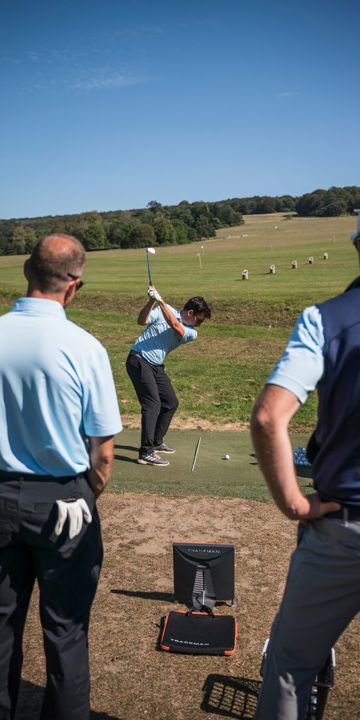
Over 100 years of Golf
The first ever round of golf played at Goodwood was in 1914 when the 6th Duke of Richmond opened the course on the Downs above Goodwood House.
-
Golf Experiences

Braid’s Masterpiece
One of the greatest golfers of all time, James Braid designed Goodwood’s iconic Downland course, opened in 1914.
-
Golf Courses
-
Flying
-
Flying School
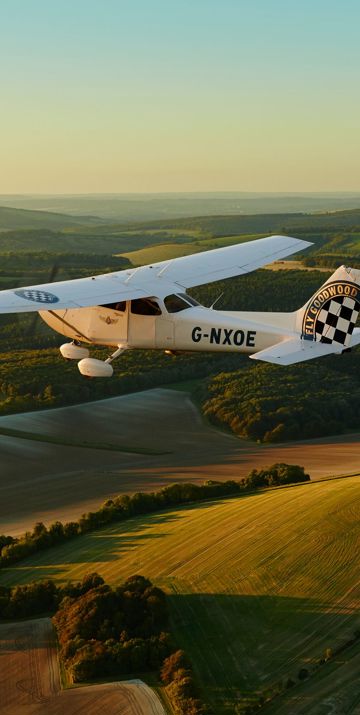
During the war...
The Motor Circuit was known as RAF Westhampnett, active from 1940 to 1946 as a Battle of Britain station. -
Aero Club Membership
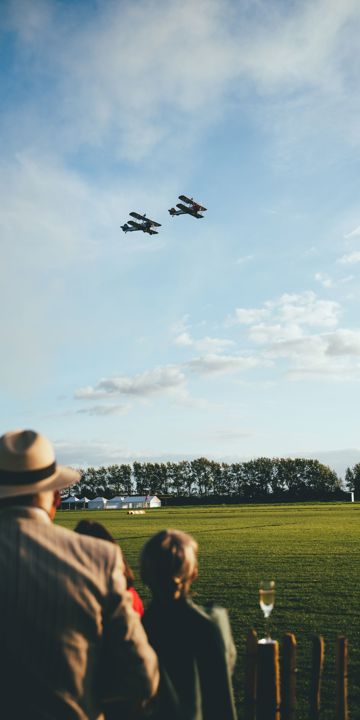
During the war...
The Motor Circuit was known as RAF Westhampnett, active from 1940 to 1946 as a Battle of Britain station. -
Flying Experiences
-
Pilot Information
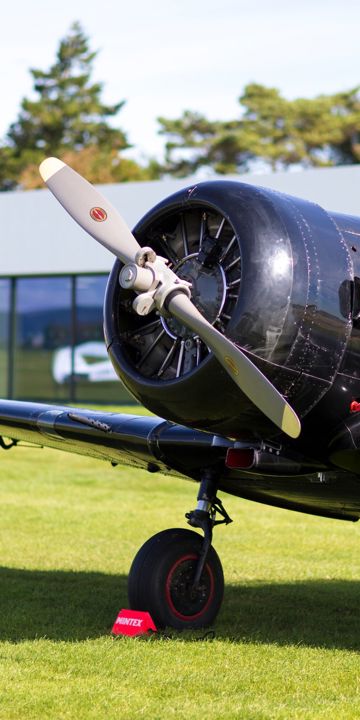

During the war...
The Motor Circuit was known as RAF Westhampnett, active from 1940 to 1946 as a Battle of Britain station.
-
Flying School
-
Meetings
-
Venue Hire
-
Goodwood House
-
The Racecourse
-
The Goodwood Hotel
-
The Motor Circuit
-
The Kennels
-
The Aerodrome
-
The Great Outdoors
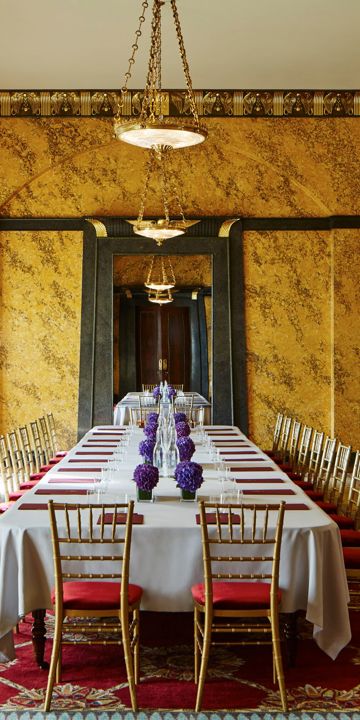
Where else can you...
...plan strategy in an ancient woodland, enjoy award-winning dining then drive around a racetrack?
-
Goodwood House
-
Plan Your Meeting
-
Parties
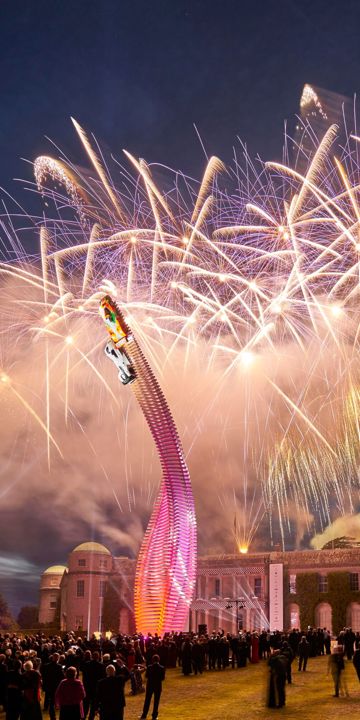
Where else can you...
...plan strategy in an ancient woodland, enjoy award-winning dining then drive around a racetrack?
-
Hospitality

-
Corporate Experiences
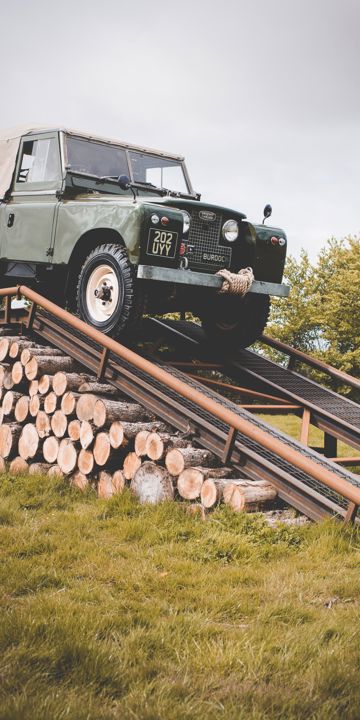
Where else can you...
...plan strategy in an ancient woodland, enjoy award-winning dining then drive around a racetrack?
-
Christmas Parties
-
Film Locations
Where else can you...
...plan strategy in an ancient woodland, enjoy award-winning dining then drive around a racetrack?
-
Venue Hire
-
Weddings
-
Goodwood House
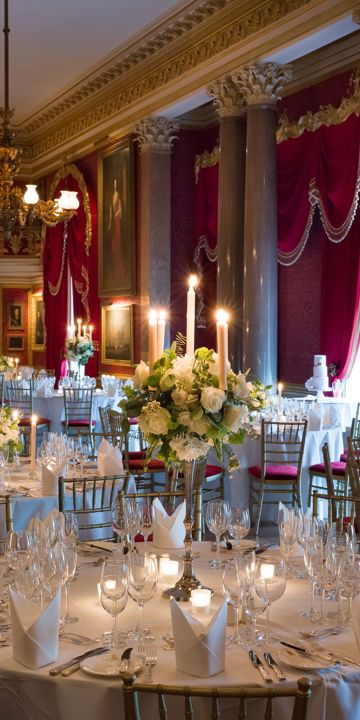
Yellow drawing room
The replica of the original Axminster carpet is so lavish that the President of Bulgaria came to visit it before its departure!
-
The Kennels


Advice from our Head Butler
Ensure you take a little time out together to pause and take in the celebration of all the hard work you put in.
-
Parties


A destination for all seasons
We're well known for our iconic motorsport and horseracing events. But there's a lot more happening at Goodwood...
-
Goodwood House
-
Memberships
-
Goodwood Road Racing Club
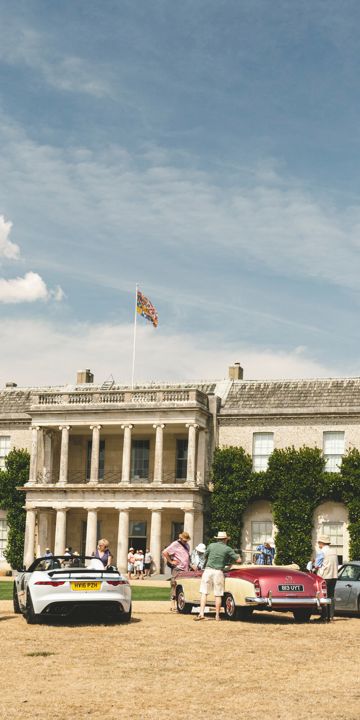
When was the GRRC founded?
Established in 1998 by the Duke of Richmond, the Goodwood Road Racing Club offers exclusive benefits across the estate year-round -
Goodwood Horseracing Club
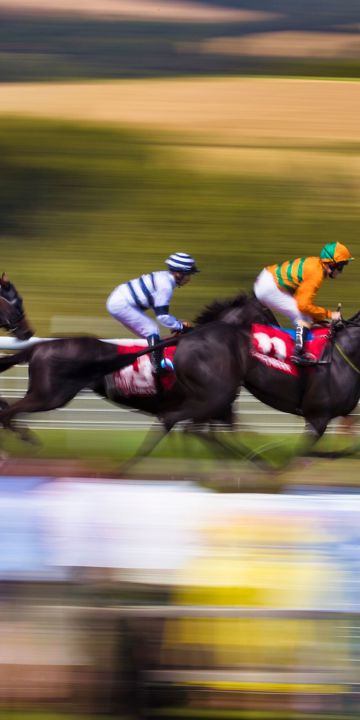
Royal approval
King Edward VII (who came almost every year) famously dubbed Glorious Goodwood “a garden party with racing tacked on”.
-
Golf At Goodwood
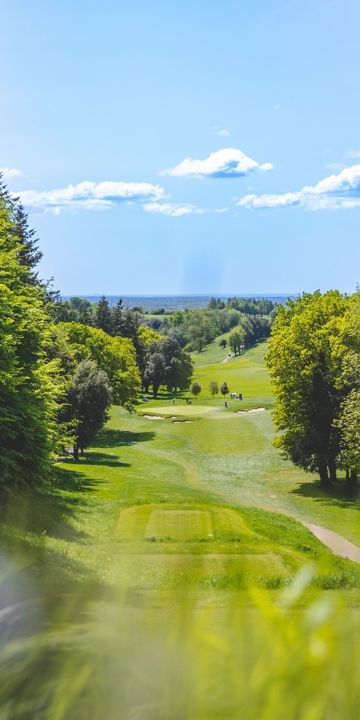
A sporting Estate
Goodwood has two 18-hole championship courses, a modern clubhouse and an impressive Academy. -
Goodwood Aero Club

The Silver Spitfire
The iconic spitfire covered almost 43,000 kilometres and visited over 20 countries on its epic journey and currently resides at our Aerodrome.
-
Goodwood Health Club
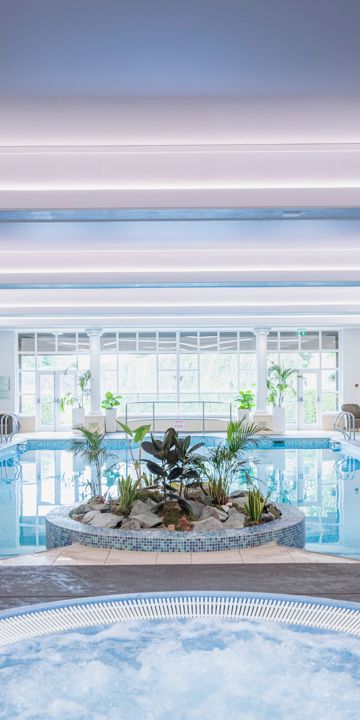
Goodwood's first Health Summit...
...took place in 2023 with industry experts discussing nutrition costs and food systems for a healthier future. -
The Kennels


An exclusive clubhouse
As the private clubhouse for all of the Estate’s sporting and social members, it offers personal service and a relaxed atmosphere
-
Sporting Membership

St Simon
Whoa Simon! A horse so determined and headstrong, he not only won the 1883 Goodwood Cup by 20 lengths, but couldn't be stopped and carried on running over the top of Trundle hill
-
Goodwood Racehorse Owners Group
-
Goodwood Art Foundation
-
Goodwood Road Racing Club
- Classic Car Insurance
- Health & Wellbeing
- Buy Merchandise
-
Our Estate
-
What's on
-
Estate Map
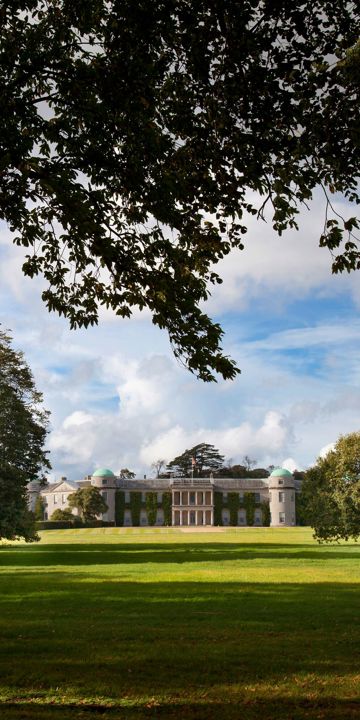

How old is The Kennels?
Built in 1787 by celebrated architect James Wyatt to house the third Duke of Richmond’s prized fox hounds, The Kennels was known as one of the most luxurious dog houses in the world!
-
Stories from the Estate

Group Captain Sir Douglas Bader
The famous fighter ace, who flew his last sortie from Goodwood Aerodrome, formerly RAF Westhampnett has a statue in his honor within the airfield.
-
Sports
-
Goodwood Education Trust
During the war...
The Motor Circuit was known as RAF Westhampnett, active from 1940 to 1946 as a Battle of Britain station.
-
Charities
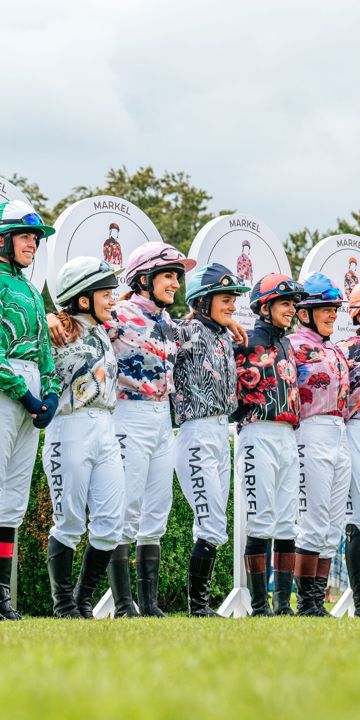
21,000 litres...
Alongside the award-winning meat, we also produce 21,000 litres of milk a week, used to make our cheeses. -
Sustainability
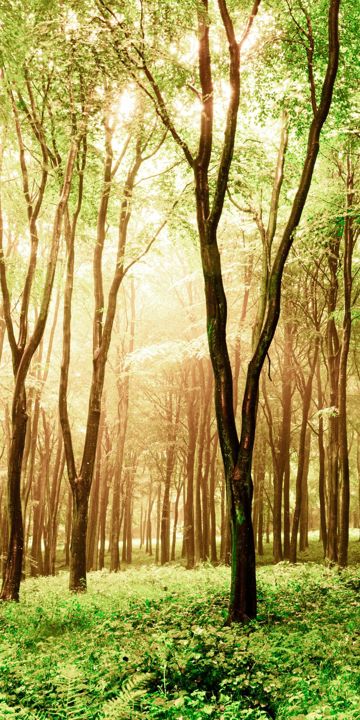
Egyptian Dining Room
Testament to the 19th-century fascination with ancient Egypt and decorative opulence. The room is richly detailed with gilded cartouches, sphinxes, birds and crocodiles.
-
Diversity, Equity & inclusion
-
Property
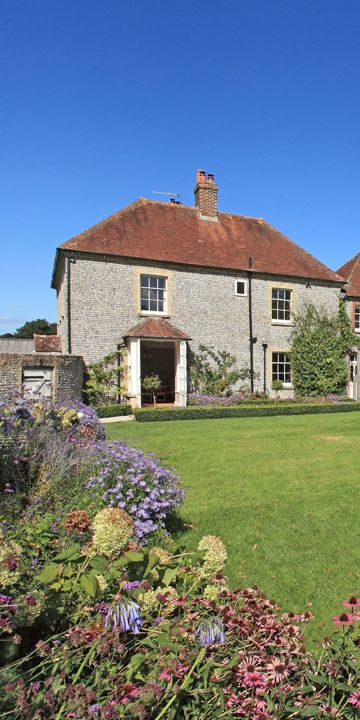

Flying Elephant
The first thing ever dropped at Goodwood was a cuddly elephant which landed in 1932 just as the 9th Duke of Richmonds passion for flying was taking off.
-
Walking Guide


Cricketers since 1702
The oldest existing rules for the game were drawn up for a match between the 2nd Duke and a neighbour
-
Dog Walking Field
-
Careers
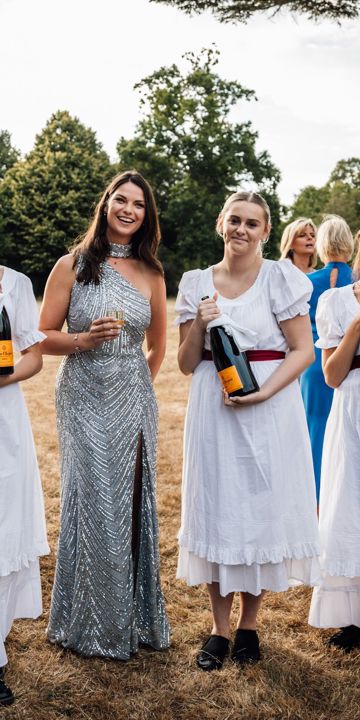
During the war...
The Motor Circuit was known as RAF Westhampnett, active from 1940 to 1946 as a Battle of Britain station.
-
Goodwood Art Foundation
-
Farm Shop
-
What's on
- Christmas


Upcoming Events
From Golden Fields to Perfect Pint: An August Harvest in the West Sussex Countryside
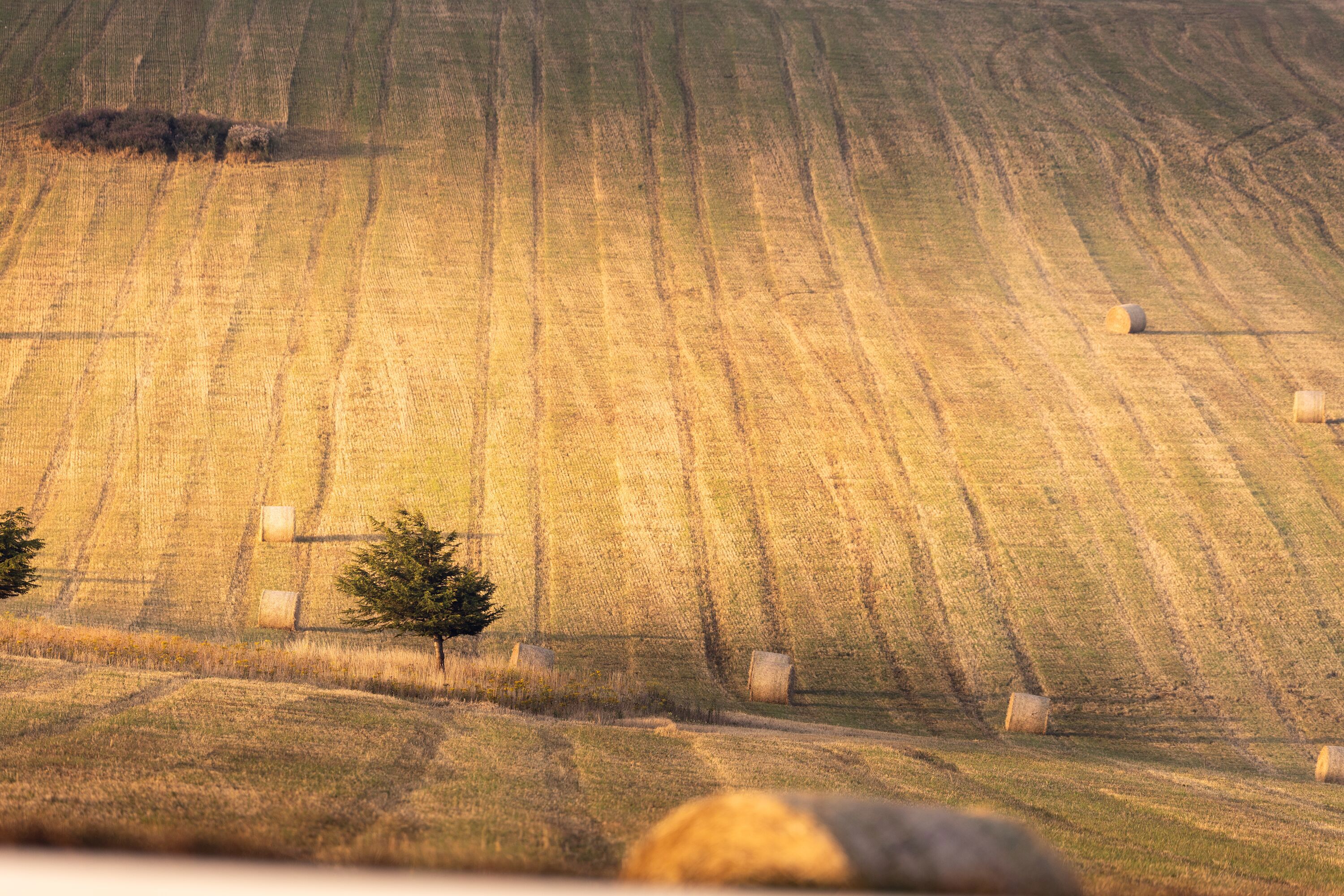
As summer reaches its height, the landscape across the Estate begins to transform. Fields that have spent months growing beneath a careful balance of sunshine and rainfall turn golden, signalling the arrival of one of the busiest and most rewarding moments in the farming calendar.
With warm, dry conditions providing ideal harvesting weather this season, the combines are now rolling across the estate, gathering the cereals that will become flour, beer and other produce enjoyed throughout the year, all available from the Goodwood Farm Shop.
Home Farm
Farm Shop
Farm
The Sound of Harvest
There is a distinctive sound to summer on the farm. The steady rustle and hum of the crops moving in the breeze on a long, warm day marks the beginning of harvest.
Harvest is about more than simply gathering the crops, it is the result of months of planning, patience and working alongside nature to bring each season’s seed to harvest.
The Rhythm of the Seasons
Throughout the year, the estate’s arable team carefully monitor every field, balancing soil health, weather conditions and crop development. While sunshine is essential for growth, rainfall plays an equally important role in helping the crops to grow.
Harry Holt, Farm Manager says “You may have heard farmers complain, endlessly about the weather. It's always either too hot, too cold, too wet or too dry. The reason is that so much of the success or failure of the farming seasons and particularly the harvest, depends on the weather. For a good harvest you need the soil conditions to be just right a sowing time, the rain to come in the right amount and for the sun to shine all in harmony with each other.”
What We’re Harvesting
Across the estate, a variety of cereals are grown, including winter wheat, barley and oats, alongside heritage wheat varieties that celebrate traditional farming while supporting modern sustainable practices.
Each crop has a purpose. Wheat is milled into flour for bread while barley plays a key role in brewing our beers.
The decisions about what to grow begin long before harvest, with careful consideration given to quality, yield and sustainability.
Knowing When the Crop is Ready
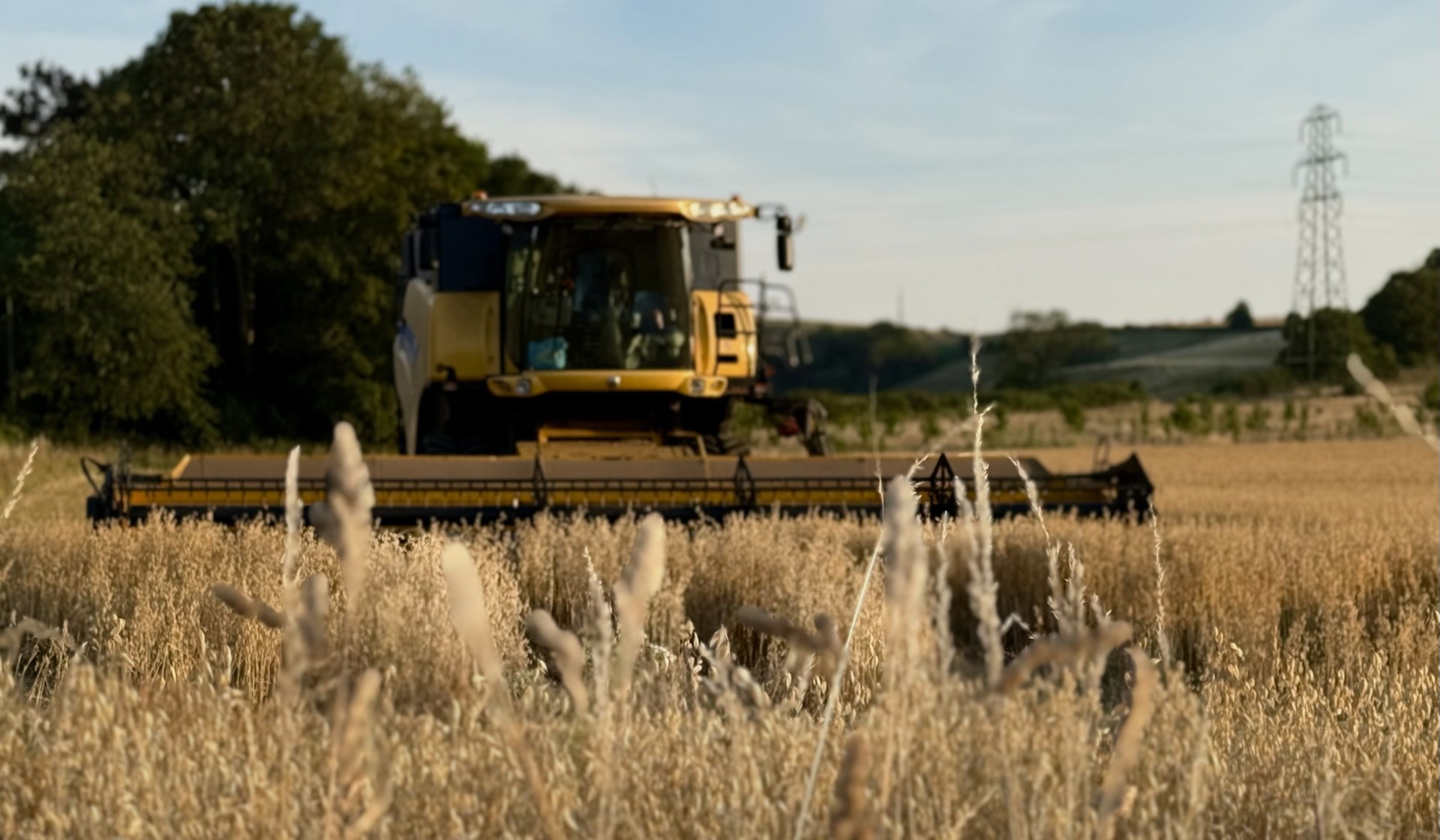
Once a cereal plant has finished photosynthesising and pollinating, it puts all the energy it has built up into developing its seed. This seed starts as an empty shell, which fills with a milky, starchy flour over the last few weeks before harvest. Once full, the seed will solidify in the sunshine until it becomes very hard. “At this point, we check it with a moisture meter to determine its moisture content. For wheat, flour and barley; anything below 15% moisture is good to go and we will roll in the combine.” Harry says.
The Combine at Work
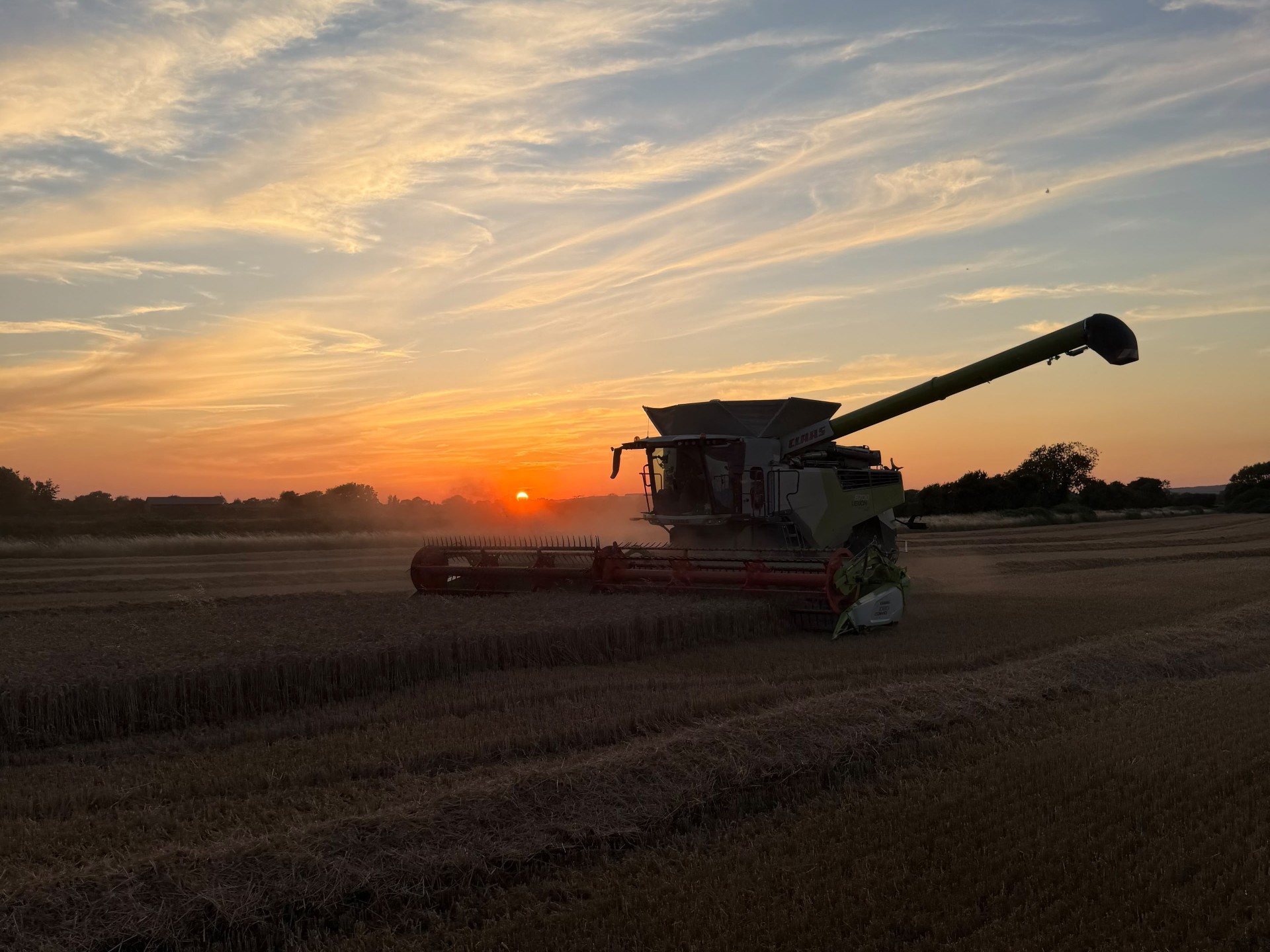
Combine harvesters cut the crop, separate the grain from the straw and collect it ready for storage, all in a single pass across the field. Their efficiency allows large areas to be harvested quickly, but successful harvest still relies on experience, judgement and making the most of the weather window.
As grain is safely collected, straw is either baled for future use or returned to the land, ensuring every part of the crop has a purpose.
Harry explains “The combine driver is the pivotal operator at harvest, although it takes a team to bring in the harvest, they will be the one in the hot seat, ensuring that the crop is being cut and harvested properly. A harvester is an impressive bit of machinery and many come with price tags to match. They are also extremely complex machines with many moving parts all of which, need to be watched and monitored while the job is being done. To operate a combine, you need to be using all your senses; sight, sound, smell and feel as the machine cuts the crop, threshes and sorts the seed from the chaff and lays the straw out the back.”
Working with Nature
While modern machinery has transformed the way we harvest, farming remains deeply connected to nature at Goodwood, with soil health and regenerative farming practices at the heart.
Success comes from adapting to changing conditions and making decisions that protect both the harvest and the land for future generations.
“Harvesting our cereal crops is a major operation in the farming calendar, but it is only one part of what we do here at Goodwood. Alongside our arable crops, we manage extensive areas of permanent and temporary pasture across the Estate. This patchwork of fields at different stages of growth and management creates a rich and varied landscape that can support a far greater diversity of wildlife.
Farming has been part of human history for thousands of years and has always relied on finding the right balance between making use of nature’s abundance and ensuring we do not take more from the land than it can sustainably provide. Our aim is to produce healthy, nutrient-dense crops while continually improving the soils, habitats and wider environment that support them.” Harry says.
It is this close relationship with the landscape that makes harvest one of the most rewarding times of the year.
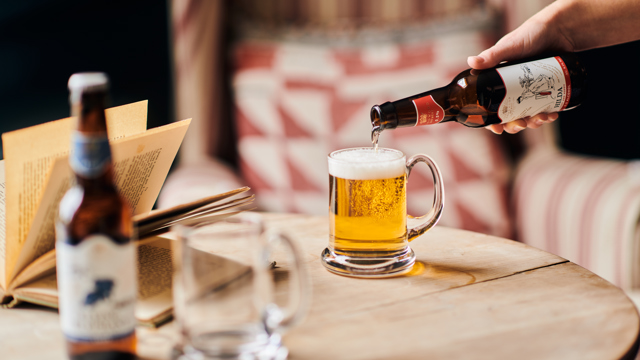
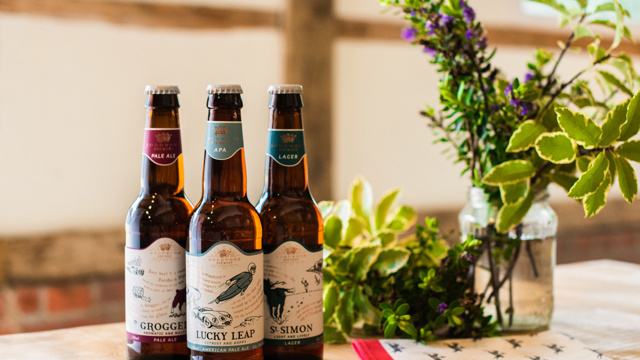
Meet the Brews
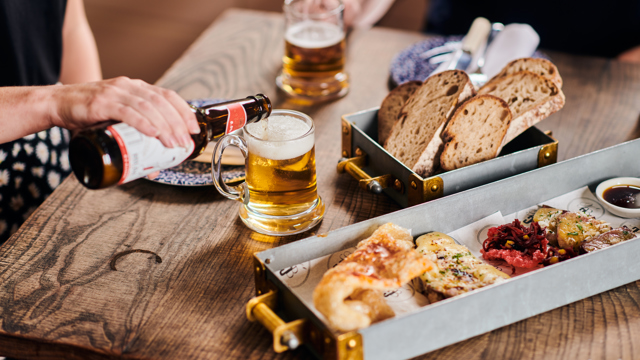
Each beer is crafted to showcase the character and craftsmanship of the farm. From the malted barley at their foundation to the carefully selected hops that bring balance, aroma and flavour, every beer tells a story of the land and the people who care for it.
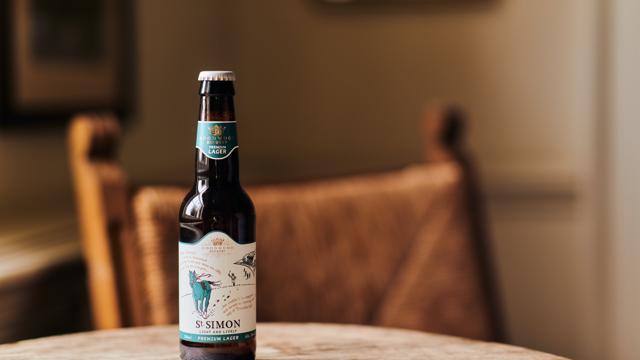
St Simon Lager
Light, lively and refreshing, St Simon is a crisp lager with gentle sweet malt notes balanced by the bitterness of Pilgrim hops. A beer that reflects the simplicity of quality ingredients, it’s a perfect example of how carefully grown barley can become something enjoyed all year round.
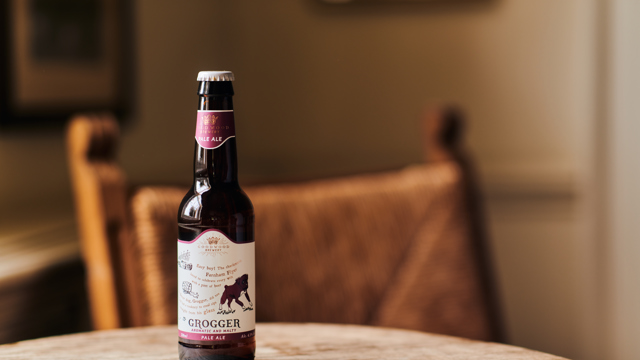
Grogger English Pale Ale
Rich, aromatic and malt-forward, Grogger brings together smooth malt character with the subtle influence of Pilgrim and Golding hops. Its depth and balance make it a natural partner for the Estate’s own produce, particularly lamb dishes.
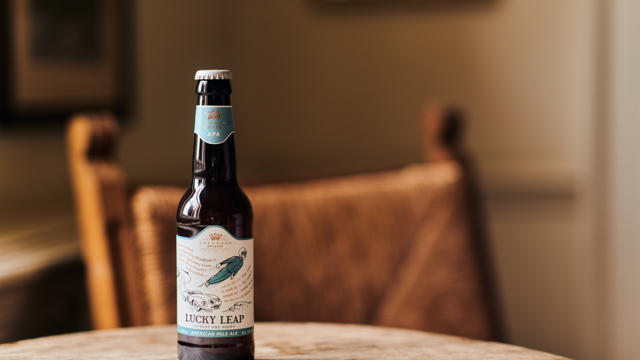
Lucky Leap American Pale Ale
Bright, citrusy and hop-forward, Lucky Leap showcases the expressive side of brewing with Pilgrim and Cascade hops. It’s refreshing bitterness and vibrant character create a modern pale ale that celebrates the craft behind every ingredient.
Together, these beers represent the connection between agriculture and brewing — a celebration of the seasons, the Estate and the journey from harvest to pint.
Find Your Perfect Pair
The right beer can elevate a meal, bringing out the best in every ingredient. From crisp lagers that refresh the palate to hop-forward ales that complement richer flavours, discover the perfect pairing for Goodwood’s finest produce and handcrafted beers.
Fillet Steak & St Simon Lager
A beautifully balanced lager, with gentle sweet malt notes working in harmony with the bitterness of Pilgrim hops. Light and lively, it finishes with a refreshing fruitiness that enhances, rather than overpowers, the delicate tenderness of fillet steak.
Ribeye & Sirloin Steak & Grogger English Pale Ale
Malt-forward flavours complement the natural sweetness of charred fat, while a subtle hop bitterness on the finish cleanses the palate, leaving a lingering savoury satisfaction.
Lamb Cutlets & Lucky Leap American Pale Ale
Hop-forward with vibrant citrus bitterness, this pale ale cuts through the richness of the lamb, refreshing the palate while its malt backbone supports the meat’s deep, robust flavours.
Lamb Fillet & Grogger English Pale Ale
Soft malt sweetness complements and enhances the lighter, more delicate flavours of lamb fillet, creating a balanced and elegant pairing.
From Barley to Beer
Among the crops harvested across the estate, barley plays a particularly important role in creating Goodwood’s selection of beers.
From the golden fields to the brewhouse, every stage of the process is shaped by care and craftsmanship. Once harvested and prepared, the barley helps create the malt character at the heart of our beers.
Harvest is a celebration of where our food and drink begins - in the fields, with the people who care for them.
Home Farm
Farm Shop
Farm