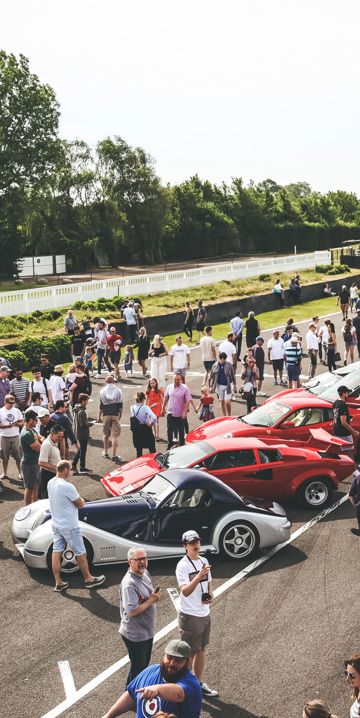
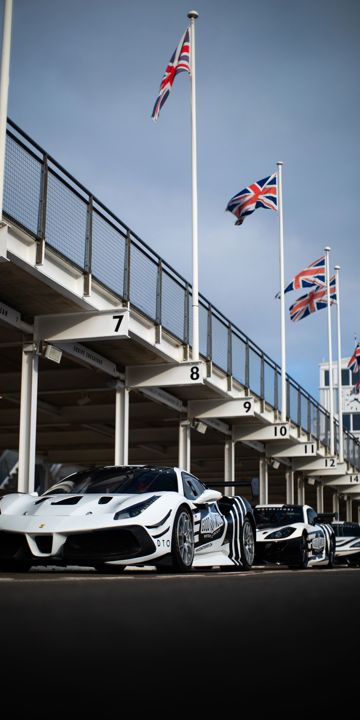
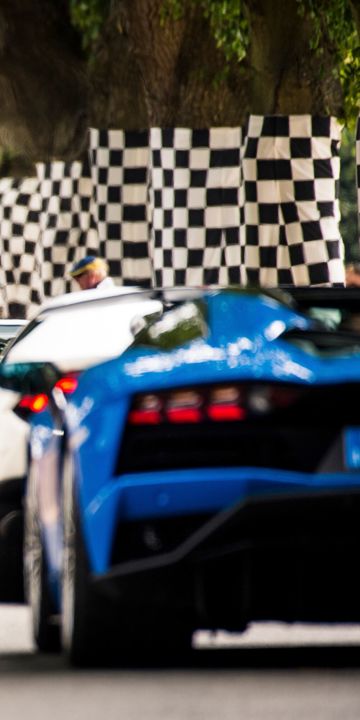
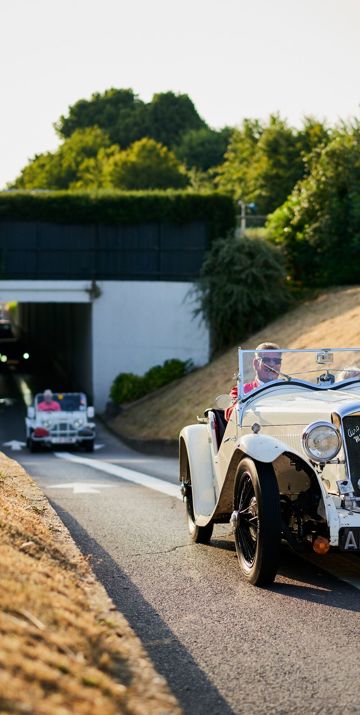
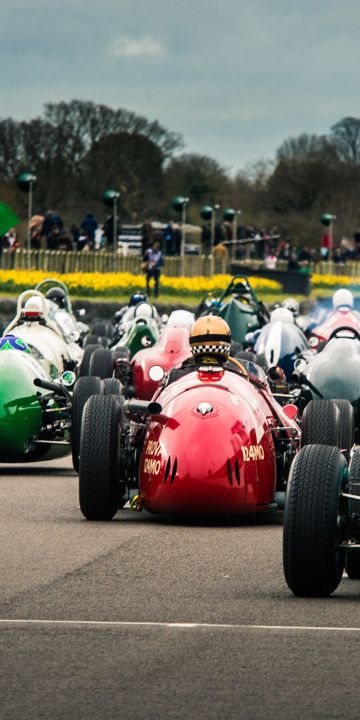

The Fiat S76 or "Beast of Turin" is a Goodwood favourite and can usually be heard before it is seen at #FOS


Sir Stirling Moss was one of the founding patrons of the Festival of Speed, and a regular competitor at the Revival.


The early Members' Meetings were held for BARC Members, there were 71 between 1949 and 1966.


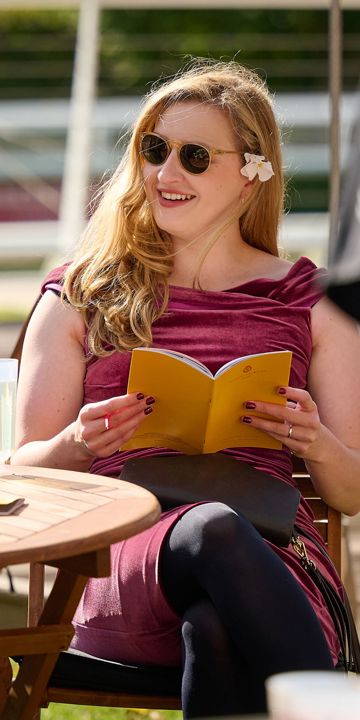
King Edward VII (who came almost every year) famously dubbed Glorious Goodwood “a garden party with racing tacked on”.


King Edward VII (who came almost every year) famously dubbed Glorious Goodwood “a garden party with racing tacked on”.


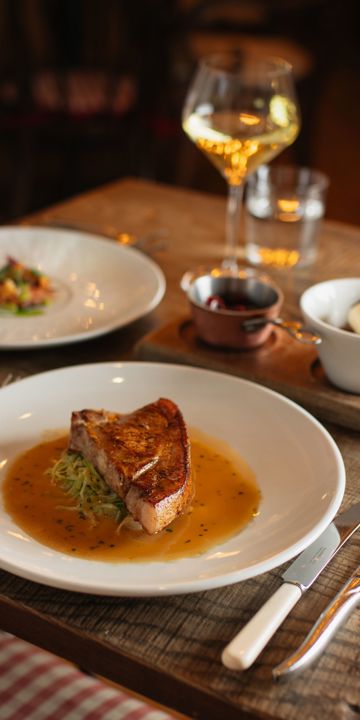
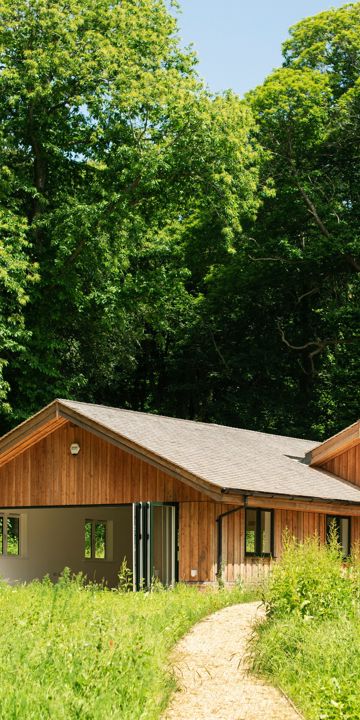
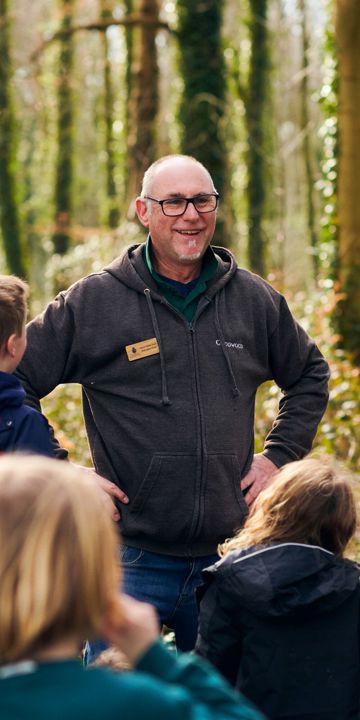
...plan strategy in an ancient woodland, enjoy award-winning dining then drive around a racetrack?


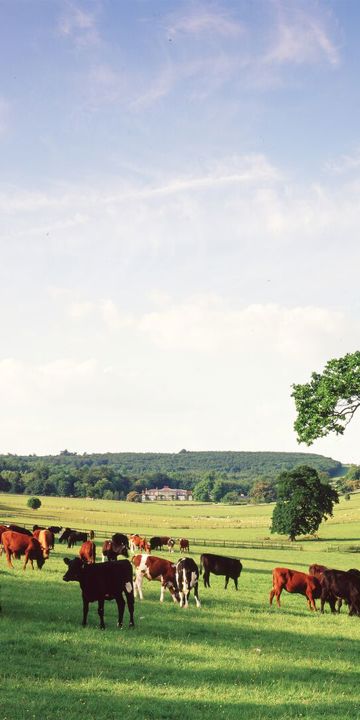
Goodwood’s pigs are a mix of two rare breeds (Gloucester Old Spots and Saddlebacks) plus the Large White Boar.


Goodwood’s pigs are a mix of two rare breeds (Gloucester Old Spots and Saddlebacks) plus the Large White Boar.


The Gordon Tartan has been worn by the Dukes and Duchesses over the last 300 years.


As the private clubhouse for all of the Estate’s sporting and social members, it offers personal service and a relaxed atmosphere


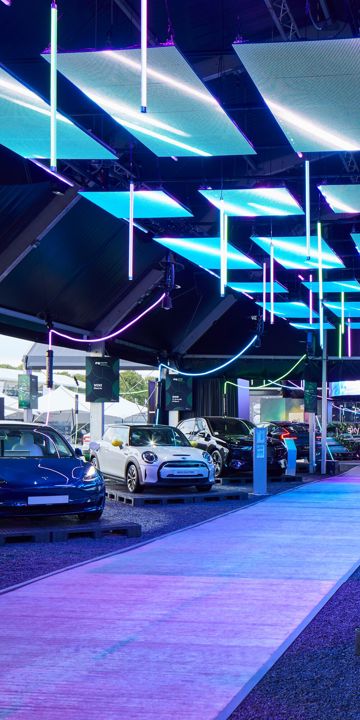
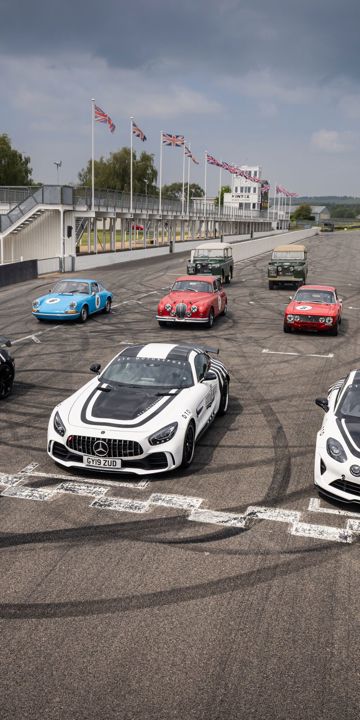
Our replica of the famous motor show showcases the "cars of the future" in true Revival style


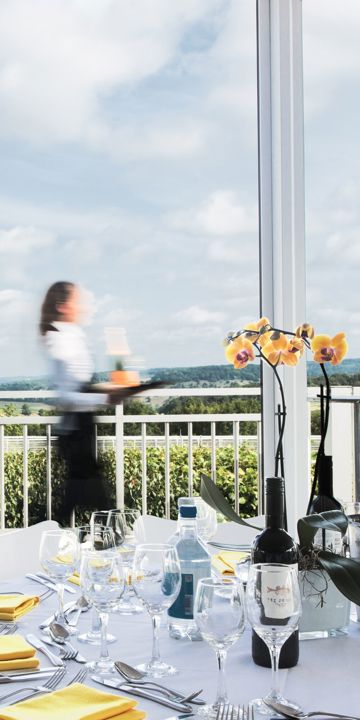
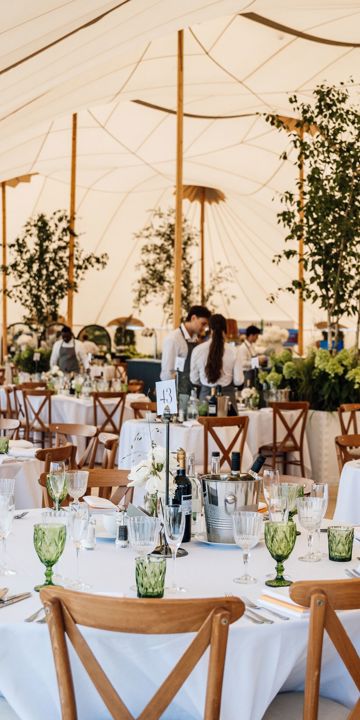
A huge variety of glassware is available for each wine, all labelled by grape type to give the best flavour profile.


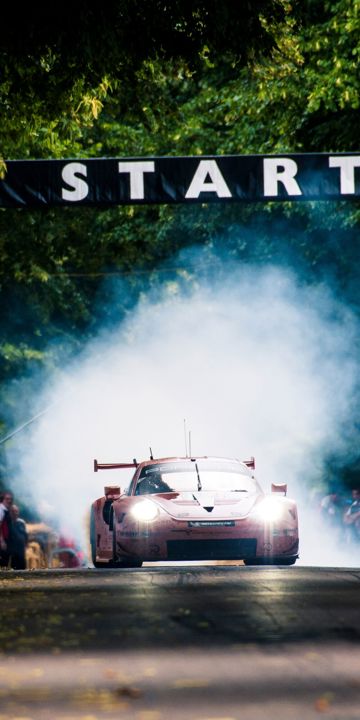
FOS Favourite Mad Mike Whiddett can be caught melting tyres in his incredible collection of cars (and trucks) up the hillclimb


Sir Stirling Moss was one of the founding patrons of the Festival of Speed, and a regular competitor at the Revival.


The early Members' Meetings were held for BARC Members, there were 71 between 1949 and 1966.


The Hill Start Line is marked by bricks taken from the Indianapolis Motor Speedway.


"Give me Goodwood on a summers' day and you can forget the rest."


The first ever horsebox was used from Goodwood to Doncaster for the 1836 St. Leger. Elis arrived fresh and easily won his owner a £12k bet.


The first ever horsebox was used from Goodwood to Doncaster for the 1836 St. Leger. Elis arrived fresh and easily won his owner a £12k bet.


King Edward VII (who came almost every year) famously dubbed Glorious Goodwood “a garden party with racing tacked on”.


King Edward VII (who came almost every year) famously dubbed Glorious Goodwood “a garden party with racing tacked on”.


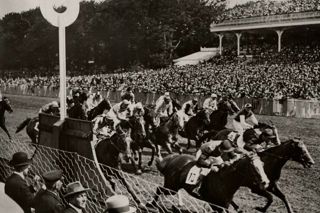
After the first public race meeting in 1902, 'Glorious Goodwood' became a highlight of the summer season.


The first ever horsebox was used from Goodwood to Doncaster for the 1836 St. Leger. Elis arrived fresh and easily won his owner a £12k bet.


Whoa Simon! A horse so determined and headstrong, he not only won the 1883 Goodwood Cup by 20 lengths, but couldn't be stopped and carried on running over the top of Trundle hill


The Hill Start Line is marked by bricks taken from the Indianapolis Motor Speedway.


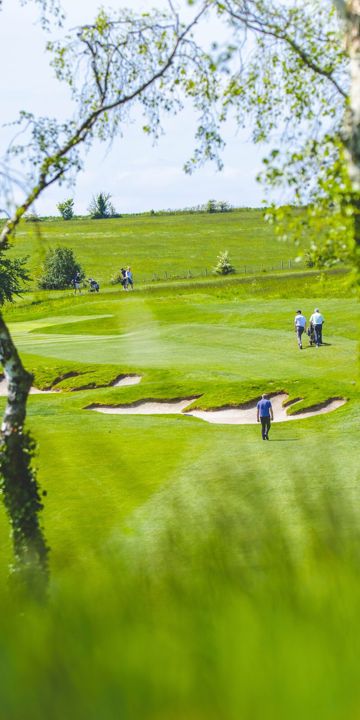
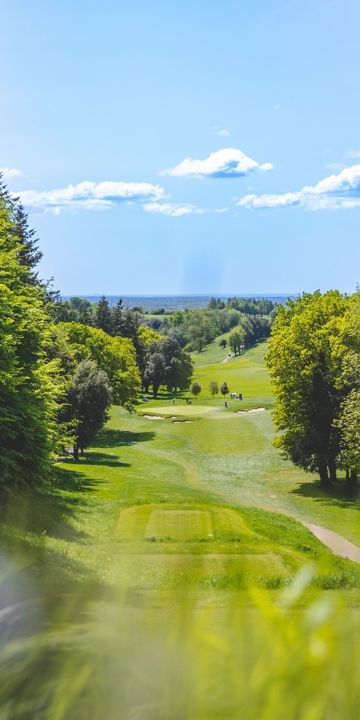
One of the greatest golfers of all time, James Braid designed Goodwood’s iconic Downland course, opened in 1914.


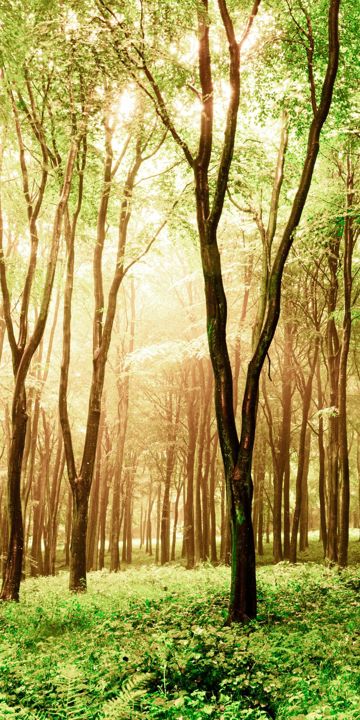
A 20m woodland rue, from Halnaker to Lavant, was planted by our forestry teams & volunteers, featuring native species like oak, beech, & hornbeam


"En la rose je fleurie" or "Like the rose, I flourish" is part of the Richmond coat of Arms and motto


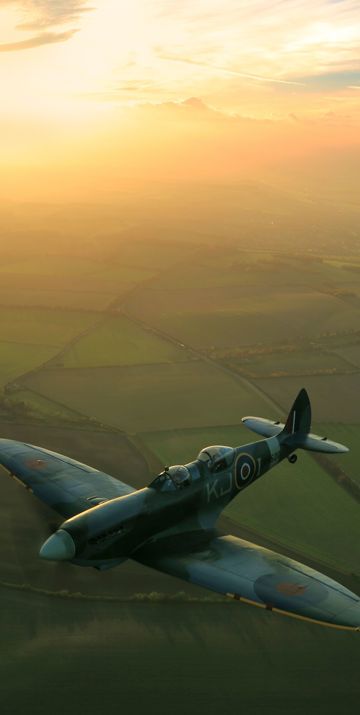
The iconic spitfire covered almost 43,000 kilometres and visited over 20 countries on its epic journey and currently resides at our Aerodrome.


...plan strategy in an ancient woodland, enjoy award-winning dining then drive around a racetrack?


The first ever round of golf played at Goodwood was in 1914 when the 6th Duke of Richmond opened the course on the Downs above Goodwood House.


One of the greatest golfers of all time, James Braid designed Goodwood’s iconic Downland course, opened in 1914.


The first ever round of golf played at Goodwood was in 1914 when the 6th Duke of Richmond opened the course on the Downs above Goodwood House.


One of the greatest golfers of all time, James Braid designed Goodwood’s iconic Downland course, opened in 1914.


The first thing ever dropped at Goodwood was a cuddly elephant which landed in 1932 just as the 9th Duke of Richmonds passion for flying was taking off.


The iconic spitfire covered almost 43,000 kilometres and visited over 20 countries on its epic journey and currently resides at our Aerodrome.


...plan strategy in an ancient woodland, enjoy award-winning dining then drive around a racetrack?


...plan strategy in an ancient woodland, enjoy award-winning dining then drive around a racetrack?


...plan strategy in an ancient woodland, enjoy award-winning dining then drive around a racetrack?


...plan strategy in an ancient woodland, enjoy award-winning dining then drive around a racetrack?


G. Stubbs (1724–1806) created some of the animal portraiture masterpieces at Goodwood House, combining anatomical exactitude with expressive details


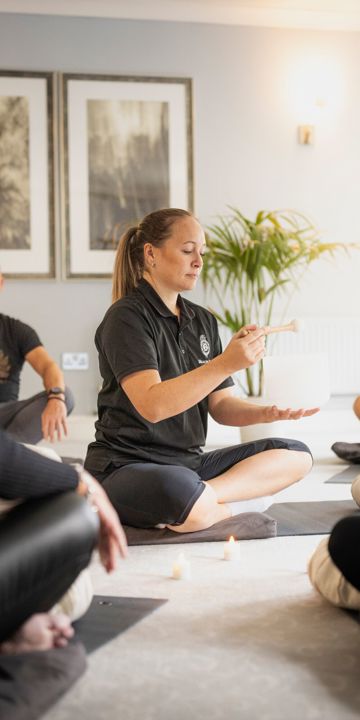
Ensure you take a little time out together to pause and take in the celebration of all the hard work you put in.


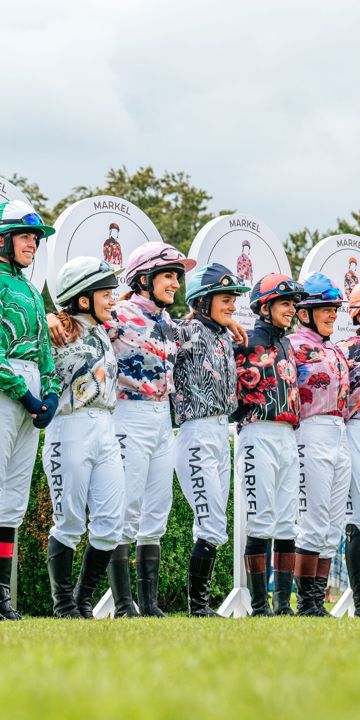
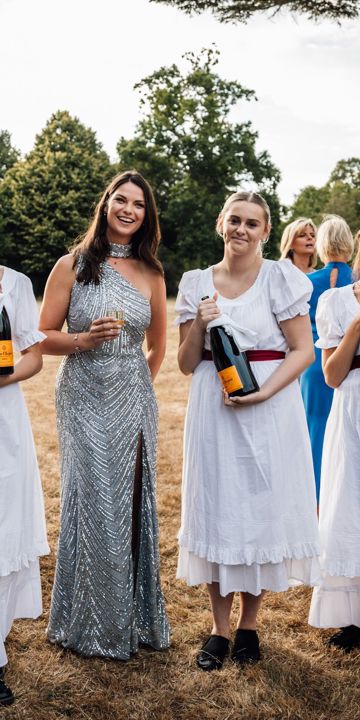
Leading women of business, sport, fashion and media, take part in one of the most exciting horseracing events in the world.


The first thing ever dropped at Goodwood was a cuddly elephant which landed in 1932 just as the 9th Duke of Richmonds passion for flying was taking off.


As the private clubhouse for all of the Estate’s sporting and social members, it offers personal service and a relaxed atmosphere


The oldest existing rules for the game were drawn up for a match between the 2nd Duke and a neighbour


"En la rose je fleurie" or "Like the rose, I flourish" is part of the Richmond coat of Arms and motto


"En la rose je fleurie" or "Like the rose, I flourish" is part of the Richmond coat of Arms and motto


The Motor Circuit was known as RAF Westhampnett, active from 1940 to 1946 as a Battle of Britain station.


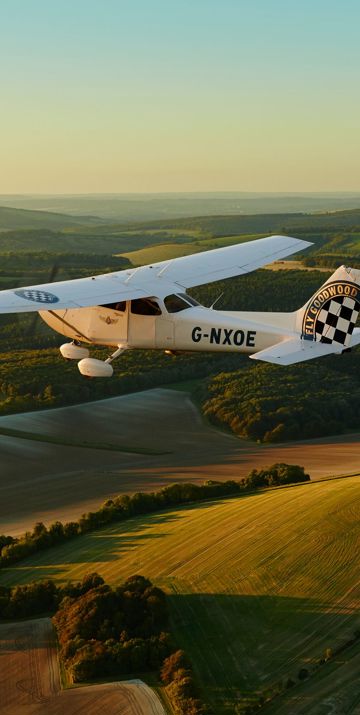
Flying training began at Goodwood in 1940 when pilots were taught operational flying techniques in Hurricanes and Spitfires.


The oldest existing rules for the game were drawn up for a match between the 2nd Duke and a neighbour


"En la rose je fleurie" or "Like the rose, I flourish" is part of the Richmond coat of Arms and motto


Built in 1787 by celebrated architect James Wyatt to house the third Duke of Richmond’s prized fox hounds, The Kennels was known as one of the most luxurious dog houses in the world!

The
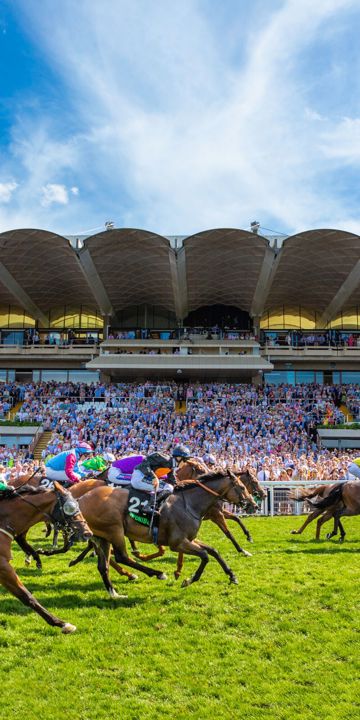
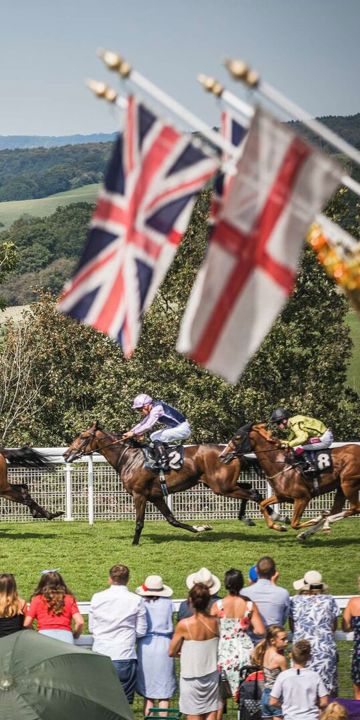
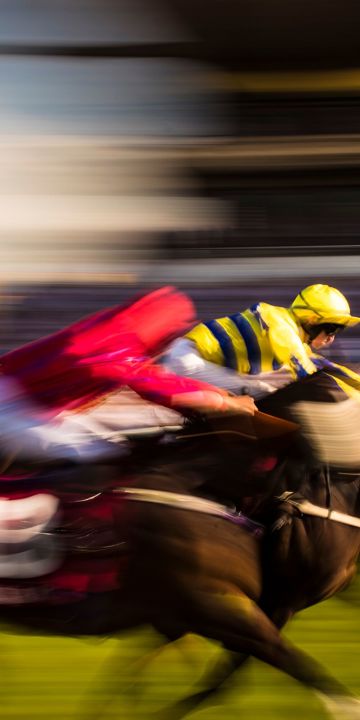
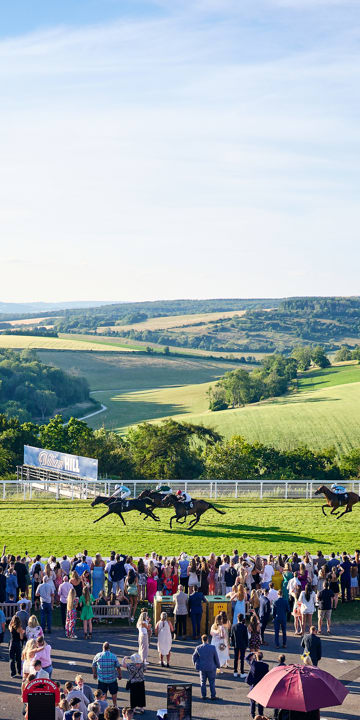
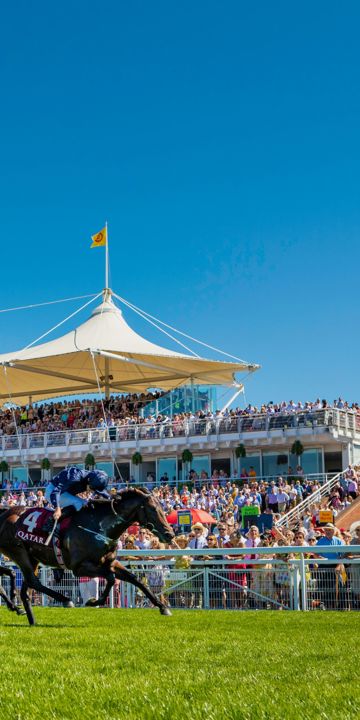
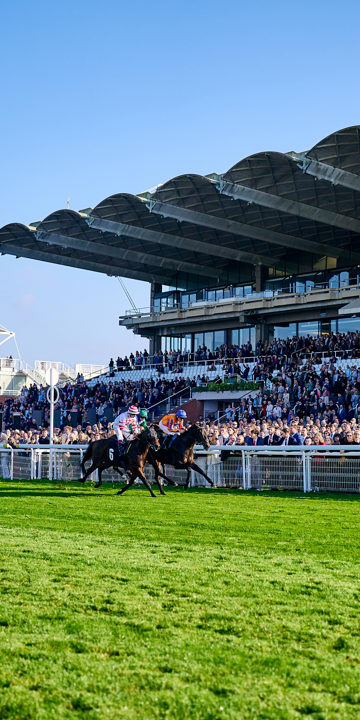
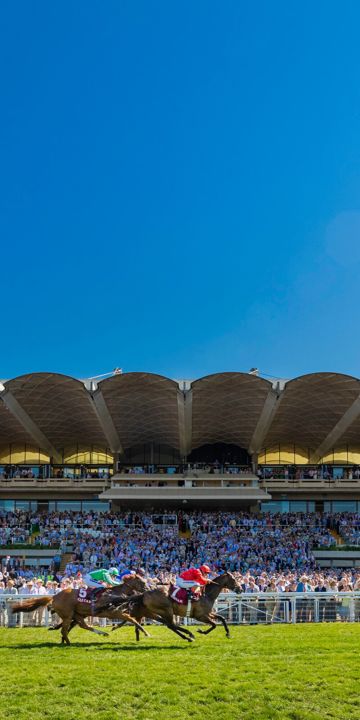
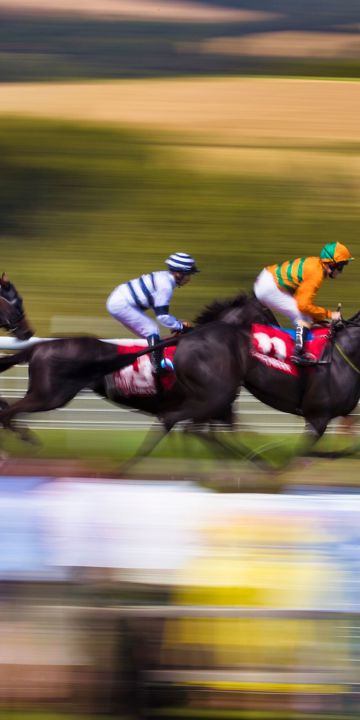
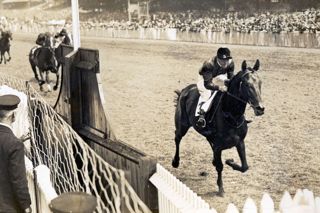
The Goodwood Cup was first run in 1808 and is one of the leading staying races in the country. Double Trigger famously won the race three times in the 1990s, making the trip from his native Yorkshire. Arguably the most famous horse to race at Goodwood was Kincsem, a Hungarian racehorse – who won the Goodwood Cup in 1878. Kincsem was unbeaten in a staggering 54 races.
The
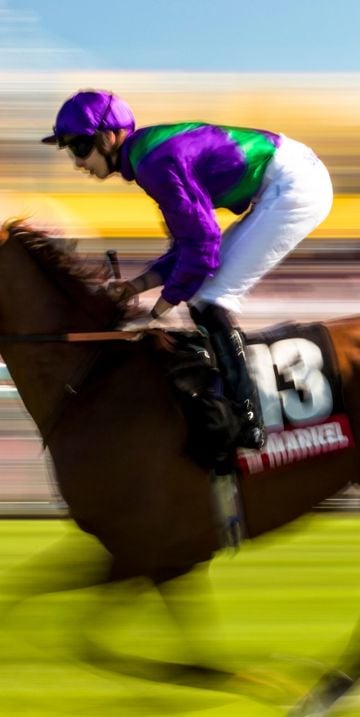
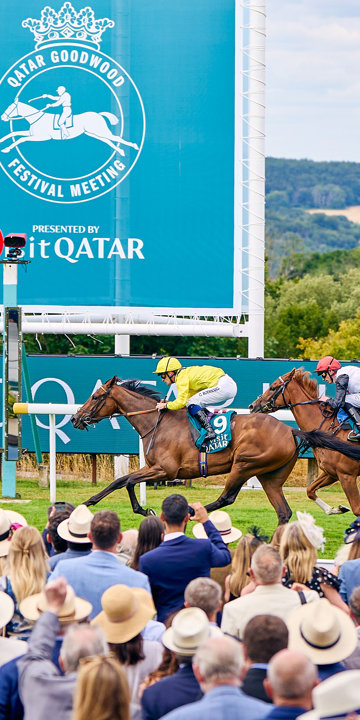
The feature race at Goodwood is the Sussex Stakes – a Group 1 race for milers. The best milers in the world have contested this race over the years, including Brigadier Gerard in 1971, who was on his way to becoming the champion racehorse of his generation. The mighty Frankel, officially the highest-rated horse in the history of the turf, is the only horse to have won the race twice: in 2011 and 2012.
The
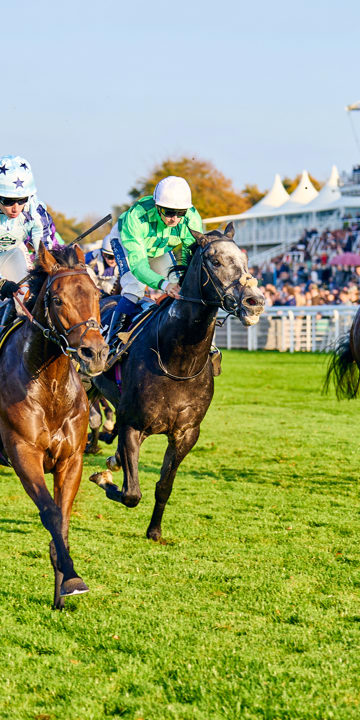
Possibly the greatest race in the modern history of Goodwood was the Nassau Stakes in 2006. This is Goodwood’s third Group 1 race, when the fillies take centre stage. On this occasion, The Earl of Derby’s Ouija Board, one of the superstars of international racing, battled with Alexandra Goldrun – who had won the previous year’s Nassau Stakes. The two fillies fought it out all the way down the Goodwood straight with Ouija Board eventually winning in the closest of photo finishes.

The first ever horsebox was used from Goodwood to Doncaster for the 1836 St. Leger. Elis arrived fresh and easily won his owner a £12k bet.