-
Events
-
Festival of Speed
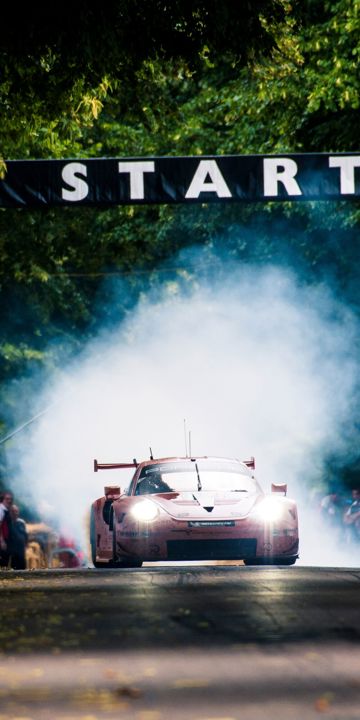

Mad Mike
FOS Favourite Mad Mike Whiddett can be caught melting tyres in his incredible collection of cars (and trucks) up the hillclimb
-
Goodwood Revival


Freddie's Famous Scarf
When the 9th Duke won the Double Twelve at Brooklands in 1931 he never drove without it throughout his successful driving career.
-
Members' Meeting
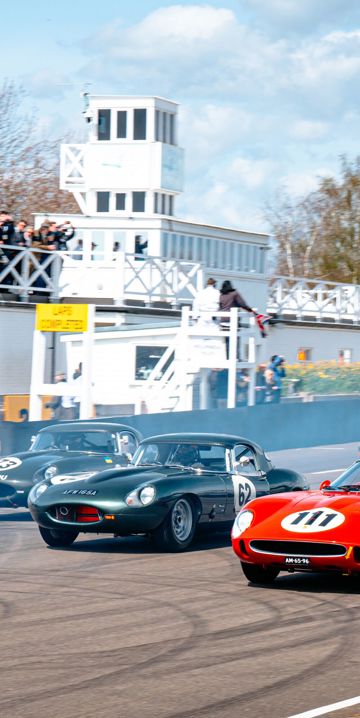

The Goodwood Houses
Aubigny, Methuen, Torbolton and Darnley are the four teams that compete for the House Shield.
-
Qatar Goodwood Festival
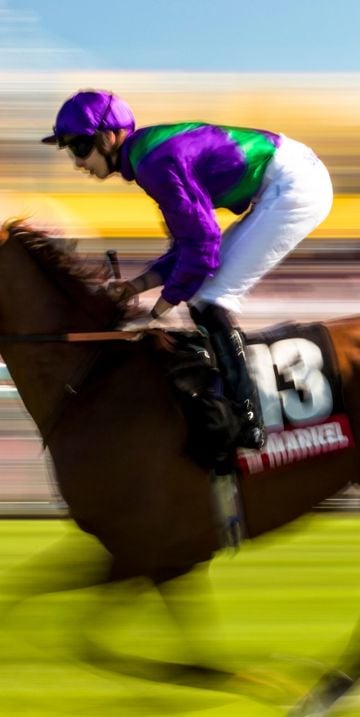

"Glorious Goodwood"
After the first public race meeting in 1902, 'Glorious Goodwood' became a highlight of the summer season.
-
Goodwoof
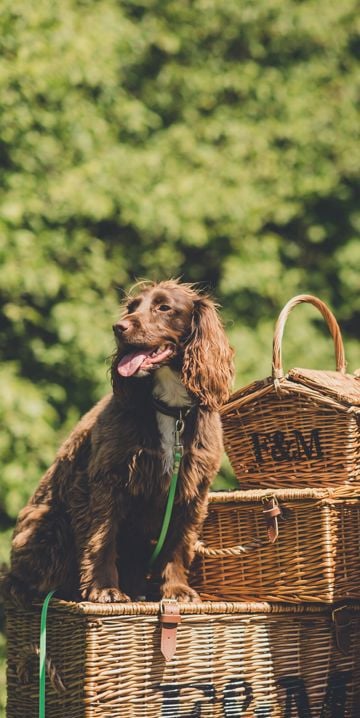

Start in style
The breed parade sees hundreds of dogs and their owners walk from Goodwood House down to The Kennels to kick start the Goodwoof weekend. -
Horseracing
-
Season Opener
-
May Festival
-
Family Race Day
-
Three Friday Nights
-
August Bank Holiday
-
Autumn Racing
-
Season Finale
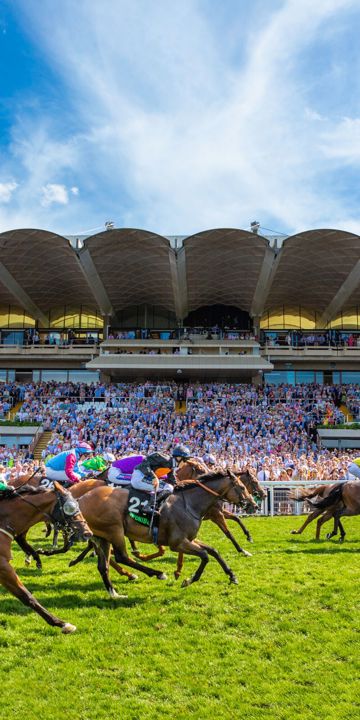

Why does everyone wear hats?
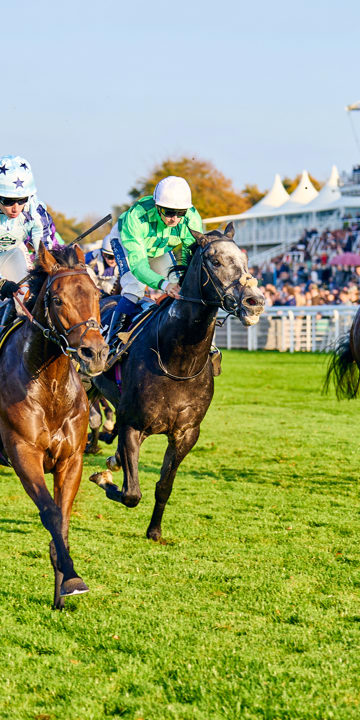
King Edward VII turned his back on the traditional morning suit and donned a linen suit and Panama hat. Thus the Glorious Goodwood trend was born.
-
Season Opener
-
Breakfast Club
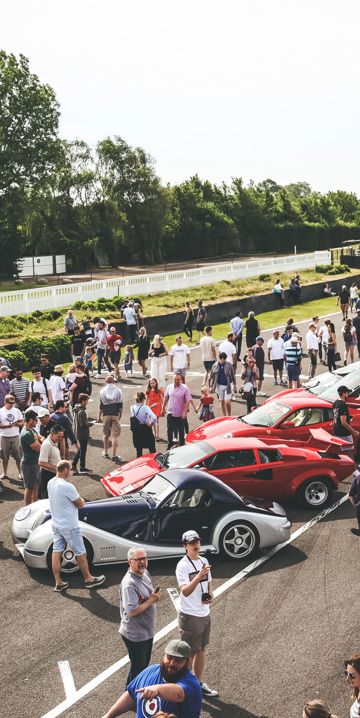

A perfect Sunday morning?
A no-cost, all-welcome motoring show where the visitors and their machines are the stars -
Health Summit
-
Hospitality
-
Exhibiting
-
Partnerships
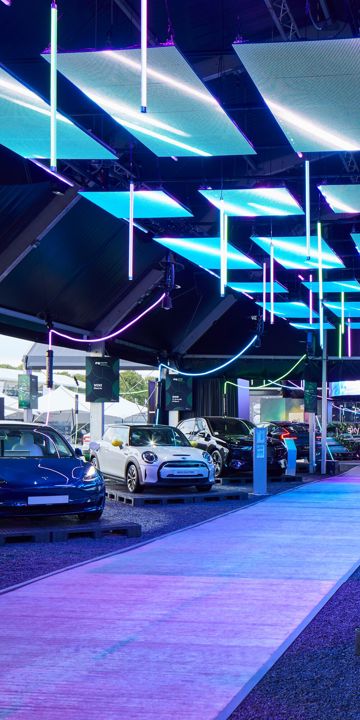

Where else can you...
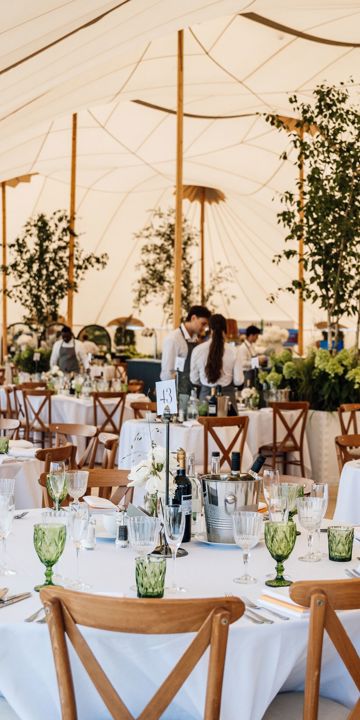
...plan strategy in an ancient woodland, enjoy award-winning dining then drive around a racetrack?
-
What's on
-
Festival of Speed
-
Visit, Eat, Stay
-
The Goodwood Hotel
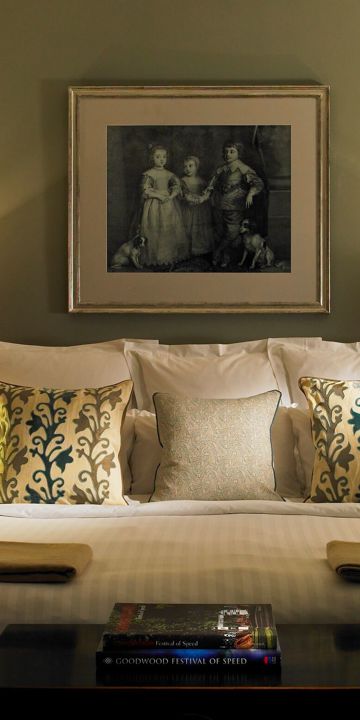

Flying Elephant
The first thing ever dropped at Goodwood was a cuddly elephant which landed in 1932 just as the 9th Duke of Richmonds passion for flying was taking off.
-
Goodwood Cottages


Lucky Leap
Inspired by the legendary racer, Masten Gregory, who famously leapt from the cockpit of his car before impact when approaching Woodcote Corner in 1959.
-
Goodwood House
-
Afternoon Tea & Tour
-
The Collection
-
Christmas Afternoon Tea & Tour
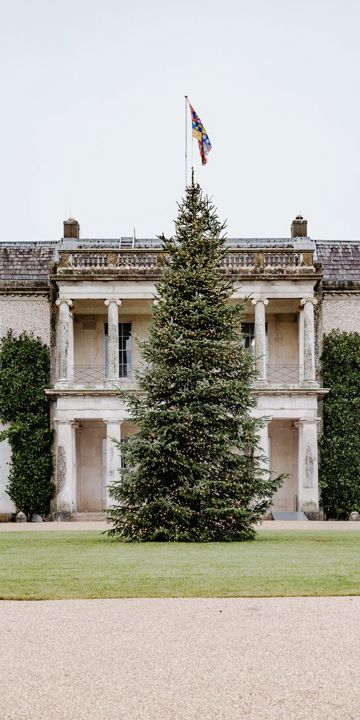
-
Exhibitions
-
History
-
Weddings
-
Copper Dome Restoration
-
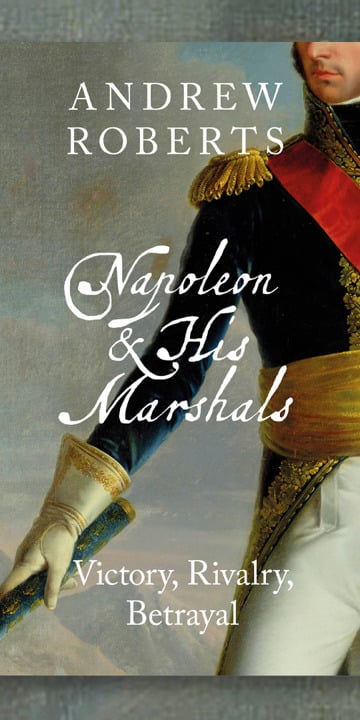
Napoleon & His Marshals Book Talk with Andrew Roberts
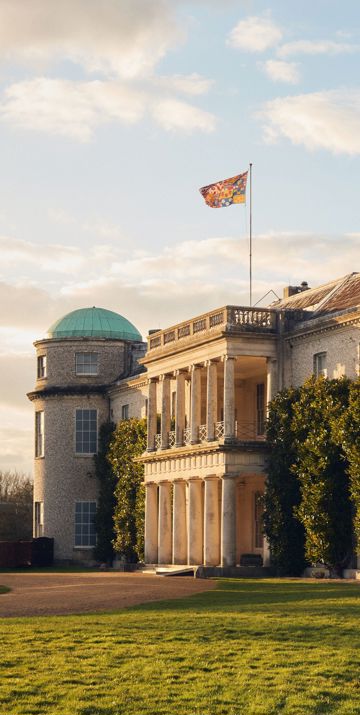

Trained to the highest level
Head Butler David Edney has worked at Buckingham Palace taking part in Dinner Parties for the then Duke of Richmond and the Queen.
-
Afternoon Tea & Tour
-
Restaurants
-
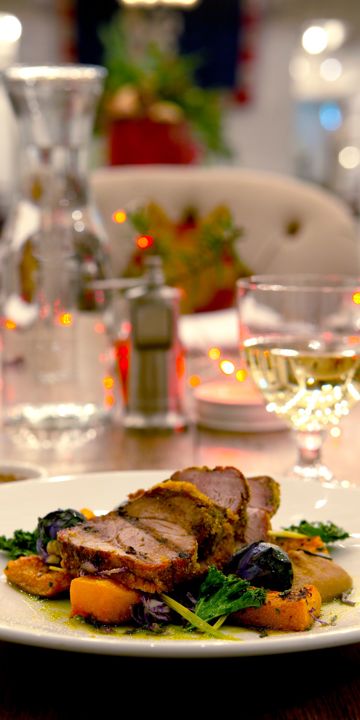
Farmer, Butcher, Chef
-
The Goodwood Bar & Grill
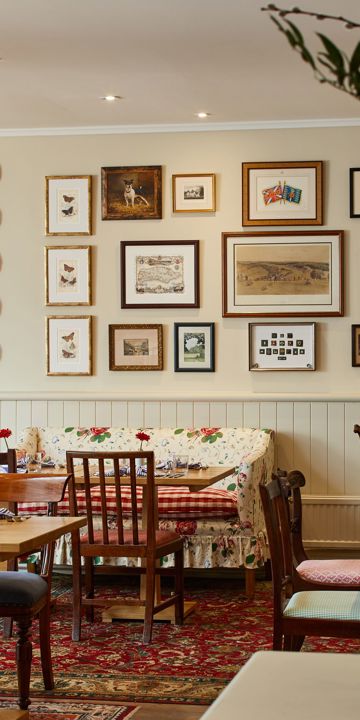
-
The Kennels
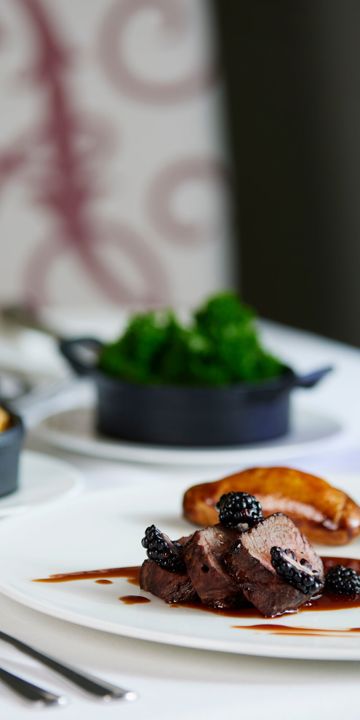
-
Aerodrome Café
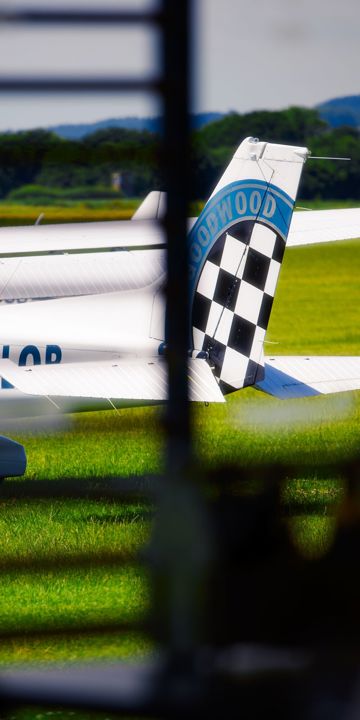
-
Motor Circuit Café

-
Cafe 24
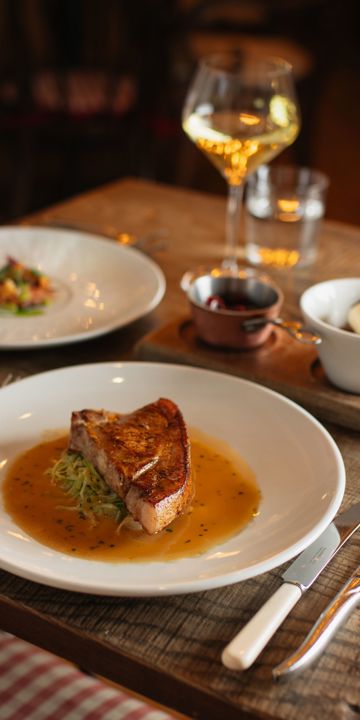

Sustainable state-of-mind
When Farmer, Butcher, Chef opened in 2016 it was awarded the UK’s first-ever Royal Academy of Culinary Arts ‘Sustainable Food Philosophy Seal’. -
Farmer, Butcher, Chef
-
The Kennels
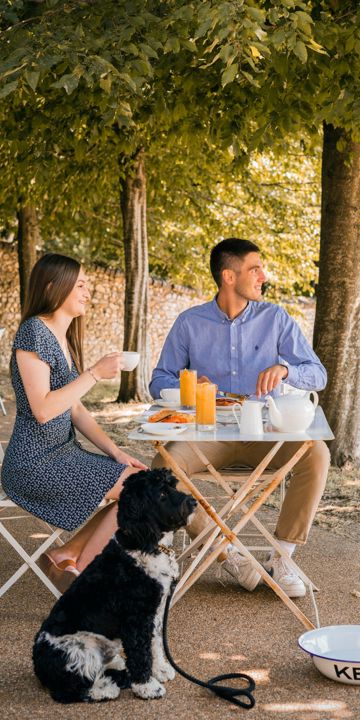

Fashionable foxhounds
The 1st Duke of Richmond bought Goodwood in 1697 as a place to stay to go foxhunting with the fashionable Charlton Hunt. -
Motor Circuit

Egyptian Dining Room
Testament to the 19th-century fascination with ancient Egypt and decorative opulence. The room is richly detailed with gilded cartouches, sphinxes, birds and crocodiles.
-
Health & Wellbeing
-
Membership
-
Health Club
-
Gym
-
Run Series
-
Spa Treatments
-
Wellness Retreats
-
Events Calendar
-
Corporate Wellbeing
-
Health Summit
-
Latest News
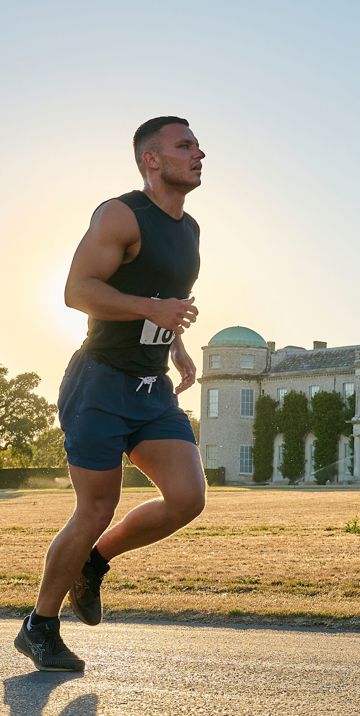

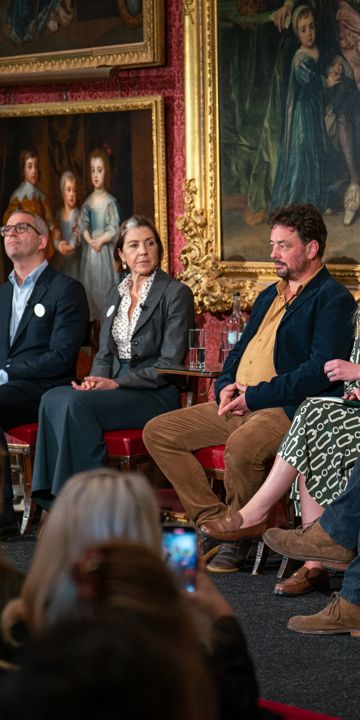
Goodwood's first Health Summit...
...took place in 2023 with industry experts discussing nutrition costs and food systems for a healthier future. -
Membership
-
Hound Lodge
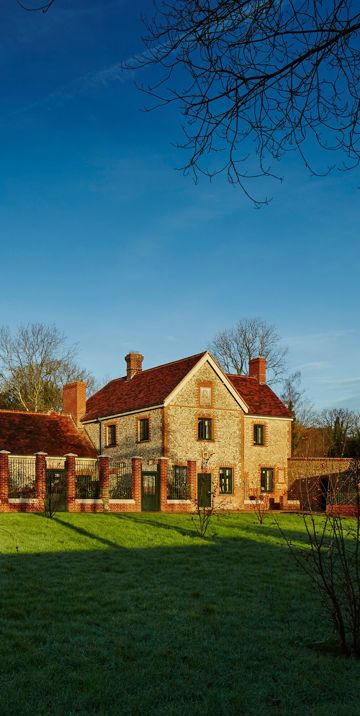

23 Glorious Hounds
Each room is named after one of the hounds documented in January 1718, including Dido, Ruby and Drummer.
-
Goodwood Farm Shop


Levin Down Gin
Our gin uses wild-grown botanicals sourced from the estate, and is distilled with mineral water naturally chalk-filtered through the South Downs.
-
Parties

-
Goodwood Art Foundation
-
The Goodwood Hotel
-
Motorsport
-
Festival of Speed

How many hay bales are used at FOS?
For the last two years, 5,800 bales have been recylced into the biomass energy centre to be used for energy generation
-
Goodwood Revival
-
Tickets & Packages
-
Hospitality
-
Explore
-
Plan Your Day
-
Buy Merchandise
-
Charity
-
Partners
-
Accessibility
-
FAQs


Spectators Favourite
Spectate from the chicane at the Revival to see plenty of classic cars going sideways as they exit this infamous point of our Motor Circuit.
-
Tickets & Packages
-
Members' Meeting
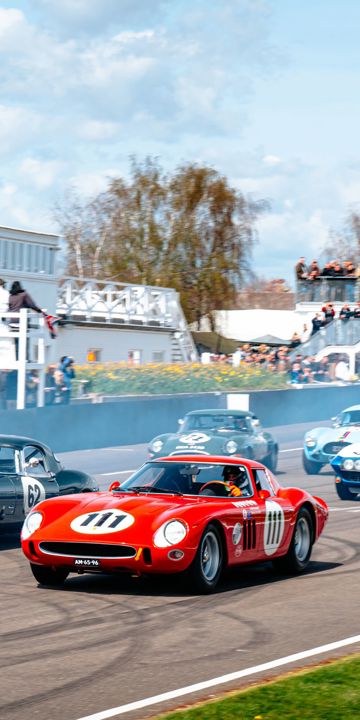
A perfect Sunday morning?
A no-cost, all-welcome motoring show where the visitors and their machines are the stars -
Breakfast Club
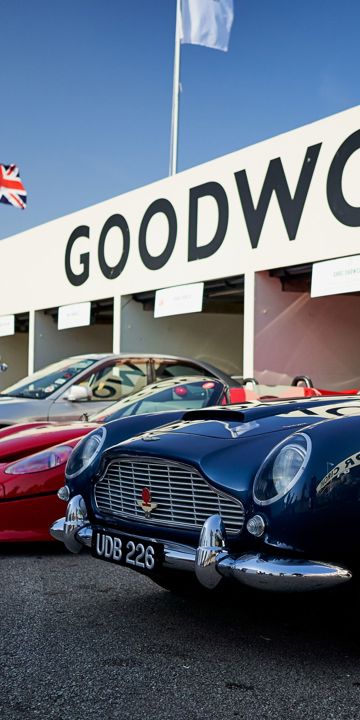
Motorsport Since 1948
Goodwood Motor Circuit was officially opened in September 1948 when Freddie March, the 9th Duke and renowned amateur racer, tore around the track in a Bristol 400
-
Motor Circuit

How old is The Kennels?
Built in 1787 by celebrated architect James Wyatt to house the third Duke of Richmond’s prized fox hounds, The Kennels was known as one of the most luxurious dog houses in the world!
-
Driving Experiences
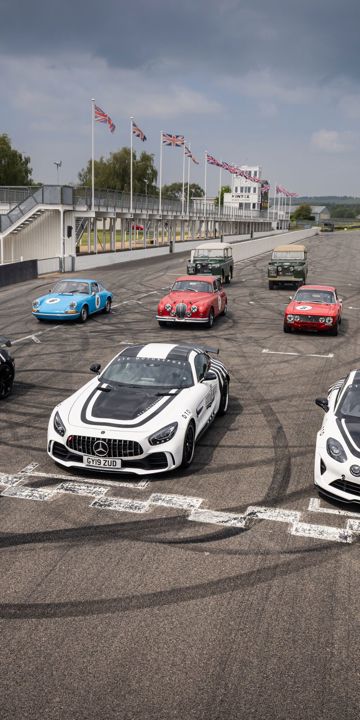

During the war...
The Motor Circuit was known as RAF Westhampnett, active from 1940 to 1946 as a Battle of Britain station. -
Goodwood Road Racing Club
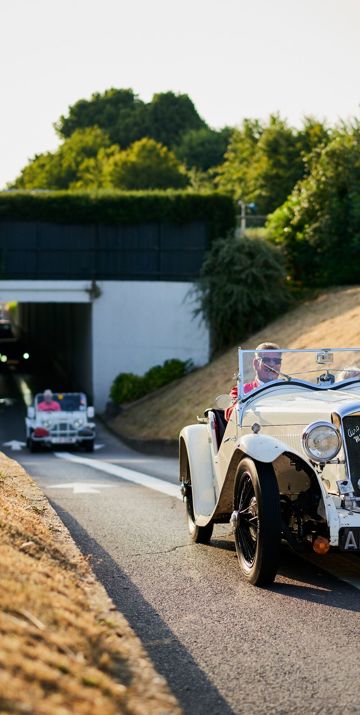
Mad Mike
FOS Favourite Mad Mike Whiddett can be caught melting tyres in his incredible collection of cars (and trucks) up the hillclimb
-
Latest News
-
Festival of Speed
-
Horseracing
-
Tickets & Packages
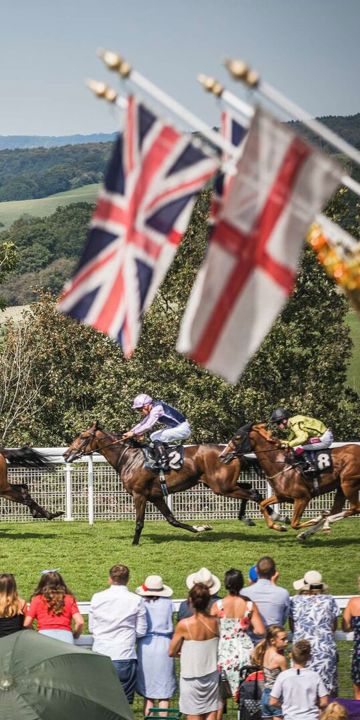
St Simon
Whoa Simon! A horse so determined and headstrong, he not only won the 1883 Goodwood Cup by 20 lengths, but couldn't be stopped and carried on running over the top of Trundle hill
-
Hospitality
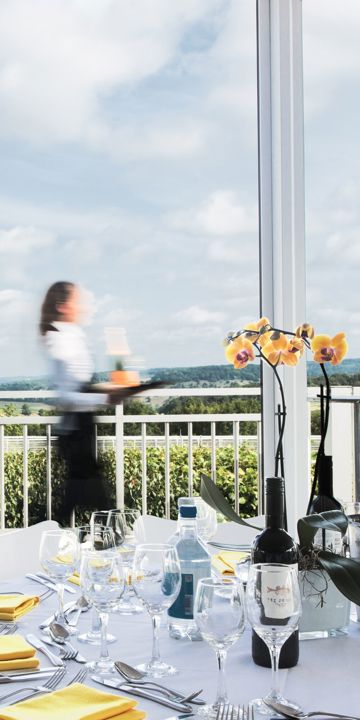
Why does everyone wear hats?
King Edward VII turned his back on the traditional morning suit and donned a linen suit and Panama hat. Thus the Glorious Goodwood trend was born.
-
Horseracing Club Membership
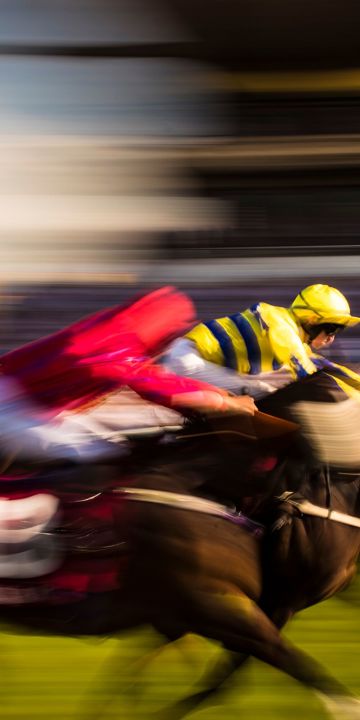

Why walk when you can drive
The first ever horsebox was used from Goodwood to Doncaster for the 1836 St. Leger. Elis arrived fresh and easily won his owner a £12k bet.
-
Fixtures & Events
-
Season Opener
-
May Festival
-
Family Race Day
-
Three Friday Nights

-
Qatar Goodwood Festival
-
August Bank Holiday
-
Autumn Racing
-
Season Finale

Royal approval
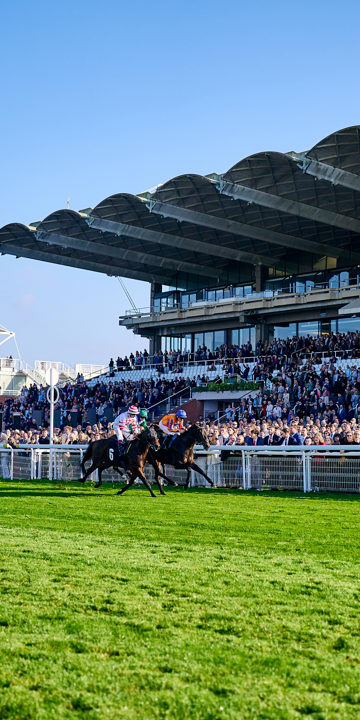
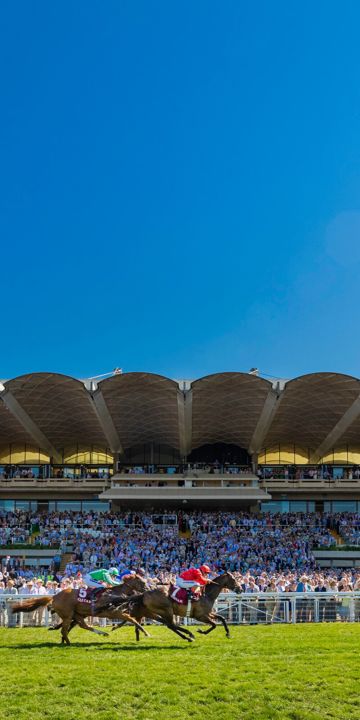
King Edward VII (who came almost every year) famously dubbed Glorious Goodwood “a garden party with racing tacked on”.
-
Season Opener
-
Qatar Goodwood Festival
-
Tickets & Packages
-
Hospitality
-
Day by Day Guide
-
Ladies Day
-
Magnolia Cup
-
The Earl's Lawn
-
Timetable
-
Partners
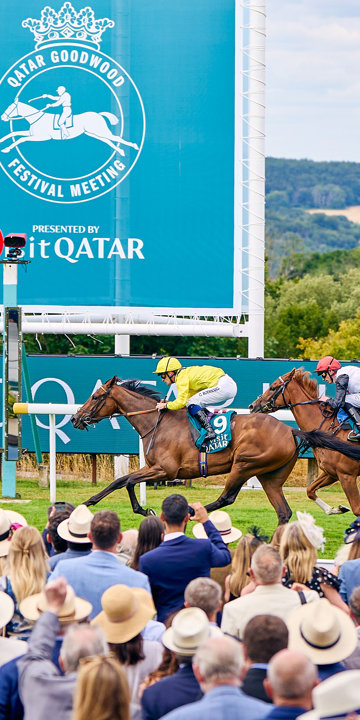
St Simon
Whoa Simon! A horse so determined and headstrong, he not only won the 1883 Goodwood Cup by 20 lengths, but couldn't be stopped and carried on running over the top of Trundle hill
-
Tickets & Packages
-
Three Friday Nights
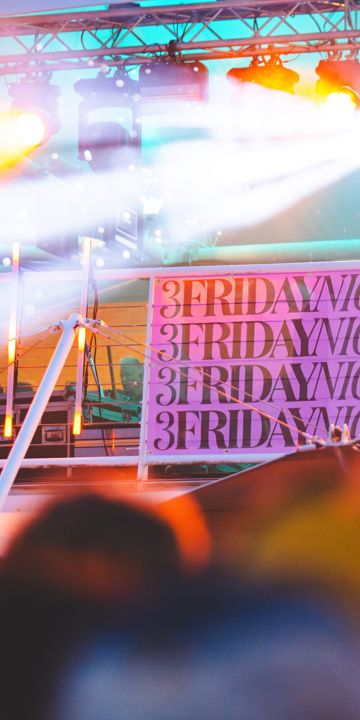
"Glorious Goodwood"
After the first public race meeting in 1902, 'Glorious Goodwood' became a highlight of the summer season.
-
Plan Your Day
-
Enclosures
-
Event Map
-
Going Report
-
Getting Here
-
Betting at Goodwood
-
Dress Code
-
Accessibility
-
Food & Drink
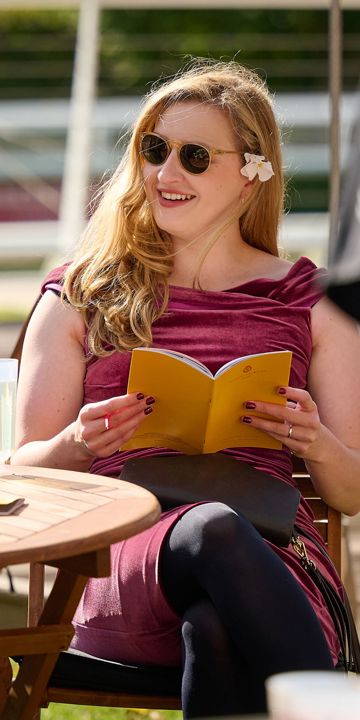

The Magnolia Cup
Leading women of business, sport, fashion and media, take part in one of the most exciting horseracing events in the world.
-
Enclosures
-
Buy Merchandise
-
Partners
-
Owners & Trainers
-
Latest News
-
FAQs
-
Accessibility
-
Tickets & Packages
-
Experiences
-
Driving

Roy Salvadori once said...
"Give me Goodwood on a summers' day and you can forget the rest."
-
Flying

Group Captain Sir Douglas Bader
The famous fighter ace, who flew his last sortie from Goodwood Aerodrome, formerly RAF Westhampnett has a statue in his honor within the airfield.
-
Golf

Over 100 years of Golf
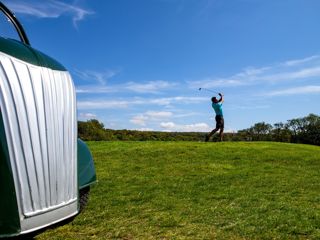
The first ever round of golf played at Goodwood was in 1914 when the 6th Duke of Richmond opened the course on the Downs above Goodwood House.
-
Shooting
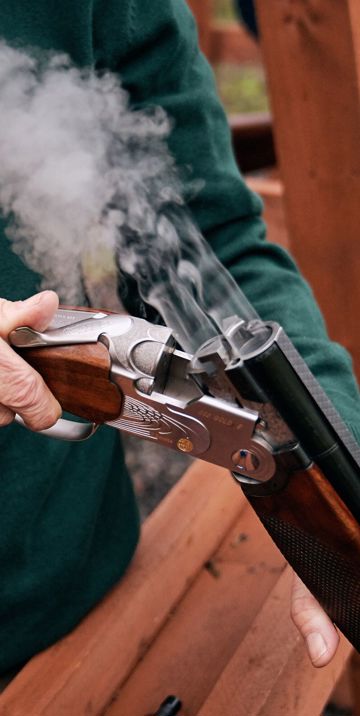

Roots for the future
A 20m woodland rue, from Halnaker to Lavant, was planted by our forestry teams & volunteers, featuring native species like oak, beech, & hornbeam
-
Afternoon Tea
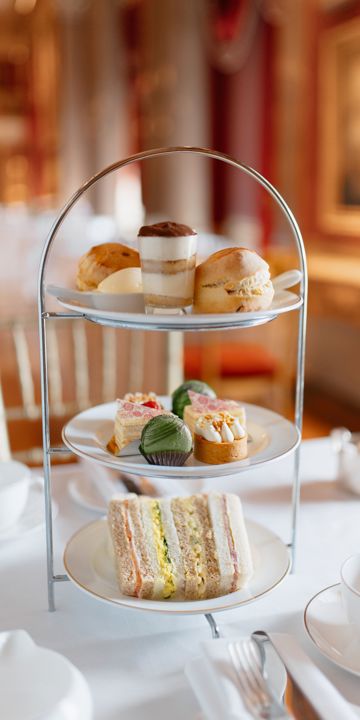

A different breed...
Goodwood’s pigs are a mix of two rare breeds (Gloucester Old Spots and Saddlebacks) plus the Large White Boar.
-
Corporate Wellbeing
Goodwood's first Health Summit...
...took place in 2023 with industry experts discussing nutrition costs and food systems for a healthier future. -
Cycling
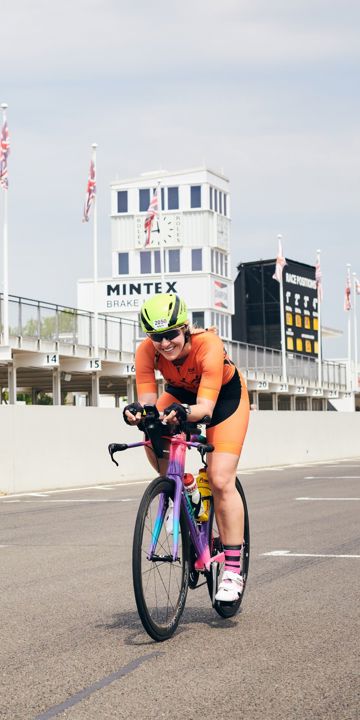

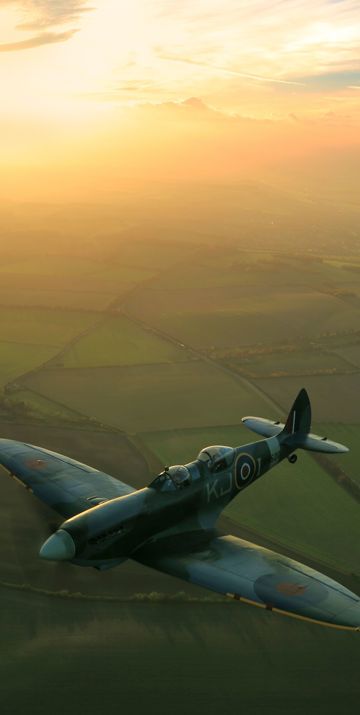
The Silver Spitfire
The iconic spitfire covered almost 43,000 kilometres and visited over 20 countries on its epic journey and currently resides at our Aerodrome.
-
Corporate Experiences
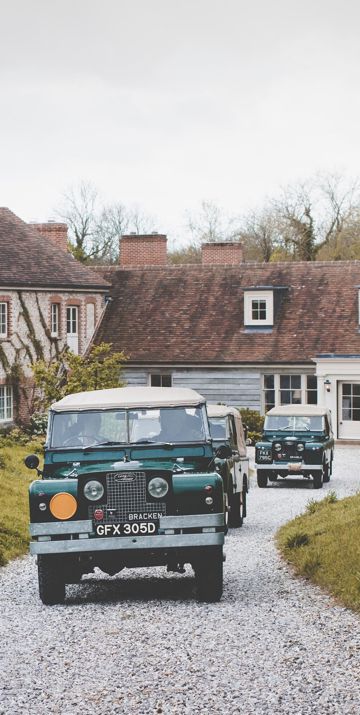
Where else can you...
...plan strategy in an ancient woodland, enjoy award-winning dining then drive around a racetrack?
-
Spa Treatments
-
Driving
- Hospitality
-
Golf
-
Golf Courses
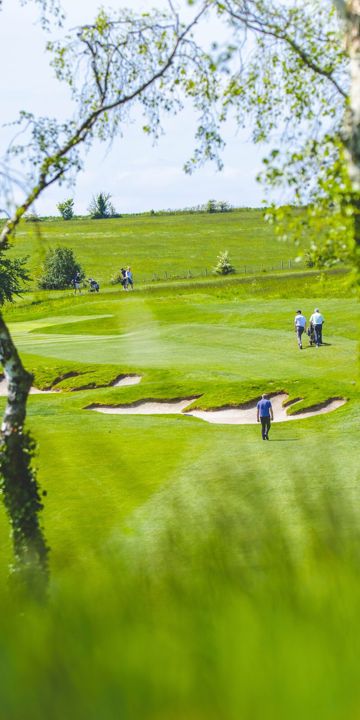

A sporting Estate
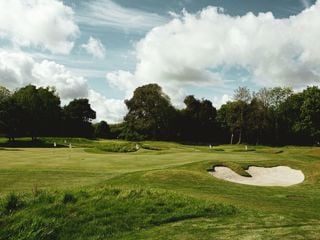
Goodwood has two 18-hole championship courses, a modern clubhouse and an impressive Academy. -
Golf Membership
-
Credit Membership
-
Application Form
-
Braid Membership
-
Intermediate Membership
-
Junior Membership
-
Corporate Membership
-
Get Into Golf
-
Copse Membership

Over 100 years of Golf
The first ever round of golf played at Goodwood was in 1914 when the 6th Duke of Richmond opened the course on the Downs above Goodwood House.
-
Credit Membership
-
The Academy
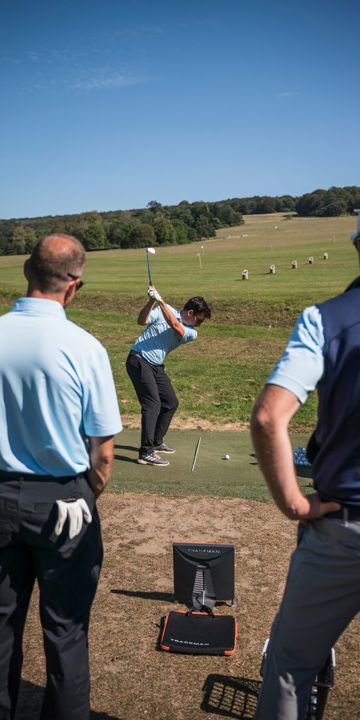

Braid’s Masterpiece
One of the greatest golfers of all time, James Braid designed Goodwood’s iconic Downland course, opened in 1914.
-
Golf Experiences

Over 100 years of Golf
The first ever round of golf played at Goodwood was in 1914 when the 6th Duke of Richmond opened the course on the Downs above Goodwood House.
-
Golf Courses
-
Flying
-
Flying School
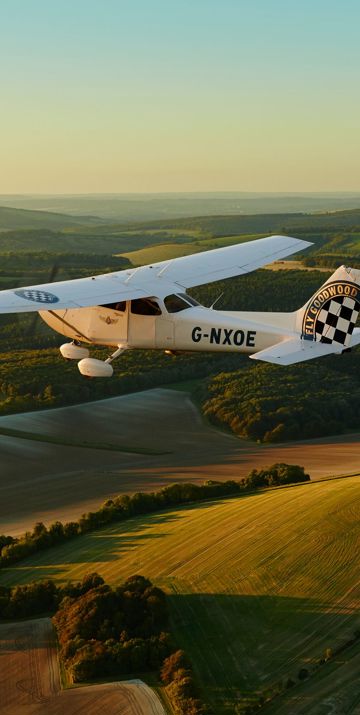
Group Captain Sir Douglas Bader
The famous fighter ace, who flew his last sortie from Goodwood Aerodrome, formerly RAF Westhampnett has a statue in his honor within the airfield.
-
Aero Club Membership
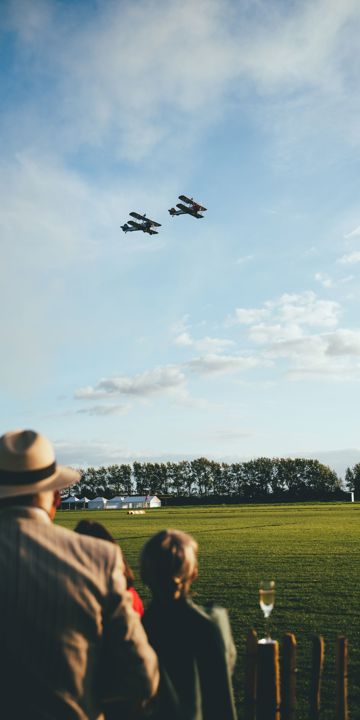

Battle of Britain
Flying training began at Goodwood in 1940 when pilots were taught operational flying techniques in Hurricanes and Spitfires.
-
Flying Experiences
-
Pilot Information
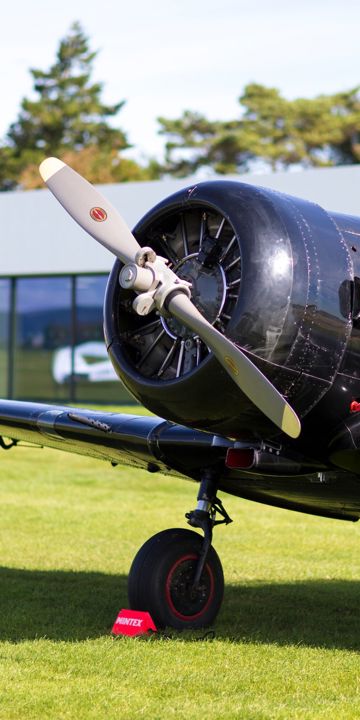
Flying Elephant
The first thing ever dropped at Goodwood was a cuddly elephant which landed in 1932 just as the 9th Duke of Richmonds passion for flying was taking off.
-
Flying School
-
Meetings
-
Venue Hire
-
Goodwood House
-
The Racecourse
-
The Goodwood Hotel
-
The Motor Circuit
-
The Kennels
-
The Aerodrome
-
The Great Outdoors
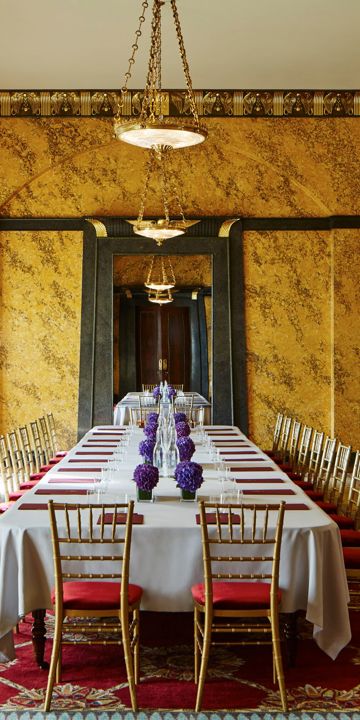
Where else can you...
...plan strategy in an ancient woodland, enjoy award-winning dining then drive around a racetrack?
-
Goodwood House
-
Plan Your Meeting
-
Parties
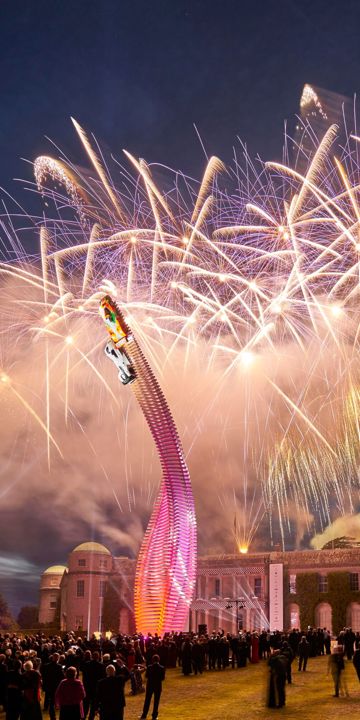
Where else can you...
...plan strategy in an ancient woodland, enjoy award-winning dining then drive around a racetrack?
-
Hospitality

-
Corporate Experiences
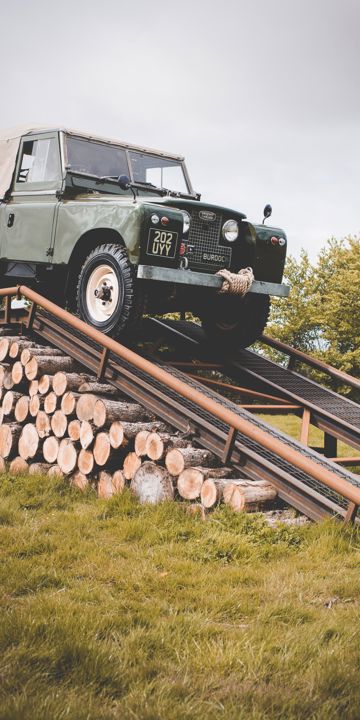
Where else can you...
...plan strategy in an ancient woodland, enjoy award-winning dining then drive around a racetrack?
-
Christmas Parties
-
Film Locations
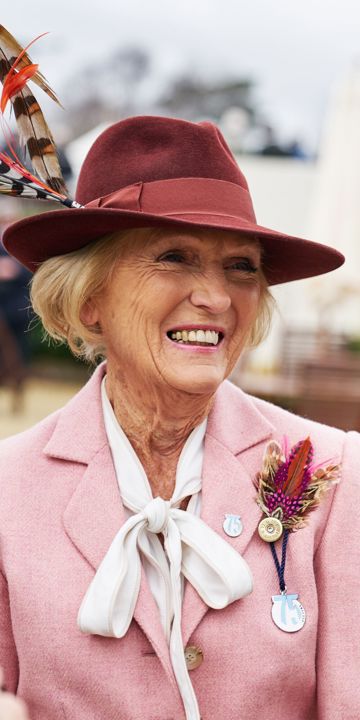

Filming at Goodwood
We have been host to many incredible film crews using Goodwood as a backdrop for shows like Downton Abbey, Hollywood Blockbusters like Venom: let there be Carnage and the Man from U.N.C.L.E.
-
Venue Hire
-
Weddings
-
Goodwood House
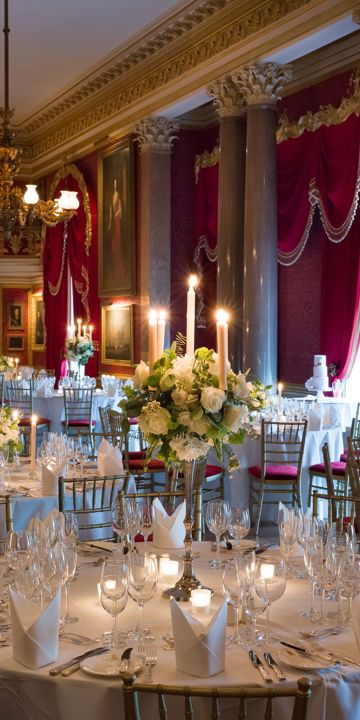
Egyptian Dining Room
Testament to the 19th-century fascination with ancient Egypt and decorative opulence. The room is richly detailed with gilded cartouches, sphinxes, birds and crocodiles.
-
The Kennels

Fashionable foxhounds
The 1st Duke of Richmond bought Goodwood in 1697 as a place to stay to go foxhunting with the fashionable Charlton Hunt. -
Parties
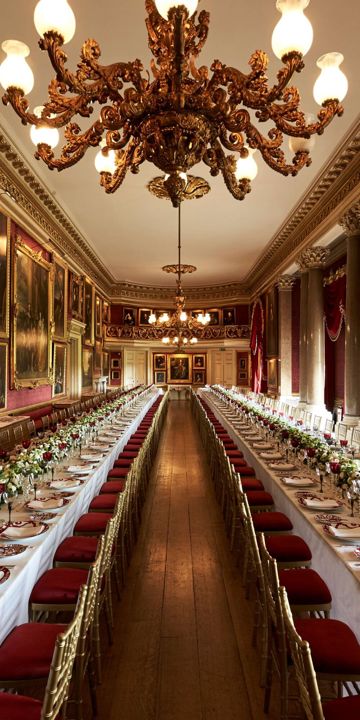
Where else can you...
...plan strategy in an ancient woodland, enjoy award-winning dining then drive around a racetrack?
-
Goodwood House
-
Memberships
-
Goodwood Road Racing Club
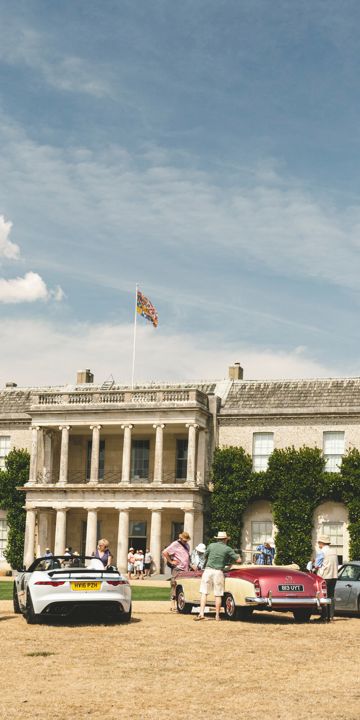

When was the GRRC founded?
Established in 1998 by the Duke of Richmond, the Goodwood Road Racing Club offers exclusive benefits across the estate year-round -
Goodwood Horseracing Club
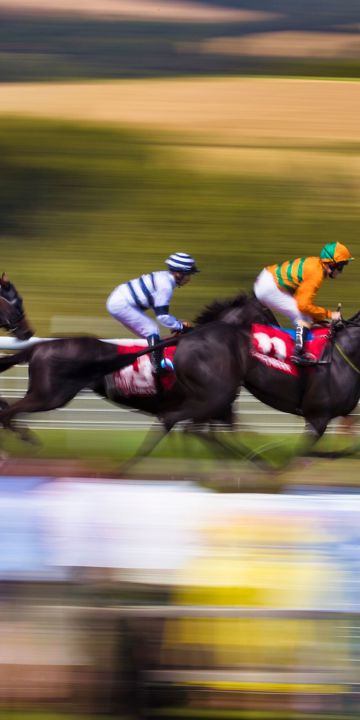
Why does everyone wear hats?
King Edward VII turned his back on the traditional morning suit and donned a linen suit and Panama hat. Thus the Glorious Goodwood trend was born.
-
Golf At Goodwood
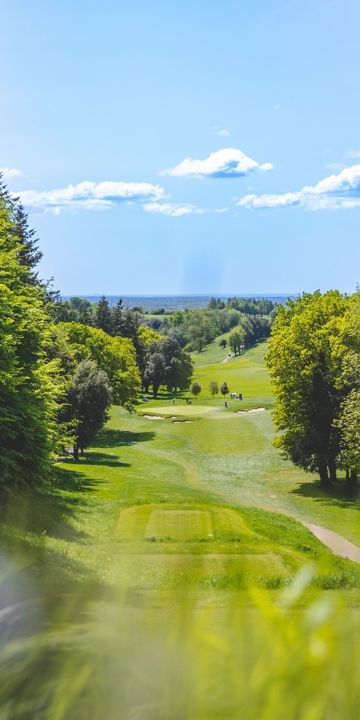
A sporting Estate
Goodwood has two 18-hole championship courses, a modern clubhouse and an impressive Academy. -
Goodwood Aero Club
During the war...
The Motor Circuit was known as RAF Westhampnett, active from 1940 to 1946 as a Battle of Britain station. -
Goodwood Health Club
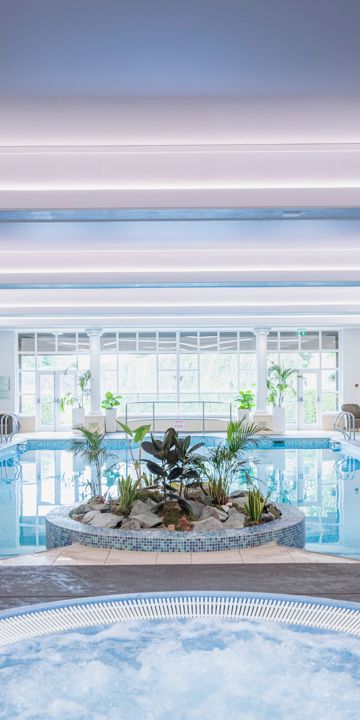
Goodwood's first Health Summit...
...took place in 2023 with industry experts discussing nutrition costs and food systems for a healthier future. -
The Kennels

How old is The Kennels?
Built in 1787 by celebrated architect James Wyatt to house the third Duke of Richmond’s prized fox hounds, The Kennels was known as one of the most luxurious dog houses in the world!
-
Sporting Membership

Fashionable foxhounds
The 1st Duke of Richmond bought Goodwood in 1697 as a place to stay to go foxhunting with the fashionable Charlton Hunt. -
Goodwood Racehorse Owners Group
-
Goodwood Art Foundation
-
Goodwood Road Racing Club
- Classic Car Insurance
- Health & Wellbeing
- Buy Merchandise
-
Our Estate
-
What's on
-
Estate Map
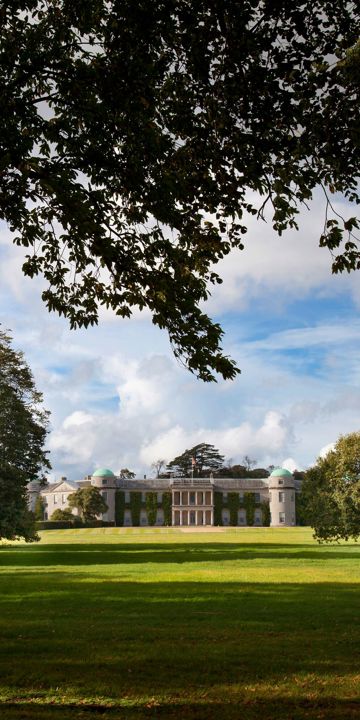
Fashionable foxhounds
The 1st Duke of Richmond bought Goodwood in 1697 as a place to stay to go foxhunting with the fashionable Charlton Hunt. -
Stories from the Estate
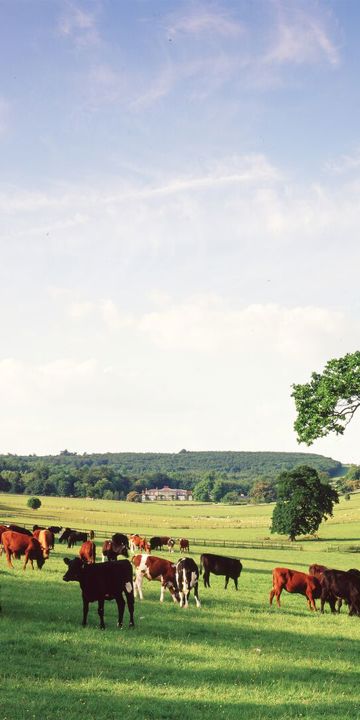
Fashionable foxhounds
The 1st Duke of Richmond bought Goodwood in 1697 as a place to stay to go foxhunting with the fashionable Charlton Hunt. -
Sports
-
Goodwood Education Trust
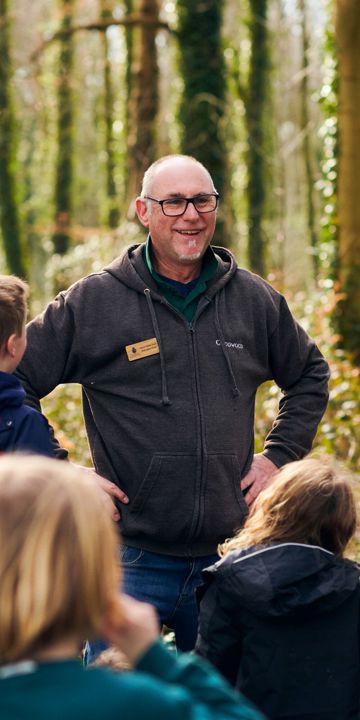
Carne's Seat
Just beyond Goodwood House along the Hillclimb, the 2nd Dukes banqueting house was also known as "one of the finest rooms in England" (George Vertue 1747).
-
Charities
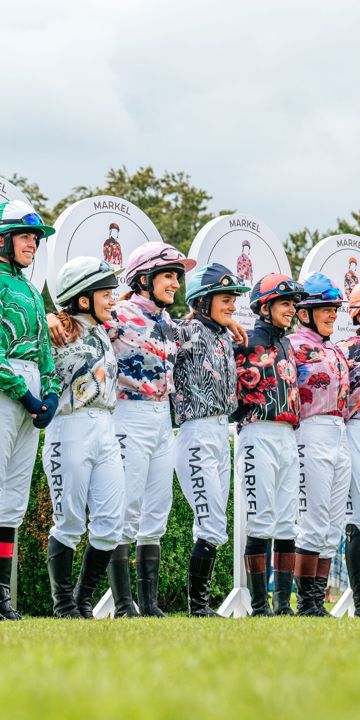
Battle of Britain
Flying training began at Goodwood in 1940 when pilots were taught operational flying techniques in Hurricanes and Spitfires.
-
Sustainability
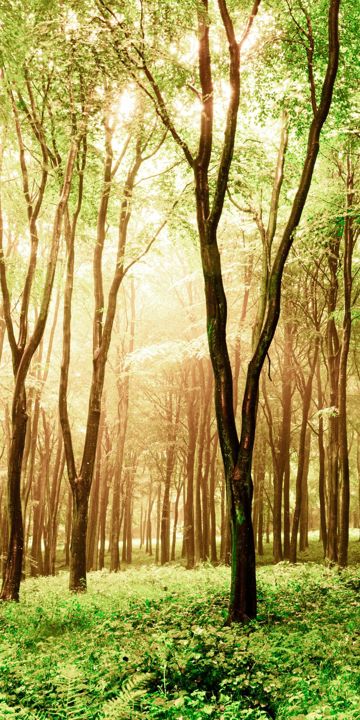
Egyptian Dining Room
Testament to the 19th-century fascination with ancient Egypt and decorative opulence. The room is richly detailed with gilded cartouches, sphinxes, birds and crocodiles.
-
Diversity, Equity & inclusion
-
Property
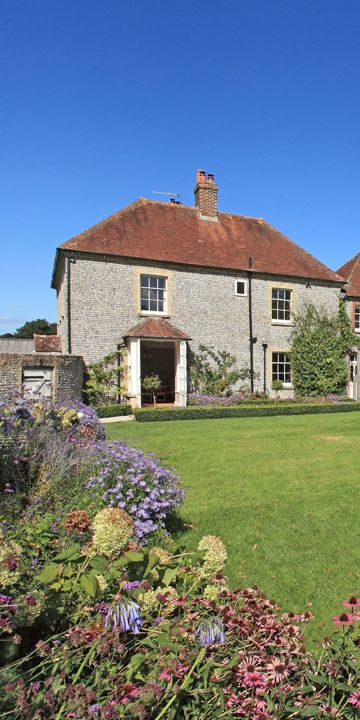
Egyptian Dining Room
Testament to the 19th-century fascination with ancient Egypt and decorative opulence. The room is richly detailed with gilded cartouches, sphinxes, birds and crocodiles.
-
Walking Guide

St Simon
Whoa Simon! A horse so determined and headstrong, he not only won the 1883 Goodwood Cup by 20 lengths, but couldn't be stopped and carried on running over the top of Trundle hill
-
Dog Walking Field
-
Careers
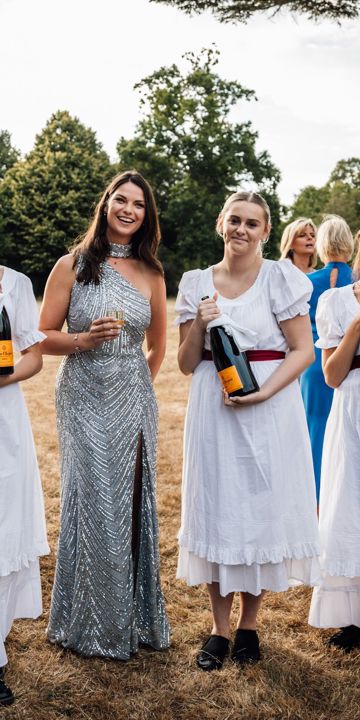
Battle of Britain
Flying training began at Goodwood in 1940 when pilots were taught operational flying techniques in Hurricanes and Spitfires.
-
Goodwood Art Foundation
-
Farm Shop
-
What's on
- Christmas


Upcoming Events
Tee To Green June
Find out the latest from our Greenkeepers in this month's Tee to Green.
The Downs course
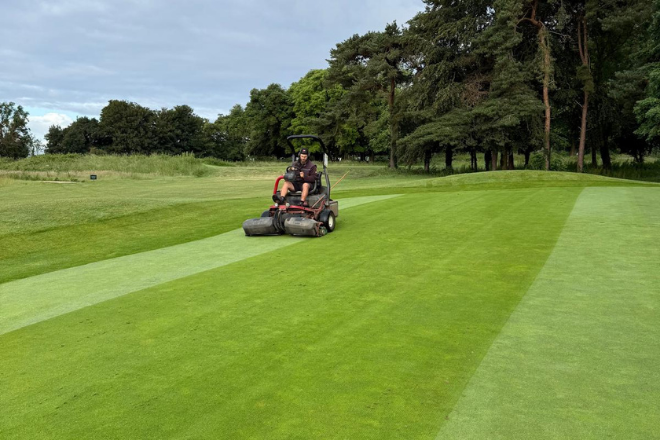
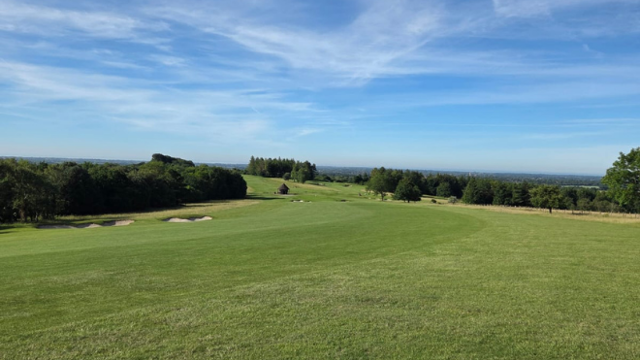
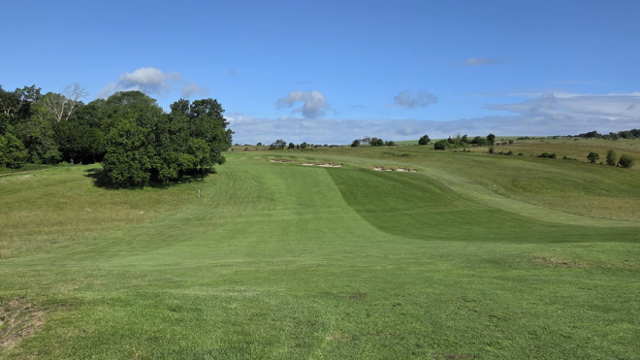
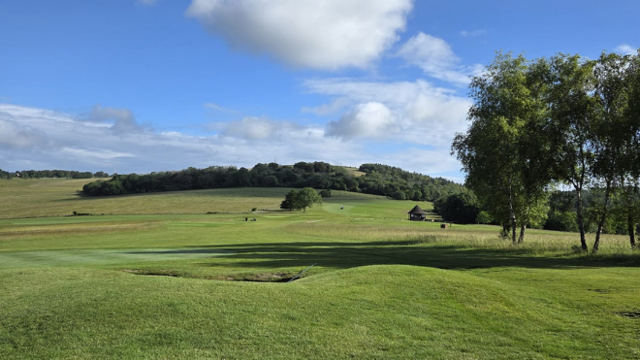
As we move into summer, I wanted to provide an update on the progress being made across the course and the priorities for the coming weeks.
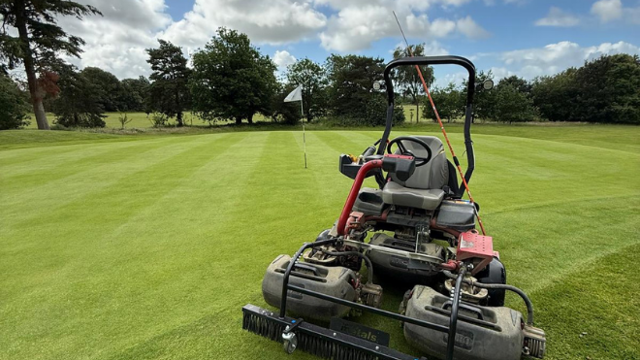
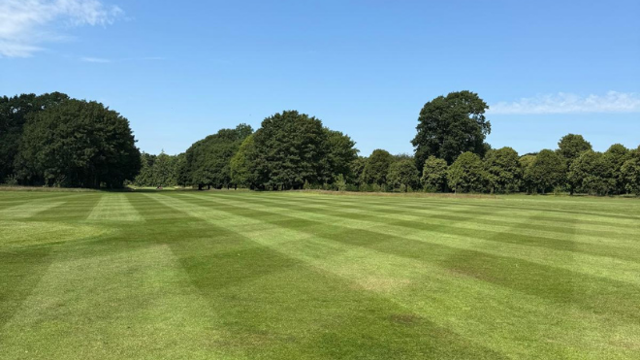
One of our main focuses during June has been the fairways. Following our recent fertiliser application, we have seen a strong response with excellent colour and growth across the course. The fairways have greened up nicely and are presenting far better coverage than earlier in the season. As expected, the increased growth has created additional maintenance demands, but the team is steadily getting on top of this and working hard to maintain consistent playing conditions.
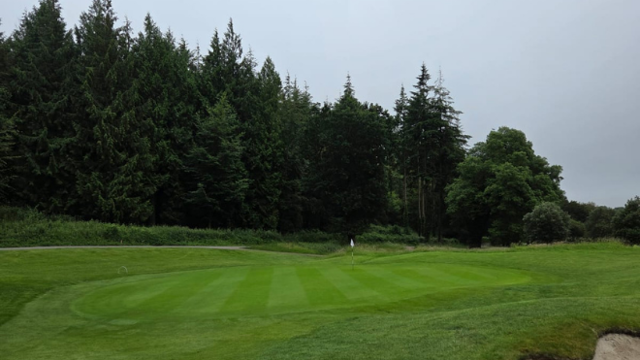
The greens have also continued to improve and are now in a much better place. Surface quality has increased significantly, and they are rolling well with improved consistency. With plant health and recovery progressing as planned, we will now begin gradually increasing green speeds over the coming weeks while ensuring we maintain healthy, sustainable turf throughout the summer.
During the month we also experienced a major leak within the irrigation system. Whilst frustrating, these types of issues can be expected with any irrigation infrastructure and are often identified as systems are fully utilised during the growing season. The leak has now been repaired, and we will continue to respond quickly to any issues that arise to ensure the system remains reliable throughout the summer months.
Overall, we are very pleased with the coverage and condition of all playing surfaces across the course. Following the challenges presented by the spring weather, we now feel we are in a strong position heading into the traditionally drier period of the year. This will allow us to shift our focus from recovery and establishment towards fine-tuning presentation and consistency as we move into July.
Another area of focus will be the bunkers. We will shortly begin topping up bunker sand using China clay sand, which will improve both playability and presentation. This work will help create a more consistent playing surface throughout the bunker network and enhance the overall golfing experience.
Finally, I would like to thank all members for their continued support, patience and feedback. Course improvement is always a journey rather than an overnight process, and whilst there is still work to do, the progress being made is clear to see. The team remains committed to delivering the best possible playing conditions while balancing the long-term health and sustainability of the course. We look forward to building on the momentum we have created and continuing to improve the course throughout the summer.
Dan Cornish, Head Greenkeeper, The Downs course
The Park and Copse courses
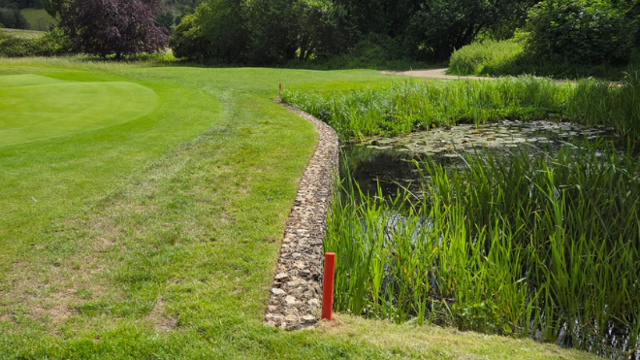
As normal with this blog, I would like to start with the weather. What happens in the sky really has a big impact on what we do daily and on turf conditions. In May we saw record temperatures from the heatwave and then at the start of June we had more rain than we had in the previous 3 months! This week is going to be another scorcher, with records expected to be broken again with 4 days of temps over 30c! Current record for June is 34.8c from 1976, this is likely to be broken by some margin. We still haven't reached the peak of summer!
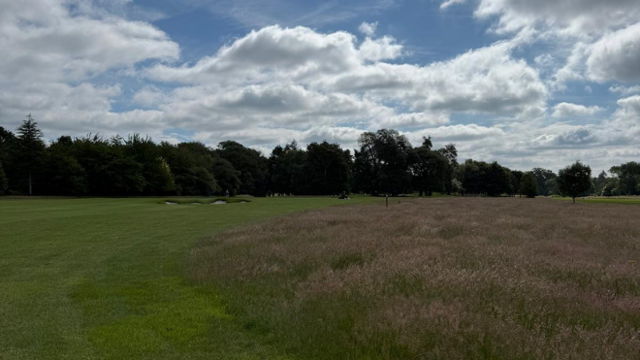
The rain was very welcome. Everywhere has greened up, the long rough, although not everyone’s favorite, has flourished and added definition to the course which we didn’t have last year because of how dry it was. The course is presenting nicely at the moment with lots of positive feedback from members. The greens have had a more consistent growth on them now, and are running true, slightly off the pace where we would like to be. The rain hasn’t helped with speeds, making them puffy and soft. Added to that, the disease pressure has been high, with outbreaks of Waitea Patch and Fusarium. To help get speeds and trueness, heights have been lowered to 3.5mm. We have verti-cut to –3mm and applied roughly 8 tons of sand dressing this month. With Festival of Speed coming up and course closed, we will be scarifying the greens (conditions dependent) a 10mm tine and roughly 20 tons of sand dressing, getting them ready for Club Championships.
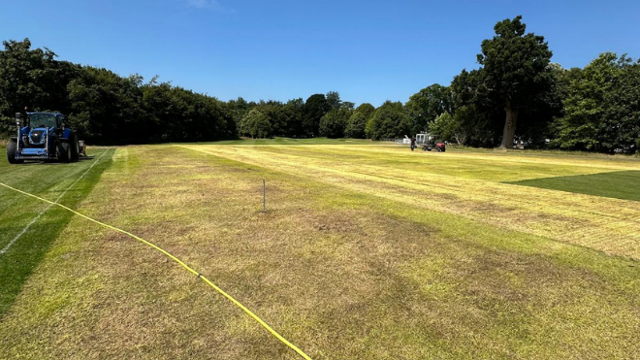
FOS (Festival of Speed) has a big impact on the course. The whole of the 10th hole is used. 2 entrances for FOS, as well as having the Super Car Paddock on the fairway. To help withstand the heavy foot traffic and flooring being laid, we applied a foliar spray application to make the plant strong and healthy before this happens and hopefully quicker recovery. It has worked well in the past, depending on the conditions. Last year was very dry, little work having to be done after. The year before was a wet build and wet during FOS, meaning we had a lot of damage, and the 10th fairway was yellow (see pics below). Many other parts of the course are also impacted. 1st and 9th have Elite Helicopters on them. Holes 3/12/13 are VIP car parks as well as numerous walkways. We hope it's dry throughout the whole process, from build to breakdown and the Event.
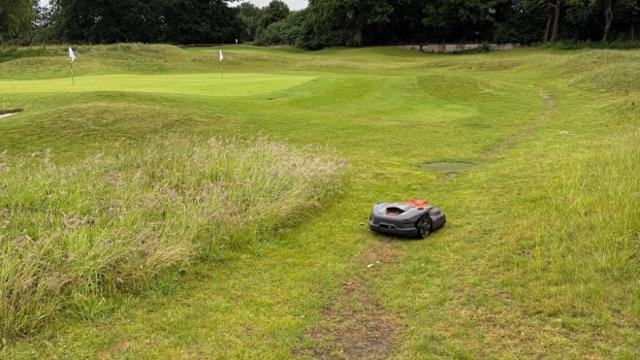
On the Copse this month we are trialing a robotic mower to help cut the surrounds. This was to go out at night and cut while nobody was around. Unfortunately, this was not very successful. We believe it didn't like the mounds and got confused about what its role was as we found it in the bunker for 2 mornings on the trot!
Same as with Park course, long rough has taken off and really added definition, but the greens have been more impacted with disease than the Park. The location is a big factor in this as well as being newly established greens. All have had a fungicide spray and now showing signs of recovery.
Sam Enticknap, Deputy Head Greenkeeper of The Park and Copse courses