-
Events
-
Festival of Speed
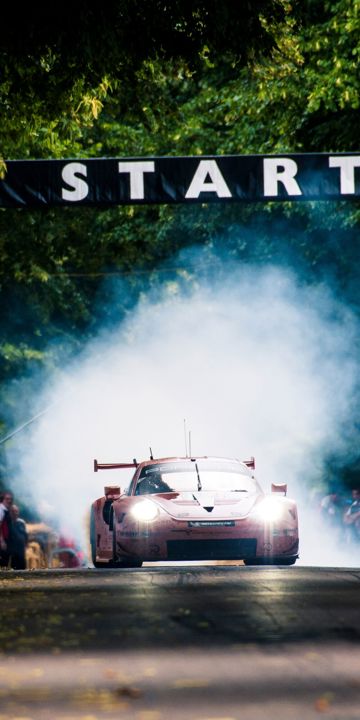

Taming the "Beast"
The Fiat S76 or "Beast of Turin" is a Goodwood favourite and can usually be heard before it is seen at #FOS
-
Goodwood Revival


Spectators Favourite
Spectate from the chicane at the Revival to see plenty of classic cars going sideways as they exit this infamous point of our Motor Circuit.
-
Members' Meeting
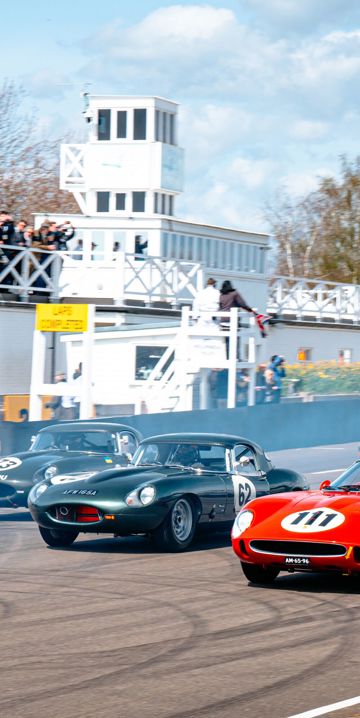

The return of the Members' Meeting
The 72nd Goodwood Members' Meeting was run for GRRC Members in 2014, the first since 1966.
-
Qatar Goodwood Festival
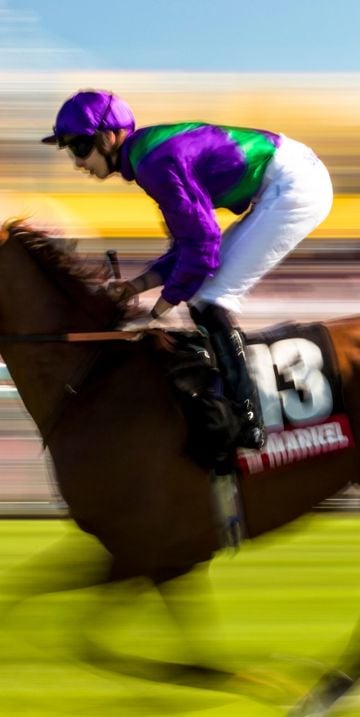

Royal approval
King Edward VII (who came almost every year) famously dubbed Glorious Goodwood “a garden party with racing tacked on”.
-
Goodwoof
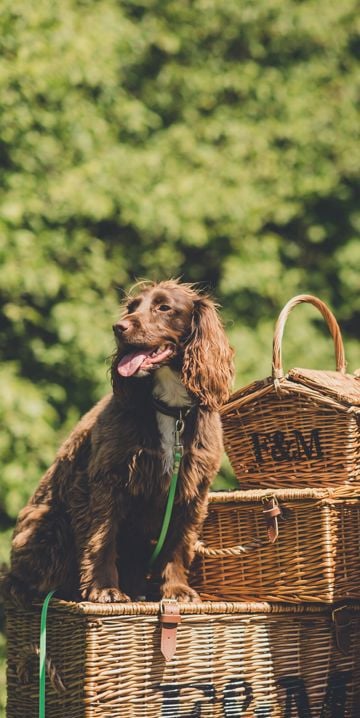

Start in style
The breed parade sees hundreds of dogs and their owners walk from Goodwood House down to The Kennels to kick start the Goodwoof weekend. -
Horseracing
-
Season Opener
-
May Festival
-
Family Race Day
-
Three Friday Nights
-
August Bank Holiday
-
Autumn Racing
-
Season Finale
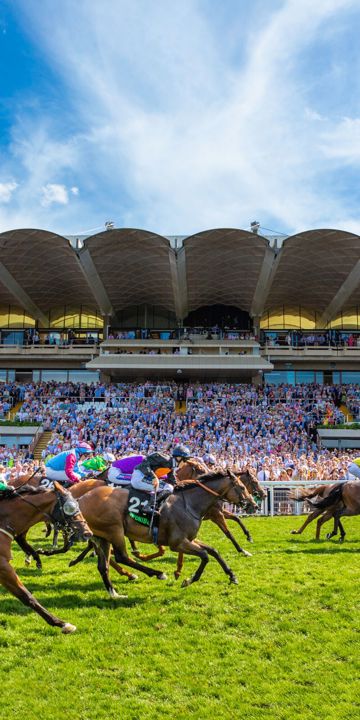

The Magnolia Cup
Leading women of business, sport, fashion and media, take part in one of the most exciting horseracing events in the world.
-
Season Opener
-
Breakfast Club
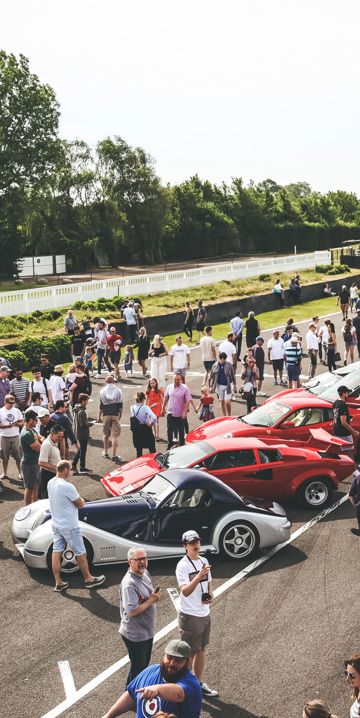

A perfect Sunday morning?
A no-cost, all-welcome motoring show where the visitors and their machines are the stars -
Health Summit
-
Hospitality
-
Exhibiting
-
Partnerships
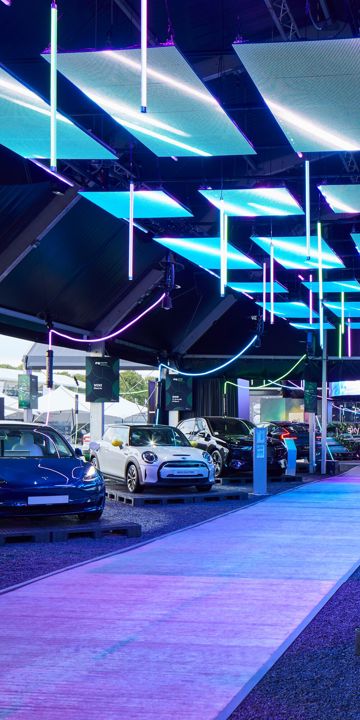

Where else can you...
...plan strategy in an ancient woodland, enjoy award-winning dining then drive around a racetrack?
-
What's on
-
Festival of Speed
-
Visit, Eat, Stay
-
The Goodwood Hotel

21,000 litres...
Alongside the award-winning meat, we also produce 21,000 litres of milk a week, used to make our cheeses. -
Goodwood Cottages


During the war...
The Motor Circuit was known as RAF Westhampnett, active from 1940 to 1946 as a Battle of Britain station. -
Goodwood House
-
Afternoon Tea & Tour
-
The Collection
-
Christmas Afternoon Tea & Tour
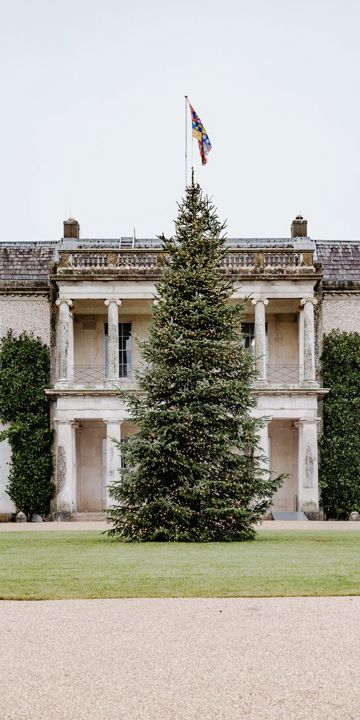
-
Exhibitions
-
History
-
Weddings
-
Copper Dome Restoration
-
Napoleon & His Marshals Book Talk with Andrew Roberts

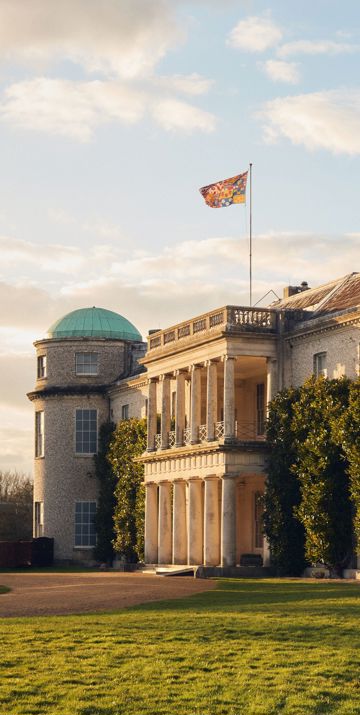

Yellow drawing room
The replica of the original Axminster carpet is so lavish that the President of Bulgaria came to visit it before its departure!
-
Afternoon Tea & Tour
-
Restaurants
-
Farmer, Butcher, Chef
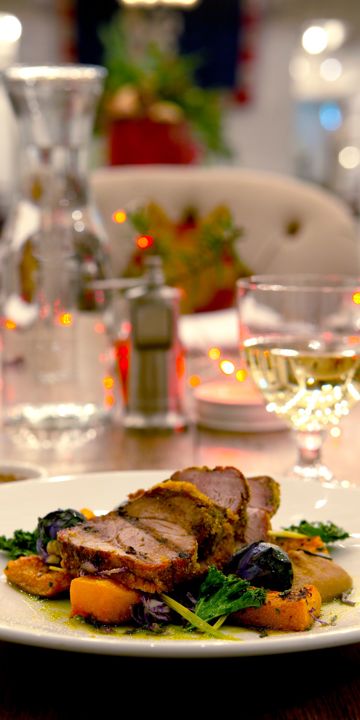
-
The Goodwood Bar & Grill
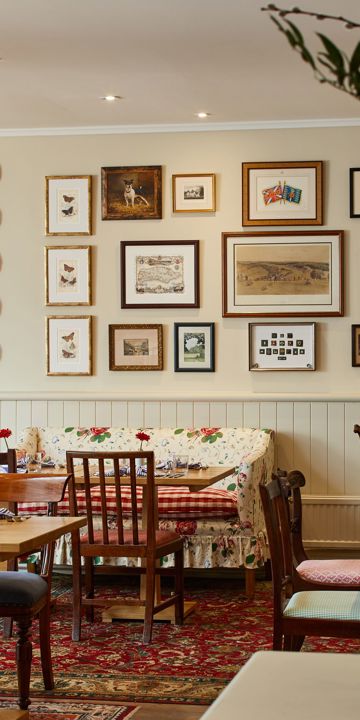
-
The Kennels
-
Aerodrome Café
-
Motor Circuit Café

-
Cafe 24

Sustainable state-of-mind
When Farmer, Butcher, Chef opened in 2016 it was awarded the UK’s first-ever Royal Academy of Culinary Arts ‘Sustainable Food Philosophy Seal’. -
Farmer, Butcher, Chef
-
The Kennels

Fashionable foxhounds
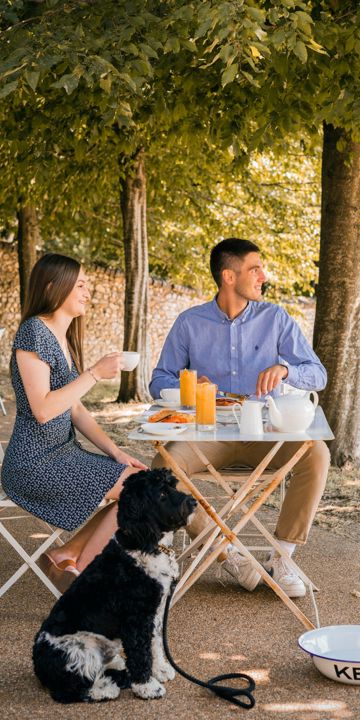
The 1st Duke of Richmond bought Goodwood in 1697 as a place to stay to go foxhunting with the fashionable Charlton Hunt. -
Motor Circuit


How many hay bales are used at FOS?
For the last two years, 5,800 bales have been recylced into the biomass energy centre to be used for energy generation
-
Health & Wellbeing
-
Membership
-
Health Club
-
Gym
-
Run Series
-
Spa Treatments
-
Wellness Retreats
-
Events Calendar
-
Corporate Wellbeing
-
Health Summit
-
Latest News


Goodwood's first Health Summit...
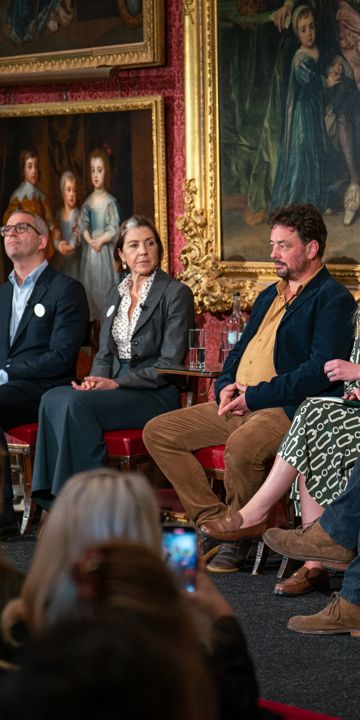
...took place in 2023 with industry experts discussing nutrition costs and food systems for a healthier future. -
Membership
-
Hound Lodge

Leveson Design
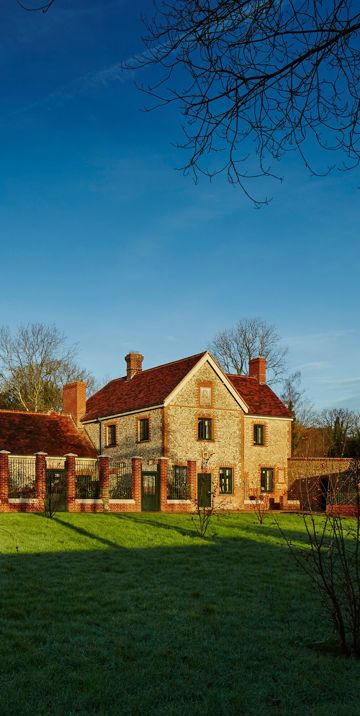
Hound lodge is one of our wonderful lcoations designed by Cindy, whose incredible eye for detail can be seen in every inch.
-
Goodwood Farm Shop

21,000 litres...
Alongside the award-winning meat, we also produce 21,000 litres of milk a week, used to make our cheeses. -
Parties

-
Goodwood Art Foundation
-
The Goodwood Hotel
-
Motorsport
-
Festival of Speed

Cartier Style et Luxe
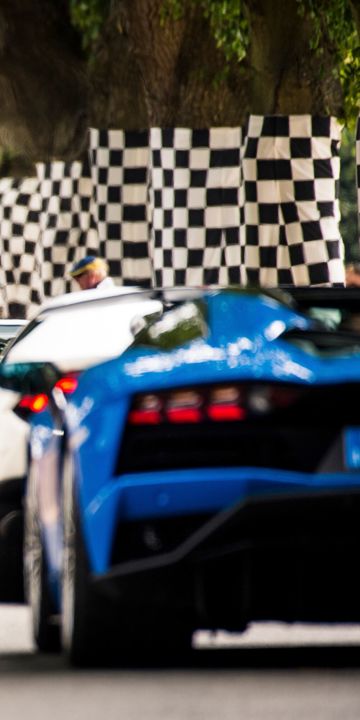
Experience stunning automotive design at the world's finest concours d'elegance.
-
Goodwood Revival
-
Tickets & Packages
-
Hospitality
-
Explore
-
Plan Your Day
-
Buy Merchandise
-
Charity
-
Partners
-
Accessibility
-
FAQs


"Mr Goodwood"
Sir Stirling Moss was one of the founding patrons of the Festival of Speed, and a regular competitor at the Revival.
-
Tickets & Packages
-
Members' Meeting

"Motorsport garden party of the gods"
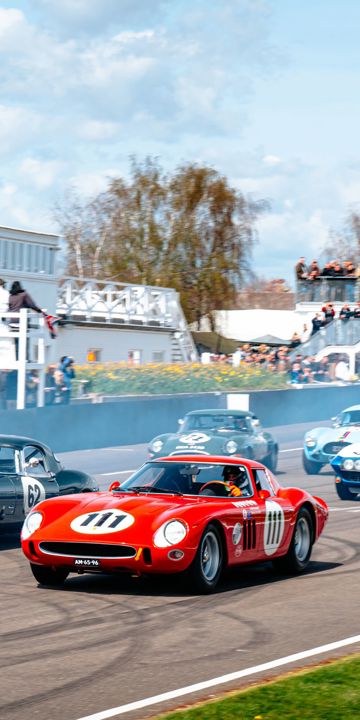
Festival of Speed is our longest-standing Motorsport event, starting in 1993 when it opened to 25,000 people. We were expecting 2000!
-
Breakfast Club

When was the GRRC founded?
Established in 1998 by the Duke of Richmond, the Goodwood Road Racing Club offers exclusive benefits across the estate year-round -
Motor Circuit

Egyptian Dining Room
Testament to the 19th-century fascination with ancient Egypt and decorative opulence. The room is richly detailed with gilded cartouches, sphinxes, birds and crocodiles.
-
Driving Experiences

Why don't the F1 cars race the hill?
For safety reasons F1 cars can no longer do official timed runs so instead perform stunning demonstrations!
-
Goodwood Road Racing Club
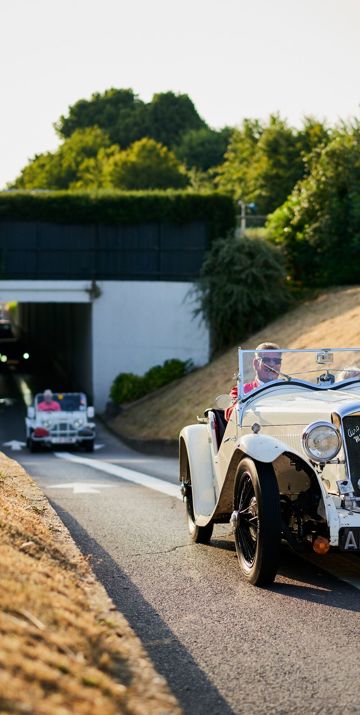
Why don't the F1 cars race the hill?
For safety reasons F1 cars can no longer do official timed runs so instead perform stunning demonstrations!
-
Latest News
-
Festival of Speed
-
Horseracing
-
Tickets & Packages
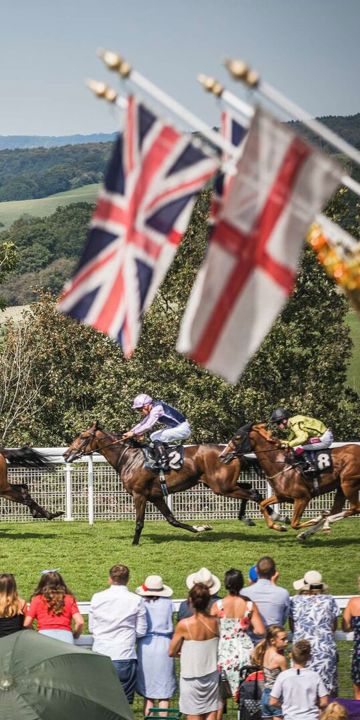

Why does everyone wear hats?
King Edward VII turned his back on the traditional morning suit and donned a linen suit and Panama hat. Thus the Glorious Goodwood trend was born.
-
Hospitality
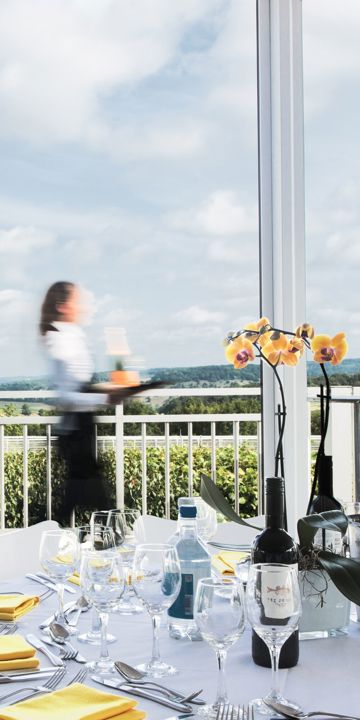

"Glorious Goodwood"
After the first public race meeting in 1902, 'Glorious Goodwood' became a highlight of the summer season.
-
Horseracing Club Membership
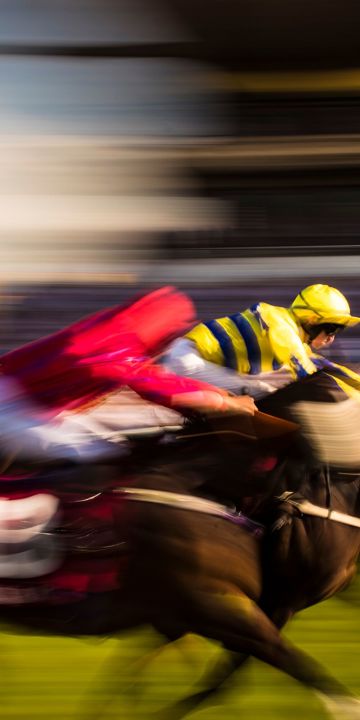
"Glorious Goodwood"
After the first public race meeting in 1902, 'Glorious Goodwood' became a highlight of the summer season.
-
Fixtures & Events
-
Season Opener
-
May Festival
-
Family Race Day
-
Three Friday Nights

-
Qatar Goodwood Festival
-
August Bank Holiday
-
Autumn Racing
-
Season Finale
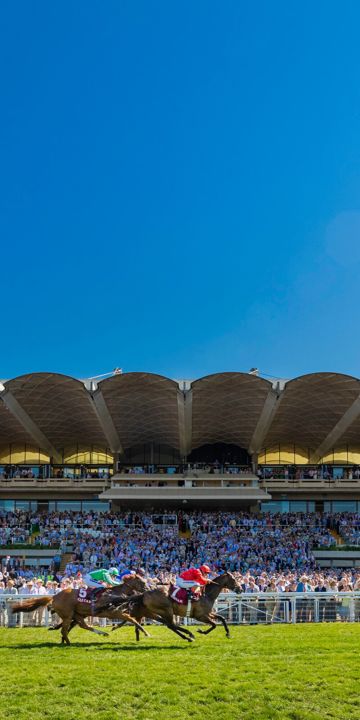

St Simon
Whoa Simon! A horse so determined and headstrong, he not only won the 1883 Goodwood Cup by 20 lengths, but couldn't be stopped and carried on running over the top of Trundle hill
-
Season Opener
-
Qatar Goodwood Festival
-
Tickets & Packages
-
Hospitality
-
Day by Day Guide
-
Ladies Day
-
Magnolia Cup
-
The Earl's Lawn
-
Timetable
-
Partners
St Simon
Whoa Simon! A horse so determined and headstrong, he not only won the 1883 Goodwood Cup by 20 lengths, but couldn't be stopped and carried on running over the top of Trundle hill
-
Tickets & Packages
-
Three Friday Nights
St Simon
Whoa Simon! A horse so determined and headstrong, he not only won the 1883 Goodwood Cup by 20 lengths, but couldn't be stopped and carried on running over the top of Trundle hill
-
Plan Your Day
-
Enclosures
-
Event Map
-
Going Report
-
Getting Here
-
Betting at Goodwood
-
Dress Code
-
Accessibility
-
Food & Drink

Why walk when you can drive
The first ever horsebox was used from Goodwood to Doncaster for the 1836 St. Leger. Elis arrived fresh and easily won his owner a £12k bet.
-
Enclosures
-
Buy Merchandise
-
Partners
-
Owners & Trainers
-
Latest News
-
FAQs
-
Accessibility
-
Tickets & Packages
-
Experiences
-
Driving
Why don't the F1 cars race the hill?
For safety reasons F1 cars can no longer do official timed runs so instead perform stunning demonstrations!
-
Flying
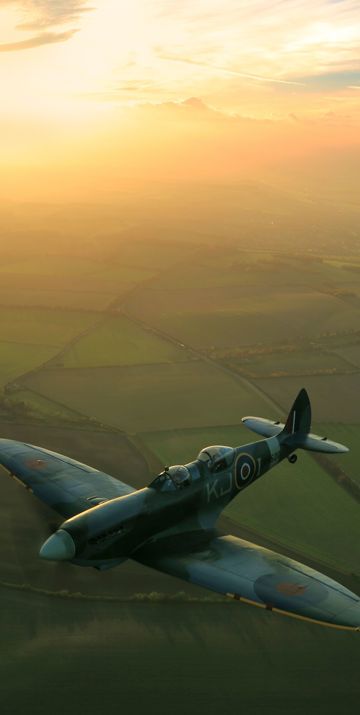

Flying with Goodwood
Come with us for an epic journey. -
Golf

Braid’s Masterpiece
One of the greatest golfers of all time, James Braid designed Goodwood’s iconic Downland course, opened in 1914.
-
Shooting
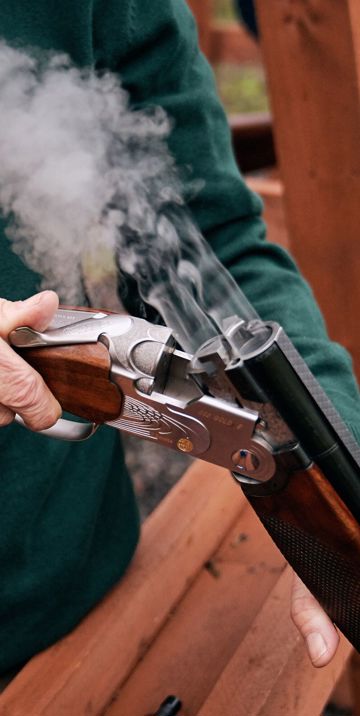

Filming at Goodwood
We have been host to many incredible film crews using Goodwood as a backdrop for shows like Downton Abbey, Hollywood Blockbusters like Venom: let there be Carnage and the Man from U.N.C.L.E.
-
Afternoon Tea
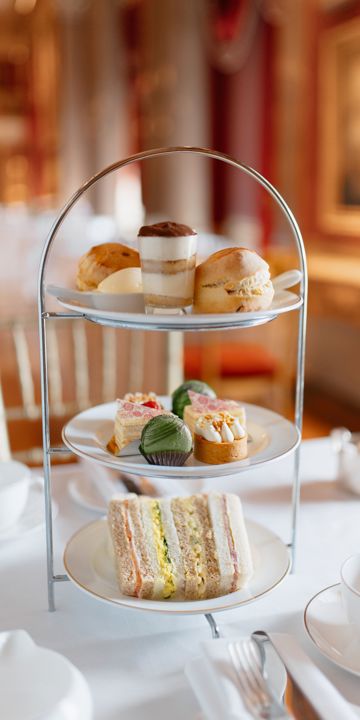

Battle of Britain
Flying training began at Goodwood in 1940 when pilots were taught operational flying techniques in Hurricanes and Spitfires.
-
Corporate Wellbeing
Goodwood's first Health Summit...
...took place in 2023 with industry experts discussing nutrition costs and food systems for a healthier future. -
Cycling
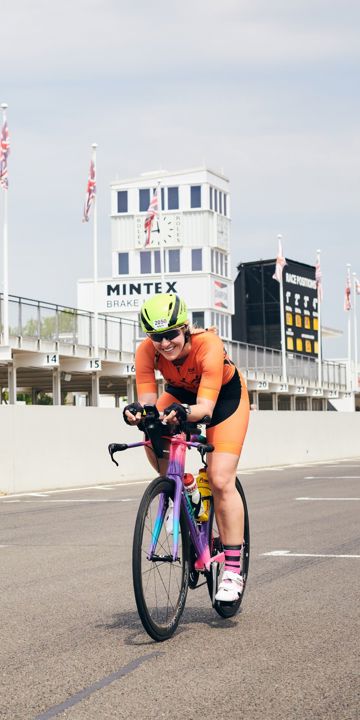

Motorsport Since 1948
Goodwood Motor Circuit was officially opened in September 1948 when Freddie March, the 9th Duke and renowned amateur racer, tore around the track in a Bristol 400
-
Corporate Experiences
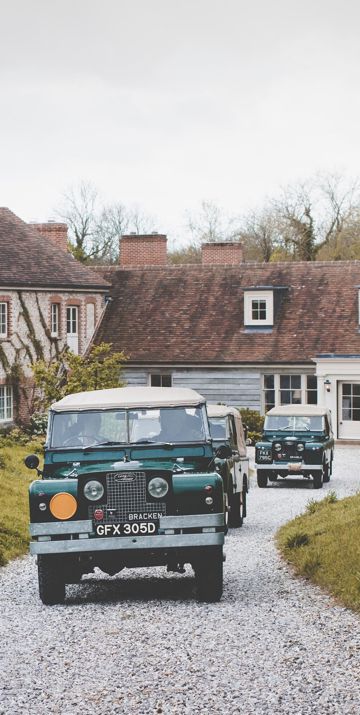
Where else can you...
...plan strategy in an ancient woodland, enjoy award-winning dining then drive around a racetrack?
-
Spa Treatments
-
Driving
- Hospitality
-
Golf
-
Golf Courses
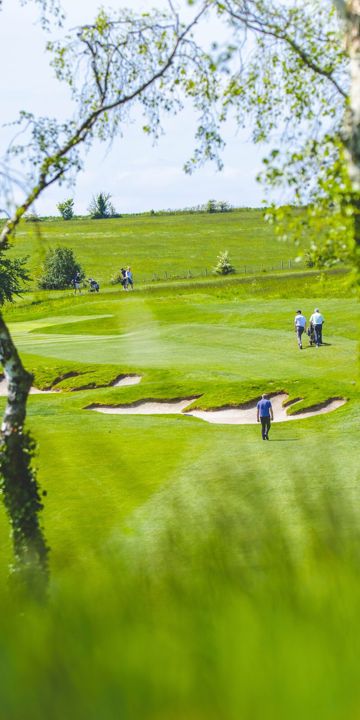

Over 100 years of Golf
The first ever round of golf played at Goodwood was in 1914 when the 6th Duke of Richmond opened the course on the Downs above Goodwood House.
-
Golf Membership
-
Credit Membership
-
Application Form
-
Braid Membership
-
Intermediate Membership
-
Junior Membership
-
Corporate Membership
-
Get Into Golf
-
Copse Membership


A sporting Estate
Goodwood has two 18-hole championship courses, a modern clubhouse and an impressive Academy. -
Credit Membership
-
The Academy
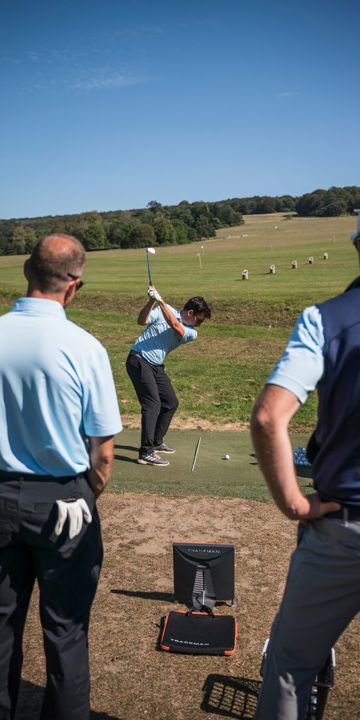
Over 100 years of Golf
The first ever round of golf played at Goodwood was in 1914 when the 6th Duke of Richmond opened the course on the Downs above Goodwood House.
-
Golf Experiences

Braid’s Masterpiece
One of the greatest golfers of all time, James Braid designed Goodwood’s iconic Downland course, opened in 1914.
-
Golf Courses
-
Flying
-
Flying School
During the war...
The Motor Circuit was known as RAF Westhampnett, active from 1940 to 1946 as a Battle of Britain station. -
Aero Club Membership

During the war...
The Motor Circuit was known as RAF Westhampnett, active from 1940 to 1946 as a Battle of Britain station. -
Flying Experiences
-
Pilot Information

During the war...
The Motor Circuit was known as RAF Westhampnett, active from 1940 to 1946 as a Battle of Britain station.
-
Flying School
-
Meetings
-
Venue Hire
-
Goodwood House
-
The Racecourse
-
The Goodwood Hotel
-
The Motor Circuit
-
The Kennels
-
The Aerodrome
-
The Great Outdoors
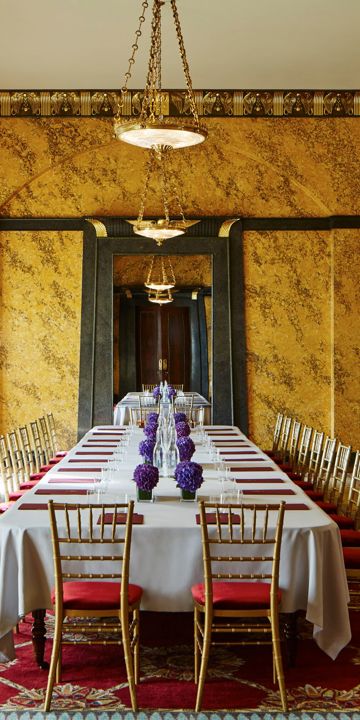
Where else can you...
...plan strategy in an ancient woodland, enjoy award-winning dining then drive around a racetrack?
-
Goodwood House
-
Plan Your Meeting
-
Parties
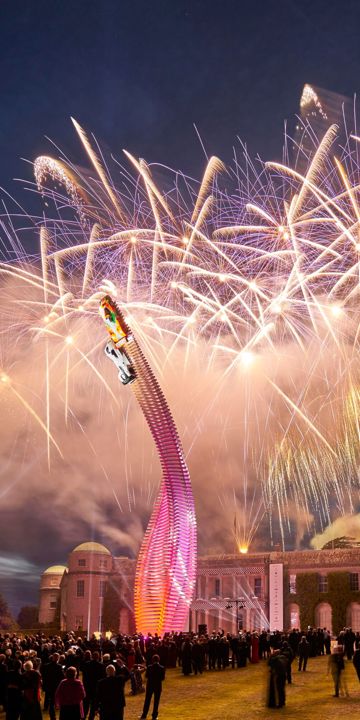
Where else can you...
...plan strategy in an ancient woodland, enjoy award-winning dining then drive around a racetrack?
-
Hospitality

-
Corporate Experiences
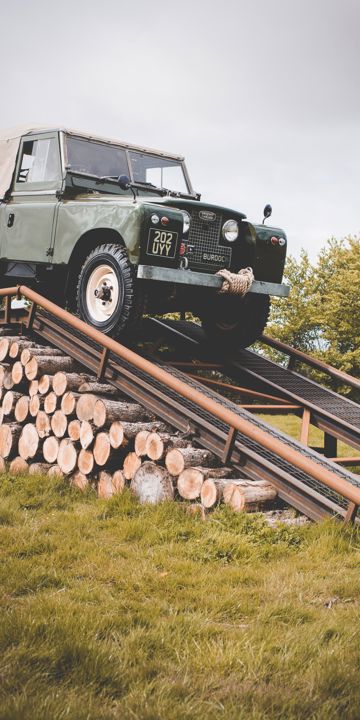
Where else can you...
...plan strategy in an ancient woodland, enjoy award-winning dining then drive around a racetrack?
-
Christmas Parties
-
Film Locations
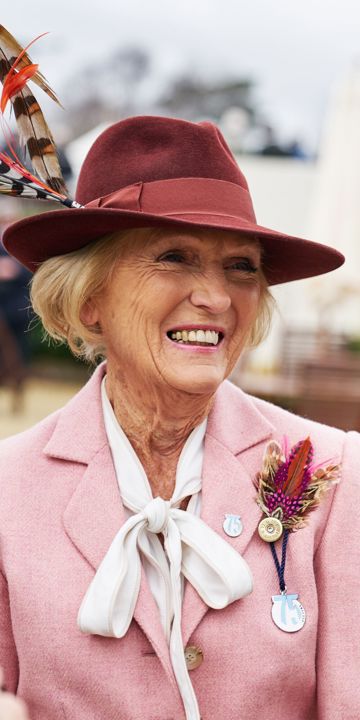
Where else can you...
...plan strategy in an ancient woodland, enjoy award-winning dining then drive around a racetrack?
-
Venue Hire
-
Weddings
-
Goodwood House
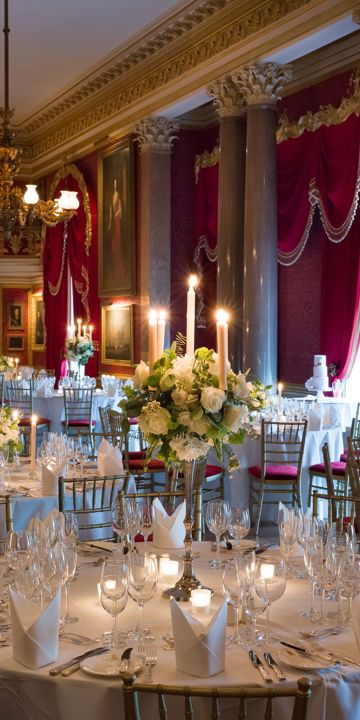
Yellow drawing room
The replica of the original Axminster carpet is so lavish that the President of Bulgaria came to visit it before its departure!
-
The Kennels


Advice from our Head Butler
Ensure you take a little time out together to pause and take in the celebration of all the hard work you put in.
-
Parties
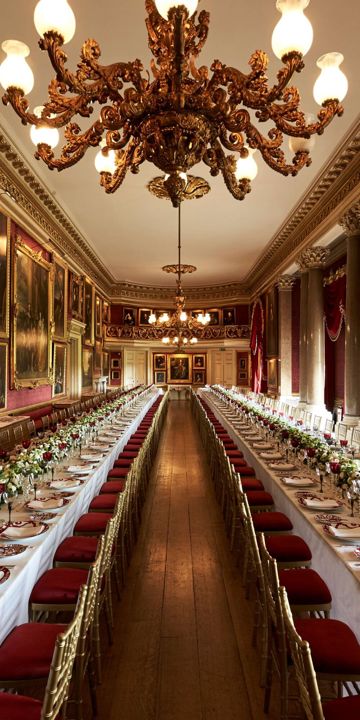


A destination for all seasons
We're well known for our iconic motorsport and horseracing events. But there's a lot more happening at Goodwood...
-
Goodwood House
-
Memberships
-
Goodwood Road Racing Club
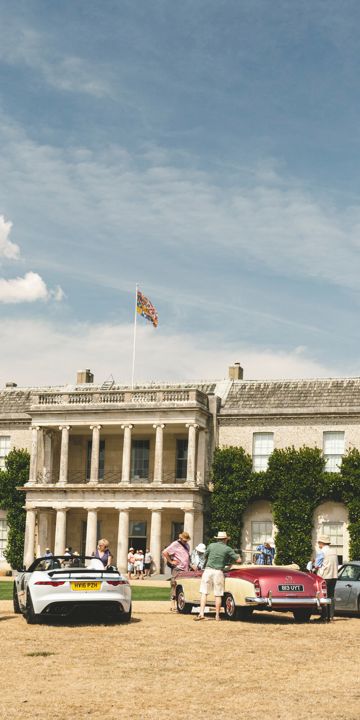
When was the GRRC founded?
Established in 1998 by the Duke of Richmond, the Goodwood Road Racing Club offers exclusive benefits across the estate year-round -
Goodwood Horseracing Club
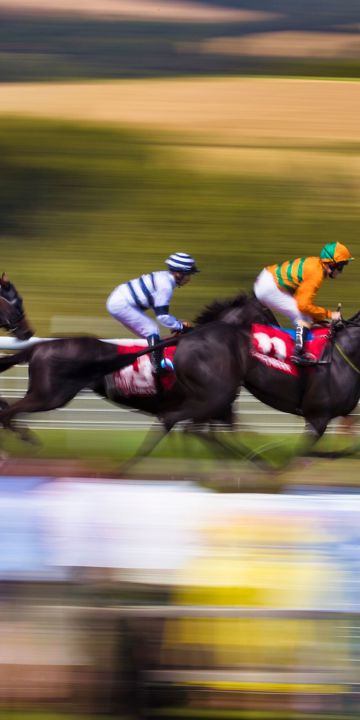
Royal approval
King Edward VII (who came almost every year) famously dubbed Glorious Goodwood “a garden party with racing tacked on”.
-
Golf At Goodwood
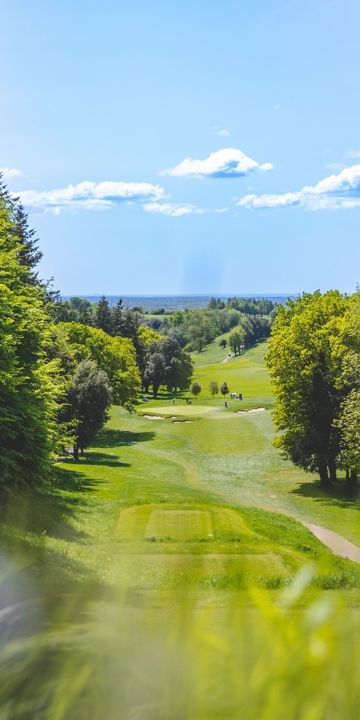
A sporting Estate
Goodwood has two 18-hole championship courses, a modern clubhouse and an impressive Academy. -
Goodwood Aero Club

The Silver Spitfire
The iconic spitfire covered almost 43,000 kilometres and visited over 20 countries on its epic journey and currently resides at our Aerodrome.
-
Goodwood Health Club
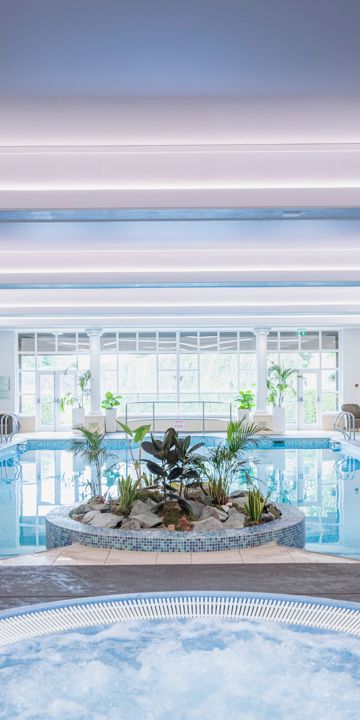
Goodwood's first Health Summit...
...took place in 2023 with industry experts discussing nutrition costs and food systems for a healthier future. -
The Kennels


An exclusive clubhouse
As the private clubhouse for all of the Estate’s sporting and social members, it offers personal service and a relaxed atmosphere
-
Sporting Membership

St Simon
Whoa Simon! A horse so determined and headstrong, he not only won the 1883 Goodwood Cup by 20 lengths, but couldn't be stopped and carried on running over the top of Trundle hill
-
Goodwood Racehorse Owners Group
-
Goodwood Art Foundation
-
Goodwood Road Racing Club
- Classic Car Insurance
- Health & Wellbeing
- Buy Merchandise
-
Our Estate
-
What's on
-
Estate Map
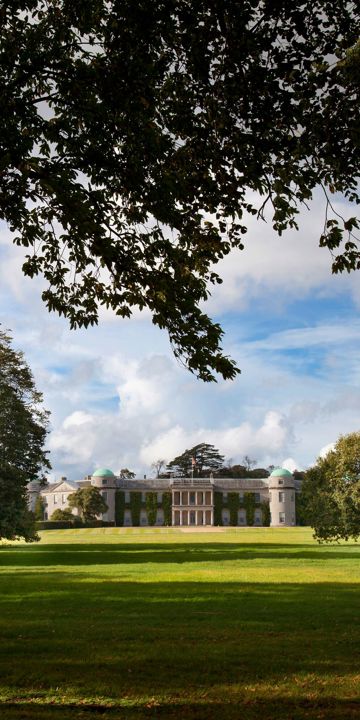

How old is The Kennels?
Built in 1787 by celebrated architect James Wyatt to house the third Duke of Richmond’s prized fox hounds, The Kennels was known as one of the most luxurious dog houses in the world!
-
Stories from the Estate
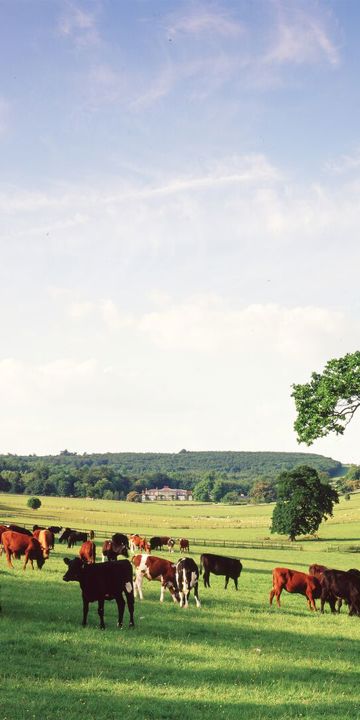

Group Captain Sir Douglas Bader
The famous fighter ace, who flew his last sortie from Goodwood Aerodrome, formerly RAF Westhampnett has a statue in his honor within the airfield.
-
Sports
-
Goodwood Education Trust
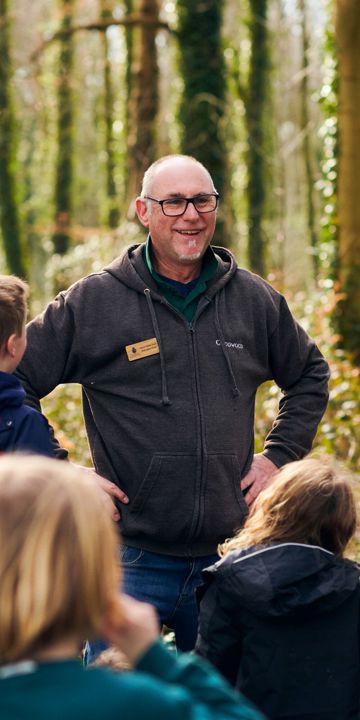
During the war...
The Motor Circuit was known as RAF Westhampnett, active from 1940 to 1946 as a Battle of Britain station.
-
Charities
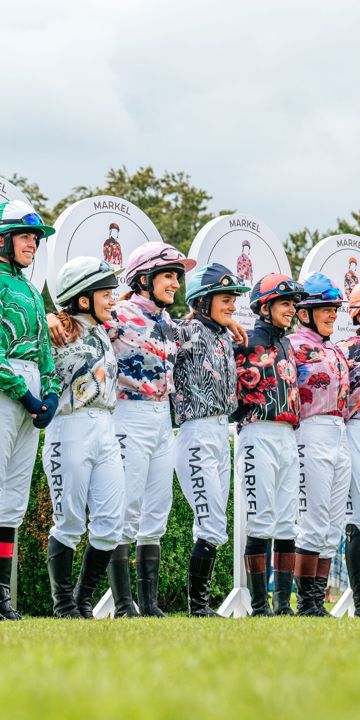
21,000 litres...
Alongside the award-winning meat, we also produce 21,000 litres of milk a week, used to make our cheeses. -
Sustainability

Egyptian Dining Room
Testament to the 19th-century fascination with ancient Egypt and decorative opulence. The room is richly detailed with gilded cartouches, sphinxes, birds and crocodiles.
-
Diversity, Equity & inclusion
-
Property
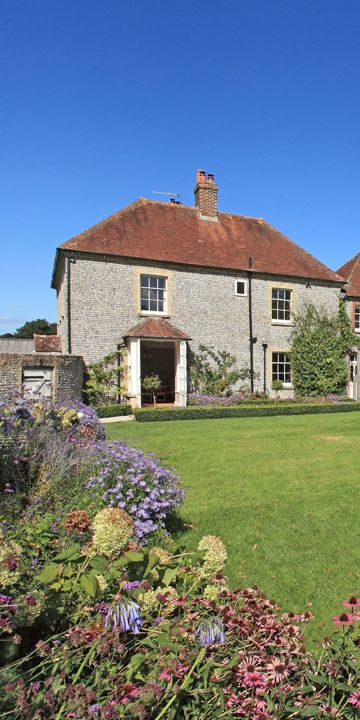

Flying Elephant
The first thing ever dropped at Goodwood was a cuddly elephant which landed in 1932 just as the 9th Duke of Richmonds passion for flying was taking off.
-
Walking Guide


Cricketers since 1702
The oldest existing rules for the game were drawn up for a match between the 2nd Duke and a neighbour
-
Dog Walking Field
-
Careers
During the war...
The Motor Circuit was known as RAF Westhampnett, active from 1940 to 1946 as a Battle of Britain station.
-
Goodwood Art Foundation
-
Farm Shop
-
What's on
- Christmas



Upcoming Events
Tee To Green September
Find out the latest from our Greenkeepers in this month's Tee to Green.
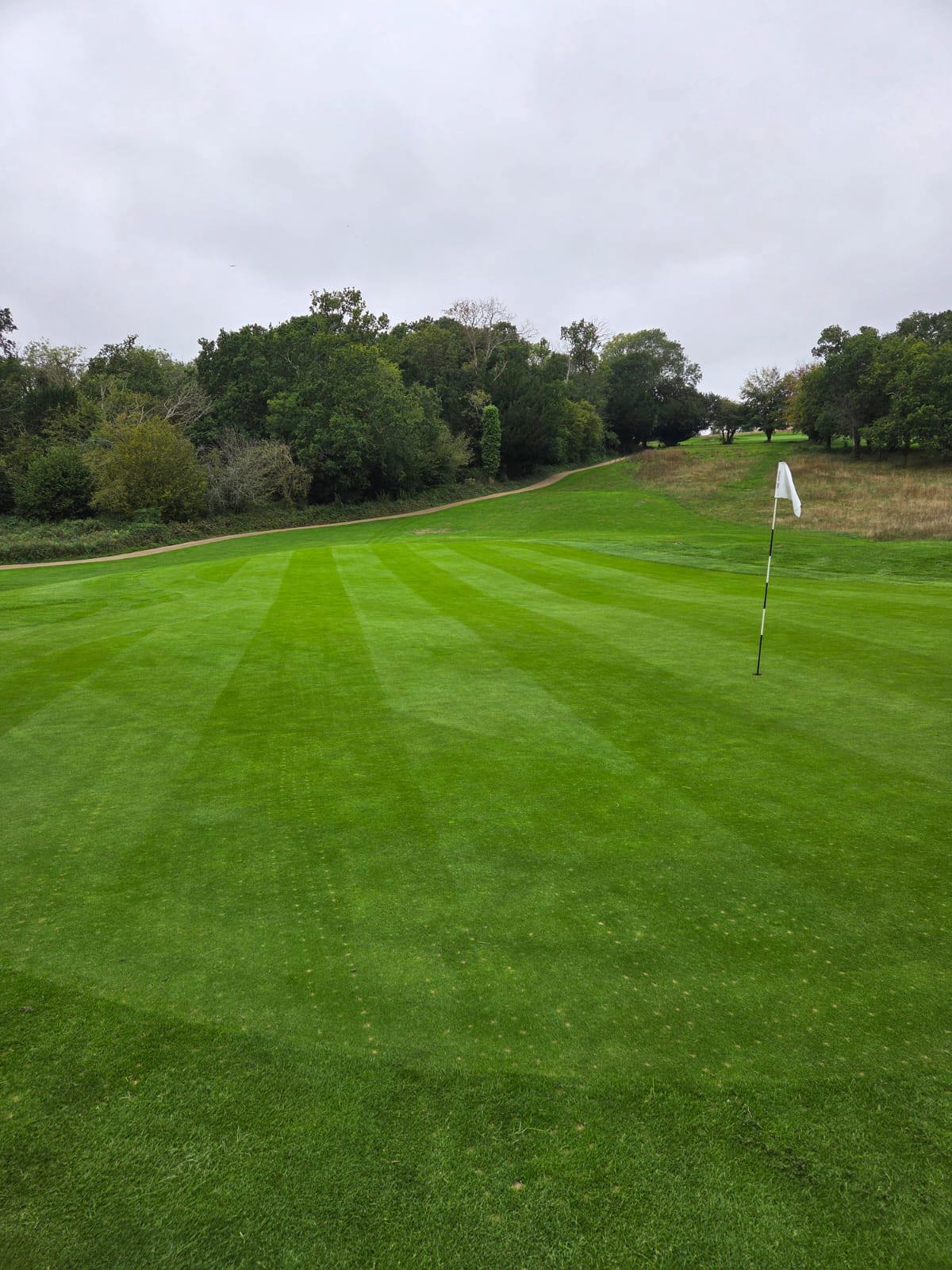
The Downs Course: Building for Month's Ahead
September is always an important month on the Downs. The days are getting shorter, temperatures are starting to come down and after a long and demanding summer, our focus begins to shift towards getting the course in the best possible condition for autumn and winter.
There has been plenty going on across the course over the last few weeks, with much of the work focused on improving the playing surfaces and setting us up for the months ahead.
DryJect: Working Below the Surface
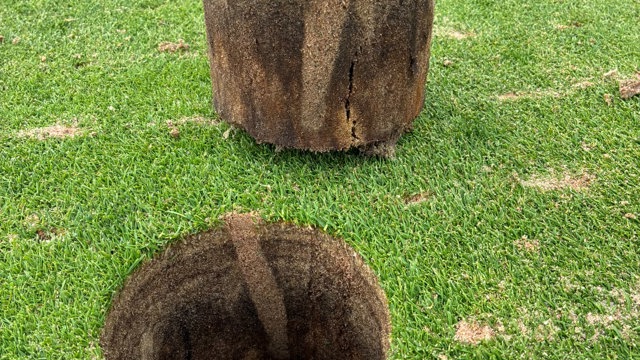
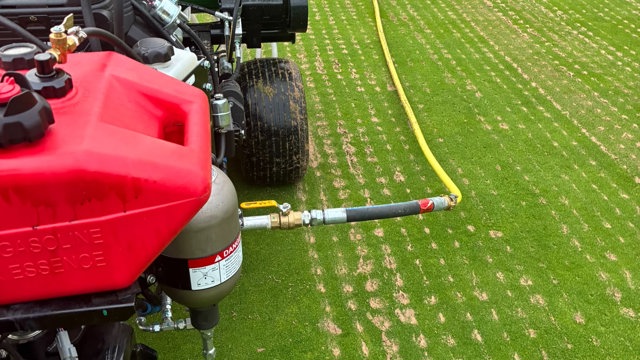
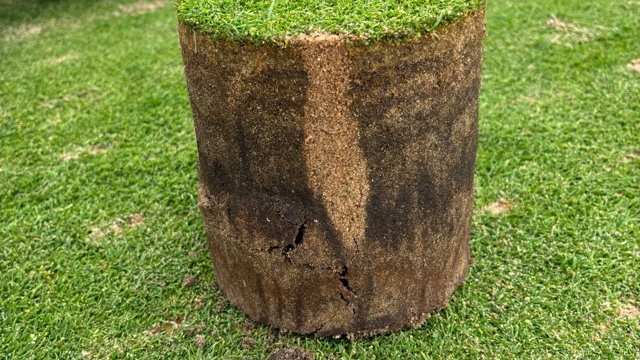
One of the biggest jobs has been our DryJect work on the greens. DryJect allows us to inject sand and water deep into the green profile. The process helps to fracture the soil, improve air and water movement through the profile and reduce compaction, while the injected sand helps build a firmer and more consistent rootzone.
The real benefit is what happens beneath the surface. We are trying to create a healthier profile that can cope with moisture more effectively while also producing the firm, consistent putting surfaces we want on the Downs.
It is one of those jobs where, from a golfer's point of view, you might not immediately see what we've done, but hopefully you'll notice the difference in how the greens perform.
Fairways: Giving the Grass a Helping Hand
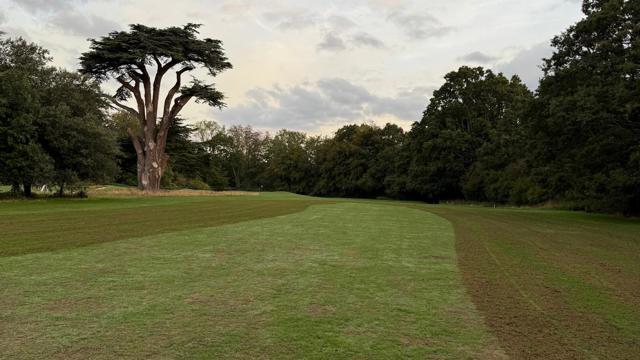
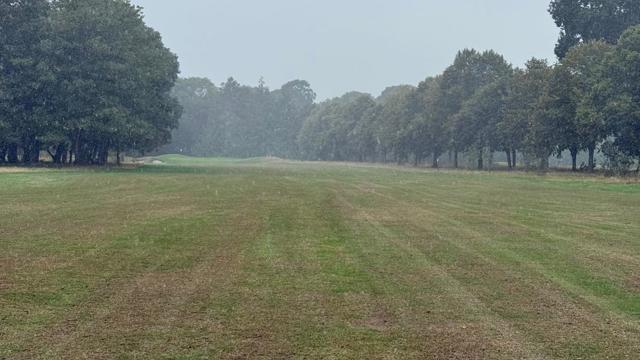
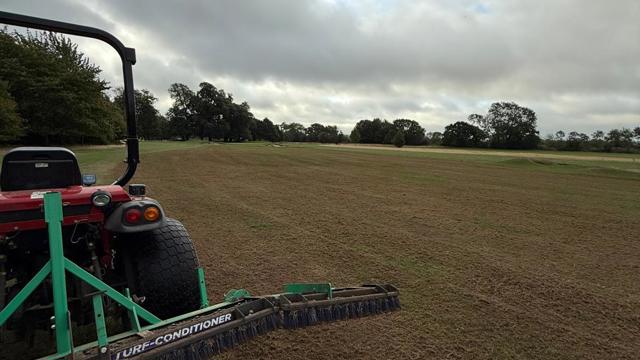
We've also been busy working on the fairways.The fairways have been Terra Raked to remove dead and weak grass material and stand the existing grass back up. We've then cut them and blown off all the debris, leaving a much cleaner surface ready for the next stage.
We are now putting down 120 bags of seed, using a fescue-based mix.
Fescue is an important part of what we're trying to achieve on the Downs. It is well suited to our conditions and can offer good drought tolerance while helping us develop a stronger, more resilient and consistent fairway sward.
You'll also notice that we've started seeding some of the newer cut lines. These areas have naturally had less time to establish, so we're using seed to help bring them into line with the existing playing surfaces and create a more consistent experience across the course.
Preparing the Tees for Winter
The tees have also received fertiliser to encourage healthy growth and help strengthen the turf as we head into the cooler months.
After the wear they receive throughout the season, autumn is an important opportunity to rebuild plant health and encourage the grass to recover before winter really gets going.
Disease Pressure
Disease pressure is also high at the moment, which is fairly typical for this time of year.
As we move from the warmer, drier conditions of summer into autumn, we start to get longer periods of moisture on the leaf, heavier dew and less drying from sunlight and wind. These conditions can create an environment where turf diseases, particularly Fusarium, can become more active. Stress, moisture and reduced air movement can all increase the risk.
Our job is therefore not simply to react when we see disease. Good nutrition, sensible irrigation, maintaining airflow, removing surface moisture where appropriate and keeping the turf healthy are all important parts of managing the pressure.
180 Tonnes of Sand - and Counting!
One figure that might surprise you is that, so far this year, we've put 180 tonnes of sand onto the greens.
That's a lot of sand, believe me, I've moved enough of it to know!
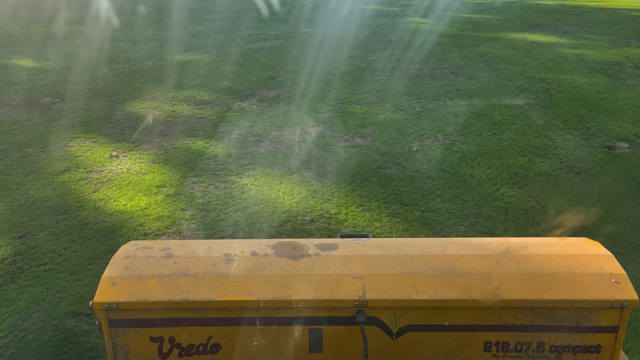
Regular sand applications are an important part of maintaining good putting surfaces. Sand helps dilute organic material in the upper profile, improve the physical structure of the rootzone and maintain better drainage and infiltration. Over time, this helps us produce firmer, smoother and more consistent greens.
It isn't necessarily the most glamorous side of greenkeeping, but it is one of the foundations of producing the surfaces we are aiming for.
Looking Ahead
A lot of the work we're doing now is about investing in the future of the Downs.
From improving the greens profile, strengthening the fairways with fescue, bringing the new cut lines into the existing sward and preparing the tees for winter, the aim is to finish this season with a stronger and more resilient course ready for next year.
And, as a golfer myself, I completely understand that the first thing you want to know when you arrive at the course is simply "How are the greens today?"
You probably don't want to hear about sand profiles, infiltration rates, disease pressure or 180 tonnes of topdressing!
But I can promise you that while we're thinking about all of those things behind the scenes, we're always thinking about the same thing you are – making the course as good as it can be to play.
Dan Cornish, Head Greenkeeper, The Downs course
The Park and Copse courses
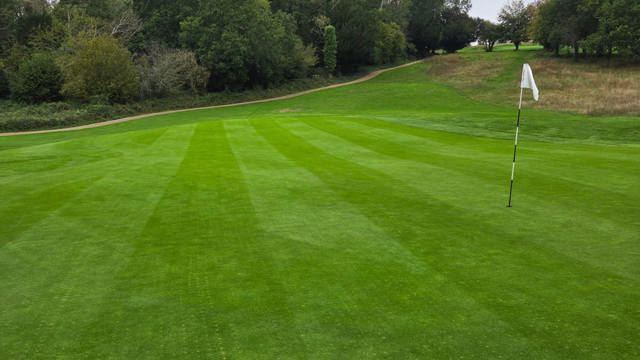
After what seemed the longest and hottest summer ever, finally the weather turned and we've seen some much needed rain and cooler temperatures. The course has changed a lot in just these last four weeks. What looked like the Gobi Desert has now greened up a lot, really showing how resilient grass is. With some moisture now in the ground, areas are coming back quickly and growing quickly.
To aid recovery, especially on fairways, we have Terra raked them all. This is like your average garden springbok rake, just on a bigger scale and more aggressive. This removes all the dead material from the summer and will help newer growth come through. Once we Terra raked, we then followed by a rotary cut and then all the debris blown away. We have seen recovery on all the fairways but maybe one or two will need overseeding. The 13th fairway, which was heavily impacted by Festival of Speed, is one of them. Some are just patchy and will take a little longer to come back.
We've had some good positive feedback on the greens this month. They have remained consistent and rolling true. With the stress of summer then going into cooler temps but humidity remaining high, we had an outbreak of disease across all the greens surfaces. We quickly applied a fungicide to halt the outbreak and a few days after we then applied a granular fertiliser. This helped recover from some scarring we had from the disease, plus strengthening soil conditions and promoting growth. They are in great shape leading up to our maintenance at the end of the month.
This maintenance will be once again using the GKB machine. This removes thatch and fills it back in with dry kiln sand. Before we do the GKB, we will verti-drain to a depth of 7 inches, iron greens, GKB, then a light sand dressing followed by a drag mat to work dressing in. With temps and conditions looking good, we anticipate a quick recovery after the process.
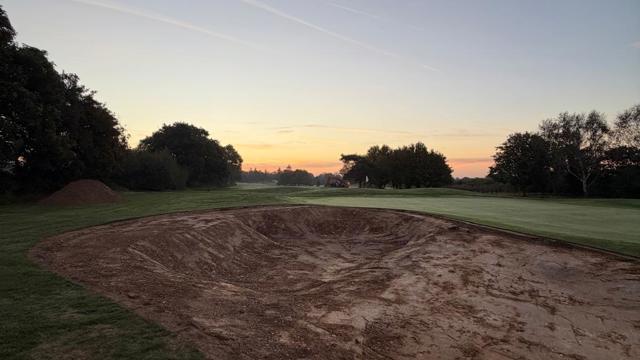
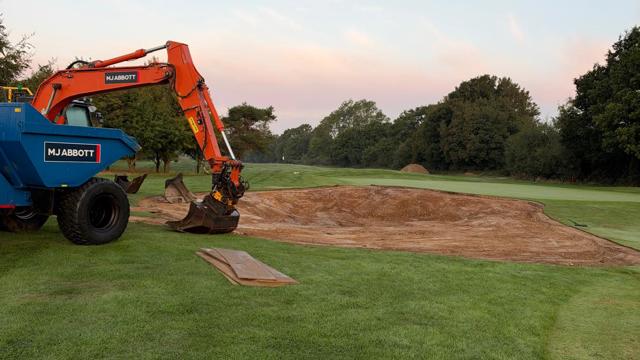
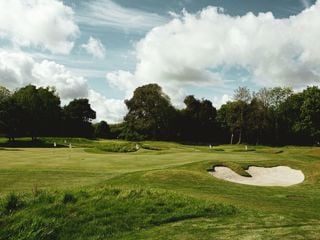
As you may have seen, the final phase of The Park Masterplan is underway. Holes 5/6/14/15/17/18 are being worked on by our constructors, MJ Abbott's. Most bunkers are having a reshape and some are being filled in. Works are expected to take around four weeks to complete. We appreciate your patience during any hole closures and are confident the improvements will be well worth the wait.
The Copse has recovered extremely well from the summer. The greens had the same fungicide and fertiliser as the main greens. We will be doing different maintenance compared with the main course. We are using once again the Graden machine, this removes thatch to 30mm then we will clear the debris and apply a sand dressing. As with the main course, all the natural rough areas will be cut and collected over the next few weeks.
See you on the course.
Scott Peterson, Head Greenkeeper of The Park and Copse courses