-
Events
-
Festival of Speed
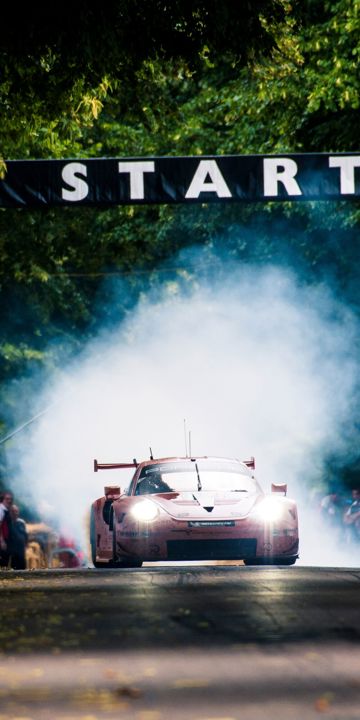

Taming the "Beast"
The Fiat S76 or "Beast of Turin" is a Goodwood favourite and can usually be heard before it is seen at #FOS
-
Goodwood Revival
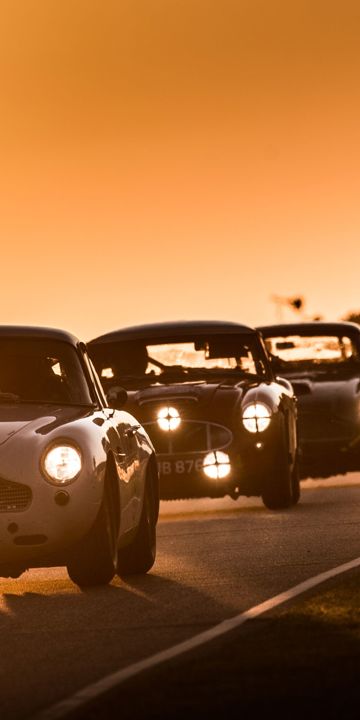

Goodwood Heroes
Legend of Goodwood's golden racing era and Le Mans winner Roy Salvadori once famously said "give me Goodwood on a summer's day and you can forget the rest".
-
Members' Meeting
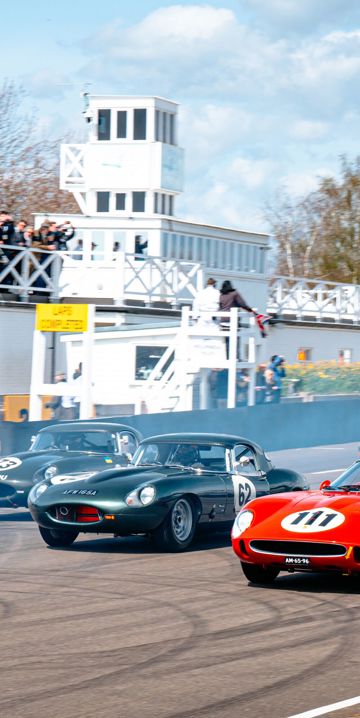

More than motorsport...
Ferret racing and duck herding are two of the many off-track activities at Members' Meeting -
Qatar Goodwood Festival
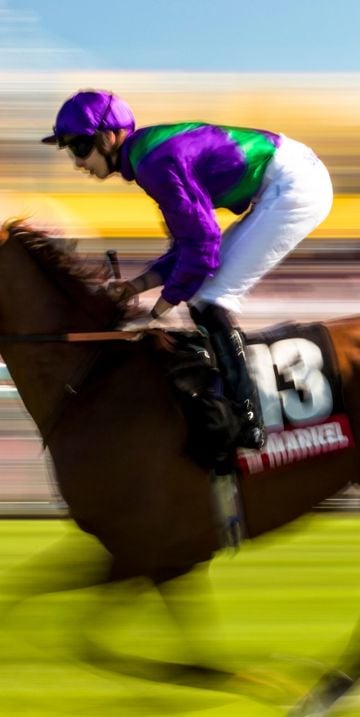

"Glorious Goodwood"
The first public race meeting took place in 1802 and, through the nineteenth century, ‘Glorious Goodwood,’ as the press named it, became a highlight of the summer season
-
Goodwoof
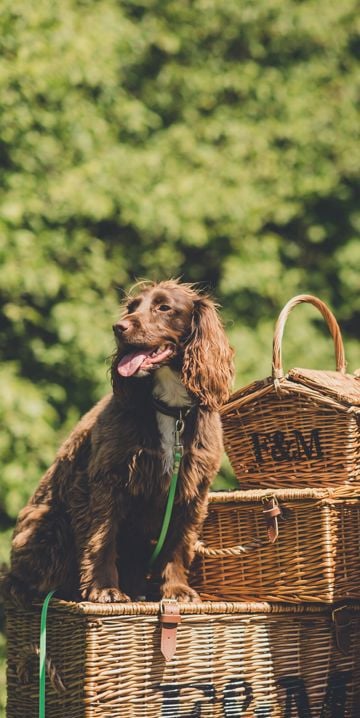

Start in style
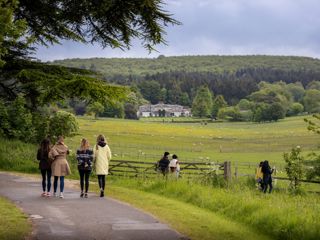
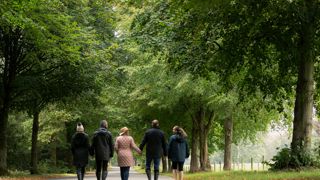
The breed parade sees hundreds of dogs and their owners walk from Goodwood House down to The Kennels to kick start the Goodwoof weekend. -
Horseracing
-
Season Opener
-
May Festival
-
Family Race Day
-
Three Friday Nights
-
August Bank Holiday
-
Autumn Racing
-
Season Finale
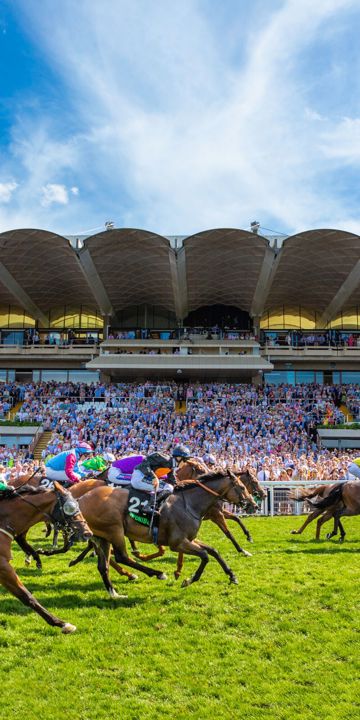

St Simon
Whoa Simon! A horse so determined and headstrong, he not only won the 1883 Goodwood Cup by 20 lengths, but couldn't be stopped and carried on running over the top of Trundle hill
-
Season Opener
-
Breakfast Club
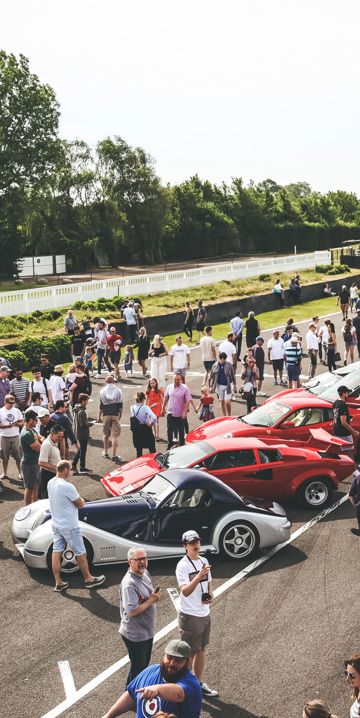

A perfect Sunday morning?
A no-cost, all-welcome motoring show where the visitors and their machines are the stars -
Health Summit
-
Hospitality
-
Exhibiting
-
Partnerships
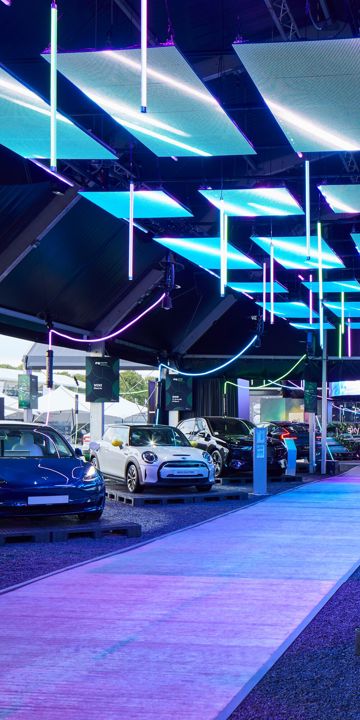

Where else can you...
...plan strategy in an ancient woodland, enjoy award-winning dining then drive around a racetrack?
-
What's on
-
Festival of Speed
-
Visit, Eat, Stay
-
The Goodwood Hotel
-
Rooms
-
Contact Us
-
Christmas
-
New Year's Eve
-
Weddings
-
Kids Activities
-
Offers
-
Local Attractions
-
Plan your stay
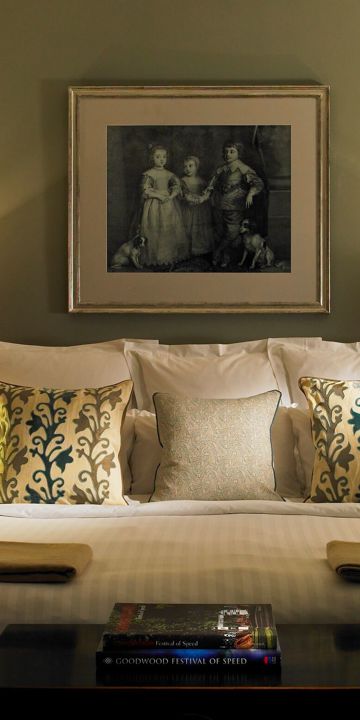

Cricketers since 1702
The oldest existing rules for the game were drawn up for a match between the 2nd Duke and a neighbour
-
Rooms
-
Goodwood Cottages


Egyptian Dining Room
Testament to the 19th-century fascination with ancient Egypt and decorative opulence. The room is richly detailed with gilded cartouches, sphinxes, birds and crocodiles.
-
Goodwood House
-
Afternoon Tea & Tour
-
The Collection
-
Exhibitions
-
History
-
Weddings
-
Copper Dome Restoration
-
Secrets of a Radical Duke Talk by Professor Danielle Allen

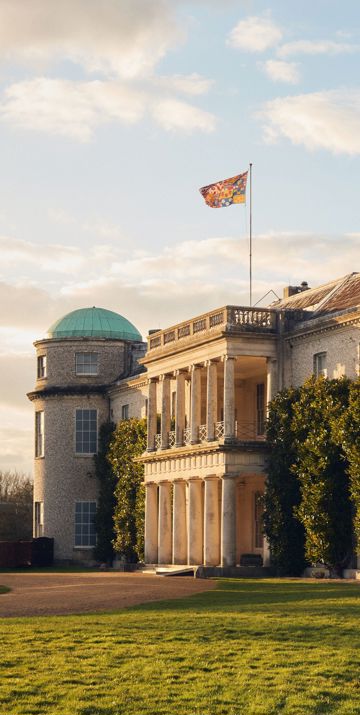

Forget Downton Abbey
David Edney, head Butler dons a morning suit "and a smile" every day and has been woking at Goodwood for over 25 years!
-
Afternoon Tea & Tour
-
Restaurants
-
Farmer, Butcher, Chef
-
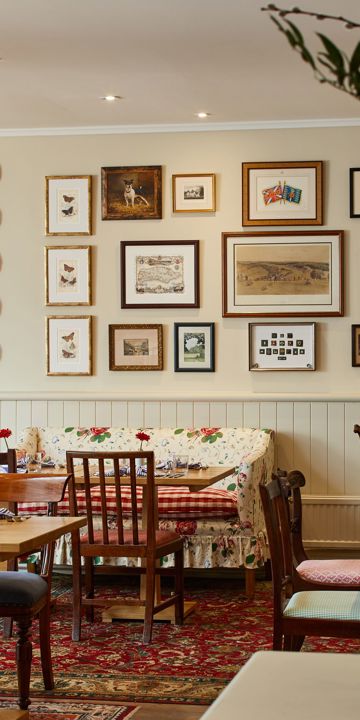
The Goodwood Bar & Grill
-
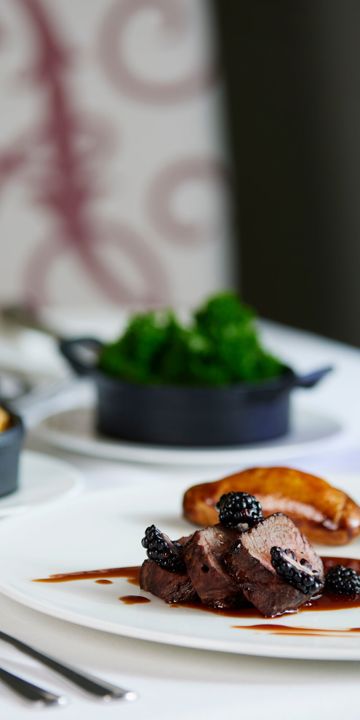
The Kennels
-
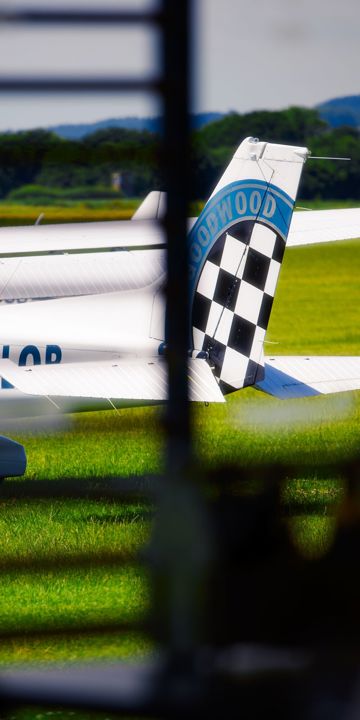
Aerodrome Café
-
Motor Circuit Café

-
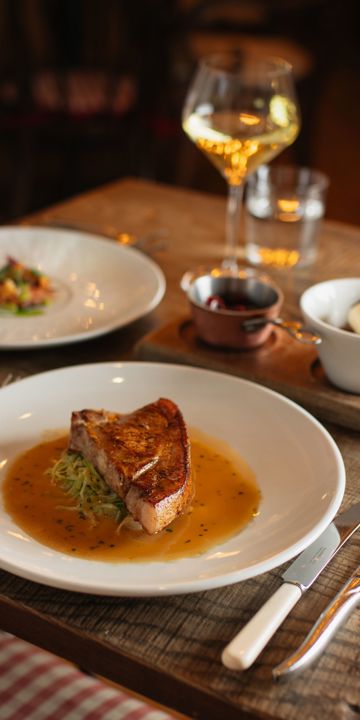
Cafe 24

Sustainable state-of-mind
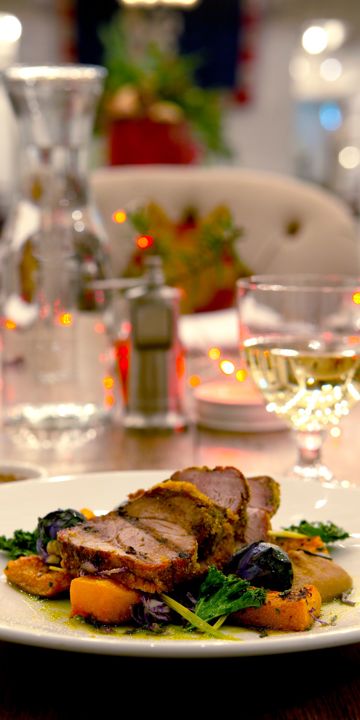
When Farmer, Butcher, Chef opened in 2016 it was awarded the UK’s first-ever Royal Academy of Culinary Arts ‘Sustainable Food Philosophy Seal’. -
Farmer, Butcher, Chef
-
The Kennels
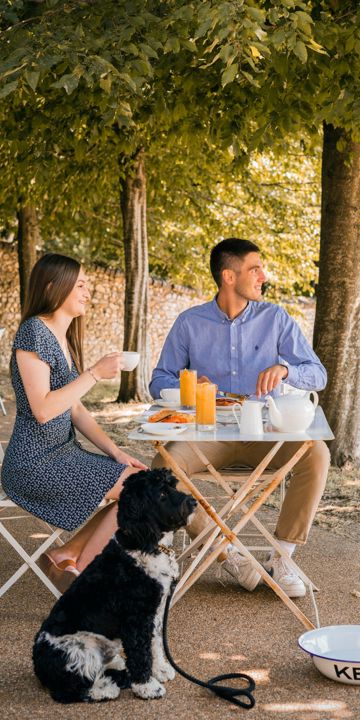

An exclusive clubhouse
As the private clubhouse for all of the Estate’s sporting and social members, it offers personal service and a relaxed atmosphere
-
Motor Circuit
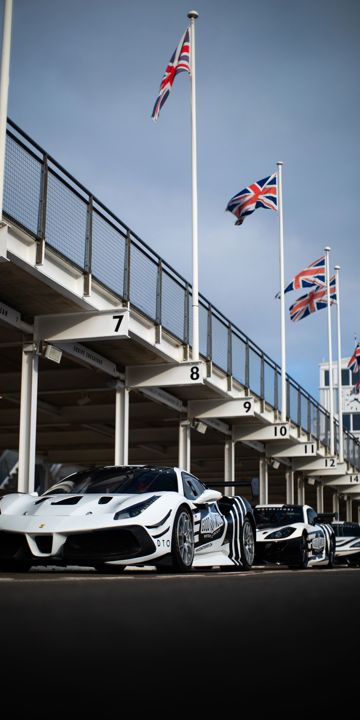

During the war...
The Motor Circuit was known as RAF Westhampnett, active from 1940 to 1946 as a Battle of Britain station.
-
Health & Wellbeing
-
Membership
-
Health Club
-
Gym
-
Run Series
-
Spa Treatments
-
Wellness Retreats
-
Events Calendar
-
Corporate Wellbeing
-
Health Summit
-
Latest News
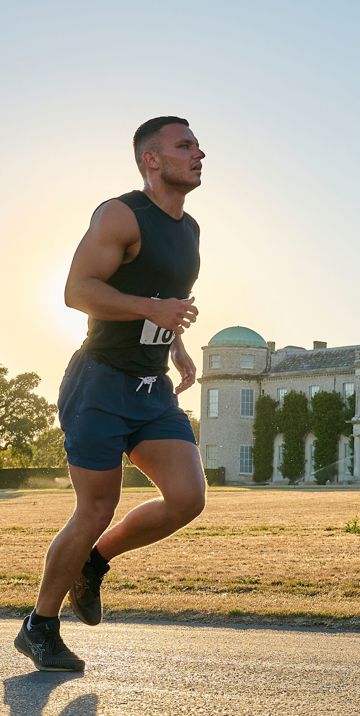

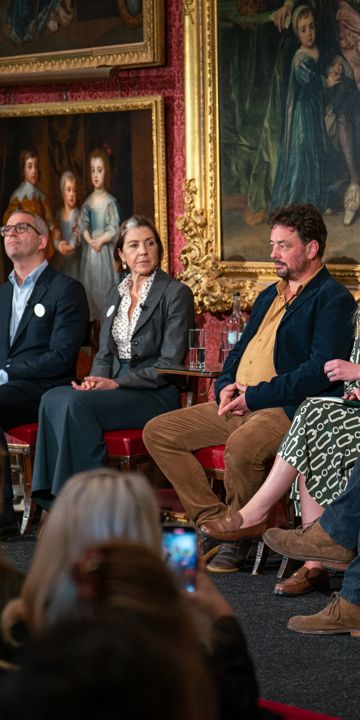
Goodwood's first Health Summit...
...took place in 2023 with industry experts discussing nutrition costs and food systems for a healthier future. -
Membership
-
Hound Lodge
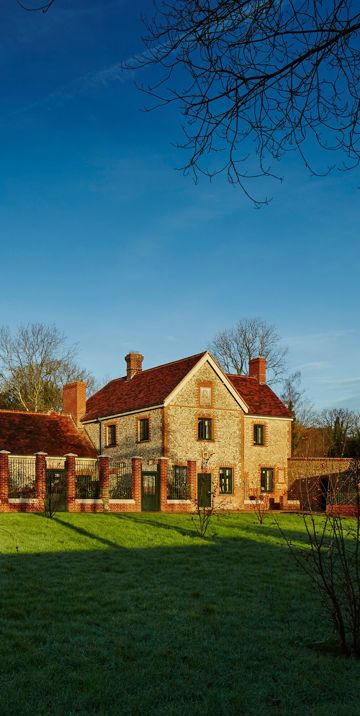

One for every occasion
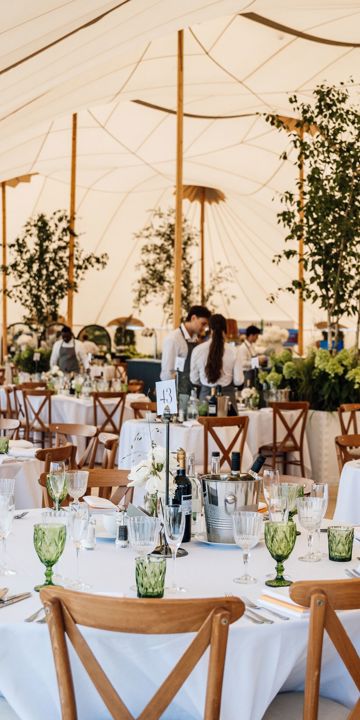
A huge variety of glassware is available for each wine, all labelled by grape type to give the best flavour profile.
-
Goodwood Farm Shop

St Simon
Whoa Simon! A horse so determined and headstrong, he not only won the 1883 Goodwood Cup by 20 lengths, but couldn't be stopped and carried on running over the top of Trundle hill
-
Parties
-
Goodwood Art Foundation
-
The Goodwood Hotel
-
Motorsport
-
Festival of Speed
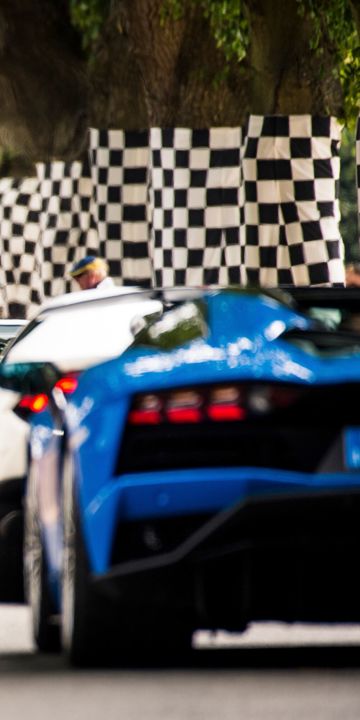
Taming the "Beast"
The Fiat S76 or "Beast of Turin" is a Goodwood favourite and can usually be heard before it is seen at #FOS
-
Goodwood Revival
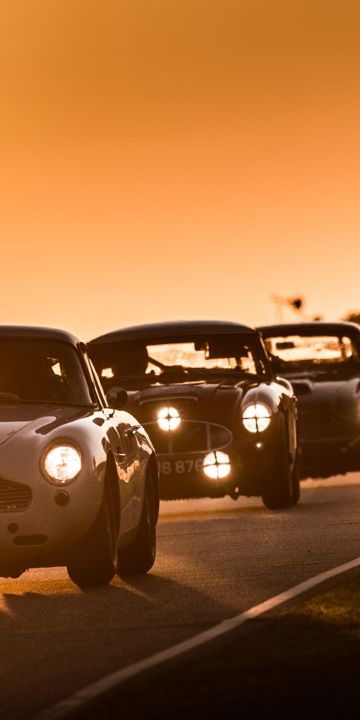
Goodwood Heroes
Legend of Goodwood's golden racing era and Le Mans winner Roy Salvadori once famously said "give me Goodwood on a summer's day and you can forget the rest".
-
Members' Meeting
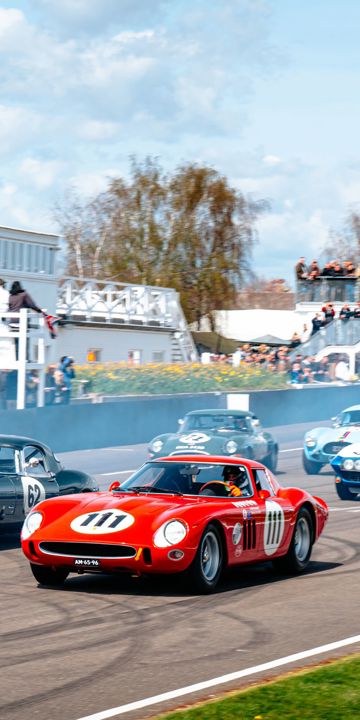
Goodwood Heroes
Legend of Goodwood's golden racing era and Le Mans winner Roy Salvadori once famously said "give me Goodwood on a summer's day and you can forget the rest".
-
Breakfast Club
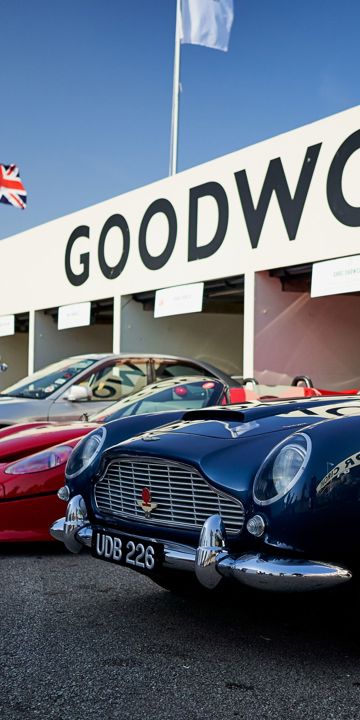

"Motorsport garden party of the gods"
Festival of Speed is our longest-standing Motorsport event, starting in 1993 when it opened to 25,00 people. We were expecting 2000!
-
Motor Circuit

Estate Crest
"En la rose je fleurie" or "Like the rose, I flourish" is part of the Richmond coat of Arms and motto
-
Driving Experiences
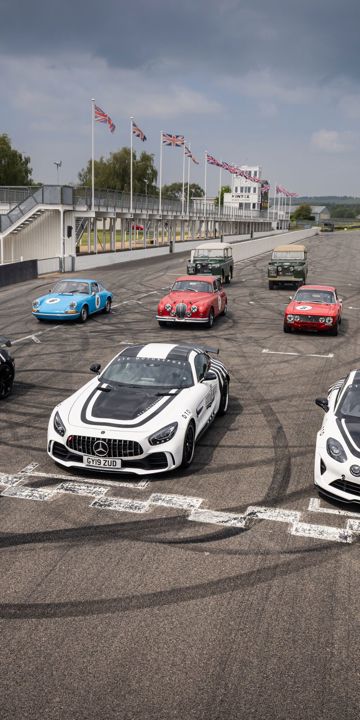

How many hay bales are used at FOS?
For the last two years, 5,800 bales have been recylced into the biomass energy centre to be used for energy generation
-
Goodwood Road Racing Club
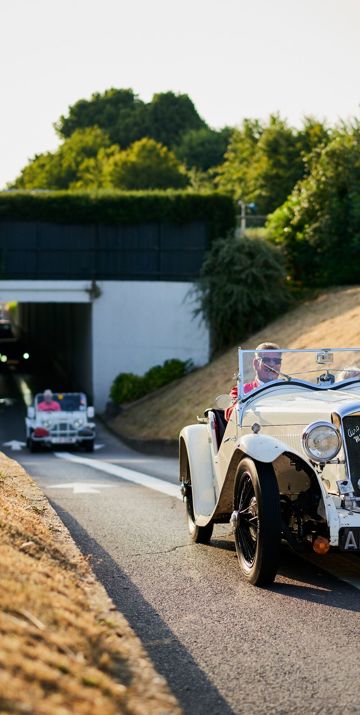
"Motorsport garden party of the gods"
Festival of Speed is our longest-standing Motorsport event, starting in 1993 when it opened to 25,00 people. We were expecting 2000!
-
Latest News
-
Festival of Speed
-
Horseracing
-
Tickets & Packages
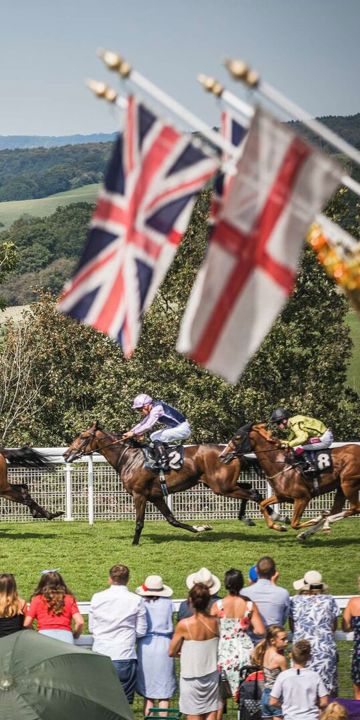

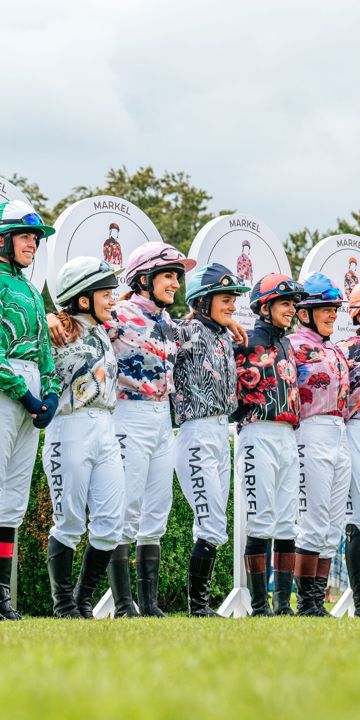
The Magnolia Cup
Leading women of business, sport, fashion and media, take part in one of the most exciting horseracing events in the world.
-
Hospitality
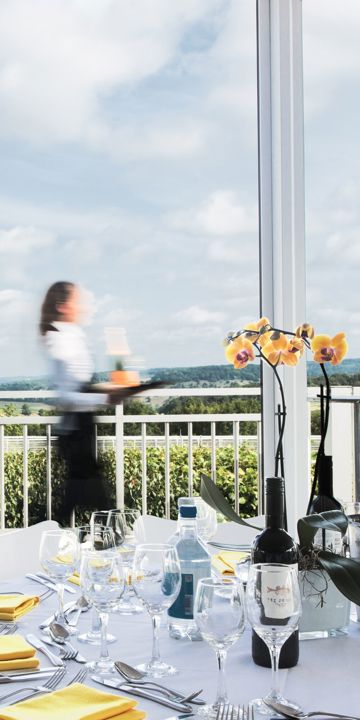

Why walk when you can drive
The first ever horsebox was used from Goodwood to Doncaster for the 1836 St. Leger. Elis arrived fresh and easily won his owner a £12k bet.
-
Goodwood Horseracing Club
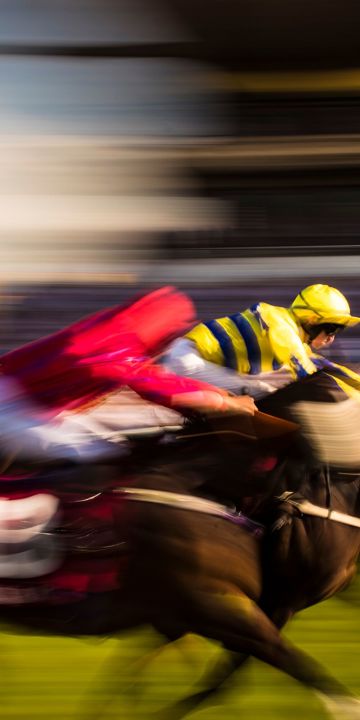

Royal approval
King Edward VII (who came almost every year) famously dubbed Glorious Goodwood “a garden party with racing tacked on”.
-
Fixtures & Events
-
Season Opener
-
May Festival
-
Family Race Day
-
Three Friday Nights

-
Qatar Goodwood Festival
-
August Bank Holiday
-
Autumn Racing
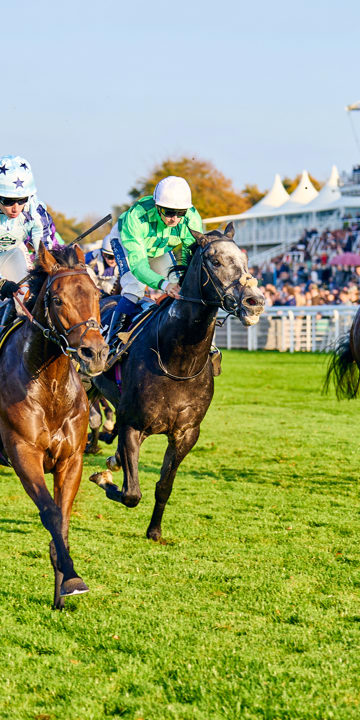
-
Season Finale
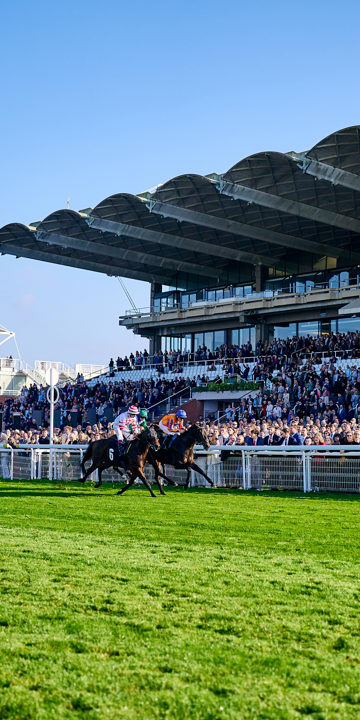
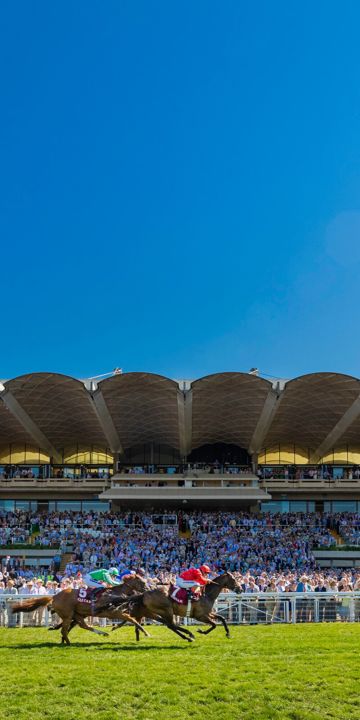
Royal approval
King Edward VII (who came almost every year) famously dubbed Glorious Goodwood “a garden party with racing tacked on”.
-
Season Opener
-
Qatar Goodwood Festival
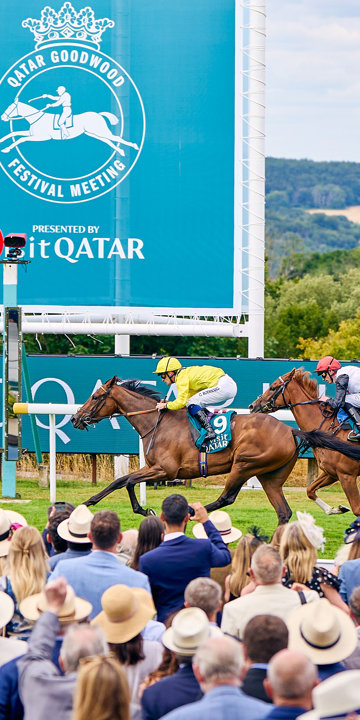
Why walk when you can drive
The first ever horsebox was used from Goodwood to Doncaster for the 1836 St. Leger. Elis arrived fresh and easily won his owner a £12k bet.
-
Three Friday Nights
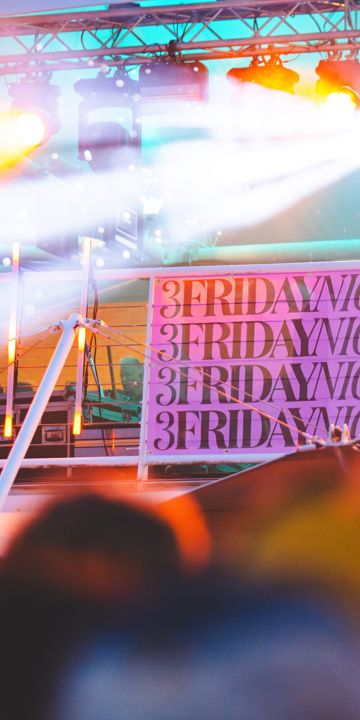

Why does everyone wear hats?
One Summer, King Edward VII turned his back on the traditional morning suit, and donned a linen suit and Panama hat. Thus the Glorious Goodwood trend was born.
-
Plan Your Day
-
Enclosures
-
Event Map
-
Going Report
-
Getting Here
-
Betting at Goodwood
-
Dress Code
-
Accessibility
-
Food & Drink
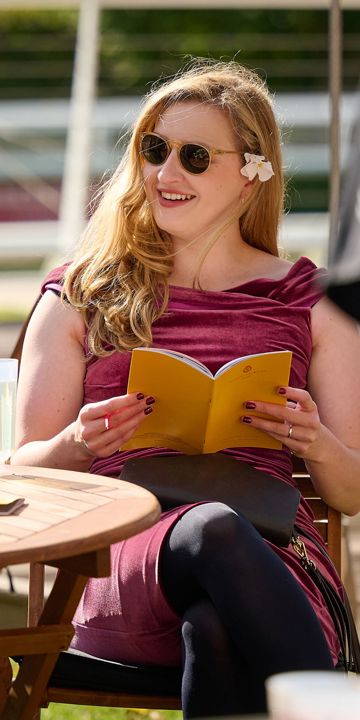
St Simon
Whoa Simon! A horse so determined and headstrong, he not only won the 1883 Goodwood Cup by 20 lengths, but couldn't be stopped and carried on running over the top of Trundle hill
-
Enclosures
-
Buy Merchandise
-
Partners
-
Owners & Trainers
-
Latest News
-
FAQs
-
Accessibility
-
Tickets & Packages
-
Experiences
-
Driving
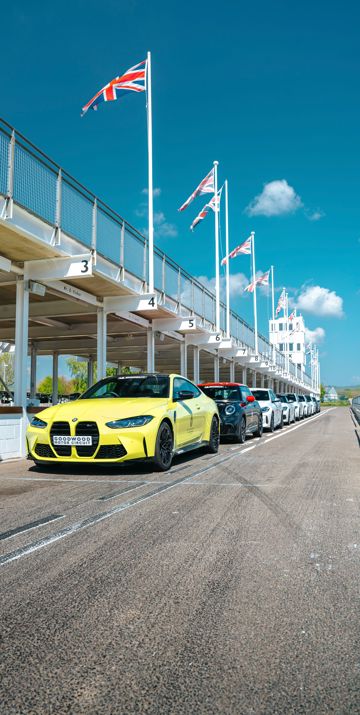

Battle of Britain
Flying training began at Goodwood in 1940 when pilots were taught operational flying techniques in Hurricanes and Spitfires.
-
Flying
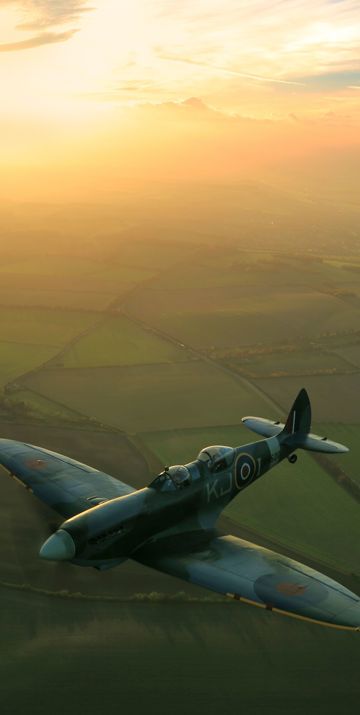

The Silver Spitfire
The iconic spitfire covered almost 43,000 kilometres and visited over 20 countries on its epic journey and currently resides at our Aerodrome.
-
Golf
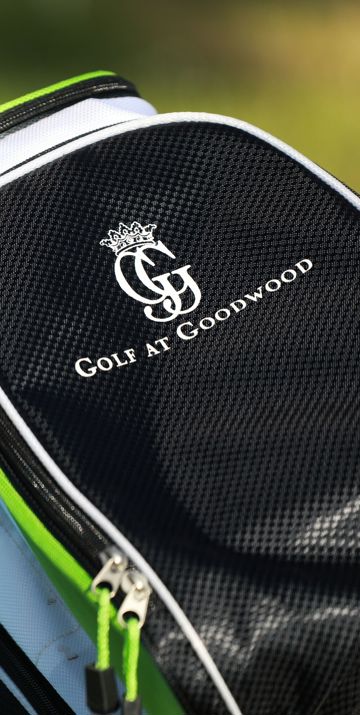

Over 100 years of Golf
The first ever round of golf played at Goodwood was in 1914 when the 6th Duke of Richmond opened the course on the Downs above Goodwood House.
-
Shooting
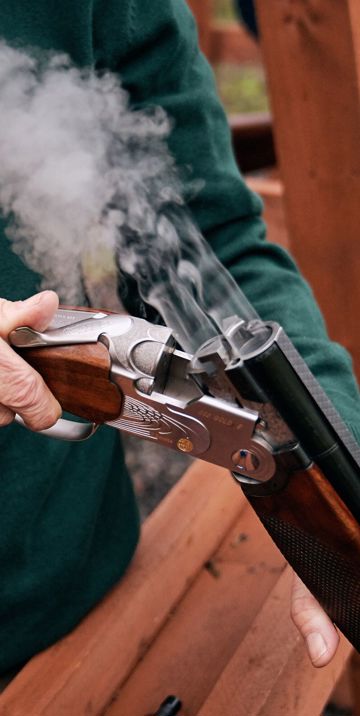
Lucky Leap
Inspired by the legendary racer, Masten Gregory, who famously leapt from the cockpit of his car before impact when approaching Woodcote Corner in 1959.
-
Afternoon Tea
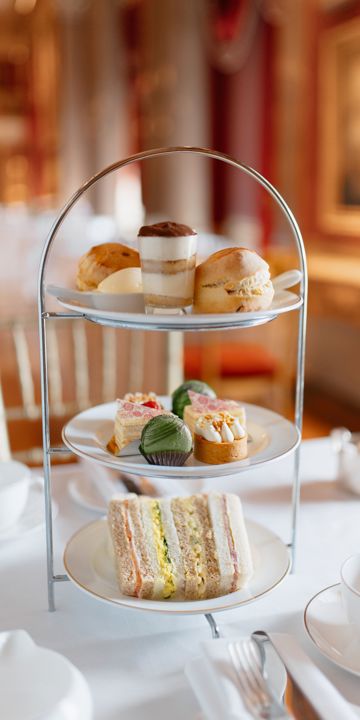
Filming at Goodwood
We have been host to many incredible film crews using Goodwood as a backdrop for shows like Downton Abbey, Hollywood Blockbusters like Venom: let there be Carnage and the Man from U.N.C.L.E.
-
Corporate Wellbeing
Goodwood's first Health Summit...
...took place in 2023 with industry experts discussing nutrition costs and food systems for a healthier future. -
Cycling
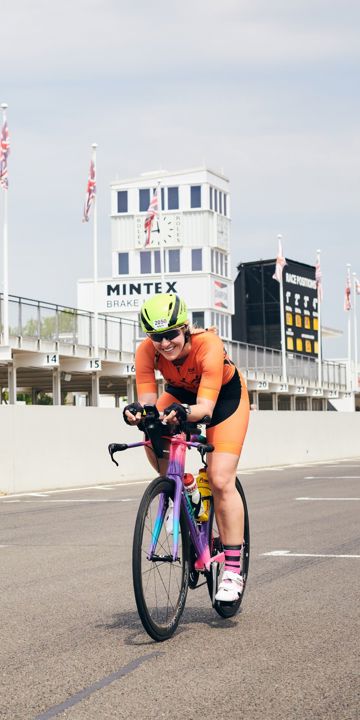

Motorsport Since 1948
Goodwood Motor Circuit was officially opened in September 1948 when Freddie March, the 9th Duke and renowned amateur racer, tore around the track in a Bristol 400
-
Corporate Experiences
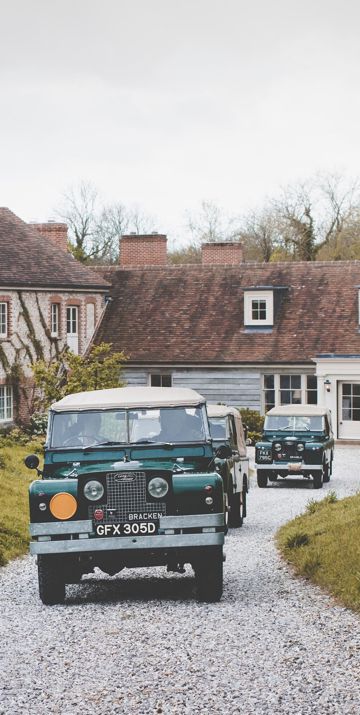
Where else can you...
...plan strategy in an ancient woodland, enjoy award-winning dining then drive around a racetrack?
-
Spa Treatments
-
Driving
- Hospitality
-
Golf
-
Golf Courses
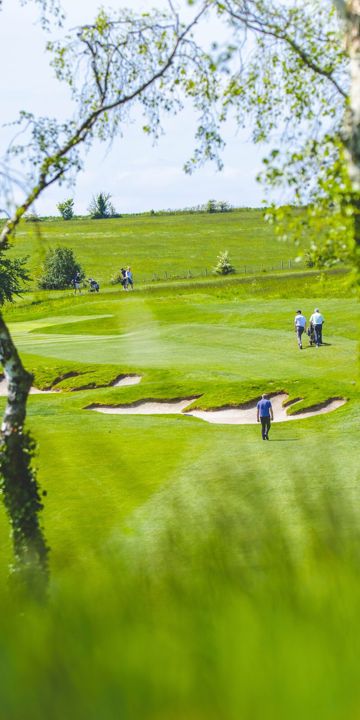
Over 100 years of Golf
The first ever round of golf played at Goodwood was in 1914 when the 6th Duke of Richmond opened the course on the Downs above Goodwood House.
-
Golf Membership
-
Credit Membership
-
Application Form
-
Intermediate Membership
-
Junior Membership
-
Corporate Membership
-
Copse Membership


A sporting Estate
Goodwood has two 18-hole championship courses, a modern clubhouse and an impressive Academy. -
Credit Membership
-
The Academy
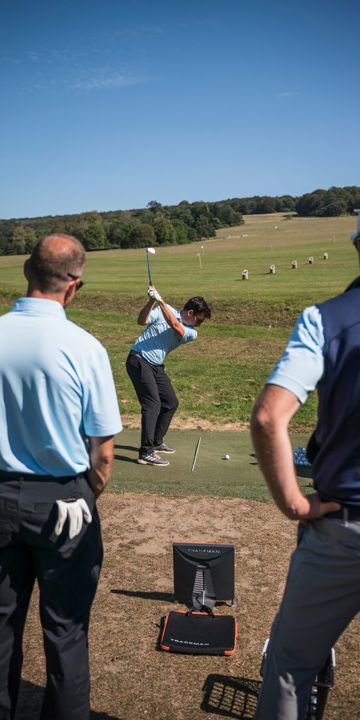
A sporting Estate
Goodwood has two 18-hole championship courses, a modern clubhouse and an impressive Academy. -
Golf Experiences

A sporting Estate
Goodwood has two 18-hole championship courses, a modern clubhouse and an impressive Academy.
-
Golf Courses
-
Flying
-
Flying School
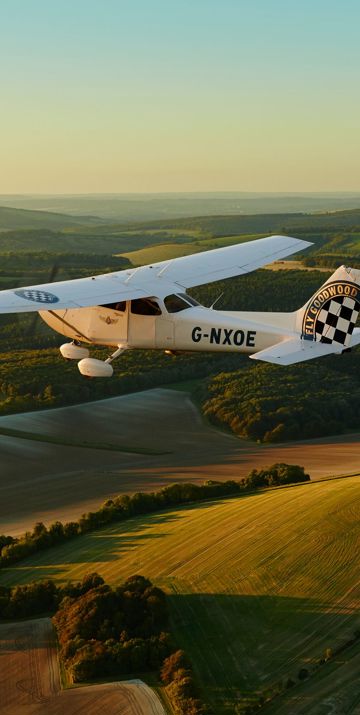

Flying with Goodwood
Come with us for an epic journey. -
Aero Club Membership
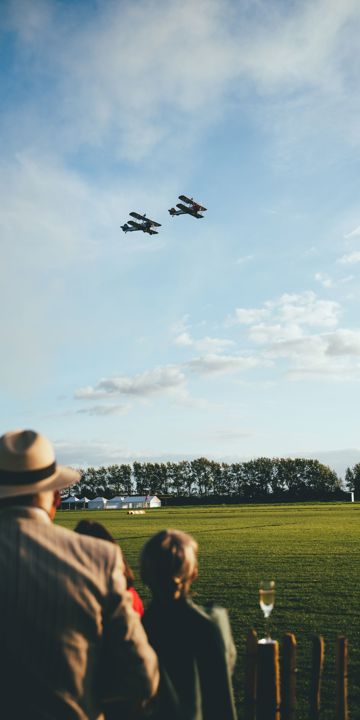

During the war...
The Motor Circuit was known as RAF Westhampnett, active from 1940 to 1946 as a Battle of Britain station. -
Flying Experiences
-
Pilot Information
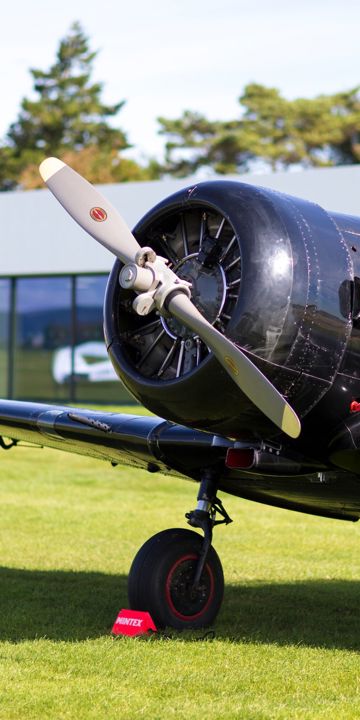

Flying Elephant
The first thing ever dropped at Goodwood was a cuddly elephant which landed in 1932 just as the 9th Duke of Richmonds passion for flying was taking off.
-
Flying School
-
Meetings
-
Venue Hire
-
Goodwood House
-
The Racecourse
-
The Goodwood Hotel
-
The Motor Circuit
-
The Kennels
-
The Aerodrome
-
The Great Outdoors
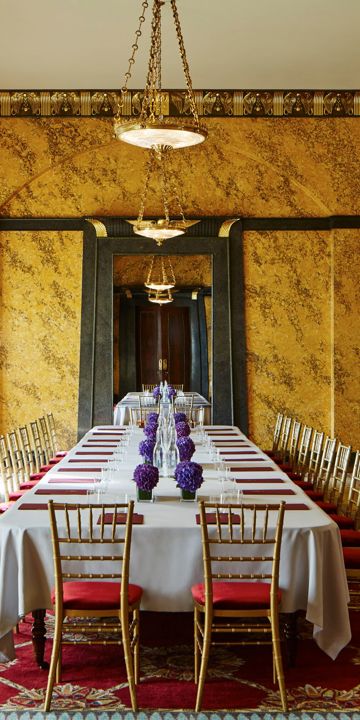
Where else can you...
...plan strategy in an ancient woodland, enjoy award-winning dining then drive around a racetrack?
-
Goodwood House
-
Plan Your Meeting
-
Parties
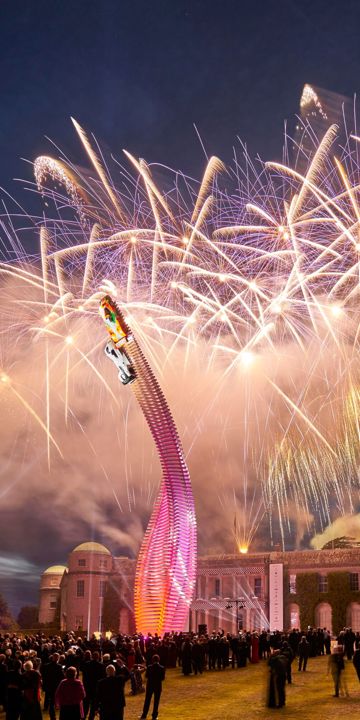
Where else can you...
...plan strategy in an ancient woodland, enjoy award-winning dining then drive around a racetrack?
-
Hospitality

-
Corporate Experiences
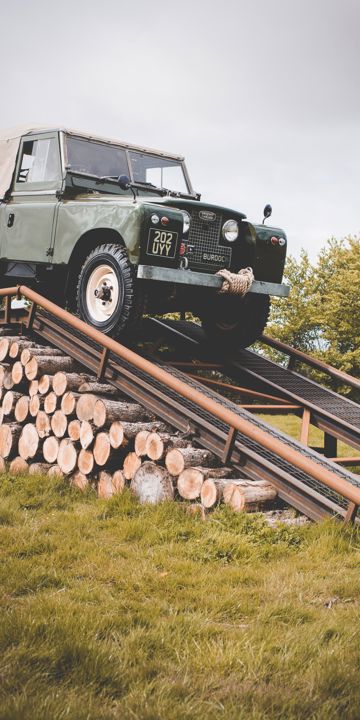
Where else can you...
...plan strategy in an ancient woodland, enjoy award-winning dining then drive around a racetrack?
-
Christmas Parties
-
Film Locations
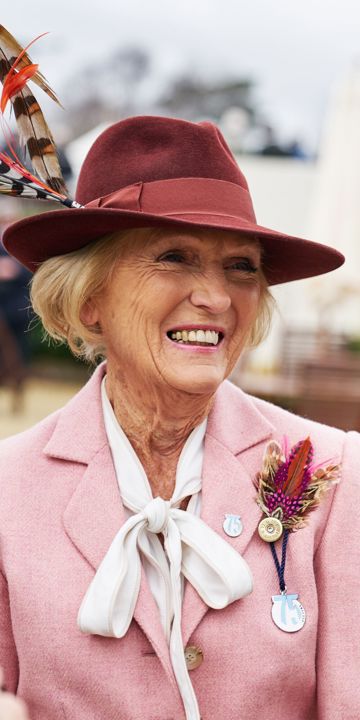
Where else can you...
...plan strategy in an ancient woodland, enjoy award-winning dining then drive around a racetrack?
-
Venue Hire
-
Weddings
-
Goodwood House
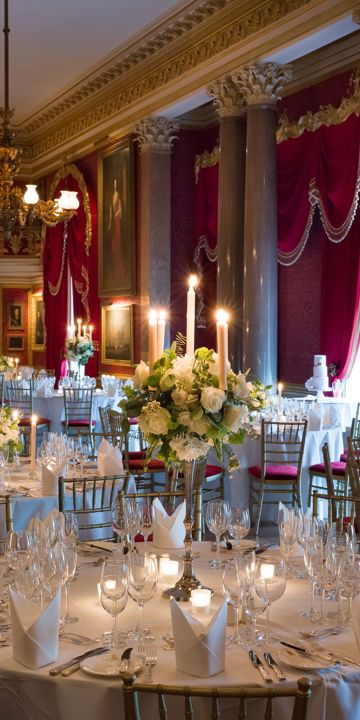
Copper Turrets
After a fire in 1791 at Richmond House in Whitehall, London, James Wyatt added two great wings to showcase the saved collection at Goodwood. To give unity to the two new wings, Wyatt added copper-domed turrets framing each façade.
-
The Kennels


Advice from our Head Butler
Ensure you take a little time out together to pause and take in the celebration of all the hard work you put in will be a treasured memory.
-
Parties
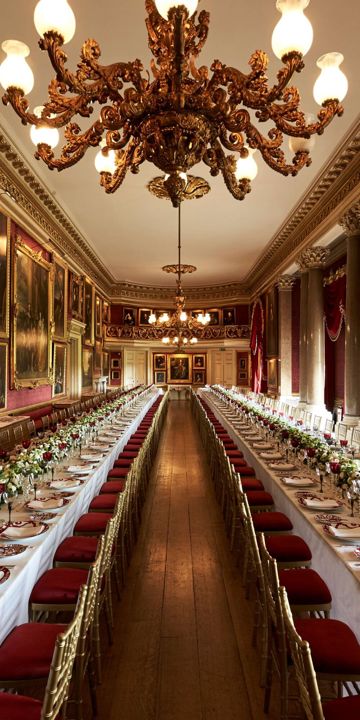


A destination for all seasons
We're well known for our iconic motorsport and horseracing events. But there's a lot more happening at Goodwood...
-
Goodwood House
-
Memberships
-
Goodwood Road Racing Club
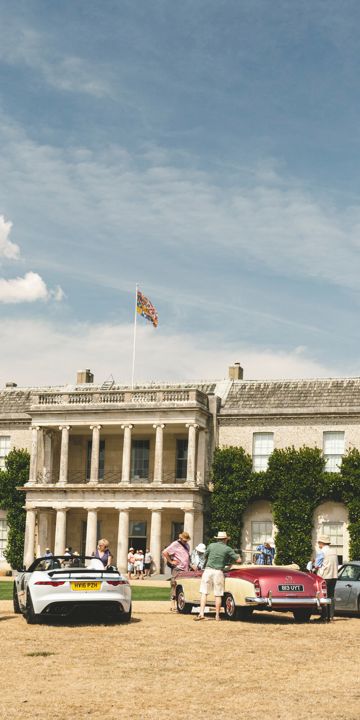

When was the GRRC founded?
Established in 1998 by the Duke of Richmond, the Goodwood Road Racing Club offers exclusive benefits across the estate year-round -
Goodwood Horseracing Club
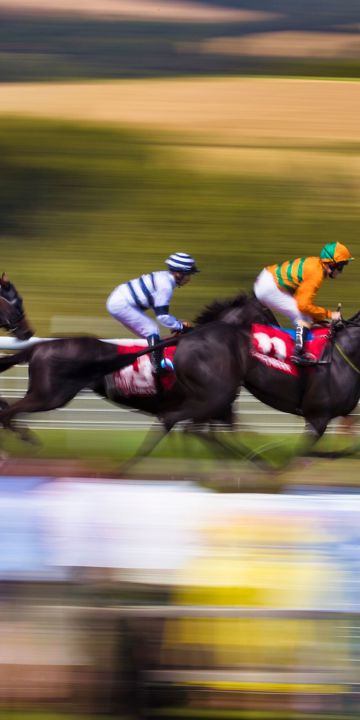
Royal approval
King Edward VII (who came almost every year) famously dubbed Glorious Goodwood “a garden party with racing tacked on”.
-
Golf At Goodwood
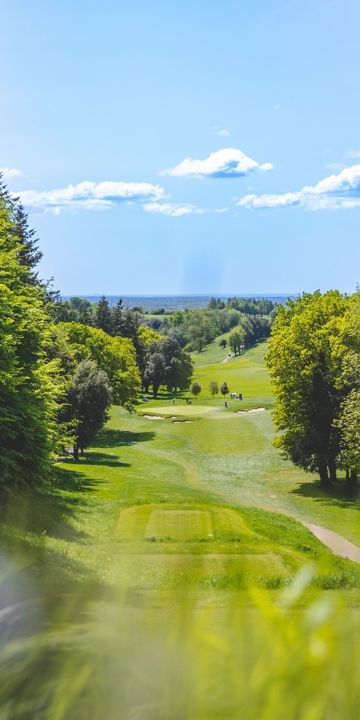

Braid’s Masterpiece
One of the greatest golfers of all time, James Braid designed Goodwood’s iconic Downland course, opened in 1914.
-
Goodwood Aero Club
During the war...
The Motor Circuit was known as RAF Westhampnett, active from 1940 to 1946 as a Battle of Britain station.
-
Goodwood Health Club
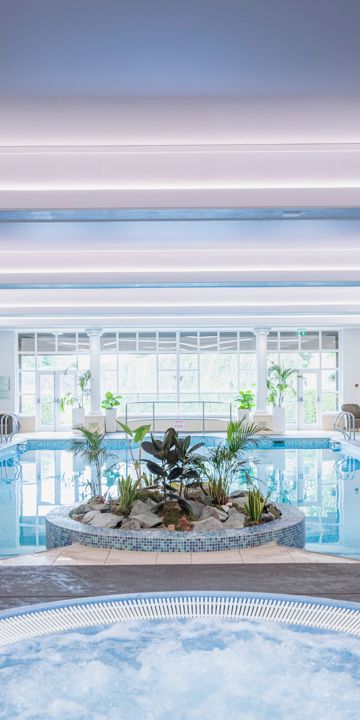
Goodwood's first Health Summit...
...took place in 2023 with industry experts discussing nutrition costs and food systems for a healthier future. -
The Kennels


How old is The Kennels?
Built in 1787 by celebrated architect James Wyatt to house the third Duke of Richmond’s prized fox hounds, The Kennels was known as one of the most luxurious dog houses in the world!
-
Sporting Membership

Filming at Goodwood
We have been host to many incredible film crews using Goodwood as a backdrop for shows like Downton Abbey, Hollywood Blockbusters like Venom: let there be Carnage and the Man from U.N.C.L.E.
-
Goodwood Racehorse Owners Group
-
Goodwood Art Foundation
-
Goodwood Road Racing Club
- Classic Car Insurance
- Health & Wellbeing
- Buy Merchandise
-
Our Estate
-
What's on
-
Estate Map
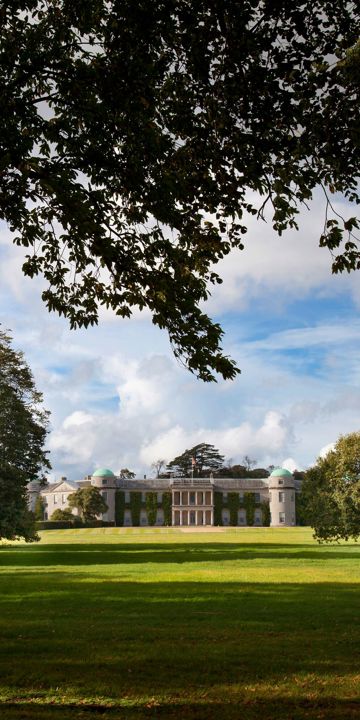
During the war...
The Motor Circuit was known as RAF Westhampnett, active from 1940 to 1946 as a Battle of Britain station.
-
Stories from the Estate

Group Captain Sir Douglas Bader
The famous fighter ace, who flew his last sortie from Goodwood Aerodrome, formerly RAF Westhampnett has a statue in his honor within the airfield.
-
Sports
-
Goodwood Education Trust
Cricketers since 1702
The oldest existing rules for the game were drawn up for a match between the 2nd Duke and a neighbour
-
Charities

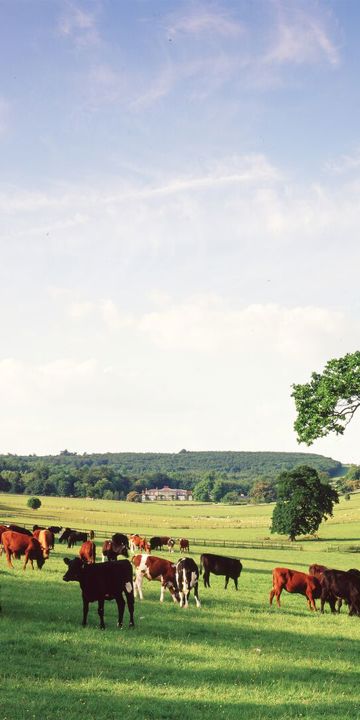
A different breed...
Goodwood’s pigs are a mix of two rare breeds (Gloucester Old Spots and Saddlebacks) plus the Large White Boar.
-
Sustainability
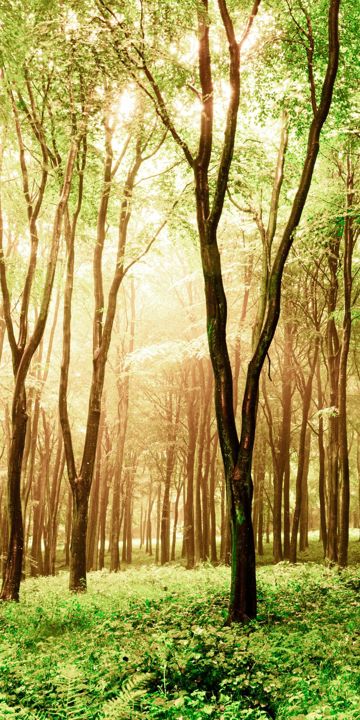
During the war...
The Motor Circuit was known as RAF Westhampnett, active from 1940 to 1946 as a Battle of Britain station. -
Diversity, Equity & inclusion
-
Property
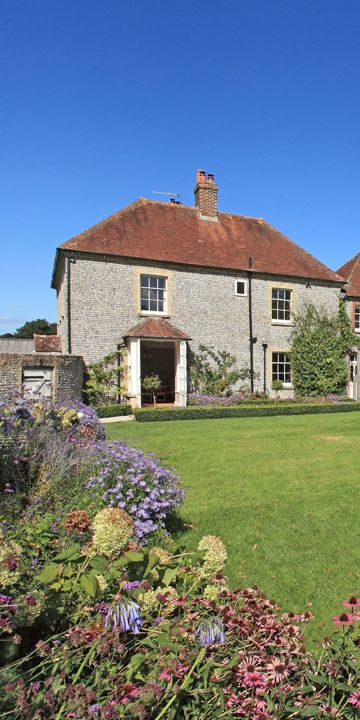
Egyptian Dining Room
Testament to the 19th-century fascination with ancient Egypt and decorative opulence. The room is richly detailed with gilded cartouches, sphinxes, birds and crocodiles.
-
Walking Guide

A different breed...
Goodwood’s pigs are a mix of two rare breeds (Gloucester Old Spots and Saddlebacks) plus the Large White Boar.
-
Dog Walking Field
-
Careers
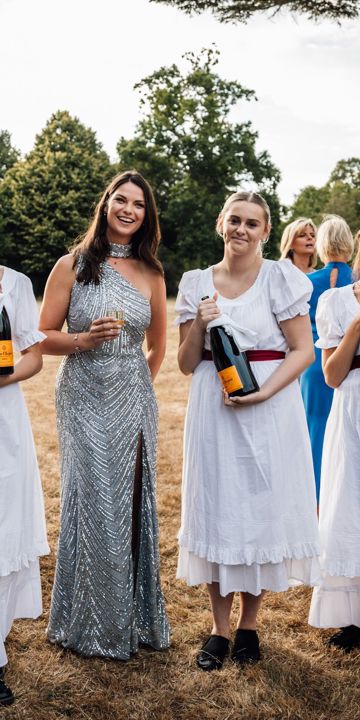
Cricketers since 1702
The oldest existing rules for the game were drawn up for a match between the 2nd Duke and a neighbour
-
Goodwood Art Foundation
-
Farm Shop
-
What's on



Upcoming Events

Are Ultra Processed Foods Hijacking Your Hunger Hormones?
We often hear about ‘calories in vs calories out,’ but what if the foods we eat aren’t just fuel, what if they actively disrupt the biology that tells us when we’re full?
Emerging science suggests that ultra‑processed foods (UPFs), industrially formulated products engineered for taste and convenience, may interfere with appetite regulation, blood sugar control and metabolic signalling in ways that go far beyond simple nutrition.
latest news
gut health
Health & Wellbeing
Health Summit
Wellness Retreats
fitness tips
In his bestselling book Ultra‑Processed People: Why Do We All Eat Stuff That Isn’t Food … and Why Can’t We Stop?, Dr Chris van Tulleken, infectious diseases doctor, Associate Professor at UCL and keynote speaker at the 2023 Goodwood Health Summit, lays out compelling evidence that UPFs are designed to be addictive and metabolically disruptive.
During his 2023 Goodwood Health Summit session with biochemist Jessie Inchauspé, he explored how the modern diet affects insulin, hunger signals and health outcomes and how small, inexpensive changes can have powerful effects on our wellbeing.
Van Tulleken’s central premise? When most of your calories come from foods that aren’t really 'food' in the traditional sense, your hormonal and neurological systems don’t receive the cues they evolved to use and appetite regulation goes awry.
How UPFs Influence Hunger and Metabolism
Here’s what the science, and lived experience, tells us:
UPFs Trick the Body’s Satiety Signals
Ultra‑processed foods are typically:
- Low in fibre
- High in refined carbohydrates
- Hyper‑palatable and easy to overeat
This combination encourages rapid eating, delayed fullness and post‑meal blood sugar spikes, all of which can confuse hormonal signals like ghrelin (hunger hormone) and GLP‑1 (satiety hormone).
In his own self‑experiment documented in Ultra‑Processed People, Dr van Tulleken found that eating a diet consisting of around 80 % UPFs led to measurable changes in hunger, weight and metabolic signalling, despite identical calorie intake.
Disrupted Blood Sugar Fuels Cravings
Rapid glucose spikes are a hallmark of diets rich in ultra‑processed foods. These swings prompt sharp insulin responses and sudden energy drops, making it harder to feel satisfied between meals and perpetuating cycles of cravings.
This effect matters because stable blood sugar is a major mechanism for regulating appetite, energy and nervous system resilience, three pillars of metabolic health championed at Goodwood Gut Health Retreats.
Low Fibre, Lower Microbial Diversity
Fibre is a key regulator of gut function. It feeds beneficial bacteria that produce metabolic molecules known as short‑chain fatty acids, which support immune health, reduce inflammation and even influence appetite hormones. (University College London)
Ultra‑processed diets, by design, lack this complex fibre profile, which can reduce microbial diversity and weaken the gut signals that help tell the brain that you are full.
Nutrition That Works With Your Biology
The good news? You don’t have to overhaul your life to start improving how your appetite behaves. At Goodwood Gut Health Retreats, our approach prioritises food that supports your biology from the inside out, focusing on three key pillars:
Protein Prioritisation
Protein from whole foods (lean organic meat, fish, legumes, dairy) supports muscle health, metabolic stability and prolonged fullness, especially when combined with fibre‑rich carbohydrates. As Goodwood Gut Health nutrition lead Stephanie Moore has emphasised:
“Protein supports muscle maintenance, but fibre supports the microbiome that helps regulate inflammation and appetite. You rarely want one without the other.”
This dynamic duo helps keep blood sugar steadier and hunger cues clearer.
Fibre‑Maxxing for Appetite Control
A diverse range of plant‑based fibres feeds beneficial gut bacteria, supporting gut barrier function and metabolic signalling. These fibres help blunt blood glucose spikes, widen satiety signals and promote resilience in appetite hormones.
Balanced Blood Sugar for Lasting Satisfaction
Meals that combine quality protein, healthy fats and fibre moderate glucose absorption, meaning steadier energy and fewer cravings. This is especially important for anyone striving to feel in control of hunger rather than at its mercy.
A Broader Perspective on Public Health
Beyond individual habits, Dr van Tulleken’s research also highlights a broader reality: ultra‑processed foods now constitute a large proportion of Western diets, making it easy to consume calories without nutrients and hard to achieve metabolic calm.
These learnings do not centre on guilt, but on understanding the biology behind our food choices and recognising that environmental, economic and industrial forces shape the food landscape we all navigate.
Takeaway: Don’t Fight Your Biology, Support It
Ultra‑processed foods may make appetite harder to regulate, but choices rooted in whole foods, balanced nutrition and metabolic awareness empower the body to function better and feel better while it does.
Instead of a diet that hijacks your hunger hormones, you can choose one that works with them, supporting your metabolic rhythm and nervous system resilience.
This is the philosophy practised at Goodwood's Wellness Retreats: real food that nourishes, restores and balances from the soil up.
Find out more about when the next Goodwood Gut Health Retreat or Active Longevity Retreats are taking place on the beautiful Goodwood Estate.
latest news
gut health
Health & Wellbeing
Health Summit
Wellness Retreats
fitness tips