-
Events
-
Festival of Speed

The Hillclimb
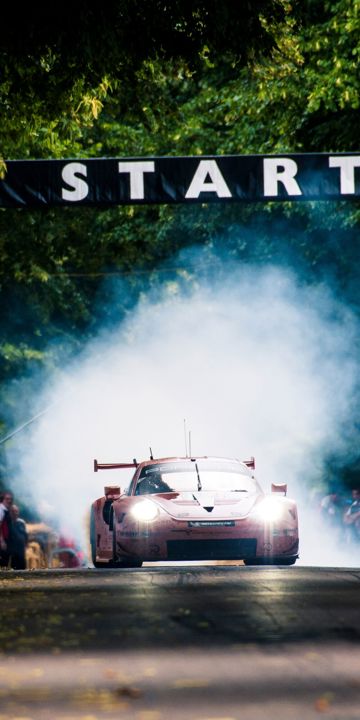
The 1.16-mile hillclimb has been the centre of the action since the first festival in 1993. -
Goodwood Revival
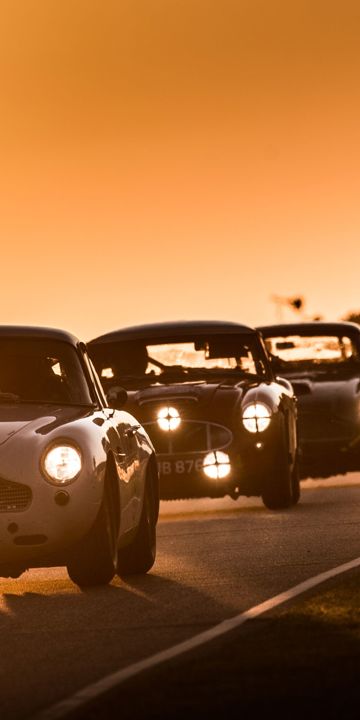

Earls Court replica
Our replica of the famous motor show showcases the "cars of the future" in true Revival style
-
Members' Meeting

More than motorsport...
Ferret racing and duck herding are two of the many off-track activities at Members' Meeting -
Qatar Goodwood Festival
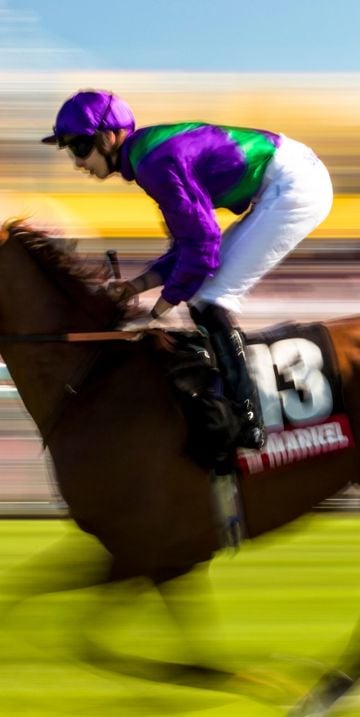

"Glorious Goodwood"
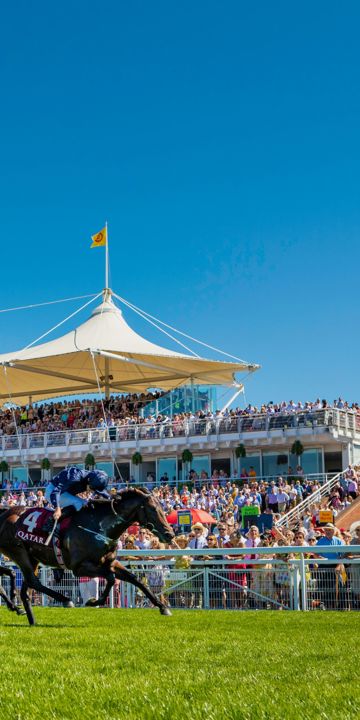
The first public race meeting took place in 1802 and, through the nineteenth century, ‘Glorious Goodwood,’ as the press named it, became a highlight of the summer season
-
Goodwoof
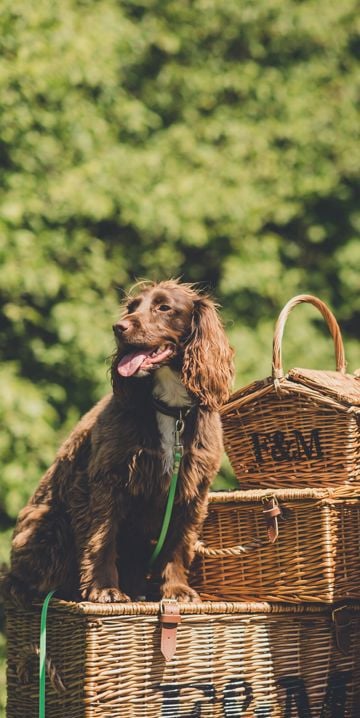

Start in style
The breed parade sees hundreds of dogs and their owners walk from Goodwood House down to The Kennels to kick start the Goodwoof weekend. -
Horseracing
-
Season Opener
-
May Festival
-
Family Race Day
-
Three Friday Nights
-
August Bank Holiday
-
Autumn Racing
-
Season Finale
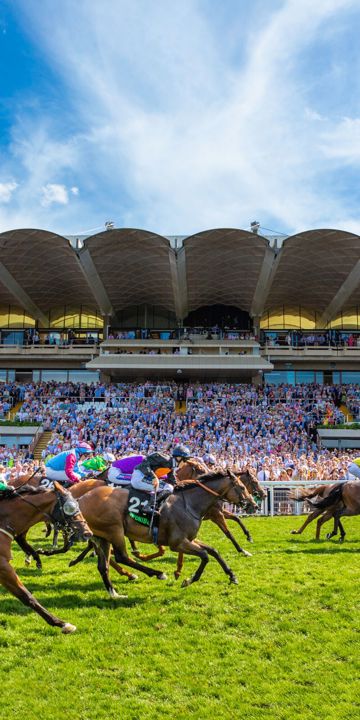

St Simon
Whoa Simon! A horse so determined and headstrong, he not only won the 1883 Goodwood Cup by 20 lengths, but couldn't be stopped and carried on running over the top of Trundle hill
-
Season Opener
-
Breakfast Club
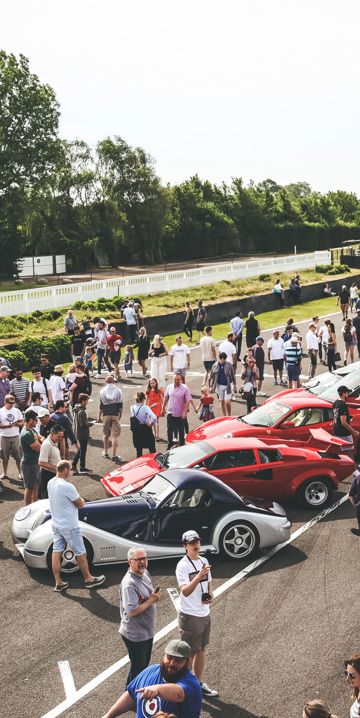

A perfect Sunday morning?
A no-cost, all-welcome motoring show where the visitors and their machines are the stars -
Health Summit
-
Hospitality
-
Exhibiting
-
Partnerships
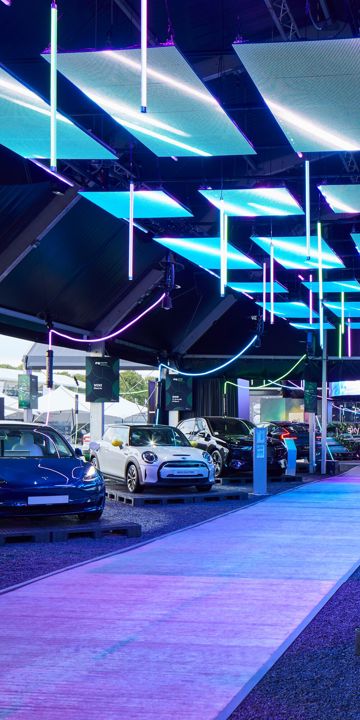

Where else can you...
...plan strategy in an ancient woodland, enjoy award-winning dining then drive around a racetrack?
-
What's on
-
Festival of Speed
-
Visit, Eat, Stay
-
The Goodwood Hotel
-
Rooms
-
Contact Us
-
Christmas
-
New Year's Eve
-
Weddings
-
Kids Activities
-
Offers
-
Local Attractions
-
Plan your stay
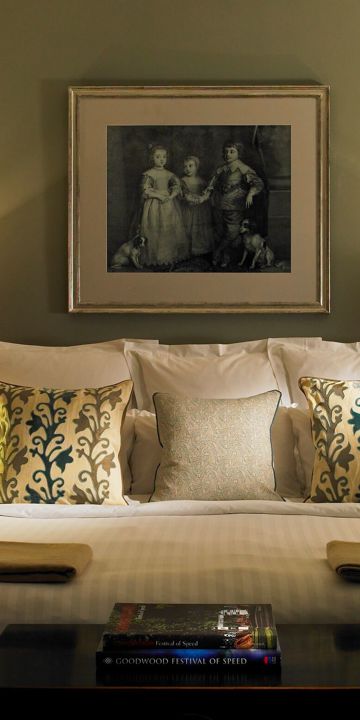

Filming at Goodwood
We have been host to many incredible film crews using Goodwood as a backdrop for shows like Downton Abbey, Hollywood Blockbusters like Venom: let there be Carnage and the Man from U.N.C.L.E.
-
Rooms
-
Goodwood Cottages

Carne's Seat
Just beyond Goodwood House along the Hillclimb, the 2nd Dukes banqueting house was also known as "one of the finest rooms in England" (George Vertue 1747).
-
Goodwood House
-
Afternoon Tea & Tour
-
The Collection
-
Exhibitions
-
History
-
Weddings
-
Copper Dome Restoration
-
Secrets of a Radical Duke Talk by Professor Danielle Allen

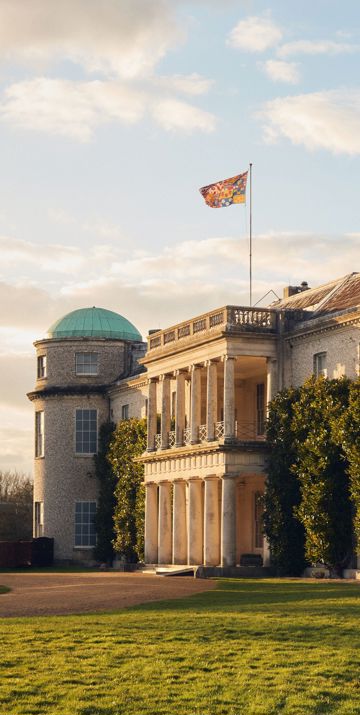
Copper Turrets
After a fire in 1791 at Richmond House in Whitehall, London, James Wyatt added two great wings to showcase the saved collection at Goodwood. To give unity to the two new wings, Wyatt added copper-domed turrets framing each façade.
-
Afternoon Tea & Tour
-
Restaurants
-
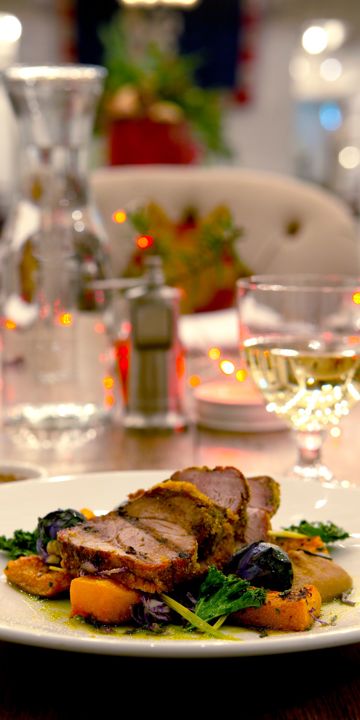
Farmer, Butcher, Chef
-
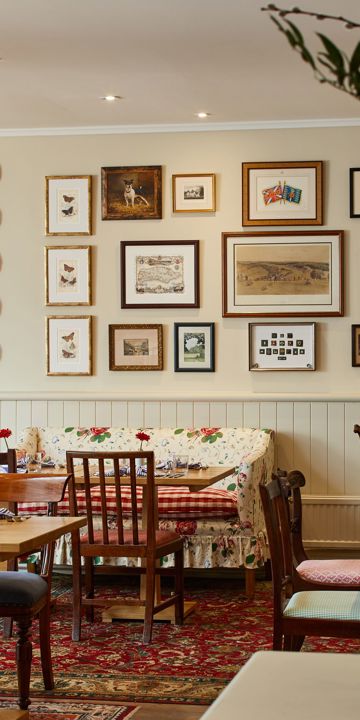
The Goodwood Bar & Grill
-
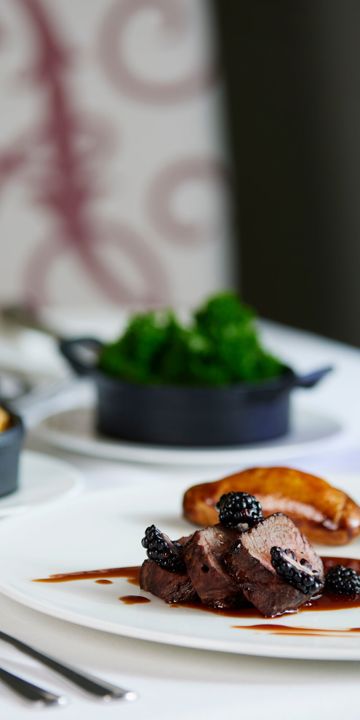
The Kennels
-
Aerodrome Café
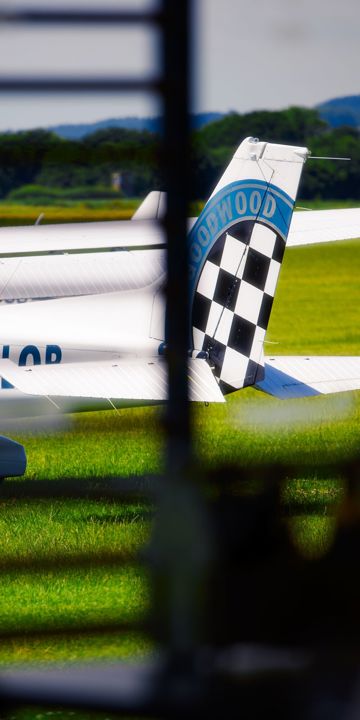
-
Motor Circuit Café

-
Cafe 24
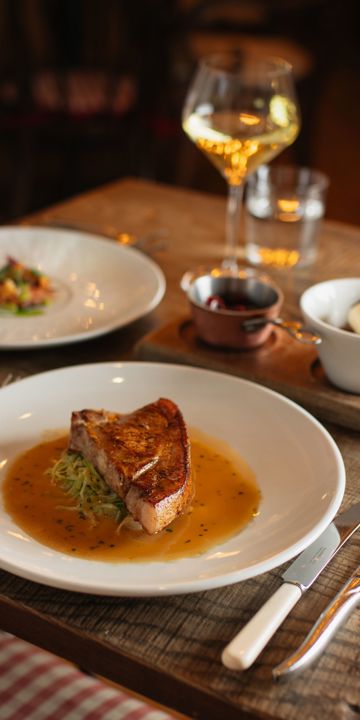

Sustainable state-of-mind
When Farmer, Butcher, Chef opened in 2016 it was awarded the UK’s first-ever Royal Academy of Culinary Arts ‘Sustainable Food Philosophy Seal’. -
Farmer, Butcher, Chef
-
The Kennels
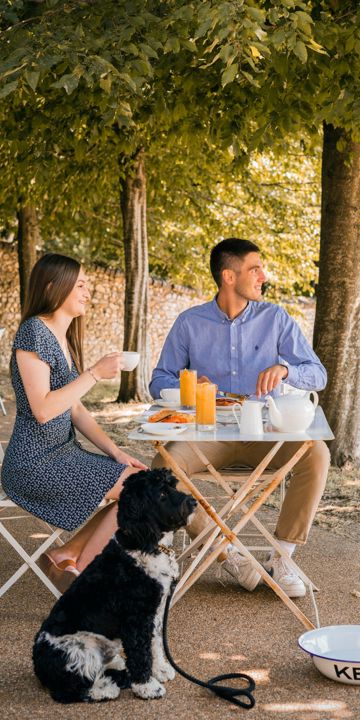

An exclusive clubhouse
As the private clubhouse for all of the Estate’s sporting and social members, it offers personal service and a relaxed atmosphere
-
Motor Circuit
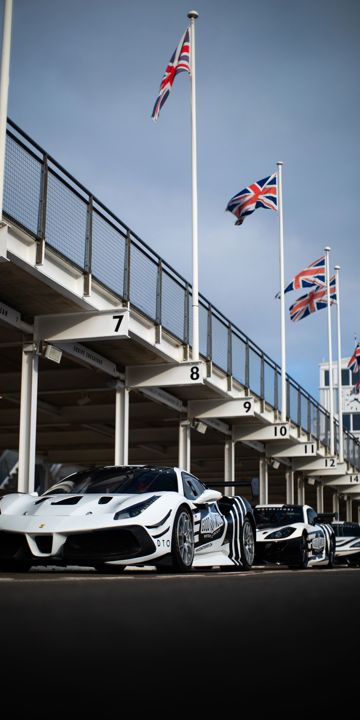

"Motorsport garden party of the gods"
Festival of Speed is our longest-standing Motorsport event, starting in 1993 when it opened to 25,00 people. We were expecting 2000!
-
Health & Wellbeing
-
Membership
-
Health Club
-
Gym
-
Run Series
-
Spa Treatments
-
Wellness Retreats
-
Events Calendar
-
Corporate Wellbeing
-
Health Summit
-
Latest News

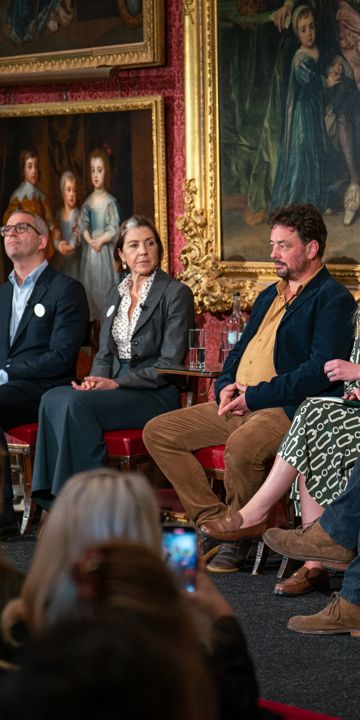
Goodwood's first Health Summit...
...took place in 2023 with industry experts discussing nutrition costs and food systems for a healthier future. -
Membership
-
Hound Lodge

One for every occasion
A huge variety of glassware is available for each wine, all labelled by grape type to give the best flavour profile.
-
Goodwood Farm Shop


Levin Down Gin
Our gin uses wild-grown botanicals sourced from the estate, and is distilled with mineral water naturally chalk-filtered through the South Downs.
-
Parties
-
Goodwood Art Foundation
-
The Goodwood Hotel
-
Motorsport
-
Festival of Speed
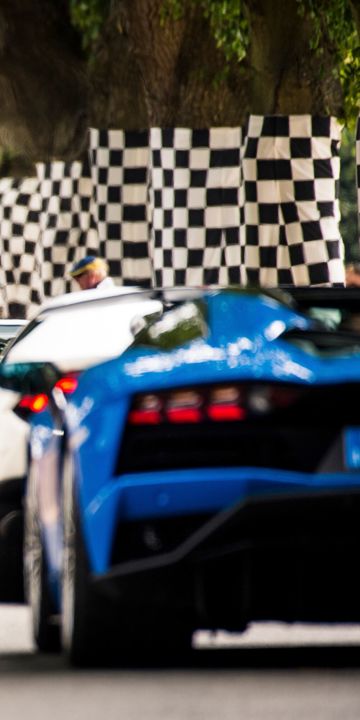

A bright future at #FOS
Future Lab is Goodwood's innovation pavilion, inspiring industry enthusiasts and future scientists with dynamic tech
-
Goodwood Revival
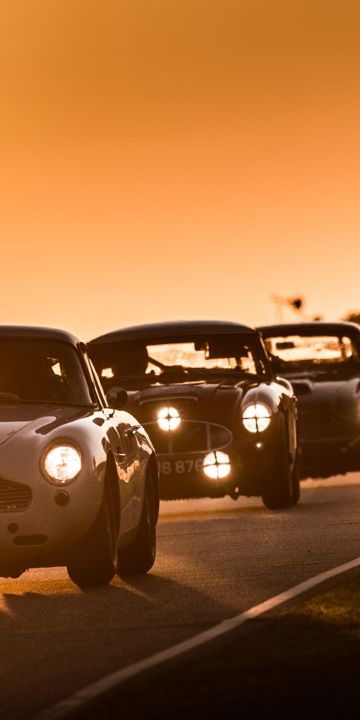

Spectators Favourite
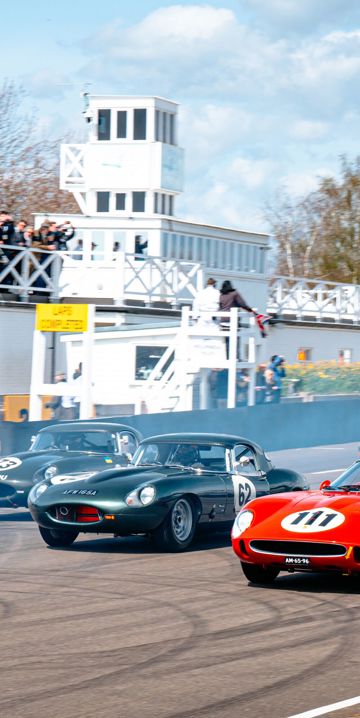
Spectate from the chicane at the Revival to see plenty of classic cars going sideways as they exit this infamous point of our Motor Circuit.
-
Members' Meeting
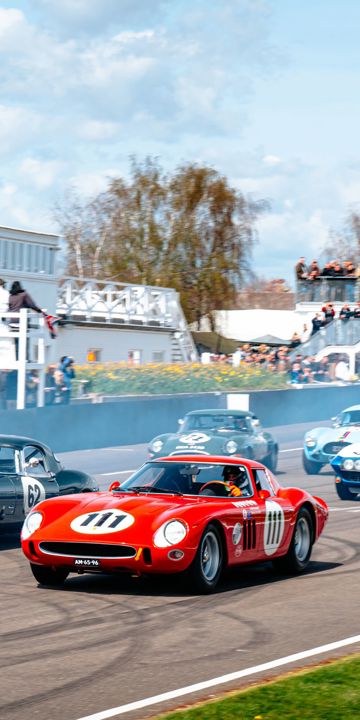

"Mr Goodwood"
Sir Stirling Moss was one of the founding patrons of the Festival of Speed, and a regular competitor at the Revival.
-
Breakfast Club
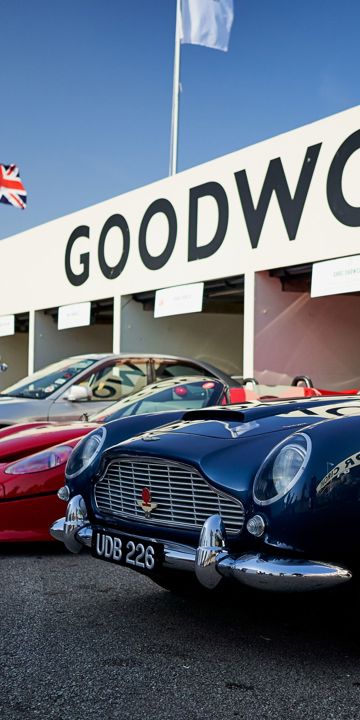
Spectators Favourite
Spectate from the chicane at the Revival to see plenty of classic cars going sideways as they exit this infamous point of our Motor Circuit.
-
Motor Circuit
A perfect Sunday morning?
A no-cost, all-welcome motoring show where the visitors and their machines are the stars -
Driving Experiences
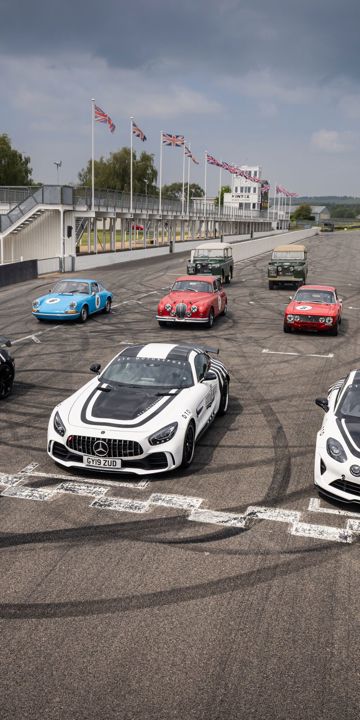

Taming the "Beast"
The Fiat S76 or "Beast of Turin" is a Goodwood favourite and can usually be heard before it is seen at #FOS
-
Goodwood Road Racing Club
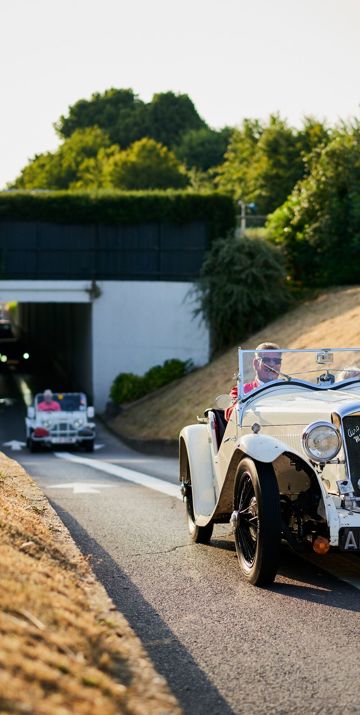

Mad Mike
FOS Favourite Mad Mike Whiddett can be caught melting tyres in his incredible collection of cars (and trucks) up the hillclimb
-
Latest News
-
Festival of Speed
-
Horseracing
-
Tickets & Packages
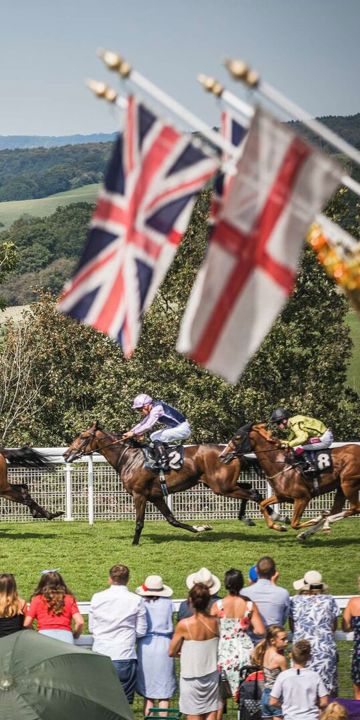

Racing Colours
The red & yellow of the Racecourse can be traced back hundreds of years, even captured in our stunning Stubbs paintings in the Goodwood Collection
-
Hospitality
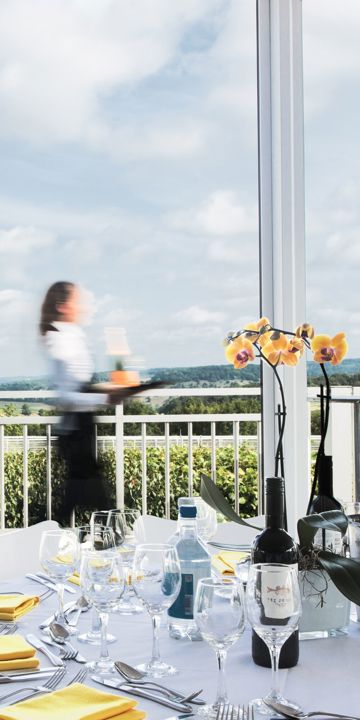

Royal approval
King Edward VII (who came almost every year) famously dubbed Glorious Goodwood “a garden party with racing tacked on”.
-
Goodwood Horseracing Club
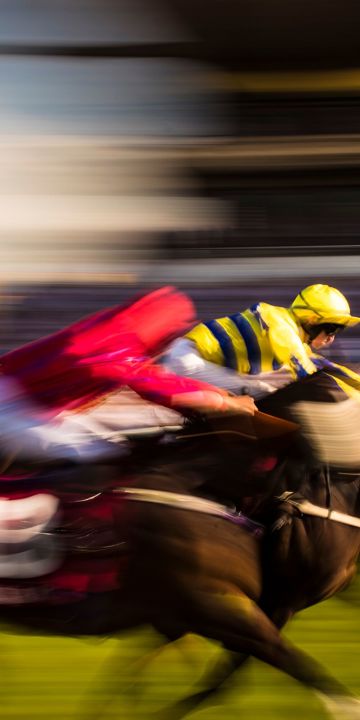

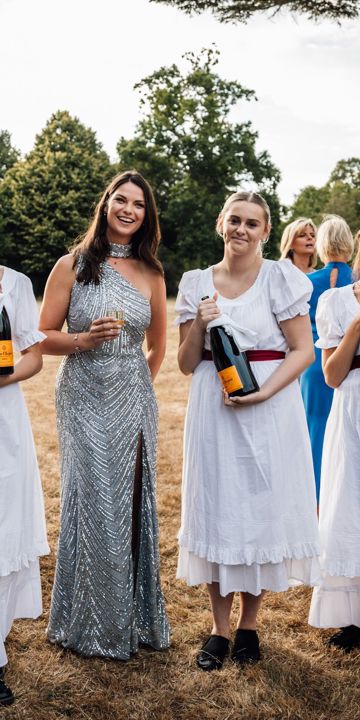
The Magnolia Cup
Leading women of business, sport, fashion and media, take part in one of the most exciting horseracing events in the world.
-
Fixtures & Events
-
Season Opener
-
May Festival
-
Family Race Day
-
Three Friday Nights
-
Qatar Goodwood Festival
-
August Bank Holiday
-
Autumn Racing
-
Season Finale
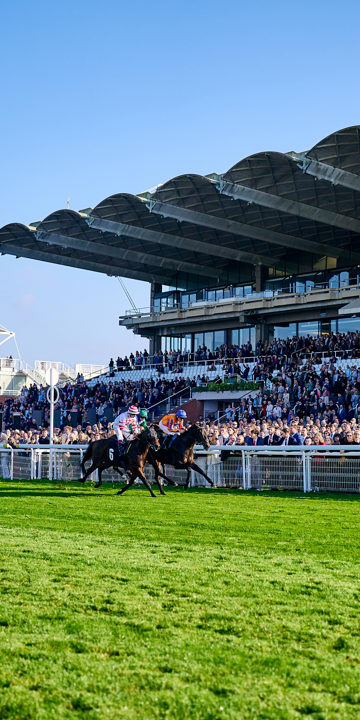
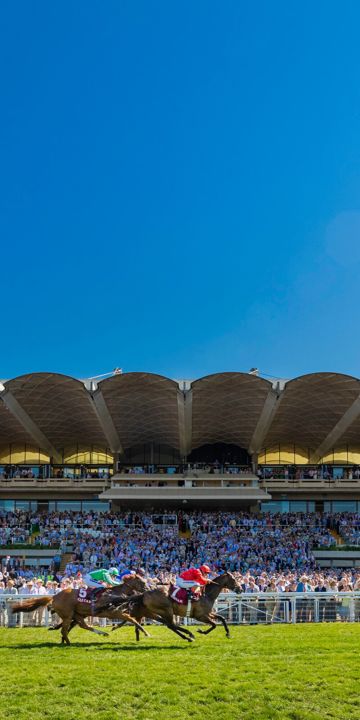
Royal approval
King Edward VII (who came almost every year) famously dubbed Glorious Goodwood “a garden party with racing tacked on”.
-
Season Opener
-
Qatar Goodwood Festival
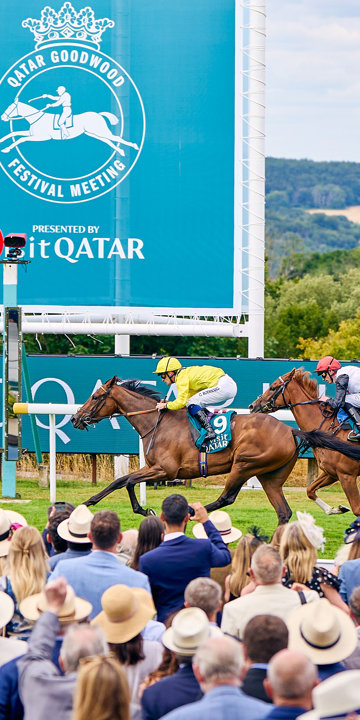

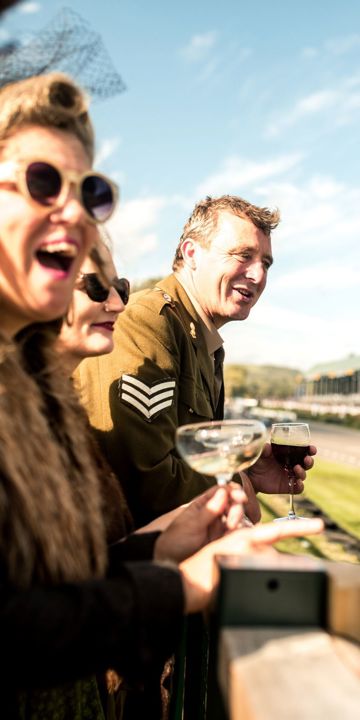
Why does everyone wear hats?
One Summer, King Edward VII turned his back on the traditional morning suit, and donned a linen suit and Panama hat. Thus the Glorious Goodwood trend was born.
-
Three Friday Nights
St Simon
Whoa Simon! A horse so determined and headstrong, he not only won the 1883 Goodwood Cup by 20 lengths, but couldn't be stopped and carried on running over the top of Trundle hill
-
Plan Your Day
-
Enclosures
-
Event Map
-
Going Report
-
Getting Here
-
Betting at Goodwood
-
Dress Code
-
Accessibility
-
Food & Drink
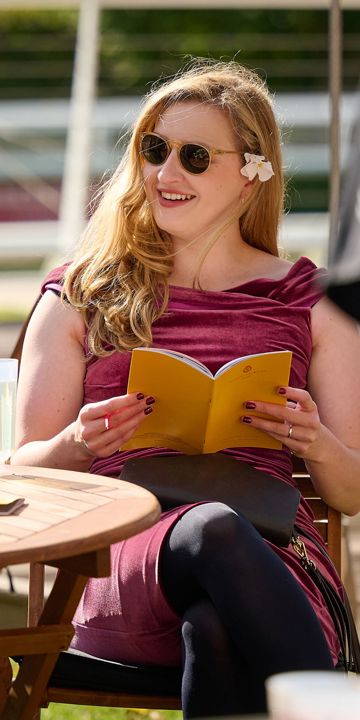
Racing Colours
The red & yellow of the Racecourse can be traced back hundreds of years, even captured in our stunning Stubbs paintings in the Goodwood Collection
-
Enclosures
-
Buy Merchandise
-
Partners
-
Owners & Trainers
-
Latest News
-
FAQs
-
Accessibility
-
Tickets & Packages
-
Experiences
-
Driving
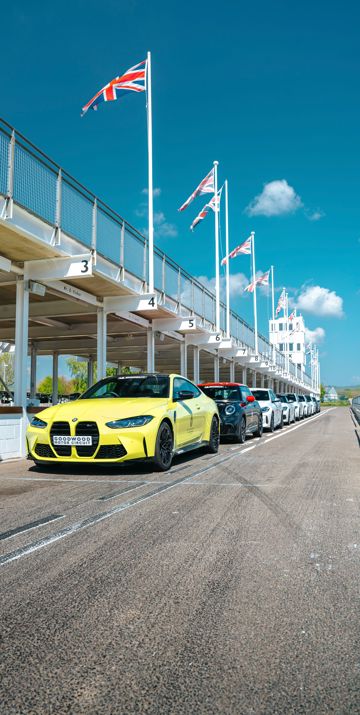
Mad Mike
FOS Favourite Mad Mike Whiddett can be caught melting tyres in his incredible collection of cars (and trucks) up the hillclimb
-
Flying
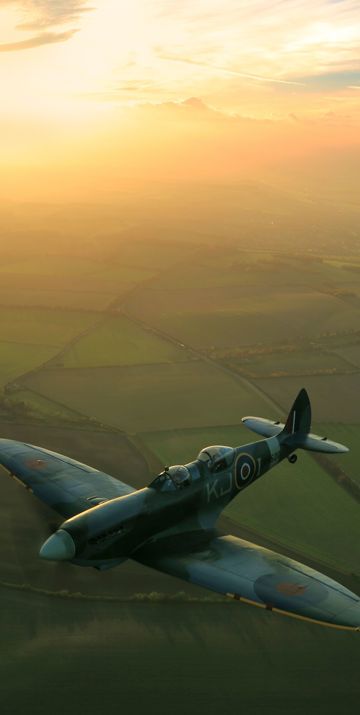

The Silver Spitfire
The iconic spitfire covered almost 43,000 kilometres and visited over 20 countries on its epic journey and currently resides at our Aerodrome.
-
Golf

A sporting Estate
Goodwood has two 18-hole championship courses, a modern clubhouse and an impressive Academy. -
Shooting

Roots for the future
A 20m woodland rue, from Halnaker to Lavant, was planted by our forestry teams & volunteers, featuring native species like oak, beech, & hornbeam
-
Afternoon Tea

During the war...
The Motor Circuit was known as RAF Westhampnett, active from 1940 to 1946 as a Battle of Britain station. -
Corporate Wellbeing
Goodwood's first Health Summit...
...took place in 2023 with industry experts discussing nutrition costs and food systems for a healthier future. -
Cycling

Ace Pilot
Ray Hanna famously flew straight down Goodwood’s pit straight below the height of the grandstands at the first Revival in 1998
-
Corporate Experiences
Where else can you...
...plan strategy in an ancient woodland, enjoy award-winning dining then drive around a racetrack?
-
Spa Treatments
-
Driving
- Hospitality
-
Golf
-
Golf Courses
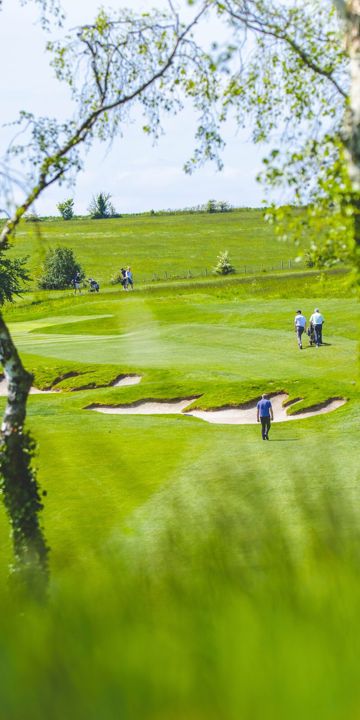

Braid’s Masterpiece
One of the greatest golfers of all time, James Braid designed Goodwood’s iconic Downland course, opened in 1914.
-
Golf Membership
-
Credit Membership
-
Application Form
-
Braid Membership
-
Intermediate Membership
-
Junior Membership
-
Corporate Membership
-
Copse Membership

A sporting Estate
Goodwood has two 18-hole championship courses, a modern clubhouse and an impressive Academy. -
Credit Membership
-
The Academy
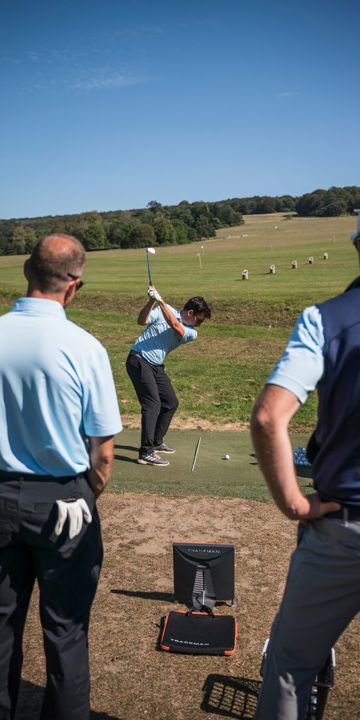
Braid’s Masterpiece
One of the greatest golfers of all time, James Braid designed Goodwood’s iconic Downland course, opened in 1914.
-
Golf Experiences

A sporting Estate
Goodwood has two 18-hole championship courses, a modern clubhouse and an impressive Academy.
-
Golf Courses
-
Flying
-
Flying School
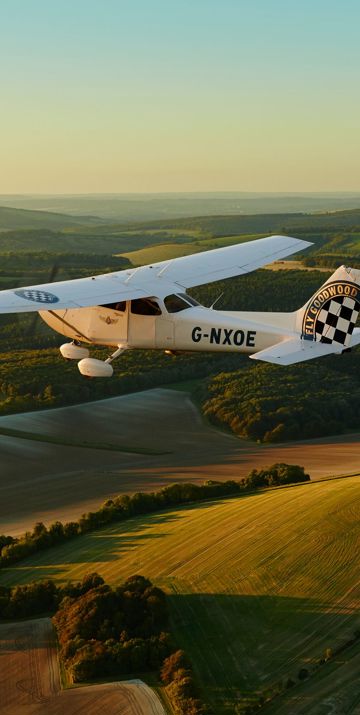

Group Captain Sir Douglas Bader
The famous fighter ace, who flew his last sortie from Goodwood Aerodrome, formerly RAF Westhampnett has a statue in his honor within the airfield.
-
Aero Club Membership
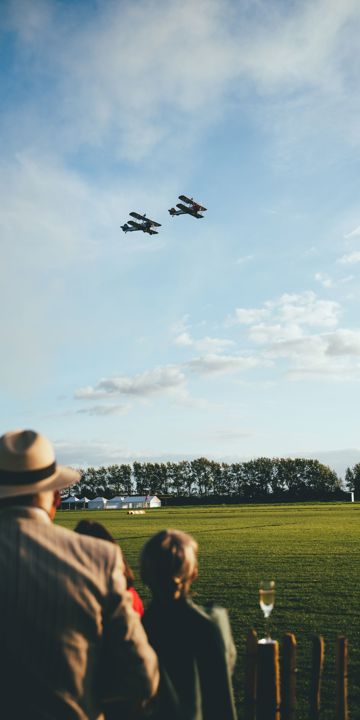
Group Captain Sir Douglas Bader
The famous fighter ace, who flew his last sortie from Goodwood Aerodrome, formerly RAF Westhampnett has a statue in his honor within the airfield.
-
Flying Experiences
-
Pilot Information

Flying Elephant
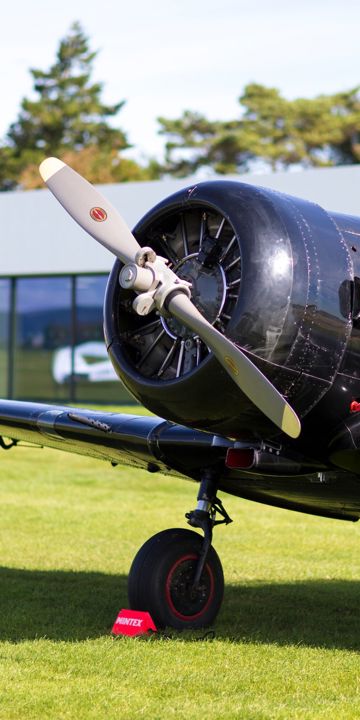
The first thing ever dropped at Goodwood was a cuddly elephant which landed in 1932 just as the 9th Duke of Richmonds passion for flying was taking off.
-
Flying School
-
Meetings
-
Venue Hire
-
Goodwood House
-
The Racecourse
-
The Goodwood Hotel
-
The Motor Circuit
-
The Kennels
-
The Aerodrome
-
The Great Outdoors
Where else can you...
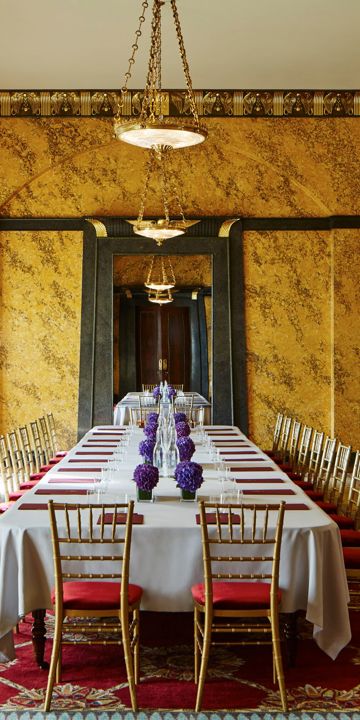
...plan strategy in an ancient woodland, enjoy award-winning dining then drive around a racetrack?
-
Goodwood House
-
Plan Your Meeting
-
Parties
Where else can you...
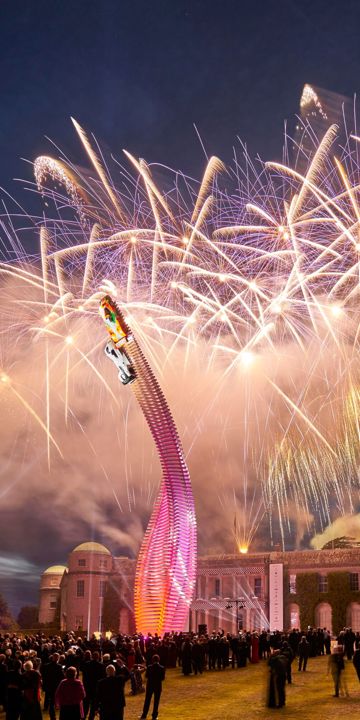
...plan strategy in an ancient woodland, enjoy award-winning dining then drive around a racetrack?
-
Hospitality

-
Corporate Experiences
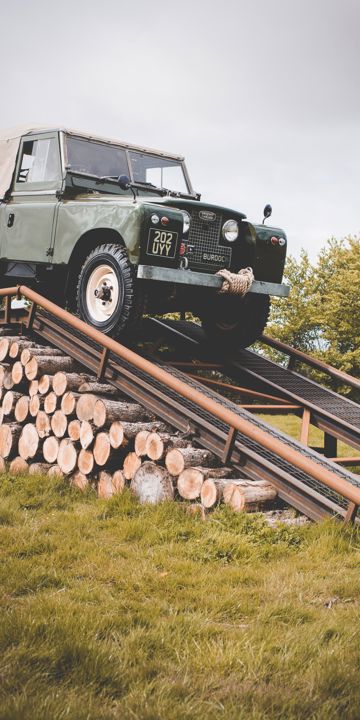
Where else can you...
...plan strategy in an ancient woodland, enjoy award-winning dining then drive around a racetrack?
-
Christmas Parties
-
Film Locations
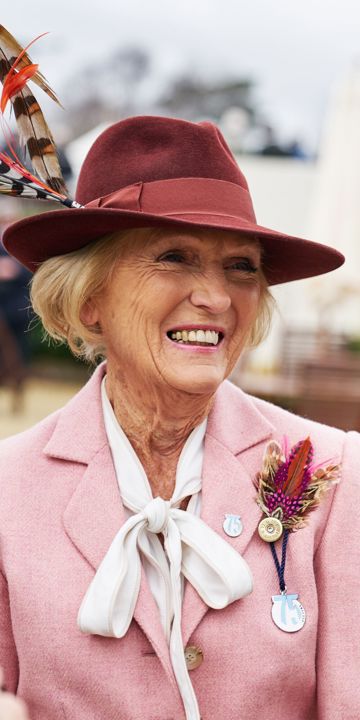
Filming at Goodwood
We have been host to many incredible film crews using Goodwood as a backdrop for shows like Downton Abbey, Hollywood Blockbusters like Venom: let there be Carnage and the Man from U.N.C.L.E.
-
Venue Hire
-
Weddings
-
Goodwood House
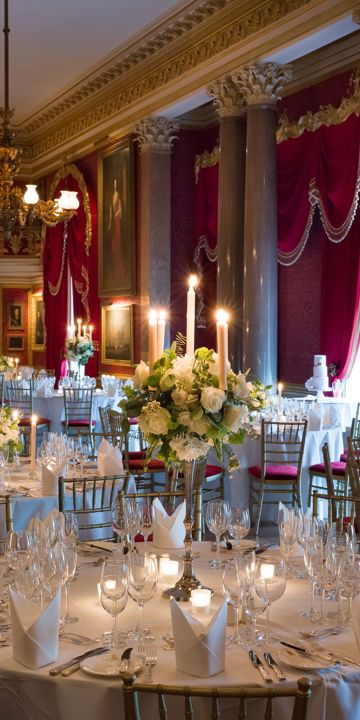

Egyptian Dining Room
Testament to the 19th-century fascination with ancient Egypt and decorative opulence. The room is richly detailed with gilded cartouches, sphinxes, birds and crocodiles.
-
The Kennels


Fashionable foxhounds
The 1st Duke of Richmond bought Goodwood in 1697 as a place to stay to go foxhunting with the fashionable Charlton Hunt. -
Parties
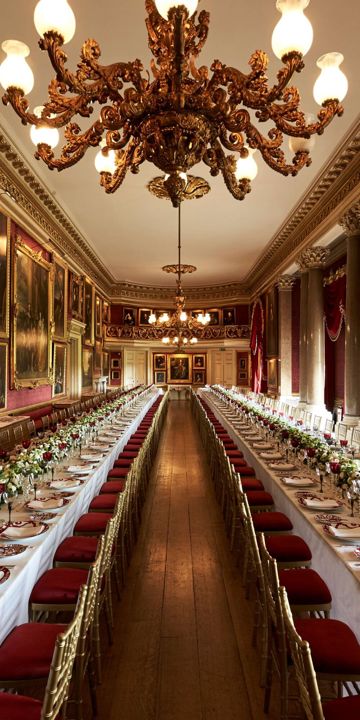
Where else can you...
...plan strategy in an ancient woodland, enjoy award-winning dining then drive around a racetrack?
-
Goodwood House
-
Memberships
-
Goodwood Road Racing Club
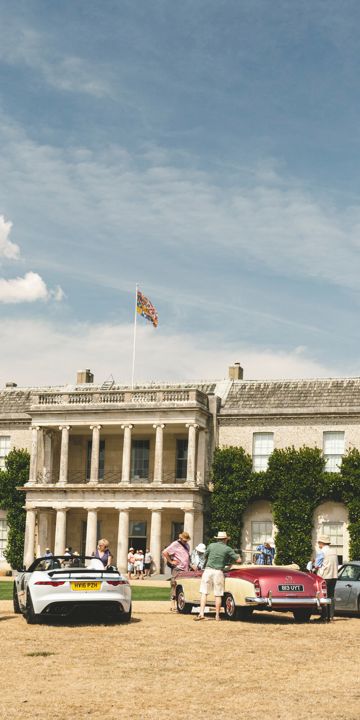
When was the GRRC founded?
Established in 1998 by the Duke of Richmond, the Goodwood Road Racing Club offers exclusive benefits across the estate year-round -
Goodwood Horseracing Club
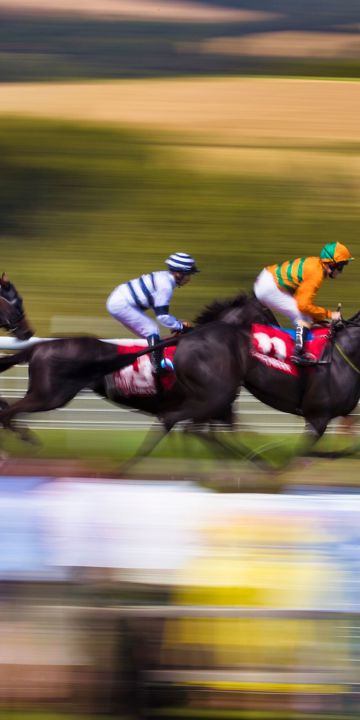
Racing Colours
The red & yellow of the Racecourse can be traced back hundreds of years, even captured in our stunning Stubbs paintings in the Goodwood Collection
-
Golf At Goodwood
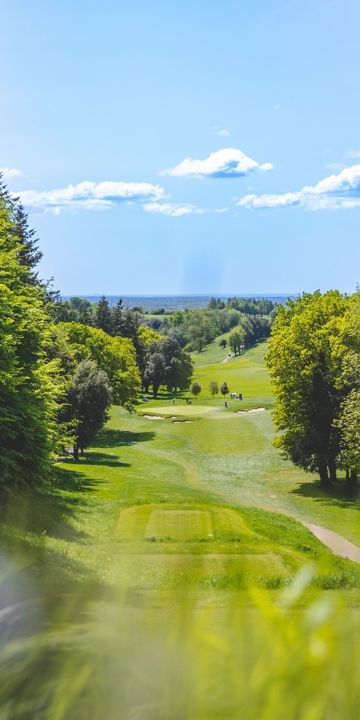
A sporting Estate
Goodwood has two 18-hole championship courses, a modern clubhouse and an impressive Academy. -
Goodwood Aero Club
Group Captain Sir Douglas Bader
The famous fighter ace, who flew his last sortie from Goodwood Aerodrome, formerly RAF Westhampnett has a statue in his honor within the airfield.
-
Goodwood Health Club
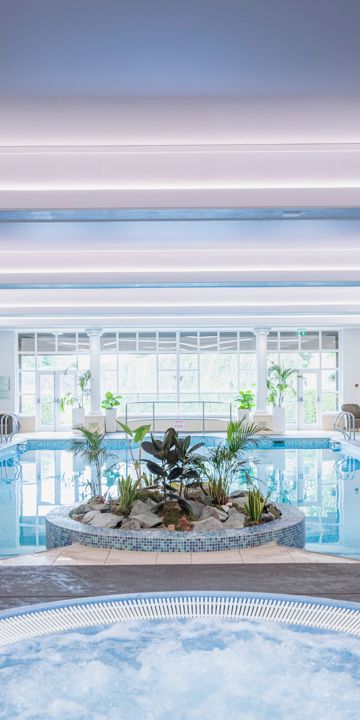
Goodwood's first Health Summit...
...took place in 2023 with industry experts discussing nutrition costs and food systems for a healthier future. -
The Kennels

An exclusive clubhouse
As the private clubhouse for all of the Estate’s sporting and social members, it offers personal service and a relaxed atmosphere
-
Sporting Membership

Lucky Leap
Inspired by the legendary racer, Masten Gregory, who famously leapt from the cockpit of his car before impact when approaching Woodcote Corner in 1959.
-
Goodwood Racehorse Owners Group
-
Goodwood Art Foundation
-
Goodwood Road Racing Club
- Classic Car Insurance
- Health & Wellbeing
- Buy Merchandise
-
Our Estate
-
What's on
-
Estate Map
St Simon
Whoa Simon! A horse so determined and headstrong, he not only won the 1883 Goodwood Cup by 20 lengths, but couldn't be stopped and carried on running over the top of Trundle hill
-
Stories from the Estate
Flying Elephant
The first thing ever dropped at Goodwood was a cuddly elephant which landed in 1932 just as the 9th Duke of Richmonds passion for flying was taking off.
-
Sports
-
Goodwood Education Trust
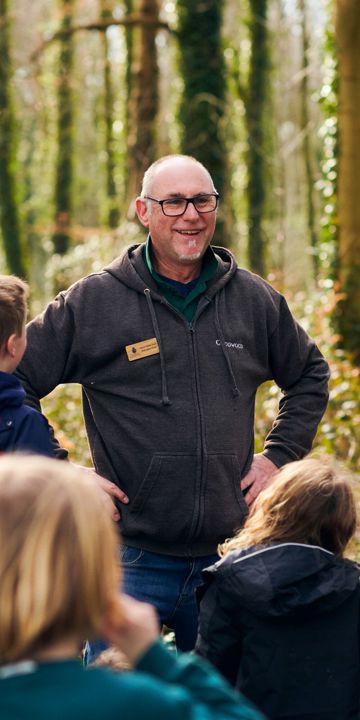

How old is The Kennels?
Built in 1787 by celebrated architect James Wyatt to house the third Duke of Richmond’s prized fox hounds, The Kennels was known as one of the most luxurious dog houses in the world!
-
Charities
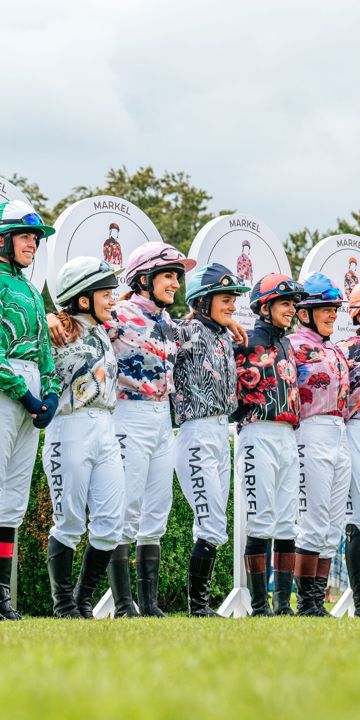

21,000 litres...
Alongside the award-winning meat, we also produce 21,000 litres of milk a week, used to make our cheeses. -
Sustainability
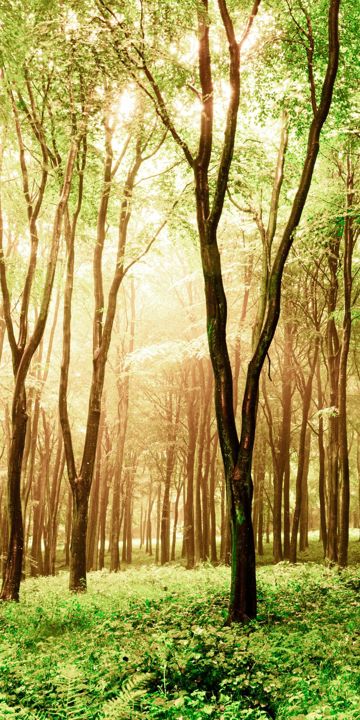
Roots for the future
A 20m woodland rue, from Halnaker to Lavant, was planted by our forestry teams & volunteers, featuring native species like oak, beech, & hornbeam
-
Diversity, Equity & inclusion
-
Property
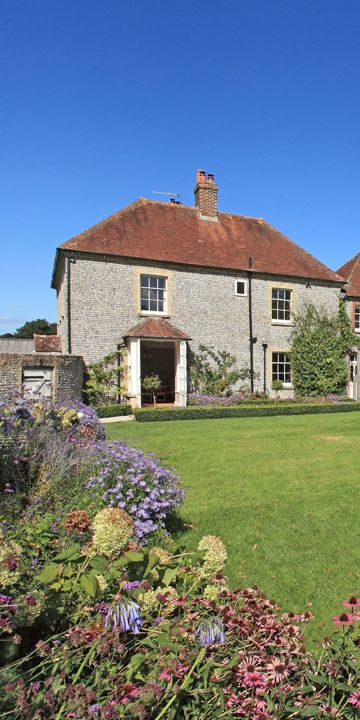
Estate Crest
"En la rose je fleurie" or "Like the rose, I flourish" is part of the Richmond coat of Arms and motto
-
Walking Guide

Fashionable foxhounds
The 1st Duke of Richmond bought Goodwood in 1697 as a place to stay to go foxhunting with the fashionable Charlton Hunt. -
Dog Walking Field
-
Careers
St Simon
Whoa Simon! A horse so determined and headstrong, he not only won the 1883 Goodwood Cup by 20 lengths, but couldn't be stopped and carried on running over the top of Trundle hill
-
Goodwood Art Foundation
-
Farm Shop
-
What's on



Upcoming Events

Soil Based Organisms aka Sporebiotics
Stephanie Moore, celebrity nutritionist and gut health expert talks about the importance of getting outside into nature and how it can positively effect our gut health and wellbeing.
Wellbeing
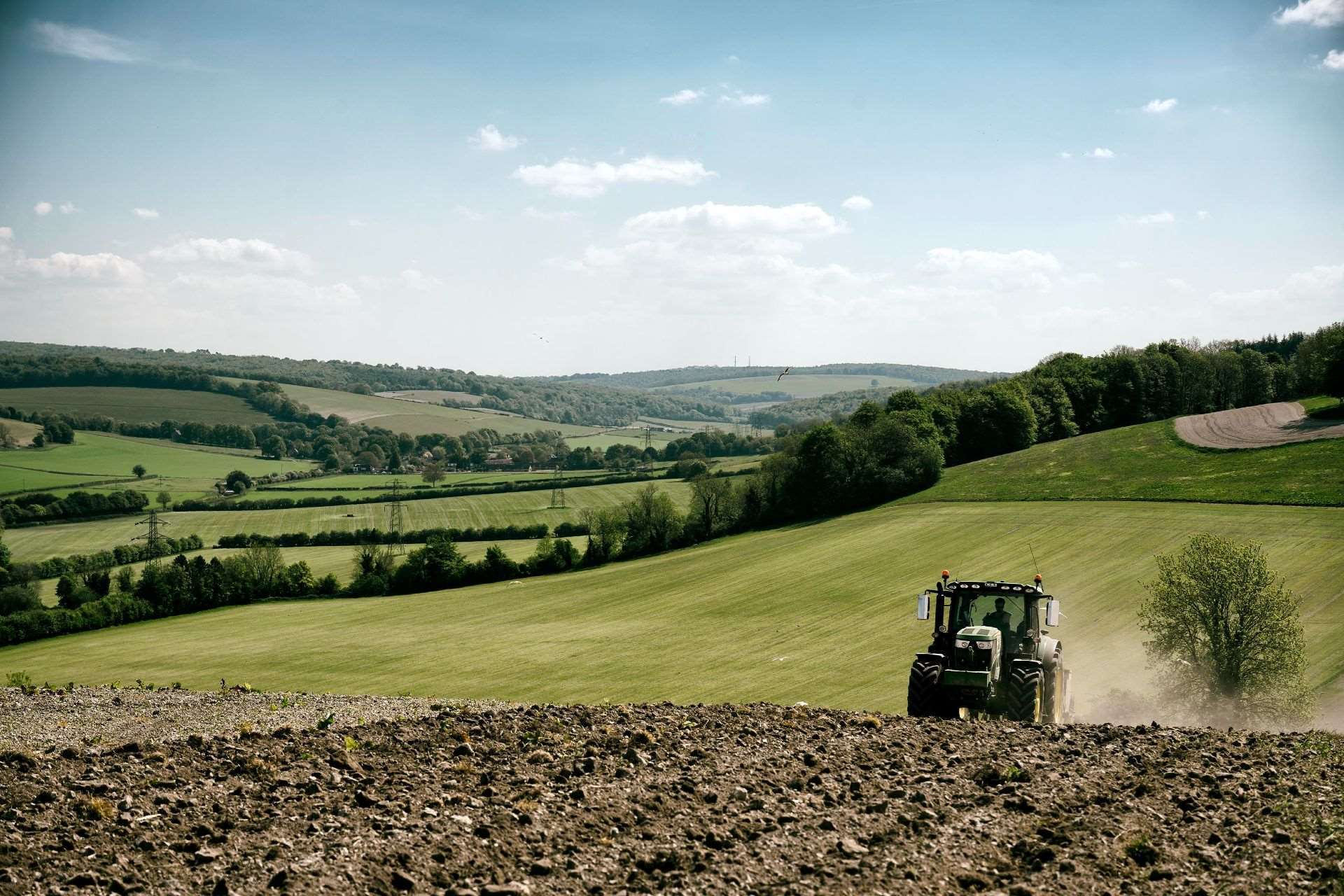
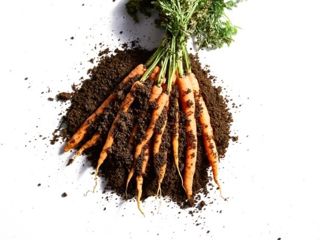
It is widely accepted that getting outside in nature and breathing in fresh air is good for our health. While gardening is regularly hailed as being a healthy way to move the body and reduce stress, there's another really good reason being outdoors and gardening in particular, is healthful. Getting our hands dirty exposes us to billions of beneficial microbes known as soil-based organisms or sporebiotics. The modern obsession of being overly sanitary, using bleaching agents to clean our hands and our home, is reducing our exposure to naturally occurring microbes and, according to the hygiene-hypothesis, could be responsible for the ever-increasing cases of allergies. As well as using natural cleaning agents like white vinegar, bicarb and lemon juice, rather than something chemical and aggressively anti-microbial, exposing ourselves more often to the natural microbes in the soil could be a really good antidote to our overly sterile modern world. It has long been known that children exposed to outdoor microbes, raised on farms drinking raw milk, living around animals and being allowed to play in the outdoors, is linked to a more robust immune system. These children also consistently show far lower rates of asthma and allergies.
Healthy soil is full of billions of beneficial micro-organisms and exposure to these microbes happens simply by breathing in soil spores released into the air as we move around the soil and plants. We also inadvertently swallow spores in the air and consume them from our hands and from freshly grown foods.
Eating fresh vegetables and herbs exposes us to a wide array of microbes, adding to the diversity of the super-helpful gut bugs that live in us and on us, which then help all of our internal systems regulate well. A handful of freshly cut spinach could contain over 800 species of bacteria inside and on the leaves.
These soil-based probiotics not only support our own healthy gut microbiome but also help produce antioxidants, both helping to improve immune function. Critically, unlike many shop-bought probiotics, the spore-producing bacteria are able to survive the high acid levels in the human stomach, making them far more robust and effective. These spores activate once inside our system where it’s warm and damp and there’s lots to feed on. As they get activated they create a more favourable environment for our own, indigenous microbes to thrive, helping to crowd out any nasty pathogens that may be trying to take over.
One of the most researched bacterial strains found in compost and soil is Mycobacterium vaccae (M. vaccae), which has been shown to help in mood disorders by supporting the synthesis of serotonin, our feel-good brain chemical. M.vaccae also exerts a very positive influence on our immune system.
Bacillus coagulans, another very common strain in soil, is known to help with digestive symptoms related to IBS such as bloating and bowel issues and reduces upper respiratory issues such as nasal congestion and an itchy nose. Bacillus subtilis, again, commonly found in healthy soil, has been studied for its beneficial effect on blood pressure and cholesterol levels as well as helping crowd out the misplaced microbes associated with small intestinal bacteria overgrowth.
All this from getting out in nature, kicking up some leaves and taking in a big breath through the nose, getting down on your knees and pulling up some weeds. Maybe even not being too particular about washing off a little of the dirt on your organic veg. So what are you waiting for… go and get dirty!
If you're interested in improving your gut health and general health and wellbeing, find out more about our five-day holistic Gut Health Programme here.
Wellbeing