








































































































Goodwood Health Summit Recap 2026
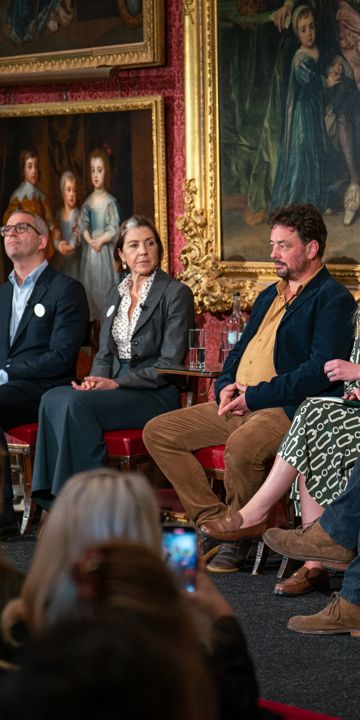
The fourth annual Goodwood Health Summit presented by Randox Health focussed on the intricate relationships between breathing and the microbiome highlighting how these two ecosystems influence each other and overall health. The Duchess of Richmond and Gordon, a long-standing and prominent health campaigner, invited four world-leading experts to address the Summit in three sessions hosted by infectious diseases doctor and broadcaster, Dr Chris van Tulleken.
Health Summit 2026
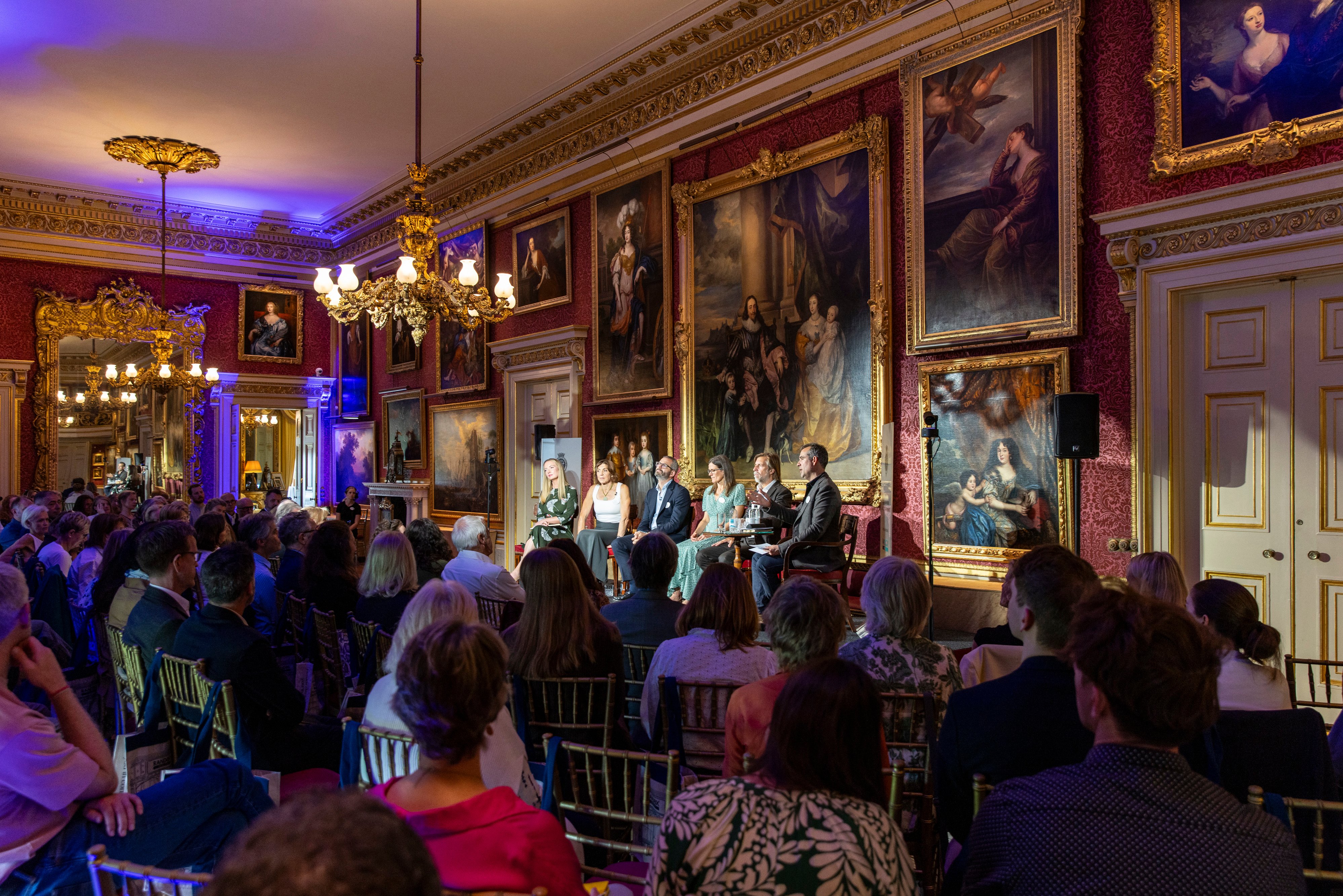
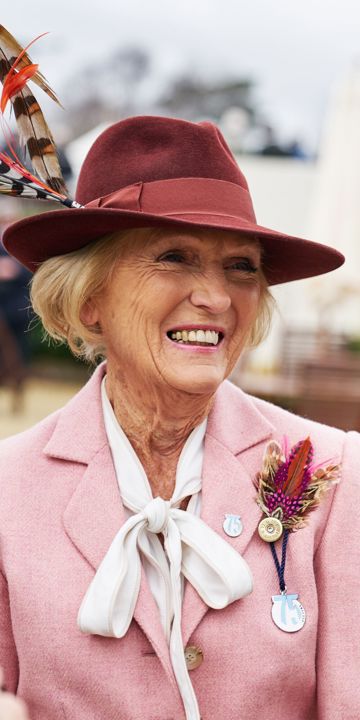
The Goodwood Health Summit 2026 was opened by Her Grace the Duchess of Richmond, a long-standing and prominent health campaigner. She began by thanking Randox, the title sponsor, and noted that many good and useful conversations had taken place even before the first session had begun. She then introduced Summit co-founder Stephanie Moore, the clinical nutritional therapist, author, and lead for the Goodwood Gut Health Programme, who said that breathing, the theme of this year's event, was ‘the most innate and instinctive of human functions’.
“If we become intentional about the way we breathe, we have access to an incredibly powerful tool that can affect positively so much of how we function and how we feel,” she said. “It impacts stress tolerance, how we sleep and recover, resilience, cognition, how well we digest our food and how well the gut and the brain communicate with each other.”
Yet we tend to only focus on the way we breathe at ‘the extremes of life: childbirth, a panic attack, or when we're pushing hard in sports’. Instead she urged delegates to ‘take a deep breath, and explore the ins and outs of breathing’.
Session 1: Breathing, the Microbiome and Health: Science to Everyday Life
Moderator for all sessions: Dr Chris van Tulleken: broadcaster, author, doctor and Professor of Infection and Global Health at UCL
Keynote speaker:James Nestor: award-winning US science journalist and author of Breath
Dr Chris van Tulleken opened the discussion by saying that the day's three sessions would examine the bridge between breathing and the human microbiome, and draw on the expertise of truly world leading experts. “In my 24 years as a doctor, I've thought extremely little about breathing,” he admitted, “apart from a small number of episodes in my life where my ability to breathe has been compromised through thin air or through illness”.
He introduced James Nestor as the keynote speaker for the first session, and described his book Breath as ‘an incredible piece of science writing, and one of those books which changed its landscape permanently’. It has now sold 3 million copies and been translated into 44 languages.
Nestor started by leading a simple breathing exercise for those in the room and joining online. “Congratulations,” he said afterwards. “You just hacked into your nervous system. You just lowered your heart rate, balanced your blood pressure, and delivered more oxygen to your brain with just a few seconds of proper breathing.”
He said that we are in the midst of ‘a perfect storm for respiratory disaster’. The vast majority of us suffer from some form of breathing dysfunction, with impacts ranging from the immediate - such as cognitive function and emotional regulation - to our long-term health: including early-years development, our likelihood of developing chronic conditions, and even our lifespan. “Who knew that how you breathe at night can impact your chances of having diabetes later on in life?” he asked.
That ‘perfect storm’ consists of many elements, including evolutionary changes, poor breathing technique, poor posture, especially when slumped over computers, and pollution, especially and perhaps surprisingly indoors. Our mouths have become too small to breathe deeply. We tend to take shallow breaths, using the chest rather than engaging the diaphragm. Carbon dioxide levels in public spaces can far exceed claimed levels or recommended limits, leading to symptoms such as dizziness, chronic headaches and measurable declines in cognitive function and test scores. “If you're in an environment with a CO2 level of 2500 parts per million, one in every 17 breaths you are taking is someone else's exhalation,” James said, adding that the air quality in a Manhattan hotel room can be improved just by opening the window, despite the pollution levels outside. "Being aware of our environment does not make us crazy hypochondriacs,” he said. “We are simply taking control of our own health.”
Breathing dysfunction in early years delays cognitive and physical development and even appearance. Half of children suffer from breathing problems, he said, and the vast majority of children diagnosed with ADHD also have a breathing disorder, which some speculate may be the root cause of the condition.
Breathing has an impact on adult mental health too. “I’ve heard from so many psychologists and psychiatrists that if their patient’s breathing is dysfunctional, you will never fix their anxiety, ever.” And delegates heard from the floor about the very modern impact of technology and device use on our breathing, causing stress responses which can make us hold our breath unconsciously for 30 to 40 seconds in some cases.
But although the opening section of his keynote painted a bleak picture of our ability to breathe, James said that we have to understand why we’re breathing poorly in order to fix it, and there was much optimism in his session. “The good news is that we can change this,” he insisted.
So what benefits do we get from breathing better? “It improves digestion. It relaxes you. It sends messages to your brain that you are safe. It removes toxins because it pumps more lymph fluid, it reduces blood pressure, and more,” he said. There were studies dating back to the 1950s which proved that engaging the diaphragm correctly had huge benefits to systemic health, and consciously slowing our respiratory rates can have immediate benefits to mental health.
Lung function which is challenged by our environment and which declines with age can be counterbalanced by better breathing, often using simple techniques. "Nasal breathing is our first line of defence," he said. “The mouth was never intended as the primary pathway for breathing air. That's what the nose is for. It serves around 30 different functions: pressurising air, heating it up, filtering it.” It is a 'use it or lose it' organ, he said. It can close up almost entirely in people who have had tracheotomies, but we can reprogram our breathing to pass primarily through the nose again through a variety of techniques, of which gentle mouth taping is among the most effective.
Surgery to fix poor breathing was right in some cases but not always the answer, he said. He also noted that breathwork culture can do more harm than good. “People can walk out of a session and their posture still sucks, they're breathing through their mouths and their sleep is probably still bad.” Instead he said that we need to focus on the foundations, which take time and some simple practices to fix. He assured us that ‘no candles or lotus positions are required’ to do it.
And at a macro level, governments have an important role to play in this change. “This is a public health crisis,” he said. We need to make schools and hospitals not just better places in which to learn and to heal, but also better places in which to breathe. And there was a commercial incentive for businesses to help, too, he suggested: we might pay a little more to use airlines and hotels which give us better, cleaner air.
“Nothing I've told you today is new,” he said. “This stuff is very, very old. These are ancient practices from India, from ancient China, and now we have thousands of studies and so much data to support how these small changes to our breathing can really change our lives and significantly reduce so many of the symptoms that so many of us are suffering from. Hopefully this time around, we won't forget it.”
Session 2: Breathing Across the Life Course: Clinical Practice to the Gut Lung Connection
Moderated by Dr Chris van Tulleken with panellists Dr Louise Oliver: NHS GP and Functional Breathing Practitioner and Mr James Kinross, Reader in Colorectal Surgery and a Consultant Surgeon at Imperial College London and author of Dark Matter, the leading work on the human microbiome.
Dr Chris van Tulleken opened the second session by saying that the Summit had already given him a better understanding of the ‘interconnectedness of the food we eat, the air we breathe and how those two things interrelate’.
“Our breath is the nexus where the planet’s atmosphere has the most intimate interface with our bodies. It passes through our airways and affects everything about the way we feel and live our lives, connecting politics, the food system and the human microbiome,” he said.
Dr Louise Oliver began by outlining how quickly our understanding of the importance of breathing is advancing. It is ‘the basic foundation of life,’ she said. "The body will do whatever it needs to do to continue to breathe, and its other systems have to cope with the consequences."
She explained how her journey towards becoming a breathing practitioner in addition to a GP began. “I became a doctor because I wanted to help people, and I couldn't always help them. After a lot of learning, I realised that how we breathe is too often overlooked.”
She said she was embarrassed as a doctor to suddenly realise that she herself had suffered breathing problems for 35 years. And when her patients saw the improvements that it could bring, they asked why they hadn't had their breathing treated sooner. “One patient said, ‘you've given me inhaler after inhaler. Then one day you tell me to shut my mouth. You explain air hunger to me. You tell me how to deal with it. Now I can sleep. Now I can walk with my mouth shut. I hardly use my blue inhaler. Why did you not tell me this 20 years ago?’”
She said that she wouldn’t be working as both a GP and a breathing practitioner unless she was convinced that it changed lives. She said the link between disordered breathing and the human microbiome was important and incontrovertibly linked to broader systemic health, including inflammation and infection levels.
“We have been designed to sleep with our lips sealed, breathing gently, with no snoring and no apnoeas,” she said. “And if we're not doing that, there's some form of sleep-disordered breathing. It's actually a group of disorders, and it's a spectrum. It causes excess stress response, excess inflammation, oxidative stress, and an impaired glymphatic system. That is not helpful for gut health and the microbiome. One in five UK adults have obstructive sleep apnoea and 85 per cent of those are undiagnosed.”
The response to new breathing techniques was highly personal, she said, and based on baseline breathing pattern, tolerance of ‘air hunger’, and often on past experiences. She was simply trying to teach people to return to breathing as nature intended, she said, and that if you're breathing well, it's imperceptible.
She said that most data on sleep-disordered breathing related to middle-aged men and that it often presented differently in women, with fatigue, morning headaches, mood disturbance and nightmares and insomnia more prevalent. Obstructive sleep apnoea affects around 10 per cent of pregnant women, and she questioned why breathing was not afforded equal significance to other factors influencing maternal health, such as alcohol use.
“And for children, we have 30 years of evidence of the damage that sleep-disordered breathing does to their neuro-cognitive function.” She has suggested to Government that we shouldn't assess children for ADHD or ASD until any sleep-disordered breathing has first been addressed.
Louise's fellow panellist James Kinross said that despite his position as a world-leading authority on the human microbiome, he too was at Goodwood to learn. “My learning from Louise is that better breathing materially reduces your risk of tonsillitis,” he said. “It materially reduces your risk of adenoids. It's just much better not to get these infections in the first place and avoid having five or six rounds of antibiotics to treat that condition prior to having surgery anyway. Of course, the consequences of taking out your tonsils or your adenoids is that you lose an important part of the immune system in your airway that protects both it and your gut.”
He said it would have sounded ‘crazy’ 15 years ago to link better breathing to reduced infection rates and lower antibiotic use, and thus to the human microbiome, but that ‘now, to me, it's entirely logical’. The impact of heavy antibiotic use in children may only show up much later in life, presenting as conditions such as IBS in people in their 30s or older. “But it's not IBS,” he said. “It's antibiotic-induced gut dysfunction. And by the time it appears, the horse has long bolted.” Breaking such cycles is difficult in our largely reactive healthcare system, he said, and other countries do it far better. Finland had seen a national shift towards preventative healthcare, for example, which had a measurable impact on public health.
He agreed with the premise of the summit that the lung and the gut are ‘profoundly connected’: not only physically, but in how they shape each other's development and health. But he said that clinicians can too often think in silos, and can miss those links, or ignore broader environmental factors such as the aerobiome.
“I don't think these links are hard to prove. I just don't think we've meaningfully invested in trying to prove it. That's because we have a reactive healthcare system which has divested from social care and is not properly investing in adequate prevention strategies.”
He is also relearning how to breathe, he said. And he pointed out that none of this is really new, agreeing with James Nestor’s point in the previous session that in so many areas of preventative healthcare we are just ‘relearning the lessons of the ancients’.
"They knew it all," he said: from the benefit of eating wholegrains for the gut from pre-industrial societies, to a lecture on the importance of proper breathing received long ago from an elderly great-aunt, and recalled by a member of the audience at the House. “If you don't hold yourself correctly, you won't breathe correctly,” she told him in the 1960s. “And if you don't breathe correctly, you will lead a short and miserable life."
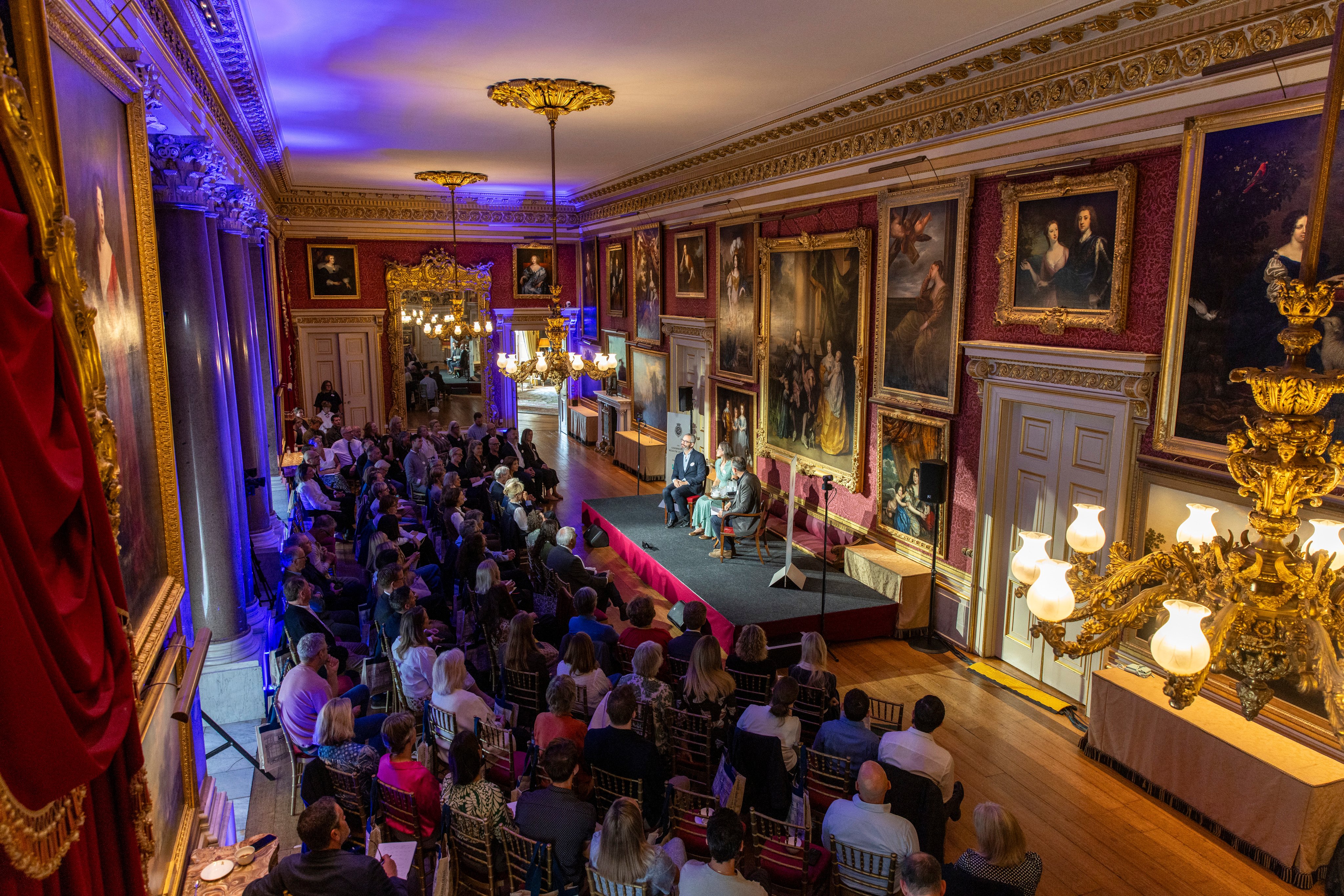
Session 3: Open Q&A, with questions from delegates at the House and online viewers
Moderated by Dr Chris van Tulleken with Stephanie Moore, Mr James Nestor, Dr Louise Oliver, James Kinross and Lauren Aiken, Head of Operations for Randox Health
Lauren opened the session by saying that Randox was the diagnostic companion to all these discussions. In response to James Kinross's earlier point, she said that Randox’s testing and data helped address the ‘silo’ issue. “We look at the body holistically and approach diagnostics the same way,” she said. Their testing data also confirmed the Summit’s premise, she said, indicating a bidirectional relationship between the lung and gut microbiomes.
For Goodwood, Stephanie Moore said that the day's sessions had reminded her once again that nothing in the body works in isolation. “This is all interlinked,” she said. “If we can understand that taking a few deep breaths can calm the nervous system, focus the mind, engage the parasympathetic nervous system, turn on the digestive system and receive and process food better, we can change everything about our digestion.”
She said that big changes don't always last. “It's the small, steady changes that become habitual: that's where the power is.” Moderator Dr Chris van Tulleken agreed, and praised her ‘beautiful summary and clarification of some very complicated information from our other speakers’.
James Nestor said that, despite years of studying and writing about breathing, his own was far from perfect. He acknowledged that he breathed through his mouth when he spoke, as many of us do, and urged us all not to be one of those people who "go crazy on this stuff. I try to do it when I can, but I don't beat myself up when I screw up.”
James Kinross agreed, saying that he didn't want people to leave the summit with either breathing or food anxieties. “We risk orthorexia, where people are terrified of eating the wrong thing,” he said. We have to realise that we have agency, but also maintain a sense of balance.
James Nestor added that while he wouldn't recommend it, the free divers who had first prompted his interest in breathing proved that it was possible to change and control our breathing in quite extreme ways, even later in life. Free divers had always told him that they were not special and that anyone could do it, but he hadn't fully believed them until he tried it for himself. But Dr Louise Oliver counselled us not to try too hard to control our breathing, which could drive a stress response which would be counterproductive.
Responding to a question from the online audience, Alison Challenger, Director of Public Health for West Sussex County Council said that despite its welcome decline, smoking remained a huge issue and that both smoking and passive smoking couldn't be left out of a holistic approach to healthcare.
“I think the whole concept of indoor air quality is important,” she said. “It’s things like wood burners and antiperspirants, but we can't leave out smoking and passive smoking. A survey we did recently among West Sussex residents found that in the least affluent areas, 40 per cent of children under five still lived with a smoker.” James Kinross said that vaping remained ‘extremely problematic’. "Your lungs are simply not supposed to have that in it," he said.
In response to a question from the floor, James Nestor said that pre-contact indigenous peoples in the Americas breathed materially better. They were always nasal breathers, he said. To them breathing was ‘a medicine’ and mouth breathing was seen by some to be offensive in the presence of others.
From the floor, Vicky Sibson, a previous Goodwood Health Summit panellist and Director of First Steps Nutrition, the independent public health nutrition charity supporting eating well in infancy said she’d been ‘blown away’ by what she’d learned at the Summit. “It’s really opened my eyes. I have never stopped to think about how what we feed our babies and toddlers links to their breathing.” She reminded the Summit about the nutritional inadequacies of much of what is marketed as ‘baby food’. One of its failings was that it was too smooth and lacked texture, she said. But chewing was a learned skill, which helped to develop the muscles of the jaw, which then had a knock-on effect on both speech and breathing.
Almost inevitably, if slightly off-topic, the conversation turned at the end towards artificial intelligence. James Kinross said that it would enable what he termed ‘precision healthcare’. “The majority of drugs don't work in the majority of people,” he said. “Otherwise we would not have any side effects and everyone will get better. And AI is changing that.”
Stephanie Moore agreed on the transformative power of AI, but said that it would always lack the crucial human element. “AI is convincing on a lot of levels, but it will always miss the nuances that make a big difference in the therapeutic relationship.”
Health Summit 2026
-

Gut Health Programme
-

Active Longevity Retreat
-
The Mood Food Connection Retreat