
-
Events
-
Festival of Speed
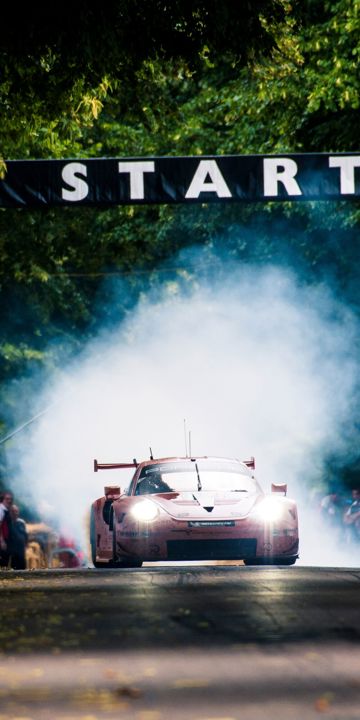

Why don't the F1 cars race the hill?
For safety reasons F1 cars can no longer do official timed runs so instead perform stunning demonstrations!
-
Goodwood Revival
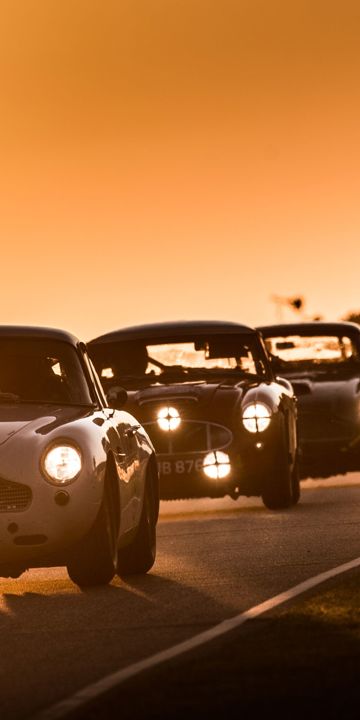

Spectators Favourite
Spectate from the chicane at the Revival to see plenty of classic cars going sideways as they exit this infamous point of our Motor Circuit.
-
Members' Meeting
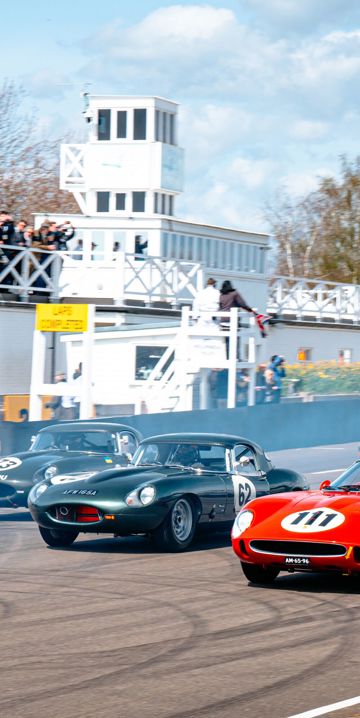

The Gordon Spice Trophy
For icons of British saloon car racing, featuring Capris, Camaros, Mustangs and more.
-
Qatar Goodwood Festival
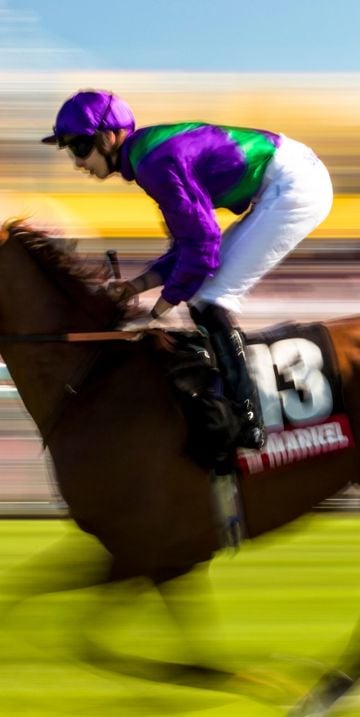

Why does everyone wear hats?
King Edward VII turned his back on the traditional morning suit and donned a linen suit and Panama hat. Thus the Glorious Goodwood trend was born.
-
Goodwoof
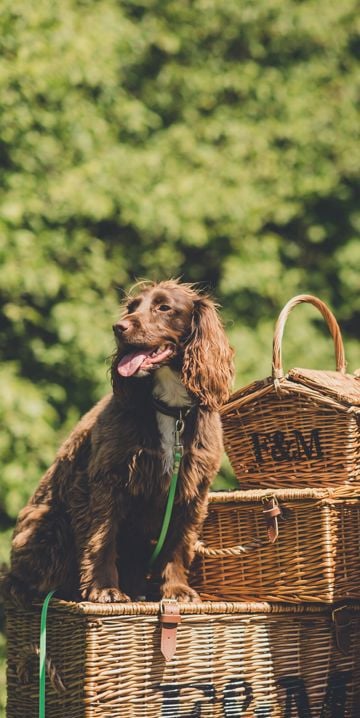

Start in style
The breed parade sees hundreds of dogs and their owners walk from Goodwood House down to The Kennels to kick start the Goodwoof weekend. -
Horseracing
-
Season Opener
-
May Festival
-
Family Race Day
-
Three Friday Nights
-
August Bank Holiday
-
Autumn Racing
-
Season Finale
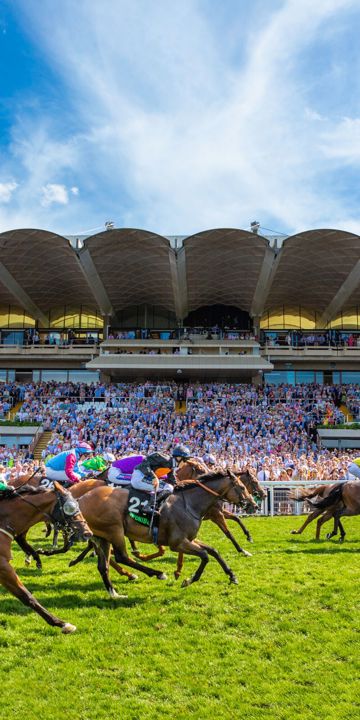

Royal approval
King Edward VII (who came almost every year) famously dubbed Glorious Goodwood “a garden party with racing tacked on”.
-
Season Opener
-
Breakfast Club
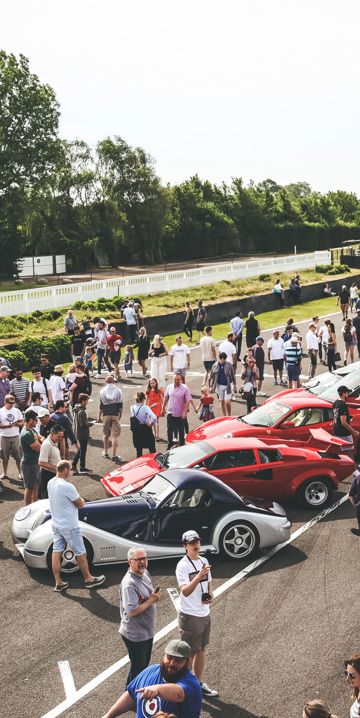

A perfect Sunday morning?
A no-cost, all-welcome motoring show where the visitors and their machines are the stars -
Health Summit
-
Hospitality
-
Exhibiting
-
Partnerships
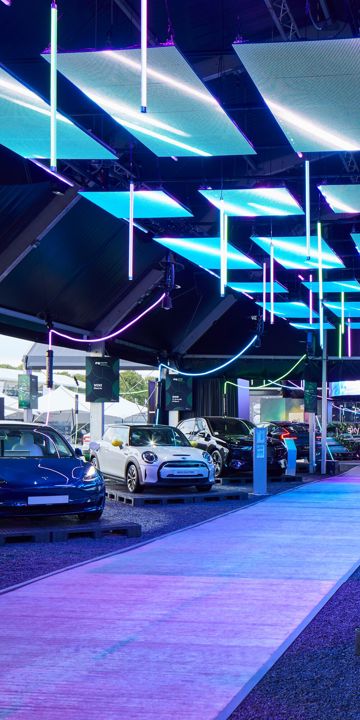

Where else can you...
...plan strategy in an ancient woodland, enjoy award-winning dining then drive around a racetrack?
-
What's on
-
Festival of Speed
-
Visit, Eat, Stay
-
The Goodwood Hotel
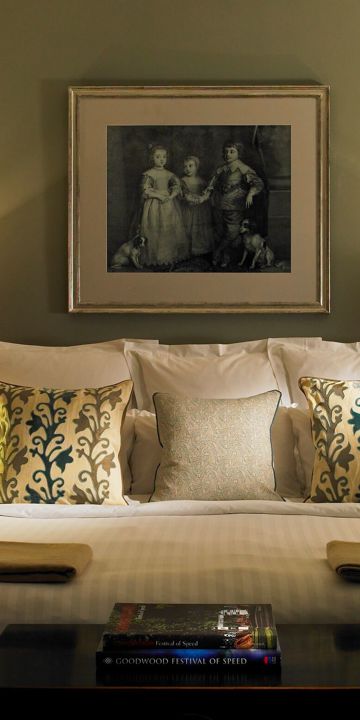

Egyptian Dining Room
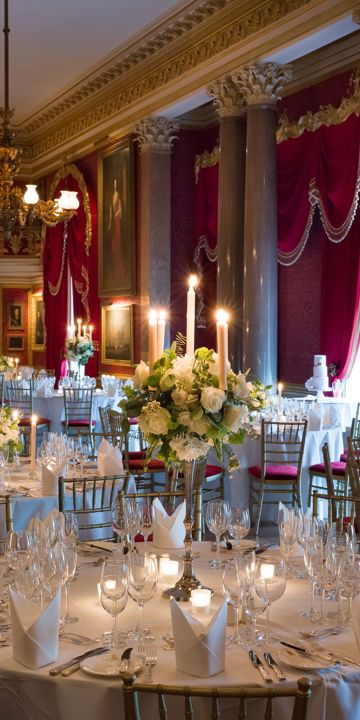
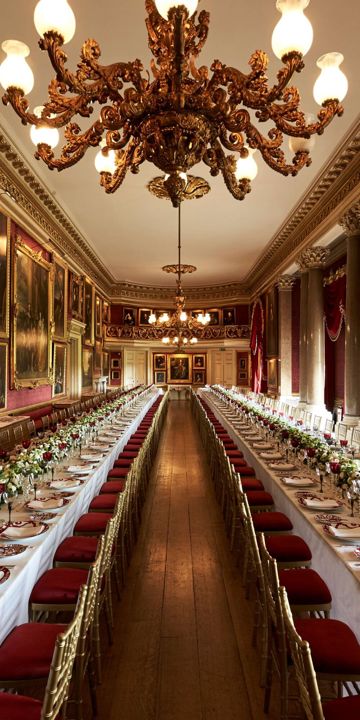
Testament to the 19th-century fascination with ancient Egypt and decorative opulence. The room is richly detailed with gilded cartouches, sphinxes, birds and crocodiles.
-
Goodwood Cottages

Egyptian Dining Room
Testament to the 19th-century fascination with ancient Egypt and decorative opulence. The room is richly detailed with gilded cartouches, sphinxes, birds and crocodiles.
-
Goodwood House
-
Afternoon Tea & Tour
-
The Collection
-
Christmas Afternoon Tea & Tour
-
Exhibitions
-
History
-
Weddings
-
Copper Dome Restoration
-
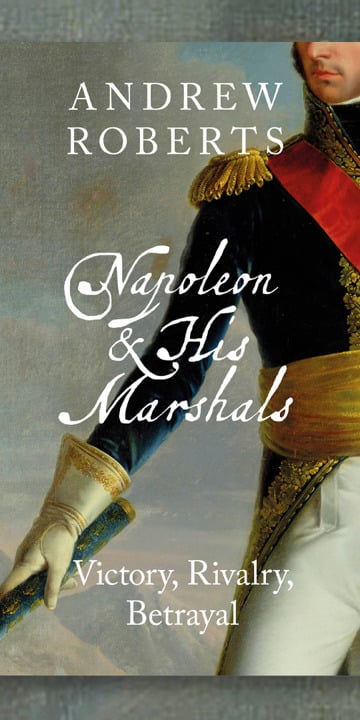
Napoleon & His Marshals Book Talk with Andrew Roberts
Egyptian Dining Room
Testament to the 19th-century fascination with ancient Egypt and decorative opulence. The room is richly detailed with gilded cartouches, sphinxes, birds and crocodiles.
-
Afternoon Tea & Tour
-
Restaurants
-
Farmer, Butcher, Chef
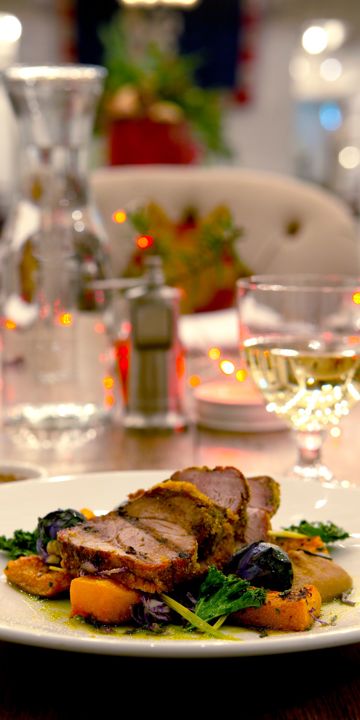
-
The Goodwood Bar & Grill
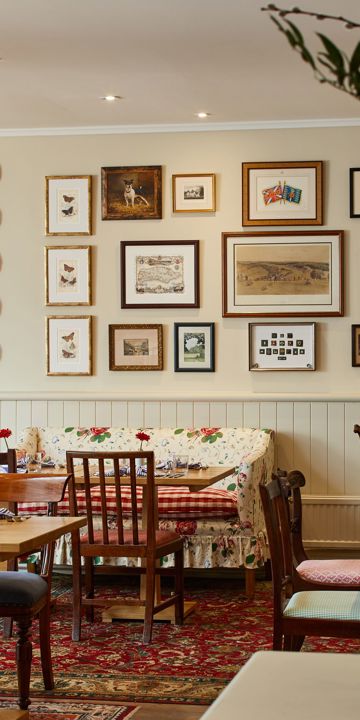
-
The Kennels
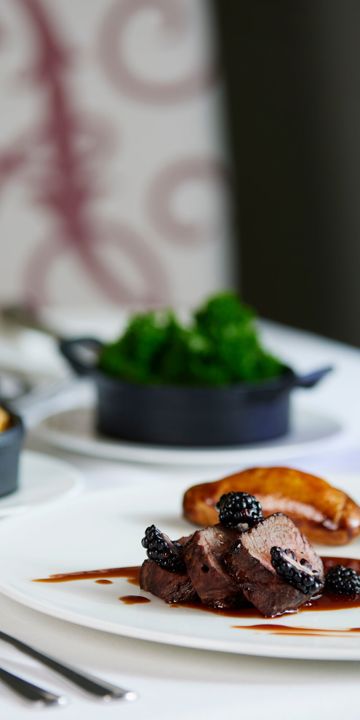
-
Aerodrome Café
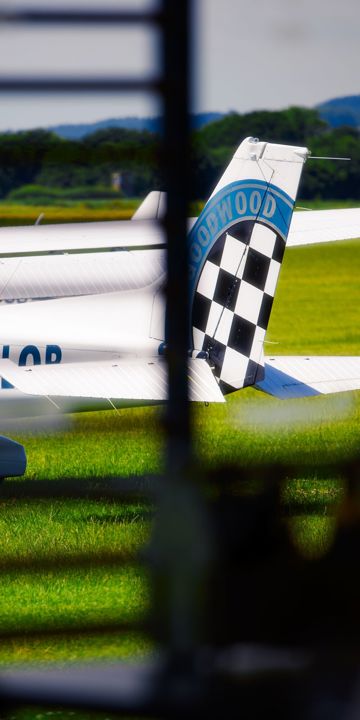
-
Motor Circuit Café

-
Cafe 24
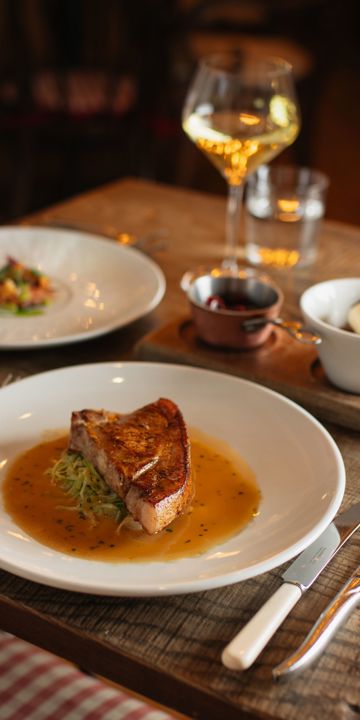

Sustainable state-of-mind
When Farmer, Butcher, Chef opened in 2016 it was awarded the UK’s first-ever Royal Academy of Culinary Arts ‘Sustainable Food Philosophy Seal’. -
Farmer, Butcher, Chef
-
The Kennels
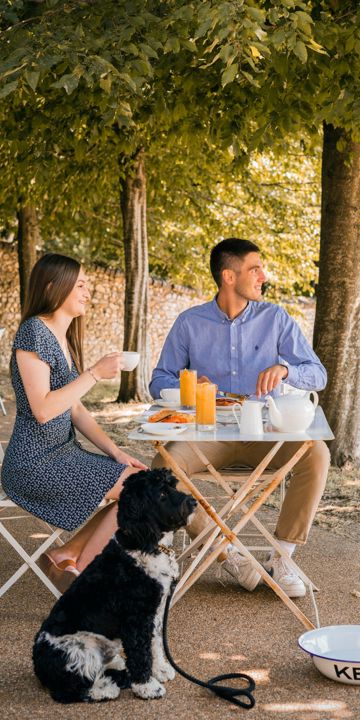

An exclusive clubhouse
As the private clubhouse for all of the Estate’s sporting and social members, it offers personal service and a relaxed atmosphere
-
Motor Circuit
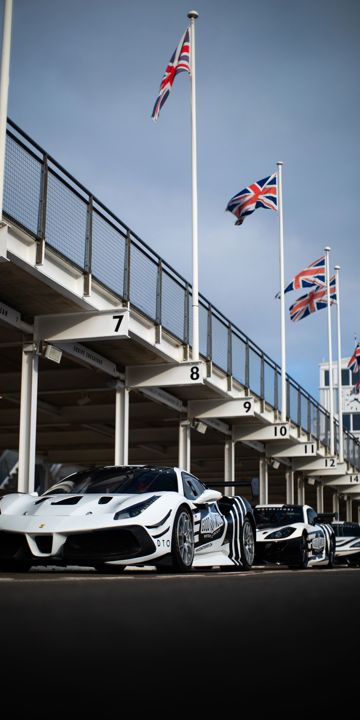

Flying Elephant
The first thing ever dropped at Goodwood was a cuddly elephant which landed in 1932 just as the 9th Duke of Richmonds passion for flying was taking off.
-
Health & Wellbeing
-
Membership
-
Health Club
-
Gym
-
Run Series
-
Spa Treatments
-
Wellness Retreats
-
Events Calendar
-
Corporate Wellbeing
-
Health Summit
-
Latest News

Goodwood's first Health Summit...
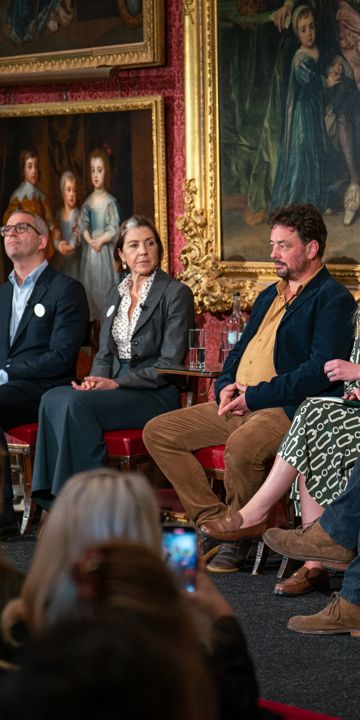
...took place in 2023 with industry experts discussing nutrition costs and food systems for a healthier future. -
Membership
-
Hound Lodge
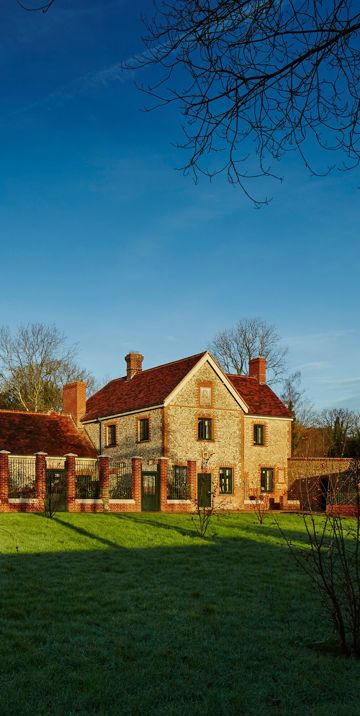

What's the best room?
Dido is traditionally for the host, but every single room is designed with personal touches from Cindy Leveson and the Duke & Duchess of Richmond.
-
Goodwood Farm Shop


St Simon
Whoa Simon! A horse so determined and headstrong, he not only won the 1883 Goodwood Cup by 20 lengths, but couldn't be stopped and carried on running over the top of Trundle hill
-
Parties
-
Goodwood Art Foundation
-
The Goodwood Hotel
-
Motorsport
-
Festival of Speed
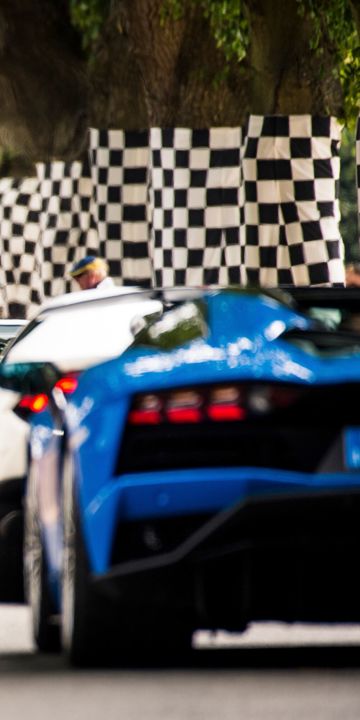

The Hillclimb
The 1.16-mile hillclimb has been the centre of the action since the first festival in 1993. -
Goodwood Revival
-
Tickets & Packages
-
Hospitality
-
Explore
-
Plan Your Day
-
Buy Merchandise
-
Charity
-
Partners
-
Accessibility
-
FAQs
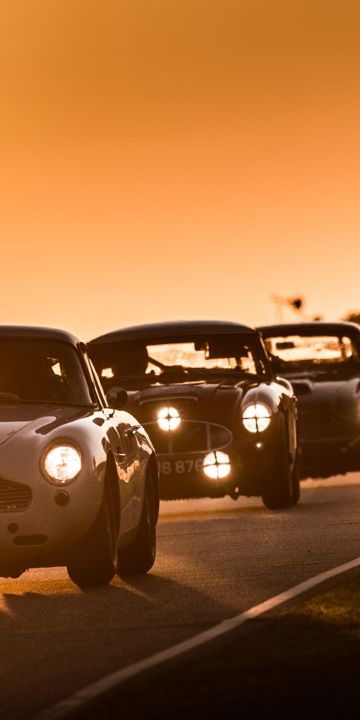

Freddie's Famous Scarf
When the 9th Duke won the Double Twelve at Brooklands in 1931 he never drove without it throughout his successful driving career.
-
Tickets & Packages
-
Members' Meeting
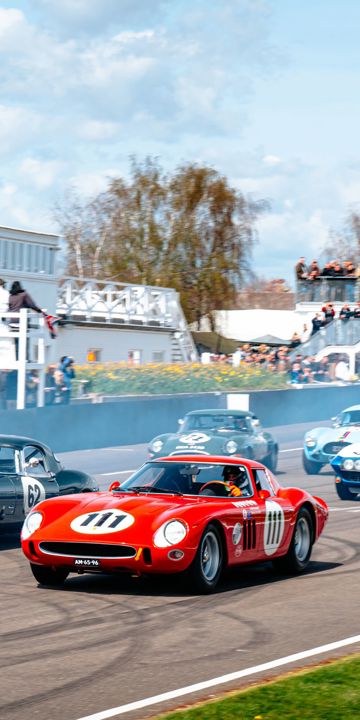

The return of the Members' Meeting
The 72nd Goodwood Members' Meeting was run for GRRC Members in 2014, the first since 1966.
-
Breakfast Club
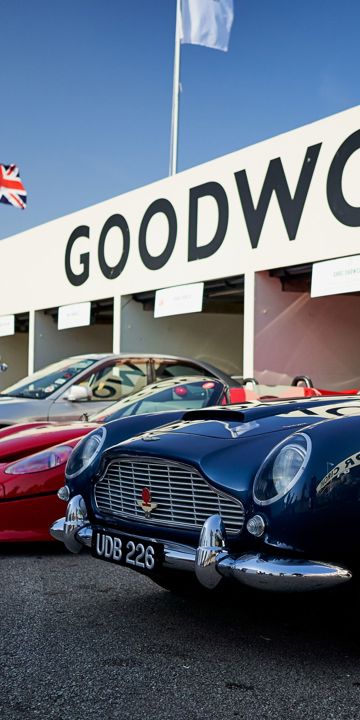

The RAC TT Celebration
The most prestigious event in historic motorsport, the race that everyone wants to win.
-
Motor Circuit

Fashionable foxhounds
The 1st Duke of Richmond bought Goodwood in 1697 as a place to stay to go foxhunting with the fashionable Charlton Hunt. -
Driving Experiences
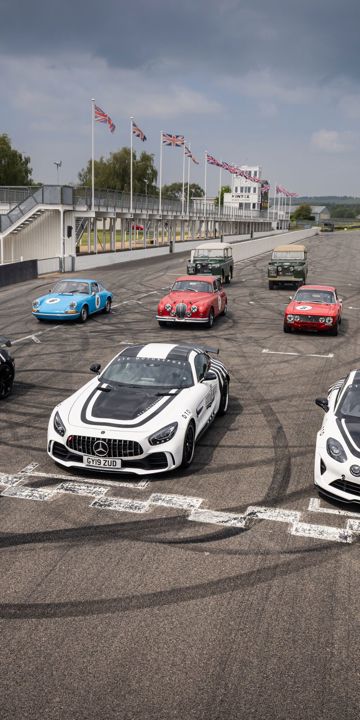
The Hillclimb
The 1.16-mile hillclimb has been the centre of the action since the first festival in 1993. -
Goodwood Road Racing Club
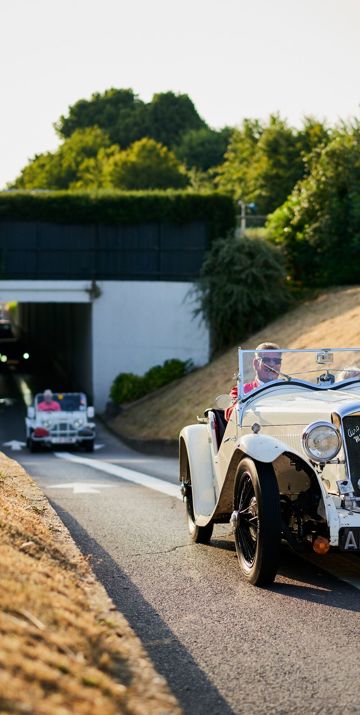

FOS Future Lab
Where wondrous innovation and future technology is placed in the palm of your hand.
-
Latest News
-
Festival of Speed
-
Horseracing
-
Tickets & Packages
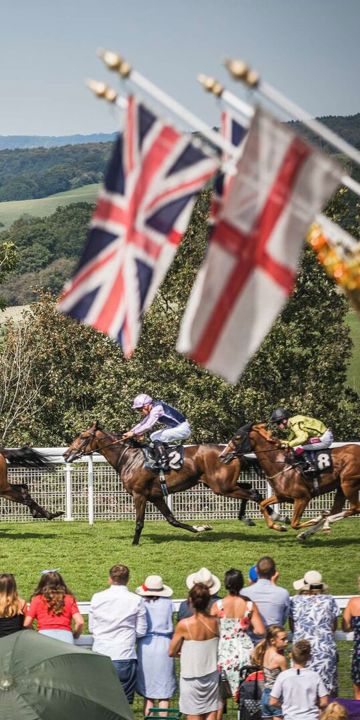

Why walk when you can drive
The first ever horsebox was used from Goodwood to Doncaster for the 1836 St. Leger. Elis arrived fresh and easily won his owner a £12k bet.
-
Hospitality
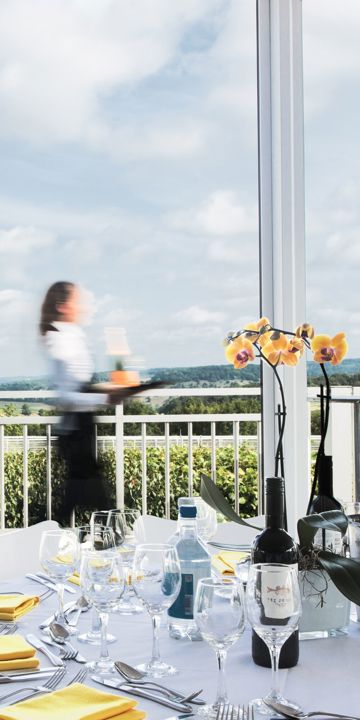

"Glorious Goodwood"
After the first public race meeting in 1902, 'Glorious Goodwood' became a highlight of the summer season.
-
Horseracing Club Membership
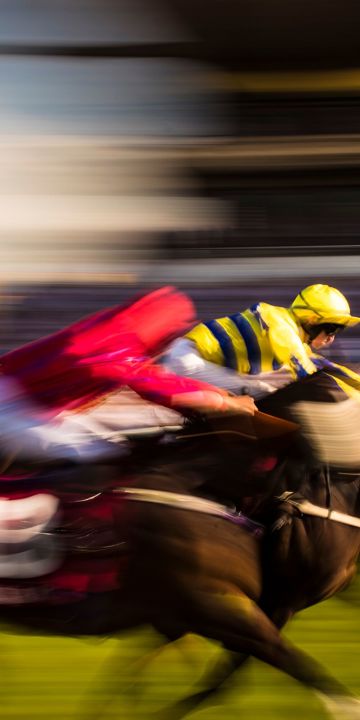
"Glorious Goodwood"
After the first public race meeting in 1902, 'Glorious Goodwood' became a highlight of the summer season.
-
Fixtures & Events
-
Season Opener
-
May Festival
-
Family Race Day
-
Three Friday Nights
-
Qatar Goodwood Festival
-
August Bank Holiday
-
Autumn Racing
-
Season Finale
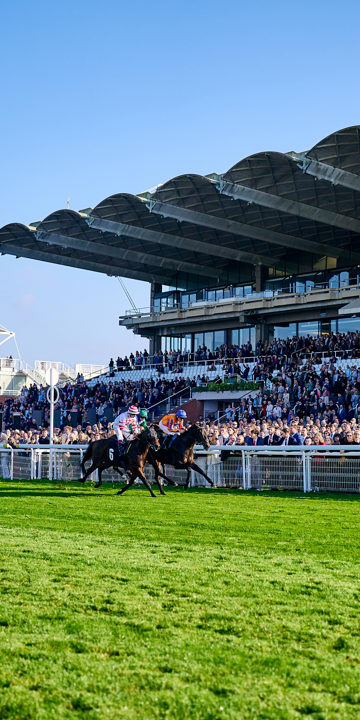
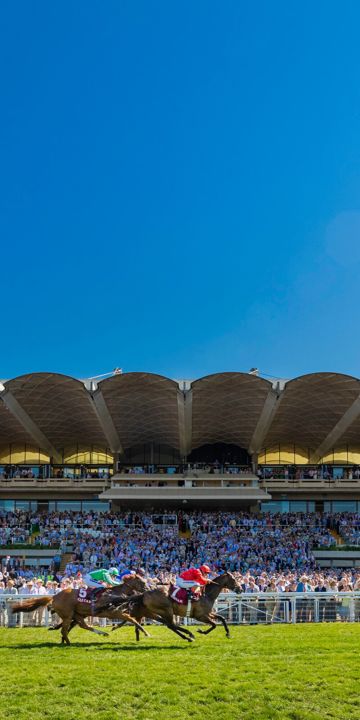
Why does everyone wear hats?
King Edward VII turned his back on the traditional morning suit and donned a linen suit and Panama hat. Thus the Glorious Goodwood trend was born.
-
Season Opener
-
Qatar Goodwood Festival
-
Tickets & Packages
-
Hospitality
-
Day by Day Guide
-
Ladies Day
-
Magnolia Cup
-
The Earl's Lawn
-
Timetable
-
Partners
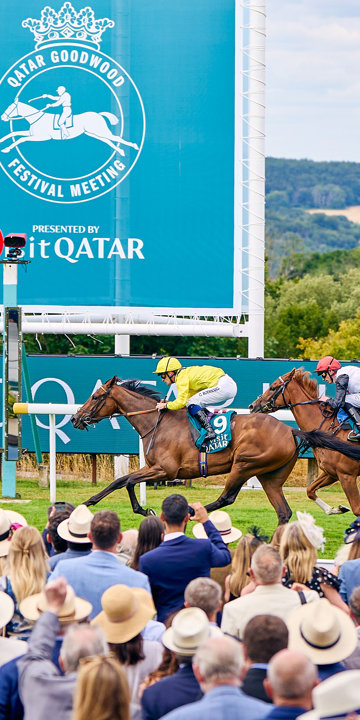
Why walk when you can drive
The first ever horsebox was used from Goodwood to Doncaster for the 1836 St. Leger. Elis arrived fresh and easily won his owner a £12k bet.
-
Tickets & Packages
-
Three Friday Nights
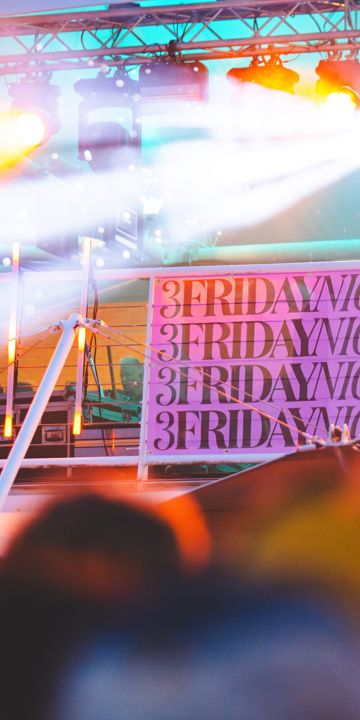
Royal approval
King Edward VII (who came almost every year) famously dubbed Glorious Goodwood “a garden party with racing tacked on”.
-
Plan Your Day
-
Enclosures
-
Event Map
-
Going Report
-
Getting Here
-
Betting at Goodwood
-
Dress Code
-
Accessibility
-
Food & Drink
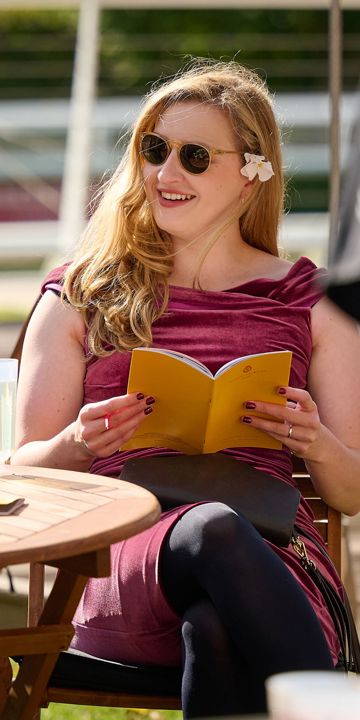
Why does everyone wear hats?
King Edward VII turned his back on the traditional morning suit and donned a linen suit and Panama hat. Thus the Glorious Goodwood trend was born.
-
Enclosures
-
Buy Merchandise
-
Partners
-
Owners & Trainers
-
Latest News
-
FAQs
-
Accessibility
-
Tickets & Packages
-
Experiences
-
Driving
The RAC TT Celebration
The most prestigious event in historic motorsport, the race that everyone wants to win.
-
Flying
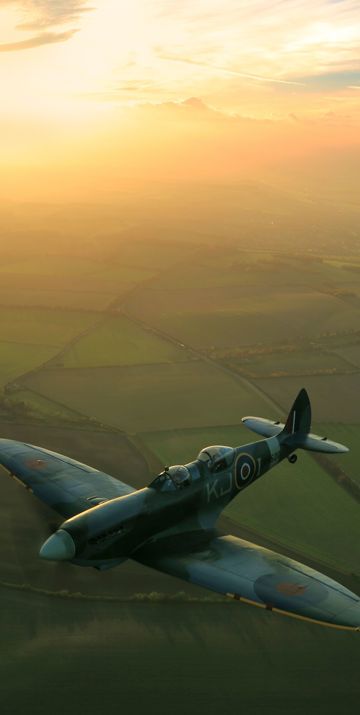

Ace Pilot
Ray Hanna famously flew straight down Goodwood’s pit straight below the height of the grandstands at the first Revival in 1998
-
Golf

A sporting Estate
Goodwood has two 18-hole championship courses, a modern clubhouse and an impressive Academy. -
Shooting
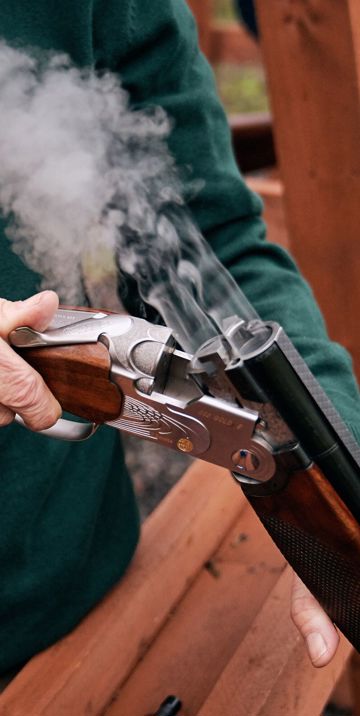

Levin Down Gin
Our gin uses wild-grown botanicals sourced from the estate, and is distilled with mineral water naturally chalk-filtered through the South Downs.
-
Afternoon Tea
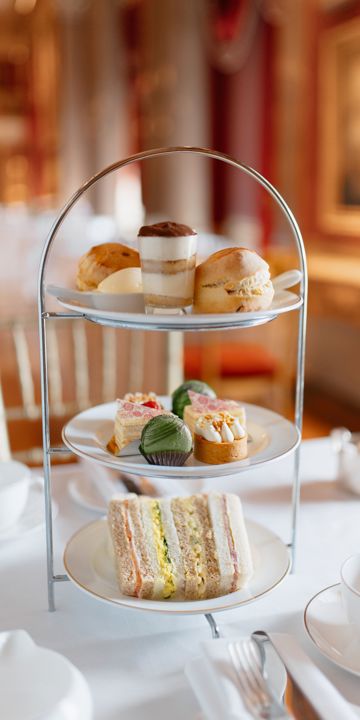

Grogger
Easy boy! The charismatic Farnham Flyer loved to celebrate every win with a pint of beer. His Boxer dog, Grogger, did too and had a tendancy to steal sips straight from the glass.
-
Corporate Wellbeing
Goodwood's first Health Summit...
...took place in 2023 with industry experts discussing nutrition costs and food systems for a healthier future. -
Cycling
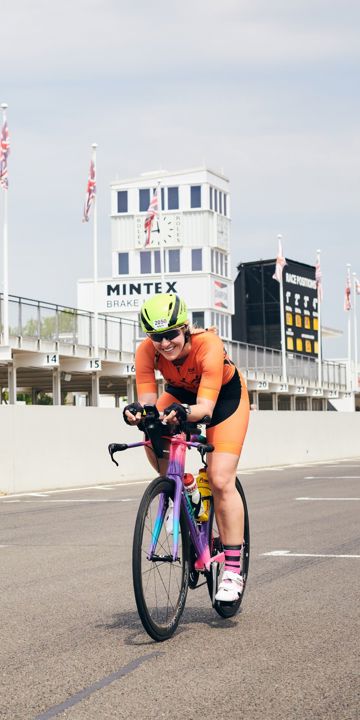
Ace Pilot
Ray Hanna famously flew straight down Goodwood’s pit straight below the height of the grandstands at the first Revival in 1998
-
Corporate Experiences
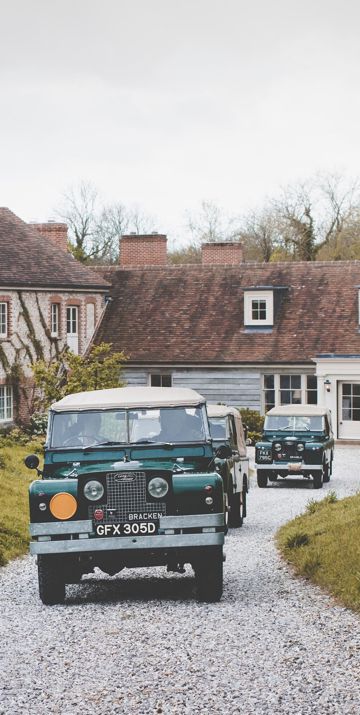
Where else can you...
...plan strategy in an ancient woodland, enjoy award-winning dining then drive around a racetrack?
-
Spa Treatments
-
Driving
- Hospitality
-
Golf
-
Golf Courses
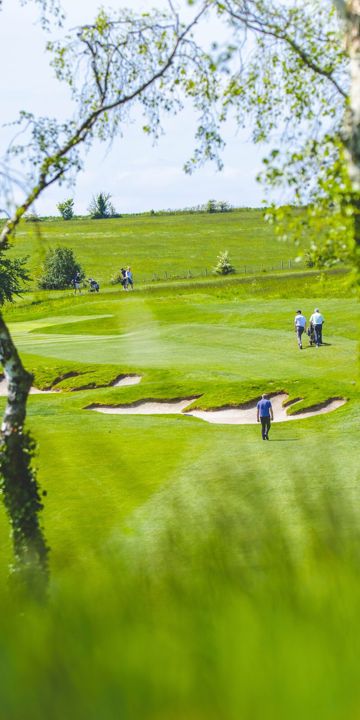

Over 100 years of Golf
The first ever round of golf played at Goodwood was in 1914 when the 6th Duke of Richmond opened the course on the Downs above Goodwood House.
-
Golf Membership
-
Credit Membership
-
Application Form
-
Braid Membership
-
Intermediate Membership
-
Junior Membership
-
Corporate Membership
-
Get Into Golf
-
Copse Membership

Over 100 years of Golf
The first ever round of golf played at Goodwood was in 1914 when the 6th Duke of Richmond opened the course on the Downs above Goodwood House.
-
Credit Membership
-
The Academy
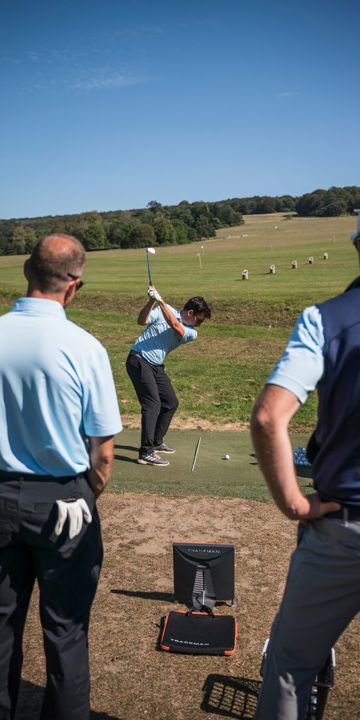

Braid’s Masterpiece
One of the greatest golfers of all time, James Braid designed Goodwood’s iconic Downland course, opened in 1914.
-
Golf Experiences

A sporting Estate
Goodwood has two 18-hole championship courses, a modern clubhouse and an impressive Academy.
-
Golf Courses
-
Flying
-
Flying School
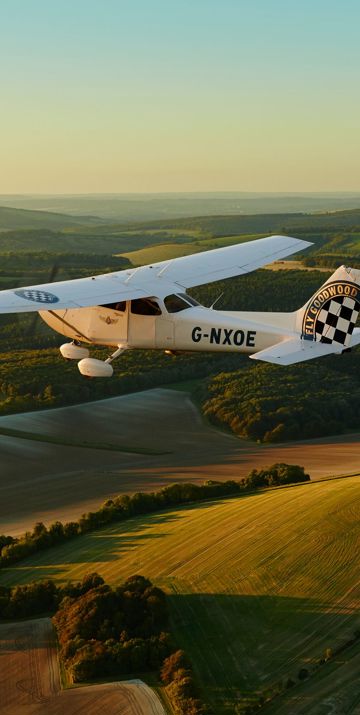

Group Captain Sir Douglas Bader
The famous fighter ace, who flew his last sortie from Goodwood Aerodrome, formerly RAF Westhampnett has a statue in his honor within the airfield.
-
Aero Club Membership
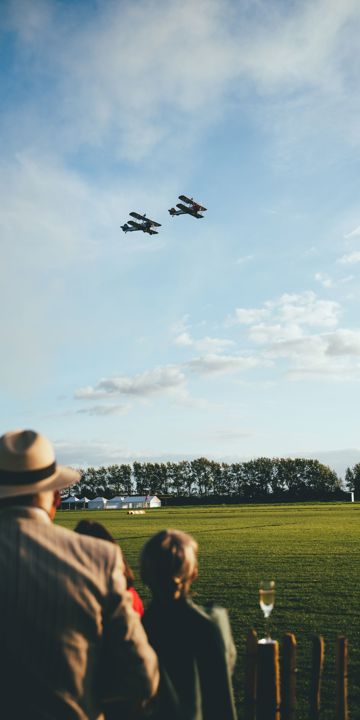

During the war...
The Motor Circuit was known as RAF Westhampnett, active from 1940 to 1946 as a Battle of Britain station.
-
Flying Experiences
-
Pilot Information
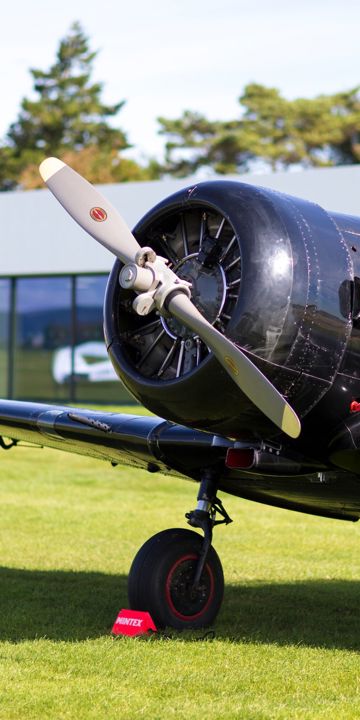

Flying with Goodwood
Come with us for an epic journey.
-
Flying School
-
Meetings
-
Venue Hire
-
Goodwood House
-
The Racecourse
-
The Goodwood Hotel
-
The Motor Circuit
-
The Kennels
-
The Aerodrome
-
The Great Outdoors
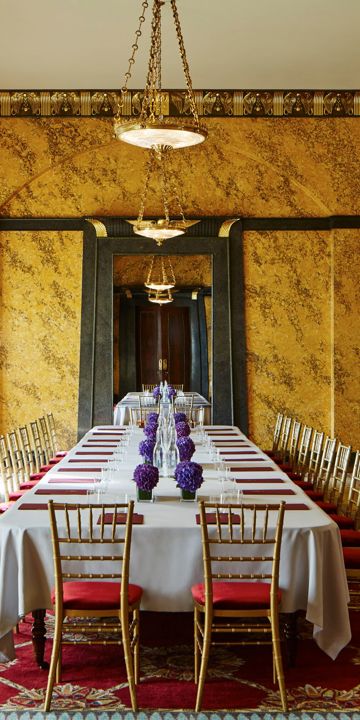
Where else can you...
...plan strategy in an ancient woodland, enjoy award-winning dining then drive around a racetrack?
-
Goodwood House
-
Plan Your Meeting
-
Parties
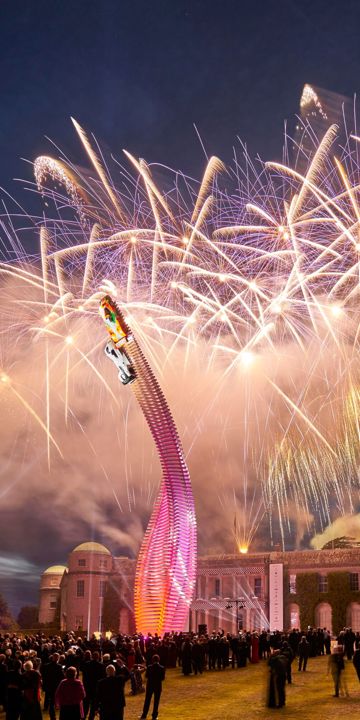
Where else can you...
...plan strategy in an ancient woodland, enjoy award-winning dining then drive around a racetrack?
-
Hospitality

-
Corporate Experiences
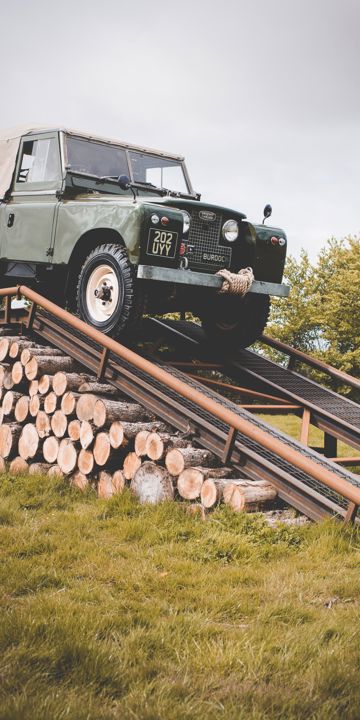
Where else can you...
...plan strategy in an ancient woodland, enjoy award-winning dining then drive around a racetrack?
-
Christmas Parties
-
Film Locations
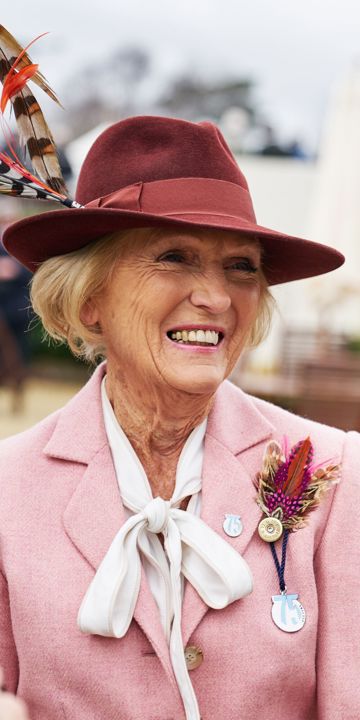
Where else can you...
...plan strategy in an ancient woodland, enjoy award-winning dining then drive around a racetrack?
-
Venue Hire
-
Weddings
-
Goodwood House

Estate Crest
"En la rose je fleurie" or "Like the rose, I flourish" is part of the Richmond coat of Arms and motto
-
The Kennels


How old is The Kennels?
Built in 1787 by celebrated architect James Wyatt to house the third Duke of Richmond’s prized fox hounds, The Kennels was known as one of the most luxurious dog houses in the world!
-
Parties


A destination for all seasons
We're well known for our iconic motorsport and horseracing events. But there's a lot more happening at Goodwood...
-
Goodwood House
-
Memberships
-
Goodwood Road Racing Club
When was the GRRC founded?
Established in 1998 by the Duke of Richmond, the Goodwood Road Racing Club offers exclusive benefits across the estate year-round -
Goodwood Horseracing Club
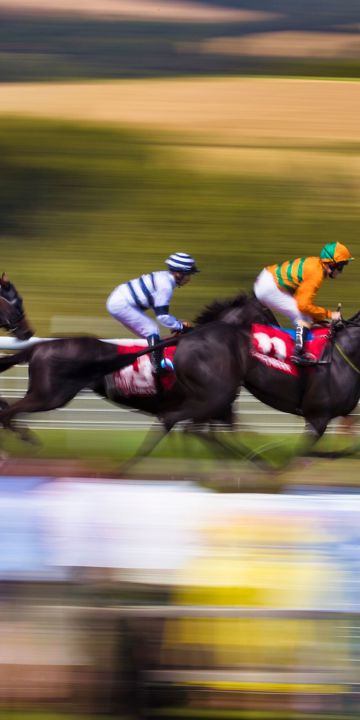
Royal approval
King Edward VII (who came almost every year) famously dubbed Glorious Goodwood “a garden party with racing tacked on”.
-
Golf At Goodwood
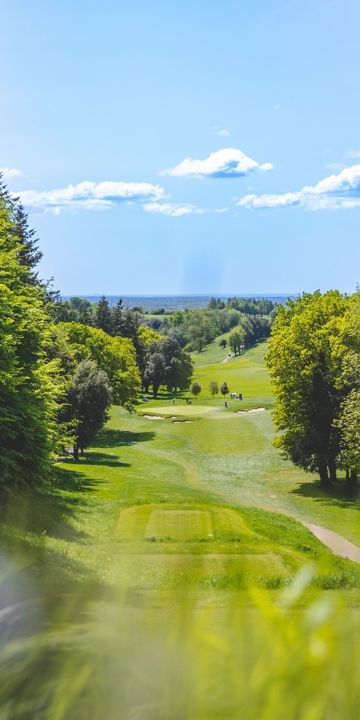
Over 100 years of Golf
The first ever round of golf played at Goodwood was in 1914 when the 6th Duke of Richmond opened the course on the Downs above Goodwood House.
-
Goodwood Aero Club

Battle of Britain
Flying training began at Goodwood in 1940 when pilots were taught operational flying techniques in Hurricanes and Spitfires.
-
Goodwood Health Club
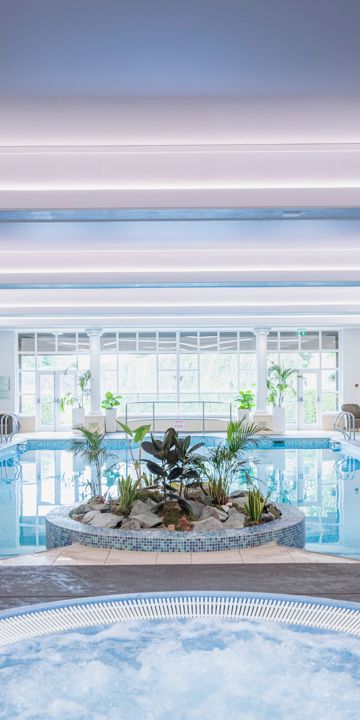
Goodwood's first Health Summit...
...took place in 2023 with industry experts discussing nutrition costs and food systems for a healthier future. -
The Kennels

How old is The Kennels?
Built in 1787 by celebrated architect James Wyatt to house the third Duke of Richmond’s prized fox hounds, The Kennels was known as one of the most luxurious dog houses in the world!
-
Sporting Membership

Battle of Britain
Flying training began at Goodwood in 1940 when pilots were taught operational flying techniques in Hurricanes and Spitfires.
-
Goodwood Racehorse Owners Group
-
Goodwood Art Foundation
-
Goodwood Road Racing Club
- Classic Car Insurance
- Health & Wellbeing
- Buy Merchandise
-
Our Estate
-
What's on
-
Estate Map
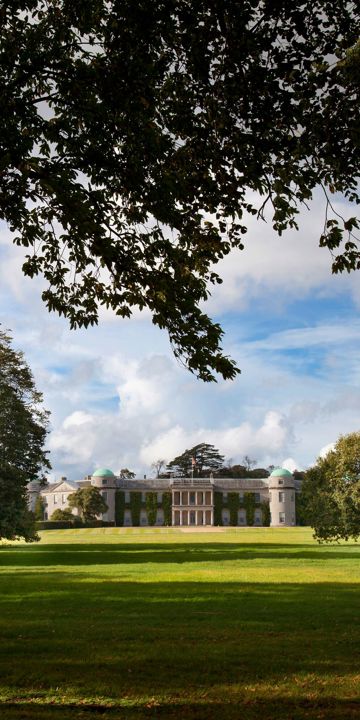
Carne's Seat
Just beyond Goodwood House along the Hillclimb, the 2nd Dukes banqueting house was also known as "one of the finest rooms in England" (George Vertue 1747).
-
Stories from the Estate
Egyptian Dining Room
Testament to the 19th-century fascination with ancient Egypt and decorative opulence. The room is richly detailed with gilded cartouches, sphinxes, birds and crocodiles.
-
Sports
-
Goodwood Education Trust
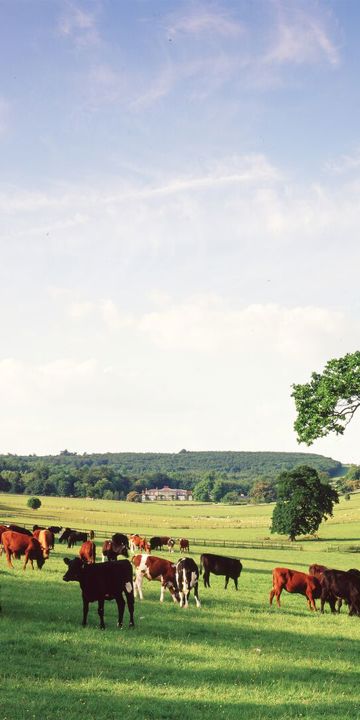
St Simon
Whoa Simon! A horse so determined and headstrong, he not only won the 1883 Goodwood Cup by 20 lengths, but couldn't be stopped and carried on running over the top of Trundle hill
-
Charities
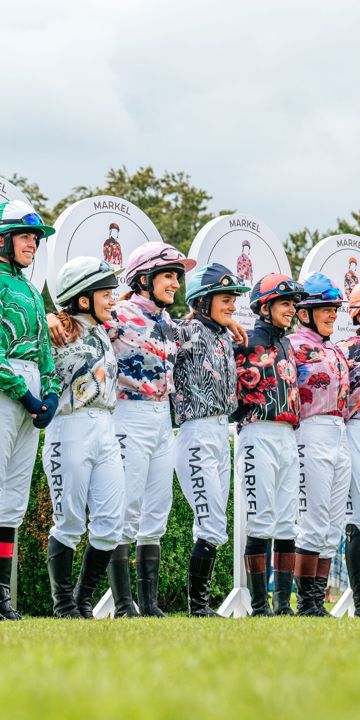
Grogger
Easy boy! The charismatic Farnham Flyer loved to celebrate every win with a pint of beer. His Boxer dog, Grogger, did too and had a tendancy to steal sips straight from the glass.
-
Sustainability
Flying Elephant
The first thing ever dropped at Goodwood was a cuddly elephant which landed in 1932 just as the 9th Duke of Richmonds passion for flying was taking off.
-
Diversity, Equity & inclusion
-
Property
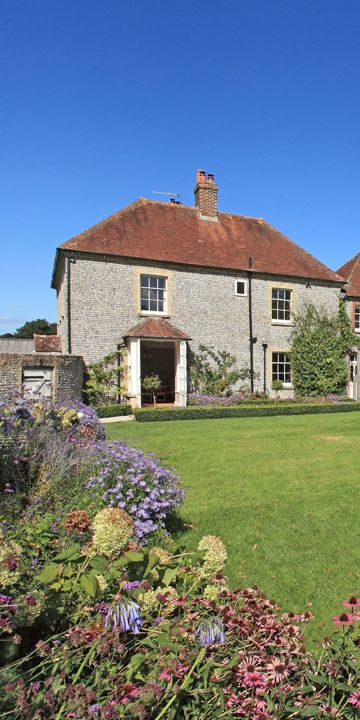
Flying Elephant
The first thing ever dropped at Goodwood was a cuddly elephant which landed in 1932 just as the 9th Duke of Richmonds passion for flying was taking off.
-
Walking Guide

During the war...
The Motor Circuit was known as RAF Westhampnett, active from 1940 to 1946 as a Battle of Britain station.
-
Dog Walking Field
-
Careers
Carne's Seat
Just beyond Goodwood House along the Hillclimb, the 2nd Dukes banqueting house was also known as "one of the finest rooms in England" (George Vertue 1747).
-
Goodwood Art Foundation
-
Farm Shop
-
What's on
- Christmas


Upcoming Events
Embracing the Shift: How the Clock Change Affects Your Wellbeing
As we “fall back” and set our clocks back one hour in the Northern Hemisphere, many welcome the extra hour of sleep. However, this annual shift to Standard Time, such as Greenwich Mean Time (GMT), can have a profound impact on both mental and physical wellbeing.
gut health
Health & Wellbeing
Health and Wellbeing
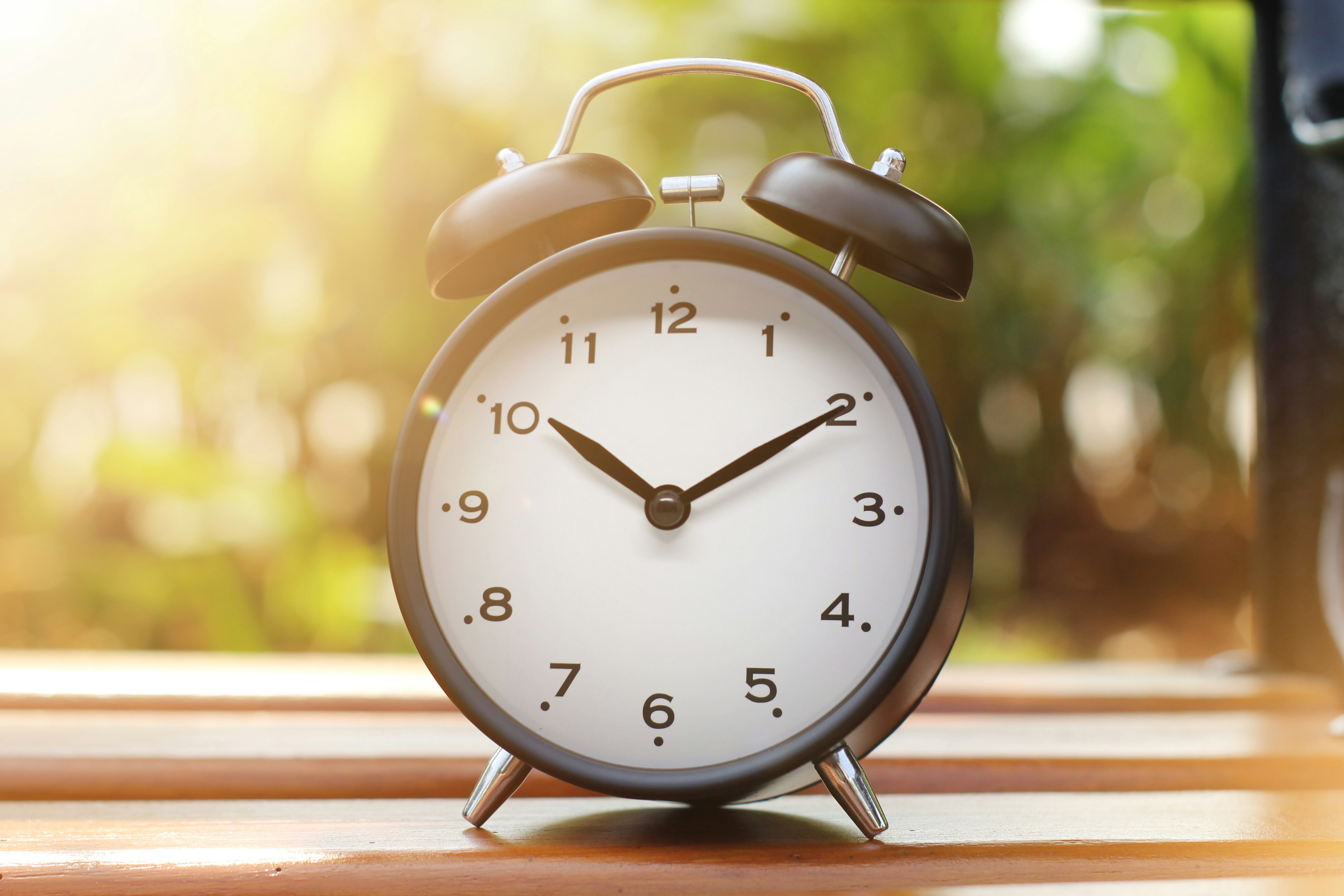
While the time change allows us to make the most of daylight during the winter months, it also disrupts our body’s internal processes in ways that can affect sleep, mood, and overall health.
For those who find themselves struggling in the winter months, we have some useful practices below to help you navigate the challenges.
Turning Back the Clock Change--Circadian Rhythms and Melatonin
Our bodies are governed by an internal clock known as the circadian rhythm, a 24-hour cycle that regulates physiological processes, including sleep, hunger and body temperature. The primary driver of this rhythm is light, with natural sunlight being the most powerful cue for the body to stay in sync with the external world.
When daylight hours decrease in autumn and winter, as happens when the clocks are set back, this can disrupt the circadian rhythm, leading to changes in mood, energy levels and sleep patterns, which is why we can often wake up feeling groggy and looking forward to the hours until you can climb back under the duvet, or reaching for carb-heavy foods to satiate the desire to eat more frequently throughout the autumn and winter months.
A key player in this process is melatonin, a hormone produced by the pineal gland in the brain. Melatonin is often referred to as the "sleep hormone" because it helps signal to your body that it’s time to sleep. Its production increases in the evening as light fades, promoting drowsiness and decreases in the morning when exposed to light, helping you wake up.
The reduction in daylight exposure during the shorter days of winter can cause the body to produce melatonin earlier or in greater quantities, which can disrupt your sleep-wake cycle and make you feel tired at inappropriate times.
When this carefully regulated cycle is disturbed—such as during the time change—it can leave you feeling out of sync, leading to symptoms such as fatigue, difficulty concentrating, and even mood changes.
Circadian Rhythms and Your Wellbeing
Circadian rhythms do more than just regulate your sleep. They influence various aspects of your overall health. When your circadian rhythm is well-aligned with the natural light-dark cycle, it helps promote healthy sleep, boosts cognitive function, and stabilises mood. On the other hand, disruptions to this rhythm, such as those caused by shorter daylight hours and clock changes, can contribute to a range of issues.
Sleep disruption
Changing the clocks by just one hour may seem like a minor shift, but it can take several days for your body to adjust. The disruption in your circadian rhythm can lead to poor sleep quality, difficulties falling asleep, or waking up earlier than desired. In some cases, this adjustment period can even trigger insomnia.
Mood disorders - Seasonal Affective Disorder (SAD)
One of the most well-documented effects of reduced daylight is the increased prevalence of Seasonal Affective Disorder (SAD), a type of depression that occurs in the winter months when exposure to sunlight is limited. Studies made by the NHS suggests that changes in melatonin levels, combined with less light exposure, can exacerbate symptoms of SAD, including low energy, increased feelings of sadness and lethargy.
Increased anxiety and stress
The disruption of daily routines caused by the clock change can also trigger feelings of anxiety. The body’s struggle to adapt to the new schedule, shorter daylight hours, combined with the pressures of the festive season can create a sense of unease and heightened stress.
Isolation
With shorter days and less clement weather for getting out into nature, people often spend more time indoors, which can limit social interactions and lead to feelings of isolation. This reduction in outdoor activities can result in a withdrawal from social engagement, negatively impacting mental health.
So what can you do to combat the effects of reduced daylight hours?
To effectively navigate the challenges posed by the clock change, consider incorporating the following practices into your routine:
Get a routine
Establishing a regular daily schedule, especially for sleep and meal times, can stabilise your circadian rhythm. This consistency allows your body to adapt more easily to the time change and minimises the disruption to your internal clock.
Get as much light as possible
Spending time outdoors during daylight hours is crucial for regulating melatonin production and regulating your circadian rhythm. Even a brief walk during the day can make a significant difference in improving your mood and energy levels.
Get moving
Physical activity boosts serotonin levels, improves mood and helps mitigate the effects of disrupted sleep patterns. Regular exercise also supports overall physical health, which is essential during the darker winter months.
Get social
Social interaction is vital for emotional health. Reach out to friends and family, plan social activities and stay connected with like-minded peers to maintain your mental wellbeing. Getting outdoors for a walk with others in nature is perfect for busting the winter blues.
Get relaxing
If you are experiencing stress or anxiety due to the time change, explore relaxation methods such as deep breathing, meditation, or mindfulness. These techniques can help you manage your emotions and lessen the impact on your mental wellbeing.
Get gut healthy
Maintaining consistent energy levels during the shorter days of winter can be challenging, but eating a balanced diet rich in whole foods can help.
Goodwood’s Gut Heath Programme Lead, Stephanie Moore has some advice when it comes to eating for the darker days, “Foods high in healthy fats such as omega-3, fatty acids from oily fish, olive oil, nuts & seeds, and B vitamins found in beans and lentils, leafy greens, fish, and nuts are a great way to support brain function and can sustain your energy and mood levels throughout the day. Omega-3s are also known to help support symptoms of Seasonal Affective Disorder (SAD), while B vitamins are a great way to support your energy levels.
Vitamin D and B12 are especially important for mood and brain energy, found predominantly in animal foods like red meat, seafood and eggs, so plant-only eaters will probably need to supplement with these critical happy-brain nutrients.
Creating habits into your daily routine throughout the darker months can help you maintain a sense of balance and wellbeing and help to negate those nasty winter blues.
Click here to find out about Goodwood’s 2025 Gut Health Programmes and Retreats.
gut health
Health & Wellbeing
Health and Wellbeing