
-
Events
-
Festival of Speed
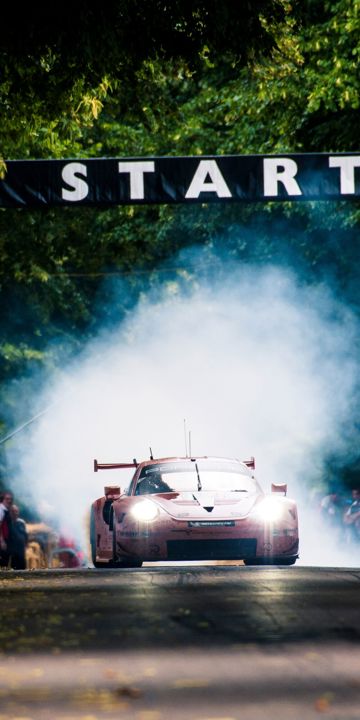

Why don't the F1 cars race the hill?
For safety reasons F1 cars can no longer do official timed runs so instead perform stunning demonstrations!
-
Goodwood Revival
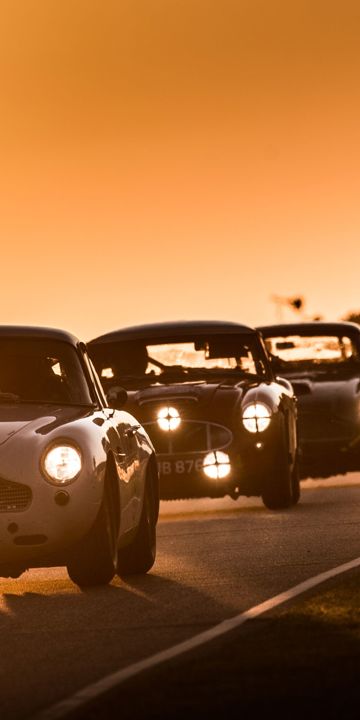

Spectators Favourite
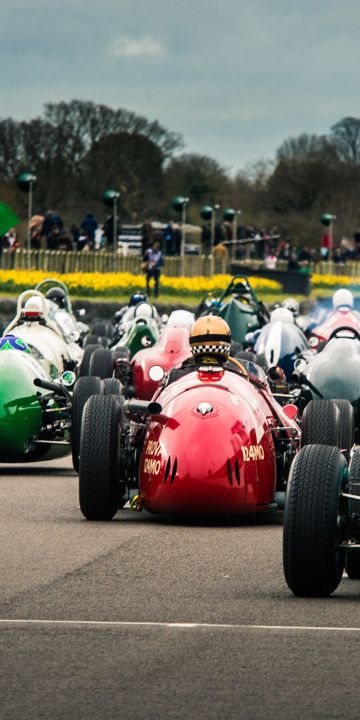
Spectate from the chicane at the Revival to see plenty of classic cars going sideways as they exit this infamous point of our Motor Circuit.
-
Members' Meeting
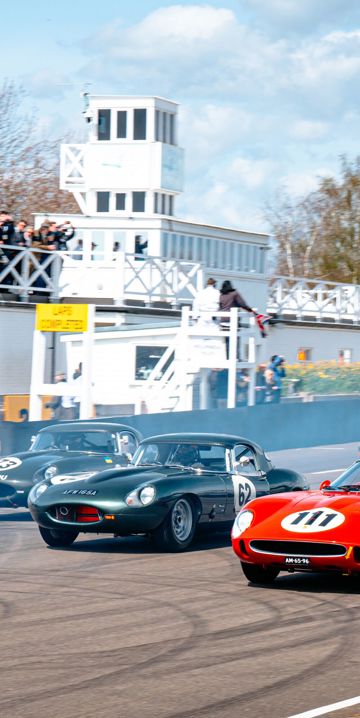

More than motorsport...
Ferret racing and duck herding are two of the many off-track activities at Members' Meeting -
Qatar Goodwood Festival
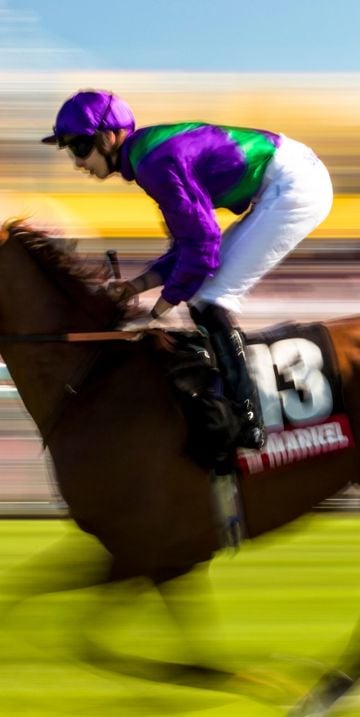

Royal approval
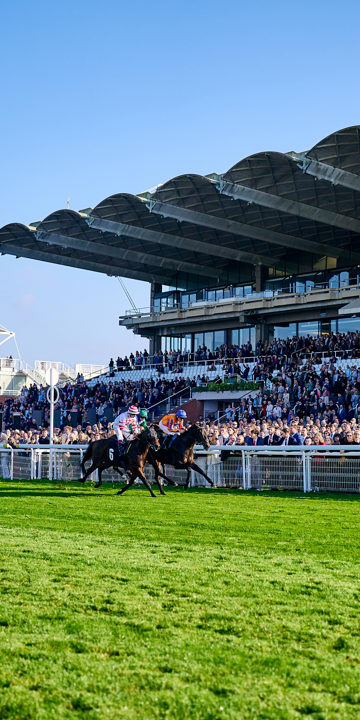
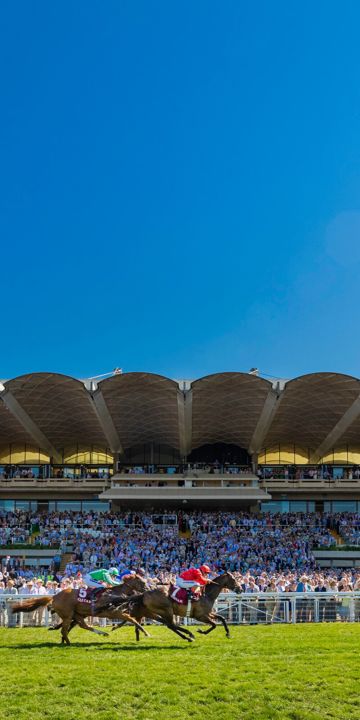
King Edward VII (who came almost every year) famously dubbed Glorious Goodwood “a garden party with racing tacked on”.
-
Goodwoof
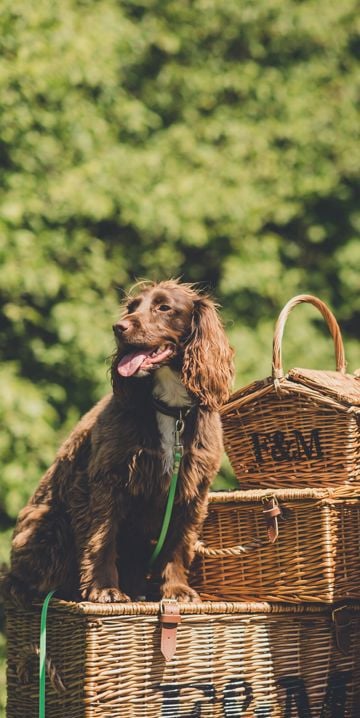

Start in style
The breed parade sees hundreds of dogs and their owners walk from Goodwood House down to The Kennels to kick start the Goodwoof weekend. -
Horseracing
-
Season Opener
-
May Festival
-
Family Race Day
-
Three Friday Nights
-
August Bank Holiday
-
Autumn Racing
-
Season Finale
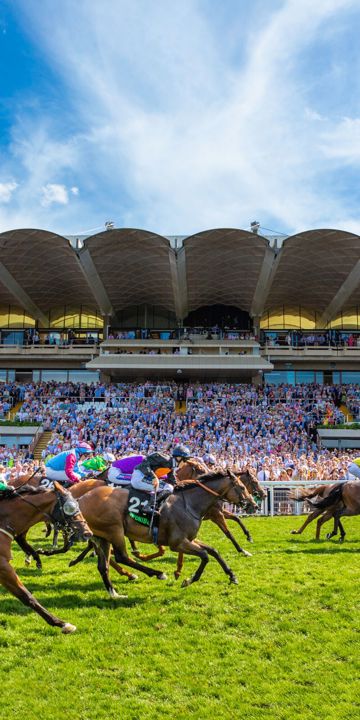

Why walk when you can drive
The first ever horsebox was used from Goodwood to Doncaster for the 1836 St. Leger. Elis arrived fresh and easily won his owner a £12k bet.
-
Season Opener
-
Breakfast Club
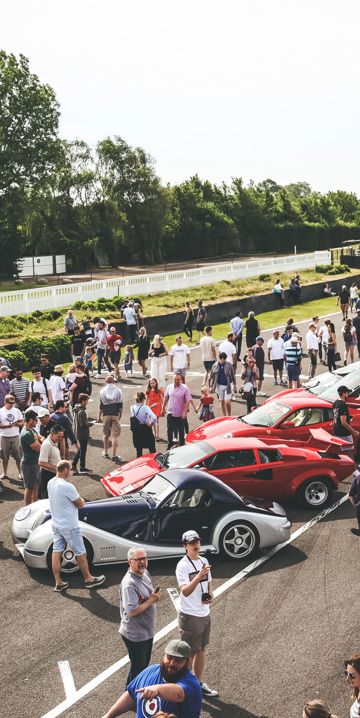

A perfect Sunday morning?
A no-cost, all-welcome motoring show where the visitors and their machines are the stars -
Health Summit
-
Hospitality
-
Exhibiting
-
Partnerships
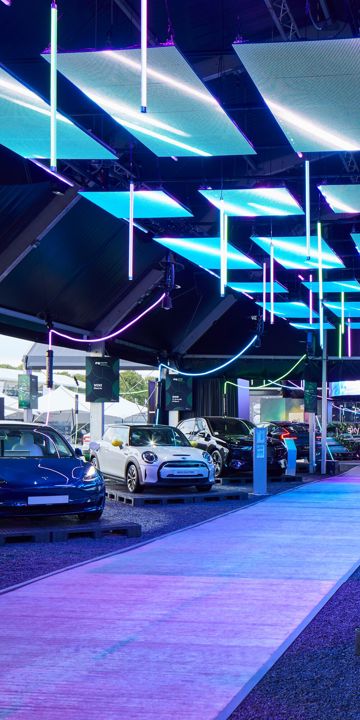

Where else can you...
...plan strategy in an ancient woodland, enjoy award-winning dining then drive around a racetrack?
-
What's on
-
Festival of Speed
-
Visit, Eat, Stay
-
The Goodwood Hotel

The Silver Spitfire
The iconic spitfire covered almost 43,000 kilometres and visited over 20 countries on its epic journey and currently resides at our Aerodrome.
-
Goodwood Cottages


How old is The Kennels?
Built in 1787 by celebrated architect James Wyatt to house the third Duke of Richmond’s prized fox hounds, The Kennels was known as one of the most luxurious dog houses in the world!
-
Goodwood House
-
Afternoon Tea & Tour
-
The Collection
-
Exhibitions
-
History
-
Weddings
-
Copper Dome Restoration
-
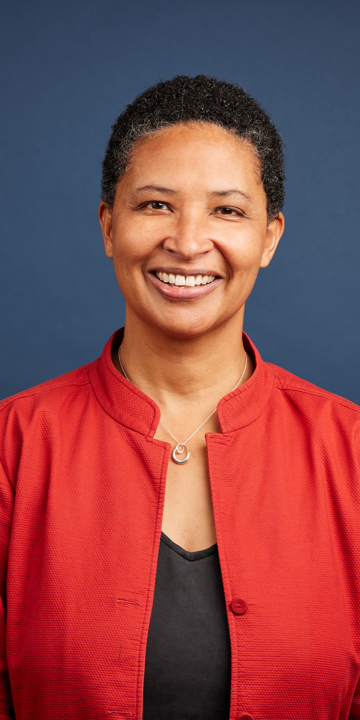
Secrets of a Radical Duke Talk by Professor Danielle Allen
-
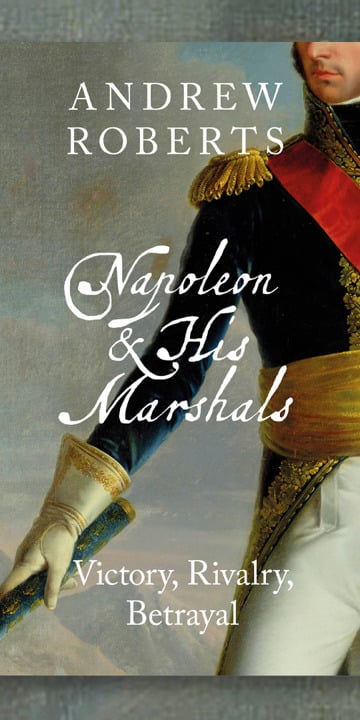
Napoleon & His Marshals Book Talk with Andrew Roberts

Estate Crest
"En la rose je fleurie" or "Like the rose, I flourish" is part of the Richmond coat of Arms and motto
-
Afternoon Tea & Tour
-
Restaurants
-
Farmer, Butcher, Chef
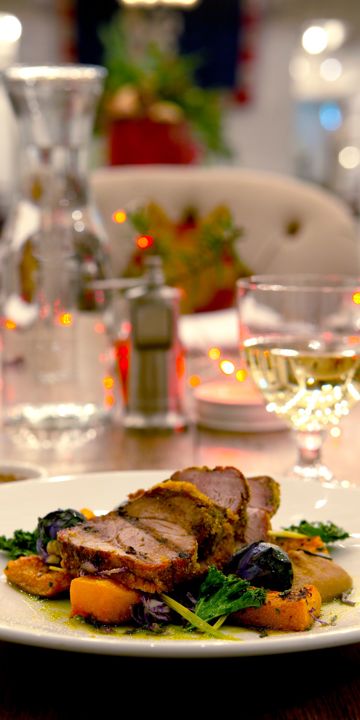
-
The Goodwood Bar & Grill
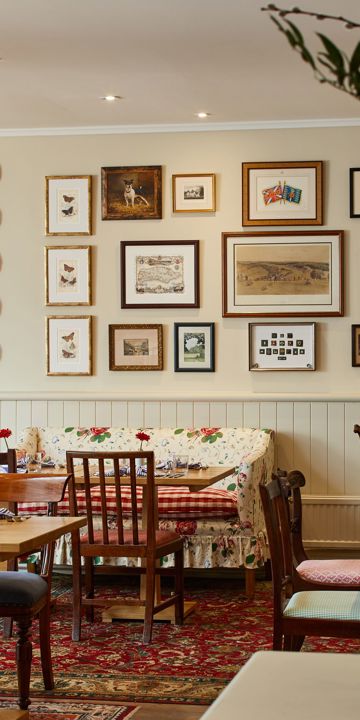
-
The Kennels
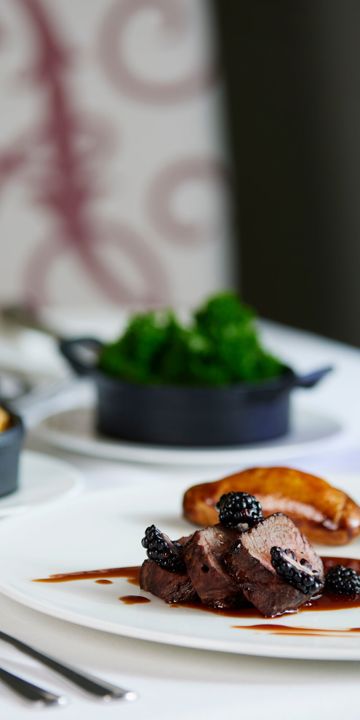
-
Aerodrome Café
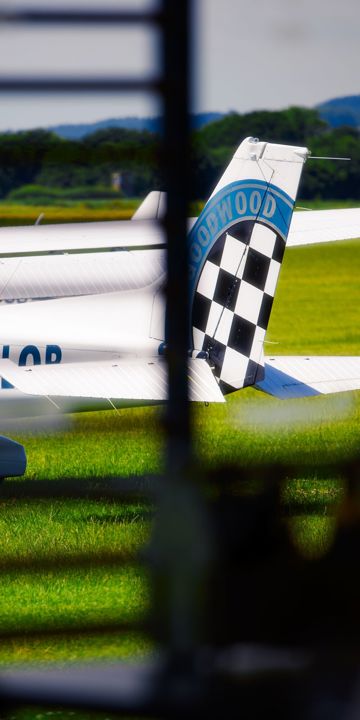
-
Motor Circuit Café

-
Cafe 24
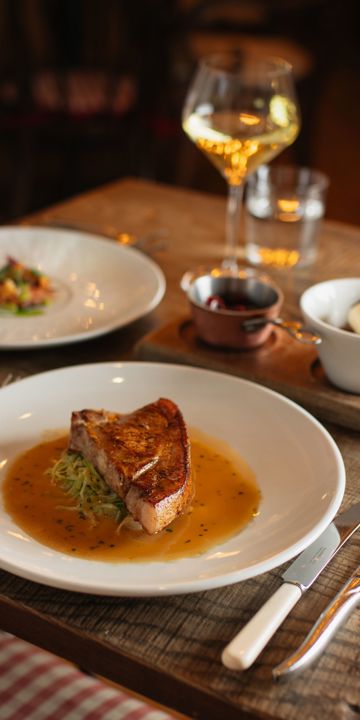

Sustainable state-of-mind
When Farmer, Butcher, Chef opened in 2016 it was awarded the UK’s first-ever Royal Academy of Culinary Arts ‘Sustainable Food Philosophy Seal’. -
Farmer, Butcher, Chef
-
The Kennels
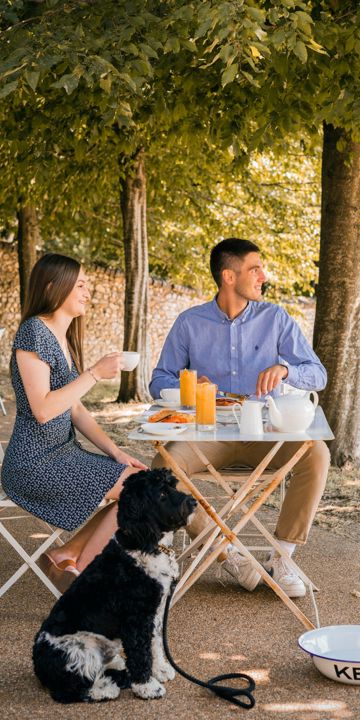

Fashionable foxhounds
The 1st Duke of Richmond bought Goodwood in 1697 as a place to stay to go foxhunting with the fashionable Charlton Hunt. -
Motor Circuit
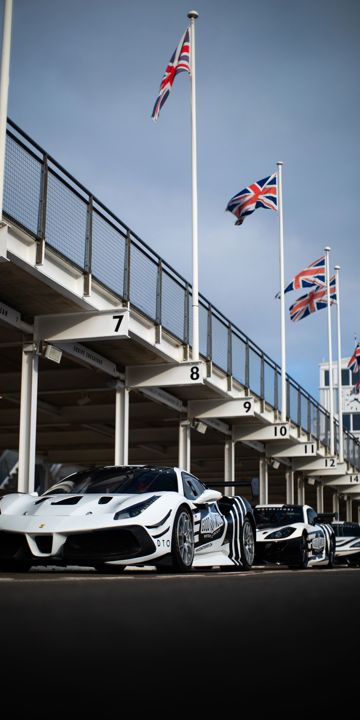
Why don't the F1 cars race the hill?
For safety reasons F1 cars can no longer do official timed runs so instead perform stunning demonstrations!
-
Health & Wellbeing
-
Membership
-
Health Club
-
Gym
-
Run Series
-
Spa Treatments
-
Wellness Retreats
-
Events Calendar
-
Corporate Wellbeing
-
Health Summit
-
Latest News

Goodwood's first Health Summit...
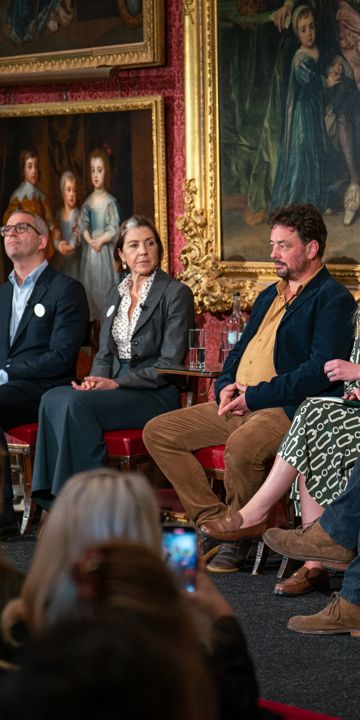
...took place in 2023 with industry experts discussing nutrition costs and food systems for a healthier future. -
Membership
-
Hound Lodge

Lovingly curated
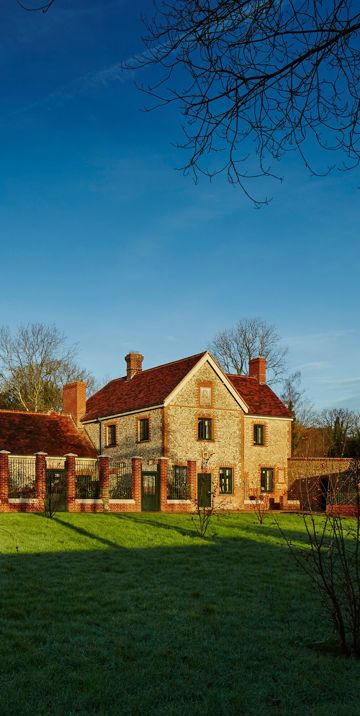
Every single item from plates to pictures has its own home within the Lodge, with our butler (James) has his own "bible" to reference exactly what is out of place.
-
Goodwood Farm Shop


Lucky Leap
Inspired by the legendary racer, Masten Gregory, who famously leapt from the cockpit of his car before impact when approaching Woodcote Corner in 1959.
-
Parties
-
Goodwood Art Foundation
-
The Goodwood Hotel
-
Motorsport
-
Festival of Speed
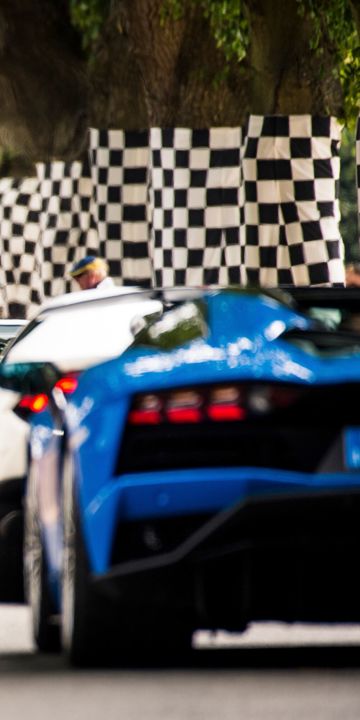

Taming the "Beast"
The Fiat S76 or "Beast of Turin" is a Goodwood favourite and can usually be heard before it is seen at #FOS
-
Goodwood Revival
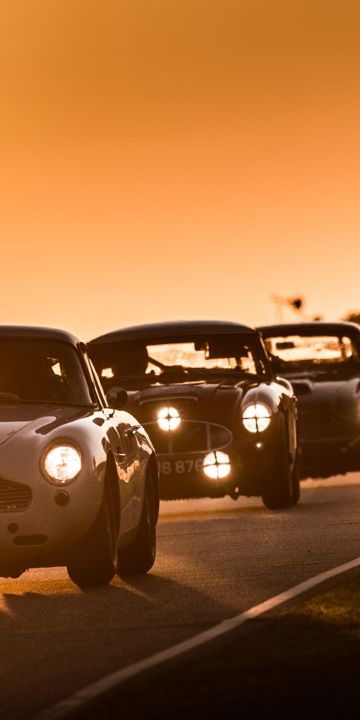

"Mr Goodwood"
Sir Stirling Moss was one of the founding patrons of the Festival of Speed, and a regular competitor at the Revival.
-
Members' Meeting
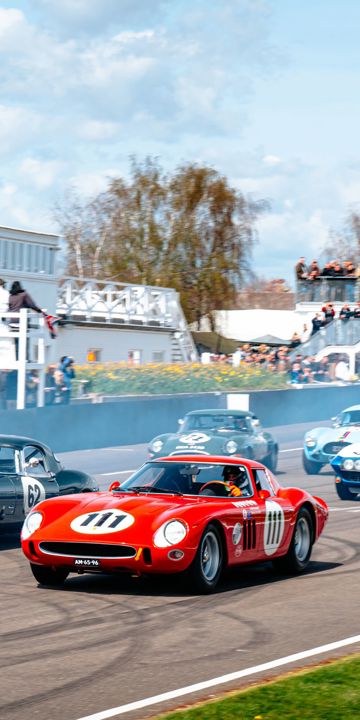

The RAC TT Celebration
The most prestigious event in historic motorsport, the race that everyone wants to win.
-
Breakfast Club
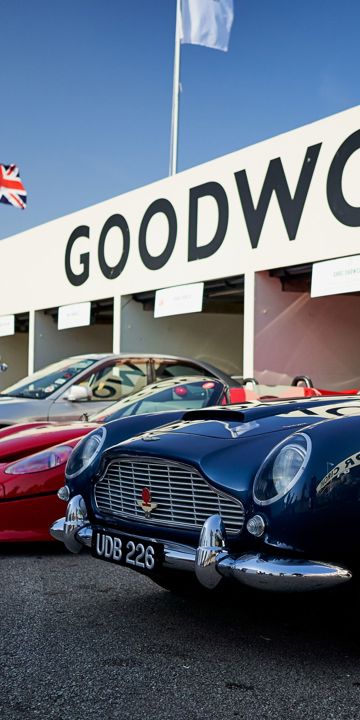

Poignant celebrations
Over the years, the Revival has honoured legends like Jim Clark, Jack Brabham, Dan Gurney and more.
-
Motor Circuit

Battle of Britain
Flying training began at Goodwood in 1940 when pilots were taught operational flying techniques in Hurricanes and Spitfires.
-
Driving Experiences
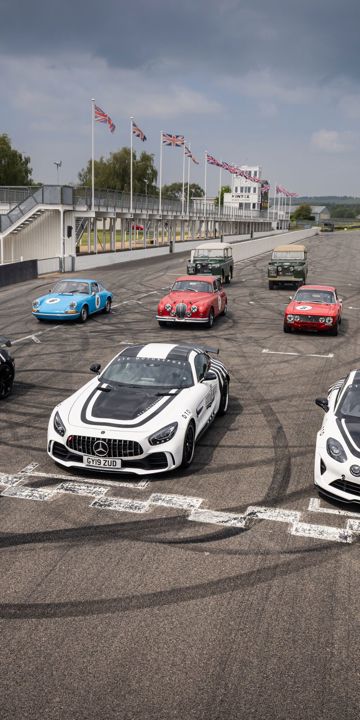

During the war...
The Motor Circuit was known as RAF Westhampnett, active from 1940 to 1946 as a Battle of Britain station. -
Goodwood Road Racing Club
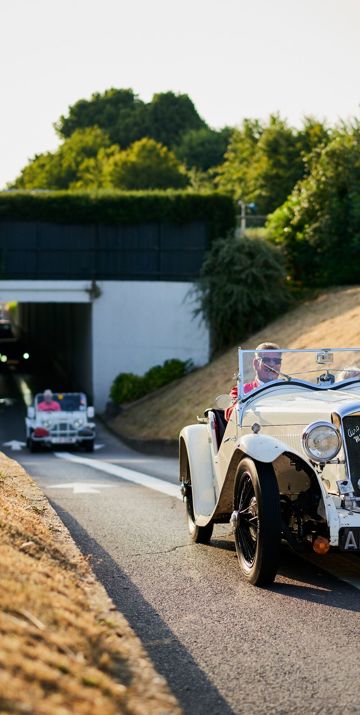
During the war...
The Motor Circuit was known as RAF Westhampnett, active from 1940 to 1946 as a Battle of Britain station. -
Latest News
-
Festival of Speed
-
Horseracing
-
Tickets & Packages
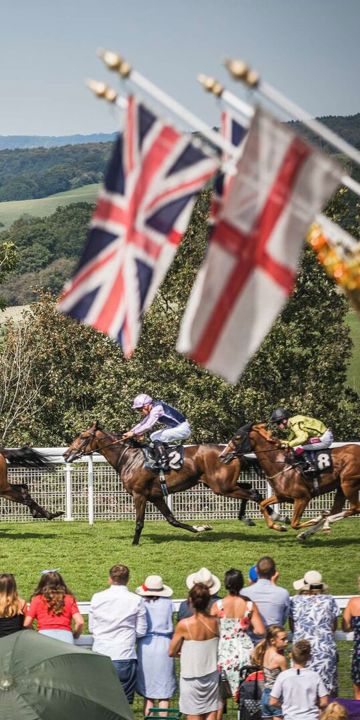
St Simon
Whoa Simon! A horse so determined and headstrong, he not only won the 1883 Goodwood Cup by 20 lengths, but couldn't be stopped and carried on running over the top of Trundle hill
-
Hospitality
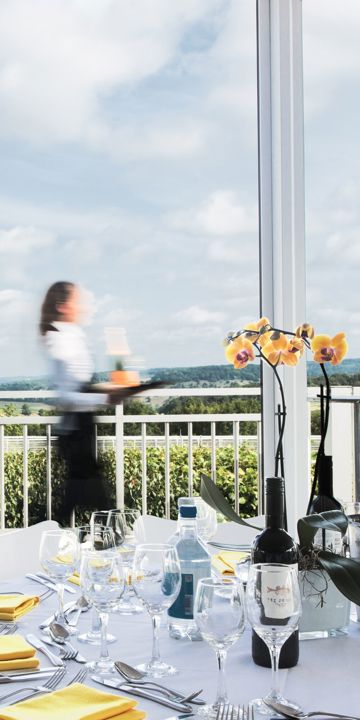

Why does everyone wear hats?
King Edward VII turned his back on the traditional morning suit and donned a linen suit and Panama hat. Thus the Glorious Goodwood trend was born.
-
Membership
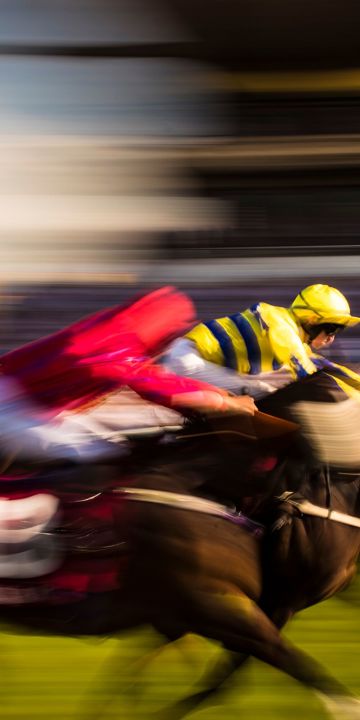
St Simon
Whoa Simon! A horse so determined and headstrong, he not only won the 1883 Goodwood Cup by 20 lengths, but couldn't be stopped and carried on running over the top of Trundle hill
-
Fixtures & Events
-
Season Opener
-
May Festival
-
Family Race Day
-
Three Friday Nights
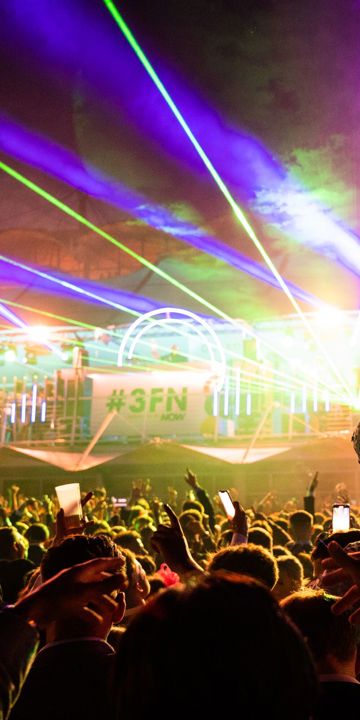
-
Qatar Goodwood Festival
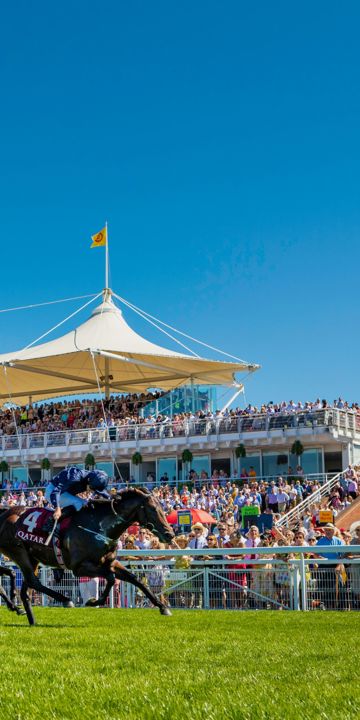
-
August Bank Holiday
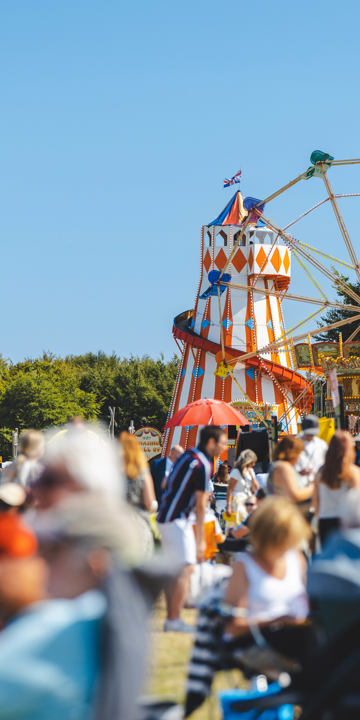
-
Autumn Racing
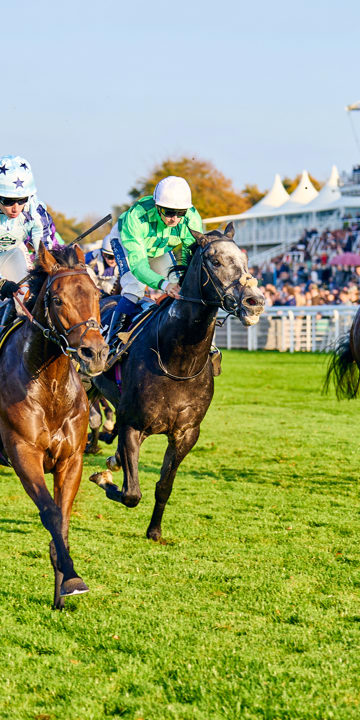
-
Season Finale
St Simon
Whoa Simon! A horse so determined and headstrong, he not only won the 1883 Goodwood Cup by 20 lengths, but couldn't be stopped and carried on running over the top of Trundle hill
-
Season Opener
-
Qatar Goodwood Festival
-
Tickets & Packages
-
Hospitality
-
Day by Day Guide
-
Ladies Day
-
Magnolia Cup
-
The Earl's Lawn
-
Timetable
-
Partners
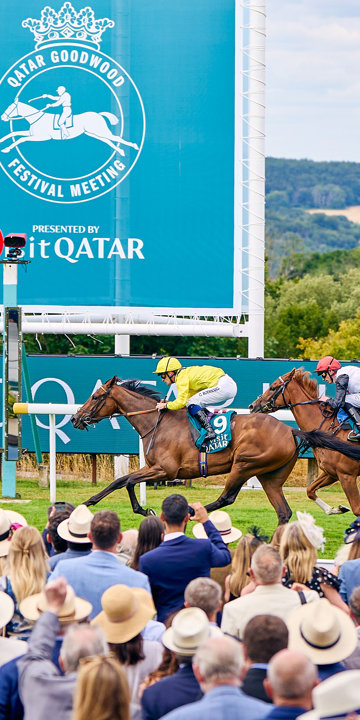
Why does everyone wear hats?
King Edward VII turned his back on the traditional morning suit and donned a linen suit and Panama hat. Thus the Glorious Goodwood trend was born.
-
Tickets & Packages
-
Three Friday Nights
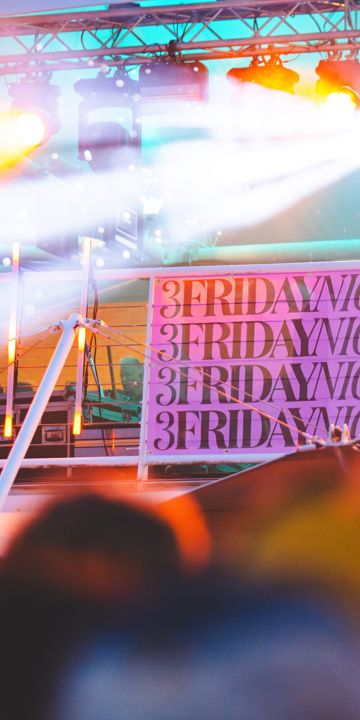
Royal approval
King Edward VII (who came almost every year) famously dubbed Glorious Goodwood “a garden party with racing tacked on”.
-
Plan Your Day
-
Enclosures
-
Event Map
-
Going Report
-
Getting Here
-
Betting at Goodwood
-
Dress Code
-
Accessibility
-
Food & Drink
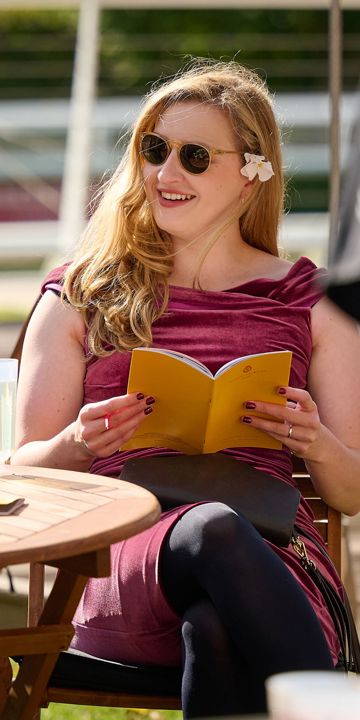
Why walk when you can drive
The first ever horsebox was used from Goodwood to Doncaster for the 1836 St. Leger. Elis arrived fresh and easily won his owner a £12k bet.
-
Enclosures
-
Buy Merchandise
-
Partners
-
Owners & Trainers
-
Latest News
-
FAQs
-
Accessibility
-
Tickets & Packages
-
Experiences
-
Driving

During the war...
The Motor Circuit was known as RAF Westhampnett, active from 1940 to 1946 as a Battle of Britain station.
-
Flying
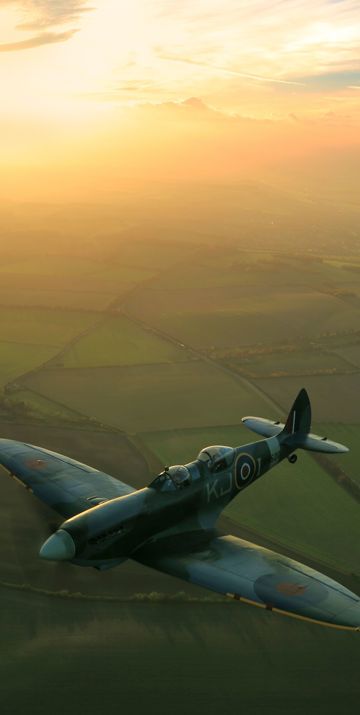

Group Captain Sir Douglas Bader
The famous fighter ace, who flew his last sortie from Goodwood Aerodrome, formerly RAF Westhampnett has a statue in his honor within the airfield.
-
Golf

Braid’s Masterpiece
One of the greatest golfers of all time, James Braid designed Goodwood’s iconic Downland course, opened in 1914.
-
Shooting
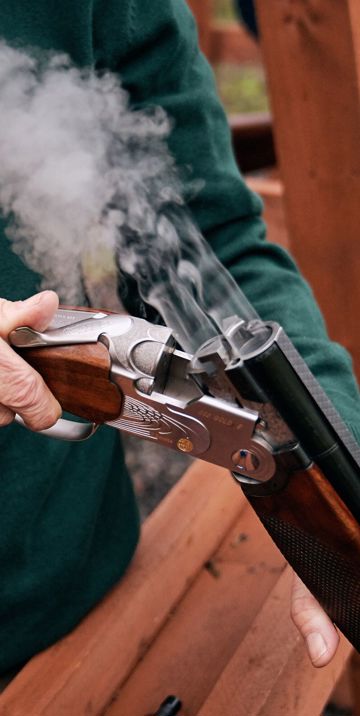

Egyptian Dining Room
Testament to the 19th-century fascination with ancient Egypt and decorative opulence. The room is richly detailed with gilded cartouches, sphinxes, birds and crocodiles.
-
Afternoon Tea
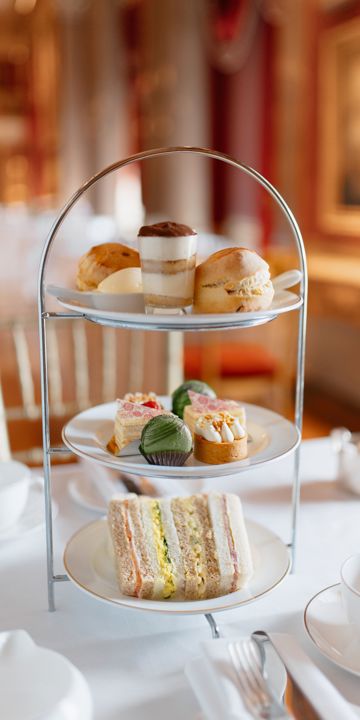

George Stubbs
G. Stubbs (1724–1806) created some of the animal portraiture masterpieces at Goodwood House, combining anatomical exactitude with expressive details
-
Corporate Wellbeing
Goodwood's first Health Summit...
...took place in 2023 with industry experts discussing nutrition costs and food systems for a healthier future. -
Cycling
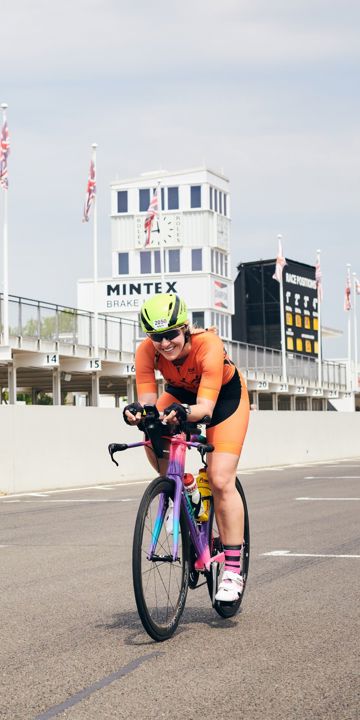
During the war...
The Motor Circuit was known as RAF Westhampnett, active from 1940 to 1946 as a Battle of Britain station.
-
Corporate Experiences
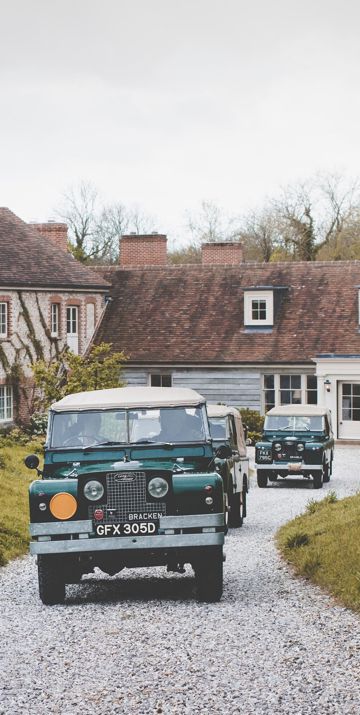
Where else can you...
...plan strategy in an ancient woodland, enjoy award-winning dining then drive around a racetrack?
-
Spa Treatments
-
Driving
- Hospitality
-
Golf
-
Golf Courses
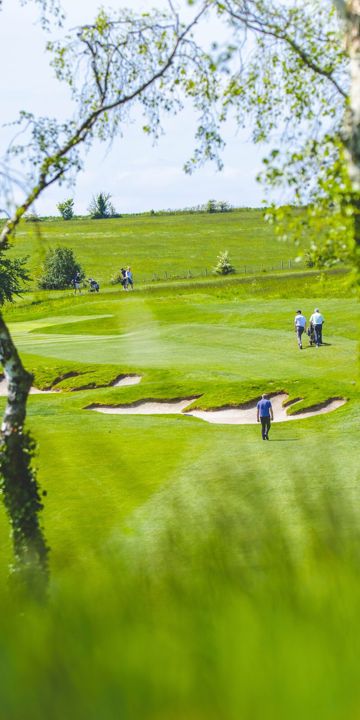

A sporting Estate
Goodwood has two 18-hole championship courses, a modern clubhouse and an impressive Academy. -
Golf Membership
-
Credit Membership
-
Application Form
-
Braid Membership
-
Intermediate Membership
-
Junior Membership
-
Corporate Membership
-
Get Into Golf
-
Copse Membership

Braid’s Masterpiece
One of the greatest golfers of all time, James Braid designed Goodwood’s iconic Downland course, opened in 1914.
-
Credit Membership
-
The Academy
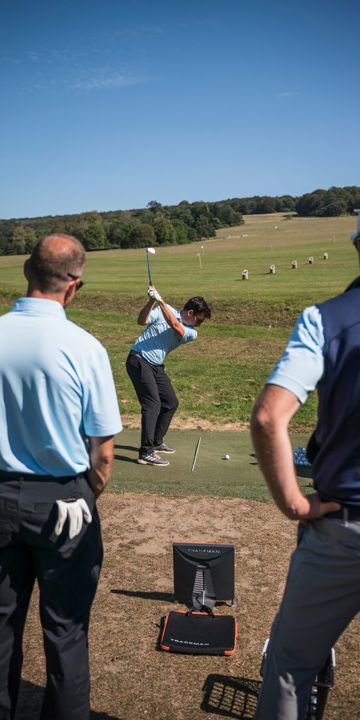

Over 100 years of Golf
The first ever round of golf played at Goodwood was in 1914 when the 6th Duke of Richmond opened the course on the Downs above Goodwood House.
-
Golf Experiences

Over 100 years of Golf
The first ever round of golf played at Goodwood was in 1914 when the 6th Duke of Richmond opened the course on the Downs above Goodwood House.
-
Golf Courses
-
Flying
-
Flying School
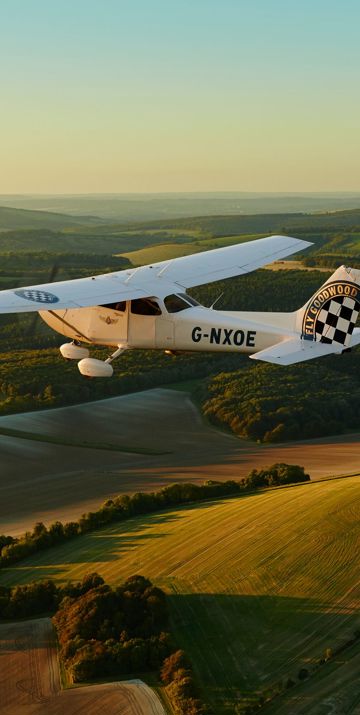

Flying Elephant
The first thing ever dropped at Goodwood was a cuddly elephant which landed in 1932 just as the 9th Duke of Richmonds passion for flying was taking off.
-
Aero Club Membership
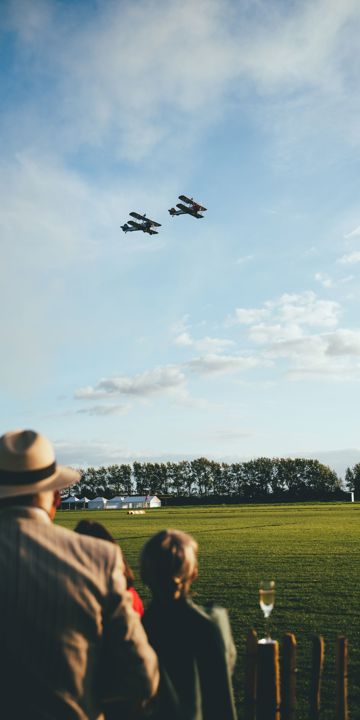

Ace Pilot
Ray Hanna famously flew straight down Goodwood’s pit straight below the height of the grandstands at the first Revival in 1998
-
Flying Experiences
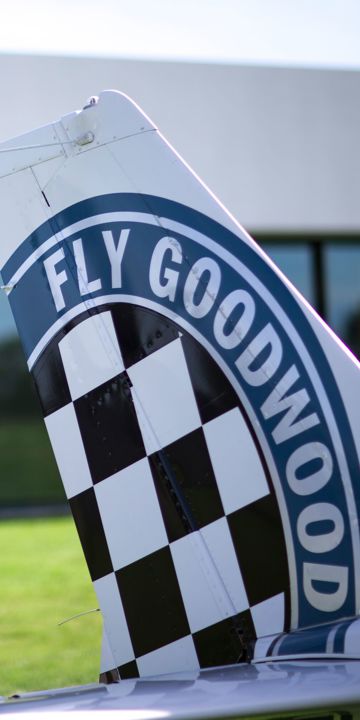
-
Pilot Information
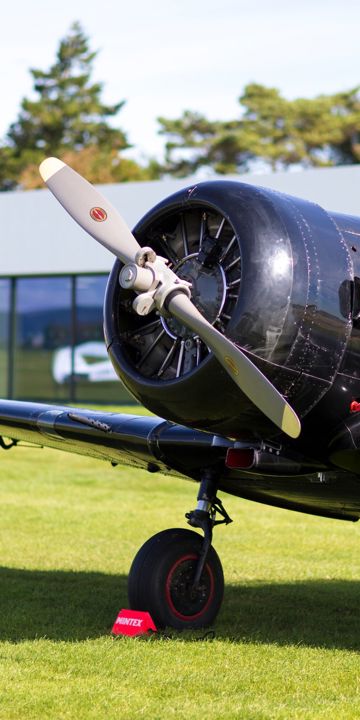

Flying with Goodwood
Come with us for an epic journey.
-
Flying School
-
Meetings
-
Venue Hire
-
Goodwood House
-
The Racecourse
-
The Goodwood Hotel
-
The Motor Circuit
-
The Kennels
-
The Aerodrome
-
The Great Outdoors
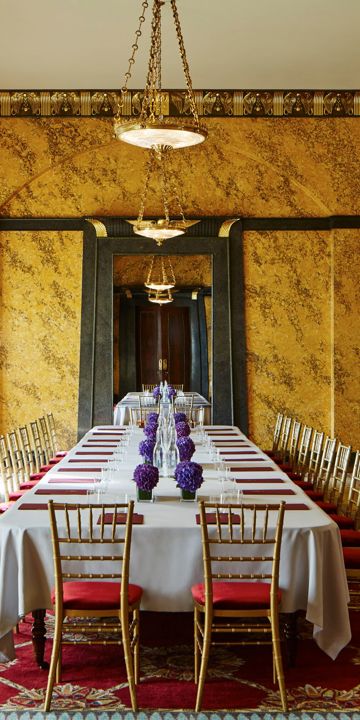
Where else can you...
...plan strategy in an ancient woodland, enjoy award-winning dining then drive around a racetrack?
-
Goodwood House
-
Plan Your Meeting
-
Parties
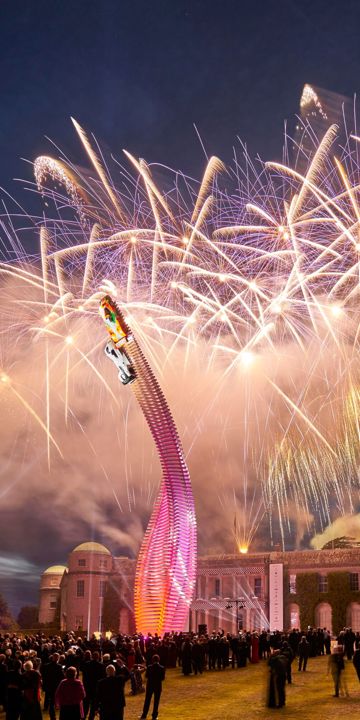
Where else can you...
...plan strategy in an ancient woodland, enjoy award-winning dining then drive around a racetrack?
-
Hospitality

-
Corporate Experiences
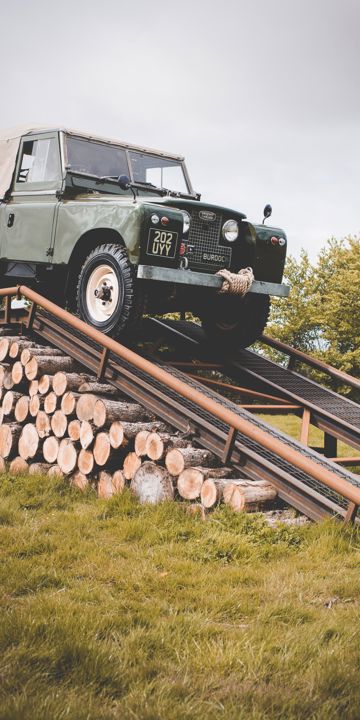
Where else can you...
...plan strategy in an ancient woodland, enjoy award-winning dining then drive around a racetrack?
-
Christmas Parties
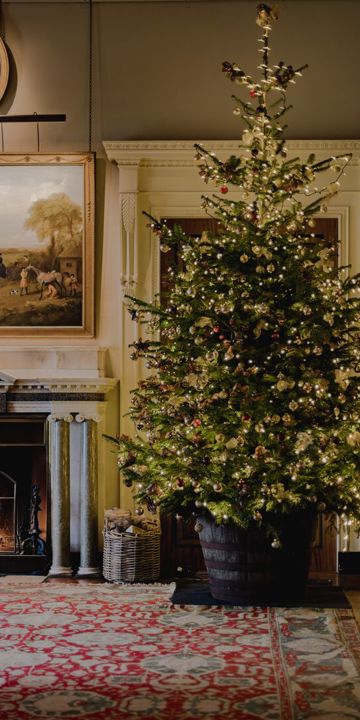
-
Film Locations
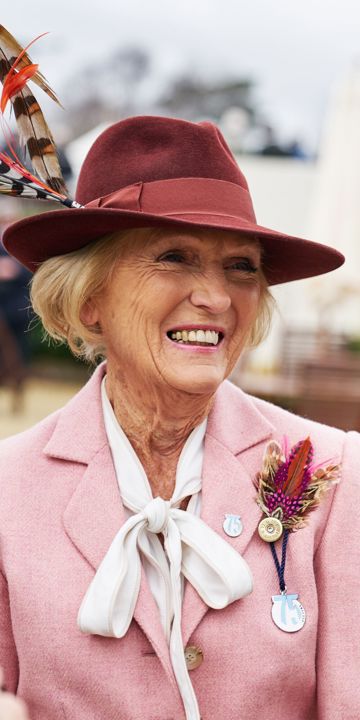
Filming at Goodwood
We have been host to many incredible film crews using Goodwood as a backdrop for shows like Downton Abbey, Hollywood Blockbusters like Venom: let there be Carnage and the Man from U.N.C.L.E.
-
Venue Hire
-
Weddings
-
Goodwood House
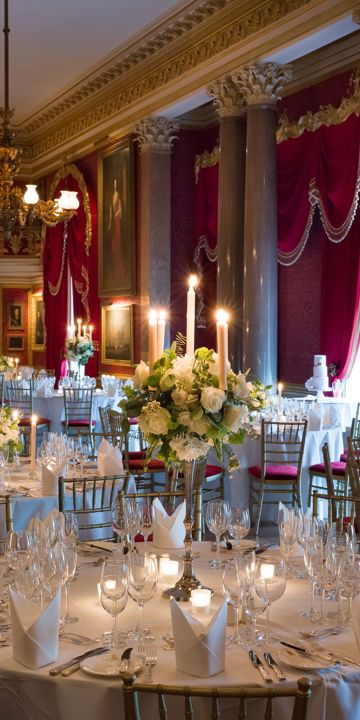
Egyptian Dining Room
Testament to the 19th-century fascination with ancient Egypt and decorative opulence. The room is richly detailed with gilded cartouches, sphinxes, birds and crocodiles.
-
The Kennels

How old is The Kennels?
Built in 1787 by celebrated architect James Wyatt to house the third Duke of Richmond’s prized fox hounds, The Kennels was known as one of the most luxurious dog houses in the world!
-
Parties
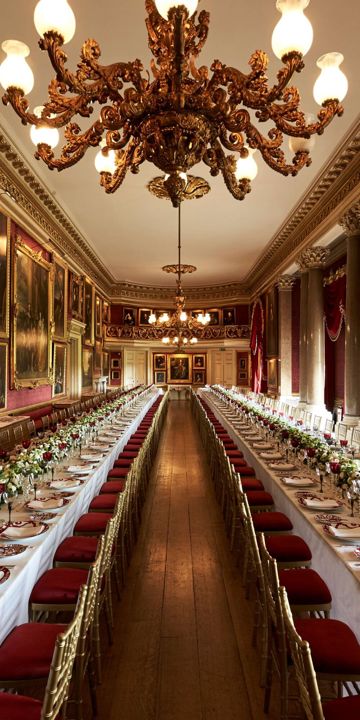


A destination for all seasons
We're well known for our iconic motorsport and horseracing events. But there's a lot more happening at Goodwood...
-
Goodwood House
-
Memberships
-
Goodwood Road Racing Club
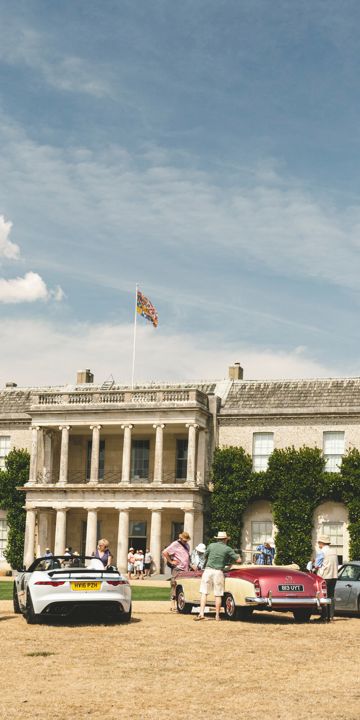

When was the GRRC founded?
Established in 1998 by the Duke of Richmond, the Goodwood Road Racing Club offers exclusive benefits across the estate year-round -
Goodwood Horseracing Club
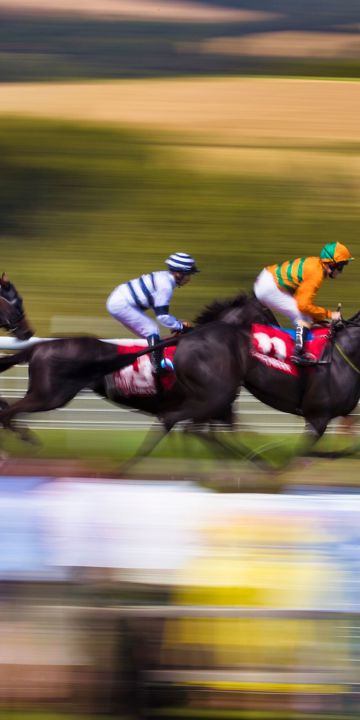
Why does everyone wear hats?
King Edward VII turned his back on the traditional morning suit and donned a linen suit and Panama hat. Thus the Glorious Goodwood trend was born.
-
Golf At Goodwood
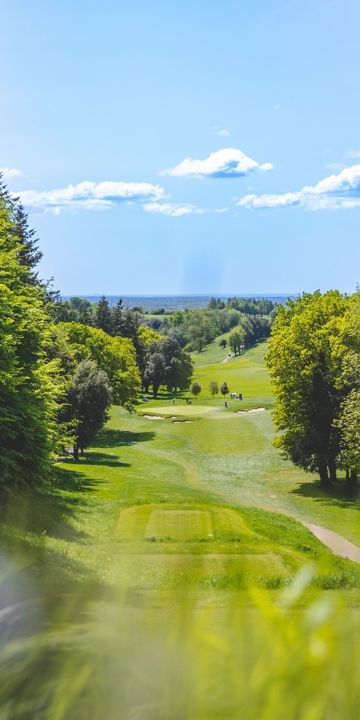
Braid’s Masterpiece
One of the greatest golfers of all time, James Braid designed Goodwood’s iconic Downland course, opened in 1914.
-
Goodwood Aero Club
The Silver Spitfire
The iconic spitfire covered almost 43,000 kilometres and visited over 20 countries on its epic journey and currently resides at our Aerodrome.
-
Goodwood Health Club
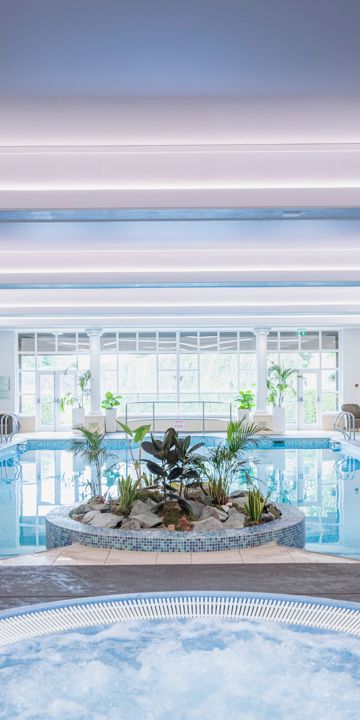
Goodwood's first Health Summit...
...took place in 2023 with industry experts discussing nutrition costs and food systems for a healthier future. -
The Kennels


An exclusive clubhouse
As the private clubhouse for all of the Estate’s sporting and social members, it offers personal service and a relaxed atmosphere
-
Sporting Membership

Battle of Britain
Flying training began at Goodwood in 1940 when pilots were taught operational flying techniques in Hurricanes and Spitfires.
-
Goodwood Racehorse Owners Group
-
Goodwood Art Foundation
-
Goodwood Road Racing Club
- Classic Car Insurance
- Health & Wellbeing
- Buy Merchandise
-
Our Estate
-
What's on
-
Estate Map
Filming at Goodwood
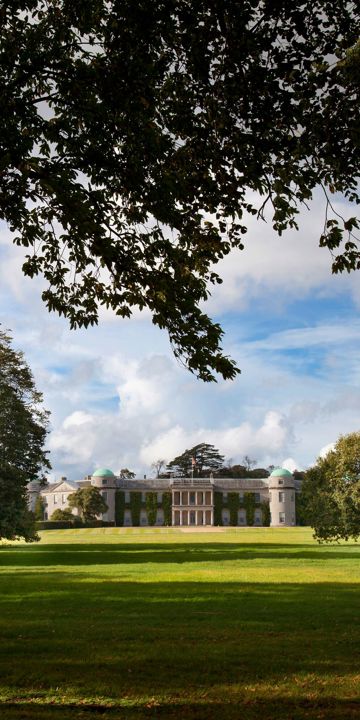
We have been host to many incredible film crews using Goodwood as a backdrop for shows like Downton Abbey, Hollywood Blockbusters like Venom: let there be Carnage and the Man from U.N.C.L.E.
-
Stories from the Estate
Filming at Goodwood
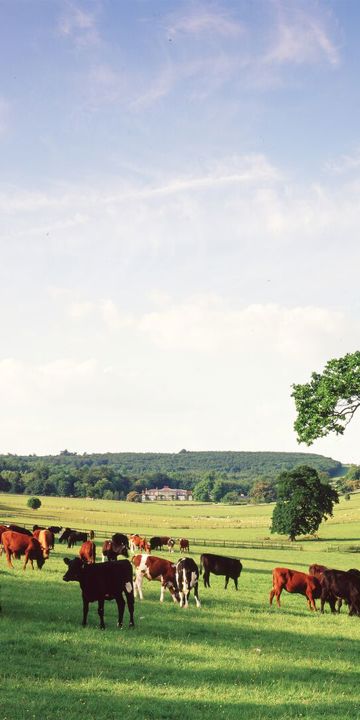
We have been host to many incredible film crews using Goodwood as a backdrop for shows like Downton Abbey, Hollywood Blockbusters like Venom: let there be Carnage and the Man from U.N.C.L.E.
-
Sports
-
Goodwood Education Trust
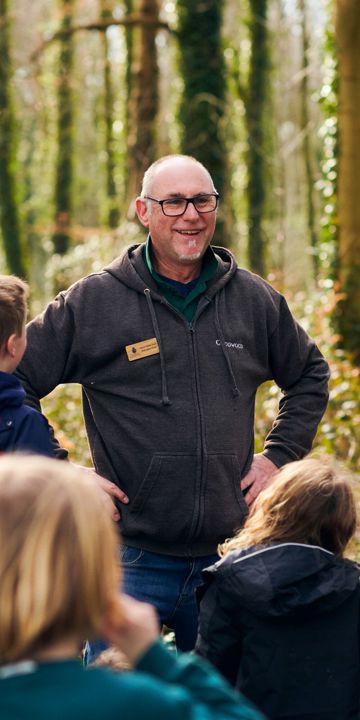
Lucky Leap
Inspired by the legendary racer, Masten Gregory, who famously leapt from the cockpit of his car before impact when approaching Woodcote Corner in 1959.
-
Charities
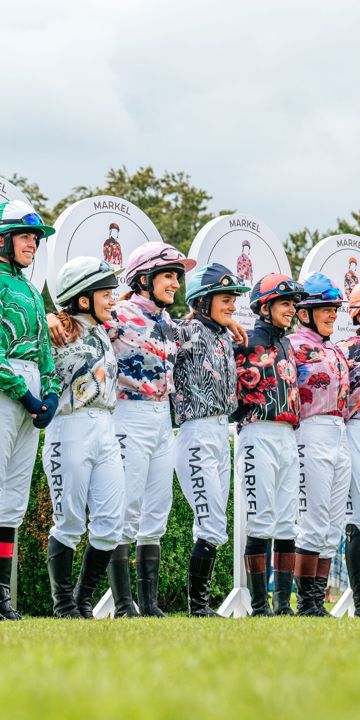

21,000 litres...
Alongside the award-winning meat, we also produce 21,000 litres of milk a week, used to make our cheeses. -
Sustainability
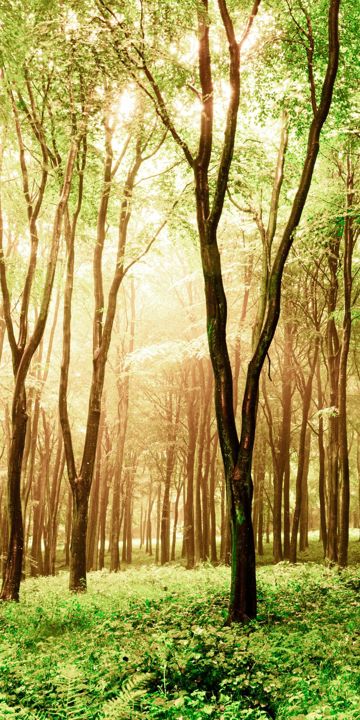

Cricketers since 1702
The oldest existing rules for the game were drawn up for a match between the 2nd Duke and a neighbour
-
Diversity, Equity & inclusion
-
Property
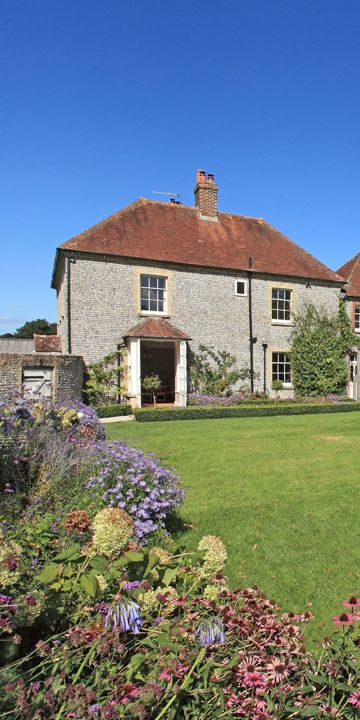
During the war...
The Motor Circuit was known as RAF Westhampnett, active from 1940 to 1946 as a Battle of Britain station. -
Walking Guide


Levin Down Gin
Our gin uses wild-grown botanicals sourced from the estate, and is distilled with mineral water naturally chalk-filtered through the South Downs.
-
Dog Walking Field
-
Careers
How old is The Kennels?
Built in 1787 by celebrated architect James Wyatt to house the third Duke of Richmond’s prized fox hounds, The Kennels was known as one of the most luxurious dog houses in the world!
-
Goodwood Art Foundation
-
Farm Shop
-
What's on
- Christmas


Upcoming Events

What Does the Way We Breathe Tell Us About the World We Live In?
Ahead of this year’s Health Summit, which focusses on the breathing and the microbiome, bestselling author of Breath: The New Science of a Lost Art, James Nestor, discusses the impact of breathing, the microbiome and why the environments we create may be changing our health.
Health Summit 2026
Health & Wellbeing
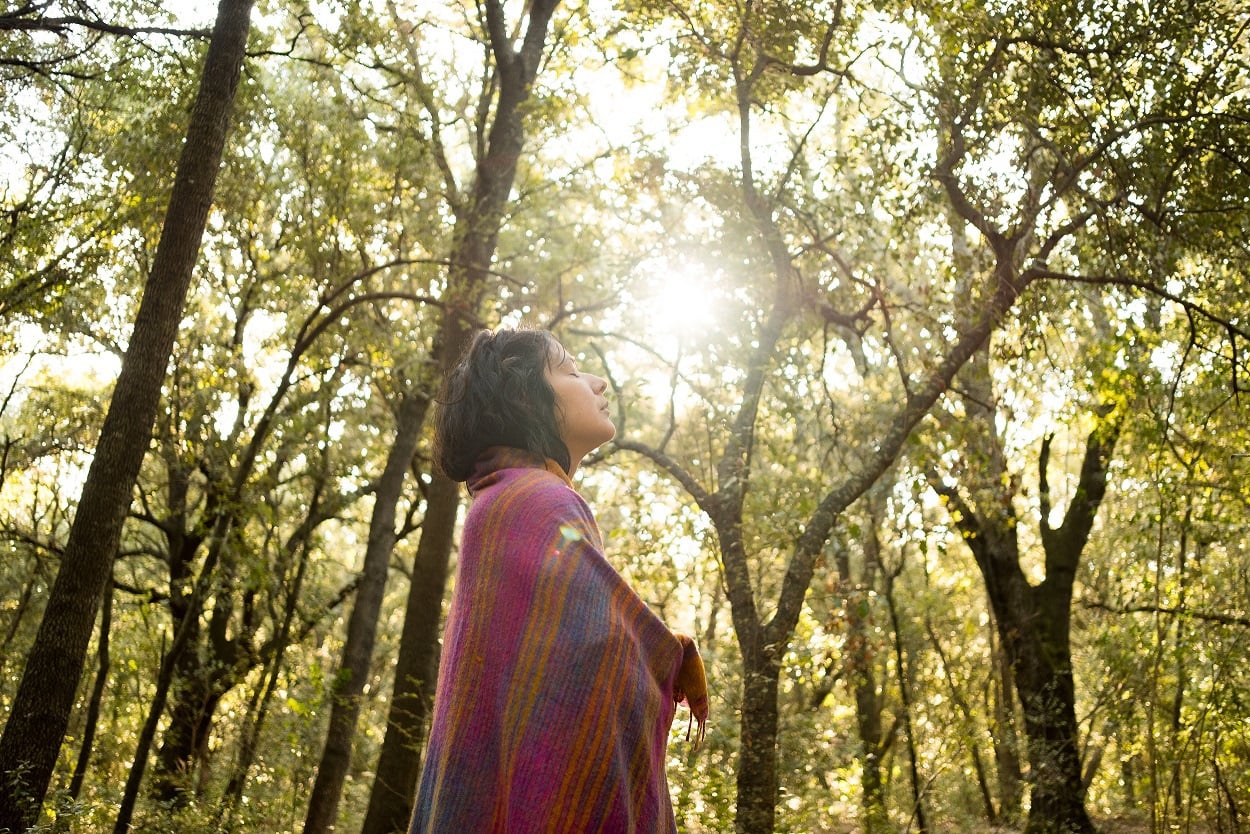
We breathe around 20,000 times a day, yet breathing rarely enters the same conversations as diet, exercise or sleep. It is something most of us do without thinking, an unconscious function that simply keeps us alive.
But according to James Nestor, that assumption misses something fundamental.
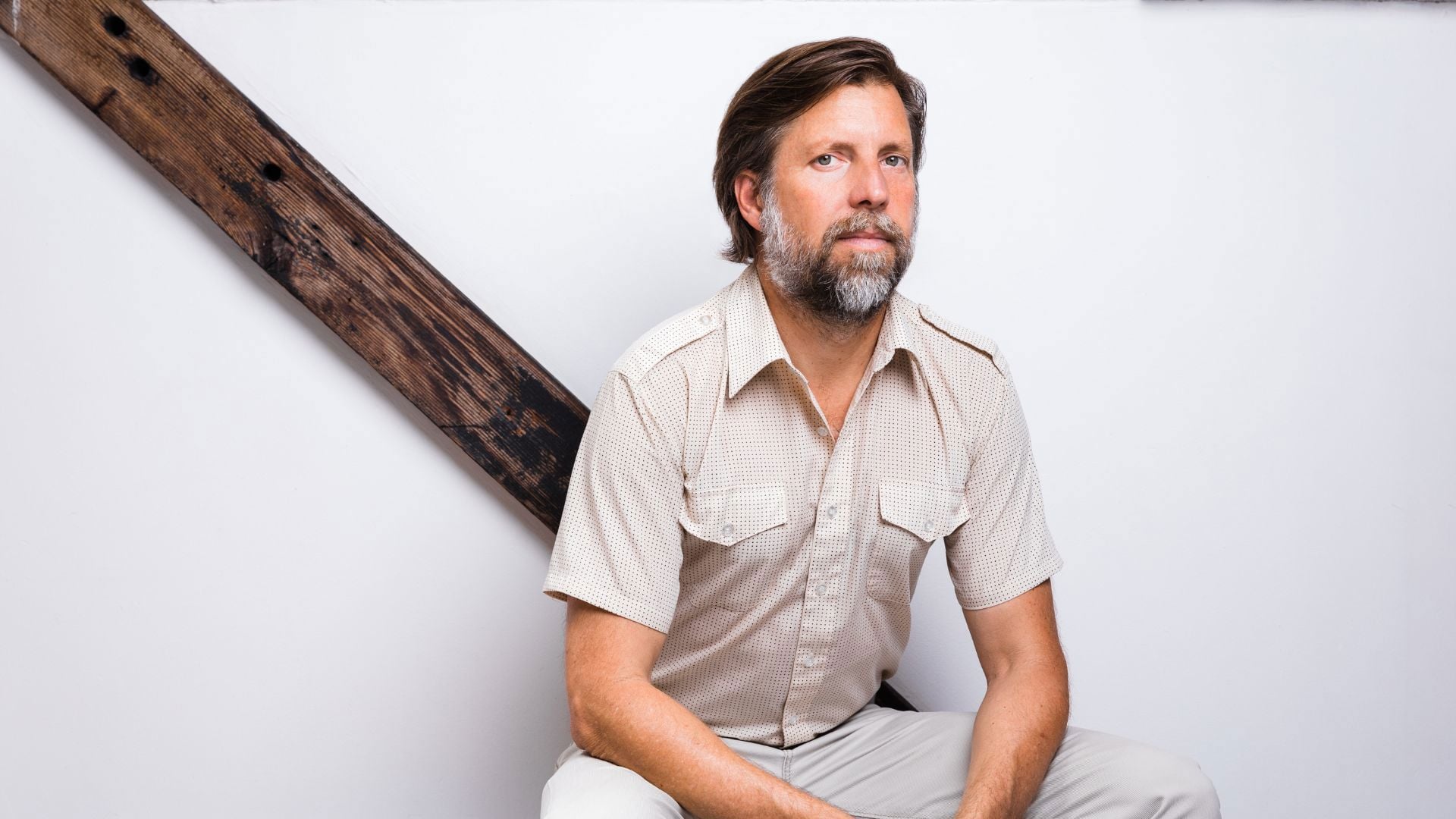
“There are so many different ways to breathe,” says Nestor, the bestselling author of Breath: The New Science of a Lost Art. “And each of those ways will affect your body, will affect how you think, will affect your energy levels, your ability to sleep, your ability to control your nervous system, and so much more.”
It is this deceptively simple act, and its relationship with the world around us, that Nestor will explore when he joins the Goodwood Health Summit, presented by Randox Health, as keynote speaker on Thursday 1 October 2026.
This year's theme, Breathing and the Microbiome, brings together science, medicine and environmental health to examine how the way we breathe, and what we breathe, may influence human health.
A body living in a modern world
One of the questions at the heart of Nestor's work is whether the environments we have created for ourselves are compatible with the biology we evolved with.
“We've chosen to live in an industrialised world,” he says. “But that doesn't mean that our bodies have evolved or adapted to this world that we've put them in.”
Modern life has changed how we move, work and spend our time. We spend much of our lives indoors and seated, often hunched over screens. According to Nestor, this can affect breathing both physically and psychologically.
A collapsed posture can restrict the movement of the diaphragm, while stress can cause breathing to become faster and shallower. That, in turn, can contribute to a feedback loop in which shallow breathing and stress reinforce one another.
The implications extend beyond breathing itself.
If our physical environment can influence the way we breathe, then the quality of that environment, from the air inside our homes and workplaces to the pollution outside them, becomes part of the health conversation.
The microbiome beyond the gut
The microbiome is most commonly associated with the gut, but Nestor points to a broader ecosystem within the body.
“There is an oral microbiome as well. And there's a nasal microbiome as well,” he says. “All of these things need to be balanced.”
For Nestor, this is an emerging area of science that could change how we understand the relationship between breathing and health. The mouth and nose are not simply passageways for air: they are home to complex microbial communities that interact with the wider body.
He is particularly interested in the way science is beginning to connect the oral microbiome with wider health outcomes, and in how some of these ideas echo practices that have been understood in different cultures for centuries.
It also challenges our tendency to look for increasingly complex solutions to modern health problems.
“We always think there's something better in the future,” says Nestor. Yet, he argues, some of the most interesting developments in health science are rediscoveries of things understood decades, or centuries, ago.
The case for keeping health simple
Nestor is sceptical of the increasingly complicated world of health optimisation and biohacking, where supplements, devices and interventions can sometimes overshadow the fundamentals.
“What the body really wants is to be returned to the place in which it understands the world and the environment,” he says.
He describes this as a search for ‘bio harmony’: returning to simple, fundamental behaviours rather than constantly adding more interventions.
That philosophy extends to breathing.
For Nestor, one of the most important fundamentals is nasal breathing. He argues that, when we are sedentary or at rest, breathing through the nose should be our default. The nose is designed to slow, warm and filter incoming air before it reaches the lungs.
Importantly, he distinguishes this from deliberate breathing practices. Conscious breathing techniques, such as those found in Pranayama or Kundalini through to the Wim Hof Method can intentionally alter breathing patterns for particular purposes, he explains, but they are different from the unconscious breathing patterns we maintain throughout the day and night.
The distinction matters in a world where information about health can quickly become overwhelming.
Rather than another complicated protocol, Nestor's message is surprisingly straightforward: pay attention to the fundamentals.
What are we actually breathing?
Perhaps the most provocative part of the conversation is what happens when we move beyond the individual and look at the environments in which we live.
Nestor has spent recent years investigating indoor carbon dioxide levels, including taking measurements in hotels, classrooms and other enclosed spaces. He is particularly concerned about buildings where ventilation systems continually recycle indoor air and where windows cannot be opened.
His argument is that air quality should be treated as a public health issue rather than simply a matter of comfort.
Schools are one example. Nestor describes working with schools to measure indoor CO₂ levels and argues that poor indoor air quality can affect cognitive performance and learning.
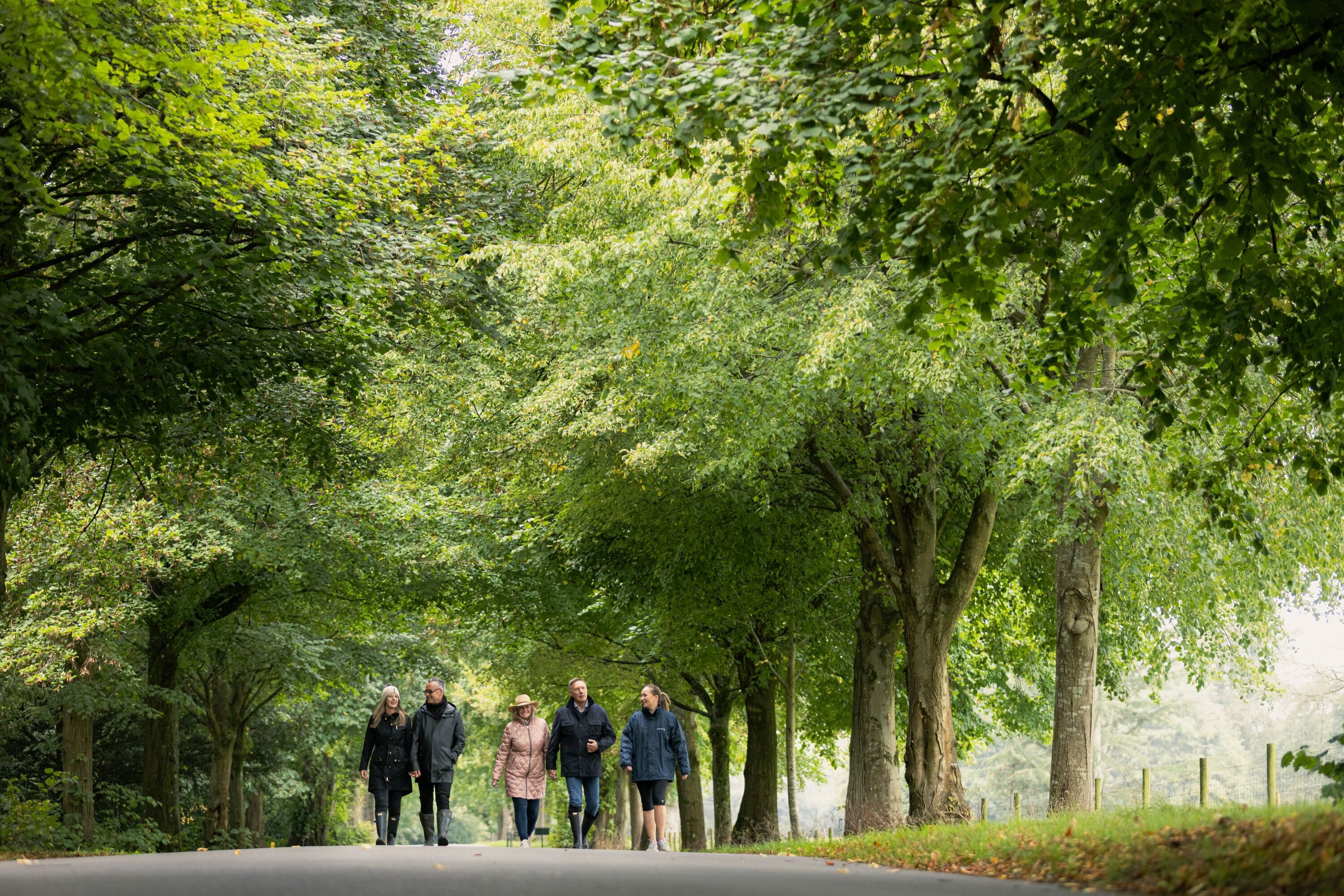
It is a useful shift in perspective. We often talk about our environment in terms of what we eat, the water we drink or the chemicals we encounter. But breathing is perhaps our most constant physical exchange with the world around us.
Every breath is an interaction with our environment.
From personal health to public health
This is where the conversation around breathing becomes bigger than individual wellbeing.
The question is no longer simply “How should I breathe?” It becomes: What kind of environments are we asking human bodies to breathe in?
For Nestor, this is where the conversation needs to move beyond individuals and towards the people and organisations capable of changing the environments in which we live, work, learn and travel.
He sees the Goodwood Health Summit, presented by Randox Health as an opportunity to bring those different perspectives together; researchers, clinicians, policymakers, businesses and others whose decisions can influence health at a broader level.
“If you're going to affect things on a broader scale, you have to bring together people from the outside,” he says.
It is a fitting ambition for a Summit that deliberately places science, environment and public health alongside personal health.
Because breathing may be something we do individually, but the conditions in which we breathe are something we create collectively.
And perhaps that is the bigger question: if the environments we have created are changing the way we breathe, what responsibility do we have to change those environments in return?
Goodwood Health Summit 2026
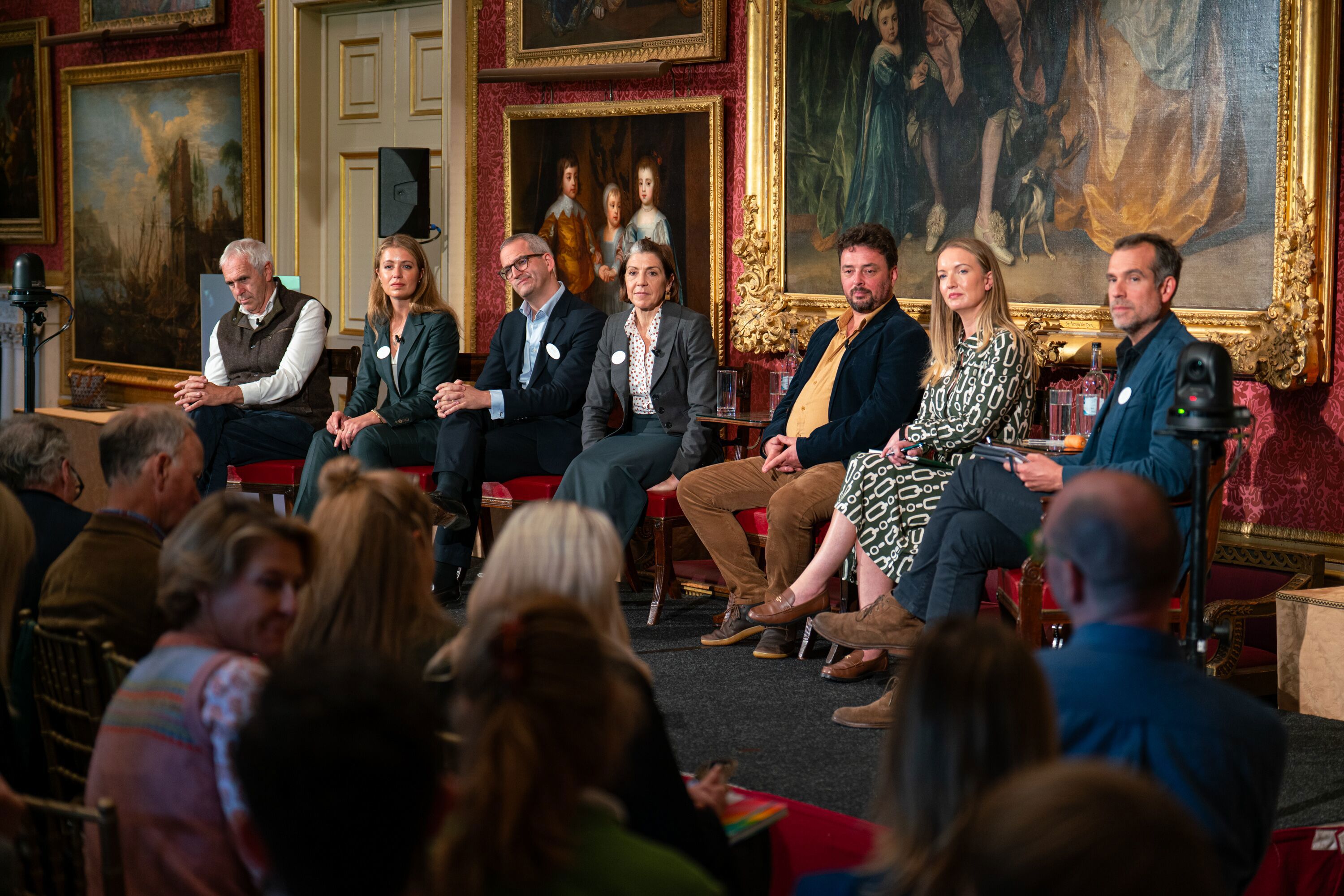
The Goodwood Health Summit, presented by Randox Health, takes place on Thursday 1 October 2026 and explores Breathing and the Microbiome.
Hosted by Dr Chris van Tulleken, the Summit will bring together leading voices in science, medicine and environmental health to explore how breathing influences the body at a systems level, how modern environments are changing what and how we breathe, and what this could mean for the future of preventative and public health.
Health Summit 2026
Health & Wellbeing