-
Events
-
Festival of Speed
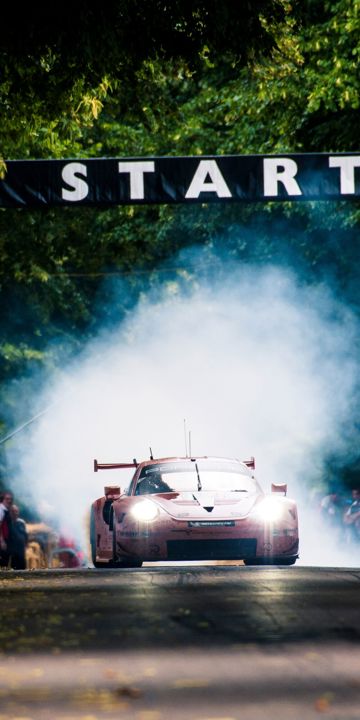

FOS Future Lab
Where wondrous innovation and future technology is placed in the palm of your hand.
-
Goodwood Revival
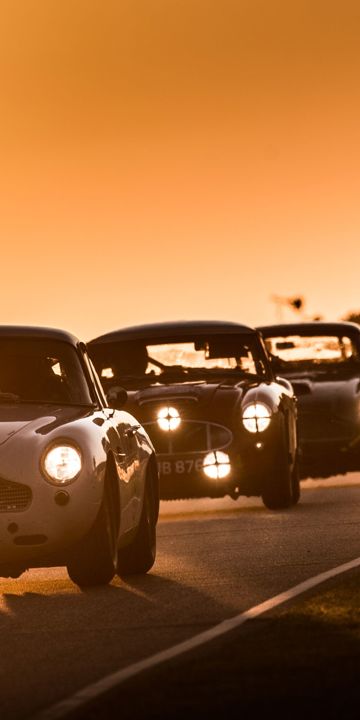

Spectators Favourite
Spectate from the chicane at the Revival to see plenty of classic cars going sideways as they exit this infamous point of our Motor Circuit.
-
Members' Meeting
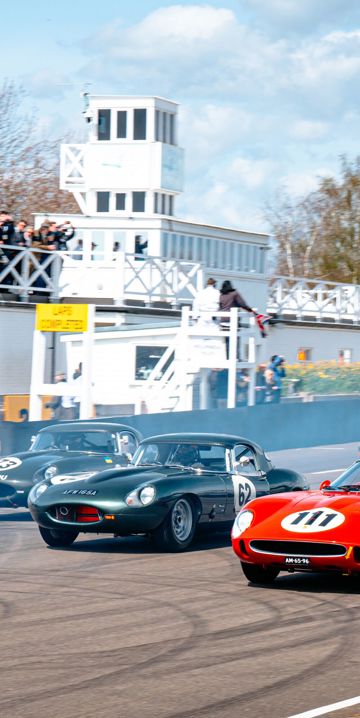

The Gordon Spice Trophy
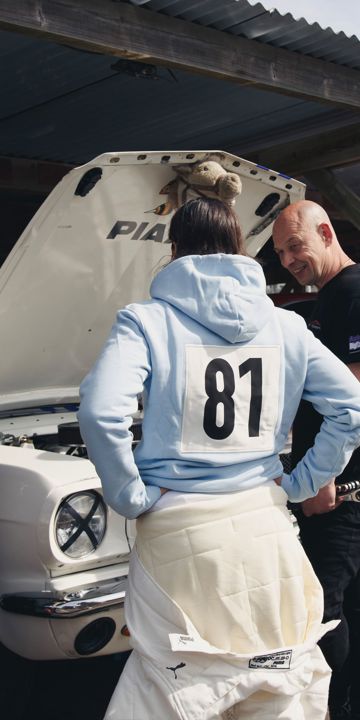
For icons of British saloon car racing, featuring Capris, Camaros, Mustangs and more.
-
Qatar Goodwood Festival
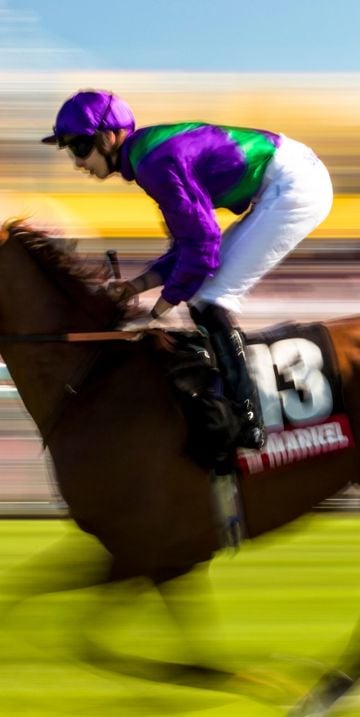

"Glorious Goodwood"
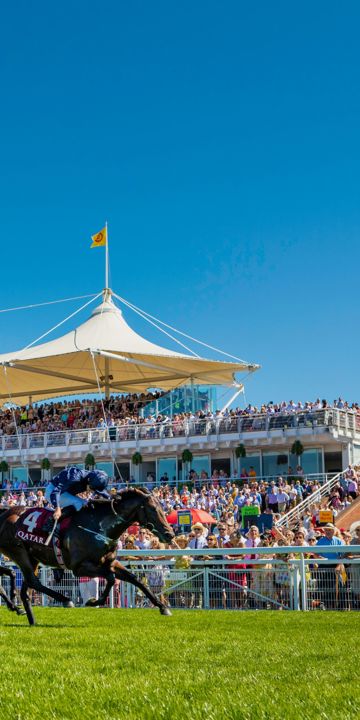
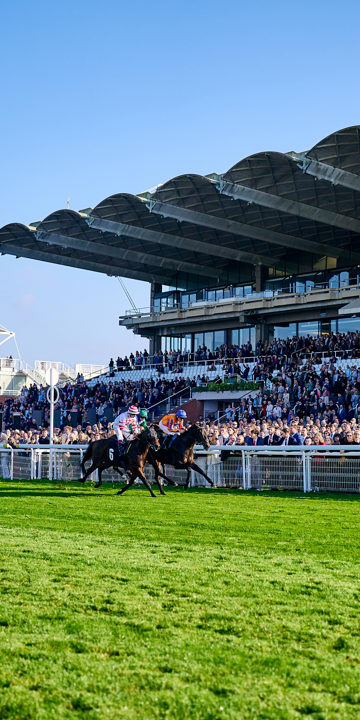
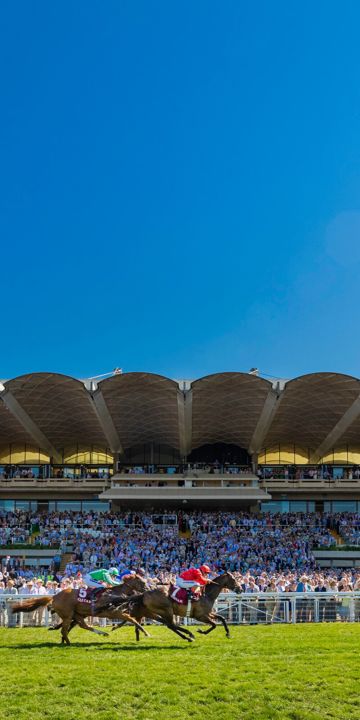
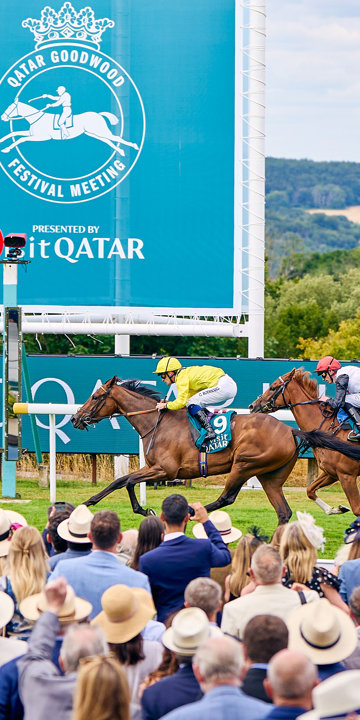
After the first public race meeting in 1902, 'Glorious Goodwood' became a highlight of the summer season.
-
Goodwoof
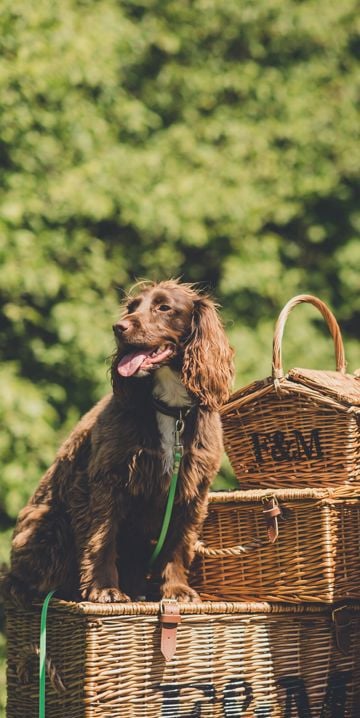

Start in style
The breed parade sees hundreds of dogs and their owners walk from Goodwood House down to The Kennels to kick start the Goodwoof weekend. -
Horseracing
-
Season Opener
-
May Festival
-
Family Race Day
-
Three Friday Nights
-
August Bank Holiday
-
Autumn Racing
-
Season Finale
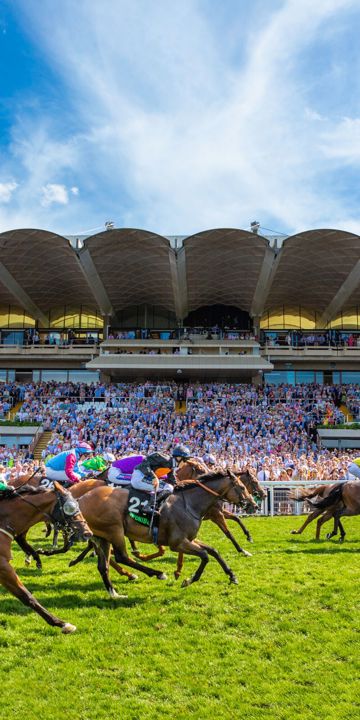

Royal approval
King Edward VII (who came almost every year) famously dubbed Glorious Goodwood “a garden party with racing tacked on”.
-
Season Opener
-
Breakfast Club
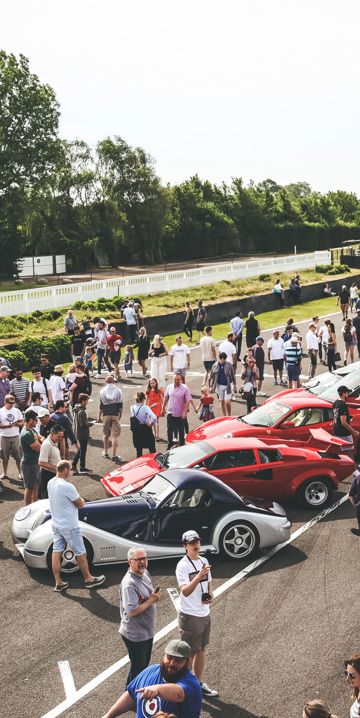

A perfect Sunday morning?
A no-cost, all-welcome motoring show where the visitors and their machines are the stars -
Health Summit
-
Hospitality
-
Exhibiting
-
Partnerships
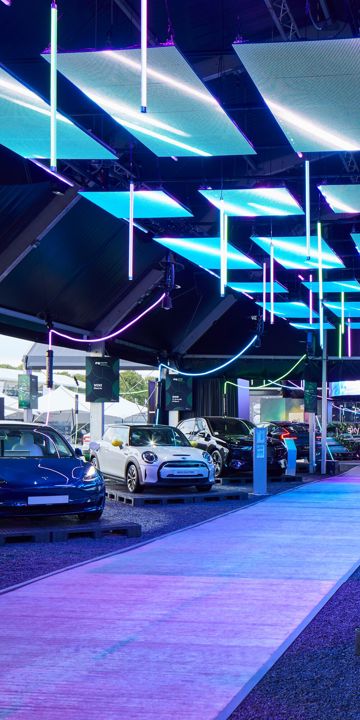

Where else can you...
...plan strategy in an ancient woodland, enjoy award-winning dining then drive around a racetrack?
-
What's on
-
Festival of Speed
-
Visit, Eat, Stay
-
The Goodwood Hotel

Egyptian Dining Room
Testament to the 19th-century fascination with ancient Egypt and decorative opulence. The room is richly detailed with gilded cartouches, sphinxes, birds and crocodiles.
-
Goodwood Cottages


Fashionable foxhounds
The 1st Duke of Richmond bought Goodwood in 1697 as a place to stay to go foxhunting with the fashionable Charlton Hunt. -
Goodwood House
-
Afternoon Tea & Tour
-
The Collection
-
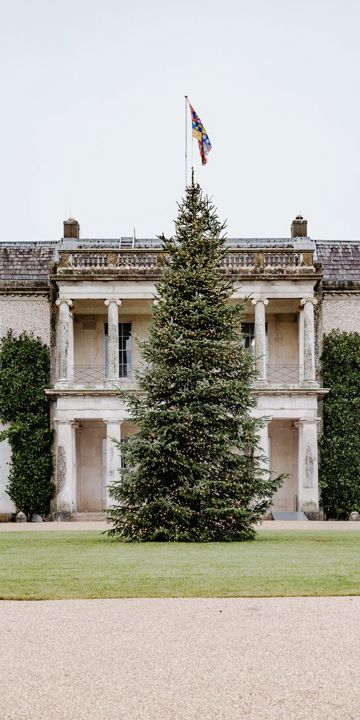
Christmas Afternoon Tea & Tour
-
Exhibitions
-
History
-
Weddings
-
Copper Dome Restoration
-
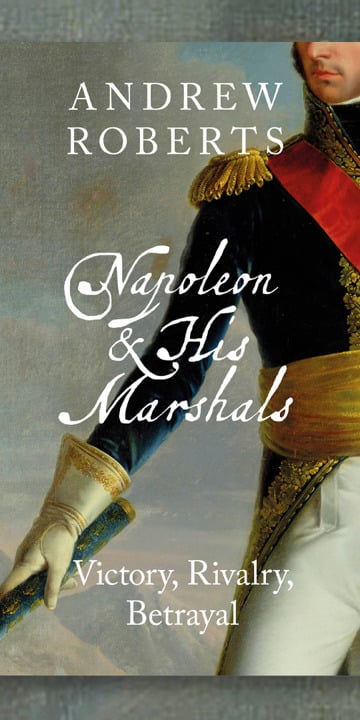
Napoleon & His Marshals Book Talk with Andrew Roberts
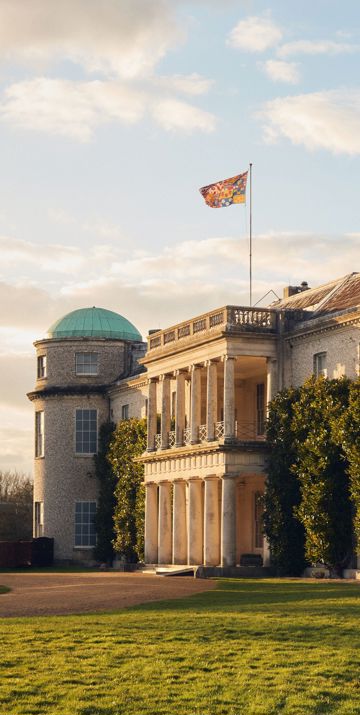

The Goodwood menagerie
Corridors of tunnels beneath Goodwood House were once filled with exotic animals to surprise female guests and allow the men to look heroic! -
Afternoon Tea & Tour
-
Restaurants
-
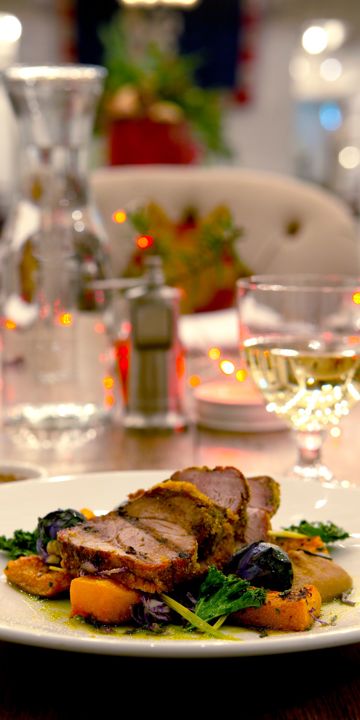
Farmer, Butcher, Chef
-
The Goodwood Bar & Grill
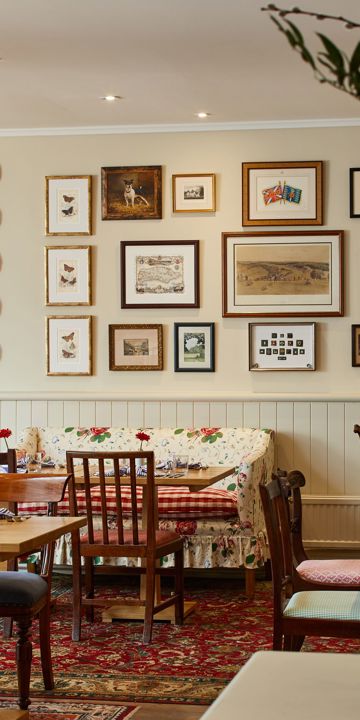
-
The Kennels
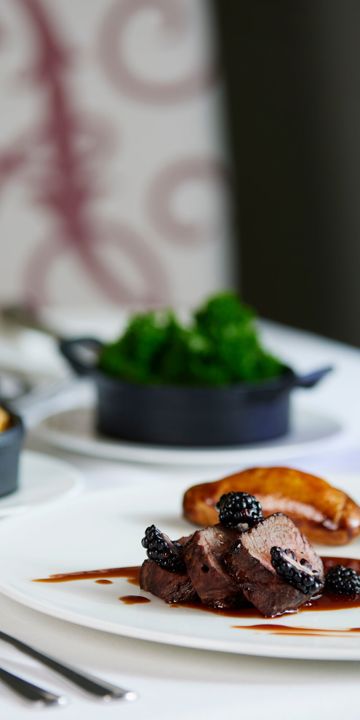
-
Aerodrome Café
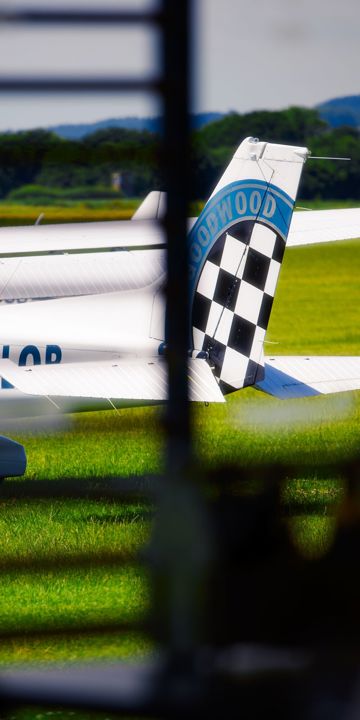
-
Motor Circuit Café

-
Cafe 24
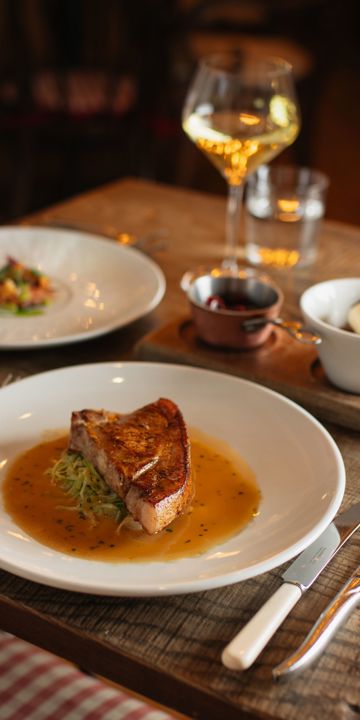

Sustainable state-of-mind
When Farmer, Butcher, Chef opened in 2016 it was awarded the UK’s first-ever Royal Academy of Culinary Arts ‘Sustainable Food Philosophy Seal’. -
Farmer, Butcher, Chef
-
The Kennels
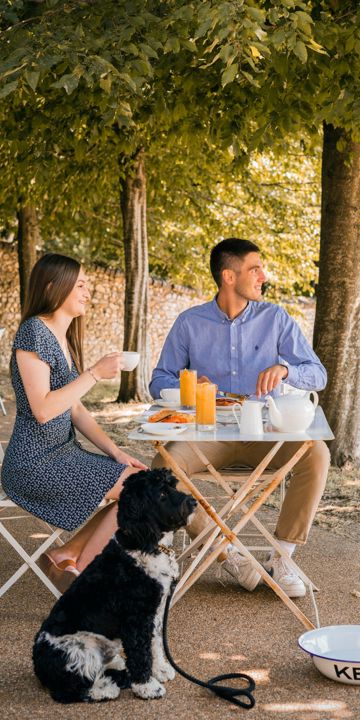

How old is The Kennels?
Built in 1787 by celebrated architect James Wyatt to house the third Duke of Richmond’s prized fox hounds, The Kennels was known as one of the most luxurious dog houses in the world!
-
Motor Circuit
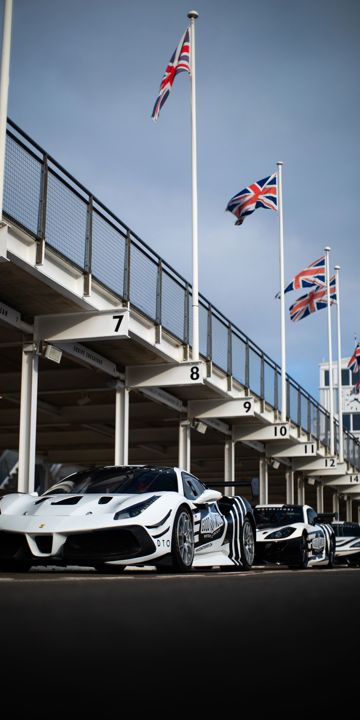
FOS Future Lab
Where wondrous innovation and future technology is placed in the palm of your hand.
-
Health & Wellbeing
-
Membership
-
Health Club
-
Gym
-
Run Series
-
Spa Treatments
-
Wellness Retreats
-
Events Calendar
-
Corporate Wellbeing
-
Health Summit
-
Latest News
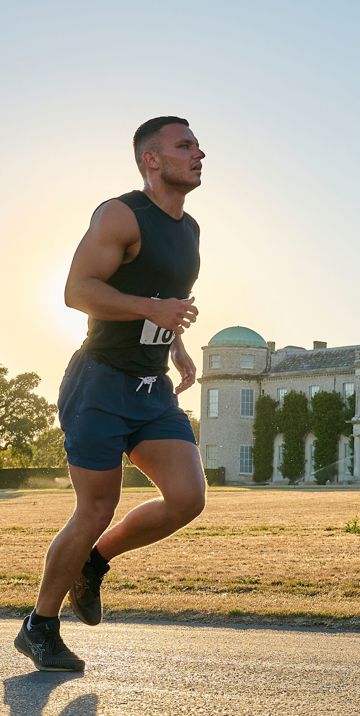

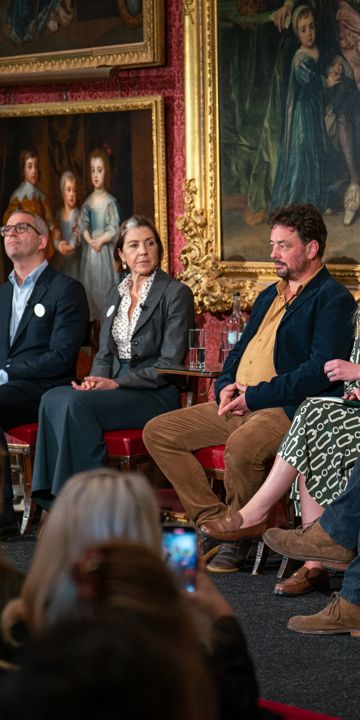
Goodwood's first Health Summit...
...took place in 2023 with industry experts discussing nutrition costs and food systems for a healthier future. -
Membership
-
Hound Lodge
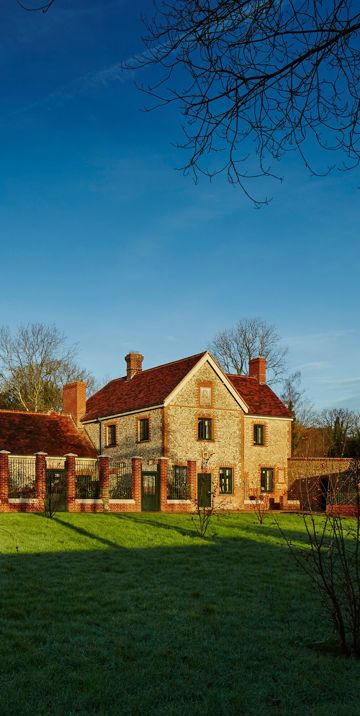

Leveson Design
Hound lodge is one of our wonderful lcoations designed by Cindy, whose incredible eye for detail can be seen in every inch.
-
Goodwood Farm Shop


Levin Down Gin
Our gin uses wild-grown botanicals sourced from the estate, and is distilled with mineral water naturally chalk-filtered through the South Downs.
-
Parties
-
Goodwood Art Foundation
-
The Goodwood Hotel
-
Motorsport
-
Festival of Speed
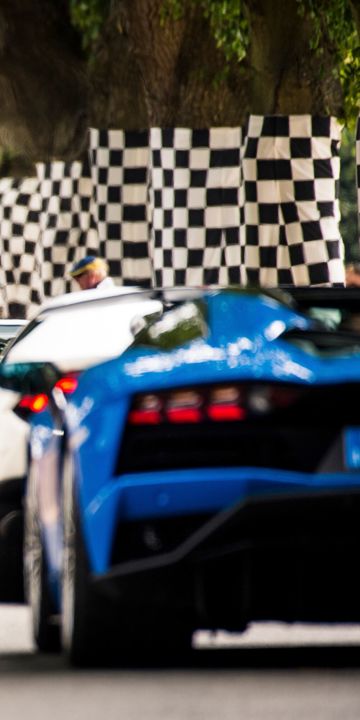
FOS Future Lab
Where wondrous innovation and future technology is placed in the palm of your hand.
-
Goodwood Revival
-
Tickets & Packages
-
Hospitality
-
Explore
-
Plan Your Day
-
Buy Merchandise
-
Charity
-
Partners
-
Accessibility
-
FAQs
Spectators Favourite
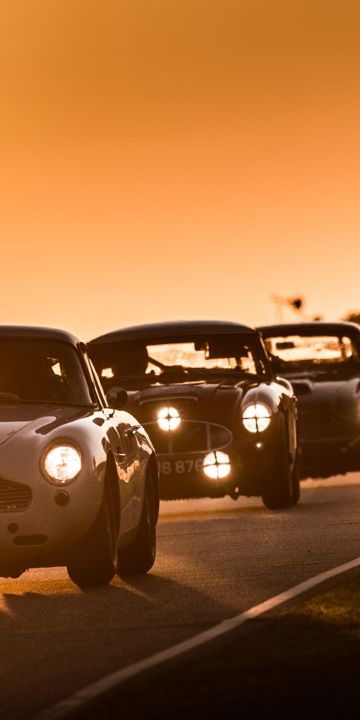
Spectate from the chicane at the Revival to see plenty of classic cars going sideways as they exit this infamous point of our Motor Circuit.
-
Tickets & Packages
-
Members' Meeting

Earls Court replica
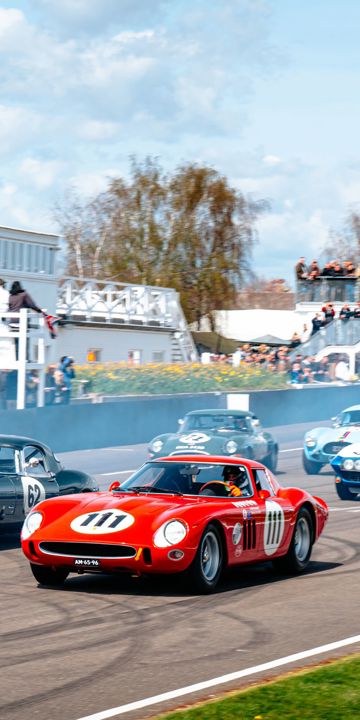
Our replica of the famous motor show showcases the "cars of the future" in true Revival style
-
Breakfast Club

Have you visited our Forest Rally Stage?
From 2005 to present there has been a demonstration area for the rally cars at the top of the hill
-
Motor Circuit

"Mr Goodwood"
Sir Stirling Moss was one of the founding patrons of the Festival of Speed, and a regular competitor at the Revival.
-
Driving Experiences
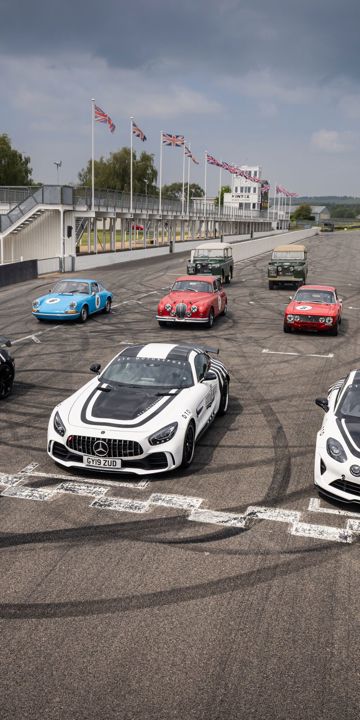
FOS Future Lab
Where wondrous innovation and future technology is placed in the palm of your hand.
-
Goodwood Road Racing Club
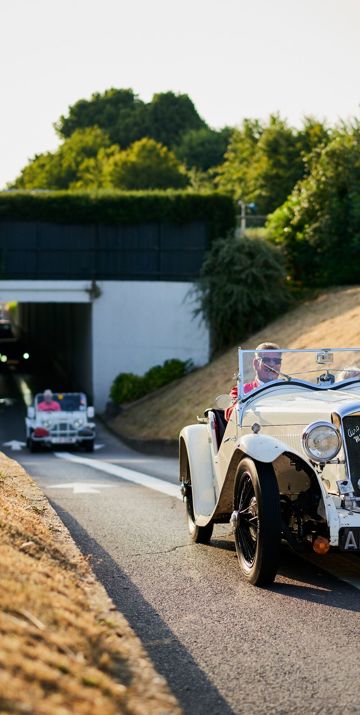

The RAC TT Celebration
The most prestigious event in historic motorsport, the race that everyone wants to win.
-
Latest News
-
Festival of Speed
-
Horseracing
-
Tickets & Packages
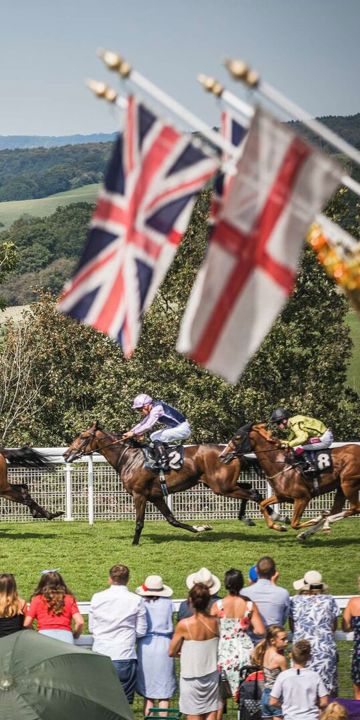
Royal approval
King Edward VII (who came almost every year) famously dubbed Glorious Goodwood “a garden party with racing tacked on”.
-
Hospitality
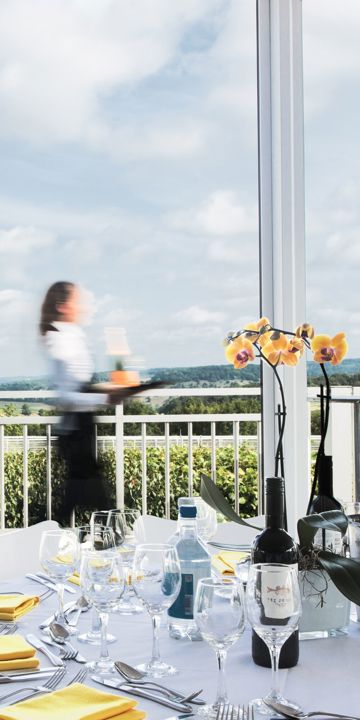

St Simon
Whoa Simon! A horse so determined and headstrong, he not only won the 1883 Goodwood Cup by 20 lengths, but couldn't be stopped and carried on running over the top of Trundle hill
-
Horseracing Club Membership
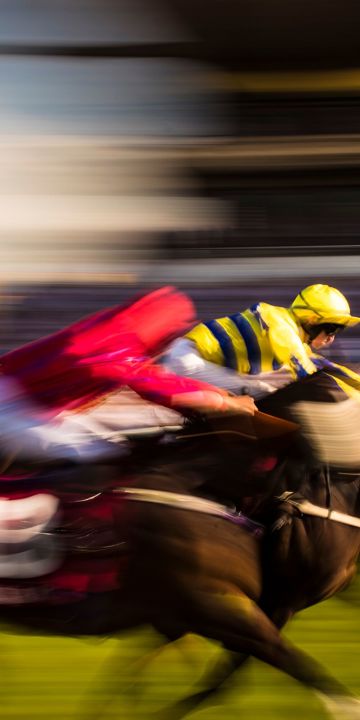
St Simon
Whoa Simon! A horse so determined and headstrong, he not only won the 1883 Goodwood Cup by 20 lengths, but couldn't be stopped and carried on running over the top of Trundle hill
-
Fixtures & Events
-
Season Opener
-
May Festival
-
Family Race Day
-
Three Friday Nights
-
Qatar Goodwood Festival
-
August Bank Holiday
-
Autumn Racing
-
Season Finale
Royal approval
King Edward VII (who came almost every year) famously dubbed Glorious Goodwood “a garden party with racing tacked on”.
-
Season Opener
-
Qatar Goodwood Festival
-
Tickets & Packages
-
Hospitality
-
Day by Day Guide
-
Ladies Day
-
Magnolia Cup
-
The Earl's Lawn
-
Timetable
-
Partners
St Simon
Whoa Simon! A horse so determined and headstrong, he not only won the 1883 Goodwood Cup by 20 lengths, but couldn't be stopped and carried on running over the top of Trundle hill
-
Tickets & Packages
-
Three Friday Nights
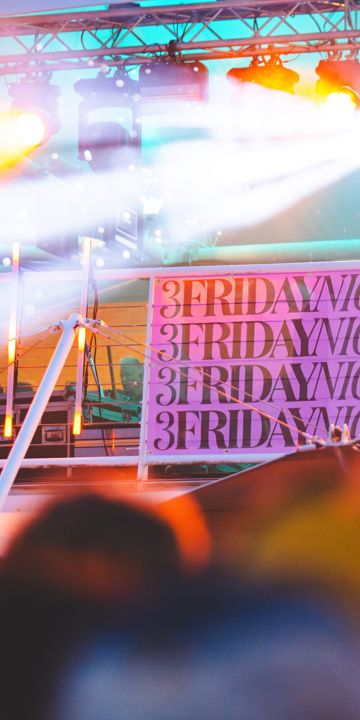

Why does everyone wear hats?
King Edward VII turned his back on the traditional morning suit and donned a linen suit and Panama hat. Thus the Glorious Goodwood trend was born.
-
Plan Your Day
-
Enclosures
-
Event Map
-
Going Report
-
Getting Here
-
Betting at Goodwood
-
Dress Code
-
Accessibility
-
Food & Drink
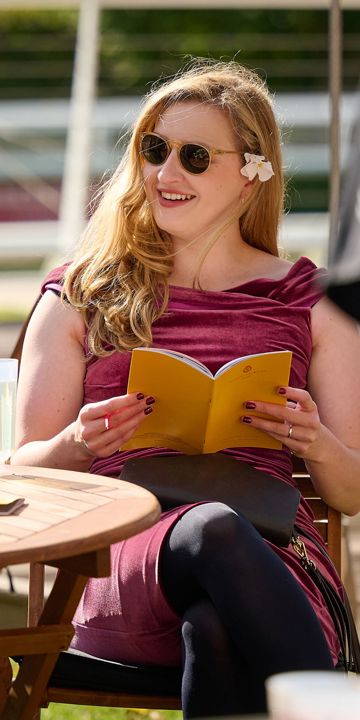

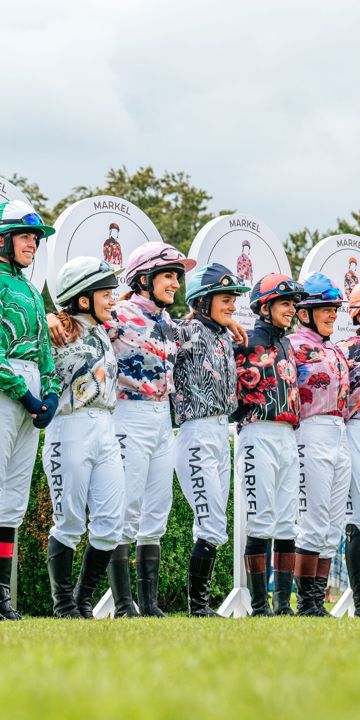
The Magnolia Cup
Leading women of business, sport, fashion and media, take part in one of the most exciting horseracing events in the world.
-
Enclosures
-
Buy Merchandise
-
Partners
-
Owners & Trainers
-
Latest News
-
FAQs
-
Accessibility
-
Tickets & Packages
-
Experiences
-
Driving
A perfect Sunday morning?
A no-cost, all-welcome motoring show where the visitors and their machines are the stars -
Flying
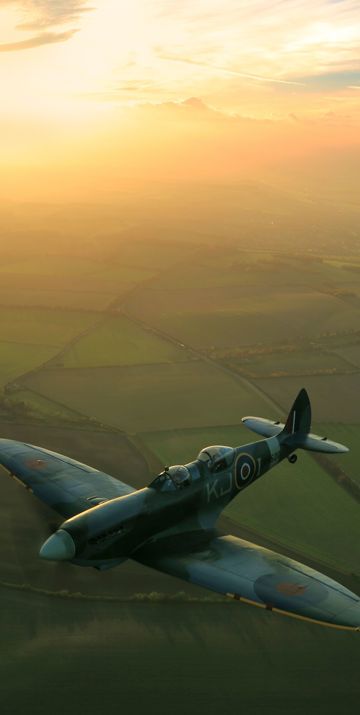

During the war...
The Motor Circuit was known as RAF Westhampnett, active from 1940 to 1946 as a Battle of Britain station.
-
Golf
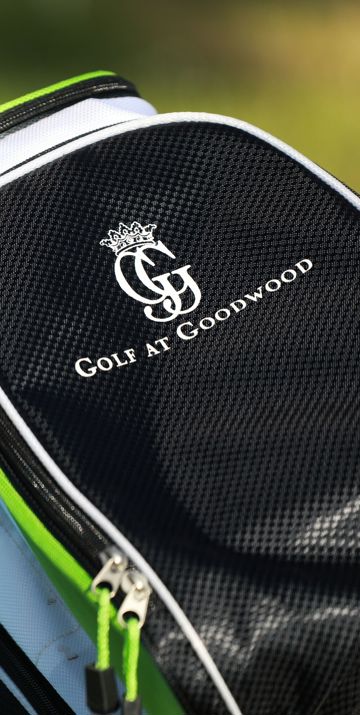

Over 100 years of Golf
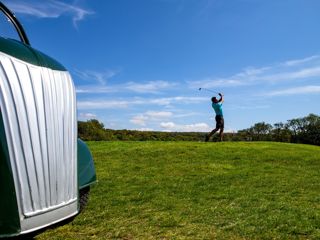
The first ever round of golf played at Goodwood was in 1914 when the 6th Duke of Richmond opened the course on the Downs above Goodwood House.
-
Shooting
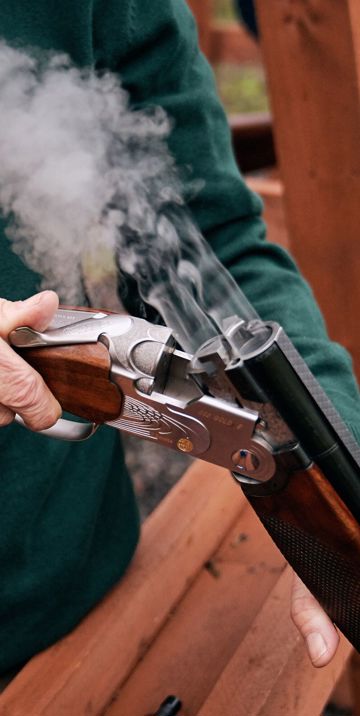

Roots for the future
A 20m woodland rue, from Halnaker to Lavant, was planted by our forestry teams & volunteers, featuring native species like oak, beech, & hornbeam
-
Afternoon Tea
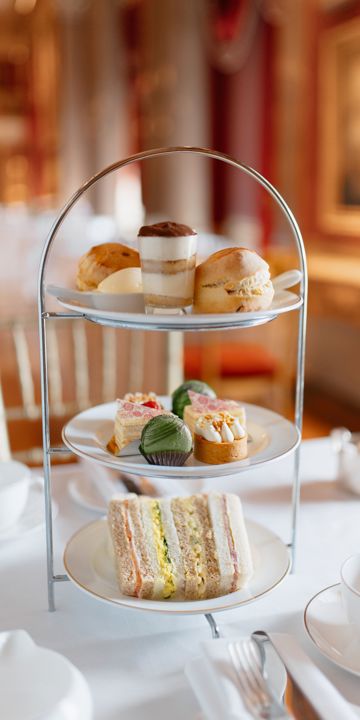

Filming at Goodwood
We have been host to many incredible film crews using Goodwood as a backdrop for shows like Downton Abbey, Hollywood Blockbusters like Venom: let there be Carnage and the Man from U.N.C.L.E.
-
Corporate Wellbeing
Goodwood's first Health Summit...
...took place in 2023 with industry experts discussing nutrition costs and food systems for a healthier future. -
Cycling
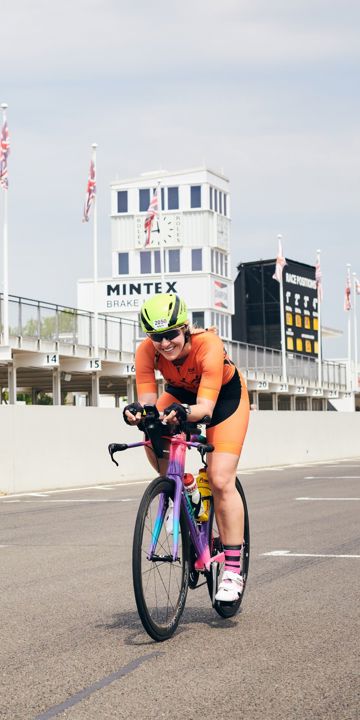

Motorsport Since 1948
Goodwood Motor Circuit was officially opened in September 1948 when Freddie March, the 9th Duke and renowned amateur racer, tore around the track in a Bristol 400
-
Corporate Experiences
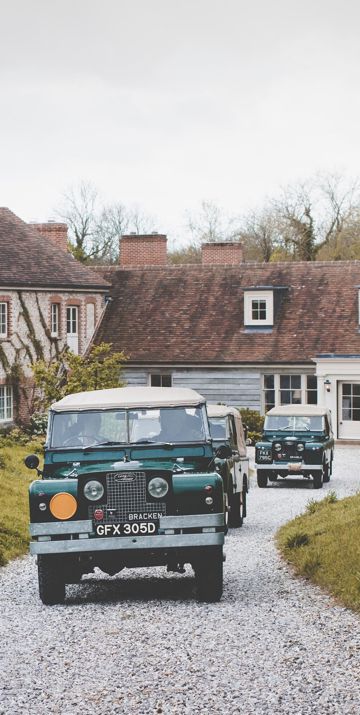
Where else can you...
...plan strategy in an ancient woodland, enjoy award-winning dining then drive around a racetrack?
-
Spa Treatments
-
Driving
- Hospitality
-
Golf
-
Golf Courses
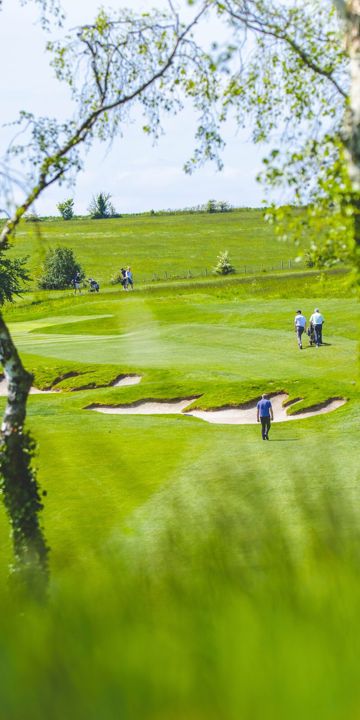

Braid’s Masterpiece
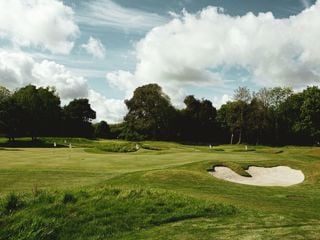
One of the greatest golfers of all time, James Braid designed Goodwood’s iconic Downland course, opened in 1914.
-
Golf Membership
-
Credit Membership
-
Application Form
-
Braid Membership
-
Intermediate Membership
-
Junior Membership
-
Corporate Membership
-
Get Into Golf
-
Copse Membership

Over 100 years of Golf
The first ever round of golf played at Goodwood was in 1914 when the 6th Duke of Richmond opened the course on the Downs above Goodwood House.
-
Credit Membership
-
The Academy
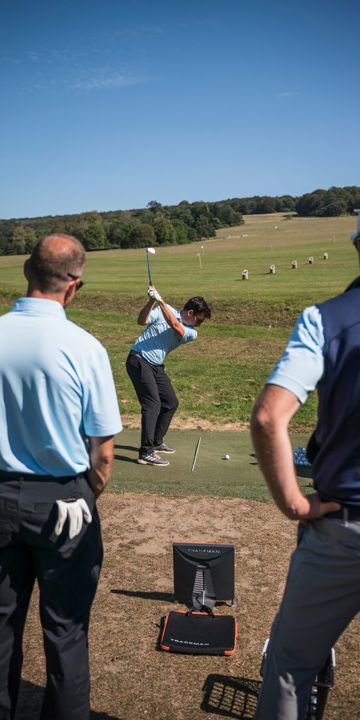
Over 100 years of Golf
The first ever round of golf played at Goodwood was in 1914 when the 6th Duke of Richmond opened the course on the Downs above Goodwood House.
-
Golf Experiences


A sporting Estate
Goodwood has two 18-hole championship courses, a modern clubhouse and an impressive Academy.
-
Golf Courses
-
Flying
-
Flying School
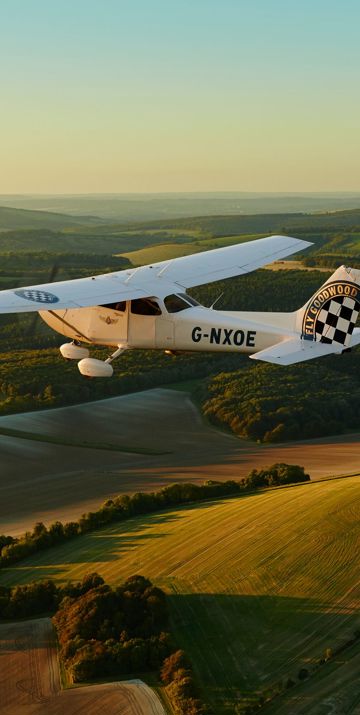

Flying Elephant
The first thing ever dropped at Goodwood was a cuddly elephant which landed in 1932 just as the 9th Duke of Richmonds passion for flying was taking off.
-
Aero Club Membership
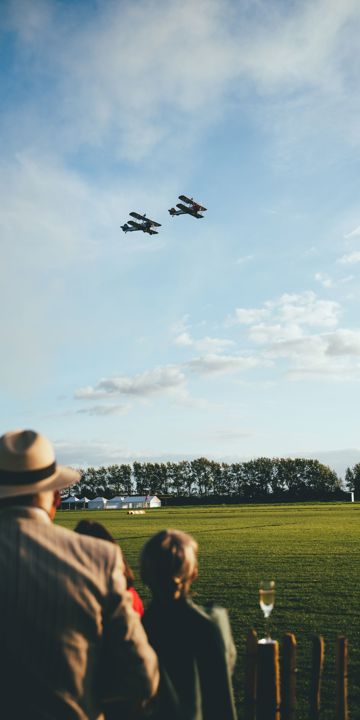

Ace Pilot
Ray Hanna famously flew straight down Goodwood’s pit straight below the height of the grandstands at the first Revival in 1998
-
Flying Experiences
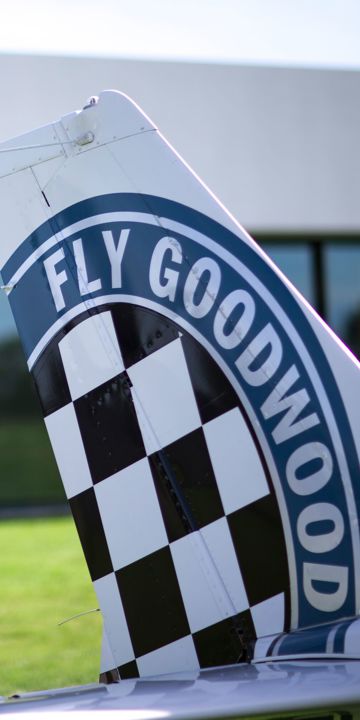
-
Pilot Information
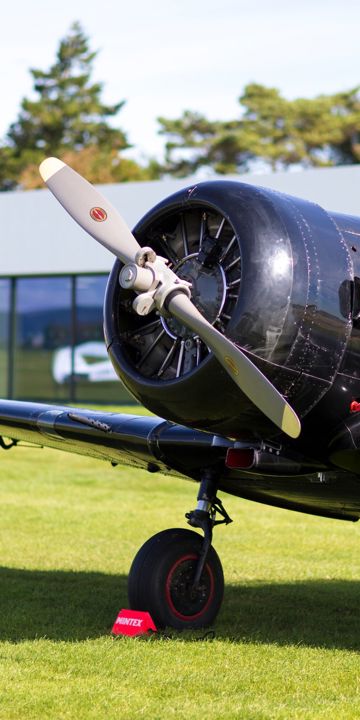

Group Captain Sir Douglas Bader
The famous fighter ace, who flew his last sortie from Goodwood Aerodrome, formerly RAF Westhampnett has a statue in his honor within the airfield.
-
Flying School
-
Meetings
-
Venue Hire
-
Goodwood House
-
The Racecourse
-
The Goodwood Hotel
-
The Motor Circuit
-
The Kennels
-
The Aerodrome
-
The Great Outdoors
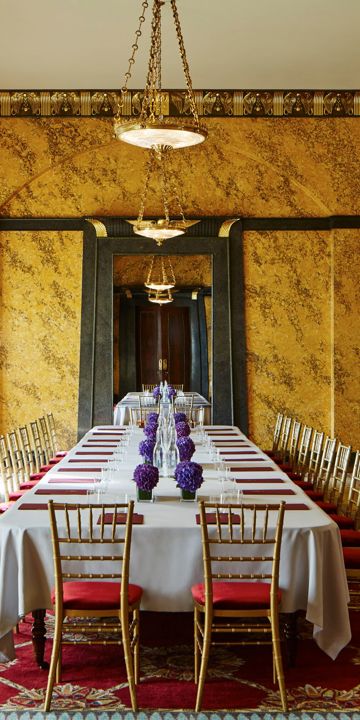
Where else can you...
...plan strategy in an ancient woodland, enjoy award-winning dining then drive around a racetrack?
-
Goodwood House
-
Plan Your Meeting
-
Parties
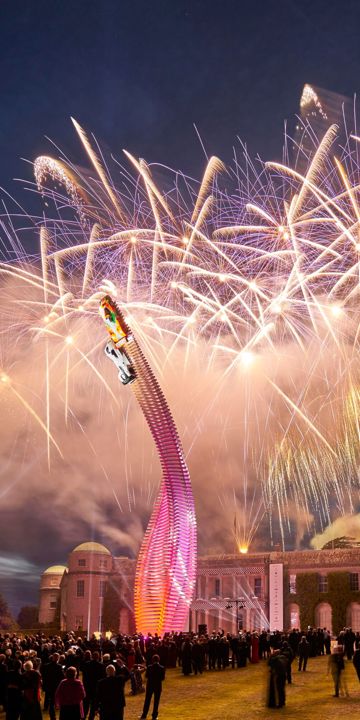
Where else can you...
...plan strategy in an ancient woodland, enjoy award-winning dining then drive around a racetrack?
-
Hospitality

-
Corporate Experiences
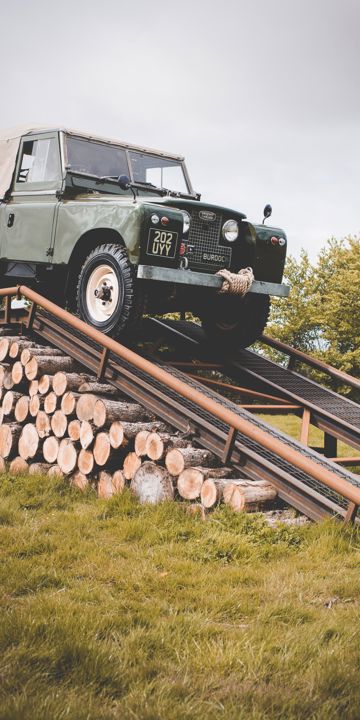
Where else can you...
...plan strategy in an ancient woodland, enjoy award-winning dining then drive around a racetrack?
-
Christmas Parties
-
Film Locations
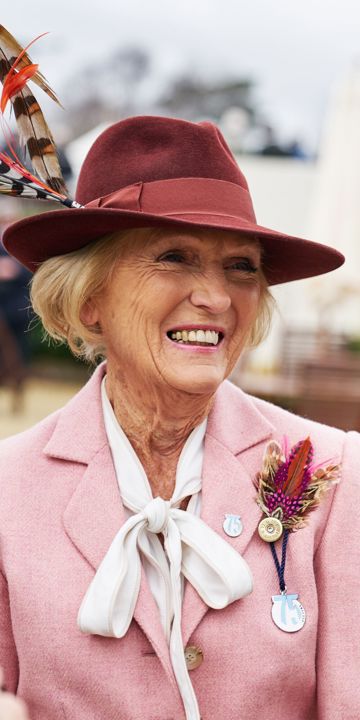
Filming at Goodwood
We have been host to many incredible film crews using Goodwood as a backdrop for shows like Downton Abbey, Hollywood Blockbusters like Venom: let there be Carnage and the Man from U.N.C.L.E.
-
Venue Hire
-
Weddings
-
Goodwood House
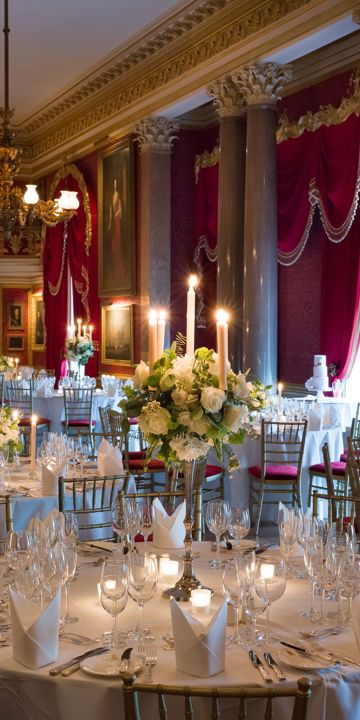

Yellow drawing room
The replica of the original Axminster carpet is so lavish that the President of Bulgaria came to visit it before its departure!
-
The Kennels

How old is The Kennels?
Built in 1787 by celebrated architect James Wyatt to house the third Duke of Richmond’s prized fox hounds, The Kennels was known as one of the most luxurious dog houses in the world!
-
Parties
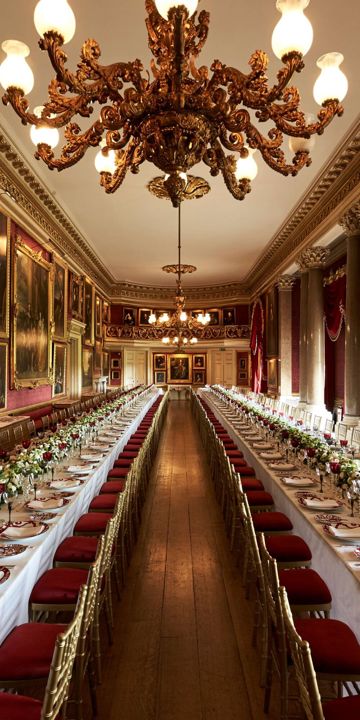


A destination for all seasons
We're well known for our iconic motorsport and horseracing events. But there's a lot more happening at Goodwood...
-
Goodwood House
-
Memberships
-
Goodwood Road Racing Club
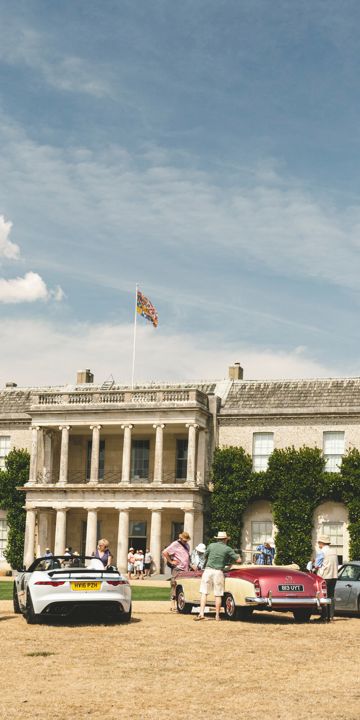

When was the GRRC founded?
Established in 1998 by the Duke of Richmond, the Goodwood Road Racing Club offers exclusive benefits across the estate year-round -
Goodwood Horseracing Club
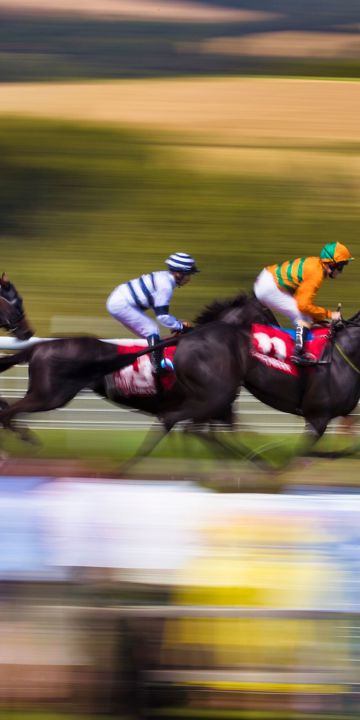
Why does everyone wear hats?
King Edward VII turned his back on the traditional morning suit and donned a linen suit and Panama hat. Thus the Glorious Goodwood trend was born.
-
Golf At Goodwood
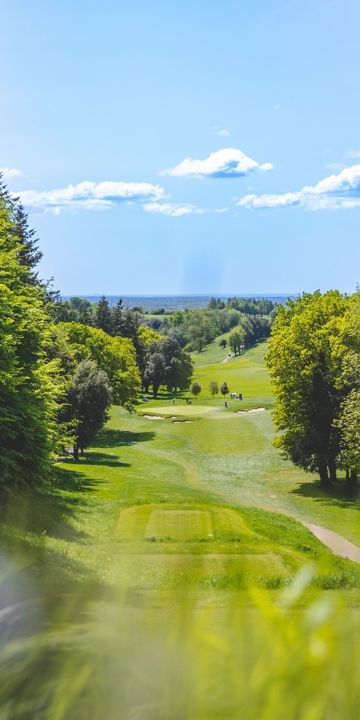
Over 100 years of Golf
The first ever round of golf played at Goodwood was in 1914 when the 6th Duke of Richmond opened the course on the Downs above Goodwood House.
-
Goodwood Aero Club
Ace Pilot
Ray Hanna famously flew straight down Goodwood’s pit straight below the height of the grandstands at the first Revival in 1998
-
Goodwood Health Club
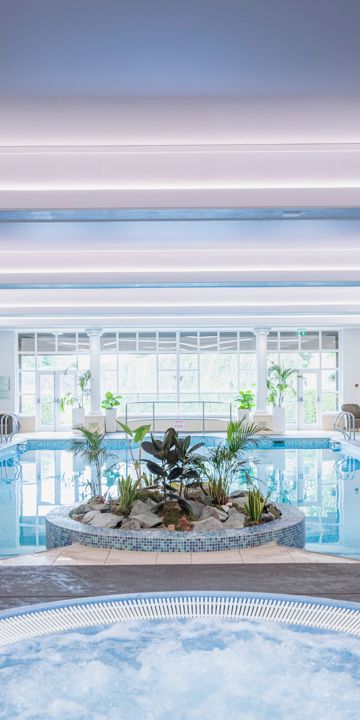
Goodwood's first Health Summit...
...took place in 2023 with industry experts discussing nutrition costs and food systems for a healthier future. -
The Kennels

How old is The Kennels?
Built in 1787 by celebrated architect James Wyatt to house the third Duke of Richmond’s prized fox hounds, The Kennels was known as one of the most luxurious dog houses in the world!
-
Sporting Membership


A different breed...
Goodwood’s pigs are a mix of two rare breeds (Gloucester Old Spots and Saddlebacks) plus the Large White Boar.
-
Goodwood Racehorse Owners Group
-
Goodwood Art Foundation
-
Goodwood Road Racing Club
- Classic Car Insurance
- Health & Wellbeing
- Buy Merchandise
-
Our Estate
-
What's on
-
Estate Map
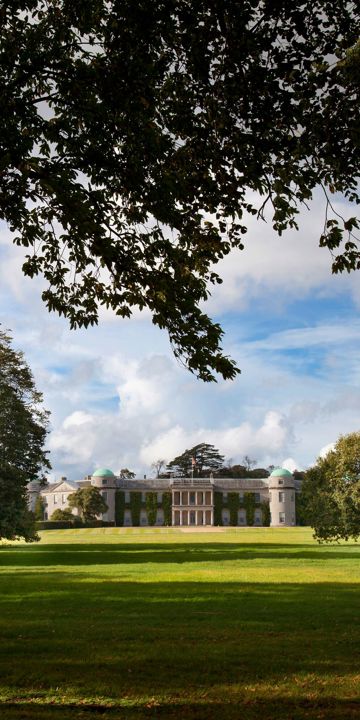
How old is The Kennels?
Built in 1787 by celebrated architect James Wyatt to house the third Duke of Richmond’s prized fox hounds, The Kennels was known as one of the most luxurious dog houses in the world!
-
Stories from the Estate
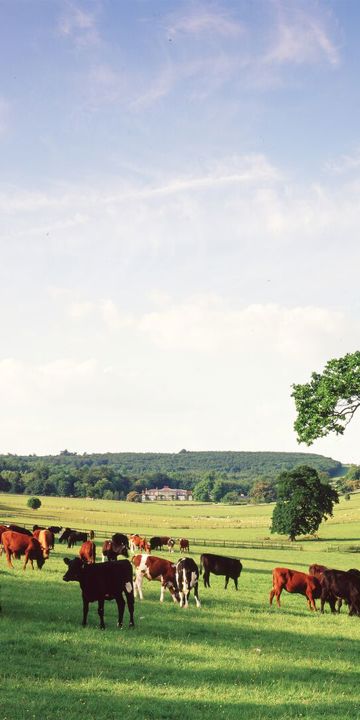
Flying Elephant
The first thing ever dropped at Goodwood was a cuddly elephant which landed in 1932 just as the 9th Duke of Richmonds passion for flying was taking off.
-
Sports
-
Goodwood Education Trust

Cricketers since 1702
The oldest existing rules for the game were drawn up for a match between the 2nd Duke and a neighbour
-
Charities
Cricketers since 1702
The oldest existing rules for the game were drawn up for a match between the 2nd Duke and a neighbour
-
Sustainability

The Silver Spitfire
The iconic spitfire covered almost 43,000 kilometres and visited over 20 countries on its epic journey and currently resides at our Aerodrome.
-
Diversity, Equity & inclusion
-
Property
St Simon
Whoa Simon! A horse so determined and headstrong, he not only won the 1883 Goodwood Cup by 20 lengths, but couldn't be stopped and carried on running over the top of Trundle hill
-
Walking Guide

Group Captain Sir Douglas Bader
The famous fighter ace, who flew his last sortie from Goodwood Aerodrome, formerly RAF Westhampnett has a statue in his honor within the airfield.
-
Dog Walking Field
-
Careers
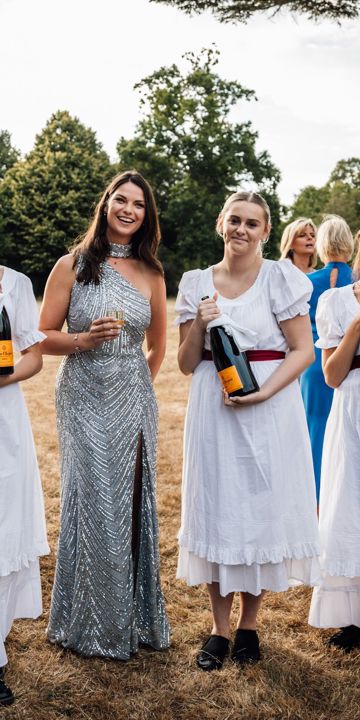
Flying Elephant
The first thing ever dropped at Goodwood was a cuddly elephant which landed in 1932 just as the 9th Duke of Richmonds passion for flying was taking off.
-
Goodwood Art Foundation
-
Farm Shop
-
What's on
- Christmas


Upcoming Events
Why Community Is the Secret Ingredient to Long-Term Fitness
Despite the plethora of fitness apps, tracking technologies and workout plans, many people still struggle to maintain consistency when it comes to exercise habits over the long term.
What if the missing ingredient is not another app or wearable device? What if the element missing in the balance is a human one? Community.
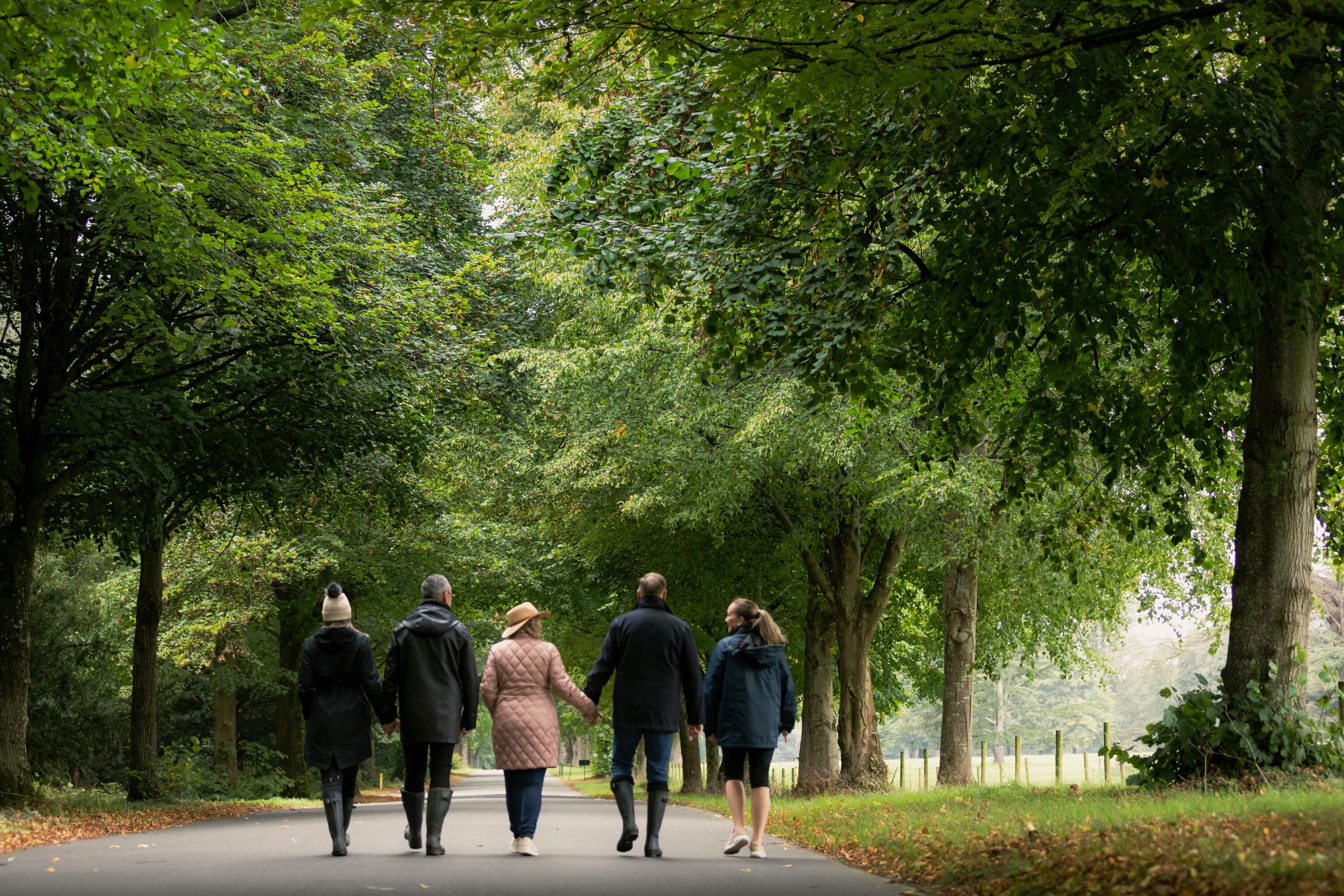
An undeniable trend sweeping across cities and neighbourhoods is the change in people's approach to health and wellbeing. People swarm to weekly running clubs, bootcamps and exercise classes are seeing a more loyal attendee list and exercise is being shaped into a shared, communal experience rather than an individual challenge. This change can prove that connection can be a powerful force of motivation to maintain a healthy life.
Humans are social creatures, with social interactions and connections influencing our behaviours, habits and wellbeing. When fitness is added into this community mix, it transforms the exercise from a simple tick the list job to an emotional, relationship growing activity that creates bonds and a sense of belonging.
The difference between solo and group exercise is staggering. You can easily skip a solo gym session, but missing a weekly run with friends or a favourite group class feels different. The social connection and commitment involved in these activities add a sense of accountability. This helps you to keep motivated, even on low days. We are seeing a shift in perception, with people continuing to exercise for the social connection, not just fitness goals.
Fitness Classes or Social Spaces?
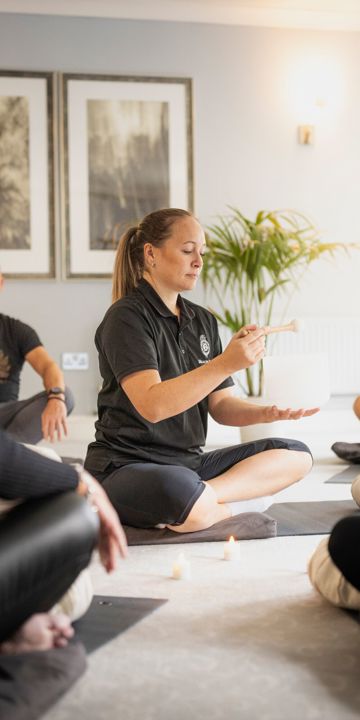
Group fitness classes have also evolved into community-driven experiences. Whether it's yoga, cycling or Pilates, participants increasingly seek environments where they feel connected to both instructors and fellow members
At Goodwood Health and Wellbeing, we understand that people are not buying access to a workout, but investing in an experience, community and sense of belonging. The familiar faces, shared challenges and collective achievements help to create an atmosphere that keeps people engaged long after the endorphins have worn off.
The Social Wellness Culture
Beyond traditional exercise, a broader social wellness culture is taking shape. Wellness is no longer confined to the gym floor. Communities are forming around activities such as walking groups, outdoor fitness, mindfulness gatherings, cold-water swimming and hiking clubs
This shift reflects a growing understanding that health is multidimensional. Physical fitness, mental wellbeing, and social connection are deeply interconnected. People increasingly seek experiences that support all three.
Why Community Supports Long-Term Success
One of the biggest challenges in fitness is sustainability. Short bursts of enthusiasm often fade, leaving individuals stuck in a cycle of starting and stopping. Community helps break that cycle by providing several key benefits:
-
Accountability - people are more likely to maintain commitments when others are involved.
-
Encouragement - support from peers helps individuals navigate setbacks and challenges.
-
Enjoyment - shared experiences make exercise more engaging and rewarding.
-
Identity - being part of a fitness community reinforces healthy behaviours as part of one's lifestyle.
-
Mental wellbeing - social interaction reduces feelings of isolation and contributes to overall happiness.
Together, these factors create an environment where fitness becomes a natural and enjoyable part of daily life rather than an obligation.