-
Events
-
Festival of Speed
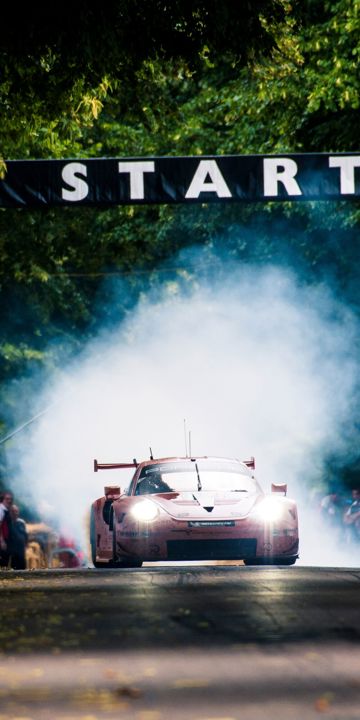

Mad Mike
FOS Favourite Mad Mike Whiddett can be caught melting tyres in his incredible collection of cars (and trucks) up the hillclimb
-
Goodwood Revival


Spectators Favourite
Spectate from the chicane at the Revival to see plenty of classic cars going sideways as they exit this infamous point of our Motor Circuit.
-
Members' Meeting
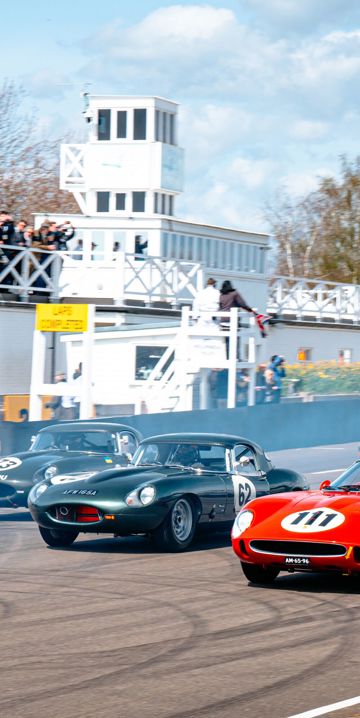

The first Members' Meeting
The inaugural BARC Members' Meeting took place at Goodwood on 13th Augurst 1949.
-
Qatar Goodwood Festival
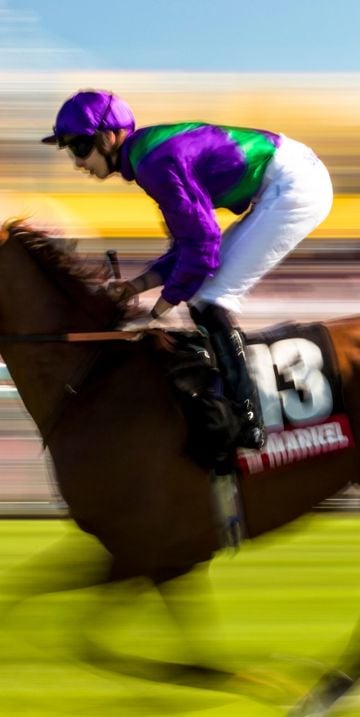

"Glorious Goodwood"
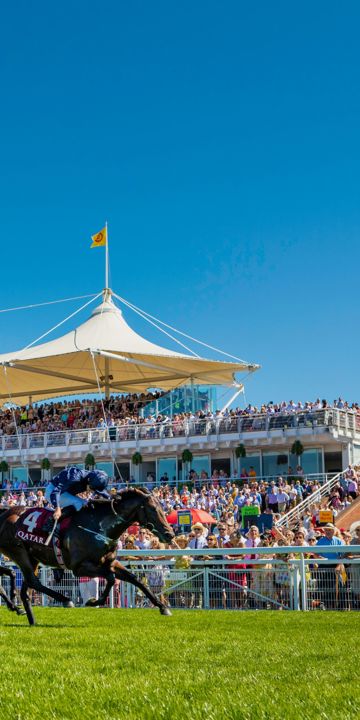
After the first public race meeting in 1902, 'Glorious Goodwood' became a highlight of the summer season.
-
Goodwoof
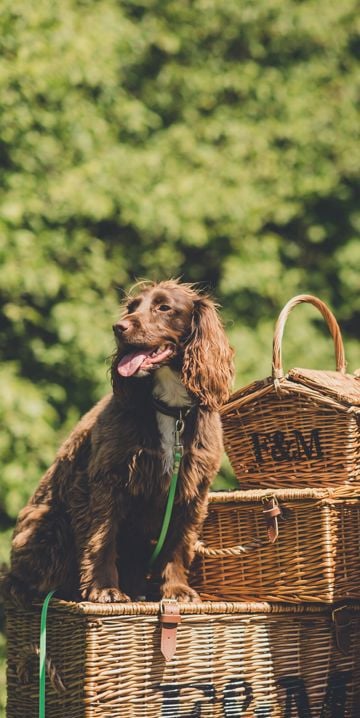

Start in style
The breed parade sees hundreds of dogs and their owners walk from Goodwood House down to The Kennels to kick start the Goodwoof weekend. -
Horseracing
-
Season Opener
-
May Festival
-
Family Race Day
-
Three Friday Nights
-
August Bank Holiday
-
Autumn Racing
-
Season Finale
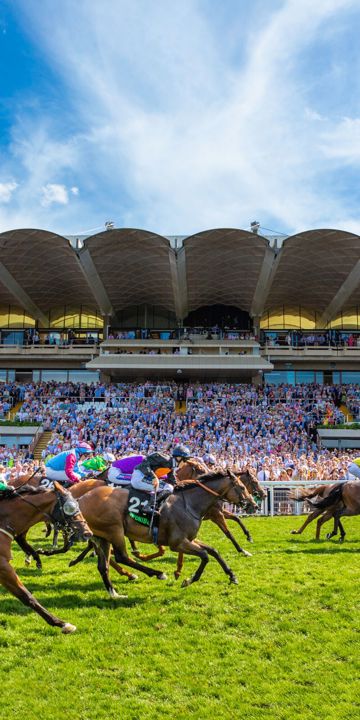

Why walk when you can drive
The first ever horsebox was used from Goodwood to Doncaster for the 1836 St. Leger. Elis arrived fresh and easily won his owner a £12k bet.
-
Season Opener
-
Breakfast Club
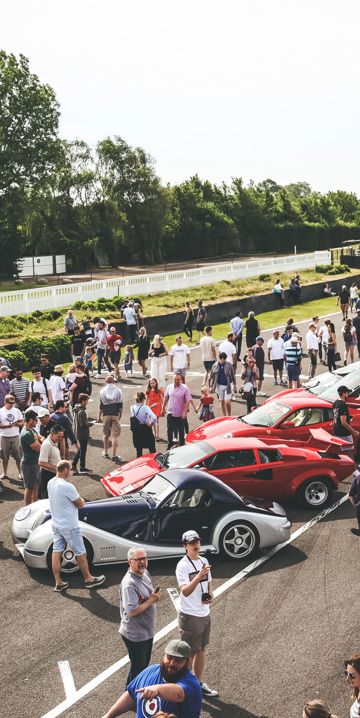

A perfect Sunday morning?
A no-cost, all-welcome motoring show where the visitors and their machines are the stars -
Health Summit
-
Hospitality
-
Exhibiting
-
Partnerships
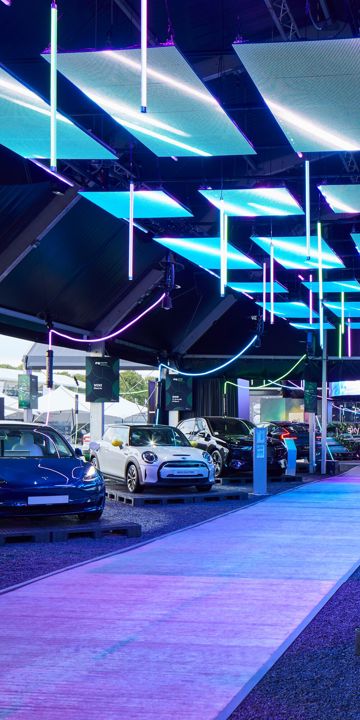

Where else can you...
...plan strategy in an ancient woodland, enjoy award-winning dining then drive around a racetrack?
-
What's on
-
Festival of Speed
-
Visit, Eat, Stay
-
The Goodwood Hotel

St Simon
Whoa Simon! A horse so determined and headstrong, he not only won the 1883 Goodwood Cup by 20 lengths, but couldn't be stopped and carried on running over the top of Trundle hill
-
Goodwood Cottages


Flying Elephant
The first thing ever dropped at Goodwood was a cuddly elephant which landed in 1932 just as the 9th Duke of Richmonds passion for flying was taking off.
-
Goodwood House
-
Afternoon Tea & Tour
-
The Collection
-
Christmas Afternoon Tea & Tour
-
Exhibitions
-
History
-
Weddings
-
Copper Dome Restoration
-
Napoleon & His Marshals Book Talk with Andrew Roberts
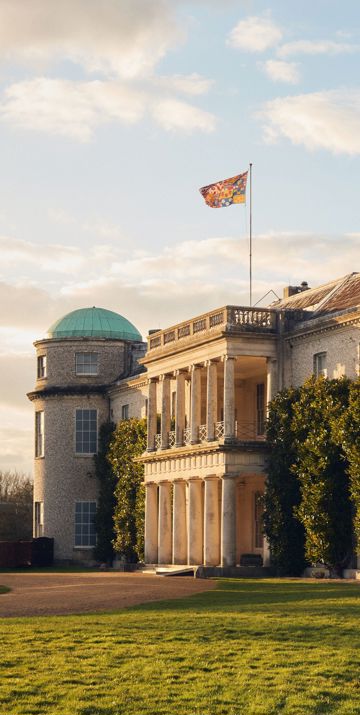

George Stubbs
G. Stubbs (1724–1806) created some of the animal portraiture masterpieces at Goodwood House, combining anatomical exactitude with expressive details
-
Afternoon Tea & Tour
-
Restaurants
-
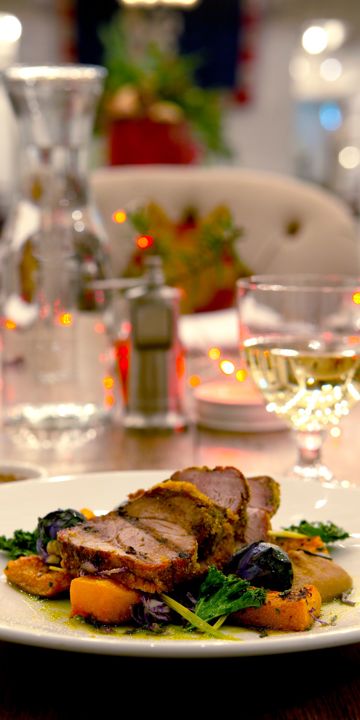
Farmer, Butcher, Chef
-
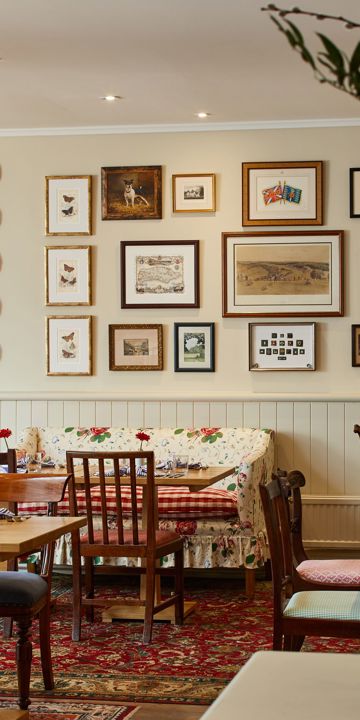
The Goodwood Bar & Grill
-
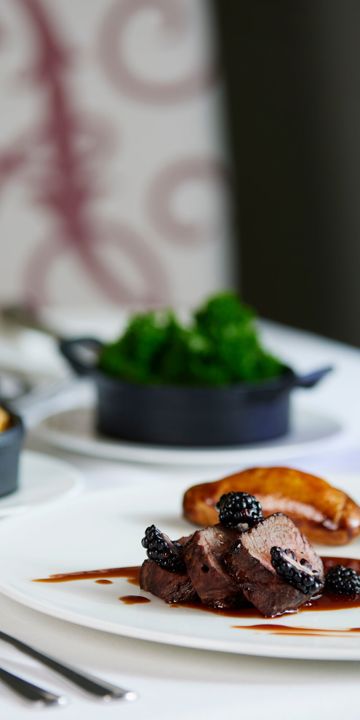
The Kennels
-
Aerodrome Café
-
Motor Circuit Café

-
Cafe 24

Sustainable state-of-mind
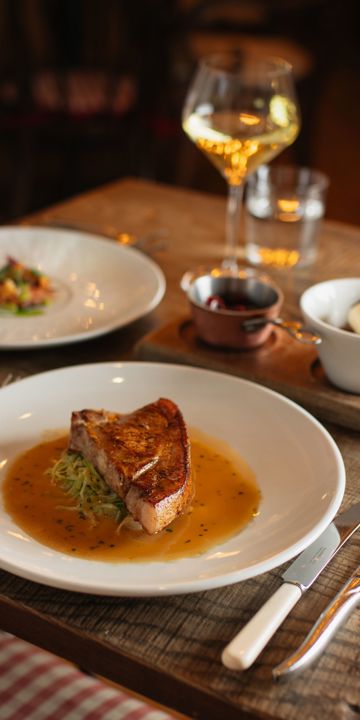
When Farmer, Butcher, Chef opened in 2016 it was awarded the UK’s first-ever Royal Academy of Culinary Arts ‘Sustainable Food Philosophy Seal’. -
Farmer, Butcher, Chef
-
The Kennels

How old is The Kennels?
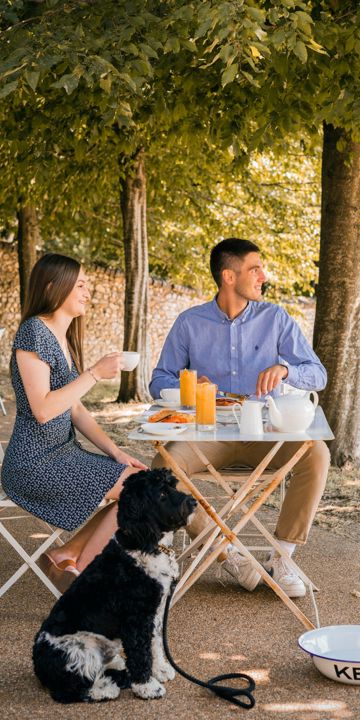
Built in 1787 by celebrated architect James Wyatt to house the third Duke of Richmond’s prized fox hounds, The Kennels was known as one of the most luxurious dog houses in the world!
-
Motor Circuit

St Simon
Whoa Simon! A horse so determined and headstrong, he not only won the 1883 Goodwood Cup by 20 lengths, but couldn't be stopped and carried on running over the top of Trundle hill
-
Health & Wellbeing
-
Membership
-
Health Club
-
Gym
-
Run Series
-
Spa Treatments
-
Wellness Retreats
-
Events Calendar
-
Corporate Wellbeing
-
Health Summit
-
Latest News

Goodwood's first Health Summit...
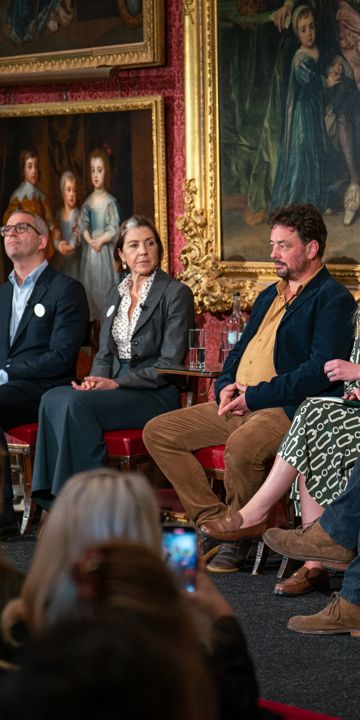
...took place in 2023 with industry experts discussing nutrition costs and food systems for a healthier future. -
Membership
-
Hound Lodge
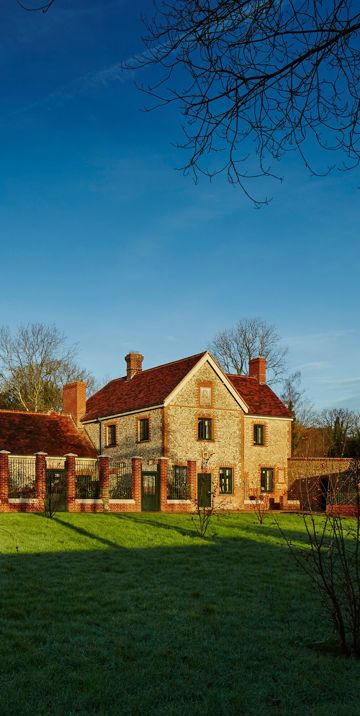

Only the finest
Mattresses and eiderdowns are stuffed with wool from the Goodwood Estate.
-
Goodwood Farm Shop


Grogger
Easy boy! The charismatic Farnham Flyer loved to celebrate every win with a pint of beer. His Boxer dog, Grogger, did too and had a tendancy to steal sips straight from the glass.
-
Parties

-
Goodwood Art Foundation
-
The Goodwood Hotel
-
Motorsport
-
Festival of Speed
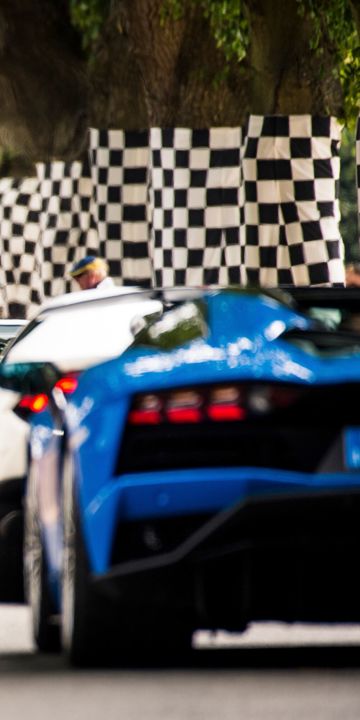

The Robots take control
Roborace was the first car to ever complete the hillclimb... without a driver! -
Goodwood Revival
-
Tickets & Packages
-
Hospitality
-
Explore
-
Plan Your Day
-
Buy Merchandise
-
Charity
-
Partners
-
Accessibility
-
FAQs


Freddie's Famous Scarf
When the 9th Duke won the Double Twelve at Brooklands in 1931 he never drove without it throughout his successful driving career.
-
Tickets & Packages
-
Members' Meeting
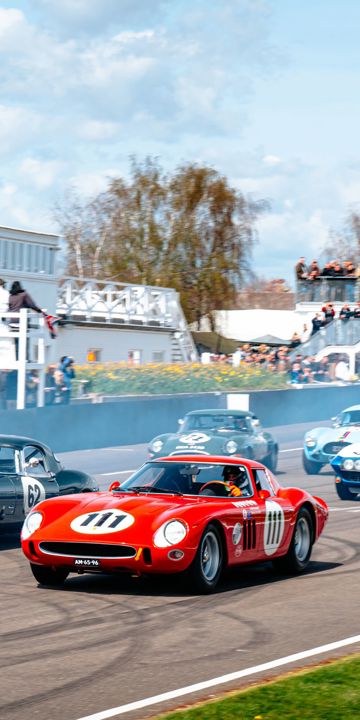

The original Members' Meeting era
The early Members' Meetings were held for BARC Members, there were 71 between 1949 and 1966.
-
Breakfast Club
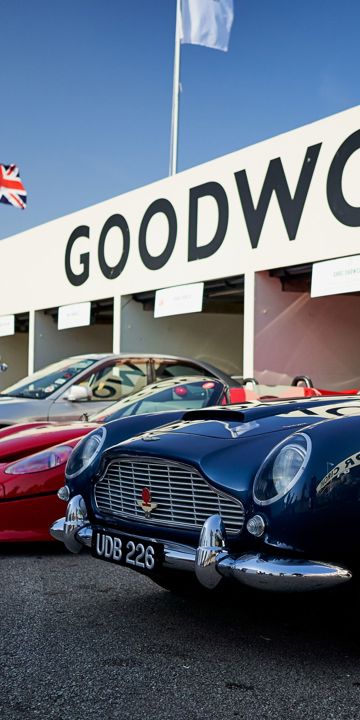
Mad Mike
FOS Favourite Mad Mike Whiddett can be caught melting tyres in his incredible collection of cars (and trucks) up the hillclimb
-
Motor Circuit

How many hay bales are used at FOS?
For the last two years, 5,800 bales have been recylced into the biomass energy centre to be used for energy generation
-
Driving Experiences
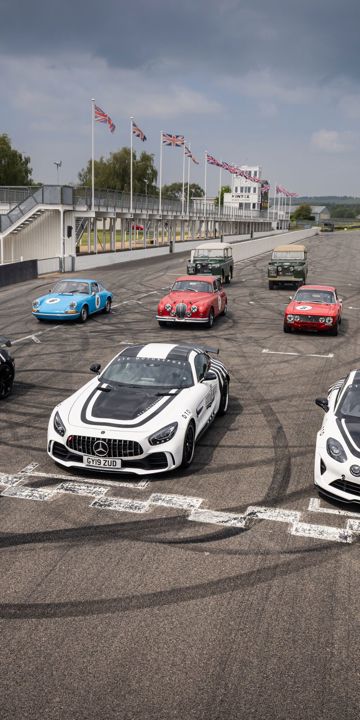

Taming the "Beast"
The Fiat S76 or "Beast of Turin" is a Goodwood favourite and can usually be heard before it is seen at #FOS
-
Goodwood Road Racing Club
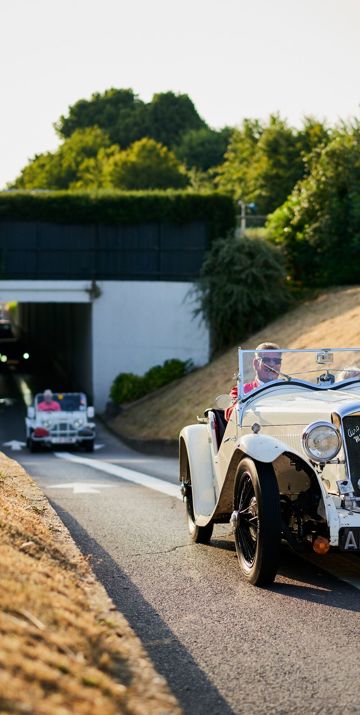
Mad Mike
FOS Favourite Mad Mike Whiddett can be caught melting tyres in his incredible collection of cars (and trucks) up the hillclimb
-
Latest News
-
Festival of Speed
-
Horseracing
-
Tickets & Packages
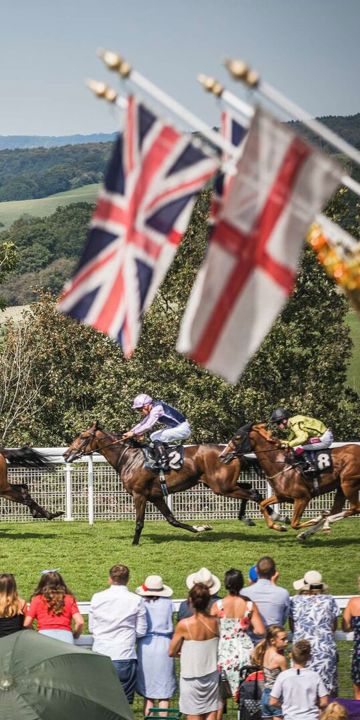
"Glorious Goodwood"
After the first public race meeting in 1902, 'Glorious Goodwood' became a highlight of the summer season.
-
Hospitality
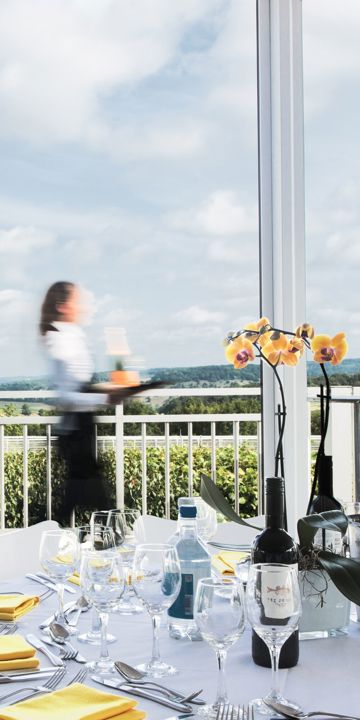

Why does everyone wear hats?
King Edward VII turned his back on the traditional morning suit and donned a linen suit and Panama hat. Thus the Glorious Goodwood trend was born.
-
Horseracing Club Membership
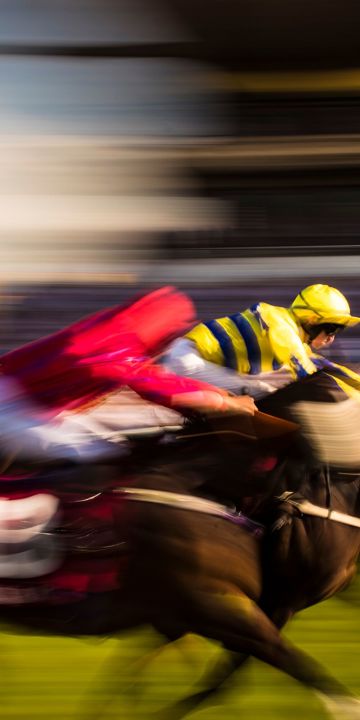

Royal approval
King Edward VII (who came almost every year) famously dubbed Glorious Goodwood “a garden party with racing tacked on”.
-
Fixtures & Events
-
Season Opener
-
May Festival
-
Family Race Day
-
Three Friday Nights

-
Qatar Goodwood Festival
-
August Bank Holiday
-
Autumn Racing
-
Season Finale
St Simon
Whoa Simon! A horse so determined and headstrong, he not only won the 1883 Goodwood Cup by 20 lengths, but couldn't be stopped and carried on running over the top of Trundle hill
-
Season Opener
-
Qatar Goodwood Festival
-
Tickets & Packages
-
Hospitality
-
Day by Day Guide
-
Ladies Day
-
Magnolia Cup
-
The Earl's Lawn
-
Timetable
-
Partners
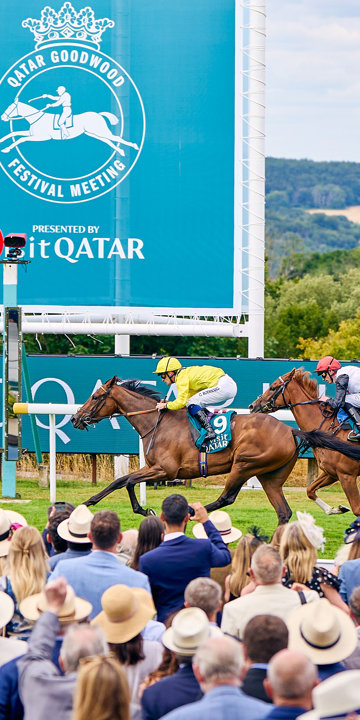
St Simon
Whoa Simon! A horse so determined and headstrong, he not only won the 1883 Goodwood Cup by 20 lengths, but couldn't be stopped and carried on running over the top of Trundle hill
-
Tickets & Packages
-
Three Friday Nights

The Magnolia Cup
Leading women of business, sport, fashion and media, take part in one of the most exciting horseracing events in the world.
-
Plan Your Day
-
Enclosures
-
Event Map
-
Going Report
-
Getting Here
-
Betting at Goodwood
-
Dress Code
-
Accessibility
-
Food & Drink
Why walk when you can drive
The first ever horsebox was used from Goodwood to Doncaster for the 1836 St. Leger. Elis arrived fresh and easily won his owner a £12k bet.
-
Enclosures
-
Buy Merchandise
-
Partners
-
Owners & Trainers
-
Latest News
-
FAQs
-
Accessibility
-
Tickets & Packages
-
Experiences
-
Driving

The Hillclimb
The 1.16-mile hillclimb has been the centre of the action since the first festival in 1993. -
Flying
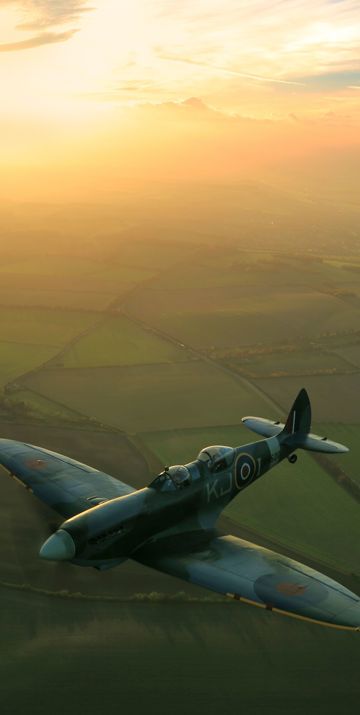

Group Captain Sir Douglas Bader
The famous fighter ace, who flew his last sortie from Goodwood Aerodrome, formerly RAF Westhampnett has a statue in his honor within the airfield.
-
Golf

Braid’s Masterpiece
One of the greatest golfers of all time, James Braid designed Goodwood’s iconic Downland course, opened in 1914.
-
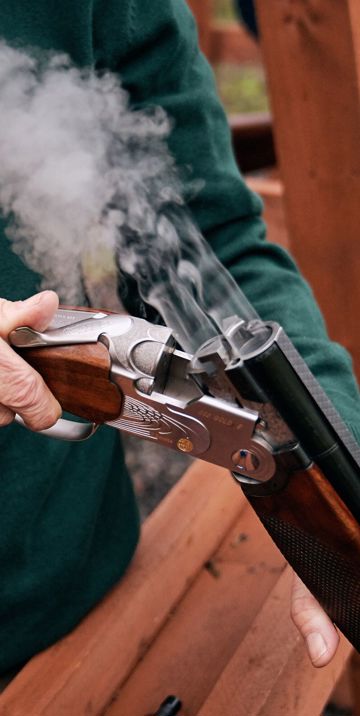
Shooting
Group Captain Sir Douglas Bader
The famous fighter ace, who flew his last sortie from Goodwood Aerodrome, formerly RAF Westhampnett has a statue in his honor within the airfield.
-
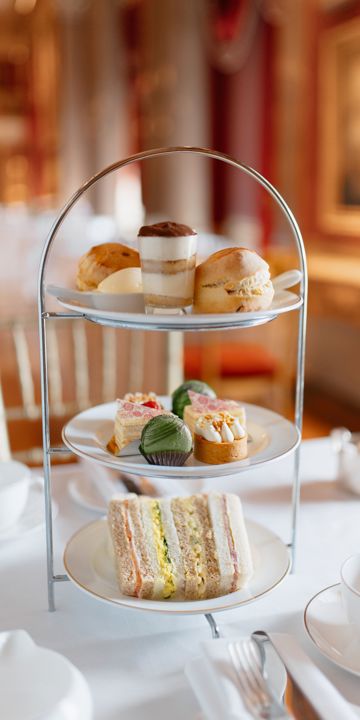
Afternoon Tea

Roots for the future
A 20m woodland rue, from Halnaker to Lavant, was planted by our forestry teams & volunteers, featuring native species like oak, beech, & hornbeam
-
Corporate Wellbeing
Goodwood's first Health Summit...
...took place in 2023 with industry experts discussing nutrition costs and food systems for a healthier future. -
Cycling
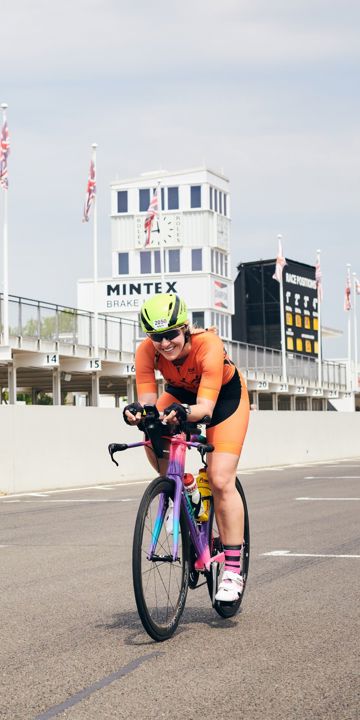
Motorsport Since 1948
Goodwood Motor Circuit was officially opened in September 1948 when Freddie March, the 9th Duke and renowned amateur racer, tore around the track in a Bristol 400
-
Corporate Experiences
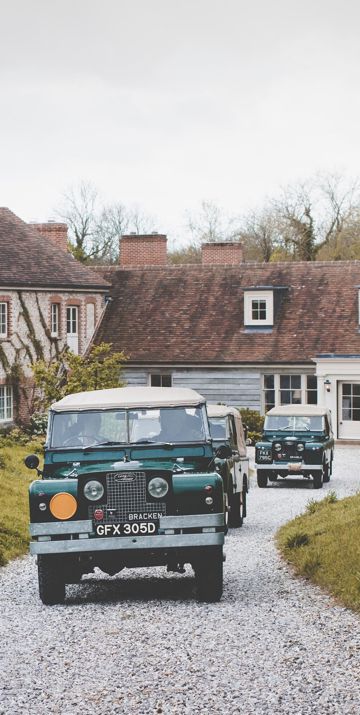
Where else can you...
...plan strategy in an ancient woodland, enjoy award-winning dining then drive around a racetrack?
-
Spa Treatments
-
Driving
- Hospitality
-
Golf
-
Golf Courses
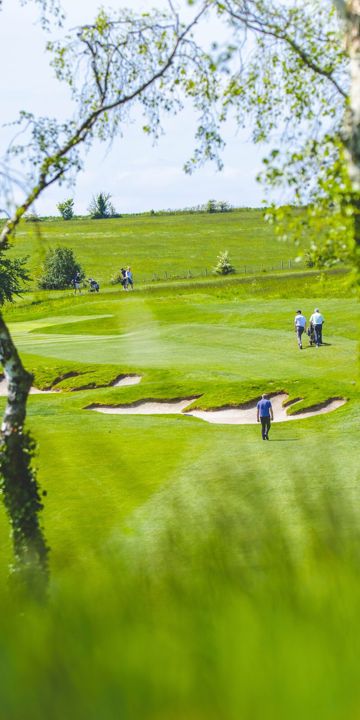

Over 100 years of Golf
The first ever round of golf played at Goodwood was in 1914 when the 6th Duke of Richmond opened the course on the Downs above Goodwood House.
-
Golf Membership
-
Credit Membership
-
Application Form
-
Braid Membership
-
Intermediate Membership
-
Junior Membership
-
Corporate Membership
-
Get Into Golf
-
Copse Membership


A sporting Estate
Goodwood has two 18-hole championship courses, a modern clubhouse and an impressive Academy. -
Credit Membership
-
The Academy
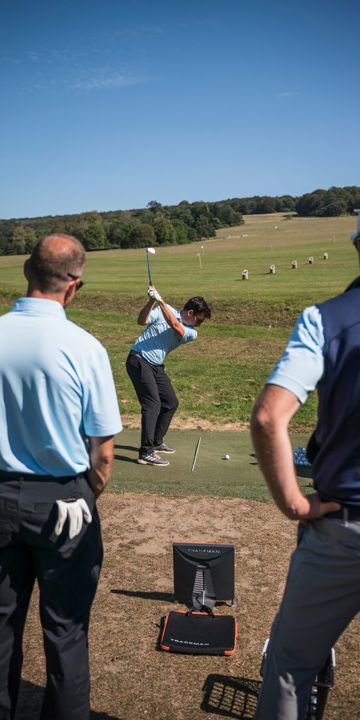
A sporting Estate
Goodwood has two 18-hole championship courses, a modern clubhouse and an impressive Academy. -
Golf Experiences

A sporting Estate
Goodwood has two 18-hole championship courses, a modern clubhouse and an impressive Academy.
-
Golf Courses
-
Flying
-
Flying School
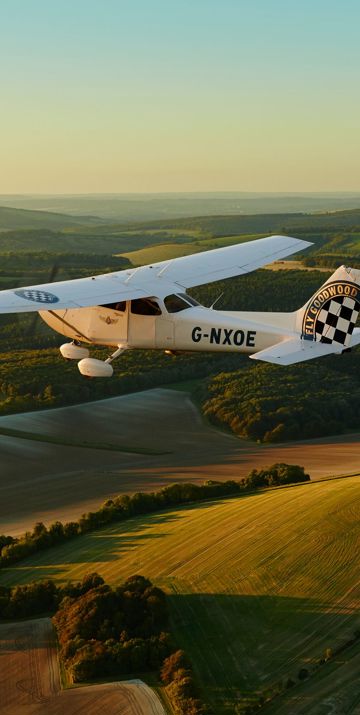

Ace Pilot
Ray Hanna famously flew straight down Goodwood’s pit straight below the height of the grandstands at the first Revival in 1998
-
Aero Club Membership
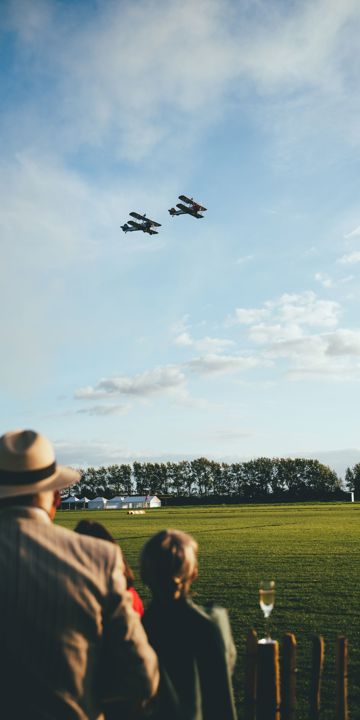

Flying with Goodwood
Come with us for an epic journey. -
Flying Experiences
-
Pilot Information
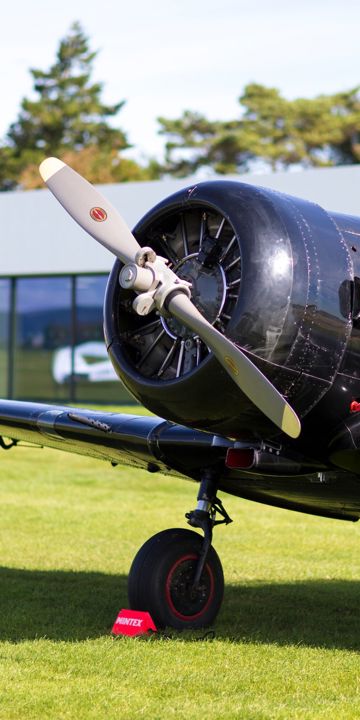

During the war...
The Motor Circuit was known as RAF Westhampnett, active from 1940 to 1946 as a Battle of Britain station.
-
Flying School
-
Meetings
-
Venue Hire
-
Goodwood House
-
The Racecourse
-
The Goodwood Hotel
-
The Motor Circuit
-
The Kennels
-
The Aerodrome
-
The Great Outdoors
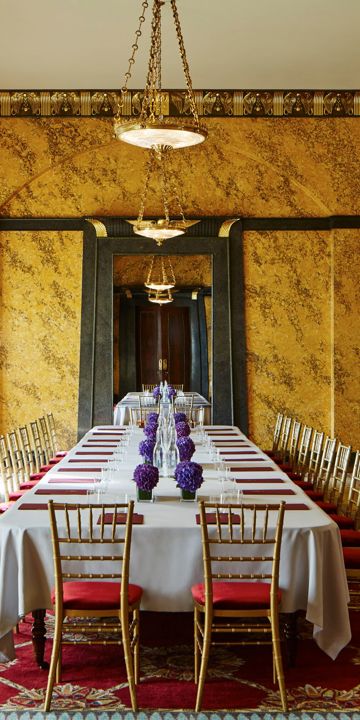
Where else can you...
...plan strategy in an ancient woodland, enjoy award-winning dining then drive around a racetrack?
-
Goodwood House
-
Plan Your Meeting
-
Parties
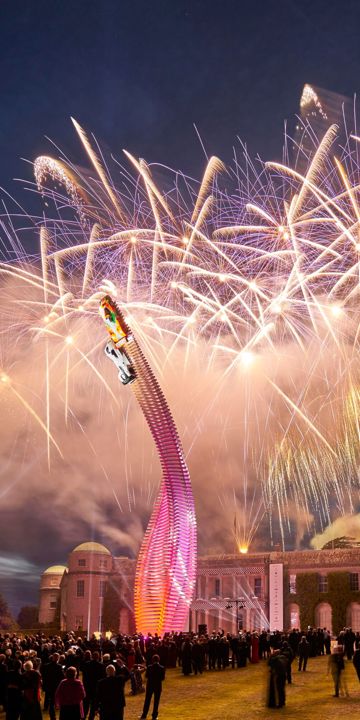
Where else can you...
...plan strategy in an ancient woodland, enjoy award-winning dining then drive around a racetrack?
-
Hospitality

-
Corporate Experiences
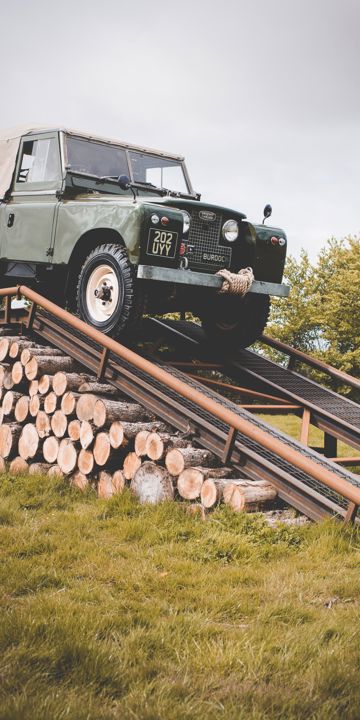
Where else can you...
...plan strategy in an ancient woodland, enjoy award-winning dining then drive around a racetrack?
-
Christmas Parties
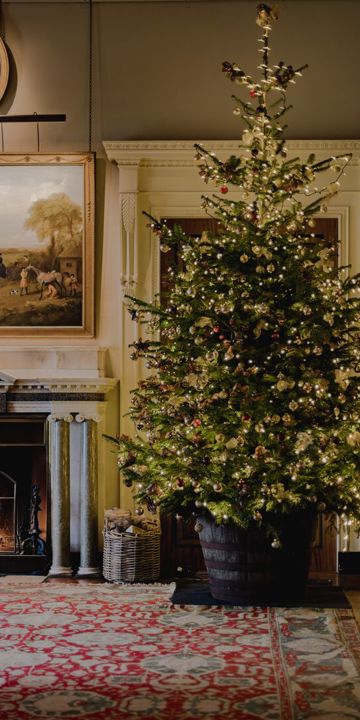
-
Film Locations
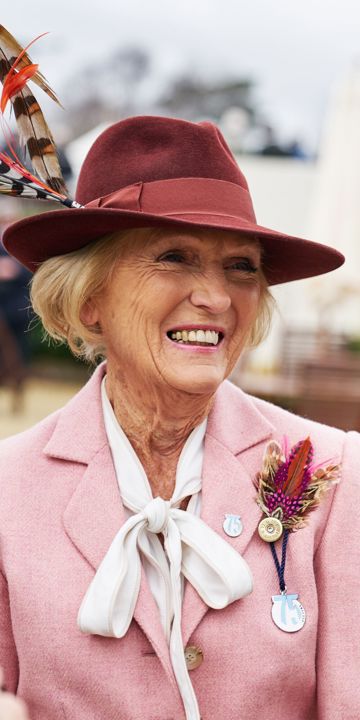
Where else can you...
...plan strategy in an ancient woodland, enjoy award-winning dining then drive around a racetrack?
-
Venue Hire
-
Weddings
-
Goodwood House
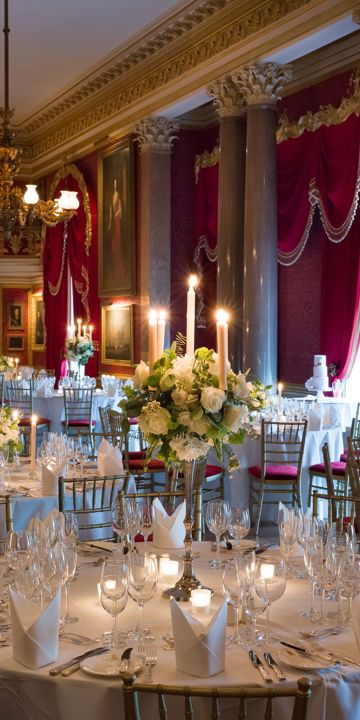

Estate Crest
"En la rose je fleurie" or "Like the rose, I flourish" is part of the Richmond coat of Arms and motto
-
The Kennels


Advice from our Head Butler
Ensure you take a little time out together to pause and take in the celebration of all the hard work you put in.
-
Parties
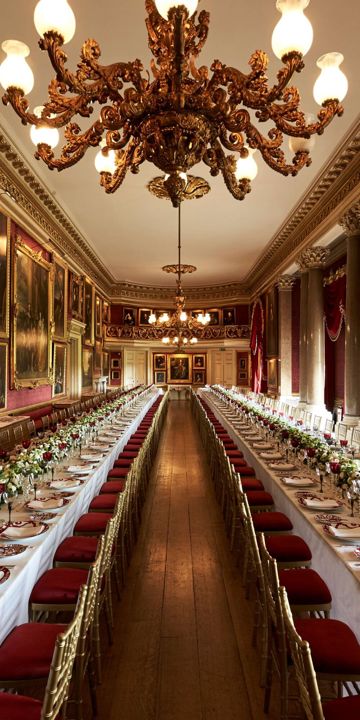


A destination for all seasons
We're well known for our iconic motorsport and horseracing events. But there's a lot more happening at Goodwood...
-
Goodwood House
-
Memberships
-
Goodwood Road Racing Club
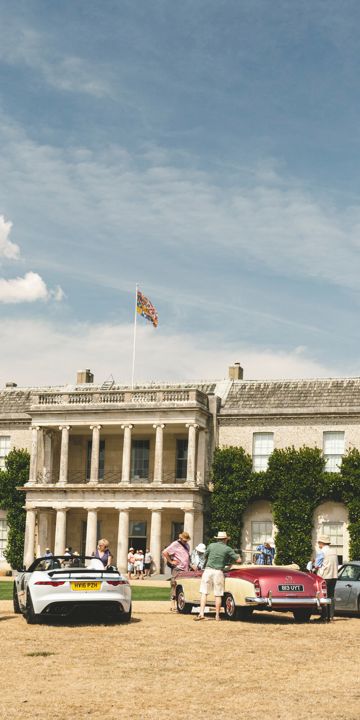
When was the GRRC founded?
Established in 1998 by the Duke of Richmond, the Goodwood Road Racing Club offers exclusive benefits across the estate year-round -
Goodwood Horseracing Club
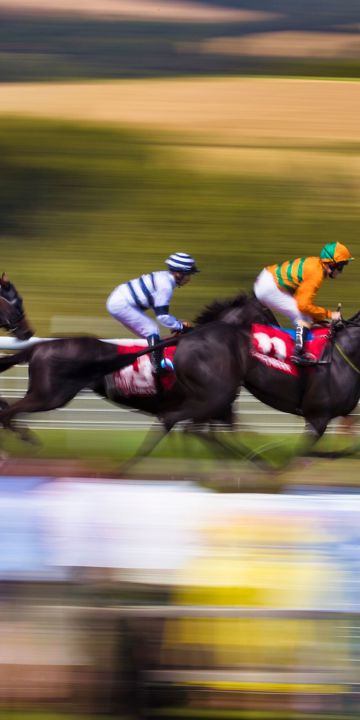
Why walk when you can drive
The first ever horsebox was used from Goodwood to Doncaster for the 1836 St. Leger. Elis arrived fresh and easily won his owner a £12k bet.
-
Golf At Goodwood
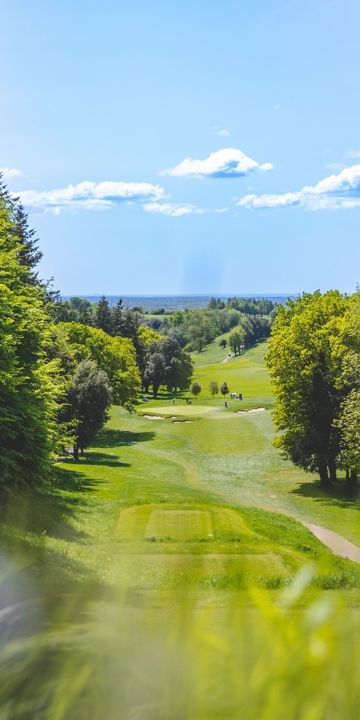
A sporting Estate
Goodwood has two 18-hole championship courses, a modern clubhouse and an impressive Academy. -
Goodwood Aero Club
Group Captain Sir Douglas Bader
The famous fighter ace, who flew his last sortie from Goodwood Aerodrome, formerly RAF Westhampnett has a statue in his honor within the airfield.
-
Goodwood Health Club
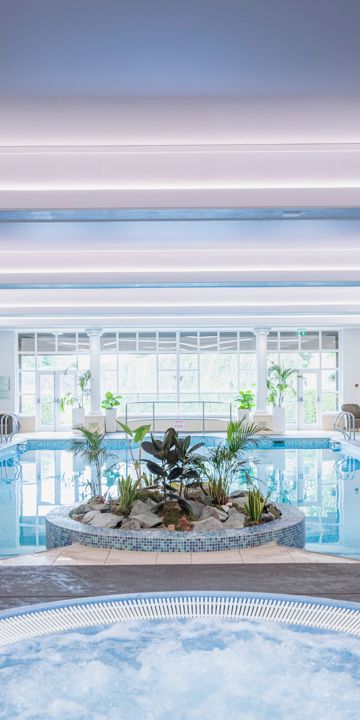
Goodwood's first Health Summit...
...took place in 2023 with industry experts discussing nutrition costs and food systems for a healthier future. -
The Kennels


An exclusive clubhouse
As the private clubhouse for all of the Estate’s sporting and social members, it offers personal service and a relaxed atmosphere
-
Sporting Membership

Carne's Seat
Just beyond Goodwood House along the Hillclimb, the 2nd Dukes banqueting house was also known as "one of the finest rooms in England" (George Vertue 1747).
-
Goodwood Racehorse Owners Group
-
Goodwood Art Foundation
-
Goodwood Road Racing Club
- Classic Car Insurance
- Health & Wellbeing
- Buy Merchandise
-
Our Estate
-
What's on
-
Estate Map
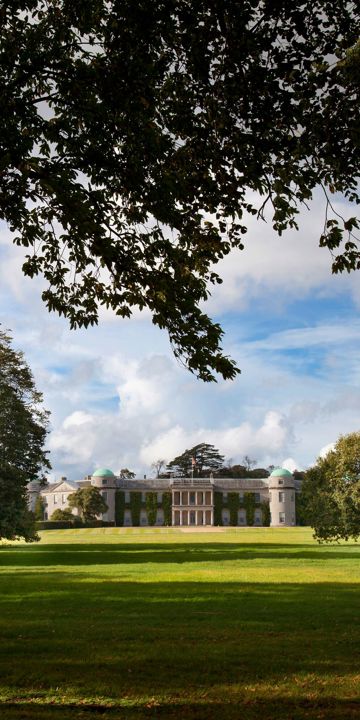
Carne's Seat
Just beyond Goodwood House along the Hillclimb, the 2nd Dukes banqueting house was also known as "one of the finest rooms in England" (George Vertue 1747).
-
Stories from the Estate
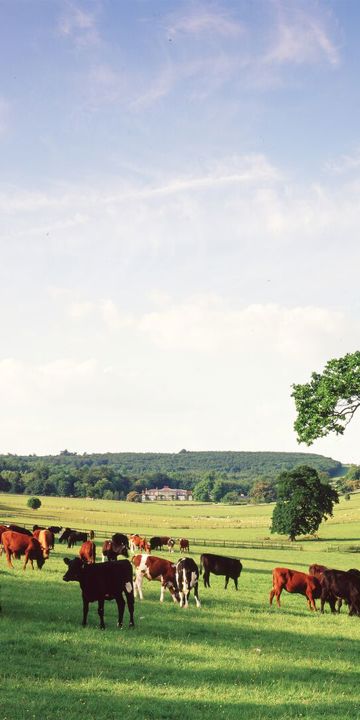

During the war...
The Motor Circuit was known as RAF Westhampnett, active from 1940 to 1946 as a Battle of Britain station. -
Sports
-
Goodwood Education Trust
Carne's Seat
Just beyond Goodwood House along the Hillclimb, the 2nd Dukes banqueting house was also known as "one of the finest rooms in England" (George Vertue 1747).
-
Charities
Carne's Seat
Just beyond Goodwood House along the Hillclimb, the 2nd Dukes banqueting house was also known as "one of the finest rooms in England" (George Vertue 1747).
-
Sustainability
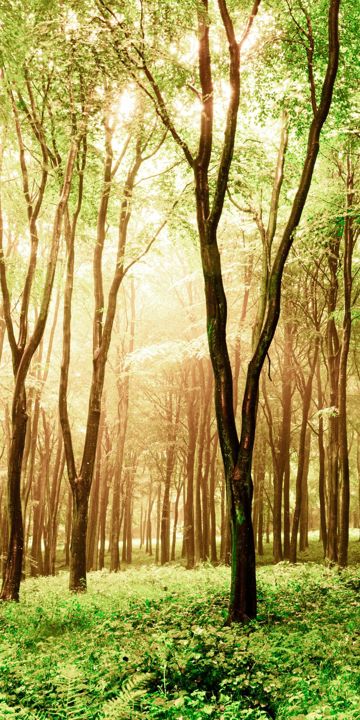
How old is The Kennels?
Built in 1787 by celebrated architect James Wyatt to house the third Duke of Richmond’s prized fox hounds, The Kennels was known as one of the most luxurious dog houses in the world!
-
Diversity, Equity & inclusion
-
Property
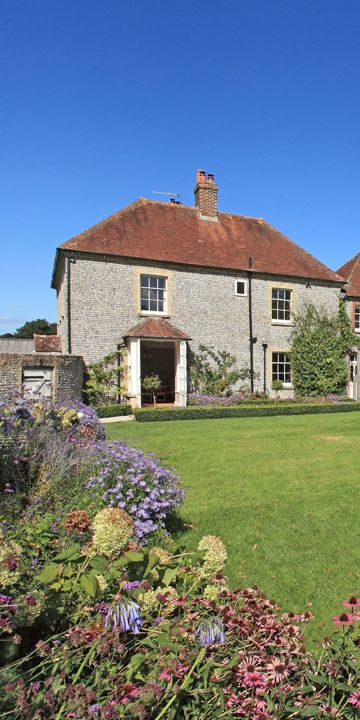

Cricketers since 1702
The oldest existing rules for the game were drawn up for a match between the 2nd Duke and a neighbour
-
Walking Guide

Estate Crest
"En la rose je fleurie" or "Like the rose, I flourish" is part of the Richmond coat of Arms and motto
-
Dog Walking Field
-
Careers
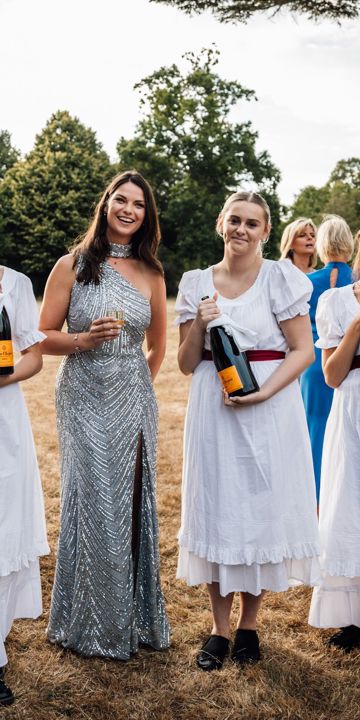

Fashionable foxhounds
The 1st Duke of Richmond bought Goodwood in 1697 as a place to stay to go foxhunting with the fashionable Charlton Hunt. -
Goodwood Art Foundation
-
Farm Shop
-
What's on
- Christmas
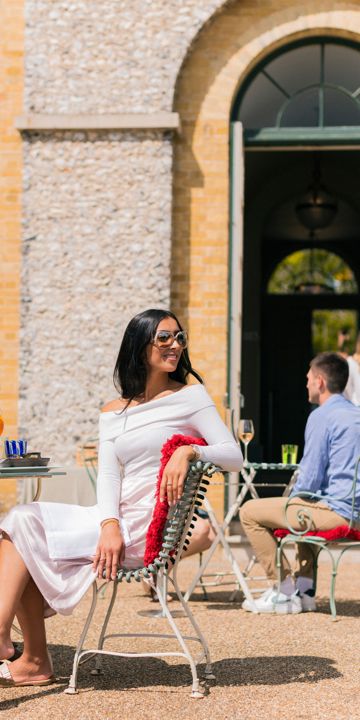


Upcoming Events
The Air Inside: Creating a Healthier Home Environment
When we think about the factors that influence our health, diet, exercise and sleep tend to dominate the conversation. But there is another environment we interact with constantly: our home.
At this year's Goodwood Health Summit, breathing was the starting point for a much bigger conversation about our relationship with the world around us. Dr Chris van Tulleken described our breath as “the nexus where the planet’s atmosphere has the most intimate interface with our bodies”, connecting the air we breathe with the way we feel and function, as well as with the food system and the human microbiome.
James Nestor, author of Breath, also challenged us to think more carefully about the environments in which we breathe. He highlighted indoor pollution as part of what he called a “perfect storm” for respiratory health, pointing to the effects that poor indoor air and elevated CO2 levels can have on how we feel and function.
It raises a question worth considering: if our homes are where we spend so much of our time, what are we actually breathing in there?
We spoke to Edward Bulmer of Edward Bulmer Natural Paint and Charlotte Figg of Purdy & Figg about the less visible factors that can shape our indoor environment, from the materials we decorate with to the products we use to clean our homes.
What are we breathing at home?
“Food and shelter are fundamental to our survival,” says Edward Bulmer. “Today we don’t really question their availability, but nor do we question their suitability.”
For Edward, that question of suitability is particularly important when it comes to the home. He believes a house should do more than simply provide shelter. “It needs to provide an interior that promotes good health.”
Indoor air quality is influenced both by how we live and by the furnishings and finishes we introduce when decorating. Edward points out that many traditional building materials were designed to interact with their environment, exchanging moisture vapour with the air rather than trapping it.
“Like the air we breathe outside, particularly in towns, the air that we breathe in our own homes can be just as detrimental,” he says.
The hidden chemistry of the home
Paint is one of the most widely used products in our homes, yet its potential impact on indoor air quality is rarely part of the decorating conversation.
Edward argues that since the “petrol age”, many natural materials have been replaced by petrochemical alternatives. While this has brought greater colour choice and usability, he believes it has also introduced a more complex mix of chemicals into the indoor environment.
“Upholstery materials are drenched in strong chemicals to make them ‘fireproof’, adhesives employ synthetic siccatives to dry quickly, all sorts of things that are ‘washable’ coatings rely on PFAs and microbeads,” he says. “Effectively when we live indoors we breathe ‘poly-air’ now.”
Paint can form part of that cocktail. Edward points to the volatile chemicals used in some formulations, which can be released through a process known as off-gassing. “Many paints are now known to ‘off-gas’ releasing the more volatile chemicals used in their formulations,” he says, noting that this can continue beyond the short drying period we allow before moving into a newly decorated room.
His argument is that paint should not simply cover and colour a surface. It should work with the building itself, allowing moisture to move through materials rather than becoming trapped.
It's not just what we breathe, but what we live with
Cleaning products are another everyday consideration.
“Everyday household environments influence our health primarily through airborne particles which we inhale,” says Charlotte Figg. She is particularly concerned about exposure to endocrine disrupting chemicals in some cleaning products, as well as the harsh chemicals found in products such as toilet and oven cleaners, which can irritate the airways and impact lung function, particularly with frequent exposure.
This is also where the conversation starts to connect back to one of the central themes of the Health Summit: the systems within our bodies are not operating independently.
Charlotte highlights emerging interest in the relationship between endocrine disrupting chemicals and the gut microbiome, describing the relationship as bidirectional. The chemicals can reshape the gut microbiome, while the microbiome can in turn influence how those chemicals behave in the body.
At the Summit, Stephanie Moore, Goodwood's Clinical Gut Health Lead, expressed the broader principle simply: “Nothing in the body works in isolation. This is all interlinked.”
It is a useful way to think about our homes too. The air we breathe, the materials that surround us and the substances we use every day are all part of the environment our bodies interact with.
The role of moisture and mould
Indoor air quality isn't only about chemicals.
For Edward, the way a building manages moisture is equally important. Traditional materials were rarely completely inert. They exchanged moisture vapour with the air, while traditional coatings such as renders, plasters, paints and oils were designed to allow that movement to continue.
When moisture becomes trapped, however, the consequences can extend beyond damage to the building.
“If a paint is not sufficiently microporous it can form a dew point,” Edward explains. When water vapour cannot migrate through a surface, it can contribute to damp and create conditions that encourage mould growth.
For those choosing materials for their home, Edward recommends considering breathability alongside appearance. “A lime plaster with a breathable paint is far less likely to encourage mould growth,” he says, and suggests asking manufacturers for information about the breathability of their products.
So what can we change?
The conversation isn't about creating a perfectly controlled home or becoming anxious about every product we use. Instead, the message is one of awareness and small, considered changes.
Edward's advice is straightforward: “Try to find out what is being used by workmen in your home and be mindful about what you introduce.” He also recommends looking for greater transparency from manufacturers, particularly when choosing paints.
Charlotte suggests starting with some of the products we use most frequently.
“We think a practical place to start is to substitute any harsh, poor quality cleaning products either with a good quality eco-version or even to make them yourself, if you have time.”
She recommends paying particular attention to products that are sprayed into the air or come into direct contact with bare skin, including surface sprays, washing-up liquid and floor cleaner. She also suggests using an eco-friendly toilet cleaner and tackling limescale with citric acid rather than bleach.
For Purdy & Figg, this thinking is reflected in its own formulations, which contain no PFAS or phthalates and instead use plant-based surfactants and fragrances derived from renewable starting materials.
Edward's advice is similarly rooted in making considered choices where we have the agency to do so. “Above all, consider value before cost and ask whether there is anything that has greater value than your well-being.”
A healthier home starts with awareness.
Our homes are where we rest, recover, eat, sleep and breathe. Perhaps it is time to give the environment inside them the same consideration we increasingly give to the environment outside.
Continue the conversation
The Goodwood Health Summit is part of our wider commitment to exploring the science of natural health, here at Goodwood, bringing together leading experts to explore the connections between our bodies, our environments and the choices we make every day.
Take the conversation further at one of our upcoming wellness retreats at Goodwood, where expert guidance, nature, movement and nutrition come together to help you understand your health from the inside out.
Explore our upcoming wellness retreats.